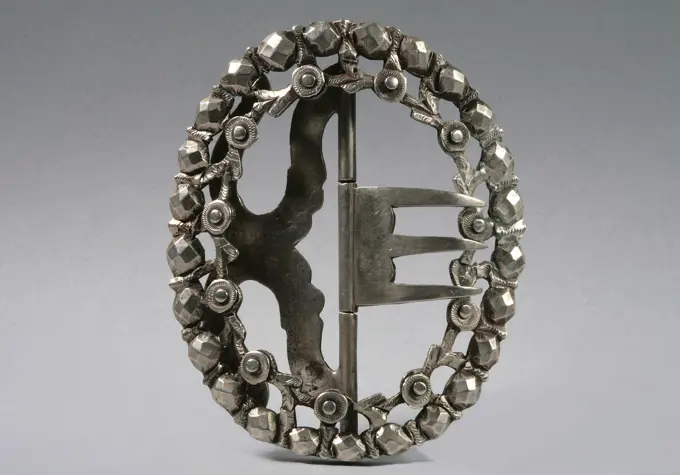
Decorative Historical Plates

A selection of ornate plates and molds with intricate designs, representing historical craftsmanship from various cultures, designed for collectors or historians.
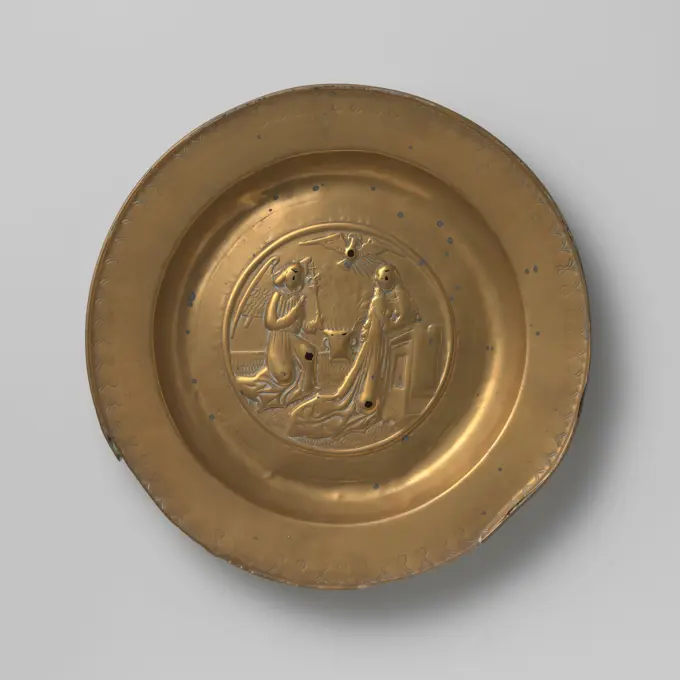
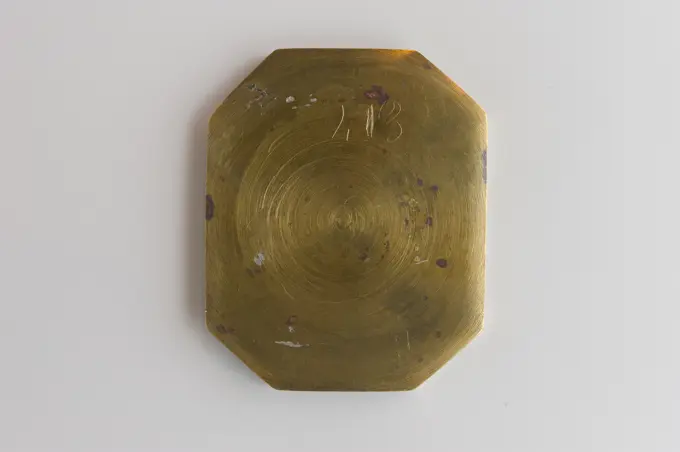
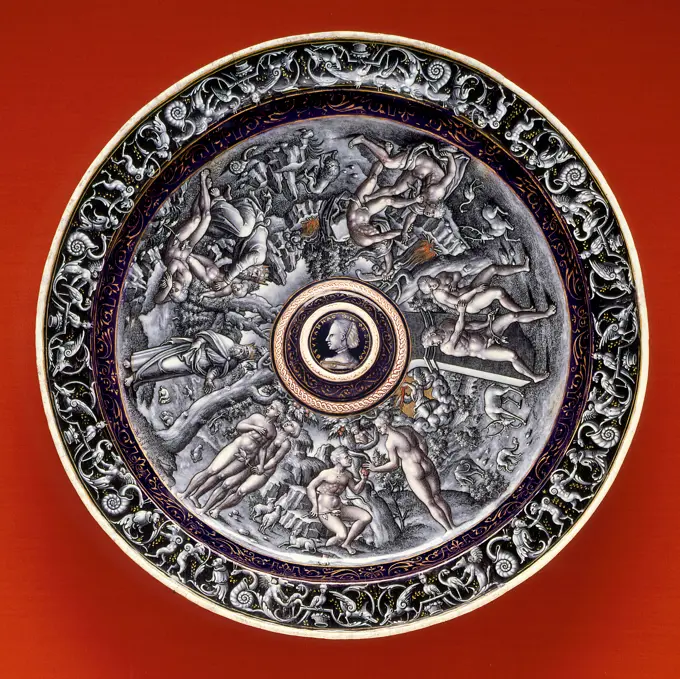
Dish with Annunciation, Anonymous, c. 1500 - c. 1600 In the flat of the dish, which has the center point in the middle, a representation of the proclamation to Mary is punched with the help of stamp shape. An ornamental letter frieze (repeated a few times) is applied around it. On the border, a ornament of crucifixes is punched against the iron wire, reinforced with iron wire. Neurenberg (possibly) brass (alloy). casting In the flat of the dish, which has the center point in the middle, a representation of the proclamation to Mary is punched with the help of stamp shape. An ornamental letter frieze (repeated a few times) is applied around it. On the border, a ornament of crucifixes is punched against the iron wire, reinforced with iron wire. Neurenberg (possibly) brass (alloy). casting
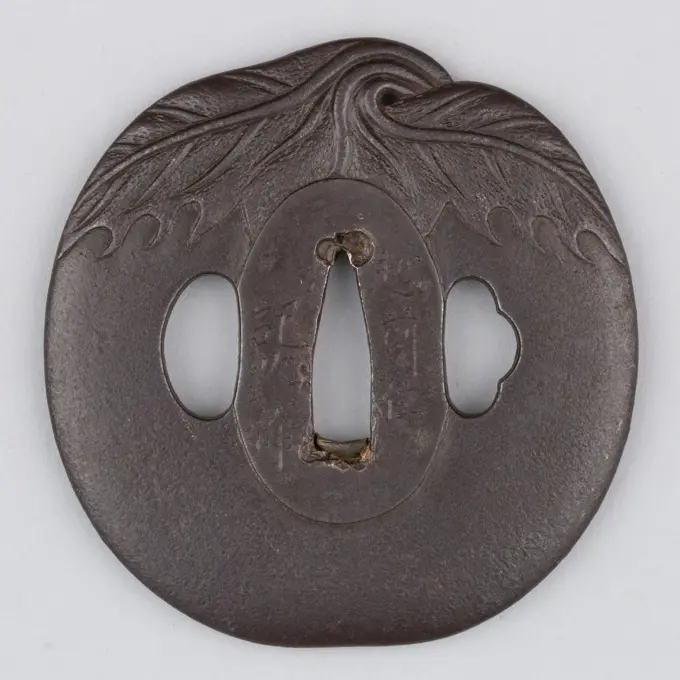
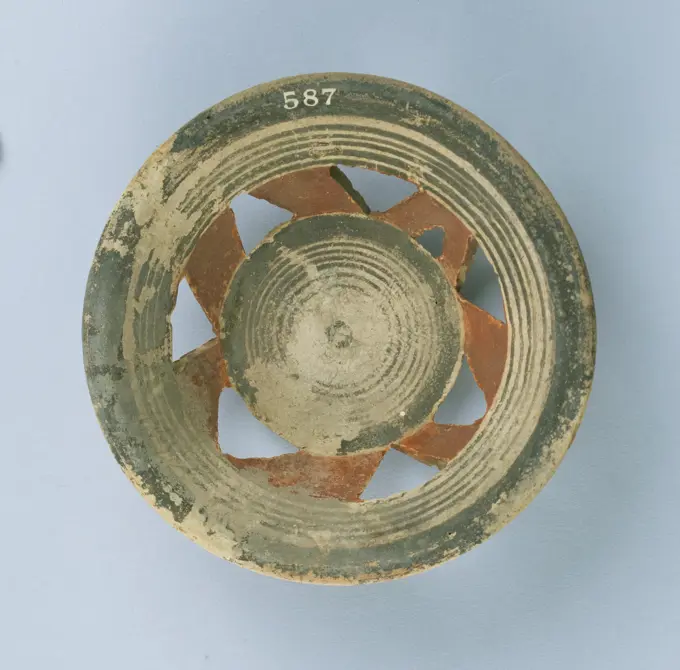
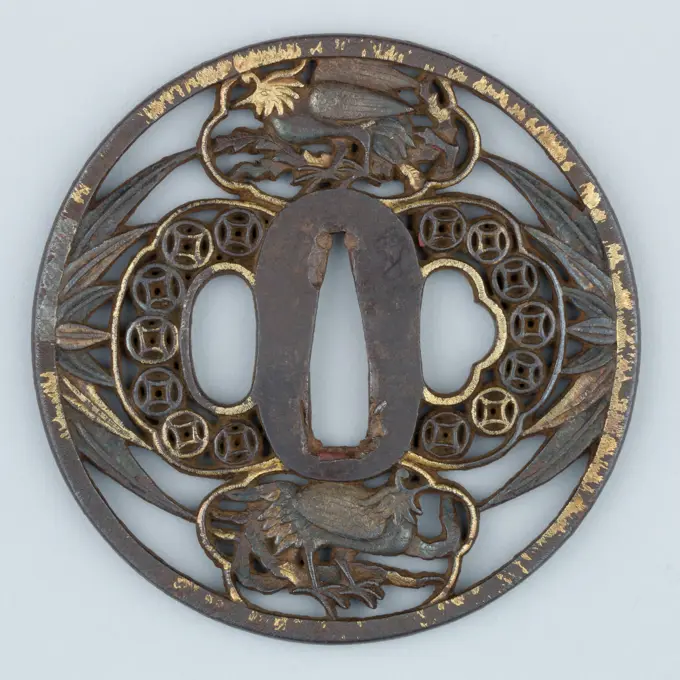
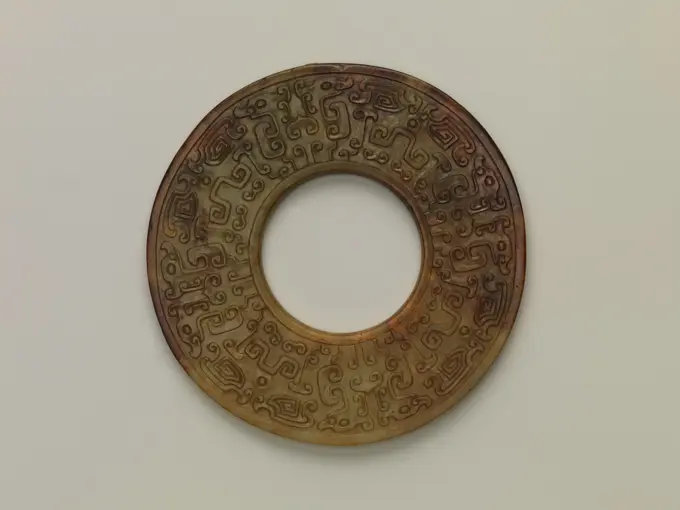
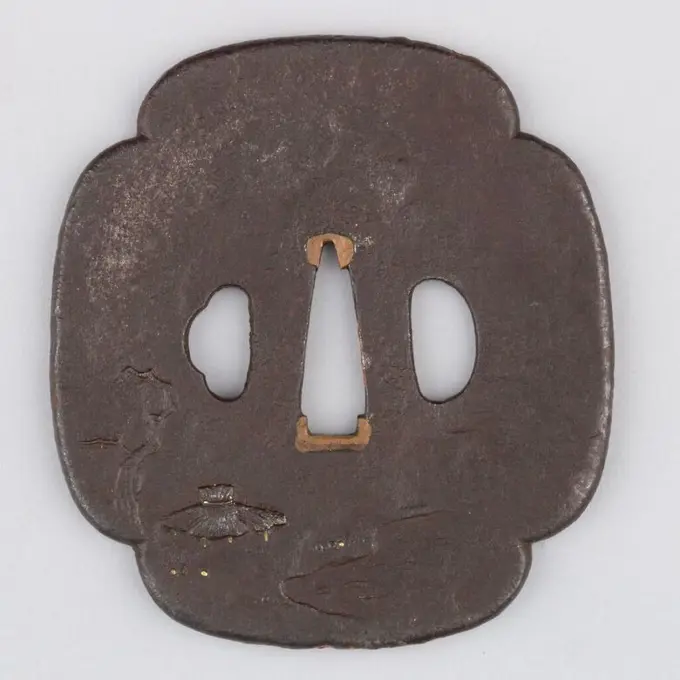
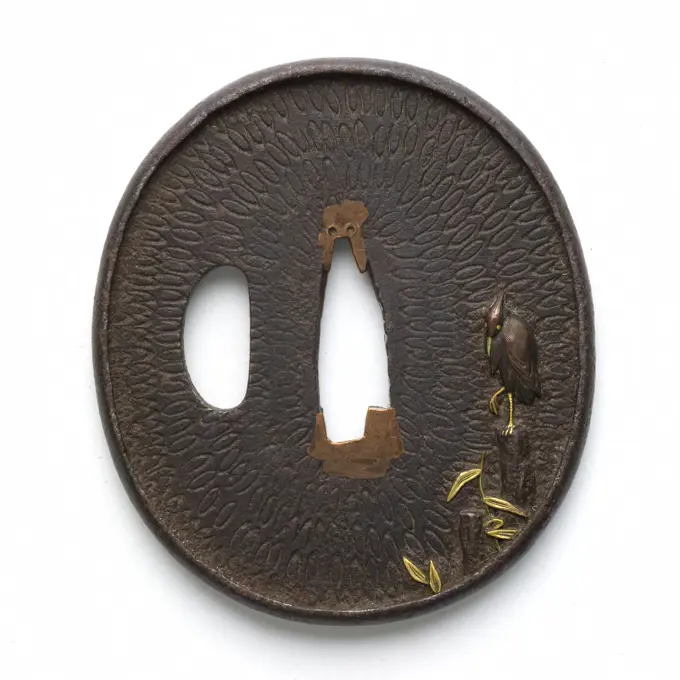
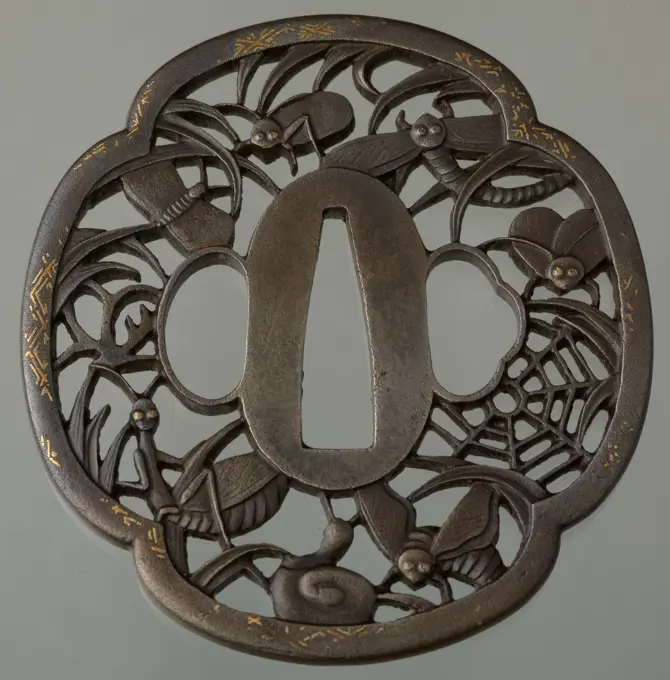
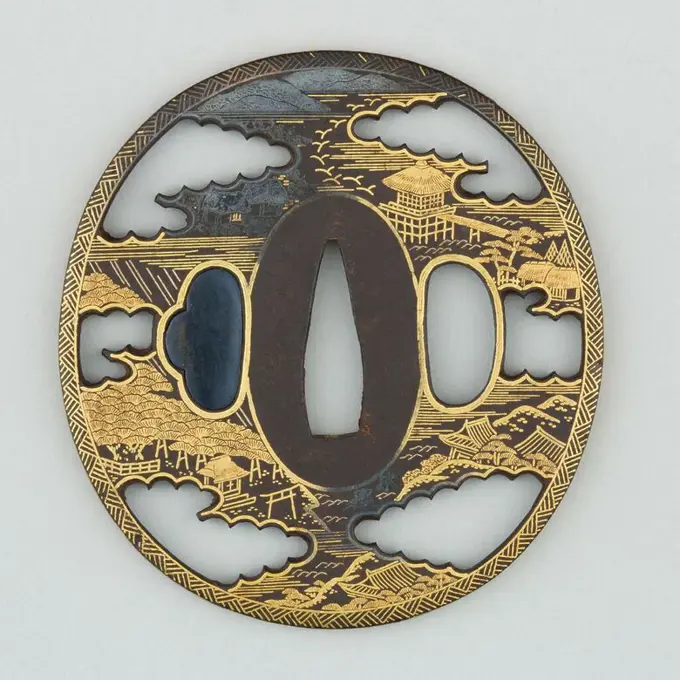
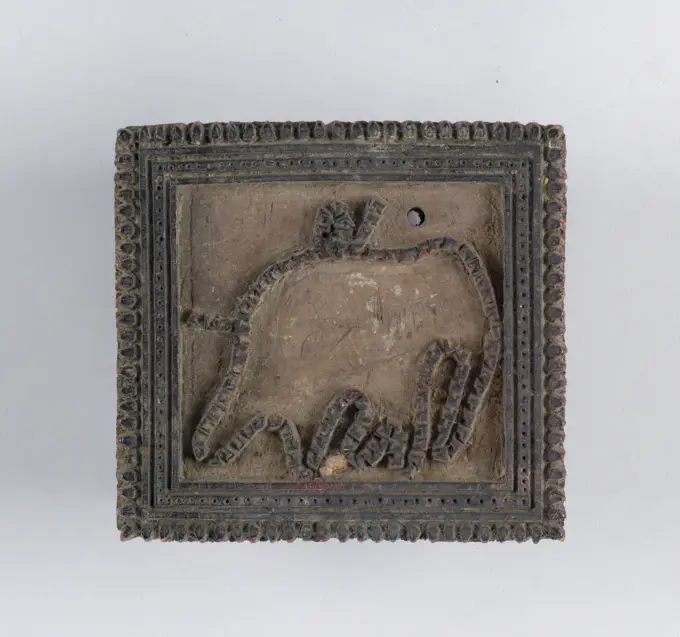
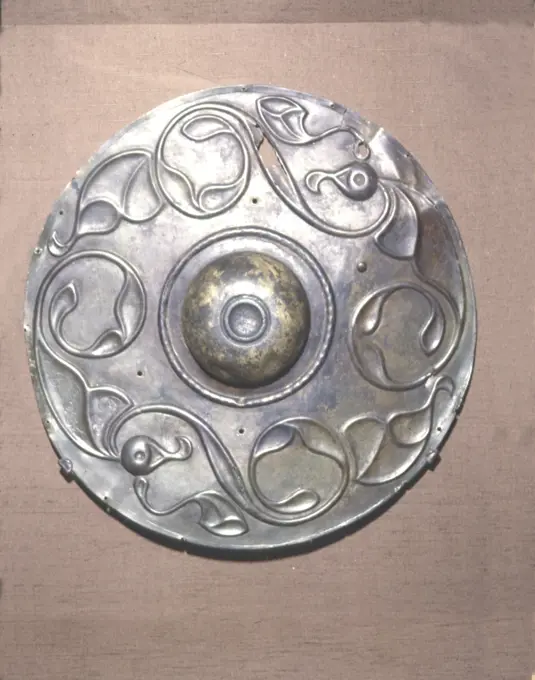
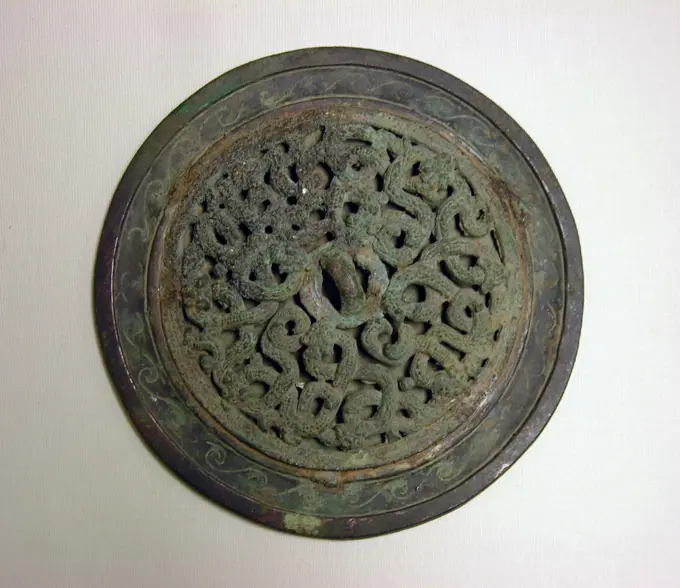
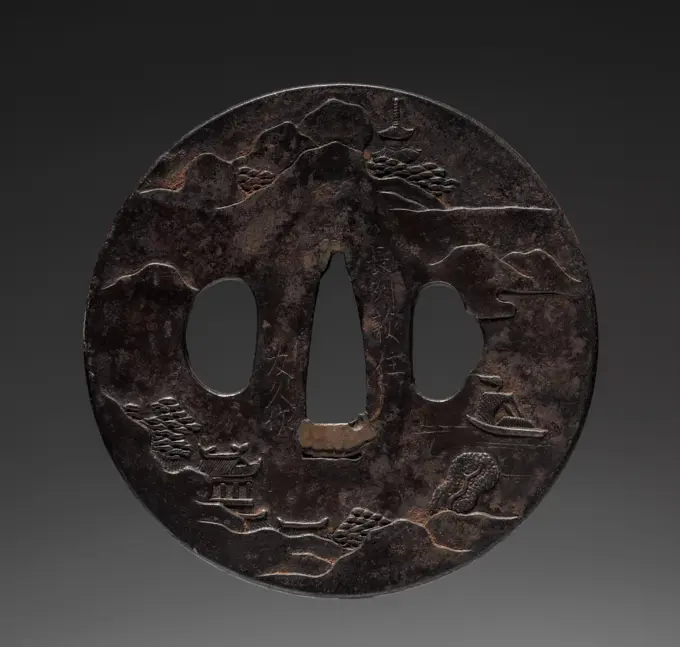
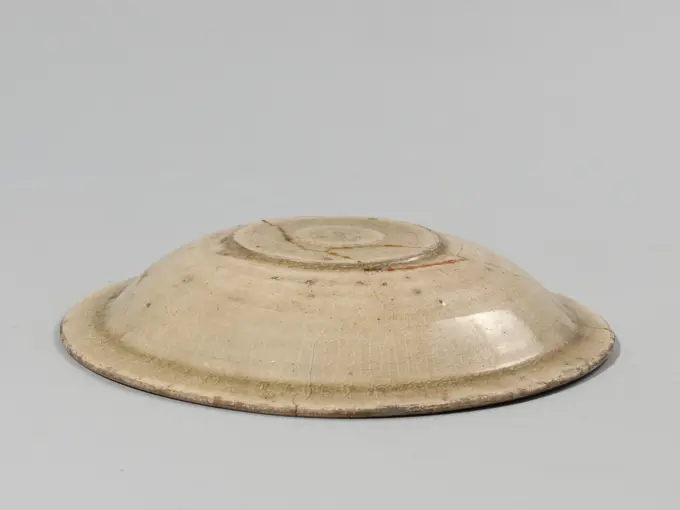
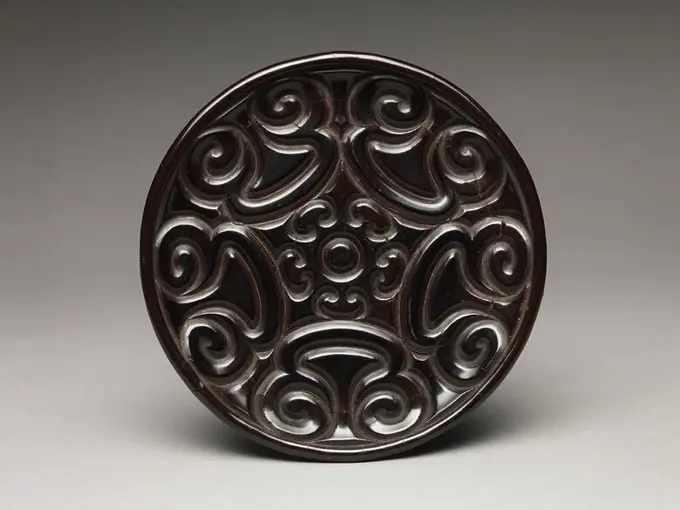
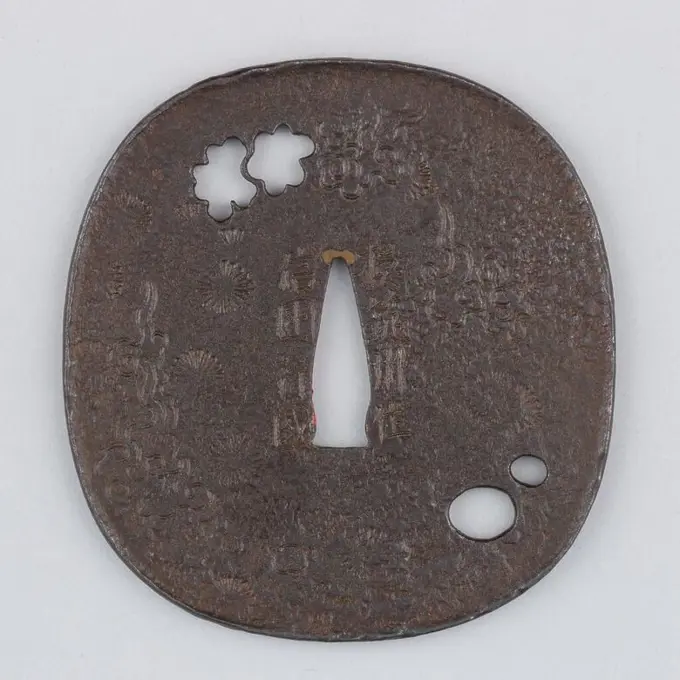
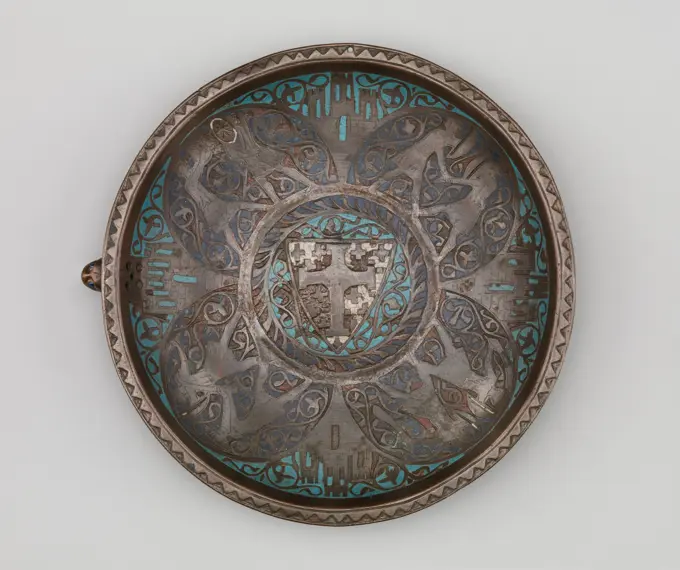
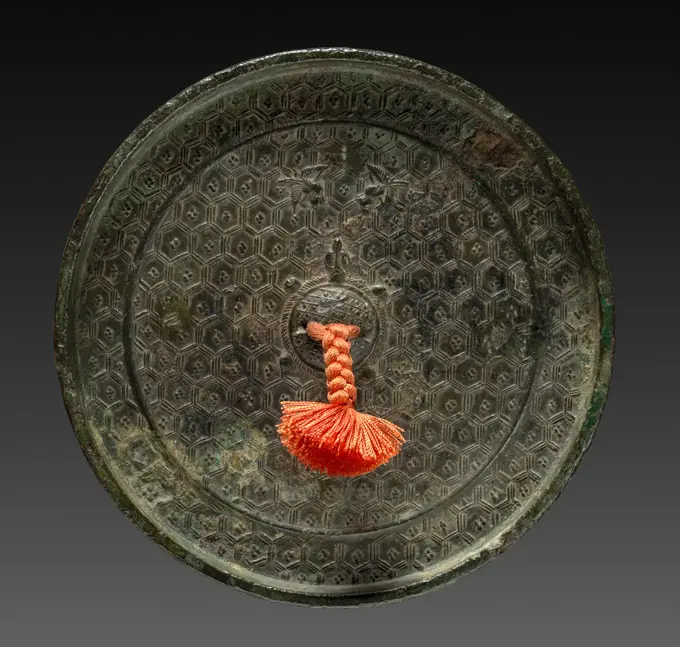
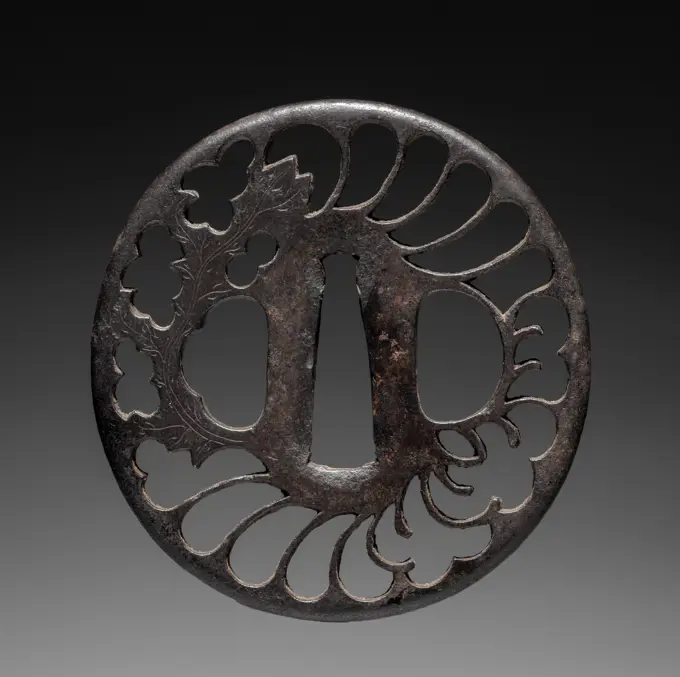
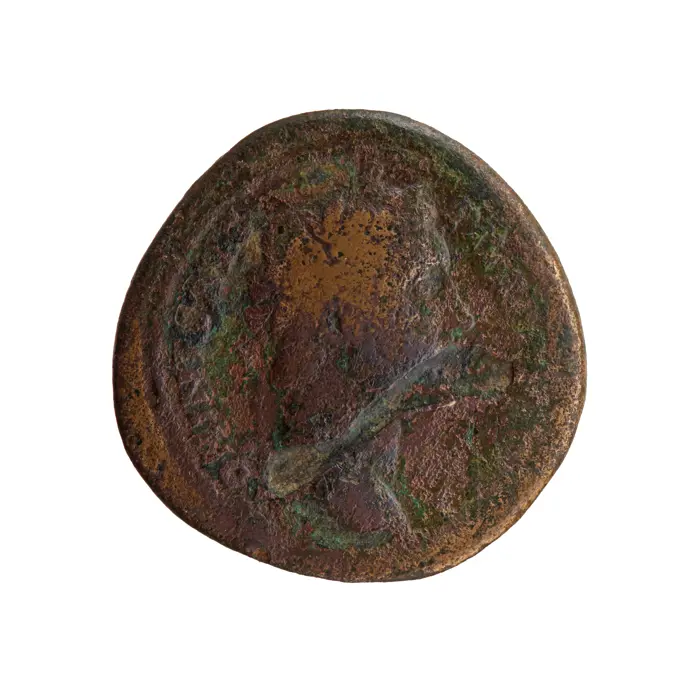
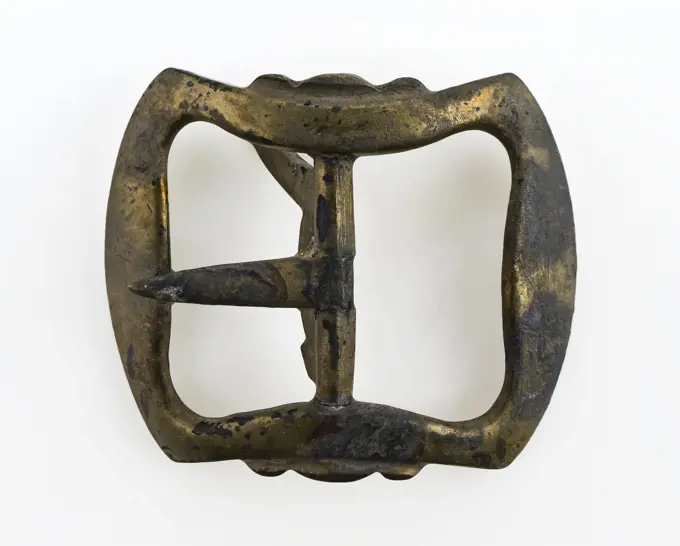
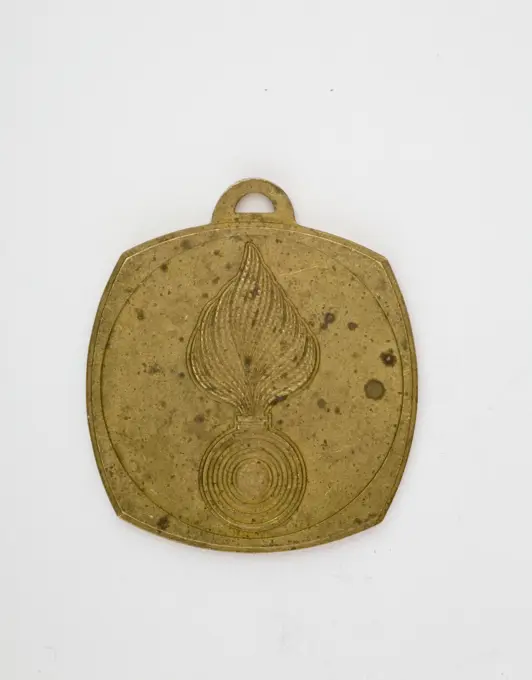
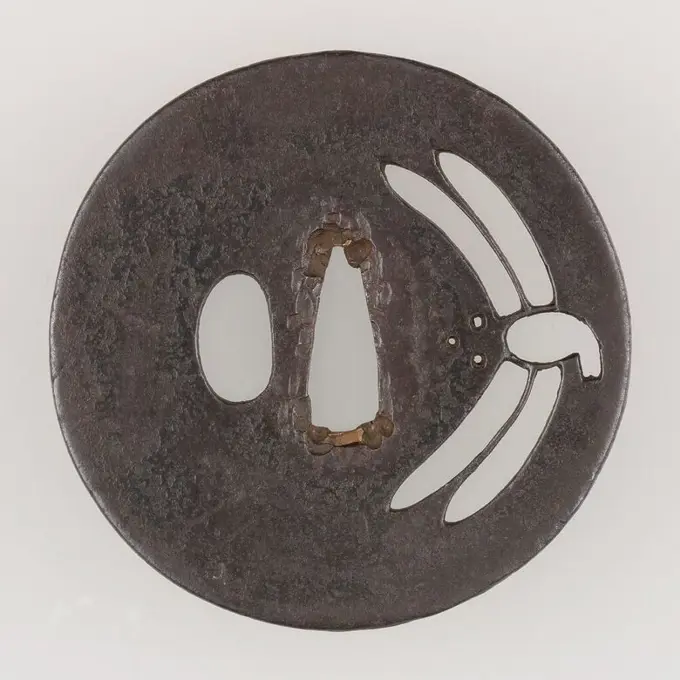
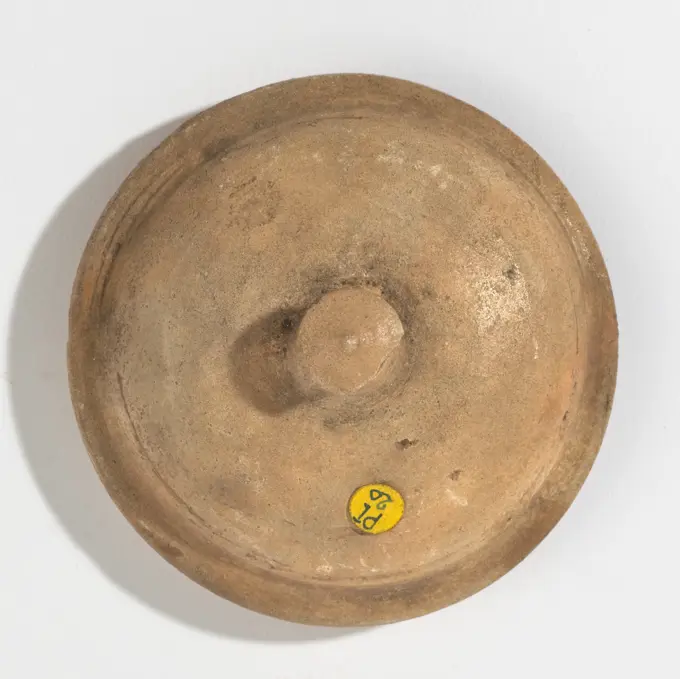
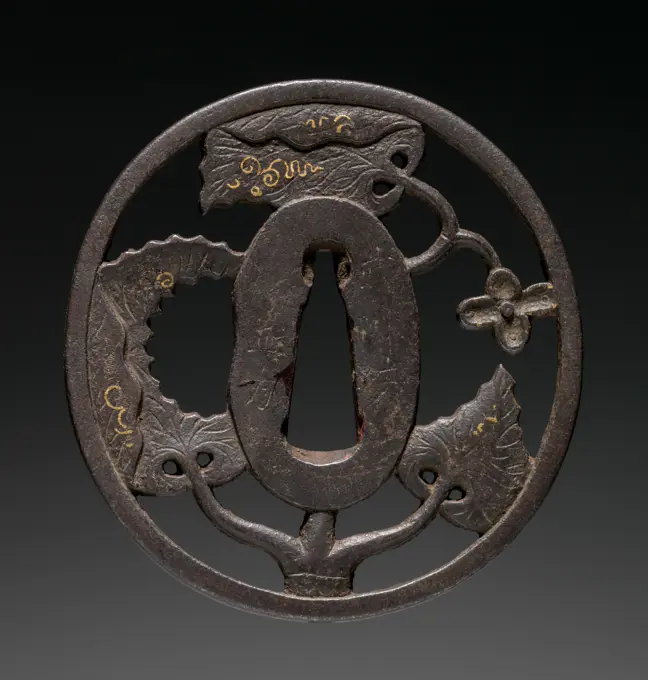
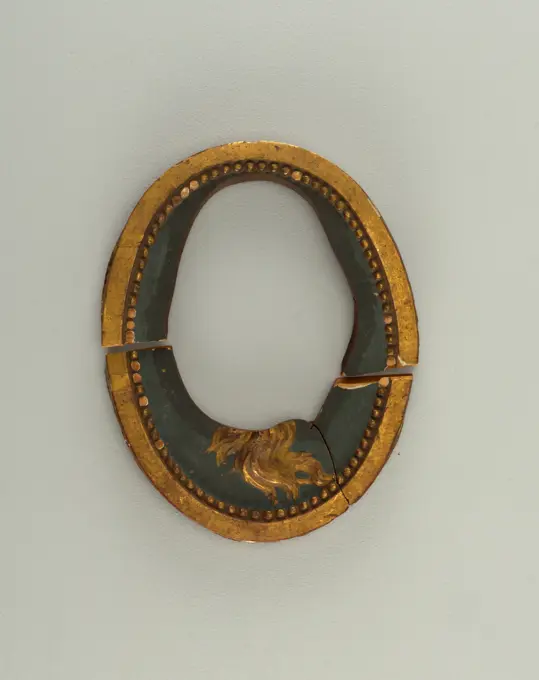
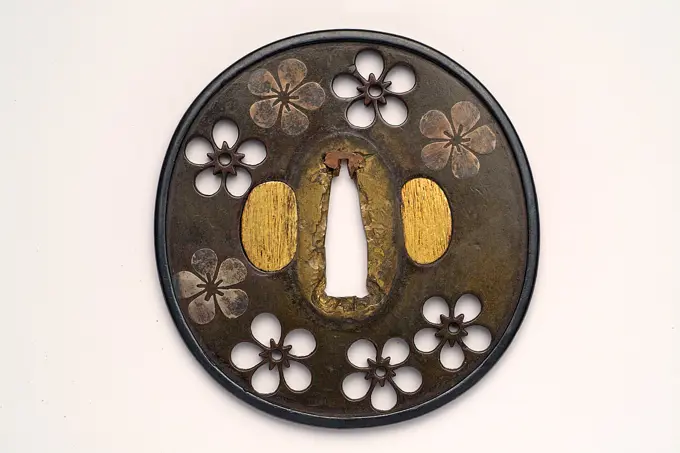
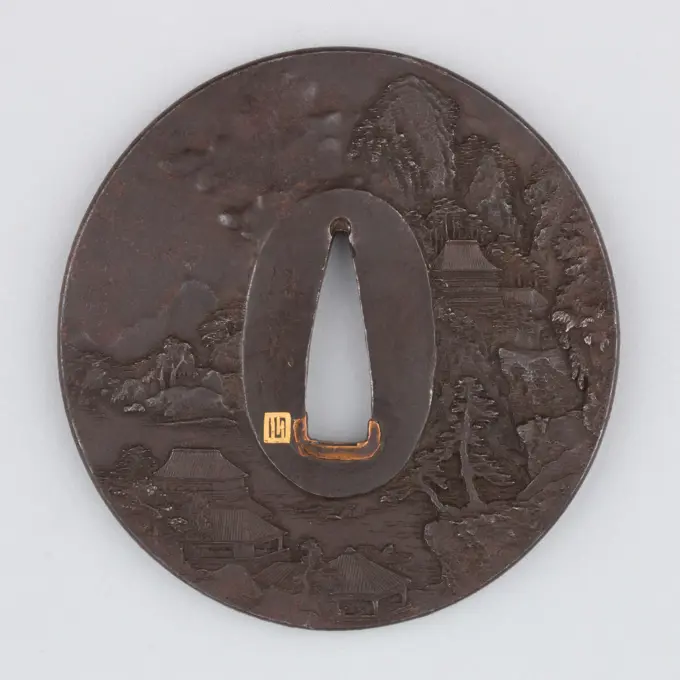
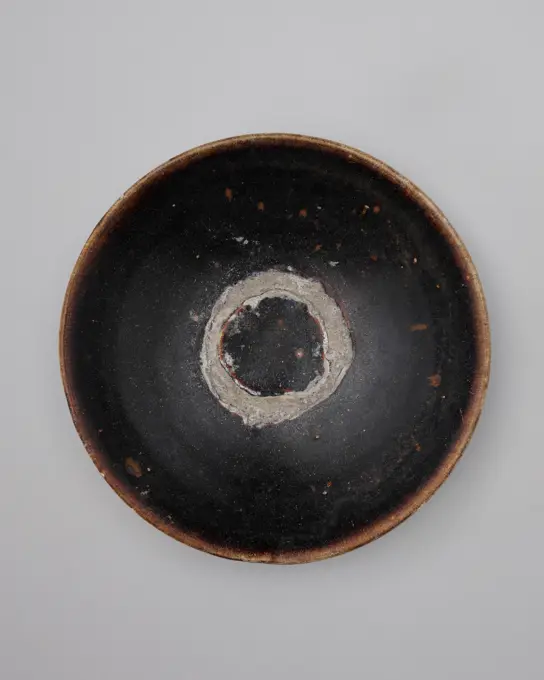
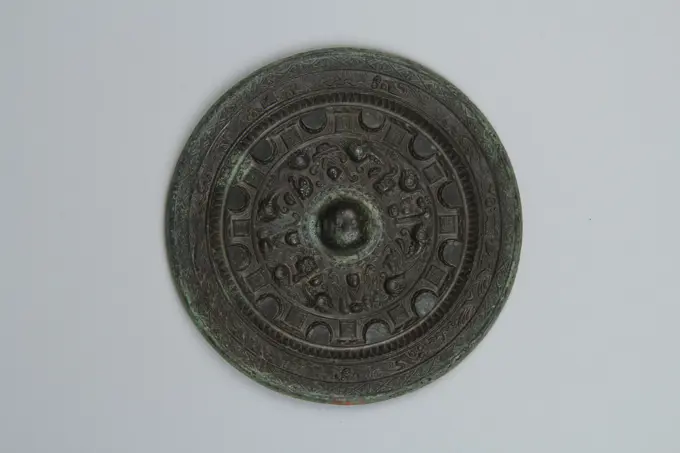
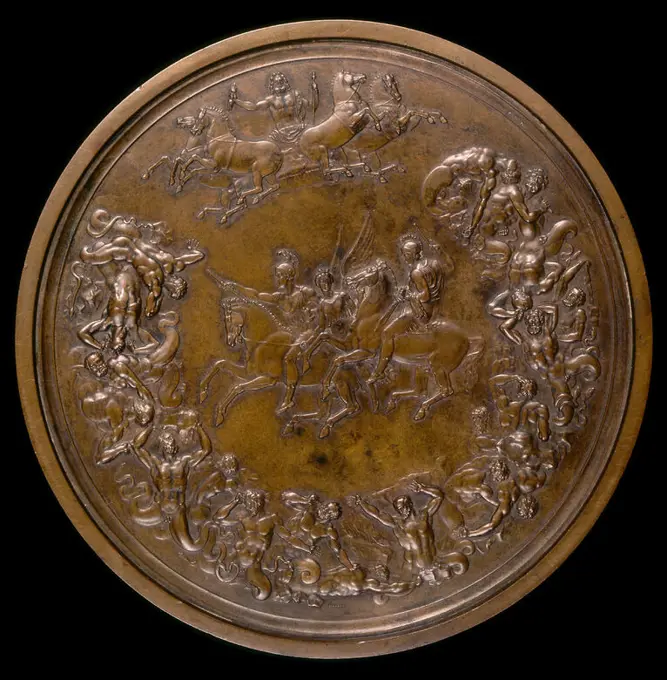
Dish with tulips. In the flat de saucer, where the center point is visible in the middle, are punched with the aid of stamp forms: a round high middle part, surrounded by four times a repeat of the motifs of a round peak tapered leaf form as well as a bear seated at a stem , surrounded by two tulips. Along the edge, two rigging rings are grooved, which are even visible. The four tribes have a probably later drilled hole at the same distance. The center point has also become a small opening. Round holes were drilled in the board, round holes, which are closed with red copper at the rear. The hanging ring is made in later time.Mold. Refractory land. Vietnam, 13th-14th centuries. Paris, Cernuschi museum. 60086-2 Floral motif, mold, refractory land, VietnamMirror decorated with characters. Inscription with fourteen, partly unreadable characters. The patina is black, light green and lead.Sword Guard (Tsuba) late 17th century Japanese A tsuba is a sword guard and part of a sword mounting. It is mounted between the swords blade and grip to protect the users hands.. Sword Guard (Tsuba) 29950Sword Guard (Tsuba) 18th century Japanese A tsuba is a sword guard and part of a sword mounting. It is mounted between the swords blade and grip to protect the users hands.. Sword Guard (Tsuba) 30063Thraying dish of tin with the representation of the resurrection and the twelve apostles. Decorative dish of tin. The center of the flat is full and contains a representation of the resurrection. The remaining part of the flat is unforded and runs up to a wide border with a sharp angle. On this edge, the twelve apostles can be seen, separated by angel heads surrounded by ornament decorations.Sword Guard (Tsuba) ca. 1500 Japanese A tsuba is a sword guard and part of a sword mounting. It is mounted between the swords blade and grip to protect the users hands.. Sword Guard (Tsuba) 30059. Oval tsuba for a dagger with on both sides in Nunome-Zogan medallions with flowers and plants.Sword Guard (Tsuba) possibly 18th century Japanese A tsuba is a sword guard and part of a sword mounting. It is mounted between the swords blade and grip to protect the users hands.. Sword Guard (Tsuba) 33417Dish with Annunciation, Anonymous, c. 1500 - c. 1600 In the flat of the dish, which has the center point in the middle, a representation of the proclamation to Mary is punched with the help of stamp shape. An ornamental letter frieze (repeated a few times) is applied around it. On the border, a ornament of crucifixes is punched against the iron wire, reinforced with iron wire. Neurenberg (possibly) brass (alloy). casting In the flat of the dish, which has the center point in the middle, a representation of the proclamation to Mary is punched with the help of stamp shape. An ornamental letter frieze (repeated a few times) is applied around it. On the border, a ornament of crucifixes is punched against the iron wire, reinforced with iron wire. Neurenberg (possibly) brass (alloy). castingSword Guard (Tsuba) 18th century Japanese A tsuba is a sword guard and part of a sword mounting. It is mounted between the swords blade and grip to protect the users hands.. Sword Guard (Tsuba) 30094Jelec (Tsuba); Jingo, Shigenaga ( -1854), Shimizu; 1 PO. 19th century (1801-00-00-1850-00-00);Bowl Cypriot 750-600 BCE Decorated with triangular red openings and concentric circles in black. View more. Bowl. Cypriot. 750-600 BCE. Terracotta. Cypro-Archaic I. VasesSword Guard (Tsuba). Culture: Japanese. Dimensions: H. 2 3/4 in. (7 cm); W. 2 5/8 in. (6.7 cm); thickness 1/4 in. (0.6 cm); Wt. 4.3 oz. (121.9 g). Date: ca. 1615-1868. Museum: Metropolitan Museum of Art, New York, USA.Sword Guard (Tsuba) 18th century Japanese A tsuba is a sword guard and part of a sword mounting. It is mounted between the swords blade and grip to protect the users hands.. Sword Guard (Tsuba) 30095Carnavalet museum, tokens collectionSword Guard (Tsuba) 18th century Japanese A tsuba is a sword guard and part of a sword mounting. It is mounted between the swords blade and grip to protect the users hands.. Sword Guard (Tsuba) 35140Carnavalet museum, tokens collectionJelec (Tsuba);  18th century (1701-00-00-1800-00-00);Bowl. Culture: Cypriot. Dimensions: 1 3/4in. (4.5cm)Other: 5 1/8in. (13cm). Date: 750-600 B.C..Basket-shaped bowl with polychrome decoration. Museum: Metropolitan Museum of Art, New York, USA.Annular Disk with Carved Designs China. Annular Disk with Carved Designs 75289Korendragers and Storters Guild of Amsterdam, Gildepenning van Adryaen Benne van Hier, Anonymous, 1700 medal Copper medal with two holes in it; V.Z: to the right man with a burden on head. Reverse: Inscription Amsterdam copper (metal) engraving  AmsterdamSword Guard (Tsuba). Culture: Japanese. Dimensions: H. 3 3/8 in. (8.6 cm); W. 3 1/8 in. (7.9 cm); thickness 3/16 in. (0.5 cm); Wt. 5.2 oz. (147.4 g). Date: ca. 1615-1868. Museum: Metropolitan Museum of Art, New York, USA.Discount price, 1810 Bertrand Andrieu (1761-1822). Takeless prizes, 1810. Bronze. 1810.Snuff box. Oval maple corner box with hinged lid. With sliced edge and medallion; On the covers a sliced vaseTsuba. Japan. Fer. Paris, Muse Cernuschi. Assessment, armaments, Asian art, Japanese art, weapon custody, art object, metallic object, armament piece, tsubaCarnavalet museum, tokens collectionSpindle Whorl, 700s - 900s. Iran, early Islamic period, 8th - 10th century. Bone, incised; overall: 0.5 x 2.7 x 2.7 cm (3/16 x 1 1/16 x 1 1/16 in.).CDK Cinema, school cinema from echizenPlate;  19th century (1801-00-00-1900-00-00);Mirror with Dragon and Tiger. China. Date: 25 AD-220 AD. Dimensions: Diam. 12.2 cm (4 13/16 in.); thickness 1.4 cm (9/16 in.). Bronze. Origin: China. Museum: The Chicago Art Institute, USA.Brooch -Sword Guard (Tsuba). Culture: Japanese. Dimensions: H. 3 in. (7.6 cm); W. 2 13/16 in. (7.1 cm); thickness 3/16 in. (0.5 cm); Wt. 3.7 oz. (104.9 g). Date: 18th century. Museum: Metropolitan Museum of Art, New York, USA.Printing Block (India); woodSword Guard (Tsuba) With (probably) the Motif of The Seven Sages in the Bamboo Groove (林七賢か透鐔) ca. 1615-1868 Japanese This Sōten (宗典) School tsuba shows five Chinese figures in three-dimensional openwork (nikubori ji-sukashi) which are colored in gold, silver, copper, and shakudō. One person is getting portrayed by a painter and the remaining three appear to carry standards which suggests that they are retainers of the sitting person that is portrayed. Although set in a pine grove, the motif may represent that of The Seven Sages in the Bamboo Grove (Chikurin no shichiken, 林七賢) which is frequently found on works from this school.. Sword Guard (Tsuba) With (probably) the Motif of The Seven Sages in the Bamboo Groove (林七賢か透鐔) 25674Phalère with bear decor (common name), -0206. Cernuschi Museum, Asia Museum of Asia in the city of Paris.Mirror with Nipple and Dragon Design. Culture: China. Dimensions: Approx. diam. 6 1/8 in. (15.6 cm). Date: 1st century B.C.. Museum: Metropolitan Museum of Art, New York, USA.Mirror, 1st-2nd century, 7 7/8 in. (20 cm), Bronze with images of fantastic animals and a Toaist deity, China, 1st-2nd centuryWandsworth Shield. 1st cent. BC. Roman Britain.Planets-manager. Cornalet Collection Sites 2013-2016. Numismatic.Sword Guard (Tsuba) late 18th-early 19th century Japanese A tsuba is a sword guard and part of a sword mounting. It is mounted between the swords blade and grip to protect the users hands.. Sword Guard (Tsuba) 34482Juglet. Culture: Cypriot. Dimensions: H. 6 9/16 in. (16.7 cm). Date: 600-480 B.C..Handle-ridge jug with flat lip and small handle. Museum: Metropolitan Museum of Art, New York, USA.Mirror with interlaced dragons 5th-4th century B.C. China. Mirror with interlaced dragons. China. 5th-4th century B.C.. Bronze. Eastern Zhou, Warring States (475-221 B.C.). MirrorsSword Guard, mid-1700s. Japan, Edo period (1615-1868). Iron; diameter: 7.4 cm (2 15/16 in.).Lid. Celadon coverage sandstone. Provenance: Vietnam. Paris, Cernuschi museum. 78819-28 Lid, archeological object, dishesDish with "Pommel Scroll" Design. Culture: China. Dimensions: H. 1 1/16 in. (2.7 cm); Diam. 6 1/2 in. (16.6 cm). Date: 14th century. Museum: Metropolitan Museum of Art, New York, USA.. Oval tsuba with a tiger at the front in relief and Iroe-Takazogan a tiger that is under a pine tree at a waterfall; Signed "Ohara Yakichiro Hisataka" () And the addition "Koto Shiro Nishi Ju".Sword Guard (Tsuba). Culture: Japanese. Dimensions: H. 3 1/2 in. (8.9 cm); W. 3 1/4 in. (8.3 cm); thickness 1/8 in. (0.3 cm); Wt. 4.3 oz. (121.9 g). Date: 18th century. Museum: Metropolitan Museum of Art, New York, USA.Sword Guard (Tsuba). Culture: Japanese. Dimensions: H. 2 3/4 in. (7 cm); W. 2 1/2 in. (6.4 cm); thickness 3/16 in. (0.5 cm); Wt. 3.7 oz. (104.9 g). Date: ca. 1615-1868. Museum: Metropolitan Museum of Art, New York, USA.Sword Guard (Tsuba). Culture: Japanese. Dimensions: Diam. 2 7/8 in. (7.3 cm); D. 3/16 in. (0.5 cm); Wt. 1.9 oz. (53.9 g). Date: 16th century. Museum: Metropolitan Museum of Art, New York, USA.Gemellion (Hand Basin) with the Arms of the Latin Kingdom of Jerusalem ca. 1250-75 French This gemellion, or enamel basin, testifies to the dialogue between the Crusader kingdom of Jerusalem and the Limousin region of France, renowned for its enamel production. The arms of that kingdom, a large cross surrounded by small crosses, appear at the center of the bowl. Four men armed with shields and clubs separated by three-towered castles surround the arms. Originally part of a pair, the bowl was used to pour water over the hands from the small "gargoyle" or animal-head spout set into the side.. Gemellion (Hand Basin) with the Arms of the Latin Kingdom of Jerusalem. French. ca. 1250-75. Copper: formed, engraved, gilt; champlevé enamel: medium blue, turquoise, and white. Made in Limoges, France. Enamels-ChamplevéPart of a sculpted style of oak, from the so -called house of Alva, Warmoestraat in Amsterdam, c. 1500 - c. 1699 Part of sculpted oak style (belonging to BK-KOG-754-6), from the so-called Huis van Alva, Warmoestraat in Amsterdam. In total it concerns six painted styles (see BK-KOG-754-1 to 6). See also BK-KOG-755-A to H, these are two capitals and six styles of untreated oak that come from the same house.  oak (wood). paint (coating) Part of sculpted oak style (belonging to BK-KOG-754-6), from the so-called Huis van Alva, Warmoestraat in Amsterdam. In total it concerns six painted styles (see BK-KOG-754-1 to 6). See also BK-KOG-755-A to H, these are two capitals and six styles of untreated oak that come from the same house.  oak (wood). paint (coating)Sword Guard (Tsuba) 17th century Japanese A tsuba is a sword guard and part of a sword mounting. It is mounted between the swords blade and grip to protect the users hands.. Sword Guard (Tsuba) 29549Sword Guard (Tsuba) ca. 1615-1868 Japanese A tsuba is a sword guard and part of a sword mounting. It is mounted between the swords blade and grip to protect the users hands.. Sword Guard (Tsuba) 34484This ink stone is particularly noteworthy for its inscriptions in various script styles, that express auspicious wishes and document the stones collecting history. Inkstones are part of the Four Treasures of the Literati Studio that were used to grind solid ink cakes with the addition of water to produce liquid ink for the practice of brush painting and calligraphy. Ink stones were collectors items that reflected their owners taste and sophistication. Inkstone in the Shape of a Tile, 1700s-1800s. Workshop of Jian Guzhai. She Stone; diameter: 14.9 cm (5 7/8 in.).Bord van tin, anonymous, 1550 - 1600 Plate of tin with a very shallow flat. The edge is bent down. Netherlands tin (metal) casting Plate of tin with a very shallow flat. The edge is bent down. Netherlands tin (metal) castingSword Guard (Tsuba) ca. 1615-1868 Japanese A tsuba is a sword guard and part of a sword mounting. It is mounted between the swords blade and grip to protect the users hands.. Sword Guard (Tsuba) 34420Plate, The Annunciation. Culture: German. Dimensions: Overall: 23 1/16 x 2 7/8 in. (58.6 x 7.3 cm). Date: late 15th century. Museum: Metropolitan Museum of Art, New York, USA.Pair of Knee Defenses (Poleyns). Culture: Italian. Dimensions: Poleyn (a); H. 7 3/4 in. (19.7 cm); W. 5 3/4 in. (14.6 cm); D. 8 7/8 in. (22.5 cm); Wt. 8.8 oz. (249.5 g); poleyn (b); H. 7 3/4 in. (19.7 cm); W. 7 in. (17.8 cm); D. 9 3/8 in. (23.8 cm); Wt. 9.1 oz. (258 g). Date: ca. 1460 and later. Museum: Metropolitan Museum of Art, New York, USA.Sword Guard (Tsuba). Culture: Japanese. Dimensions: Diam. 3 3/8 in. (8.6 cm); thickness 3/16 in. (0.5 cm); Wt. 3.6 oz. (102.1 g). Date: early 17th century. Museum: Metropolitan Museum of Art, New York, USA.Sword Guard (Tsuba) 18th century Japanese A tsuba is a sword guard and part of a sword mounting. It is mounted between the swords blade and grip to protect the users hands.. Sword Guard (Tsuba) 26423Mirror. Japan, Muromachi period (1392-1573). Bronze; diameter: 11.5 cm (4 1/2 in.).Sword Guard (Tsuba). Culture: Japanese. Dimensions: H. 2 3/4 in. (7 cm); W. 2 9/16 in. (6.5 cm); thickness 3/16 in. (0.5 cm); Wt. 3.1 oz. (87.9 g). Date: ca. 1615-1868. Museum: Metropolitan Museum of Art, New York, USA.Sword Guard (Tsuba) with Chrysanthemum, c. 1615-1868. Japan, possibly Edo period (1615-1868). Iron; diameter: 7 cm (2 3/4 in.).sesterce; Antoninus Pius (86-161; Roman emperor 138-161); 147-148 (147-00-00-148-00-00);Sword Guard (Tsuba). Culture: Japanese. Dimensions: H. 3 1/8 in. (7.9 cm); W. 2 7/8 in. (7.3 cm); thickness 5/16 in. (0.8 cm); Wt. 5.3 oz. (150.3 g). Date: ca. 1615-1868. Museum: Metropolitan Museum of Art, New York, USA.Brass shoe buckle, tied in the middle with three lobes, clasp fastener component soil find copper brass metal, Rectangular bracket constricted and varying width Center post with sting and tailbone archeology Rotterdam rail tunnel fastening shoe Soil discovery: rail tunnel Rotterdam.Sample, Brass, engraver's sample for button, USA, 1883-1918, Decorative Arts, SampleStrzelecki Medal Strzelecki Association of Grenadiers of the Swiss ArmyPlanets-manager. Cornalet Collection Sites 2013-2016. Numismatic.. Round lobed tsuba in the form of a stylized chrysanthemum with 64 openwork leaves.Sword Guard (Tsuba). Culture: Japanese. Dimensions: Diam. 3 5/16 in. (8.4 cm); thickness 1/8 in. (0.3 cm); Wt. 4.5 oz. (127.6 g). Date: 16th century.This tsuba features an openwork design of a dragonfly. It is made in the so-called tosho (swordsmith's) style. Museum: Metropolitan Museum of Art, New York, USA.Hand Guard, Kanaya Gorosaburo, 1868 - 1900 Rounded rectangular tsuba with a few tree leaves on the red-brown front in the front in Katakiri-Bori; On the yellow-brown-tinted back a chestnut-branch and a few leaves; Signed "Kanaya Gorosaburo Zo" (). Japan copper (metal) Rounded rectangular tsuba with a few tree leaves on the red-brown front in the front in Katakiri-Bori; On the yellow-brown-tinted back a chestnut-branch and a few leaves; Signed "Kanaya Gorosaburo Zo" (). Japan copper (metal)Albert-Désiré Barre (1818-1878). Medallion. Prince Jérôme Napoleon. Plaster, 19th century. Museum of Fine Arts of the City of Paris, Petit Palais. 58756-14 Medal, number inventory, numismatics, plaster, french prince, profile, portrait, reverse, king Westphalia, 19th centuryPacker button cover. Terracotta. Provenance: Vietnam. Paris, Cernuschi museum. 79859-1 Lid, archeological object, dishesFibula with Solar Design, c. 700-675 BC. Greece, Boeotian, 7th Century BC. Bronze; overall: 15.4 x 11.2 cm (6 1/16 x 4 7/16 in.).Disk-Shaped Chest Plaque, c. 700-1550. Costa Rica or Panama, 8th-16th Century. Hammered gold; overall: 19.8 x 19.6 x 2.5 cm (7 13/16 x 7 11/16 x 1 in.). Technologically, this pectoral (chest plaque) is unlike the other gold shown in this case. Rather than being cast of molten metal, it was made by hammering metal into a thin sheet. Costa Rican and Panamanian metalsmiths favored casting, but they were skilled in hammering, a technology better suited to creating large objects with glittering, reflective surfaces. The import of the breast-like protrusions is unknown.Slit Ring (jue) 800 BCE-600 BCE China. Jade .Pilgrim's Badge 14th-16th century French. Pilgrim's Badge. French. 14th-16th century. Lead. Metalwork-LeadSword Guard (Tsuba) 18th century Japanese A tsuba is a sword guard and part of a sword mounting. It is mounted between the swords blade and grip to protect the users hands.. Sword Guard (Tsuba) 29521Pietter Douwes, Brouwer in Stavoren, Anonymous, 1648  Brass medal. Front: two houses on water, in which the boat lies; For left house: seven barrels. Reverse: inscription under Kroon inside flower wreath and display; part of Omnipia, which contained name, has been canceled Stavoren brass (alloy) engraving  StavorenSword Guard (Tsuba) with Flowering Vine, c. 1815-50. Masakata (Japanese). Iron; overall: 6.8 x 7 cm (2 11/16 x 2 3/4 in.).Sword Guard (Tsuba) with Zhong Kui (Shoki) the Demon Queller, early 1800s. Japan, Edo period (1615-1868). Iron; overall: 5.4 x 6.8 cm (2 1/8 x 2 11/16 in.).Disk with rosette 7th-5th Century B.C. Etruscan. Disk with rosette. Etruscan. 7th-5th Century B.C.. Gold. Gold and SilverFragment, Medallion (possibly Italy), late 18th century; wood, painted and gilded; 1906-9-4-a/cTsuba (maru gata) in the Higo School style. unknown, craftsmanSword Guard (Tsuba) ca. 1615-1868 Japanese A tsuba is a sword guard and part of a sword mounting. It is mounted between the swords blade and grip to protect the users hands.. Sword Guard (Tsuba) 34426Agricultural Comice of the Arrondissement de la Chatre (Indre), June 10, 1851 Rogat, Emile. Agricultural Comice of the Arrondissement of Chater (Indre), June 10, 1851. Bronze. 1851-1851.Carnavalet museum, tokens collectionJelec (Tsuba); Akasaka; XVIII-XIX century (1701-00-00-1868-00-00);Mieszko II Lambert (1025 1034) As the Successor of the Throne, Denar; Wielkopolska, Kujawy or North Mazowsze; AROUND 1010-1020 Mieszko II Lambert (1025 1034)Ewer Stand with Scenes from the Book of Genesis. Pierre Reymond (France, Limoges, circa 1513-after 1584). France, Limoges, circa 1560. Furnishings; Serviceware. Grisaille enamel, flesh tones, touches of color, and gold on copperAnonymous Cup, 1255. Brown coverage sandstone. Cernuschi Museum, Asia Museum of Asia in the city of Paris.Carnavalet Museum, Medals CollectionMirror with deities and mythical creatures 2nd-3rd century China. Mirror with deities and mythical creatures. China. 2nd-3rd century. Bronze. Eastern Han (25-220)-Six Dynasties (220-589). Mirrorsmetal plate on a white backgroundDecorative door boss and nail, Wrought iron, Square type, pierced and embossed with wrought lines. Quadrant leaf design based on old examples. Round, collared nail head on square shank., Spain, 17th century, metalwork, Decorative Arts, Decorative door boss and nailBoss or appliqué 1st millennium B.C.-A.D. 1st century Iran. Boss or appliqué. Iran. 1st millennium B.C.-A.D. 1st century. Gold. Late Bronze Age. IranThe Waterloo Medallion: The Victorious Generals Wellington and Blücher, with Jupiter's Conquest of the Giants reverse. Dated: designed 1817-1850, produced 1861. Dimensions: overall (diameter): 13.87 cm (5 7/16 in.) gross weight: 506.5 gr (1.117 lb.) axis: 12:00. Medium: copper. Museum: National Gallery of Art, Washington DC. Author: Benedetto Pistrucci.Silver buckle 2nd title 833/1000th. Band of faceted pearls and openwork garland with patterns of leaves and round pearls.