Decorative Historical Plates

A selection of ornate plates and molds with intricate designs, representing historical craftsmanship from various cultures, designed for collectors or historians.
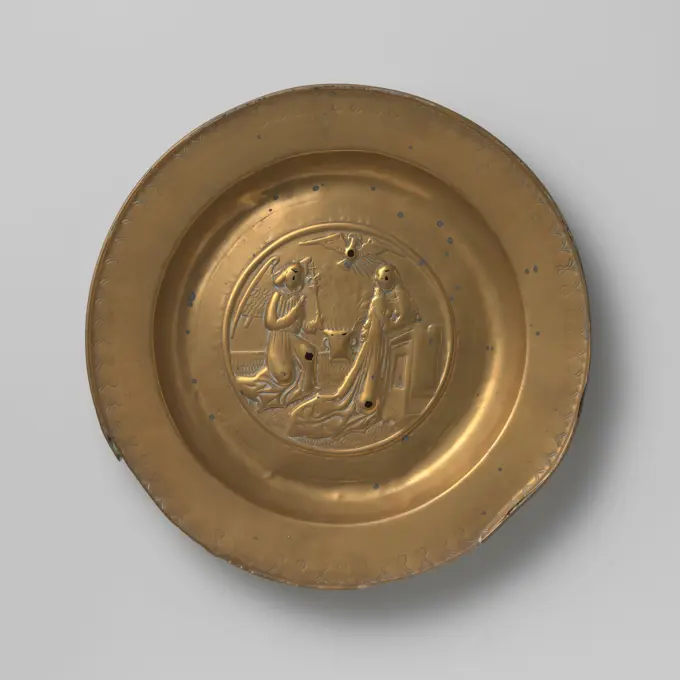
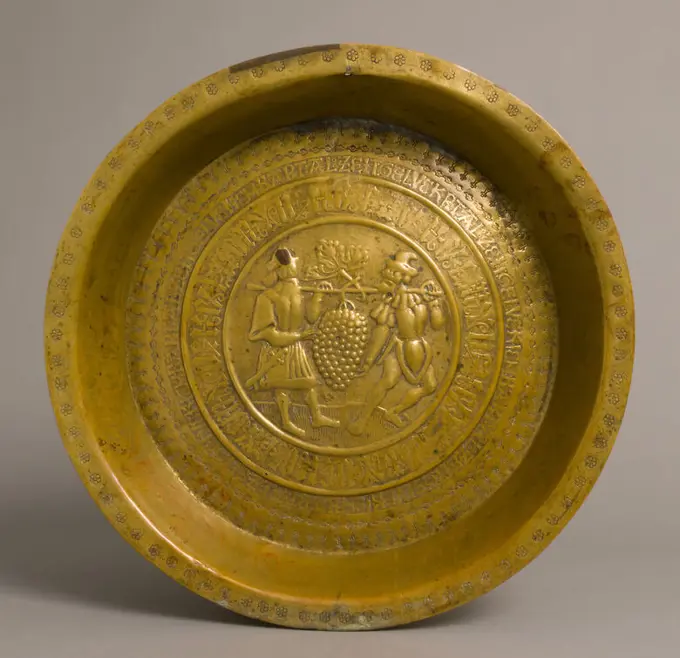
Dish with Annunciation, Anonymous, c. 1500 - c. 1600 In the flat of the dish, which has the center point in the middle, a representation of the proclamation to Mary is punched with the help of stamp shape. An ornamental letter frieze (repeated a few times) is applied around it. On the border, a ornament of crucifixes is punched against the iron wire, reinforced with iron wire. Neurenberg (possibly) brass (alloy). casting In the flat of the dish, which has the center point in the middle, a representation of the proclamation to Mary is punched with the help of stamp shape. An ornamental letter frieze (repeated a few times) is applied around it. On the border, a ornament of crucifixes is punched against the iron wire, reinforced with iron wire. Neurenberg (possibly) brass (alloy). casting
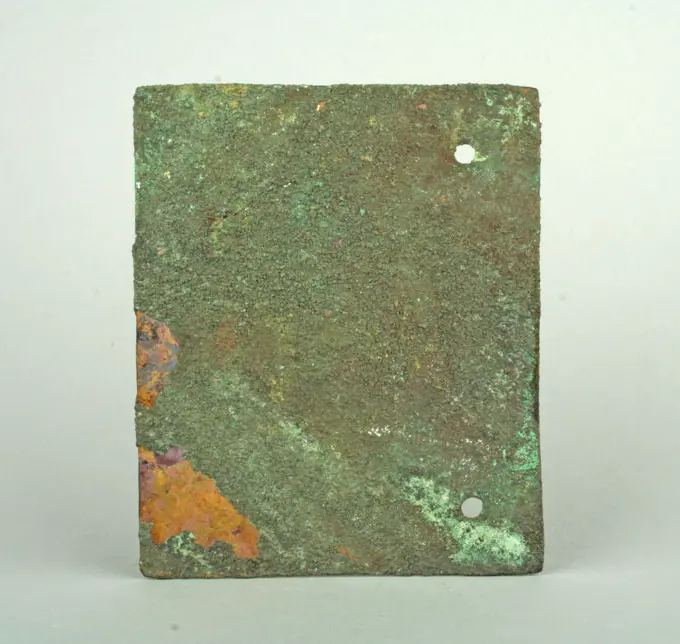
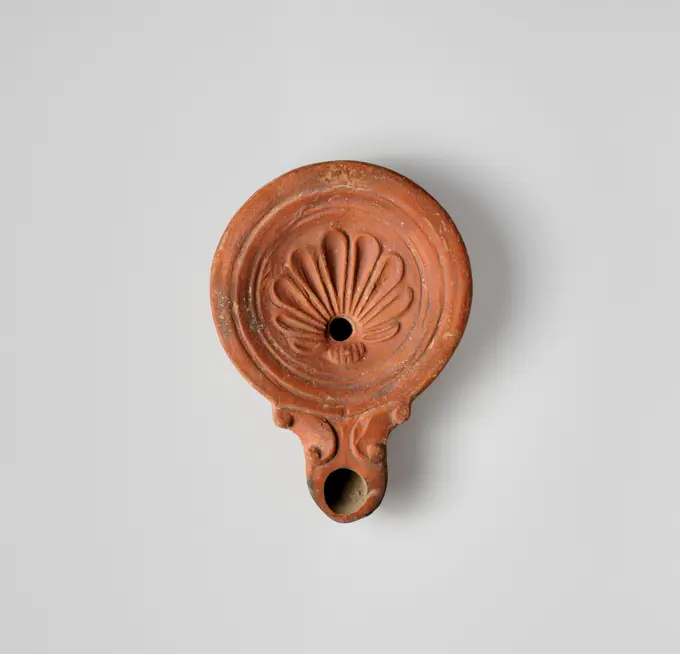
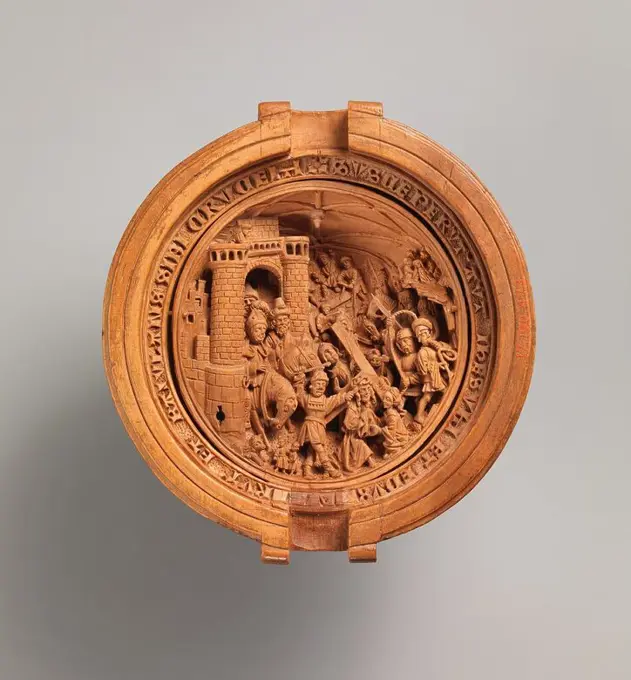
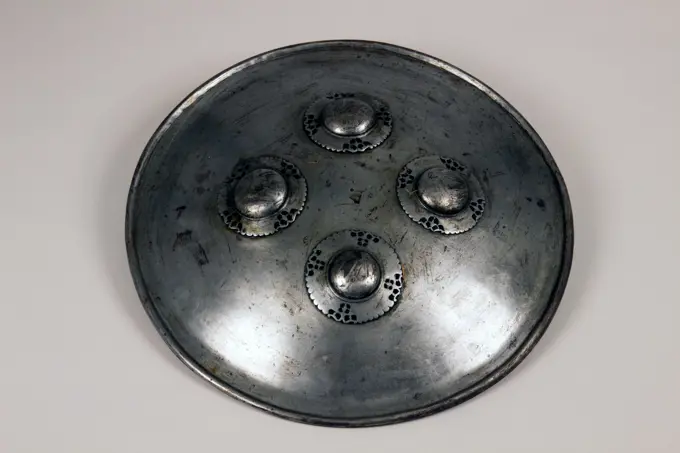
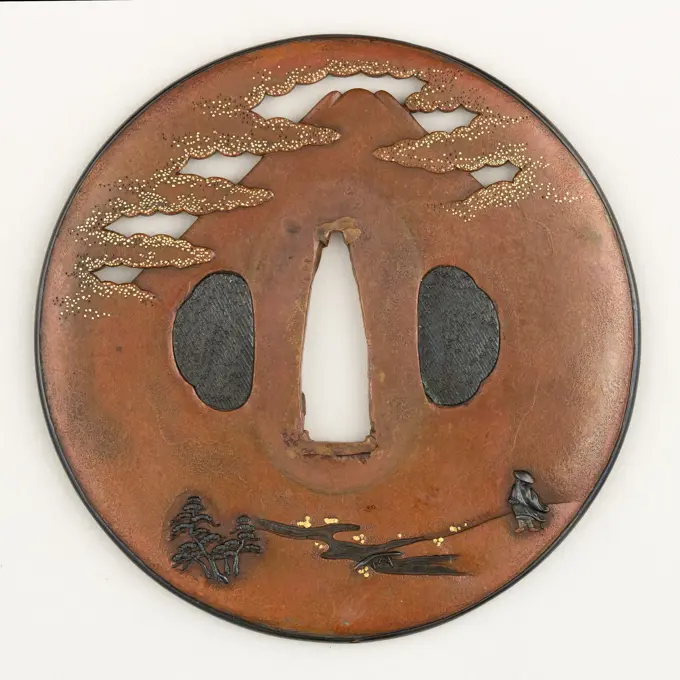
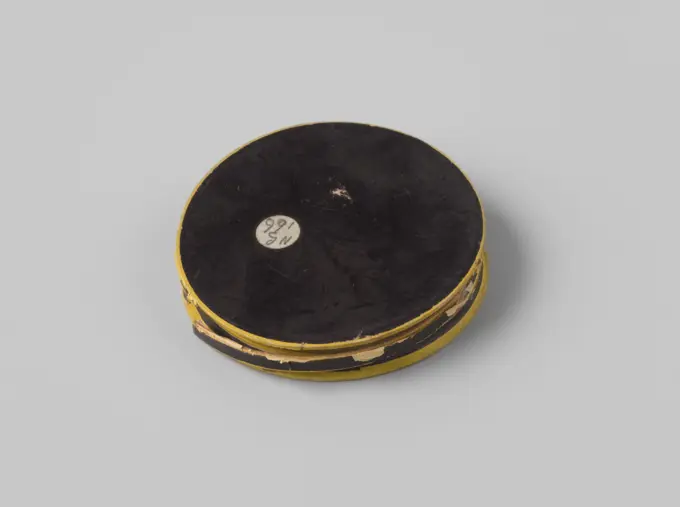
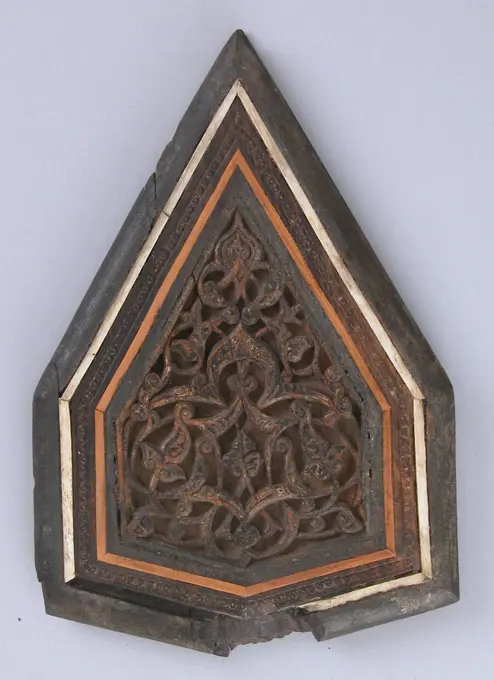
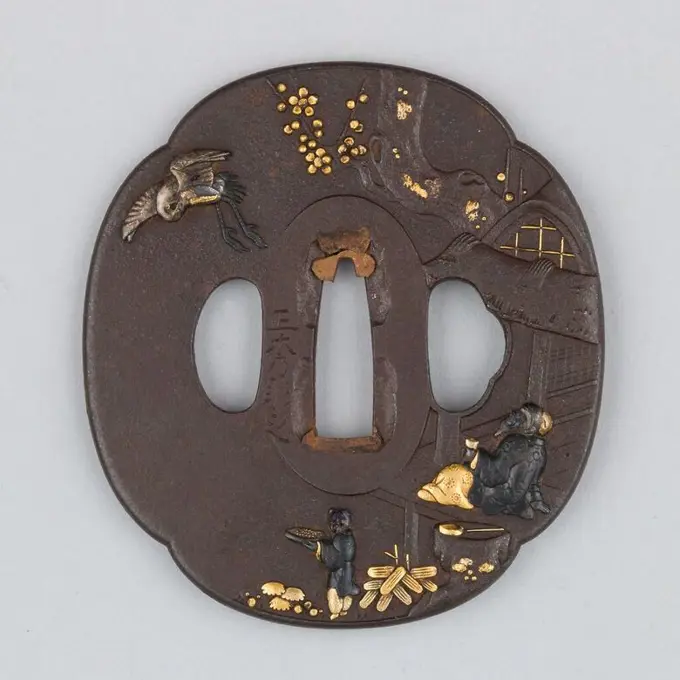
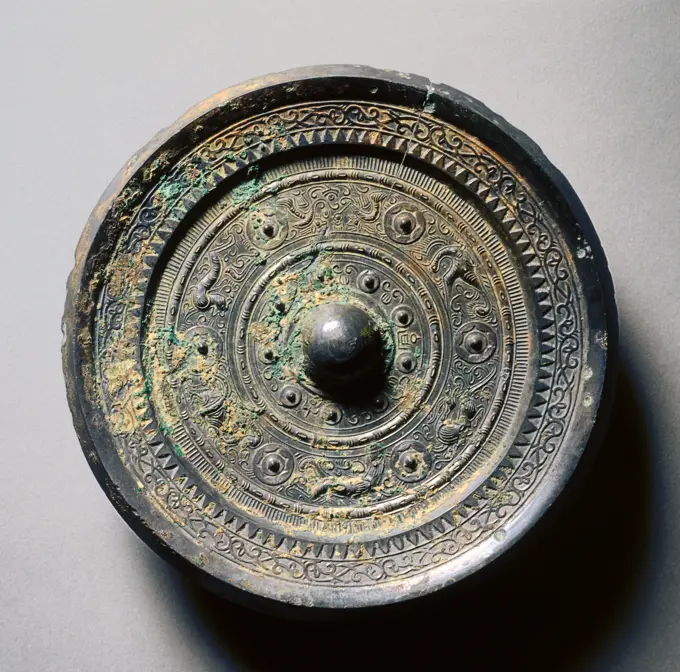
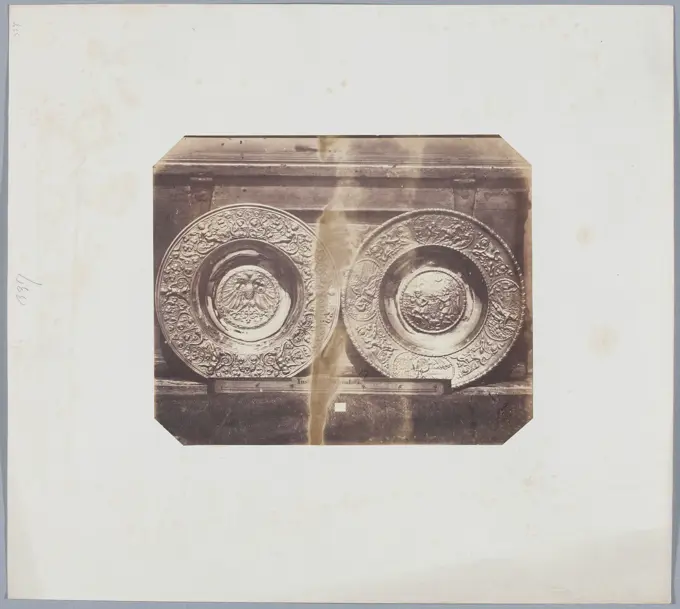
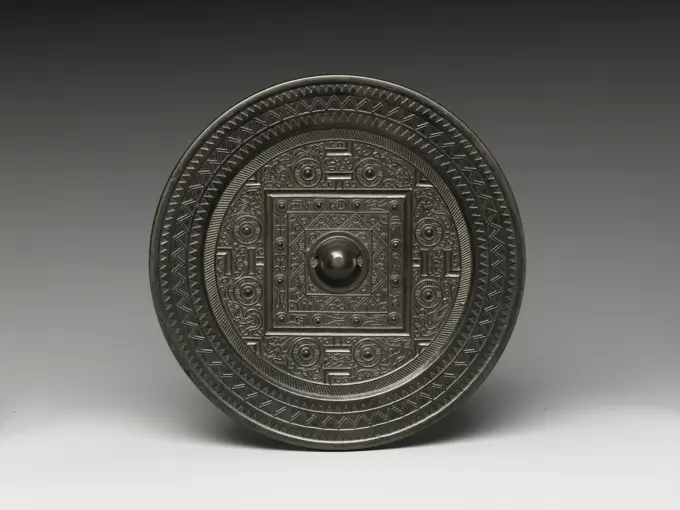
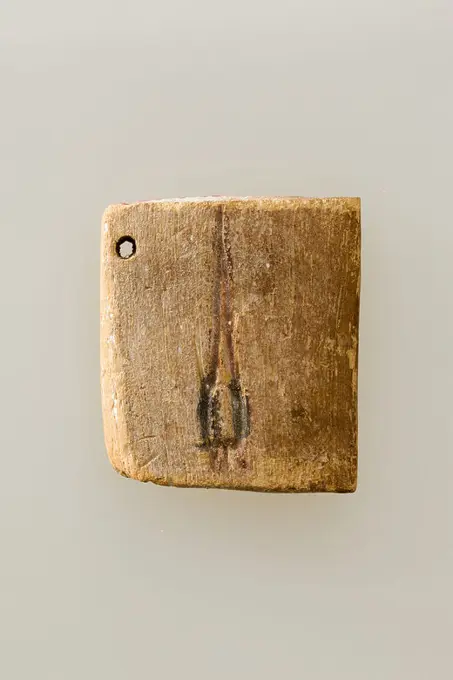
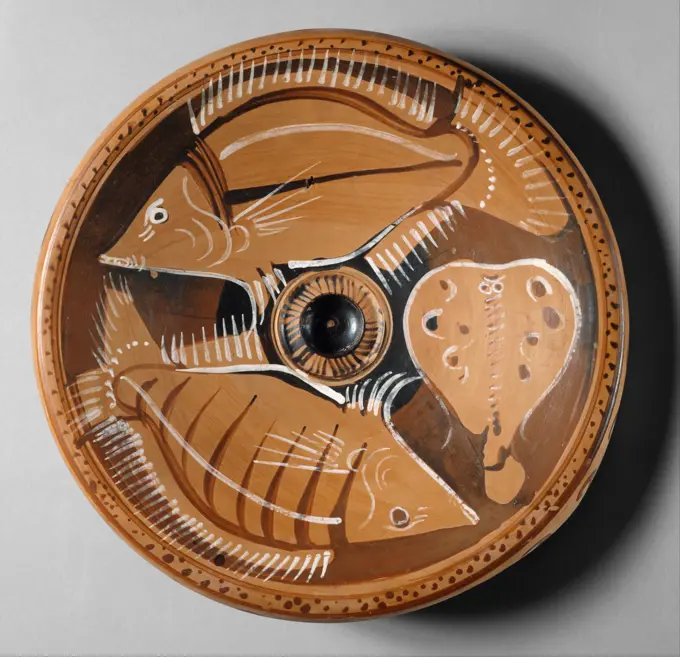
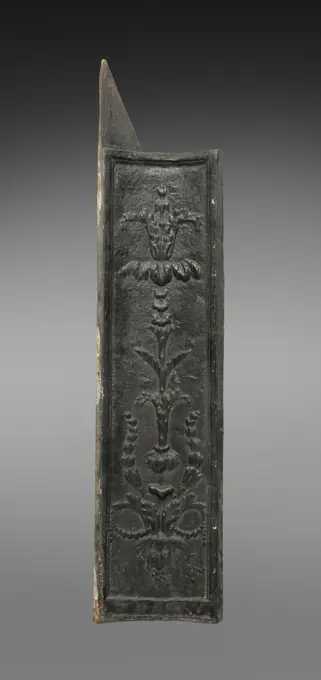
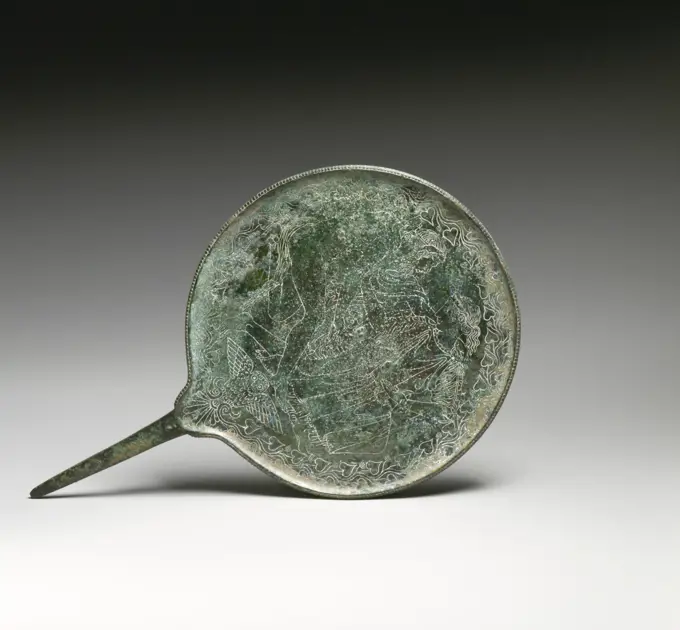
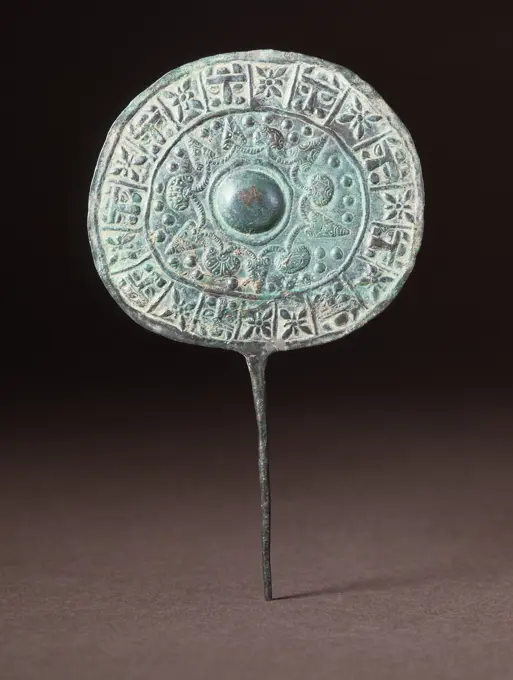
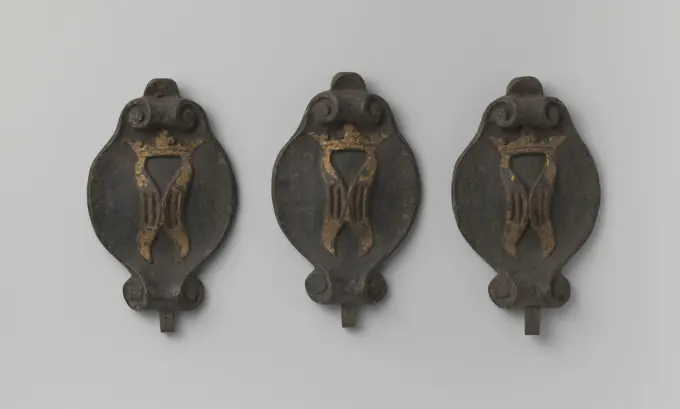
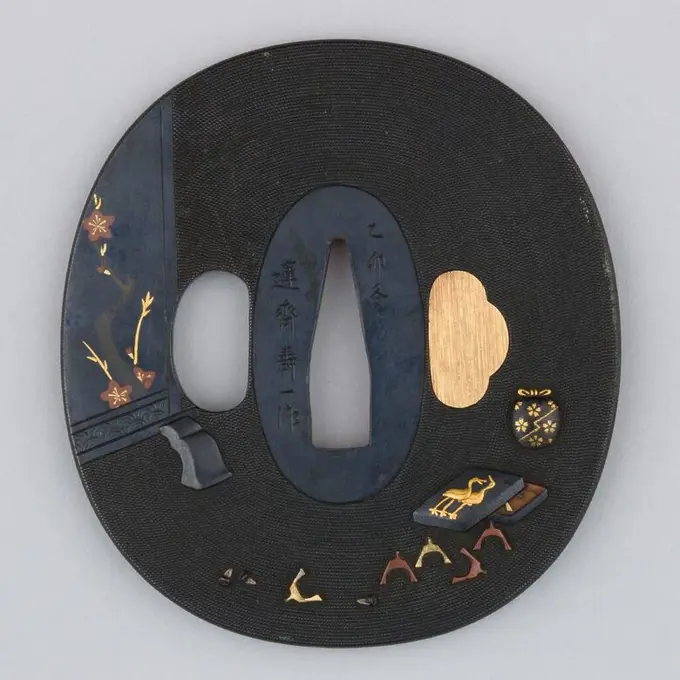
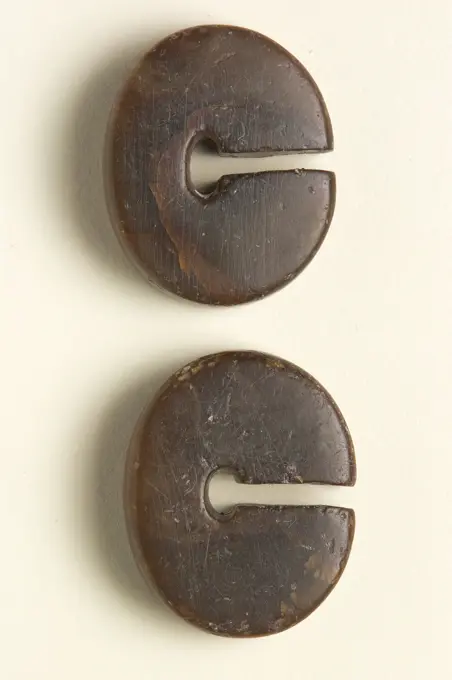
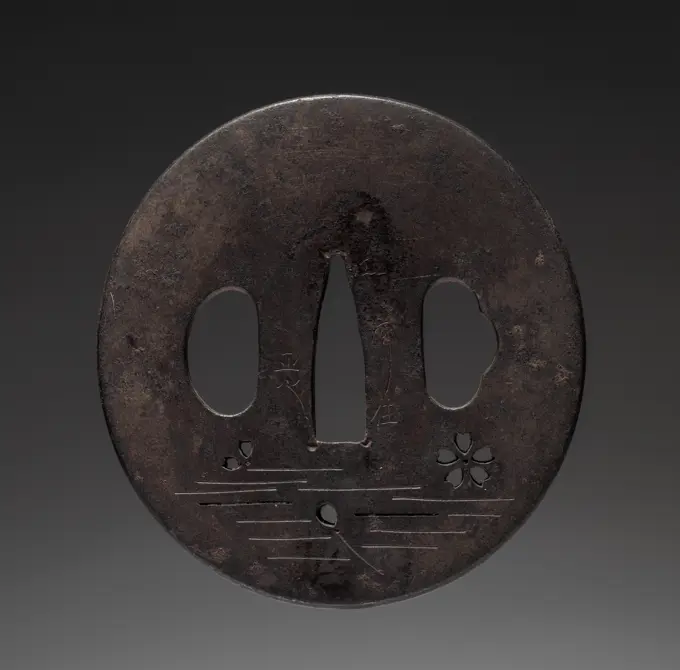
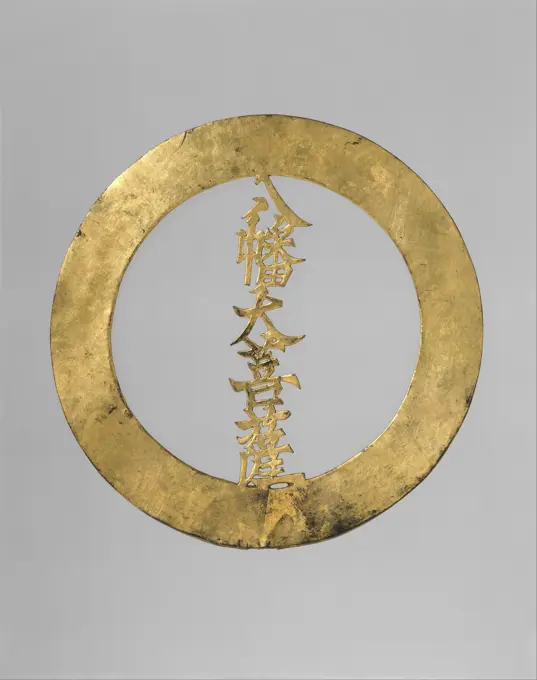
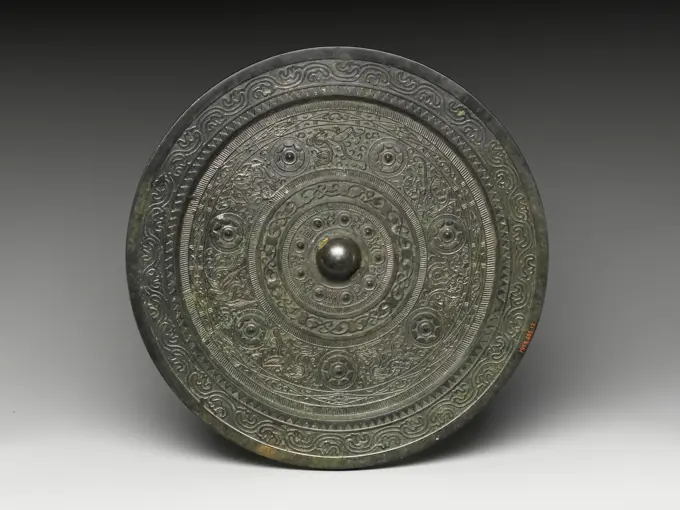
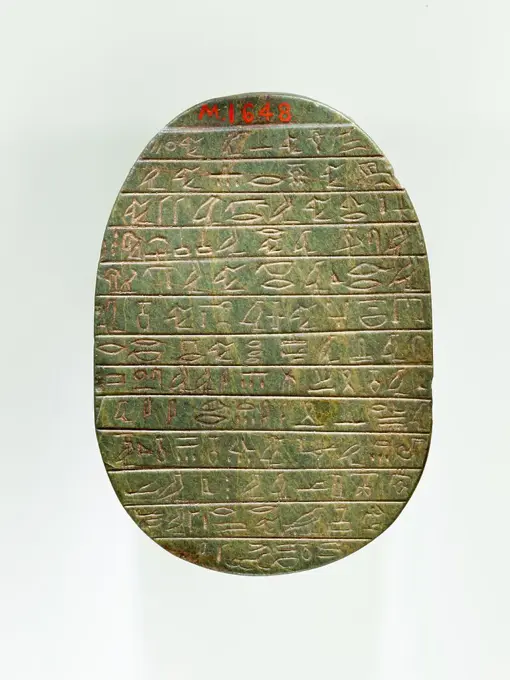
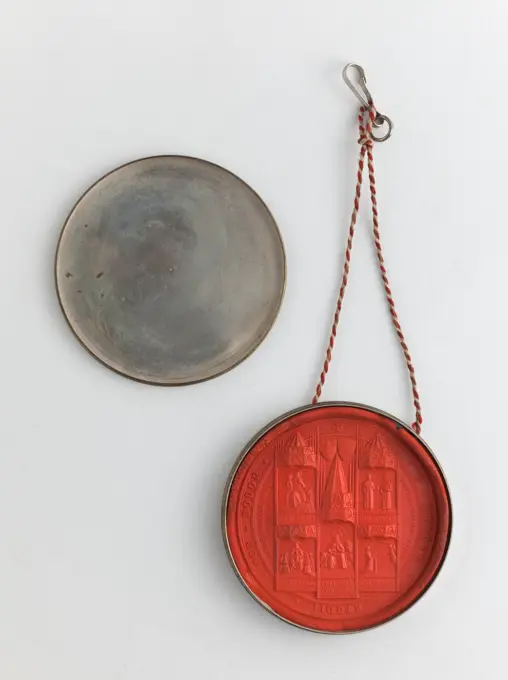
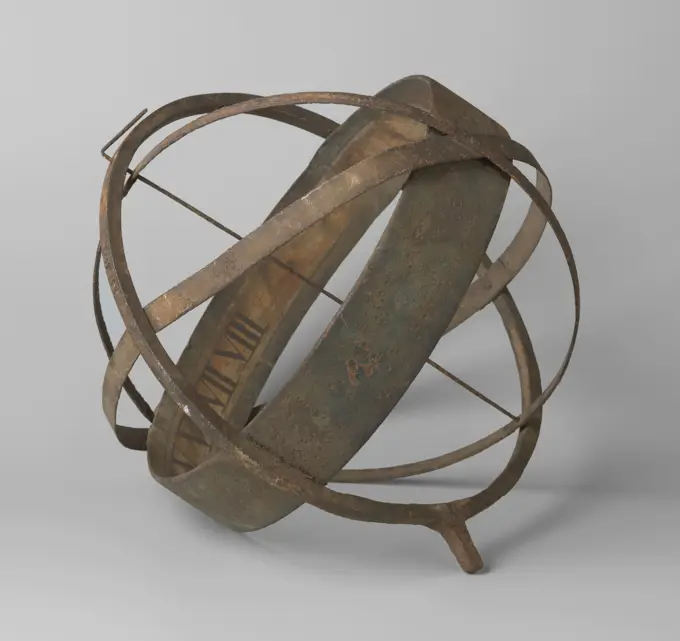
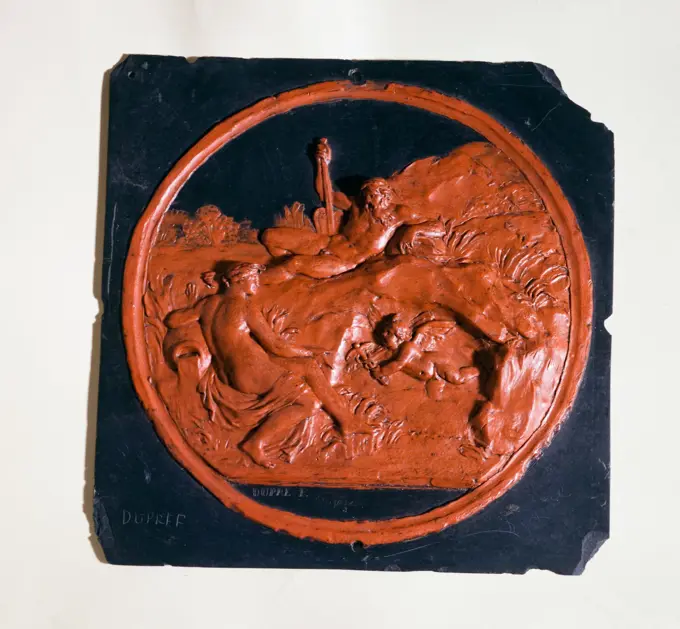
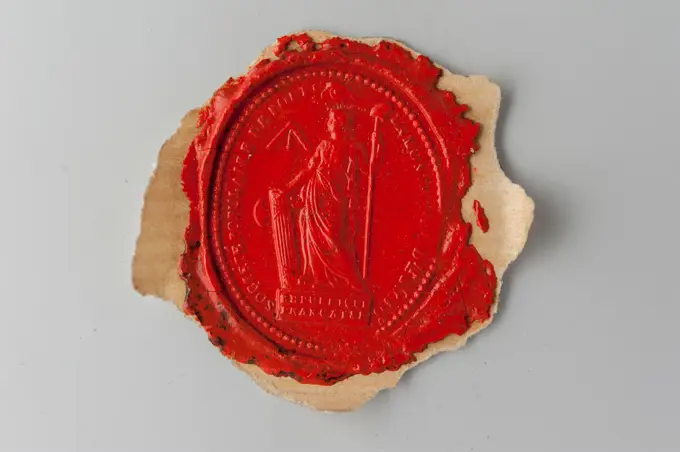
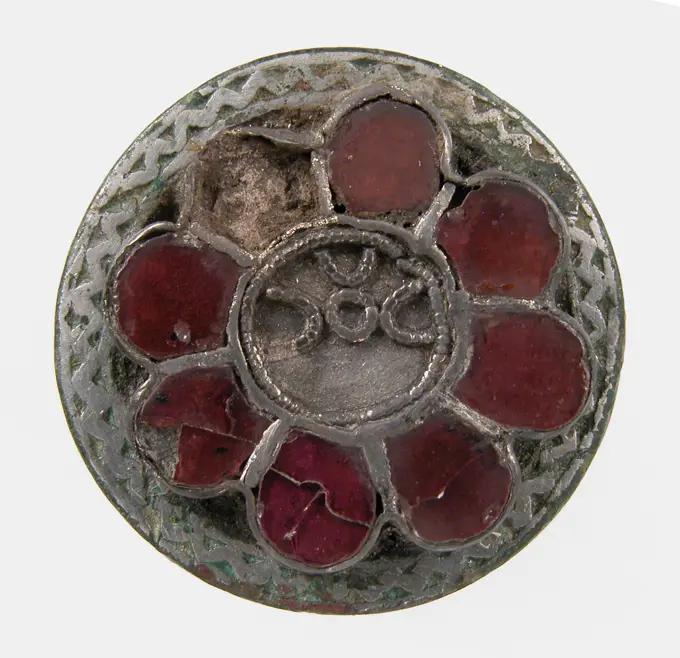
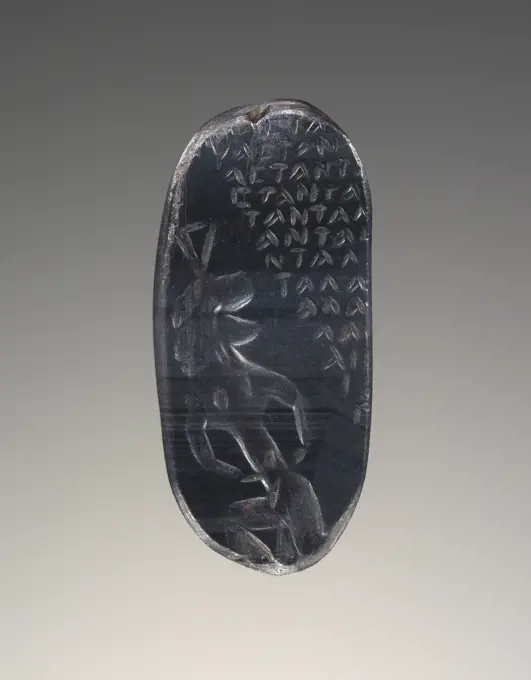
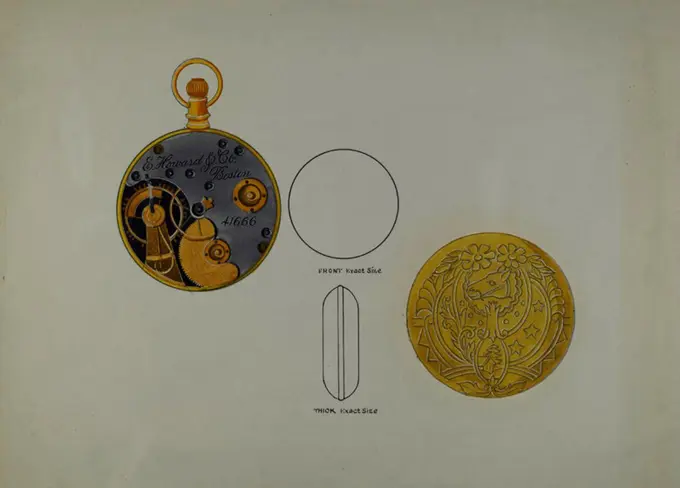
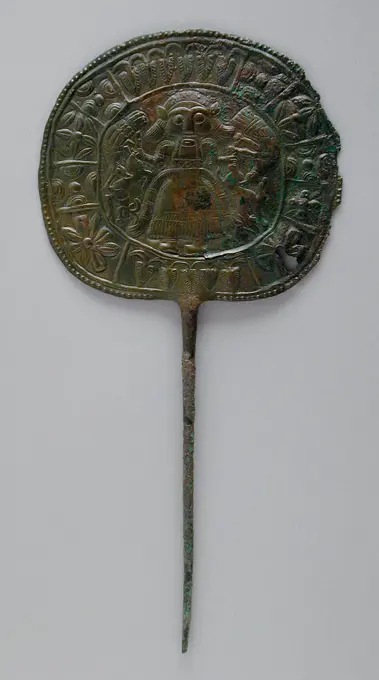
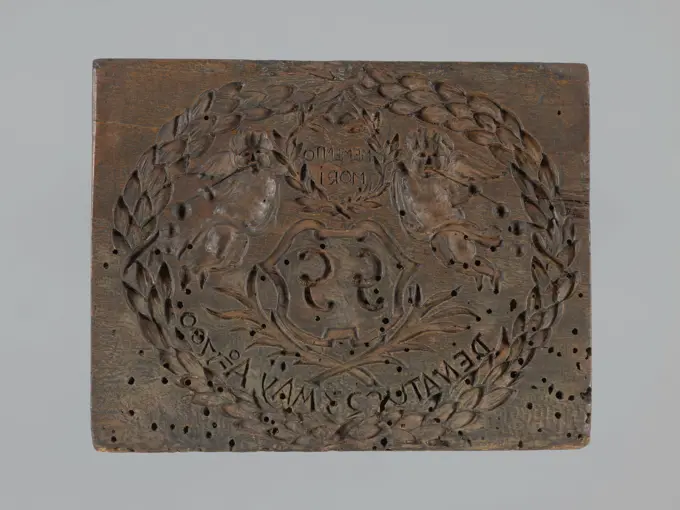
Dike piece right, 1599 - 1699  Right, iron, white, articulated, consists of an upper side to which three iron buckles are sounded. The edges of the buckles are tilted. Six horizontal articulated strips under the top side, the bottom of which goes over the upper strip. The underside is wider than the other strips. The rivets are white. The edges are fluing and cacked. The inside of the thigh piece is brown -colored with a white painted letter A. on the side visible the remnant of a leather belt. Rivets are secured with square bolts. West-Europa iron (metal). leatherSquare Plaque 3rd century B.C.-A.D. 2nd century Vicús. Square Plaque 314890Mirror with the Deity Zao Gongen. Culture: Japan. Dimensions: Diam. 8 1/2 in. (21.6 cm); D. 5/8 in. (1.6 cm). Date: 11th-12th century.Zao Gongen, the protector deity of Mount Kinpusen in Nara (Yoshino district), is considered the local Shinto manifestation of Buddhist deities as well as one of the most important divinities of the Japanese religious mountain practice shugendo. Here, the three-eyed Zao holds a vajra (thunderbolt) in his right hand, and stands with his right foot raised and his left hand at his hip. He is always depicted in a dynamic posture, full of energy and vitality. According to legend, the founder of shugendo, En no Gyoja (634-ca. 700), prayed on Kinpusen for a deity who could save all sentient beings, and the fierce Zao was chosen for the task. This mirror was excavated at the mountain, where many sutras (Buddhist scriptures) were buried to preserve Buddhist teachings. Museum: Metropolitan Museum of Art, New York, USA.Terracotta oil lamp ca. A.D. 40-100 Roman, Cypriot Loeschcke Type 4. Mold-made. Discus: shell pattern of nine relief fans radiating from a filling hole towards nozzle, with a band of lines and grooves towards edge. Volutes flanking nozzle. Within incised base ring, slightly uneven base, with large letters in relief across center: M A, with dot between.Intact.. Terracotta oil lamp. Roman, Cypriot. ca. A.D. 40-100. Terracotta. Early Imperial. TerracottasHalf of a Prayer Bead with Jesus Carrying the Cross. Culture: Netherlandish. Dimensions: 2 11/16 × 2 1/2 × 1 5/16 in. (6.8 × 6.4 × 3.4 cm)With attached loop: 2 11/16 × 2 1/2 × 1 5/8 in. (6.8 × 6.4 × 4.2 cm). Date: early 16th century.The rosary, a fifteen-part prayer developed primarily by the Dominican order, grew in popularity during the fifteenth century. Chains of beads called chaplets or rosaries helped devotees to keep track of the sequence during prayer. Wealthy patrons commissioned beads of the finest craftsmanship and materials, but even at the height of production, beads that open like miniature tabernacles are thought to have been quite rare. The Biblical inscriptions include an exhortation to open the bead and meditate on the scene within: "Attend, and see if there be any sorrow like to my sorrow" (Lamentations 1:12). Museum: Metropolitan Museum of Art, New York, USA.Shield (Dhàl) 19th century Indian. Shield (Dhàl) 31920Sword Guard (Tsuba) late 18th century Japanese A tsuba is a sword guard and part of a sword mounting. It is mounted between the swords blade and grip to protect the users hands.. Sword Guard (Tsuba) 25888Bell Tenerbrat (fragment; letter n )  lower tower, Mariac Basilica, Krakow Weygel, Johannesempty round old aluminum dish isolated on white background, top viewBox belonging to a bronze medal, Fernand Dubois, 1890 box A black round box with yellow edges, lid is damaged. Quilted inside. Brussels cardboard.   BelgiumPanel from a Minbar 13th-14th century Although the pattern of this group of panels appeared as early as the late twelfth century in Azerbaijan and is recorded as late as 1480-81, it enjoyed a particular vogue in Cairo between 1330 and 1350. A number of minbars in Cairo with this pattern and from this period bear very close resemblance to these pieces.. Panel from a Minbar 445037Sword Guard (Tsuba). Culture: Japanese. Dimensions: H. 3 in. (7.6 cm); W. 2 3/4 in. (7 cm); thickness 1/4 in. (0.6 cm); Wt. 4.2 oz. (119.1 g). Date: ca. 1800. Museum: Metropolitan Museum of Art, New York, USA.Circular Cosmetic Box with a Swivel Lid ca. 1492-1473 B.C. New Kingdom This box has a swivel top incised with a decorative pattern of concentric and overlapping circles that must have been made with an early version of a drawing compass. The inside of the box was incised with a simple rosette design. The box was found inside a coffin discovered in the tomb of Hatnefer. Other objects in the Museum's collection that were found in the same coffin include: a bowl and two dishes of faience (36.3.9-.10); two mirrors; and five amulets (36.3.20-.24).A similar box from the same period, but made of ivory, is also in the Museum's collection.. Circular Cosmetic Box with a Swivel Lid 548960Sword Guard (Tsuba) ca. 1615-1868 Japanese A tsuba is a sword guard and part of a sword mounting. It is mounted between the swords blade and grip to protect the users hands.. Sword Guard (Tsuba) 33488Plate and Nail 15th-16th century European. Plate and Nail. European. 15th-16th century. Iron. Metalwork-IronMirror with Concentric Circles, an Immortal, and Auspicious Animals, AD 25-100. China, Eastern Han dynasty (AD 25-220). Bronze; diameter: 16.3 cm (6 7/16 in.); overall: 1.5 cm (9/16 in.); rim: 1 cm (3/8 in.).. Come with a spreading wall of gray baking quartz fritewes painted on the inside in luster on the glaze with a border filled with a Arabic scratching ornament including a border with an ornament of hexagonal boxes and half circles. On the bottom one medallion with a wheel with six spokes, on the outside tabs and stripes.Sword Guard (Tsuba) 1786-1859 Japanese A tsuba is a sword guard and part of a sword mounting. It is mounted between the swords blade and grip to protect the users hands.. Sword Guard (Tsuba) 30023Shield (Dhàl). Culture: Indian. Dimensions: Diam. 12 3/4 in. (32.4 cm); Wt. 2 lbs. 10.9 oz. (1216.2 g). Date: 19th century. Museum: Metropolitan Museum of Art, New York, USA.Two silver plates () From the Association of Minutes Institut, Liegnitz; Belitski, Ludwig (1830-1902); 1854- (1854-00-00-1854-00-00);Legnica (Dolnośląskie Voivodeship), minutes of Institut (Legnica), artistic crafts, goldsmithCarnavalet Museum, Medals CollectionSword-Hilt Collar and Pommel (Fuchigashira) ca. 1615-1868 Japanese A fuchigashira is a pair of matching sword fittings comprising the fuchi (collar at the base of the grip of the sword hilt) and kashira (pommel cap at the end of a sword hilt).. Sword-Hilt Collar and Pommel (Fuchigashira). Japanese. ca. 1615-1868. Copper-silver alloy (shibuichi), copper-gold alloy (shakud), silver. Sword Furniture-Fuchi-KashiraSerpent King (Nagaraja) Emerging from a Lotus 101 CE-200 CE Gandhara. Gray schist .Pearl and Gilt Metal Button, 1770-1800. Made in Birmingham, maker unknownMirror with floral designs 8th century China. Mirror with floral designs. China. 8th century. Bronze with black patina. Tang dynasty (618-907). MirrorsBrooch -Earflare Frontal, Spider. Culture: Moche (Loma Negra). Dimensions: W. 3 1/2 in. (8.9 cm). Date: 390-450. Museum: Metropolitan Museum of Art, New York, USA.Bliżej Kultury unknownSword Guard (Tsuba) 17th century Japanese A tsuba is a sword guard and part of a sword mounting. It is mounted between the swords blade and grip to protect the users hands.. Sword Guard (Tsuba). Japanese. 17th century. Iron, gold, copper. Sword Furniture-TsubaSquare inlay ca. 9th-7th century B.C. Assyrian. Square inlay. Assyrian. ca. 9th-7th century B.C.. Glass. Neo-Assyrian. Mesopotamia, Nimrud (ancient Kalhu)Brick with Palmette and Arabesque DesignSword Guard (Tsuba) ca. 1615-1868 Japanese A tsuba is a sword guard and part of a sword mounting. It is mounted between the swords blade and grip to protect the users hands.. Sword Guard (Tsuba) 25753Dish ca. 1780-85 Longton Hall. Dish. John Turner (active 1762-86). British, Longton Hall, Staffordshire. ca. 1780-85. Stoneware (caneware). Longton Hall (British, Staffordshire, ca. 1749-1760). Ceramics-PotteryPlateSword Guard (Tsuba) late 18th-early 19th century Japanese A tsuba is a sword guard and part of a sword mounting. It is mounted between the swords blade and grip to protect the users hands.. Sword Guard (Tsuba) 26359Sword Guard (Tsuba) 1805 Japanese A tsuba is a sword guard and part of a sword mounting. It is mounted between the swords blade and grip to protect the users hands.. Sword Guard (Tsuba) 34364Model for a bracket of a book lock with flowers in a medallion, anonymous, c. 1750 - c. 1775 The MDEL driven from plate for a mold is decorated with flowers in a medallion and two bows at the top and bottom. Amsterdam copper (metal) The MDEL driven from plate for a mold is decorated with flowers in a medallion and two bows at the top and bottom. Amsterdam copper (metal)Mirror with game board design and animals of the four directions 1st-2nd century China The diagrammatic decoration on the back of this mirror points to a new cosmology. The square worldaligned with the four cardinal directions and inscribed with the “twelve earthly branches” used to compute the calendaris surrounded by the circular heavens ringed in turn by the waves of the cosmic ocean. Sharing the heavenly realm with the animals of the four directions are T-, L-, and V-shaped markings that recall the same design on the liubo game board, suggesting that a game of chance also plays a part in the workings of the universe.. Mirror with game board design and animals of the four directions. China. 1st-2nd century. Bronze with black patina. Han dynasty (206 B.C.-A.D. 220). MirrorsBuzzing purse. 1880. GAL2001.195.XK coin. siege coin Unilateral, diamond -shaped emergency coin of a quarter of the siege of Zierikzee. Front: three stamps above each other; From bottom to top: state weapon: coat of arms within oval edge of the pearl; city coat of arms: coat of arms in Cartouche in pearl edge; year in cartouche. Reverse: Blanco Netherlands silver (metal) striking (metalworking)  ZierikzeeButton or Bead 9th-10th century This object was excavated at Nishapur.Nishapur was a vital city in the early and middle Islamic periods, located along one of the main trajectories that connected Iran and West Asia Islamic lands with Central Asia and China. These itineraries are often referred to by the term Silk routes’ but were in fact crucial to the movement of constellations of materials and objects, as well as people and ideas. The diverse population of Nishapur and its surroundings, from the better-researched elite groups of merchants, land-owning aristocracy, and literates, to the less-known artisans, farmers, miners, and servants, were instrumental in adapting global cultural trends to create their own distinctive visual languages. This is seen in the material remains of everyday life in medieval Nishapur - from pots and pans to lighting devices, inkwells, textiles and trimmings, jewelry, games and toys, talismanic devices, weapons, coins, and architectural fragments.Nishapur lBowl. Culture: Mimbres. Dimensions: H. 2 3/4 x Diam. 6 3/8 in. (7 x 16.2 cm). Date: 10th-12th century. Museum: Metropolitan Museum of Art, New York, USA.Ivory label incised with an early hieroglyph that may be the image of a bundle of arrows. Dimensions: H: 3.7cm (1 7/16 in.); W: 3.3 cm (1 5/16 in.); th: 0.7 cm (1/4 in.). Dynasty: Dynasty 1. Date: ca. 2650 B.C.. Museum: Metropolitan Museum of Art, New York, USA.Terracotta fish-plate ca. 375-360 B.C. Attributed to the Bastis Painter Although this plate is among a group of similar fish-plates by the Bastis Painter, certain features are different. On this piece, the body of the fish is outlined in white, not black, the mouth, eyes, and dots on the body are drawn differently, and the decoration around the central depression is a band of strokes, not the usual wave-pattern.. Terracotta fish-plate 247406Set of Fire Linings, c. 1770-1780. France, style of Louis XVI, 18th Century. Cast iron; average: 93.4 x 134.6 x 44.5 cm (36 3/4 x 53 x 17 1/2 in.); panel: 78.1 x 34.3 x 2.5 cm (30 3/4 x 13 1/2 x 1 in.).Chlorite lid of a vase ca. 1200-1100 B.C. Cypriot With incised concentric circles; this is the lid for an amphoriskos (74.51.5023a).. Chlorite lid of a vase 243903Planets-manager. Cornalet Collection Sites 2013-2016. Numismatic.Sword Guard (Tsuba), c. 1615-1868. Japan, possibly Edo period (1615-1868). Iron; diameter: 6.1 cm (2 3/8 in.).Sword Guard (Tsuba) ca. 1615-1868 Japanese A tsuba is a sword guard and part of a sword mounting. It is mounted between the swords blade and grip to protect the users hands.. Sword Guard (Tsuba) 33473MirrorSword Guard (Tsuba). Culture: Japanese. Dimensions: H. 3 1/8 in. (7.9 cm); W. 2 7/8 in. (7.3 cm); thickness 3/16 in. (0.5 cm); Wt. 4.7 oz. (133.2 g). Date: 19th century. Museum: Metropolitan Museum of Art, New York, USA.Inro with wagon wheels in water, anonymous, 1700 - 1800 Five -part Inro. Gold lacquer decorated with wagon wheels in the water. Japan wood (plant material). lacquer (coating) Five -part Inro. Gold lacquer decorated with wagon wheels in the water. Japan wood (plant material). lacquer (coating)Terracotta oil lamp 1st century B.C.-1st century A.D. Roman, Cypriot Loeschcke Type 4. Mold-made. Discus: indistinct figures representing Ganymede and the eagle. Volutes flanking nozzle with large wick hole. Undefined base with faint, irregular base ring.. Terracotta oil lamp. Roman, Cypriot. 1st century B.C.-1st century A.D.. Terracotta. Early Imperial. TerracottasRing bottle 1820-30 American. Ring bottle 595Mirror Case with Cover, 300s BC. Greece, 4th century BC. Bronze; case: 29.3 cm (11 9/16 in.); diameter: 20 cm (7 7/8 in.).Bronze mirror ca. 425-400 B.C. Etruscan Satyr and maenadThe motif of satyr chasing maenad is one of the most popular erotic subjects in both Etruscan and Greek art. The use of this composition for a circular mirror is a reminder of its frequent appearance on the interiors of Greek cups. In both cases, it is perfectly adapted to this tondo shape.. Bronze mirror 250964 Etruscan, Bronze mirror, ca. 425400 B.C., Bronze, 9 9/16 x 6in. (24.3 x 15.3cm). The Metropolitan Museum of Art, New York. Rogers Fund, 1920 (20.211)Hearing stone with representation of two climbing lions, c. 1875 - c. 1900 Hearing stone with representation of two climbing lions, placed in profiled window. The half windows at the top and bottom are filled with star motif. Netherlands earthenware Hearing stone with representation of two climbing lions, placed in profiled window. The half windows at the top and bottom are filled with star motif. Netherlands earthenwareDisc - headed Pin. Iran, Luristan, circa 1000-650 B.C.. Jewelry and Adornments; pins. BronzeThree shields with a representation of a double, crowned weaver coil, anonymous, c. 1625 - c. 1675 The shields have a wide field with rolling work at the top and bottom. Two gold -plated weave coils are shown on the field with a gilded three -leaf crown above it. Netherlands brass (alloy) casting / gilding The shields have a wide field with rolling work at the top and bottom. Two gold -plated weave coils are shown on the field with a gilded three -leaf crown above it. Netherlands brass (alloy) casting / gildingSword Guard (Tsuba). Culture: Japanese. Dimensions: H. 2 7/8 in. (7.3 cm); W. 2 5/8 in. (6.7 cm); thickness 1/4 in. (0.6 cm); Wt. 4.7 oz. (133.2 g). Date: ca. 1615-1868. Museum: Metropolitan Museum of Art, New York, USA.Pair of Slit Disc Earrings, c. 6th-2nd century BCE, 1-1/8 x 7/16 x 3/8 in. (2.9 x 1.1 x 1 cm), Stone, Thailand, 7th-1st century BCESword Guard (Tsuba) with Cherry Blossoms, mid-1800s. Japan, Edo period (1615-1868). Iron ; diameter: 7.4 cm (2 15/16 in.).Helmet Crest (Maidate) 18th-19th century Japanese The symbolism conveyed by a representational helmet and face mask could be enhanced by the use of a detachable crest (maidate), usually mounted on the front of the helmet just above the brim. Crests are sometimes made of iron, but more frequently they combine delicate materials such as leather, paper-mché, or gilt and lacquered wood. Crest designs of the Edo period include a wide range of family heraldry (mon), naturalistic renditions of plants and animals, and sacred imagery. These same decorative themes are also featured on embossed iron breastplates of the period. The relatively broad surface of a breastplate afforded a skilled armorer ample room to display his talents as a metalworker and his inventiveness as an artist.This crest and breastplate (36.25.347) share a common sacred theme: the invocation of the war god Hachiman through the display of the characters representing his name. Hachiman, one of the principal Shintō deities (kHand guard, , 1800 - 1900 Open worked iron tsuba, decorated with bamboo shoots; Some remains of gilding and an inscription. Japan iron (metal). gilding (material) gilding Open worked iron tsuba, decorated with bamboo shoots; Some remains of gilding and an inscription. Japan iron (metal). gilding (material) gildingMirror with animals of the four directions and other mythical creatures 1st-2nd century China. Mirror with animals of the four directions and other mythical creatures. China. 1st-2nd century. Bronze. Eastern Han dynasty (25-220). MirrorsWeapons of the United States of America, s. d. (Dummy title) Weapons of the United States of America. Copper.Heart Scarab, Owner's Name Erased. Dimensions: l. 5.4 cm (2 1/8 in); w. 3.8 cm (1 1/2 in). Dynasty: Dynasty 26-29. Date: 664-380 B.C.. Museum: Metropolitan Museum of Art, New York, USA.empty old aluminum dish isolated on white background, top viewSword Guard (Tsuba), c. 1615-1868. Japan, possibly Edo period (1615-1868). Iron; average: 7.4 x 7.4 cm (2 15/16 x 2 15/16 in.).Sword Guard (Tsuba) with Fans, 1615-1868. Japan, Edo period (1615-1868). Iron; diameter: 7.7 cm (3 1/16 in.).Grahal-Manzara. Carnavalet 2013-2016 collection sites. Numismatics.Inkslab decorated with design of ancient bronze, anonymous, c. 1800 - c. 1900  China bronze (metal)  China bronze (metal)Sword Guard (Tsuba). Culture: Japanese. Dimensions: H. 3 1/16 in. (7.8 cm); W. 3 1/16 in. (7.8 cm); thickness 3/16 in. (0.5 cm); Wt. 3 oz. (85 g). Date: ca. 1615-1868. Museum: Metropolitan Museum of Art, New York, USA.Plate, Joshua and Kaleb. Culture: German. Dimensions: Overall: 15 1/2 x 2 1/8 in. (39.4 x 5.4 cm). Date: ca. 1500. Museum: Metropolitan Museum of Art, New York, USA.Commemorative badge of the Krakow Merchant Congregation issued on the occasion of the 500th anniversaryAnonymous. "Red wax stamp". Red wax inserted in a circular metal box. Paris, Museum of Romantic Life. Circular box, stamp, wax, inserer, metal, redSundial, c. 1699 - c. 1749 An iron sundial awarded by a lead dragon (BK-16973-1). The stone pedestal is missing.  iron (metal) An iron sundial awarded by a lead dragon (BK-16973-1). The stone pedestal is missing.  iron (metal)Bliżej Kultury Kurnatowski, Mieczysław (1833 1904)Brown coin; Pantikapaion; 1. W. 1st century BC (-100-00-00--76-00-00);Apollo (mitol.), Nadczarzyorze, head of Apollo (iconogr.), Monograms, message (provenance), Tri -day (iconogr.), Tyrs (iconogr.)Lock 15th-16th century European The decoration of Gothic iron locks and keys was often elaborate and of the highest standard of workmanship. The motifs were frequently drawn from Gothic architecture, reproducing on a miniature scale complicated tracery patterns and even tiny statuettes. A number of these tiny locks were compound, with some of the mechanisms concealed from view, and required two or even three keys used in sequence to open them. It has been suggested that the greatly expanded use of locks on doors, or coffrets and other types of storage chests was a result of the increasing urbanization of life and the new emphasis on material wealth and private ownership which developed in the late Middle Ages.. Lock. European. 15th-16th century. Iron. Metalwork-IronPanel 13th-14th century. Panel. 13th-14th century. Wood; carved, inlaid with ivory. Attributed to Egypt. WoodCard Tray. Dated: c. 1940. Dimensions: overall: 35.5 x 28 cm (14 x 11 in.). Medium: watercolor, pen and ink, and graphite on paper. Museum: National Gallery of Art, Washington DC. Author: Robert W. R. Taylor.Medal: Daniel Morgan (reverse). Jules Dupré (French, 1811-1889). Bronze; diameter: 5.8 cm (2 5/16 in.).Leaf belonging to water jug and cup with decor with roosters, plateel bakery De Distel, c. 1920 Earthware leaf belonging to a water jug and cup, with decoration in brown, purple and green spared in a black stock. Amsterdam earthenware Earthware leaf belonging to a water jug and cup, with decoration in brown, purple and green spared in a black stock. Amsterdam earthenwareInauguration of William III as King of the Netherlands in Amsterdam, Anonymous, 1849  Front: breastpiece man to the right inside Cover; Under Arming section mark: wing. Reverse: Inscription  wood (plant material) cutting  AmsterdamPicardie Canal. Medal project Augustin Dupr� (1748-1833). Picardie Canal (1785). Reverse model: underground junction of the Scheldt at the sum. Medallion (sculpture). Red wax on slate, 1785.Sword Guard (Tsuba) 1844-47 Japanese A tsuba is a sword guard and part of a sword mounting. It is mounted between the swords blade and grip to protect the users hands.. Sword Guard (Tsuba) 30021pectoral of precious metal, museum of the central square, Chichicastenango, municipality of the department of El Quiché, Guatemala, Central America.Grahal-Manzara. Carnavalet 2013-2016 collection sites. Numismatics.Disk Brooch Frankish ca. 550-650Hand Guard, Iwamoto Konkan, 1750-1850 Mokko-shaped tsuba with a wide raised edge; Within this edge there are three locusts and a spider at the front in Iroe Takazogan and a grasshopper on a braided mat at the rear; Signed "Iwamoto Konkan". Japan iron (metal). gold (metal). Mokko-shaped tsuba with a wide raised edge; Within this edge there are three locusts and a spider at the front in Iroe Takazogan and a grasshopper on a braided mat at the rear; Signed "Iwamoto Konkan". Japan iron (metal). gold (metal).Covered box decorated with chrysanthemums and waterfowl among lotus 13th century Korea Chrysanthemums feature prominently on the cover of this box: large and ornate in the center and small and minimalist around the border.. Covered box decorated with chrysanthemums and waterfowl among lotus 42298Engraved Gem; Roman Empire; 2nd - 4th century; Haematite; 2.6 × 1.2 cm (1 × 1,2 in.)Hearing stone with representation of two climbing lions, c. 1875 - c. 1900 Hearing stone with representation of two climbing lions, placed in profiled window. The half windows at the top and bottom are filled with arrow pattern. Glazed. Netherlands earthenware vitrification Hearing stone with representation of two climbing lions, placed in profiled window. The half windows at the top and bottom are filled with arrow pattern. Glazed. Netherlands earthenware vitrificationCarnavalet museum, medal collection Right shielded to the arms of the city of Saint-Josse-Ten-Noode, surrounded by different instruments used for the exercise of gymnastics and sport; Reverse crown of oak leaves and bay leaves.Play Fair of bottle -green velvet embroidered with silver wire, decorated on the bottom with unidentified weapon in silver brocade and silk passion, anonymous, c. 1680 - c. 1720 Play fair of bottle -green velvet embroidered with silver wire, decorated on the bottom with unidentified weapon in silver brocade and silk passion. Model: flat round bottom around which a wavy raised edge with holes, which originally drawn a braided silk cord, which is now missing. Lining is missing. Decoration: The 20 bulges or 'ribs' are decorated with frameworks in which alternating stacked ornaments in relief with leaf and floral motifs of silver wire. Along the top the whole was trimmed with a narrow passement with silver thread, which is now only partially over. The bottom is circled with a double edge within which a zigzag line of silver thread. Herein a lambrequin of silver brokaat on which an oval shield of silver brokaat in the middle divided by a bangement of the blue side on which an unknown (worn)Watch, Frame and Case. Dated: c. 1936. Dimensions: overall: 25 x 34.7 cm (9 13/16 x 13 11/16 in.). Medium: watercolor, pen and ink, graphite, and gouache on paperboard. Museum: National Gallery of Art, Washington DC. Author: Harry G. Aberdeen.Disc - headed Pin. Iran, Luristan bronzes, circa 1000-650 B.C.. Jewelry and Adornments; pins. BronzeDouble -sided gingerbread formSyria, Seleucydzi, Demetrius 1 (162 150), Antioch Over Orontes, coin, bronze (AE) Menna Antioch  Orontes, Demetrios 1