Decorative Historical Plates

A selection of ornate plates and molds with intricate designs, representing historical craftsmanship from various cultures, designed for collectors or historians.
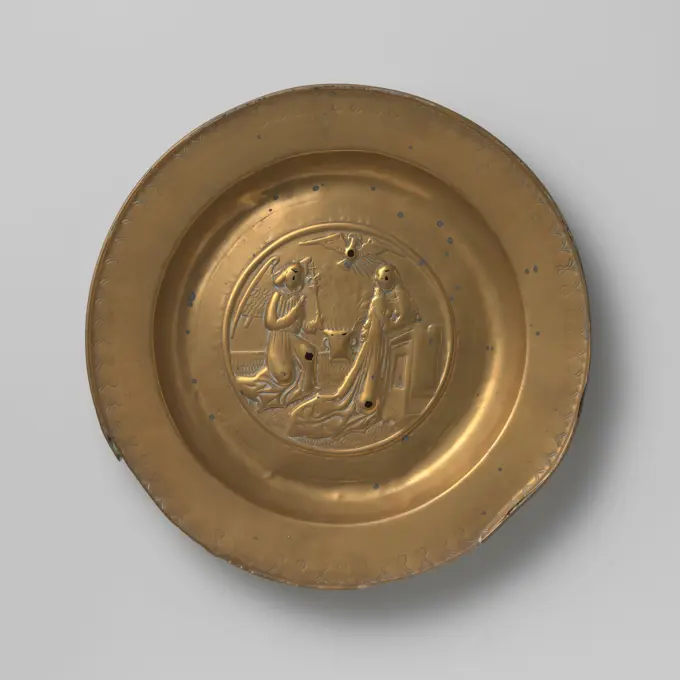
Dish with Annunciation, Anonymous, c. 1500 - c. 1600 In the flat of the dish, which has the center point in the middle, a representation of the proclamation to Mary is punched with the help of stamp shape. An ornamental letter frieze (repeated a few times) is applied around it. On the border, a ornament of crucifixes is punched against the iron wire, reinforced with iron wire. Neurenberg (possibly) brass (alloy). casting In the flat of the dish, which has the center point in the middle, a representation of the proclamation to Mary is punched with the help of stamp shape. An ornamental letter frieze (repeated a few times) is applied around it. On the border, a ornament of crucifixes is punched against the iron wire, reinforced with iron wire. Neurenberg (possibly) brass (alloy). casting
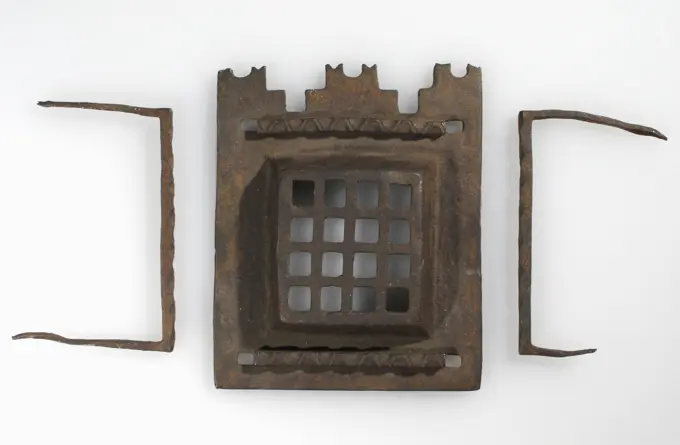
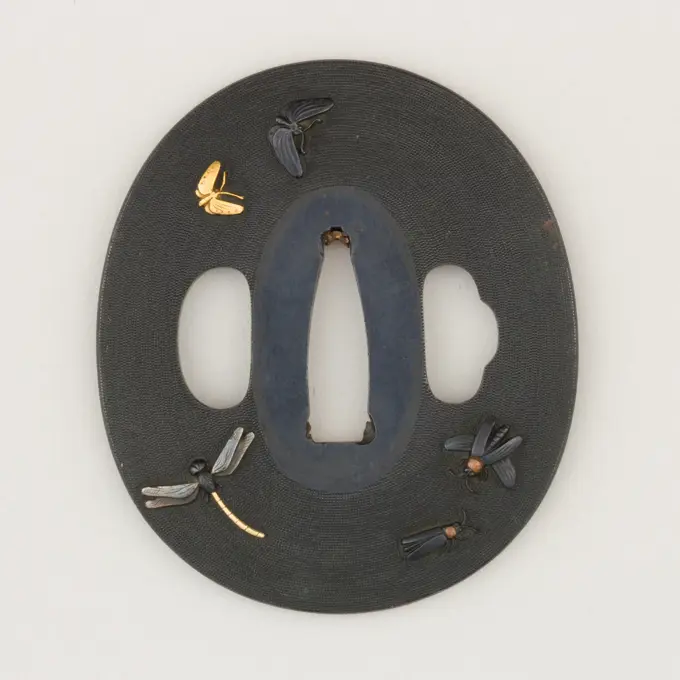
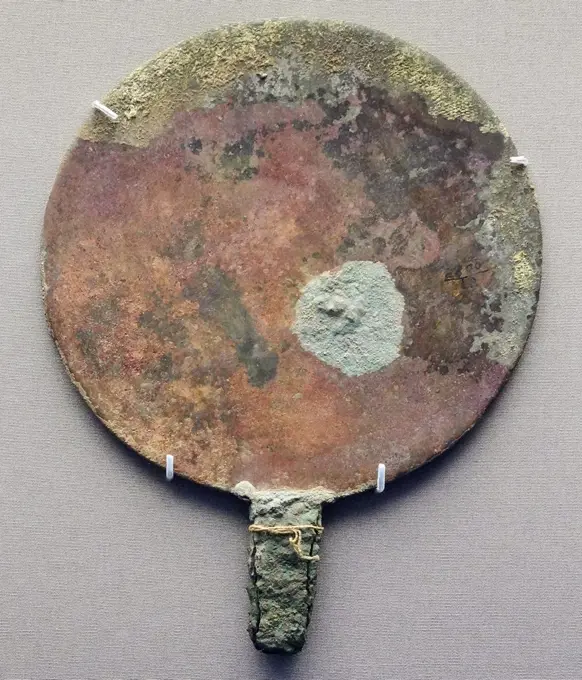
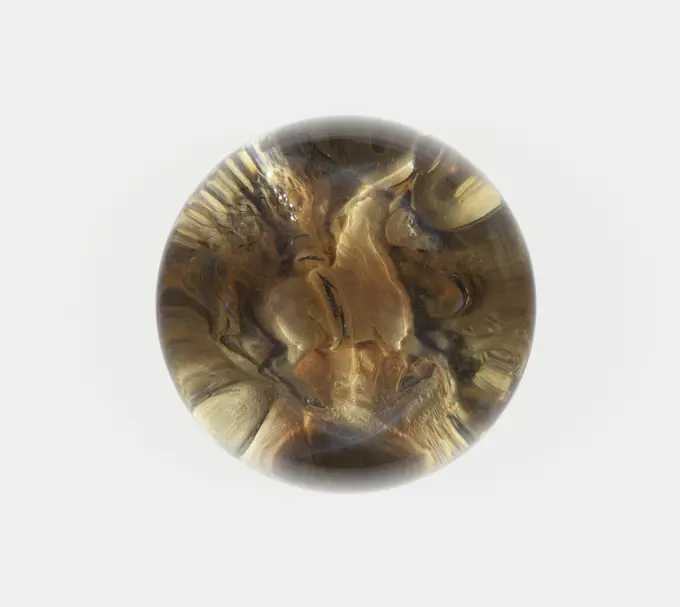
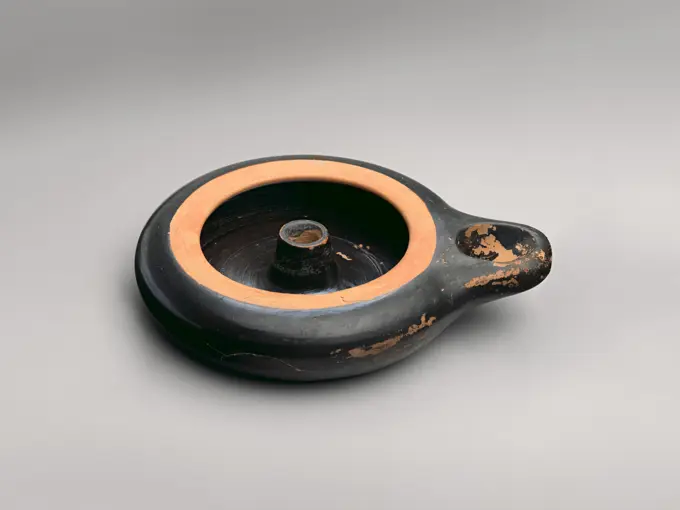
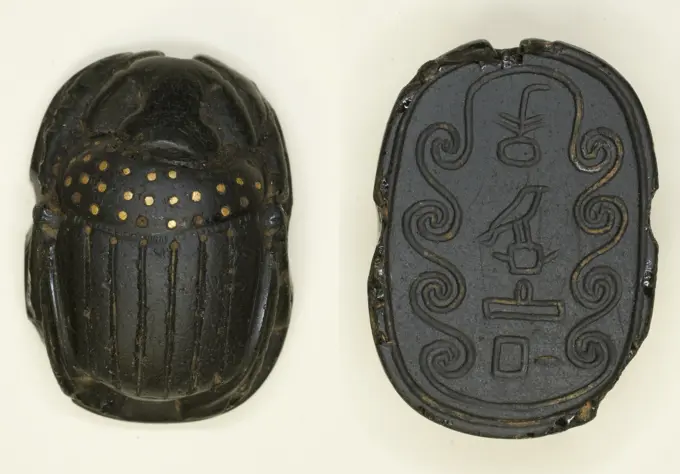
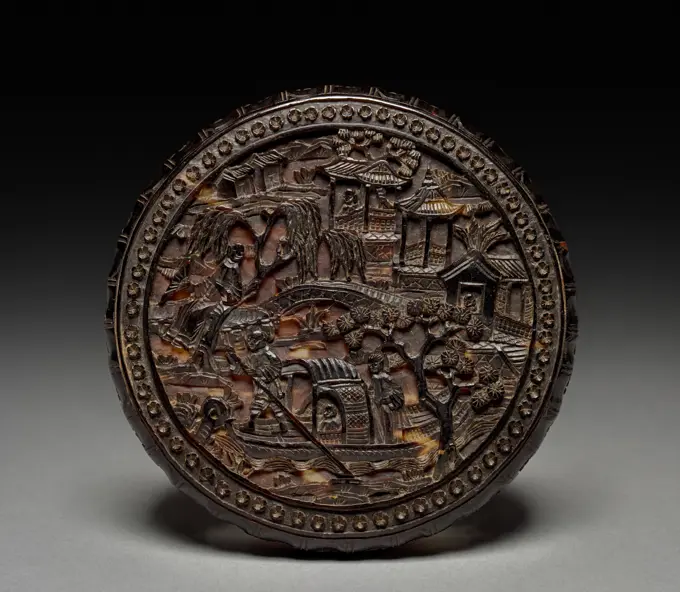
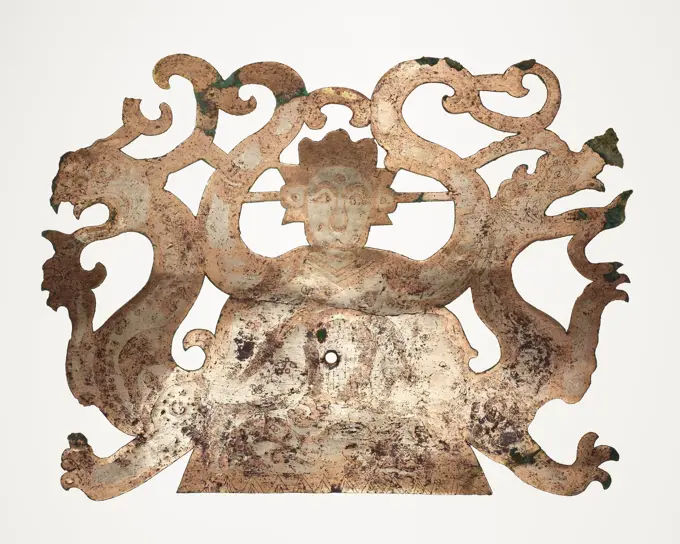
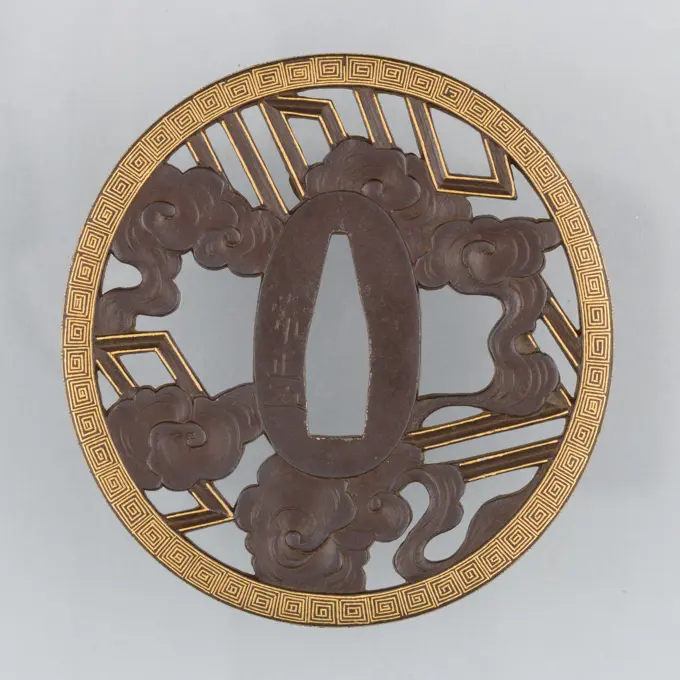
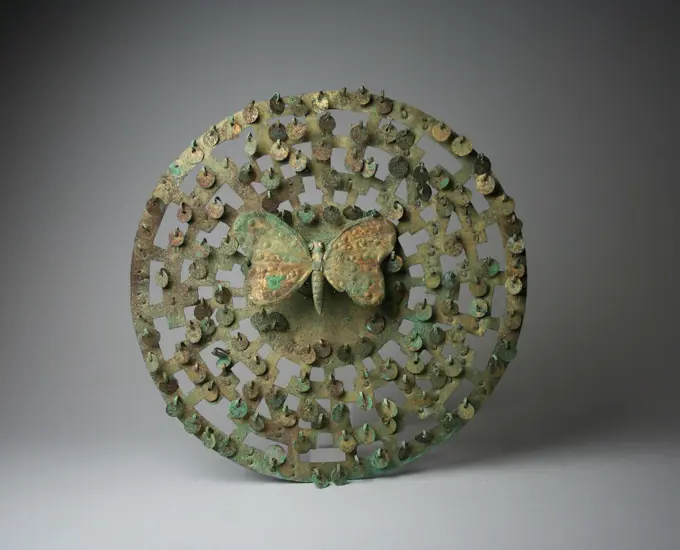
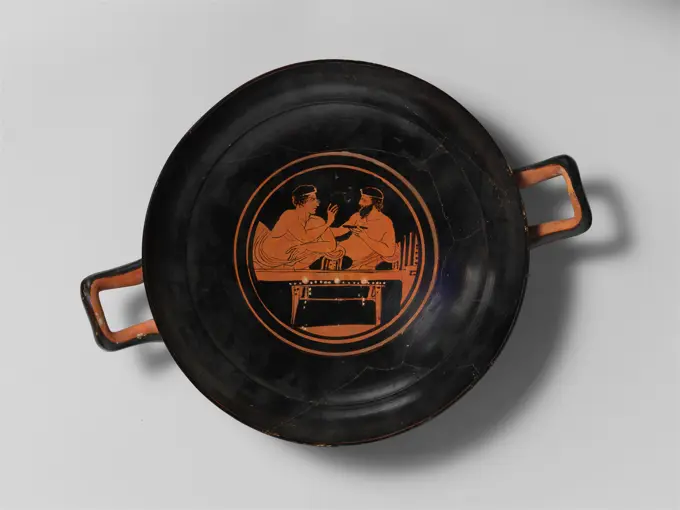
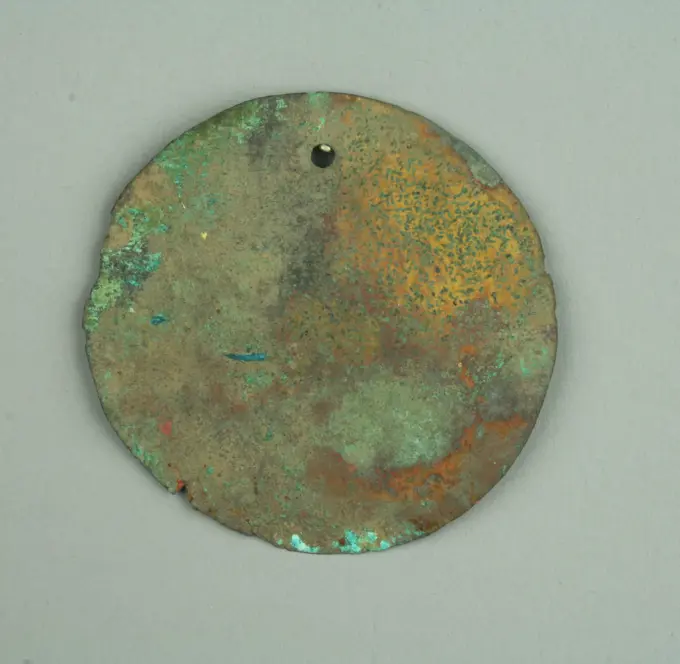
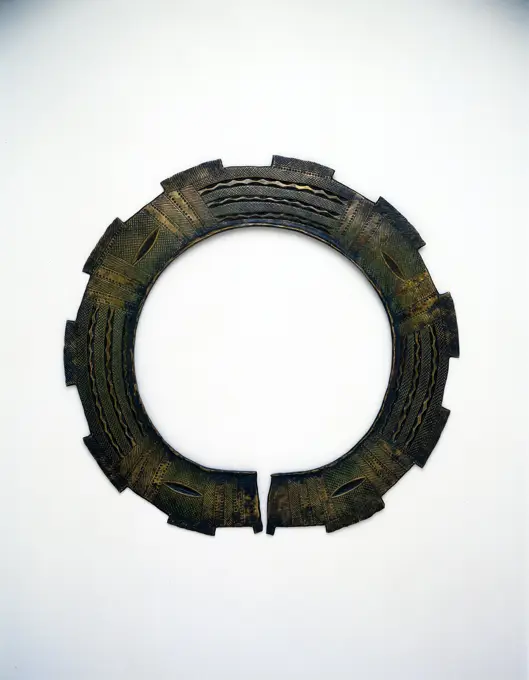
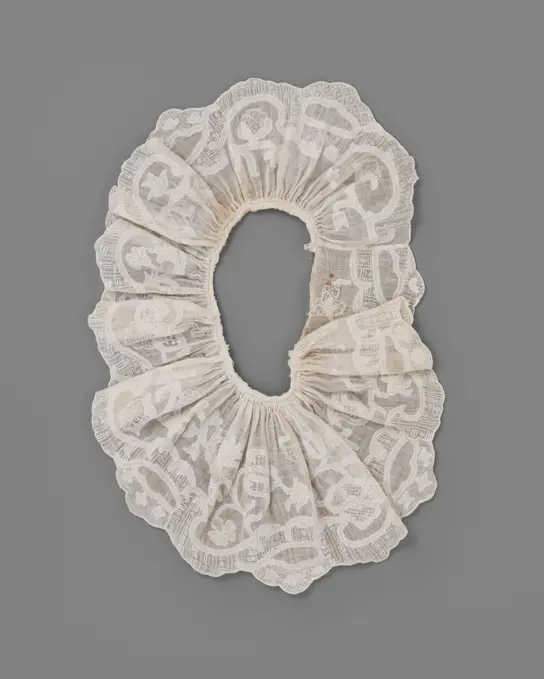
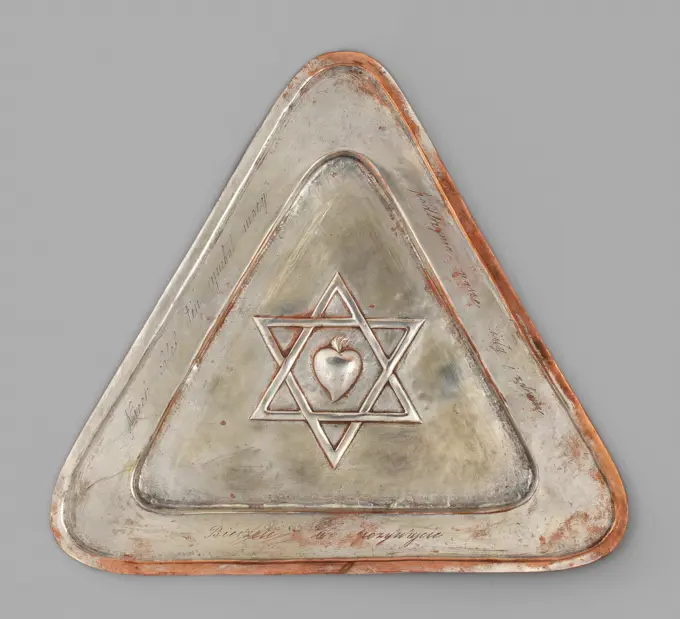
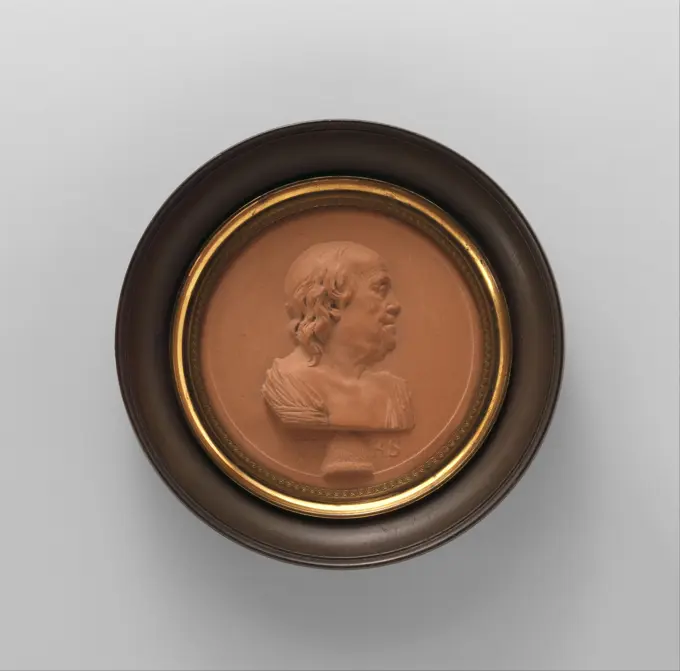
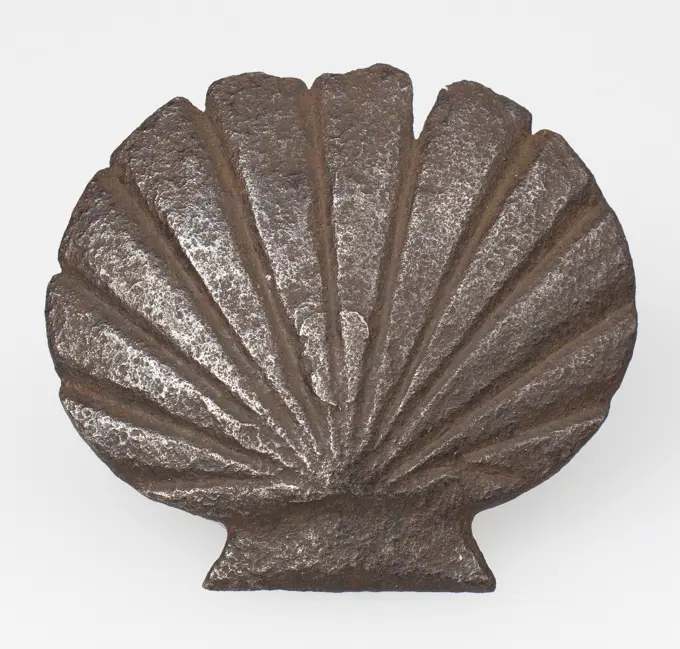
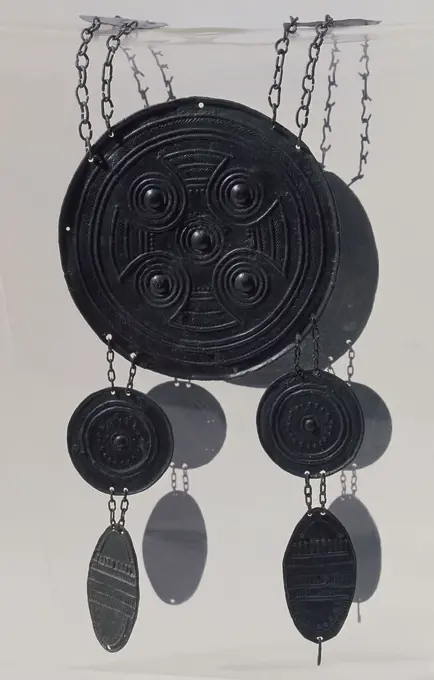
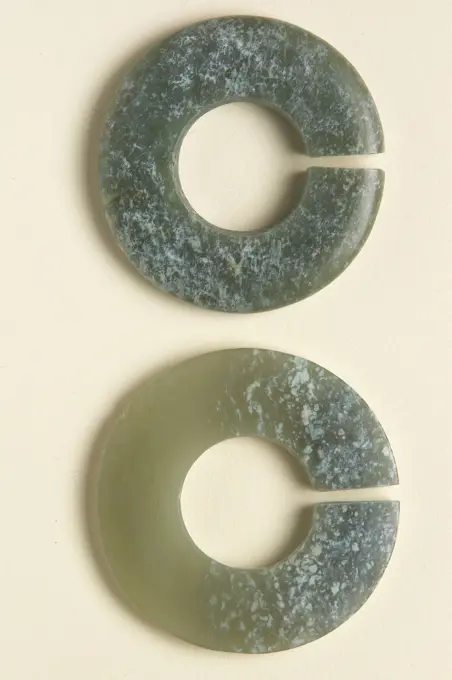
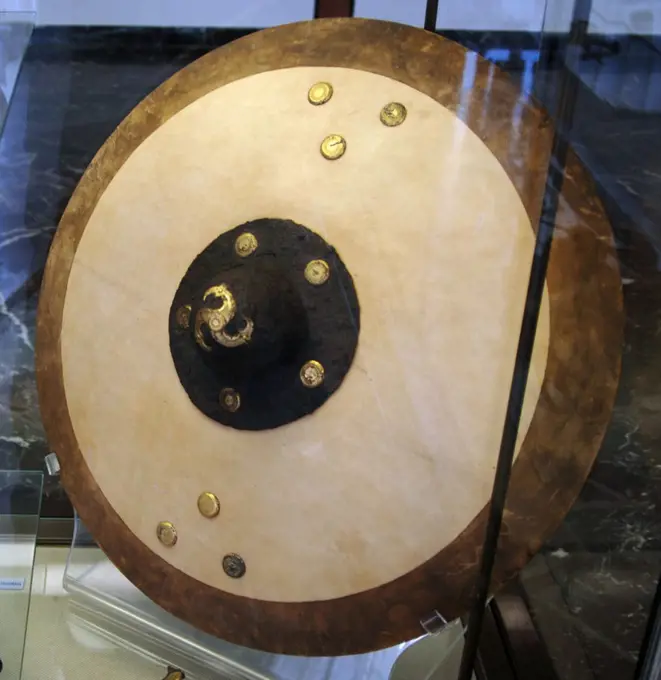
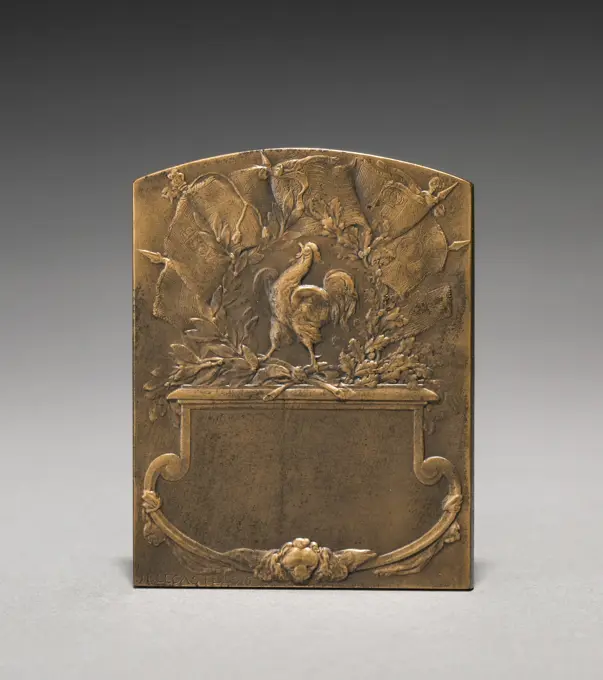
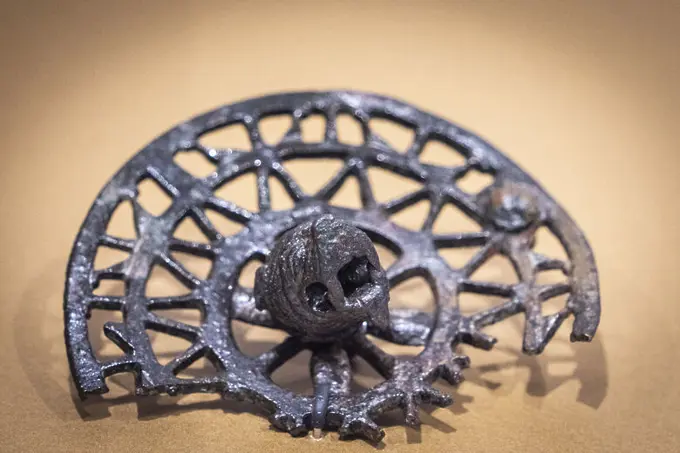
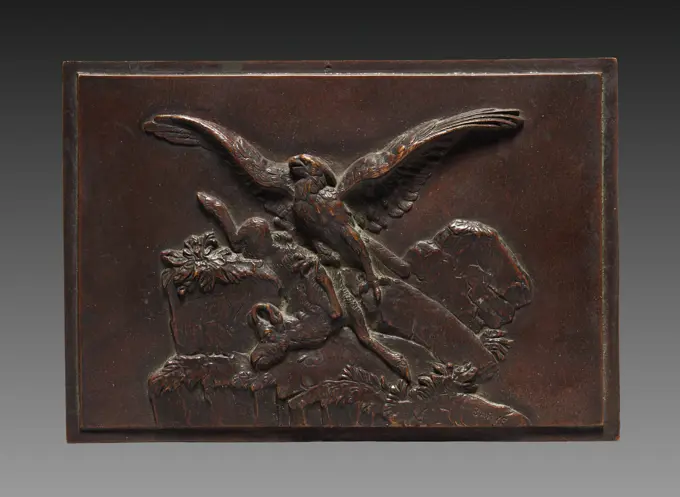
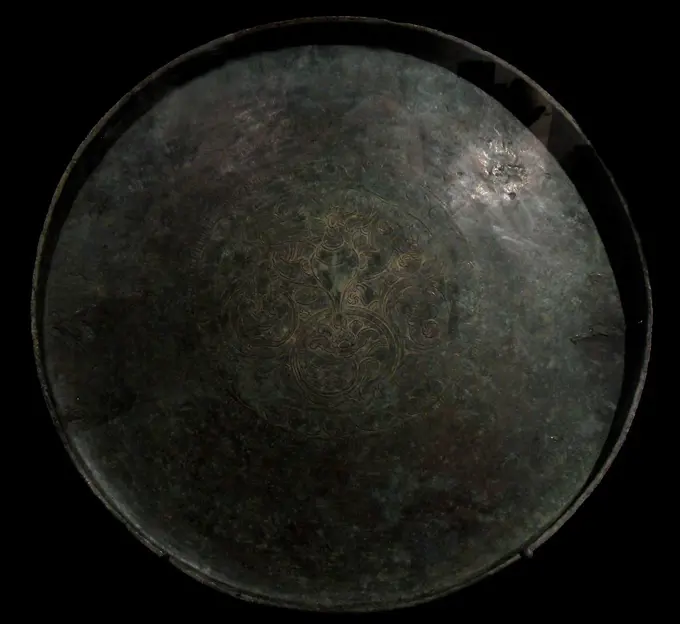
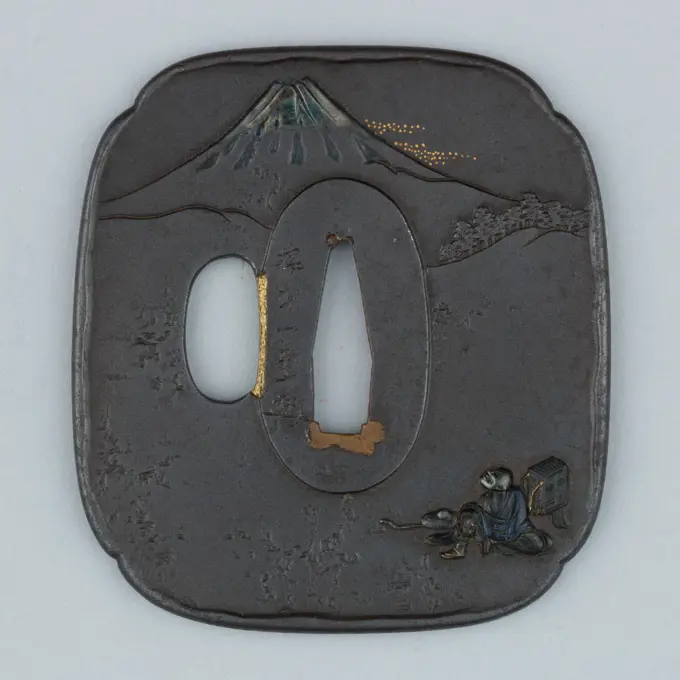
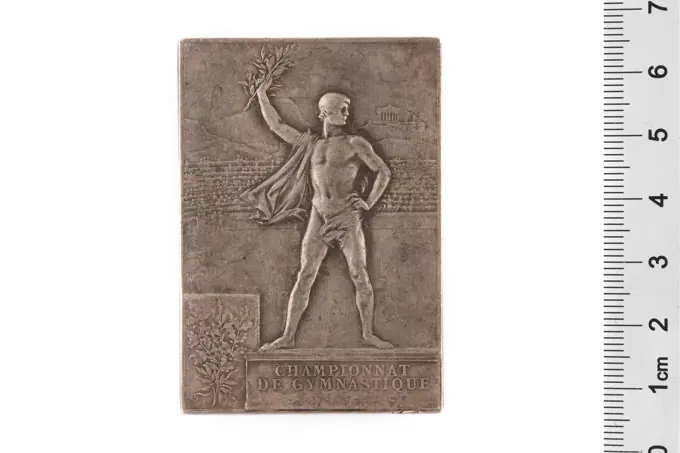
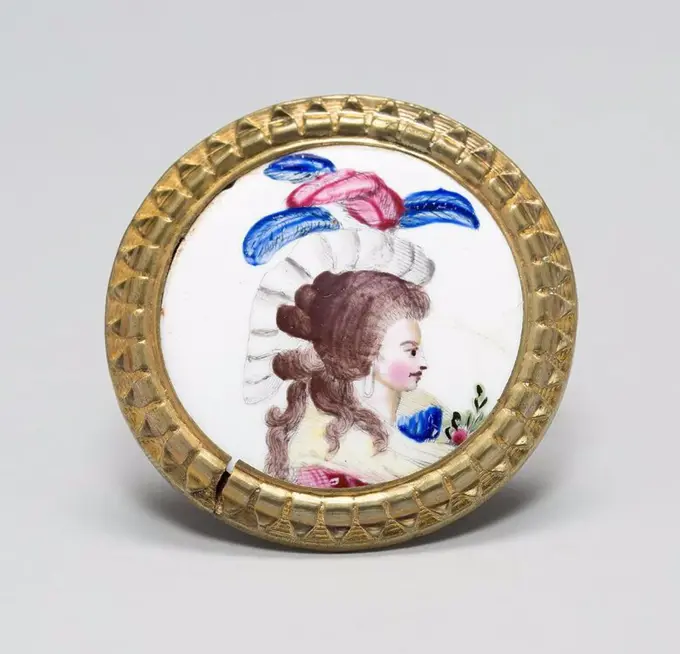
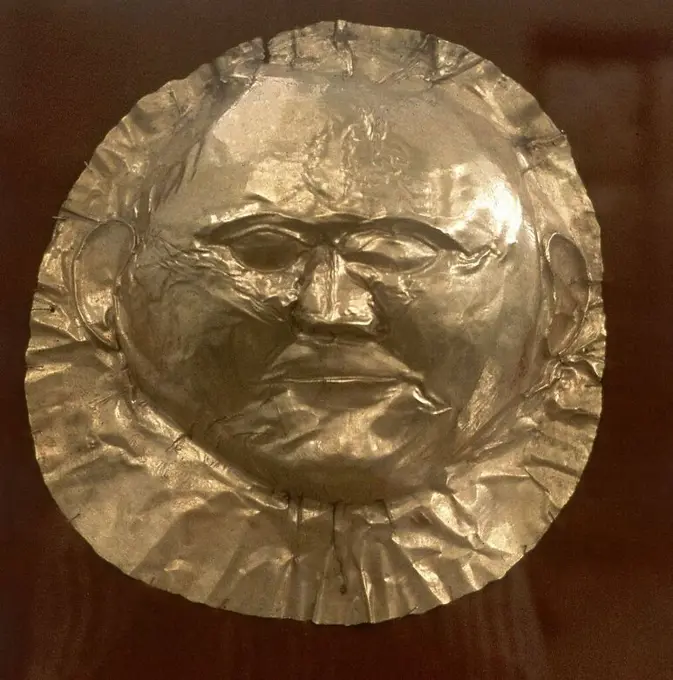
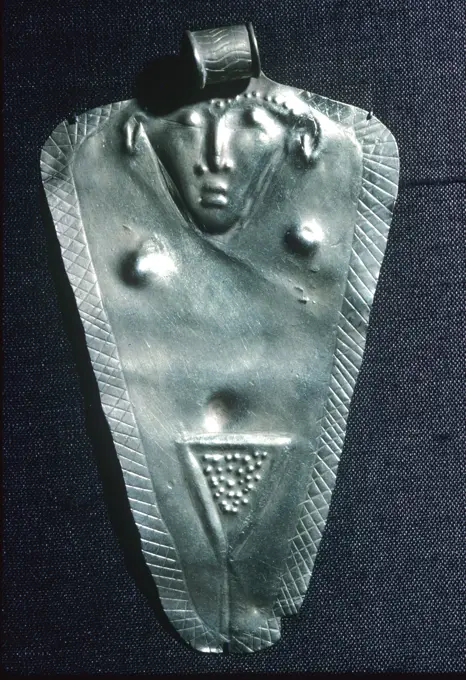
COLADOR DE PLATA PROCEDENTE DE MENGIBAR (JAEN). Location: MUSEO ARQUEOLOGICO NACIONAL-COLECCION. MADRID. SPAIN.Standard 16th century. Standard 451182Grille 15th-16th century European. Grille. European. 15th-16th century. Iron. Metalwork-IronCarnavalet museum, medal collection Right a shepherd dog on the right, head on the left; at the rear a flock of sheep kept by a shepherd; Reverse registration on three lines followed by a smooth field surrounded by a volute frame decorated with climbing ivy.Sword Guard (Tsuba) 18th century Japanese A tsuba is a sword guard and part of a sword mounting. It is mounted between the swords blade and grip to protect the users hands.. Sword Guard (Tsuba) 34927Openwork Belt Fitting. Culture: Frankish. Dimensions: Overall: 2 5/16 x 1/8 in. (5.9 x 0.3 cm). Date: 600-700.Openwork plaques were hung from a belt by a strap. Such useful objects as combs, keys, or amulets would then be suspended from the plaque by chains or strings. The patterns on these belt fittings ranged from architectural motifs to human figures to abstract designs. Museum: Metropolitan Museum of Art, New York, USA.1 Cash of Emperor Taizong of Song from Board ofRevenue. Ruler: Song Taizong, Emperor of China, Chinese, 939-997, ruled 976-97 Mint: Board of Revenue Artist: UnknownSword Guard (Tsuba) 18th century Japanese A tsuba is a sword guard and part of a sword mounting. It is mounted between the swords blade and grip to protect the users hands.. Sword Guard (Tsuba). Japanese. 18th century. Copper-gold alloy (shakud?), gold, silver, bronze, copper. Sword Furniture-TsubaFALSE COIN, 1/24 Speaker, 1761, Frederick Augustus II (1733 1763)Mirror, 300 BC - AD 350. Egyptian bronze mirror, from a Meroitic graveSword Guard (Tsuba). Culture: Japanese. Dimensions: H. 3 1/4 in. (8.3 cm); W. 3 1/8 in. (7.9 cm); thickness 1/8 in. (0.3 cm); Wt. 4.3 oz. (121.9 g). Date: ca. 1615-1868. Museum: Metropolitan Museum of Art, New York, USA.Column base; Unknown Nubian workshop; 1. PO. VIII century (701-00-00-750-00-00);Faras (Sudan), relief decorations, architectural elements, columns, Nubian art, rosettes (ornament), Polish excavations in Faras (Sudan)Silver loop.Tabernacle in the Church of St. John in Piflas, GermanyPaperweight 1843-1865 England. Glass .Terracotta lamp 5th century B.C. Greek, Attic Olive oil in the hollow interior fueled a wick set into the projecting nozzle. This lamp without a handle could be carried in the palm of one hand. The tube in the center of the oil reservoir provided a convenient finger hole on the bottom.. Terracotta lamp. Greek, Attic. 5th century B.C.. Terracotta; black-glaze. ClassicalBox, Anonymous, 1800 - 1900 Round box with a representation of a lying lion cut into the paint. Japan wood (plant material). lacquer (coating) Round box with a representation of a lying lion cut into the paint. Japan wood (plant material). lacquer (coating)Scarab Title and Personal Name ( ) 2055 BCE-1650 BCE Egypt. Stone and gold . Ancient Egyptian1/8 Schepel from Enkhuizen, Anonymous, 1800  Spans content measure for dry wares of 1/8 Schepel, v.z.v. Stamps and labels. Enkhuizen wood (plant material)   Enkhuizen. AlkmaarFragrance Box (lid), 1700s. China, Qing dynasty (1644-1911). Tortoiseshell; diameter: 8.6 cm (3 3/8 in.). An 18th-century Korean collector Yu Man-joo (1755-1788) wrote that spending money on luxury clothing, dishes, and decorations for the home is a waste, but acquiring fancy writing tools helps to develop elegant taste and high-mindedness.” Inspired by aesthetic discourses on elegance versus vulgarity in late Ming Chinese literature, Korean collectors in the late 1700s and 1800s strove to assemble objects that would display their intellect and sophisticated taste. Stationery objects in particular—printed books, finely crafted brushes, brush holders, ink stones, water droppers, stone wares with grayish-white crackled glazes as well as bronze vessels, and incense burners—were all objects that reflected pure and elegant taste.Japan, 20th century - Toshiba radio, 1950's.ESCUDO O RODELA DE PASEO DE CARLOS V CON LEON -INV.D2 - FABRICACION ITALIANA - SIGLO XVI. Author: FILIPPO NEGROLI (1510-1579). Location: PALACIO REAL-REAL ARMERIA DE MADRID. MADRID. SPAIN.Plaque in the Form of Hsi Wang Mu, Queen Mother of the West, late 2nd century, 8 9/16 x 11 1/2 in. (21.75 x 29.21 cm), Gilt bronze, China, 2nd century, The Queen Mother of the west, Hsi Wang Mu, is shown seated at her throne with a winged tiger and dragon rampant at either side. Wearing a crown and voluminous robes, she faces south with the dragon protecting the east and the tiger, the west. Hsi Wang Mu was the Queen of Mount Kun lun, the sacred mountain of immortality, and by Eastern Han (25-220 a.d.) she had been incorporated into the Taoist pantheon. Her image within a tomb represented the Taoist spiritual cultivation toward immortality and eternal happiness. The tiger and dragon, standard directional animals most likely were understood as protectors of the eastern and western directions. This basic Hsi Wang Mu also appears in bronze mirrors and money trees discussed in eastern Han tombs of Szechwan province, where Taoism has its origins.Sword Guard (Tsuba) ca. 1800 Japanese A tsuba is a sword guard and part of a sword mounting. It is mounted between the swords blade and grip to protect the users hands.. Sword Guard (Tsuba) 647366Hearing stone with representation of two climbing lions, c. 1875 - c. 1900 Hearing stone with representation of two climbing lions, placed in profiled window. The half windows at the top and bottom are filled with star motif. Netherlands earthenware Hearing stone with representation of two climbing lions, placed in profiled window. The half windows at the top and bottom are filled with star motif. Netherlands earthenwareArrowhead (Yanone). Culture: Japanese. Dimensions: L. 13 in. (33 cm); L. of head 3 3/4 in. (9.5 cm); W. 2 13/16 in. (7.1 cm); Wt. 2.2 oz. (62.4 g). Date: 18th century. Museum: Metropolitan Museum of Art, New York, USA.Disk Ornament 6th-7th century Moche (Loma Negra) This gilded copper disk featuring a three-dimensional butterfly at its center was produced by Moche metalsmiths on Perus North Coast. The ornament was originally cut from a larger sheet of hammered copper and then gilded (Lechtman, 1982; Schorsch, 1998). The disk features a solid roundel at the center surrounded by concentric bands of step motifs. The outermost ring is adorned with gilded dangles suspended by copper bands attached to the back of the disk. There are additional disks at vertices within the roundel yielding what must have been a dazzling spectacle when displayed in the sun. The gilded butterfly is represented with notable attention to anatomical detail, including its spread spotted wings, each inscribed with the wing veins, an abdomen with the sections apparent, and a head inlaid with shell and turquoise eyes. The insect is attached to the main body of the disk by six thin copper legs. These appendages would have permittedTile 12th-14th century French. Tile. French. 12th-14th century. Glazed earthenware. CeramicsPlate 1806 American. Plate 5976Native American hand drawn vector doodles illustration. Tribal poster design. Ethnicity elements and objects cartoon background. Monochrome funny picture. Native American hand drawn vector doodles illustration.Terracotta stemless kylix (drinking cup) ca. 430 B.C. Attributed to the Marlay Painter Interior, symposium (drinking party)Exterior, obverse and reverse, seated man and woman with phiale (libation bowl)While the execution is not refined, the composition of the cup is artful indeed. The interior is noteworthy for the use of the tondo as a porthole and for the frontal view of the symposiasts. The libation scene on each side of the exterior presents wine in a different context. Both the symposium and the libation were significant institutions in the life of an Athenian citizen.. Terracotta stemless kylix (drinking cup) 254309Round Plaque 3rd century B.C.-A.D. 2nd century Vicús. Round Plaque 315522Subtotel of multicolored painted faience, the porceleyne byl, c. 1750 Subtotle in the form of a leaf. Chernating with a terrine of earthenware in the form of a grape chocolas. Delft . Subtotle in the form of a leaf. Chernating with a terrine of earthenware in the form of a grape chocolas. Delft .Wooden Butter Stamp. Dated: c. 1937. Dimensions: overall: 37.5 x 28.5 cm (14 3/4 x 11 1/4 in.) Original IAD Object: 7" long; head: 2 3/4" in diameter. Medium: watercolor and graphite on paperboard. Museum: National Gallery of Art, Washington DC. Author: Frank Gray.Sword Guard (Tsuba). Culture: Japanese. Dimensions: H. 3 in. (7.6 cm); W. 2 3/4 in. (7 cm); thickness 3/16 in. (0.5 cm); Wt. 4.1 oz. (116.2 g). Date: 19th century. Museum: Metropolitan Museum of Art, New York, USA.Sword Guard (Tsuba) ca. 1615-1868 Japanese A tsuba is a sword guard and part of a sword mounting. It is mounted between the swords blade and grip to protect the users hands.. Sword Guard (Tsuba) 34366Chief's Collar, c. 1880, 3/16 x 12 7/16 x 11 7/8 in. (0.48 x 31.59 x 30.16 cm), Copper, Democratic Republic of the Congo, 19th centuryCuff with floral motifs, anonymous, c. 1750 - c. 1900 Cuff, consisting of three loose -torn scallops with floral motifs. West-Europa whole: Linen (Material) Cuff, consisting of three loose -torn scallops with floral motifs. West-Europa whole: Linen (Material)Coiled Animal Pendant. China. Date: 300 BC-100 BC. Dimensions: Diam. 3.8 cm (1 1/2 in.); Thickness: 0.3 cm (1/8 in.). Jade. Origin: China. Museum: The Chicago Art Institute, Chicago, USA.Patera for bread "zealous Litwin";  around 1816 (1811-00-00-1821-00-00);Lithuania, Małachowski-Łępicki, Stanisław (1884-1956), Salomon star (Masonic emblem), Freemasonry Lodge, Freemasonry, Burning heart (iconogr.), FreemasonryQuarter's hat - Klep van Jonkheer G.P.C. van Breugel, officer Mobiele Noord Hollandse Schutterij, ca. 1830-1832, Anonymous, c. 1830 - c. 1832  Black leather valve of a quarter hat with the remnant of sticker on which 57. This contained remnant paper strip with text: ..n- van Breughel (1830/32). Schutterij, 1st battalion, 2nd department. Netherlands leather   North HollandJousting Shield (Stecktarge) with the Coat of Arms of the City of Deggendorf. South German; Bavaria. Date: 1440-1470. Dimensions: 77.5 × 53.3 cm (30 1/2 × 21 in.)Wt. 9 lb. 6 oz. Wood, iron, leather, canvas, gesso, and paint. Origin: Saxony. Museum: The Chicago Art Institute, Chicago, USA.Culpepper Compound Microscope Slide, 18th Century. From microscope storage box 1965T5099.1.. Purchased from Edward H Pinto, 1965.Plaque of Benjamin Franklin ca. 1797 Jean Martin Renaud French. Plaque of Benjamin Franklin 5159Nail Head 15th-16th century European. Nail Head. European. 15th-16th century. Iron. Metalwork-IronMedal (reverse), 1914-1918. Emile André Boisseau (French, 1842-1923). Bronze; overall: 7 x 5.8 cm (2 3/4 x 2 5/16 in.).ARNES(ESCUDO REDONDO)PROC DE AGUILAR DE ANGUITA-GUADALAJARA. Location: MUSEO ARQUEOLOGICO NACIONAL-COLECCION. MADRID. SPAIN.Pair of Slit Disc Earrings, c. 4th century BCE - 1st century CE, a: Diam.1-13/16 x W.3/16 in.; b: Diam.1-3/4 x W.3/16 in., Jade, Vietnam, 5th century BCE - 1st century CEButton sample book, Paper, metal foil, thread, paillettes, Folding envelope of paper with tie closure; used as a case for ten circular buttons., On card 14, France, late 18th century, costume & accessories, Decorative Arts, Button sample bookFalse coin, IIthuanian shilIIng, 1661, John II Casimir (1649 1668)Pair Of Ear-plugs (India); brass, glass-settingEagles headReconstruction of a medieval shield. National Museum of the Early Middle Ages (Museo dell' Alto Medioevo). Rome. Italy.Mary Jane Walker and Joseph Walker, Parents of Donors Unknown. Mary Jane Walker and Joseph Walker, Parents of Donors, n.d. Tintype, Image (sight, each): 2 1/2 x 2 in. (6.4 x 5.1 cm).   Photography n.d.Retro look Euros picture Vintage looking One Euro coin isolated over white background Copyright: xZoonar.com/ClaudioxDiviziax 5860748Hardplate with the coat of arms of Karel V, Anonymous, in or after 1596 Cast iron fireplace, with a semicircular top. Central is the coat of arms of Karel V with the Habsburg eagle and two low columns of Hercules on either side. Banderoles have been installed around these columns with an inscription on it. Around the left column: plus. For the right column: Oultre. In addition to the Kroon, the year 1596. Filed next to the eagle heads with the initials SG. Germany iron (metal) casting Cast iron fireplace, with a semicircular top. Central is the coat of arms of Karel V with the Habsburg eagle and two low columns of Hercules on either side. Banderoles have been installed around these columns with an inscription on it. Around the left column: plus. For the right column: Oultre. In addition to the Kroon, the year 1596. Filed next to the eagle heads with the initials SG. Germany iron (metal) castingEmilia-Romagna Ferrara Ferrara Museo Civico di Schifanoia97. Hutzel, Max 1960-1990 General Notes: INCOMPLETE RECORD--NEGATIVES PROCESSED, PRINTS FILED German-born photographer and scholar Max Hutzel (1911-1988) photographed in Italy from the early 1960s until his death. The result of this project, referred to by Hutzel as Foto Arte Minore, is thorough documentation of art historical development in Italy up to the 18th century, including objects of the Etruscans and the Romans, as well as early Medieval, Romanesque, Gothic, Renaissance and Baroque monuments. Images are organized by geographic region in Italy, then by province, city, site complex and monument.Medallion (reverse). Jules Prosper Legastelois (French, 1855-1931). Bronze; overall: 6.4 x 4.8 cm (2 1/2 x 1 7/8 in.).A plate Economic Huta Z Bkowicegoverning element and decoration of a horse cart, 4th-3rd century BC, Ategua (Cordoba), Iberian culture, Iberian Museum of Jaén, Andalusia, Spain.Departure (1/6 mines);  III century BC (-300-00-00--201-00-00);Henri (1865-1917) - collection, HoffmannSeal 19th century China. Seal 40982Eagle with Chamois, c. 1830 - 1875. Antoine-Louis Barye (French, 1796-1875). Bronze; overall: 11.2 x 16 x 1 cm (4 7/16 x 6 5/16 x 3/8 in.).High Novelty Paris. Plate of twenty-four Lorraine cross buttons. Carton, wood, painting, 1944. General Leclerc Museum of Hauteclocque and the Liberation of Paris, Jean Moulin Museum.Bronze ritual plate called a Talam. IX century. From IndonesiaRoof-end tile, 8th-10th century, Unknown Korean, 5 5/8 × 5 9/16 × 1 1/2 in. (14.29 × 14.13 × 3.81 cm), Stoneware, Korea, 8th-10th centurySword Guard (Tsuba) early 19th century Japanese A tsuba is a sword guard and part of a sword mounting. It is mounted between the swords blade and grip to protect the users hands.. Sword Guard (Tsuba) 30040Ornament ca. 3rd-7th century A.D. Sasanian. Ornament 323086Louis Oscar Roty (1846-1911). Medal. The Virgin. Metal, gilded bronze. S.D. Museum of Fine Arts in the city of Paris, Petit Palais. 57549-1 Bronze gilded, metal, numismatics, reverseJubilee exhibition, gymnastic championship. Vernon, Frederic (1858-1912), male medallistCloak Pin (Knob or Tieback). England. Date: 1810-1830. Dimensions: Diam. 4.8 cm (1 7/8 in.). Copper, transfer printed and polychrome enamel, gilt bronze, and iron. Origin: England. Museum: The Chicago Art Institute, Chicago, USA.Plate with a Bird and Fish. India, West Bengal, Chandraketugarh region, circa 1st century BCE - 1st century CE. Furnishings; Serviceware. Black-slipped gray wareMASCARA FUNERARIA EN ORO. Location: MUSEO ARQUEOLOGICO-ORFEBRERIA. ATHENS. GREECE.Asia, Israel. Astarte Pendant, gold, 1600 BC, Israel.Stamp