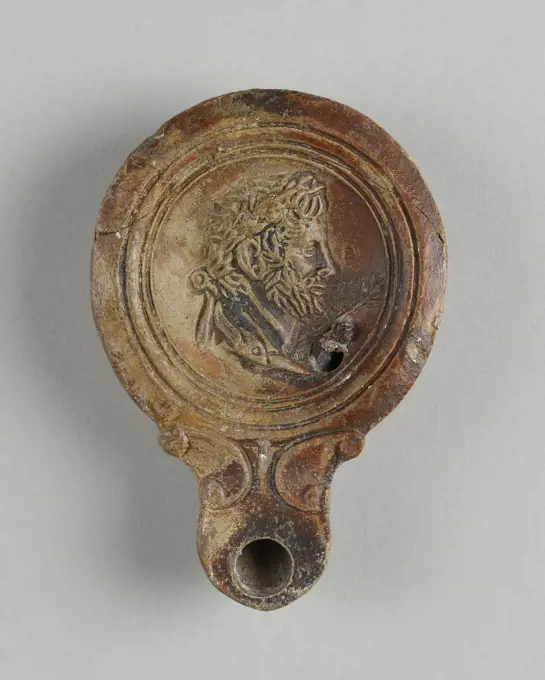
Decorative Metal Artifacts

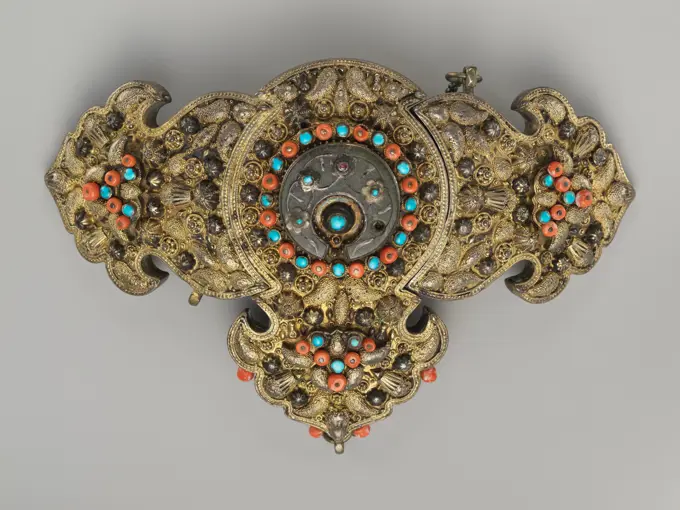
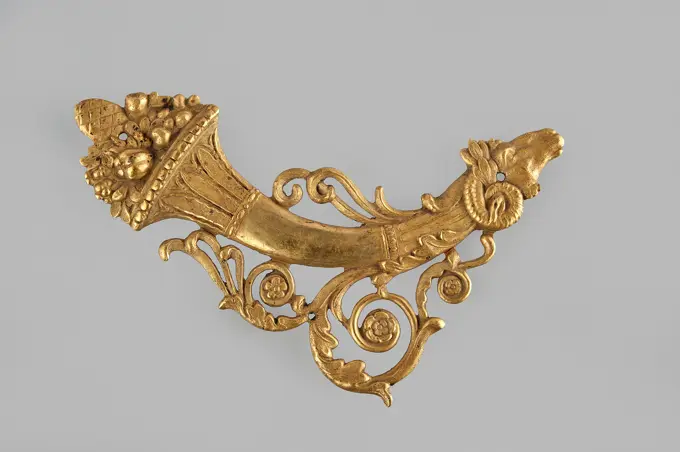
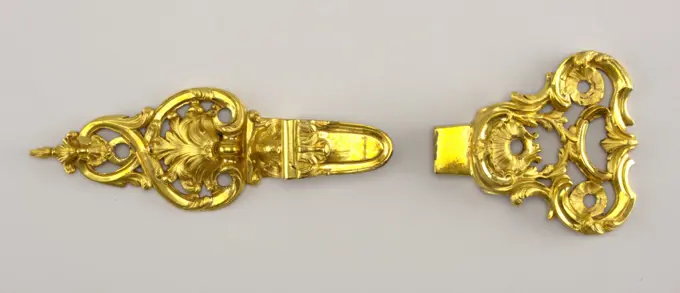
A set of ornate metal decorations including a door latch and detailed belt mounts, highlighting craftsmanship from various historical periods.
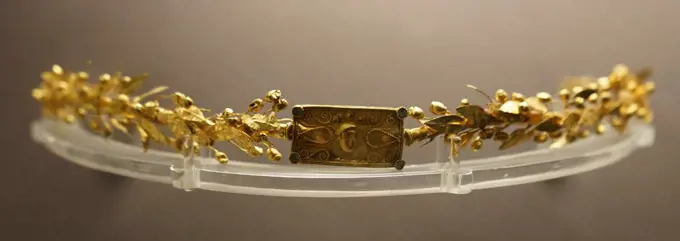
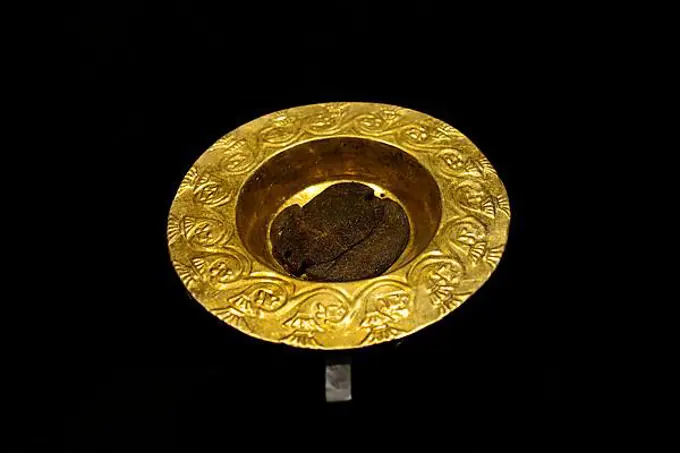
Gold myrtle wreath with die-formed head of Athena in central plaque. Dated 280 BC
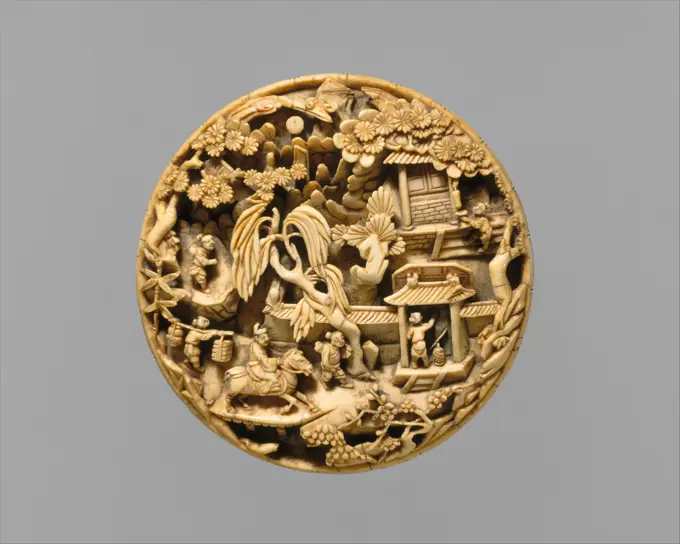
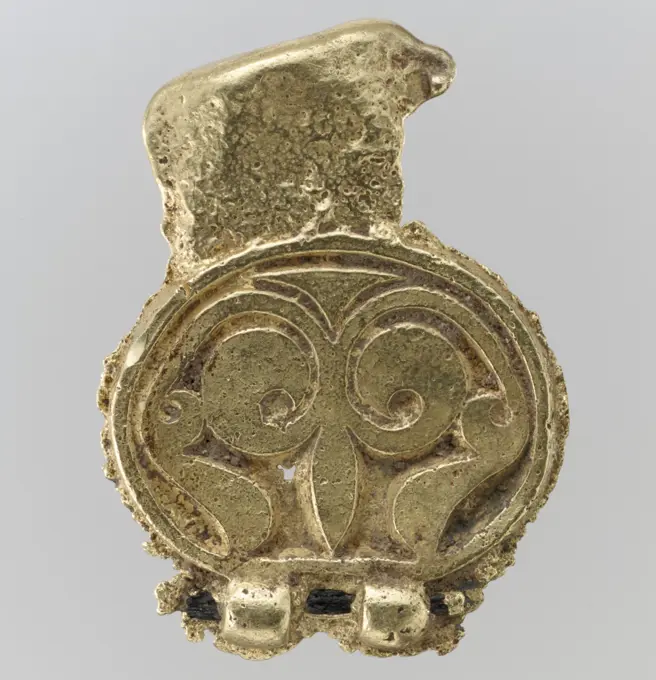
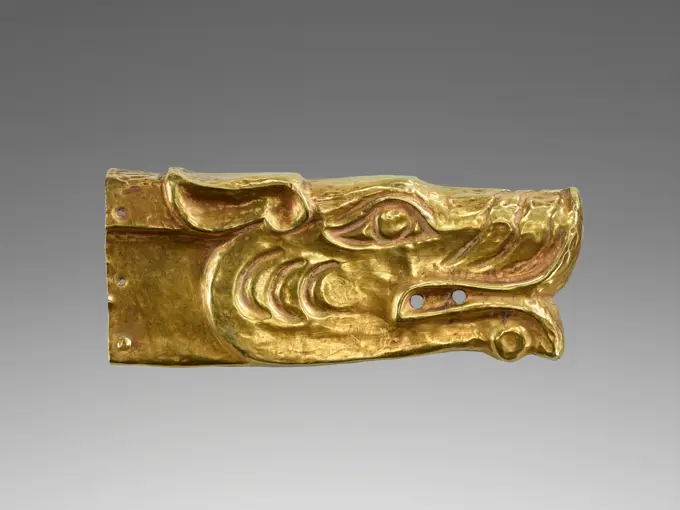
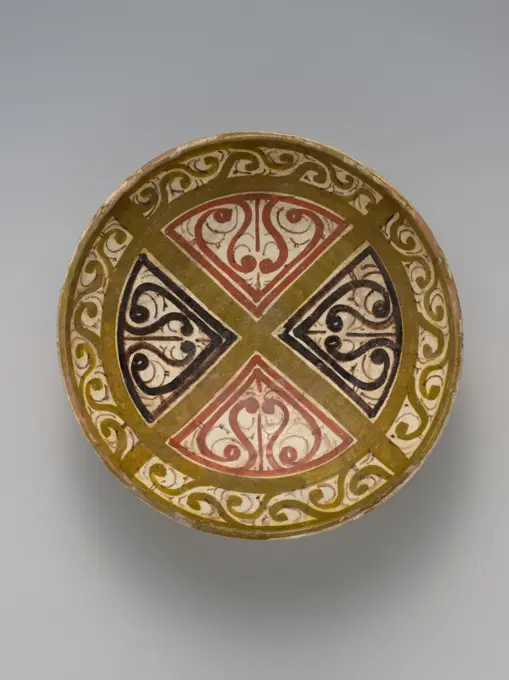
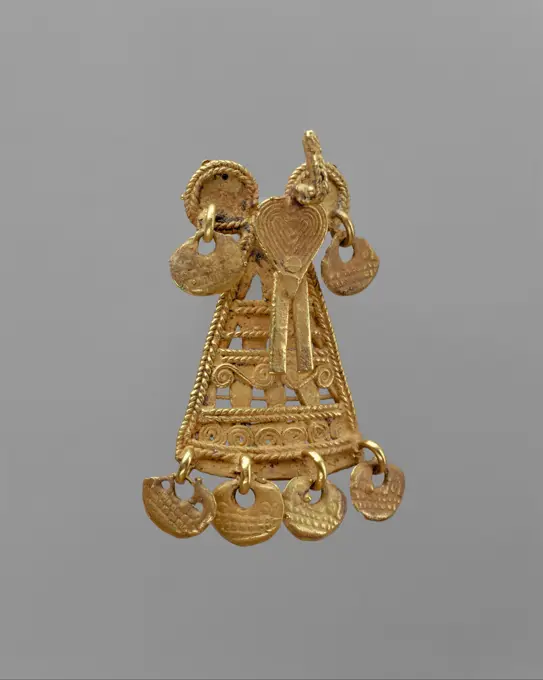
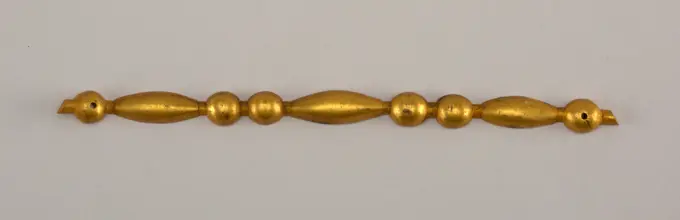
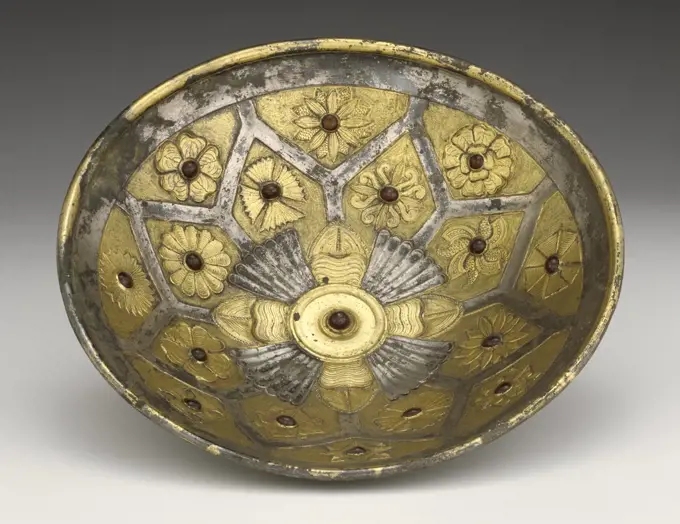
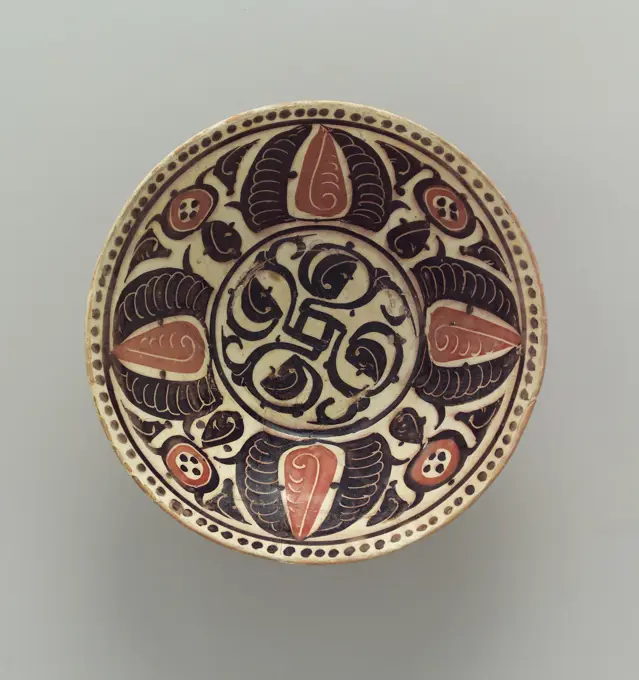
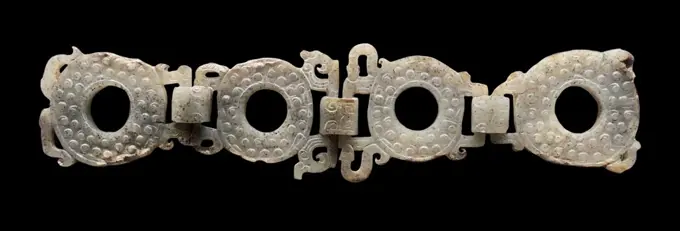
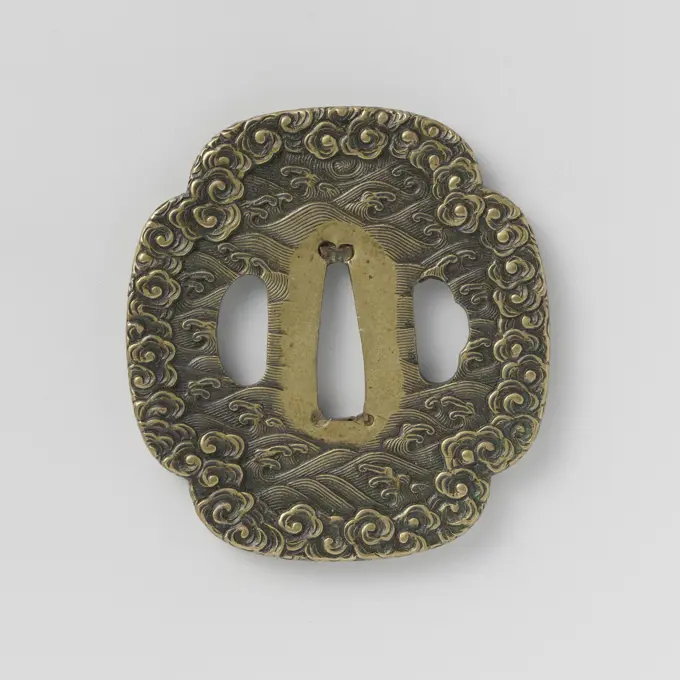
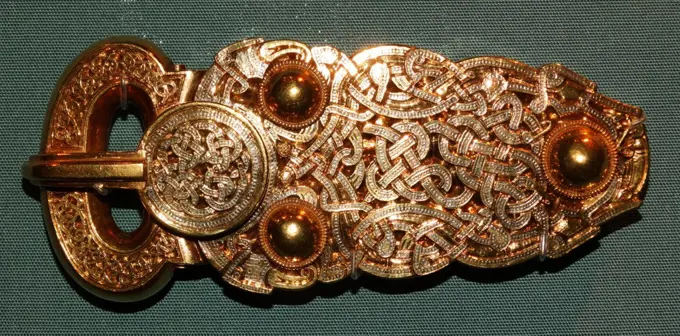
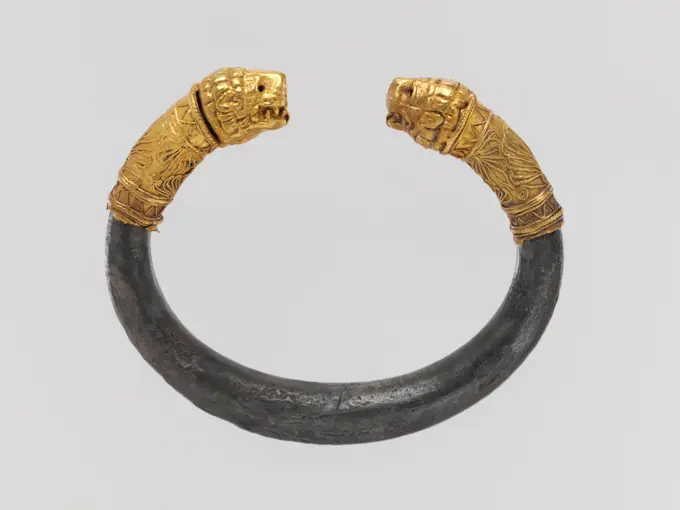
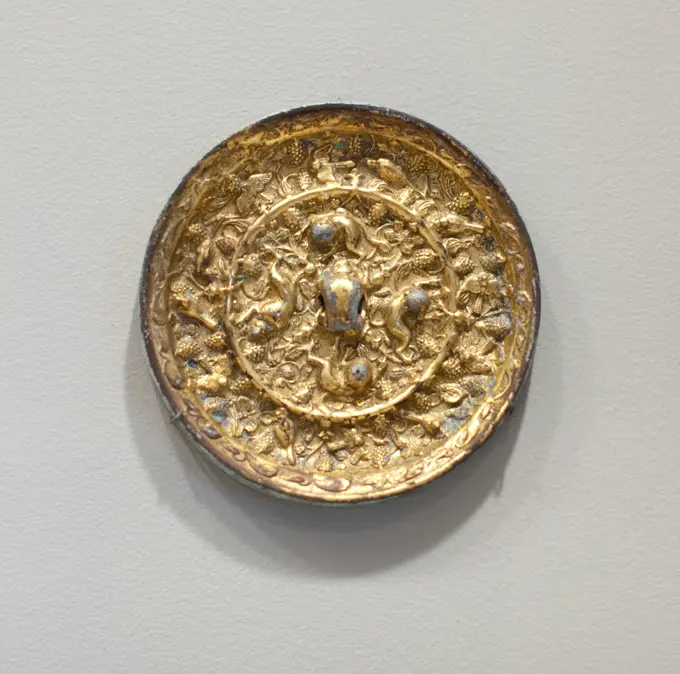
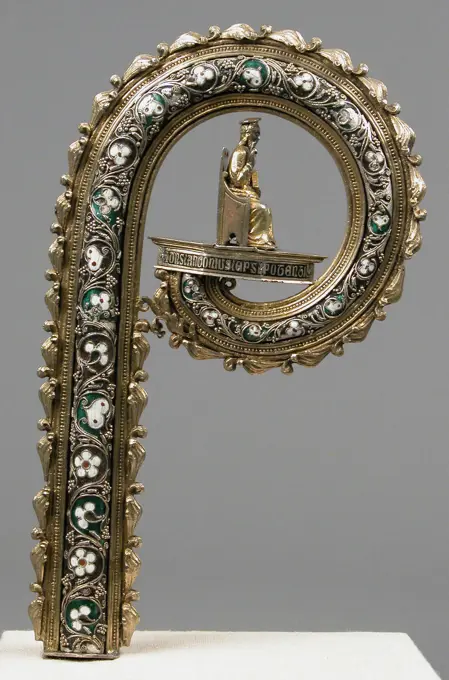
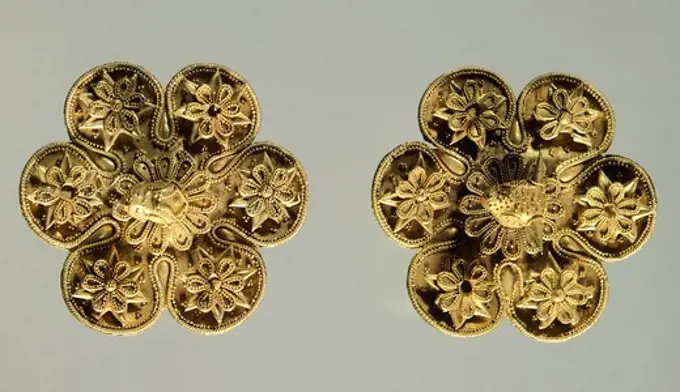
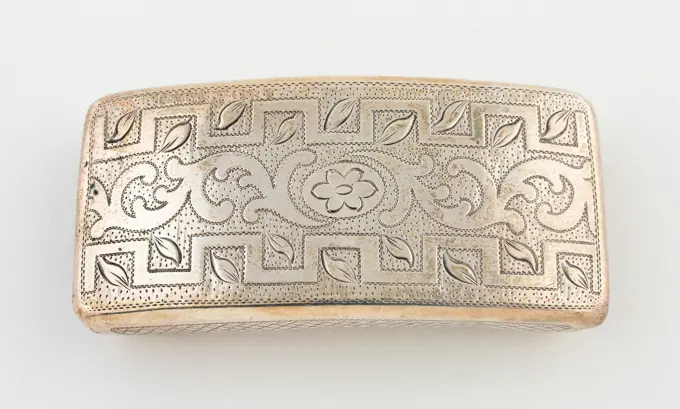
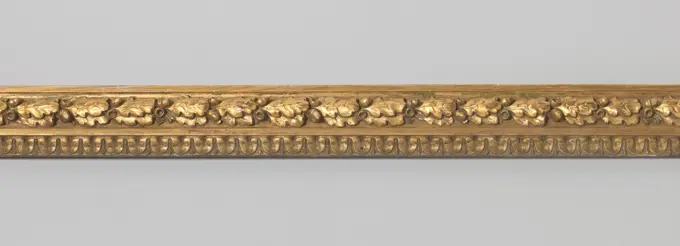
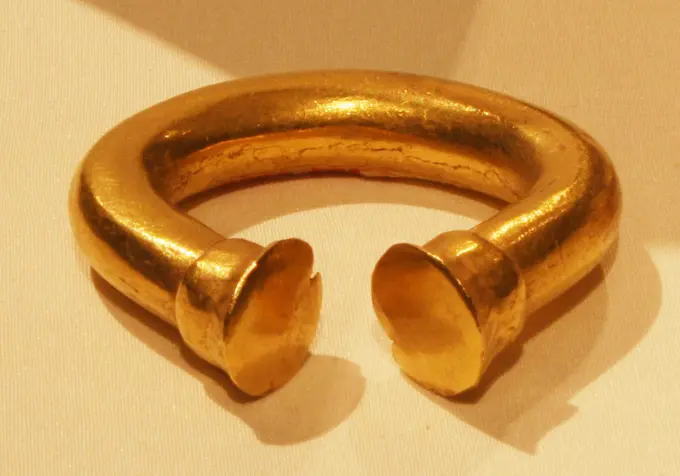
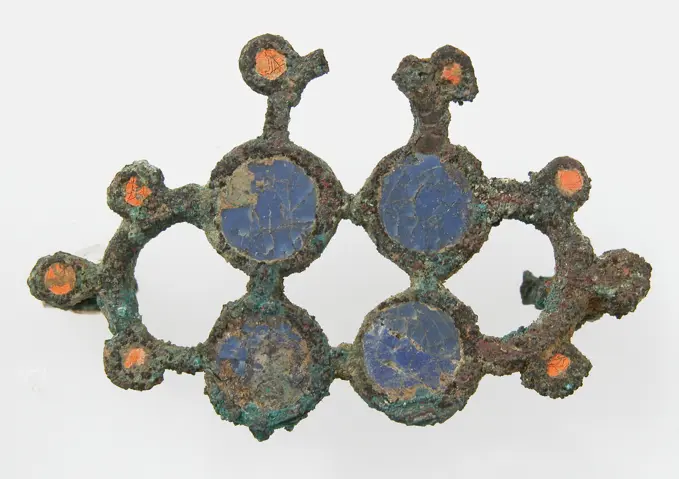
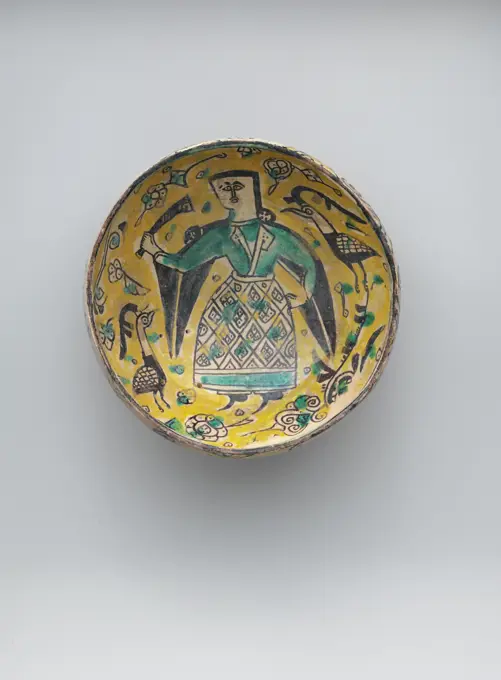
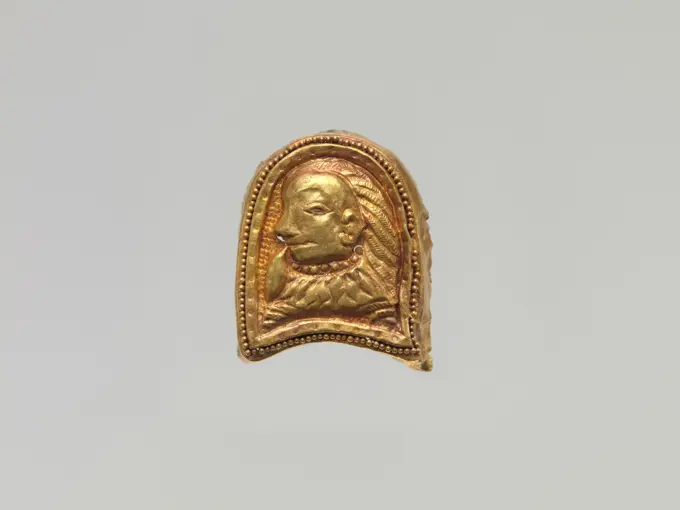
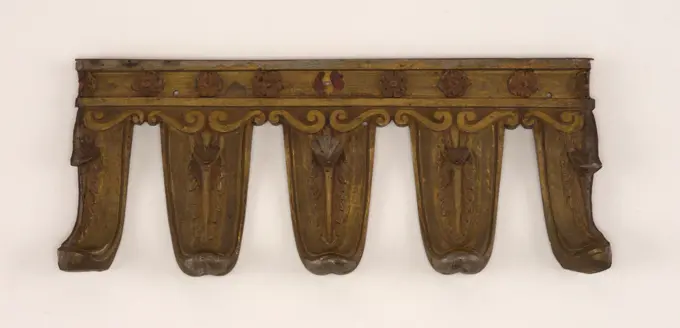
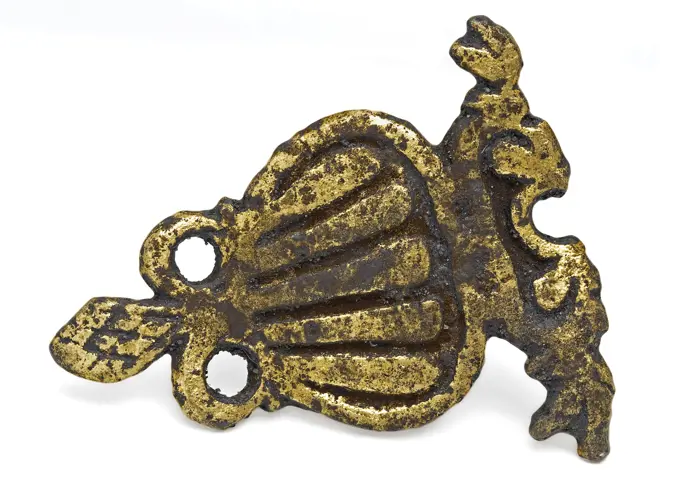
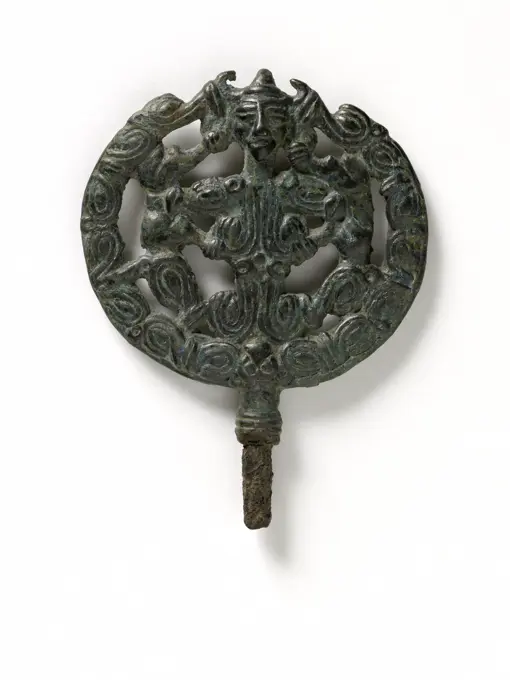
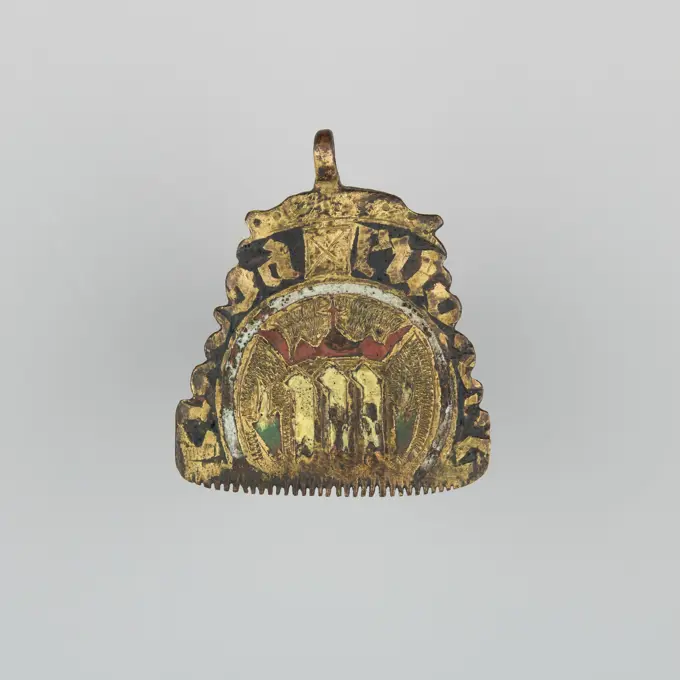
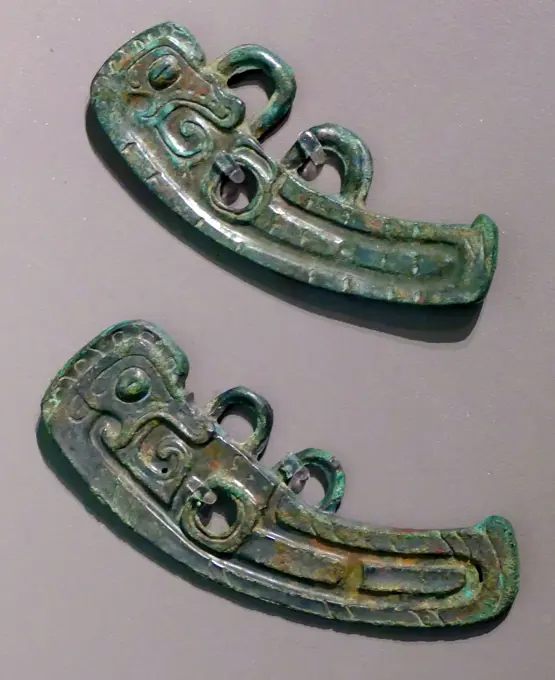
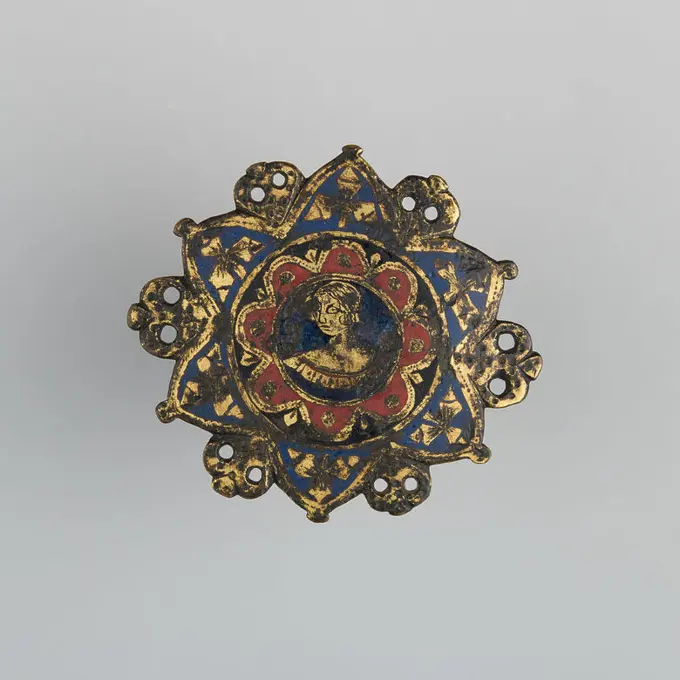
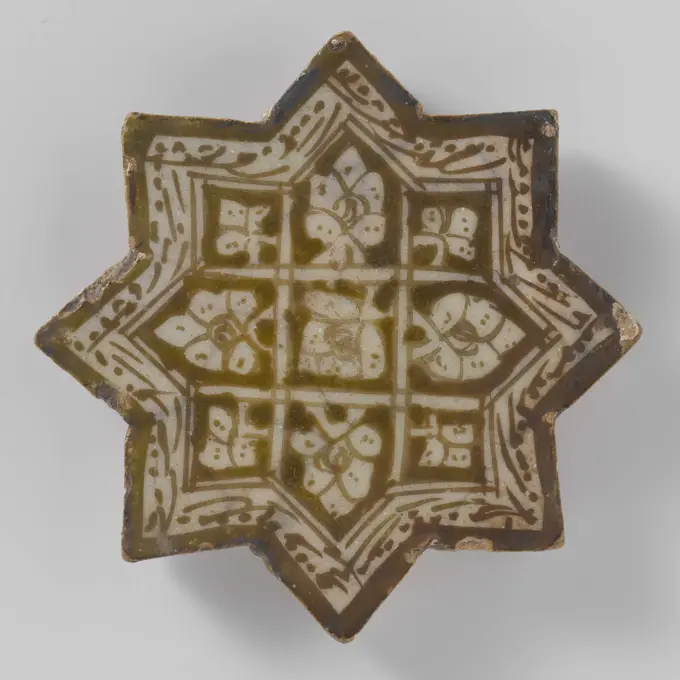
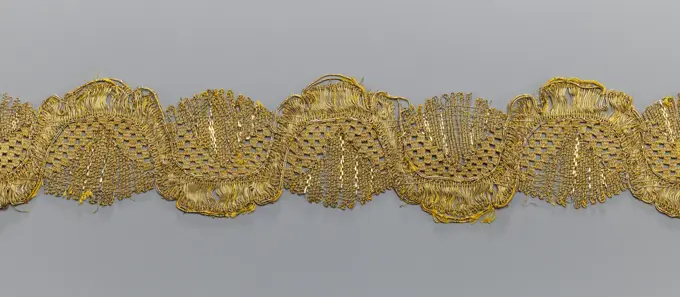
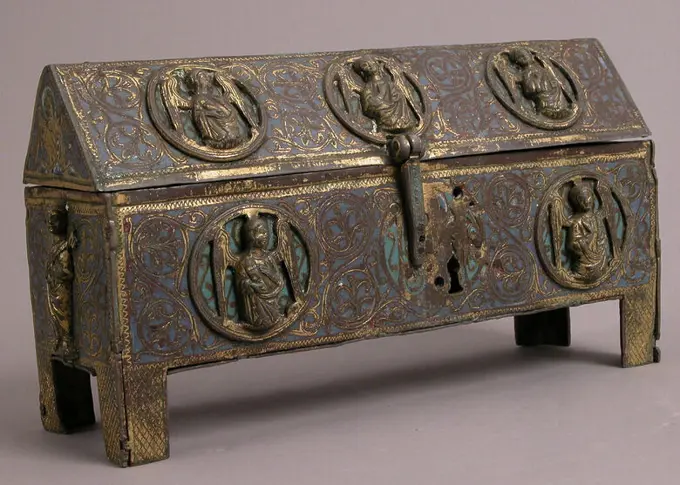
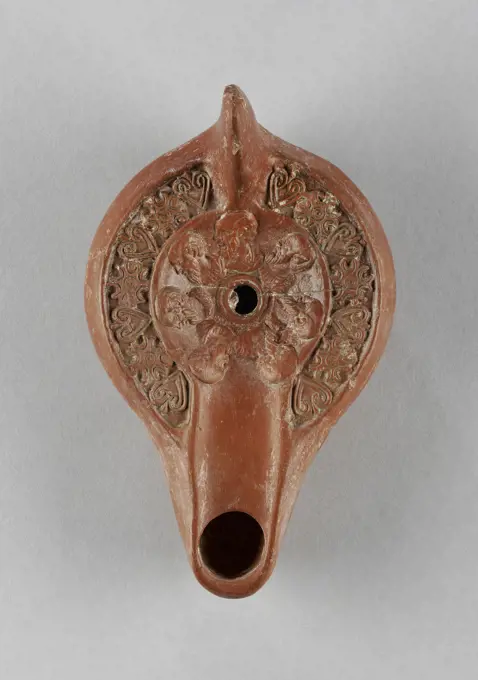
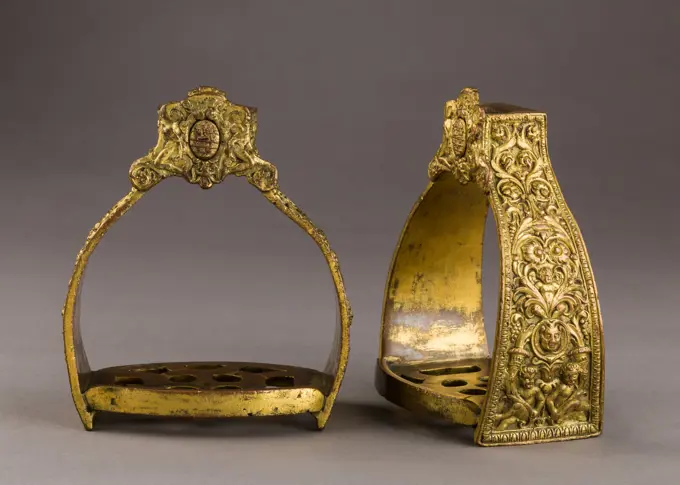
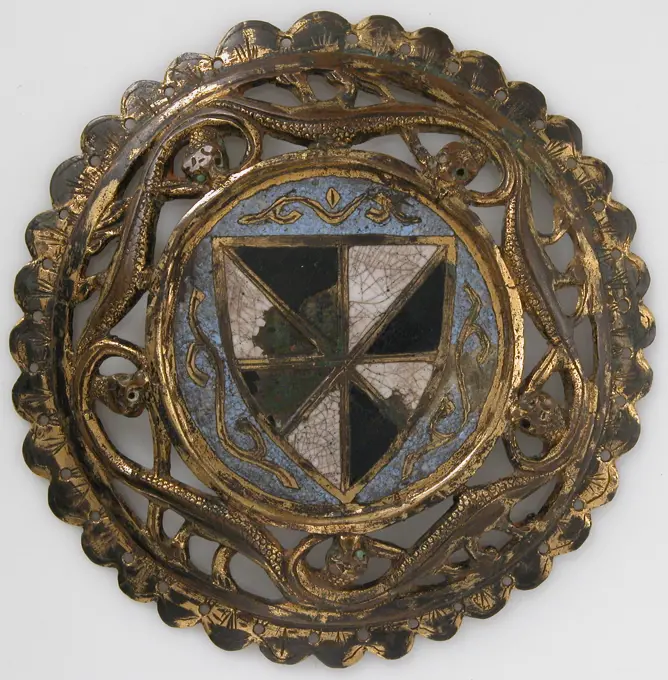
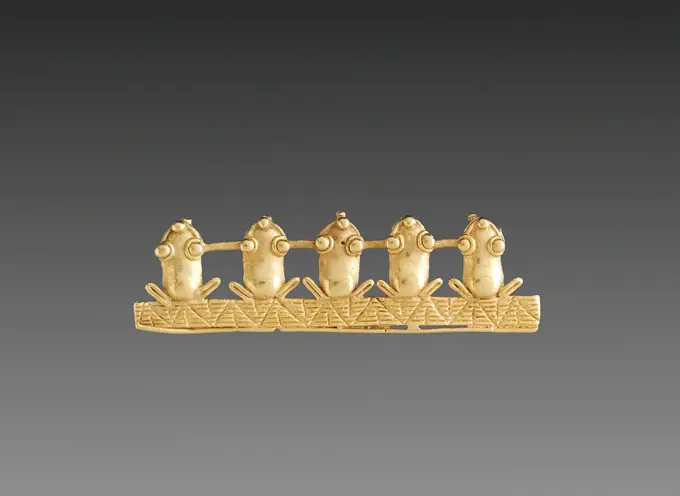
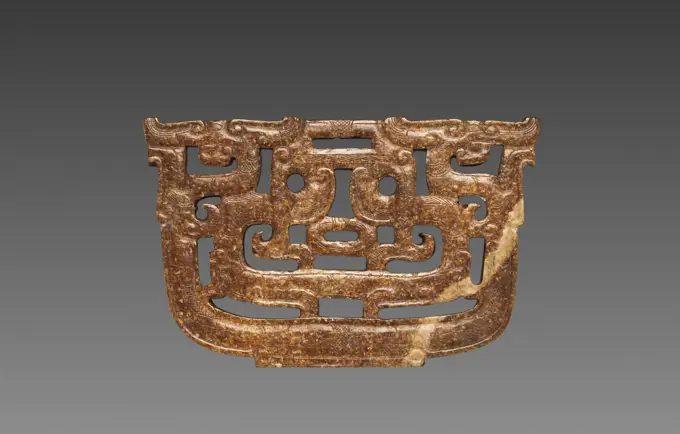
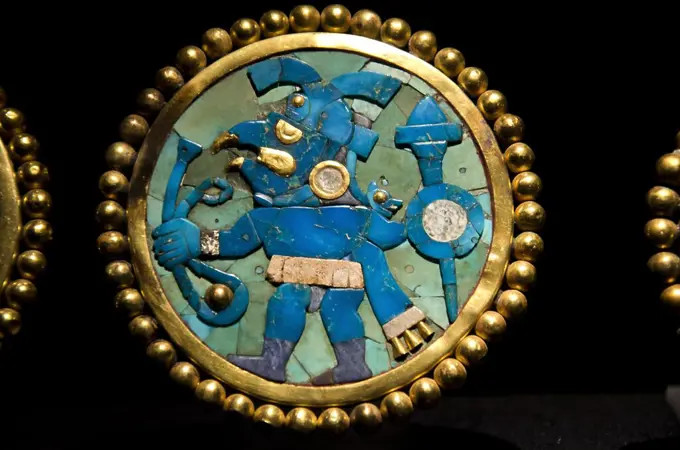
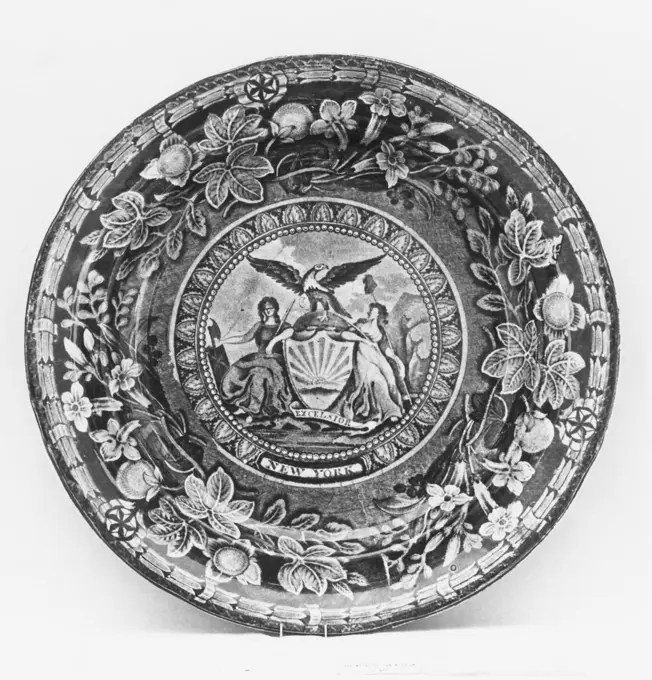
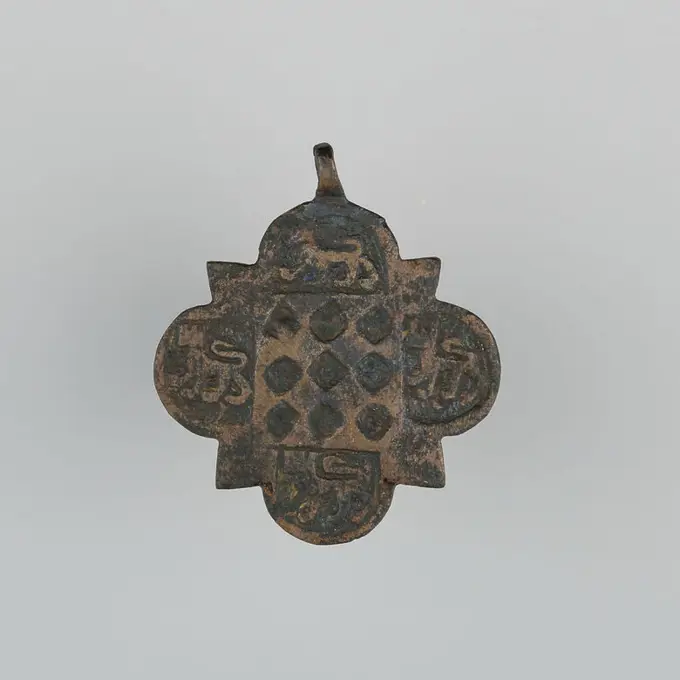
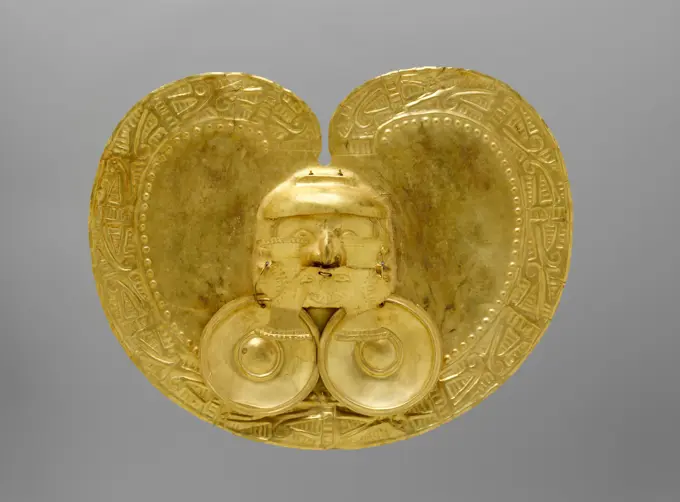
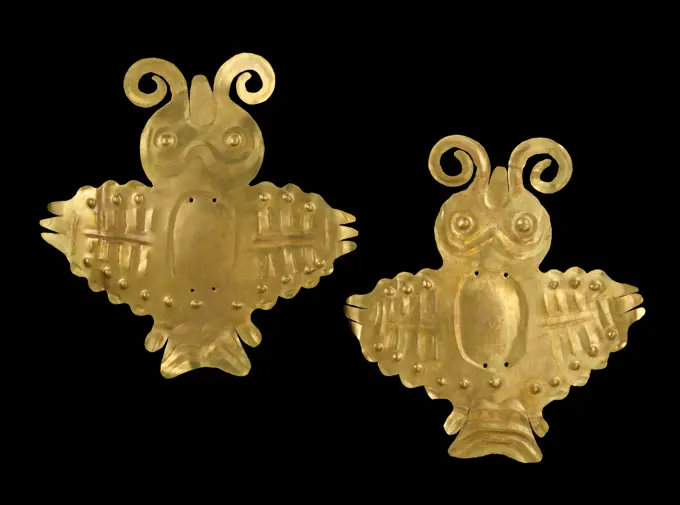
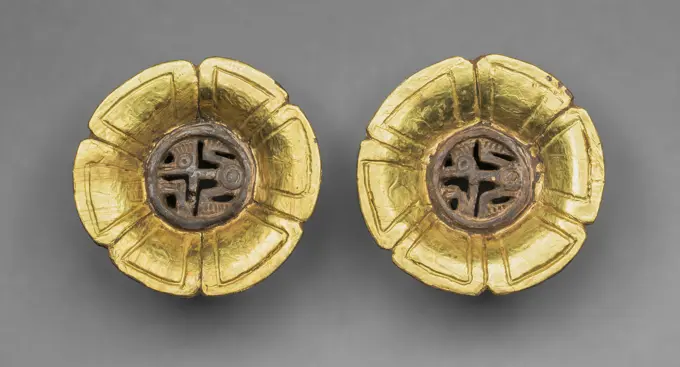
Door LatchMedallion with return from a spring outing late 16th-early 17th century China The motif of a scholar gentleman riding in a moonlight landscape is also found in Chinese paintings. In this richly carved scene, the scholar rides on horseback while four young attendants carry his supplies and a fifth hastens to open the gate to the family compound. The scholar gentleman is understood to be returning from a spring outing filled with wine and poetry.. Medallion with return from a spring outing 40505Gold Belt Mount (Miscast and Unfinished) 700s Avar The treasure contains an array of belt fittings, some elaborately decorated, some unfinished or defectively cast. Some show no signs of use, while others are quite worn.The AvarsThe Avars were a nomadic tribe of mounted warriors from the Eurasian steppe. The Byzantine emperor Justinian negotiated with them in the sixth century to protect the Empires northern border along the Black Sea. Emboldened by their subjugation of numerous tribes, they unsuccessfully attempted to seize the Empires capital, Constantinople. They remained a scourge of both Byzantium and the Western kingdoms until Charlemagne defeated them through a series of campaigns in the 790s and early 800s.All the money and treasure that the Avars had been years amassing was seized, and no war in which the Franks have ever engaged.. brought them such riches and such booty. Up to that time the Avars had passed for a poor people, but so much gold and silver was found.. that oneAnonymous, small wall light console (dummy title), 1701. Wood carved and gilded. Carnavalet museum, history of Paris.Palmette, HalfApplique in the shape of a wolf head worked in repousse. UnknownBracelet, Gold, emeralds, Heavy gold bracelet with six cruciform motifs and forty-two cabochon emeralds. 'Medieval' style- continuation of Castellani expanding their repertoire of historical styles., Rome, Italy, ca. 1880, jewelry, Decorative Arts, BraceletDecorated Fitting 7th-9th century China (Xinjiang Autonomous Region, Central Asia) The nomadic communities of Central Asia used such plaques to embellish clothing and horse trappings. As these nomadic cultures herded animals and were constantly moving, their artistic production was expressed in portable objects that marked the wearers status and wealth. The outstanding preservation of these fragile ornaments suggests they were used in conjunction with burials, where the body was aggrandized with valuable textiles and augmented with gold. Although it is difficult to date and place these objects geographically, their presence in Central Asia and has a long, established history.. Decorated Fitting. China (Xinjiang Autonomous Region, Central Asia). 7th-9th century. Gold. Period of Tibetan Empire. MetalworkGold myrtle wreath with die-formed head of Athena in central plaque. Dated 280 BCCenter Element of a Tiger ClawNecklaceMountMountBowl Decorated in the 'Beveled Style' 10th century The Beveled style of surface ornament painted onto the surface of this bowl is similar to that seen on the molded stucco surfaces of the palaces in Samarra. This motif, which first appeared in ninthcentury Samarra, spread to a variety of places, including Samarqand.. Bowl Decorated in the 'Beveled Style'. 10th century. Earthenware; white slip with polychrome slip decoration under transparent glaze. Made in present-day Uzbekistan, Samarqand. CeramicsHair Ornament with Kala Motifs 8th-early 10th century Indonesia (Java). Hair Ornament with Kala Motifs 50423Ancient Greek temple pendant, c630-620 BC. Artist: UnknownOxus Treasure. Gold armlet with ends in the form of winged monsters with griffin head low relief. 5th-4th centuries BC. From Takht-i Kuwad, Tajikistan. British Museum. London. England. United Kingdom.Bird Pendant 10th-16th century Muisca This pendant is an elegant example of the command of the goldsmith's art that existed for so many centuries in ancient Colombia. The Precolumbian peoples of the gold-rich regions of northern South America worked gold extensively, developing ever more complicated techniques of manufacture. Astonishing variety was achieved through the manipulation of color and size and by making objects with multiple partsdangles were favored additions. In finished form, the color could range from pink to bright yellow, and there are small works such as this pendant with filigreelike detail as well as those with broad, plain surfaces. Bird imagery is frequently found on the pendants made to be worn as independent objects about the neck. A tiny, meticulously detailed one appears at the top of this example.. Bird Pendant 316728Ornament in the Shape of a Frog Second half of the 8th-second half of the 10th century Indonesia (Java). Ornament in the Shape of a Frog 50066Bactrian Gold: Clasps of Cupids Riding Dolphins Artist Unknown Kabul Museum, Afghanistan Border; linen (plain weave and undyed), silk, metallicGold signet ring with worship scene, from Tiryns, GreeceBlach for the Grenadier Militia Cap, Fr. Czartoryski unknown labelRodBliżej Kultury unknownKnife Handle (Kozuka), early to mid-1800s. Japan, Edo period (1615-1868). Inlaid bronze; overall: 1.4 cm (9/16 in.).Badge or Harness Pendant ca. 1400 Spanish Heraldry, or coat-of-arms, were vitally important in Europe throughout the Middle Ages and the Renaissance. Heraldic emblems were used to identify noble families, cities, regions, and even countries. In addition to being displayed on shields and flags, heraldry was incorporated into architectural decoration on the interior and the exterior of buildings, on furniture, works of art, clothing, and horse equipment. Harness pendants, like this example, would have been attached to a headstall, bridle, or other straps making up the tack of a horse ridden by a nobleman or noblewoman, or a member of their household. Many harness pendants also have decoration that is simply ornamental, or have symbols that are not specifically heraldic in nature.. Badge or Harness Pendant. Spanish. ca. 1400. Copper, gold. Miscellaneous-BadgesClothing Plaque with Antelope and Tiger 7th-9th century China (Xinjiang Autonomous Region, Central Asia) The nomadic communities of Central Asia used such plaques to embellish clothing and horse trappings. As these nomadic cultures herded animals and were constantly moving, their artistic production was expressed in portable objects that marked the wearers status and wealth. The outstanding preservation of these fragile ornaments suggests they were used in conjunction with burials, where the body was aggrandized with valuable textiles and augmented with gold. Although it is difficult to date and place these objects geographically, their presence in Central Asia and has a long, established history.. Clothing Plaque with Antelope and Tiger 65314Net Pattern Bowl; Unknown; Parthian Empire; 1st century B.C.; Gilt silver and garnets; Object: Diam.: 20 cm (7 7/8 in.)Earring Fragment 6th-7th century Etruscan. Earring Fragment 465154 Etruscan, Earring Fragment, 6th7th century, Gold, Overall: 1 1/8 x 11/16 x 3/8 in., 0.1oz. (2.9 x 1.8 x 1 cm, 2g). The Metropolitan Museum of Art, New York. Gift of J. Pierpont Morgan, 1917 (17.192.100)Cartouche; 1918-30-1-a/dGoldsmithery, Golden stud, from Spina, Emilia Romagna Region, ItalyBowl with Red and Purplish-black Palmettes 10th-11th century. Bowl with Red and Purplish-black Palmettes. 10th-11th century. Earthenware; white slip with polychrome slip decoration under transparent glaze. Attributed to Iran, Nishapur. CeramicsBliej Kultury unknownPriming Flask mid-17th century Indian, probably Deccan The inspiration for the carving comes from miniature paintings of composite animals, a popular theme for artists in the Mughal court.. Priming Flask 22100List fragment: Gilded list of pâte ornaments, right style., C. 1700 - c. 1899 frame Gilded list of oak leaves with acorns. List part, right style. With written on the back: 'Right Side, no. 4'.  wood (plant material). gold leaf gildingKnife Handle (Kozuka). Culture: Japanese. Dimensions: L. 3 13/16 in. (9.7 cm); W. 9/16 in. (1.4 cm); thickness 3/16 in. (0.5 cm); Wt. 1 oz. (28.3 g). Date: late 17th-mid-18th century. Museum: Metropolitan Museum of Art, New York, USA.Earring 3rd century East Germanic. Earring 465395 East Germanic, Earring, 3rd century, Gold, Overall: 1 x 3/16 in., 0.1oz. (2.5 x 0.4 cm, 4g). The Metropolitan Museum of Art, New York. Gift of J. Pierpont Morgan, 1917 (17.192.91)CoffinBrooch from a Viking grave, 9th century. Artist: UnknownOpenwork Rosette Brooch 6th century Frankish. Openwork Rosette Brooch 464954 Frankish, Openwork Rosette Brooch, 6th century, Silver, silver-gilt, garnet, iron, Overall: 7/8 x 1/4 in. (2.2 x 0.7 cm). The Metropolitan Museum of Art, New York. Gift of J. Pierpont Morgan, 1917 (17.191.25)William Cowell, Sr., Clasp, c. 1730, gold.Jade ornament 5th century B.C. ChinaHand guard, anonymous, 1600 - 1900 Mokko-shaped tsuba with an elevated edge; This edge is made up of stylized clouds in relief; Stylized waves in relief within it. Japan brass (alloy) Mokko-shaped tsuba with an elevated edge; This edge is made up of stylized clouds in relief; Stylized waves in relief within it. Japan brass (alloy)Sutton Hoo buckle or Great gold buckle. Anglo-Saxon, early 7th century AD masterpiece of early medieval craftsmanship. with curved sides and three domed bosses resembles Frankish buckles.Saucer, c. 1800-1810. France, 19th century. Porcelain; overall: 2.9 x 11.8 cm (1 1/8 x 4 5/8 in.).BracketSilver bracelet with gold lion's head finials 5th-4th century B.C. Greek Finials in the form of lions' heads.. Silver bracelet with gold lion's head finials. Greek. 5th-4th century B.C.. Silver. Classical. Gold and SilverMirror, 7th-11th century, 4 3/4 in. (12.07 cm) (diameter), Bronze, China, 7th-11th centuryCrozier Head 1457 South Italian The Latin inscription reads: "Anthony, Lord Bishop of Potenza, had this made, 1457." On the back of the throne of the seated blessing figures are the letters ds pr, certainly identifying him as Deus Pater (God the Father). This crozier and others in several southern Italian church treasures were made in a Neapolitan workshop.. Crozier Head 464501Burial object of gold, vessel, Moche culture, Museum Tumbas Reales or Museum of Sipan, Lambayeque, near Chiclayo, Peru, South AmericaBuckle 18th-19th century India or China. Buckle. India or China. 18th-19th century. Jade (nephrite) with gold and stone inlays. Mughal period (1526-1858) or Qing dynasty (1644-1911). JadeTemple Pendant with Filigree Border 11th-12th century Kievan Rus' These temple pendants are decorated on one side with griffins, mythical creatures popular in Byzantine art, and on the other with interlace patterns that may relate to the Viking traditions of the Rus founders.. Temple Pendant with Filigree Border 464582Gold rosette ornaments from Milos (Greece). Goldsmith art, Greek Civilization.Vinaigrette 1801-1812 Birmingham. Silver and silver gilt .List fragment: Gilded list of pâte ornaments, right style., C. 1700 - c. 1899 frame Gilded list of oak leaves with acorns. List part, right style. With written on the back: 'Right Side, Facing Front Windows, no. 3'.  wood (plant material). gold leaf gildingNose Ornament A.D. 1-1000 Zenú This object, like Metropolitan Museum of Art 2002.322.5, is a metal nose ornament that was fabricated by Zenú people, who lived and live today in the Caribbean Lowlands of Colombia. It consists of gold or likely a gold-copper alloy. Zenú metalworkers fabricated it primarily by lost-wax casting. (For more information on this process, please see 2008.569.13a, b). The object consists of a curved bar with a circular cross-section, with two capped ends. Zenú ceramic figurines show people wearing such an ornament with the two ends pointing downward, in at least three cases by passing the ornament through the septum of the nose (Museo del Oro, Bogotá CS4272, CS4197, CS4195) and in at least one case apparently by balancing the ornament over the nose (Museo del Oro, Bogotá CS4270). Falchetti (1976, 81) notes that a ceramic funerary urn from the area of the Tapias River shows a person wearing a similar nose ornament, but with the opening turning to one side.” OtheBrooch 2nd-3rd century Roman. Brooch 468711Bowl with a Figure and Birds 10th century Common among the buff ware bowls that depict human figures are those holding drinking vessels. In this case, a man wearing a green tunic under a multi-colored, skirt-like garment holds a fluted goblet in his right hand. The imagery on these bowls is thought to derive from metalwork of the Sasanian period (3rd to 7th century) in Iran. The distinctive yellow and green glazes of the buff ware group are particularly well-preserved on this example.. Bowl with a Figure and Birds 449495Button, Brass, gold plated, Convex button ornamented with letter N surmounted by crown with ribbons. Back and shank of brass. On reverse: A,B) 'A Bonnardot & Cie Feur de l'Empereur' and incised ornament similar to that on button C) 'C & Cie Augte Dusantoy Feur de l'Empereur' and incised ornament similar to that on button., Component -a is on card i80, Component -b is on card 45, Component -c is on card C, France, 1852-70, costume & accessories, Decorative Arts, ButtonPlaque with Head 7th-9th century China (Xinjiang Autonomous Region, Central Asia) The nomadic communities of Central Asia used such plaques to embellish clothing and horse trappings. As these nomadic cultures herded animals and were constantly moving, their artistic production was expressed in portable objects that marked the wearers status and wealth. The outstanding preservation of these fragile ornaments suggests they were used in conjunction with burials, where the body was aggrandized with valuable textiles and augmented with gold. Although it is difficult to date and place these objects geographically, their presence in Central Asia and has a long, established history.. Plaque with Head 65165Mount; bronze (gilt)Fragment wall plate of hook, hook fastener soil find copper brass metal, cast Embossed ornament with flat reverse Opened archeology Rotterdam rail tunnel hang up clothing Soil discovery: trajectory rail tunnel Rotterdam.A slot with beautifully cut-away copper cover plate.Bliżej Kultury unknownPin head. Openwork flat disc shape. Character who holds two animals in his hands. LURISTAN. 900-750 BC. J-C. Paris, Cernuschi museum. 35175-5 Iron Age, Bronze, Opening Flat disc, Epingle, Character, Tete, AnimalCarnavalet Museum, Medals CollectionBadge or Harness Pendant ca. 1400 Spanish Heraldry, or coat-of-arms, were vitally important in Europe throughout the Middle Ages and the Renaissance. Heraldic emblems were used to identify noble families, cities, regions, and even countries. In addition to being displayed on shields and flags, heraldry was incorporated into architectural decoration on the interior and the exterior of buildings, on furniture, works of art, clothing, and horse equipment. Harness pendants, like this example, would have been attached to a headstall, bridle, or other straps making up the tack of a horse ridden by a nobleman or noblewoman, or a member of their household. Many harness pendants also have decoration that is simply ornamental, or have symbols that are not specifically heraldic in nature.. Badge or Harness Pendant. Spanish. ca. 1400. Copper, gold, enamel. Miscellaneous-BadgesSet of cheek pieces Bronze, Zhou dynasty (c.1050-221 BC). These cheek pieces are decorated with horses, with dragon-like tongue, curling outward.Loop . 2 fine separate strips connected by 2 nodes and 2 flowers of 7 stones.Badge (probably Mounting from Horse Harness). Culture: Spanish. Dimensions: H. 2 3/4 in. (7 cm); W. 3 in. (7.6 cm); Wt. 2 oz. (56.7 g). Date: late 14th century. Museum: Metropolitan Museum of Art, New York, USA.. Tile of quartz Fritgoed, star-shaped, with painting in luster with flower branches in a grid and a band with a (psuedo) inscription.Sword Pommel 16th century Italian. Sword Pommel 29111Fragment of the lace;  18th century (1701-00-00-1800-00-00);Chasse. Culture: French. Dimensions: Overall: 6 1/8 x 6 1/4 x 2 1/8 in. (15.6 x 15.8 x 5.4 cm). Date: 13th century. Museum: Metropolitan Museum of Art, New York, USA.Lamp, North Africa; 1st - 4th century; Terracotta; 3.4 x 8.7 x 14.5 cm (1 5,16 x 3 7,16 x 5 11,16 in.)Girdle Clasp 19th century. Girdle Clasp. 19th century. Silver; gilded. Attributed to Turkey. JewelryHollow gold bracelet. unknown, jewellerPair of Stirrups of Paolo Odescalchi ( -1585), Bishop of Penne and Atri third quarter 16th century Italian Each side of these stirrups is decorated with grotesque designs showing vegetal scrolls, putti and masks. On the front plate adorning each suspension eye, two nude figures flank the arms of the Odescalchi family, topped with an ecclesiastical hat and with a pelican feeding its chicks underneath.According to their dating range, these stirrups should have belonged to Paolo Odescalchi (-1585), who was first appointed apostolic nuncio to Switzerland in 1553, and then apostolic nuncio and collector of Pope Pius IV in the Viceroyalty of Naples in 1560 and 1568. He then became bishop of Penne and Atri between 1568 and 1572. The front plaque was a pre-made model for ecclesiastic dignitaries, the arms of the owner being then added on demand. The hat is purposely represented without its side pompons, the number of which traditionally indicating the ecclesiastical rank, allowing the designRoundel 14th century French. Roundel 467625Belt Plate. Culture: Frankish. Dimensions: Overall: 2 13/16 x 1 x 1/4 in. (7.2 x 2.6 x 0.6 cm). Date: 7th century. Museum: Metropolitan Museum of Art, New York, USA.Roundel, wood, carved and gilded, Northern Italy, late 18th century, Decorative Arts, RoundelFrog Pendant, c. 1000-1550. Panama, Veraguas-Chiriquí style, 11th-16th century. Cast gold; overall: 2 x 6.8 x 0.7 cm (13/16 x 2 11/16 x 1/4 in.). In general, frogs and toads symbolize life-giving water and the green growth it promotes. More surprising is their mythical role as keepers or donors of fire, an association perhaps enhanced by the bright colors that many frogs "flash" when startled, a form of protection. Brightly colored frogs, including those with golden tones, also produce very poisonous toxins, which in part led to a final connection with the underworld and death.Nose Ornament 6th-7th century Moche (Loma Negra) This open-work gold nose ornament depicts two supernatural creatures, both with canine and feline features, shown back to back, each holding a human trophy head. The creatures tails terminate in snarling heads, further underscoring the sense of aggression signaled by the creatures ears, which are back. Inlays of stone or shell once adorned the animals bodies, including their eyes, ears, trunks, and legs. When worn, this nose ornament would have covered much of the wearers mouth: perhaps the powerful imagery was thought to imbue the wearers speech with great strength. The Moche (also known as the Mochicas) flourished on Perus North Coast from 200-850 A.D., centuries before the rise of the Incas. Over the course of some six centuries, the Moche built thriving regional centers from the Nepeña River Valley in the south to perhaps as far north as the Piura River, near the modern border with Ecuador, developing coastal deserts into rich Buckle 500-550 Frankish Belts were important features of early medieval dress. Not only did they serve the practical function of holding weapons and tools, but their fittings, which could vary in terms of material, decoration, and size, were also highly visible indicators of rank and status. Iron buckles, many imposing in size, were worn by both men and women. Their intricate decoration was achieved by squeezing narrow twisted strips of silver into patterns engraved on the surface of the prefabricated iron pieces. A complete belt would have consisted of a buckle, a counter plate that was placed opposite the buckle, and sometimes a rectangular plate placed in the middle of the belt at the back for decoration.. Buckle 465366 Frankish, Buckle, 500550, Bronze-gilt, garnet, glass paste, Overall: 1 5/8 x 1 9/16 x 5/8 in. (4.2 x 3.9 x 1.6 cm) Loop only: 1 5/8 x 1 1/8 x 1/4 in. (4.2 x 2.9 x 0.7 cm) tongue only: 1 9/16 x 3/4 x 5/8 in. (3.9 x 1.9 x 1.6 cm). The Metropolitan Museum of Art, New Parure consisting of a sautir, a brooch and a few earrings, anonymous, c. 1840 - c. 1860 Parure consisting of a chain or sautoir, consisting of openwork links, interspersed with enamelled plaques with flowers on black soil, a brooch and a few earrings of hollow gold, also with email decorations. With box. Germany (possibly) gold (metal). Parure consisting of a chain or sautoir, consisting of openwork links, interspersed with enamelled plaques with flowers on black soil, a brooch and a few earrings of hollow gold, also with email decorations. With box. Germany (possibly) gold (metal).Gold earring with a Sphinx. Greek, 4th-3rd century B.C. Metropolitan Museum of Art. New York. USA.Plaque with Openwork Interlaced Dragons and Birds, 475-221 BC. China, Warring States period (475-221 BC). Jade (nephrite); overall: 4.8 x 7.5 cm (1 7/8 x 2 15/16 in.).Pre-Columbian Jewelry Moche culture 100 AC-800 AC Perú.Openwork PinheadPlate ca. 1826-ca. 1835 Thomas Mayer. Plate 6157Clock with pedestal. Artist: After a design by Jean Berain (French, Saint-Mihiel 1640-1711 Paris). Culture: French, Paris. Dimensions: 87 1/4 x 13 3/4 x 11 3/8 in. (221.6 x 34.9 x 28.9 cm); Other (clock and crest): 24 1/2 in. (62.2cm). Maker: Case attributed to André Charles Boulle (French, Paris 1642-1732 Paris); Clock by Jacques III Thuret (1669-1738) or; more likely his father, Isaac II Thuret (1630-1706). Date: ca. 1690.The eight-day, spring-wound movement of this timepiece, signed "J. Thuret," was most likely the work of Isaac II Thuret, clockmaker to Louis XIV and a member of an important family of horologists. In May 1691 he organized a lottery with a repeater clock on a pedestal as first prize. This piece was fitted with a barometer and, in addition, was richly decorated with gilt bronze. It appears to have been very similar to the Museum's clock and gives a good indication of its date. Just like the first prize in the lottery, the Museum's clock was intended to hold a barometPair of Fibulae, 500s-600s. Alemannic, Migration Period, 6th-7th century. Cast silver, parcel-gilt, with niello; overall: 10.5 x 6.5 x 2 cm (4 1/8 x 2 9/16 x 13/16 in.). A woman of high rank might have worn these twin fibulae on her shoulders, one fastening her inner garment on the right, the other her outer garment on the left. She might also have suspended them from her belt as decorative ornaments.Badge (probably from Horse Harness). Culture: Spanish. Dimensions: H. 2 5/8 in. (6.7 cm); W. 2 1/4 in. (5.7 cm); Wt. 1 oz. (28.3 g). Date: 14th century. Museum: Metropolitan Museum of Art, New York, USA.Pectoral with Face 1st-7th century Calima (Yotoco) A large H-shaped nose pendant almost entirely obscures the face at the center of this gold, kidney-shaped pectoral. Both the shape of the pectoral and the form of the nose pendant are hallmarks of Yotoco-period Calima art. The Yotoco period was the second of three societiesIlama, Yotoco-Malagana, and Sonsoto successively occupy the Cauca Valley region in west-central Colombia. The three societies are known collectively as the Calima culture. The upper portions of the eyes are just visible above the H-shaped pendant, and the head itself is surmounted by a dome shaped cap with a small rectangular crest at the top. Two large, circular, convex ear pendants with concave, circular centers hang from gold wires. The H-shaped pendant itself bears a smaller, more stylized embossed face. Through layers of adornment and repetition, the pectoral simultaneously reveals and conceals facesFaces in Yotoco artwork are often inexpressive, and representHand Pinching an Ear; Roman Empire; 5th century; Gem: agate; Mount: gold; 3.5 cm (1 3,8 in.)Bird Ornament 1st-2nd century Nasca Compared to the large quantities of spectacular metal objects found in lavish elite burials of Peru's Moche people, the tombs of the contemporary Nazca people of the south have yielded few gold objects. Usually of simple design and technique such as these sheet gold ornaments, perhaps made to embellish textiles, representations share similarities with the imagery painted on Nazca ceramics. Here the creature may depict a composite supernatural that has been called a "cat demon" or a "trophy head taster." The distinctive wavy lines on the tail feathers identify the body, wings, and tail as those of a falcon, while the head and rear paws are thought to be of a feline, perhaps the pampas cat often portrayed with a protruding tongue. Versions of this figure on Nazca ceramics commonly wear feline mouth masks with long whiskers ending in loops. The spirals flanking the tongue on the present ornaments may be a reference to the feline mouth mask.. Bird OrnamePrehistory, Spain, Bronze Age. El Argar civilization. Sword hilt in gold, from Guadalajara.Flower-Shaped Ear Ornaments 1401-1533 Mexico. Ceramic and gold foil . Aztec (Mexica)Furniture fitting. unknown, creatorLamp, North Africa; 1st - 4th century; Terracotta; 2.2 x 7 x 10.2 cm (7,8 x 2 3,4 x 4 in.)