Decorative Metal Artifacts

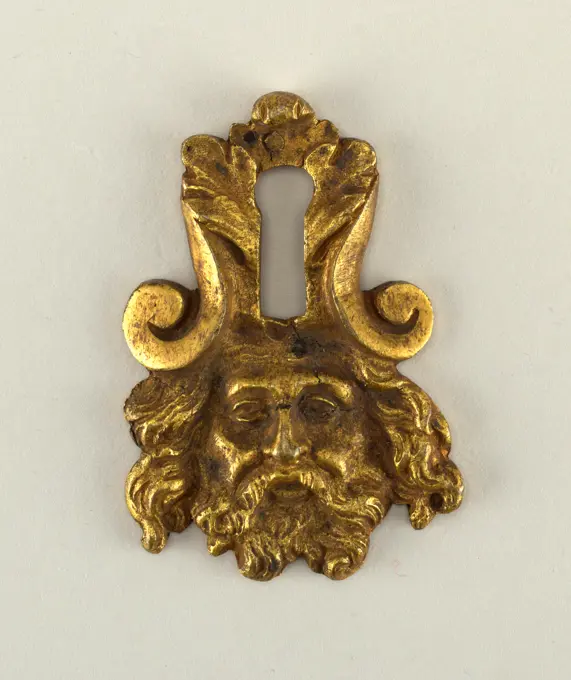
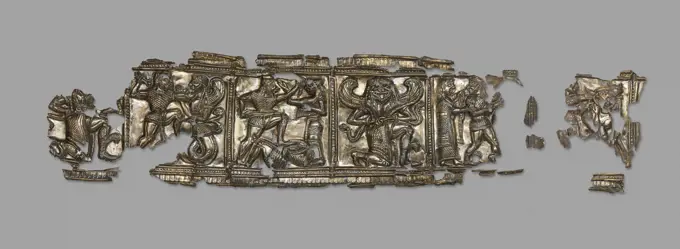
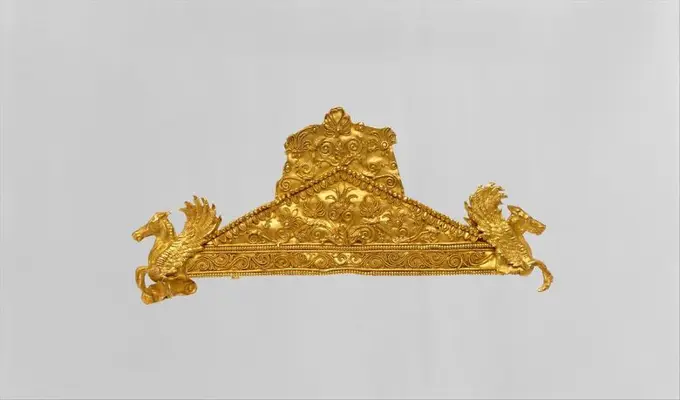
A set of ornate metal decorations including a door latch and detailed belt mounts, highlighting craftsmanship from various historical periods.
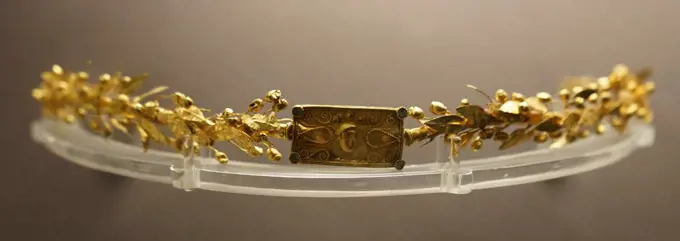
Gold myrtle wreath with die-formed head of Athena in central plaque. Dated 280 BC
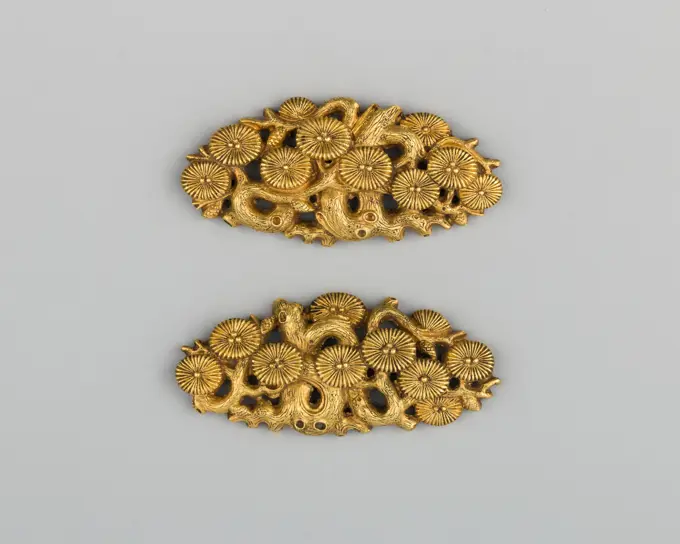
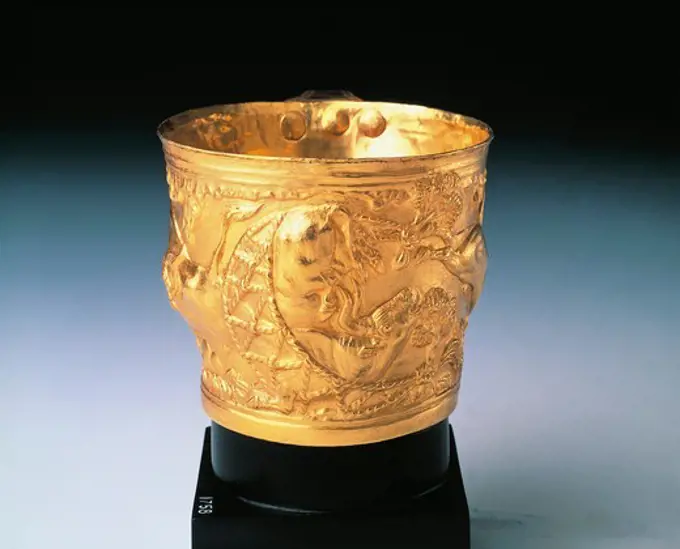
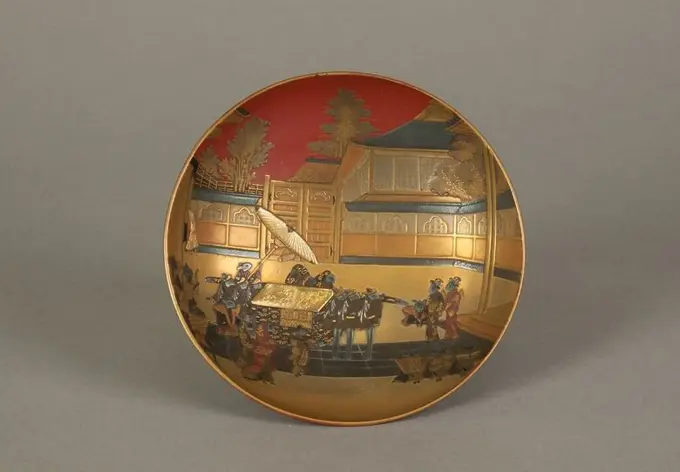
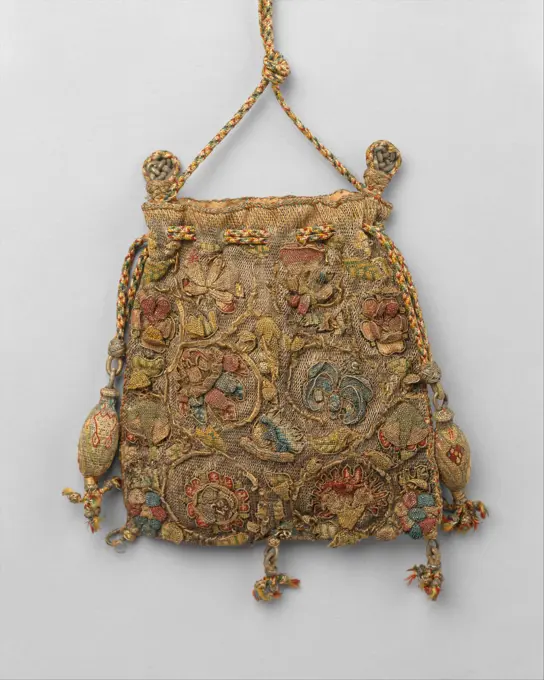
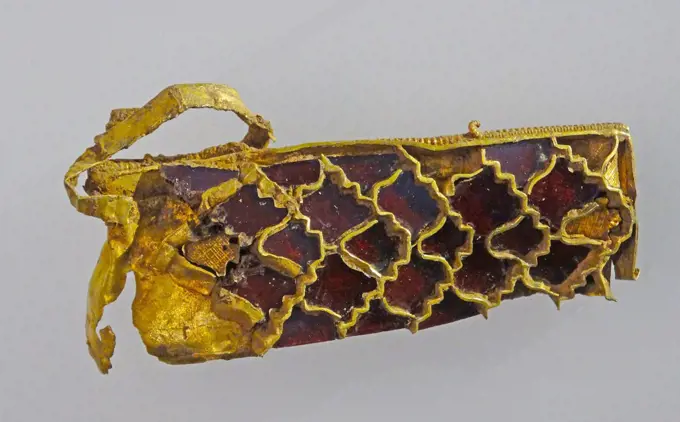
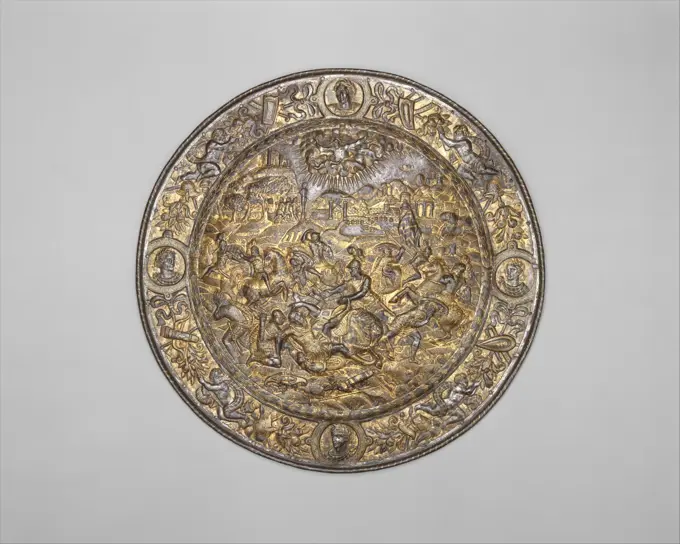
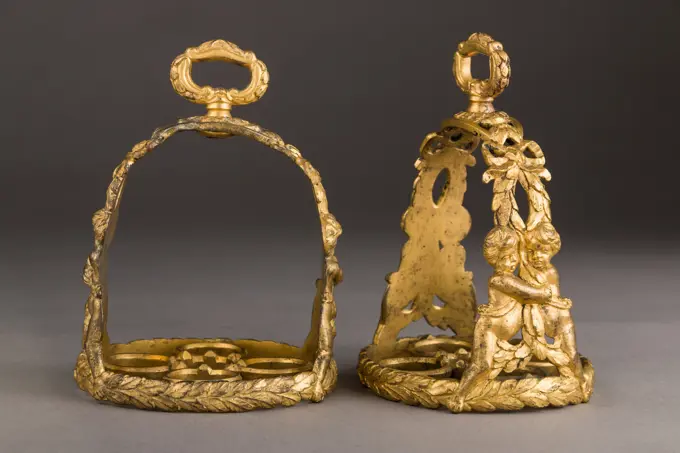
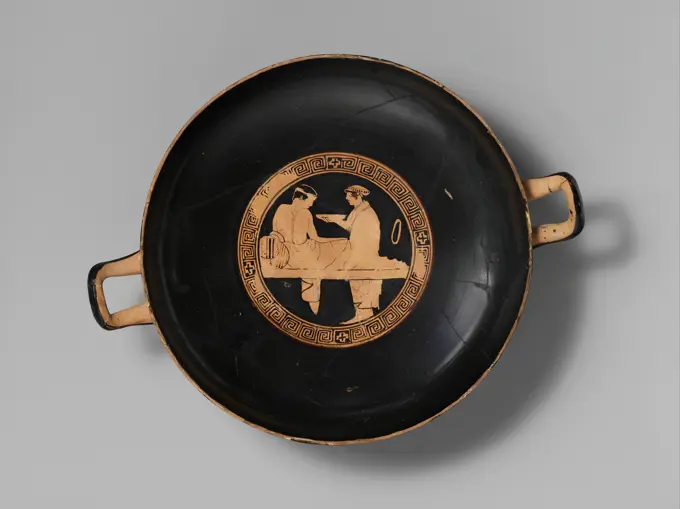
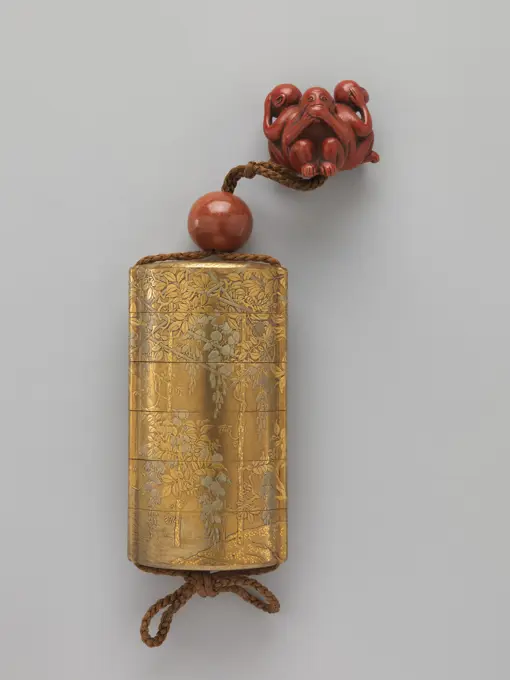
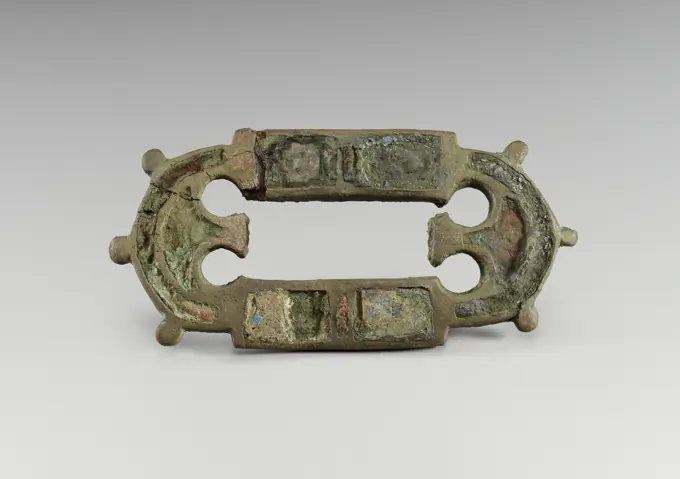
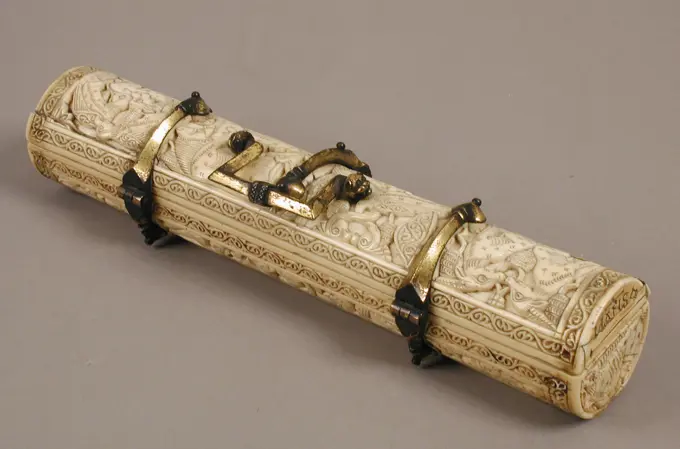
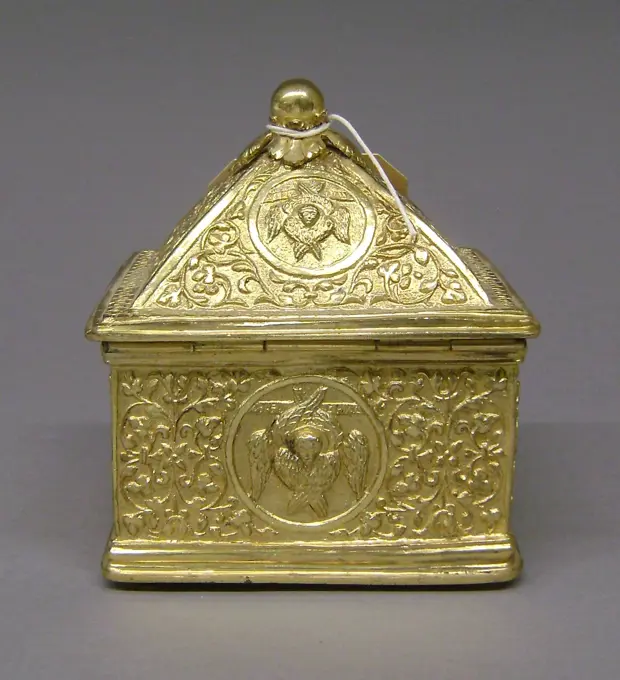
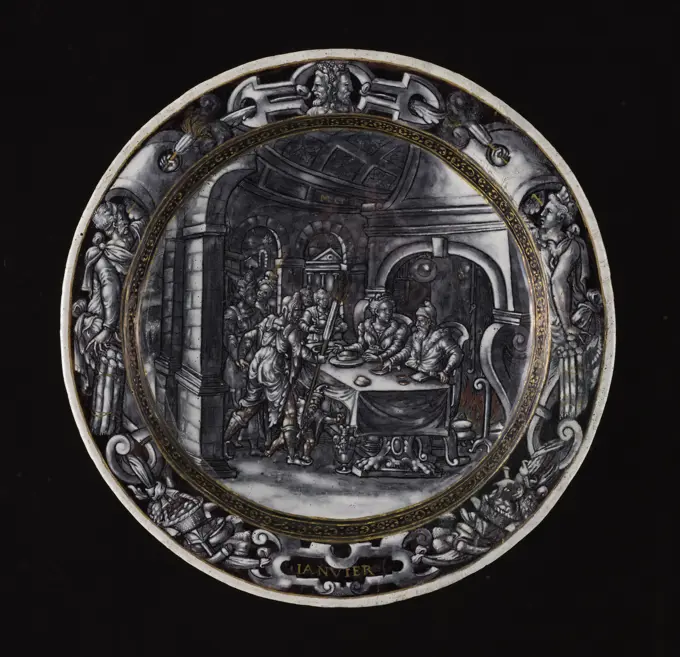
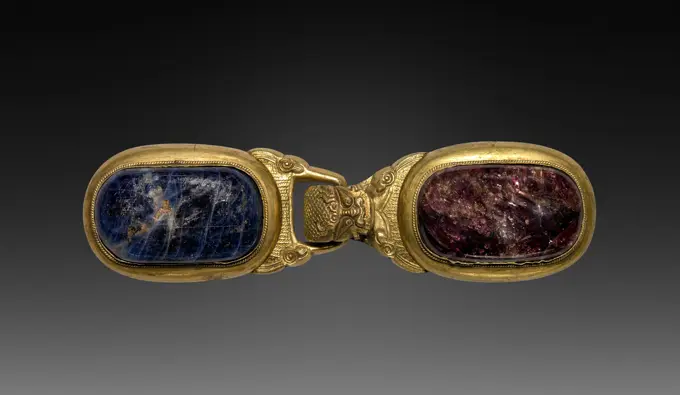
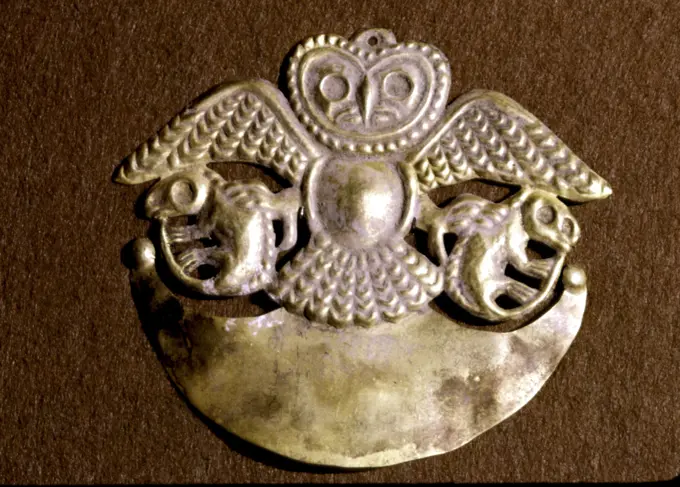
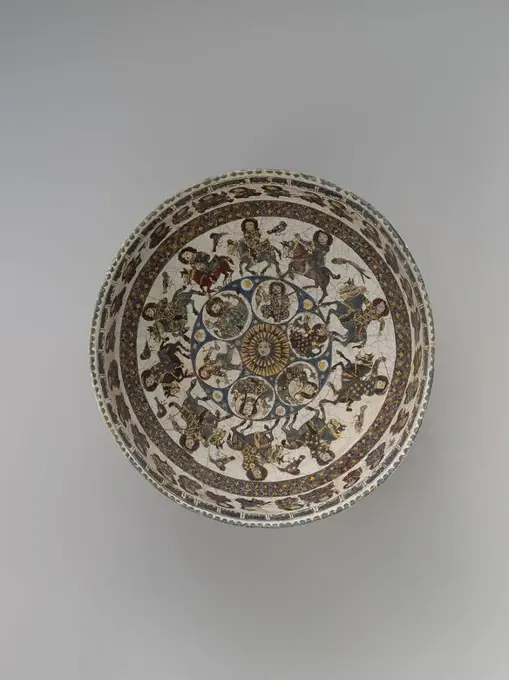
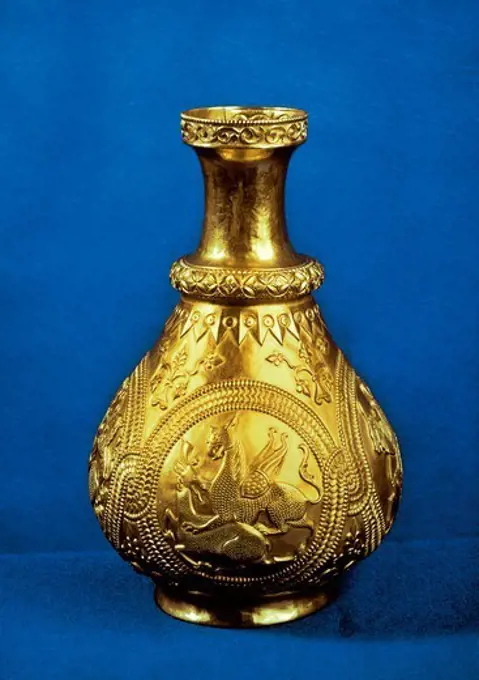
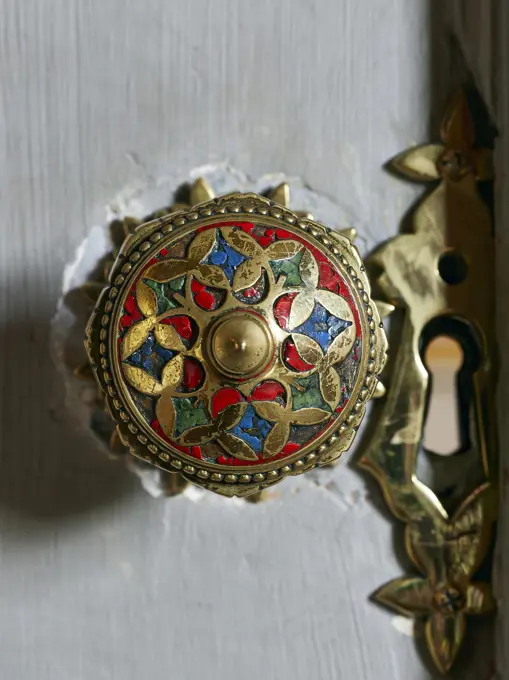
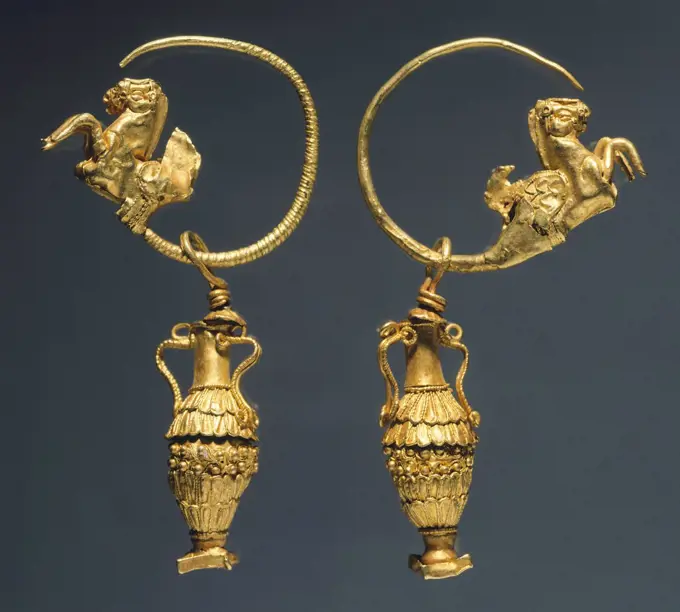
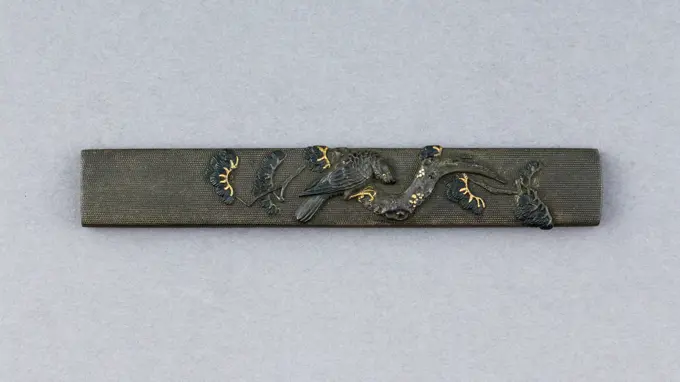
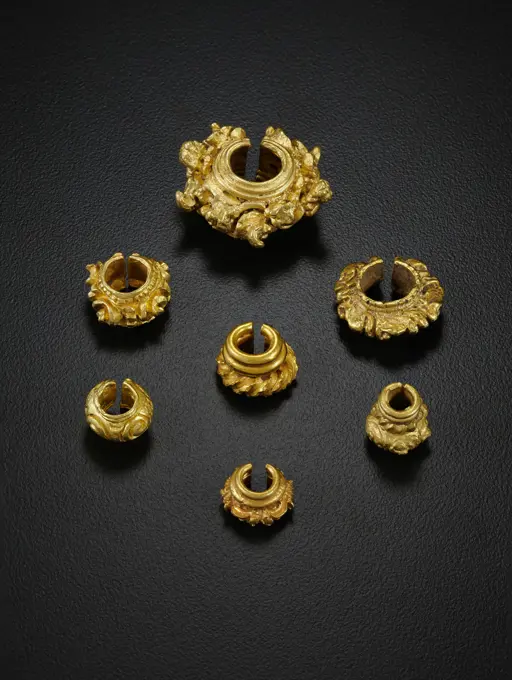
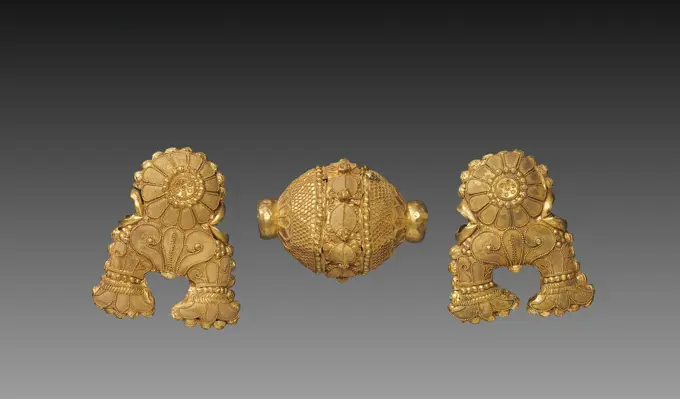
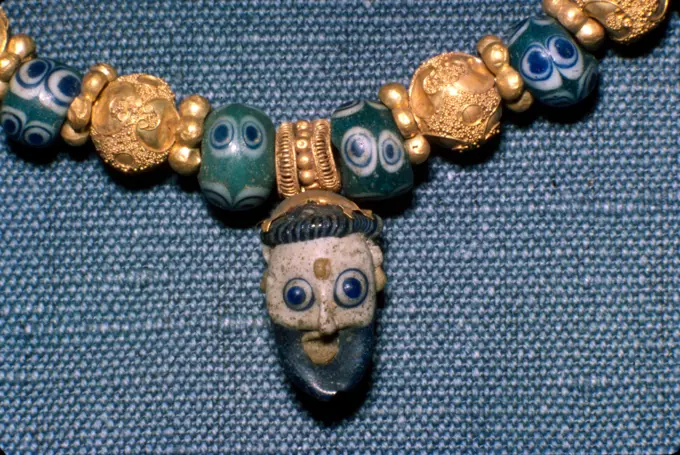
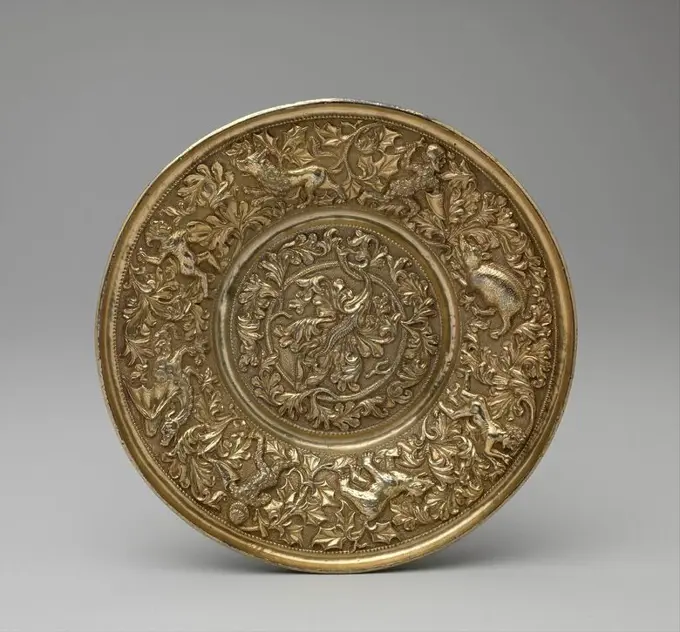
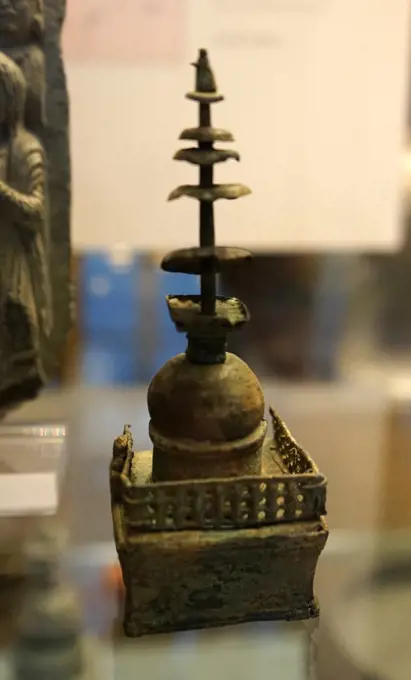
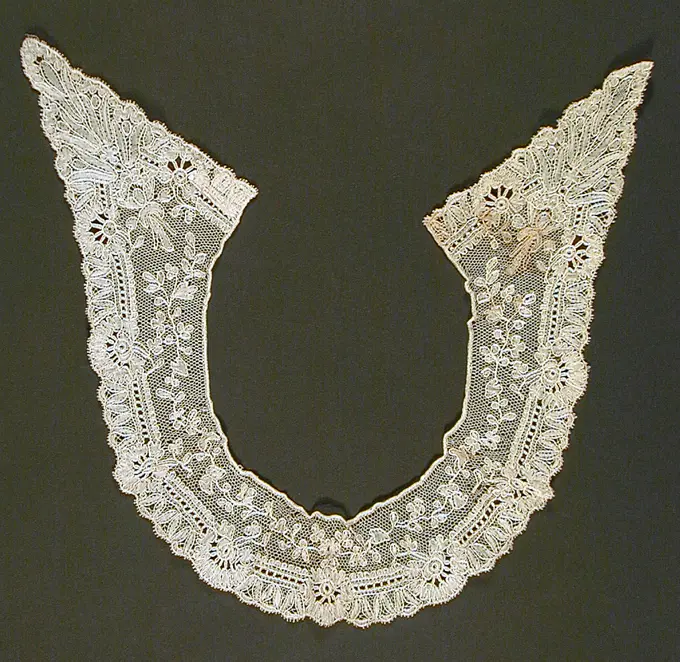
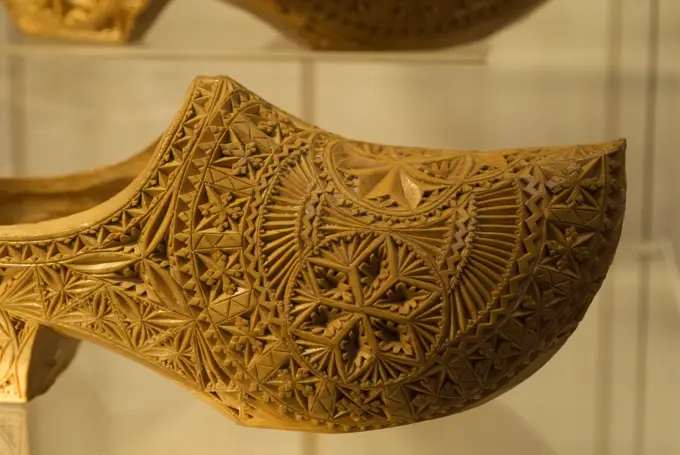
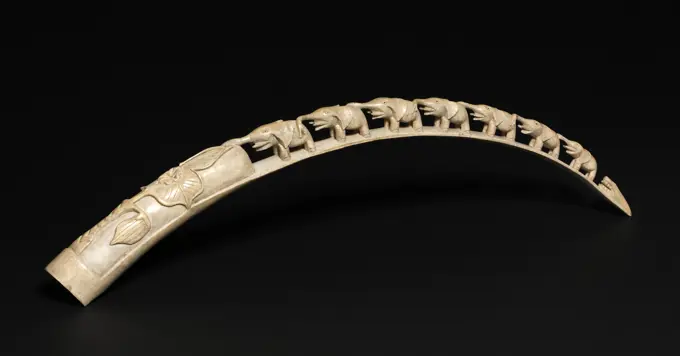
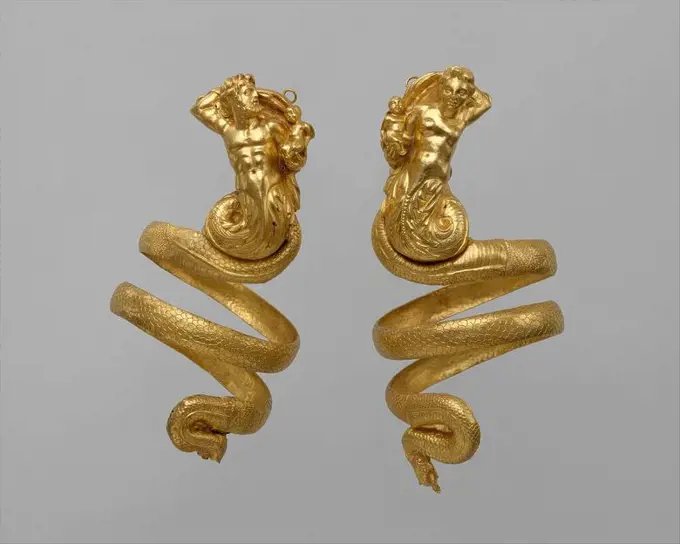
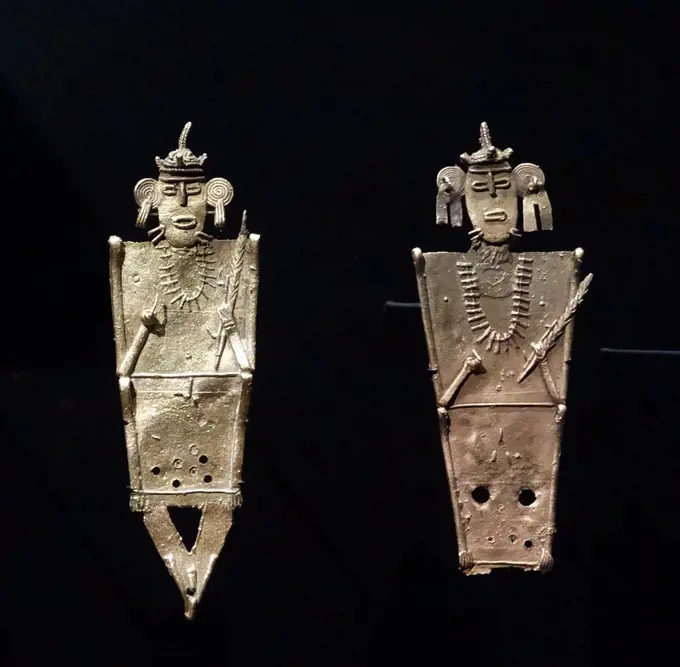
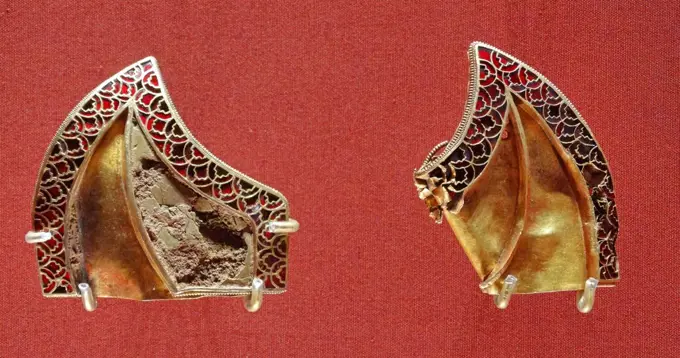
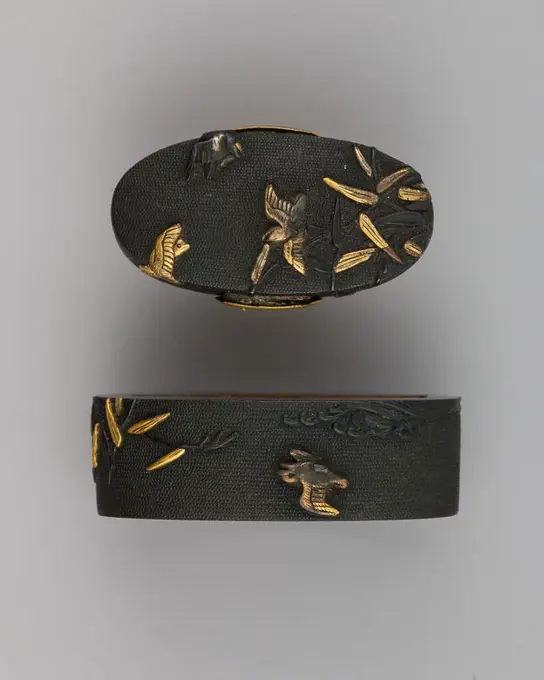
Sword-Hilt Collar and Pommel (Fuchigashira). Culture: Japanese. Dimensions: Kashira (a); H. 1 3/8 in. (3.5 cm); Wt. 0.5 oz. (14.2 g); fuchi (b); H. 1 1/2 in. (3.8 cm); Wt. 1 oz. (28.3 g). Date: 18th century. Museum: Metropolitan Museum of Art, New York, USA.Ear Ornaments with Images of WarriorsBelt Buckle with Beaked Ungulates. Culture: North China. Dimensions: H. 2 13/16 in. (7.1 cm); W. 4 1/4 in. (10.8 cm). Date: 2nd century B.C.. Museum: Metropolitan Museum of Art, New York, USA.Mount (France); bronze (gilt), goldBracelet, 20th Century. India. Silver; diameter: 9.1 cm (3 9/16 in.).Oval shaped EarOrnamentHammered Silver Spoon 8th-mid-16th century Peru; north coast (). Hammered Silver Spoon 308955Purse Frame; silver; 1931-47-31Pair of Sword-Grip Ornaments (Menuki) 16th century Japanese Menuki are a pair of ornamental sword fittings attached to either side of a sword hilt.. Pair of Sword-Grip Ornaments (Menuki). Japanese. 16th century. Gold. Sword Furniture-MenukiWristlet, 18th Century. India, Punjab (). Silver gilt with semi-precious stones and enamel; overall: 3.2 cm (1 1/4 in.).Gold bowl with capture of a bull in relief, from a tholos at Vaphio, GreeceRing with Claw setGemEar Clip ca. 12th century Cambodia. Ear Clip. Cambodia. ca. 12th century. Bronze with traces of gilding. MetalworkOne of a Pair of Wine Cups (Sakazuki) with Mice's Wedding. Culture: Japan. Dimensions: H. 1 3/8 in. (3.5 cm); Diam. 4 3/4 in. (12.1 cm); Diam. of foot 1 1/2 in. (3.8 cm). Date: 19th century. Museum: Metropolitan Museum of Art, New York, USA.Purse last quarter 16th century British Elaborately embroidered purses such as this example were known as "sweet bags" and were used to carry scented herbs or essences to cover unpleasant odors.. Purse 81553broken range, GAL1981.95.110 Lacquered bambooEmbroidery. unknown, authorDish with Unidentified Coat of Arms. Culture: Spanish. Dimensions: Overall: 17 3/4 in. (45.1 cm). Date: 1470-1490. Museum: Metropolitan Museum of Art, New York, USA.Bliżej Kultury unknownAnglo-Saxon metalwork object, with cloisonné and garnet decoration, from the Staffordshire Hoard. The Staffordshire Hoard is a collection of Anglo-Saxon. Discovered in a field near the village of Hammerwich, near Lichfield, in Staffordshire, England, in 2009. it consists of over 3, 500 items, dated to the 7th or 8th centuries, placing the origin of the items in the time of the Anglo-Saxon kingdom of Mercia.Brass pouch-shaped tinder box, tondeldoos lighter equipment soil find brass metal, cast engraved Pouch-shaped object with hinged lid Decorated with engraved scene of which only the frame remains. Two wide loops on both sides for carrying strap archeology Rotterdam Binnenrotte fire fire make lighting transport transport Soil discovery Binnenrotte (at Spaarbank).Brass belt buckle or belt hanger consisting of two pink tops, oval eye and small face, fitting belt accessory soil found copper brass metal, w 3.2 cast drilled Copper belt fitting and belt hanger Two rosettes with drilled round holes. Two out-of-the-ear ears in which the fixing holes are drilled. Oval hanging eye Small face between the two rosettes. Mottled copper yellow with dark and red spots archeology Rotterdam City Triangle Botersloot Binnenrotte leather clothing belt hang up transport take away Soil discovery Rotterdam collapses Binnenrotte behind the Botersloot.Vajracarya priest's crown dated 1630/32 Nepalese. Vajracarya priest's crown 27754Detail of decorations from a Viking ship burial, 9th century. Artist: UnknownOne square. UnknownLobed Ball BirdRingFUENTE DE PIEDRA TRONCOPIRAMIDAL CON RELIEVES. Nº INV. 3669. (20 X 70 X 40 CM) MUSULMAN. (EXPOSICION :ARTE ISLAMICO ESPAÑOL)(DEPOSITO: MUSEO DE GRANADA).Mondújar Hoard. Gold necklace. 14th-15th century. From Mondújar (Granada province, Andalusia, Spain). National Archaeological Museum. Madrid. Spain.Parade Shield Depicting the Conversion of Saint Paul ca. 1570 Italian, Milan The circular shield of blue-black steel is slightly convex in shape and is embossed in relief, chiseled, punched, and richly damascened in gold and silver. The outer edge is rolled over and obliquely striped in gold and silver. A wide band along the outer edge is embossed with four round medallions which are framed by damascened strapwork and contain portrait busts of four Roman emperors. The medallions are connected to one another by ribbons from which are suspended trophies of antique and Renaissance arms, bunches of fruit and flowers, and putti with fluttering striped drapery. The large circular field at the center, framed by a laurel wreath of alternating gold and silver leaves, contains a representation of the Conversion of Saint Paul. The figures are dressed in Roman armor, their flesh silvered, and the details of the costumes and landscape damascened in different patterns. A series of holes around the ePair of Stirrups late 17th century Spanish or Italian These luxurious stirrups, made of gilded bronze and decorated with pairs of children playing with leaf garlands, are in the baroque taste. Such objects would have been used in festive contexts, such as equestrian ballets, called carousels.. Pair of Stirrups. Spanish or Italian. late 17th century. Copper alloy, gold. Equestrian Equipment-StirrupsTerracotta kylix (drinking cup) mid-5th century B.C. Attributed to the Painter of Brussels R 330 Interior, symposium (drinking party)Exterior, women and youthsCompared with symposium scenes of the preceding generation of cup painters, this work presents a more complex viewpoint. The symposiast is seen from the back, and the attending woman is on the far side of the kline (couch). She holds a phiale (libation bowl).. Terracotta kylix (drinking cup) 250800 : Attributed to the Painter of Brussels R 330, Terracotta kylix (drinking cup), mid-5th century B.C., Terracotta, H. 4 3/8 in. (11.1 cm); diameter 10 5/8 in. (27 cm). The Metropolitan Museum of Art, New York. Rogers Fund, 1919 (19.192.67)Engraved Gem with Mars inset into a Hollow Ring. UnknownCase (Inr) with Design of Wisteria Trellis mid-19th century Japan. Case (Inr) with Design of Wisteria Trellis. Japan. mid-19th century. Case: powdered gold and silver (maki-e) on gold lacquer; Fastener (ojime): glass; Toggle (netsuke): red lacquer carved with design of monkeys. Edo period (1615-1868). InrEurope, Italy. Etruscan earring. Perugia. 3rd cent. BC.Bronze Buckle Set with Enamel (Enamelled copper alloy beltplate)Pen Box late 11th-early 12th century Islam, Christianity, and Judaism exalted the written word, and this elegant box, created to house writing tools, would have had special meaning for its owner. The Latin inscription (Taurus, the son of Mansone) links the box with the Mansone family, a ducal power in Amalfi during the eleventh century.. Pen Box 446989Incense box 19th century, after 1632 original British, after Russian original This electrotype is after a seventeenth-century original (1632) a treasure of the Patriarch, Moscow, at the time of reproduction.. Incense box 186632CASCO DE CARLOS V VISTA LATERAL POSTERIOR. Location: PALACIO REAL-REAL ARMERIA DE MADRID. MADRID. SPAIN.Impression Of Seal Cylinder; 1902-20-39Container early 13th century. Container 447751Calendar Plate for January (Feasting). Martial Courteys (France, Limoges, circa 1544-1592). France, Limoges, circa 1565-1575. Furnishings; Serviceware. Grisaille enamel, flesh tones, touches of color, and gold on copperTexas, Houston. Museum of Fine ArtsBuckle, 1900s. China, 20th century. Gilt brass set with quartz; overall: 16 cm (6 5/16 in.).Bracelet, Repousse with Bar and Peony 8th-12th century Indonesia (Central Java). Bracelet, Repousse with Bar and Peony 64269Fragment with Relief Decoration. Culture: French. Dimensions: Overall: 17 x 34 x 5 3/4 in. (43.2 x 86.4 x 14.6 cm). Date: 12th-13th century. Museum: Metropolitan Museum of Art, New York, USA.Because of leather with colored and embroidered hoods, c. 1600 - c. 1650 Judge because of leather with the roof with red and brown leather pieces. Decorated on the back and the hood with embroidered flower pattern in silver thread. Along the hood decorated with processed leather with Roman text. The hood is open on the side. West-Europa whole: Leather embroidering Judge because of leather with the roof with red and brown leather pieces. Decorated on the back and the hood with embroidered flower pattern in silver thread. Along the hood decorated with processed leather with Roman text. The hood is open on the side. West-Europa whole: Leather embroideringGold nose ornament with owl and animals decoration. Vicus. Pre-Inca civilisation. PERU.Norway, Oslo. Historical Museum of Oslo, The Viking Collection, ornate metal Viking brooch or fastener.Bowl with Courtly and Astrological Motifs. Dimensions: H. 3 3/4 in. (9.5 cm)Diam. 7 3/8 in. (18.7 cm)Wt. 14 oz. (396.9 g). Date: late 12th-early 13th century.The figures and decoration on the interior of this bowl combine imagery of the courtly cycle and astronomy. In the center the sun is surrounded by personifications of the planets (clockwise) Mars, Mercury, Venus, the moon, Saturn, and Jupiter. Islamic astronomers believed the planets orbited the earth, forming seven concentric circles. An eighth, outer sphere contained the constellations and signs of the zodiac, possibly represented by the six large and twelve small gold circles between the planets' heads. Museum: Metropolitan Museum of Art, New York, USA.Buława  ImitationScarf Ring, James Cromar Watt (Aberdeen, Scotland, 1862 - 1940) c. 1919Close up of old door in Sicily, Italy.Helmet ca. 1734 Arabian. Helmet 32048Carnavalet museum, medal collection Right Napoleon standing in the center surrounded by his four brothers; In the midst of them, an eagle.Embossed gold jug, from the so-called Attila treasure, found at Sannicolau Mare, Romania. Jewellery. Avar Civilization, ca. 6th Century.silver lamp, Christianity Copyright: xHarixMahidhar/DinodiaxPhotoxDoor handle. Strawberry Hill House, Twickenham, United Kingdom. Architect: Horace Walpole, 1747.Rosary bead ca. 1525-50 Flemish Rendered in virtuoso detail, this rosary bead juxtaposes images of life and death. The boxwood bead opens to reveal Death appearing unannounced at a meal beneath an image of the Last Judgment in the upper hemisphere. The Latin inscription reads, "Stay awake, for you do now know at which house your Lord will come" (Matthew 24:42).. Rosary bead 193475Gold hoop earrings with Pegasus and amphora styled pendants, from Nessebar, Bourgas Region, Bulgaria. Goldsmith art. Thracian Civilization, 3rd Century BC.Knife Handle (Kozuka) ca. 1615-1868 Japanese A kozuka is a handle of a by-knife that is part of a sword mounting. It is kept in a slot on the reverse of a katana scabbard, often with a matching kōgai (hairdressing tool).. Knife Handle (Kozuka) 34603Achelous. River God of Greece. Etruscan gold pendant.Jewellery. Java, Indonesia.Stirrup-shaped Ring with Oval Bezel with Diaper Design Second half of the 9th-first quarter of the 10th century Indonesia (Java). Stirrup-shaped Ring with Oval Bezel with Diaper Design. Indonesia (Java). Second half of the 9th-first quarter of the 10th century. Gold. late Central Javanese period. JewelryCandlestick Bracket 15th-16th century European. Candlestick Bracket. European. 15th-16th century. Iron. Metalwork-IronBadge (probably from Horse Harness). Culture: Spanish. Dimensions: H. 3 1/16 in. (7.8 cm); W. 1 11/16 in. (4.4 cm); Wt. 1 oz. (28.3 g). Date: 14th century. Museum: Metropolitan Museum of Art, New York, USA.Five brass round buttons, connected together (semi-finished), knot clothing accessory semi-finished clothing soil find copper metal, cast Five copper knots. Semi-finished product unseparated and unfinished. Buttons decorated with rose or Tudor rose and imitation braid archeology Rotterdam City Triangle Delftsevaart rugs close craft knotter buttonmaking guild Soil discovery of the partial reclamation of the Delftse Vaart for the purpose of making the lift over the Vaart in the summer of 1928.Scarab with a Three-Horse Chariot and Driver. UnknownEar Ornament early 9th-14th century Indonesia (Java). Ear Ornament 40126Przeszo Przyszoci unknownEarring, 2nd-3rd century AD. Egypt, Roman Empire. Bronze and glass; diameter: 3.4 cm (1 5/16 in.); overall: 5.3 cm (2 1/16 in.).TieredFinialNecklace Bead and Pair of Pendants in the Shape of an Auspicious Symbol, c. 150 BC. India, Uttar Pradesh or Madhya Pradesh, Shunga Period (c. 187-78 BC). Gold; These exceptionally fine pieces of gold jewelry would have been strung on a necklace. The auspicious symbols on either side of the egg-shaped bead are in the form of full blown lotus flowers with the seed pods carefully detailed, and trident-shaped forms decorated with stylized palmette motifs emanate down from the lotuses.Phoenician glass head on Etruscan Necklace, c7th century BC. Artist: Unknown.Relief fragments (44). UnknownCrozier Head with Saint Michael and Serpent 19th century European (Medieval style) This modern element came into the Museum attached to a medieval knop from a crozier (see acc. no. 13.64a).. Crozier Head with Saint Michael and Serpent 470006Badge or Harness Pendant ca. 1400 Spanish Heraldry, or coat-of-arms, were vitally important in Europe throughout the Middle Ages and the Renaissance. Heraldic emblems were used to identify noble families, cities, regions, and even countries. In addition to being displayed on shields and flags, heraldry was incorporated into architectural decoration on the interior and the exterior of buildings, on furniture, works of art, clothing, and horse equipment. Harness pendants, like this example, would have been attached to a headstall, bridle, or other straps making up the tack of a horse ridden by a nobleman or noblewoman, or a member of their household. Many harness pendants also have decoration that is simply ornamental, or have symbols that are not specifically heraldic in nature.. Badge or Harness Pendant. Spanish. ca. 1400. Copper, gold, enamel. Miscellaneous-BadgesAnklet 19th century. Anklet. 19th century. Silver. Attributed to India, Mumbai or Rajasthan. JewelryGold ornament for a horse's harness, from Kralevo, Bulgaria. Goldsmith art. Thracian Civilization, 3rd Century BC.Plate. Culture: Italian or Portuguese. Dimensions: Overall: 1 5/16 x diam. 8 11/16 in. (3.3 x diam. 22 cm). Date: ca. 1500-1525.Deeply embossed scrollwork relief fills the center of this small plate, and tiny repoussé figures of late Gothic wild men and animals amid foliage appear in a hunting scene on the rim. The lavish decoration of this plate is characteristic of a group of Portguese plates and vessels of the fifteenth century, and reflect the general tendency of this period of toward abandoning simple motifs in favor of more elaborate and complicated designs. Later Portuguese examples generally depict scenes of a more classical nature such as the history of Troy. Larger dishes of this type were intended to be used as basins made as sets with equally sumptuous ewers, but the small size of this example precludes such a possibility. So small a plate, called a salva in Portuguese, would hardly have been intended for regular service use at the table, although it might, on special occa. Rounded square tsuba with inlaid in the front in copper an eagle with a monkey in his claws; a branch of a pine at the rear; One of the Ryo-Hitsu is rectangular.Gold leaf breastplate, from Barberini tomb, Palestrina, ItalyCeltic Penannular Brooch from Ballynaglough, 8th century. Artist: Unknown.Openwork pendant. Bronze (low lead). Caucasus region. 1st-2nd century A.D. Metropolian Museum of Art. Ny. USA.Wedding Fan, mid-1800s. Korea, Joseon dynasty (1392-1910). Copper alloy; satin weave silk; silk and metal thread embroidery; and paper; diameter: 25.6 cm (10 1/16 in.).Ink Cake, 19th Century. China, Qing dynasty (1644-1911). Ink cake; overall: 4.4 cm (1 3/4 in.).Bronze model of a stupa found near the Jaulian monastery in Pakistan. Dated 2nd Century ADWoman's Collar. Belgium, Grammont, circa 1870. Costumes; Accessories. Linen Chantilly-type bobbin lacePhoenix Hair Ornament, 7th-10th century, 5 3/4 in. (14.61 cm), Gold, turquoise, China, 7th-10th centuryNetherlands (aka Holland), Zaandam. Zaanse Schans, historic open air museum. Wooden Shoe Museum, highly carved Wedding Clogs. (Editorial Usage Only)Elephants, 1900s. Central Africa, Democratic Republic of the Congo, 20th century. Elephant ivory; overall: 75.9 cm (29 7/8 in.).Engraved Gem. UnknownGold necklace with inlaid amber 7th century B.C. Etrusco-Phoenician Amber inlay in pendant.. Gold necklace with inlaid amber 248779Pair of gold armbands. Culture: Greek. Dimensions: Overall: 10 7/16in., 0.4lb. (26.5cm, 0.2kg)Other (height-triton armband): 9 13/16in. (25cm)Other (height-tritoness armband): 10 7/16in. (26.5cm). Date: ca. 200 B.C..These imposing serpentine armbands represent two tritons, male and female, each holding a small winged Eros. The hoops behind the tritons' heads were used to attach the armbands to the sleeves of a garment, for otherwise, their weight (each over 6 1/2 ounces) would have caused them to slip down the arms. Museum: Metropolitan Museum of Art, New York, USA.Italian 16th Century, Appliqué in the Form of Paired Dolphins on a Scallop Shell, 16th century Appliqué in the Form of Paired Dolphins on a Scallop Shellgold alloy, copper and silver votive figurines. MexicanAnglo Saxon metalwork; 5th-6th Century AD. Pair of mounts, decorated with cloisonnéIvory Pyx with the Triumph of Dionysos in India mid-500s Byzantine Dionysos, a son of Zeus, rides in his chariot overseeing his conquest of India as described by the fifth-century Egyptian poet Nonnos of Panopolis: "Lord Bacchus Dionysos spoke…Indian slaying servants of invincible Dionysos! Bind them all fast unresisting, the sons of the Indians, take them all prisoners in bloodless conflict.". Ivory Pyx with the Triumph of Dionysos in India 464498Relief Fragment; South Italy; 540 - 530 B.C; Silver and gold; 8.4 × 28.7 × 1.5 cm (3 5,16 × 11 5,16 × 9,16 in.)Buckle Shank 7th century Visigothic. Buckle Shank. Visigothic. 7th century. Copper alloy, tin (). Miscellaneous-Buckles & OrnamentGold pediment-shaped brooch. Culture: Greek. Dimensions: length 3 1/16in. (7.8cm). Date: ca. 340-320 B.C..This remarkable object gains most of its effect from the calligraphic use of filigree wire on its large flat surface. There are now no traces of enamel, but this may well have added the further dimension of color. Museum: Metropolitan Museum of Art, New York, USA.