Decorative Metal Artifacts

A collection of exquisite metalworks including purse frames, collars, rings, and belts from different periods, showcasing intricate designs in silver and gold.

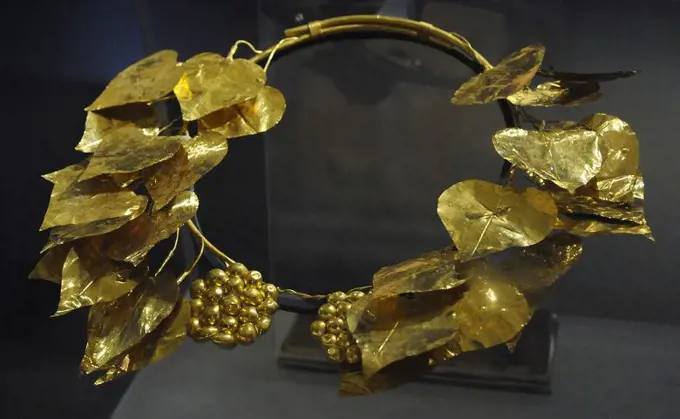
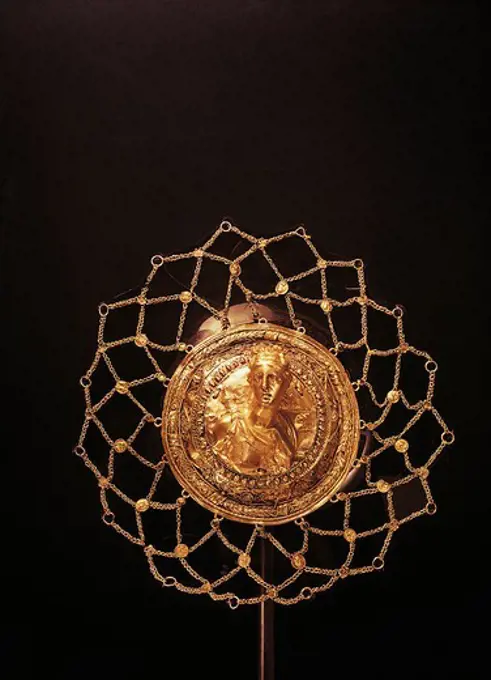
Anonymous, collar at the Héraclès node (main title), -0330. Yellow gold. Petit Palais, Museum of Fine Arts of the City of Paris.
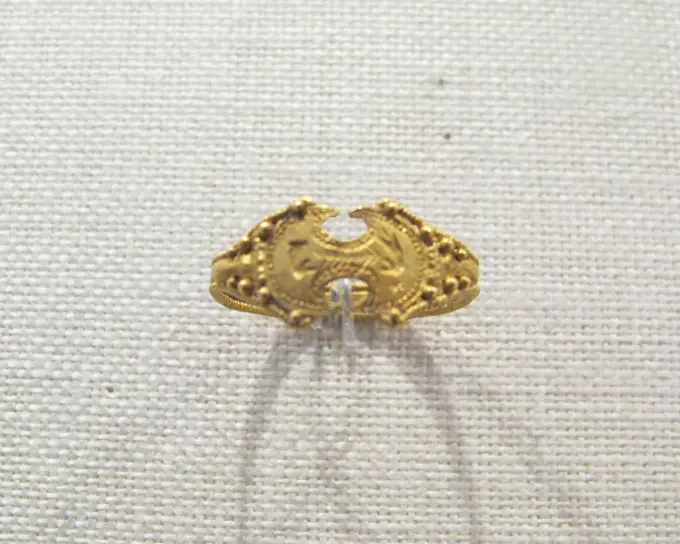
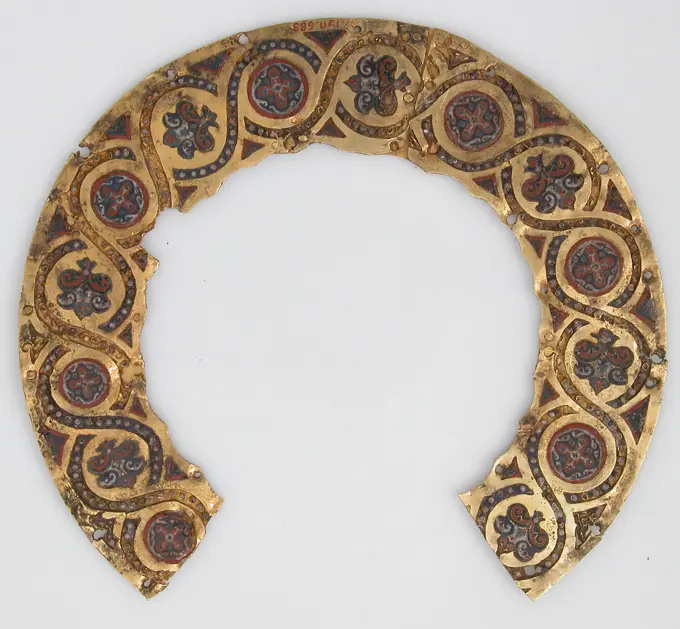
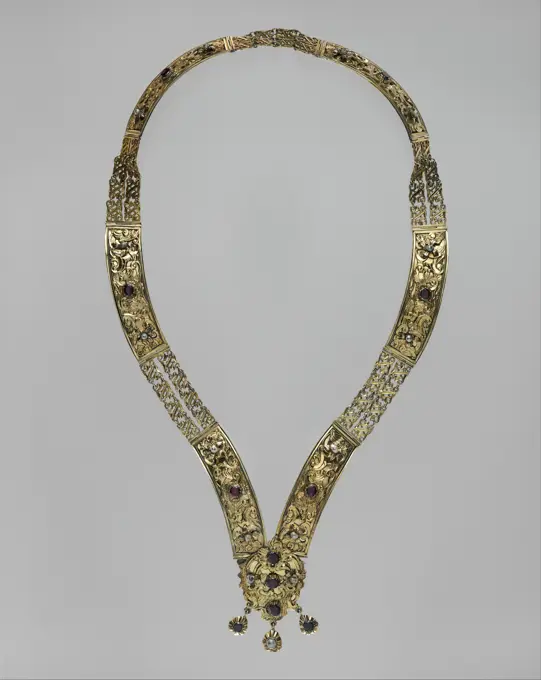
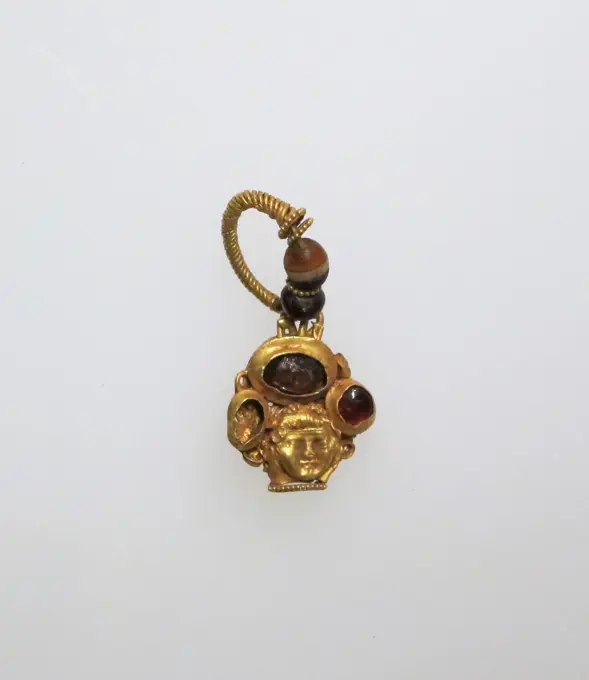
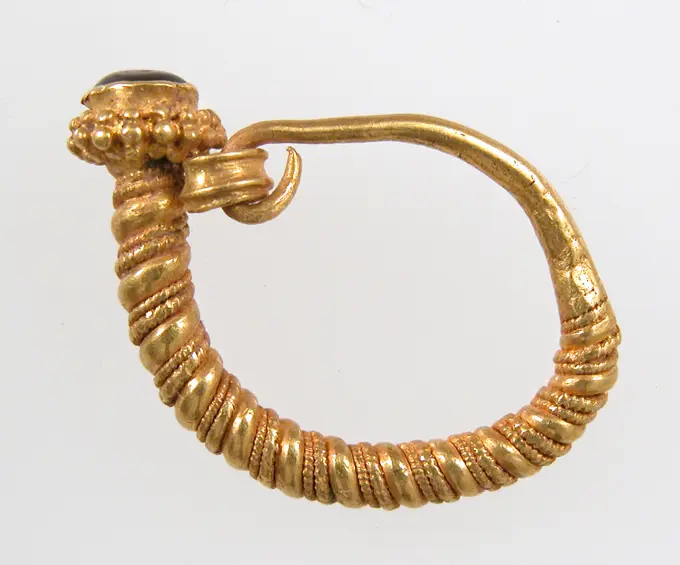
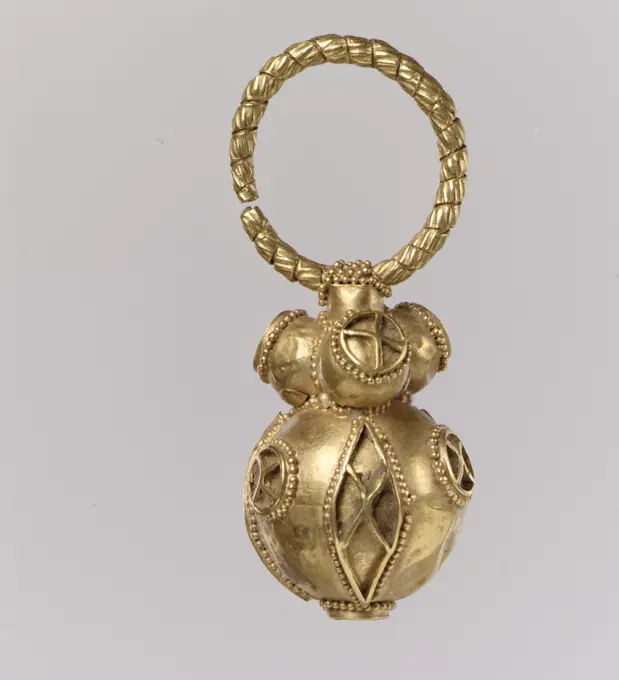
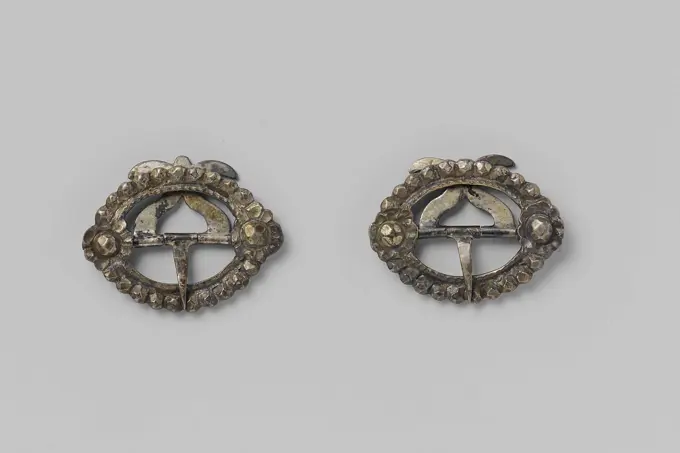
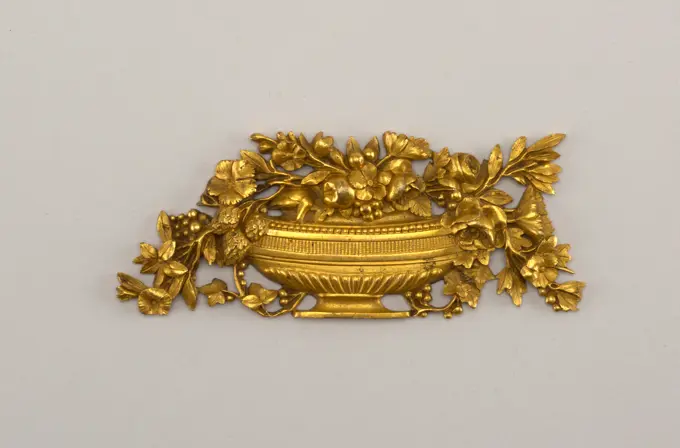
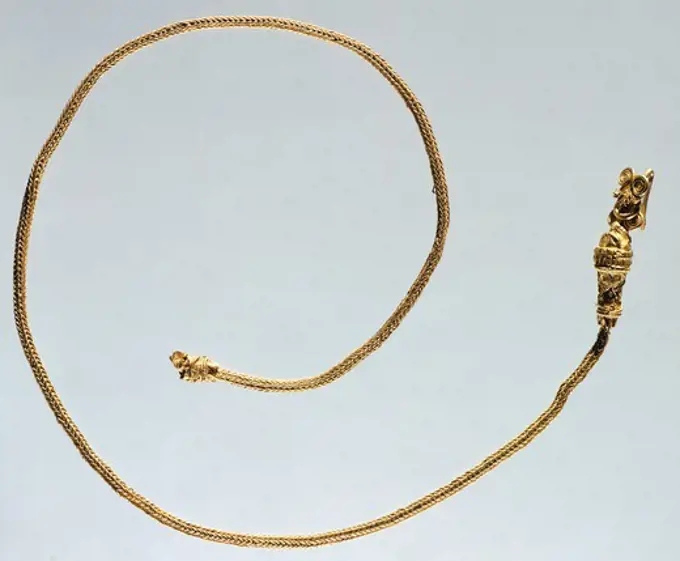
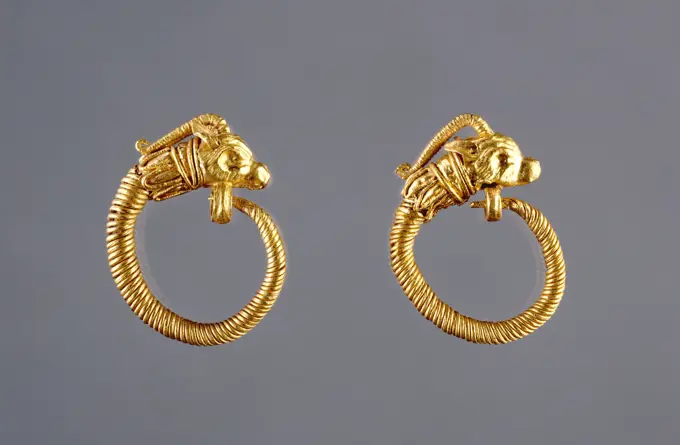
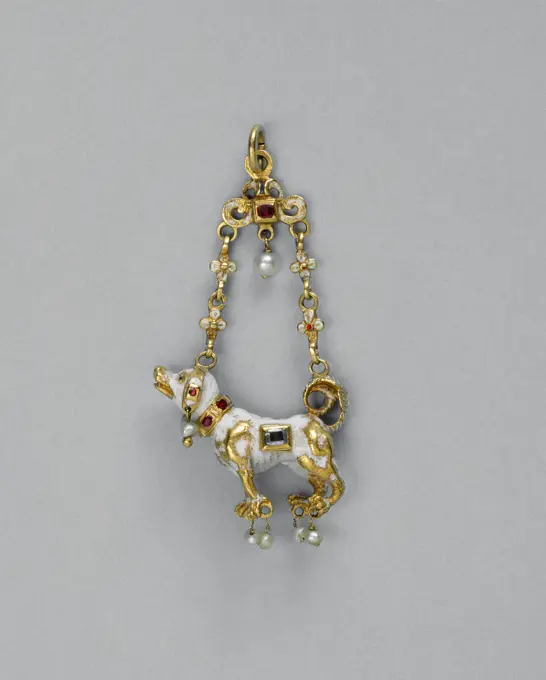
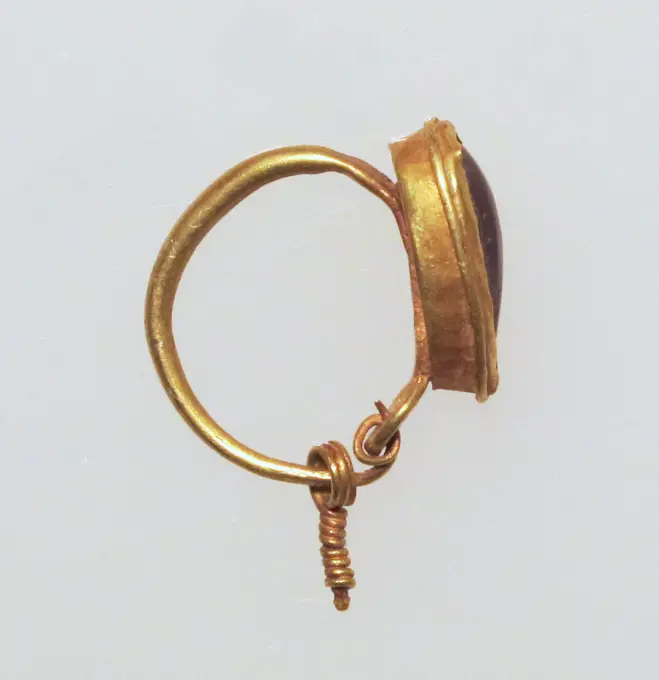
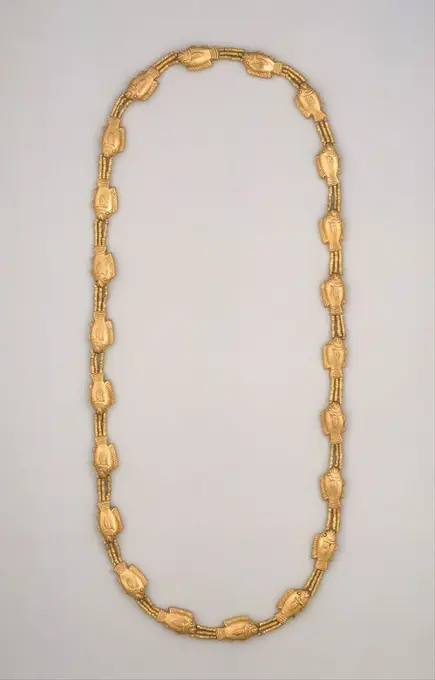
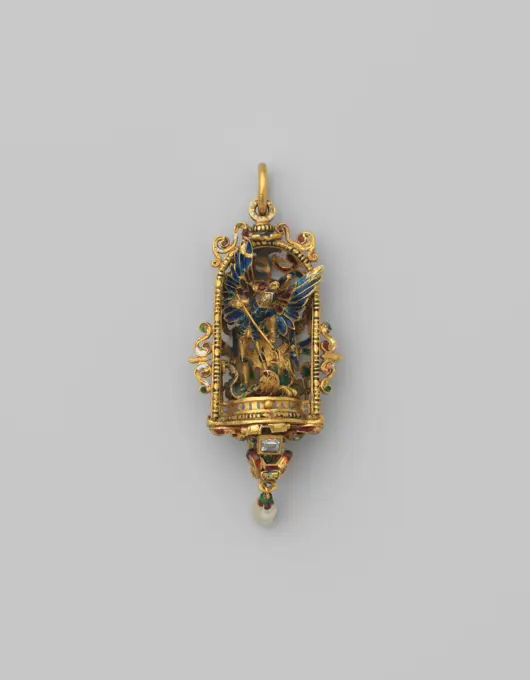
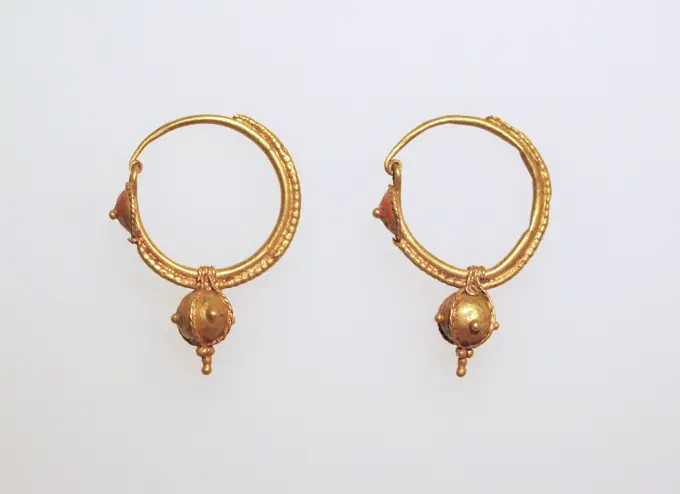
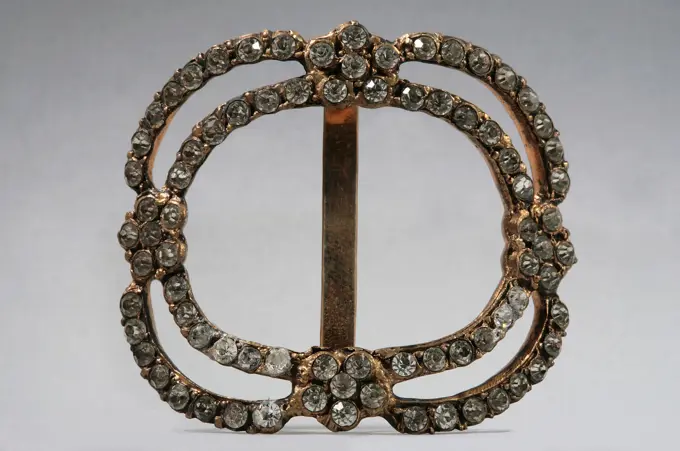
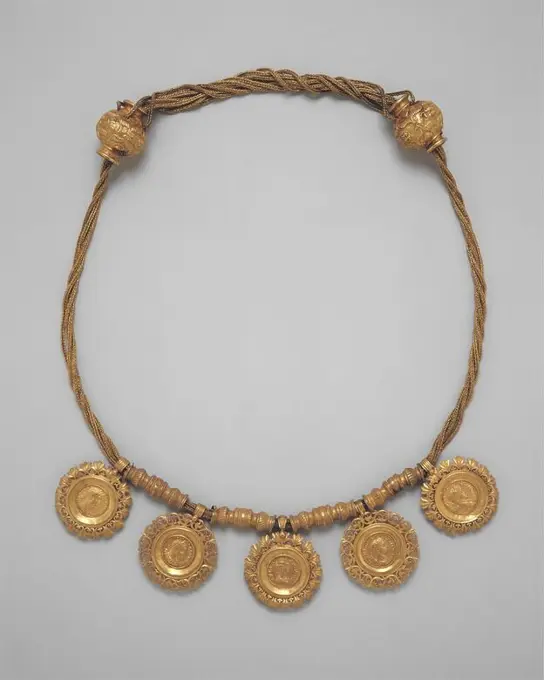
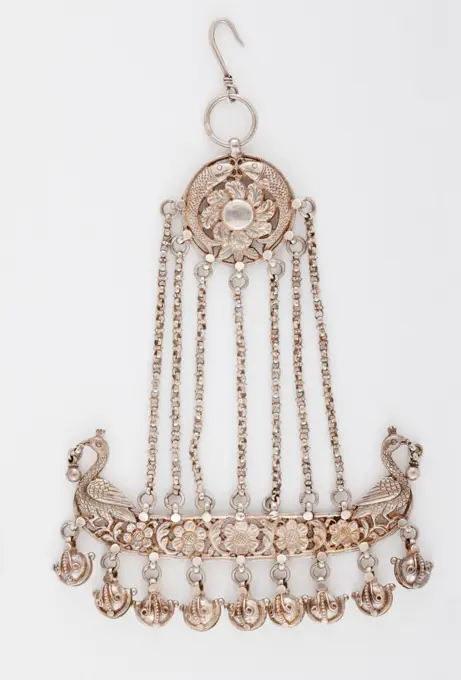
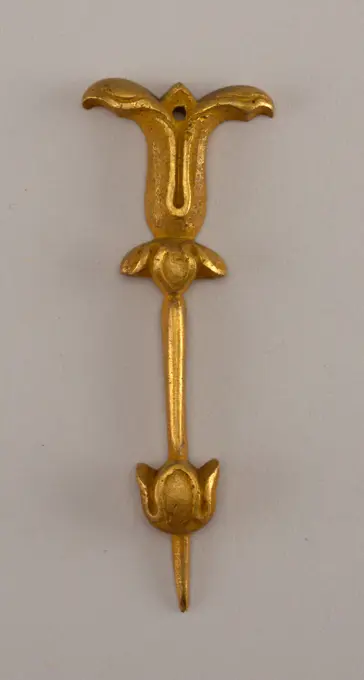
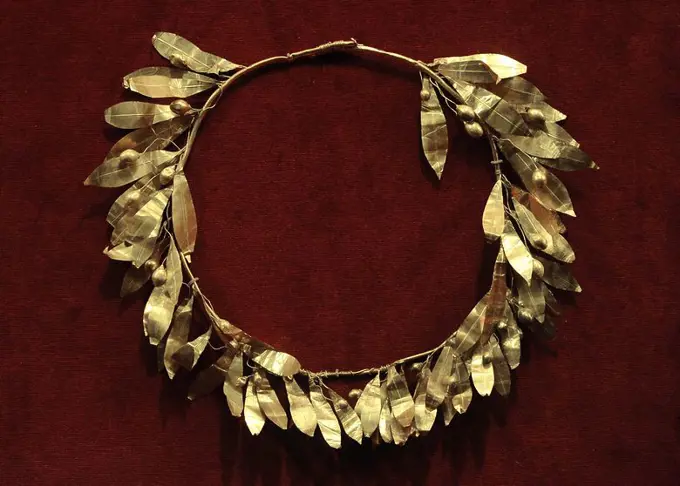
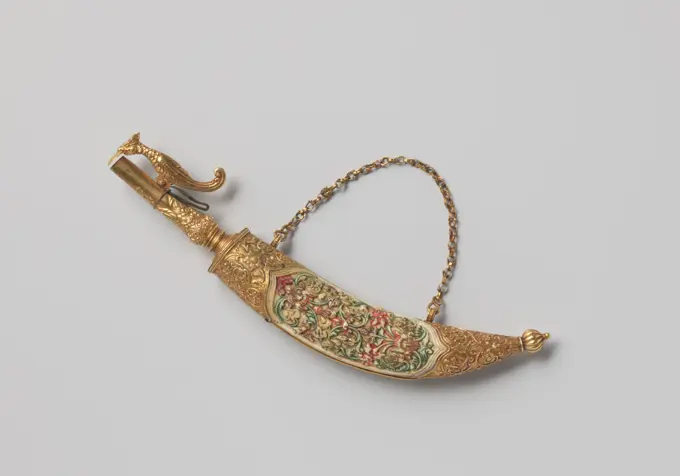
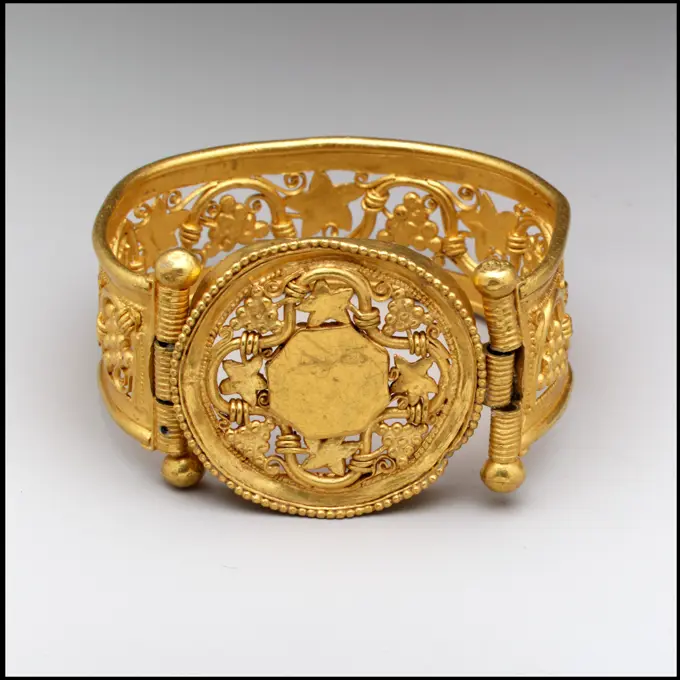
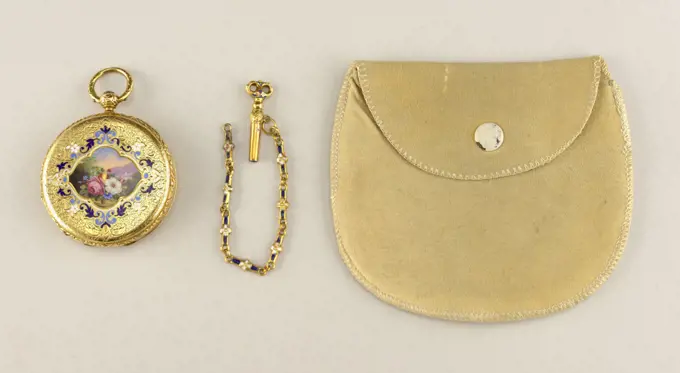
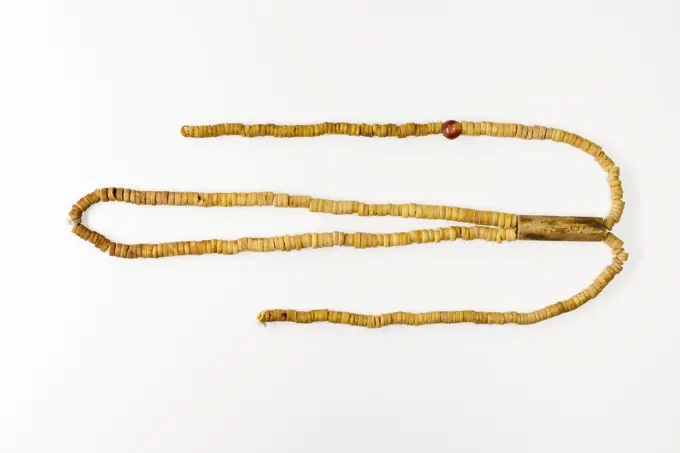
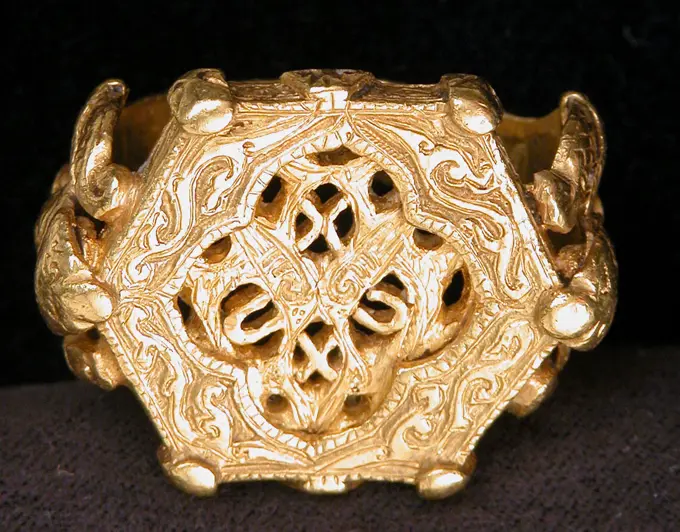
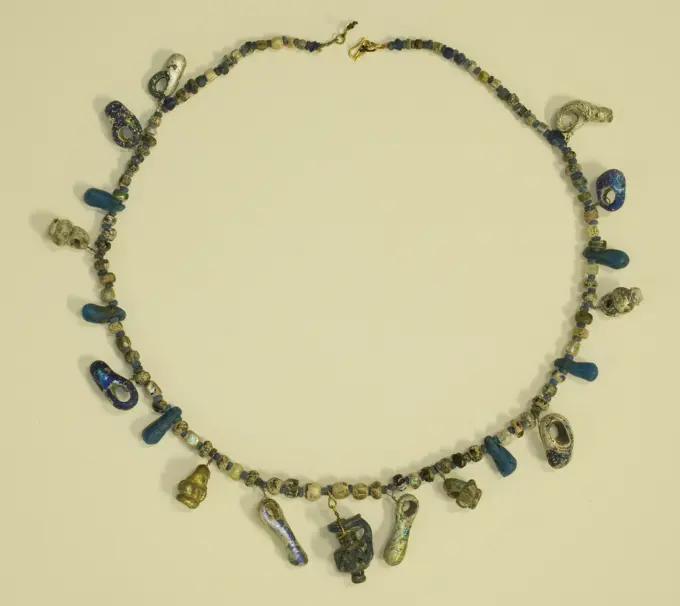
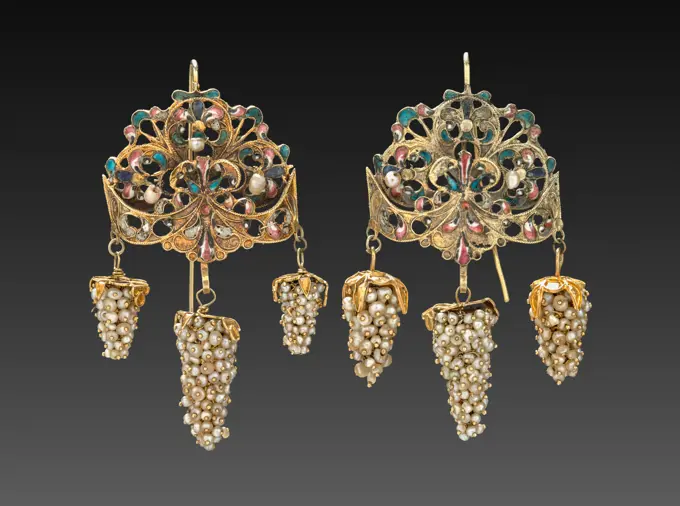
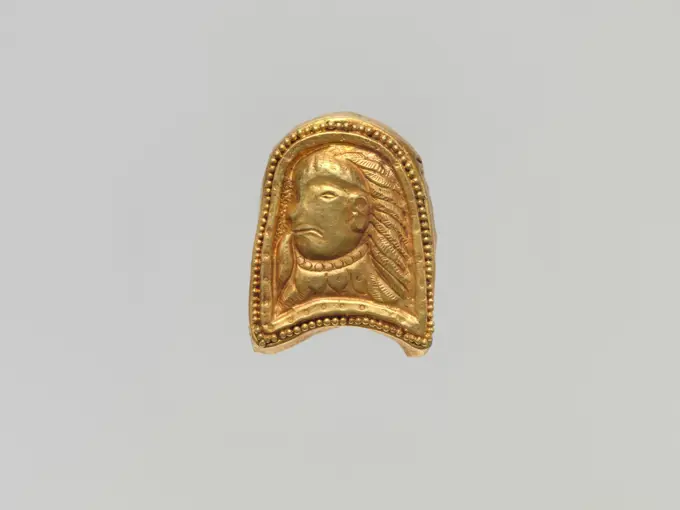
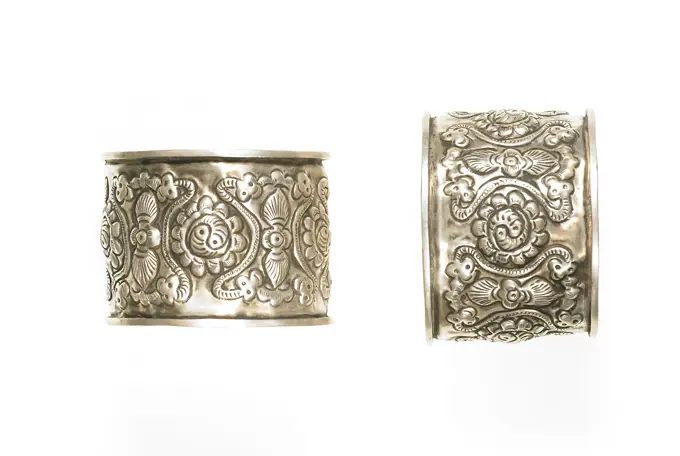
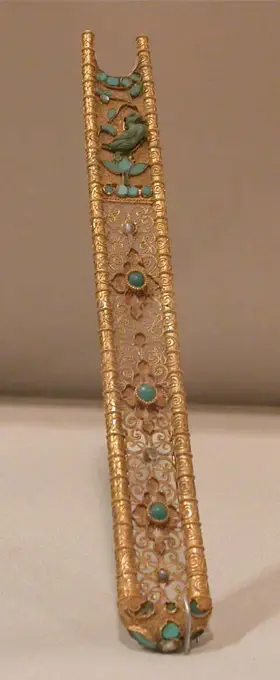
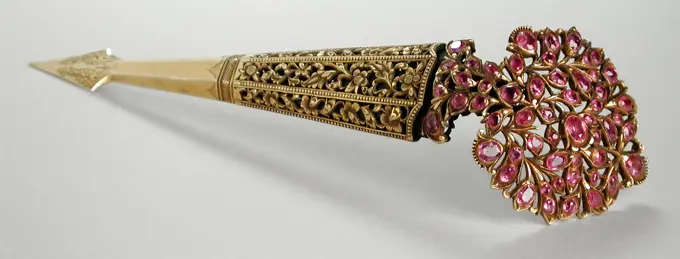
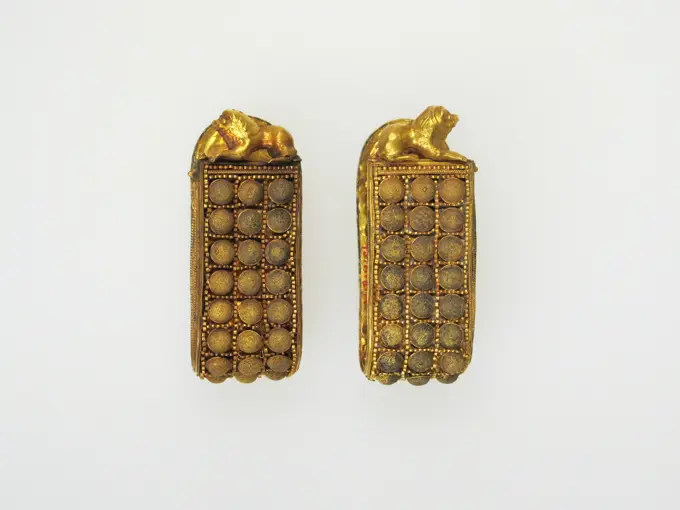
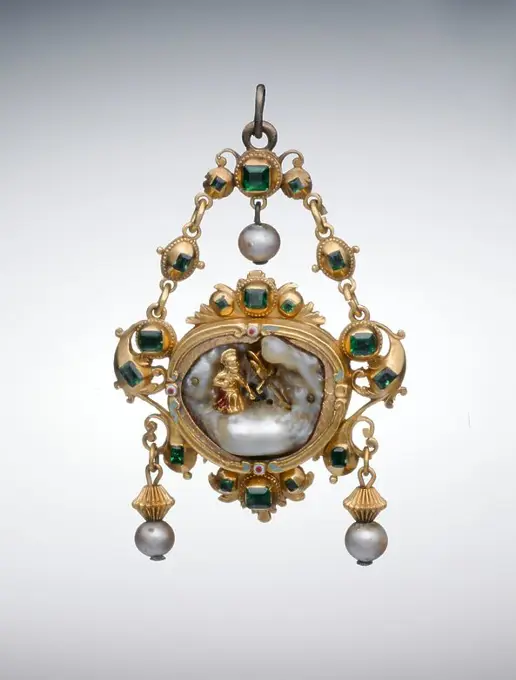
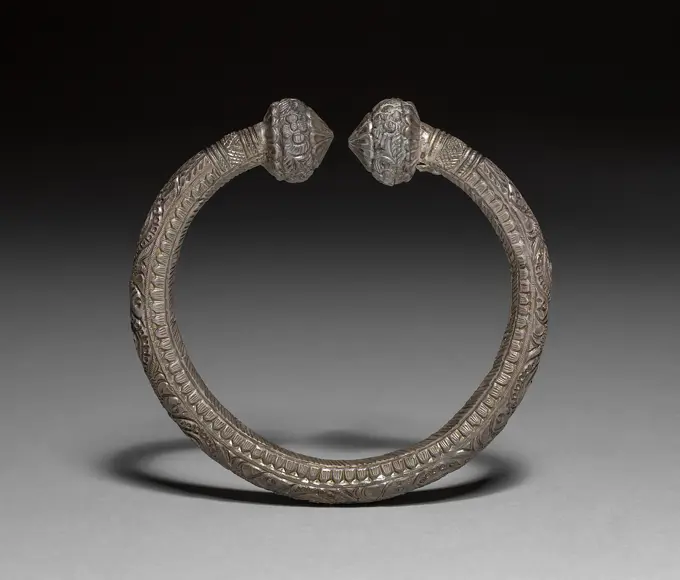
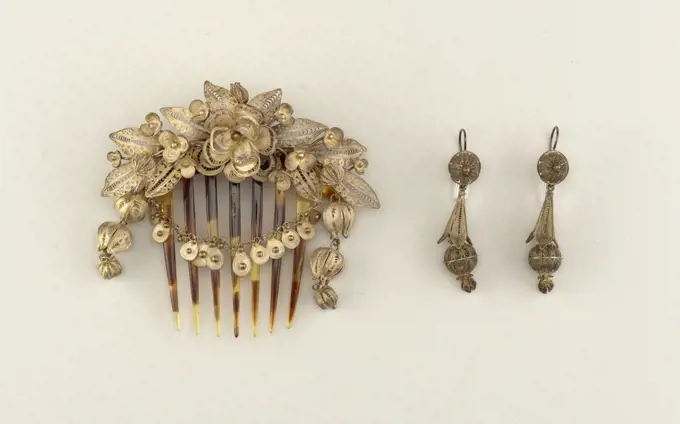
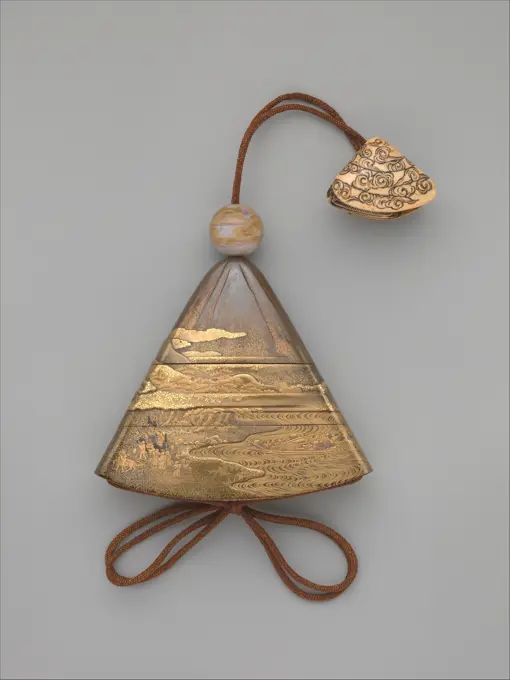
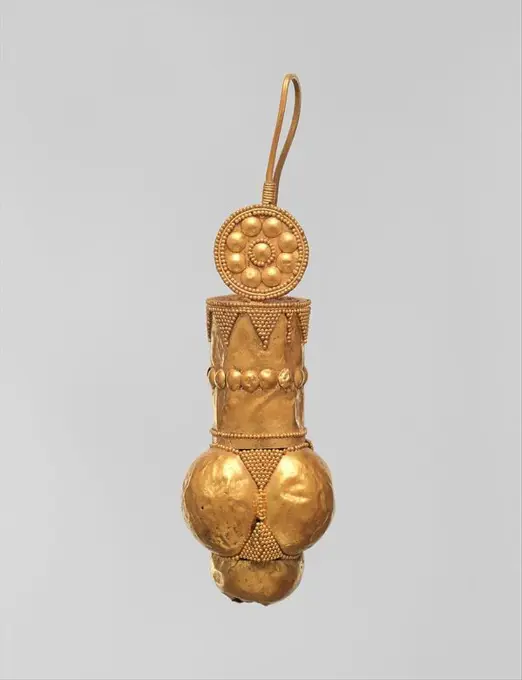
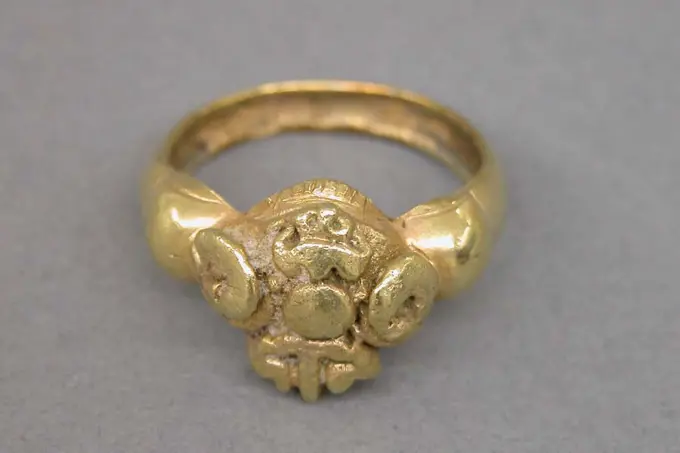
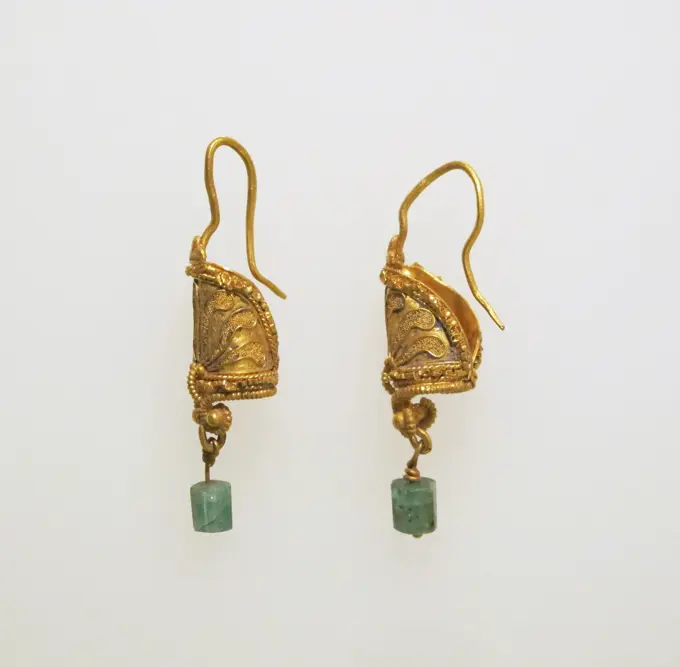
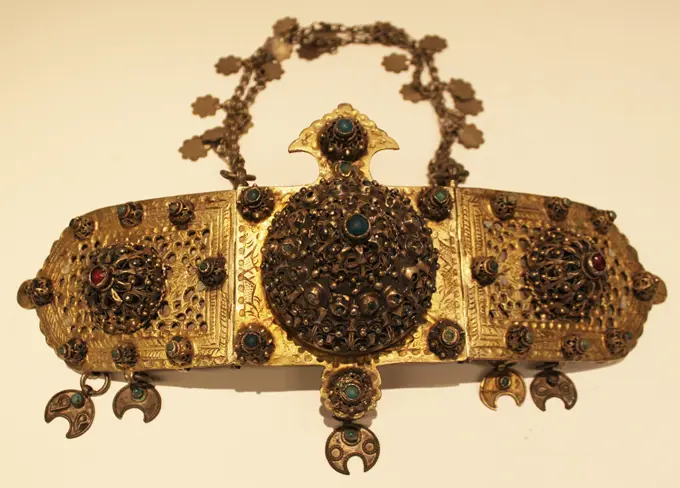
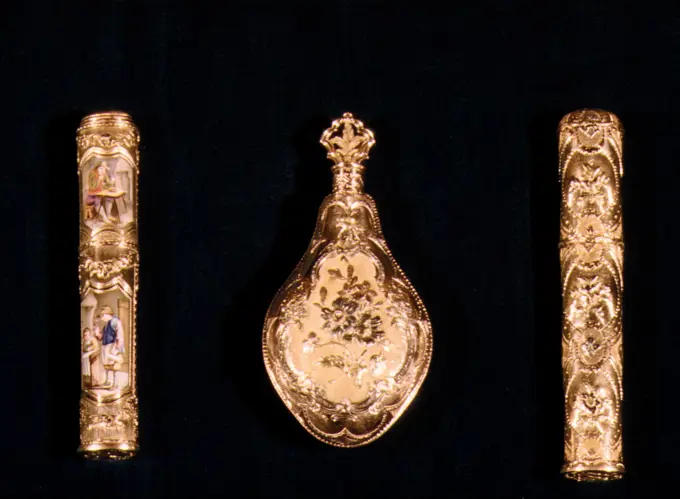
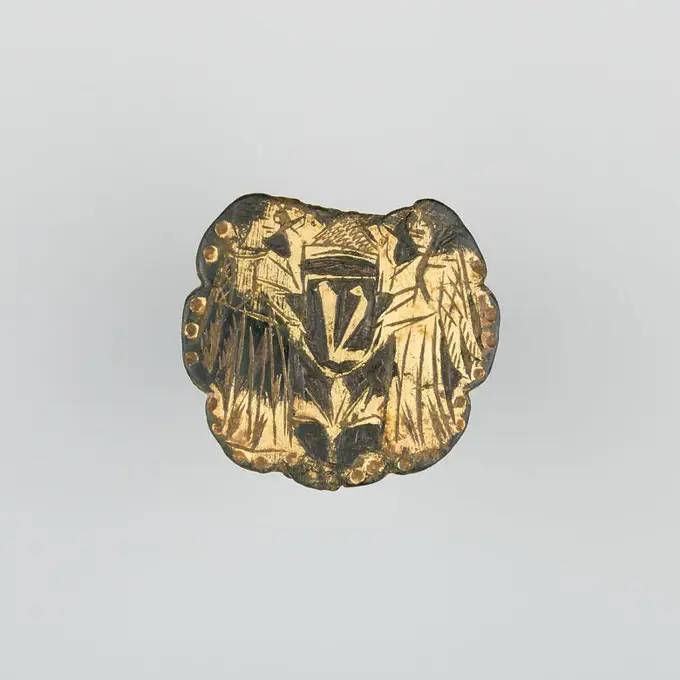
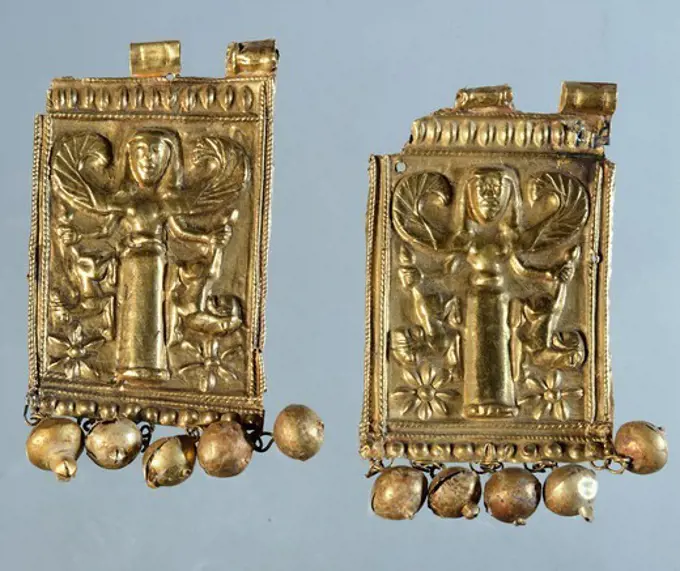
Purse frames, Silver, Hinged purse frame decorated with serpentine birds and floral ornament. Bail ring at center and button at top., probably England, ca. 1885, metalwork, Decorative Arts, Purse framesAnonymous, collar at the Héraclès node (main title), -0330. Yellow gold. Petit Palais, Museum of Fine Arts of the City of Paris.Gold ring 4th century B.C. Etruscan The bezel is in the form of a Boeotian shield.. Gold ring. Etruscan. 4th century B.C.. Gold. Classical. Gold and SilverHalo from an Icon Cover 10th-early 11th century Byzantine The elaborately worked halo would have been attached to an icon. Similar patterns are also found on secular jewelry.. Halo from an Icon Cover 464557 Byzantine, Halo from an Icon Cover, 10thearly 11th century, Cloisonn enamel, gold, Overall: 4 1/2 x 5 1/16 x 1/16 in. (11.5 x 12.8 x 0.2 cm) with of band: 1 in. (2.5 cm) Mount: 6 x 6 x 7/8 in. (15.2 x 15.2 x 2.2 cm). The Metropolitan Museum of Art, New York. Gift of J. Pierpont Morgan, 1917 (17.190.683)Belt mid-18th century Michael Erkeder Garnets and pearls provide lovely accents for the movable joints of this spectacular girdle. Although its patron is not known, its exquisite quality and similarity in shape to several collars produced for other European aristocrats suggests this piece was made for a Hungarian nobleman.ReferencesElemér Kszeghy. Magyarországi ötvösjegyek a középkortól 1867-ig / Merkzeichen der Goldschmiede Ungarns vom Mittelalter bis 1867. Budapest, 1936, no. 269 [maker’s mark.[Wolfram Koeppe 2015. Belt. Hungarian, Brassó. mid-18th century. Silver, partly gilded, pearls, garnets. Metalwork-SilverEarring with human face 1st century B.C.-3rd century A.D. Roman. Earring with human face. Roman. 1st century B.C.-3rd century A.D.. Gold, garnet. Gold and SilverEarring 3rd century Pontine. Earring 465155 Pontine, Earring, 3rd century, Gold, garnet or glass paste cabochon, Overall: 13/16 x 1/2 x 3/16 in. (2 x 1.3 x 0.5 cm). The Metropolitan Museum of Art, New York. Gift of J. Pierpont Morgan, 1917 (17.192.101)One of a Pair of Gold Earrings 550-650 Avar In the 500s and early 600s, when the Avars were regularly receiving enormous payments from the Byzantine Empire, virtually all free men and women wore distinctive large earrings fashioned from the pure gold of melted Byzantine coins.. One of a Pair of Gold Earrings 465097 Avar, One of a Pair of Gold Earrings, 550650, Gold, 2 3/16  7/8  13/16 in., 0.514 Troy Ounces (5.6  2.2  2.1 cm, 16g) Other (hoop): 7/8 in. (2.2 cm) Other (bead): 1 1/4 x 13/16 x 13/16 in. (3.1 x 2.1 x 2.1 cm). The Metropolitan Museum of Art, New York. Gift of J. Pierpont Morgan, 1917 (17.191.5)Pull. Buckle of silver, oval-shaped with two flowers embossed in the corners, other setting diamond-shaped. Hinged closure at the rear, in the form of a fish tail.Gold beads, perhaps from a necklace 6th century B.C. Cypriot Beads, spindle, with spherical controls.. Gold beads, perhaps from a necklace. Cypriot. 6th century B.C.. Gold. Possibly Archaic. Gold and SilverBliżej Kultury unknownMountGold chain from Volos (Greece). Goldsmith art, Greek Civilization, 4th-3rd Century BC.Goldsmith's art, 20th century. Oval Art Deco plaque brooch set with precious stones, late 1920s.Confronting Dragons. Ryūkō (Japan, active mid-19th century). Japan, mid-19th century. Costumes; Accessories. Ivory with staining, sumi; ryūsa typeMountScallop Shell, Brass, In the shape of a scallop shell, narrower end flips open, hinged on back. Link attached to side. Striker incised in back., late 19th century, containers, Decorative Arts, Matchsafe, MatchsafePair of Hoop Earrings with Ibex Head Finials. Unknown. A few earrings, each divided into six panels and filled with stylized lime cups and floral motifs. Performed in gold repoussé.Pendant Shaped as a Dog 1575-1650 Spain. Gold, enamel, diamond, rubies, and pearls .Necklace;  2. PO. 20th century (1901-00-00-1950-00-00);Mount, Brass, Basket of flowers and fruit., The Netherlands, ca. 1700, metalwork, Decorative Arts, MountEarring with sard setting 1st-2nd century A.D. Roman. Earring with sard setting 243218Girdle with Fish-Shaped Beads. Dimensions: L. as strung 83.8 cm (33 in.); L. of individual fish 2.4 cm (15/16 in.). Dynasty: Dynasty 18. Reign: reign of Thutmose III. Date: ca. 1479-1425 B.C.. Museum: Metropolitan Museum of Art, New York, USA.Pendant of gold, email, pearls and diamonds, representing Michael with the dragon in a niche, anonymous, c. 1550 - c. 1600 Pendant of gold, email, pearls and diamonds. Imaginative St. Michael with dragon in a niche. Spain gold (metal). diamond (mineral). pearl Pendant of gold, email, pearls and diamonds. Imaginative St. Michael with dragon in a niche. Spain gold (metal). diamond (mineral). pearlPair of Sword-Grip Ornaments (Menuki) 18th century Japanese Menuki are a pair of ornamental sword fittings attached to either side of a sword hilt.. Pair of Sword-Grip Ornaments (Menuki). Japanese. 18th century. Gold. Sword Furniture-MenukiEarring with ball pendant. Earring with ball pendant 243036Loop .Gold earrings from Spina, Italy, 5th Century B.C..Collar with medallions containing coins of emperors. Dimensions: L. of chain: 91 cm (35 13/16 in.). Date: ca. A.D. 225.This collar displays medallions containing coins of Emperors Lucius Verus (r. AD 161-169) and Alexander Severus (r. AD 222-235) and of Julia Domna, Wife of Emperor Septimius Severus (r. AD 193-211) and mother of Geta (r. AD 211-212) and Caracalla (r. AD 211-217). The use of imperial portrait coins - almost exclusively the aureus - as jewelry became widespread with the third century A.D. In this example, the globular pulls for adjusting the necklace are decorated with schematic theater masks. Museum: Metropolitan Museum of Art, New York, USA.Gold and beryl earring 2nd-1st century B.C. Cypriot These items, all found on Cyprus, reflect styles and tastes that were prevalent throughout the Hellenistic world, notably in the use of Eros figures, animals and brightly colored gemstones.. Gold and beryl earring 243029Frog pendant 13th-16th century Chiriqui. Frog pendant 307582Mount for Purse or Escarcelle, c. 1559. Workshop of Diego de Çaias (Spanish, 1535-1560). Steel with gold inlay; overall: 19 x 13.9 cm (7 1/2 x 5 1/2 in.).Earring. UnknownMask Mounts (Huan) with Ring Handles. China, Shanxi Province, ancient state of Jin, Late Eastern Zhou dynasty, early Warring States period, about 481-400 B.C.. Tools and Equipment; hardware. Cast bronzeMount, Brass, England, ca. 1730-40, metalwork, Decorative Arts, MountWoman's Head Ornament (Jhumar). India, Uttar Pradesh, Awadh, Lucknow, circa 1800-1850. Jewelry and Adornments. Silver, repousséHeavy Hexagonal Bezel Ring with SriMarkEarring 3rd century Pontic. Earring 465157 Pontic, Earring, 3rd century, Gold, garnet or glass paste cabochon, Overall: 1/2 x 7/16 x 1/8 in. (1.3 x 1.1 x 0.3 cm). The Metropolitan Museum of Art, New York. Gift of J. Pierpont Morgan, 1917 (17.192.103)MountGold crown of olive leaves. Greece. 300 BC. Museum of Mediterranean and Near Eastern Antiquities. Stockholm. Sweden.Trimming (USA); silkGold wreath 4th-3rd century B.C. Etruscan Flower with leaves mounted on thin plate.. Gold wreath. Etruscan. 4th-3rd century B.C.. Gold. Hellenistic. Gold and SilverByzantine Gold treasure from Assiut or Antinoe, Egypt, 600. Artist: Unknown.Kruithoorn, Anonymous, c. 1700 - c. 1800 Jewelry in the form of a dagger sheath of cut and colored ivory in a frame of richly decorated precious metal. With golden necklace. Southern India ivory. gold (metal) Jewelry in the form of a dagger sheath of cut and colored ivory in a frame of richly decorated precious metal. With golden necklace. Southern India ivory. gold (metal)MountBracelet with Grapevine Pattern late 6th-early 7th century Byzantine Heavy, rigid gold bracelets like this pair are opened by the pins S beside the medallions at their centers. The grapevines decorating these bracelets were made by attaching small gold sheets worked as leaves and triangular groups of grapes to thick gold wires.. Bracelet with Grapevine Pattern 464032Belt. Culture: Hungarian. Dimensions: H. 36 cm., W. 25 cm.. Date: late 18th or early 19th century. Museum: Metropolitan Museum of Art, New York, USA.Bliżej Kultury unknownBliżej Kultury unknownFragment of a Kontusz sash/belt. Manufaktura Paschalisa Jakubowicza (Warszawa ; wytwórnia pasów ; 1788-1794), manufactureIraq, Aqar Quf, Bracelet, gold and glass pastePocket watch, Gold, enamel, glass, steel, Geneva, Switzerland, 1850-53, timepieces & measuring devices, Decorative Arts, Pocket watchHusson. Pin. However, diamonds, emeralds, enamel. Around 1880. Museum of Fine Arts of the City of Paris, Petit Palais. Fashion accessory, jewelryFive earrings and earrings suspensionsNecklace, Onyx, gold., Link necklace with clasp: twenty shaped pieces of onyx set in gold and one heart-shaped piece with gold setting and ornament with ring (possibly part of a pendant now missing). One piece of onyx is broken., France, ca. 1880, jewelry, Decorative Arts, NecklaceNecklace ca. 1981-1640 B.C. Middle Kingdom. Necklace 557402Earring, 1700s-1800s. Hungary. Silver gilt; overall: 3.9 cm (1 9/16 in.).Ring 12th-13th century Jewelry was ever-present in the Islamic world despite some religious proscriptions against the use of precious metals. This example-unusual for its compact appearance-shows the high technical skill reached in the field, combining inlay and fine engraving with such complex techniques as openwork and chasing.The hexagonal bezel is decorated, in the recessed medallion, with affronted ducks and the shank terminals are anthropomorphic. The massiveness of the gold is very unusual for early Islamic jewelry and unlike any known from medieval Iran.. Ring. 12th-13th century. Gold; cast, chased. Attributed to Iraq. JewelryEarrings Cypriot. Earrings 242603The past of the future unknownMiser's Purse (France); silk, metal; L: 21 cm (8 1/4 in.)Necklace with Amulets 1 CE-400 CE Mediterranean Region. Initially affordable only among the wealthy, glass was used in ancient Rome to create tableware and containers for oils and perfume. Glass was also used in jewelry as an economical substitute for more expensive precious or semi-precious stones. This necklace also includes magic amulets, believed both to ward off evil and to guarantee good luck.. Glass . Ancient MediterraneanEarring, boat-shaped with cage and ball pendant Cypriot. Earring, boat-shaped with cage and ball pendant 242611Pair of Earrings, 1700s - 1800s. Italy, Naples, 18th-19th century. Gold and enamel with pearls; overall: 6.4 cm (2 1/2 in.).Plaque with Head 7th-9th century China (Xinjiang Autonomous Region, Central Asia) The nomadic communities of Central Asia used such plaques to embellish clothing and horse trappings. As these nomadic cultures herded animals and were constantly moving, their artistic production was expressed in portable objects that marked the wearers status and wealth. The outstanding preservation of these fragile ornaments suggests they were used in conjunction with burials, where the body was aggrandized with valuable textiles and augmented with gold. Although it is difficult to date and place these objects geographically, their presence in Central Asia and has a long, established history.. Plaque with Head 65168Ear Ornament with Granulate Design Second half of the 8th-second half of the 10th century Indonesia (Java). Ear Ornament with Granulate Design 49990Bell Pull, late 1700s. France, late 18th century, style of Louis XVI. Gilt bronze; overall: 7 x 8.3 cm (2 3/4 x 3 1/4 in.).Earring, probably 1800s-1900s. Byzantium (style of), probably 19th-20th century. Gold with jade pendants; overall: 3.5 cm (1 3/8 in.).Silversmith's art, France, 17th century. Enamelled gilded silver brooch set with pearls and rubies.Bracelet, one of a pair, 2 1/8 x 2 3/8 x 2 7/8 in. (5.4 x 6.03 x 7.3 cm), Silver, ChinaHair Ornament 8th century China The prongs of this a hair ornament are missing, but the top is a remarkably fine example of Tang filigree work set off with carved turquoise.. Hair Ornament. China. 8th century. Gold inlaid with turquoise. Tang dynasty (618-907). JewelryAgate camera necklace from various periods;  around 1800 (1796-00-00-1805-00-00);Earring with ram crowned by disk and 'uraei'. Dimensions: As Worn: H. 4 × W. 3.5 cm (1 9/16 × 1 3/8 in.). Date: 332-30 B.C., perhaps. Museum: Metropolitan Museum of Art, New York, USA.Hair Ornament. Sri Lanka, 1873. Jewelry and Adornments. Gold inlaid with garnetsThunderbolt (Vajra; Tibetan: Dorje). Eastern Tibet, 18th century. Tools and Equipment. Gilt copper alloy inlaid with gemstonesSet of thirteen glass belt plaques 15th-16th century China These thirteen glass belt plaques are part of a single set, which, when complete, would have consisted of more than twenty pieces. Their shapes were based on those of the jade plaques that were stitched on leather belts and worn by Ming dynasty (1368-1644) officials. The arrangement of the plaques followed an established pattern, with the largest pieces typically placed at the center and at either end of the belt. The use of such plaques had its origin as early as the beginning of the Tang dynasty, in the seventh century, when the emperor presented jade-decorated belts to the nobility and senior members of the government as part of their official costume.During the Ming, jade belt plaques were revived after a decline in the previous dynasties: historical documents record that Ming emperors had thousands of sets of jade plaques made in the imperial workshops to grant to officials. Glass pieces such as these were not inexpensive Earring, baule type 5th century B.C. Etruscan. Earring, baule type. Etruscan. 5th century B.C.. Gold. Classical. Gold and SilverPendant with the Penitent Saint Jerome. Spanish. Date: 1630-1733. Dimensions: 6.5 × 4.1 cm (2 9/16 × 1 5/8 in.). Gold, enamel, emeralds, baroque pearl, and pearls. Origin: Spain. Museum: The Chicago Art Institute, Chicago, USA.Peru, Trujillo. Gold artifacts in Cao Museum in the El Brujo Archaeological Complex near Trujillo, Peru.Anklet, or Kara, 1800s. India - Rajputana or Malwa. Silver; diameter: 12.8 cm (5 1/16 in.).Bracelet, comb and earrings, filigree, silver, possibly Italy, ca. 1875, jewelry, Decorative Arts, Bracelet, comb and earringsLength of Passementerie. UnknownInrō in the Shape of Mount Fuji with a Crossing Ferry and Procession late 18th-early 19th century Maki-e by Kajikawa Japanese. Inrō in the Shape of Mount Fuji with a Crossing Ferry and Procession 4544023 carat antique gold jewellery, india Copyright: xHarixMahidhar/DinodiaxPhotoxScarab with Collapsing Warrior. UnknownEarring with granulation. Dimensions: H. 6.4 × W. 1.8 × D. 1.8 cm (2 1/2 × 11/16 × 11/16 in.). Date: 200-30 B.C.. Museum: Metropolitan Museum of Art, New York, USA.Ring with Stylized Ram's Head on Bezel Second half of the 8th-second half of the 10th century Indonesia (Java). Ring with Stylized Ram's Head on Bezel 50142Pair of Wall Lights. Unknown maker, FrenchEarring in the form of a shield. Earring in the form of a shield 245864Girdle Clasp unknown. Girdle Clasp. unknown. Silver; alloyed with brass. Attributed to Turkey. JewelryCrown of ivy leaves and flowers. From a clandestine excavation, probably from Apollonia. Gold. 340-320 BC. Archaeological Museum. Thessaloniki. Greece.Necklace;  IV-VI century; Postmeroic period (301-00-00-600-00-00);message (provenance), rescue excavations, IV Qatract (Sudan)Sealing wax case (étui) 1765-66 French, Paris In eighteenth-century Europe, Paris led the production of high-quality luxury goods. Parisian goldsmiths made a wide range of small, personal articles such as snuffboxes; étuis to hold sealing wax, tweezers, or utensils for sewing; souvenirs, which contained thin ivory tablets for note taking; and shuttles for knotting lace. Gold snuffboxes and boxes decorated with portrait miniatures were prized and frequently given as royal gifts, often to ambassadors or members of the court in lieu of cash payments for their services. Coveted and admired, these boxes were produced from a variety of materials. The best were skillfully made of gold and embellished with diamonds, enameled decoration, lacquer, and other luxurious materials. By the middle of the century, the taking of snuff had become an entrenched social ritual, and the snuffbox, too, had become an important social prop. Snuffboxes were considered highly fashionable accessories, with some meBadge (probably from Horse Harness). Culture: Spanish. Dimensions: H. 1 7/8 in. (4.8 cm); W. 2 in. (5.1 cm); Wt. 0.5 oz. (14.2 g). Date: ca. 1400. Museum: Metropolitan Museum of Art, New York, USA.Plates with the figures of winged women from Kamiros, Rhodes (Greece). Goldsmith art, Greek Civilization, 8th-7th Century BC.South African Coin refashioned into pendant by Anglo-Boer War POW'sGold brooch with female figure, from Mycenae, Grave Circle A, Tomb III.