Decorative Metal Artifacts

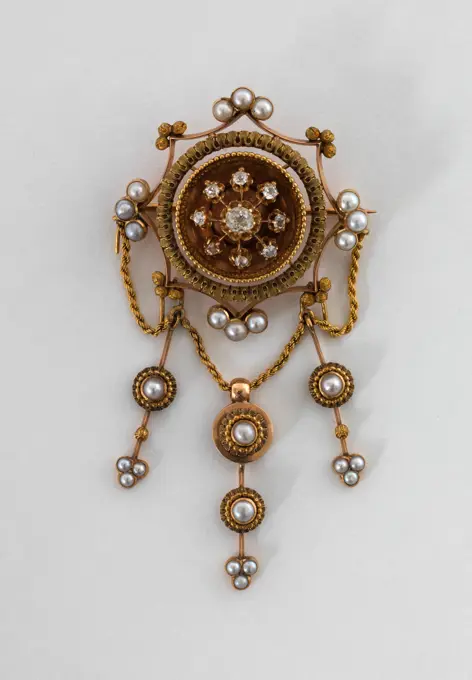
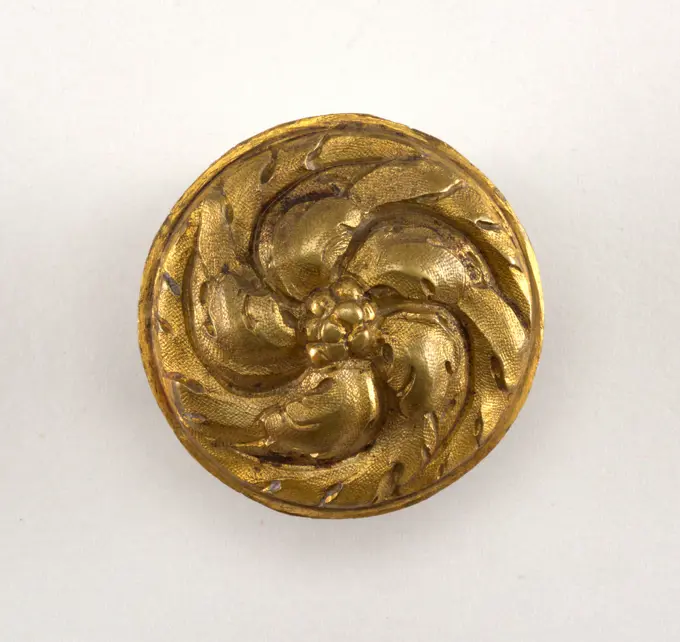
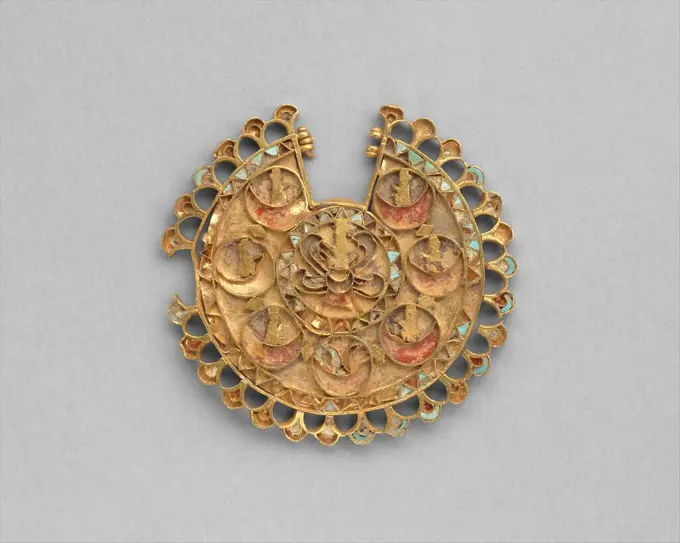
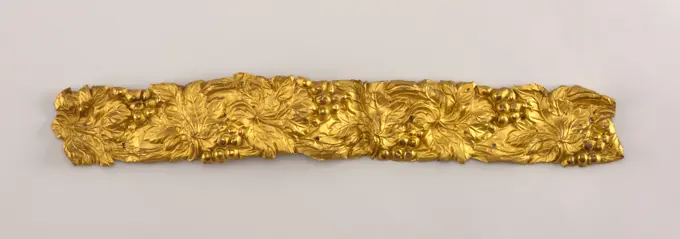
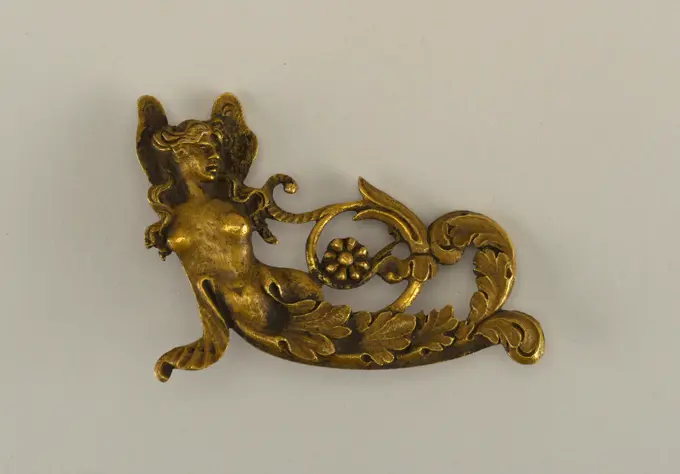
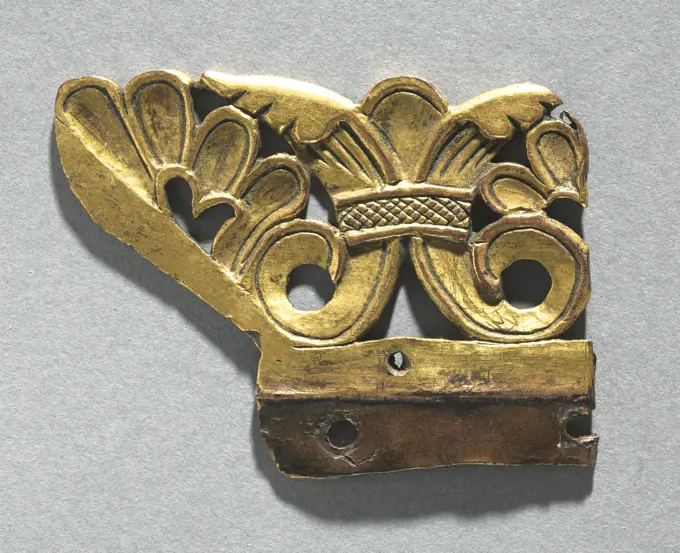
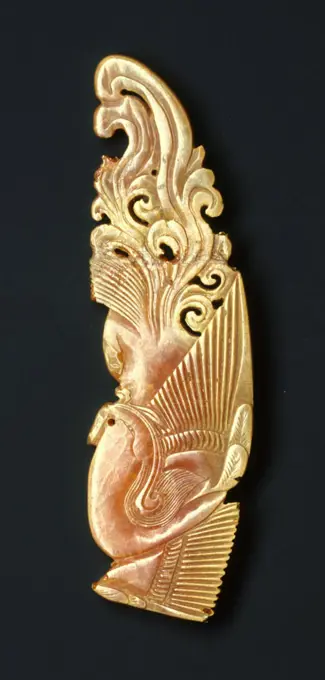
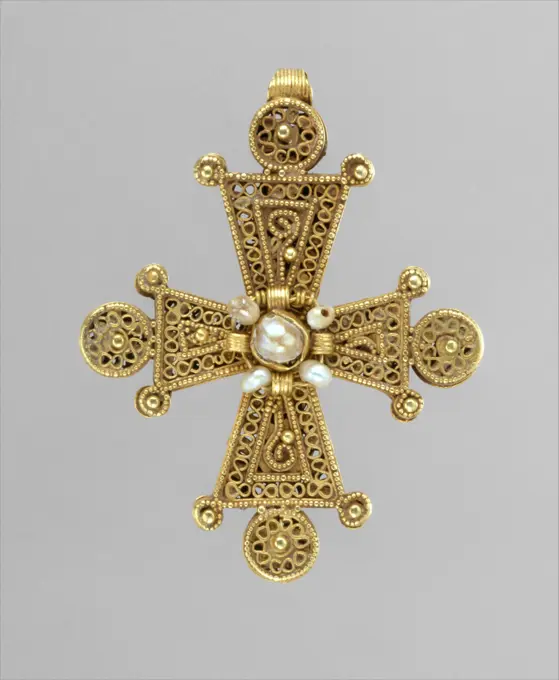
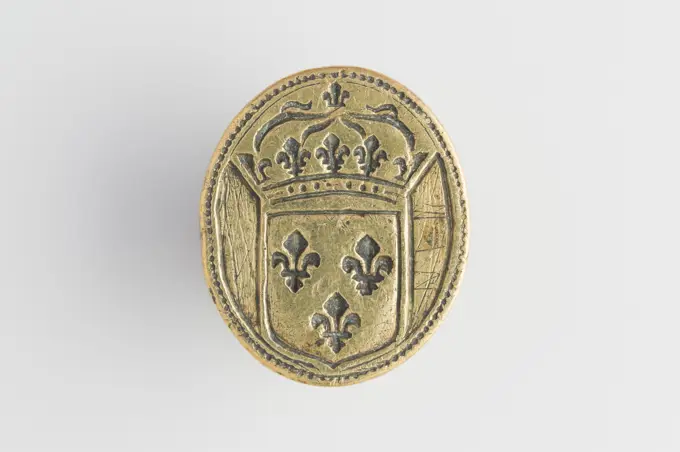
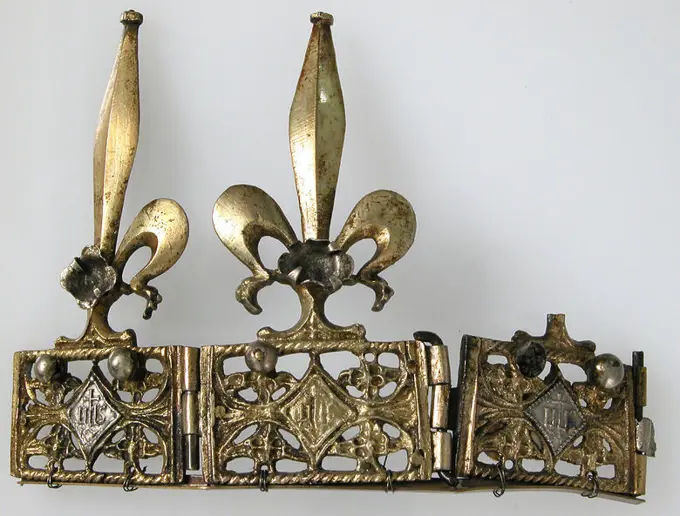
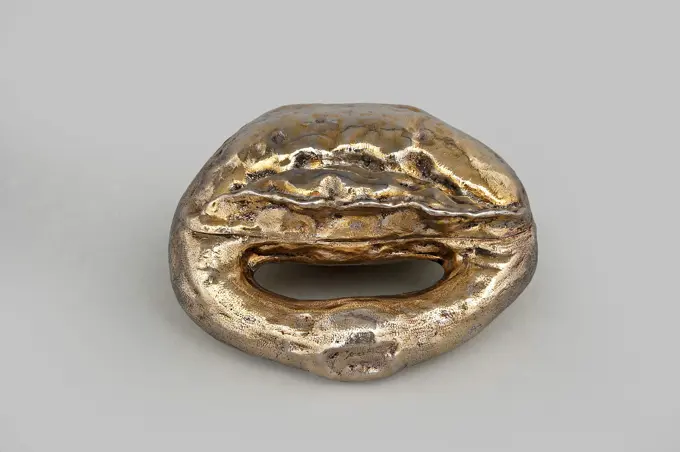
Detailed images of decorative metal mounts and insignia, showcasing intricate designs and historical significance. The style reflects antique and artistic craftsmanship.

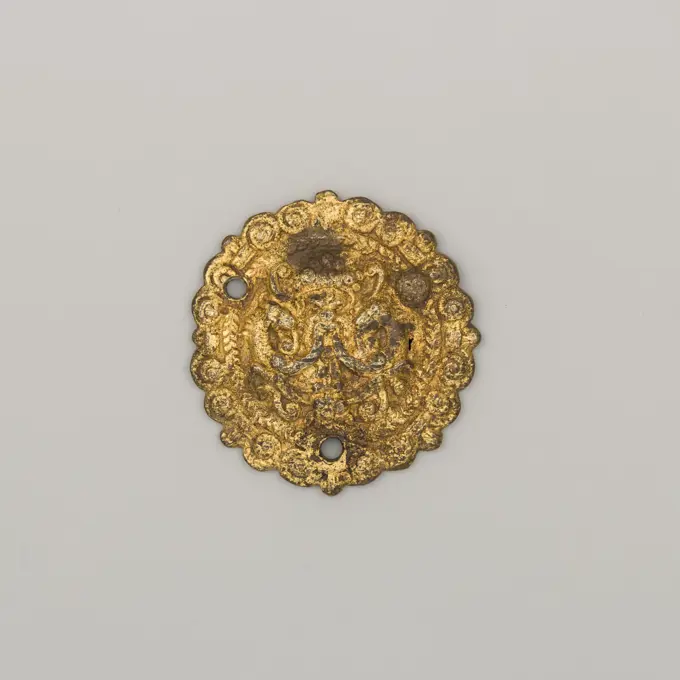
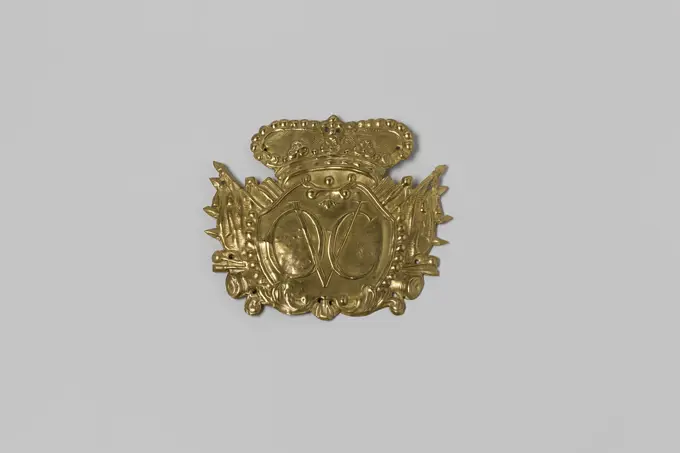
Military Insignia of musketeer or grenadiers from the wreck of the Dutch East Indiaman Hollandia, anonymous, 1700 - in or before 1743  Badge, military; ID. Of-1975-19-h-345/1113. Netherlands copper (metal)   Second
Military Insignia of musketeer or grenadiers from the wreck of the Dutch East Indiaman Hollandia, anonymous, 1700 - in or before 1743 Badge, military; ID. Of-1975-19-h-345/1113. Netherlands copper (metal) Second
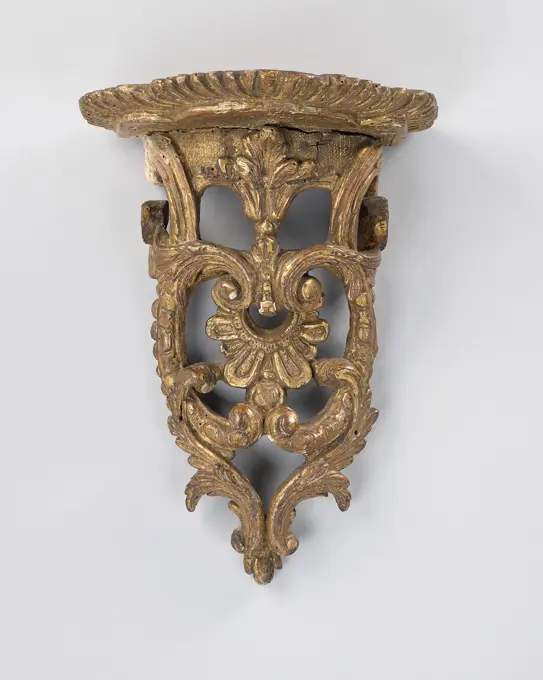
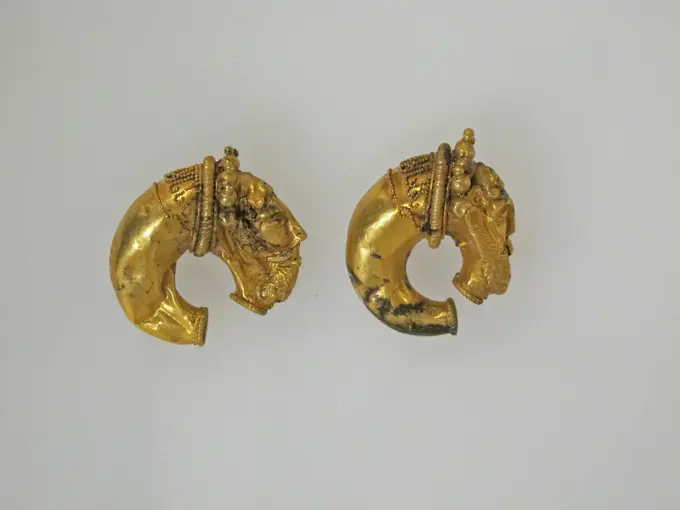
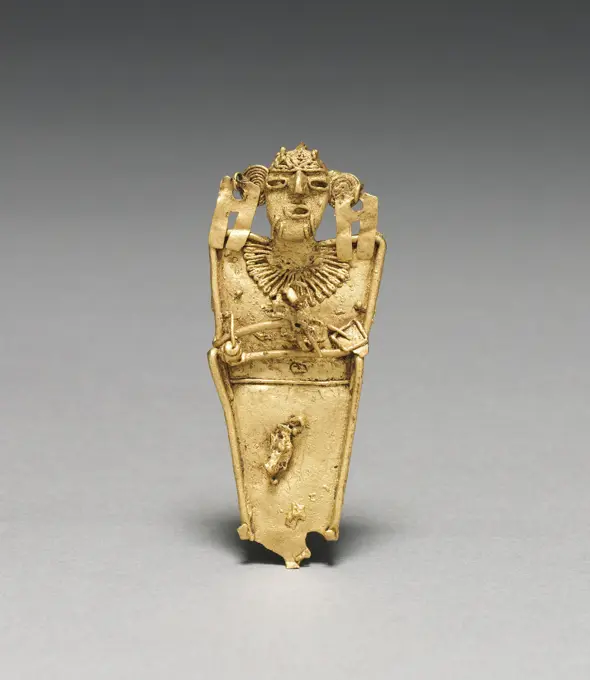
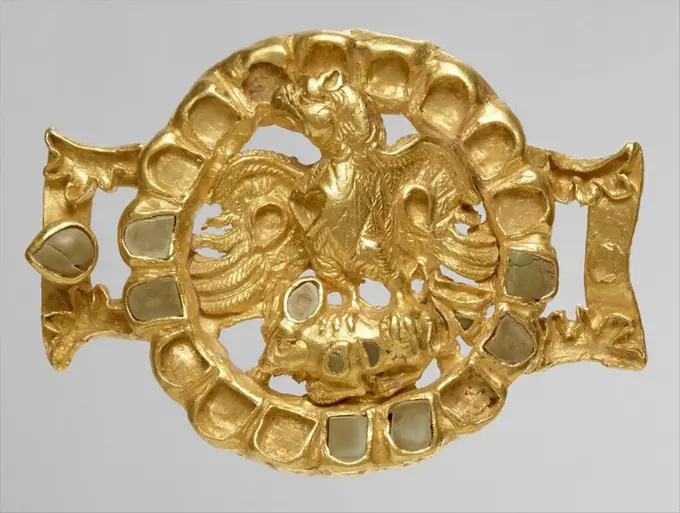
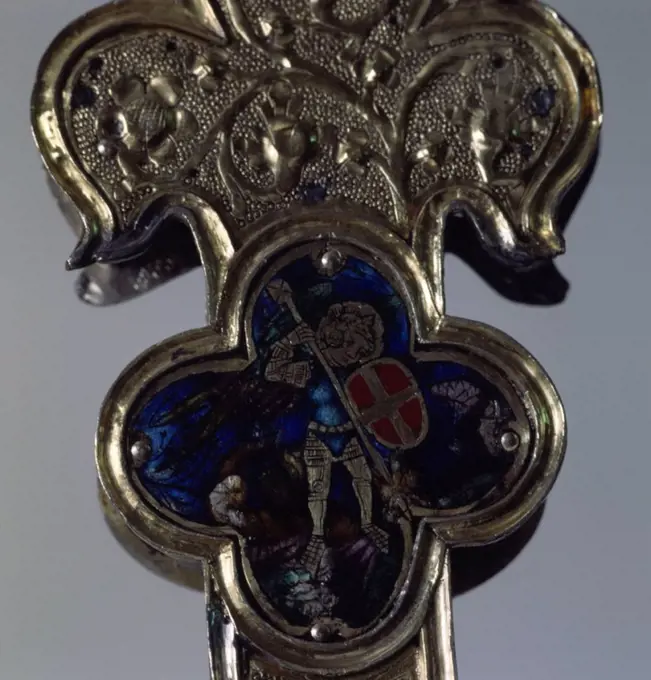
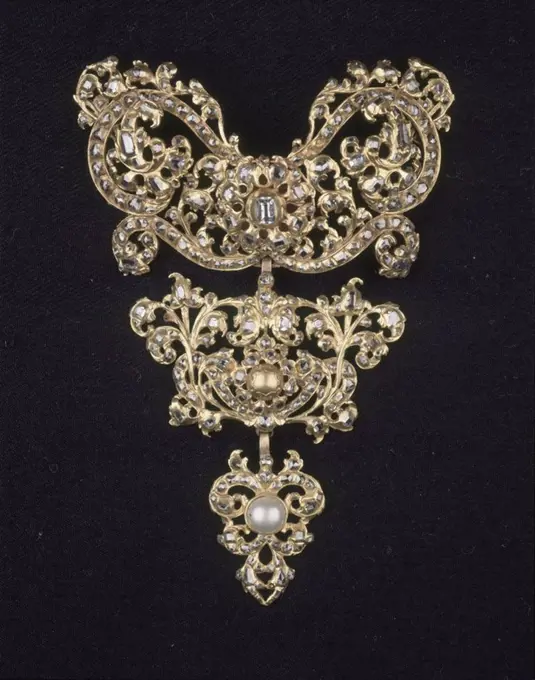
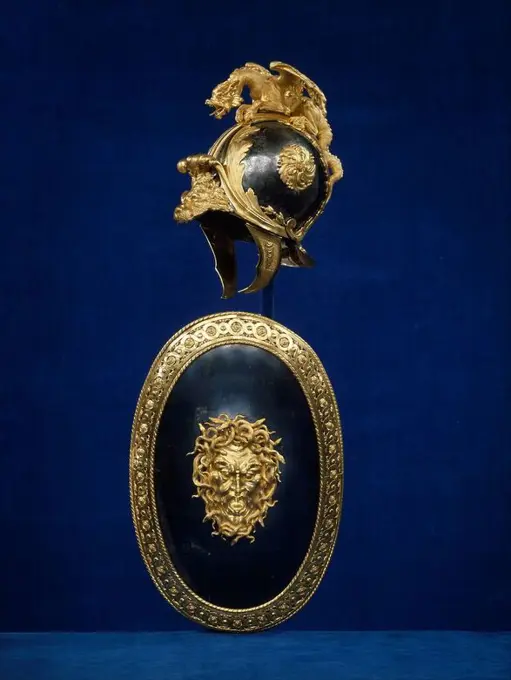
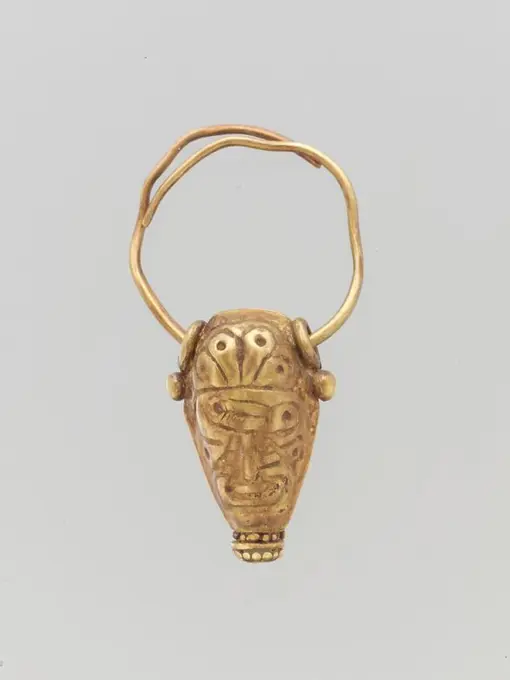
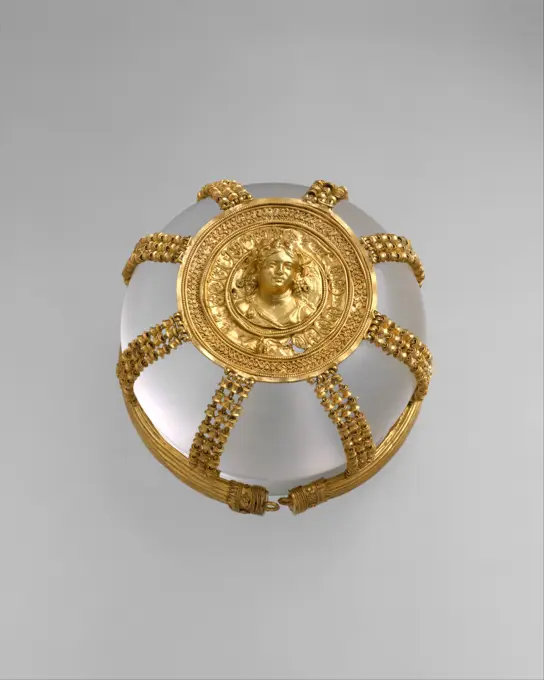
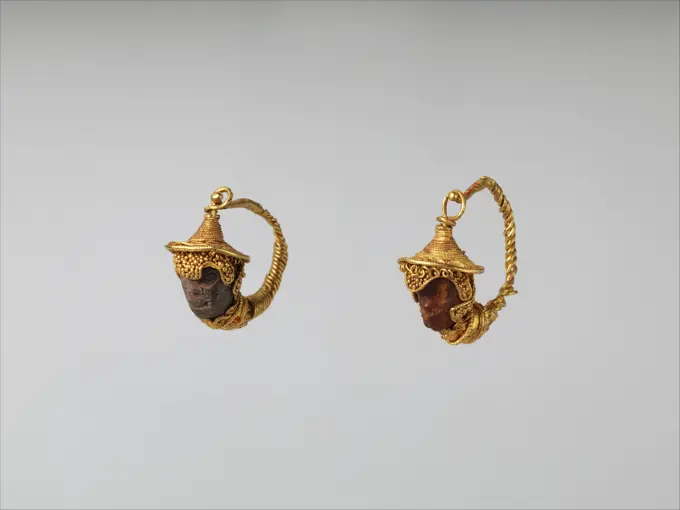
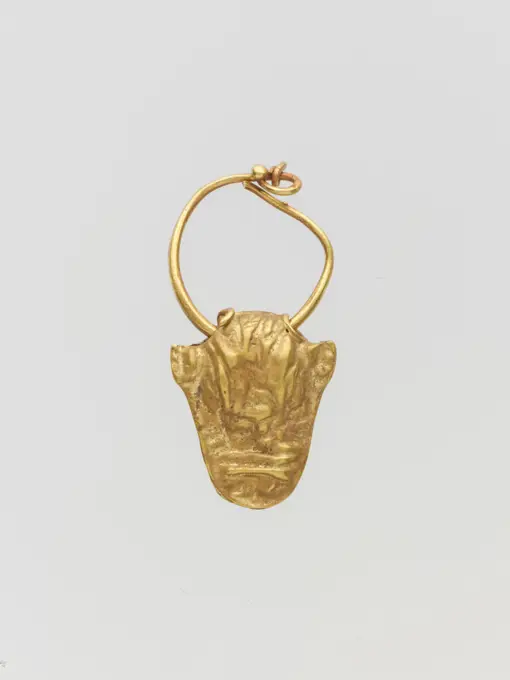
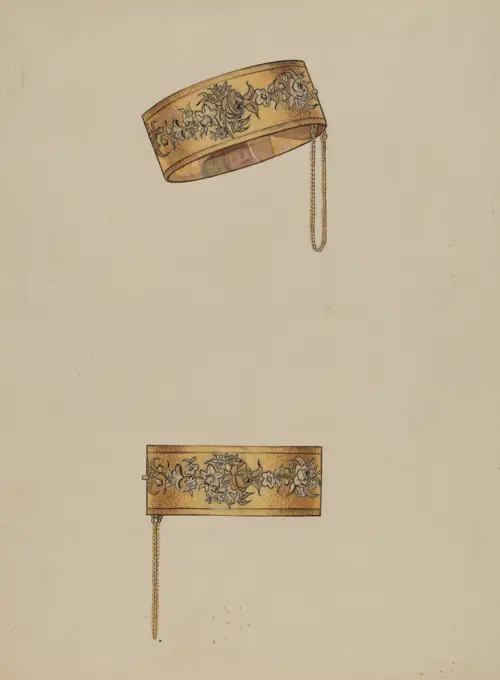
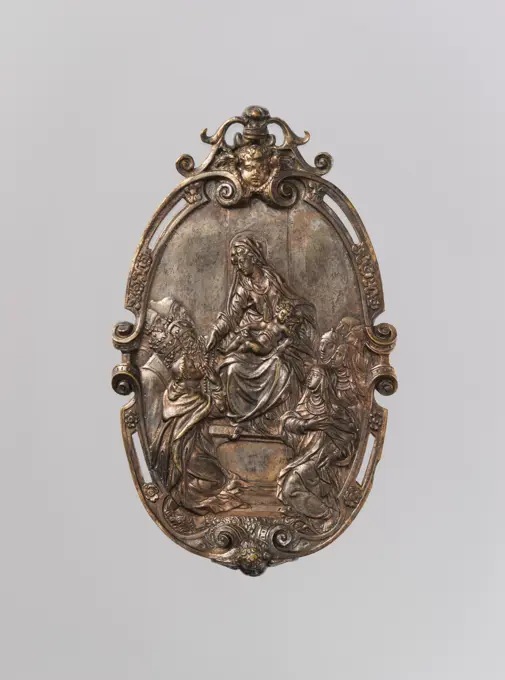
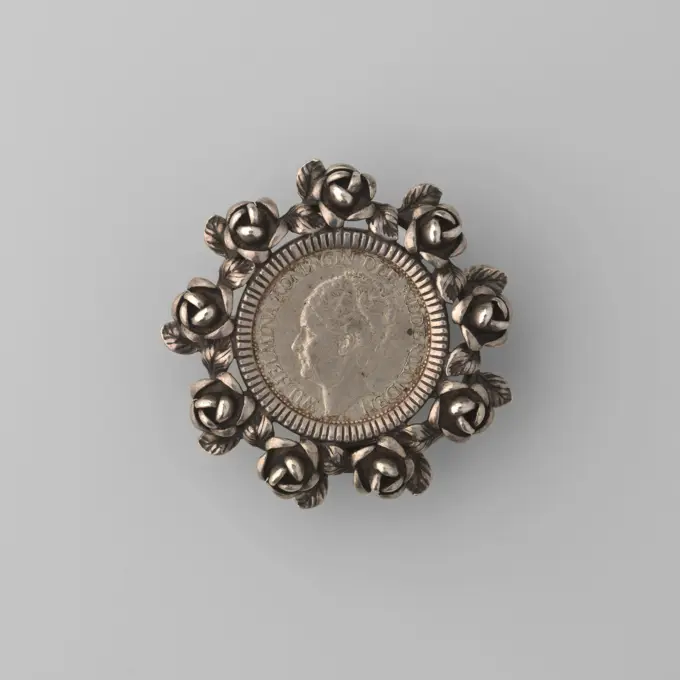
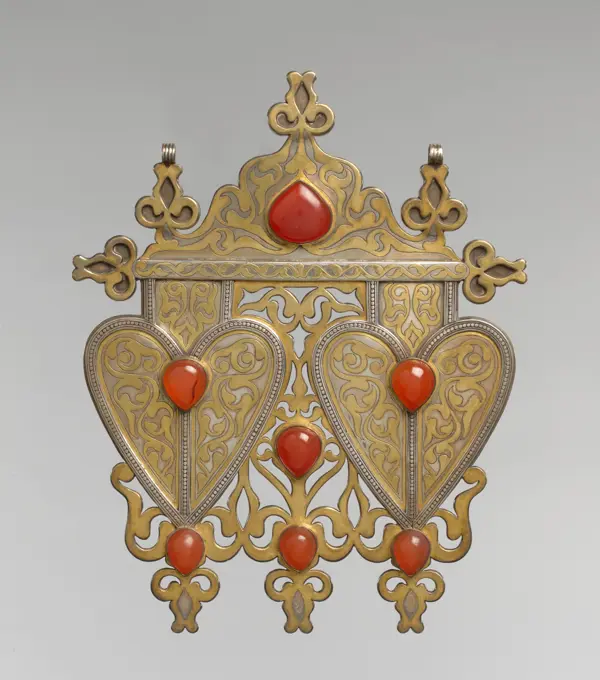
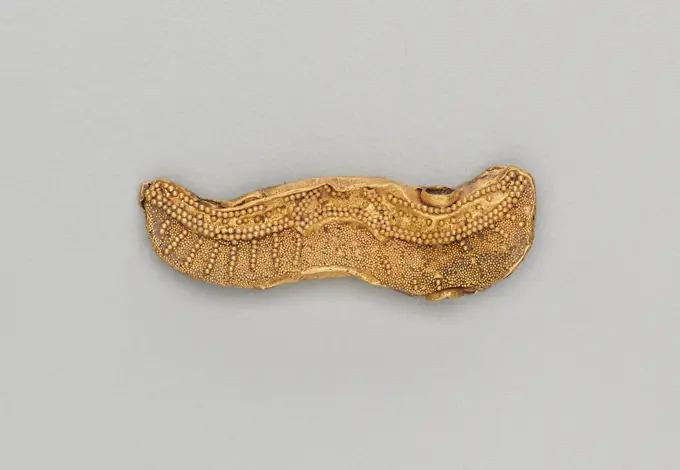
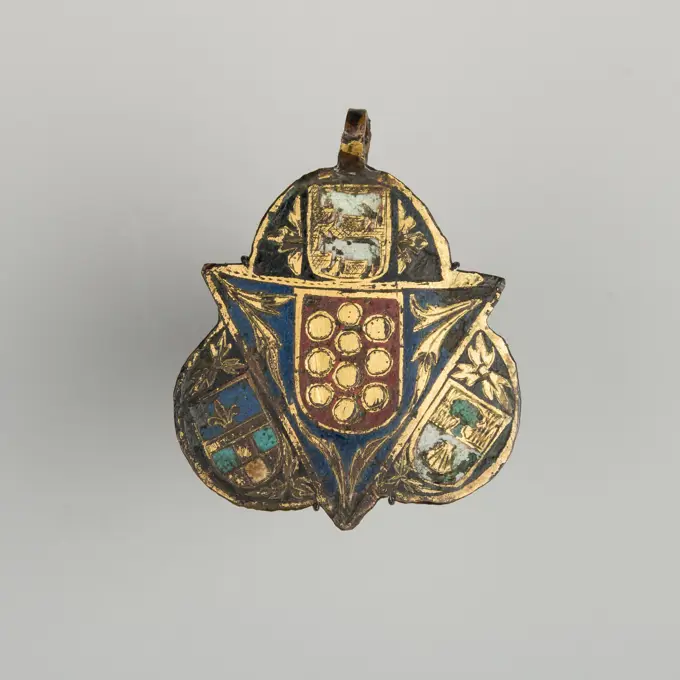
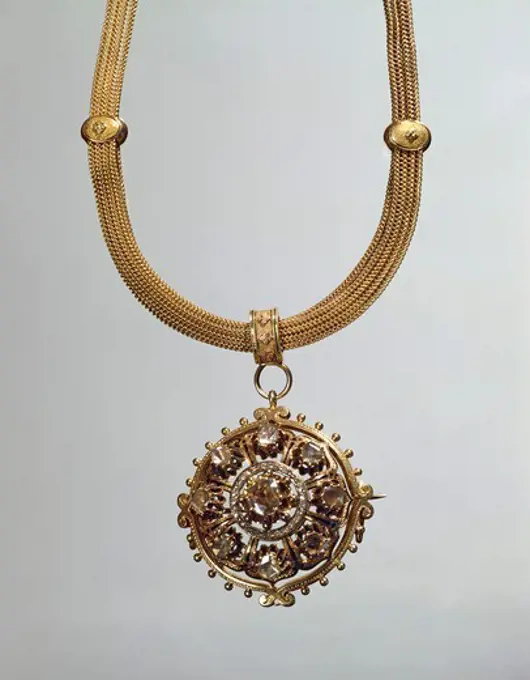
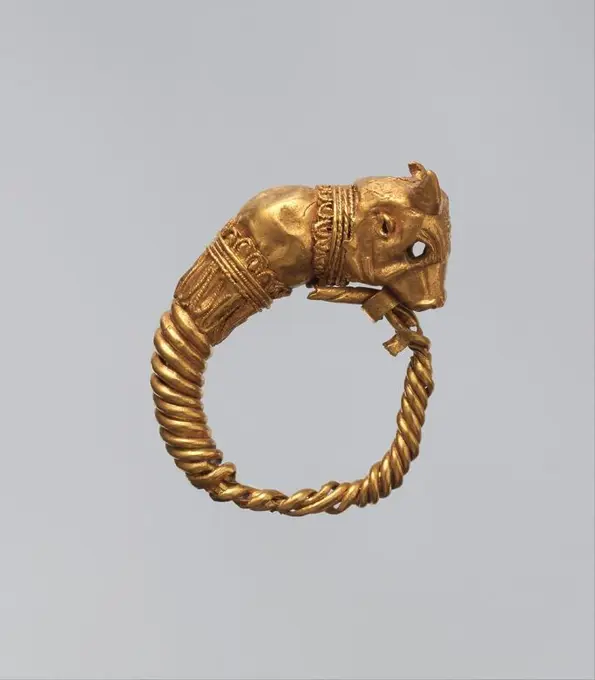
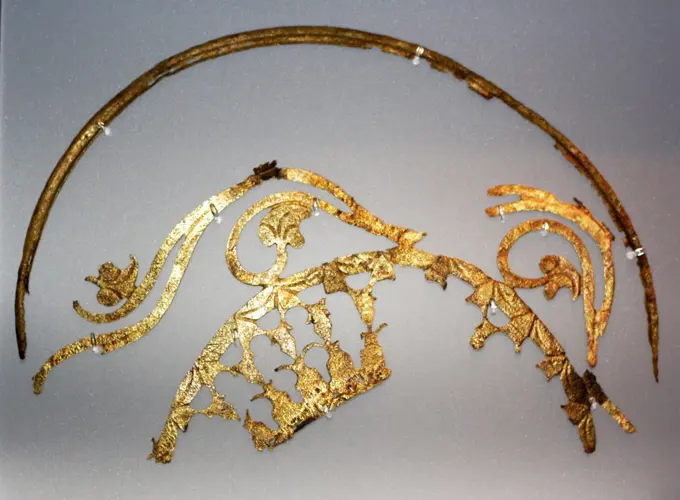
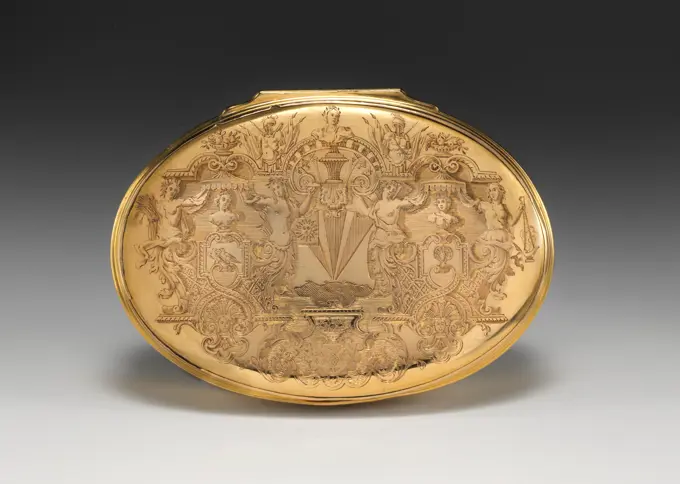
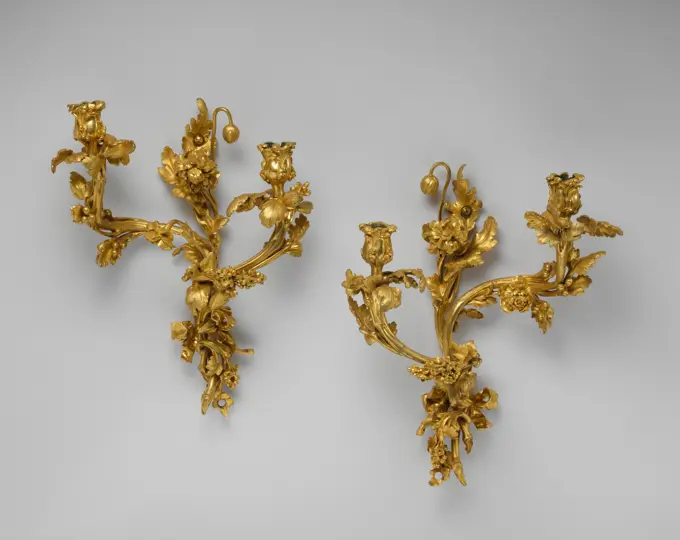
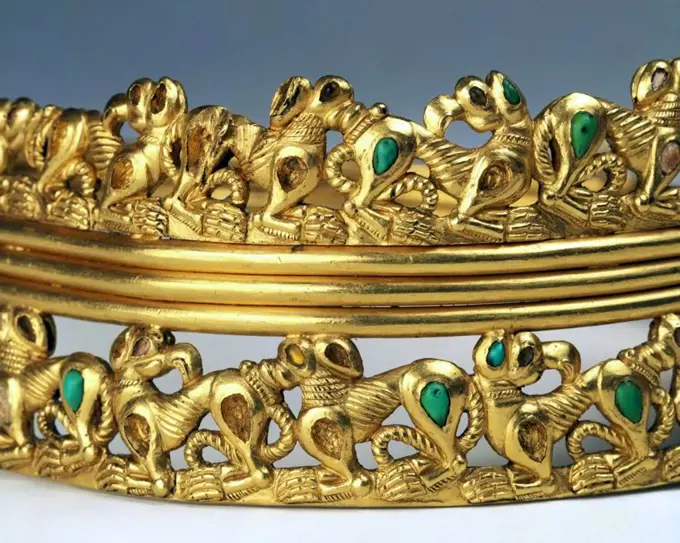
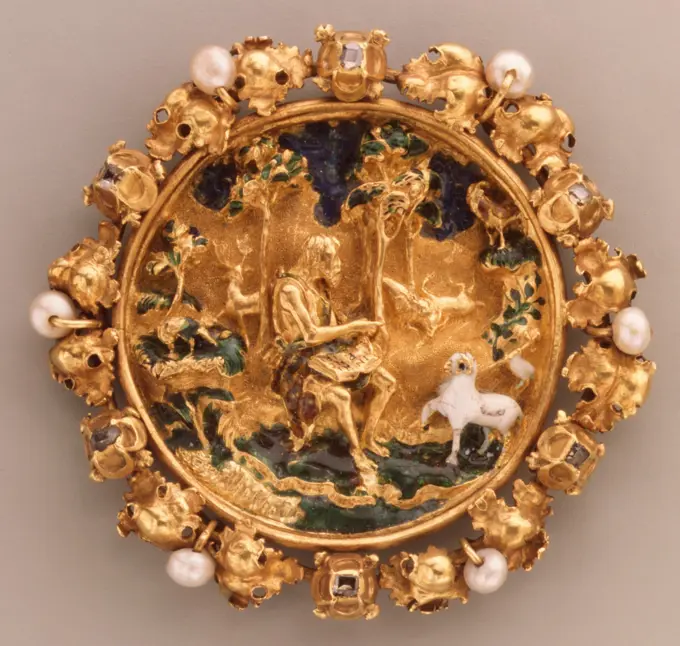
MountMount, bronze (gilt), gold, France, ca. 1780, metalwork, Decorative Arts, MountMount, Gilded pressed copper, All over grapevine and grapes decoration, USA, ca. 1830-50, metalwork, Decorative Arts, MountEscutcheonMilitary Insignia of musketeer or grenadiers from the wreck of the Dutch East Indiaman Hollandia, anonymous, 1700 - in or before 1743  Badge, military; ID. Of-1975-19-h-345/1113. Netherlands copper (metal)   SecondBit Boss first half 17th century possibly Italian Bit bosses were ornamental elements decorating both sides of a horse bit. The central part of this boss is adorned with symmetrical scrolling vines with leaves and flowers inspired by Renaissance and oriental designs.. Bit Boss. possibly Italian. first half 17th century. Copper alloy, gold. Equestrian Equipment-BitsAnonymous, small wall light console (dummy title), 1701. Wood carved and gilded. Carnavalet museum, history of Paris.Bracket (France); wood, gildedSuspension ring mid-7th-9th century Northwest China/Eastern Central Asia. Suspension ring 65316Bit Boss late 16th - early 17th century possibly German The central part of this bit boss is decorated in low relief with a satyr's mask with two ribbons hanging out of his mouth. He is surrounded by two protomes of monsters with horned lion's heads. The rim, decorated with volutes and a wreath, is pierced for attaching it to the side of a horse bit.. Bit Boss. possibly German. late 16th - early 17th century. copper alloy, gold. Equestrian Equipment-BitsKeyhole escutcheon, Brass, Circular. Repoussé decoration with raised boss at center. Foliate decoration at rim., England, ca. 1800, metalwork, Decorative Arts, Keyhole escutcheonEarrings with head of a man. Earrings with head of a man. Gold. Gold and SilverFour Wall Lights. Attributed to Jacques Caffieri (French, 1678 - 1755, master 1714)Wall arm of gold-plated bronze with three arms. Stam and arms are made up of asymmetrical C and S-shaped leaf motifs between which are incorporated at the bottom flowers .. gold-plated bronze wall arm, with three arms. The trunk and the arms are made up of asymmetrical S and C-shaped leaf motifs, between which are incorporated at the bottom of flowers. The fat catchers and candle holders also show leaf motifs. See also: BK-16897-A-C / D.Bit Boss. Culture: probably Netherlandish. Dimensions: Diam. 3 3/8 in. (8.6 cm); Wt. 3.2 oz. (91 g). Date: first half 17th century.Bit bosses were ornamental elements decorating both sides of a horse bit. This circular bit boss is adorned with a ribbed domed center and a rim presenting a succession of grotesque bearded faces. This object belongs to a large group of bosses featuring a series of rims and centers combined in different ways. The exact center of production of these bosses is still unclear. If the motifs used are Italian, the scale of the production and the process of combining a series of rims and center recalls contemporary German practices. Some of them, however, are identical or very similar to bosses seen in several early 17th-century Netherlandish paintings, a likely origin for the manufacture of these objects. Museum: Metropolitan Museum of Art, New York, USA.MountWall Light with Flora. Unknown about 1700-1715Tunjos (Votive Offering Figurine), c. 900-1550. Colombia, Muisca style, 10th-16th century. Cast gold; overall: 7.2 x 3 x 1.3 cm (2 13/16 x 1 3/16 x 1/2 in.). Unlike the other gold ornaments made in the isthmian region, tunjos were not worn; instead, they served as offerings that were deposited in sacred places such as lagoons and caves. They often depict humans who hold something.MountPendant with Madonna Pendant; probably Italy; silver, gold, diamonds, garnets, glassErnest Vever (1823-1884). Reamossed by Brissac and Portal. Set. Now, pearls, diamonds. Around 1865. Museum of Fine Arts of the City of Paris, Petit Palais. Fashion accessory, jewelryChatelaine to the watch from the motto and two bakes;  4 18th century (1775-00-00-1800-00-00);S-shaped pin of gold set with spiders, c. 1930 - c. 1940 S-shaped pin of gold set with spiders with hook closure with safety chain. Netherlands gold (metal) S-shaped pin of gold set with spiders with hook closure with safety chain. Netherlands gold (metal)KnobWatch in the form of a beetle. Culture: Swiss. Dimensions: 2 1/8 x 1 1/8 in. (5.4 x 2.9 cm). Date: ca. 1850-60. Museum: Metropolitan Museum of Art, New York, USA.Earring. Culture: Achaemenid. Dimensions: 0.3 × 0.35 × 6 cm, 31.08g (1/8 × 1/8 × 2 3/8 in., 1.096oz.). Date: ca. 6th-4th century B.C.. Museum: Metropolitan Museum of Art, New York, USA.Project Graly-Manzag 2013-2016 Carnavalet Museum, Medals CollectionMount (USA); gilded pressed copperRosetteDress Ornament 1500-1600 Germany. Agate, gold, enamel, and pearls .Ear Ornament Second half of the 8th-second half of the 10th century Indonesia (Java). Ear Ornament 49964Oyster Shell Matchsafe; plated brass; 6 x 5.5 x 1.4 cm (2 3/8 x 2 3/16 x 9/16 in. )Keyhole Escutcheon; 1904-18-8Plaque with Head 7th-9th century China (Xinjiang Autonomous Region, Central Asia) The nomadic communities of Central Asia used such plaques to embellish clothing and horse trappings. As these nomadic cultures herded animals and were constantly moving, their artistic production was expressed in portable objects that marked the wearers status and wealth. The outstanding preservation of these fragile ornaments suggests they were used in conjunction with burials, where the body was aggrandized with valuable textiles and augmented with gold. Although it is difficult to date and place these objects geographically, their presence in Central Asia and has a long, established history.. Plaque with Head. China (Xinjiang Autonomous Region, Central Asia). 7th-9th century. Gold. Period of Tibetan Empire. MetalworkBrooch, Lodewijk Willem van Kooten (II), c. 1908 - c. 1911 Brooch made of gold and gray enamel, with a star-sapphire, two diamonds and four sapphires. Amsterdam gold (metal). diamond (mineral). sapphire (mineral). Brooch made of gold and gray enamel, with a star-sapphire, two diamonds and four sapphires. Amsterdam gold (metal). diamond (mineral). sapphire (mineral).Candle Bracket (2 of 2), c. 1765-1775. France, Transitional Style, Louis XV to Louis XVI, 18th century. Gilded wood; overall: 54.5 x 37.2 x 22.6 cm (21 7/16 x 14 5/8 x 8 7/8 in.).Clasp with an eagle and its prey. Culture: Parthian. Dimensions: H. 6 cm, W. 8.4 cm. Date: ca. A.D. 1st-2nd century.This solid gold ornament is in the form of a roundel with two projecting elements that have slots for the attachment of a strap. The rim of the roundel, consisting of eighteen thumbnail-shaped cells for turquoise inlay in the manner of some Sarmatian roundels, frames the openwork figure of an eagle in high relief. Grasping a small, crouching animal in its talons, the bird perches in three-quarter view, facing right, with its chest extended and the rest of its body receding into the background. Its wings are outspread, the one on the left seen emerging from behind the swelling of the chest and the one on the right receding into the back plane. The body and legs carry ridges and linear patterning to suggest the texture of feathers. The bird's head is in profile, with a cell for the prominent ear, a protrusion at the eye area, a curved beak, and a downcurved line for the moMountchinese symbol springing carps . chinese fishCruz procesional del siglo XIV. Punxó de Tarragona San Jorge. Museum: VICTORIA AND ALBERT MUSEUM, NAPOLES, UK.JOYA-LAZO CON TRES CUERPOS, ORO Y DIAMANTES - SXVII. Location: MUSEE D'ARTS DECORATIFS. MADRID. SPAIN.Double -wardrobe lock;  early XVIII - 1 18th century (1701-00-00-1725-00-00);Gold wreath Etruscan 4th-3rd century BCE Flower with leaves mounted on thin plate. View more. Gold wreath. Etruscan. 4th-3rd century BCE. Gold. Hellenistic. Gold and SilverScent bottle and stopper late 17th century possibly factory of Bernard Perrot. Scent bottle and stopper 460419Belt Plaque with Dragon and Tortoises 2nd-1st century B.C. Northwest China. Belt Plaque with Dragon and Tortoises 65231Helmet and Shield in the Classical Style. Culture: French, Paris. Dimensions: H. 15 in. ( 38.1 cm); W. 8 15/16 in. ( 22.7 cm); D. 13 1/8 in. (33.3 cm); Wt. 13 lb. 6 oz. (6067 g). Date: probably ca. 1760-70.The great weight of this extraordinary helmet and shield (over thirteen pounds each) indicates that they were never intended to be worn. They must have served a purely decorative function, perhaps as part of an ornamental panoply of arms that graced some rich interior.The bronze helmet bowl and shield were silvered and patinated to look like blued steel. Finely crafted ormolu (gilt bronze) mounts were cast separately and attached individually to them. The mounts are equal in quality to the best ormolu furniture mounts made in Paris around 1760, when Neoclassical design was superseding Rococo. Rather than the work of an armorer, this helmet and shield were probably designed by an artist and made by a craftsman or workshop that produced furniture mounts and other decorative bronze obMountMountGold earring with head of a bull. Culture: Cypriot. Dimensions: Other: 1 1/4 in. (3.2 cm). Date: ca. 1400-1050 B.C..Most of the raw materials for Cypriot jewelry came from the East. Gold became plentiful in the Late Bronze Age, when Syria and Egypt were the primary sources. This earring is a Cypriot creation, an ornament in the form of a bull's head. Museum: Metropolitan Museum of Art, New York, USA.Gold openwork hairnet with medallion ca. 200-150 B.C. Greek, Ptolemaic This hairnet, with its combination of delicate filigree, carefully hammered decorative bust, and spool-shaped beads, is a superb example of the Hellenistic goldsmith's skill. The medallion represents the head of a maenad, one of the female followers of the god Dionysos, wearing spiral earrings, a wreath of vine leaves and grapes, and a panther skin. Listen to experts illuminate this artwork's story Listen Play or pause #1079. Gold openwork hairnet with medallion Supported by Bloomberg Philanthropies We're sorry, the transcript for this audio track is not available at this time. We are working to make it available as soon as possible.. Gold openwork hairnet with medallion 255890Gold and amber earrings with head of a black youth ca. 200-100 B.C. Etruscan Molded amber in the form of heads of African youths with granulation as hair and filigreed conical hats.. Gold and amber earrings with head of a black youth 245861Sword Pommel (Kashira) ca. 1615-1868 Japanese A kashira is a pommel cap mounted at the end of a sword hilt, usually made as part of a set with a matching fuchi (hilt collar).. Sword Pommel (Kashira). Japanese. ca. 1615-1868. Copper-gold alloy (shakud), gold, silver, copper. Sword Furniture-Fuchi-KashiraFragment of an Ornamental Crest from a Reliquary Shrine, c. 1165-1180. Mosan, Meuse Valley, Maastricht, Gothic period, 12th century. Gilded copper, émail brun (brown enamel); overall: 5.3 x 4.2 cm (2 1/16 x 1 5/8 in.).Ornamental plaque 11th-12th century China. Ornamental plaque 60657Ring with Lotus Motif Second half of the 8th-second half of the 10th century Indonesia (Java). Ring with Lotus Motif 50199Frame; cast and gilt bronze; Frame H x W x D: 8.9 × 12.7 × 0.3 cm (3 1/2 in. × 5 in. × 1/8 in.)Syria, Tell Halaf, Gold inlaid plaque depicting animals near a little palm treeDoorGold pendant in the form of a bull's head ca. 1400-1050 B.C. Cypriot Most of the raw materials for Cypriot jewelry came from the East. Gold became plentiful in the Late Bronze Age, when Syria and Egypt were the primary sources. These earrings are a Cypriot creation, an ornament in the form of a bull's head.. Gold pendant in the form of a bull's head. Cypriot. ca. 1400-1050 B.C.. Gold. Late Bronze Age. Gold and SilverEar Ornament, Kala and Flames 8th-12th century Indonesia (Central Java). Ear Ornament, Kala and Flames 64250Hanger, Louis Wièse, c. 1890 - c. 1900 Pendant of gold, sapphire and pearls. Representing a Madonna head in a four-pass, in neo-Gothic style. Paris gold (metal). sapphire (mineral). pearl Pendant of gold, sapphire and pearls. Representing a Madonna head in a four-pass, in neo-Gothic style. Paris gold (metal). sapphire (mineral). pearlBertha Semple, Bracelets, c 1936 BraceletsPair of gold and red glass temporal pendants, Crimea. Jewellery. Gotho-Alanic Civilization, 3rd-4th Century.Badge or Harness Pendant ca. 1400 Spanish Heraldry, or coat-of-arms, were vitally important in Europe throughout the Middle Ages and the Renaissance. Heraldic emblems were used to identify noble families, cities, regions, and even countries. In addition to being displayed on shields and flags, heraldry was incorporated into architectural decoration on the interior and the exterior of buildings, on furniture, works of art, clothing, and horse equipment. Harness pendants, like this example, would have been attached to a headstall, bridle, or other straps making up the tack of a horse ridden by a nobleman or noblewoman, or a member of their household. Many harness pendants also have decoration that is simply ornamental, or have symbols that are not specifically heraldic in nature.. Badge or Harness Pendant. Spanish. ca. 1400. Copper, gold. Miscellaneous-BadgesWall lye, Anonymous, 1700 Wall Alder of Gilded Lindehout. The five arms consist of broken Acanthusvoluten; Candle holders and fat catchers are decorated with grunts. The vase -shaped trunk is covered with a lambrequin and is crowned by acanthus leaves with a fruit as a button. The candle holders are made of copper. See also BK-NM-9804-A and C. Northern NetherlandsNetherlands wood (plant material). linden. gilding (material). copper (metal) gilding Wall Alder of Gilded Lindehout. The five arms consist of broken Acanthusvoluten; Candle holders and fat catchers are decorated with grunts. The vase -shaped trunk is covered with a lambrequin and is crowned by acanthus leaves with a fruit as a button. The candle holders are made of copper. See also BK-NM-9804-A and C. Northern NetherlandsNetherlands wood (plant material). linden. gilding (material). copper (metal) gildingHeaddress Ornament China. Headdress Ornament. China. Gold, shell. Ming dynasty (1368-1644). JewelryCarrying sign from the wreck of the East Indiesman Hollandia. Crowned cartouche with voc monogram, surrounded with martial attributes.The Institution of the Rosary 16th century Style of Jacopo Sansovino (Jacopo Tatti) Italian. The Institution of the Rosary. Italian, Venice. 16th century. Silver. Medals and PlaquettesDisk or Subang Cover with Frog Surrounded by Foliate Last quarter of the 10th-last quarter of the 15th century Indonesia (Java). Disk or Subang Cover with Frog Surrounded by Foliate 50448Galvanoplastic reproduction of a triangular salt barrel on bulb legs. Galvanoplastic reproduction of a triangular salt barrel on bolts with three round floor; Arabesken on every side. Gold plated.Lluís Masriera / Broche con forma de ave, 1903. Colección privada. Author: LLUÍS MASRIERA I ROSÉS.Gold earrings from Sindos (Greece). Goldsmith art, Greek Civilization, late 6th Century BC.Kwartje from 1928 with sculptor from Wilhelmina in Rozenrand, 1953 - 1969 Kwartje from 1928 with sculptor from Wilhelmina in rose edge. The Hague silver (metal) Kwartje from 1928 with sculptor from Wilhelmina in rose edge. The Hague silver (metal)Snuiter with weapon Mechelen, c. 1600 - c. 1610 Copper's cutter. Decorated with a cast Mercury head.  copper (metal) Copper's cutter. Decorated with a cast Mercury head.  copper (metal)Bracelet and box, Aquamarine, gilt metal (bracelet); paper, gilt, velvet, satin (box), Clasp bracelet in Gothic style, made of nine links of heart-shaped ornaments placed base to base with open flower larger units in a similar design with a pale blue stone. Accompanying box covered in dark red paper, tooled in gilt, and lined with velvet and satin., Germany or France, ca. 1840, jewelry, Decorative Arts, Bracelet and boxDouble Cordiform Pendant mid-to late 19th century. Double Cordiform Pendant. mid-to late 19th century. Silver; fire-gilded and chased, with decorative wire, openwork, ram's-head terminals, and cabochon carnelians. Attributed to Central Asia or Iran. JewelryFrame, Cast and fire-gilt bronze, Frame pierced with palmette cresting and scroll-work of foliage; oval opening., France or Italy, 1710-30, metalwork, Decorative Arts, FrameSet of Pendants Ending in a Bull's Head, 185-72 BC. India, Sunga Period (185-72 BC). Gold repoussé with granulation;Decorative Furniture Mount Mount; bronze, gold; L x W x D: 11 x 8.1 cm (4 5/16 x 3 3/16 in.)Pendant for Horse Trappings 15th century Spanish The decoration of this and similar pendants in the Metropolitan Museum's collection (04.3.326, .365, .371, .384, .429, .437) includes heraldic arms, mottoes, and religious expressions. Originally, they were attached to the straps of a horse's bridle, reins, crupper, or saddle.. Pendant for Horse Trappings. Spanish. 15th century. Copper alloy, enamel, gold. Miscellaneous-BadgesGoldsmith's art, 19th century. Gold necklace and diamond rose pendant, around 1850.Earring with bull's head whose eyes were previously inlaid. Dimensions: As Worn: H. 2.5 × W. 2.7 cm (1 × 1 1/16 in.). Date: 2nd-1st century B.C..Hoops formed of wound wire with animal head terminals are the commonest type of Hellenistic earring. The bull-head earring appears throughout the Mediterranean, probably a positive image because of the physical and sexual prowess attributed to bulls. Examples like this one with a gold or stone bead incorporated into the collar behind the animal's head date mostly to the second and first centuries B.C. Museum: Metropolitan Museum of Art, New York, USA.Roman bronze object found in the Roman Baths, England. Thought to be part of a decorative head-dress for a priest. Circa 1st-3rd century AD.Snuffbox 1710-20 British The delicate engraving on this gold snuffbox, incorporating classical busts and trophies, suggests a patron of considerable stature. It was made for Sir Samuel Ongley, a merchant and investor who made a large fortune in the South Sea Company, and was knighted by Queen Anne in 1713. The popularity of snuff was at its height in the early decades of the eighteenth century, and a gold snuffbox was an incontestable sign of wealth.. Snuffbox. British. 1710-20. Gold. Metalwork-Gold and PlatinumPair of two-light wall brackets ca. 1750 French Gilt bronze was extensively used for different types of lighting ranging from standing candlesticks and candelabra to hanging chandeliers and lanterns. Wall lights, bras de lumière in French, were often placed on either side of mirrors to reflect the candlelight. The chasing and gilding of this pair is exceptionally fine. Sprays of roses, lilacs and anemones decorate the branches while the central stem consists of a cluster of poppies, a symbol of sleep, indicating that the pair may have been intended for a bedchamber.. Pair of two-light wall brackets 205801Cross with Pearls 1200-1400 Byzantine This intricately worked cross is decorated with elaborate patterns in gold filigree, granulation, and wire on sheets of gold, a technique that is typical of late Byzantine art. The shape echoes that of earlier Byzantine crosses, like the adjacent example decorated with cloisonné enamel.. Cross with Pearls 476543Applique in the shape of a wolf's head. UnknownPlanets-manager. Cornalet Collection Sites 2013-2016. Numismatic.Diamond with gold jewellery pendent on white background Copyright: xHarixMahidhar/DinodiaxPhotoxBit Boss first half 17th century probably Netherlandish Bit bosses were ornamental elements decorating both sides of a horse bit. The center of this boss is adorned with an openwork fleur-de-lis circled by a wreath, while the rim displays two winged female terms.This object belongs to a large group of bosses using a series of rims and centers combined in different ways. The exact center of production of these bosses is still unclear. If the motifs used are Italian, the scale of the production and the process of combining a series of rims and center recalls contemporary German practices. Some of them, however, are identical or very similar to bosses seen in several early 17th-century Netherlandish paintings, a likely origin for the manufacture of these objects.. Bit Boss. probably Netherlandish. first half 17th century. Copper alloy. Equestrian Equipment-BitsCrown, Part. Culture: French. Dimensions: Overall: 3 3/4 x 5 3/16 x 7/8 in. (9.5 x 13.1 x 2.2 cm). Date: 14th century. Museum: Metropolitan Museum of Art, New York, USA.Amorino Plate; Style of Orazio Fontana (1540 - 1571); Italy; tin-glazed earthenware (maiolica)Earring with Figures. Indonesia, Central Java, 9th-10th century. Jewelry and Adornments; earrings. GoldVessel in the form of an oyster shell. Sazikow (Moskwa i Petersburg ; firma złotnicza ; 1793-1887), goldsmiths companyRosetteBrooch unknown View more. Brooch. unknown. Silver; gilded and enamelled. Attributed to probably Iran. JewelrySarmatian golden neck circlet, 1st century CE, studded with turquoise, coral and glass from the Chochlatch Kurgan, Novocherkask. Image released to the press in 2009. The Scythians were an ancient Iranian people of horse-riding nomadic pastoralists who throughout Classical Antiquity dominated the Pontic-Caspian steppe, known at the time as Scythia. By Late Antiquity the closely-related Sarmatians came to dominate the Scythians in the west.Saint John the Baptist probably ca. 1460-80 Possibly Antonio Pollaiuolo Italian Hat badges, or enseignes, widely worn by fashion-conscious Renaissance men, were often emblematic in subject. The patron saint of Florence is depicted on this one. Tiny metal loops are attached to the reverse so that the badge could be sewn to the hat.. Saint John the Baptist. Italian, Florence. probably ca. 1460-80. Partly enameled gold set with diamonds and pearlsHandle, Gilt brass, England, ca. 1800, metalwork, Decorative Arts, HandleEarring 6th-7th century Langobardic or Byzantine (). Earring 469005