Decorative Metal Artifacts

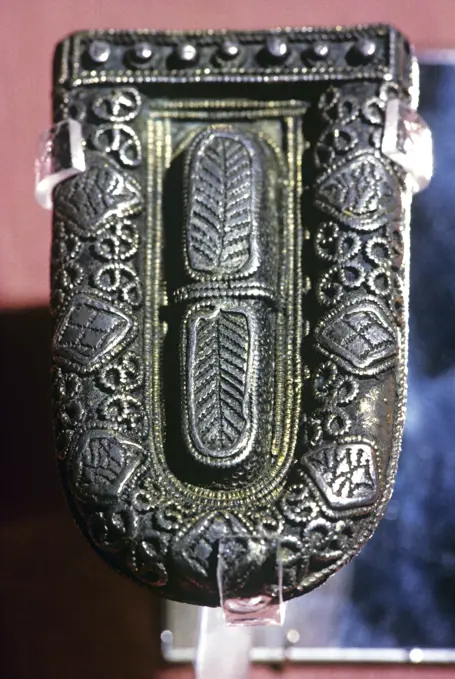
A set of ornate metal decorations including a door latch and detailed belt mounts, highlighting craftsmanship from various historical periods.
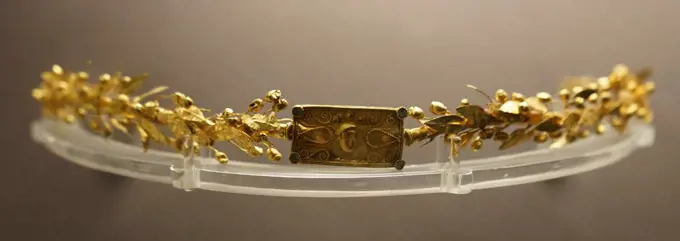
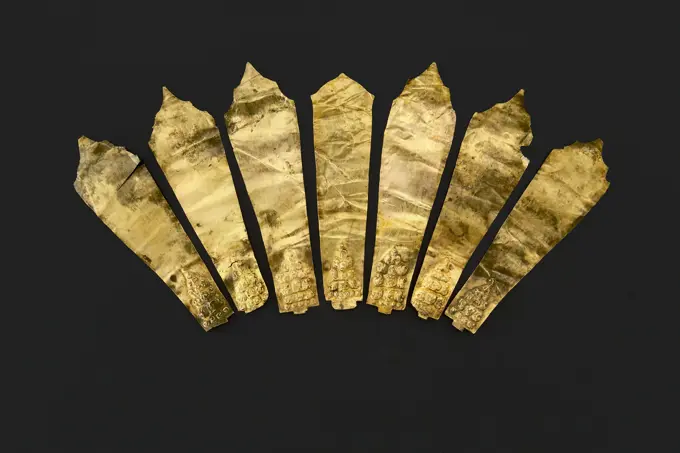
Gold myrtle wreath with die-formed head of Athena in central plaque. Dated 280 BC
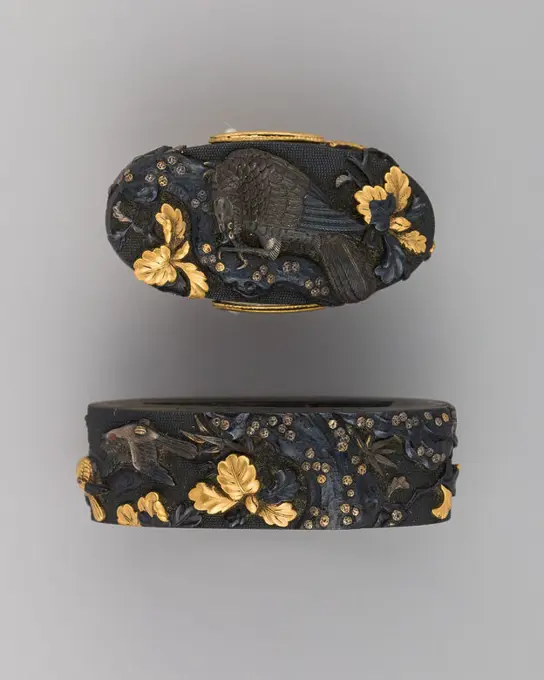
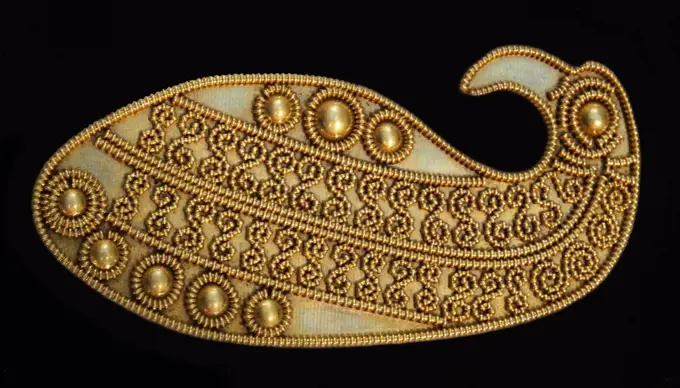
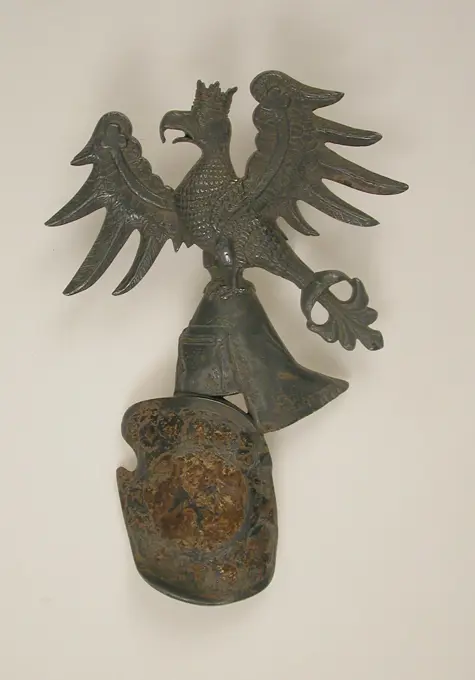
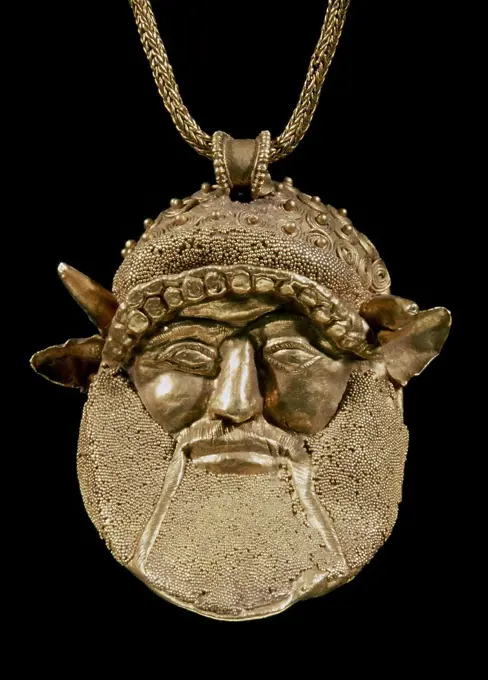
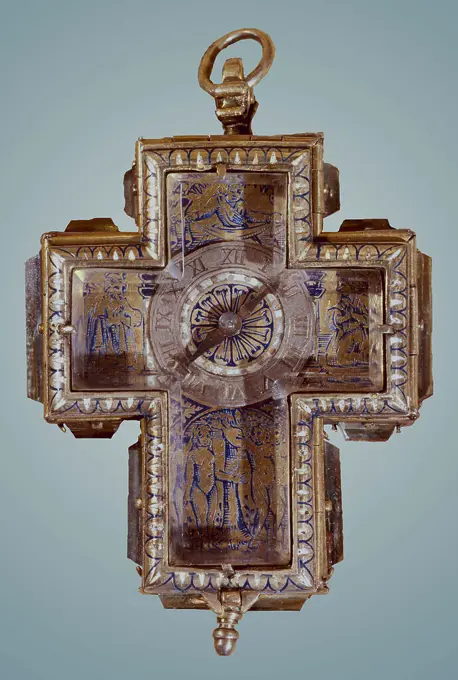
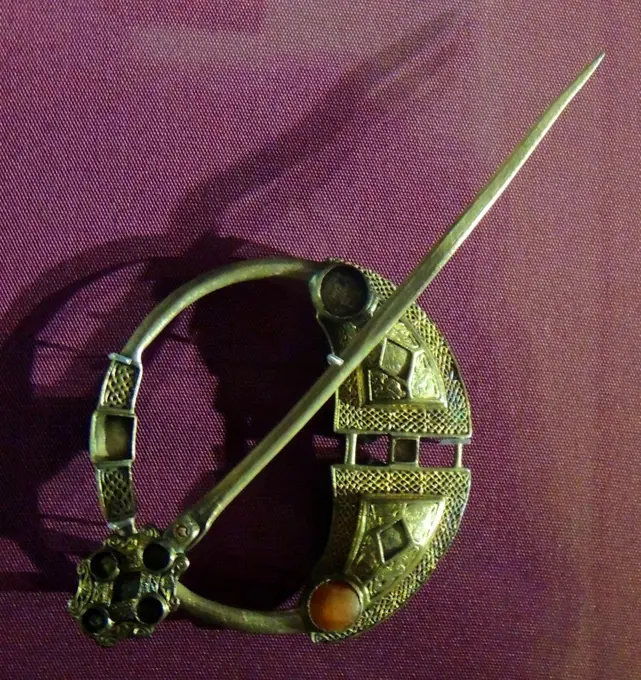
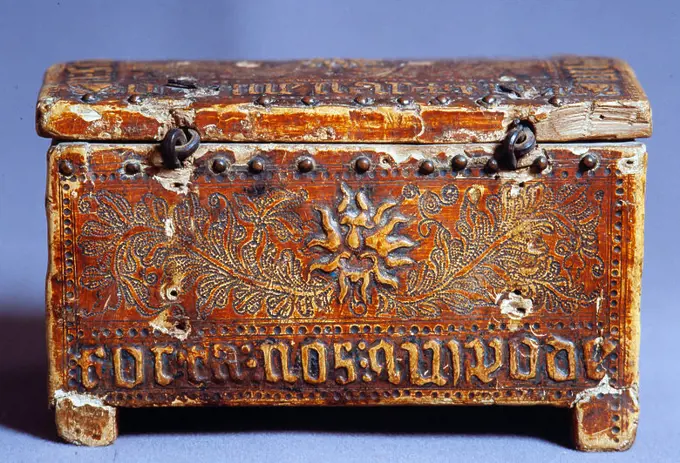
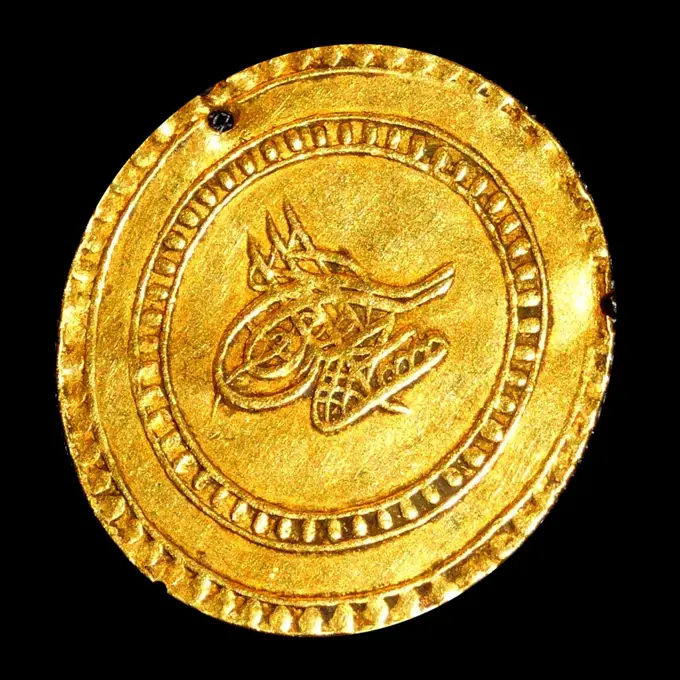
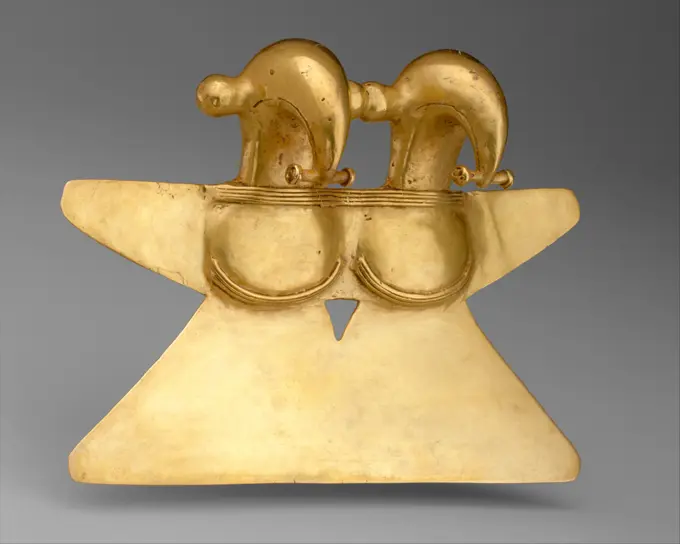
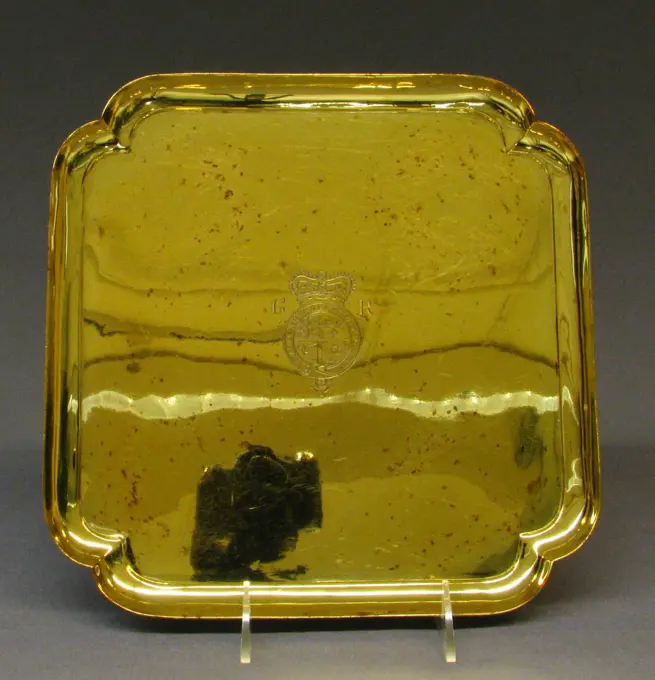
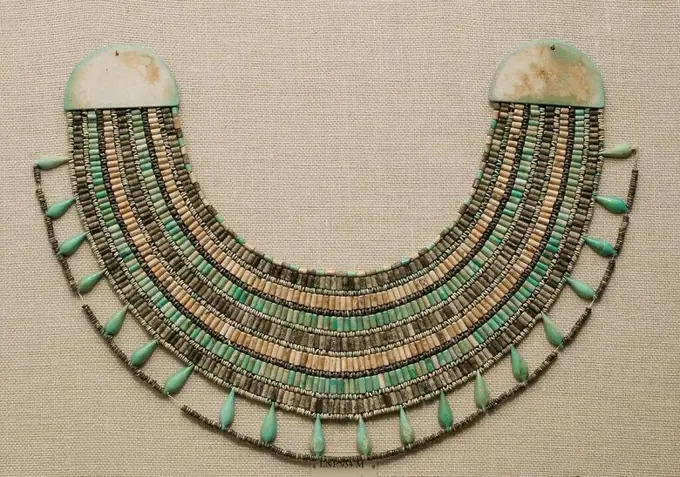
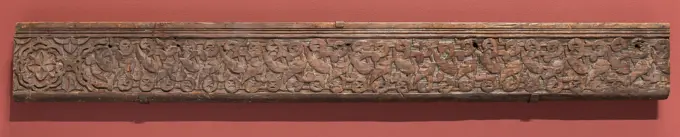
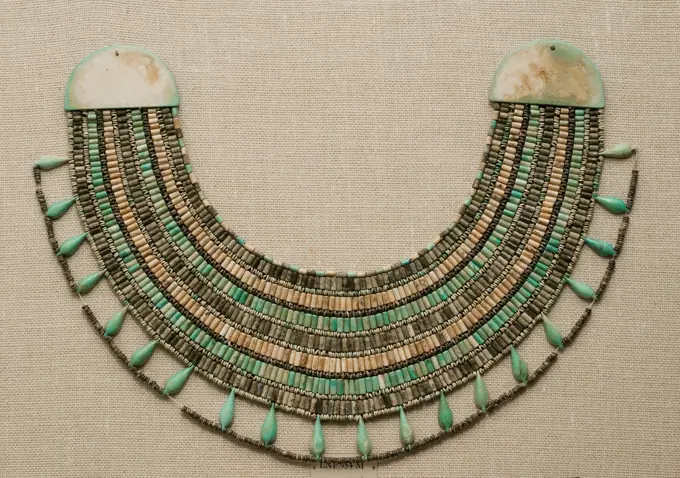
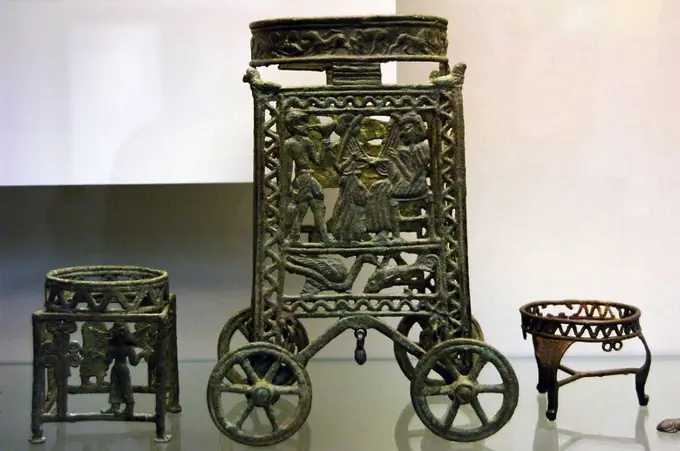
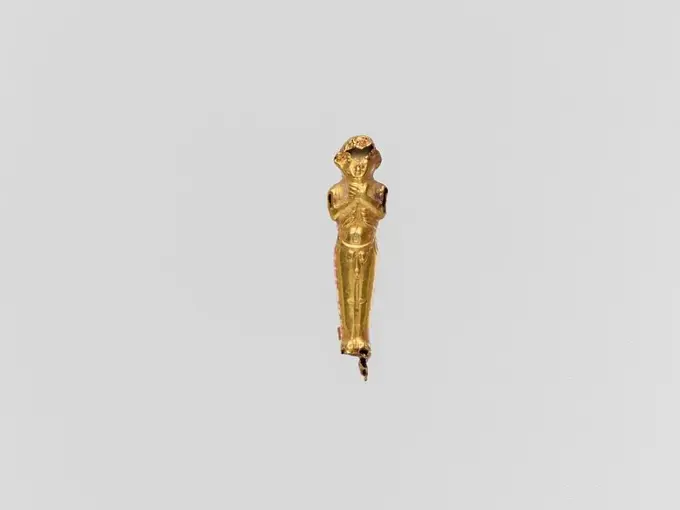
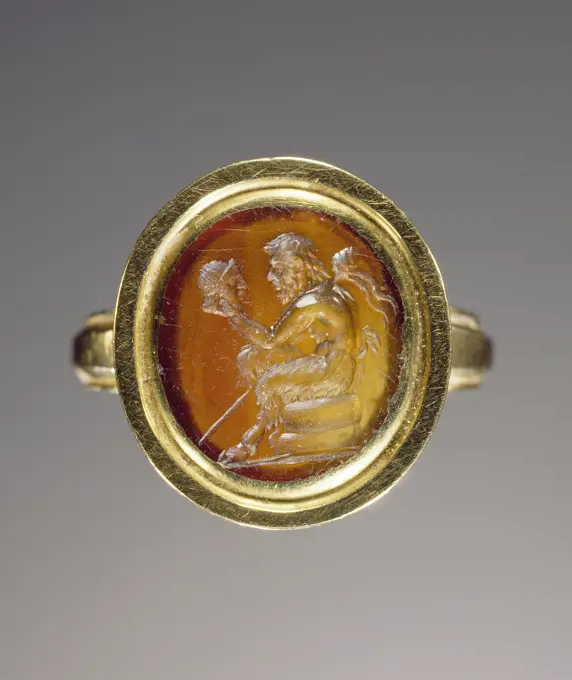
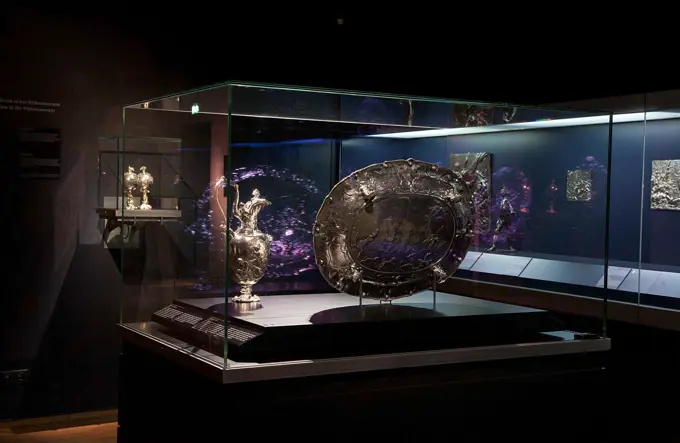
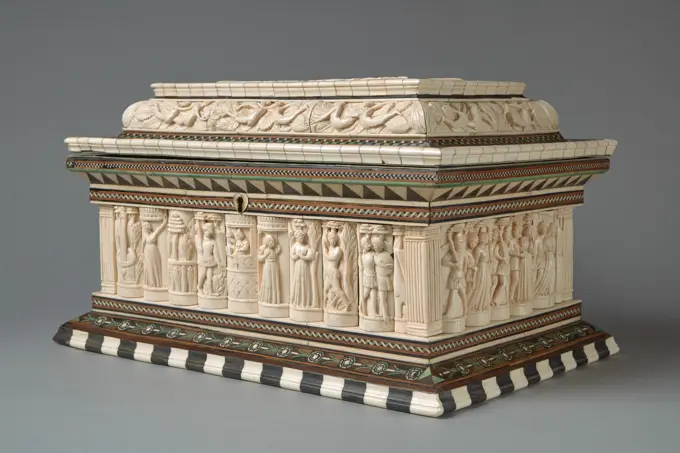
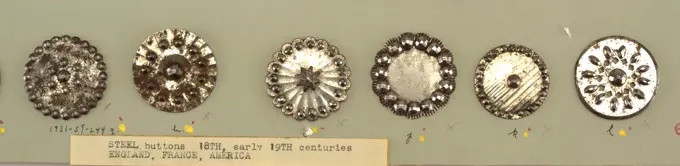
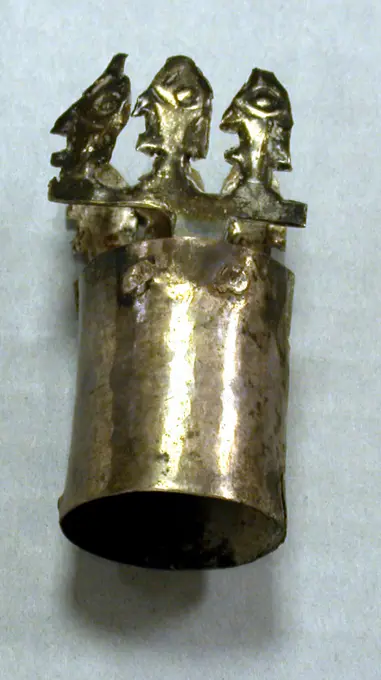
Hammered Silver Miniature Crown 11th-mid-16th century Peru; north or central coast (). Hammered Silver Miniature Crown 309036Sword-Hilt Collar and Pommel (Fuchigashira). Culture: Japanese. Dimensions: Kashira (a); H. 1 3/8 in. (3.5 cm); Wt. 0.6 oz. (17 g); fuchi (b); H. 1 1/2 in. (3.8 cm); Wt. 1.1 oz. (31.2 g). Date: 19th century. Museum: Metropolitan Museum of Art, New York, USA.replica of decorative gold brooch, from the Staffordshire Hoard of Anglo-Saxon gold and silver metalwork. Discovered in a field near the village of Hammerwich, near Lichfield, in Staffordshire, England, on 5 July 2009, it consists of over 3,500 items from the Anglo-Saxon kingdom of Mercia.Harness Ornaments 200-400 Late Roman or Byzantine This large group of enamels, noteworthy for the vivid colors and exuberant presentation of classical motifs, likely adorned the yoke and harness of a ceremonial chariot.. Harness Ornaments 473329Ring. UnknownEscutcheon early 20th century (original dated 14th century) Polish. Escutcheon 463092China Gold Knockerluís Masriera / Colgante-Medalla con Niño Jesús, 1901. Colección privada. Author: LLUÍS MASRIERA I ROSÉS.Button, Paper, metal foil, thread, paillettes, Folding envelope of paper with tie closure; used as a case for ten circular buttons., On card 14, France, late 18th century, costume & accessories, Decorative Arts, ButtonCOLLAR DE ORO-DET CABEZA DE ACHELOUS-ARTE ETRUSCO. Location: MUSEO DEL LOUVRE-ORFEBRERIA. France.Pendant Clock by Etienne Bordier, 1626-1650, Silver, rock crystal and bronze, 60 x 48 cm, Inv. 742. Location: MUSEO LAZARO GALDIANO-COLECCION. MADRID. SPANIEN.PECTORAL DE ORO PRECOLOMBINO-REPRESENTACION SOLAR Y SALAMANDRA-FILIGRANA Y GRANULADO. Location: MUSEO DE ARTE. DALLAS-TEXAS.Disk Ear Stud. UnknownBandbox Lid, Castles in Spain; USA; block-printed paper on pasteboard support; 50 x 40 cm (19 11/16 x 15 3/4 in.)HeaddressElementGuruPendantLondesborough Brooch 8th Century A.D. The silver and gold brooch was most likely used to fasten cloaks of the wealthiest men. From Lord Londesboroughs collection. Tassel, Medium: linen Technique: braided and knotted, White linen tassel with two balls (of different sizes) connected into a barbell-shape forming the base. Core is braided over with linen yarns worked in groups of four yarns at the top and more at the bottom for a basket-weave effect. From the base protrude a few knotted elements and from bottom of core hang four separate braided and knotted elements. Two of these elements are smaller braided ball bases hanging from braided stem with further braided and knotted elements ending in tiny braided balls hanging from them. The remaining two are shorter, braided, pear-shaped elements covered in knotted protrusions., Italy, 17th century, trimmings, TasselBROCHE DE CINTURON CON GRANATES INCRUSTADOS PERTENECE A LA NECROPOLIS DE CARPIO DE TAJO - TOLEDO - SIGLO VI - ARTE VISIGODO. Location: MUSEO ARQUEOLOGICO NACIONAL-COLECCION. MADRID. SPAIN.Europe, Czech Republic. Silver strap end with filigree decoration. 9-10C. Great Moravia, Czech. Stare Mesto.Jewelled cover of a Byzantine Bible. 9th cent. TURKEY.Arqueta, siglo XV. Fundación Juan March.Iberian culture Iberian culture, Archeological Museum. Úbeda, Jaén province, Andalusia, Spain Copyright: xZoonar.com/BartomeuxBalaguerxRotgerx 21702898Lluís Masriera / Collar con decoración en oro, platino, marfil, diamantes y zafiros, 1916. Colección privada. Author: LLUÍS MASRIERA I ROSÉS.Votive Offeringn the Shape of aFlowerLotusFlowerGold Ottoman coin, Constantinople (Istanbul, Turkey), 1757. Ottoman Sultans used an elaborate signature, called the Tugra, to represent themselves on their coins. The Tugra was used as the imperial signature of the SultanPilgrim's Badge representing Saint Adrian South Netherlandish 1460-80 Saint Adrian of Nicomedia was a former Roman soldier martyred for his Christian beliefs by having his limbs smashed on an anvil. His relics were translated to Geraardsbergen in 1175 thus establishing this foundation as an important pilgrimage site. Patron saint of soldiers, jailors, blacksmiths, and messengers, by the fourteenth century, Adrian was also considered a protector against the plague. In both badges here he is represented in full armor holding a sword in one hand and an anvil in the other. The apparent chronological separation in the making of the respective molds reveals developments in figurative, armor, and costume styles.Double-Eagle Pendant 1st-5th century Initial Style The bird-form pendants of Central America are perhaps the best known type of Precolumbian gold object. Made to be worn suspended around the neck, they were fabricated in many sizes, from those that are less than an inch in height to others of more than five inches. While the pendants differ in specific details, the basic configuration is usually the same. They have extended wings over open, splayed tails and heads and beaks that project strongly forward. Single birds are the most common, although double images, like this one, also occur. These pendants are considered to be stylized representations of birds of prey often holding small objects in their prominent beaks. The pendants may have functioned as protective emblems.. Double-Eagle Pendant 312747Gilded bronze weather vane for XIIth century. Viking ship from Tingelsted (1150-1200) . Museum: Historisk Museet, OSLO, NORWAY.Salver (part of a coffee service) 1724 Edward Pearce. Salver (part of a coffee service) 205035Broad collar. Dimensions: l. 29 cm (11 7/16 in); w. 39 cm (15 3/8 in). Dynasty: Dynasty 12-13. Date: ca. 1981-1640 B.C.. Museum: Metropolitan Museum of Art, New York, USA.Mathematical-Physical Salon in the ZwingerFragment of an architectural molding 1301-1400 Morocco. Wood with relief carving . IslamicNicholaa de la Haye's wax seal Document: Nicholaa de la Haye's seal. 1201-1266. (Catalogue ref: DL 25/2890) Description: This medieval wax seal is attached to a document in which noblewoman Nicholaa de la Haye grants land to a man named Simon. During this time in England and most of western Europe, instead of signing important documents, you would attach your seal to prove your identity. Nicholaa de la Haye was a landowner who inherited the role of constable of Lincoln Castle and the role of sheriff of Lincolnshire in the late twelfth century. She personally directed the defence of Lincoln Castle at least twice. She also defended it against French attackers in 1217, when Prince Louis of France tried to claim the English throne instead of the nine-year-old Henry III. Seals can tell us a lot about how someone wanted to represent themselves to others. What can this seal tell us about Nicholaa de la Haye Learn more about medieval seals in our new classroom resource:Archaeological Museum, Lipari Town, Lipari, Lipari Islands, Aeolian Islands, Sicily, Italy, EuropeBroad collar ca. 1981-1640 B.C. Middle Kingdom. Broad collar. ca. 1981-1640 B.C.. Faience, Paste. Middle Kingdom. From Egypt, Memphite Region, Lisht North, Tomb 954, Burial 954M, MMA excavations, 1921-22. Dynasty 12-13Wheeled stand for a vessel with an animal frieze on the ring. The scene depicts a seated figure playing a stringed instrument with another playing a similar instrument. Next to this figures, a server carries a jug in his right hand and a cup in his left. In the lower par, a water-bird attacks an a fish. 1225-1100 BC. Bronze. Made in Cyprus. British Museum. London. England. United Kingdom.Gold pendant capsule in the form of a male figure. Culture: Cypriot. Dimensions: Other: 1 1/2 in. (3.8 cm). Date: 6th-4th century B.C..This type of object is originally Phoenician and occurs, in various forms, in Carthaginian jewelry. It contained a text that would protect the wearer and was worn as an amulet. Museum: Metropolitan Museum of Art, New York, USA.Warrior Ornaments 6th-7th century Moche (Loma Negra). Warrior Ornaments 318637Gem Engraved with Pan Gazing at a Mask; Roman Empire; 1st century; Carnelian; 1.1 cm (7,16 in.)Room with showcases with silverware; Interior silver hall Philipsvleugel 2011. In the background 2 jars in the shape of a nature and a sky globe, manufactured by Christoph Ritter (III).Mirror, Reign of Thutmose III, Metropolitan Museum of Art, Manhattan, New York City, USA, North AmericaContainer with Figures under an Arcade 19th century European (Antique style). Container with Figures under an Arcade 464240Przeszo Przyszoci Embriachi family workshopThe Projecta Casket (Wedding Gift). Roman. 4th Century ADCeremonial Uniform: Right Shoulder Flap, 1644-1911. China, Qing dynasty (1644-1911). Satin weave silk with gold metal thread embroidery; supplementary weft; black velvet; metal (brass); lined in blue silk; overall: 41.9 x 50.2 cm (16 1/2 x 19 3/4 in.).Button, 1801-50; cut steelGlass Fragment. Culture: European. Dimensions: Overall: 1 7/8 x 4 in. (4.8 x 10.2 cm). Date: 15th-16th century. Museum: Metropolitan Museum of Art, New York, USA.