Decorative Metal Components

Collection of ornate metal pieces including escutcheons, tiebacks, and tsubas, showcasing intricate designs and craftsmanship.
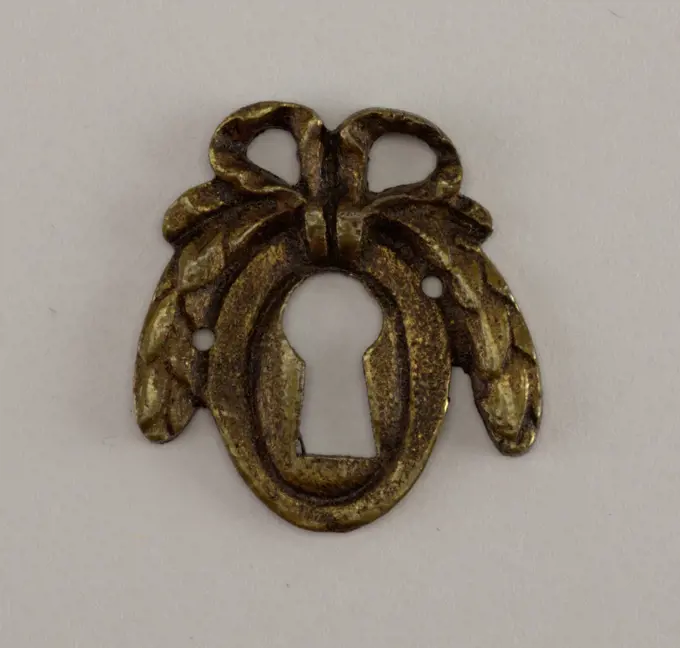
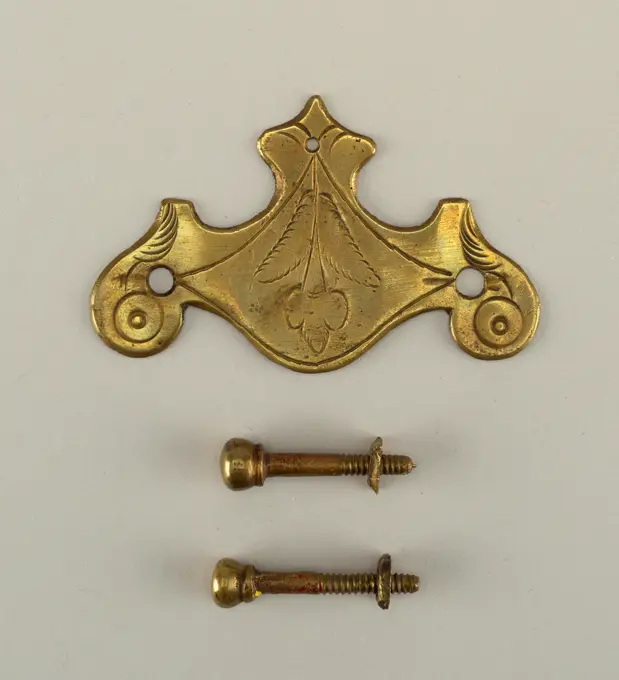
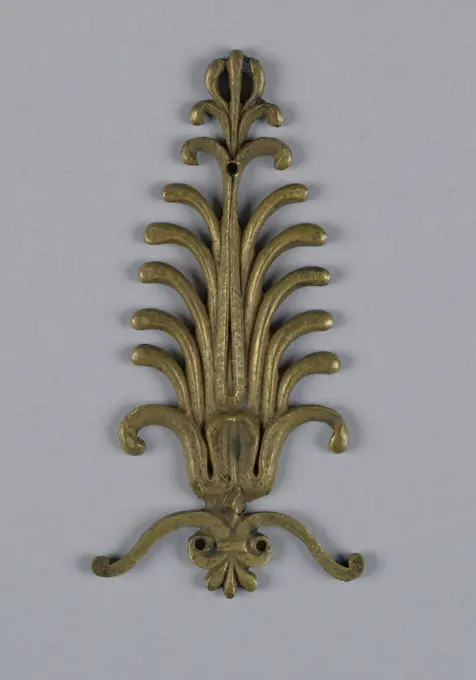
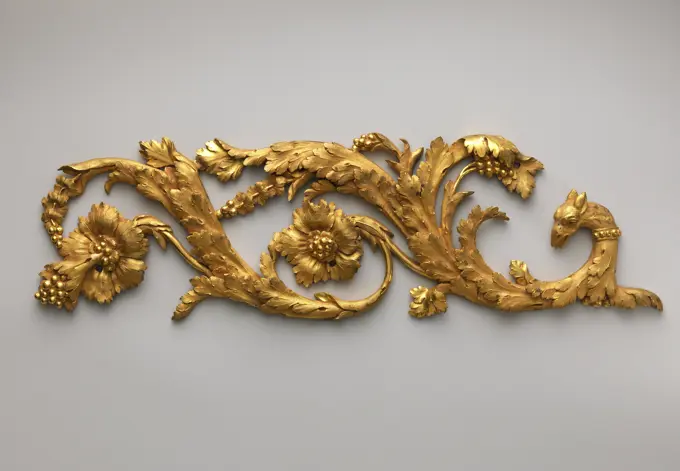
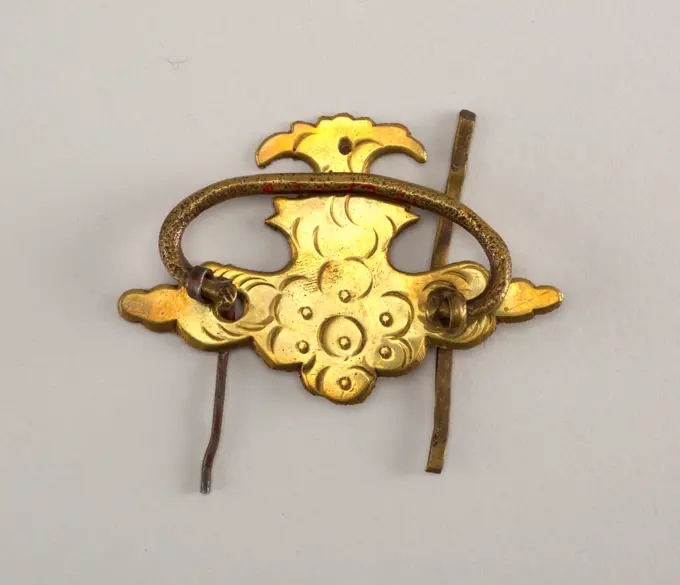
Escutcheon, Bronze, ca. 1785, metalwork, Decorative Arts, Escutcheon
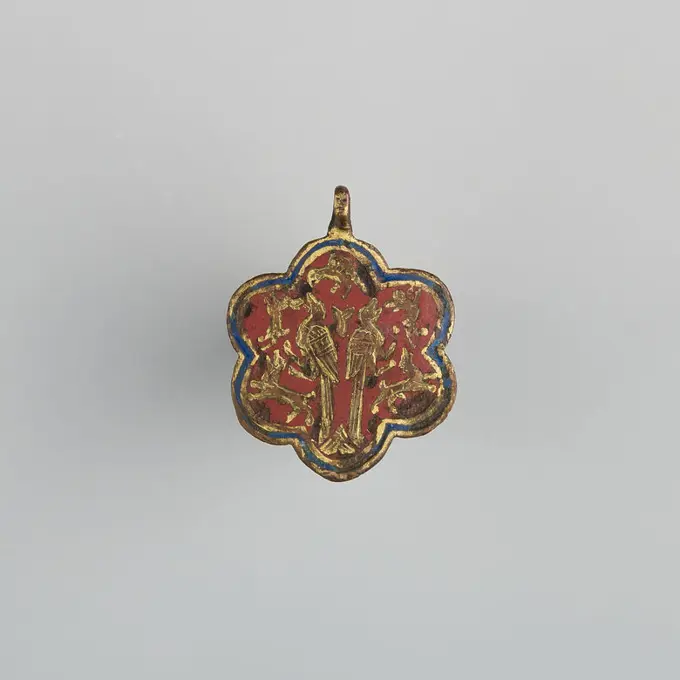
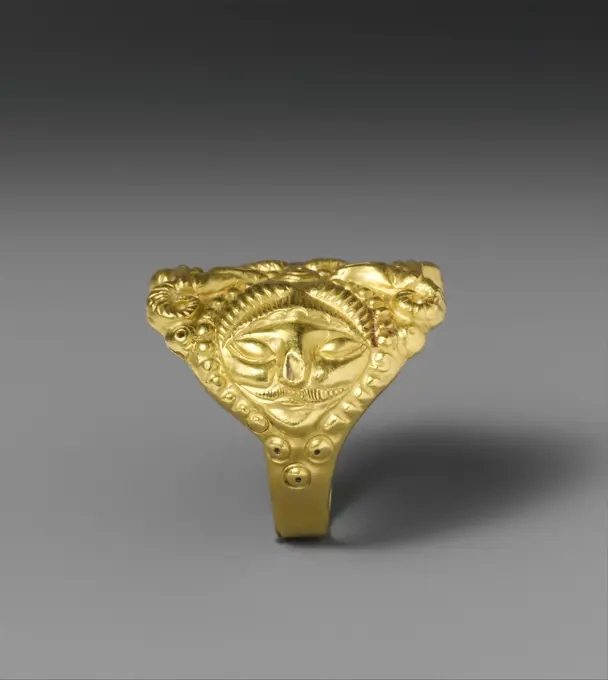
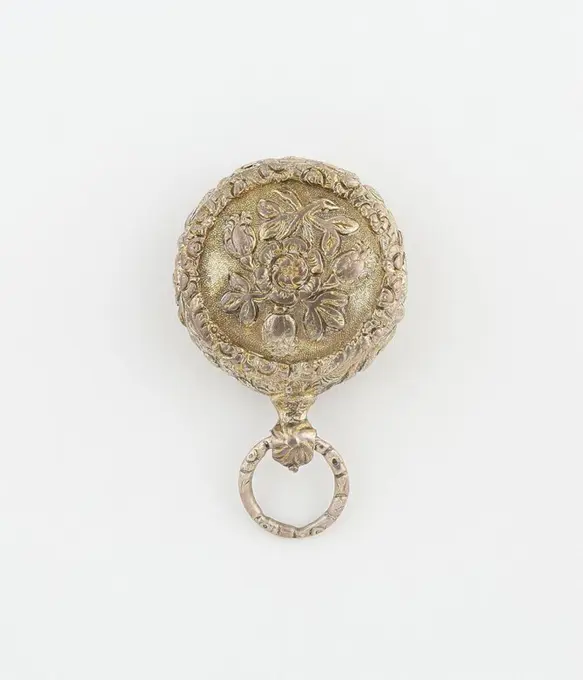
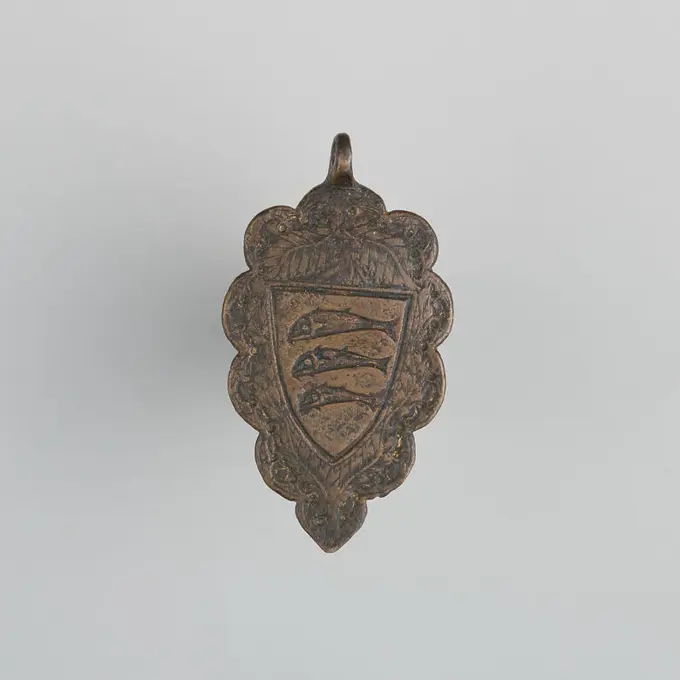
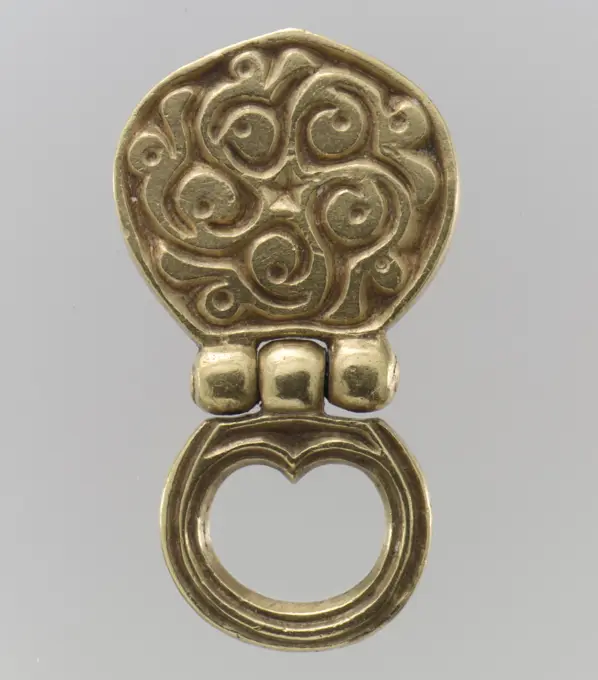
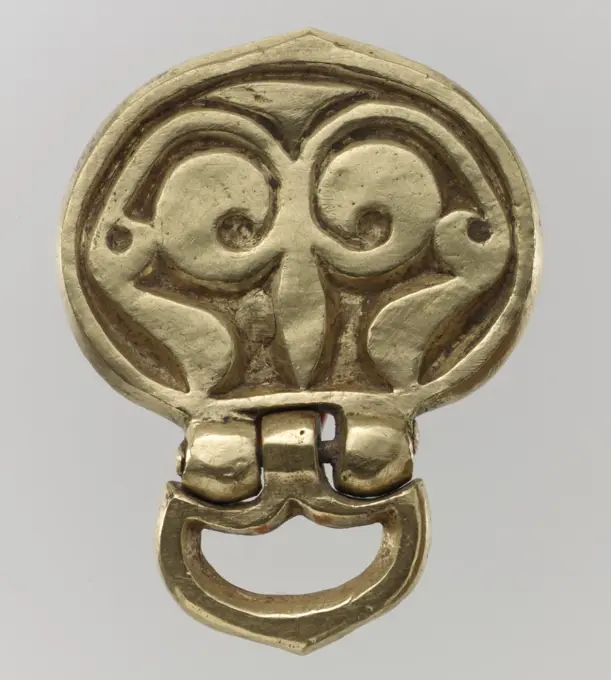
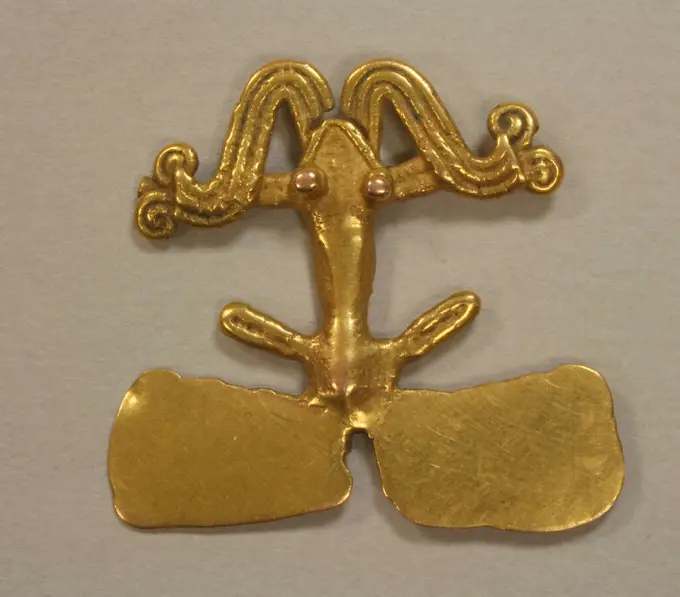
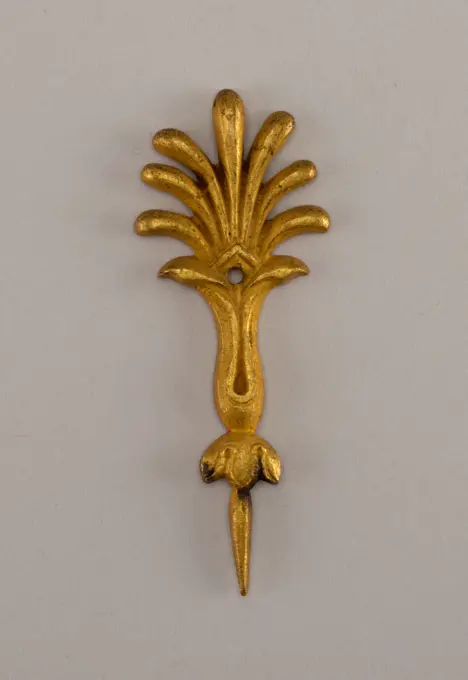
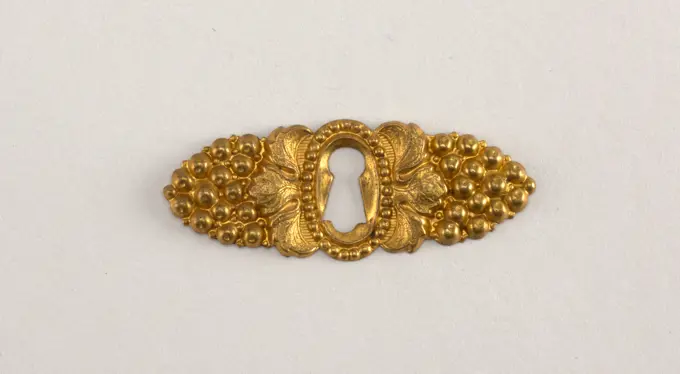
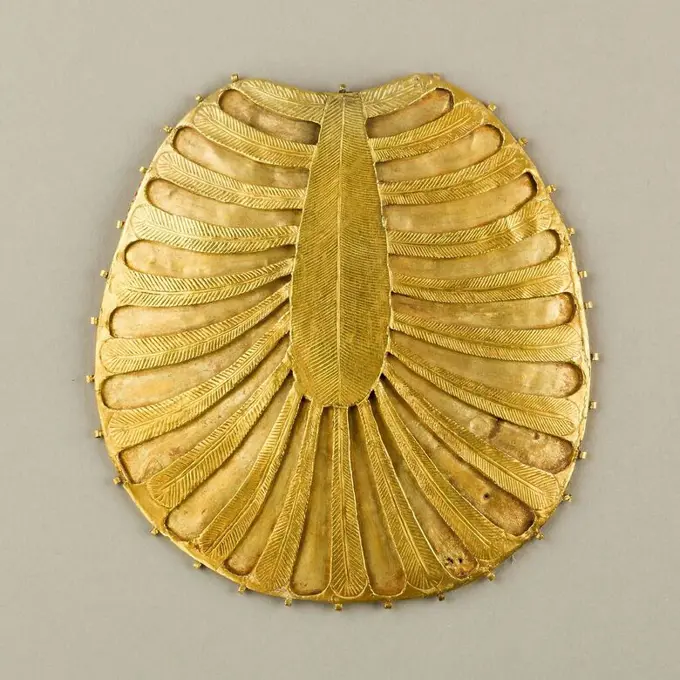
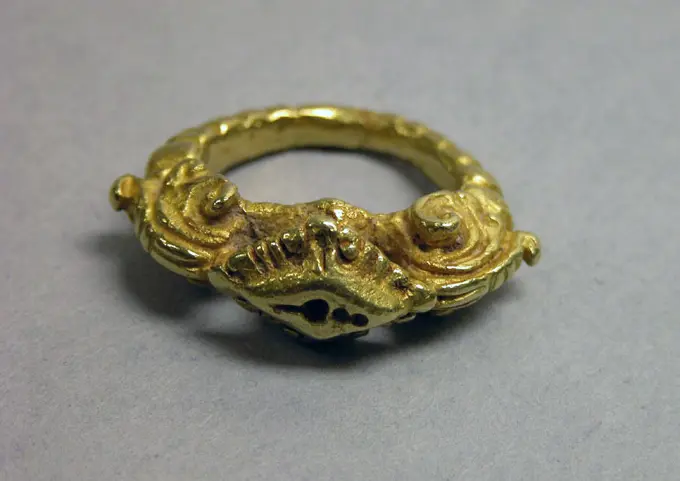
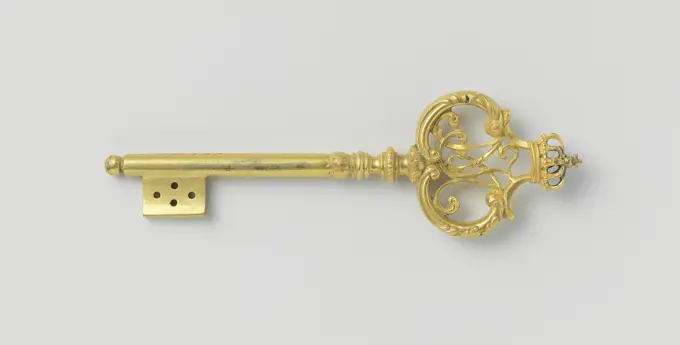
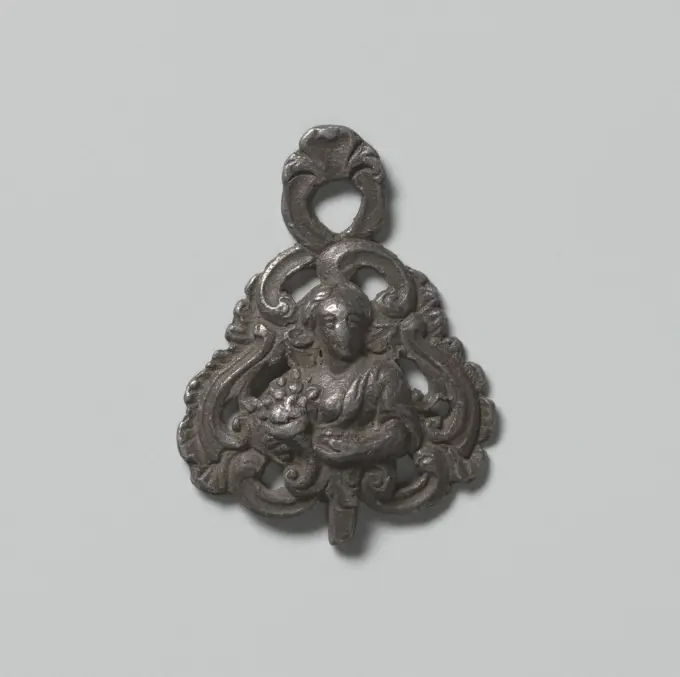
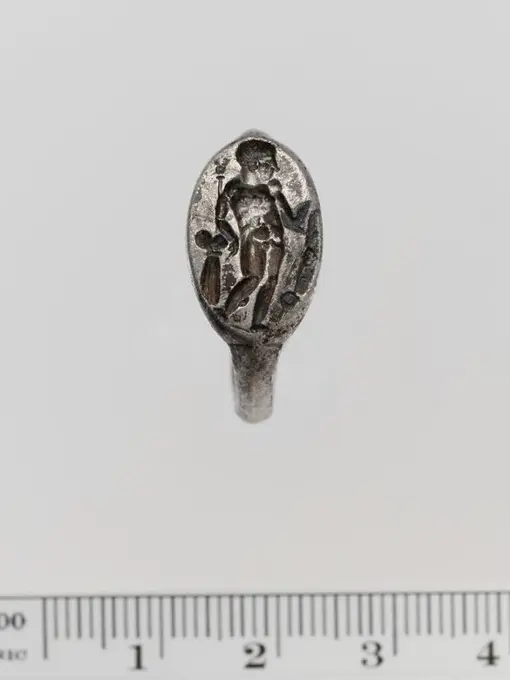
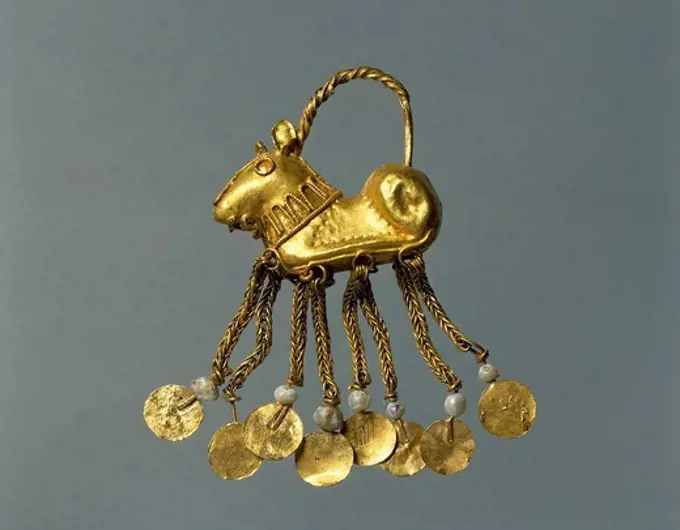
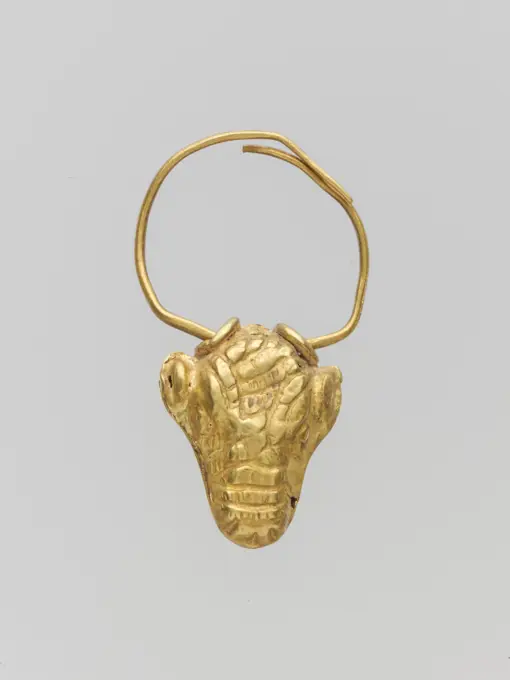
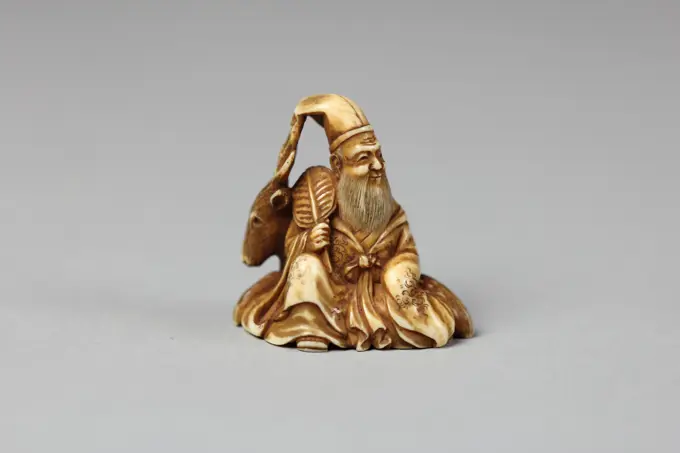
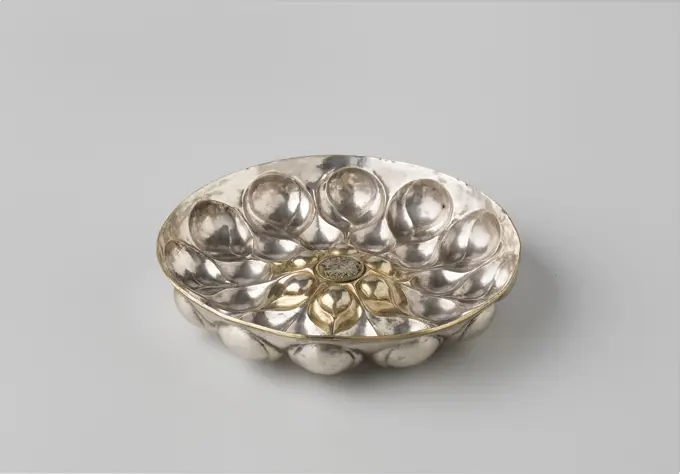
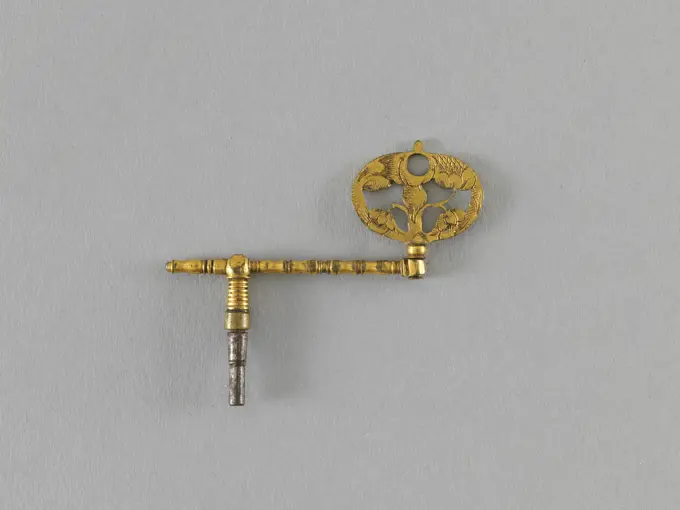
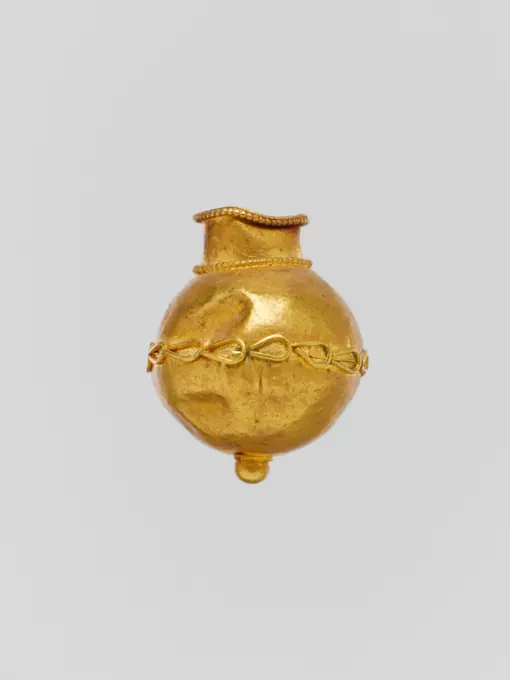
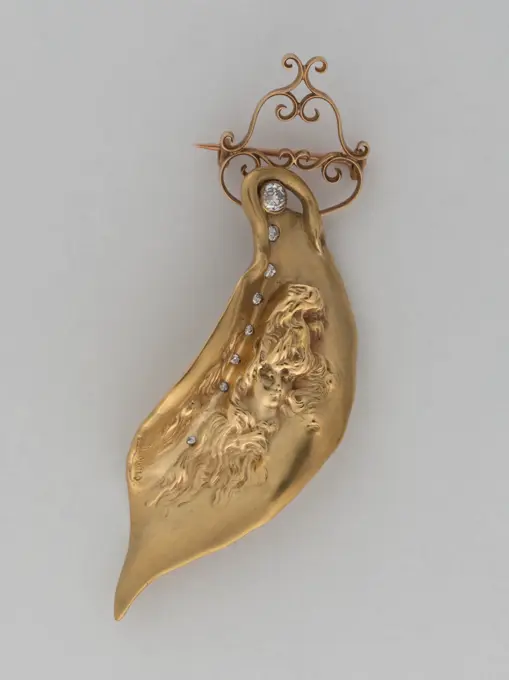
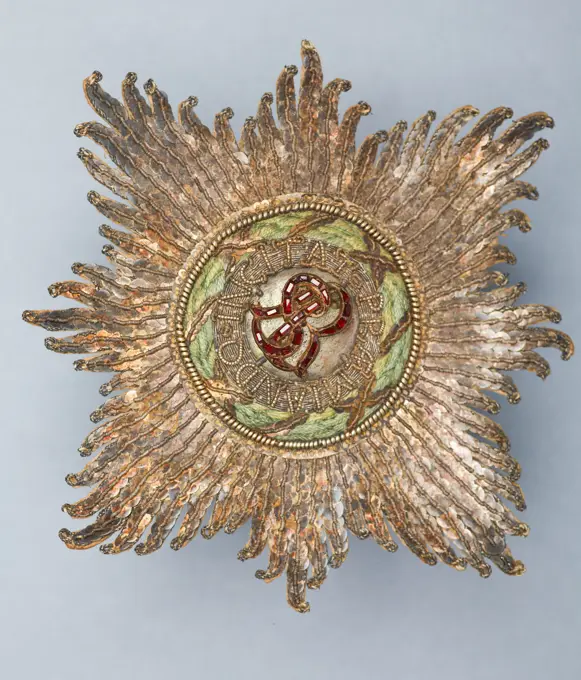
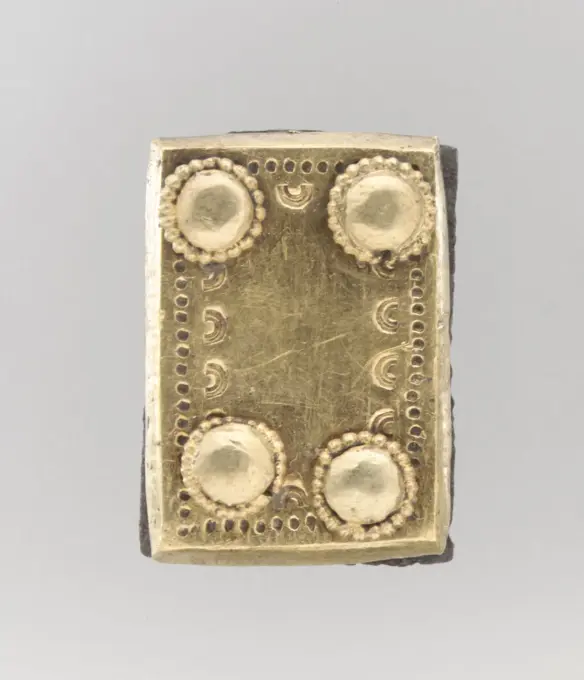
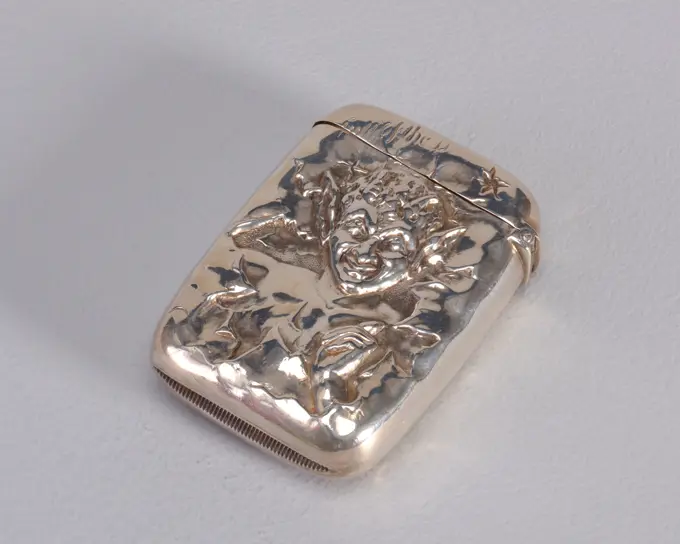
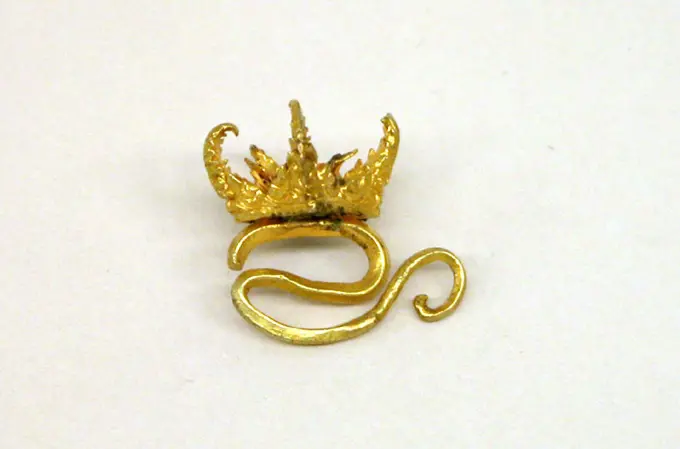
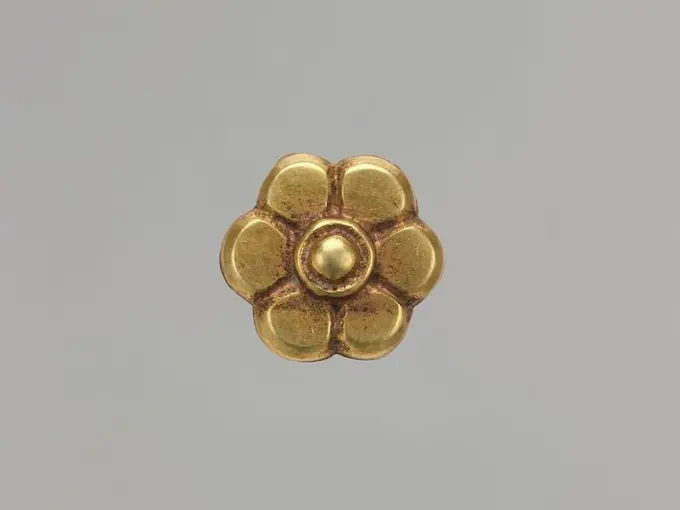
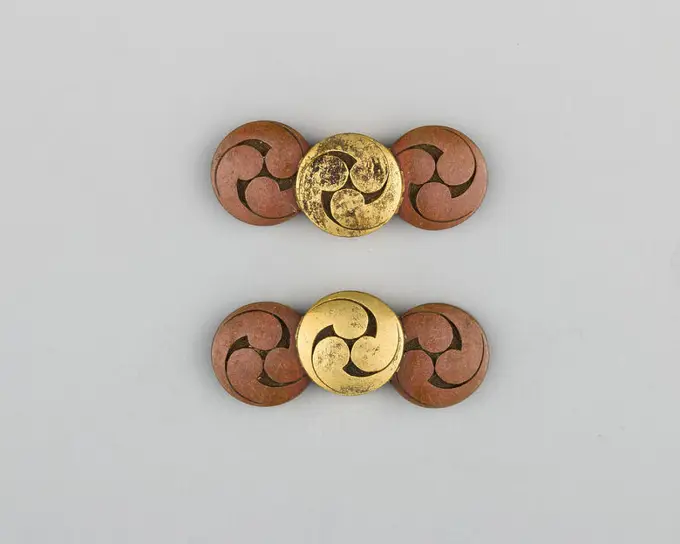
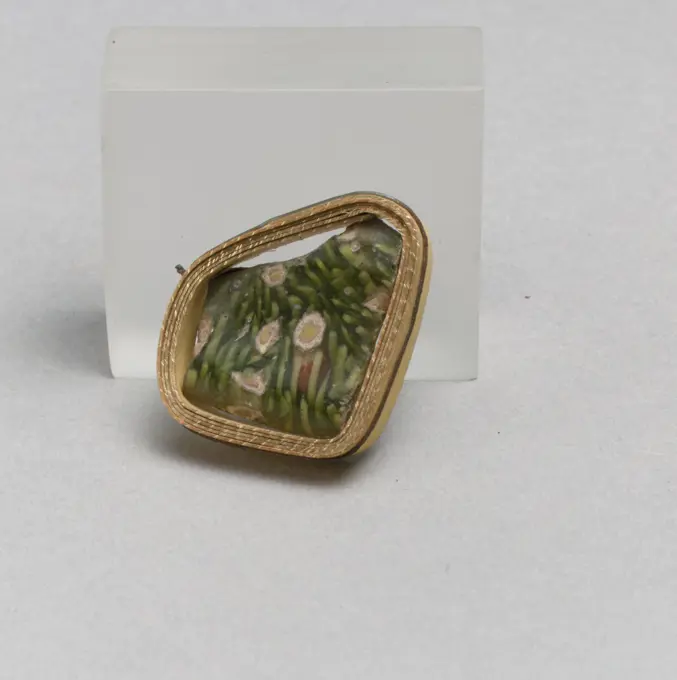
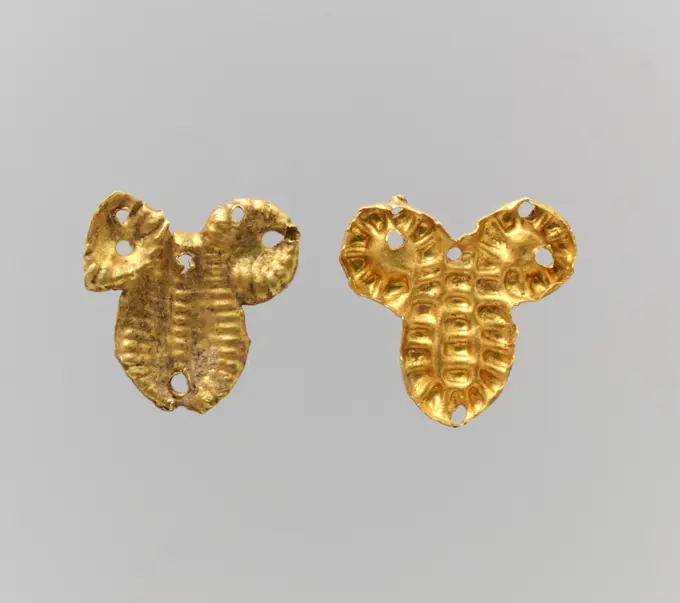
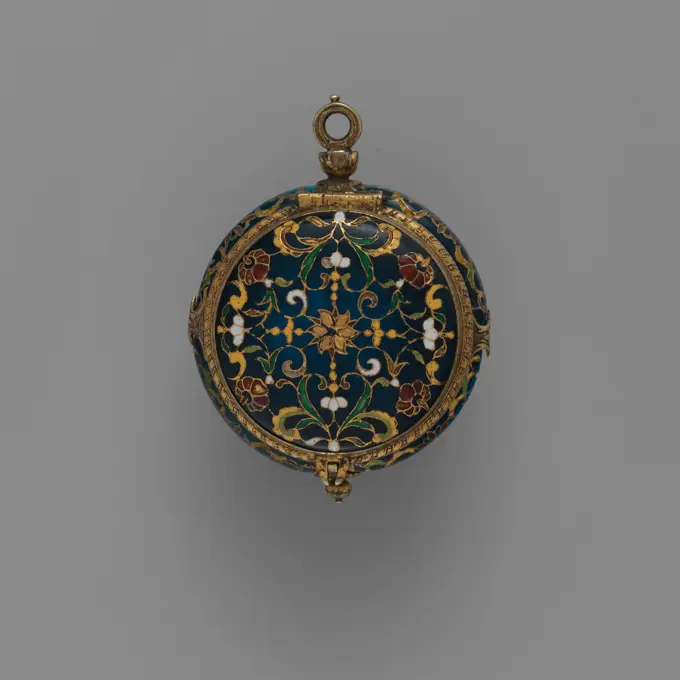
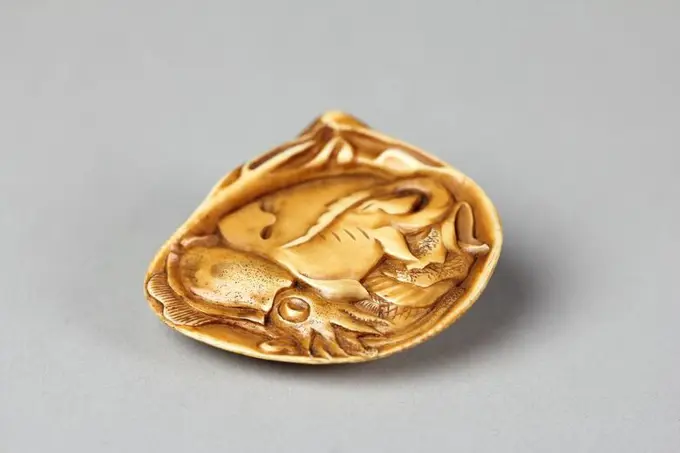
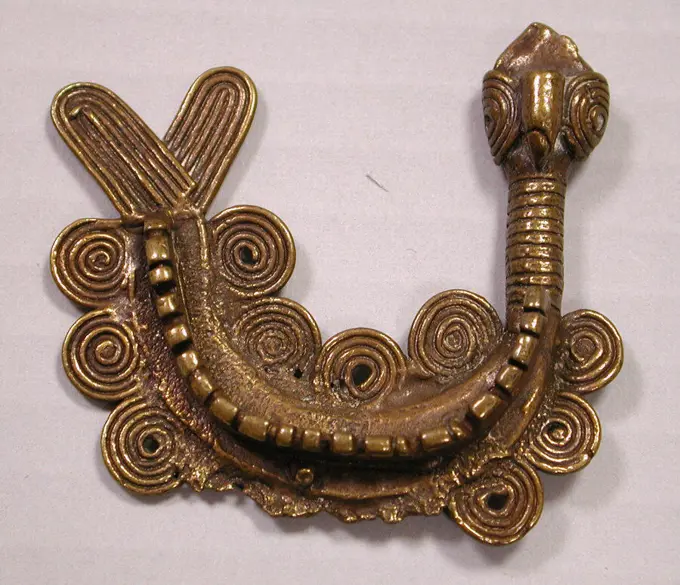
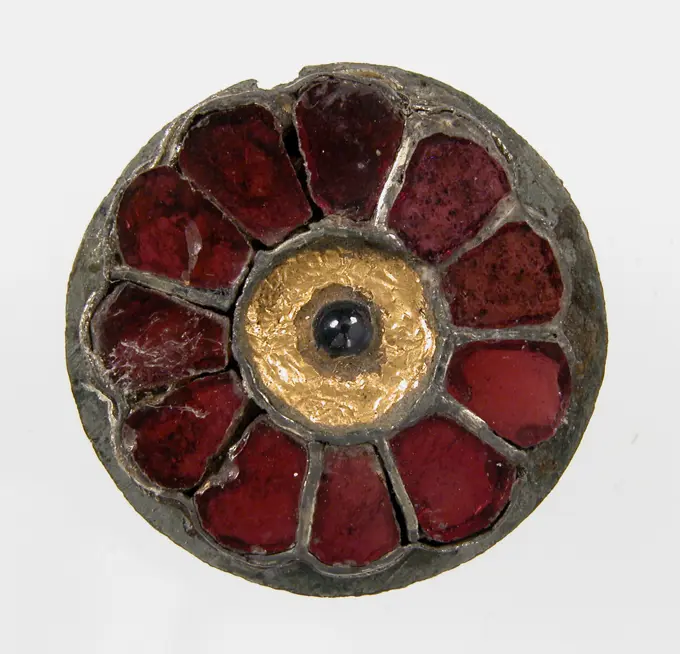
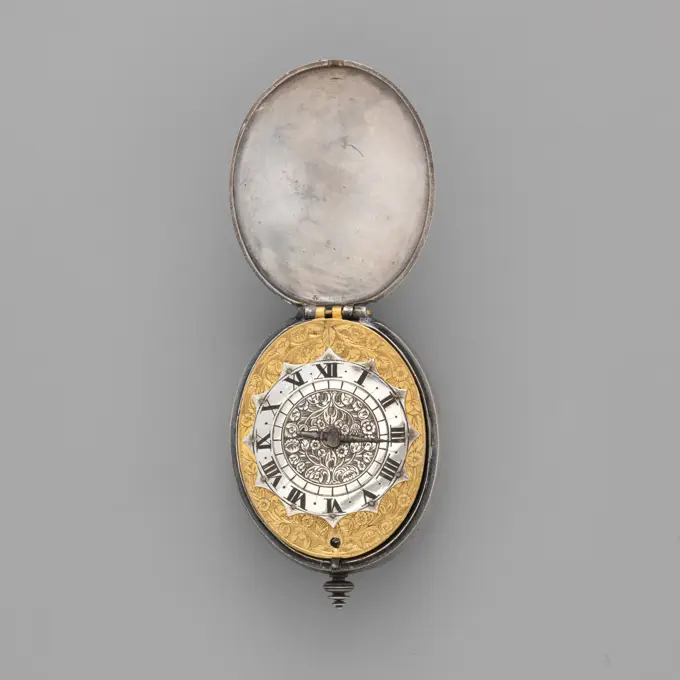
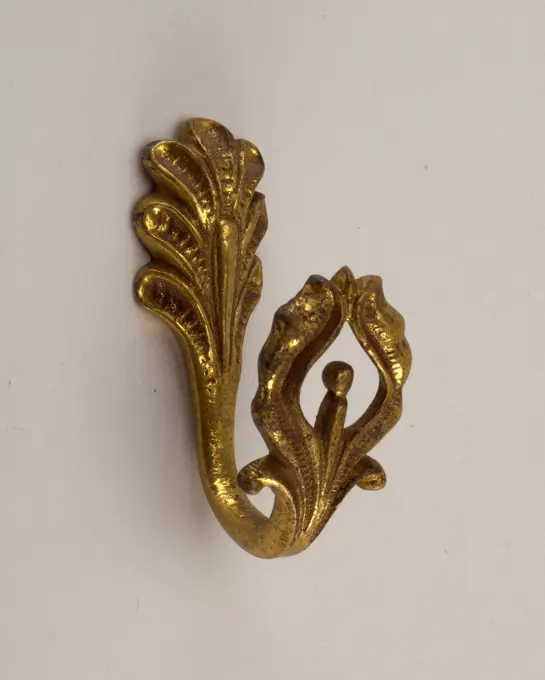
Escutcheon, Bronze, ca. 1785, metalwork, Decorative Arts, EscutcheonTieback. Oval tsuba with three points in a forest in Hikone-Bori; Details in gold Nunome-Zogan; edge in the buyer; Signed "Goshu Hikone Ju Soheishi Hyudo Soten".MountMountBadge (probably from Horse Harness). Culture: possibly Spanish. Dimensions: H. 2 1/8 in. (5.4 cm); W. 1 3/4 in. (4.5 cm); Wt. 0.5 oz. (14.2 g). Date: 14th century. Museum: Metropolitan Museum of Art, New York, USA.Earring, baule type 7th-5th Century B.C. Etruscan. Earring, baule type. Etruscan. 7th-5th Century B.C.. Gold. Gold and SilverHand Guard, Kawamura TSUNESHIGE, 1725-1775 Oval tsuba with ishime soil; At the front in relief and gold-inlay a tiger who looks at a dragon in the clouds; Signed "tsuneshige". Japan copper (metal). gold (metal) Oval tsuba with ishime soil; At the front in relief and gold-inlay a tiger who looks at a dragon in the clouds; Signed "tsuneshige". Japan copper (metal). gold (metal)Eye of Horus (Wedjat) Amulet 305 BCE-30 BCE Egypt. Referred to as wedjat, these amulets represent a human eye enhanced or combined with the characteristic markings of a falcon, and refer to the god Horus. Made in many variations for over 3,000 years, they convey wholeness and health.. Gold . Ancient EgyptianRing 4th century B.C. Celtic These rings evoke the splendor of the Celts and their love of personal adornment. The upper ring is one of the most lavish surviving examples. The rams heads are similar to those on the great gold neck ring from Frasnes-lez Buissenal also exhibited in this case. The two smaller rings present a combination of tendril motifs, some echoing symmetrical designs that appear to be abstractions of a face.. Ring 478984Mount; 1914-27-54-aRing 18th-19th century. Ring. 18th-19th century. Gold. From India, Madras. JewelryMountWatch-Shaped Vinaigrette. Joseph Willmore; Birmingham, England. Date: 1824-1825. Dimensions: Diam. 3.8 cm (1 1/2 in.). Silver and silver gilt. Origin: Birmingham. Museum: The Chicago Art Institute, Chicago, USA.MountMount; 1904-22-5MountEarringPair of hand jewels with rings (hathiphul), anonymous, c. 1750 Hands jewelry (Hathiphul) consisting of a solid gold rosette with filig train work, which is kept in the middle of the hand back by 4 golden chains of leaf -shaped links with a ring worn around the finger at the end. Two more chains end in a hook, which goes through a cord that is attached to the wrist. The rings are partly inlaid with stones. Not complete. Surat gold (metal) filigree Hands jewelry (Hathiphul) consisting of a solid gold rosette with filig train work, which is kept in the middle of the hand back by 4 golden chains of leaf -shaped links with a ring worn around the finger at the end. Two more chains end in a hook, which goes through a cord that is attached to the wrist. The rings are partly inlaid with stones. Not complete. Surat gold (metal) filigreeBadge (probably from Horse Harness). Culture: Spanish or British. Dimensions: H. 3 in. (7.6 cm); W. 1 5/8 in. (4.1 cm); Wt. 1 oz. (28.3 g). Date: early 14th or 15th century. Museum: Metropolitan Museum of Art, New York, USA.Gold Belt Mount with Loop 700s Avar The treasure contains an array of belt fittings, some elaborately decorated, some unfinished or defectively cast. Some show no signs of use, while others are quite worn.The AvarsThe Avars were a nomadic tribe of mounted warriors from the Eurasian steppe. The Byzantine emperor Justinian negotiated with them in the sixth century to protect the Empires northern border along the Black Sea. Emboldened by their subjugation of numerous tribes, they unsuccessfully attempted to seize the Empires capital, Constantinople. They remained a scourge of both Byzantium and the Western kingdoms until Charlemagne defeated them through a series of campaigns in the 790s and early 800s.All the money and treasure that the Avars had been years amassing was seized, and no war in which the Franks have ever engaged.. brought them such riches and such booty. Up to that time the Avars had passed for a poor people, but so much gold and silver was found.. that one may well thinkGold Belt Mount with Loop 700s Avar The treasure contains an array of belt fittings, some elaborately decorated, some unfinished or defectively cast. Some show no signs of use, while others are quite worn.The AvarsThe Avars were a nomadic tribe of mounted warriors from the Eurasian steppe. The Byzantine emperor Justinian negotiated with them in the sixth century to protect the Empires northern border along the Black Sea. Emboldened by their subjugation of numerous tribes, they unsuccessfully attempted to seize the Empires capital, Constantinople. They remained a scourge of both Byzantium and the Western kingdoms until Charlemagne defeated them through a series of campaigns in the 790s and early 800s.All the money and treasure that the Avars had been years amassing was seized, and no war in which the Franks have ever engaged.. brought them such riches and such booty. Up to that time the Avars had passed for a poor people, but so much gold and silver was found.. that one may well thinkMountFrog pendant. Culture: Chiriquí. Dimensions: Overall: 1 1/4 x 1 3/8 in. (3.18 x 3.51 cm)Other: 1 3/8 in. (3.51 cm). Date: 13th-16th century. Museum: Metropolitan Museum of Art, New York, USA.MountMount (France), ca. 1830; gilt bronzeDecorative Furniture Mount Mount; bronze, gold; L x W x D: 16 x 12.5 cm (6 5/16 x 4 15/16 in.)Ear Ornament Second half of the 8th-second half of the 10th century Indonesia (Java). Ear Ornament 49987Clasp.  Maker: Joseph Richardson, Jr., American, 1752-1831 Maker: Nathaniel Richardson, American, 1754-1827RosetteEscutcheon; gilt copperRod Finial Clip with Foliate Design Creating Demon Mask Second half of the 9th-first quarter of the 10th century Indonesia (Java). Rod Finial Clip with Foliate Design Creating Demon Mask 49737Set of Pendants Ending in a Bull's Head, 185-72 BC. India, Sunga Period (185-72 BC). Gold repoussé with granulation;Disk Made of Two Sheets of Gold, One Concave the Other Decorated with Feathers or Palm Fronds. Dimensions: H. 14.6 cm (5 3/4 in.); W. 14 cm (5 1/2 in.). Dynasty: Dynasty 18. Reign: reign of Thutmose III. Date: ca. 1479-1425 B.C..This gold disk from the funerary equipment of three foreign wives of Thutmose III with its now open spaces for original inlay as well as incised decoration of palm fronds or feathers was previously understood as the head piece of a wig cover from which the rosettes 26.8.117a were supended. Such a reconstruction was first suggested by Herbert E. Winlock in 1937 and later modified. According to present understanding the joining of the rosettes to the gold disk and the use of the whole as a wig cover is uncertain. Museum: Metropolitan Museum of Art, New York, USA.Archer's Arm Guard (Bracer) dated 1752 Belgian An archer wears a bracer to protect the inner forearm against whiplash from the bowstring. Most bracers were made of bone, horn, or leather with little or no ornament. This example, made of polished copper, is very unusual for its elaborate and finely engraved decoration, which features the martyrdom of Saint Sebastian, patron saint of archers. The inscription around its border mentions the town of Ath in Belgium, the name Joseph de Somme (probably the owner or maker of the bracer), and the date.. Archer's Arm Guard (Bracer) 35683Clasp.  Maker: Jacob Gregg, American, 1768-1832Stirrup-shaped Ring with Lozenge-shaped Bezel Second half of the 8th-second half of the 10th century Indonesia (Java). Stirrup-shaped Ring with Lozenge-shaped Bezel. Indonesia (Java). Second half of the 8th-second half of the 10th century. Gold. Central Javanese period. JewelryPair or Shell-Shaped Ear Clips. Gold earring in the shape of a shell, part of a couple.Bellum Button; France; metal; Diameter: 4.4 cm (1 3/4 in.); Bequest of Julia Hutchins Wolcott; 1959-66-2TrophyWeighted Fastener Indonesia (Java) 8th-early 10th century View more. Weighted Fastener. Indonesia (Java). 8th-early 10th century. Gold. Central Javanese period. JewelryFragment of Headdress late 17th-early 18th century China. Fragment of Headdress. China. late 17th-early 18th century. Gold, feathers, pearls. Qing dynasty (1644-1911). Jewelry39 keys from the collection of Emmanuel Vita Israël, anonymous, c. 1700 - c. 1750 Chamber control wrench with the monogram M.J. The handle is formed by two bold C-Voluten, the monogram decorated with leaf ornament, closed by a royal crown. The beard, the side surfaces of which are concave, has four holes.  copper (metal) gilding Chamber control wrench with the monogram M.J. The handle is formed by two bold C-Voluten, the monogram decorated with leaf ornament, closed by a royal crown. The beard, the side surfaces of which are concave, has four holes.  copper (metal) gildingModel for an ornament of a book binding, Anonymous, c. 1750 - c. 1775 Tin model for a mold of an ornament for a book binding. The show shows a female figure with a horn with flowers and is won in a triangular rococo ornament. Circular opening is applied to the top. Amsterdam tin (metal) cutting Tin model for a mold of an ornament for a book binding. The show shows a female figure with a horn with flowers and is won in a triangular rococo ornament. Circular opening is applied to the top. Amsterdam tin (metal) cuttingSilver ring. Culture: Greek. Dimensions: Length: 11/16 in. (1.7 cm). Date: late 5th century B.C..Hermes leaning on column. Museum: Metropolitan Museum of Art, New York, USA.Security Service BadgePullFirst Annual Bronx Press Club Banquet Matchsafe; USA; german silver (white metal); 6.6 x 4 x 1.7 cm (2 5/8 x 1 9/16 x 11/16 in. )Lictor beam capped with the phrygian cap, placed on two tricolor flags in necklace, s. d. (Dummy title) Anonymous. Lictor beam capped with the Phrygian cap, placed on two tricolor flags in necklace, around 1848 (obverse).Buckle dated 1580 German. Buckle. German. dated 1580. Brass. Miscellaneous-Buckles & OrnamentGold and pearl earrings, from the Vinnica Region, Ukraine. Sarmatic Civilization, 4th-2nd Century BC.Gold pendant in the form of a bull's head ca. 1400-1050 B.C. Cypriot Most of the raw materials for Cypriot jewelry came from the East. Gold became plentiful in the Late Bronze Age, when Syria and Egypt were the primary sources. These earrings are a Cypriot creation, an ornament in the form of a bull's head.. Gold pendant in the form of a bull's head. Cypriot. ca. 1400-1050 B.C.. Gold. Late Bronze Age. Gold and SilverMountNetsuke of Fukurokojin 19th century Japan. Netsuke of Fukurokojin 59917Galvanoplastic reproduction of a bowl with fish bladder -shaped swellings from the Lüneburger Ratssilber, fa. Vollgold & Sohn, Before 1881 Galvanoplastic reproduction of a scale of silver and partially gilded with fish bladder -shaped swellings. In the middle a weapon in colors. Berlin Silvermith: Lübeck copper (metal). silver (metal) gilding Galvanoplastic reproduction of a scale of silver and partially gilded with fish bladder -shaped swellings. In the middle a weapon in colors. Berlin Silvermith: Lübeck copper (metal). silver (metal) gildingPair of Earplugs Ornamented with Figures and Inlaid Stones early 9th-14th century Indonesia (Java). Pair of Earplugs Ornamented with Figures and Inlaid Stones 50800Vices Theme, with Woman Smoking, Silver, Oblong, with curved sides and corners, featuring raised decoration representing a variety of vices, including woman in profile smoking, the cigarette smoke extending up and around parts of the background, at bottom is long serpent, above on left are playing cards, at center champagne bottle, at right a champagne glass, on lid are 2 racing horses, identical decoration on reverse. Lid hinged on side. Striker on bottom., late 19th century, containers, Decorative Arts, Matchsafe, MatchsafeBead ornament 3rd century A.D. Roman. Bead ornament 246839Watch ca. 1670-75 Watchmaker: F. L. Meybom Almost nothing is known about the watchmaker except that he made at least three of these unusual square-plated watch movements. The watchmaker Balthazar Martinot, working in Paris between about 1661 and 1697, also made square-plated movements, two of them in cases almost identical to this one, that have been attributed to the Paris goldsmith Isaac Bergeron. Bergeron is recorded makingwatchcases in 1671, but the Museums watch is earlier by perhaps as much as a decade or more. The back of the case is made of blued steel overlaid with gold in an openwork floral design that is reminiscent of the even more exquisite case of Louis XIVs watch displayed here.. Watch 194188Mordant 15th-17th century European. Mordant. European. 15th-17th century. Bronze. Miscellaneous-Buckles & OrnamentBit Boss with the Rape of Europa. Culture: German or Netherlandish. Dimensions: Diam. 3 5/8 in. (9.2 cm); Wt. 3 oz. (85 g). Date: first half 17th century.This ornamental boss, made of gilded bronze, originally decorated one of the sides of a horse bit. Its center is decorated with a scene in relief showing the abduction of the princess Europa by Jupiter as a bull, followed by a flying Cupid shooting an arrow at her breast. The rim is cast with imitation pearls, diamonds and fleur-de-lis. The scene seems partly inspired by the Rape of Europa engraved ca. 1590 by Hendrick Goltzius, while the bull also recalls the same event represented on a mid-17th century Netherlandish bronze plaque made by an anonymous goldsmith, today in the Rijksmuseum, Amsterdam, which was freely inspired by Titian's painting on the same subject (known through prints). While at this time most of the bronze bit bosses were mass produced by founders, the quality of the relief and chasing here indicate that this piecLock sign. unknown, creatorFragment with parrots and merman, anonymous, c. 1500 - c. 1699 fragment Fragment of stoneware. On the shard in relief, a printed and imposed rectangular compartment with a symmetrical decoration of a flower originating from curl work, held by two major men with a flower in the other hand with a large parrot. Germany (possibly) stoneware. glaze vitrificationPin (USA); gold, garnet, almandineBronze phallic amulet 1st century A.D. Roman This amulet is of unusual form. Commonly, the phallus, presented in symmetrical double form on amulets, is winged, but the three winged phalli that project from this ornament are very different in shape, position, and style. Unlike the symmetrical phallic amulets in this case with (60.117.5, 60.117.7-9), this pendant perhaps is intended to ward off evil coming from all possible directions.. Bronze phallic amulet 255089 Roman, Bronze phallic amulet, 1st century A.D., Bronze, W. 2 in. (5.1 cm.). The Metropolitan Museum of Art, New York. Gift of A. Hyatt Mayor, 1960 (60.117.4)Bracelet or armlet with uraei 304 B.C.-A.D. 364 Ptolemaic or Roman Period. Bracelet or armlet with uraei. 304 B.C.-A.D. 364. Silver. Ptolemaic or Roman Period. From Egypt, Central Delta, Tell el-Balamun (Diospolis Inferior), Carnarvon/Carter excavations, 1913Anonymous (n. - d.), Travel watch key (main title). Golden copper. Petit Palais, Museum of Fine Arts of the City of Paris.Scarab Hieroglyphs and Figures (Re-Harakhti, nb- and ma'at signs) 1550 BCE-1069 BCE Egypt. Gold and stone . Ancient EgyptianPendant in the form of an acorn V Century B.C. Etruscan. Pendant in the form of an acorn. Etruscan. V Century B.C.. GOLD. Gold and SilverGold pendant in the form of a vase 5th-4th century B.C. Greek or Cypriot Pendant in the form of a vase with granulation around the rim.. Gold pendant in the form of a vase. Greek or Cypriot. 5th-4th century B.C.. Gold. Classical. Gold and SilverJules Desbois (1851-1935), and Adrien-Aurélien Hébrard (1865-1937). "Pendant pin". Gold and brilliant. 1903. Museum of Fine Arts of the City of Paris, Petit Palais. 75496-10 Brilliant, pendant spindle, hair, woman, gold, faceStar of the Order of Saint Stanisław after Colonel Stanisław Jelski Unknown ManufakturaMatchsafe, Brass, Champagne basket with scene of man and woman drinking. They sit facing each other at a table. Champagne bottle between them has popped its cork. Man and woman raise glass in toast. Woman holds fan. House in background on right with small person in front of it. Church steeple in background on left. Border of grapes on right., late 19th-early 20th century, containers, Decorative Arts, Matchsafe, Matchsafe, Brass, Champagne basket with scene of man and woman drinking. They sit facing each other at a table. Champagne bottle between them has popped its cork. Man and woman raise glass in toast. Woman holds fan. House in background on right with small person in front of it. Church steeple in background on left. Border of grapes on right., late 19th-early 20th century, containers, Decorative Arts, MatchsafePair of frieze ornaments ca. 1770-85 possibly Etienne Martincourt. Pair of frieze ornaments 190099 Maker: possibly tienne Martincourt, French, active 17621800, Pair of frieze ornaments, ca. 177085, Gilt bronze, Overall (.353a confirmed): 14 1/4  13 7/8  1/2 in. (36.2  35.2  1.3 cm); Overall (.353b confirmed): 14 1/4  13 3/4  3/4 in. (36.2  34.9  1.9 cm). The Metropolitan Museum of Art, New York. Gift of J. Pierpont Morgan, 1906 (07.225.510.353a, b)Gold Back Plate ca. 600 Langobardic This group of objects was found in the grave of a Langobardic horseman, who was buried in his warrior dress, with weapons, shield, helmet, and the fittings for his horse. What remains are the many gold pieces that would have ornamented his clothing and equipment, and they attest to the great wealth of the Langobardic aristocracy within a generation of settling in Italy.. Gold Back Plate 469031Mount; gilt bronzeEar Ornament, Two Hoops 8th-12th century Indonesia (Central Java). Ear Ornament, Two Hoops 64209PullQuatrefoil Mount for a Medieval Ivory of the Crucifixion late 19th or early 20th century European. Quatrefoil Mount for a Medieval Ivory of the Crucifixion 479614"Full of the D" Matchsafe; Manufactured by Gorham Manufacturing Company (United States); USA; silver; 6.1 x 4.2 x 1.3 cm (2 3/8 x 1 5/8 x 1/2 in. )Pair of Ear Ornament Settings Second half of the 8th-second half of the 10th century Indonesia (Java). Pair of Ear Ornament Settings 49961Disk Brooch 6th century Frankish. Disk Brooch 465336 Frankish, Disk Brooch, 6th century, Silver-gilt, paste, gold leaf, remnant of iron pin, Overall: 13/16 x 5/16 in. (2.1 x 0.8 cm). The Metropolitan Museum of Art, New York. Gift of J. Pierpont Morgan, 1917 (17.192.30)Flower-Shaped Plaque. Culture: China (Xinjiang Autonomous Region, Central Asia). Dimensions: Diam. 5/8 in. (1.6 cm). Date: 7th-9th century.The nomadic communities of Central Asia used such plaques to embellish clothing and horse trappings. As these nomadic cultures herded animals and were constantly moving, their artistic production was expressed in portable objects that marked the wearer's status and wealth. The outstanding preservation of these fragile ornaments suggests they were used in conjunction with burials, where the body was aggrandized with valuable textiles and augmented with gold. Although it is difficult to date and place these objects geographically, their presence in Central Asia and has a long, established history. Museum: Metropolitan Museum of Art, New York, USA.. Oval plate of gold, with the bust of a woman in relief. Enameled, and with helmet, breasts and shoulders of baroque pearls.Pair of Sword-Grip Ornaments (Menuki). Culture: Japanese. Dimensions: Menuki (a); L. 1 7/16 in. (3.7 cm); Wt. 0.3 oz. (8.5 g); menuki (b); L. 1 7/16 in. (3.7 cm); Wt. 0.4 oz. (11.3 g). Date: 18th century. Museum: Metropolitan Museum of Art, New York, USA.Earring, One of a pair 11th-12th century. Earring, One of a pair 451076Model for a chatelaine decoration element. The model made of plate for a mold has a driven decoration, which is then screwed up and engraved. He consists of a medallion surrounded by Rococo ornament and flowers with a putto at a torch (). Three eyes at the top.Silver Octopus Ornament 11th-12th century North Coast (). Silver Octopus Ornament 307625Glass mosaic carinated bowl fragment late 1st century B.C.-early 1st century A.D. Roman Rim fragment.Translucent light blue appearing green, purple appearing brick red, and opaque yellow.Outsplayed, almost horizontal rim with rounded edge; carinated side, with part of one narrow convex curve, turning sharply downward at bottom.Composite mosaic pattern formed from polygonal sections of a single cane in light blue with an irregular pattern of yellow rods and a central yellow rod surrounded by a red () circle.Polished interior; pitting of surface bubbles and deep weathering of circle around central rod on interior; dulling, deep pitting, and iridescent weathering on exterior, outer edge of rim, and jagged edges.. Glass mosaic carinated bowl fragment 257301Handle with handle in the form of a Herm, Anonymous, c. 1750 The cast, sculpted object consists of two parts: the handle and the handle. The handle has the shape of a female Herm. The riveted handle has a rococo ornament on the grip. Netherlands brass (alloy) casting The cast, sculpted object consists of two parts: the handle and the handle. The handle has the shape of a female Herm. The riveted handle has a rococo ornament on the grip. Netherlands brass (alloy) castingBadge or Harness Pendant late 14th century Spanish Heraldry, or coat-of-arms, were vitally important in Europe throughout the Middle Ages and the Renaissance. Heraldic emblems were used to identify noble families, cities, regions, and even countries. In addition to being displayed on shields and flags, heraldry was incorporated into architectural decoration on the interior and the exterior of buildings, on furniture, works of art, clothing, and horse equipment. Harness pendants, like this example, would have been attached to a headstall, bridle, or other straps making up the tack of a horse ridden by a nobleman or noblewoman, or a member of their household. Many harness pendants also have decoration that is simply ornamental, or have symbols that are not specifically heraldic in nature.. Badge or Harness Pendant. Spanish. late 14th century. Copper, gold, enamel. Miscellaneous-BadgesBead ornaments 3rd century A.D. Roman. Bead ornaments 246841Earring, 300s BC. Italy, Etruscan, 4th century BC. Gold; overall: 1.4 x 1.7 cm (9/16 x 11/16 in.).Apron ornament French 19th centuryWatch ca. 1632-40 Watchmaker: Simon Hackett How goes your watches ladies? What’s o’clock now? First Lady: By mine full nine. Second Lady: By mine a quarter past.” These three lines by the Jacobean playwright Thomas Middleton (d. 1627) sum up the unreliability of pre-balance-spring watches, which for the most part were more useful as jewelry than as timekeepers. The case of this example displays panels of the rare French émail en resille sur verre, a technique for embedding enameled gold designs in colored glass. Hackett was a goldsmith before becoming a member of the London Clockmakers’ Company in 1632, and he may have imported the case himself.. Watch. British, London movement with French case. ca. 1632-40. Case: enamel, glass, gold, and gilded brass; Movement: gilded brass and steel, partly blued. HorologyNetsuke of Shell. Culture: Japan. Dimensions: H. 2 in. (5.1 cm); W. 1 5/8 in. (4.1 cm). Date: 19th century. Museum: Metropolitan Museum of Art, New York, USA.Gold Weight: Mudfish 18th-19th century Akan peoples. Gold Weight: Mudfish. Akan peoples. 18th-19th century. Brass. Ghana. Metal-ImplementsRattle in the form of a lion. Gold filigree is the craft of forming delicate patterns with thin wire and tiny beads of gold. This was a Dutch speciality. Certainly from 1650 nearly all cities in the Netherlands had one or more goldsmiths specialized in this complex technique. This rattle demonstrates that they were capable of making animal figures. The more fragile parts, such as the flute and the bells, are fashioned of little gold plates.Disk Brooch ca. 550-650 Frankish. Disk Brooch 465387Watch ca. 1630 Watchmaker: Simon Bartram. Watch. British, London. ca. 1630. Silver, gilded brass, steel. Horology