Decorative Metal Components

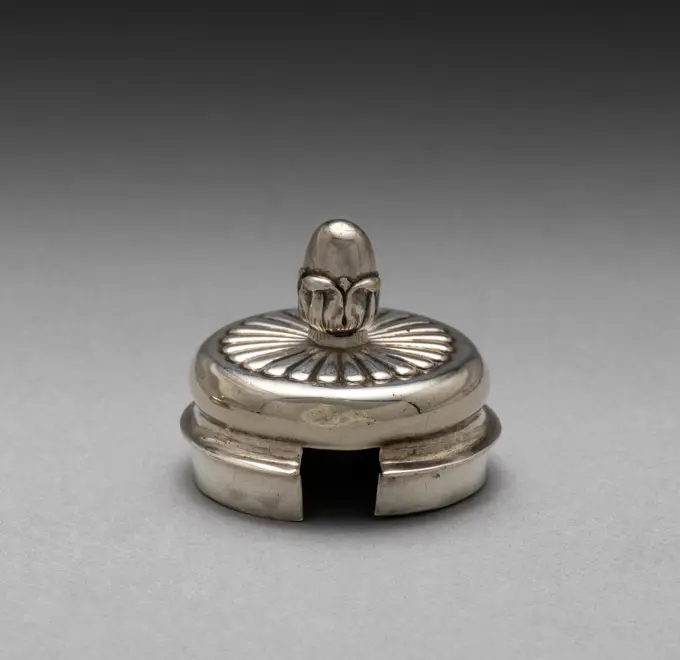
Collection of ornate metal pieces including escutcheons, tiebacks, and tsubas, showcasing intricate designs and craftsmanship.
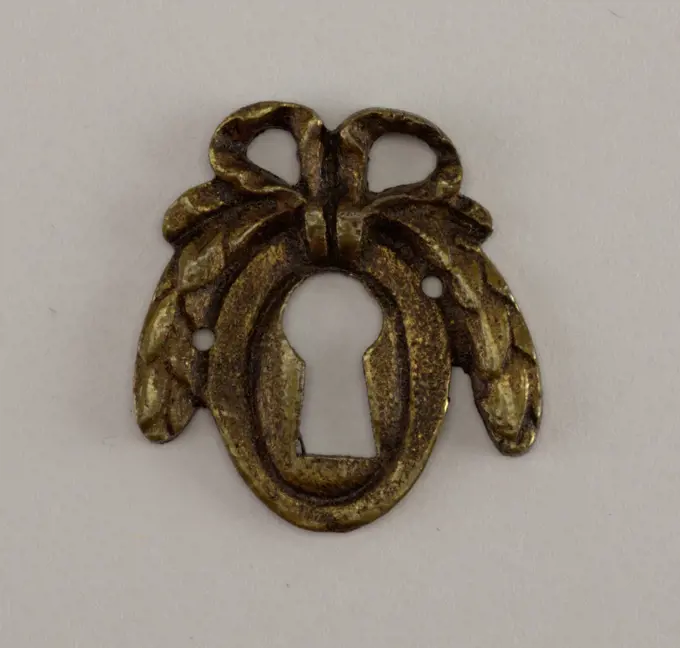
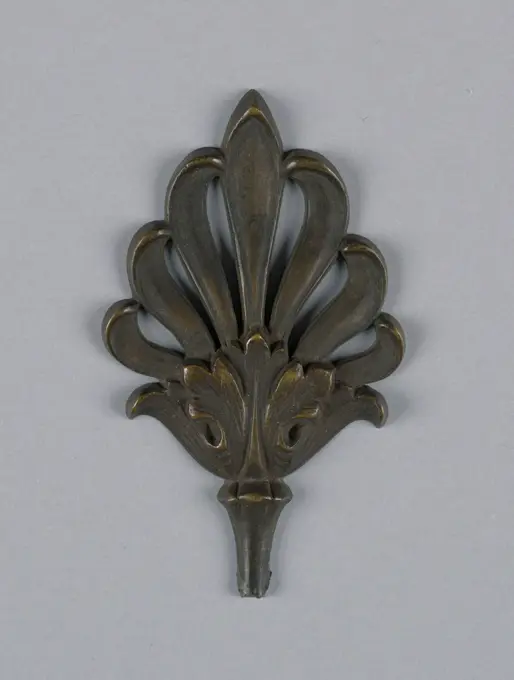
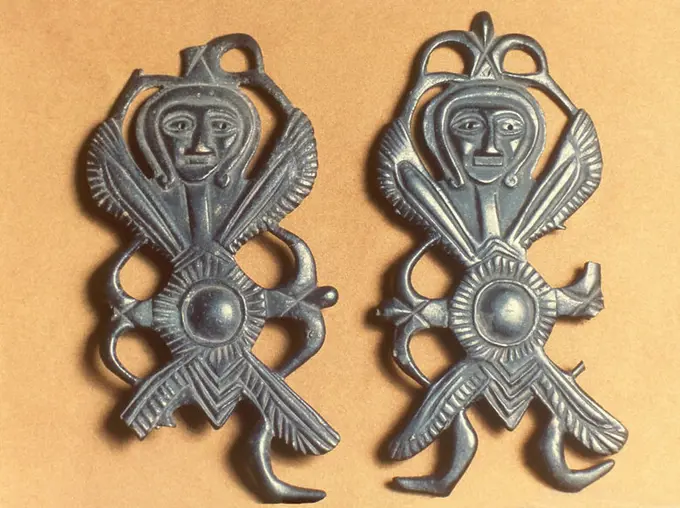
Escutcheon, Bronze, ca. 1785, metalwork, Decorative Arts, Escutcheon
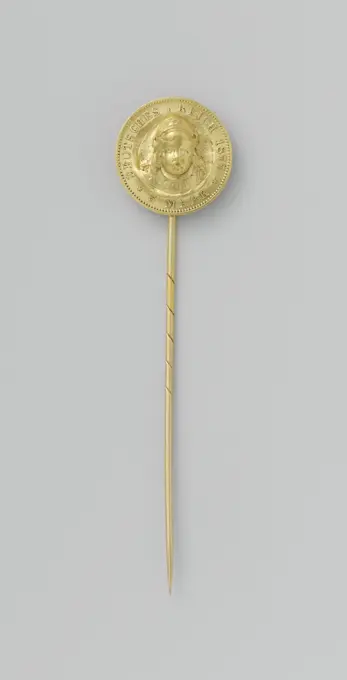
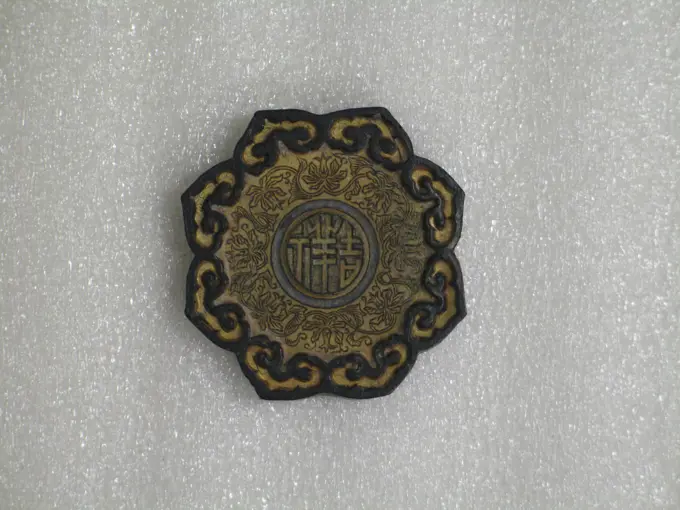
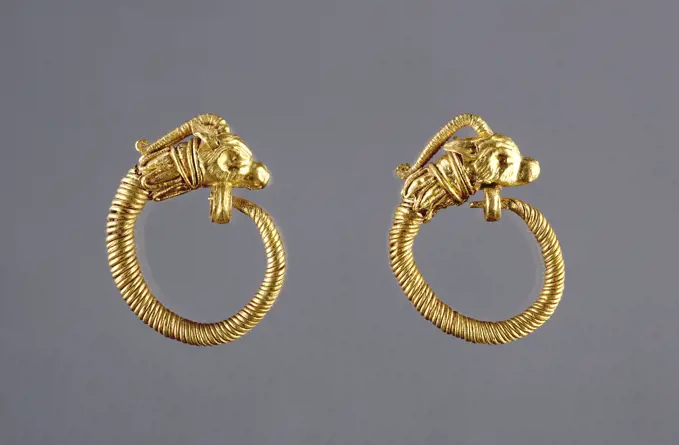
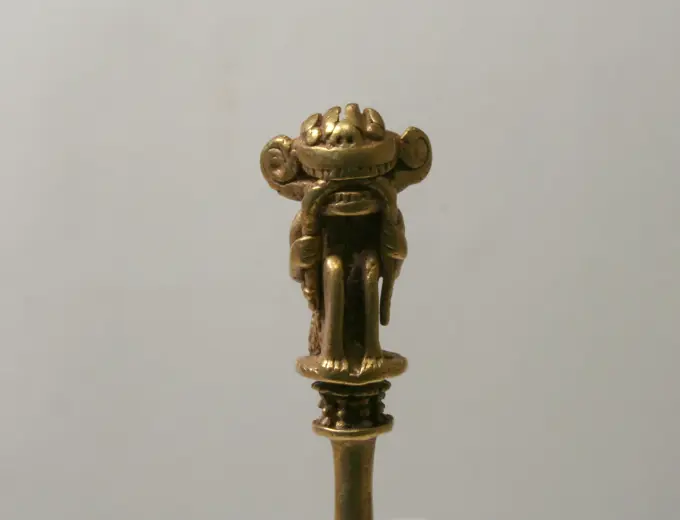
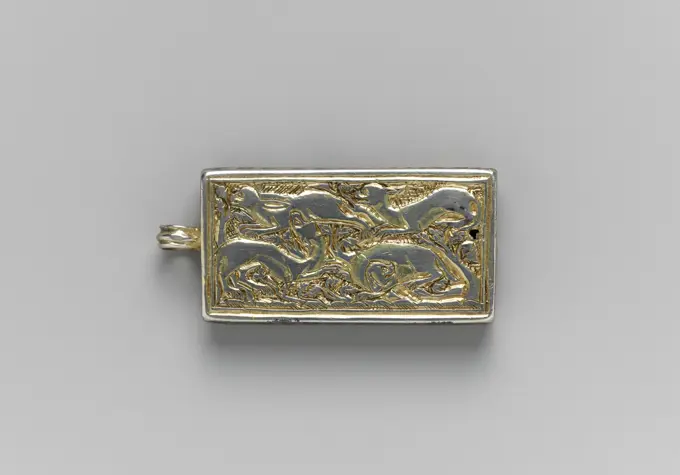
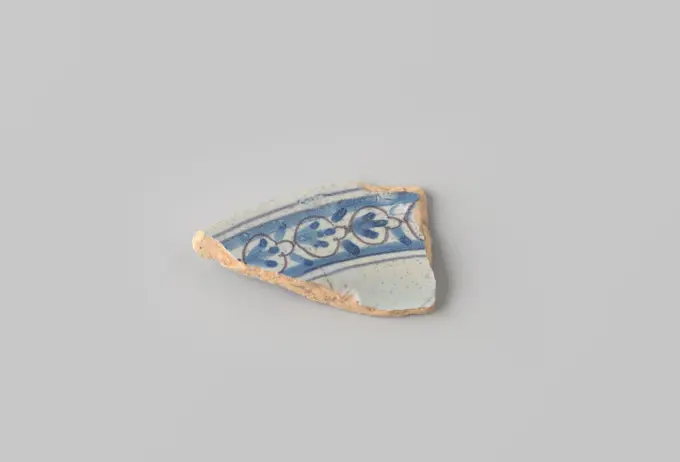
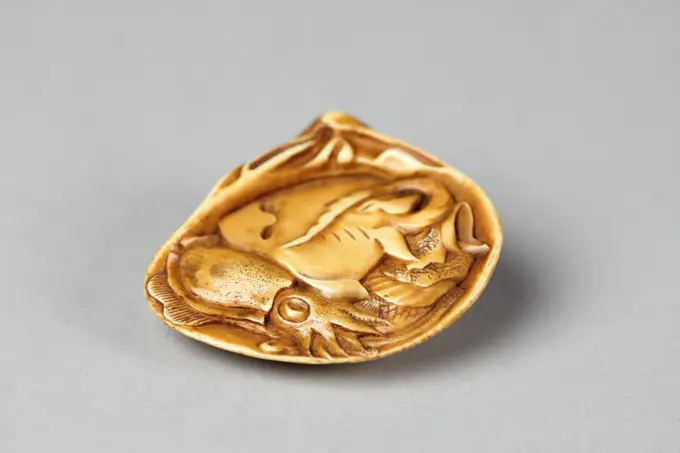
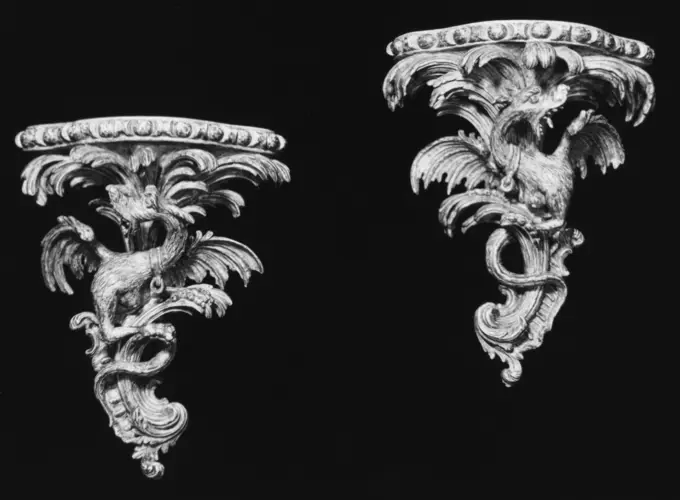
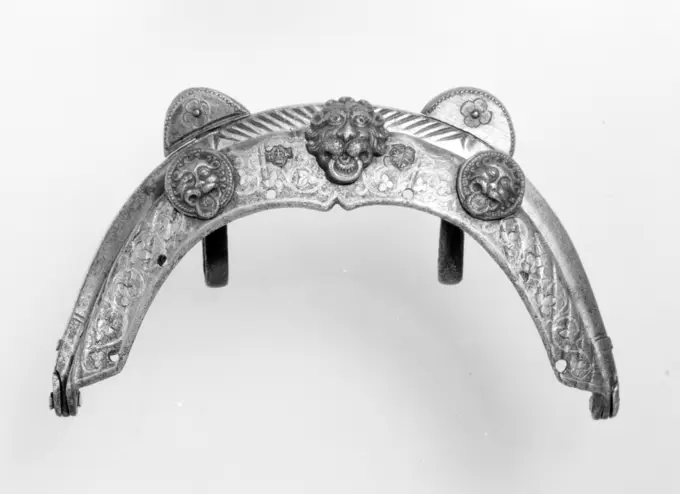
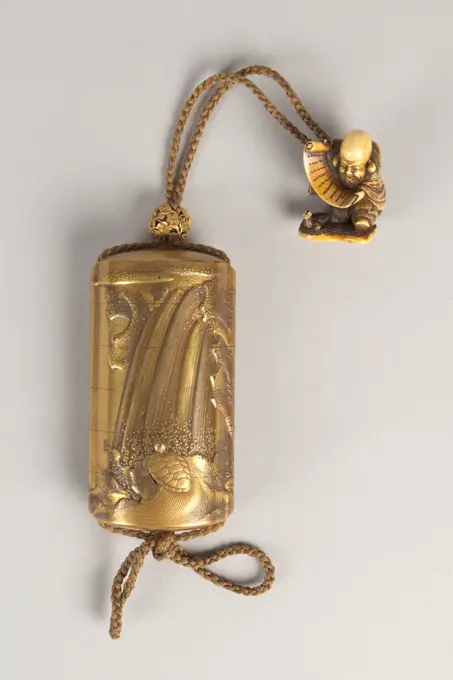
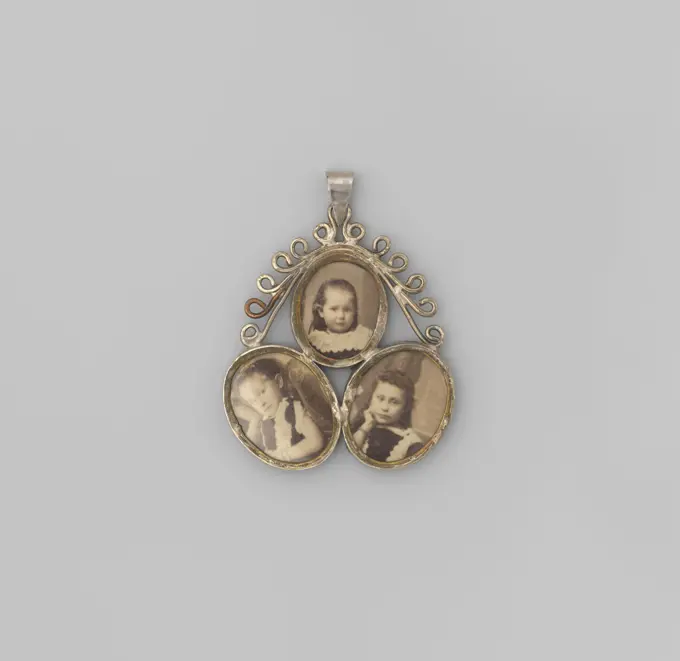
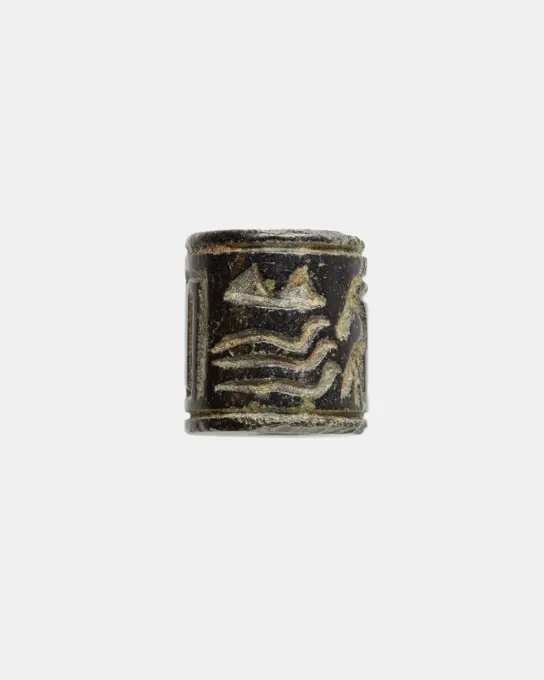
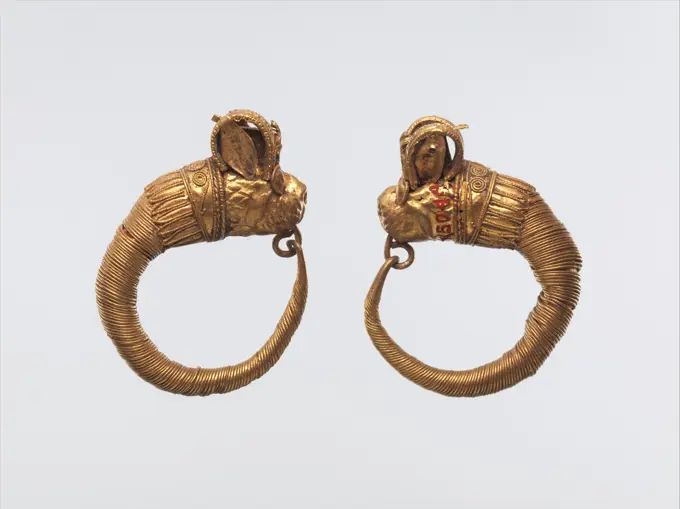
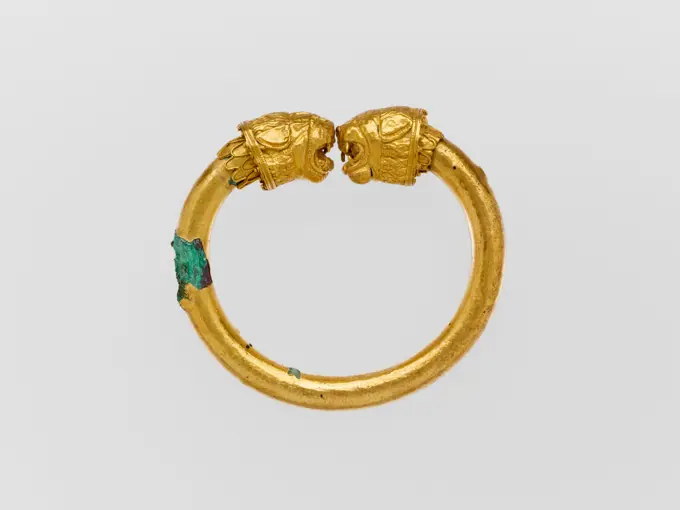
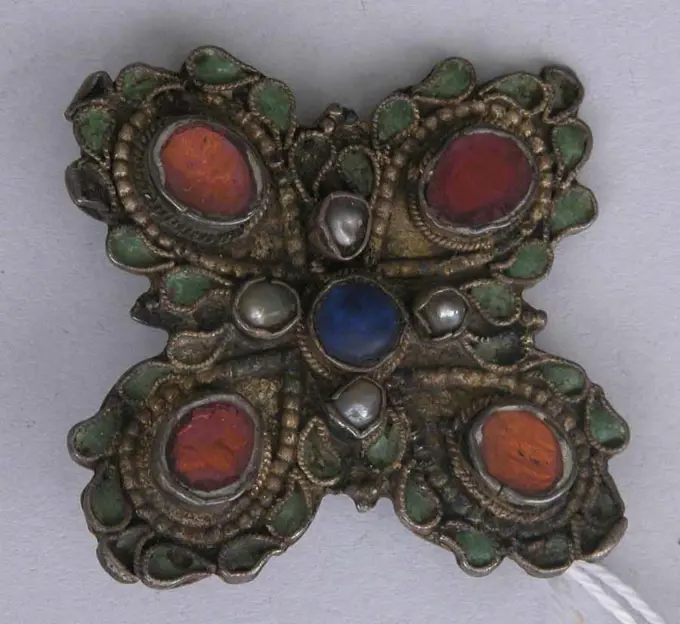
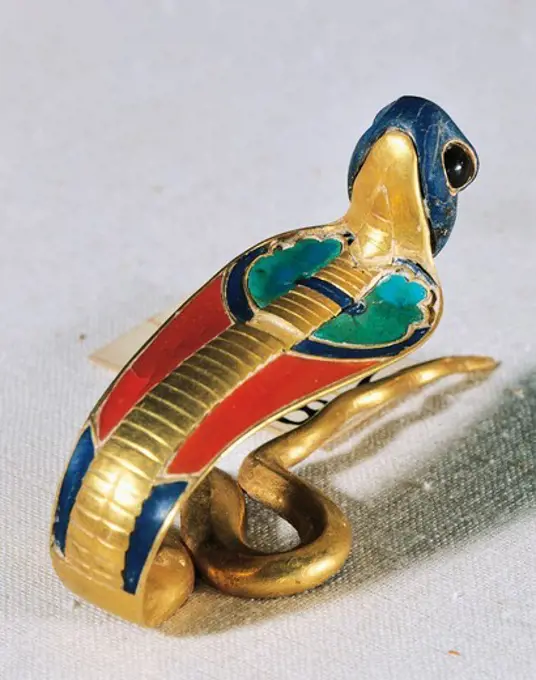
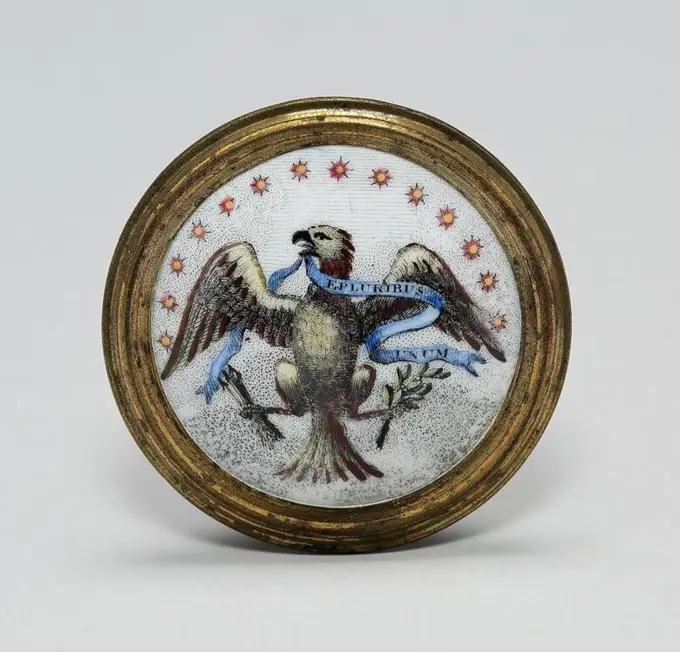
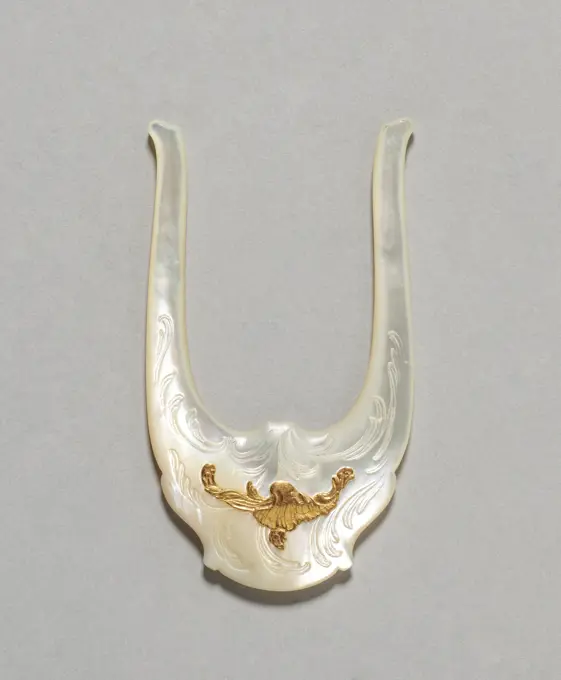
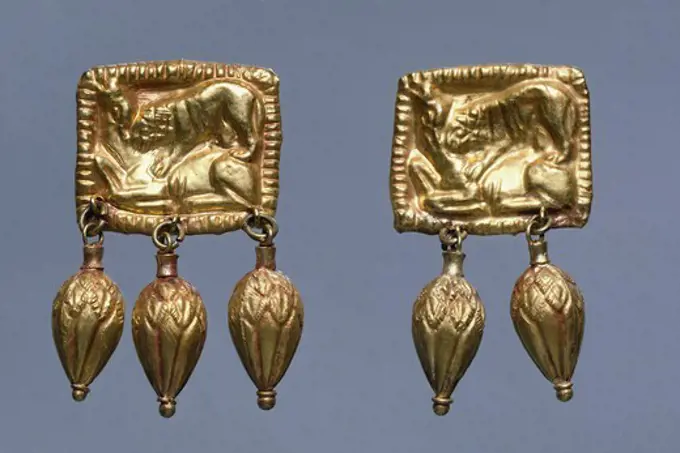
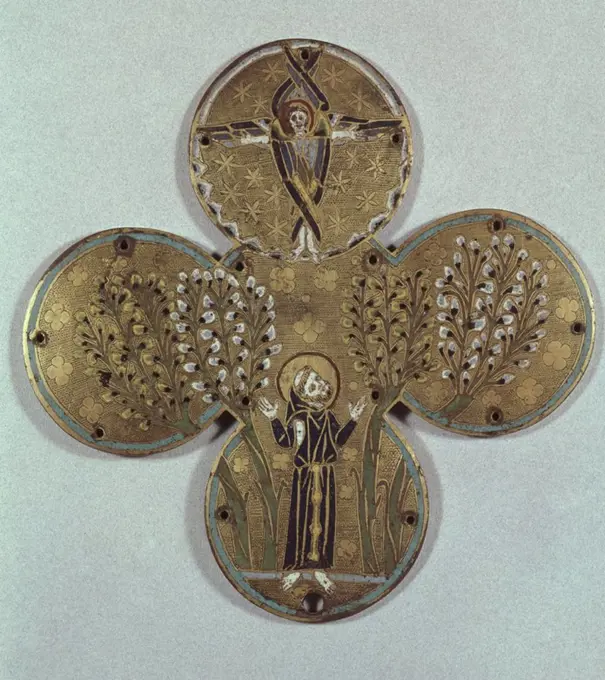
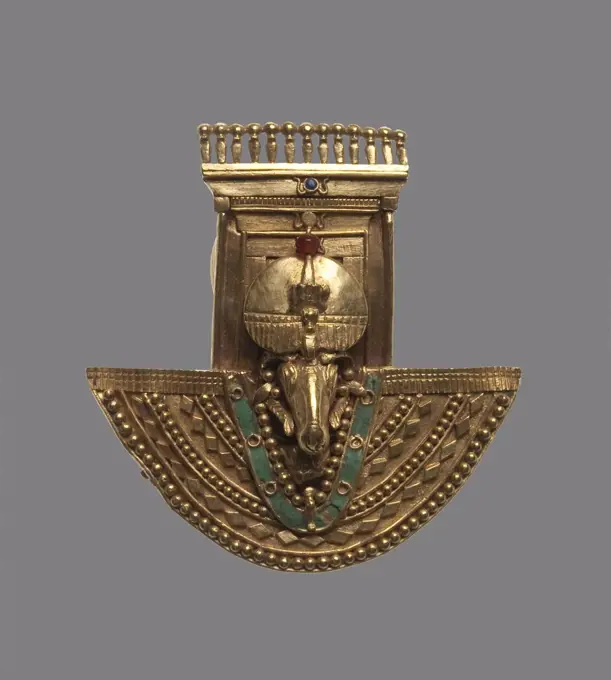
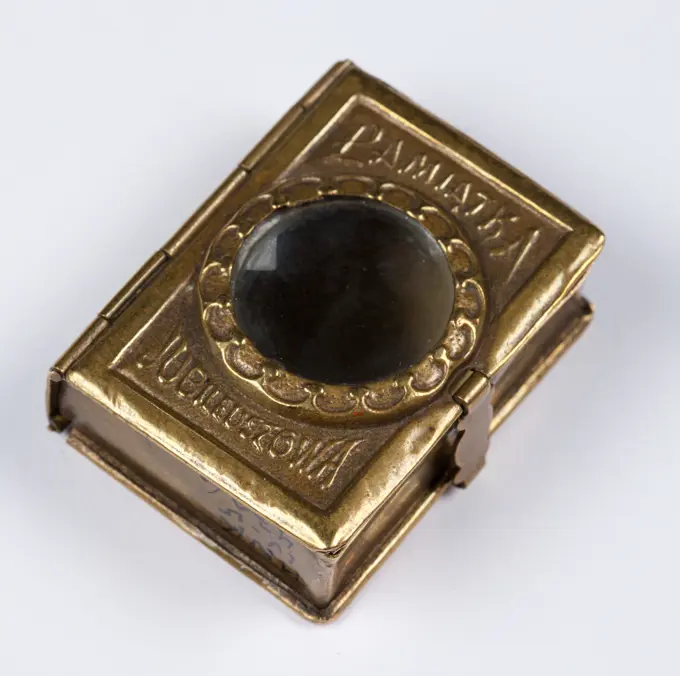
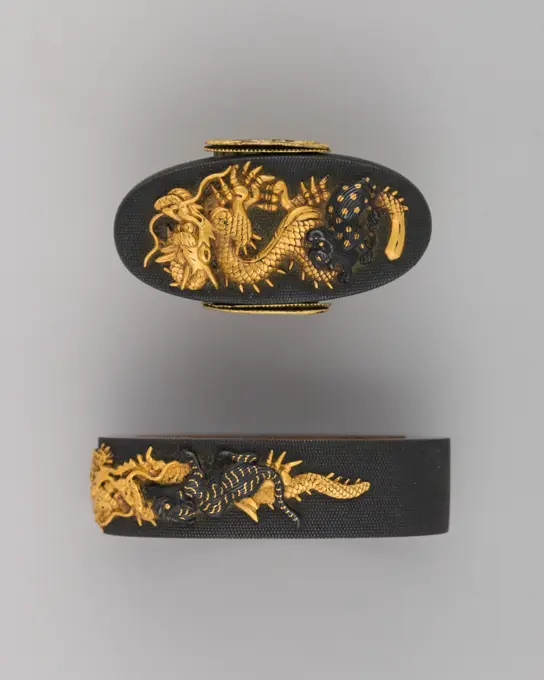
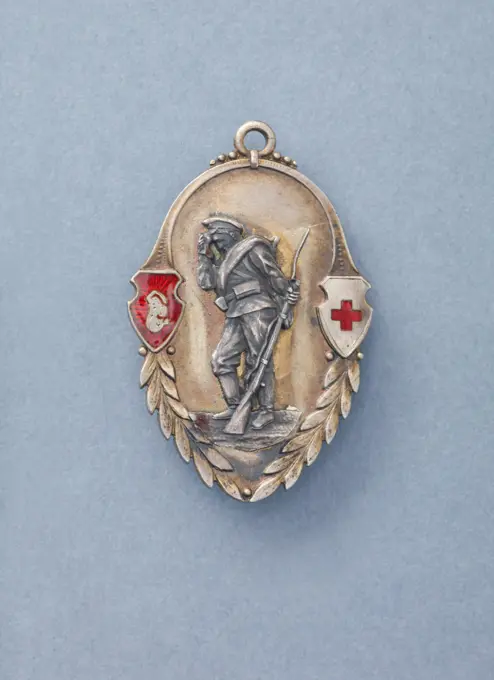
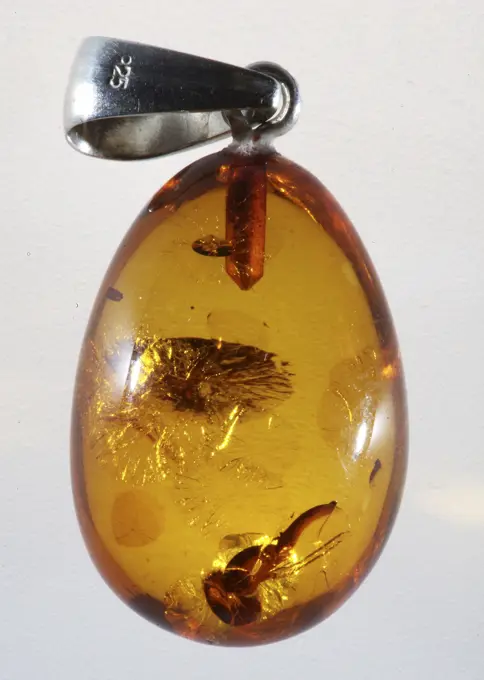
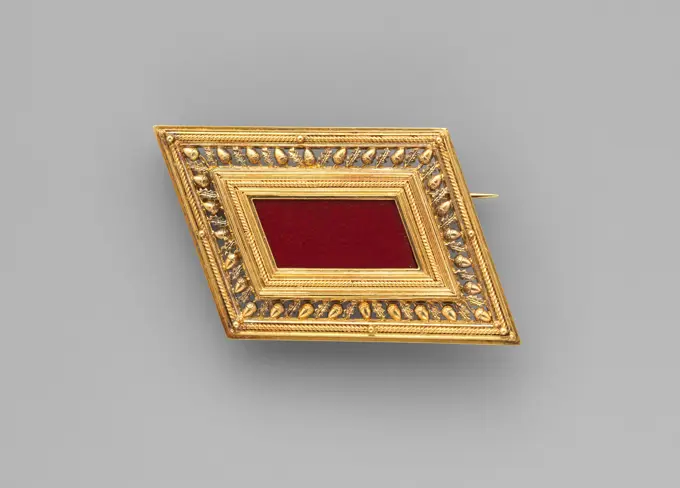
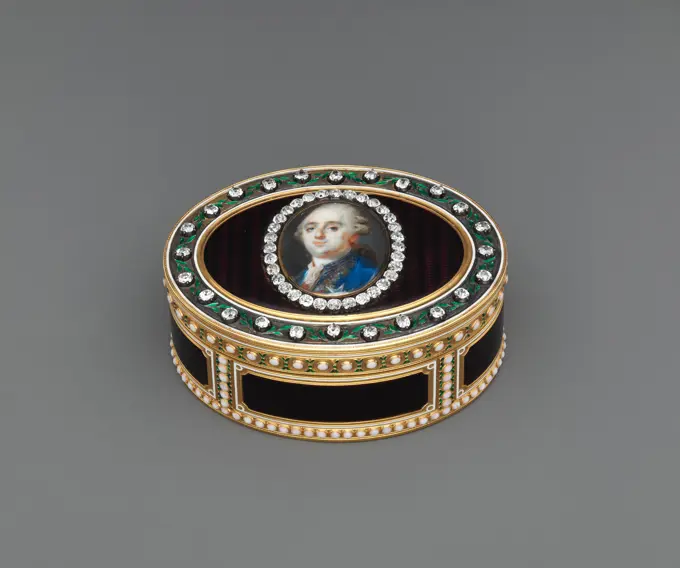
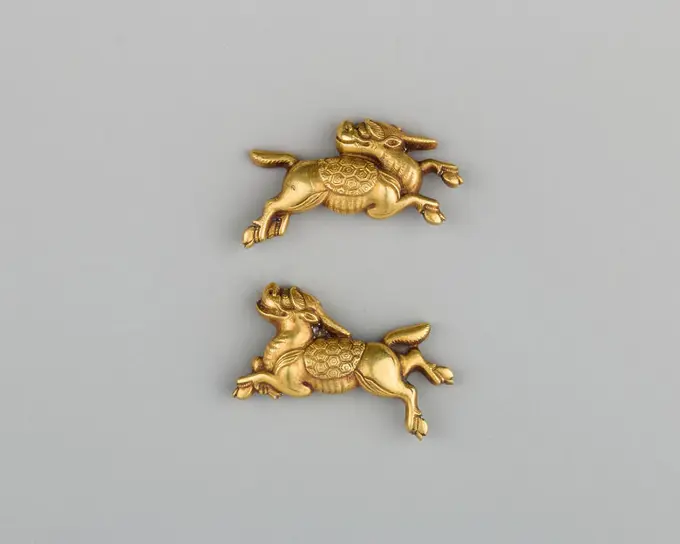
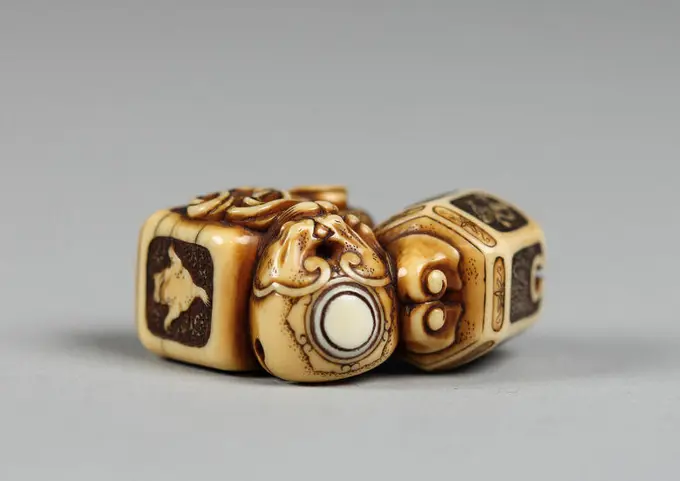
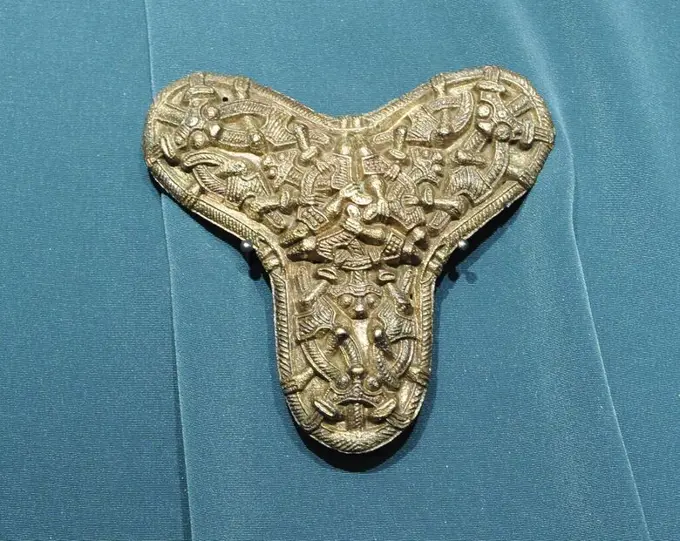
MountScarab ca. 1295-1070 B.C. New Kingdom, Ramesside. Scarab 550331Reverse pin with a children's head driven from a German currency, c. 1914 Revers pin, coin. The coin is a 5 mark piece from 1877 (Deutsche Reich). A portrait is driven in the coin. Not inspected and not signed. Netherlands gold (metal) Revers pin, coin. The coin is a 5 mark piece from 1877 (Deutsche Reich). A portrait is driven in the coin. Not inspected and not signed. Netherlands gold (metal)Bow Brooch 400-450 East Germanic This brooch is a luxury version of the kind worn by eastern Germanic women living along the Danube River in the 300s and 400s. It undoubtedly belonged to an aristocratic woman as part of a rich ensemble of gold jewelry consisting of armlets, rings, and collars with pendants.. Bow Brooch 468181MountLapis Pendant with Gold Mount Last quarter of the 10th-last quarter of the 15th century Indonesia (Java). Lapis Pendant with Gold Mount 50068Ink Tablet Workshop of Xiu Fangzhai Chinese. Ink Tablet 41790Ring. Dated: c. 1936. Dimensions: overall: 16 x 12.7 cm (6 5/16 x 5 in.). Medium: watercolor and graphite on paper. Museum: National Gallery of Art, Washington DC. Author: Kurt Melzer.Hoop Earrings with Antelope Head Finials; Alexandria, Egypt; 220 - 100 B.C; Gold; 2.2 cm (7,8 in.)Bird Bead, c. 900-1550. Colombia, Muisca style, 10th-16th century. Cast gold; Muisca metalwork divides into two categories: ornaments to be worn, such as these, and offering figurines, in the case to the right. The elaborate bird pendant features delicate herringbone moldings, openwork patterns, and wing details-all part of the wax model from which the pendant was cast (see nearby computer animation). The dangles were attached after casting.Pendant imitating a shell ca. 1981-1295 B.C. Middle Kingdom-Early New Kingdom. Pendant imitating a shell. ca. 1981-1295 B.C.. Gold. Middle Kingdom-Early New Kingdom. From Egypt, Memphite Region, Lisht North, Pit 754, MMA excavations, 1906-07. Dynasty 12-18Ornament 17th-19th century. Ornament 444675Lime Dipper or Pin, Monkey 1st-7th century Calima (Yotoco). Lime Dipper or Pin, Monkey 312750Reliquary Pendant with Hounds Coursing a Hare late 14th century German This reliquary pendant, which can easily fit in the palm of your hand, features gabled lancet windows on the front, and a lively engraving of hounds giving chase to a hare on the back. Precious and portable, wearable jewelry like this served as treasured talismans for their original owners. The inscriptions around the sides of the object reveal that the two windows on the front once framed relics of Saint Barbara and Saint George. Barbara offered protection to those who faced sudden and violent danger, especially from explosives or lightning, and George was especially venerated among soldiers, so the hunting theme of the back is less incongruous than it might first appear. Personal reliquaries like this, worn directly on the body, served as powerful amulets for medieval Christians.. Reliquary Pendant with Hounds Coursing a Hare. German. late 14th century. Silver, gilded silver, and niello. Made in Lower Rhineland, GRing, 1800s. India. Silver and enamel; diameter: 7 cm (2 3/4 in.).Sharf of rossy baking earthenware, with white glaze, with a painting of a decorative edge in blue, anonymous, 1600 - 1650  Northern Netherlands earthenware. glaze majolica  Northern Netherlands earthenware. glaze majolicaTelltale, anonymous, c. 1780 - c. 1792 miniature Letker with portrait of Hendrik Danielszoon Hooft, mayor of Amsterdam. Round object with a bulb glass, medium brown in color, and a gold -colored decorated edge. The glass has dark discoloration along the side. Almost central is a round clear place. In addition, a clear place formed by 3 stripes that come together in the middle. Paper and cello tape on the reverse side. If a heat source is kept behind the object, the portrait of a man becomes visible. Netherlands silver (metal). glass. wax  historical persons AmsterdamNetsuke of Shell 19th century Japan. Netsuke of Shell 59609Economic branch of the Hollandsche Maatschappij van Sciences, holding sign of the chairman of the meetings, Anonymous, 1778  One -sided silver carrier, consisting of openwork images of various instruments: anchor on as a wreath decorated bearing ring; In the middle of anchor: Parelkrans with inscription; Around this: Mercury Staff, Measuring rod, Hek, Hamer, Kick, scythe, spider skirts, Degen, Visnet, Hooivork, Blekerschop and Dommekracht Netherlands silver (metal) striking (metalworking) caduceus (staff with two snakes, attribute of Mercury). parts of ship's exterior: anchor HaarlemRing with Circular Bezel and "Sri" Inscription Second half of the 9th-first quarter of the 10th century Indonesia (Java). Ring with Circular Bezel and "Sri" Inscription. Indonesia (Java). Second half of the 9th-first quarter of the 10th century. Gold. late Central Javanese period. JewelryBadge with the coats of arms of Poland and LithuaniaTortoisePendantSet of Three Shrine Ornaments with Two Crocodiles (Makara) and a Serpent King (Nagaraja) 1501-1700 Nepal. Gilt copper worked in repoussÈ, with traces of red pigment .Pair of brackets ca. 1740 French. Pair of brackets 203897Purse frame 16th century German, Nuremberg. Purse frame. German, Nuremberg. 16th century. Steel. Metalwork-SteelArm Band with Man's Head first quarter of the 10th century Indonesia (Java) Listen to experts illuminate this artwork's story Listen Play or pause #8001. Arm Band with Man's Head Supported by Bloomberg Philanthropies We're sorry, the transcript for this audio track is not available at this time. We are working to make it available as soon as possible.. Arm Band with Man's Head. Indonesia (Java). first quarter of the 10th century. Gold. Central or Eastern Javanese period. MetalworkSalver 19th century Elkington & Co. British This electrotype is after a 1768-69 original in the Troisata monastery by master K.I. Elens. It belongs with 83.18.271.. Salver 186607Scarab. Dimensions: l.1.8 cm (11/16 in). Dynasty: Dynasty 12-18. Date: ca. 1981-1295 B.C.. Museum: Metropolitan Museum of Art, New York, USA.Clasp.  Maker: John Noyes, American, 1674-1749Pot (cover), 1817-18. England, 19th century.Intaglio with the Tail of a Sea Monster, 300s. Early Christian, 4th century. Rock crystal and gilt silver; overall: 5.1 x 2.8 x 0.7 cm (2 x 1 1/8 x 1/4 in.).Case (Inr) with Design of Tortoises on Rocks (obverse); Tortoises Swimming beneath a Waterfall (reverse) 19th century Japan. Case (Inr) with Design of Tortoises on Rocks (obverse); Tortoises Swimming beneath a Waterfall (reverse). Japan. 19th century. Lacquer, fundame, gold, silver and brown hiramakie, gold foil, kirigane; Interior: nashiji and fundame. Edo (1615-1868) or Meiji period (1868-1912). InrBrooch, 18th century AD, Tibet. Made of red and turquoise glass, set in a copper-gilt frame, it depicts animals in a landscape.Calendar Holder (France); fire-gilt bronzePortraits of three unknown children, Ch. Binger & Co., 1862 - 1882 locket. photograph   metal. paper. glass albumen print anonymous historical person portrayed. childBrooch with Pearls, gold, ruby, pearls, Circular, with stylized floral bouquet of pearls; ruby at center., Russia, ca. 1890, jewelry, Decorative Arts, brooch, broochCylinder seal ca. 2960-2770 B.C. Early Dynastic Period. Cylinder seal. ca. 2960-2770 B.C.. Steatite. Early Dynastic Period. From Egypt. Dynasty 1Scarab, 1980-1801 BC. Egypt, Middle Kingdom, late Dynasty 12. Gold; overall: 1.1 cm (7/16 in.).Earrings with lion-griffin terminal 4th-3rd century B.C. Ptolemaic Period Hoops formed of wound wire with animal head terminals are the commonest type of Hellenistic earring. The griffin is a mythical winged animal that could have an eagle head or a horned lion-head. The latter is the only sort found on Egyptian jewelry; it has been suggested that it was associated with the Macedonian dynasty, while the eagle griffin was associated with the Achamenid Persians.The 'collar' behind the lion-griffin's head is decorated with filagree and beaded wire.. Earrings with lion-griffin terminal 551778Pair of Earrings and Two Hair Ornaments, anonymous, c. 1750 Hair jewelry (Sisphul) of gold in the form of a rosette. Inlaid with red and green stones and diamond splinters, lined by an edge of pearls. Surat gold (metal). diamond (mineral). pearl Hair jewelry (Sisphul) of gold in the form of a rosette. Inlaid with red and green stones and diamond splinters, lined by an edge of pearls. Surat gold (metal). diamond (mineral). pearlGold and copper alloy bracelet with lion-head finials 5th century B.C. Cypriot With heads of lions on the ends.. Gold and copper alloy bracelet with lion-head finials. Cypriot. 5th century B.C.. Gold, copper alloy. Classical. Gold and SilverPin 18th century. Pin 447023Ring Wiatrowicz, Jerzy (Georgius)Pair of Weighted Fasteners 8th-early 10th century Indonesia (Java). Pair of Weighted Fasteners 49719Gold and lapis lazuli Uraeus of Sesostris II from El-Lahun, Middle Kingdom, Dynasty XIIDevotional pendant late 16th century Italian, Lombardy or possibly the Veneto. Devotional pendant 460808Scarab Finger Ring with the Names of Thutmose III and Hatshepsut. Dimensions: Diam. 2.5 cm (1 in.); l. of scarab 1.5 cm (9/16 in.). Dynasty: Dynasty 18. Reign: Joint reign of Hatshepsut and Thutmose III. Date: ca. 1479-1458 B.C..The scarab set in this ring is inscribed with the cartouches of Hatshepsut and Thutmose III. Museum: Metropolitan Museum of Art, New York, USA.Bliżej Kultury unknownWinged female, Unger Brothers, Silver, Oblong, with rounded corners, vertical sides curved, featuring winged, nude female: she is poised, legs slightly bent, on lily pads, framed by flower and leafy tendrils. Her hair flows beneath her waist, wings resemble dragonfly's wings, two insect-like antennae on top of her head. Reverse surface has undulating curves but is undecorated. Lid hinged on side. Striker recessed into bottom., ca. 1904, containers, Decorative Arts, Matchsafe, MatchsafeCloak Pin (Knob or Tieback). Probably Birmingham, England. Date: 1791. Dimensions: Diam. 4.8 cm (1 7/8 in.). Transfer printed and polychrome enamels on copper, brass and iron. Origin: England. Museum: The Chicago Art Institute, Chicago, USA.Lucet from a Sewing Box (Nécessaire), c. 1765. Austria, Vienna(), 18th century. Gold and mother-of-pearl;Gold plates for headgear, Goldsmith art. Scythian Civilization, 4th Century BC.Engraved Scaraboid with Charging Bull. UnknownMountSAN FRANCISCO DE ASIS RECIBIENDO LOS ESTIGMAS - 1230 - ESMALTE. Author: ANONYMOUS. Location: MUSEO CLUNY. France.Vehicle with Simson destroyed the temple. Vehicle of gold and email. This collapses the representation of Simson who collapses the walls of the Temple of Dagon.Bliżej Kultury unknownEagle miniature stylized as the Jagiellonian EagleLittle white metal bird house made of meta in handlLozenge-Shaped Plaques. UnknownGold and Garnet Disc Brooch 300 A.D. From KerchDecoration Coupling plate Schutterij Sint Joris in Dordrecht, Anonymous, 1784 history medal Silver Insigne.  silver (metal)Pair of Sword-Grip Ornaments (Menuki). Culture: Japanese. Dimensions: L. of each 1 7/16 in. (3.7 cm); Wt. of each 0.3 oz. (8.5 g). Date: 18th century. Museum: Metropolitan Museum of Art, New York, USA.Shield Ring with Ram's Head. From the gold treasure of Amanishakheto, from her pyramid in Meroe, Art of the Kingdom of Kush  Funerary FaceCoverA case for the jubilee edition of Adam Mickiewicz's poetry Szolc, M.Buckle Medallion (part of buckle) 1775-1799 Burslem. Stoneware (jasperware) . Wedgwood Manufactory (Manufacturer)Sword-Hilt Collar and Pommel (Fuchigashira) 19th century Japanese A fuchigashira is a pair of matching sword fittings comprising the fuchi (collar at the base of the grip of the sword hilt) and kashira (pommel cap at the end of a sword hilt).. Sword-Hilt Collar and Pommel (Fuchigashira). Japanese. 19th century. Copper-gold alloy (shakud), gold. Sword Furniture-Fuchi-KashiraSugar bowlBrooch.  Manufacturer: Pennino Brothers, American, 1926-1966Pair of Earrings with Colored Stones 8th-12th century Indonesia (Central Java). Pair of Earrings with Colored Stones 64356Symbols of the Four Evangelists. Created from engraved silver and translucent enamels. Dated 15th CenturyPlum of multi -colored Faïence, Anonymous, c. 1750 - c. 1775 Faïence art fruit, representing a plum. Multicolored painted. Delft . Faïence art fruit, representing a plum. Multicolored painted. Delft .Earring with nail head pendant, 12 Cypriot 6th century BCECommemorative Badge of the Warsaw Association of the Polish Sanitary Assistance Committee after Z. dealerLotusFlowerPatriotic pendant with the image of the eagleBaltic amber, from Russia's Kaliningrad Region. (MR)BRONCES VOTIVOS PROCEDENTES DEL BERRUECO (SALAMANCA). TANIT DIOSA PUNICA. ASTARTE DIOSA.RingBrooch before 1896 Carlo Giuliano Italian This object and the group to which it belongs (see also 2014.713.1-.10) reflect the keen interest in historical styles in nineteenth-century Europe. Artists and designers looked to various artistic periods for forms and motifs. There was also an interest in reproducing works of art from earlier epochs with historical accuracyan approach that is particularly evident in the taste for so-called archaeological jewelry (jewelry based on excavated examples from antiquity), which reached its zenith in the middle of the century.The jewelry made during this period encompassed Etruscan, ancient Roman, early Christian, Byzantine, and medieval styles. The firm of Castellani in Rome both pioneered and dominated the production of archaeological jewelry. Founded by Fortunato Pio Castellani in 1814, the company was run by three generations of the family before closing in 1927. Castellani jewelry achieved enormous popularity in the highest circles of European Armguard withLionSnuffbox with portrait of Louis XVI (1754-1793), King of France 1779-80 Joseph Etienne Blerzy French In eighteenth-century Europe, Paris led the production of high-quality luxury goods. Parisian goldsmiths made a wide range of small, personal articles such as snuffboxes; étuis to hold sealing wax, tweezers, or utensils for sewing; souvenirs, which contained thin ivory tablets for note taking; and shuttles for knotting lace. Gold snuffboxes and boxes decorated with portrait miniatures were prized and frequently given as royal gifts, often to ambassadors or members of the court in lieu of cash payments for their services. Coveted and admired, these boxes were produced from a variety of materials. The best were skillfully made of gold and embellished with diamonds, enameled decoration, lacquer, and other luxurious materials. By the middle of the century, the taking of snuff had become an entrenched social ritual, and the snuffbox, too, had become an important social prop. Snuffboxes were Ear Clip Second half of the 8th-second half of the 10th century Indonesia (Java). Ear Clip 50005Pair of Sword-Grip Ornaments (Menuki). Culture: Japanese. Dimensions: Menuki (a); L. 1 1/8 in. (2.9 cm); Wt. 0.2 oz. (5.7 g); menuki (b); L. 1 1/8 in. (2.9 cm); Wt. 0.3 oz. (8.5 g). Date: 18th century. Museum: Metropolitan Museum of Art, New York, USA.Netsuke of Four Bells. Culture: Japan. Dimensions: H. 1 1/4 in. (3.2 cm); W. 1 3/4 in. (4.4 cm); D. 3/4 in. (1.9 cm). Date: 18th-19th century. Museum: Metropolitan Museum of Art, New York, USA.StudFrench 15th Century, Morse with the Trinity, c 1400 1410 (Trinity and Angels); 1884 1897 (setting) French 15th Century (setting western European late 19th Century), Morse with the Trinity, , c. 1400/1410 (Trinity and Angels); 1884/1897 (setting), gold, enamel, and pearls, Widener CollectionSnuifdoos met Rococo-ornamenten, anonymous, 1825 - in or before 1878 box Gold snuff box, with rococo ornaments. Marked. Neuchâtel gold (metal)StampRingScandinavia. Viking Age. The Borre Style. Trefoil Brooch. Unknown. 10th century. Historical Museum. Oslo. Norway.Cuff link, Theodore W. Foster & Bro. Co., Gold, Relief ornament of a lion and lioness, Providence, Rhode Island, USA, 19th century, jewelry, Decorative Arts, Cuff link"Cymric" lines Button; Attributed to Archibald Knox (British, 1864 - 1933); Distributed by Liberty & Company (United Kingdom); England; silver, enamel; Diameter: 2.4 cm (15/16 in.)Hand holding a retro styled golden color decorative keyCarnelian oval set in a gold ring late 1st century B.C. Greek Nike with flower. Carnelian oval set in a gold ring. Greek. late 1st century B.C.. Carnelian, gold. Hellenistic. GemsCommemorative ring