Decorative Metal Mounts

Elegant decorative metal mounts and pomander pieces, featuring intricate designs and craftsmanship from the 17th and 18th centuries.

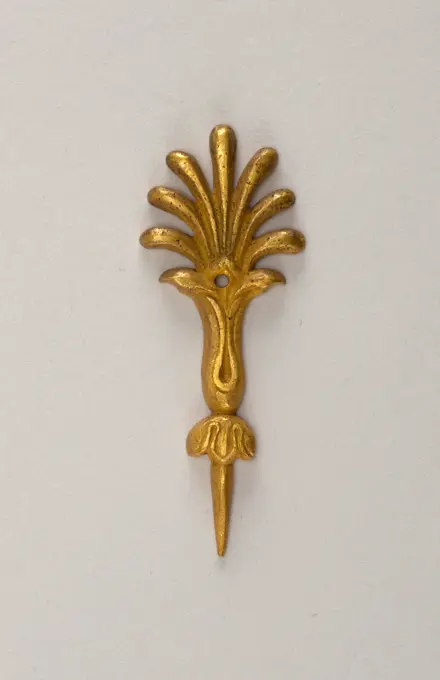
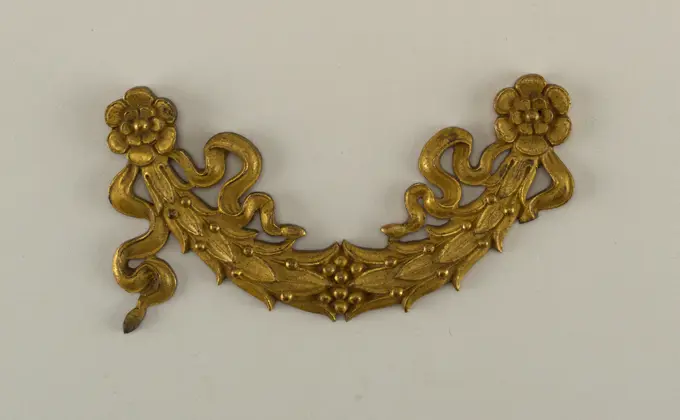
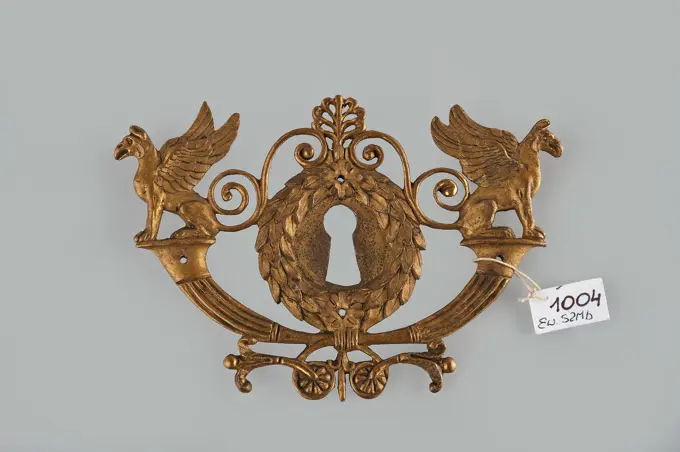
Mount (France); gilt bronze.
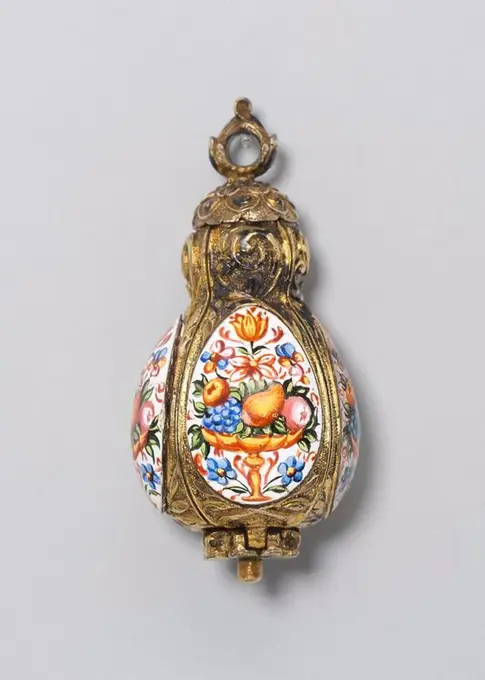
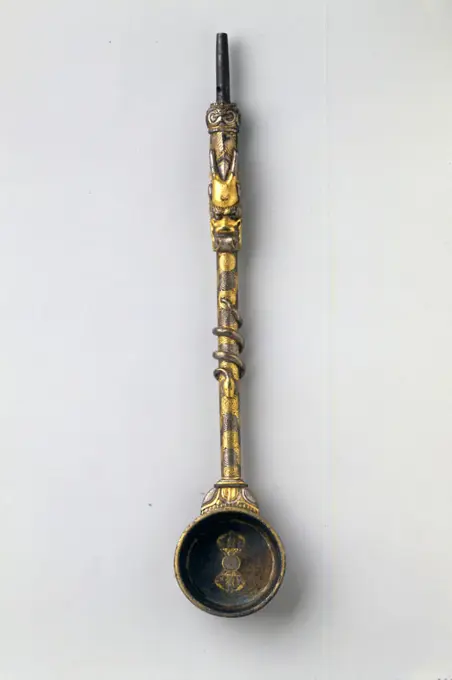
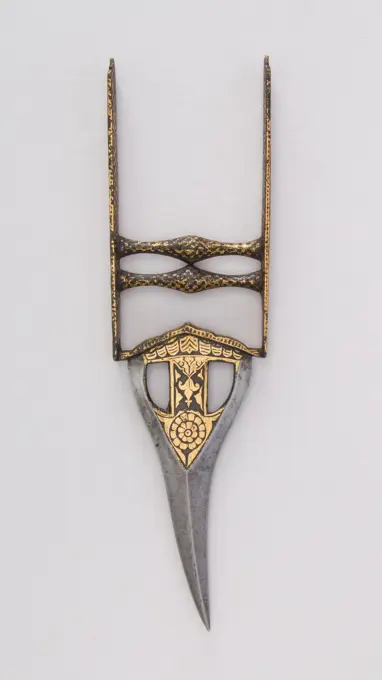
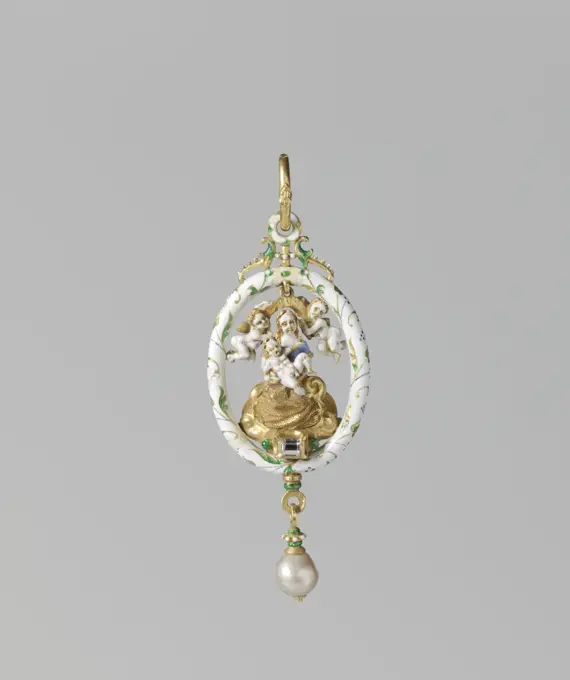
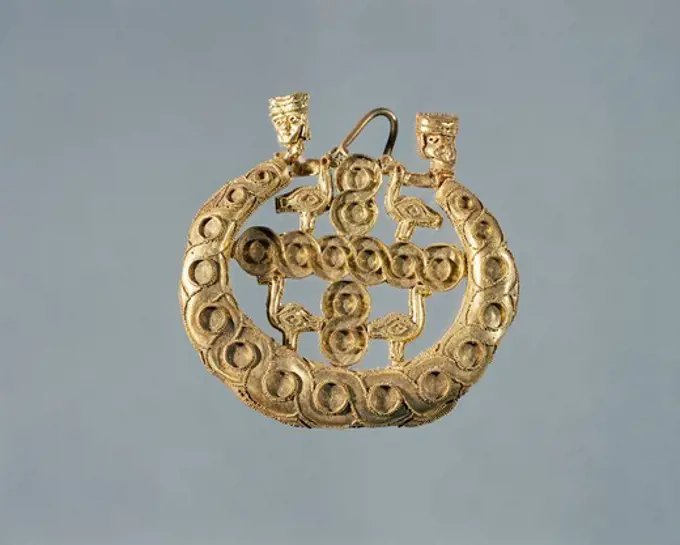
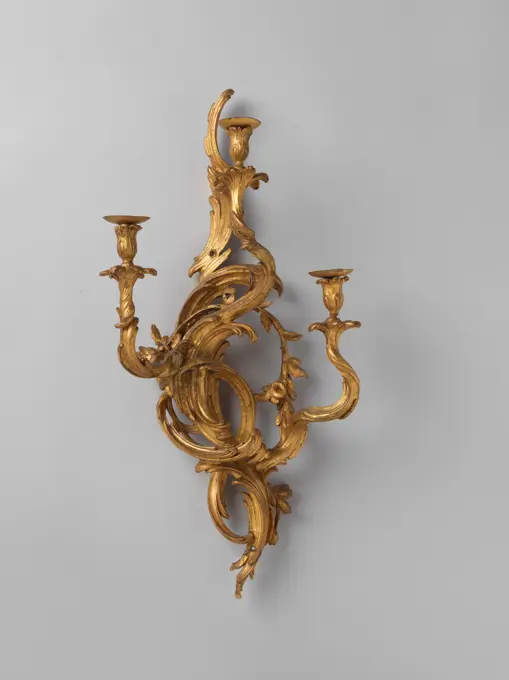
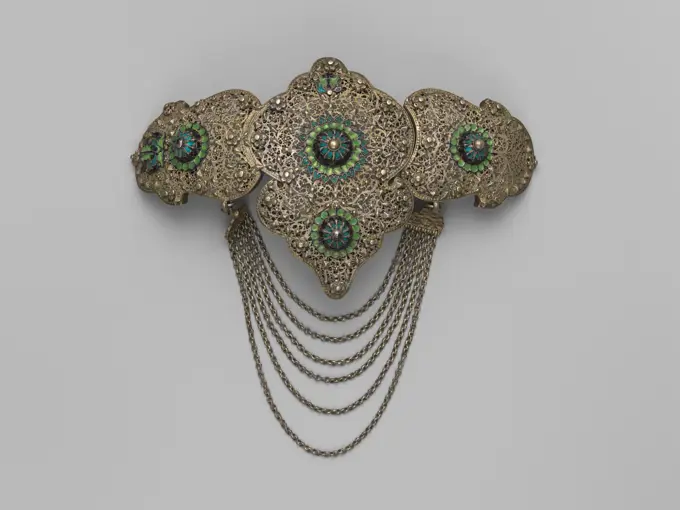
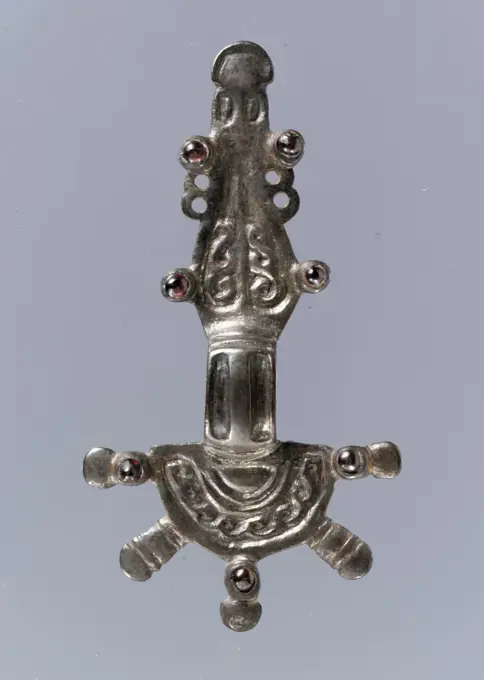
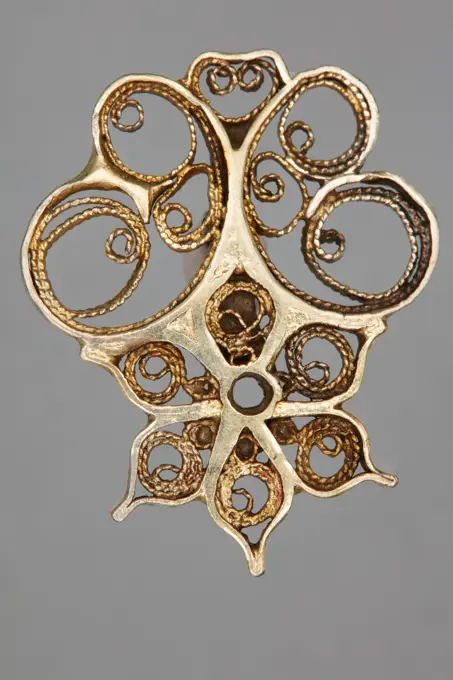
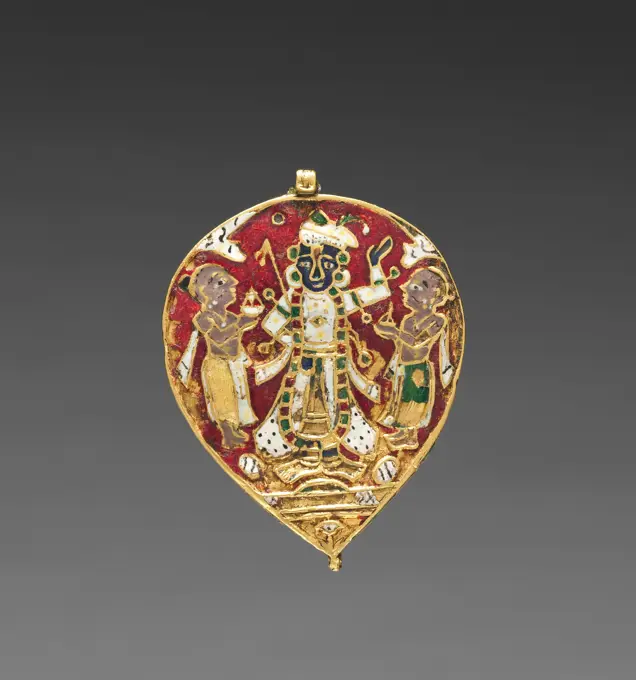
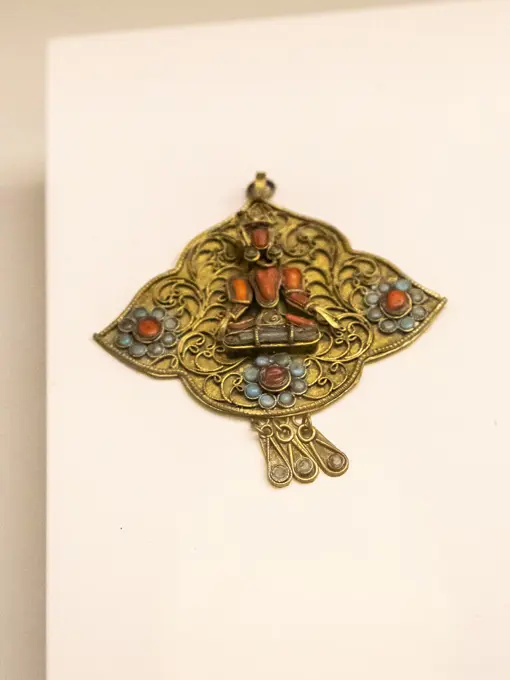
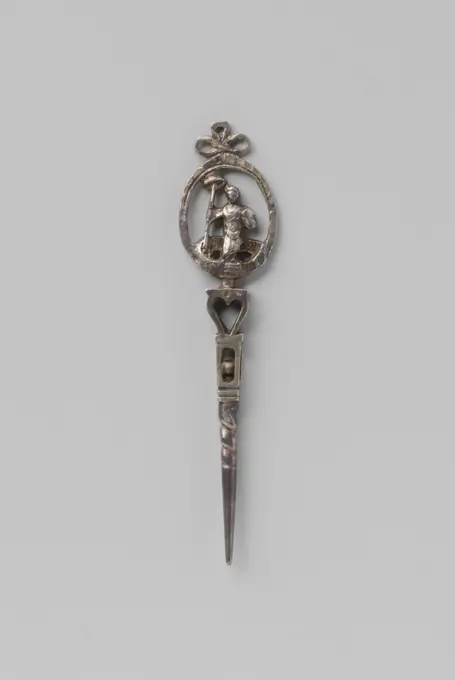
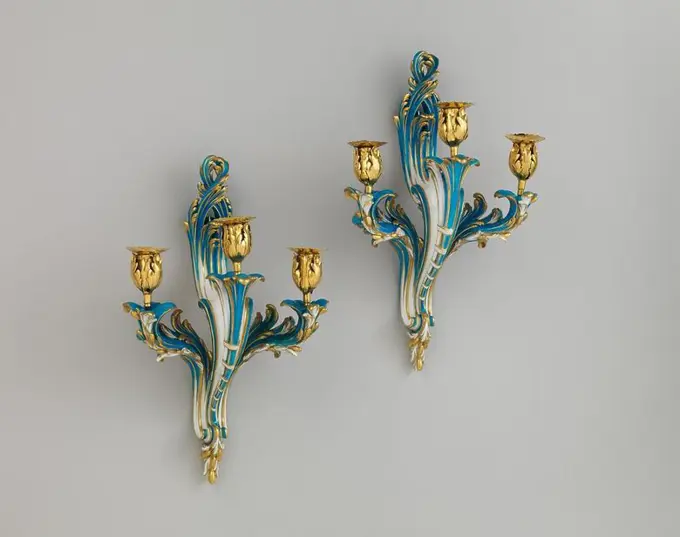
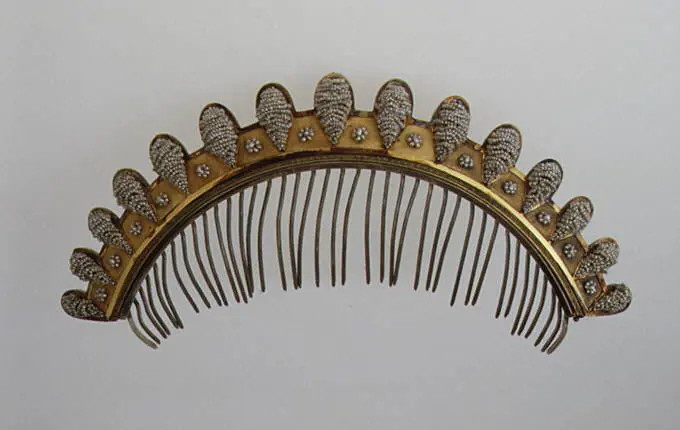
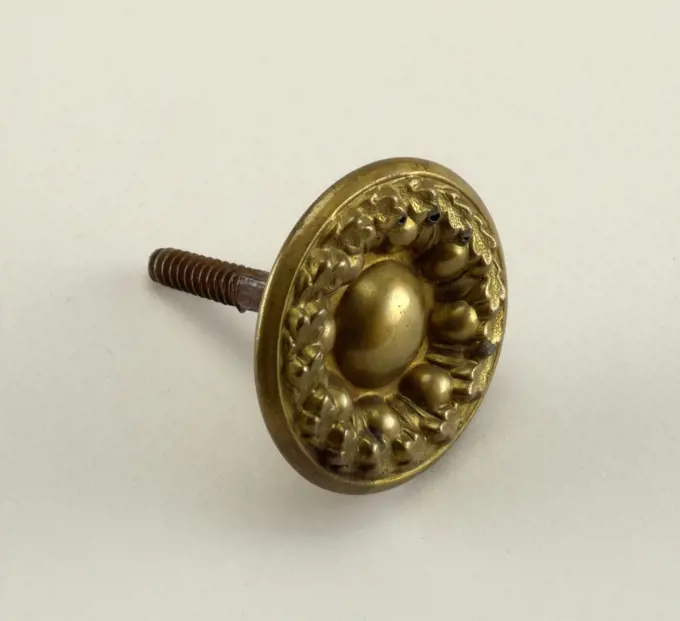
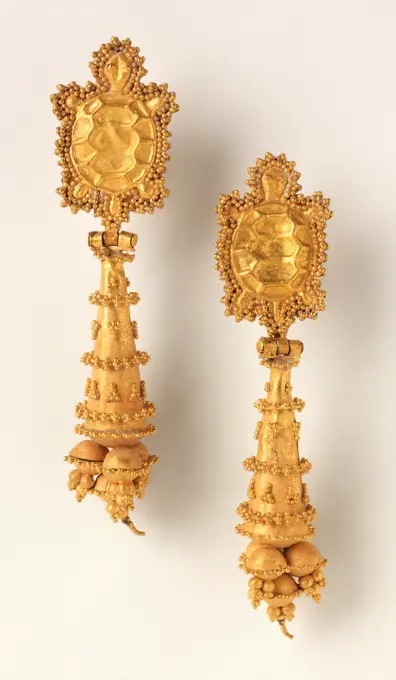
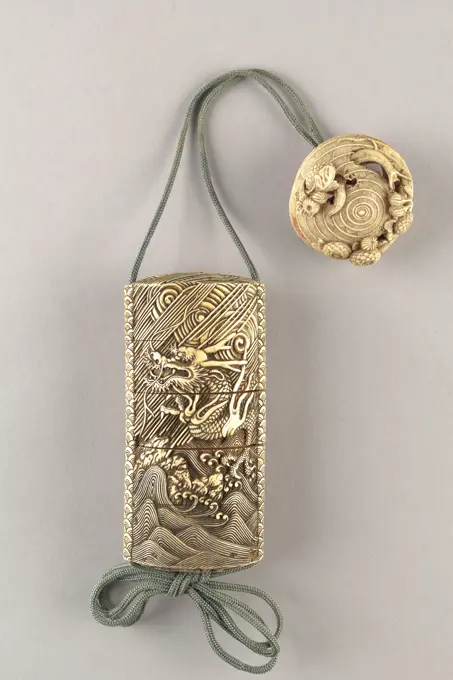
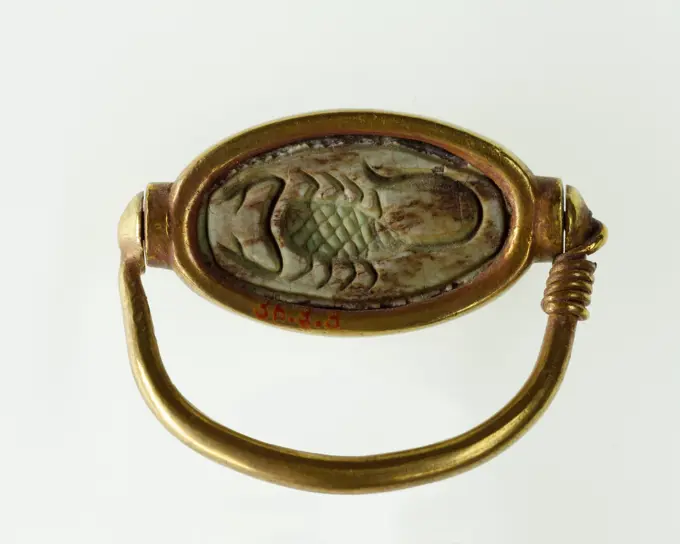
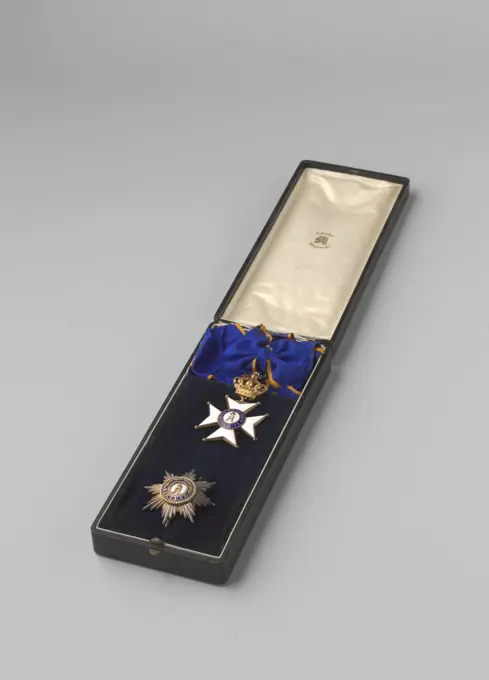
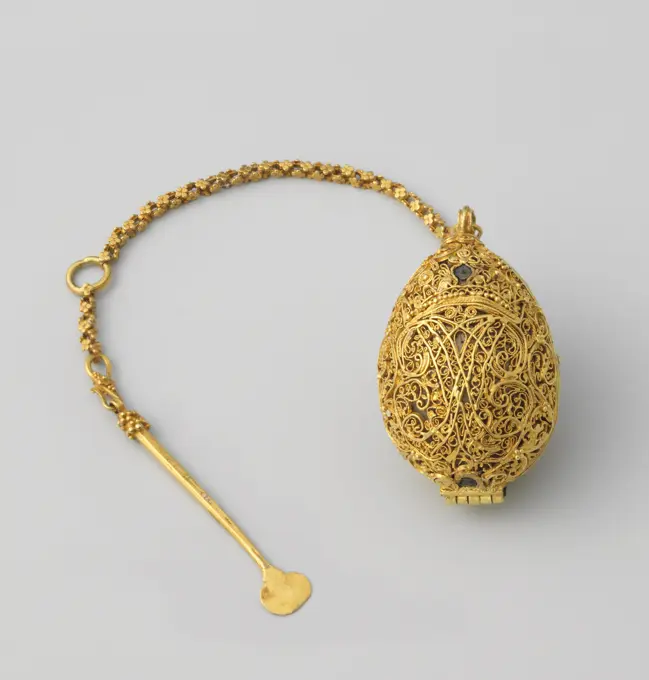
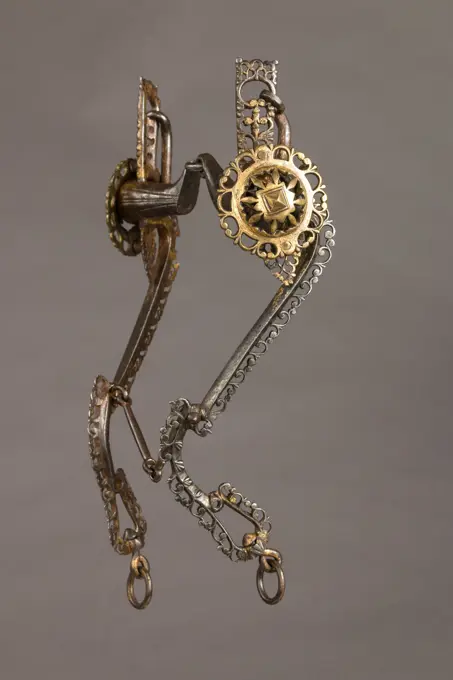
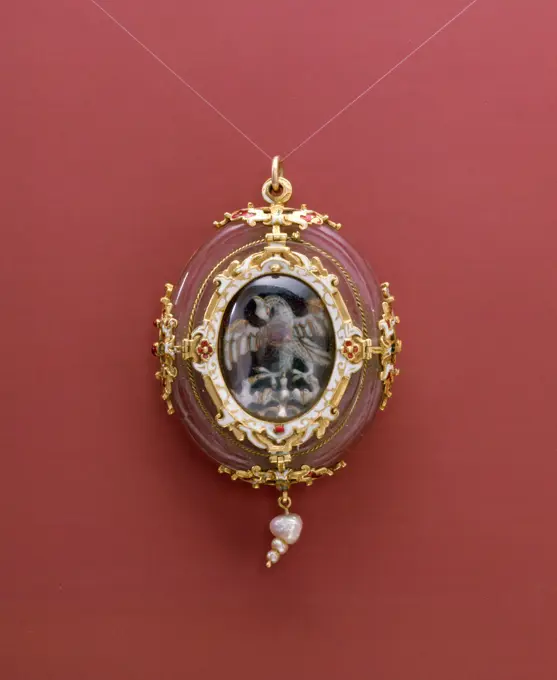
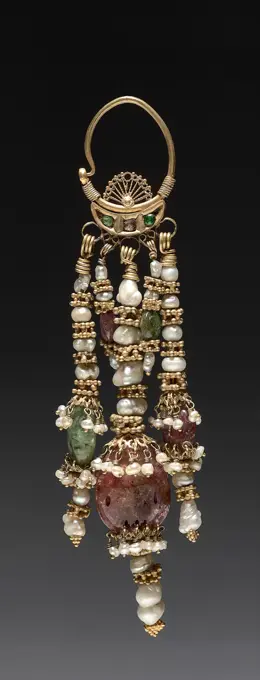
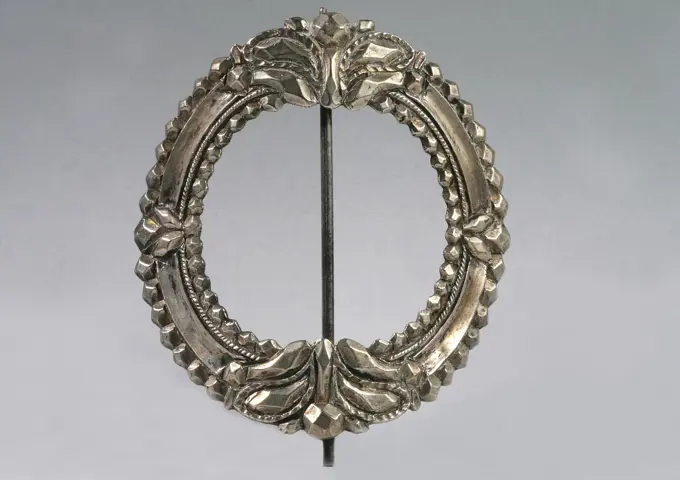
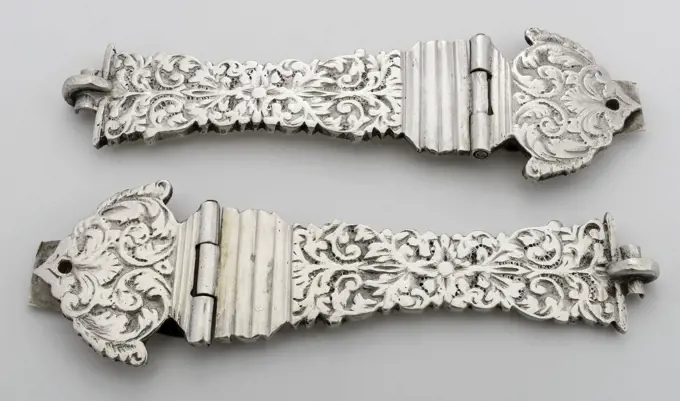
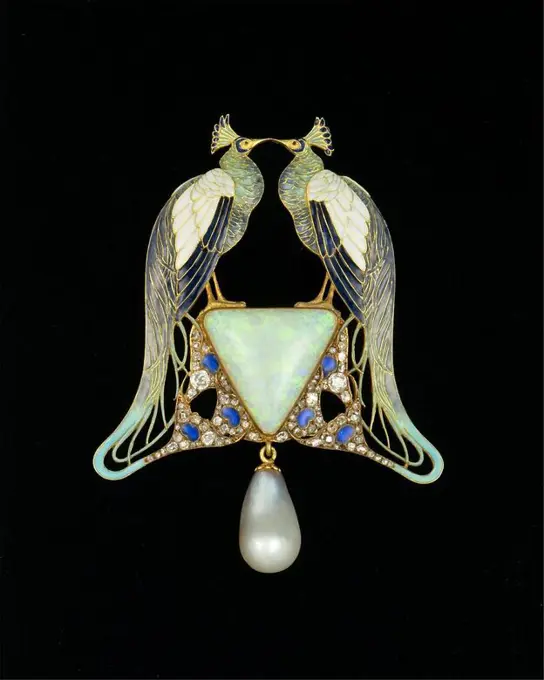
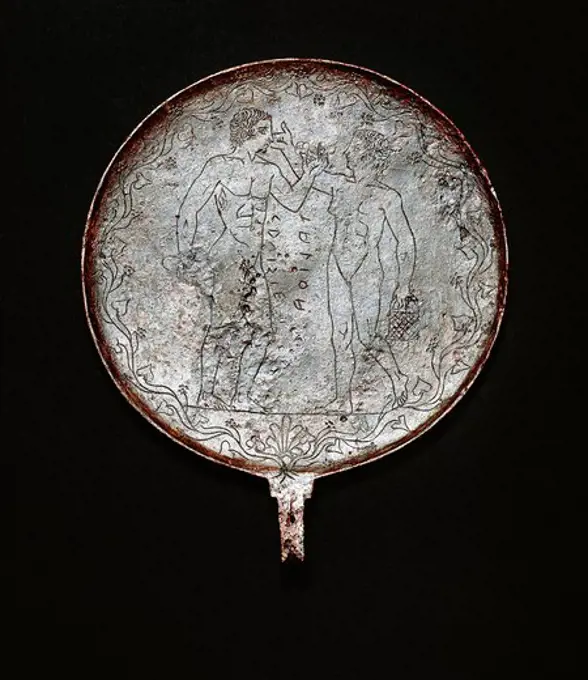
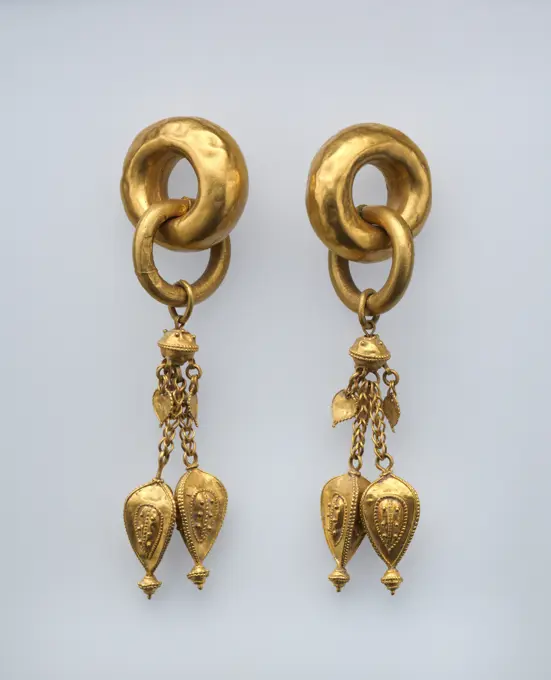
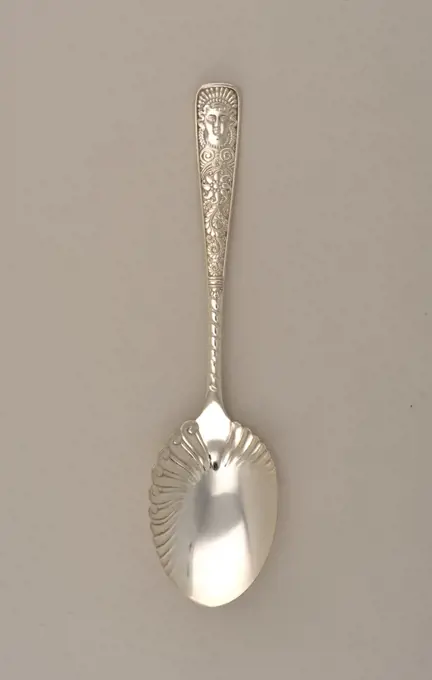
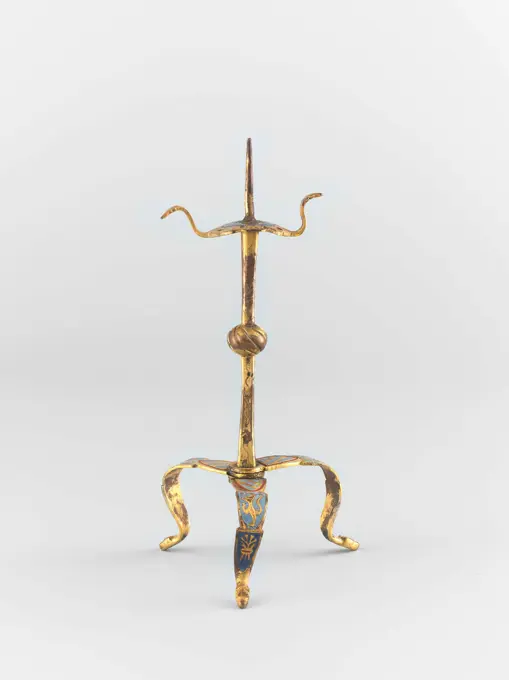
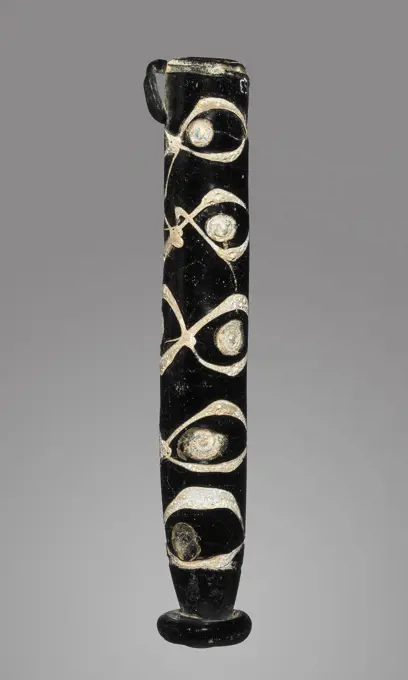
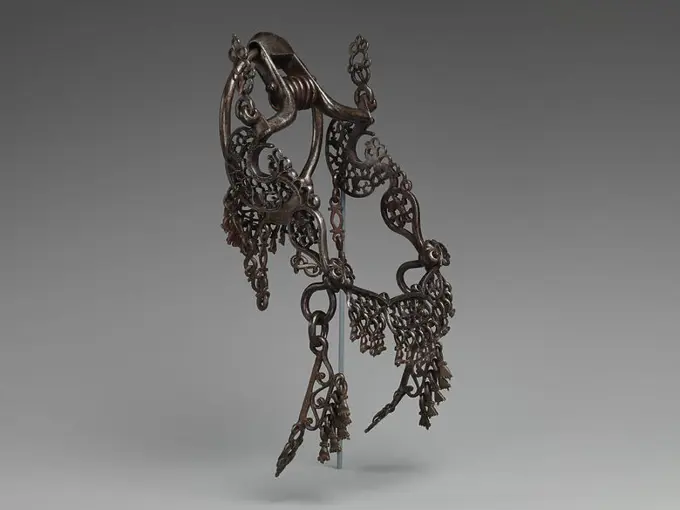
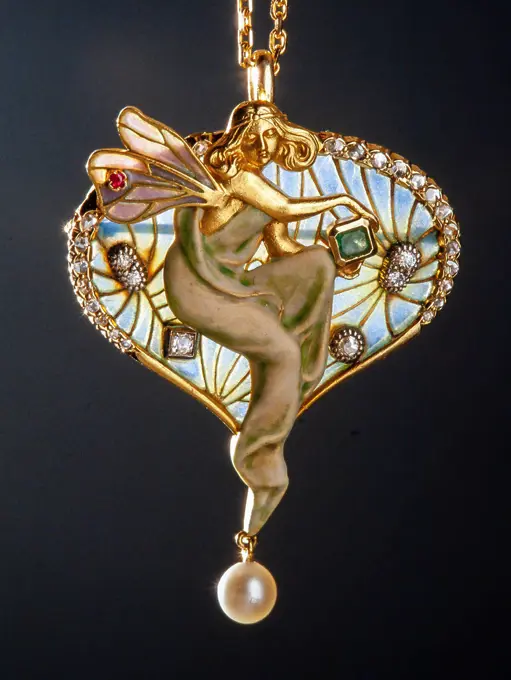
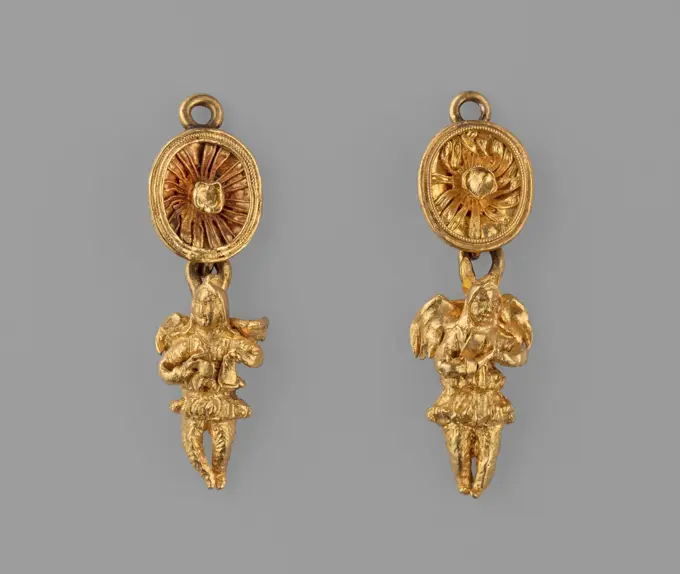
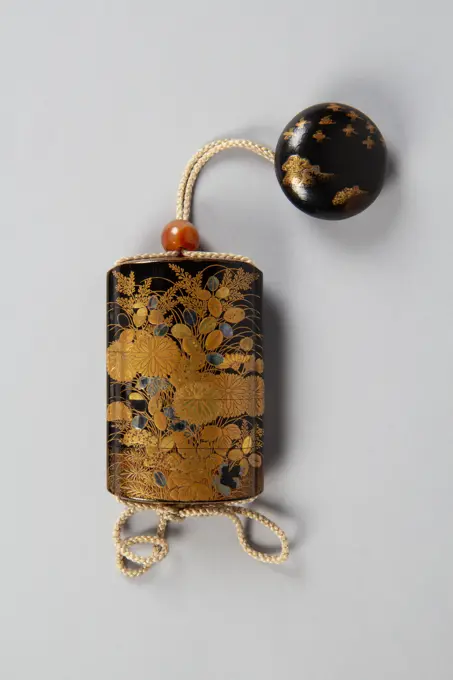
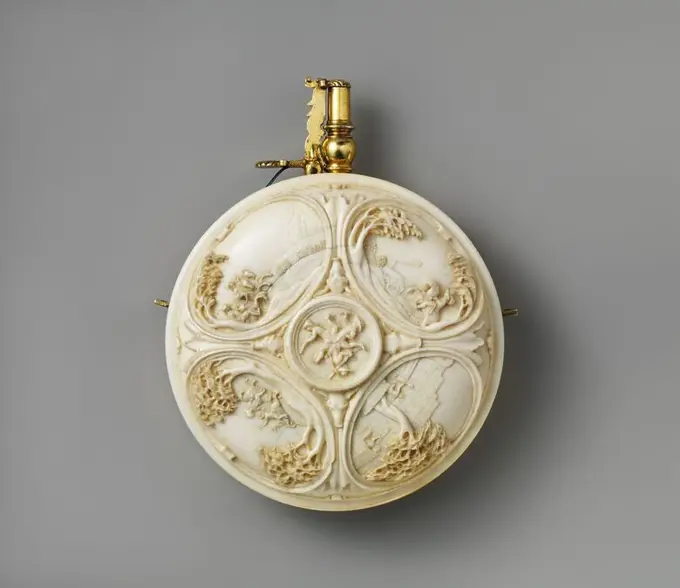
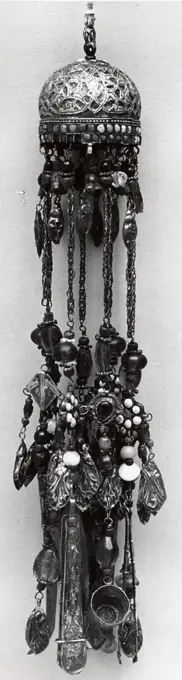
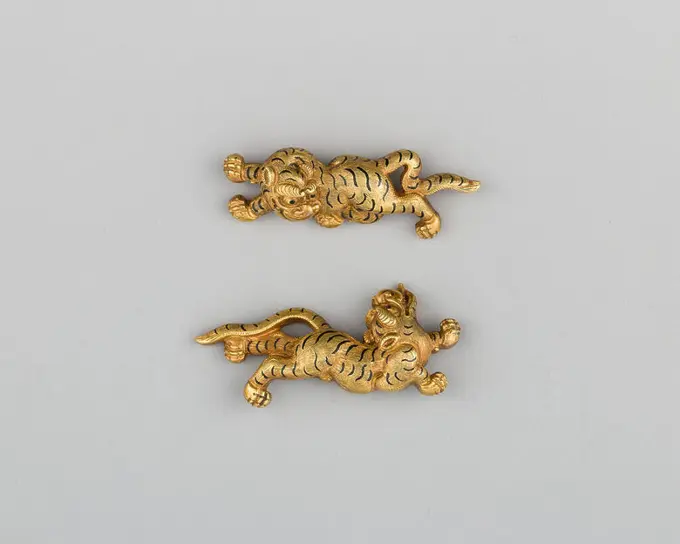
MountPomander. German or Dutch. Date: 1625-1675. Dimensions: 4.8 × 2.3 cm (1 7/8 × 7/8 in.). Silver gilt and enamel. Origin: Netherlands. Museum: The Chicago Art Institute, Chicago, USA.MountBowl of a Ritual Spoon early 15th century China. Bowl of a Ritual Spoon 61360Dagger (Katar) 18th century Indian. Dagger (Katar) 31509Gold and garnet pin possibly 5th-4th century B.C. Etruscan Globular head with garnet and two chains with pendants.. Gold and garnet pin. Etruscan. possibly 5th-4th century B.C.. Gold, garnet. Classical. Gold and SilverTurban Ornament 19th century. Turban Ornament 444660MountRapier hilt, British; blade, Spanish 1610-20 The rapier was the principal civilian sidearm throughout the sixteenth and seventeenth centuries. Designed for cut-and-thrust fencing of progressively complex techniques, the rapier is characterized by a double-edged blade with an acute point and an elaborate guard for the hand. The guards, usually of iron or steel, were subject to a variety of embellishment. They were engraved, chiseled, gilded, damascened, and encrusted in gold and silver in keeping with fashionable styles. Unless otherwise noted, the materials, attributions, and dating given here refer to the hilts. Rapier blades, invariably of steel, bear a variety of makers marks denoting their origin in the two principal centers of blademaking, Toledo in Spain and Solingen in Germany. View more. Rapier. hilt, British; blade, Spanish. 1610-20. Steel, silver. SwordsMount (France); gilt bronze.. Brooch of gold, diamonds and email in the form of cornflowers in Art Nouveau style.MountPendant with Maria and Child and two angels, Anonymous, c. 1500 - c. 1600 Gold pendant. Imaginative Maria with child and two angels in an oval. It is completely enameled. Italy (possibly) gold (metal). pearl. diamond (mineral) Gold pendant. Imaginative Maria with child and two angels in an oval. It is completely enameled. Italy (possibly) gold (metal). pearl. diamond (mineral)Gold pendant from Greece, Crete, Knossos, tomb 2Wall arm of gold-plated lining wood with three candle holders and decoration of asymmetrical sculpted acanthus leaf work with flowers. Wall arm of gold-plated lion wood with three candle holders and decorated with asymmetrical sculpted acanthus leaf work with flowers.Pendant, 1800s. Siam. Gold; overall: 5.8 cm (2 5/16 in.).Girdle Clasp 19th century. Girdle Clasp. 19th century. Silver; filigreed with enamel. Attributed to Turkey. JewelryEscutcheonVasePair of Ear Clips with Lavender Stones Second half of the 8th-second half of the 10th century Indonesia (Java). Pair of Ear Clips with Lavender Stones 50012Badge. Culture: Spanish. Dimensions: H. 2 1/4 in. (5.7 cm); W. 2 in. (5 cm); Wt. 1 oz. (28.3 g). Date: late 14th century. Museum: Metropolitan Museum of Art, New York, USA.Pendant with Resurrection 1850-1900 Europe, northern. Gold, enamel, diamonds, and pearls .Patriotse Pijpenkeuter, in honor of Hendrik Danielsz. Hooft, mayor of Amsterdam, Anonymous, 1787  Elongated legs nurser, consisting of oval medallion, crowned with openwork bow and hanging with garlands; In medallion: breastpiece man; Below that: bird with spread wings, openly heart and long pen, the upper part of which has an opening on four sides and in which a bullet is, the middle part is turned and the lower part ends in point. Netherlands silver (metal) casting  AmsterdamBow Brooch first half 6th century Ostrogothic. Bow Brooch. Ostrogothic. first half 6th century. Silver-gilt, garnet cabochons. Made in Italy. Metalwork-SilverKnitted unknownPendant, Silver, paste diamonds, Figure of dove inside a silver heart, surrounded by paste diamonds., France, 19th century, jewelry, Decorative Arts, PendantPendant: Krishna as Shri Nathji, c. 1800-1830. Northwestern India, Rajasthan, Nathdwara. Champlevé enamel; overall: 5.2 x 3.9 cm (2 1/16 x 1 9/16 in.).Sconce (one of a pair) 1700-1701 Joseph Ward. Sconce (one of a pair). British, London. 1700-1701. Silver. Metalwork-SilverEarring 17th-19th century Tibet. Earring. Tibet. 17th-19th century. Silver gilt with precious and semi-precious stones. JewelryEarring. Culture: Tibet. Dimensions: 6 1/4 x 3 in. (15.9 x 7.6 cm). Date: 17th-19th century. Museum: Metropolitan Museum of Art, New York, USA.amulet, Nepal, 19th century, silver, coral and turquoise, Anthropology National Museum, Madrid, Spain.Patriot pipe toddler with Dutch virgin. Elongated pipe toddler, consisting of oval, openwork medallion, awarded bow; In medallion: woman, presenting Dutch virgin, standing in fenced garden, with in right hand on spear and in left hand shield; Below: open-worked heart and long pen, of which upper part has an opening of four silk opening and in which bullet is, middle part is rotated and lower part ends in point.Saucer. Kaiserliche Porzellanmanufaktur in Wien (1744-1864), factoryOkucie. unknown, creatorPair of three-light wall sconces (Bras de cheminée). Culture: French, Sèvres. Dimensions: Overall (confirmed): 17 3/8 × 11 × 7 1/4 in. (44.1 × 27.9 × 18.4 cm). Factory: Sèvres Manufactory (French, 1740-present). Modeler: Model attributed to Jean-Claude Duplessis (French, ca. 1695-1774, active 1748-74). Date: ca. 1760-61.In the 1760s and 1770s in particular, the Sèvres factory consistently introduced products with new forms, new types of decoration, and even new functions. Until that time, sconces of high quality were made either of gilt bronze or gilt wood. It was a significant technical achievement to produce them in porcelain, and small firing cracks on these objects in areas where the porcelain curves testify to the difficulties involved.Perhaps the challenges in molding and firing porcelain sconces explain why so few of them were produced. About twenty pairs were made at Sèvres between 1761 and 1768, the period during which these remarkable objects would have been in fashion. TheDiadem ca. 1795-97 E.A.. Diadem 207827Cup in the Shape of a Pineapple with the Bacchus figure as the foot. Silver; chasing. Moscow. First half of the 18th century. The State Hermitage Museum. Saint Petersburg. Russia.Pendant with the Bust of a Woman 1550-1600 France. Gold, enamel, lapis lazuli, and pearls .LookingGlassMount, brass, Repousee head with boss surrounded by gadrooning and band of oak leaves. Threaded bolt on back., ca. 1795, metalwork, Decorative Arts, mount, mountEarring with pendant and perforated disc. Earring with pendant and perforated disc 243240Wall Clock (Pendule).Paper clip;  19th century (1801-00-00-1870-00-00);Turban Ornament (Turra) 1701-1900 India. Gold, ruby, emeralds, and diamonds inset in the kundan technique, with polychrome enamel (minakari) .Pair of Earrings with Tortoises. Pakistan, Taxila region (), 1st-2nd century. Jewelry and Adornments; earrings. Repoussé and cast goldSpoon dated A.H. 1223/ A.D. 1808-9. Spoon 444839Pendant and necklace Austrian last quarter 19th century View more. Pendant and necklace. Austrian. last quarter 19th century. Gold, enamel, rubies, diamonds, emeraldAmice Made 1601-1700 Spain. Silk, warp-float faced 3 1 broken warp chevron twill weave with supplementary pile warps forming cut solid velvet; appliquÈd with warp-float faced 7 1 satin weaves; painted; embroidered with silk, gilt-metal-strip-wrapped silk, and metal wire in split stitches; laid work and couching; edged with braid of silk and gilt-metal-strip-wrapped silk, plain weave with silk, gilt-metal-strip-wrapped silk, plain weave with supplementary patterning wefts and extended weft uncut fringe; with silk and gilt-metal-strip-wrapped silk, square braided, wrapped and knotted cords and silk, gilt-metal-strip-wrapped silk, square braided, wrapped, knotted and fringed tassels worked over cotton core; underlined with linen and sisal, plain weaves; lined with linen, plain weave; glazed .Case (Inr) with Design of Three-Clawed Dragon in Rain and Swirling Clouds 19th century Japan. Case (Inr) with Design of Three-Clawed Dragon in Rain and Swirling Clouds. Japan. 19th century. Lacquer, ivory, carved relief, stained; Interior: plain. Edo (1615-1868) or Meiji period (1868-1912). InrFob 18th century French. Fob. French. 18th century. metalBodetekeken from the Palace in Amsterdam so -called 'Bodebus', Jan Frederik Everts, 1808  Silver carrying sign consisting of an oval medallion with pearl edge in which wreath, with a Napoleonic eagle on blue background behind glass; Above three chains to a large hook decorated with forged bow; Under, on three carriers and 8-shaped links, three gourd-shaped appendices. Reverse: with two cross -lying brackets and open by means of Two hinges with dilable pivot. Inscription: Amsterdam; B (1808); Master sign J.F.E.; IO; Zii on the hook: dolphin in triangle; Zii. Amsterdam silver (metal). ivory. glass. gouache (paint) forging / gilding / striking (metalworking) / cutting predatory birds: eagle Royal Palace AmsterdamHair pin, 7 x 2 x 1/2 in. (17.78 x 5.08 x 1.27 cm), Silver, ChinaRing of Hatnefer ca. 1492-1473 B.C. New Kingdom In addition to her exceptional heart scarab, Hatnefer was buried with several pieces of personal jewelry. These included two scarabs and two rings. This ring was found on the little finger of Hatnefer's left hand. The setting holds a cowrie-shaped seal-amulet with a scorpion inscribed on its base.. Ring of Hatnefer 545143Belt buckle. Culture: British, London. Dimensions: Overall (confirmed): 1 1/16 x 3 3/4 x 5/16 in. (2.7 x 9.5 x 0.8 cm). Maker: Carlo Giuliano (Italian, active England, ca. 1831-1895); and Arthur Giuliano (Italian, active England, ca. 1864-1914). Date: ca. 1900.This object and the group to which it belongs (see also 2014.713.1-.10) reflect the keen interest in historical styles in nineteenth-century Europe. Artists and designers looked to various artistic periods for forms and motifs. There was also an interest in reproducing works of art from earlier epochs with historical accuracy--an approach that is particularly evident in the taste for so-called archaeological jewelry (jewelry based on excavated examples from antiquity), which reached its zenith in the middle of the century.The jewelry made during this period encompassed Etruscan, ancient Roman, early Christian, Byzantine, and medieval styles. The firm of Castellani in Rome both pioneered and dominated the production of archaeoloEarrings probably 19th century Indian This collection of largely ethnographic jewelry includes examples from cultures in South America, North America, Europe, Asia, and Africa and dates from the Pre-Columbian period to the twentieth century. Owned by renowned art collector and fashion enthusiast Muriel Kallis Newman, the collection represents her knowledge and appreciation of a wide range of jewelry design and making traditions. Numerous items in her collection are composite artifacts made from various cultures and time periods reappropriated as modern jewelry creations by or for Muriel. It is important to note that Newman wore many of the pieces in the collection, interpreting them to suit and express her own singular, often avant-garde style.. Earrings 141669mount, bronze, gold, Gilt bronze figural mount of two satyrs holding a shell., France, ca. 1730, metalwork, Decorative Arts, mountBrooch with Wajangpop in email in silver edge, c. 1937 - c. 1971 Brooch with Wajangpop in oval -shaped email on copper in a silver edge with a cannon closure. Amsterdam copper (metal). rand: silver (metal) Brooch with Wajangpop in oval -shaped email on copper in a silver edge with a cannon closure. Amsterdam copper (metal). rand: silver (metal)Luxembourg Knighthood (Ordre du Merite Civil et Militaire d'Adolphe de Nassau), received by Willem Drees, Y. Fouson, After 1858 - Before 1956  The Zilveren Osterster has eight points of five rays each, with the medallion (front) of the order sign within a bricked silver ring.  silver (metal).   Netherlands. Luxemburg (land)Pendant () In the form of an egg-shaped Sirih ball ,, c. 1700 - c. 1800 Sirih ball of gold filigrein with silver inner trays. The egg -shaped ball consists of 2 halves. The ball hangs on a chain, where a spatula also adheres. Sri Lanka gold (metal). silver (metal) filigree Sirih ball of gold filigrein with silver inner trays. The egg -shaped ball consists of 2 halves. The ball hangs on a chain, where a spatula also adheres. Sri Lanka gold (metal). silver (metal) filigreeCurb Bit 17th century South German The mouthpiece of this bit, composed of scatches (flattened canons) with a gooseneck port, was intended for a horse with a good mouth and a thick tongue, but which leans too much on the bit. The scatches also disarm the lips (moving them aside from the gums) without pressing them too much. In contemporary equestrian manuals, these shanks are called à la gigotte, which means that the swivel rings hole is aligned (‘on the line) with the axis of the banquet (piece to which the mouthpiece is attached), but the shanks knee projects forwards. They were used on horses with ‘a natural beautiful position but with week loins or being weary to hold it.The pierced decoration of the bit and its bosses, giving a lace-like aspect to the metal, is typical of the decoration used by the spur makers in the South East of Germany in the 16th and 17th centuries. Despite their name, spur makers not only made spurs, but also all other small equestrian hardware like bits,Pendant with a Pelican in Her Piety first quarter 17th century probably Spanish The pelican sustaining her young by means of her own blood, here represented by the ruby mounted on the breast of the bird, is the Christian symbol for loving sacrifice and hence for Christ the Redeemer. From the Middle Ages onward jewels have been presented as votive offerings to religious shrines or cult figures, and the religious nature of this jewel suggests that it may have had some such provenance. Charles Oman has noted the existence in Spain of several richly endowed shrines as well as many lesser ones before the Napoleonic invasions of 1808.1 The widespread destruction and looting by the French armies was followed by further depredations of religious treasure by both radical and impecunious governments throughout the century, but the last of the great treasuries was not dispersed until its sale in 1870 by the canons of the Cathedral of the Virgin of the Pillar in Saragossa.The frame of this jewelEarring, 18th-19th Century. India. Silver gilt with pearls, gold beads and crystal; overall: 13.4 cm (5 1/4 in.).Silver buckle between 1798 and 1809. Second title for the departments, 1798-1809; Guaranteed punch for departments (1798-1809) here 64 Pyrenees Orientale, Perpignan; unidentified master's punch. Large strip 2 rows of outdoor and interior stones, throat in the middle, 2 large top and low palm patterns, 2 small patterns in the middle of the sides.Badge or Harness Pendant 14th century Spanish Heraldry, or coat-of-arms, were vitally important in Europe throughout the Middle Ages and the Renaissance. Heraldic emblems were used to identify noble families, cities, regions, and even countries. In addition to being displayed on shields and flags, heraldry was incorporated into architectural decoration on the interior and the exterior of buildings, on furniture, works of art, clothing, and horse equipment. Harness pendants, like this example, would have been attached to a headstall, bridle, or other straps making up the tack of a horse ridden by a nobleman or noblewoman, or a member of their household. Many harness pendants also have decoration that is simply ornamental, or have symbols that are not specifically heraldic in nature.. Badge or Harness Pendant. Spanish. 14th century. Copper, gold, enamel. Miscellaneous-BadgesTwo identical brooches, c. 1850 - c. 1870 Two brooches (originally earrings) with women's head. Second Empire. Standing rectangular stone with painting mail with women's head, to a 15th century Italian painter (), With red headscarf, blue cloak, against brown stock. Frame of gilded copper (). Rectangular frame with half moon in the tip of a heart -shaped support piece and a palm at the bottom. West-Europa copper (metal). gilding (material) gilding Two brooches (originally earrings) with women's head. Second Empire. Standing rectangular stone with painting mail with women's head, to a 15th century Italian painter (), With red headscarf, blue cloak, against brown stock. Frame of gilded copper (). Rectangular frame with half moon in the tip of a heart -shaped support piece and a palm at the bottom. West-Europa copper (metal). gilding (material) gildingJacobus van der Laar, Silver bible or psalms lock, book fitting fittings hang-_and-closing silver, cast Two matching locks (1-2) for bible or psalm book consisting of long part with hinged piece, and short part (); the long part runs along the thickness of the book the fixed and the loose hinge piece was attached to the front and back of the book by means of slider that was secured behind the bracts: closeGilded double Biedermeier candlestick from pendant, male in 18th century clothing, candelabrum candleholder lamp lighting tool copper brass gold metal, molded gold plated Set of two copper gilded candelawas In the column of male figure in 18th century clothing, that has double branch candlestick carries and torch. Triangular basement Two separate rings for the candles. (-C) Rotterdam lighting evening night lighting interior Biedermeier Vlierboom shipping company The candelawa were in possession of the Gew. Elder tree shipping company in Rotterdam.Claret velvet bag lined with blue satin and beaded with glass and metal little canes and beads, phytomorphic-pattern clasp and frame, detail, 1890-1900, fashion accessories, Italy, 19th-20th century.Pendant. Artist: René-Jules Lalique (French, Aÿ 1860-1945 Paris). Culture: French, Paris. Dimensions: 3 x 2-3/8 in. (7.6 x 6.0 cm). Date: ca. 1901.French Art Nouveau jeweler René Lalique was perhaps most innovative and subtle in his combinations of enameling and precious stones. This pendant is in the form of two confronted peacocks standing on the flat edge of a triangular cabochon opal, from the base of which a baroque pearl is suspended. The peacocks are formed with cloisonné enameling in light shades of blue and green with dark blue and white wing feathers. Tail feathers terminate in openwork stylized "eyes" of diamonds and blue enamel. Museum: Metropolitan Museum of Art, New York, USA.Partisan 17th century Italian. Partisan 32224Pair Of Furniture Mounts (France)Brooch, Gold, enamel, diamonds, Gold and enamel brooch with four Old Mine diamonds., London, England, ca. 1890, jewelry, Decorative Arts, BroochBronze mirror, back side engraved with mythical coupleEarring (One of a Pair) end of the 5th century Korea Gold earrings were worn by both men and women of the Silla and Gaya elite and are the most prevalent type of jewelry found in tombs. Goldsmith techniques on display here range from simple hammering to the more complex method of granulation, in which tiny gold beads were adhered to the surface to create intricate designs.. Earring (One of a Pair). Korea. end of the 5th century. Gold. Three Kingdoms period, Gaya federation (42-562). JewelryCover of Gilt Bronze. Plated bronze lid manufactured in Europe, belonging to a vase of Chinese porcelain with gold-plated bronze frame. The lid is opened with leaf refrences and the button is in the shape of a flower.'Assyrian Head' pattern, Meriden Brittania Company, Meriden, Connecticut, USA, 1808 - 1898, Rogers Brothers Silver, Hartford and Meriden, Connecticut, 1847 - 1862, Silver-plated metal, Meriden, Connecticut, USA, 1885-86, cutlery, Decorative Arts, Berry spoon, Berry spoonEarOrnament, 11th-14thcentury, Gold, 5.17 × 2.81 cm, 32.245 g (2 1/16 × 1 1/8 in., 32.245g), Made in Tulungagung, Java, Indonesia, Java, Late Classic Period (ca.1000-1400), Jewelry. Travel scandal of gold-plated buyer and email champlevé. The square stem, decorated with a teared nod, stimulated at the base, supports three legs, which can be rotatable to a pivot and can be pushed over each other. They are each decorated with three triangular coats of arms: one built from gold and lazing, drilled with throat, one of the Lazuur with climbing golden lion, one of the Lazuur with golden flower. The fat catcher with candle pin is partly enamelled with blue.Vajra. unknown, craftsmanOpaque Black Flask with white trails and blobs; Eastern Mediterranean; 9th - 11th century (); Glass; 10.5 cm (4 1,8 in.)Przeszo PrzyszociUrn; wood, gildedRing Bit. Culture: Mexican. Dimensions: H. 8 1/2 in. (21.6 cm); W. 5 in. (12.7 cm); Wt. 1 lb. 3.9 oz. (564.2 g). Date: first half 18th century.This Mexican bit is adorned with lavish pierced decoration featuring lions, lizards and vegetal scrolls. In addition, small pendants shaped as closed fists, with the thumb placed between the index and the middle finger, are hanging from the curb ring, the slobber bar, and the rein buckles. This gesture is called in Spanish the mano de fica (fig hand). It is an obscene gesture still used in some countries that derives from ancient Mediterranean cultures, including Rome, where it was used in domestic rituals for warding off the evil spirits of the dead. Many amulets in the shape of this fist, for averting the evil eye, have been found in Roman sites. The symbolism and protective use of the mano de fica survived into the modern period, and was introduced to the Spanish colonies in the Americas. Mano de fica pendants can be fouEarrings, ca. 1830; seed pearls, mother-of-pearl, gold, fiber; L x W (approx.): 1.5 x 1 cm (9/16 x 3/8 in.)Carving, 19th century; wood, gildedMount; 1904-21-17Earring 17th-19th century Tibet. Earring. Tibet. 17th-19th century. Silver gilt with precious and semi-precious stones. JewelryDolphin pendant 2nd-3rd century Roman Period The dolphin motif is frequent in Hellenistic and Roman iconography. This hollow element has two loops on the underside at right angles to the direction of its body. It may have been part of a necklace of linked elements, a style that belongs in the later Roman Period.. Dolphin pendant. 2nd-3rd century. Gold. Roman Period. From EgyptLluís Masriera / Colgante con ninfa. Oro, esmaltado traslúcido "pliqué-à-jour" con diamantes, esmeraldas y perla, siglo XX. Colección privada. Author: LLUÍS MASRIERA I ROSÉS.Dwie zawieszki od kolczyków w kształcie uskrzydlonych Geniuszy. unknown, authorCase (Inr) with Design of Flowering Hagi, Chrysanthemum and Autumn Grasses 18th-19th century Japan. Case (Inr) with Design of Flowering Hagi, Chrysanthemum and Autumn Grasses. Japan. 18th-19th century. Lacquer, roiro, gold hiramakie, takamakie, kirigane, gold foil, aogai; Interior: nashiji and fundame. Edo period (1615-1868). InrHandscreen; painted silk leaf with silk passementerie, turned ivory handlePowder Flask. Culture: German. Dimensions: H. 5 3/4 in. (14.5 cm); Diam. 4 1/4 in. (10.8 cm). Date: late 17th century.The finely carved scenes represent hunters and horsemen. Given its quality and materials, this flask must have been made to accompany a lavishly decorated hunting rifle (for example, acc. nos. 28.125 and 42.50.8). Museum: Metropolitan Museum of Art, New York, USA.Order of the Netherlands Lion, Commandeur, Petit and Van Tongeren, 1838 - 1854  Maltese cross with white enamelled arms and golden ball points. In the front front: medallion with crowned lion with sword and bundle in gold; Between the cross arms: gracefully written letter W in gold. In heart on the downside: blue enamelled medallion with gold hem and inscription in gold: 'Virtus nobilitat', the whole on the crown and ring. Netherlands gold (metal). striking (metalworking) / sawingSet of six wall sconces 1774-93 French. Set of six wall sconces 201953Ceremonial Ewer. Central Tibet, 19th century. Furnishings; Serviceware. Silver, jade, rock crystal, and gemstonesReverspeld with a child's head driven from a German coin.Lap Pin, Mint. The Coin is a 5 Mark Piece from 1877 (Deutsche Reich). A Portrait is driven in The Coin. Not approved and not signed.Ornament. Date: mid-19th century. Museum: Metropolitan Museum of Art, New York, USA.Pair of Sword-Grip Ornaments (Menuki). Culture: Japanese. Dimensions: L. of each 1 3/8 in. (3.5 cm); W. of each 5/8 in. (1.6 cm); Wt. of each 0.3 oz. (8.5 g). Date: 1720-84. Museum: Metropolitan Museum of Art, New York, USA.Doll holding a key on a white background