Decorative Metal Mounts

Elegant decorative metal mounts and pomander pieces, featuring intricate designs and craftsmanship from the 17th and 18th centuries.

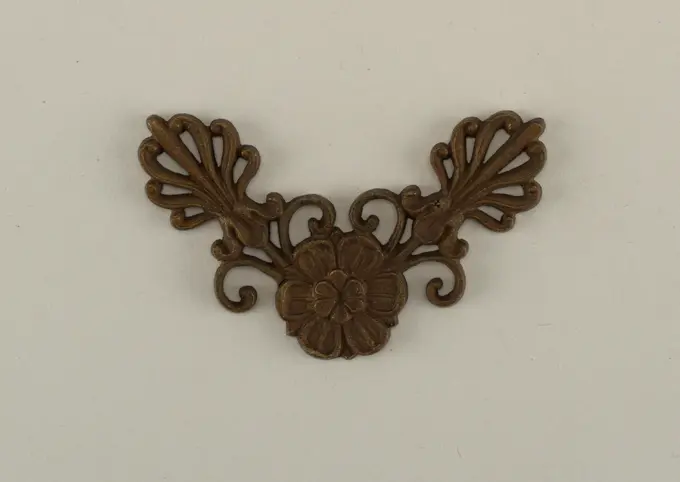
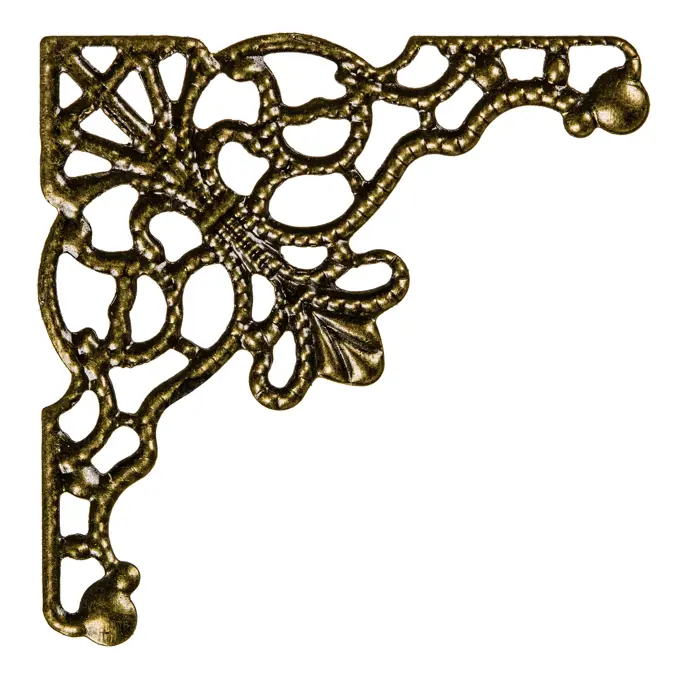
Mount (France); gilt bronze.
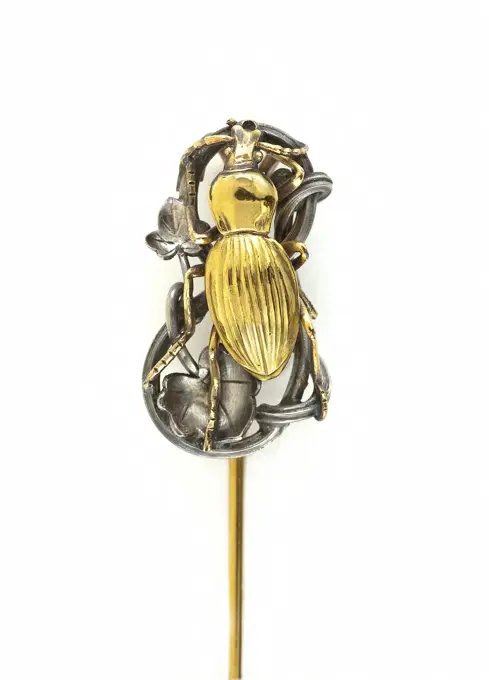
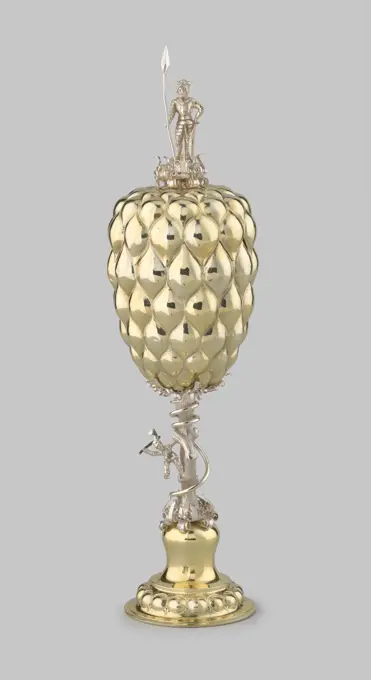
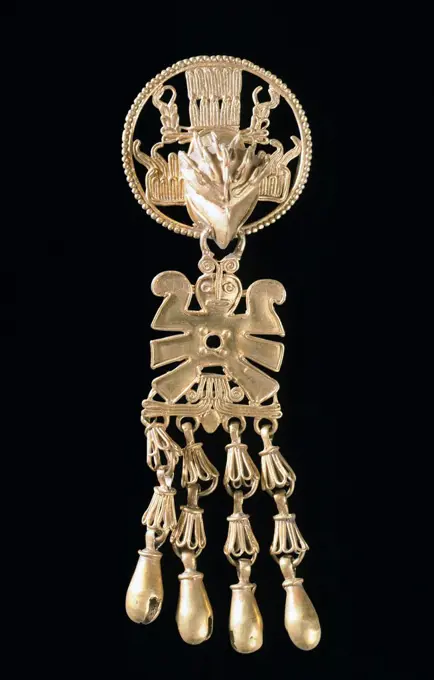
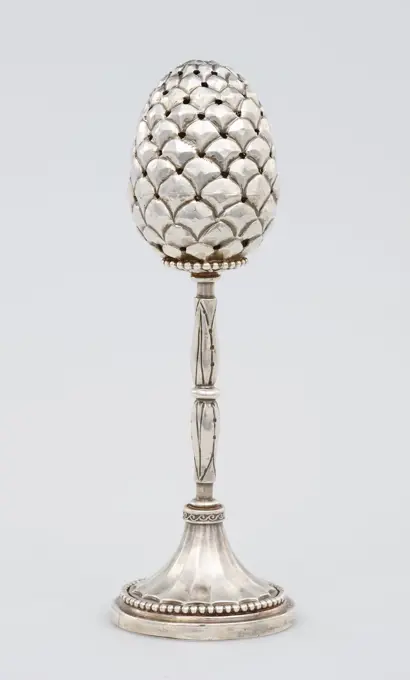
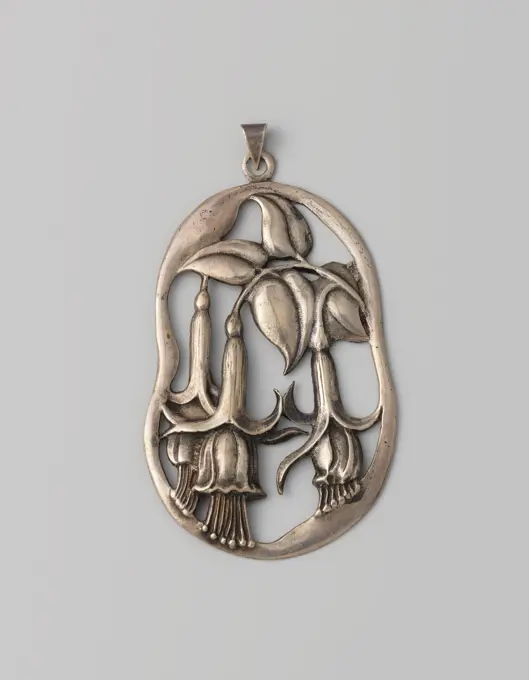
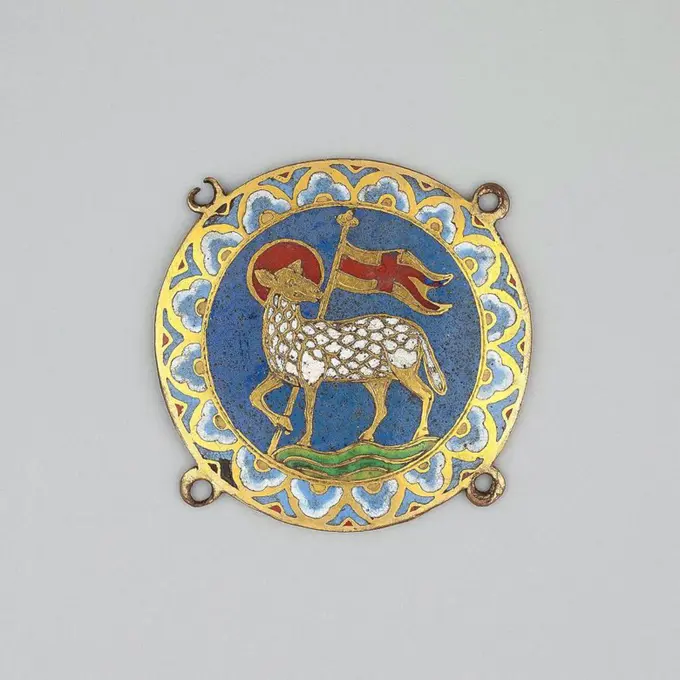
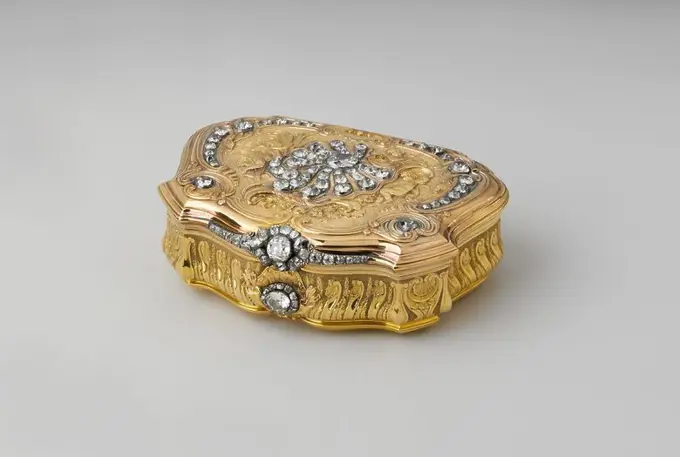
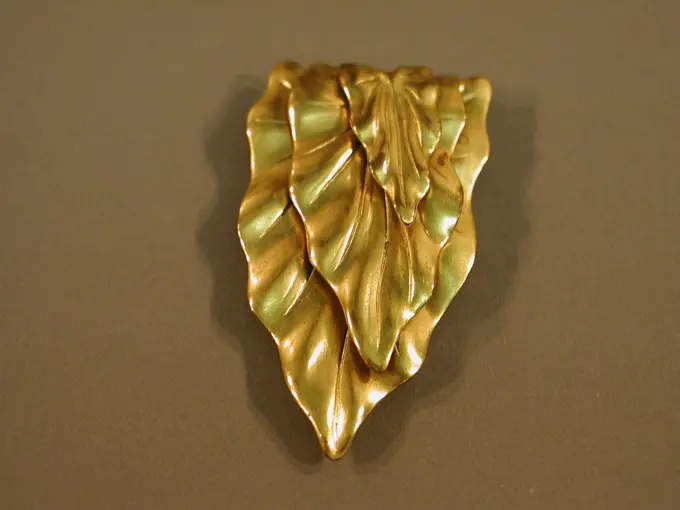
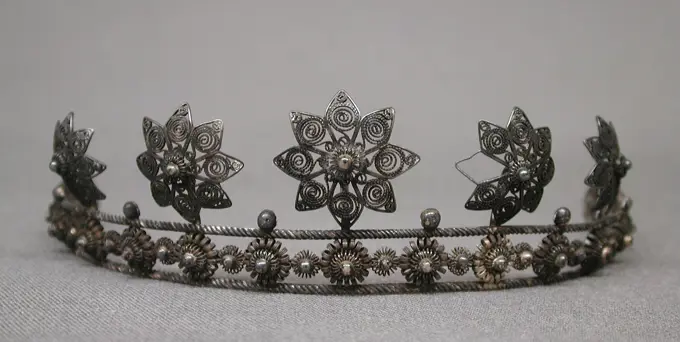
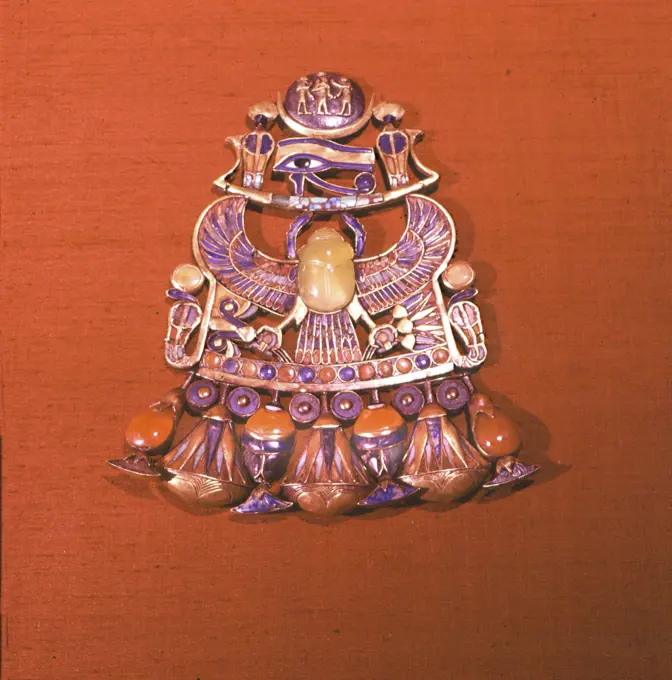
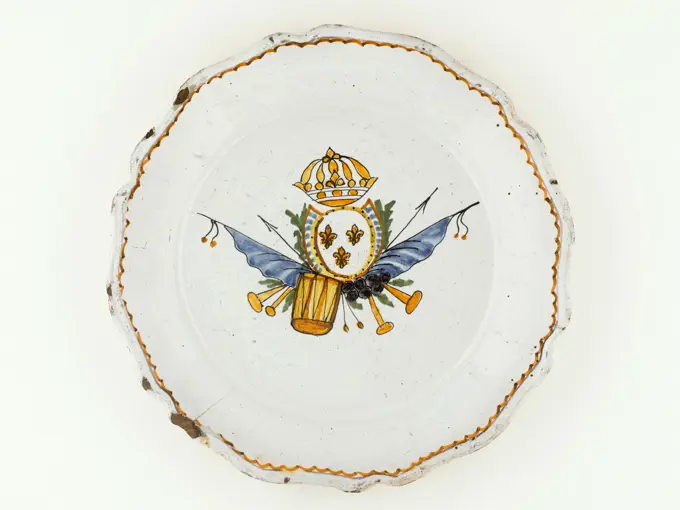
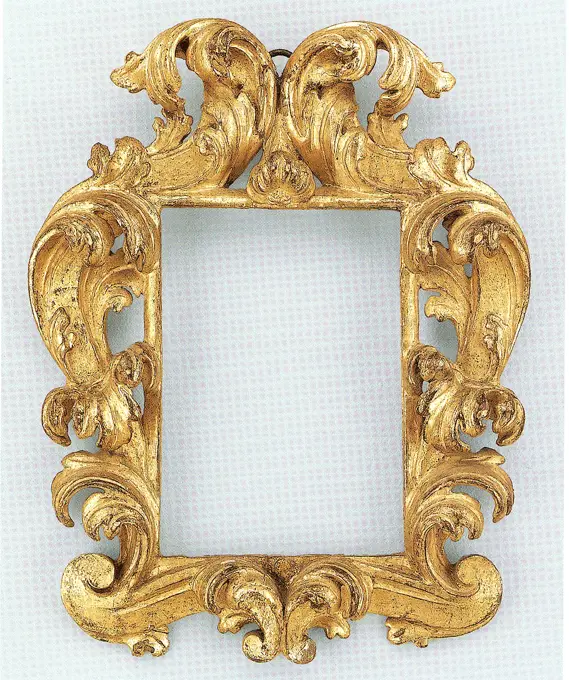
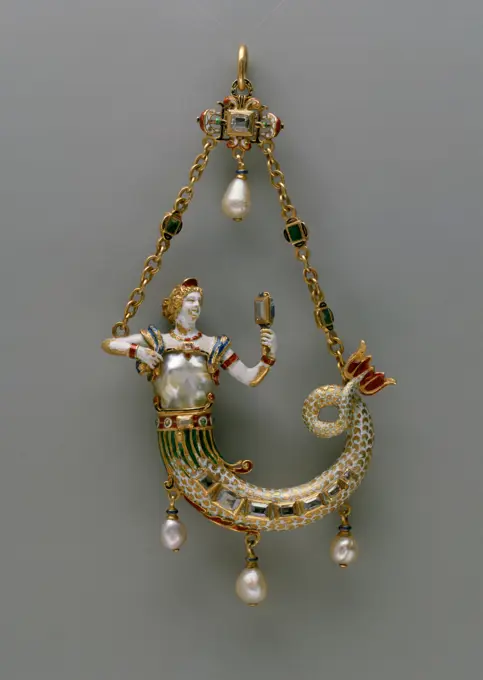
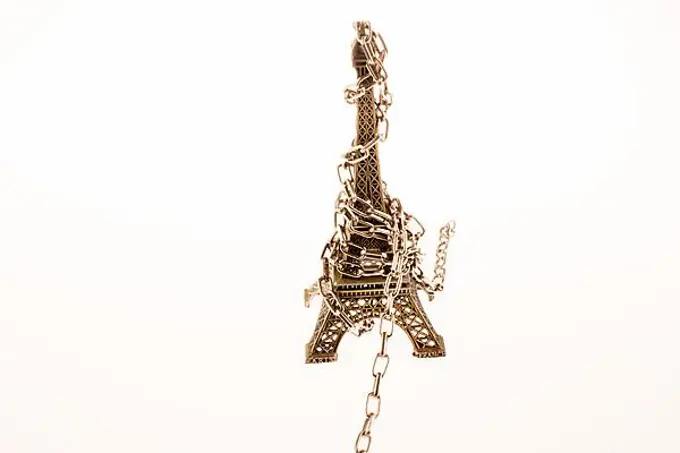
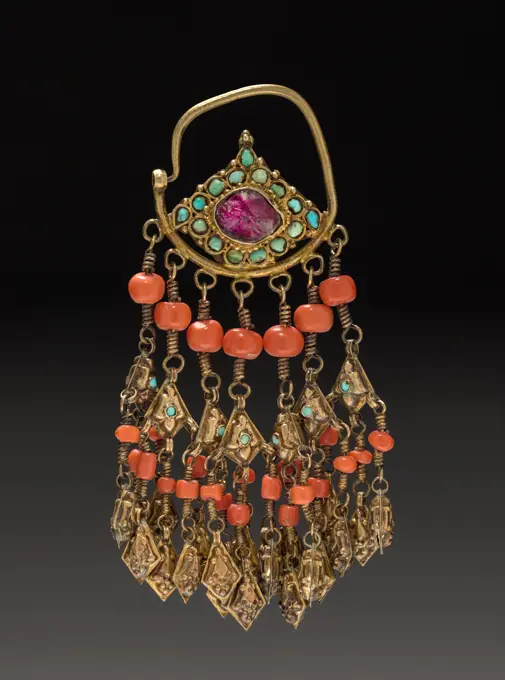
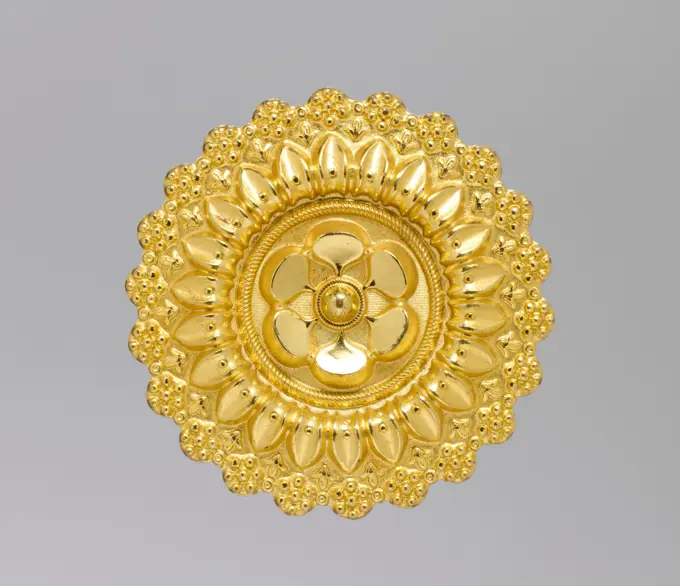
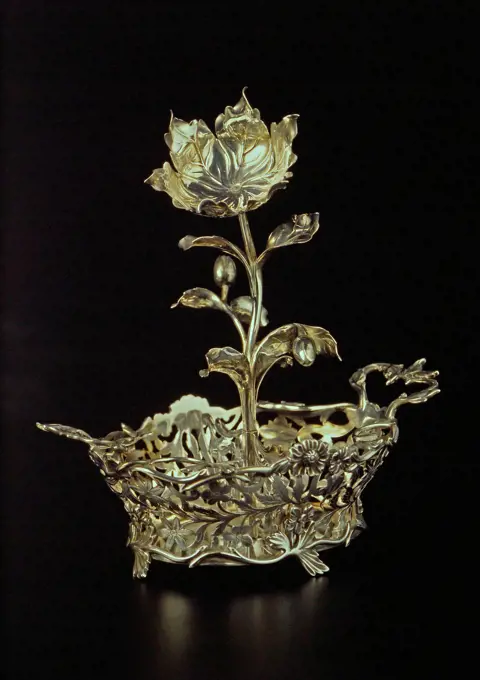
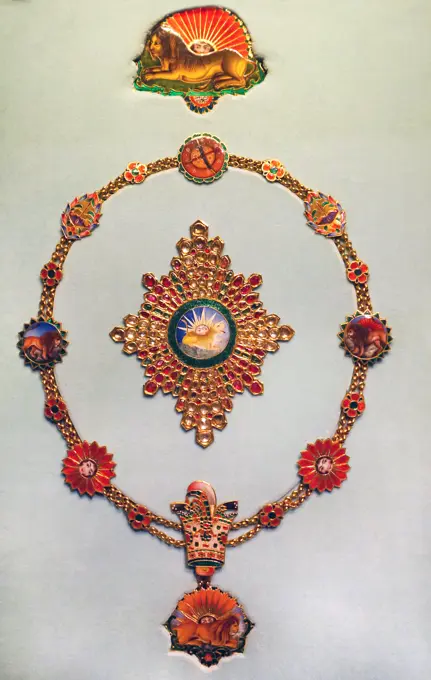
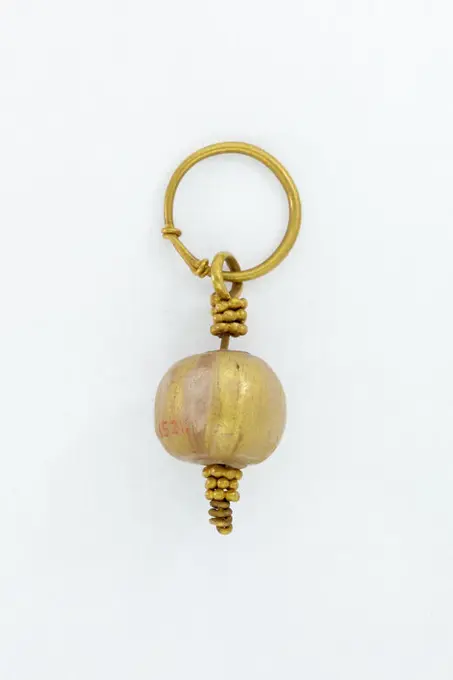
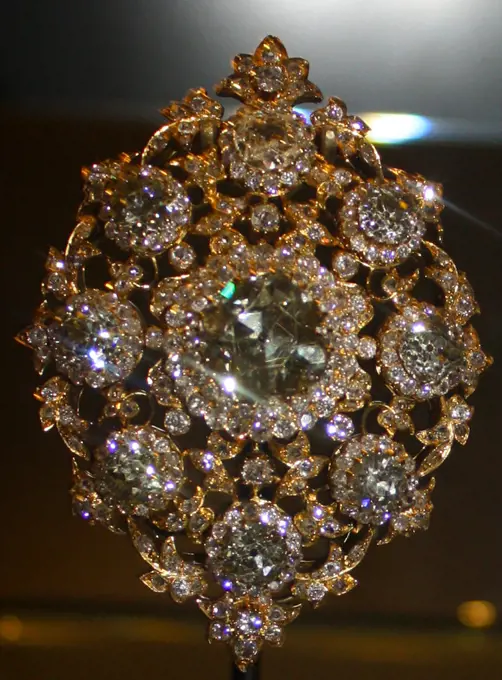
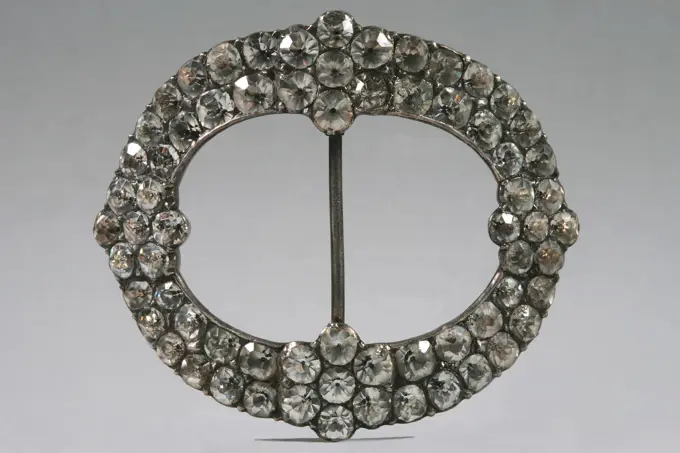
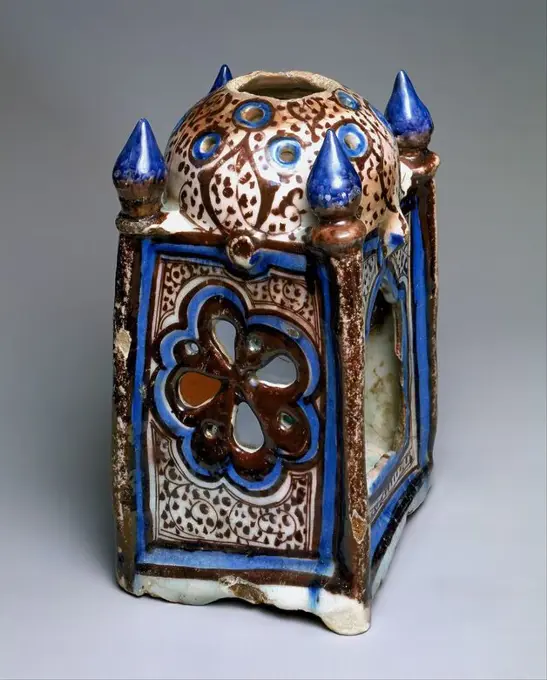
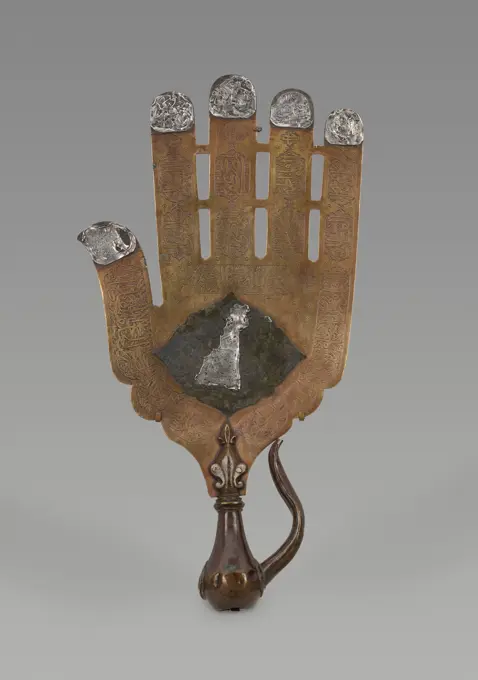
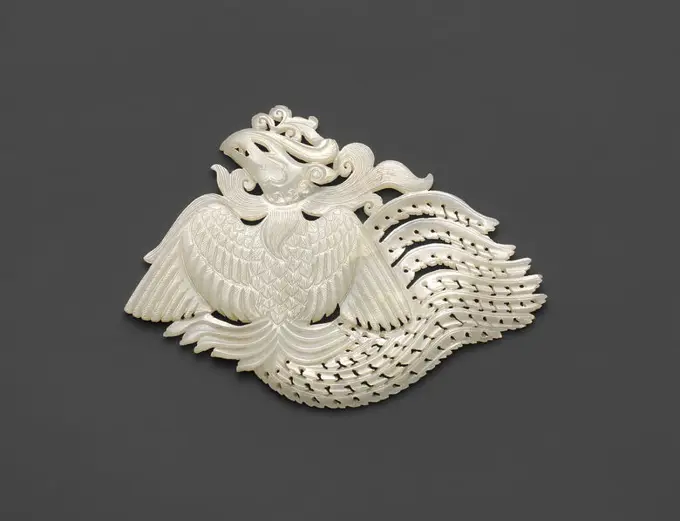
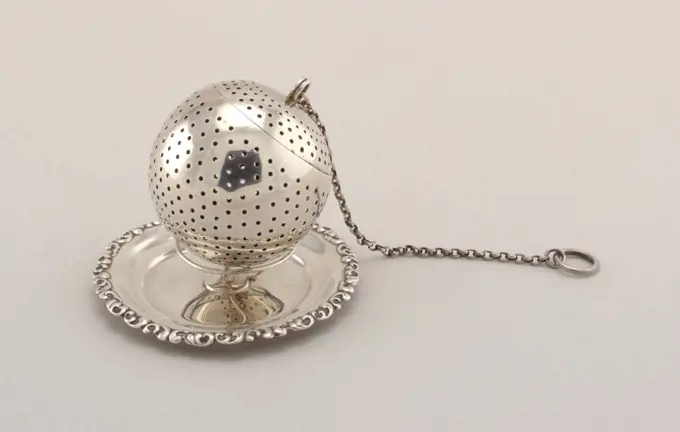
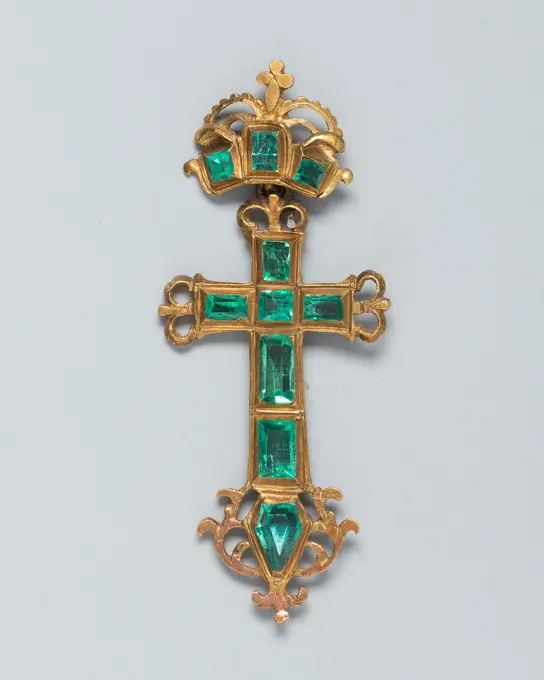
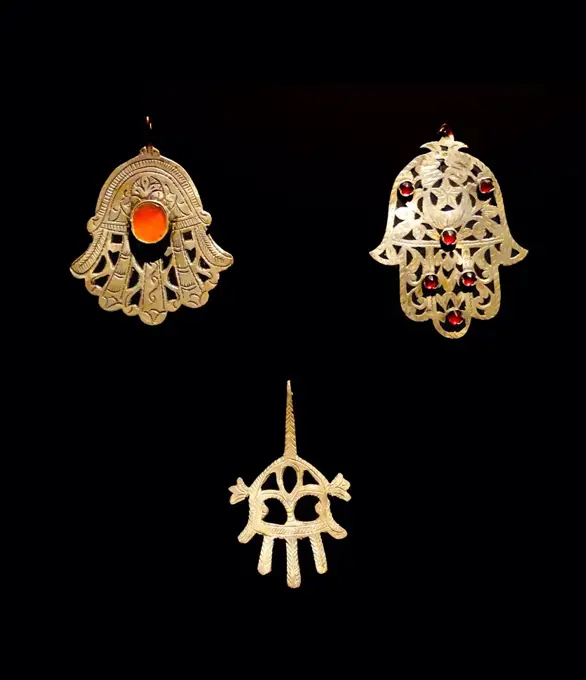
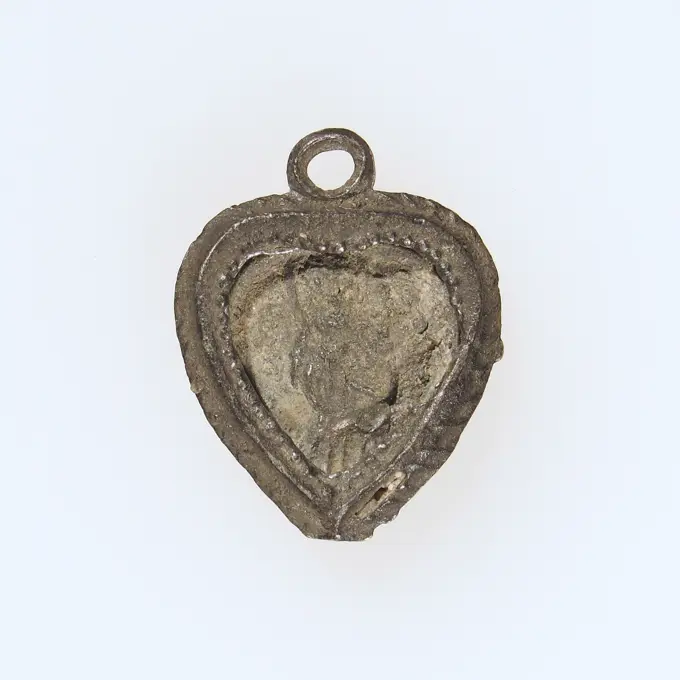
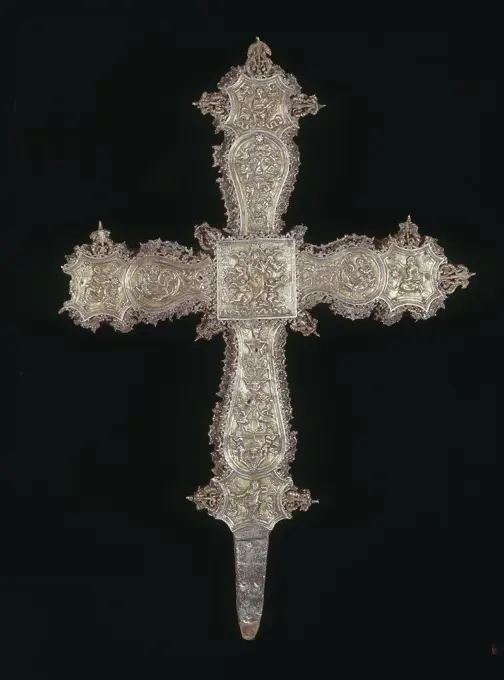
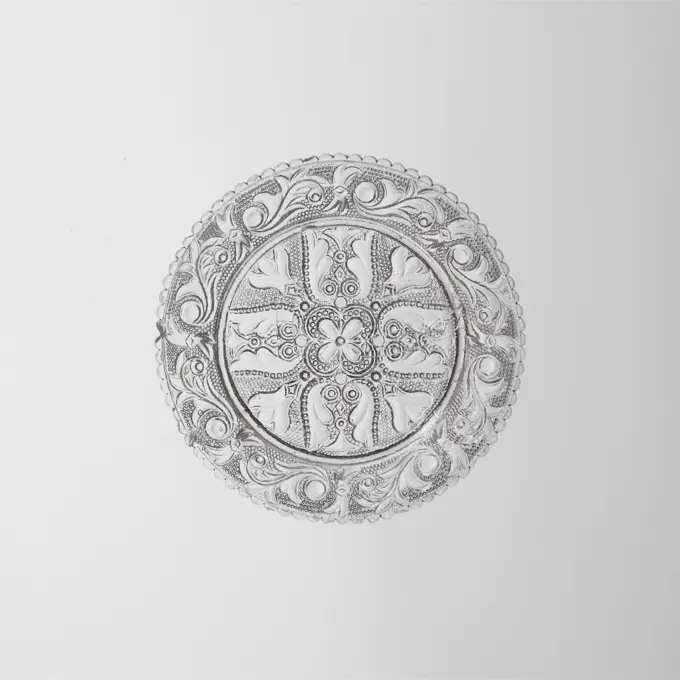
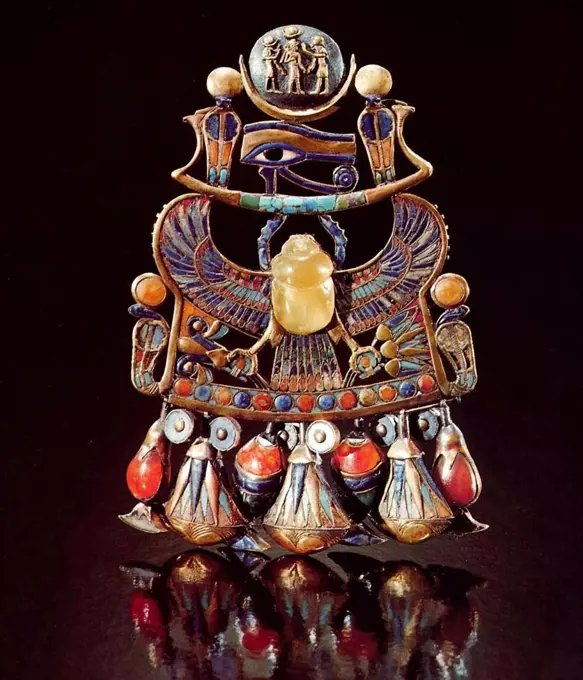
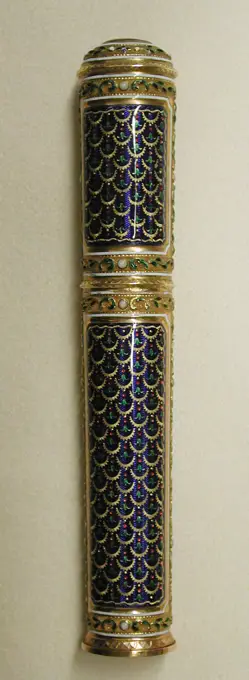
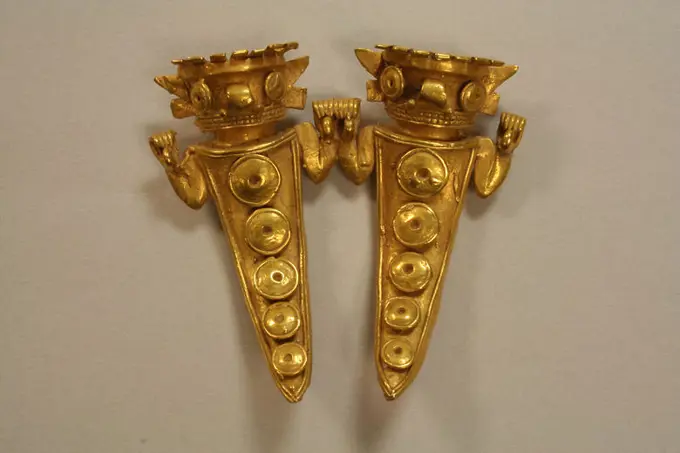
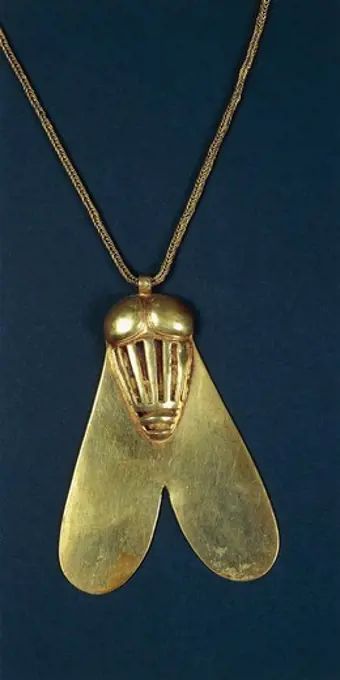
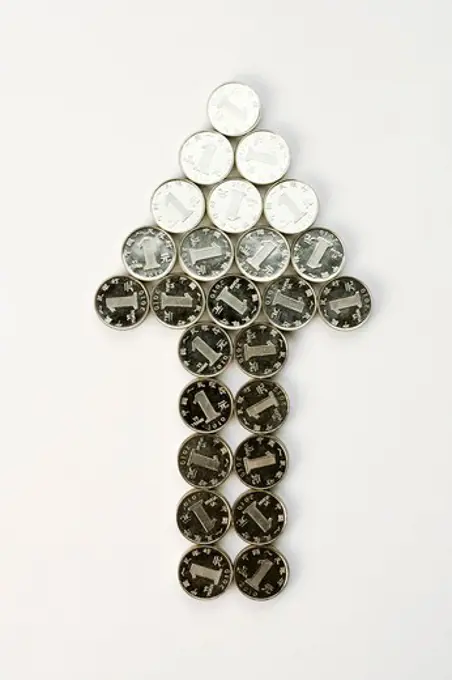
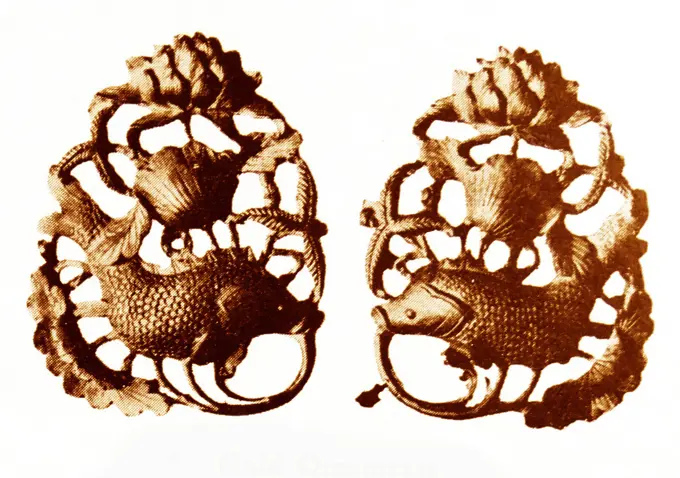
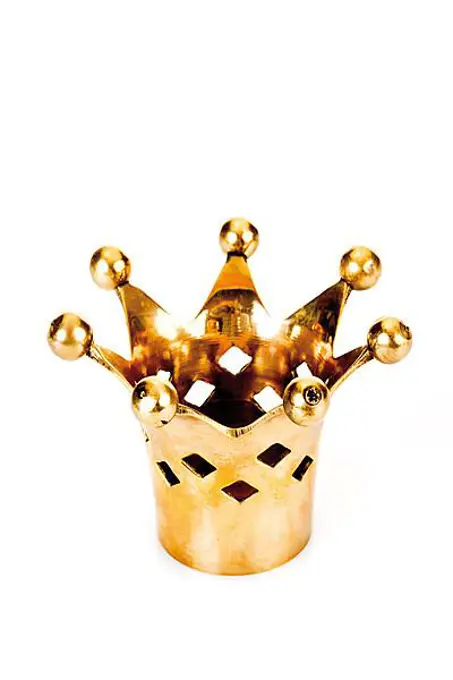
Golden crownHarness RingMountHenri Husson / Adrien-Aurélien Hébrard. Tie epingle. Now, melted silver, gilded, hammered, welded, engraved, cornear. 1909-1914. Museum of Fine Arts of the City of Paris, Petit Palais. 75296-3 Argent Fondu, Cornaline, Ties, Dore, Empingle, Grave, Insects, Martele, Or, SoudaCarving, wood, gilded, Oval, with superimposed foliage, ca. 1810, Decorative Arts, CarvingAnanasbeker, anonymous, 1600 - 1625 Cup on the foot of silver, a so -called pineapple cup. The trunk in the form of a tree trunk with a woodhakker carries the pineapple -shaped cuppa, which is crowned by a knight with lance and shield. Germany silver (metal). gilding (material) gilding Cup on the foot of silver, a so -called pineapple cup. The trunk in the form of a tree trunk with a woodhakker carries the pineapple -shaped cuppa, which is crowned by a knight with lance and shield. Germany silver (metal). gilding (material) gildingGold pendant decorated with a falling eagle, artefact from the Treasury of the Tomb 7 in Monte Alban, Mexico. Mixtec Civilization, post-classical period 14th-15th Century.Spice box, c. 1800, Giovacchino Belli, Italian, 1756-1822, 7 15/16 × 2 5/8 × 2 5/8 in. (20.16 × 6.67 × 6.67 cm), Silver, Italy, 18th-19th century, Havdalah is a Jewish religious ceremony that marks the symbolic end of Shabbat and the beginning of a new week. Fragrant spices used in the ritual are kept in a special box, often beautifully fashioned from silver. Whereas Ashkenazic Jews used myrtle for Havdalah, nutmeg is also documented in Italy for this purpose. Jews in Rome often follow a local tradition of using rosemary. This example was designed by Giovacchino Belli, the most celebrated Roman silversmith of his age, who worked for the Pope and wealthy noble families in the early 19th century. With architectural elements derived from classical antiquity, and the pierced pine cone adapted from Dionysian iconography of ancient Greece and Rome, Belli's Spice box follows the most advanced fashion of the neo-classical period.Silver pendant with three flowering fuchsias, c. 1930 - c. 1950 Pendant of cast silver with three flowering fuchsias, with a plate eye. the Bosch silver (metal) casting Pendant of cast silver with three flowering fuchsias, with a plate eye. the Bosch silver (metal) castingCalendar (part of a set). Culture: British, London. Dimensions: Height: 8 in. (20.3 cm). Purveyor: Asprey (British, founded 1781). Date: 1851.The set (1982.88.1-.8) was shown at the Crystal Palace exhibition in 1851. Except for the paper knife, each piece is engraved underneath with Asprey's name and address and the words Exhibition 1851. Museum: Metropolitan Museum of Art, New York, USA.Picture armchair: portrait of Jerzy Tyszkiewicz, h. Leliwa, Bishop of Wilego (1760-1764), in the collections of the National Museum in Warsaw; Sztolcman, W Adys Aw Roman (1873-1950); 1914 (not after 22.10.1914) (1914-00-00-1914-00-00);Gold Pair of Earrings. Korea, Three Kingdoms period, Old Silla kingdom (57 B.C.-A.D. 668), 4th-7th century. Jewelry and Adornments; earrings. Hammered goldAgnus Dei. French; Limoges. Date: 1200-1250. Dimensions: Diameter: 7.8 cm (3 1/16 in.). Gilt copper, champlevé enamel. Origin: France. Museum: The Chicago Art Institute, Chicago, USA.Case (Inrō) with Design of Autumn Flowers early 18th century Shiomi Masanari Japanese. Case (Inrō) with Design of Autumn Flowers 58622Image on console of cast silver, representing a crowned madonna with child, anonymous, c. 1480 - c. 1500 Image on console of cast silver, representing a crowned Madonna with child. From behind 2 protrusions to attach it to an object. Northern Netherlands (possibly) silver (metal) Image on console of cast silver, representing a crowned Madonna with child. From behind 2 protrusions to attach it to an object. Northern Netherlands (possibly) silver (metal)Bible Marker mid-19th century Maliseet. Bible Marker 319019Harp, anonymous, c. 1780 Harp with seven pedals and originally thirty -eight strings. With cut decorations; Blue painted. On four claw legs. Condition: bad: significant damage to the top of the 'Sound-Box'; Three string buttons are missing, as well as all thirty -eight strings. France wood (plant material) gilding Harp with seven pedals and originally thirty -eight strings. With cut decorations; Blue painted. On four claw legs. Condition: bad: significant damage to the top of the 'Sound-Box'; Three string buttons are missing, as well as all thirty -eight strings. France wood (plant material) gildingStaff crown in the form of Maria with child, Johannes van der Lely, c. 1700 - c. 1715 Driven and quoted, image of silver representing Maria. On the arm she has the crowned child with globe. At her feet the dragon with a crescent. Leeuwarden silver (metal) Driven and quoted, image of silver representing Maria. On the arm she has the crowned child with globe. At her feet the dragon with a crescent. Leeuwarden silver (metal)Oil and vinegar with three bottle holders, c. 1800 - c. 1850 Tin oil and vinegar on four legs. Consisting of three ajour processed bottle holders, two on the bottom and in the middle above. There is an open space between the two lower bottle holders. There is a small arch construction in the open space, where the upper bottle holder is screwed. Netherlands tin (metal) Tin oil and vinegar on four legs. Consisting of three ajour processed bottle holders, two on the bottom and in the middle above. There is an open space between the two lower bottle holders. There is a small arch construction in the open space, where the upper bottle holder is screwed. Netherlands tin (metal)Snuffbox. Culture: French, Paris. Dimensions: Overall: 1 × 3 1/4 × 2 3/8 in. (2.5 × 8.3 × 6 cm). Maker: Daniel Govaers (or Gouers) (French, master 1717, active 1736). Date: 1734-35.The use of snuff did not become fashionable in France until after the death in 1715 of Louis XIV, who was known to disapprove of the habit. By the time this gold box was produced, the taking of snuff was an important and elaborate social ritual. Not only were there rules of etiquette for it but the boxes that contained the powdered tobacco became highly desirable and visible accessories, serving as statements about both one's taste and one's financial status. While visiting Paris from England with her great friend Samuel Johnson, Hester Thrale wrote, "We went nowhere to day but to the Great Toy Shop called the Petit Dunkerque; I bought a Trinket or two, & longed for a Snuffbox of exquisite beauty."1 Boxes were produced at all levels of artistic skill and expense. Only the very rich could afford gold boxesMirror 19th century China. Mirror 69712ClippinAnonymous. Candelabra with three lights (belonging to a pair) representing two nymphs supporting three branches of lilies. Chiseled bronze, golden and patinated, white marble. Between 1774 and 1791. Paris, Cognacq-Jay museum. 101701-20Tiara ca. 1873 Jacob Ulrich Holfeldt Tostrup. Tiara 189050 Maker: J. Tostrup, 18061890, Tiara, ca. 1873, Silver filigree, No dimensions recorded.. The Metropolitan Museum of Art, New York. Gift of Mrs. Harriette M. Arnold, 1906 (06.469)Jewellery- Tutankhamun Treasure. Pectoral with solar and lunar emblems. EGYPT.Anonymous. Plate. Earthenware. Paris, Carnavalet museum. 71478-30 Attribute, ball, crown, flag, emblem, revolutionary time, faience, lily flower, French revolution, drum, dishes, plateMountCurb Bit. Culture: German. Dimensions: H. 10 in. (25.4 cm); W. 7 1/2 in. (19.1 cm); Wt. 2 lb. 3.5 oz. (1006.4 g). Date: late 17th century.This mouthpiece was designed for a horse with a regular good mouth and a very thick tongue. The severe curb chain, with its serrated links, was used on horses with 'hard chins' (too fleshy or too hairy). This kind of bit, with its engraved, pierced and chiseled ornamentation, is a very common type of German 17th-century bit, found in many collections. They might have been pre-made generic bits, mounted with mouthpieces and shanks of regular strength suitable for most horses. Museum: Metropolitan Museum of Art, New York, USA.Mirror 17th century possibly French. Mirror 196732Cauliculi frame 19th century (), style early 18th century Italian, Bologna. Cauliculi frame 461726STRATY WOJENNE MNKPendant in the form of a mermaid ca. 1870-95 Probably based on a design by Reinhold Vasters German A number of details of the design of this jewelincluding the long, attenuated fish tail, the wispy, featherlike skirt, the stole draped from the shoulders, and the hair styled in a low chignon worn with a tiaraare present in two unpublished designs for a mermaid jewel by the Aachen goldsmith Reinhold Vasters that are now in the Victoria and Albert Museum, London. The techniques employed in finishing the enameled gold tail indicate that the goldsmith who executed the jewel misunderstood certain Renaissance practices in preparing gold to receive enamel and in smoothing and polishing the surface once the enamel has been fired, misunderstandings that may have arisen, at least in part, from looking at worn or damaged sixteenth-century jewels.. Pendant in the form of a mermaid. German or French. ca. 1870-95. Baroque pearl with enameled gold mounts set with diamonds and with pendant pearlsEiffel Tower model made of metal in chainsHanger met Minerva, anonymous, c. 1550 - c. 1600 Gold pendant. Representing a bust of Minerva, hanging on 2 chains. Helmet and breastpiece consist of baroque pearls. Furthermore decorated with pearls, rubies and email. Italy (possibly) gold (metal). pearl. ruby (mineral) Gold pendant. Representing a bust of Minerva, hanging on 2 chains. Helmet and breastpiece consist of baroque pearls. Furthermore decorated with pearls, rubies and email. Italy (possibly) gold (metal). pearl. ruby (mineral)Three brooches by Rene Lalique (1860-1945), female profile, face framed by leaves, and flowersBracelet, Gold, turquoise, pearls, Hinged bracelet with clasp; ornament of gold scrolls with spray of turquoise and pearsl and pendant chains with vase-shaped drops., USA, mid-19th century, jewelry, Decorative Arts, BraceletThe original gem preserved in the Debruges collection in Paris, vintage engraved illustration. Magasin Pittoresque 1846.. Hanger of gold and green email, with a ruby.Nose Ring, 18th - 19th century. Nepal, 18th-19th century. Silver, gilded; turquoise, coral and red glass; overall: 12.7 cm (5 in.).Curtain tie-back ca. 1810-30 Henry Kellam Hancock. Curtain tie-back 5232Silversmith: Anthony Huijs, Silver bridal candy basket with openwork walls decorated with flower and leaf motifs, handles, middle shot with an upright flower in the middle, bridal shower basket basket holder silver, sawn cast cut Oval basket with pivoting wall. Raised bottom and top edge consisting of leafy branches with floral motifs bottom edge extends into legs two cast handles consisting of leafy open-cut wall and transversely placed middle partition with flower stalks in middle bulkhead leaves branch with large flower (peony) with wide open calyx and two buds bottom bottom (smashed) ): marriage HuysPendant 500 B.C.-A.D. 300 Indonesia. Pendant 53885MountOrder of the Lion and the Sun. Iran, Tehran Dated 1826-27. Fath Ali Shah created this order in 1810, to match the orders of chivalry current in Europe. The insignia consists of a collar and plaque, and a jewelled star worn on the breast. The Shah of Persia, awarded this example to John Macdonald Kinneir, who represented the East India Company in Tehran in the 1820s. Gold, gemstones and painted enamel Enamelling signed by Muhammad Ja'far. Dated 19th CenturyGilded glass earring. Dimensions: L. 4.1 cm (1 5/8 in); diam. of bead, 1.3 cm (1/2 in). Date: 1st century B.C.-A.D. 1st century.Ball earrings were a popular Roman fashion in the first century AD, and may be seen on panel paintings from that era such as 2013.438. Museum: Metropolitan Museum of Art, New York, USA.Medallion with Cupid Singing 1775-1799 Burslem. Stoneware (jasperware) . Wedgwood Manufactory (Manufacturer)Filigree, decorative element for manual work, isolated on white background Filigree, decorative element for manual work, isolated on white background Copyright: xZoonar.com/OleksandrxKostiuchenkox 9749843Royal Belt and Pendant Brooch. Late 1890's The queen wore this belt and accompanying pendant on state occasions, as shown in the portrait of her in about 1900. Later, the wife of her grandson wore them at the coronation of Queen Elizabeth 11 in LondonLoop .ESTRIBOS ARGENTINOS DE ASTA. Location: MUSEO DE AMERICA-COLECCION. MADRID. SPANIEN.Ceramic Lantern. Dimensions: H. 9 1/8 in. (23.2 cm)W. 5 3/4in. (14.6cm). Date: early 13th century.This lantern presents a classic example of Raqqa lusterware in its stonepaste body composition, overglaze luster-painting technique, and decorative motifs, which closely resemble those on the other lusterware objects in the collection. Its form, however, is unusual. Modeled from slabs and rolls, it resembles a square domed building, articulated at each corner by a column and finial. Museum: Metropolitan Museum of Art, New York, USA.Khamsa Standard 1813-1823 Iran. Brass, with silver . IslamicGoldsmith's art, Italy, 19th century. Gold and silver demi parure set with turquoises, 1840-1850. Detail, brooch.Fitting in the shape of a phoenix. Culture: China. Dimensions: H. 4 1/2 in. (11.4 cm); W. 3 1/4 in. (8.3 cm); L. 1/8 in. (0.3 cm). Date: 18th century. Museum: Metropolitan Museum of Art, New York, USA.EXPOSICION CULTURA HISPANICA- VELETA DE HOJALATA DEL PERU- AYACUCHO. Location: MUSEO DE AMERICA-COLECCION. MADRID. SPAIN.Comb 1799-1820 European. Comb. European. 1799-1820. boneTea Infuser with Stand, silver, Orb-shaped infuser with chain; stand with wire work support on circular dish with scroll border., New York, New York, USA, ca. 1900, metalwork, Decorative Arts, tea infuser, tea infuserOk, baked;  PO PO. 18th century (1850-00-00-1899-00-00);acanthus (ornament), women's heads (ornament), volutesTin-can with a cover, with travel stationery. Petrus, Hans III (fl. ca 1621-1672), goldsmithEarrings 18th century-19th century European, Eastern. Earrings. European, Eastern. 18th century-19th century. metalPendant Cross 1550-1600 Spain. Gold and emeralds .Eagle and Radiant Wreath reverse. Dimensions: overall (height with suspension loop): 5.59 cm (2 3/16 in.) overall (diameter without loop): 4.58 cm (1 13/16 in.) gross weight: 27.39 gr (0.06 lb.) axis: 12:00. Medium: silver. Museum: National Gallery of Art, Washington DC. Author: Antonio Abondio.Pair of earrings isolated on the white backgroundPart of a Necklace, 1800s. India. Silver; diameter: 11.5 cm (4 1/2 in.).Pendant, Enamel, gold, 24 pearls and 46 diamonds., Enamel-painting of a young girl in a bonnet in a white blouse and blue shirt, holding flowers in her left hand and a jar and cake in her right. Mounted in a gold frame with five pendants and ring, all ornamented with pearls and rose diamonds., Rome, Italy, ca. 1850, jewelry, Decorative Arts, PendantTumor to the semi -characteristic hat of the first rank clerk;  19th century (1801-00-00-1900-00-00);Broche, siglo XIX. Museu del Disseny de Barcelona.Earrings 1870-90 American. Earrings 110744Gold palm shaped amulet, known as, the Hamsa throughout the Middle East and Africa. Dated 18th CenturyLepel, anonymous, 1577 Silver spoon with some curls at the rear decorated in very low relief. The stem is crowned by a kneeling female figure and a shield above the head, on which the letters AB. Also a inscription: Drin und Gott nit mistaken. Germany silver (metal) Silver spoon with some curls at the rear decorated in very low relief. The stem is crowned by a kneeling female figure and a shield above the head, on which the letters AB. Also a inscription: Drin und Gott nit mistaken. Germany silver (metal)Pendant with an eagle and the inscription Vive la PolognePilgrim's Badge 14th-16th century French. Pilgrim's Badge. French. 14th-16th century. Lead. Metalwork-LeadCeintuur spot of silver and copper, anonymous, c. 1850 - c. 1900 Ceintuur spot of silver and copper, completely occupied with cut colorless and red glass.  silver (metal). copper (metal). glass Ceintuur spot of silver and copper, completely occupied with cut colorless and red glass.  silver (metal). copper (metal). glassCRUZ PROCESIONAL S XVI. Location: MUSEE D'ARTS DECORATIFS. MADRID. SPANIEN.Cup Plate 1825-60. Cup Plate 2938Portrait of an unknown girl, Anonymous, 1890 - 1910 brooch. photograph   baryta paper. bone (material). metal. celluloid (cellulosic)  historical personsPendant, 1644-1911. China, Qing dynasty (1644-1911). Gold, amethyst, seed pearls and carved green jade; overall: 2.6 cm (1 in.).Fashion accessories, Gold, Carnelian Turquoise, Feldspar, Lazurite, 14th century BC, Egypt, Cairo, The Egyptian Museum, 14, 9x14, 5Sealing wax case (étui) 1785-86 Georges-Antoine Croze In eighteenth-century Europe, Paris led the production of high-quality luxury goods. Parisian goldsmiths made a wide range of small, personal articles such as snuffboxes; étuis to hold sealing wax, tweezers, or utensils for sewing; souvenirs, which contained thin ivory tablets for note taking; and shuttles for knotting lace. Gold snuffboxes and boxes decorated with portrait miniatures were prized and frequently given as royal gifts, often to ambassadors or members of the court in lieu of cash payments for their services. Coveted and admired, these boxes were produced from a variety of materials. The best were skillfully made of gold and embellished with diamonds, enameled decoration, lacquer, and other luxurious materials. By the middle of the century, the taking of snuff had become an entrenched social ritual, and the snuffbox, too, had become an important social prop. Snuffboxes were considered highly fashionable accessories, withPendant. Culture: Panama. Dimensions: H. 3 1/4 x W. 3 3/8 x D. 1 1/8 in. (8.3 x 8.6 x 2.8 cm). Date: 8th-11th century. Museum: Metropolitan Museum of Art, New York, USA.Águila, símbolo del evangelista San Mateo, hacia 1400, plata cincelada y esmaltes translúcidos, 5,47 x 5,54 x 0,2 cm. Museu Nacional d'Art de Catalunya.purse with a patternCruciform watch, Gilt-bronze, rock crystal, brass, silver, steel, leather and silk case, possibly Netherlands, 17th century, timepieces & measuring devices, Decorative Arts, Watch, WatchEmbrasse belonging to a set of curtains with floral design on yellow fond. Embrasse associated with a set of silk curtains with floral design on a yellow fond, from the small dance hall of Palace Noordeinde.Pendant. Date/Period: 1795/1805. Watercolor on ivory, enamel, hair, gilt, silk, and glass. Width: 3 cm. Height: 5.1 x d0.3 cm (overall). Author: UNKNOWN.Aesculaap staff of black lacquered metal, anonymous, c. 1850 - c. 1899 Aesculaap staff of black lacquered metal. Model: A Mercury Staff: Standing staff with button, wings and two snakes that wind around the staff. Possibly worn on a uniform. Netherlands (possibly) Completely: Metal. whole: Lacquer (coating) casting / lacquering Aesculaap staff of black lacquered metal. Model: A Mercury Staff: Standing staff with button, wings and two snakes that wind around the staff. Possibly worn on a uniform. Netherlands (possibly) Completely: Metal. whole: Lacquer (coating) casting / lacqueringScottish quaich isolated on the white backgroundNecklace pendant made of gold in shape of a fly from Thebes, tomb of Queen AhhotepDoll from Cyprus,Portrait of an unknown man with beard, Anonymous, 1880 - 1910 locket. photograph   baryta paper. metal. plastic (organic material). paste (glass)  historical persons. beardChina Currency, coins forming an arrow signginger biscuits in the form of candy on a gray background. Christmas background. christmas gingerbread cookiesGold Ornaments from Koryo (Goreyo) (Goreyo) dynasty (918-1392).