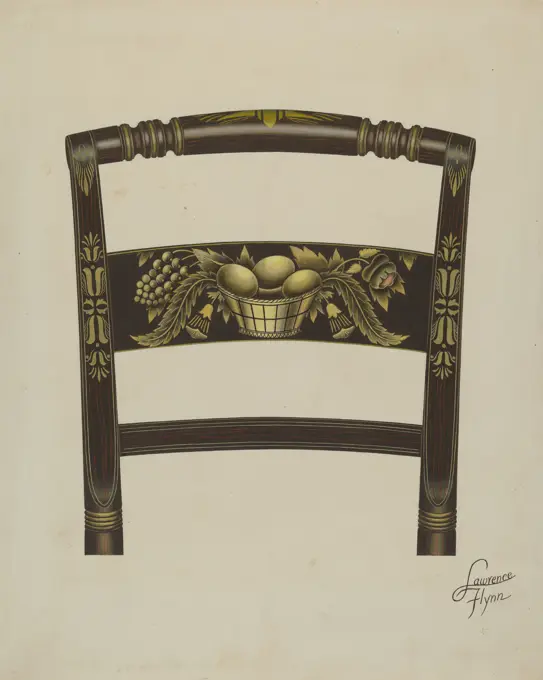
Decorative Metalwork and Art

Elegant metalwork pieces, including hobs and wood carvings, featuring intricate designs that reflect historical artistry and craftsmanship.

Hob with parrot in ring, cast Rectangular hob with bow In the middle parrot with branch with berries. Around broad border with twisted pilasters between the frame and the pearl necklace. On top of the middle shell flanked by two dolphins Bottom text and frame with year Bottom: HHS and 1665 living environment interior heating
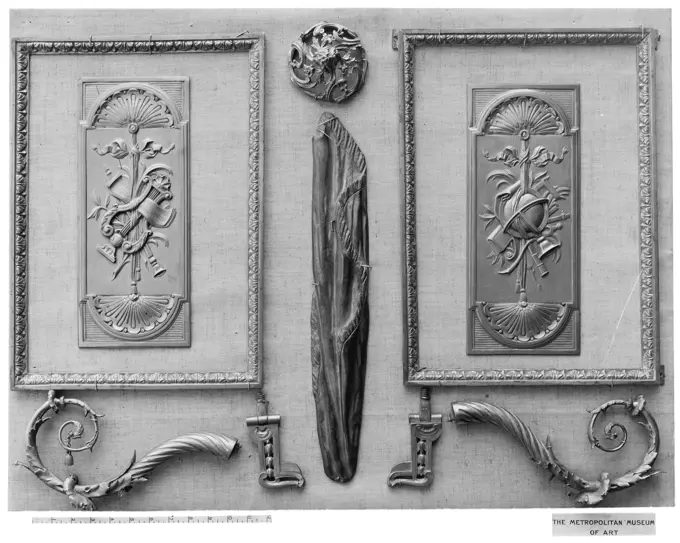
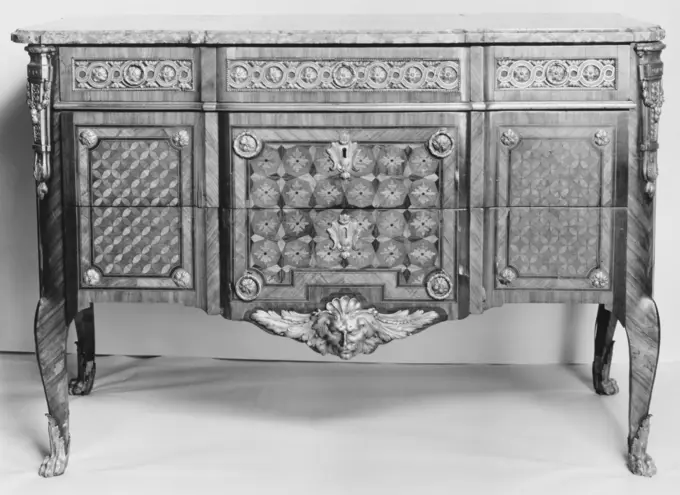
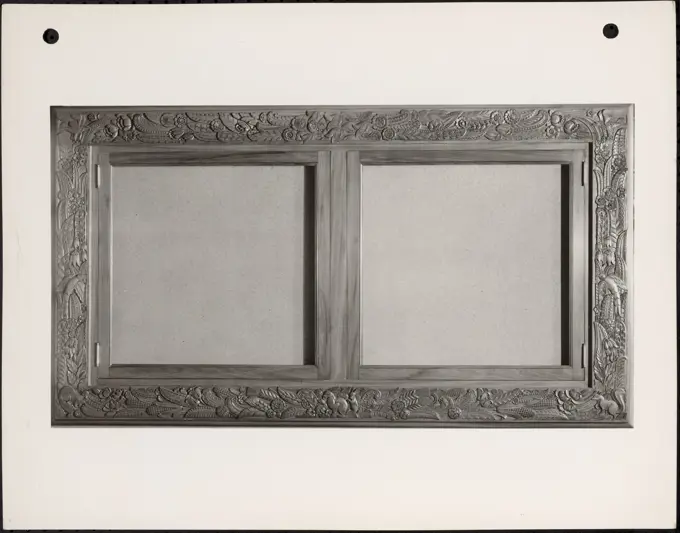
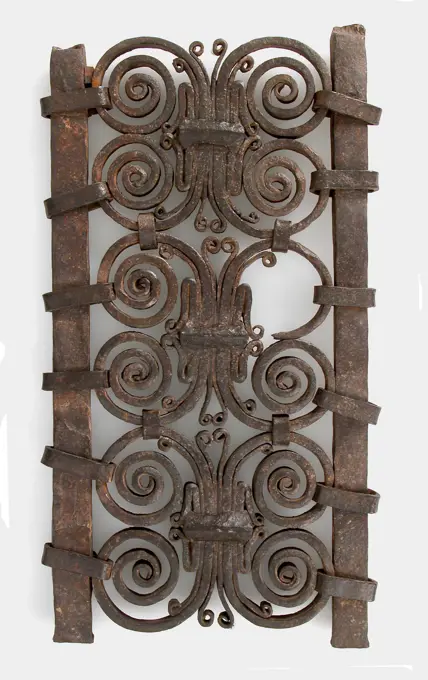
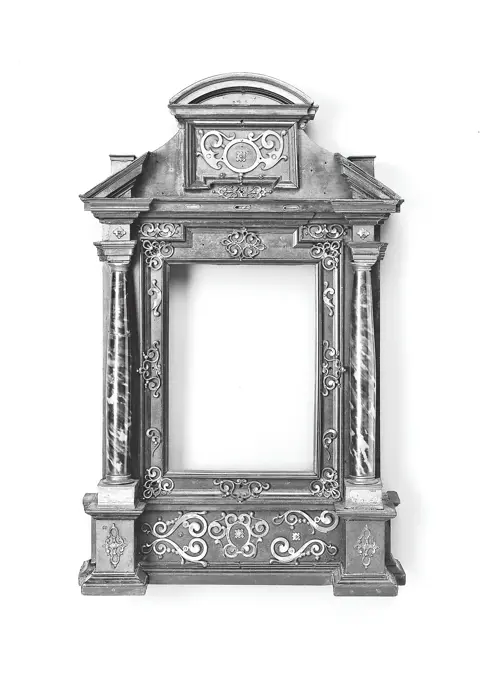
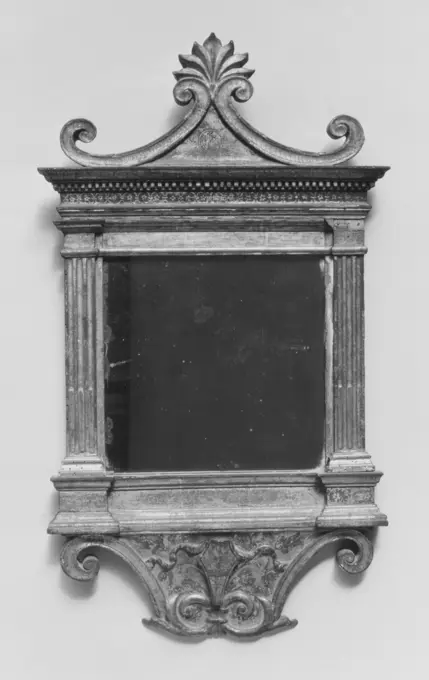
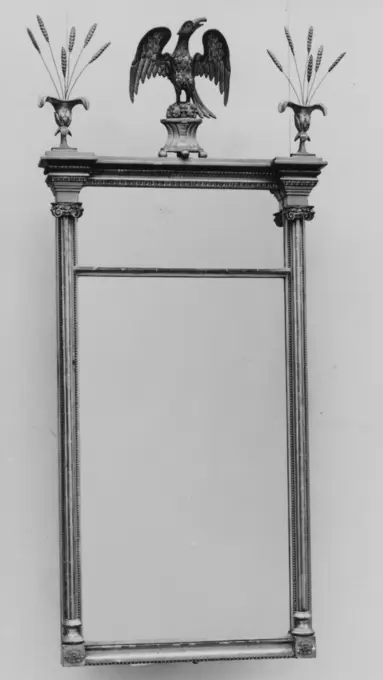
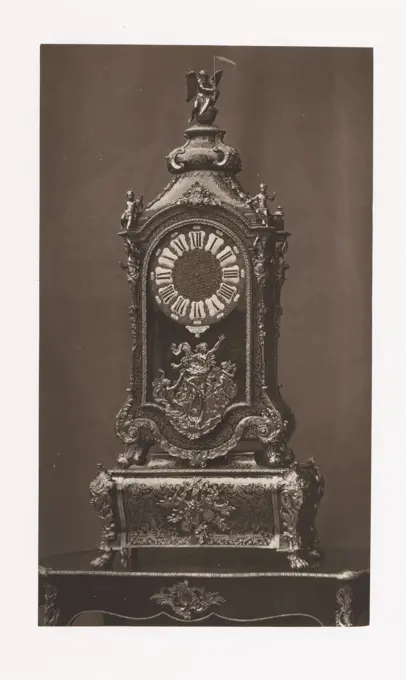
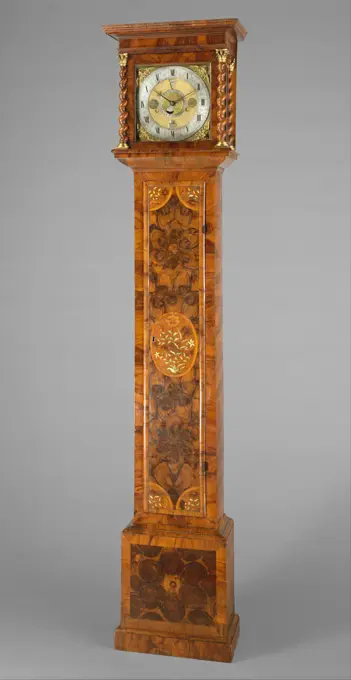
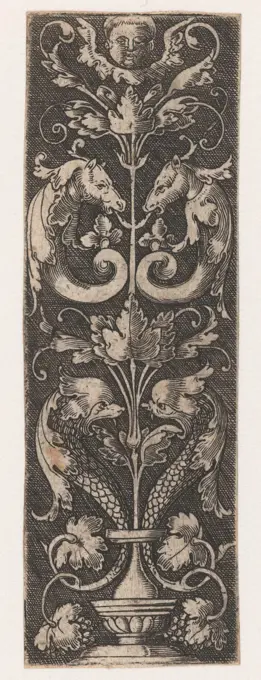
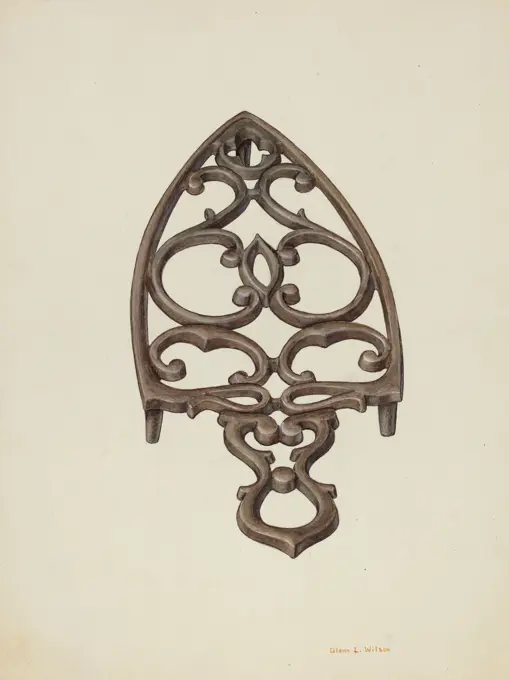
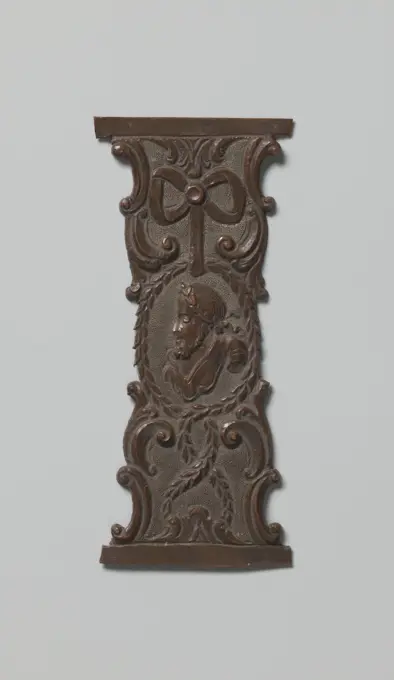
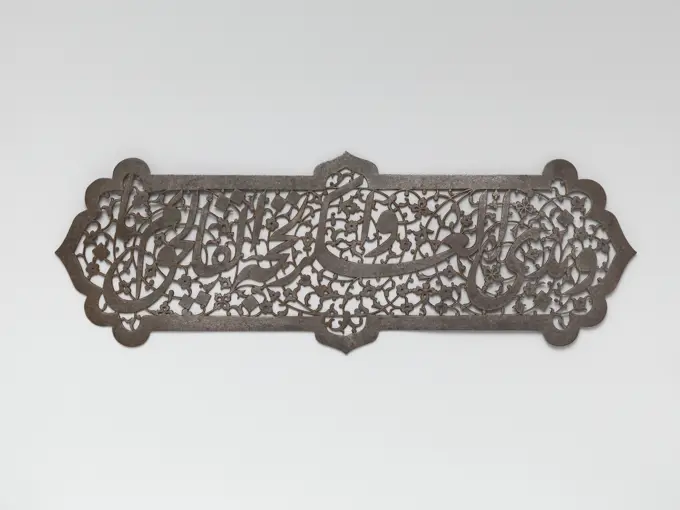
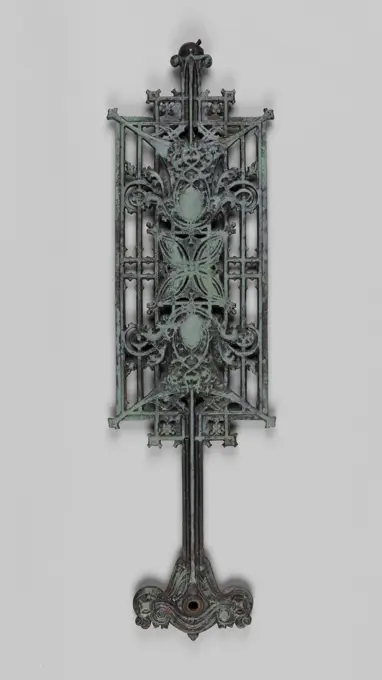
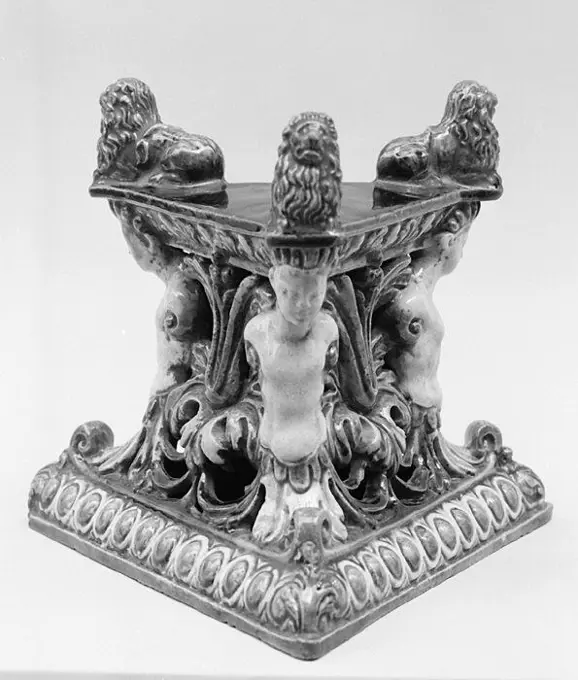
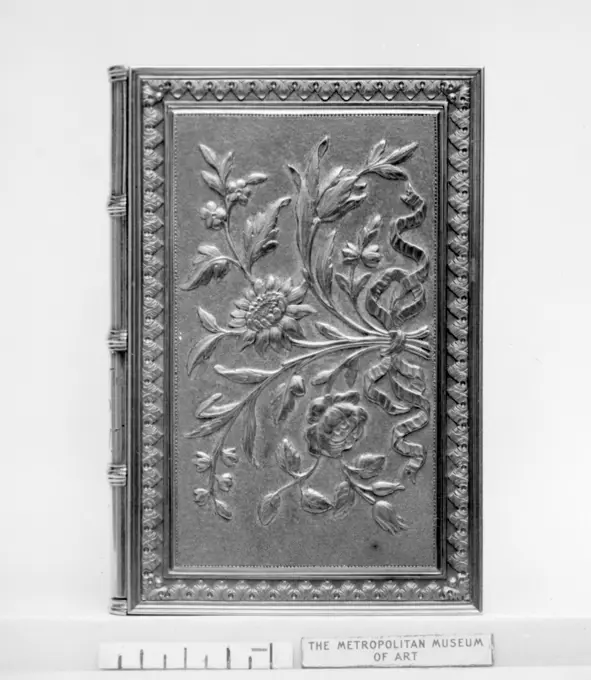
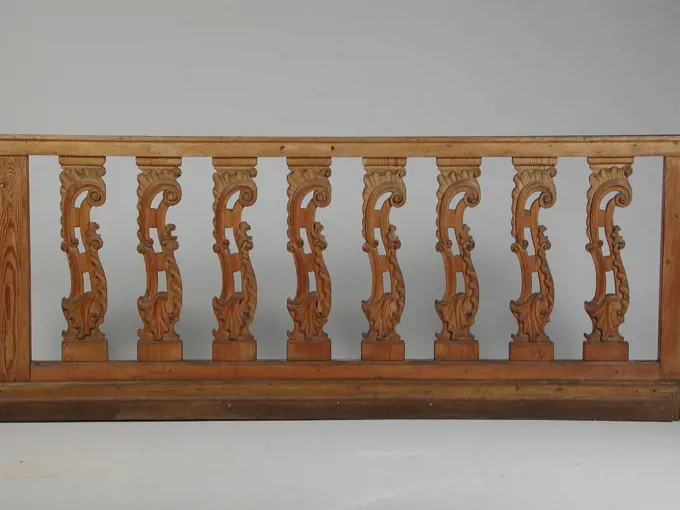
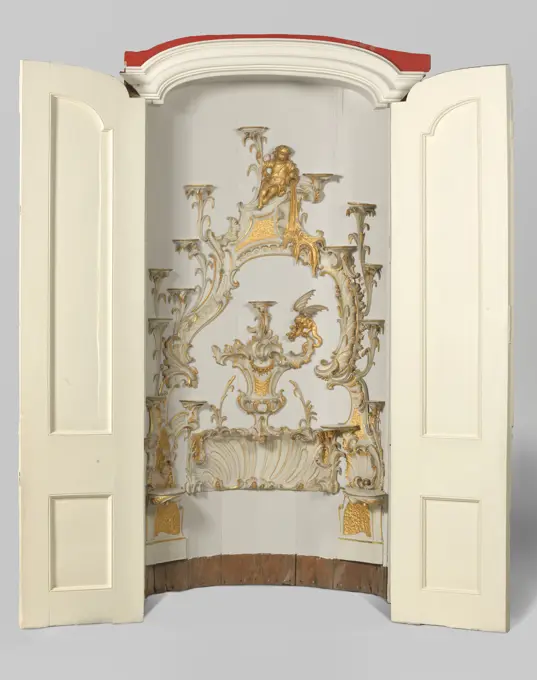
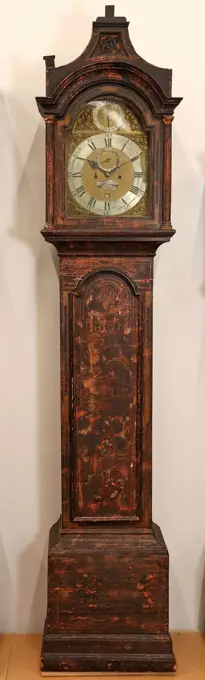
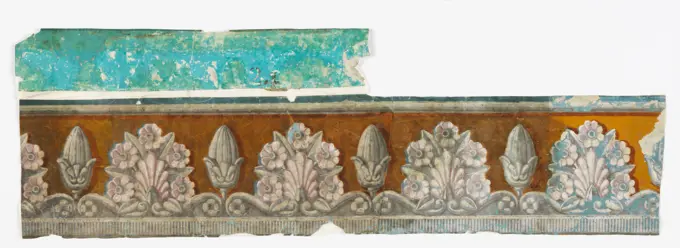
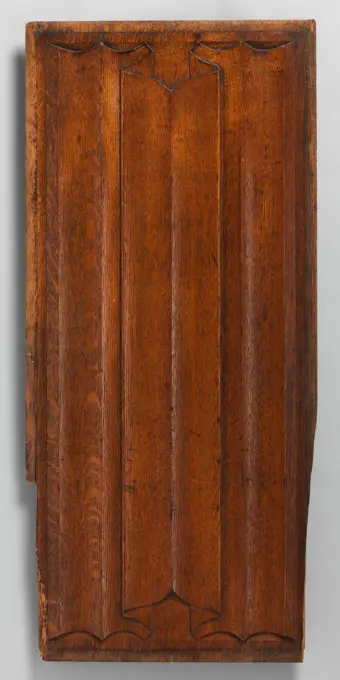
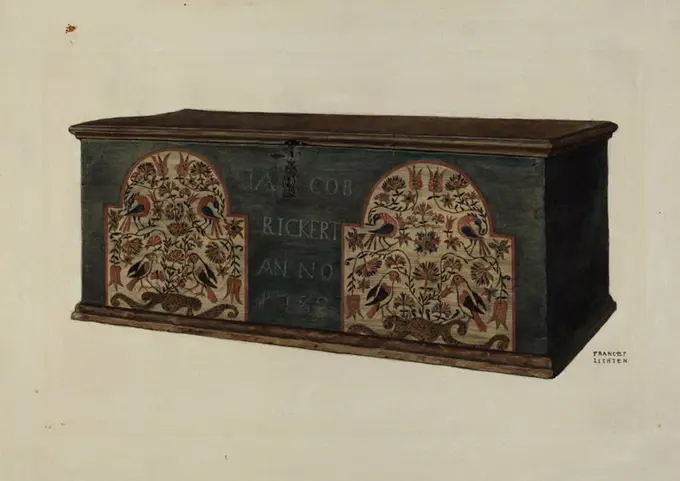
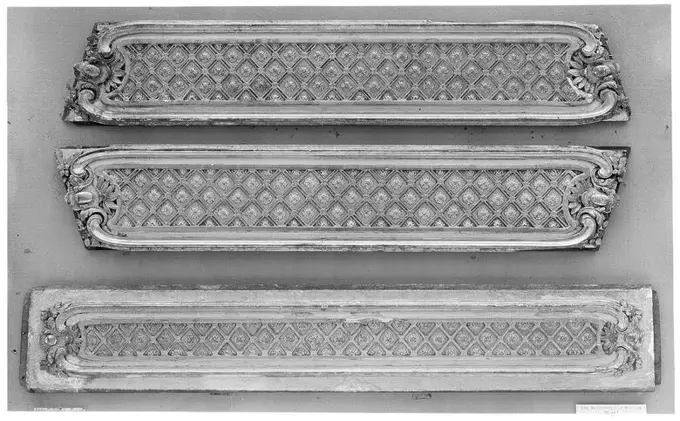
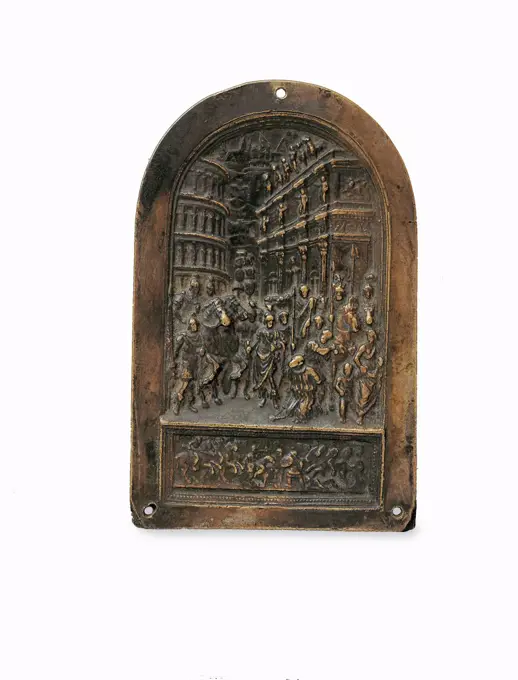
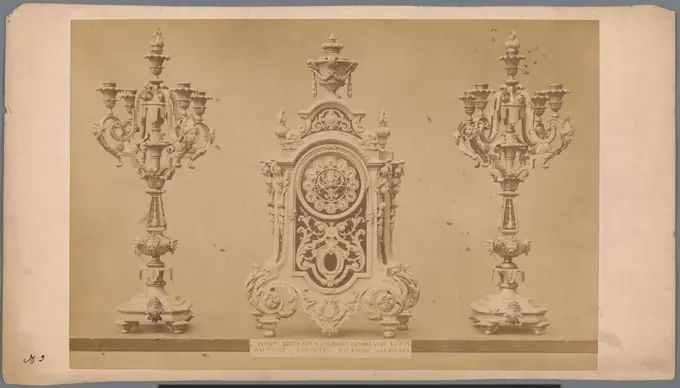
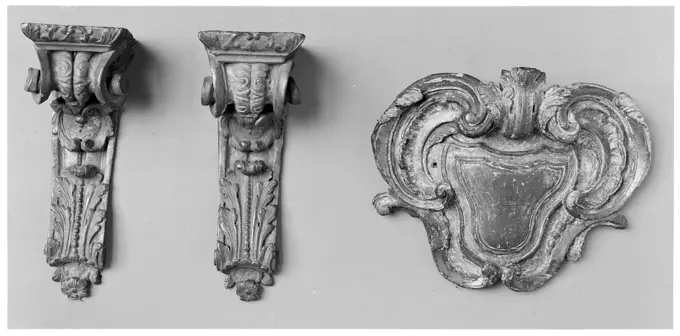
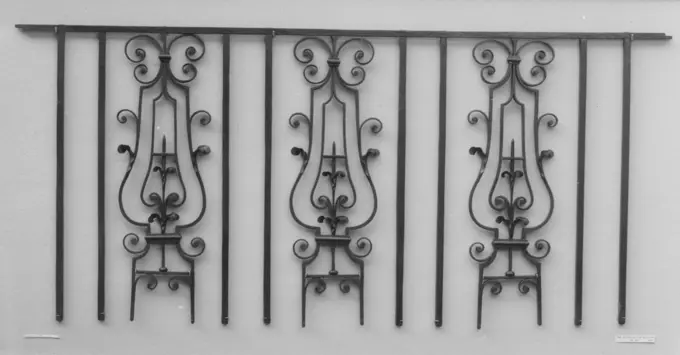
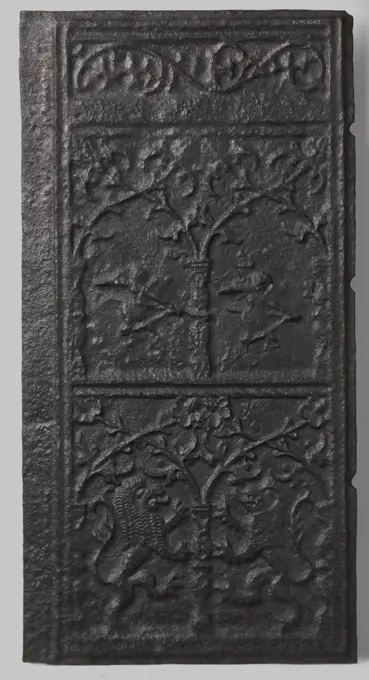
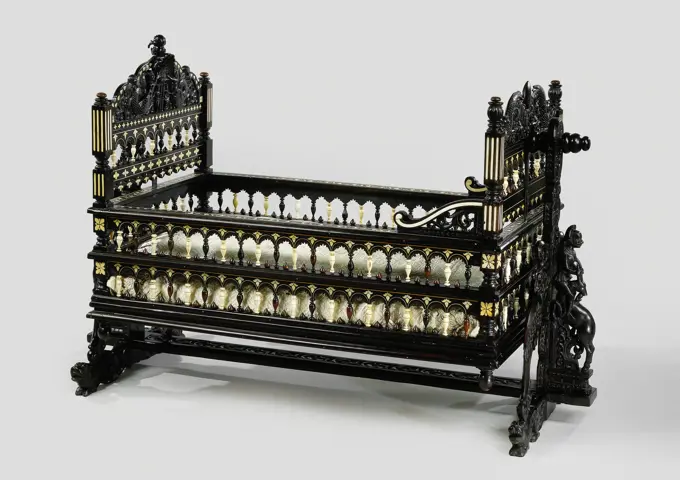
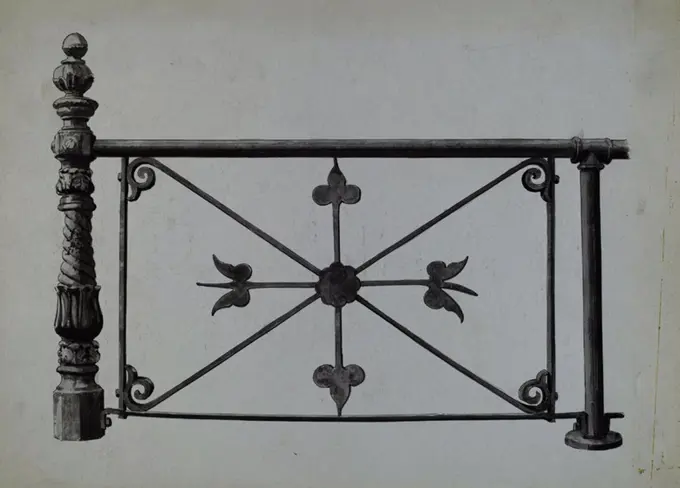
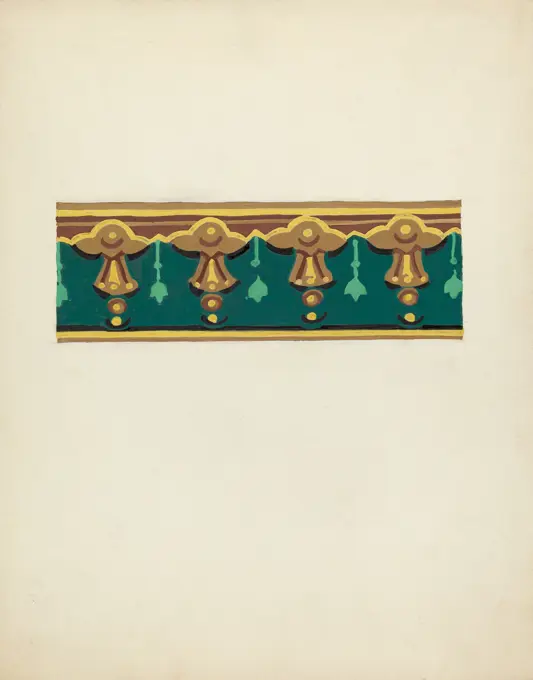
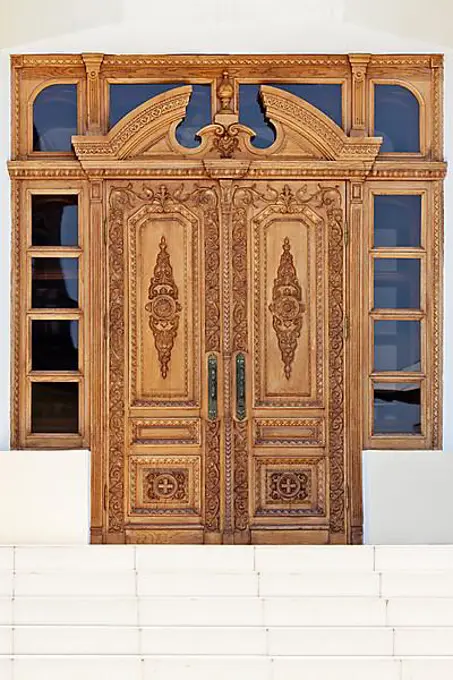
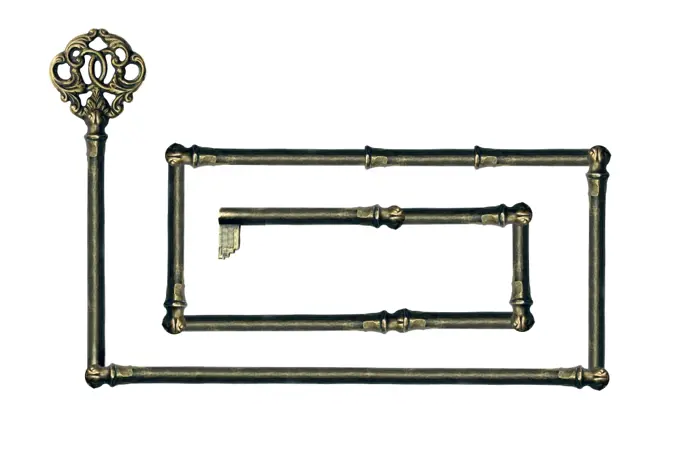
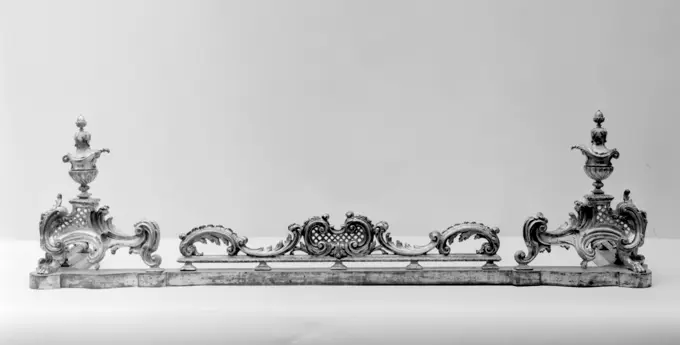
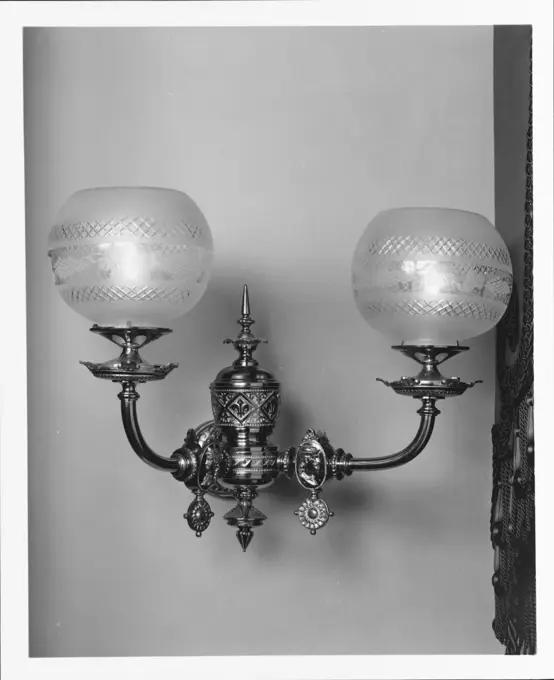
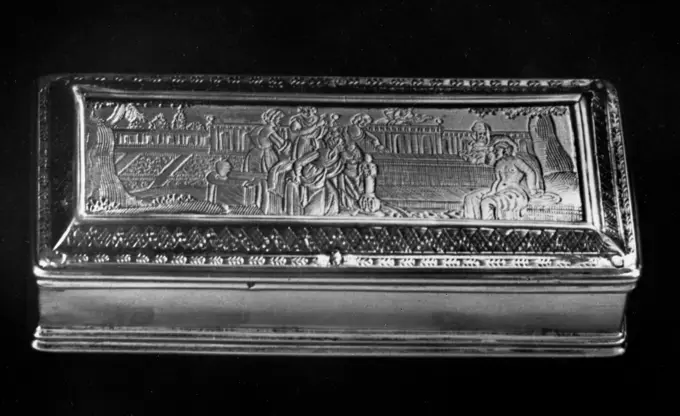
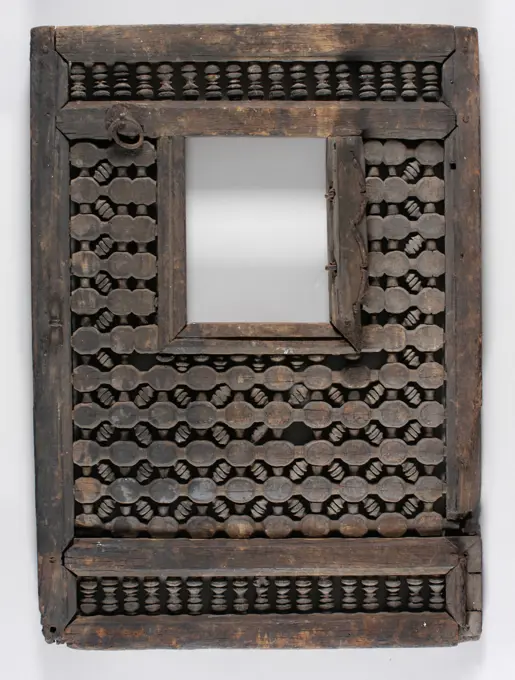
Hob with parrot in ring, cast Rectangular hob with bow In the middle parrot with branch with berries. Around broad border with twisted pilasters between the frame and the pearl necklace. On top of the middle shell flanked by two dolphins Bottom text and frame with year Bottom: HHS and 1665 living environment interior heatingMashrabiyya. Egypt, 17th-19th century. Wood. Wood, carvedHanging plaque for hanging the pocket watch;  1818 (1818-00-00-1818-00-00);. Art cupboard glued with rosewood and ebony and ivory on a pine corner. The doors, side walls and the top are glued with rosewood. On the inside of the doors equestrian images of ivory, surrounded by braid ornament and deposited with ivory piping; In the swing of birds and in the corners, moresken on ivory. Opened the furniture has a middle door with a portico with broken fronton, in which a warrior of ivory. Around 14 drawers decorated with ebony moresken on ivory.Side-light. Culture: American. Dimensions: Dimensions unavailable. Date: ca. 1810. Museum: Metropolitan Museum of Art, New York, USA.Panel ornament (one of a pair) French 18th century View more. Panel ornament (one of a pair). French. 18th century. Gilt bronze. Metalwork-Gilt BronzeCastle - a lid of the chest;  18th century (1701-00-00-1800-00-00);Frontispiece in shape sea monster with horse head, anonymous, 1700 - 1800 Filling of half a front skewer, cut from Lindehout, representing a sea monster, with a horse head and body, that winds its tail around a rudder. Northern Netherlands (possibly)Netherlands (possibly) wood (plant material). linden Filling of half a front skewer, cut from Lindehout, representing a sea monster, with a horse head and body, that winds its tail around a rudder. Northern Netherlands (possibly)Netherlands (possibly) wood (plant material). lindenCommode ca. 1760-70 French The change from the light and elegant Rococo style, characterized by curving lines and the use of naturalistic motifs, to the more restrained and architectural Neo-Classicism, influenced by classical antiquity, did not happen overnight. In fact, the 1760s were a time of transition during which the cabinetmakers generally adopted the new classical decoration before changing the overall shape of their pieces. This transitional breakfront commode or chest of drawers, which does not bear a makers mark, illustrates this very clearly. Although the piece is still supported on gently curving cabriole legs, the gilt-bronze mounts show a preference for Greek and Roman architectural motifs. Rather than with floral marquetry, the exterior surface is decorated with a repetitive geometrical pattern known as parquetry. The various woods are placed in such a way to create not only a striking contrast in color but also in the direction of the grain.. Commode 200592Bulletin board for the Somerville School done by the Somerville Woodcarvers , Bulletin boards. The Massachusetts WPA Federal Art Project Photograph CollectionGrill 12th-13th century Spanish. Grill 466300Panel ca. 1715-30 British. Panel 196878Balustrade ca. 1735 French. Balustrade. French. ca. 1735. Oak, gilded and painted. WoodworkTabernacle frame early 17th century Austrian, Salzburg. Tabernacle frame. Austrian, Salzburg. early 17th century. Pine back frame and carcass with applied sawn ebony veneer and scraped moldings. Columns: tortoiseshell veneer with hollow bronze capitals and bases.. FramesSquare Cup with Handle 19th century China. Square Cup with Handle 40918Mirror first half 16th century Italian. Mirror 194526Looking Glass 1800-1820 American. Looking Glass 4884Pa. German Chest. Dated: c. 1940. Dimensions: overall: 30 x 47 cm (11 13/16 x 18 1/2 in.) Original IAD Object: 23" high; 48 1/2" long; 20 3/4" deep. Medium: watercolor and graphite on paper. Museum: National Gallery of Art, Washington DC. Author: Carl Strehlau.Stair Baluster from the Chicago Stock Exchange Building. Louis Henri Sullivan (United States, 1856-1924)Adler & Sullivan (United States, active 1883-1895). 1892-1894. Architecture; Architectural Elements. IronTours, Blaise, Gabriel, Pendulum in the style of Louis 1873, paper, Woodbury typeConsole table first quarter 18th century French. Console table. French. first quarter 18th century. Carved and gilded oak (), portor marble. Woodwork-FurnitureLongcase clock with calendrical, lunar, and tidal indications, also known as the Graves Tompion ca. 1677-80 Clockmaker: Thomas Tompion Tompion combined the technical advances made by English clockmakers with his own superb workmanship and ingenious designs to produce timepieces that contributed vastly to the fame of English clock making in the second half of the seventeenth century. One of Tompion's earliest surviving longcase clocks, this example was made before he began systematically numbering his works sometimeafter 1685. The dial indicates hours and minutes, subdivided into ten-second intervals (on the silvered chapter ring), calendrical information (in variouis apertures), and the phases, aspects, and ages of the moon in its monthly cycle, as well as times of high tide at London Bridge (on the central revolving disk). The eightday, weight-driven movement, with anchor escapement and long pendulum, strikes in an unusually complicated way: full and half hours are struck respectivelyWooden frame at the medallion portrait by Johan van Oldenbarnevelt, 1600 - 1699 frame Wooden cut frame belonging to the ivory medallion portrait. Pieces on the side broken off. North Netherlands wood (plant material) cuttingJames M Lawson, Iron Railing and Gate, c 1936 Iron Railing and GateUpper inner foot valence. UnknownOrnament with two horse heads and two fishing ..Glenn Wilson, Trivet, c 1942 TrivetFragment, Panel; wood, carvedCovered incense burner. Culture: China. Dimensions: H. (incl. cover) 5 in. (12.7 cm); W. 4 in. (10.2 cm); L. 7 in. (17.8 cm). Museum: Metropolitan Museum of Art, New York, USA.Model for a bracket of a book lock with a men's head with laurel wreath, anonymous, c. 1750 - c. 1775 The model driven out of plate for a mold shape has a men's head with laurel wreath in a medallion surrounded by garlands on a bow, with C-volutes around it. Amsterdam copper (metal) The model driven out of plate for a mold shape has a men's head with laurel wreath in a medallion surrounded by garlands on a bow, with C-volutes around it. Amsterdam copper (metal)Abruzzo L'Aquila Sulmona Museo Civico8. Hutzel, Max 1960-1990 Museo Civico Treasures: these objects (Tesoro del Pio Istituto della SS. Annunziata and Tesoro della Cattedrale) are now housed in the security vault of a bank, not in the Museo Civico, as noted in Hutzel's photo campaign notes of August 1984. Views of the treasures include: a silver processional cross (14th century); gold, silver and enamel chalice (13th century), gold and silver crosier with sculpted figures depicting the Annunciation (13th century), a silver and gold reliquary with glass (13th century), a silver diadem (13th century), and a box-like silver and gold reliquary (15th century). German-born photographer and scholar Max Hutzel (1911-1988) photographed in Italy from the early 1960s until his death. The result of this project, referred to by Hutzel as Foto Arte Minore, is thorough documentation of art historical development in Italy up to the 18th century, including objects of the Etruscans and the Romans, as welChair ca. 1860 American. Chair 1648Emilia-Romagna Ferrara Ferrara S. Francesco0. Hutzel, Max 1960-1990 Medieval: Sculpture, tomb monuments. Post-medieval: Architecture, architectural sculpture, sculpture, ceramics, frescoes, painting Specific Location: Via Savonarola Object Notes: Ferrarese Franciscan Archive was burned by soldiers in 1494; Founding date today is set at 1227. General Notes: Includes second set of 17 post-med photos with same numbering system. These have been labeled "B". German-born photographer and scholar Max Hutzel (1911-1988) photographed in Italy from the early 1960s until his death. The result of this project, referred to by Hutzel as Foto Arte Minore, is thorough documentation of art historical development in Italy up to the 18th century, including objects of the Etruscans and the Romans, as well as early Medieval, Romanesque, Gothic, Renaissance and Baroque monuments. Images are organized by geographic region in Italy, then by province, city, site complex and monument.Plaque 17th century This pierced steel plaque contains an inscription in fluid nastaliq script against a background of vegetal scrolls, which praises the Prophet, his daughter Fatima, and the Twelve Shii Imams (the Chahardah Masum, or Fourteen Infallibles). The openwork casts a delicate shadow as light filters through its perforations. Similar plaques were placed on entryway doors surrounding the cenotaphs of holy personages in Shii shrines in Iran.. Plaque 457742Secretary, anonymous, c. 1780 - c. 1790 Secretary glued with maple and satin wood and other types of wood and inlaid with Wedgwood Jasperware Plaques on rectangular fields. The tapered tapered legs are cut at the top. The doors wear two narrow high plaques from Sappho and Flora; On the valve a large oval plaque with the marriage of Amor and Psyche. The drawer at the top shows a small oval plaque with a singing and sewing woman with a child on the left and right. Frames with solid and decorated lacquered fields. furniture worker: Netherlandsporcelain company: England wood (plant material). oak (wood). maple (wood). satinwood (wood). earthenware. copper (metal). velvet (fabric weave). rosewood (wood). lacquering Secretary glued with maple and satin wood and other types of wood and inlaid with Wedgwood Jasperware Plaques on rectangular fields. The tapered tapered legs are cut at the top. The doors wear two narrow high plaques from Sappho and Flora; On the valve a large oval plaque with thValance 16th century British or French. Valance 228980Baluster with Panel designed for the Schlesinger and Mayer Store (now Carson, Pirie, Scott and Company), 1899-1904. George Grant Elmslie (American, 1871-1952). Cast iron; overall: 89.2 x 25.1 cm (35 1/8 x 9 7/8 in.).THE INTERNATIONAL EXHIBITIONPedestal (socle) first half 19th century French. Pedestal (socle). French. first half 19th century. Lead-glazed earthenware. Ceramics-PotterySouvenir 1789-92 Pierre-Denis Chaumont In eighteenth-century Europe, Paris led the production of high-quality luxury goods. Parisian goldsmiths made a wide range of small, personal articles such as snuffboxes; étuis to hold sealing wax, tweezers, or utensils for sewing; souvenirs, which contained thin ivory tablets for note taking; and shuttles for knotting lace. Gold snuffboxes and boxes decorated with portrait miniatures were prized and frequently given as royal gifts, often to ambassadors or members of the court in lieu of cash payments for their services. Coveted and admired, these boxes were produced from a variety of materials. The best were skillfully made of gold and embellished with diamonds, enameled decoration, lacquer, and other luxurious materials. By the middle of the century, the taking of snuff had become an entrenched social ritual, and the snuffbox, too, had become an important social prop. Snuffboxes were considered highly fashionable accessories, with some merchantsWooden balustrade, balustrade wood pine wood oak, Rotterdam City Triangle Leuvehaven Witte Leuvesteeg House of the Leuvehaven corner Witte Leeuwensteeg Rotterdam.Pedestal with relief decoration. Footpoint of white porcelain, embossed decorated with trophies and crowned monogram Cr. Labeled in underglaze Blue with the letter F. Note: Belongs to a non-present equestrian statue in Biscuit of Frederik de Large, modeled by Carl Gottlieb Schubert, ca. 1779 / 80.Medieval ornamentCorner board left, part of a buffetnis, anonymous, c. 1750  Northern Netherlands oak (wood)  Northern Netherlands oak (wood)Tall CaseClock.   Maker: John Garland, British, active 1766-1798Frame; wood (pine), carved and gilded; 57h x 40.5w cm (22 7/16 x 15 15/16 in. )Door knocker .. an iron door knocker with plate. From the collection D. van der Kellen.Chest second half 15th century French. Chest 467789Spice box 1723-24 Nicolas Mahon. Spice box 200271Border And Sidewall (France); block-printed on handmade paper; 58 x 42 cm (22 13/16 x 16 9/16 in.)Panel from the Palace of Westminster. Culture: British. Designer: Designed by Augustus Welby Northmore Pugin (British, London 1812-1852 Ramsgate). Dimensions: Overall (confirmed): 25 × 11 3/8 × 5/8 in. (63.5 × 28.9 × 1.6 cm). Date: ca. 1847. Museum: Metropolitan Museum of Art, New York, USA.Aldegrever, Heinrich, Germany, Dagger in a sheath, verso bottom center - handwritten, A dagger in a sheath decorated with leaf tendrils., print, ornamental print, prints, 34, height 299 mm, width 106 mm, width 48 mm, German, 1502 - 1561, print maker, printmaker, 1537 - 1537, second quarter 16th century, paper, engraving, engraving (printing process), Work conception, after own design byMisericord (2) (England); carved wood (oak), gilding (traces)Dado (possibly England); machine-printed on continuous paper; 136 x 50 cm (53 9/16 x 19 11/16 in.)Border (France); block printed on handmade paperGrille Prototype for Ceiling Grille for Pierpont Morgan Library Annex. Culture: American. Dimensions: 33 1/8 x 34 1/2 x 2 13/16 in. (84.1 x 87.6 x 7.1 cm). Maker: Samuel Yellin (American, born Russia, 1884-1940). Date: ca. 1928.This full-scale prototype of one unit of the large, decorative grille for the Annex of the Pierpont Morgan Library exhibits Yellin's total mastery of his medium--iron--which is crafted here into graceful, Renaissance-inspired filigrees. The design of the openwork square with curling, heart-shaped cartouches containing birds is at once sophisticated and playful, exemplifying the artist's keen interest in referencing historical material in new and innovative ways. The original grille remains in situ. Museum: Metropolitan Museum of Art, New York, USA.Panel from the Palace of Westminster ca. 1847 Designed by Augustus Welby Northmore Pugin These decorative oak panels exemplify the designs of A.W.N Pugin, who was the leading exponent of the Gothic Revival style in England. Pugins work is central to the transformation in British design that began in the mid-nineteenth century. He admired what he saw as the honesty and purity of medieval art, and deplored the meaningless repetition of historical motifs. Pugin coined the phrase “Brumagen Gothic,” referring to “those inexhaustible mines of bad taste, Birmingham.” The carved oak panels for the Palace of Westminster were made for both the House of Lords and House of Commons and are just one component of a larger, Pugin-designed interior program, including brasswork (grill panels, large doors, candelabra and other light fixtures, hardware, and gallery railings), stained glass, tiles, and furniture. These panels are executed in Pugins interpretation of the Gothic Revival and feature severalBouwfragment, anonymous, 1700 - 1725 A trapezoidal, openwork stair balluster of dark brown painted pine. A rosette has been applied in the middle, and the bottom and top volutes with shell. See also: BK-16698-A and C/D. Northern Netherlands (possibly)Netherlands (possibly) wood (plant material). pine (wood) A trapezoidal, openwork stair balluster of dark brown painted pine. A rosette has been applied in the middle, and the bottom and top volutes with shell. See also: BK-16698-A and C/D. Northern Netherlands (possibly)Netherlands (possibly) wood (plant material). pine (wood)Pa. German Chest. Dated: c. 1938. Dimensions: overall: 30.6 x 41.2 cm (12 1/16 x 16 1/4 in.). Medium: watercolor, graphite, and colored pencil on paper. Museum: National Gallery of Art, Washington DC. Author: Frances Lichten.Console table. Culture: French. Dimensions: 31 1/2 × 37 × 18 1/2 in. (80 × 94 × 47 cm). Date: first quarter 18th century. Museum: Metropolitan Museum of Art, New York, USA.Set of panels. Culture: French. Dimensions: each: 55 1/2 × 27 1/2 in. (141 × 69.9 cm). Date: 1700-1735. Museum: Metropolitan Museum of Art, New York, USA.Ornament 18th century French. Ornament 190154 French, Ornament, 18th century, Gilt bronze, enamel, Overall (confirmed): 1 7/8  7  5/16 in. (4.8  17.8  0.8 cm). The Metropolitan Museum of Art, New York. Gift of J. Pierpont Morgan, 1906 (07.225.510.411)Fragment, Frame; wood, painted and gildedUnidentified Scene, by 16th Century Roman artist, 16th Century, bronze with remains of silver, plating. Italy: Lazio: Rome: National Museum of Palazzo Venezia: inv. P.V. 10832. Whole artwork. Small plate monuments of ancient Rome Coliseum Arch of Constantine statues quadriga men horses lances/spears crowd soldiersTable clock with two candlesticks, c. 1875 - c. 1900 photograph. photocollage Faces on candlesticks from other photo. Europe cardboard. photographic support albumen print clock. chandelier, candelabrum EuropeHearthstone, Luiks, from Luik, Liege Belgium, with wide frame, with flower, fireplace stone part ceramics brick, fired fireplace of the Liege type with wide frame showing flower between horizontal C-volutes building history heatingDouble-Leaf Doors, 1790s. Pierre Rousseau (French, 1751-1829). Oil on wood; framed: 313.6 x 151.8 x 15.2 cm (123 7/16 x 59 3/4 x 6 in.); unframed: 274 x 63 cm (107 7/8 x 24 13/16 in.).Pair of consoles 17th century French. Pair of consoles. French. 17th century. Carved and gilded wood. WoodworkBritish, Neoclassical Revival style frame, Unknown framemaker, 2nd and 3rd quarters of 19th century, Wood and compo, oil and water gilt and patinatedCassetta frame late 16th century Italian, Bologna. Cassetta frame 460877Gold plated linden wood rococo mirror frame, mirror frame frame interior design wood lime wood gold leaf goldpaint 96,0, Stabbed with floral branches rococoMountDisplay cabinet of pine wood decorated with paintwork, anonymous, 1800 - 1815 Display cabinet of pine wood decorated with paintwork. Both the narrow sides and the two high doors are glazed and are divided by a horizontal rod in two. The painting in paintwork of the low plinth and the frieze of the profiled straight hood consists of small landscapes, which are partly applied in gold from different tones against a black surface. The styles and rules of the doors are painted with flower and leaf vines, interspersed with butterflies. Northern Netherlands (possibly) wood (plant material). pine (wood). glass lacquering Display cabinet of pine wood decorated with paintwork. Both the narrow sides and the two high doors are glazed and are divided by a horizontal rod in two. The painting in paintwork of the low plinth and the frieze of the profiled straight hood consists of small landscapes, which are partly applied in gold from different tones against a black surface. The styles and rules of thIron baluster (one of a pair) ca. 1780 British. Iron baluster (one of a pair). British. ca. 1780. Wrought iron, lead. Metalwork-IronNetherlands, Kellen, David van der (1804-1879), Chaise 13e siècle, Chair from the 13th century, A richly decorated chair from the thirteenth century., print, picture, book illustration, prints, ornamental prints, height 265 mm, width 215 mm, 1804-09-25 - 1879-03-30, print maker, printmaker, 1865 - 1870, third quarter 19th century, paper, papier, etchingRectangular toilet mirror ca. 1870 French. Rectangular toilet mirror 205807Set of three balusters ca. 1760 British. Set of three balusters. British. ca. 1760. Wrought iron. Metalwork-IronStove plate with two angels and two lions, anonymous, c. 1525 - c. 1575 Stove plate consisting of three parts. The narrow, upper part is decorated with leaf vines. The middle part has a tree with an angel on either side (). In the lower part, a tree with a standing lion on either side. Germany iron (metal) casting Stove plate consisting of three parts. The narrow, upper part is decorated with leaf vines. The middle part has a tree with an angel on either side (). In the lower part, a tree with a standing lion on either side. Germany iron (metal) castingChest. Culture: Swiss. Dimensions: Overall: 39 × 59 × 24 in. (99.1 × 149.9 × 61 cm). Date: 17th century. Museum: Metropolitan Museum of Art, New York, USA.Panel fragment 16th century Style of Barthélemy Prieur French. Panel fragment. French. 16th century. Carved walnut (). WoodworkCradle, anonymous, c. 1700 Swing cradle of ebony, decorated with sculpture and inlaid with ivory. The elongated compartment has profiled lower, middle and upper rules between which there are two rows of balusters, alternately from Ebben and ivory, connected by very lobed arches. The corner styles consist of houses and sections; There are bulbs at the bottom. The main and foot end and the standard consisting of two yokes and a connecting bar show, among other things, sculpted (fable) animals, figures, flower and leaf vines. India wood (plant material). ebony (wood). ivory inlay (process) Swing cradle of ebony, decorated with sculpture and inlaid with ivory. The elongated compartment has profiled lower, middle and upper rules between which there are two rows of balusters, alternately from Ebben and ivory, connected by very lobed arches. The corner styles consist of houses and sections; There are bulbs at the bottom. The main and foot end and the standard consisting of two yokes and a conFootstool. Dated: 1935/1942. Dimensions: overall: 43.5 x 31.8 cm (17 1/8 x 12 1/2 in.). Medium: watercolor, graphite, and gouache on paper. Museum: National Gallery of Art, Washington DC. Author: Albert Levone.Still Life American. Still Life, n.d. Pastel on paper mounted to canvas, 21 3/4 x 17 1/2 in. (55.2 x 44.5 cm).   American Art n.d.Fence. Dated: c. 1936. Dimensions: overall: 24.4 x 34.7 cm (9 5/8 x 13 11/16 in.). Medium: watercolor and pen and ink on paper. Museum: National Gallery of Art, Washington DC. Author: Florence Huston.John Garay, Wallpaper Border, 1935 1942 Wallpaper BorderCase of a longcase clock. unknown, creatorLazio Rieti Rieti S. Maria Assunta, Duomo, e Palazzo Vescovile08. Hutzel, Max 1960-1990 Medieval: Duomo, architecture (12-13th, 15th centuries). Post-medieval: Duomo and Palazzo Vescovado: Architecture, sculpture, frescoes, painting, architectural sculpture, metalwork, vestments General Notes: Hutzel combines two sites here, with no indication as to which photos or negatives belong to either site. Sites are catalogued separately in Medieval section, and entered thus in database. It is uncertain as to whether this includes objects from the Museo del Tesoro del Duomo. Hutzel photo campaign notes are undated. There is a note that there are no prints for 69-129. German-born photographer and scholar Max Hutzel (1911-1988) photographed in Italy from the early 1960s until his death. The result of this project, referred to by Hutzel as Foto Arte Minore, is thorough documentation of art historical development in Italy up to the 18th century, including objects of the Etruscans and the Romans, asSign bracket 17th century French. Sign bracket. French. 17th century. Iron. Metalwork-IronA beautiful wooden dooStudio Door, 1500s. Spain, 16th century. Wood; overall: 256.5 x 68 x 6.4 cm (101 x 26 3/4 x 2 1/2 in.).labyrinth maze puzzle made from keys.Abruzzo, L'Aquila, Celano, Museum, Italy, 20th century, photo, photography, EuropeFireplace fender mid-18th century British. Fireplace fender 201888Photo album (empty), Anonymous, 1860 - 1900  Photo album with 48 pages, each with a passe-partout-framed edge for a carte-de-visiting.  cardboard. paper. leather. metalThe sugar industry and topography of Java, Herman Salzwedel, 1876 - 1884  Loose-leaf photo album with purple velvet top and top and purple velvet back. The sides of the album are made of cardboard, covered with white paper. The top of the album is covered with silver. The 53 photos are together with the opening magazine Los in the album. On the front of the album a slightly burned silver shield with inscription and decoration of flowers. Around the shield lauwert branches, which come together in the middle and there are tied together with a ribbon with a blue-yellow striped silk ribbon of an award (missing partially). Various attributes of the sugar industry are shown on the four corners against a background of leaf voles. The whole is surrounded by a raised edge with sloping sides. The top of this is engraved with a series of equal leaf motifs on a stock decorated with parallel lanes. The sides show a continuous edge of geometric motifs including C-Voluten. Bolls are applied to the coSconce 1868-70 Attributed to Mitchell, Vance & Co. This brass sconce, one of four (see 68.143.6-.7, .15), and its corresponding twelve-light chandelier (68.143.5), originally illuminated the sitting room, or rear parlor, of the mansion built for Jedediah Wilcox at 816 Broad Street in Meriden, Connecticut. Completed in 1870, the house was heralded as one of the states grandest residences. Previously outfitted for gas lighting, the fixture has been electrified for use in the Museum. Likely made by Mitchell, Vance and Co., the sconce incorporates a Néo-Grec decorative vocabulary that features stylized palmettes, fleur-de-lis, and portrait medallions above the gas keys and coordinates with the room's original suite of seating furniture, overmantel mirror, and window cornices (see 68.133.1-.5, .8-10, and 68.134.11).. Sconce 3901Carved early Chippendale chairman's chair, 1911-1912.Artist: Edwin FoleyJohannes Pauli, Box, 1737, silver.CASKET CARVED OUT OF WOOD FROM HERNE'S OAK, BY ORDER OF HER MAJESTY, 1874 engravingLawrence Flynn, Design on Back of Hitchcock Chair, c 1936 Design on Back of Hitchcock Chair