Decorative Mounts and Rosettes

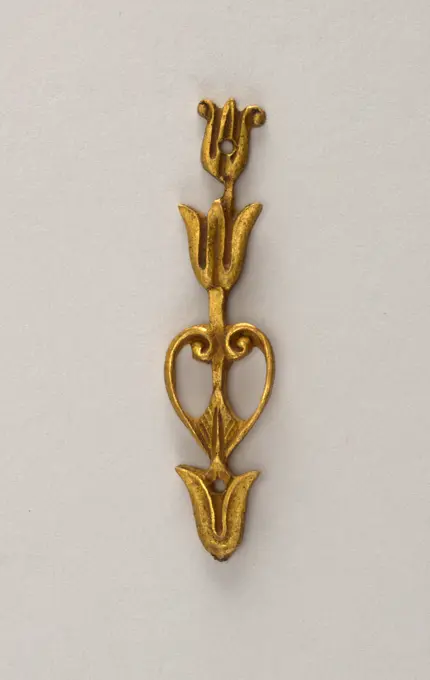
A variety of ornate decorative mounts and rosettes, featuring intricate designs and finishes, ideal for home decor or architectural accents.
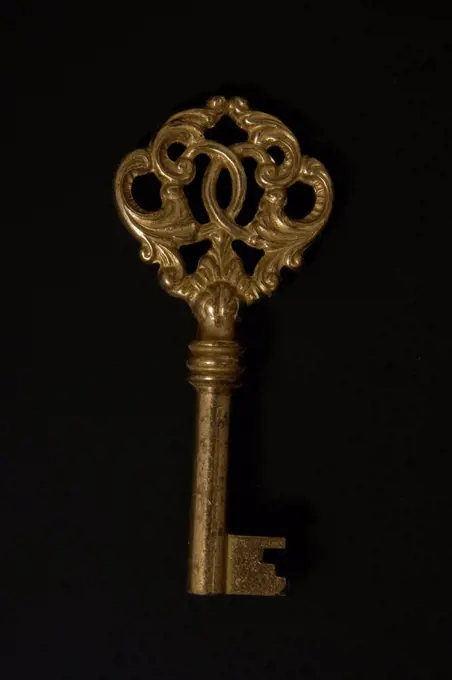
Old fancy key on black background, close up
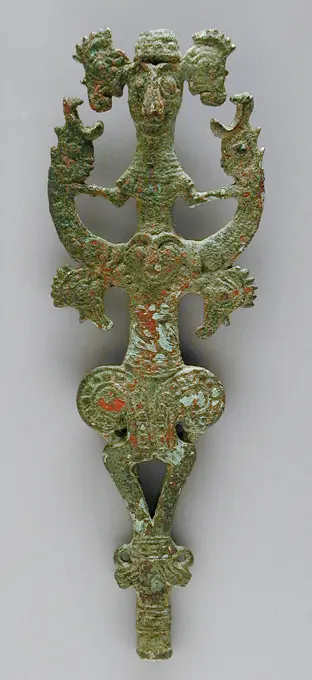
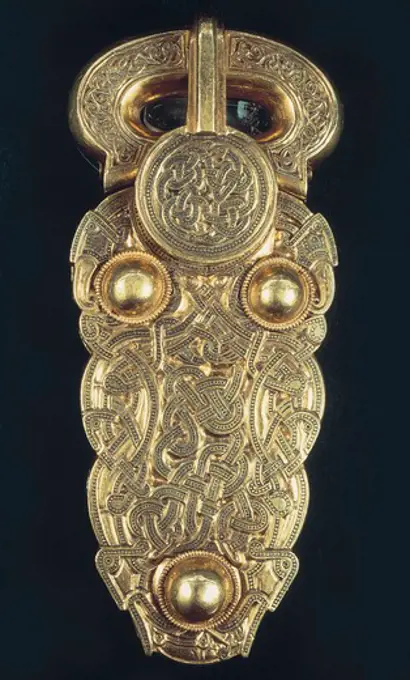
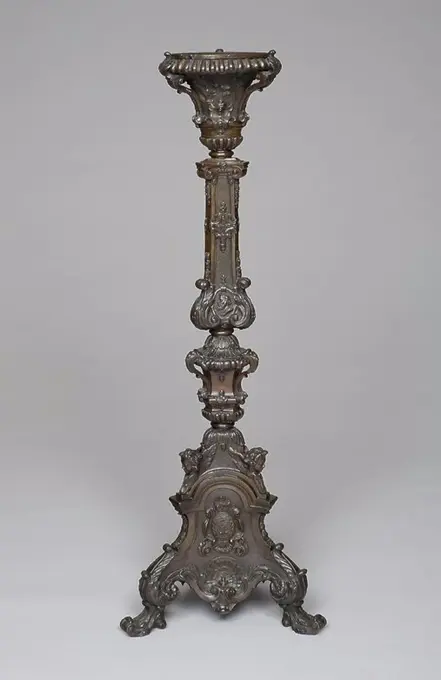
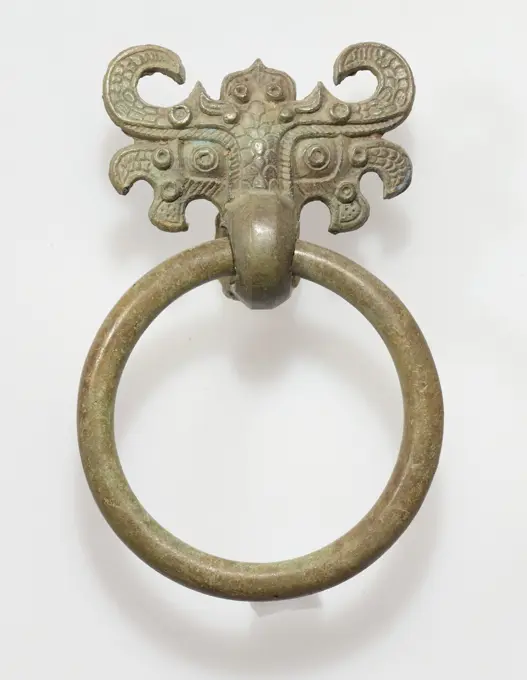
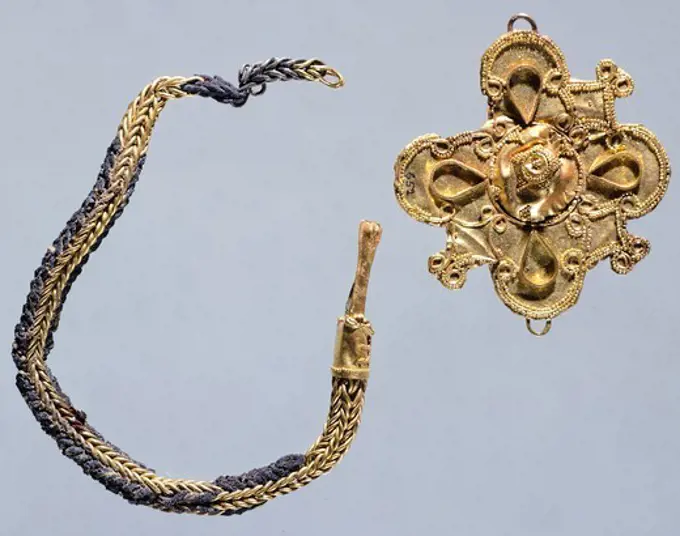
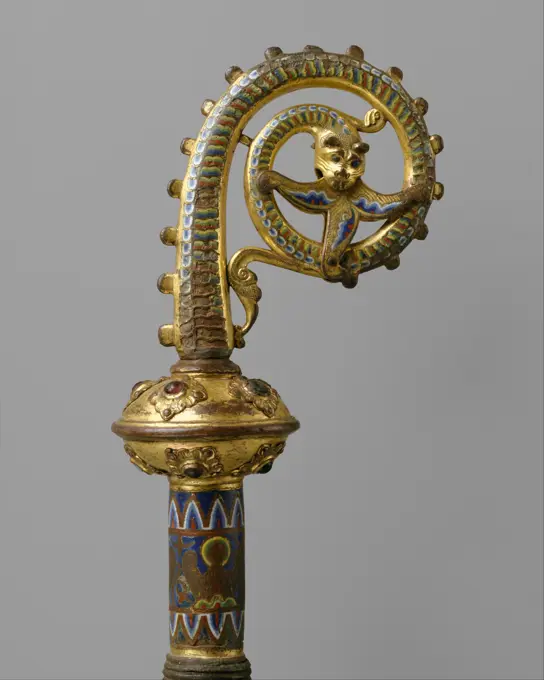
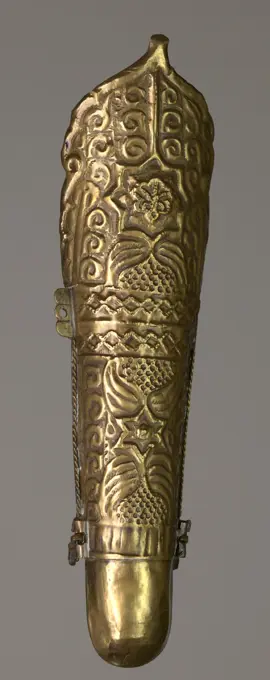
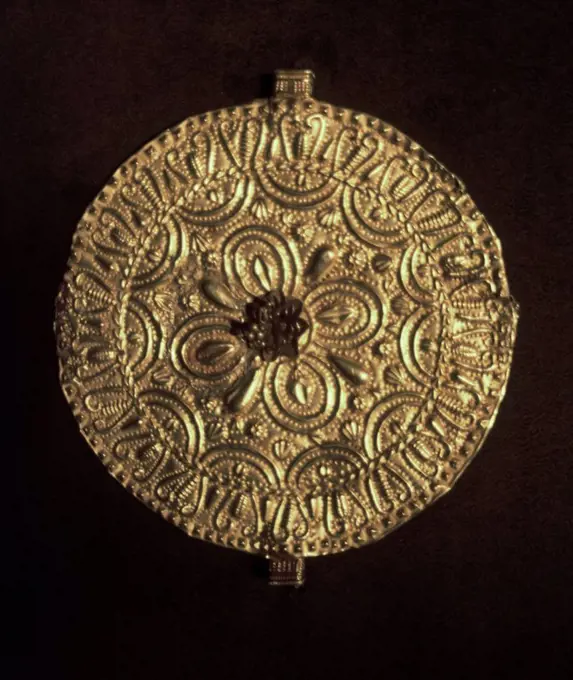
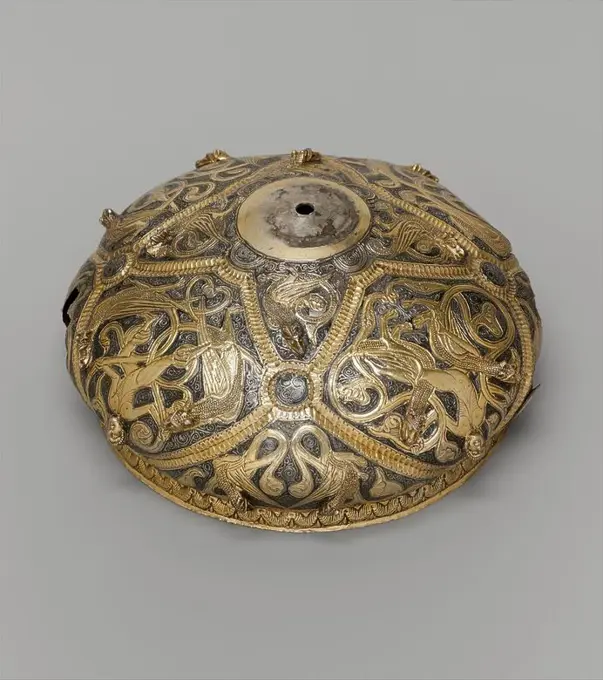
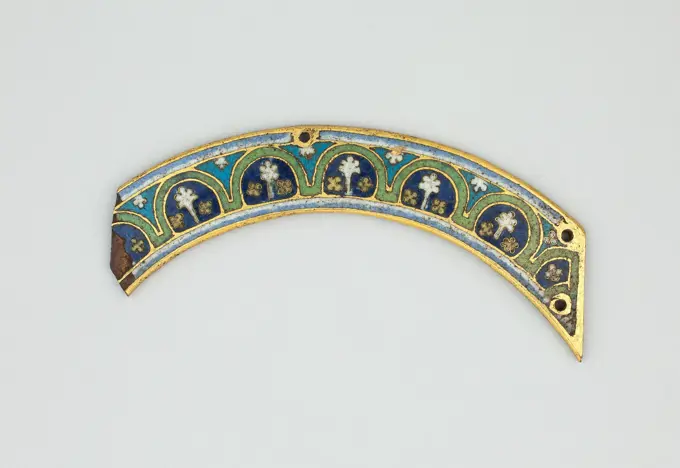
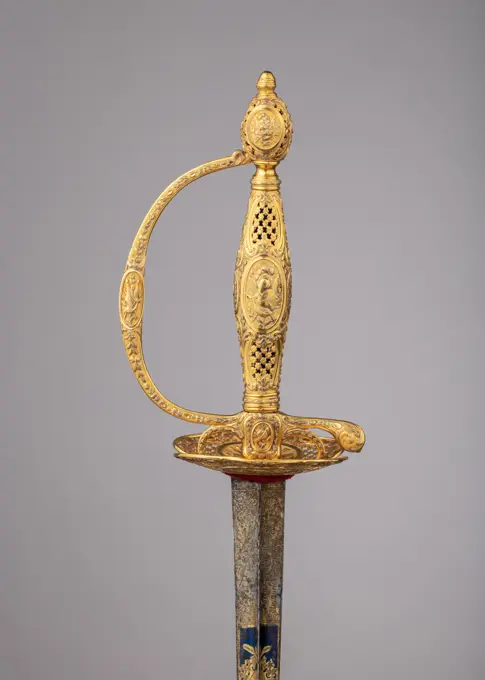
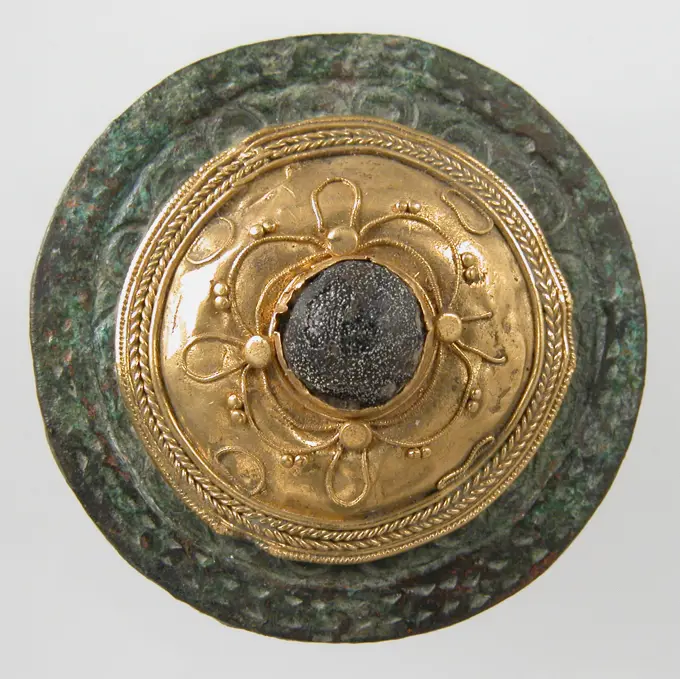
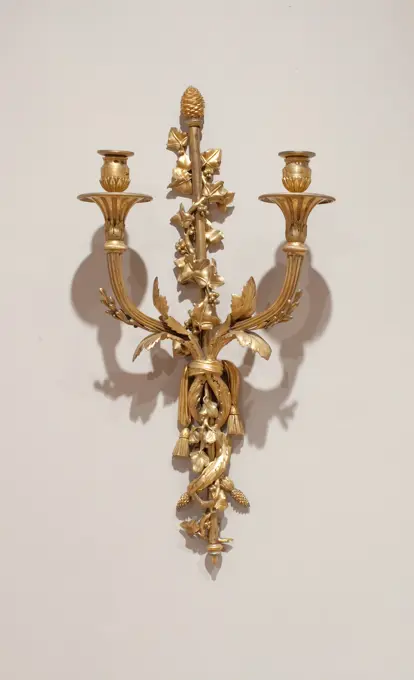
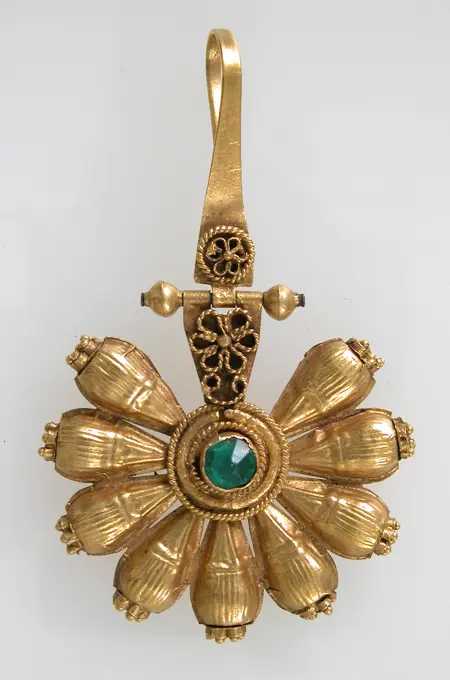
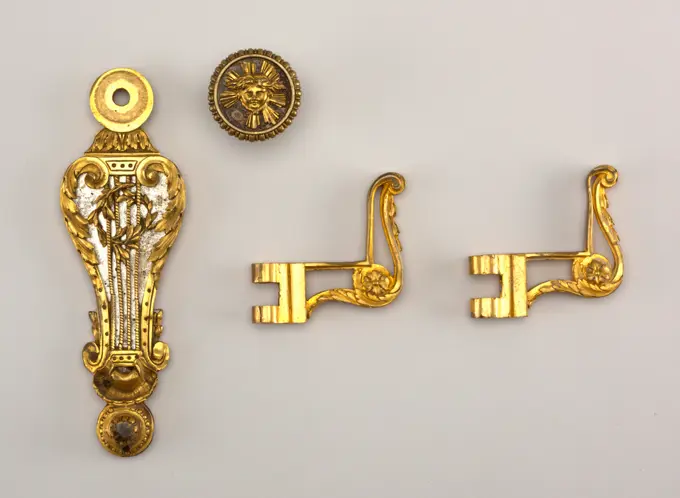
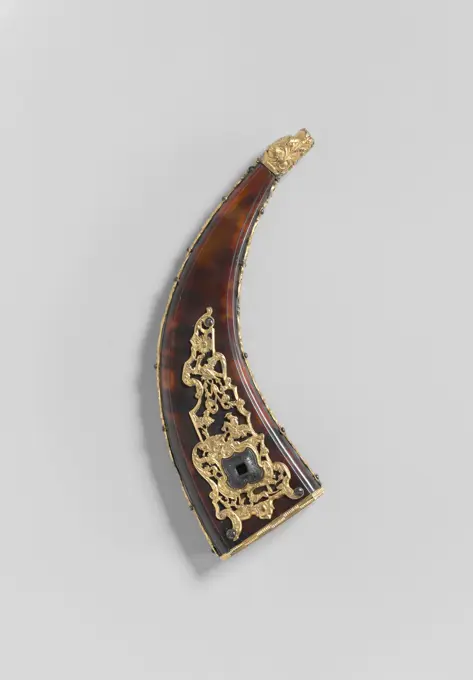
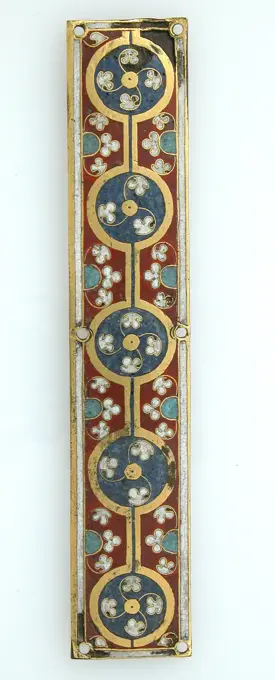
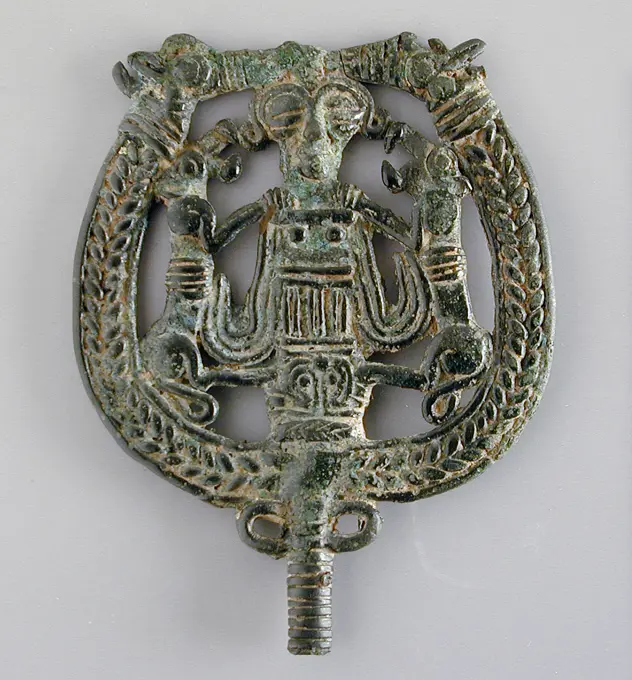
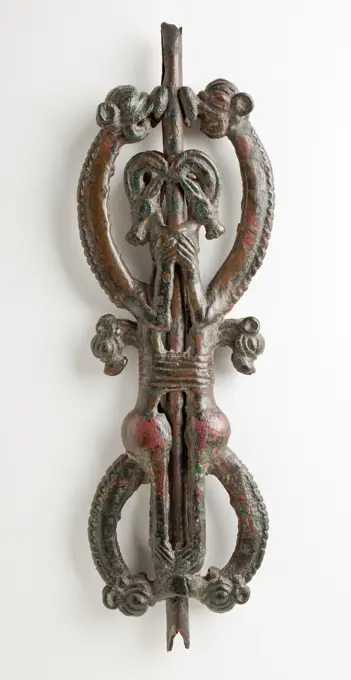
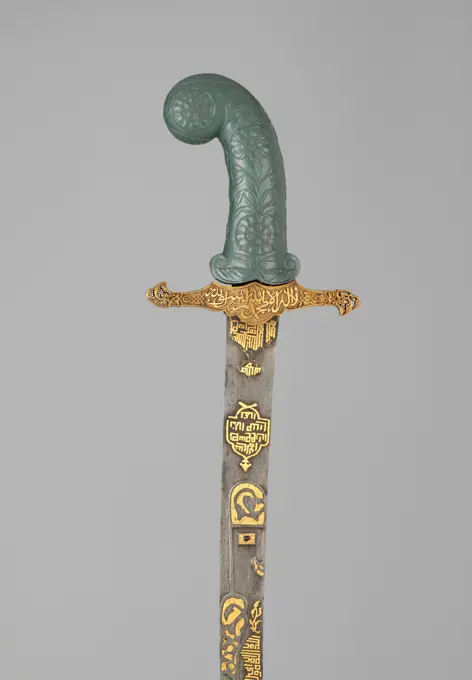
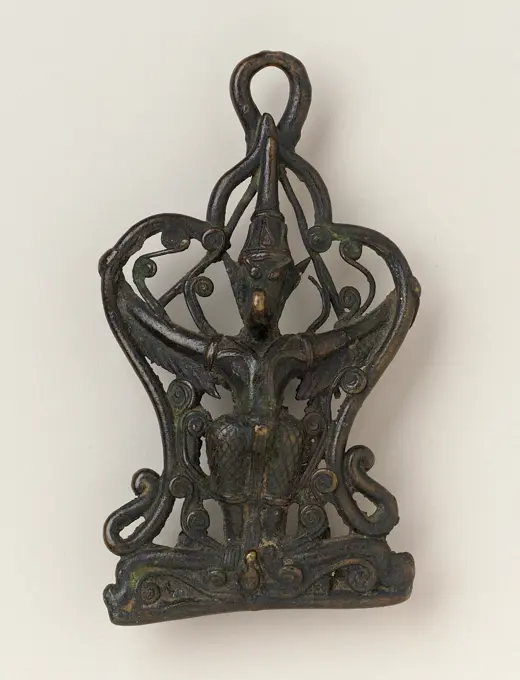
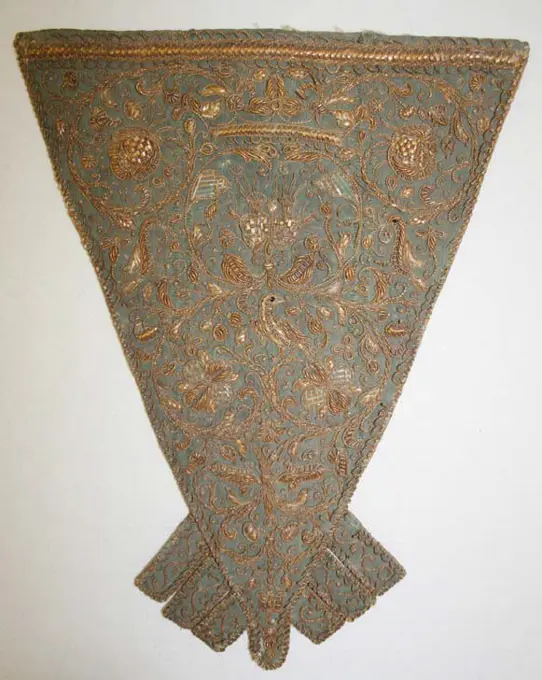
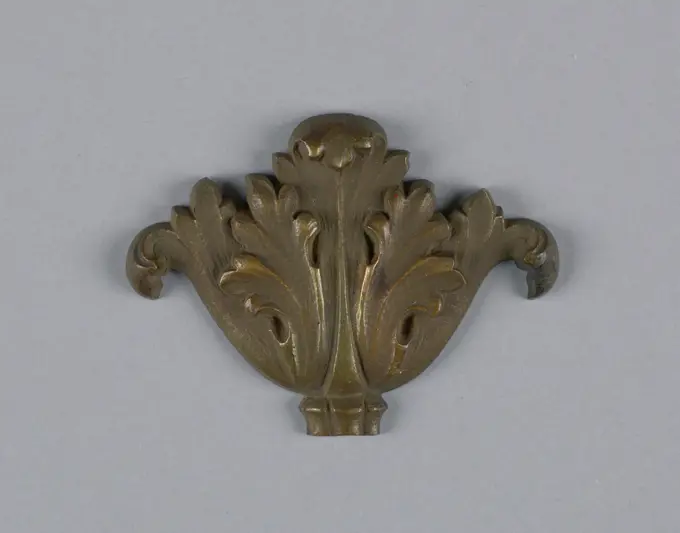
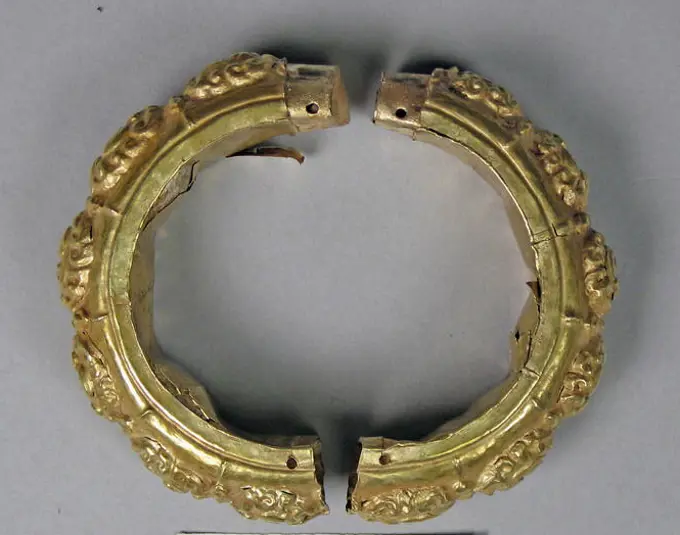
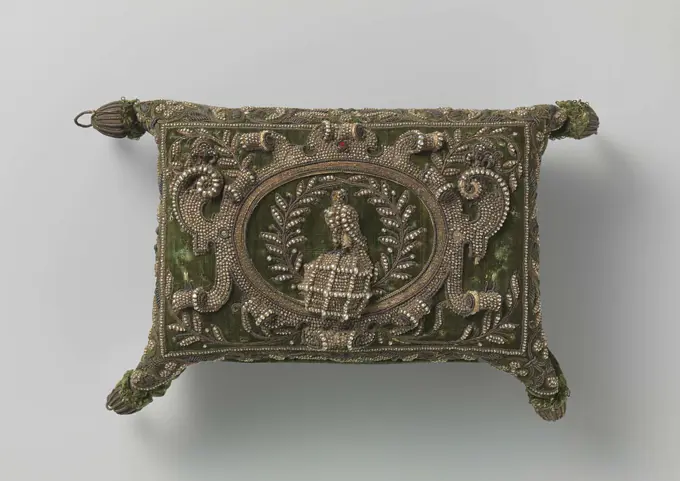
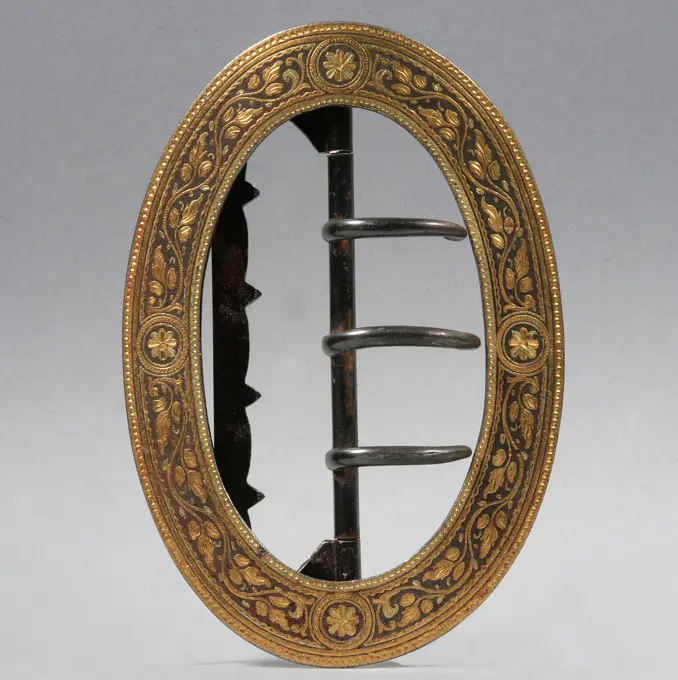
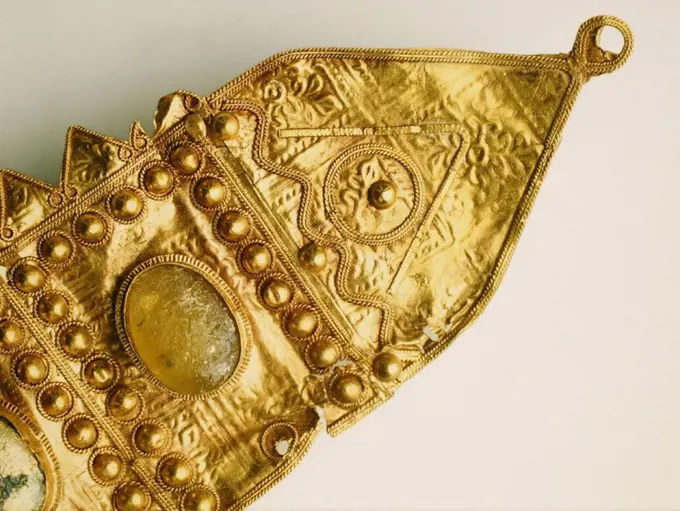
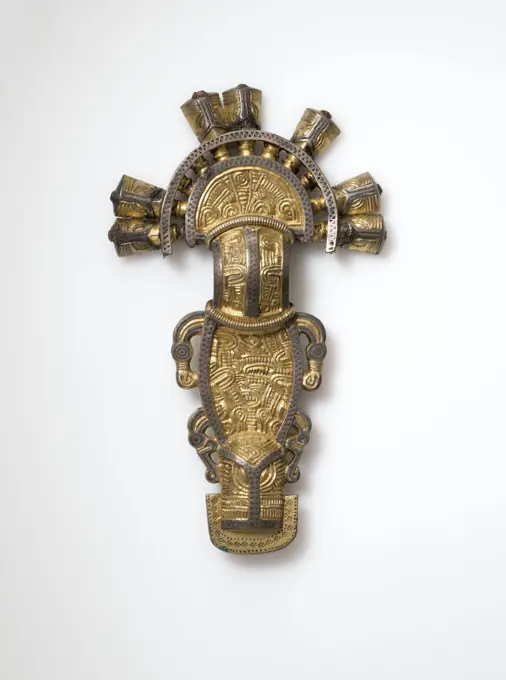
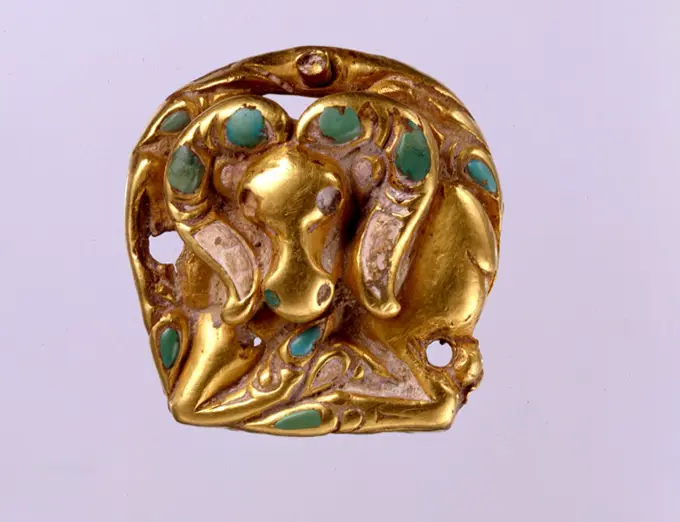
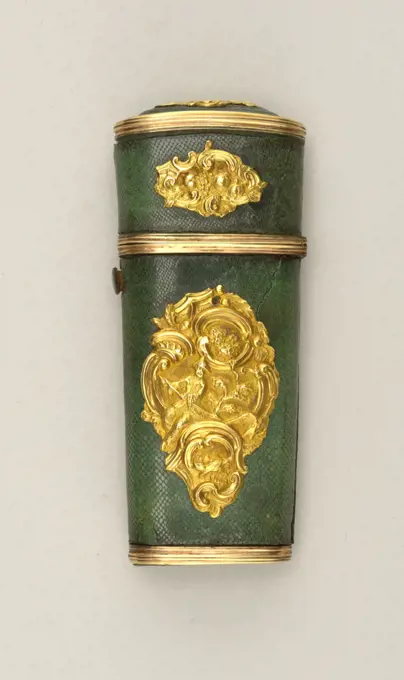
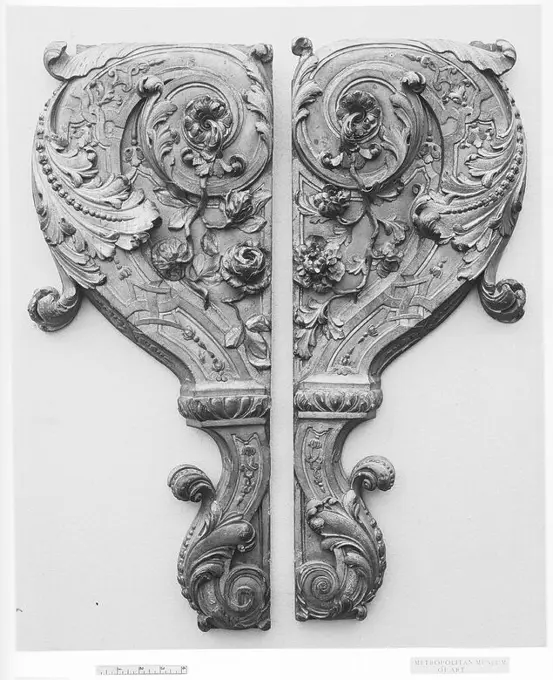
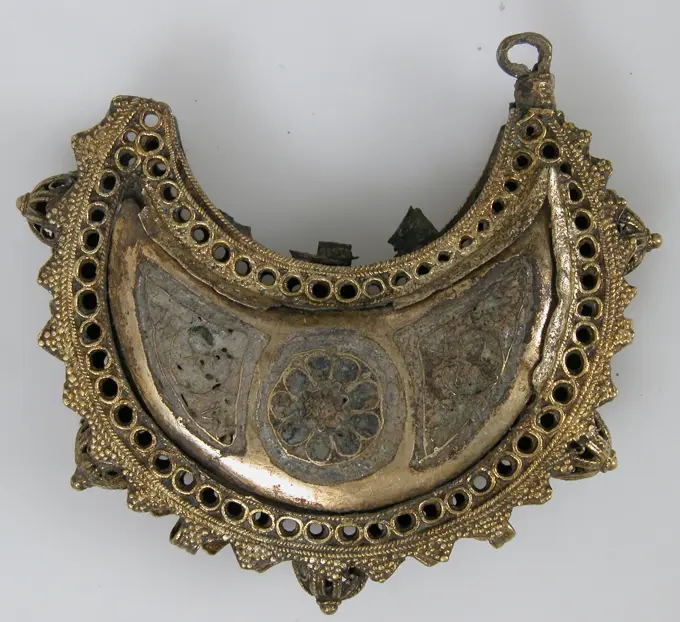
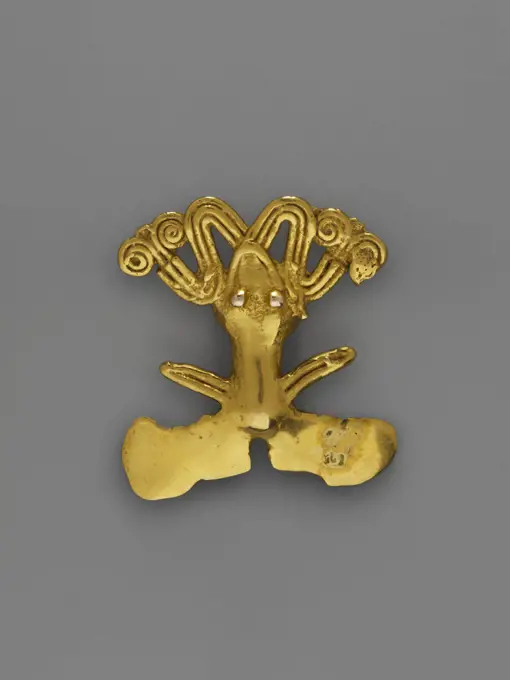
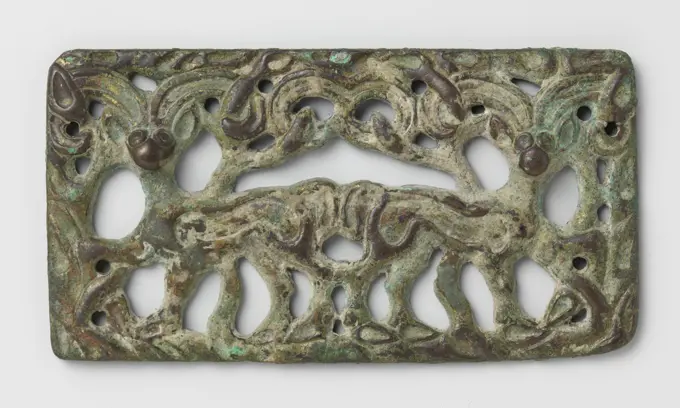
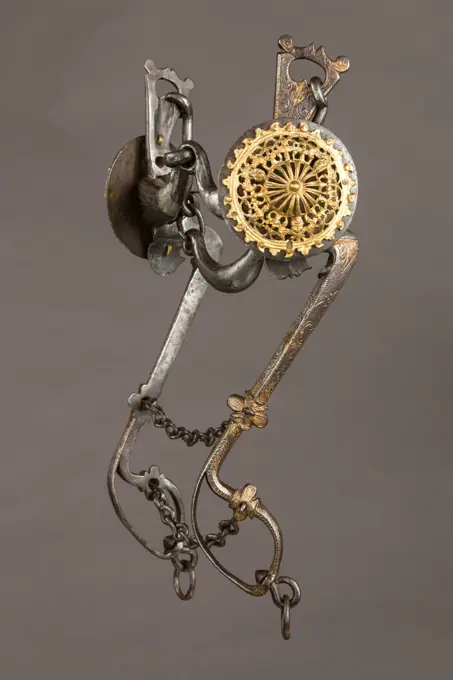
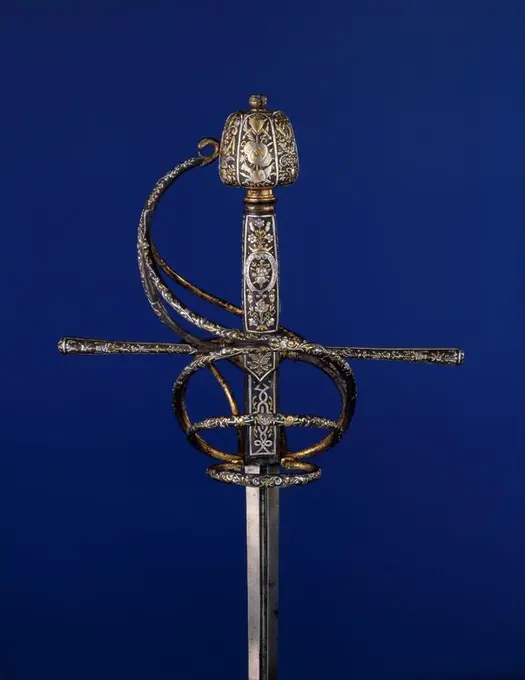
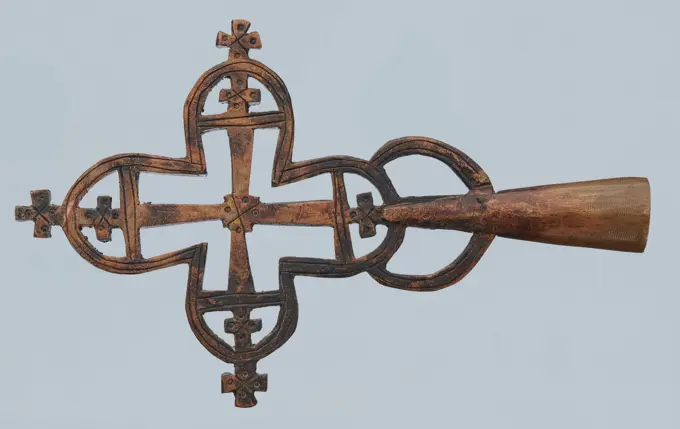
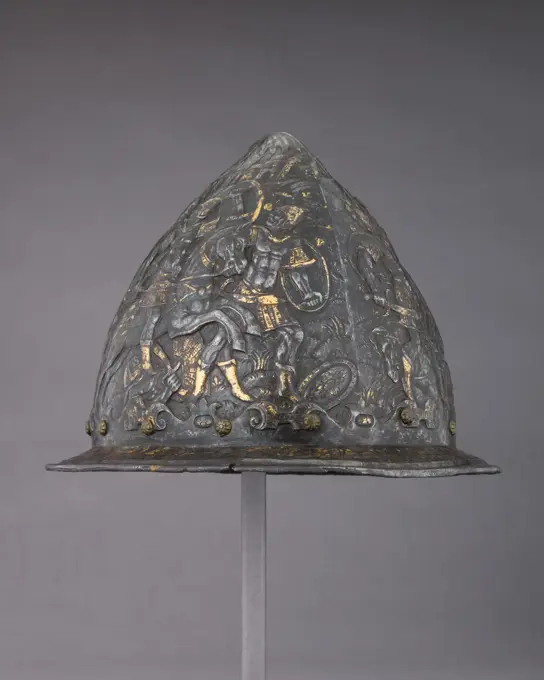
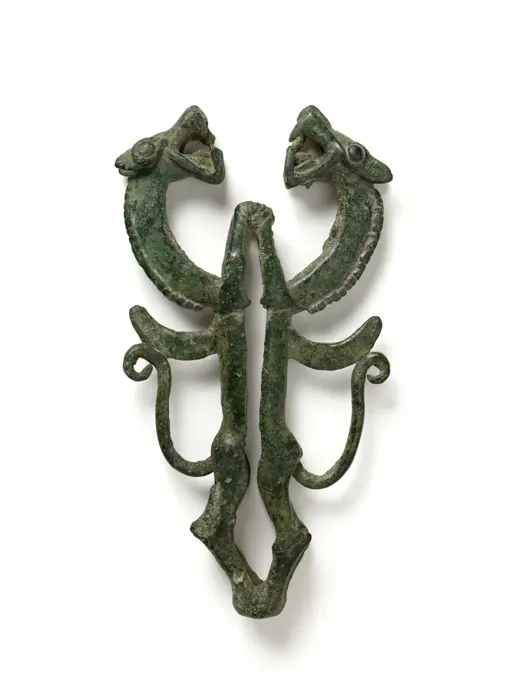
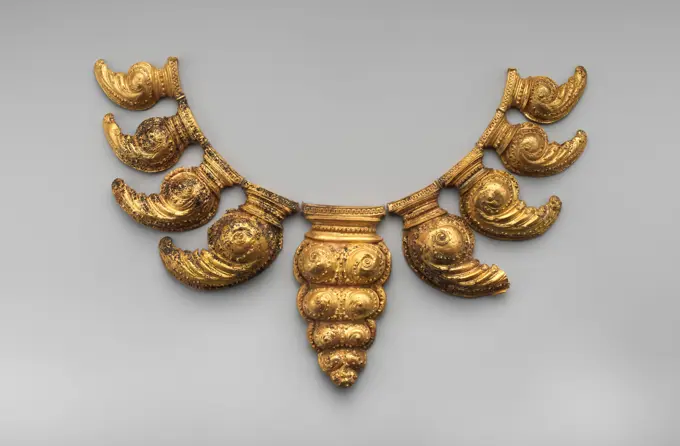
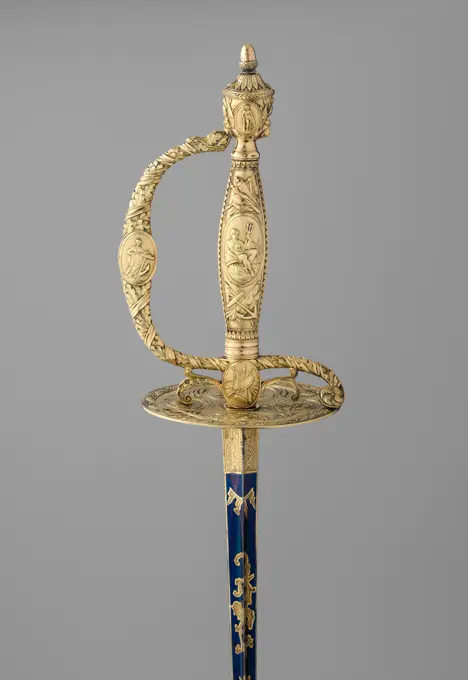
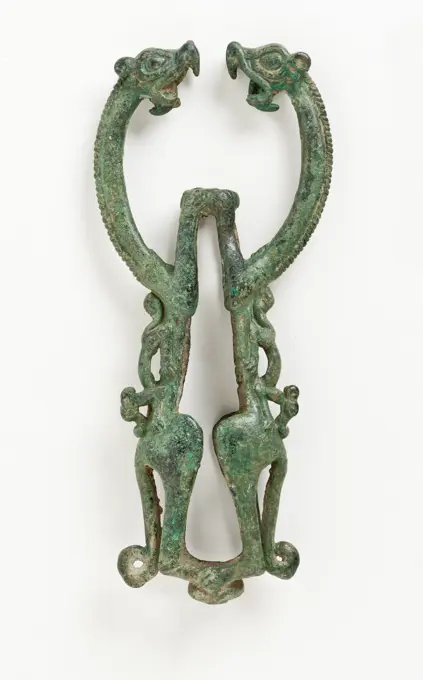
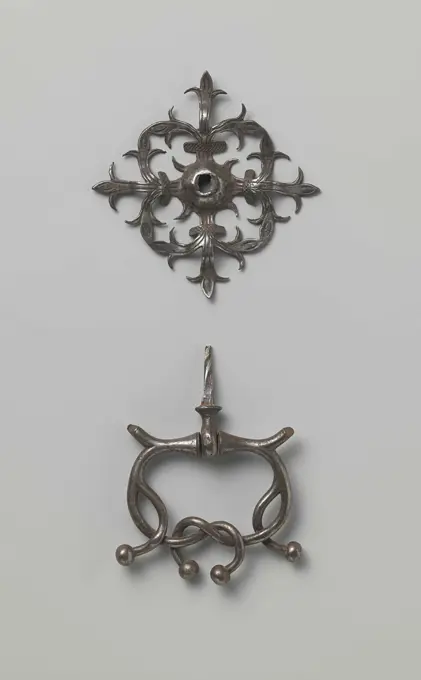
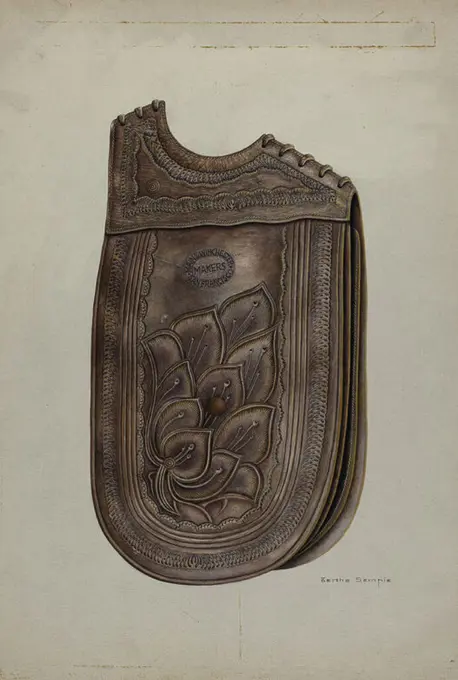
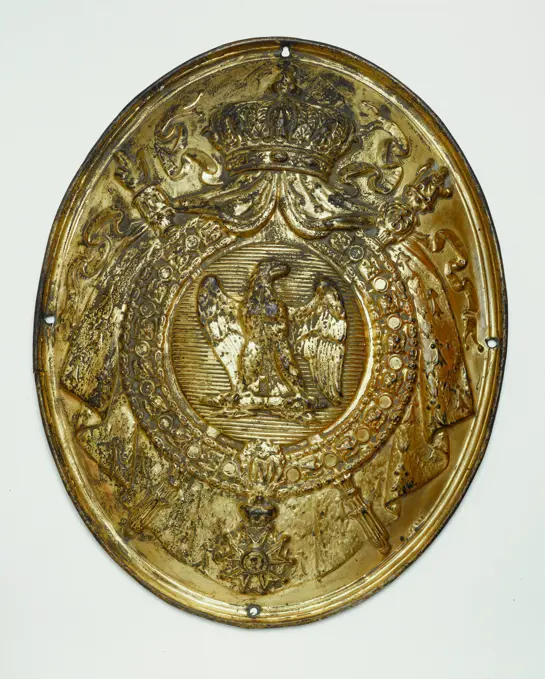
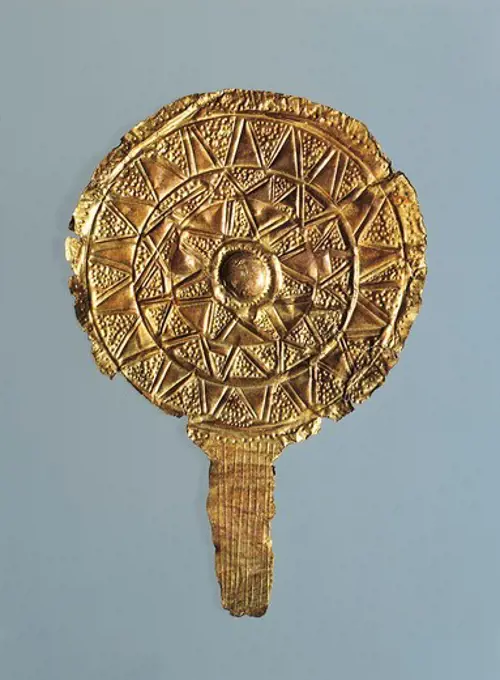
MountMountRosetteMountMountMountBelt buckle 1840s European. Belt buckle 122027Old fancy key on black background, close upStandard FinialMount (USA); gilded pressed copperMountSpoon, silver, Oval bowl, the flat shaped stem engraved with roses, with central twisted section, with circular crusher terminal., Paris, France, 19th century, cutlery, Decorative Arts, SpoonEngland, London, Gold bucklet with reliefs of snakes and another animals, from the Sutton Hoo treasure, goldworkPascal Candlestick. Paris, France. Date: 1731. Dimensions: 118.8 cm (46 3/4 in.). Bronze. Origin: Paris. Museum: The Chicago Art Institute, Chicago, USA. Author: De La Macque.Mask with Ring Handle, one of a pair, 5th-4th century BCE, 4 1/8 × 2 11/16 × 1 1/8 in., 0.2 lb. (10.48 × 6.83 × 2.86 cm, 0.1 kg), Bronze, China, 5th-4th century BCEMetal ring with four leashes on which are embossed images of human figures, fitting belt clothing accessory clothing soil find copper leather metal, cast riveted ring with four straps attached. Two lion heads saterkopje with wing ears and figure with key or staff with leather residual leather Probably part of belt or banding archaeology Rotterdam railway tunnel close fastening attaching take away Soil discovery Rotterdam.MountBouwfragment, anonymous, 1700 - 1725 A trapezoidal, openwork stair balluster of dark brown painted pine. A rosette has been applied in the middle, and the bottom and top volutes with shell. See also: BK-16698-B/D. Northern Netherlands (possibly)Netherlands (possibly) wood (plant material). pine (wood) A trapezoidal, openwork stair balluster of dark brown painted pine. A rosette has been applied in the middle, and the bottom and top volutes with shell. See also: BK-16698-B/D. Northern Netherlands (possibly)Netherlands (possibly) wood (plant material). pine (wood)Jewels from Tomb of 2 Kheniale Tekke, near Knossos (Greece). Goldsmith art, Greek Civilization, 8th Century BC.Head of a Crozier with a Serpent Devouring a Flower ca. 1200-1220 French As early as the sixth century, the pastoral staff, or crozier, conveyed the authority of a bishop, abbot, or abbess. The serpent and flower are frequently combined on enamel croziers from Limoges. They allude to the rod of Moses that, in the presence of Pharaoh, miraculously turned into a serpent at the command of God, and to the flowering rod of Aaron, symbol of his election to the priesthood by God.. Head of a Crozier with a Serpent Devouring a Flower. French. ca. 1200-1220. Copper: formed, engraved, chased, scraped, stippled, and gilt; champlevé enamel: medium and light blue, light green, yellow, red, and white; glass cabochons. Made in Limoges, France. Enamels-Champlevédoor collar;  XVII century (1601-00-00-1700-00-00);Przeszo Przyszoci unknownPECTORAL DE ORO-REPUJADO Y GRANULADO. Location: MUSEO DE ARTE. DALLAS-TEXAS.Bowl of a Drinking Cup. Culture: British or Scandinavian. Dimensions: Overall: 3 1/8 x 6 7/8 in. (7.9 x 17.5 cm). Date: late 12th century.With its lively nude male figures and dragons entwined in foliage, this bowl was likely a part of a secular drinking cup rather than a ciborium (a vessel that holds the Host) or a chalice for use in the Mass, as was once thought. Between the principle compartments inhabited by the nude figures and dragons are smaller areas with basilisks. The heads of the men and beasts are in high relief, and the bands between the compartments and the palmette frieze below the rim are crisply rendered. The decoration of the bowl has parallels in twelfth-century English art, but similar pieces have also been found in Sweden. This example was discovered near the Ob' River in Siberia, an indication of how objects in Middle Ages sometimes circulated far from their place of manufacture. Museum: Metropolitan Museum of Art, New York, USA.Gallon;  19th century (1801-00-00-1900-00-00);Escutcheon, ca. 1785; bronze; 1904-21-21Plaque from an Arch of a Reliquary Shrine 1151-1200 Rhineland. Gilt copper, champlevÈ enamel .MountItalian 16th Century, Door Knocker, 16th century Door KnockerBracelet with religious scenes (Benedict of Nursia and the education of Maria), David da Costa Dias, c. 1610 - c. 1640 Bracelet consisting of ten openwork links of gold and email. Spain gold (metal) Bracelet consisting of ten openwork links of gold and email. Spain gold (metal)Smallsword with Scabbard hallmarked for 1785-86 French, Paris By the early seventeenth century, the rapier, a long slender thrusting sword, began to dominate as the gentlemans weapon of choice. During the course of the century, however, as civilian fencing techniques became more specialized and refined, the rapier developed into a lighter, trimmed-down weapon known by about 1700 as the smallsword. Smallswords, often richly decorated, remained an integral part of a gentlemans wardrobe until the wearing of swords in civilian settings went out of fashion at the end of the eighteenth century, at which time pistols were replacing swords as arms most frequently used in personal duels. The majority of smallsword hilts are made of silver or steel, but many also employ a wide variety of luxurious materials, such as gold, porcelain, and enamel. At their best, smallswords combine the crafts of swordsmith, cutler, and jeweler to create an elegant weapon that was also a wearable work of art.. SmaMountold key isolated on white backgroundSword (Kilij). Culture: hilt and guard, Turkish; grip, Indian. Dimensions: L. 37 5/8 in. (95.6 cm). Date: hilt and guard, 19th century; grip, possibly 18th century.The inscriptions on the sword invokes Allah, the Prophet Muhammad, and 'Ali. On the sword's blade is the Ayat al-Kursi (Throne Verse, 2:255), a popular talisman throughout the Islamic world. Museum: Metropolitan Museum of Art, New York, USA.Earring 3rd century Ostrogothic. Earring 465184 Ostrogothic, Earring, 3rd century, Gold, green glass or emerald, Overall: 2 1/8 x 1 5/16 x 1/4 in. (5.4 x 3.4 x 0.7 cm). The Metropolitan Museum of Art, New York. Gift of J. Pierpont Morgan, 1917 (17.192.128)Disk Brooch ca. 550-650 Frankish. Disk Brooch 465372 Frankish, Disk Brooch, ca. 550650, Gold on copper alloy, paste cabochon, Overall: 1 1/8 x 1/2 in. (2.8 x 1.2 cm). The Metropolitan Museum of Art, New York. Gift of J. Pierpont Morgan, 1917 (17.192.66)Printing block, Medium: wood, metal, Small wooden block with raised design of an open rose and leaves., USA, late 18th-early 19th century, appliances & tools, Printing blockWall sconce, one of a pair, 18th century, 22 3/4 x 12 x 5 3/4 in. (57.8 x 30.5 x 14.6 cm), Gilt bronze, France, Louis XVIEarring 3rd century Ostrogothic. Earring 465185Latch, WindowBadge or Harness Pendant ca. 1400 Spanish Heraldry, or coat-of-arms, were vitally important in Europe throughout the Middle Ages and the Renaissance. Heraldic emblems were used to identify noble families, cities, regions, and even countries. In addition to being displayed on shields and flags, heraldry was incorporated into architectural decoration on the interior and the exterior of buildings, on furniture, works of art, clothing, and horse equipment. Harness pendants, like this example, would have been attached to a headstall, bridle, or other straps making up the tack of a horse ridden by a nobleman or noblewoman, or a member of their household. Many harness pendants also have decoration that is simply ornamental, or have symbols that are not specifically heraldic in nature.. Badge or Harness Pendant. Spanish. ca. 1400. Copper. Miscellaneous-BadgesPurse Frame 15th-16th century French (). Purse Frame 468491Powder Flask ca. 1730-40 Probably Austrian. Powder Flask 27724Krzyż ręczny. unknown, authorBelt hook 4th-3rd century B.C. China. Belt hook 49478Knob, brass, Repousee head with boss surrounded by leaf moulding. Threaded bolt on back., England, ca. 1795, metalwork, Decorative Arts, knob, knobApplication;  PO .XVIII century (1750-00-00-1750-00-00);Pendant with Bird 10th-16th century Muisca. Pendant with Bird. Muisca. 10th-16th century. Gold (cast alloy). Colombia, Bogota and Tunja region, Guatavita Lake region. Metal-OrnamentsPlaque from a Reliquary Shrine ca. 1186 German Among the most splendid objects in the great churches of Cologne are large architectural shrines containing relics associated with local saints. These ambitious goldsmiths works are among the greatest artistic achievements of their time. Refined decorative fragments like the small rectangular plaques shown here are often all that remain of these monumental objects, as many were dismantled or even destroyed following the secularization of church property in this region in the first decade of the nineteenth century. During later efforts to restore shrines, some fragments were replaced and the originals sold to collectors and museums.. Plaque from a Reliquary Shrine 468421Openwork PinheadMolding; wood, carvedStandard Finial. Iran, Luristan, Luristan bronzes, circa 1350-800 B.C.. Architecture; Architectural Elements. BronzeSword (Kilij) hilt and guard, 19th century; grip, possibly 18th century hilt and guard, Turkish; grip, Indian The inscriptions on the sword invokes Allah, the Prophet Muhammad, and Ali. On the sword’s blade is the Ayat al-Kursi (Throne Verse, 2:255), a popular talisman throughout the Islamic world.. Sword (Kilij). hilt and guard, Turkish; grip, Indian. hilt and guard, 19th century; grip, possibly 18th century. Steel, gold, nephrite, ruby. SwordsHandle (France), ca. 1745Horse Trapping with Garuda. Thailand, circa 18th century. Tools and Equipment; horse trappings. Copper alloyStomacher 18th century British. Stomacher 121596Working Board for BeadWorkMountBracelet, Repousse and Foliate 8th-12th century Indonesia (Central Java). Bracelet, Repousse and Foliate. Indonesia (Central Java). 8th-12th century. Gold. JewelryJewelery box of wood, covered with green velvet and in high relief decorated with gold and silver thread and river pearls. Jewelery box of wood, covered with green velvet and in high relief decorated with gold and silver thread and river pearls. Model: In the form of a sewing cushion that opens into two halves; Each presumably with wooden inner shape, which is covered from outside with green velvet over a soft filling and inside with tightly drawn carmine red satin. Embroidery: The Deksle has high relief embroidery with real gems, so-called river pearls, with gold and silver wire. The relief is most likely by parchment, which is embroidered. The metal wire in two techniques: Z.G. laid gold thread (or couché, couched gold); Refrigerated thread, and in Cannetille, D.I. spirally embroidered. On the corners of the lid belch-shaped tassels, "Akertjes" (= Acorn) in gold thread. Pattern: Within a rectangular edge, of which each side is symmetrically filled with plotors, violets, hearts and roButton, 1800s. Balkans, 19th century. Silver; average: 8.3 cm (3 1/4 in.).Key, Steel, France, 18th century, metalwork, Decorative Arts, KeyLoop.Crown, Part 14th century French. Crown, Part. French. 14th century. Gilt-copper, silver. Metalwork-CopperTESORO DE CHARILLA. Nº INV. 2786 (DIADEMA) DETALLE. LONGITUD 21,6 CM. ANCHO 4,6 CM) MUSULMAN. (EXPOSICION :ARTE ISLAMICO ESPAÑOL)(DEPOSITO: MUSEO DE JAEN ).Bow Brooch late 6th-early 7th century Langobardic The menagerie of zoomorphic creatures here, with ribbonlike bodies and heads with long jaws, characterize Langobardic jewelry in the 500s and early 600s. Animal heads project from the edges, and a stylized human face is hidden on the back.. Bow Brooch. Langobardic. late 6th-early 7th century. Silver-gilt, niello. Made in Central Italy. Metalwork-SilverMolding; wood, gildedShoe Buckle in the Shape of a Recumbent Ram 1st century B.C.-1st century A.D. Bactria. Shoe Buckle in the Shape of a Recumbent Ram 59575Etui, Shagreen (shark or ray skin), gilt copper, Missing insert with tools; most likely associated with n-a-1012 (necessaire insert with tools)., probably England, ca. 1750, containers, Decorative Arts, EtuiPair of console supports. Culture: French. Dimensions: each: 27 × 11 in. (68.6 × 27.9 cm). Date: early 18th century. Museum: Metropolitan Museum of Art, New York, USA.One of a Pair of Crescent-Shaped Earrings with Rosettes 12th century Kievan Rus' or Byzantine These earrings combine diverse artistic features-Byzantine (cloisonné enamel decoration), Kievan Rus' (enameling in segments), and Islamic (boxlike construction)-suggesting that the artist had knowledge of several traditions. The earrings have lost their suspension loops.. One of a Pair of Crescent-Shaped Earrings with Rosettes 464163Crown-top spoon (one of three) 16th century Swedish. Crown-top spoon (one of three). Swedish. 16th century. Silver, parcel-gilt. Metalwork-SilverFrogpendant, A.D.700-1550, Gold, 5 × 4 cm (1 15/16 × 1 9/16in.), Made in Costa Rica, Costa Rica,Diquis, 8th-16thcentury, JewelryLizard Figurine. Egypt, Ptolemaic Period (332 - 30 BCE) or later. Sculpture. BronzeOrdos Ceintuur Applique Two goats, Anonymous, -200 --100 Applique for a belt with the presentation of two Capricorns between trees and foliage. Ordos area bronze (metal) Applique for a belt with the presentation of two Capricorns between trees and foliage. Ordos area bronze (metal)Cone for powder in the shape of a bellCurb Bit 17th century bit, German or Netherlandish; bosses, German According to contemporary equestrian manuals, this mouthpiece was designed for a horse good on the bit, with a good mouth but the tongue a bit thick. The scatches, (flattened triangular elements composing this mouthpiece), were slightly stronger in their effect and more resistant than the traditional conical canons also used at the time. The cheekpieces are entirely adorned with chiseled and stamped decoration, partly gilded, also found on other mid-17th century Netherlandish and German equestrian material such as spurs.The two bosses of cast copper alloy, gilded and pierced with cherubs heads and chimeras' busts, are riveted to an iron circular disc, itself attached to the cheekpieces. This type of decoration is found on many German works of art around 1600. However, they probably do not originally belong to this bit.. Curb Bit. bit, German or Netherlandish; bosses, German. 17th century. Iron alloy, copper alloy, gold.Einar Heiberg, Boston Rocker, c 1938 Boston RockerPendant, Stylized Figure 5th-10th century Tolima. Pendant, Stylized Figure 312706Rapier with Scabbard. Culture: French or Italian. Dimensions: L. 49 1/4 in. (125.1 cm); W. 8 3/4 in. (22.2 cm); Wt. of scabbard 7.5 oz. (212.6 g). Goldsmith: Decoration attributed to Gasparo Mola (Italian, Coldre ca. 1580-1640 Rome). Date: ca. 1620-30.The hilt decoration includes the coat of arms of the Albani family, possibly Orazio Albani (1576-1653), ambassador from Urbino to the papal court. While clearly influenced by French ornament, the decoration has been attributed to Gasparo Mola (1567-1640), a medalist and goldsmith working in Rome between about 1620 and 1630. Museum: Metropolitan Museum of Art, New York, USA.Krzyż procesyjny. nieznany warsztat etiopski (1400-1970), workshopRosetteCabasset ca. 1570 Italian, Milan. Cabasset 25373EscutcheonPrzeszo PrzyszociOpenwork and Pelta-Shaped Ornament 2nd-3rd century Roman. Openwork and Pelta-Shaped Ornament 468712Prochownica huculskaTaught. Two winged felines faced. Bronze. LURISTAN. 1000-650 BC. J-C. Paris, Cernuschi museum. 35176-9 Face, Iron Age, Bronze, Brand, Felin AileNecklace Comprising Nine Leaf-Shaped Pendants second half of the 9th-first quarter of the 10th century Indonesia (Java). Necklace Comprising Nine Leaf-Shaped Pendants. Indonesia (Java). second half of the 9th-first quarter of the 10th century. Gold. late Central Javanese period. JewelrySmallsword with Scabbard and Case hallmarked for 1798-99 Michael Barnett The tradition of presenting gifts of finely made armor and weapons is an ancient one. Swords, as the customary sidearm of a warrior and, from the Middle ages onward, a symbol of chivalry, were especially favored. Beginning in the seventeenth century numerous records survive that document the gifts of swords with sumptuously decorated mounts, usually worked in precious metals and occasionally jeweled, presented by a monarch or prince to distinguished courtiers, diplomats, and military heroes. This was especially true during the Napoleonic Wars, when both the French and English sides regularly awarded decorated arms in recognition of service to their king and country in time of war. In England, the City of London and various English civic and business associations awarded smallswords and sabers to officers of the Royal Navy for actions against the French. The present sword, its hilt of silver-gilt cast and chased inStandard Finial. Iran, Luristan, Luristan bronzes, circa 1350-800 B.C.. Architecture; Architectural Elements. BronzeDeurring van vertind ijzer met bladwerk.Door ring consisting of two parts. The opened batter is in basic form square. From the opening in the middle, four tendrils that each split into three leaves. The outer leaves of each rank are connected. A door ring can be applied in the opening. The door ring is attached to a sharp rod. On either side of the rod is a rank that splits into two and whose splits end in a spherical form. The tendrils curl down towards each other and turn into each other, creating a kind of handle.Fibula, 500s. Anglo-Saxon, Migration period, 6th century. Gilt bronze; overall: 14 x 7.7 cm (5 1/2 x 3 1/16 in.).Saddle Bag. Dated: c. 1939. Dimensions: overall: 35.4 x 24.2 cm (13 15/16 x 9 1/2 in.) Original IAD Object: 16" long; 9" deep; 14 3/4" wide. Medium: watercolor, graphite, and colored pencil on paperboard. Museum: National Gallery of Art, Washington DC. Author: Bertha Semple.Set of zoomorphic sconces. Caucasus. Av. J.-C. Paris, Cernuschi museum. 35406-16 Wall lamp, bronze, zoomorphic, animalA pair of shoulder knurders of the Poznań Driving Regiment after Maciej Górski from the 1831 campaign. unknown labelPanonceau d'offier ministerial (i) A ministerial officer sign. Teaches. Golden sheet, late 18th century.Cross -section of a canon of a cannon, c. 1880 - c. 1940    wood (plant material)Greece, Exochi, Gold leaf pendantGalloon European late 18th-early 19th century