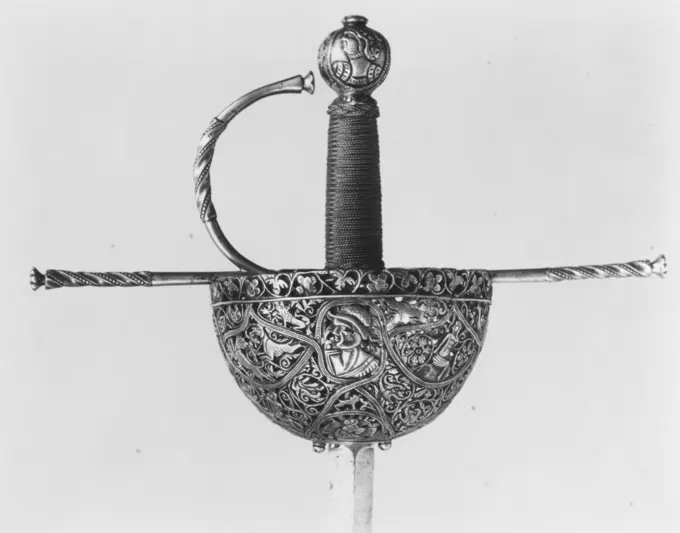
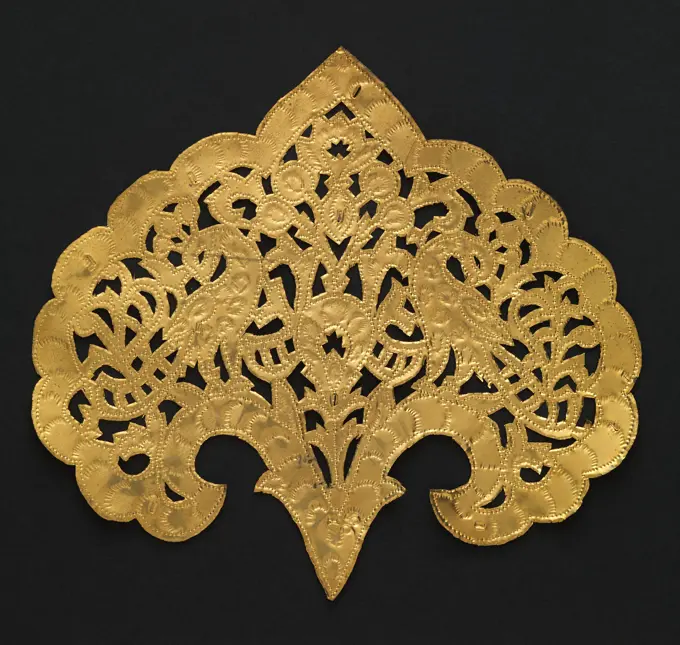
Decorative Mounts and Rosettes

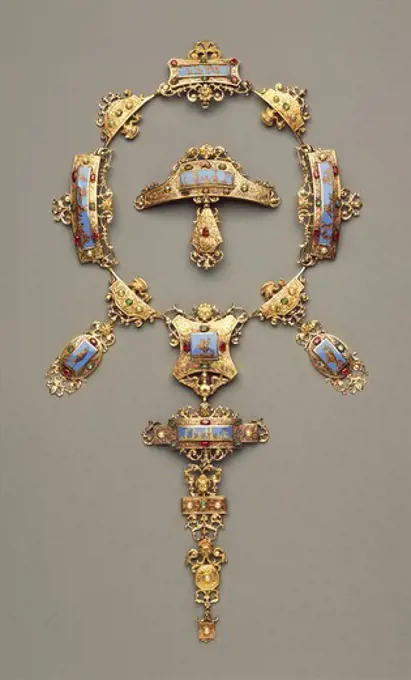
A variety of ornate decorative mounts and rosettes, featuring intricate designs and finishes, ideal for home decor or architectural accents.
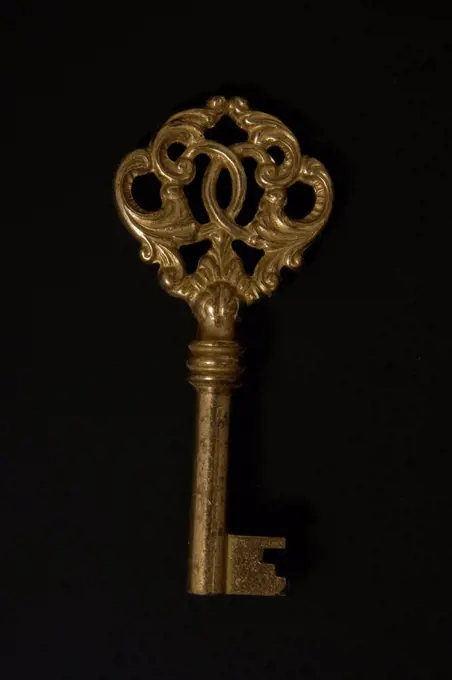
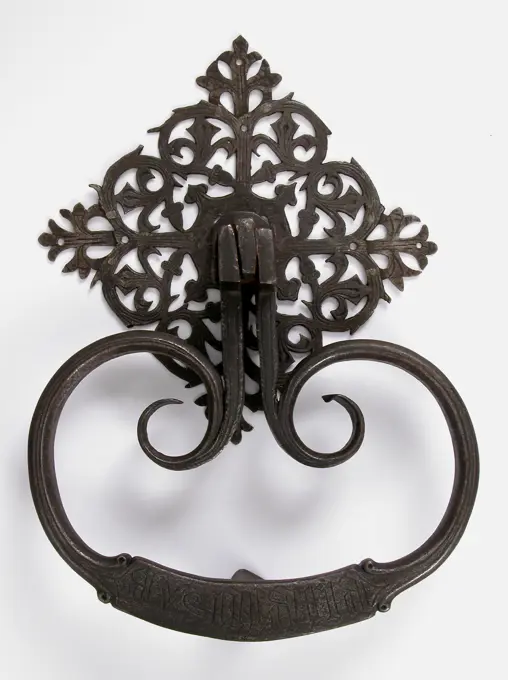
Old fancy key on black background, close up
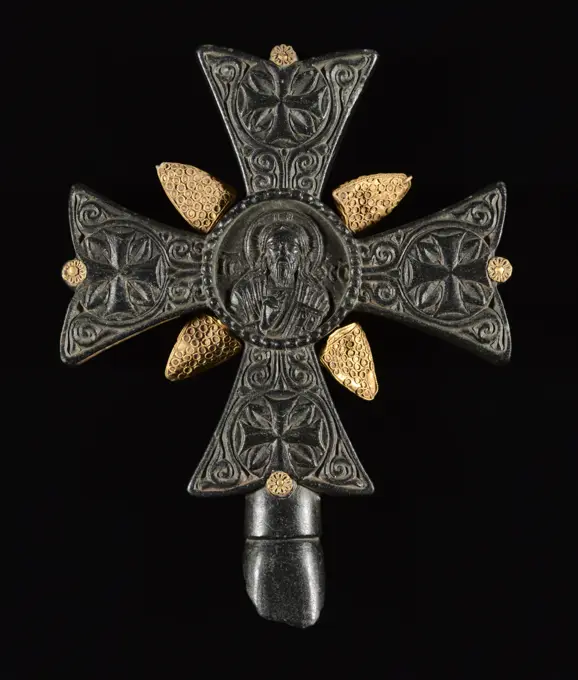
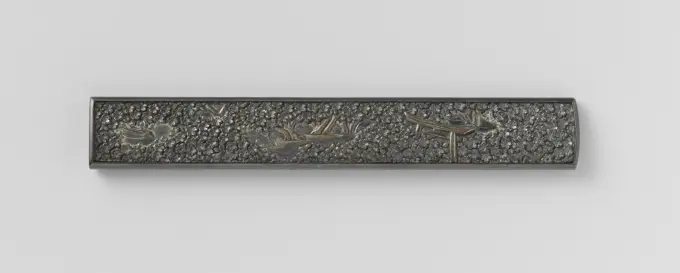
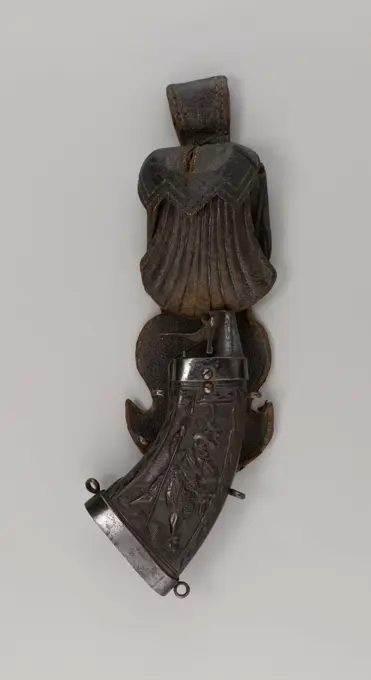
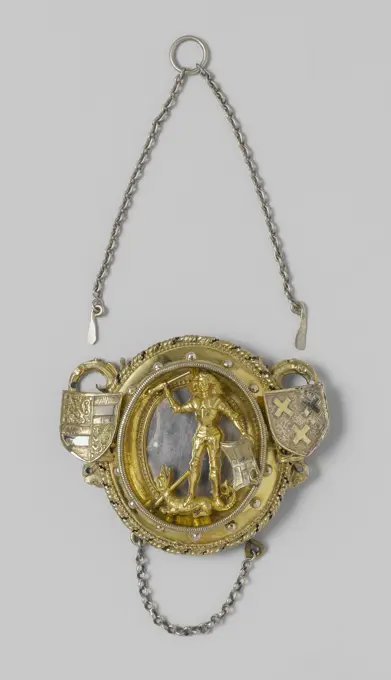
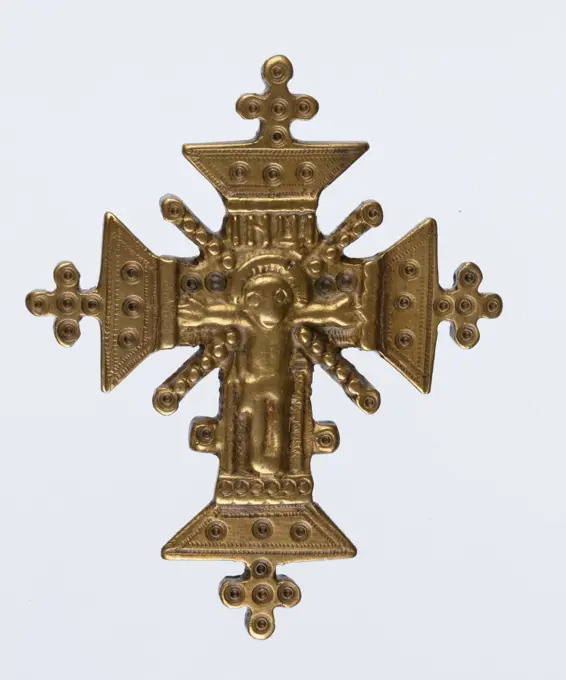
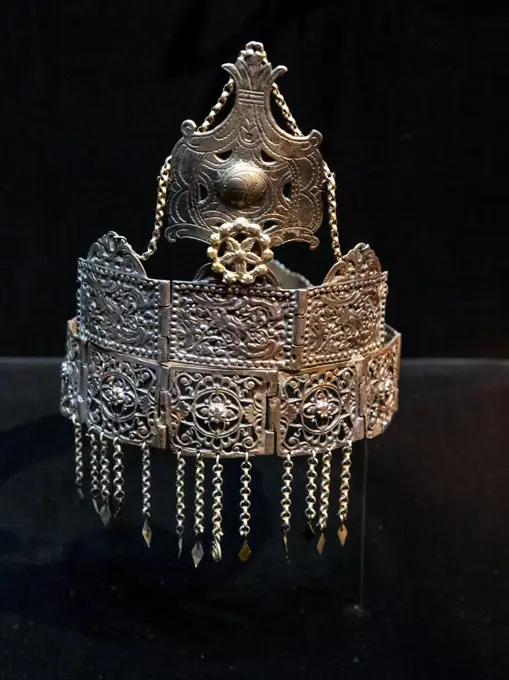
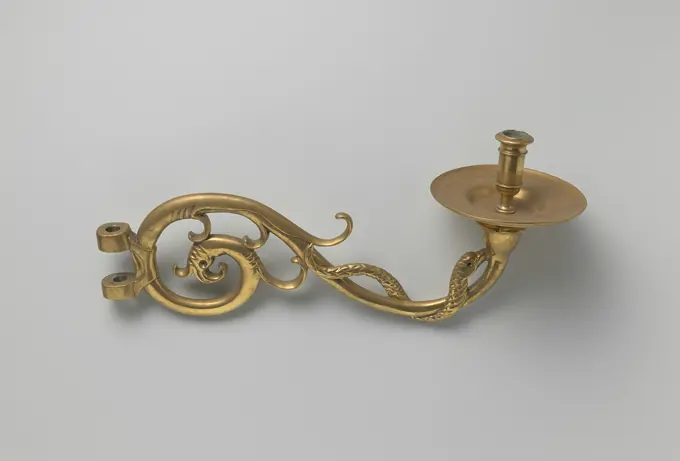
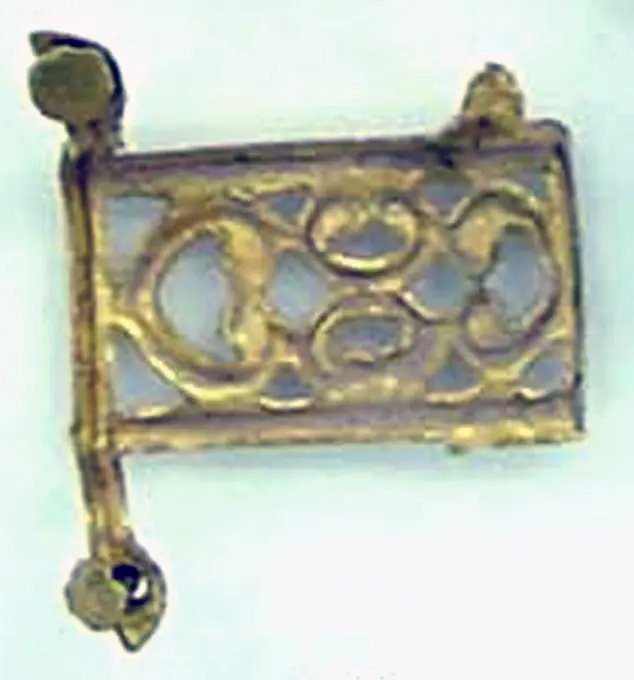
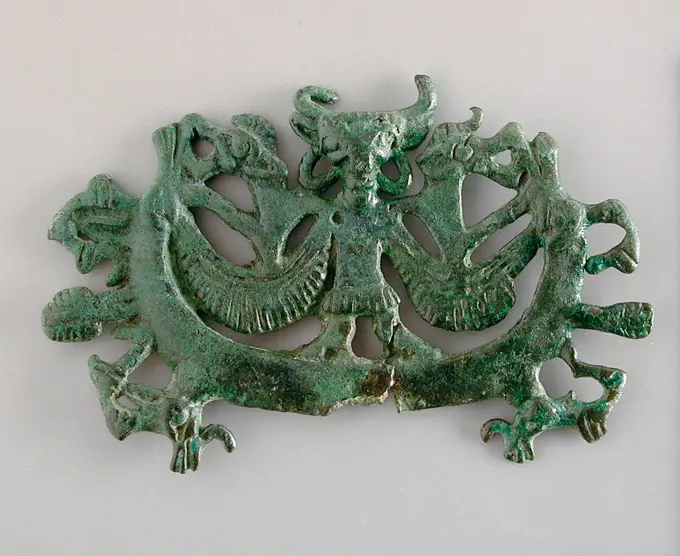
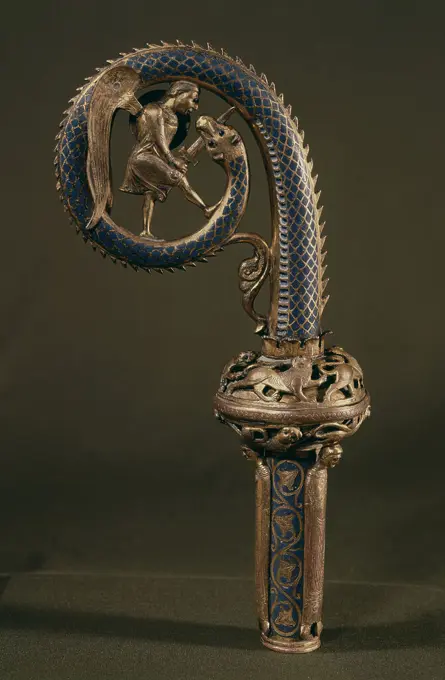
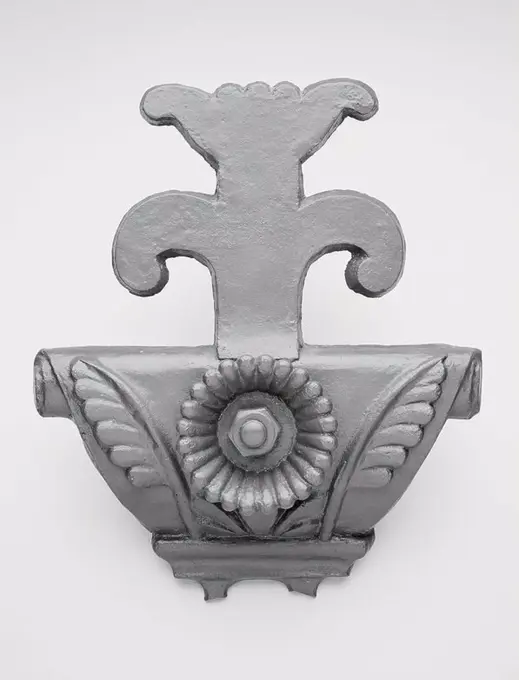
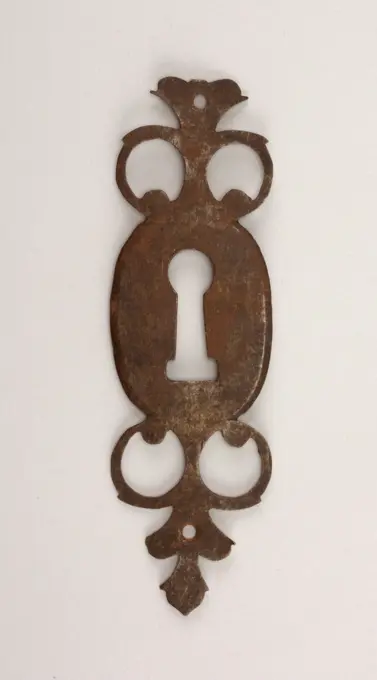
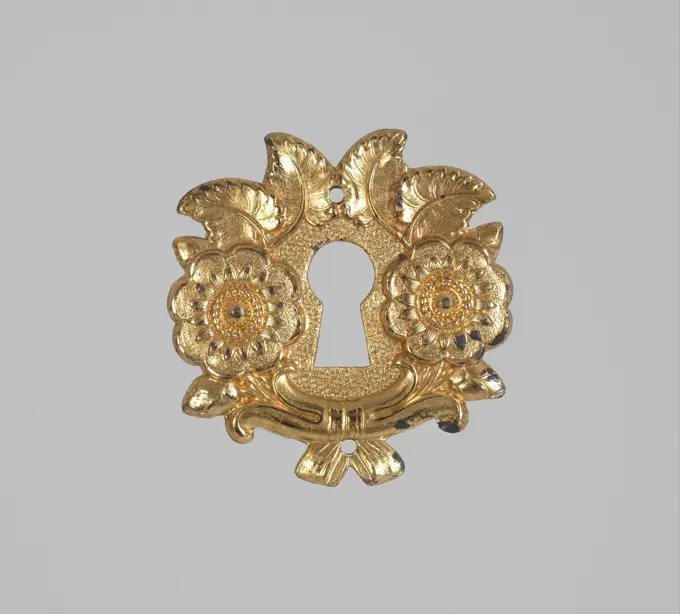
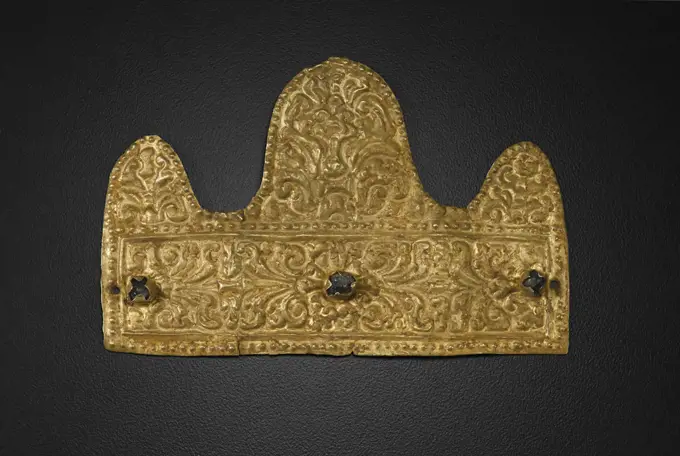
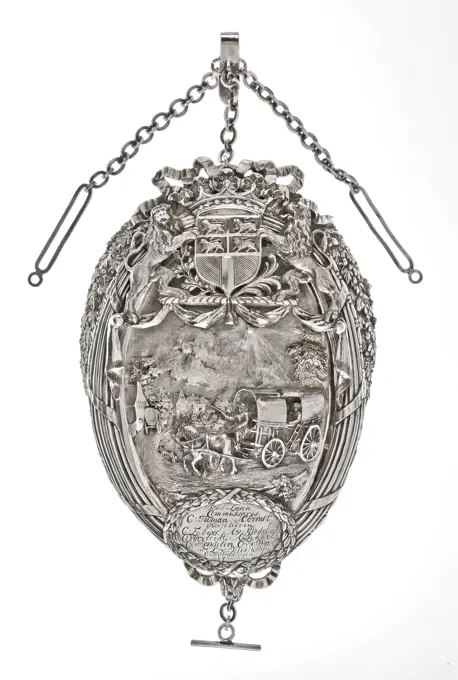
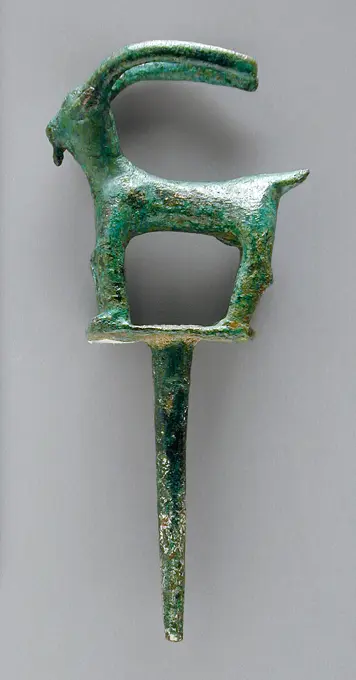
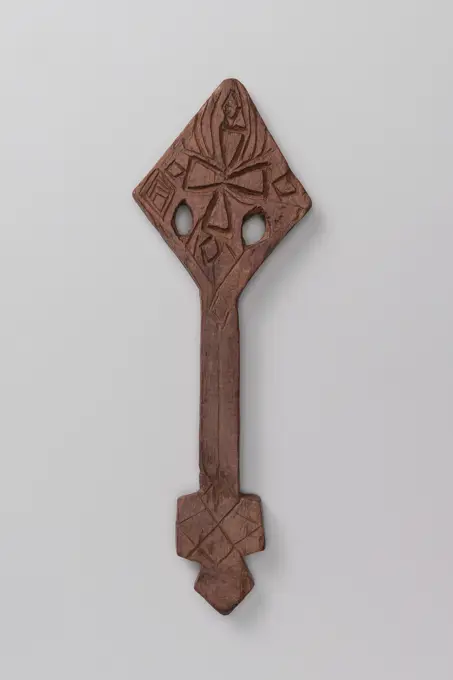
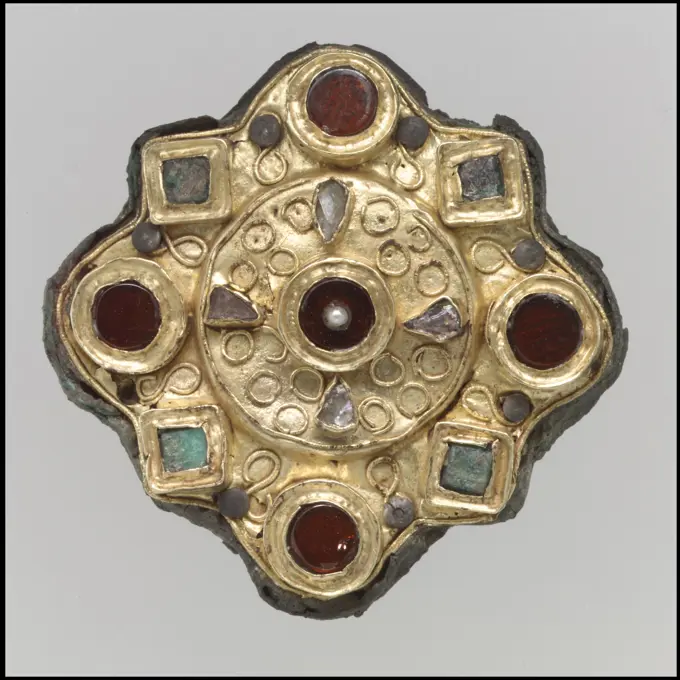
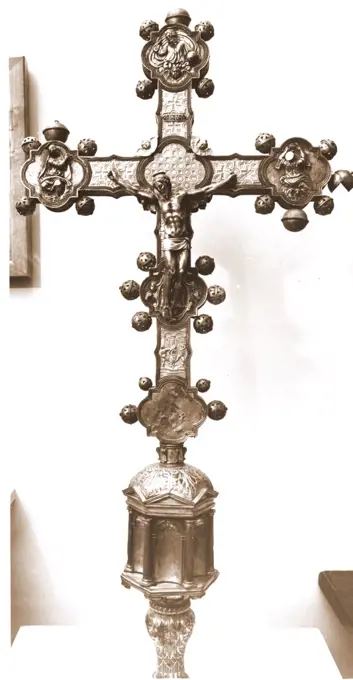
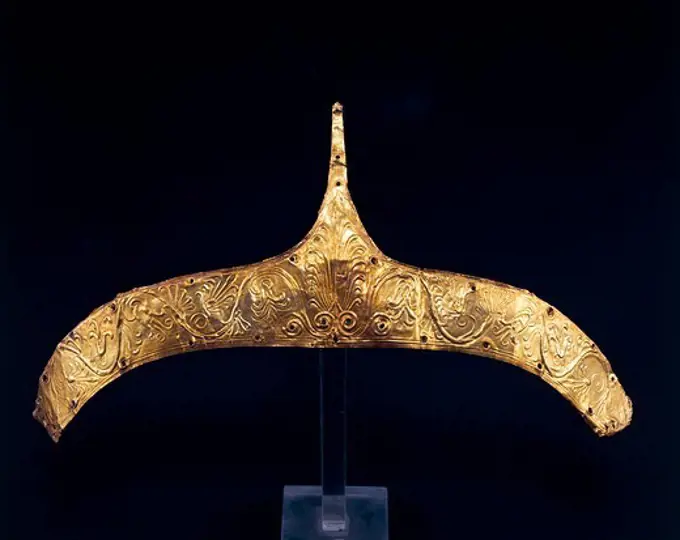
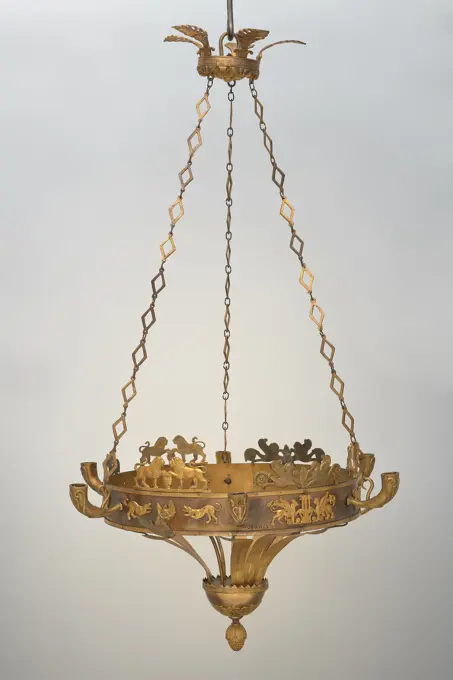
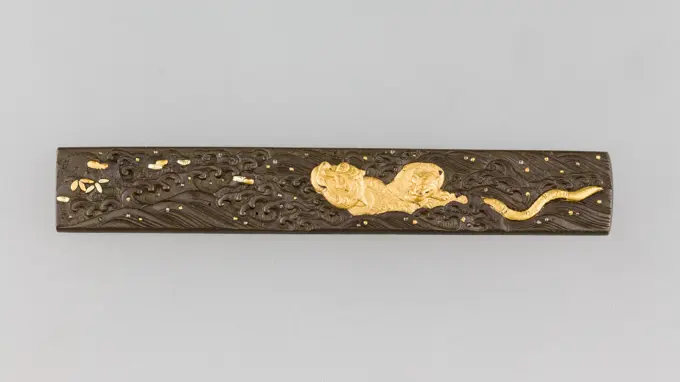
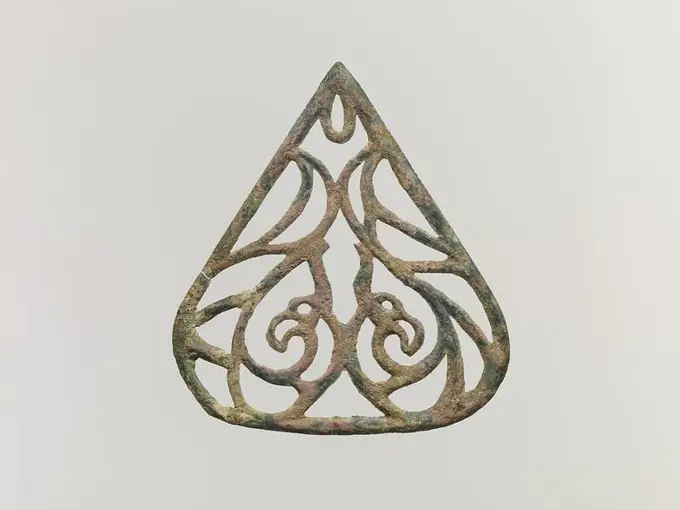
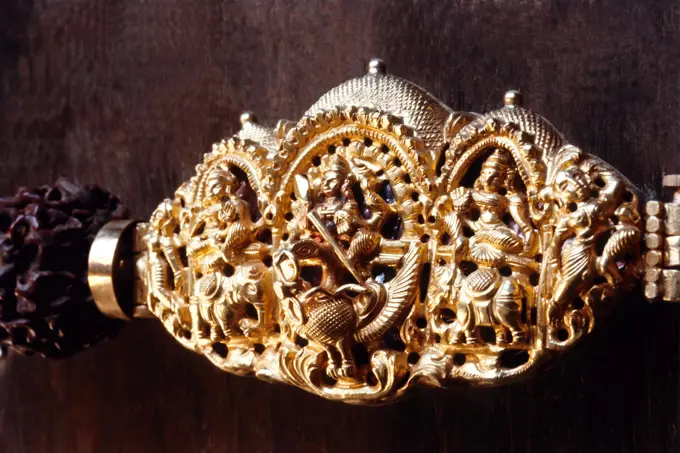
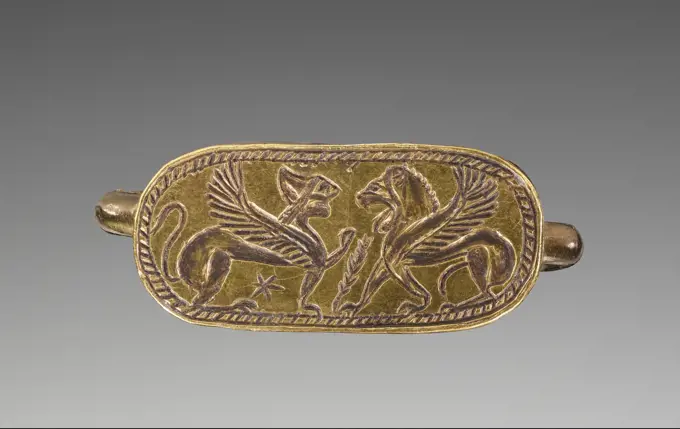
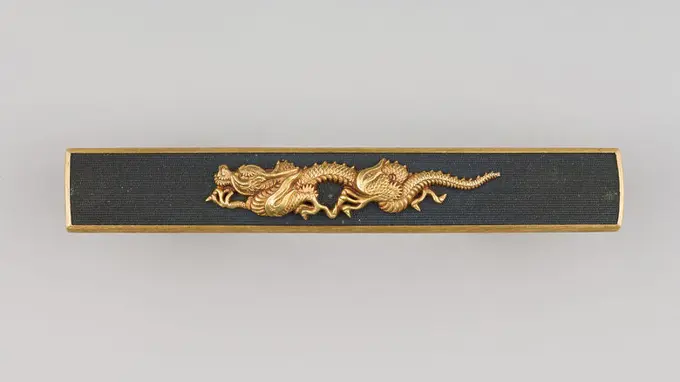
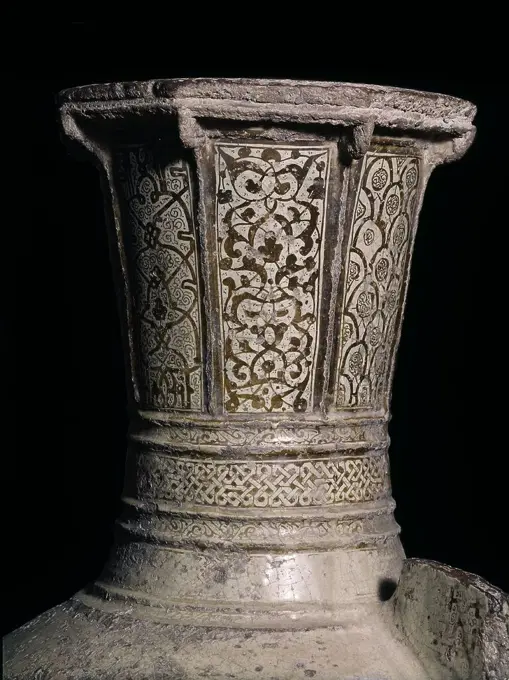
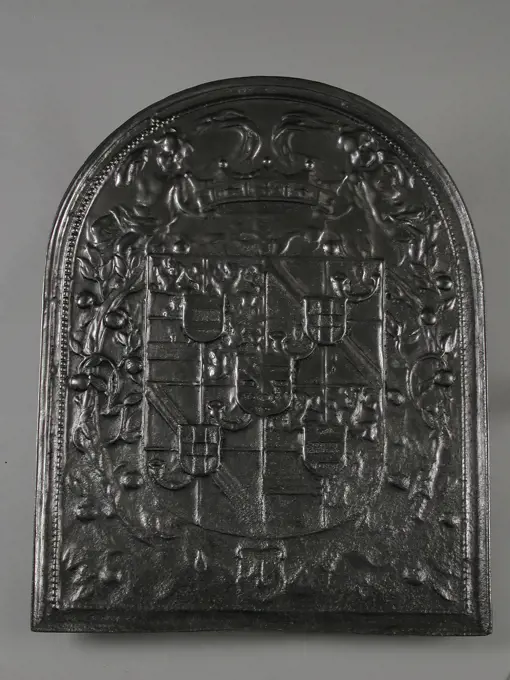
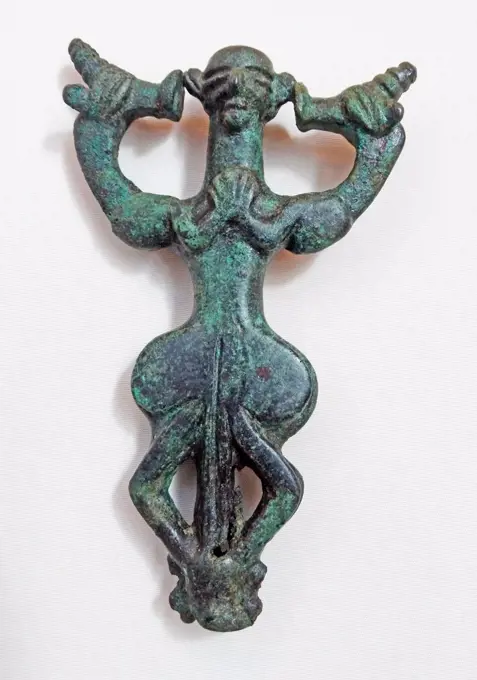
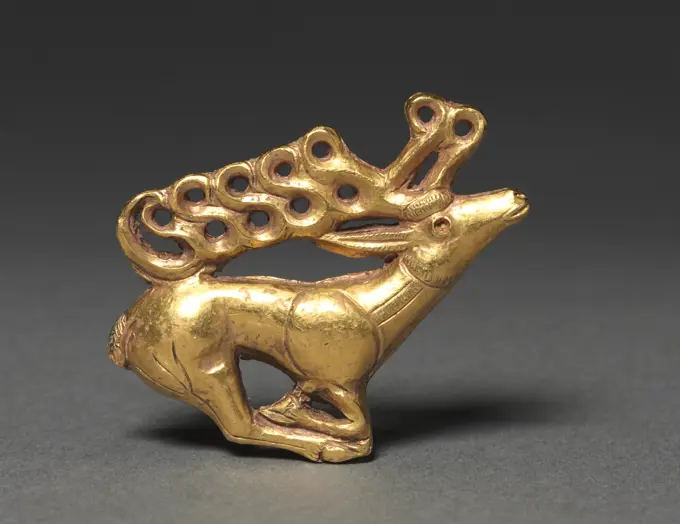
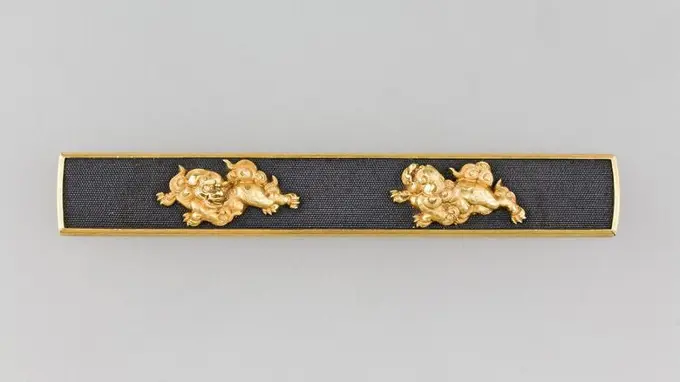
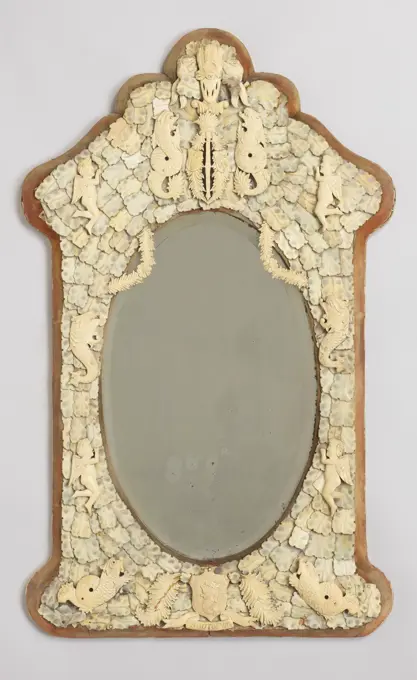
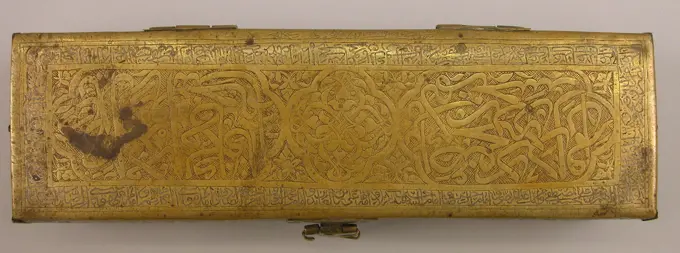
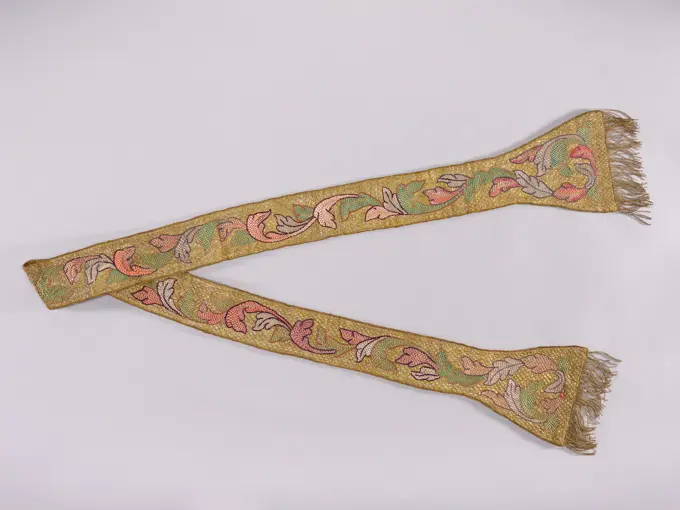
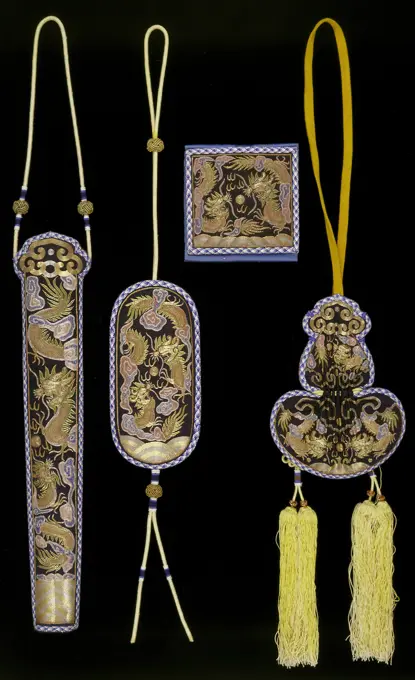
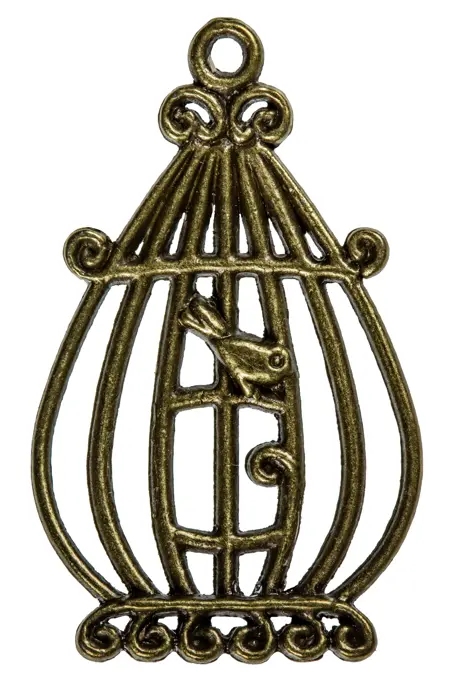
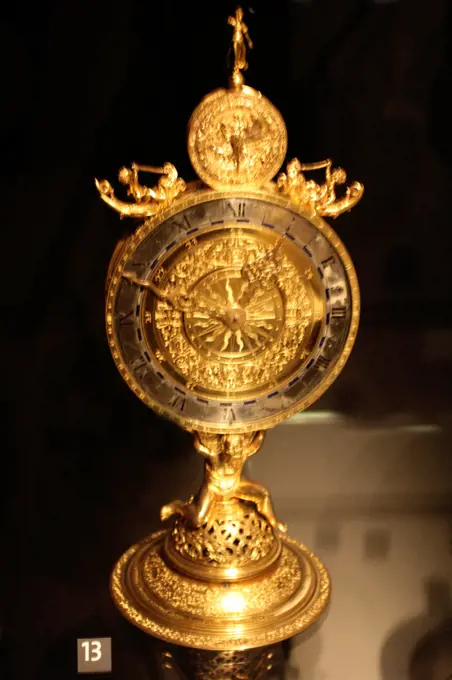
Joseph Willmore, Caddy Spoon, 1810/11, silver.Benediction Cross, 1200s-1400s. Byzantium, Byzantine period, 13th-15th century. Black schist, gold, silver; overall: 9 x 9 cm (3 9/16 x 3 9/16 in.).Sword knife hilt, anonymous, 1500 - 1900 Decorated with a torii hidden behind foliage and chrysanthemums. Japan iron (metal). silver (metal). gold (metal) Decorated with a torii hidden behind foliage and chrysanthemums. Japan iron (metal). silver (metal). gold (metal)Earring, c. 12th-13th Century. Cambodia, Angkorean Period (877-1431). Bronze; overall: 8.3 x 3.5 x 3.2 cm (3 1/4 x 1 3/8 x 1 1/4 in.).Powder Flask and Leather Carrier with Bullet Bag for the Bodyguard of the Elector of Saxony Made 1600-1610 Saxony. Steel, cherrywood, and leather .Pair of Sword-Grip Ornaments (Menuki). Culture: Japanese. Dimensions: L. of each 3 9/16 in. (9 cm); Wt. of each 0.7 oz. (19.8 g). Date: 18th century. Museum: Metropolitan Museum of Art, New York, USA.Badge of the Guild of Saint George in Breda, anonymous, c. 1500 Carrying sign, partially gilded, a chain on top and bottom. In an oval medallion with a raised frame, against a white -polished background, "and Rond Bosse" the figure of Sint Joris with the dragon. Two shields on the edge, with the weapons of the city of Breda and the lords of Nassau-Breda with the quarters of Nassau and Vianden, applied to a volute in branch shape and partly over a crown at the foot of it. The fields were probably enameled, which can be deduced from the raw metal surface. Brabant silver (metal). casting / gilding  Breda Carrying sign, partially gilded, a chain on top and bottom. In an oval medallion with a raised frame, against a white -polished background, "and Rond Bosse" the figure of Sint Joris with the dragon. Two shields on the edge, with the weapons of the city of Breda and the lords of Nassau-Breda with the quarters of Nassau and Vianden, applied to a volute in branch shape and partly over a crowBliżej Kultury unknownTalisman Box 18th Century AD. Tibet. Gilt iron with niello inlay.Wall arm of gilded copper, decorated with C and S-Volute-shaped acanthus leaves., Anonymous, 1750 Wall arm of gilded copper. The Applique consists of three merging C-shaped acanthus drinks. From this, two S and C-shaped volutes jump to the left and the right, on which the candle holders, formed by three acanthus leaves, are screwed. Rosette -shaped fat catchers have been installed among the candle holders. See: BK-1953-3-B. Northern Netherlands (possibly)Netherlands (possibly) copper (metal) gilding Wall arm of gilded copper. The Applique consists of three merging C-shaped acanthus drinks. From this, two S and C-shaped volutes jump to the left and the right, on which the candle holders, formed by three acanthus leaves, are screwed. Rosette -shaped fat catchers have been installed among the candle holders. See: BK-1953-3-B. Northern Netherlands (possibly)Netherlands (possibly) copper (metal) gildingBerber Diadem from Aurés Berber.Long-case Musical Clock.Light arm with snake and dolphin head. Light arm of brass, decorated with snake and dolphin head.Panel 14th-15th century. Panel 445100Openwork Fitting 7th-9th century China (Xinjiang Autonomous Region, Central Asia) The nomadic communities of Central Asia used such plaques to embellish clothing and horse trappings. As these nomadic cultures herded animals and were constantly moving, their artistic production was expressed in portable objects that marked the wearers status and wealth. The outstanding preservation of these fragile ornaments suggests they were used in conjunction with burials, where the body was aggrandized with valuable textiles and augmented with gold. Although it is difficult to date and place these objects geographically, their presence in Central Asia and has a long, established history.. Openwork Fitting. China (Xinjiang Autonomous Region, Central Asia). 7th-9th century. Gold. Period of Tibetan Empire. MetalworkSword Belt. Culture: French. Dimensions: L. 10 1/4 in. (26 cm); W. 19 3/4 in. (50.2 cm). Date: late 18th century. Museum: Metropolitan Museum of Art, New York, USA.Door knocker 15th century German. Door knocker 468890Diadem with attached rams' heads Second Intermediate Period ca. 1640-1550 B.C. View more. Diadem with attached rams' heads. ca. 1640-1550 B.C.. Gold. Second Intermediate Period. From Egypt or Levant. Dynasty 15-16Handle (probably Italy); silver; L x W: 7.9 x 1.9 cm (3 1/8 x 3/4 in.); The Robert L. Metzenberg Collection, gift of Eleanor L. Metzenberg; 1985-103-254-cBronze age. Mold. Replica. Spain. National Archaeological Museum, Madrid. Spain.Goldsmith's art, Italy, 19th century. Gold demi parure set with pearls, rubies and emeralds, 1880-1900.Openwork PinheadKey; steelKnife Handle (Kozuka) 18th century Japanese A kozuka is a handle of a by-knife that is part of a sword mounting. It is kept in a slot on the reverse of a katana scabbard, often with a matching kgai (hairdressing tool).. Knife Handle (Kozuka). Japanese. 18th century. Gold, copper-gold alloy (shakud). Sword Furniture-KozukaBACULO DE LIMOGES S XII. Location: CATEDRAL-INTERIOR. Toledo. SPAIN.Pullman-Jennings Building: Ornament from the End of a Beam. Solon Spencer Beman; American, 1853-1914. Date: 1882-1883. Dimensions: 58 × 45 × 11 cm. Painted cast iron. Origin: Madison Street, 1214-1222 West. Museum: The Chicago Art Institute, Chicago, USA.Shaffron (Horse's Head Defense) ca. 1620 Dutch This shaffron is a late example of its kind and a rare specimen of probable Dutch manufacture. The main plate ends in a blunt point near the top of the nose and has wide cutouts for the eyes and ears. It is fitted with ear guards, which were originally attached by screws (one screw for each remains, the second now replaced by a rivet), small, hinged sideplates above the eyes, and a hinged poll plate. The edges of all the plates are turned and are followed by a series of steel rivets with gilt domed heads that secure portions of the original leather lining straps, indicating that the shaffron was once fully lined. Confined to narrow vertical bands over the main surfaces and similar bands around the edges, the decoration, which is chiseled and gilt overall, consists of flowers, trophies of arms, and bound captives suspended on a central ribbon, the background punched with tiny circles. The plain surfaces, now polished white, were formerly blDecorative grill from the Palace of Westminster. Culture: British. Designer: Augustus Welby Northmore Pugin (British, London 1812-1852 Ramsgate). Dimensions: Overall (confirmed): 20 3/4 × 13 3/4 × 1/4 in. (52.7 × 34.9 × 0.6 cm). Manufacturer: Attributed to John Hardman & Co. (British). Date: ca. 1850.These decorative grill panels exemplify the designs of Augustus Welby Northmore Pugin (1812-1852), who was the leading exponent of the Gothic Revival style in England. Pugin's work is central to the transformation in British design that began in the mid-nineteenth century. He admired what he saw as the honesty and purity of medieval art, and deplored the meaningless repetition of historical motifs. Pugin coined the phrase "Brumagen Gothic," referring to "those inexhaustible mines of bad taste, Birmingham."The medieval Palace of Westminster, much altered by later additions, was almost entirely destroyed by a devastating fire which broke out on October 16, 1834. When the last flames were fPullman-Jennings Building Ornament from the End of a Beam 1882-1883 Madison Street, 1214-1222 West. Painted cast iron . Solon Spencer Beman (Architect)Escutcheon; 1904-21-53Watch. Culture: probably German, Dresden. Dimensions: Diameter: 1 3/4 in. (4.4 cm). Maker: Case maker: Attributed to Christian Gottlieb Stiehl (German, 1708-1792). Date: ca. 1770-80.This watchcase displays a technique of setting hardstones in gold that is usually associated with Johann Christian Neuber (1736-1808) of Dresden, although it was probably inspired by enameled gold watchcases made in Paris a few years earlier. Stiehl, who held appointments to Augustus the Strong, King of Poland and Elector of Saxony (1670-1733), and his successor, Augustus III (1696-1763), is known for his floral designs, which are freer and less geometric than Neuber's. The movement may also have been made in Dresden. P.J. Marperger, author of Horologiographia (Dresden, 1723), a book on the watch and clock market in Germany, wrote that "some important people . simply cannot appreciate anything that does not come from France or England." He advocated a heavy tax on foreign clocks and watches in addition to Harness Pendant possibly Spanish 13th-early 15th century Heraldry, or coat-of-arms, were vitally important in Europe throughout the Middle Ages and the Renaissance. Heraldic emblems were used to identify noble families, cities, regions, and even countries. In addition to being displayed on shields and flags, heraldry was incorporated into architectural decoration on the interior and the exterior of buildings, on furniture, works of art, clothing, and horse equipment. Harness pendants, like this example, would have been attached to a headstall, bridle, or other straps making up the tack of a horse ridden by a nobleman or noblewoman, or a member of their household. Many harness pendants also have decoration that is simply ornamental, or have symbols that are not specifically heraldic in nature.Harry Jennings, Tie back, c 1939 Tie-backFurniture Hardware 1820-30 Henry Kellam Hancock. Furniture Hardware 3548Abruzzo, L'Aquila, Castelvecchio Subequo, S. Francesco, Italy, 20th century, photo, photography, EuropeFurniture Mount; gilt bronze; a) H x W x D: 29.9 × 7.7 × 5.7 cm (11 3/4 × 3 1/16 × 2 1/4 in.) b) H x W x D: 23.8 × 4.3 × 1.5 cm (9 3/8 × 1 11/16 × 9/16 in.)Badge with the Virgin and Child ca. 1500 German Pendants or badges with images of saints and holy figures were probably worn as talismans-the patron saint likely chosen to answer personal concerns-and as displays of piety.. Badge with the Virgin and Child 467379'Decorative Relief: Vase with a Branch and a Censer'. Italy. Ferrara, Circa 1508. Dimensions: 34,5x6,0 cm. Museum: State Hermitage, St. Petersburg.Powder Flask for Archduke Mathias of Austria (Emperor 1612-19) 1600-1633 Germany. Walnut, horn, ivory, and iron . Master with the LocustPa. German Spoon Rack. Dated: c. 1942. Dimensions: overall: 46 x 35.6 cm (18 1/8 x 14 in.). Medium: watercolor, graphite, and colored pencil on paper. Museum: National Gallery of Art, Washington DC. Author: William H. Edwards.Pectoral withGems, mid 8th-9thcentury, Gold and green translucent stone, 6.85 × 10.515 cm, 23.276 g, 0.085 cm (2 11/16 × 4 1/8 in., 23.276 g, 1/16in.), Made in Java, Indonesia, Java, Early Classic Period(650-1000), JewelrySilversmith: Adrianus van Bemme, Silver chief of the shield of the wagoner's guild, head shield plate silver, driven hammered Oval shield on chain with hook on bottom short chain with pin bottom representation on kind of gate (engraved) heraldry Wagenaarsgilde guild car ferry Rotterdam - Gouda J. vd Laan C. Tieman H. Ernst C. Egbers . van Middelkoop C. Filled . Zikke C. van Roselen G. vd Wal L. van VloyesteynSpoon (Germany), ca. 1600-1630; coral, gilt silver; L x W: 19.5 x 4.9 cm (7 11/16 x 1 15/16 in.); The Robert L. Metzenberg Collection, gift of Eleanor L. Metzenberg; 1985-103-82Seal (France); parcel-gilt silver; h: 4.5 x w: 3 x d:1.6 cm (1 3/4 x 1 3/16 x 5/8 in.); Bequest of Joan W. Leidesdorf; 1997-62-12Pin. Northwestern Iran, circa 1350-800 B.C.. Jewelry and Adornments; pins. Bronze, castCULATA DEL ARCABUZ DE CARLOS V - SIGLO XVI - MADERA Y MARFIL. Location: PALACIO REAL-REAL ARMERIA DE MADRID. MADRID. SPAIN.Krzyż ręczny. nieznany warsztat etiopski (1400-1970), authorInk Cake, 19th Century. China, Qing dynasty (1644-1911). Ink cake; overall: 2.2 cm (7/8 in.).Disk Brooch 650-725 Frankish The dress of Frankish women generally consisted of a tunic, cinched by a belt from which hung an array of pendants. A wrap or cloak went over the tunic. Shoes and hosiery, fastened with buckles, covered the legs. Earrings, necklaces, and hairpins completed the ensemble.Aspects of this dress changed from the 300s to the 600s, and brooches in particular convey changes in taste. From the 300s to the 500s, pairs of small brooches, in an array of inventive shapes, held the wrap in place. By the 600s, a single large disc brooch, usually elaborately decorated, served the same function. No other piece of jewelry is more characteristic of Frankish dress than the brooch, and no other better demonstrates the virtuosity of Frankish metalworkers.. Disk Brooch 464825 Frankish, Disk Brooch, 650725, Gold sheet, filigree, garnets with patterned foil backings, Overall: 1 15/16 x 1 15/16 x 1/2 in. (4.9 x 5 x 1.2 cm). The Metropolitan Museum of Art, New York. Gift of J. PierAbruzzo, L'Aquila, L'Aquila, Museo Nazionale d'Abruzzo, Italy, 20th century, photo, photography, EuropeGolden crown with embossed vegetable decoration from Derveni (Greece). Goldsmith art, Greek Civilization, 4th Century BC.6-spoke hanging Empire candelabrum. unknown, authorPENDIENTES Y COLGANTES DE ORO DEL TESORO DE EVORA (SAN LUCAR DE BARRAMEDA- CADIZ) - SIGLO VII AC. Location: MUSEO ARQUEOLOGICO-COLECCION. Sevilla. Seville. SPAIN.Knife Handle (Kozuka) early 19th century Japanese A kozuka is a handle of a by-knife that is part of a sword mounting. It is kept in a slot on the reverse of a katana scabbard, often with a matching kōgai (hairdressing tool).. Knife Handle (Kozuka) 29753Harness Trapping. Culture: China. Dimensions: H. 5 1/2 in. (14.0 cm); W. 4 3/4 in. (12.1 cm). Date: 5th century B.C.. Museum: Metropolitan Museum of Art, New York, USA.Detail of rudraksha maalai gold gowrisangam of Nattukottai Chettiar  Chettinad  Tamil Nadu  India Copyright: xMxAmirtham/DinodiaxPhotoxPendant for Horse Trappings 15th century Spanish The decoration of this and similar pendants in the Metropolitan Museum's collection (04.3.305, .326, .371, .384, .429, .437) includes heraldic arms, mottoes, and religious expressions. Originally, they were attached to the straps of a horse's bridle, reins, crupper, or saddle.. Pendant for Horse Trappings. Spanish. 15th century. Copper alloy, enamel, gold. Miscellaneous-BadgesWinged Lion and Sphinx; Etruria; 550 - 500 B.C; Hoop: gold-plated silver; bezel: gold; 1.9 × 0.9 cm (3,4 × 3,8 in.)Bliej Kultury Zająk, Franciszek ( 1937), Jarnuszkiewicz, Czes Aw (1888 1988)Hair accessory. Culture: Russian. Date: 1830-80.This object is from the collection of Natalia de Shabelsky (1841-1905), a Russian noblewoman compelled to preserve what she perceived as the vanishing folk art traditions of her native country. Traveling extensively throughout Great Russia, she collected many fine examples of textile art of the wealthy peasant class. From the 1870s until moving to France in 1902, Shabelsky amassed a large collection of intricately embroidered hand-woven household textiles and opulent festival garments with rich decoration and elaborate motifs. The Brooklyn Museum holdings include many fine examples including the majority of the garments. Portions of Shabelsky's collection are also housed at the Museum of Fine Arts, Boston, the Cleveland Art Museum, and the Russian Museum of Ethnography in St. Petersburg. Museum: Metropolitan Museum of Art, New York, USA.Étui 1785-86 Toussaint-François Pillieux The body is covered with an opalescent translucent enamel applied over a sunken machine-patterned ground. This basse taille technique first appeared in Parisian goldsmith's work ca. 1768, after the introduction of the rose-engine lathe by means of which regular geometric patterns and choice of color resulted in effects ranging from watered silk to deep water itself or the color of gemstones.. Étui. French, Paris. 1785-86. Gold, enamel. Metalwork-Gold and PlatinumKnife Handle (Kozuka). Culture: Japanese. Dimensions: L. 3 13/16 in. (9.7 cm); W. 9/16 in. (1.4 cm); thickness 5/16 in. (0.8 cm); Wt. 1.4 oz. (39.7 g). Date: 18th century. Museum: Metropolitan Museum of Art, New York, USA.CUERNO DE CAZA CON ESCENA. Location: MUSEO DEL PUEBLO ESPAÑOL. MADRID. SPAIN.. The Amsterdam apothecary and art collector Emmanuel Vita Israël. He donated his collection, comprising keys dating from Roman antiquity to the 19th century, to the Koninklijk Oudheidkundig Genootschap (Royal Antiquarian Society) in 1937. Vita Israël claimed that his key collection had grown more or less by accident: being one of the few collectors of keys, dealers automatically made their way to him.CUELLO DE JARRON ARABE. Location: ALHAMBRA-MUSEO-CERAMICA, GRANADA, SPAIN.The great gold buckle. Almost a pound of gold was used to make this buckle. The plate is a hollow box. The back opens up and can be locked with the help of three movable sliders similar mechanisms are known from Frankish and Burundian contexts on the Continent. There, it appears Christian relics were kept inside the buckles.Chatelaine (USA); silver, gold wash, ivory, enamel, glass; Overall: 41 x 32.5 x 3 cm (16 1/8 x 12 13/16 x 1 3/16 in.)ShoeBuckle.   Maker: Myer Myers, American, 1723-1795Pendant Medallion ca. 1180-90 French Similar medallions have been excavated in Spain as well as in England.. Pendant Medallion 464649Cross of the Emperor Lothair II (835-869). 11th century. Gold and precious gems. Detail. Aachen Cathedral Treasury. Germany.Partisan. Culture: Italian. Dimensions: L. 79 1/2 in. (201.8 cm); L. of head 10 5/8 in. (27 cm); W. 5 3/4 in. (14.6 cm); Wt. 3 lbs. 11 oz. (1672.6 g). Date: 17th century. Museum: Metropolitan Museum of Art, New York, USA.Dish for a ewer (bacile da versatore) Italian, Deruta ca. 1530-40Duncan Family Coat of Arms ca. 1790 Sarah Duncan American. Duncan Family Coat of Arms 17729Lluís Masriera / Colgante San Jorge, c. 1901-1902. Colección privada. Author: LLUÍS MASRIERA I ROSÉS.Fragment 14th-15th century. Fragment. 14th-15th century. Earthenware; incised decoration through white slip and coloring under transparent glaze. Attributed to Egypt. CeramicsFireback coat of arms of the stadholder, back painted, fire place cast iron paint, Rectangular arch at the top. In the middle weapon containing five other weapons The crown on the weapon is held by two lying putti. Fruit tendrils on the sides. Back of the plate painted with brown-white panes around black border heraldry living environment interior heating stadholder elite Nassau OrangeArmenian Kingdom of Cilicia, Turkey (1078-1375). Cup. Silver, gilding, black enamel. 12th-13th centuries. Provenance: Received in 1925. Discovered in 1925 in the village of Vilgort (East Urals). The State Hermitage Museum. Saint Petersburg. Russia.Earring with Demon Face, anonymous, c. 1200 - c. 1400 Earring in the shape of a cala head with hanging tongue. Indonesia gold (metal) Earring in the shape of a cala head with hanging tongue. Indonesia gold (metal)Finials in the form of two stylized animals forming a central tube. Dated 700 BCStag Plaque, 400-300 BC. Western Asia, Scythian, 5th-4th Century BC. Gold, cast in shell mold; overall: 4.1 cm (1 5/8 in.).Inkstand ca. 1530 Italian, probably Padua. Inkstand. Italian, probably Padua. ca. 1530. Bronze. Sculpture-BronzeSegregator Na Listy Industry school in. JózefFemale headdress set (username), 1800. Golden silver, cornals. Cernuschi Museum, Asia Museum of Asia in the city of Paris.Knife Handle (Kozuka). Culture: Japanese. Dimensions: L. 3 13/16 in. (9.7 cm); W. 9/16 in. (1.4 cm); thickness 5/16 in. (0.8 cm); Wt. 1.3 oz. (36.9 g). Date: early 19th century. Museum: Metropolitan Museum of Art, New York, USA."Dieppe" Mirror; France; carved bone, velvet-covered wood, mirrored glassPen Box (Qalamdan) with Inscriptions early 16th century Hasan Ramadan Shahi This pen box is decorated with bold thuluth calligraphic inscriptions and interlaced floral arabesques. The particular floral ornament, as well as the epigraphic style, is typical of Iranian metalwork dating to the late 15th and early 16th century.The inscriptions contain prayers to Ali, the son-in-law and cousin of the Prophet Muhammad, as well as blessings to the owner, and the name of the engraver (Hasan Ramadan Shahi). The interior of the box is divided into compartments to hold reed pen(s), the inkwell, and a sandpot. The high esteem of the calligrapher and his art is demonstrated by the lavish nature of this carefully crafted object, which would have both safeguarded and displayed his tools.. Pen Box (Qalamdan) with Inscriptions. early 16th century. Brass; chased, engraved, and inlaid with silver. Attributed to Iran. MetalStole. unknown, authorGourd-Shaped Pouch, 19th-20th century, 5 1/8 in. (13 cm), satin, silk, China, 19th-20th centuryBrooch 8th century B.C. European Bronze Age. Brooch 478180Jewel casket; c.1870 England; Birmingham. Attributed to John Hardman & Co.; Gilt; brass and enamel.Bird in a cage, decorative element, isolated on white background Bird in a cage, decorative element, isolated on white background Copyright: xZoonar.com/OleksandrxKostiuchenkox 9757488Pin Drees A. Round pin with white letter A on golden knorted circle, including black. Red fond.Llave de collar para ganado. Museu Català de les Arts i Tradicions Populars.Diadem with Inlays. UnknownPINJANTES ESMALTADOS DE CABALLO. Location: INSTITUTO VALENCIA DE DON JUAN-COLECCION. MADRID. SPANIEN.Pendant. Culture: German or French. Designer: Frame based on a design by Reinhold Vasters (German, Erkelenz 1827-1909 Aachen). Dimensions: Overall: 4 × 2 1/8 in. (10.2 × 5.4 cm). Date: 16th century, with 19th century additions. Museum: Metropolitan Museum of Art, New York, USA.Clock, 1564, by Jeremiah Metzger 1527- Germany, Augsburg. Gilded brass with enamelled silver dial ring.Medieval frame Medieval frame in gold isolated included clipping path Copyright: xZoonar.com/Baloncicix 15105100Cup-Hilted Rapier ca. 1650 Italian The rapier was the principal civilian sidearm throughout the sixteenth and seventeenth centuries. Designed for cut-and-thrust fencing of progressively complex techniques, the rapier is characterized by a double-edged blade with an acute point and an elaborate guard for the hand. The guards, usually of iron or steel, were subject to a variety of embellishment. They were engraved, chiseled, gilded, damascened, and encrusted in gold and silver in keeping with fashionable styles. Unless otherwise noted, the materials, attributions, and dating given here refer to the hilts. Rapier blades, invariably of steel, bear a variety of makers marks denoting their origin in the two principal centers of blademaking, Toledo in Spain and Solingen in Germany.. Cup-Hilted Rapier 25053Cutout ca. 1892 Lockwood de Forest American A key figure in the Aesthetic movement, New York-born artist Lockwood de Forest (1850-1932) was very inspired by Indian arts and crafts, and created the Ahmedabad Woodcarving Company in Gujarat, which exported many items to the United States. These cut and chased brass cutouts, designed by de Forest, were based on examples found in wood, plaster, and stone in Indian architecture. In his designs, they would have been used as ornament on architecture or furniture.. Cutout. ca. 1892. Brass; chased. Attributed to India, Ahmedabad. Metal