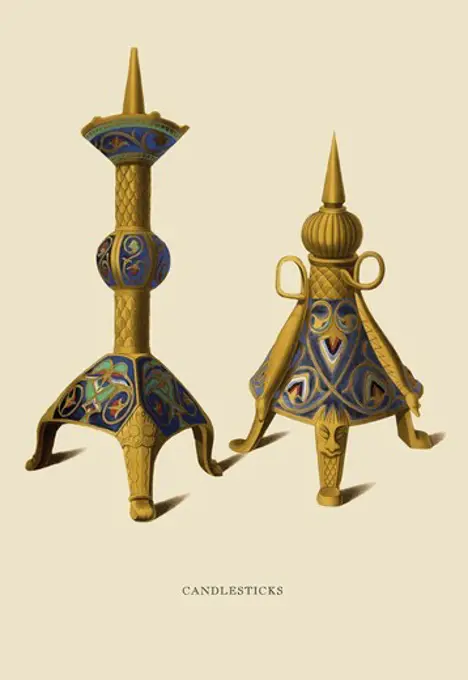
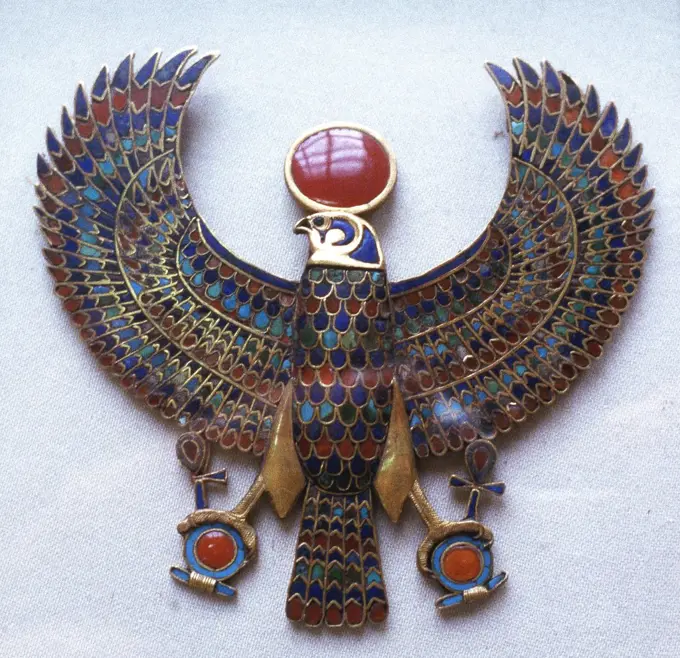
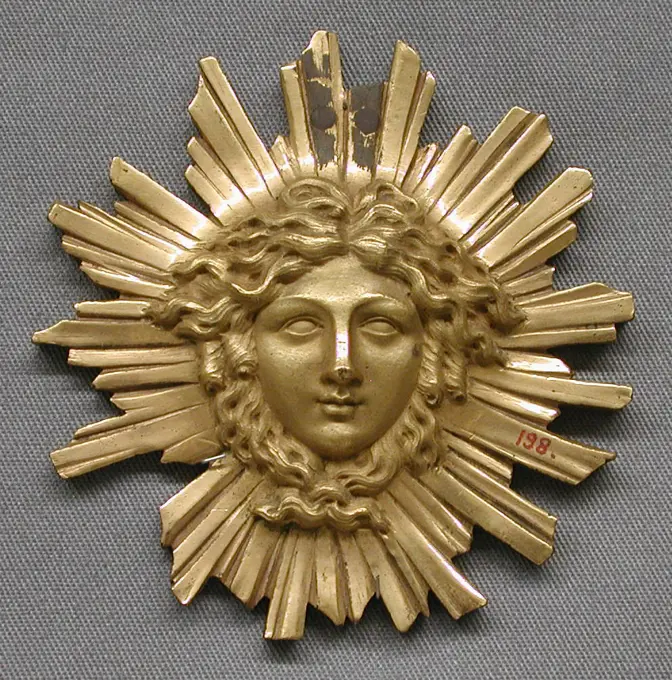
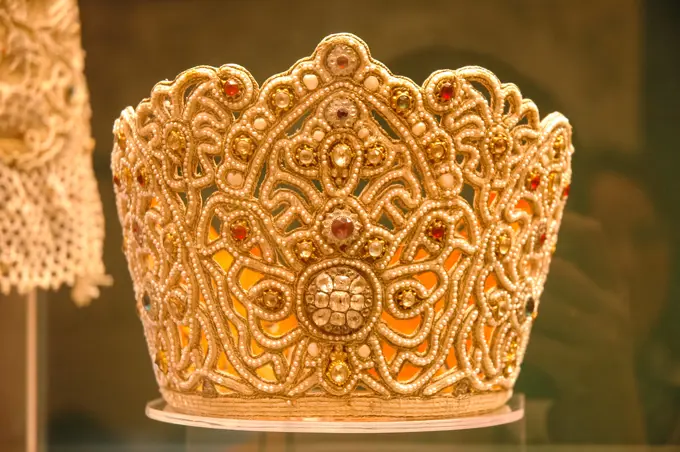
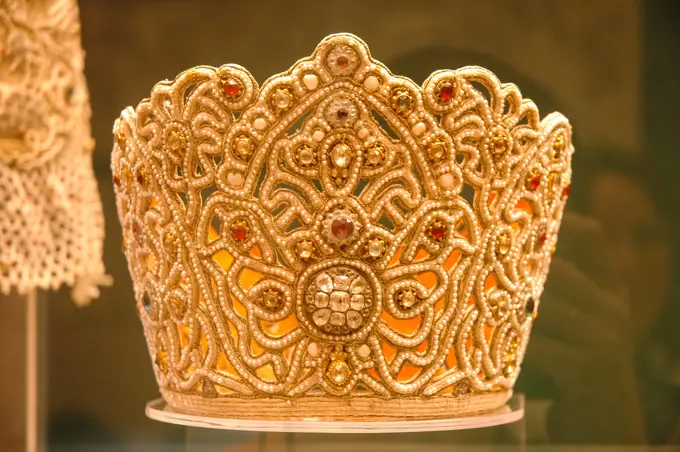
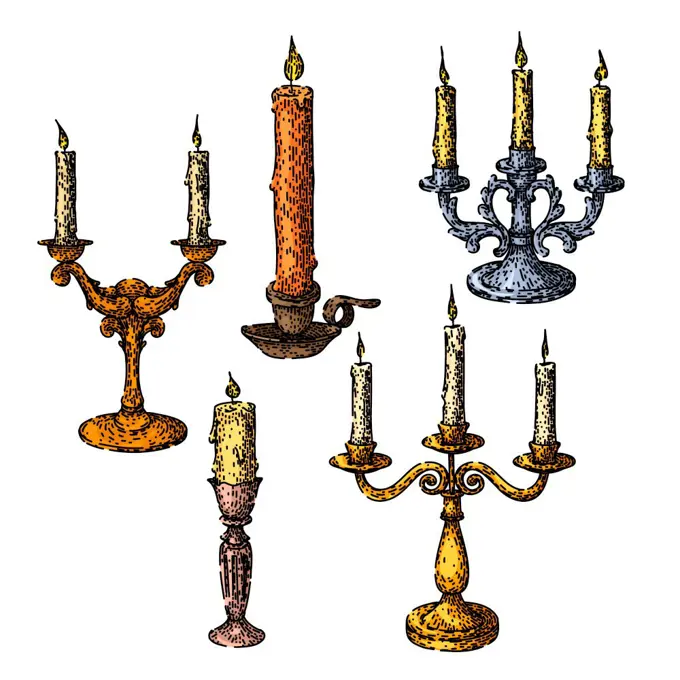
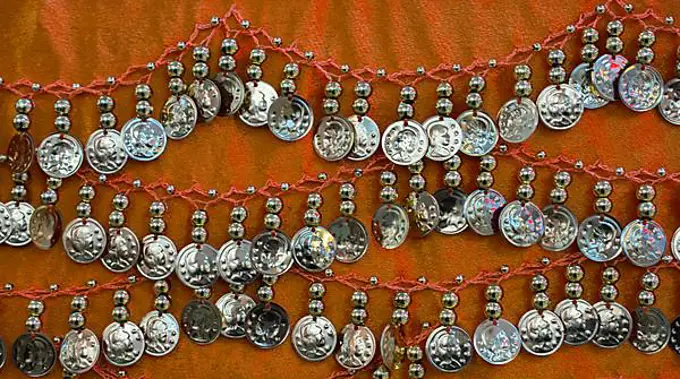
Decorative Mounts and Rosettes

A variety of ornate decorative mounts and rosettes, featuring intricate designs and finishes, ideal for home decor or architectural accents.
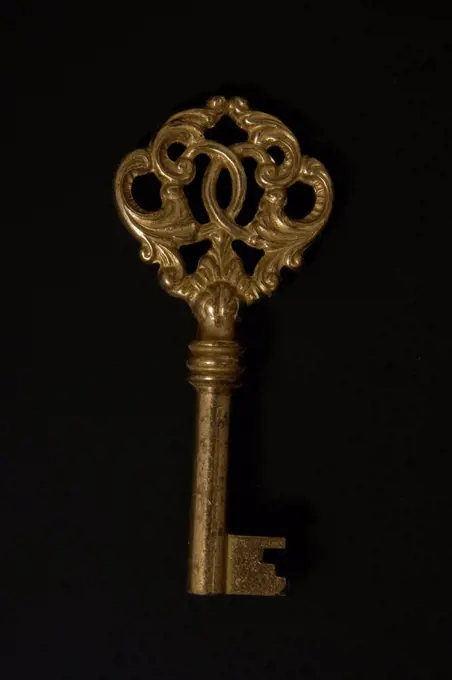
Old fancy key on black background, close up
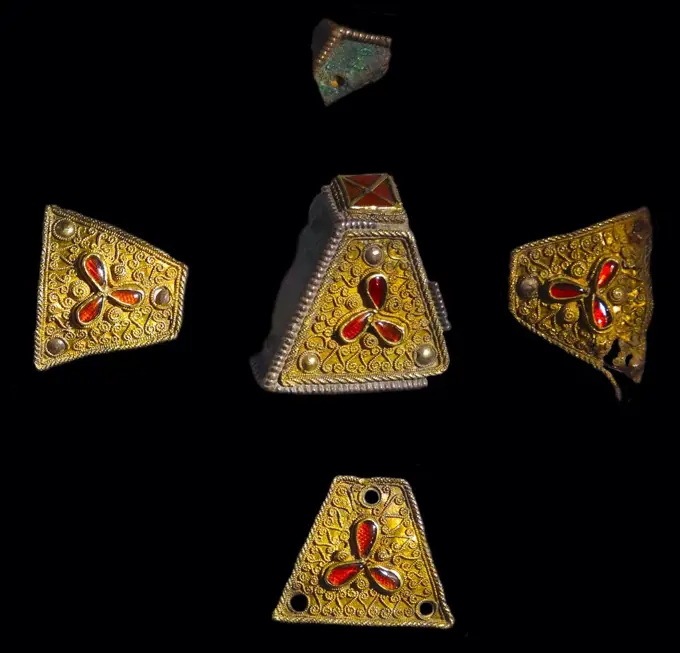
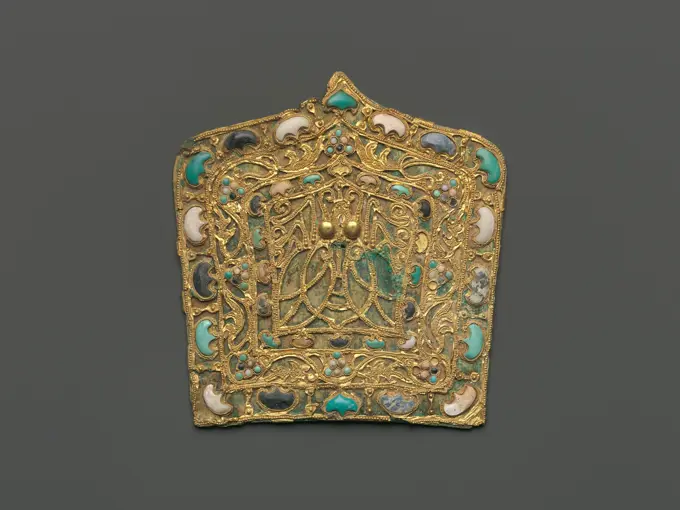
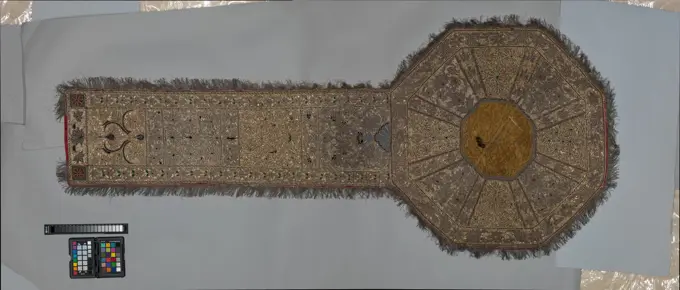
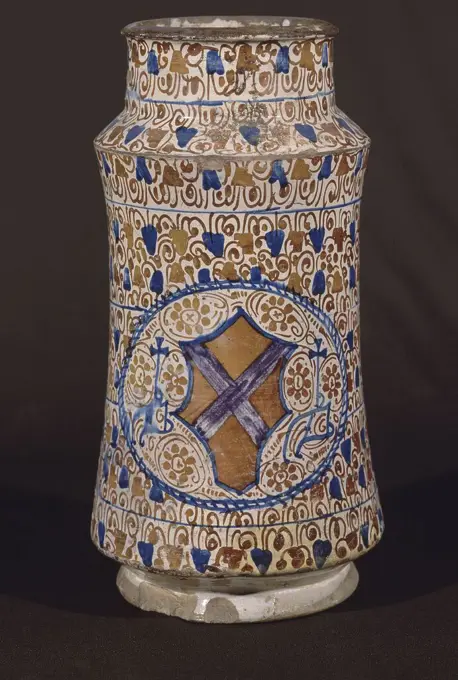
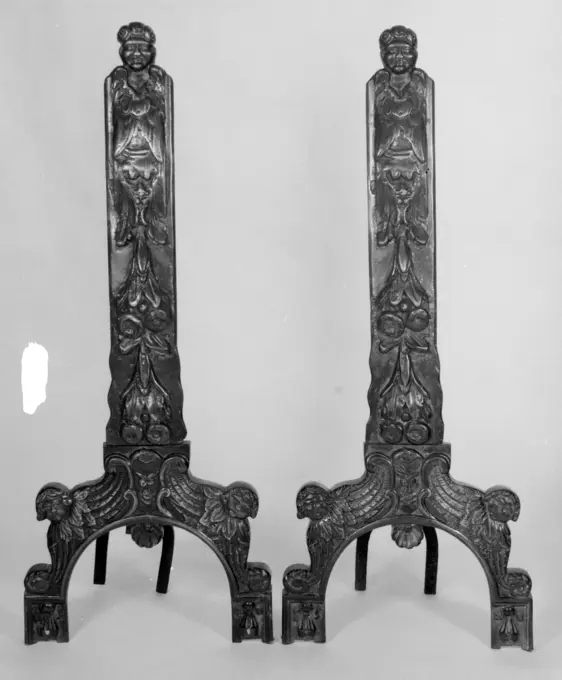
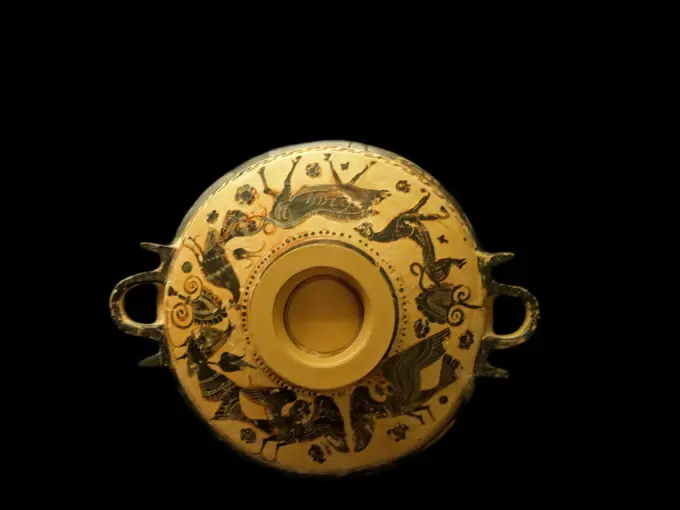
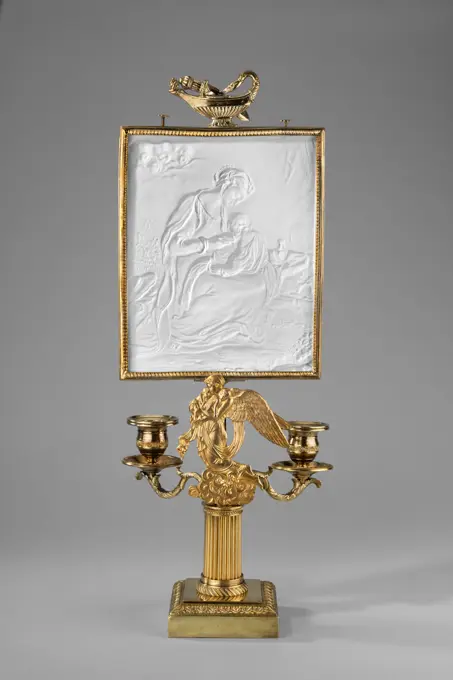
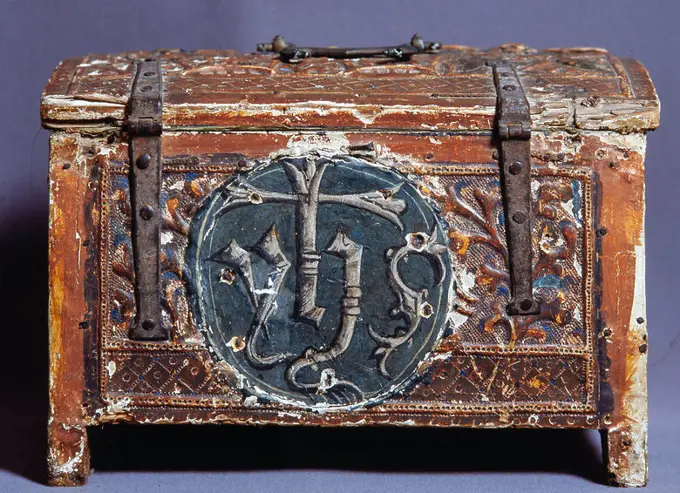
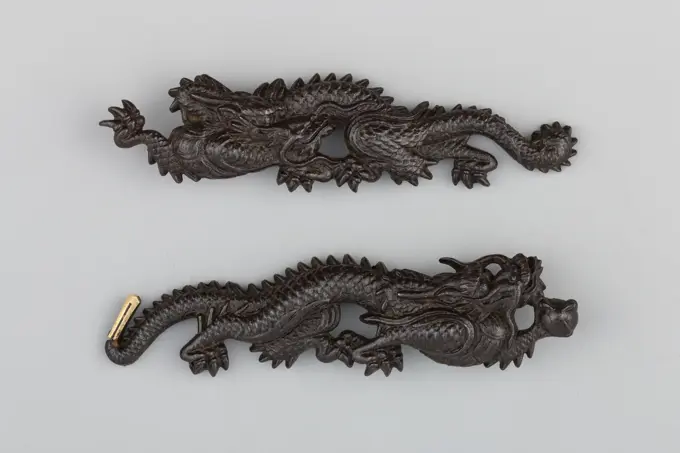
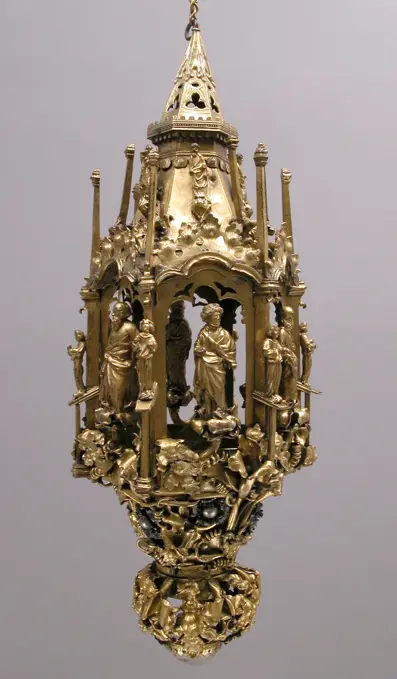
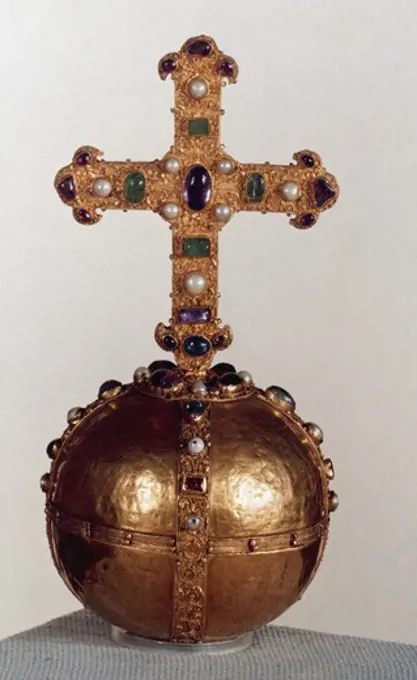
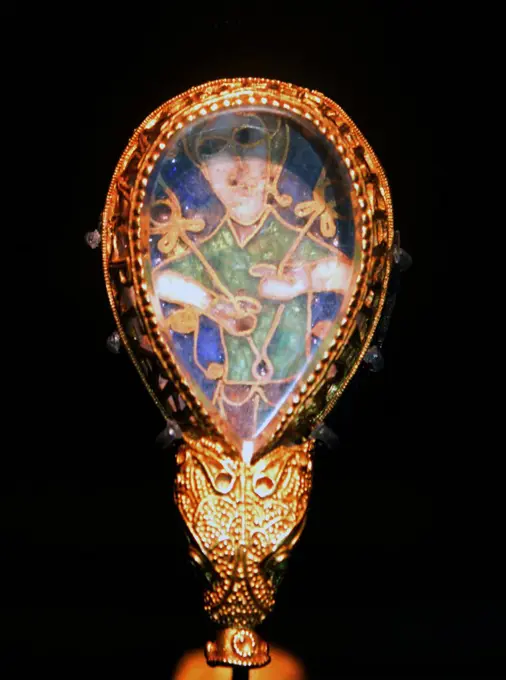
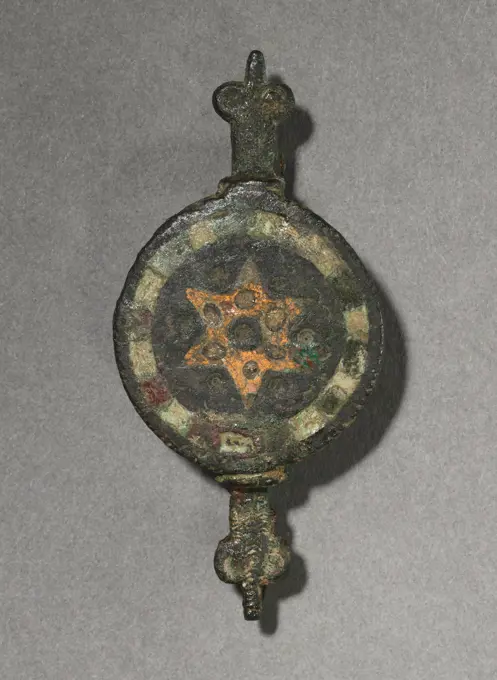
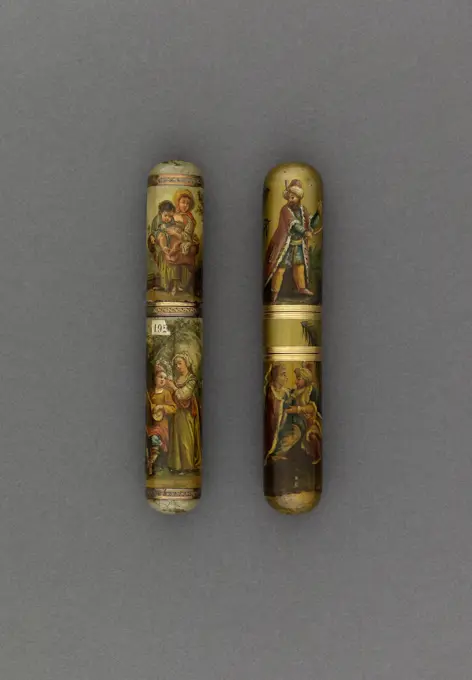
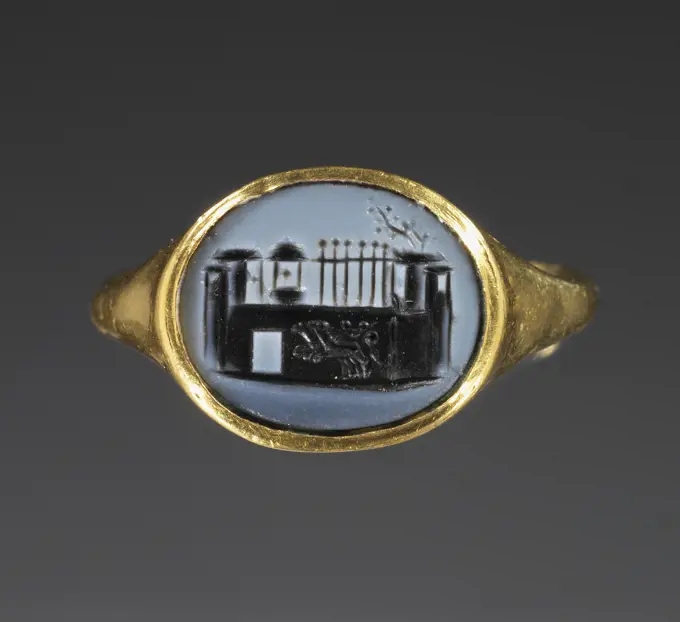
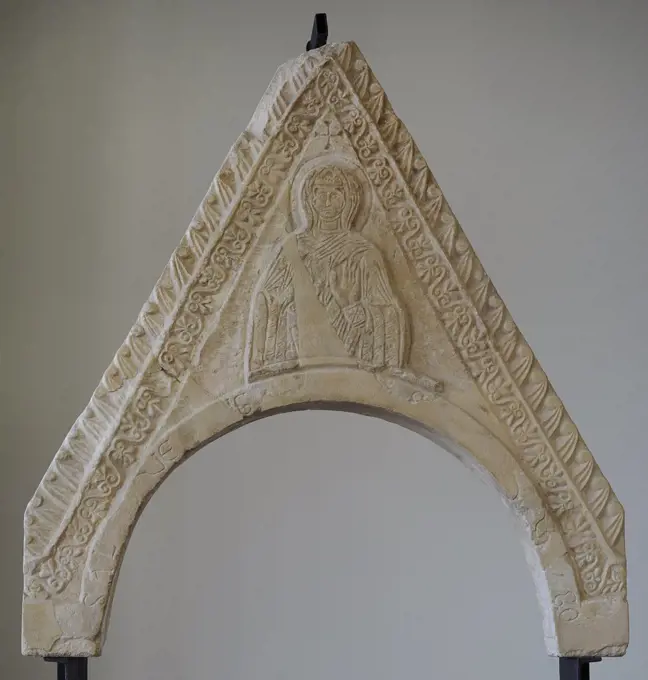
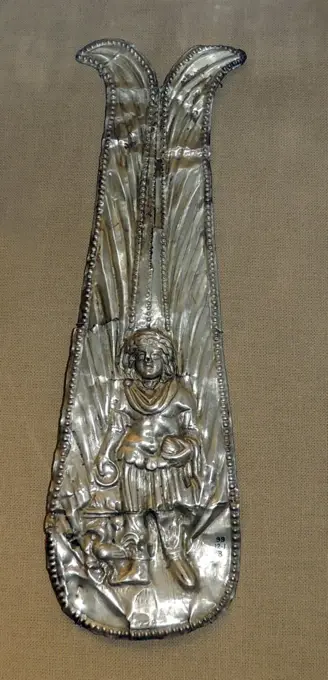
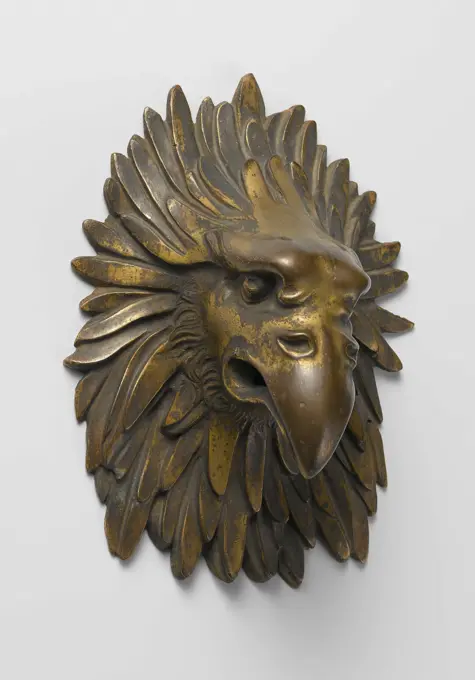
Mount; bronze, giltFour plaquettes with performances that relate to the Last Judgment, Anonymous, c. 1200 - c. 1300 Four semi -rounds of copper plaquettes, decorated with enamel Champlevé in green, white and blue. An angel is depicted on the top. The two side plaquettes both show an angel with a trumpet, who generates a dead person. The lower plaquette shows the resurrection of five dead. Limoges copper (metal). gilding Four semi -rounds of copper plaquettes, decorated with enamel Champlevé in green, white and blue. An angel is depicted on the top. The two side plaquettes both show an angel with a trumpet, who generates a dead person. The lower plaquette shows the resurrection of five dead. Limoges copper (metal). gildingArtefact from the Staffordshire Hoard of Anglo-Saxon gold and silver metalwork. Discovered in a field near the village of Hammerwich, near Lichfield, in Staffordshire, England, on 5 July 2009, it consists of over 3,500 items from the Anglo-Saxon kingdom of Mercia.Ornamental Plaque 4th-5th century China This plaque once decorated the hat of a government official. It features a cicada an emblem of immortalityframed by semi-precious stones.. Ornamental Plaque 64920Huqqa Mat ca. 1800 Smoking a huqqa, or water pipe, was an integral part of court culture in India during the Mughal, Deccan and British periods. This custom required an array of accoutrements, including a hose, mouthpiece, and a mat, such as this one. Contemporary paintings from the 18th-19th century illustrate how the huqqa base was placed upon the round, or in this case, octagonal part of the mat as the hose rested along the rectangular extension, leading the smoker who was likely reclining on a masnad, or upholstered throneSmoking a huqqa, or water pipe, was an integral part of court culture in India at the Mughal and Deccan courts and during British rule. This custom required an array of accoutrements, including a hose, mouthpiece, and a mat, such as this one. Contemporary paintings from the 18th-19th century illustrate how the huqqa base was placed upon the round or in this case octagonalpart of the mat as the hose rested along the rectangular extension, allowing the smoker to rCERAMIC PHARMACY JAR. MANISES. 15th CENTURY. Location: MUSEO ARQUEOLOGICO NACIONAL-COLECCION. MADRID. SPAIN.Pair of andirons 17th century Netherlandish. Pair of andirons. Netherlandish. 17th century. Bronze, cast iron. Metalwork-Bronze. Pixis of gold-plated buyer and email champlevé. The body cylindrical. The conical lid is crowned by a cross on a sphere. The lid is connected to the body with a hinge and has a pierced sneb on the opposite side, which fits the body between two eyes and can thus be closed with a pen. The lid is decorated with a blue land of email, on which Ranken ornament, which is on the body four, and on the lid three medallions of white email. The medallions alternately show the letters IHS and the XPS monogram. The bottom is connected to cling that has been cut off at the bottom of the body.Burgundian shield with the painted coat of arms of Cologne. Curved wooden shield (corrugated) with discharge flowing with the weapon of Cologne in the heart (three crowns side by side) on a horizontally shared field of red and white. There is a lot of tendrils on a red-brown fond along the edges.Fifteenth-century german shield, painted with a pelican with her boy. Elongated fifteenth-century German shield, presumably a base shield, with concave sides. In the middle from top to bottom, an increase of 13 cm wide runs. Completely padded with dark red leather, the front painted with the representation of a black pelican, in the chest pricking its beak above a nest with four boy feeding with the falling drops of blood. In a quadruped picture frame, surrounded by plant, flower and abstract motifs. In three places holes in the shield, causing strickets from the handle, held by thick leather pieces. The handle on the reverse side consists of a vertical piece of wood, pierced with a horizontal stick, the whole wound through a leather strap, smoothly braided. Two nails hold a second leather strap, which has been broken down on one side.Buckles (2), Silver gilt, turquoise, coral, glass, (a) Central ornament with leaf-shaped piece at either side. Raised ornaments of small pieces of turquoise and red glass; pendant ornaments of coral and silver gilt arranged in groups; (b) similar to (a) but slightly different design., India, late 19th century, jewelry, Decorative Arts, Buckles (2)Phoenix Hair Ornament, 7th-8th century, 6 7/8 x 4 11/16 x 1 1/2 in. (17.46 x 11.91 x 3.81 cm), Gold, China, 7th-8th centuryVajra and Bell on a white backgroundHarry Mann Waddell, Wall Cabinet, Hand Carved, c 1937 Wall Cabinet, Hand CarvedPlaque. Mongolia or southern Siberia, 2nd-1st century B.C.. Sculpture; plaques. Bronze, castFurniture;  2. PO. 15th century (1451-00-00-1500-00-00);Neyman, Stanisław (1882-1952) - collection, gift (provenance), Gothic (style), Maswerk (ornament), rosettes, fish blisters (ornament)Boeotian black-figure lekanis, decorated with cockerels, sirens, feline and boar. Mid 6th century BCCross. Culture: Northern European. Dimensions: Overall: 2 3/4 × 1 9/16 in. (7 × 4 cm). Date: 16th century.The size of this jewel and related ones (see also 17.190.892; 17.190.893; 32.100.298; and 41.100.26) is such that only the closest viewer could appreciate their full beauty and dexterous execution; they represent the finest craftsmanship for the wealthiest patrons. Each combines gold with natural treasures, such as pearls and gemstones. Bulbous baroque pearls cleverly suggest the fluffy down of a swan's underbelly or a cloudy mass supporting the Crucifixion. Tiny figures are enameled in the round. Melding the secular and the sacred, these jewels were made to be worn: pinned to garments or hanging close to their owners' skin. The animals might be heraldic devices; the swan, for example, could symbolize the Society of the Virgin Mary, called the Order of the Swan, which was founded in mid-fifteenth-century Brandenburg in Germany.Elizabeth Cleland, 2017. Museum: Metropolitan MuseCylinder seal cap ca. 17th-16th century B.C. Babylonian or Kassite. Cylinder seal cap. Babylonian or Kassite. ca. 17th-16th century B.C.. Gold. late Old Babylonian-early Kassite. Mesopotamia, said to be from DilbatInk Cake, 19th Century. China, Qing dynasty (1644-1911). Ink cake; overall: 2.6 cm (1 in.).Candlestick with a biscuit screen. Miśnia, factoryArqueta, siglo XV. Fundación Juan March.Pair of Sword-Grip Ornaments (Menuki) 18th century Japanese Menuki are a pair of ornamental sword fittings attached to either side of a sword hilt.. Pair of Sword-Grip Ornaments (Menuki). Japanese. 18th century. Iron, copper-silver alloy (shibuichi), gold. Sword Furniture-MenukiLamp or Censer 14th century North Italian This spectacular example of goldsmith's work has been attributed to Giovannino de Grassi, an artist active in northern Italy. Certain elements prompt an attribution to Venice, which recieved strong stylistic cross-currents from both northern Europe and central Italy. The piece is closely connected to other works that blend prophetic figures with twining vines and leaves to recall the Tree of Jesse-a motif representing the line of Christ's forerunners. Furthermore, the lamp inherently produces light, symbolic of revelation and education, so that the function of the object dramatically describes the theological significance of its subjects.. Lamp or Censer 464681Pointed Morion ca. 1560-70 Italian, Milan In contrast to the bold sculptural forms of earlier Milanese parade armor (for example, acc. no. 20.150.2), embossed armor made in the second half of the sixteenth century was flatter and more pictorial, often with entire figural scenes from prints reproduced on the steel surfaces. The costumes are invariably gold-damascened, the skin of the figures is silvered. This example is embossed on both sides with variant scenes depicting the Roman hero Mucius Scaevola placing his hand in the fire before King Porsena.This distinctive form of lightweight infantryman's helmet, characterized by an almond-shaped bowl with turned-back point at the apex and a short brim, is referred to in contemporary English documents as a "Spanish morion." The term alludes to the common use of such helmets by Spanish troops rather than their place of manufacture, which was usually Italy.. Pointed Morion. Italian, Milan. ca. 1560-70. Steel, copper alloy (brass), gold, silverByzantine Master , Silver, gilded , 12th century, Russia, Moscow, State Armory Chamber in the Kremlin, 20, 5x17The Crucifixion. Culture: Northern European. Dimensions: Overall: 2 1/4 × 1 3/8 × 1/2 in. (5.7 × 3.5 × 1.3 cm). Date: 16th century.The size of this jewel and related ones (see also 17.190.893; 32.100.298; 32.100.306; and 41.100.26) is such that only the closest viewer could appreciate their full beauty and dexterous execution; they represent the finest craftsmanship for the wealthiest patrons. Each combines gold with natural treasures, such as pearls and gemstones. Bulbous baroque pearls cleverly suggest the fluffy down of a swan's underbelly or a cloudy mass supporting the Crucifixion. Tiny figures are enameled in the round. Melding the secular and the sacred, these jewels were made to be worn: pinned to garments or hanging close to their owners' skin. The animals might be heraldic devices; the swan, for example, could symbolize the Society of the Virgin Mary, called the Order of the Swan, which was founded in mid-fifteenth-century Brandenburg in Germany.Elizabeth Cleland, 2017. Fragment of an architectural molding 1301-1400 Morocco. Wood with relief carving .Royal Orb Medieval Period Antiques-Misc Pendant ivory cross, Carved ivory, probably France or Italy, 19th century, jewelry, Decorative Arts, Cross, CrossWinged uraeus amulet 664-380 B.C. Late Period. Winged uraeus amulet 561534The Alfred Jewel is an Anglo-Saxon artefact made of enamel and quartz enclosed in gold that was discovered in 1693, and is now one of the most popular exhibits at the Ashmolean Museum in Oxford. It has been dated from the late 9th century. It was made in the reign of Alfred the Great and is inscribed 'AELFRED MEC HEHT GEWYRCAN', meaning 'Alfred ordered me made'Ornamental Brooch, c.100-300. Gallo-Roman or Romano-British, Migration period, 2nd-3rd century. Bronze and champlevé enamel; overall: 6 x 2.9 x 1.1 cm (2 3/8 x 1 1/8 x 7/16 in.).Fragment ca. 1200 French. Fragment 466013Anonymous French. Studies. Martin varnish. 18th century. Paris, Cognacq-Jay museum. 56644-1 Etui, Martin varnishA Pair of Decorated Palanquin Hooks and Rings, 1100-1175. Cambodia, Angkor Wat Style, 12th century. Bronze; overall: 52.6 x 34.2 x 23 cm (20 11/16 x 13 7/16 x 9 1/16 in.).Earrings with shaped like a Nike. Gold. 4th -3rd century BC. From near Bolsena. British Museum. London. England. United Kingdom.Retro old keys vector illustration in hand drawn style. Retro old keys vector illustration in hand drawn style. Set of keys with crownPendant and necessaire in the form of a dolphin. Hanger and necessaire of gold, enamelled and occupied with emerald and topaz. In the form of a dolphin. Content: a toothpick and a spoon.Mirror of Sat-Hathor Yunet from LahunCasket Fragments 900-1000 Byzantine. Casket Fragments. Byzantine. 900-1000. Bone. Made in Constantinople. BoneSilver earrings from India. Dated 19th CenturyAchilles Dragging Hector's Body; Roman Empire; 1st century; Gem: glass paste; ring: gold; 1.2 × 1 cm (1,2 × 3,8 in.)Greece, Athens. Theatre of Dionysus. Prohedria. Chair behind the throne for the priest of Dionysos Ereutherios. Votive plaque of silver with a figure of the god Mithras, Roman, 2nd-3rd century AD. Said to be from Pessinus in Asia Minor.Turkish Ottoman style water tap examplesWreath of death made of gold and glass from antiquity, end of 4th century B. C., Staatliche Antikensammlung, Munich, Upper Bavaria, Germany, Europe. Eagle head from bronze with remains of gilding. The head with plumage of the neck is spread like a flat collar and attached to a horizontal plane. In the mouth probably was a ring.Furniture Hardware 1820-30 Henry Kellam Hancock. Furniture Hardware 5249The coat of arms of the Grand Duchy of Lithuania (from a pair) from the Czaprak National Cavalry Officer unknown labelUtensil museum, Ahmedabad, Gujarat, India Copyright: xPxMistry/DinodiaxPhotoxRELICARIO FORMA CRUZ CON VASO CRISTAL FATIMI SXVII. Location: CONVENTO DE SAN CLEMENTE-MUSEO. Toledo. SPAIN.Candlesticks, Costume & Decorations of the Middle AgesEnamel work, Middle Ages, medieval ornament in FranceFan with arabic isolated on the whiteAnimal, Scythian Art, Gold, Russia, Moscow, State Oriental Art Museum,Gold crown isolated on white background Gold crown isolated on white background Copyright: xZoonar.com/SergiixSvyerchkovx 5959992Pectoral jewel from treasure of Tutankhamun showing falcon headed god with sun disk (Aton)VASIJA PERUANA DE 21 CM DE ALTURA - ARTE PERUANO PRECOLOMBINO. Location: MUSEO DE AMERICA-COLECCION. MADRID. SPAIN.Clock ornament 18th century French. Clock ornament 189947 French, Clock ornament, 18th century, Gilt bronze, Overall (confirmed): 3 5/8  3 1/2  3/4 in. (9.2  8.9  1.9 cm). The Metropolitan Museum of Art, New York. Gift of J. Pierpont Morgan, 1906 (07.225.510.198)CUSTODIA TOLEDO 1827. Location: CONVENTO DE SAN CLEMENTE-MUSEO. Toledo. SPAIN.Pair of wall lights. Culture: Italian. Dimensions: Height (each): 22 1/2 in. (57.2 cm). Date: ca. 1750-60.The stamped inventory numbers indicate that this pair of wall lights belonged to one of the Bourbon collections in Parma in the mid-eighteenth century, but their exact provenance has not yet been determined. Each has two flowers of soft-paste porcelain; the remaining flowers, many of which appear to be later replacements, are of hard-paste porcelain. Gilt-bronze wall lights with porcelain flowers were popular in France in the mid-eighteenth century, but the inventory numbers, as well as the broad chasing on the bowknot and long pendent tasseled ribbons, suggest an Italian origin for this pair.Bill Rieder, 1984. Museum: Metropolitan Museum of Art, New York, USA.Kokoshnik, Element of Russian national costume of women. Russian national clothing. Kokoshnik, Element of the Russian national costume of women. Russian national clothing. Copyright: xZoonar.com/DenisxPomortsevx 16449884Kokoschnik, Element der russischen Nationaltracht der Frauen. Russische Nationalkleidung. Kokoshnik, Element of the Russian national costume of women. Russian national clothing. Copyright: xZoonar.com/DenisxPomortsevx 22651094Lock 14th century French The decoration of Gothic iron locks and keys was often elaborate and of the highest standard of workmanship. The motifs were frequently drawn from Gothic architecture, reproducing on a miniature scale complicated tracery patterns and even tiny statuettes. A number of these tiny locks were compound, with some of the mechanisms concealed from view, and required two or even three keys used in sequence to open them. It has been suggested that the greatly expanded use of locks on doors, or coffrets and other types of storage chests was a result of the increasing urbanization of life and the new emphasis on material wealth and private ownership which developed in the late Middle Ages.. Lock 466598Mardi Gras Exhibit at The Presbytere, part of the Louisiana State Museum, in New Orleans Mardi Gras Exhibit at The Presbytere, part of the Louisiana State Museum, in New Orleans Copyright: xZoonar.com/RituxJethanix 21070589Pendant late 19th century Russian. Pendant 124449candlestick set hand drawn. market data, analysis chart, stock currency candlestick vector sketch. isolated color illustration. candlestick set sketch hand drawn vectorPlenty of fake gold coins are on the scarf edges