Decorative Oriental Carpets

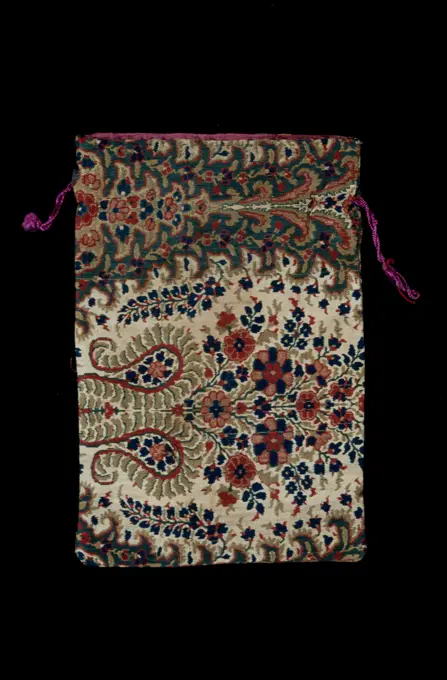
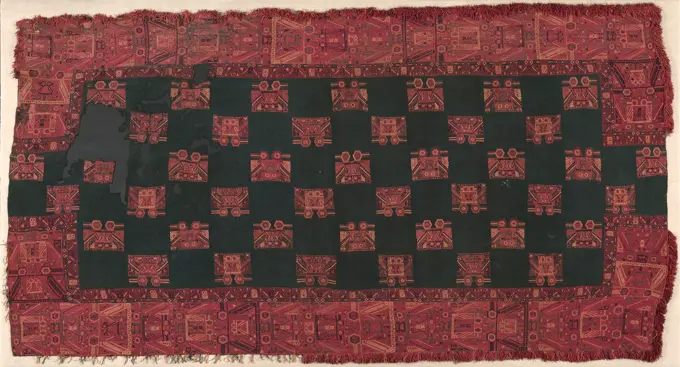
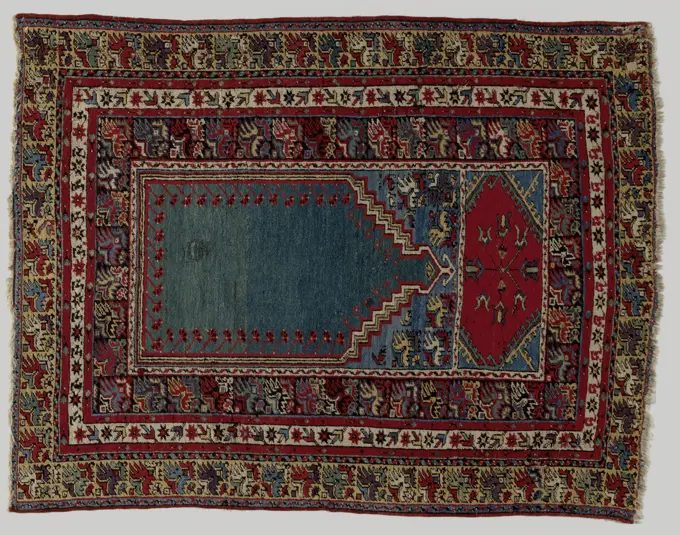
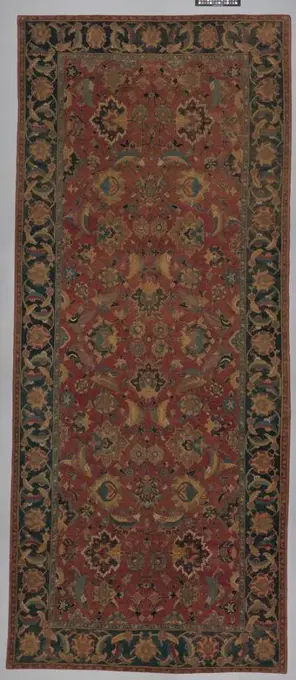
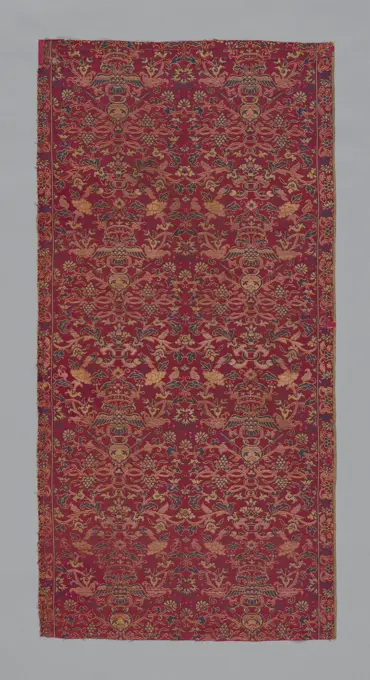
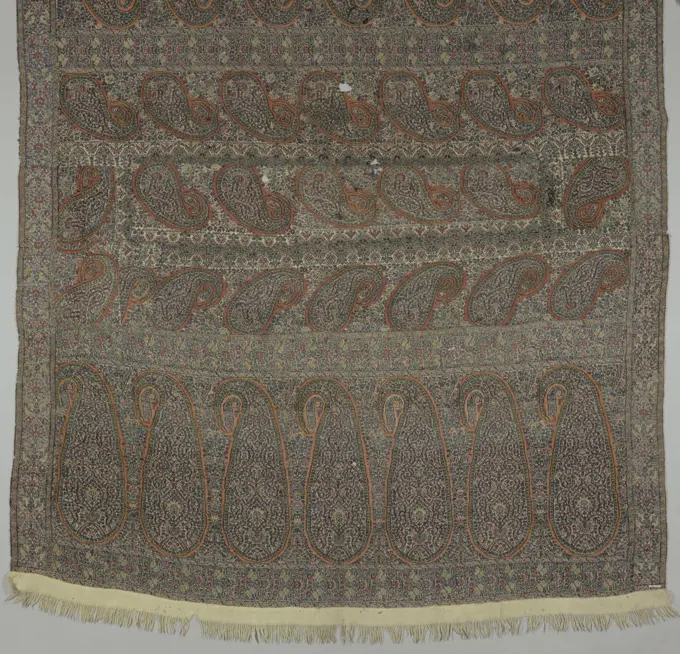
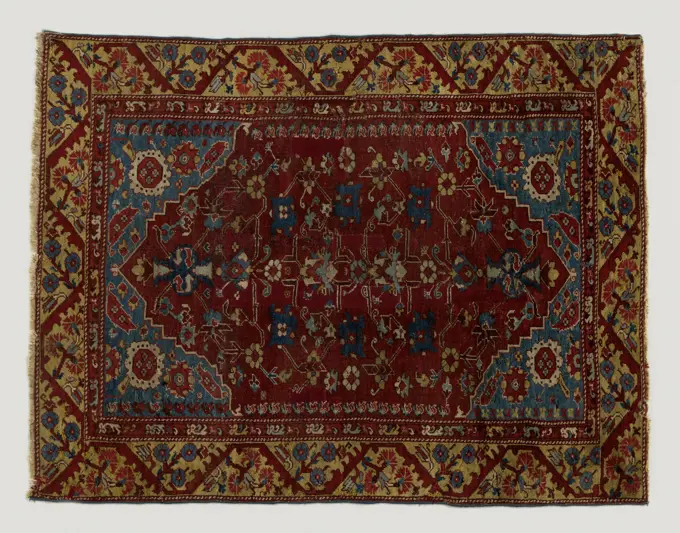
A variety of intricate oriental carpets featuring floral motifs and vibrant colors, showcasing traditional craftsmanship and designs from different regions.
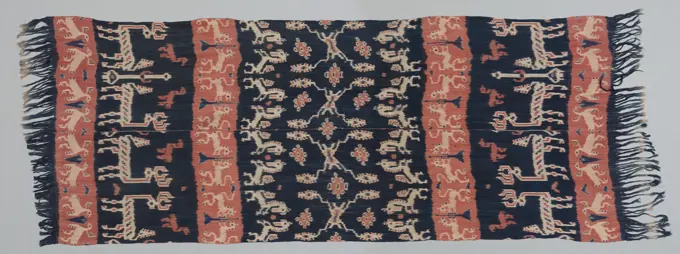
Hinggi, late 1800s. Indonesia, Sumba, late 19th century. Cotton, ikat dyed; overall: 268.5 x 94 cm (105 11/16 x 37 in.).
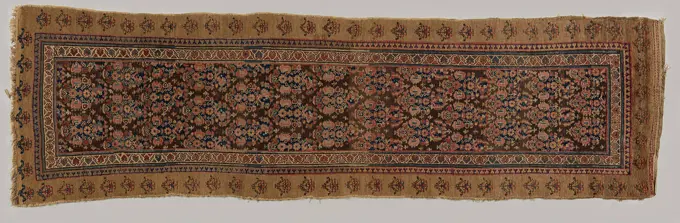
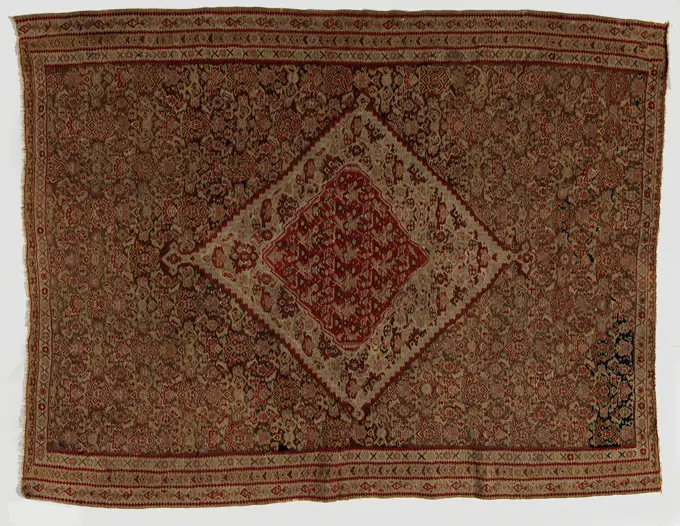
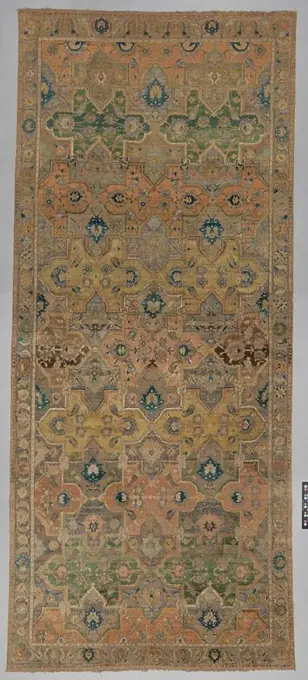
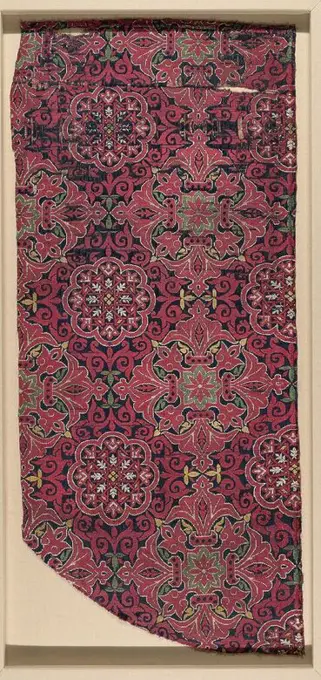
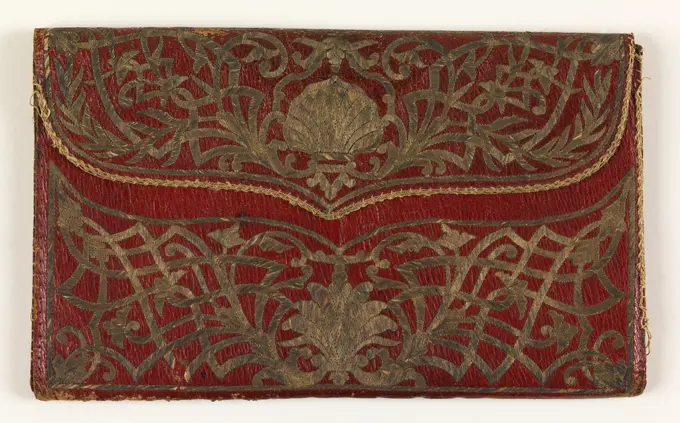
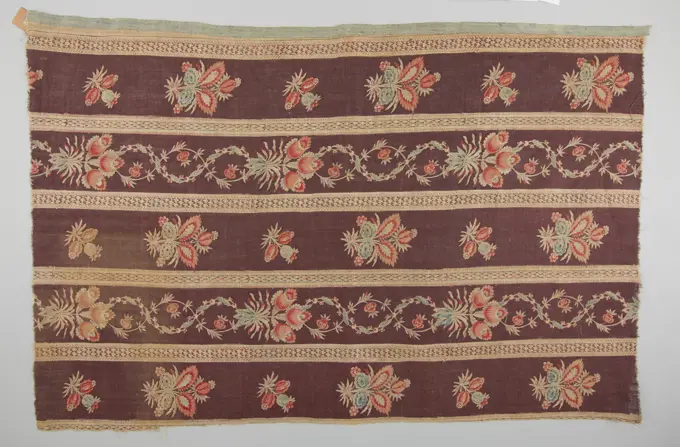
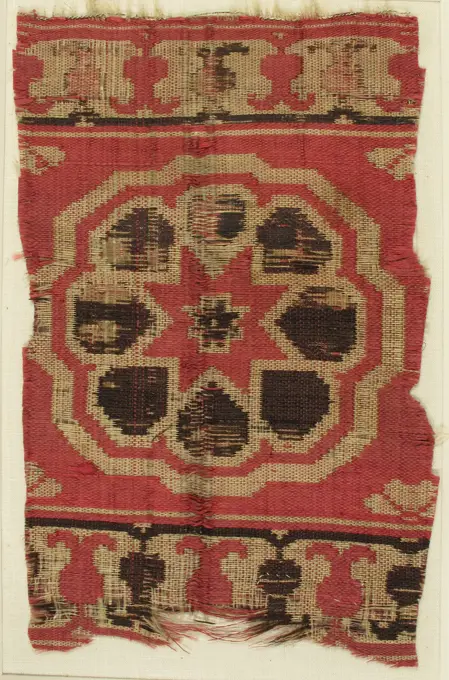
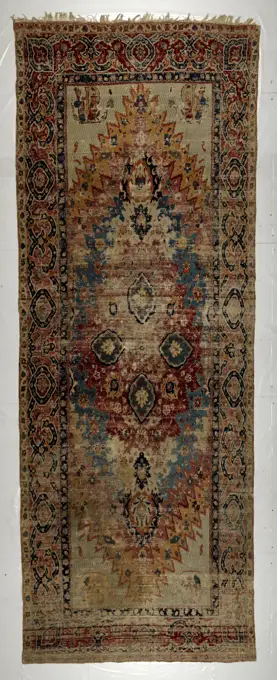
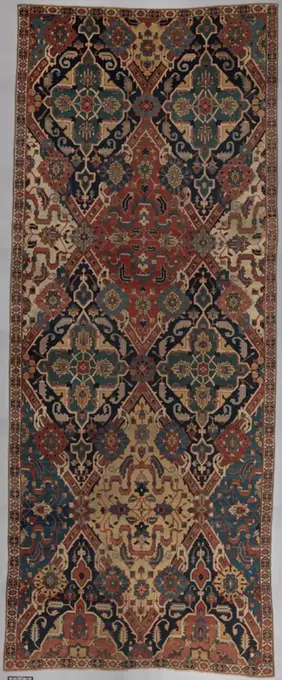
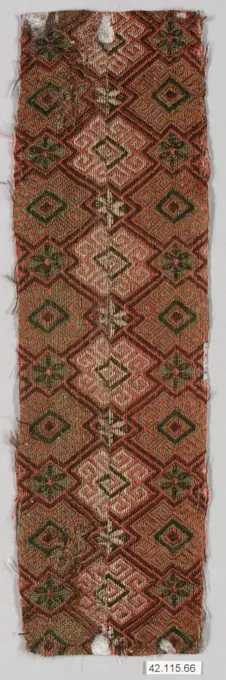
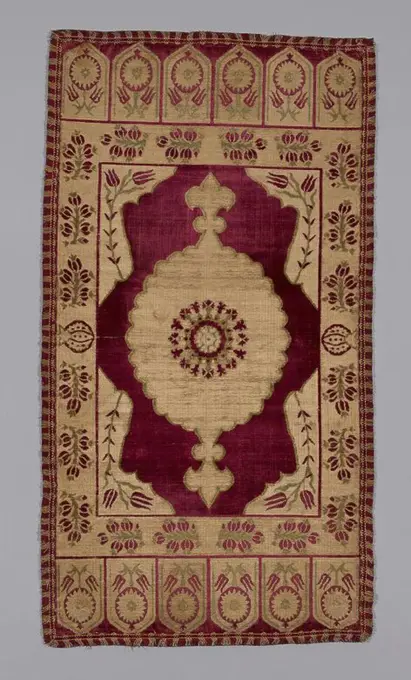
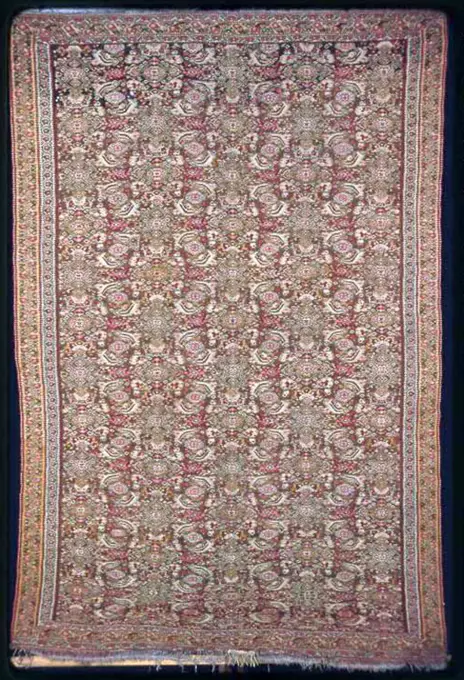
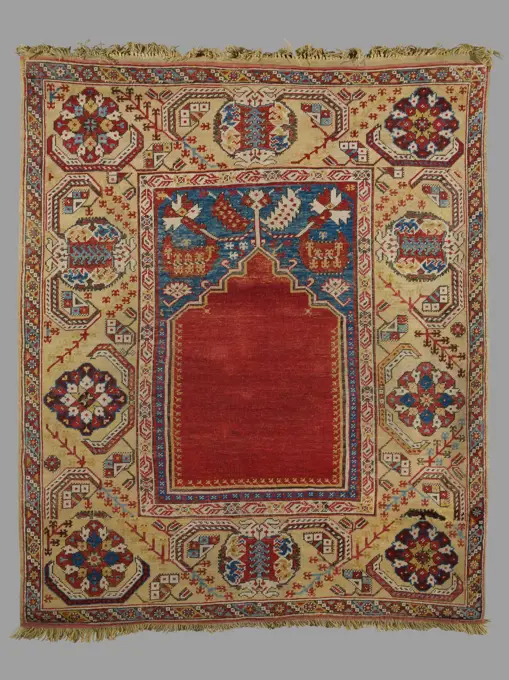
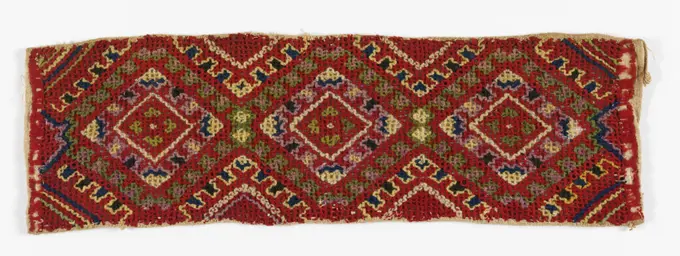
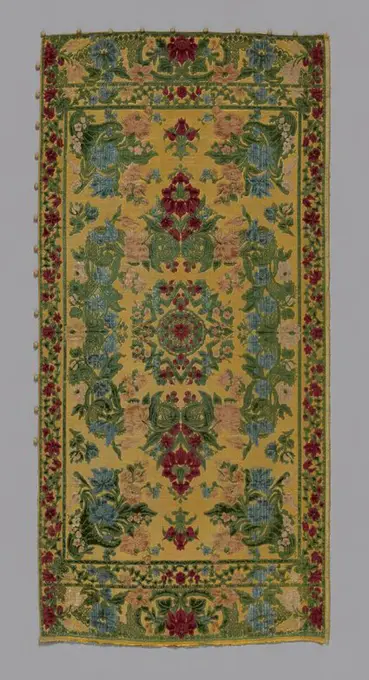
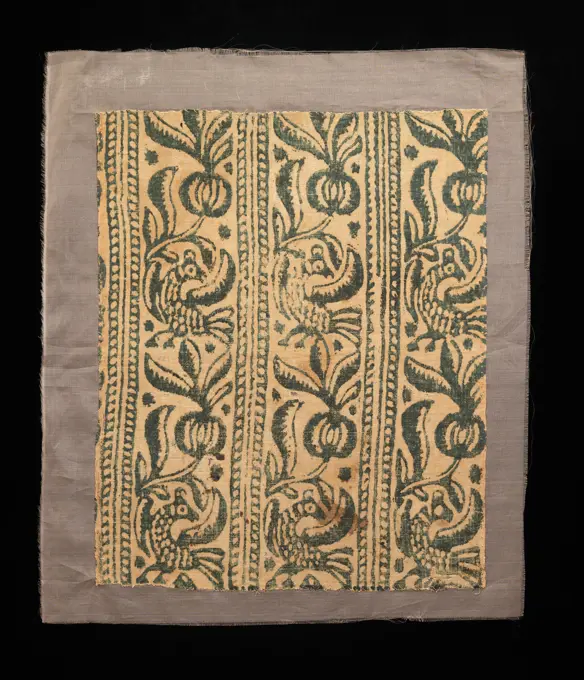
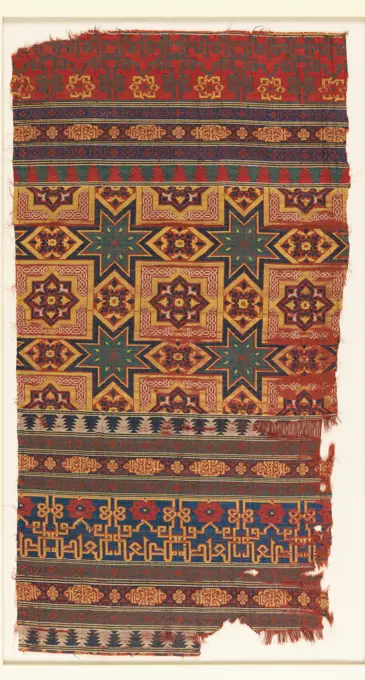
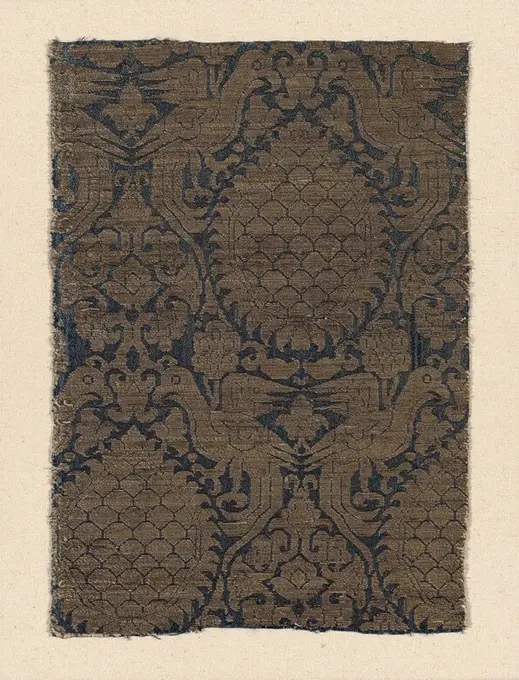
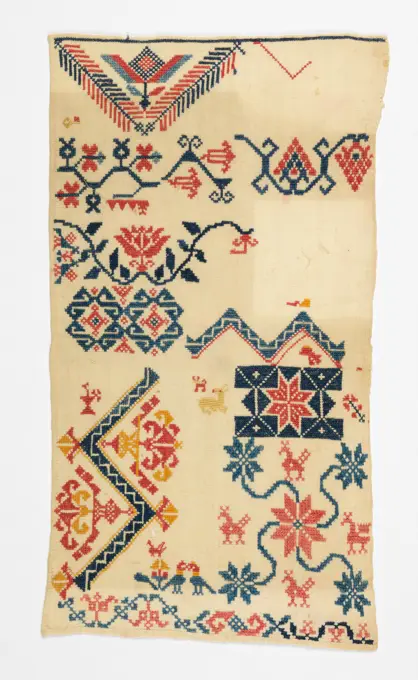
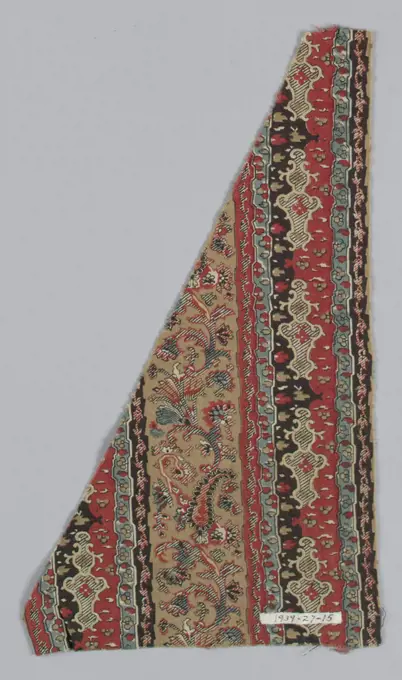
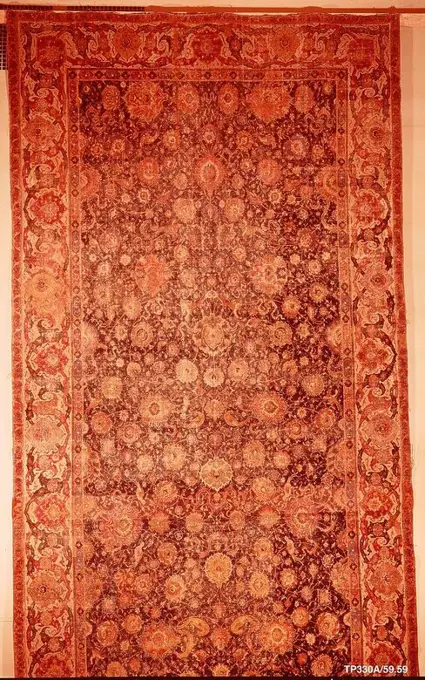
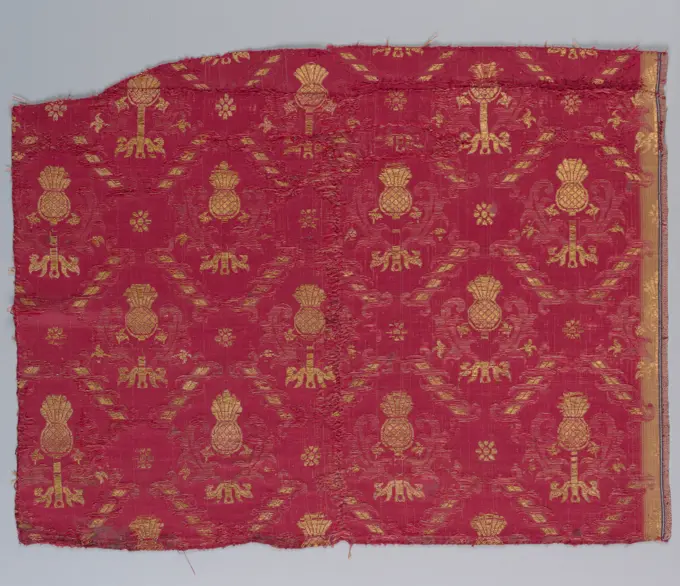
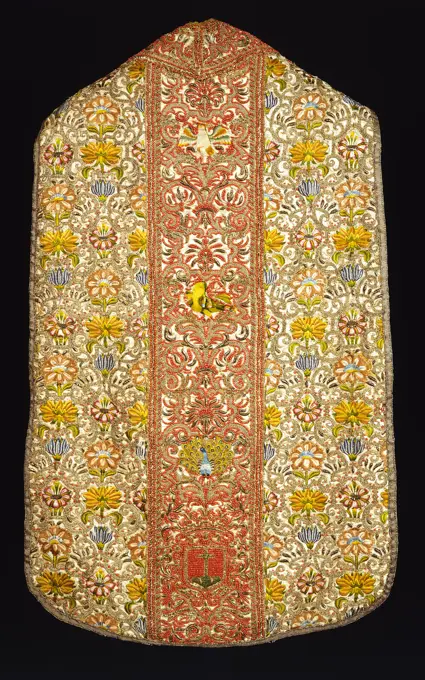
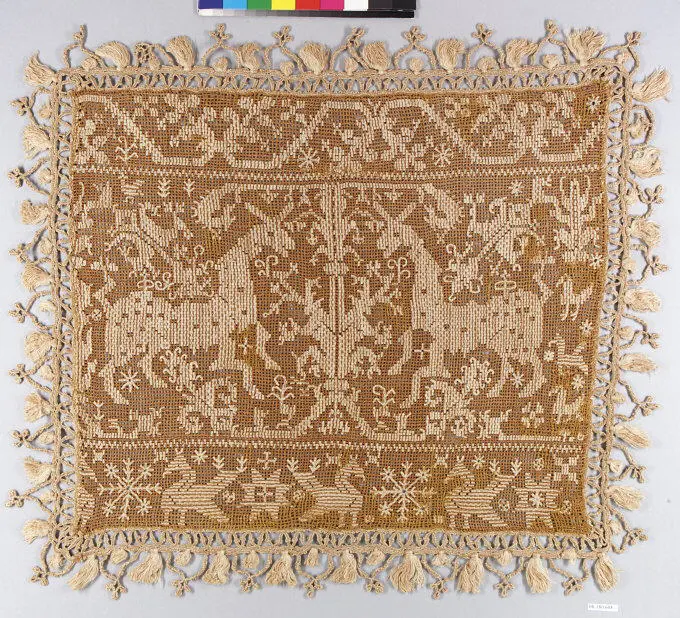
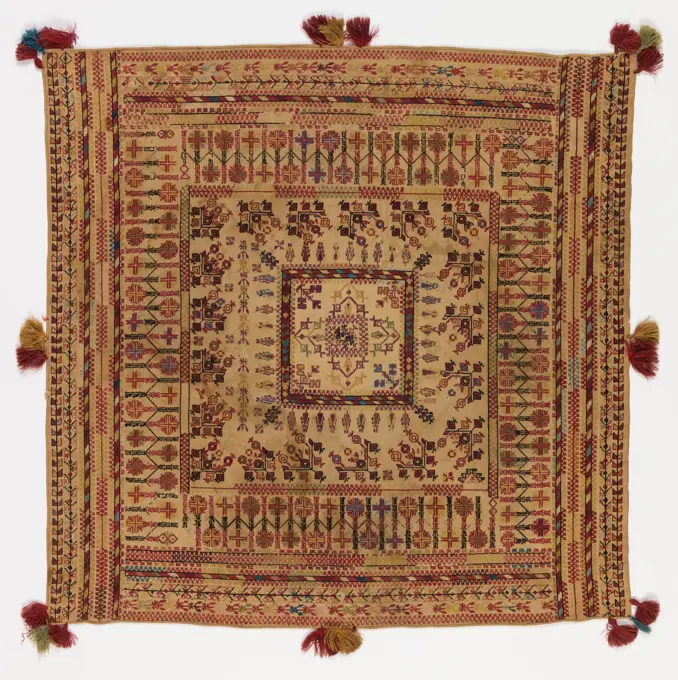
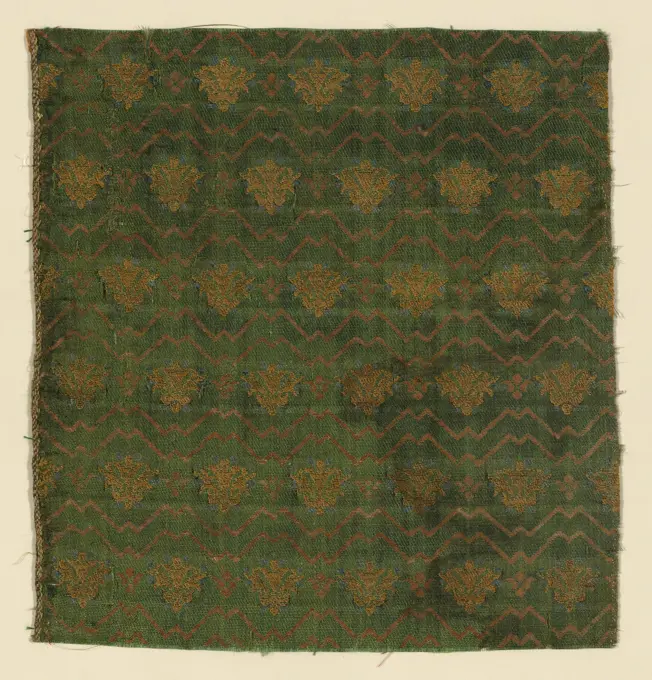
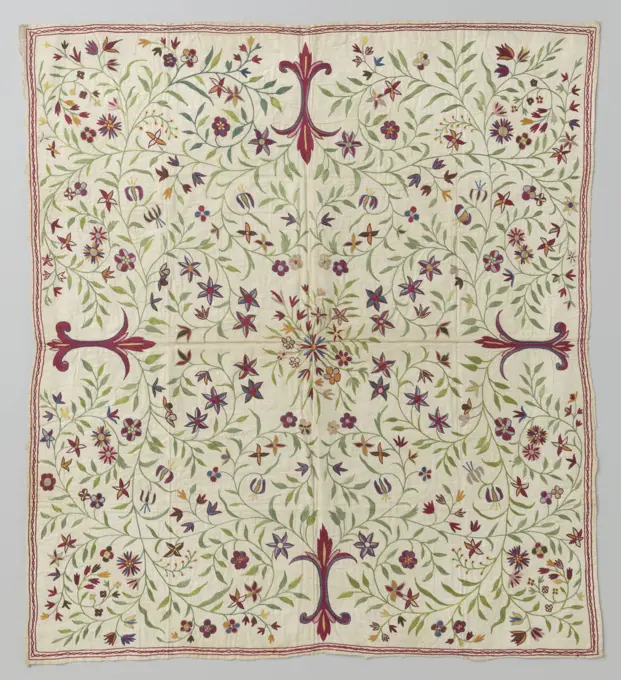
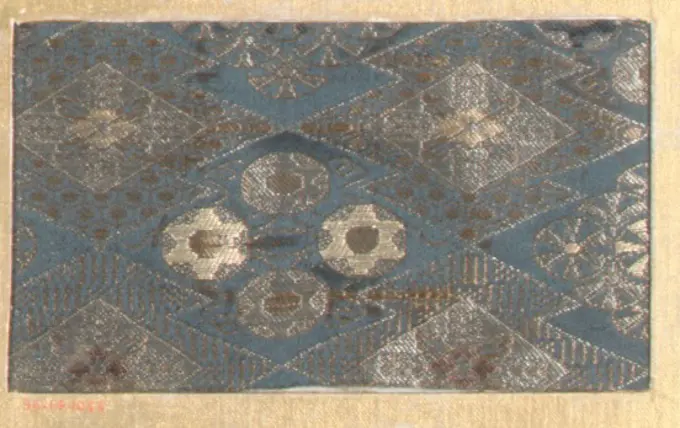
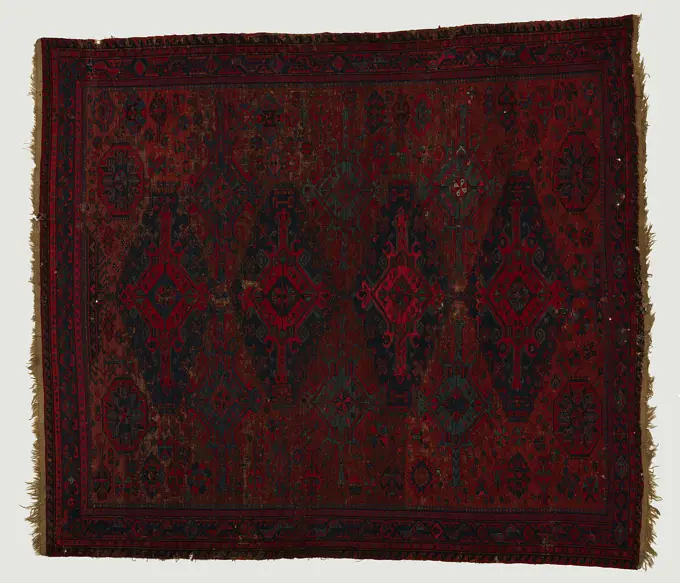
Oriental carpet. Oriental carpet, floral rug, knotted wool, decorated with a double mihab in midfield; A diamond-shaped medallion decorated with flowers. Around Rijen Botehs. Five edges all around, the middle of which is decorated with rosettes.Oriental carpet. Oriental carpet, prayer rug, knotted wool, decorated with a blue mihrab, steps top. The niche is filled with rosettes and reverse flower vases. Three edges and four intermediate fields around midfield.Oosters tapijt.Oriental carpet, floral rug. Botehs assembled in midfield against a brunette background. Triple edge, the widest with flower branches.Hinggi, late 1800s. Indonesia, Sumba, late 19th century. Cotton, ikat dyed; overall: 268.5 x 94 cm (105 11/16 x 37 in.).Oriental carpet. Oriental carpet, prayer cloth, of knotted wool, decorated with a red mihrab, with a blunt stair facade. White switching with saw blade. A large red down field on which tulips hang down. Around three edges.Medallel cover covered with floral motifs, a herati pattern, on blue ground. Concentric red diamond with floral pattern and birdy ornaments. Triple edge .. Oriental carpet, medallology felt in Kelim technology. The blue field is covered with floral motifs, a herati pattern. The same herati pattern comes back into the white medallion; The concentric red diamond shape has a floral pattern with bird-like ornaments. Triple edge.Textile Fragment early 19th century. Textile Fragment 443038Polonaise Carpet. Dimensions: Rug: H. 160 in. (406.4 cm)W. 69 5/8 in. (176.8 cm). Date: 17th century.This carpet, one of a matching pair, belongs to a type known as "Polonaise," noted for its silk pile, pastel color palette, and extensive use of gold- and silver-metal-wrapped thread. The designation "Polonaise" reflects the (incorrect) nineteenth-century belief that carpets of this type were from Poland, a notion derived from the presence of similar carpets bearing European coats of arms. In fact, these carpets were made in Iran and shipped abroad in large numbers. Many were also brought to Europe by Persian embassies as gifts from the shahs, and some were commissioned in Iran by visiting Europeans. Though Polonaise carpets are relatively common, the design of overlapping cartouches seen here is rare. Museum: Metropolitan Museum of Art, New York, USA.Funerary shirt ML600141. Date/Period: 800 - 1300. Funerary attire. Algodón y fibra de camélido. Height: 310 mm (12.20 in); Width: 2 mm (0.07 in). Author: Unknown (Lambayeque style).Fragment. Dimensions: Textile: H. 9 1/4 in. (23.5 cm) W. 20 3/4 in. (52.7 cm)Mount: H. 24 7/8 in. (63.2 cm) W. 13 5/8 in. (34.6 cm). Date: ca. 1470.Geometric designs such as the ones in this fragment are found ornamenting a wide variety of media produced in Nasrid period (1232-1492) Spain, including tile work, woodwork, book binding, and painted stucco. The basic principles of this design includes scrolling and floral motifs, as well as the classic eight-pointed star, here enclosed in a scalloped medallion. Such bold designs recall the famous wall patterns in the Alhambra palace in Granada. In both the plaster and tile work of the buildings in the palace, designs are closely related to the forms in this weaving. Museum: Metropolitan Museum of Art, New York, USA.Cushion Cover, Medium: silk embroidery on linen foundation Technique: embroidered in counted running stitches on plain weave foundation Label: Silk embroidery on linen, Cushion cover of heavy, hand-woven linen, dyed in indigo. Embroidered with red, white and buff silk in a geometric design of star and leaf forms. The motifs have saw-tooth edges, and contain smaller plant motifs reserved in blue linen., Thasos, Greece, 18th century, embroidery & stitching, Cushion CoverPiece 16th-17th century Italian. Piece. Italian. 16th-17th century. Silk and metal thread. Textiles-VelvetsRitual Weaving(Pua)Fragment (China); silkCover for an animal, Tschaudor Volk, 1800 - 1825 In midfield generous motifs; The edge is decorated with geometric motifs. North Turkestan Chain and impact: Wool. Goat Hair In midfield generous motifs; The edge is decorated with geometric motifs. North Turkestan Chain and impact: Wool. Goat HairPocket Book (Italy); leather, metallic threadRitual Weaving(Cepuk)Fragment of flaxen IInen  stripes with colourful ornamentation unknownSampler (Mexico); silk and linen on linenOriental carpet, Anonymous, 1800 - 1900 Oriental carpet, flower rug. In midfield omega-shaped arabesks and flowers against a brown-black background. Triple edge, the middle one with palm flowers. Ferahan Necklace and impact: Wool Oriental carpet, flower rug. In midfield omega-shaped arabesks and flowers against a brown-black background. Triple edge, the middle one with palm flowers. Ferahan Necklace and impact: WoolIndo-Persian carpet with vine scroll and palmette pattern middle of the 17th century Indo-Persian. Indo-Persian carpet with vine scroll and palmette pattern 460703Oriental carpet. Oriental carpet, floral rug. In the midfield a herati pattern against a dark blue fond. Triple edge, the middle of which with a floral drink.Embroidery fragment. unknown, authorCarpet 17th century. Carpet 447512Oriental carpet. Oriental carpet, medalleled. There are two catouch-shaped medallions in midfield. Around scattered motifs, squares, hooks, S-shaped motifs, human and animal figures. Widest edge decorated with blocks with swallow tails.Carpet fragment, Medium: linen, wool Technique: supplementary warp-cut pile in a plain weave foundation (velvet), Fragment patterned by stripes with isolated flowers on backgrounds alternating dark blue and dark orange. Each stripe is separated from the other by a narrow floral vine guard stripe in green and dark orange. The entire surface is cut pile of wool with some linen., France, 1670-1680, woven textiles, Carpet fragmentCarpet 1750-1900 Caucasus. Wool, plain weave with supplementary wrapping wefts forming cut pile through a technique known as ìGhiordes knotsî .Textile ca. 1400 Spanish. Textile 468082Carpet with concentric medallions with floral treks and birds and in the corners of ships, anonymous, c. 1600 - c. 1650 Carpet, supposedly Portuguese carpet. Concentric medallions in midfield decorated with floral treings and sometimes with birds; flaming contours. In the corners of midfield ships with two figures. Around a red edge with blue tires that form oval, from which symmetrical arabeskranken spring, ending in leaf shapes. Persia wool Carpet, supposedly Portuguese carpet. Concentric medallions in midfield decorated with floral treings and sometimes with birds; flaming contours. In the corners of midfield ships with two figures. Around a red edge with blue tires that form oval, from which symmetrical arabeskranken spring, ending in leaf shapes. Persia woolThe 'Nigde' Carpet. Dimensions: Rug: H. 298 in. (755.7 cm)W. 121 1/2 in. (308.6 cm)Tube: H. 128 in. (325.1 cm) W. 10 in. (25.4 cm). Date: 18th century.The so-called "Nigde Carpet," one of the most famous Islamic carpets, was allegedly discovered in a mosque in the central Anatolian city of Nigde but was probably produced in northwest Iran or Transcaucasia. The origins of its design are indisputably Iranian, as is its overall layout of ogival forms. The composition may have been inspired by a silk textile layout, possibly filtered through the production of the ogival-layout rugs woven in the so-called "vase carpet technique" in Kirman in the seventeenth century. Although mutated into angular and geometric forms, the basic design elements of sinuous Chinese cloud-bands, lotus-flower palmettes, and curved leaves, all part of the rich vocabulary of Safavid carpets, are clearly identifiable in this carpet. Museum: Metropolitan Museum of Art, New York, USA.Piece 18th-19th century China. Piece 69521Cushion Cover. Turkey, Bursa. Date: 1601-1700. Dimensions: 129.4 x 69.2 cm (50 7/8 x 27 1/4 in.). Silk and cotton, satin weave with supplementary facing wefts, supplementary binding wefts, and two-color cut voided velvet; edged with woven fringe. Origin: Turkey. Museum: The Chicago Art Institute, Chicago, USA.Rug Made 1875-1900 Iran. Cotton and wool, slit tapestry weave; main warp fringe .Panel (From Woman's Trousers) Made 1801-1900 Iran. Embroidered .Textile Fragment 17th century. Textile Fragment 454549Bag, 18th century, 9 3/4 x 6 3/4 in. (24.77 x 17.1 cm), Wool, silk, Scotland, 18th centuryTampan (Ceremonial Cloth) Made 1801-1900 Indonesia. Cotton, gilt-paper-strip-wrapped silk, and gilt metal, plain weave with supplementary patterning wefts; applied gilt metal . PaminggirExcerpt of an oriental carpet, anonymous, 1850 - 1900 Fragment of an Eastern carpet with a pattern of composite Botehs within a grid. The fleet -red field is framed by a triple edge with stylized florale and geometric ornaments. Middle Persia wool Fragment of an Eastern carpet with a pattern of composite Botehs within a grid. The fleet -red field is framed by a triple edge with stylized florale and geometric ornaments. Middle Persia woolMantle, c. 300 BC-AD 200. Peru, South Coast, Paracas, Cavernas Style, 3rd-2nd Century BC. Plain weave with embroidery; camelid fiber; overall: 154.9 x 292.1 cm (61 x 115 in.); mounted: 162.6 x 299.7 cm (64 x 118 in.).Oriental carpet, Anonymous, 1800 - 1900 Oriental carpet of knotted wool, of which the dark blue midfield is decorated with six staggered rows of Botehs. Around five edges with solid hinds. Caucasus wool Oriental carpet of knotted wool, of which the dark blue midfield is decorated with six staggered rows of Botehs. Around five edges with solid hinds. Caucasus woolBidkleed, Mihrab,, 1800 - 1900 Bid rug, Mihrab. Ice blue and outer edge yellow. Kirsehir wool Bid rug, Mihrab. Ice blue and outer edge yellow. Kirsehir woolRitual Weaving(Tampan). Oriental carpet, arabic rug, lottery carpet. Midfield with flute-yellow arabesken on a cobalt blue ground. Dual edge, the widest with intersecting tenders. Button: Ghiledes knot.Carpet. Dimensions: Textile: L. 164 in. (416.6 cm)W. 71 in. (180.3 cm). Date: 17th century. Museum: Metropolitan Museum of Art, New York, USA.Oosters tapijt.Oriental carpet of knotted wool, medallion sill in runner format.Carpet;  1. PO. 18th century (1701-00-00-1750-00-00);carpets, Turkish fabricsFragment (Italy), 17th century; linen, cotton; Warp x Weft: 15 x 31.8 cm (5 7/8 x 12 1/2 in.)Fragments (Italy); silk, metallicEmbroidery, Medium: wool on linen foundation Technique: embroidered with deflected element work, Red woven linen cuff embroidered with deflected wool elements forming three interconnecting diamonds., 19th century, embroidery & stitching, EmbroideryPanel. Italy, Genoa. Date: 1701-1750. Dimensions: 138.3 x 66.8 cm (54 1/2 x 26 1/4 in.)Weft repeat: point repeat. Silk, warp-float faced 3:1 broken warp chevron twill weave with gilt-metal-strip supplementary facing wefts and supplementary pile warps forming cut and uncut, voided velvet; edged with silk, oblique interlaced ball fringe. Origin: Italy. Museum: The Chicago Art Institute, Chicago, USA.Oriental carpet. Oriental carpet, prayer cloth with a dark red mihrab with step cell. Three rows of rosettes and oil men. Green blue corner pieces with saw blade motifs. Middle cornblaried border decorated with rosette flowers and arabesk flowers.Textile fragment 1600-1799 Russian This object is from the collection of Natalia de Shabelsky (1841-1905), a Russian noblewoman compelled to preserve what she perceived as the vanishing folk art traditions of her native country. Traveling extensively throughout Great Russia, she collected many fine examples of textile art of the wealthy peasant class. From the 1870s until moving to France in 1902, Shabelsky amassed a large collection of intricately embroidered hand-woven household textiles and opulent festival garments with rich decoration and elaborate motifs. The Brooklyn Museum holdings include many fine examples including the majority of the garments. Portions of Shabelsky's collection are also housed at the Museum of Fine Arts, Boston, the Cleveland Art Museum, and the Russian Museum of Ethnography in St. Petersburg.Naboyka are block-printed textiles used for clothing as well as household objects and book bindings. The design motifs of these textiles are very old, dating to as earKontusz sash. Warsztat Jakuba Piotrowicza (Konstantynopol ; wytwórnia pasów ; ca 1700-1750), manufactureVelvet cushion cover, 1600s. Turkey. Velvet; average: 106.7 x 65.4 cm (42 x 25 3/4 in.).Oriental carpet, Anonymous, 1800 - 1900 Woolen Eastern carpet whose midfield is divided by diagonals in windows. The diagonals are filled in squares with a palm motion, divided. Four edges of which the widest decorated with rosettes interspersed by squares. Caucasus wool Woolen Eastern carpet whose midfield is divided by diagonals in windows. The diagonals are filled in squares with a palm motion, divided. Four edges of which the widest decorated with rosettes interspersed by squares. Caucasus woolSlendang (Shawl) Made 1801-1900 Java. Cotton, batik dyed .Fragment (Japan)Anonymous, carpet (common name). Wool. Carnavalet museum, history of Paris. Geometric patterns."Lotto" Carpet ca. 1600 Carpets displaying this striking design of stylized vegetal arabesques in yellow on a red background are often called "Lottos," after a famous altarpiece by the Italian Renaissance painter Lorenzo Lotto that depicts a similar textile. The number of examples held in European collections and depicted in paintings suggests that the carpets were popular in Europe. They were probably woven in several different places and over an extended period of time. While the earliest examples with this pattern likely date from before 1500, the design remained popular for hundreds of years, through the late eighteenth century.. "Lotto" Carpet 452845Panel (Furnishing Fabric) Made 1620-1700 Macao. Silk, warp-float faced satin weave self-patterned by ground wefts bound in twill interlacings .Cover, Medium: wool Technique: tapestry weave, Cover which is a patchwork of pieces salvaged from a larger shawl., India, 19th century, woven textiles, CoverStrip 16th-17th century Italian. Strip 219382Sampler (Spain); Embroidered by Tomasa y Nocenya Rey; silk embroidery on linen foundationTextile, Medium: cotton Technique: printed, Cover printed in a design of flowers and pineapples in reds, blues, and tans. Two strips stitched together form cover., India, 18th century, printed, dyed & painted textiles, TextileBIDKEED, Z.G. In Murcu-in, D.i. Steenbolelekula, 1790 - 1810 Bid rug, so-called Kumurcu-Kula, that is, coal kula. Midfield: Double Mihrab in dark terrared with stepped gables, in which blue vases stand and angular arabesks and tendrils with small flowers, in ultramarine and light blue. Rings are rows of flower buds. There is one sky -blue rosette in each of the corn blue swallings. Edges: One wide edge in gold toker with zigzagrank, which encloses a triple flower, alternating from red carnations and blue rosettes, combined with a light blue tulip. The inner zoom in terracotta. Known as 'Zevenburger'. Care wool Bid rug, so-called Kumurcu-Kula, that is, coal kula. Midfield: Double Mihrab in dark terrared with stepped gables, in which blue vases stand and angular arabesks and tendrils with small flowers, in ultramarine and light blue. Rings are rows of flower buds. There is one sky -blue rosette in each of the corn blue swallings. Edges: One wide edge in gold toker with zigzagrank, which Sampler (Spain); silk embroidery on linen foundationFragment (Spain); silkTextile ; silkFragment. Eastern Islamic World. Date: 1350-1400. Dimensions: 28.7 x 20.2 cm (11 1/4 x 8 in.)Weft repeat: 16.5 cm (6 1/2 in.). Silk and gilt-animal-substrate-wrapped cotton, warp-float faced 'S' 3:1 twill weave with supplementary patterning wefts bound by secondary binding warps in twill interlacings. Origin: Unknown Place. Museum: The Chicago Art Institute, Chicago, USA.Persian belt unknownSampler (Mexico); silk embroidery on linen foundationFragment, Medium: cotton Technique: printed, Fragment has vertical stripes of black, green, red, and brown with a stylized floral, ogival and paisley pattern., England or USA, ca. 1850, printed, dyed & painted textiles, FragmentFragment, 18th century. Spain , 18th century. Brocaded silk; average: 96.9 x 47.6 cm (38 1/8 x 18 3/4 in.).Carpet. Dimensions: H. 288 3/4 in. (733.4 cm)W. 120 1/8 in (305.1 cm). Date: late 16th century. Museum: Metropolitan Museum of Art, New York, USA.Fragment; silk, metallicRugs and Carpets: Azerbaijan - 19th century. Woollen Kilim carpet with horizontal stripes, octagons and water clock motifsPrayer cloth with top panel, mud jur. Prayer cloth with top panel, mud jur. Midfield: brick red Mihrab with pointed top with four-colored steps line. The swing is in bottle green, each with a large flower and a small white oil pan. A narrow frieze is walking around with a white "omegaline" between tilting in lilac, red and black. Edges: Multiple. The middle and bredest is in yellow, on which tight squares are saved on which a star flower always leaves between four across corner leaves; All richly colored courses, Kaleidoscopically arranged. The indoor zoom is blue, which contains a window and is caught in fine, zigzag and speckled piping. The outside zoom is black with crushed crotch flowers.Panel 17th century. Panel. 17th century. Silk; brocaded velvet. Attributed to Turkey. Textiles-WovenStrip dress with diagonal stripes, karabagh or daghestan, anonymous, 1850 - 1870 Dress with diagonal stripes, karabagh or daghestan. Midfield: full pattern of sloping stripes of dark blue and yellow filled with fine cross flowers. Rand: fourfold. The widest edge is white with chalices stacked in red, green, dark brown, ocher, blue, purple and light yellow. Here, outside of two bennel edges in brown/blue and red/green. The inner edge is red with white rosettes and green S-sen. Caucasus wool Dress with diagonal stripes, karabagh or daghestan. Midfield: full pattern of sloping stripes of dark blue and yellow filled with fine cross flowers. Rand: fourfold. The widest edge is white with chalices stacked in red, green, dark brown, ocher, blue, purple and light yellow. Here, outside of two bennel edges in brown/blue and red/green. The inner edge is red with white rosettes and green S-sen. Caucasus woolBorder Fragment of a Pashmina Carpet with Pattern of Lattice and Blossoms Mughal. Border Fragment of a Pashmina Carpet with Pattern of Lattice and Blossoms, mid 17th century. Pashmina wool pile on silk foundation, 4 3/4 x 14 in. (12.1 x 35.6 cm).   Asian Art mid 17th centuryCloth; Risk. Ceremonial cloth with diamond and floral motifs; The Cempaka flower and the Michaela cempaka.Cushion Cover Made 1601 England. Linen, plain weave; embroidered with silk, linen, and wool yarns in long-armed cross stitches; edged with wool and linen, plain weave with extended weft cut fringe .Oosters tapijt.Oriental carpet of knotted wool, the long narrow dark blue midfield is decorated with a sprinkled pattern of geometric rosettes. Midfield is surrounded with a white shaking strip tire. Around five edges of which the middle is decorated with kufi ornaments.Chasuble Made 1601-1675 Italy. Silk, warp-float faced satin weave; underlaid with linen, plain weave; embroidered with linen, silk, gilt-metal strips, and gilt-metal-strip-wrapped silk in satin and split stitches; laid work, couching, padded couching; beaded with coral beads; edged with gilt-metal strip and gilt-metal-strip-wrapped silk, twill and plain weaves; lined with silk, plain weave .Stermedailonkleed, Ster-Ushakof Karapinar, c. 1780 - c. 1800 Stermedailla rug, star ushak or karapinar. Midfield: rust red long distance with a large composite eightfold star -related star in blue -green with yellow contours. The lower and upper ends are light brown, filled with yellow, red-rimmed ranks that look like very arabesks or kuffian script. In the star is a diamond-shaped stengel formation with carnations and cubes with Xs. Rand: triple. The main edge is yellow on which related volutes in blue/red and green blue/red on the Tsijteken. Inside and outdoors, with a wound rod. Karapinar (possessibly) wool Stermedailla rug, star ushak or karapinar. Midfield: rust red long distance with a large composite eightfold star -related star in blue -green with yellow contours. The lower and upper ends are light brown, filled with yellow, red-rimmed ranks that look like very arabesks or kuffian script. In the star is a diamond-shaped stengel formation with carnations and cubes with Xs. Rand:Fragment, Medium: wool Technique: 1) complementary warps in plain weave with inner wefts; 2) warp-faced plain weave; warp selvage at one end; sides are cut, Plain rep stripes alternating with double-faced warp-pattern weave stripes of highly conventionalized birds, fish, etc. in dark blue, yellow, green, red and tan on dark blue single wefts., Peru, 18th-19th century, woven textiles, FragmentFloor Cloth Fragment (USA); Made for Schuyler House, Saratoga National Historical Park (United States); paint, linoliumCover 16th century Italian, Sardinia. Cover 215018Amida carpet depicting the emblem of Emir: lion attacking bull, Central Asian Art  Tablecover; silk embroidery on cotton foundationFragment Made 1601-1700 Italy. Silk, silver gilt strips, and gold gilt strips wound around silk fiber core, plain weave with supplementary patterning and supplementary brocading wefts tied by supplementary binding warps in twill interlacing .Textile Fragment late 15th-16th century Geometric designs such as the ones in this fragment are found ornamenting a wide variety of media produced in Nasrid period (1232-1492) Spain, including tile work, woodwork, book binding, and painted stucco. The basic principles of this design include geometric and floral motifs, as well as the classic eight-pointed star, here enclosing a rosette, both of which are nested inside a scalloped medallion. Such bold designs recall the famous wall patterns in the Alhambra palace in Granada. In both the plaster and tile work of the buildings in the palace, interlacery designs are closely related to the star-forms in this weaving.. Textile Fragment 454520Dress of Eastern textile with multi -colored embroidery ,, c. 1800 - c. 1899 Dress of multi -colored tambourized cotton, decorated with flower vines and ornament, lined with cotton. India cotton (textile). silk embroidering Dress of multi -colored tambourized cotton, decorated with flower vines and ornament, lined with cotton. India cotton (textile). silk embroideringPiece 18th-19th century Japan. Piece 67278Piece 18th-19th century Japan. Piece. Japan. 18th-19th century. Silk. Textiles-WovenWool carpet with geometric figures. Wool carpet with geometric figures, mainly in light and dark blue on red soil with stylized branches. In lengths O.A. Four diamond forms. Narrow border with geometric figures. The carpet is worn out in various places.Fragment, Medium: linen, silk Technique: plain weave with counted and double running stitches, Natural linen ground embroidered in small-scale geometric forms with red, tan, rose and blue silk., Egypt, 10th-12th century, embroidery & stitching, FragmentSampler (Spain); Embroidered by Juliana Ximenez Cruz; silk embroidery on linen foundationFragment (Dress Fabric). Iran (Persia, probably Yazd). Date: 1675-1725. Dimensions: 64.7 x 70.1 cm (25 1/2 x 27 5/8 in.). Silk, brocaded. Origin: Iran. Museum: The Chicago Art Institute, Chicago, USA.Jenny Almgren, Embroidered Cotton Blanket, c 1939 Embroidered Cotton Blanket