Decorative Pins and Blades

A diverse collection of ornamental pins and blades, showcasing historical craftsmanship and design across various cultures.
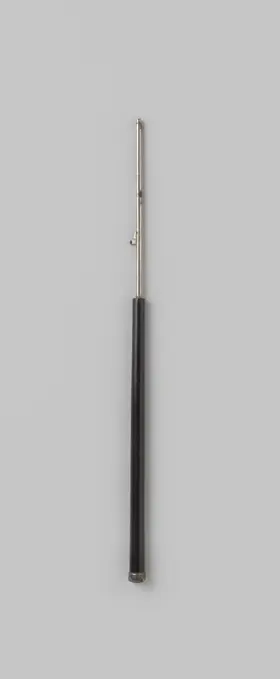
Parasol handle of black wood and small silver button, driven in neo-Rokoko style on a metal stick, anonymous, c. 1870 - c. 1880 Parasol grip of black wood and a silver cap on a white metal stick. Konian model. Small silver button, Galing in Neo-Rokoko style. Netherlands (possibly) Handle: Wood (plant material). Cap: Silver (Metal). stick: Metal cutting / lacquering / forging / casting Parasol grip of black wood and a silver cap on a white metal stick. Konian model. Small silver button, Galing in Neo-Rokoko style. Netherlands (possibly) Handle: Wood (plant material). Cap: Silver (Metal). stick: Metal cutting / lacquering / forging / casting
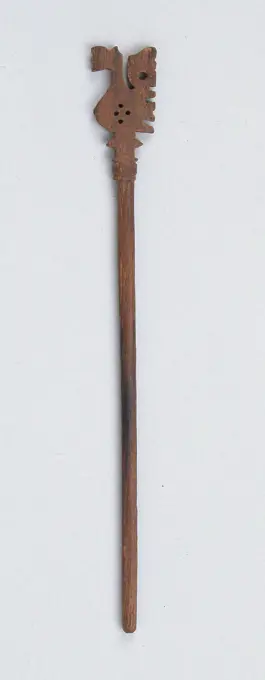
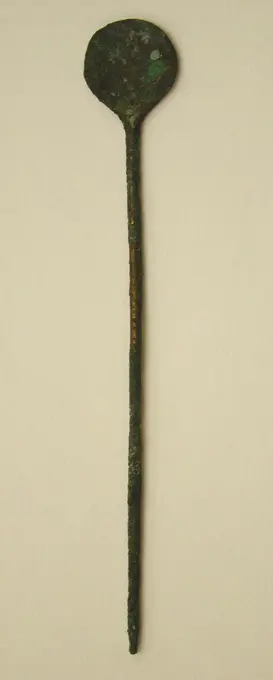
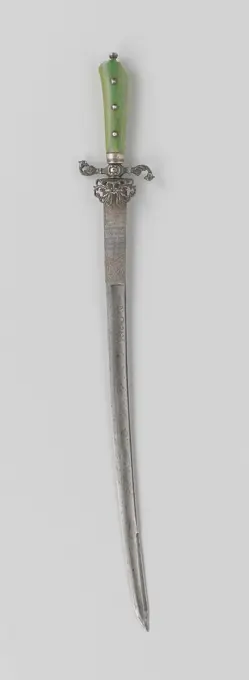
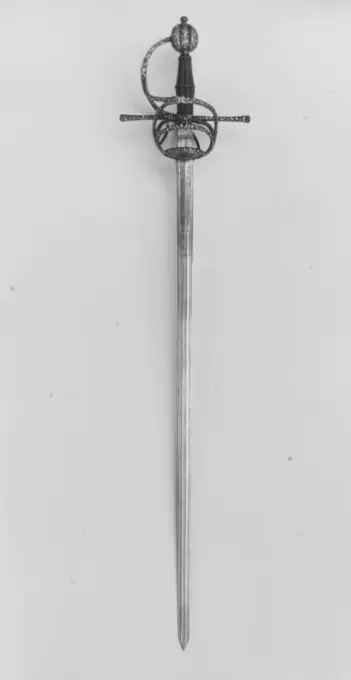
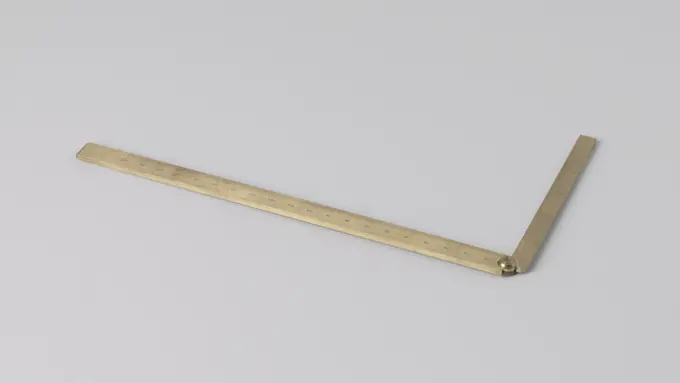
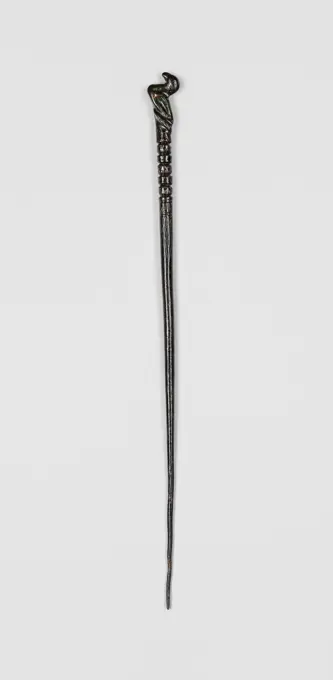
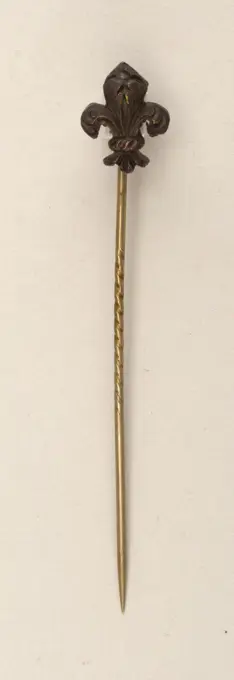
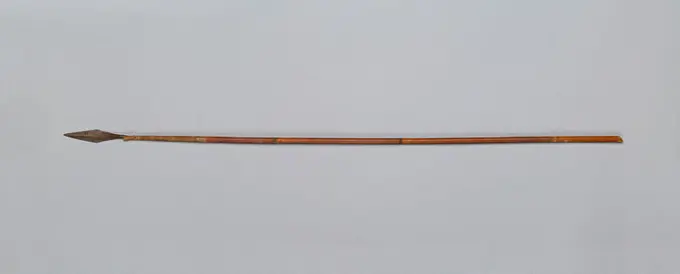
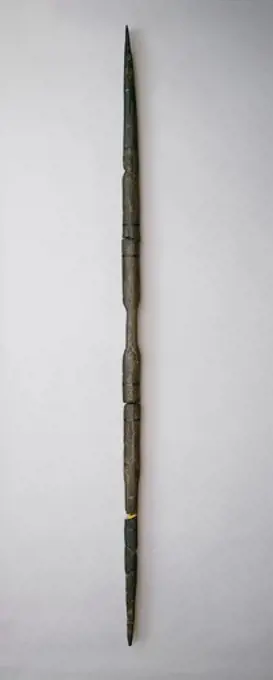
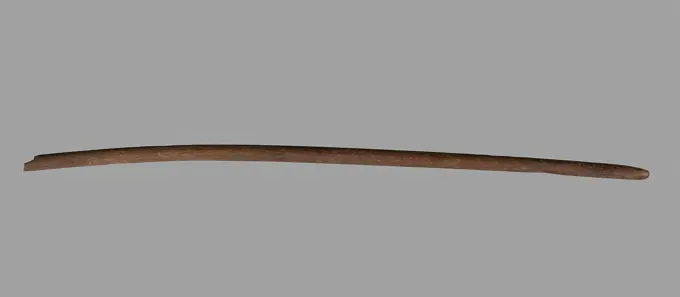
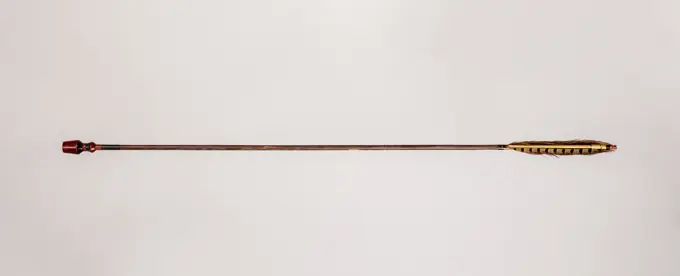
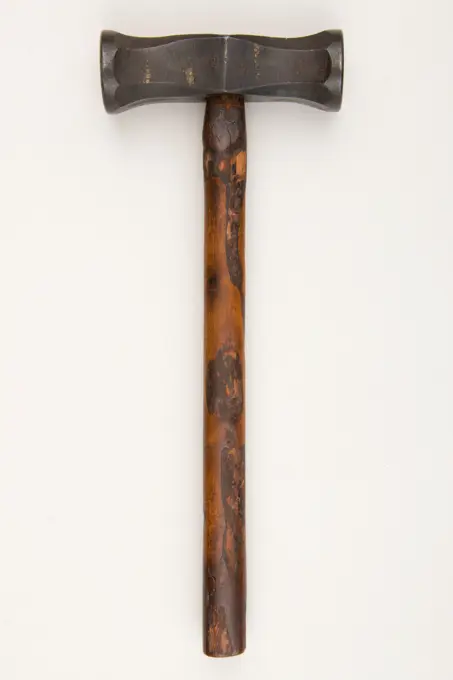
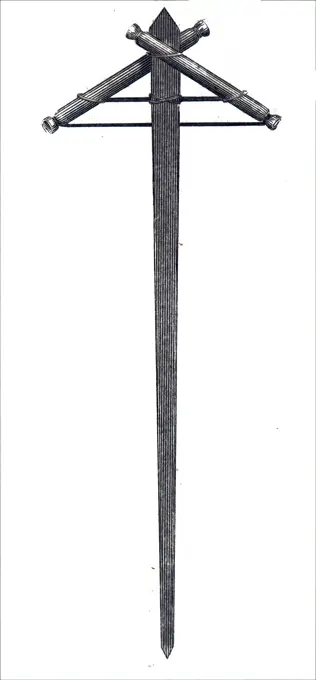
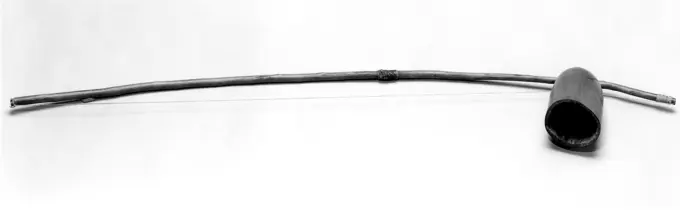
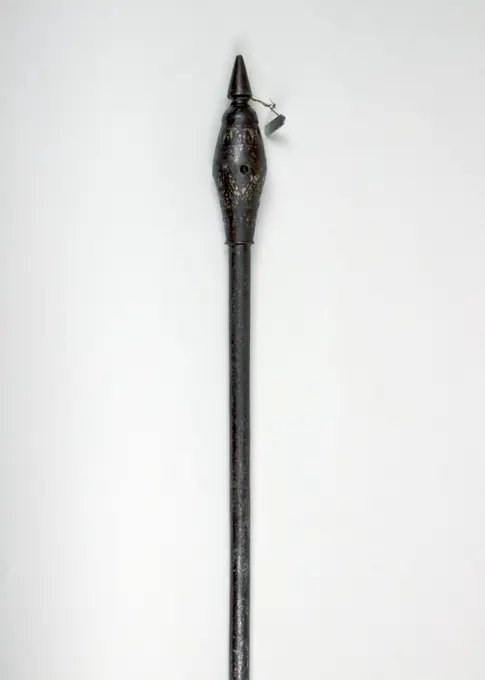
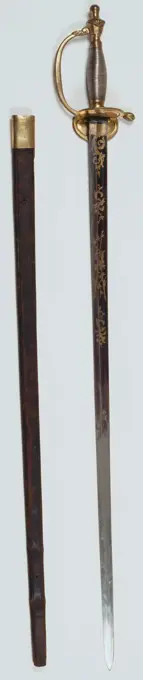
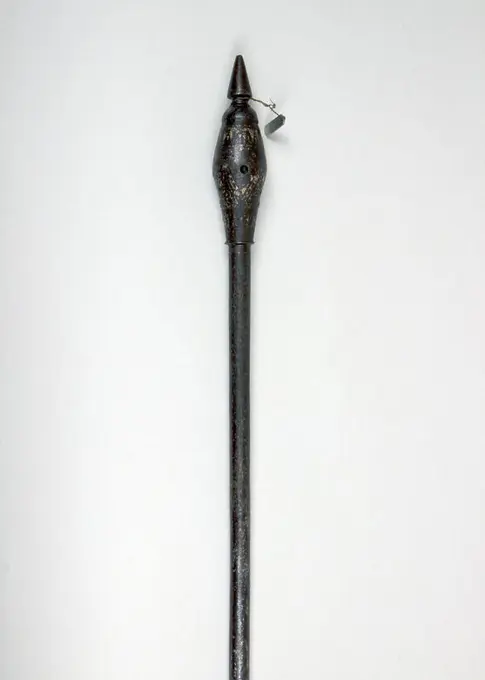
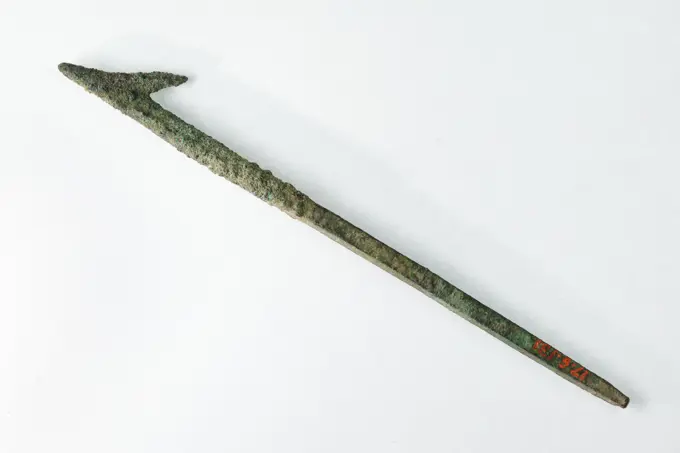
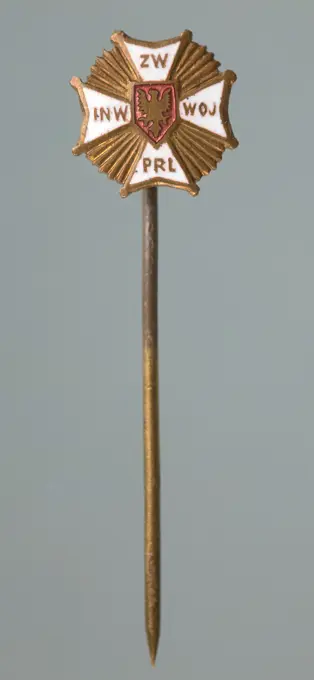
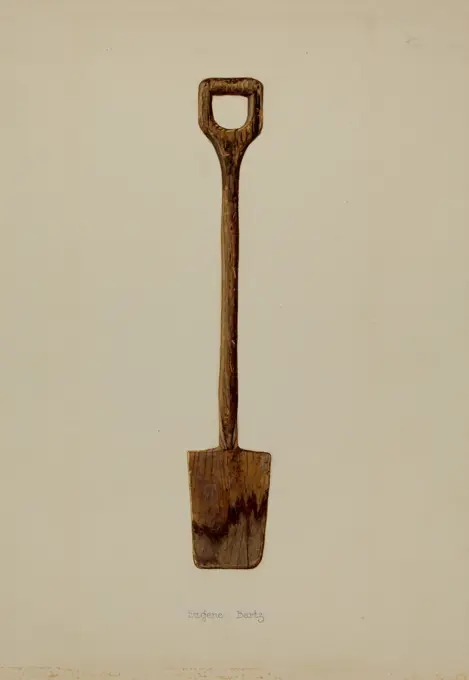
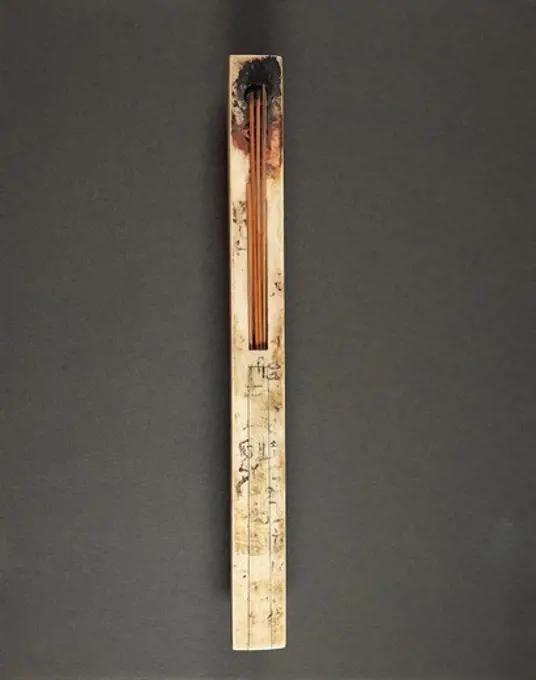
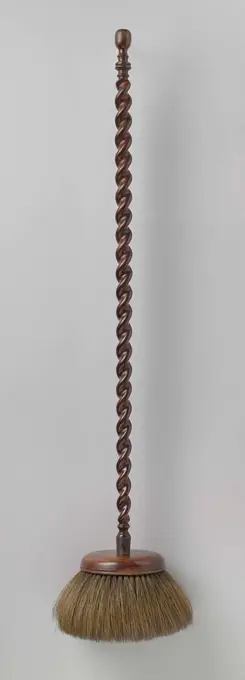
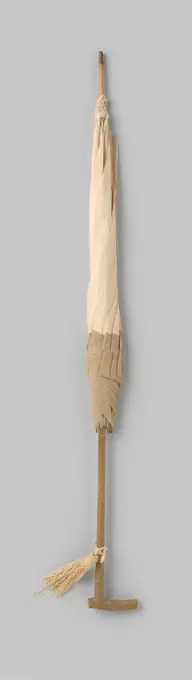
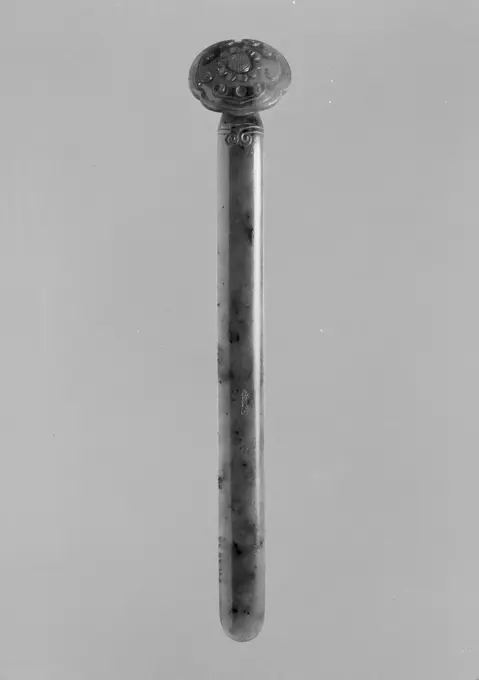
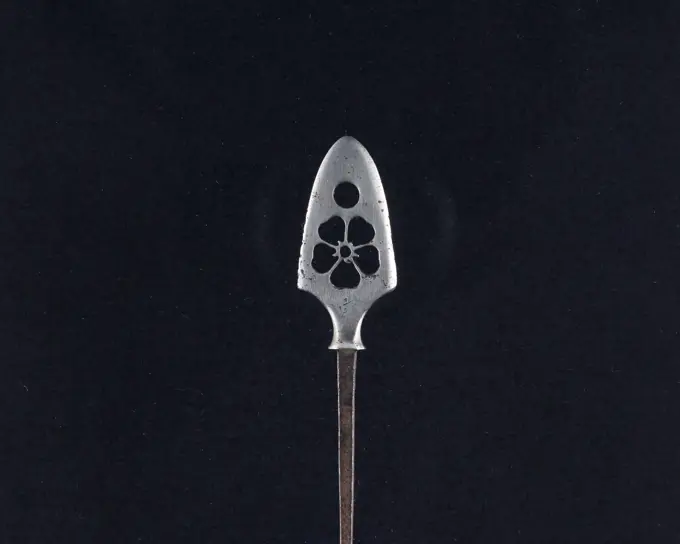
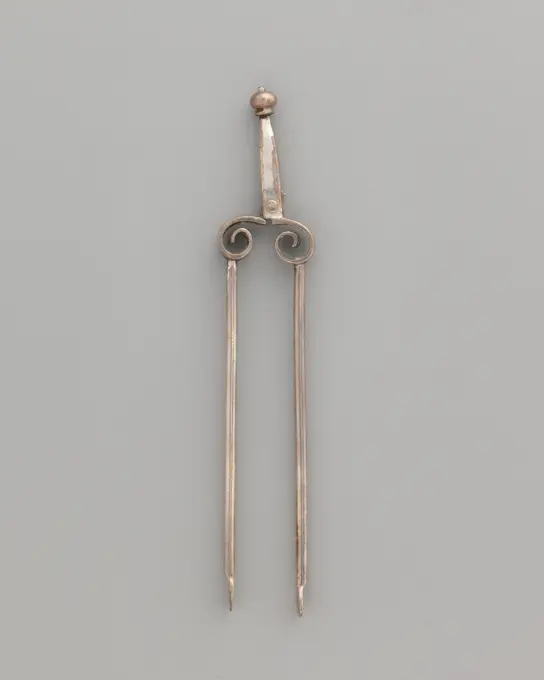
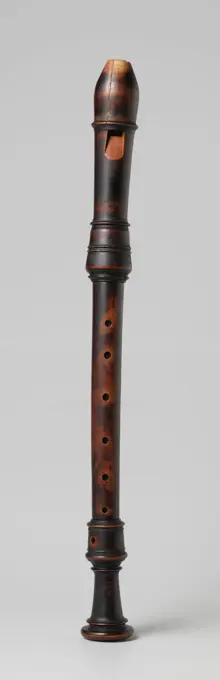
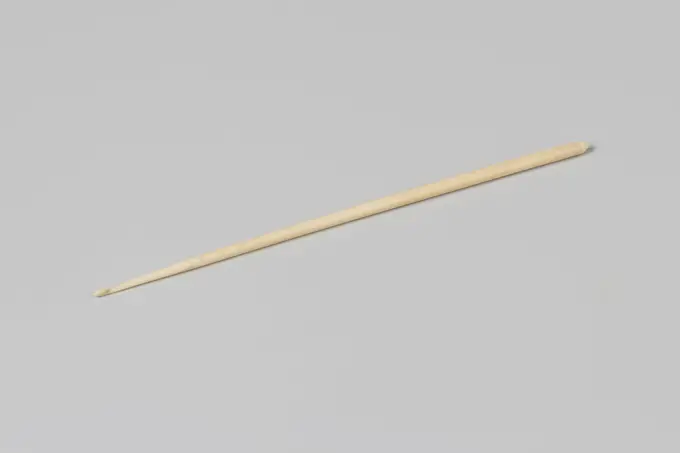
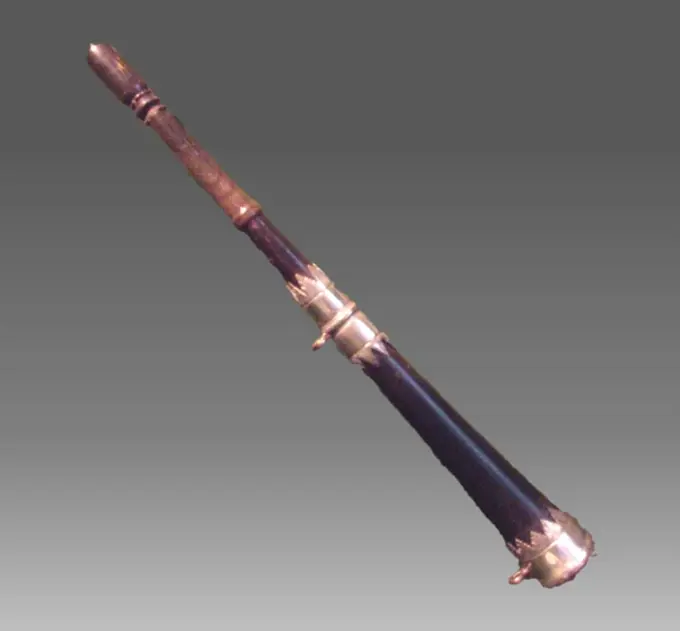
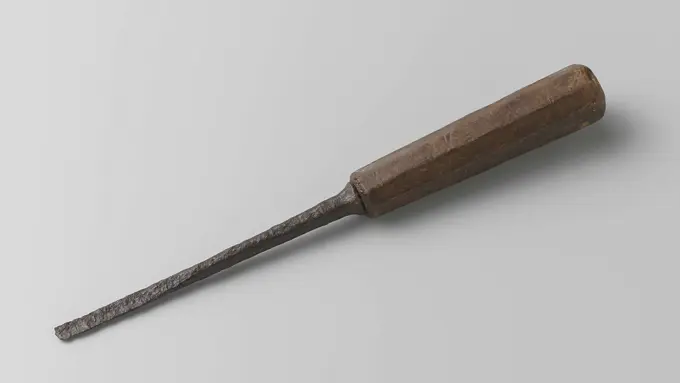
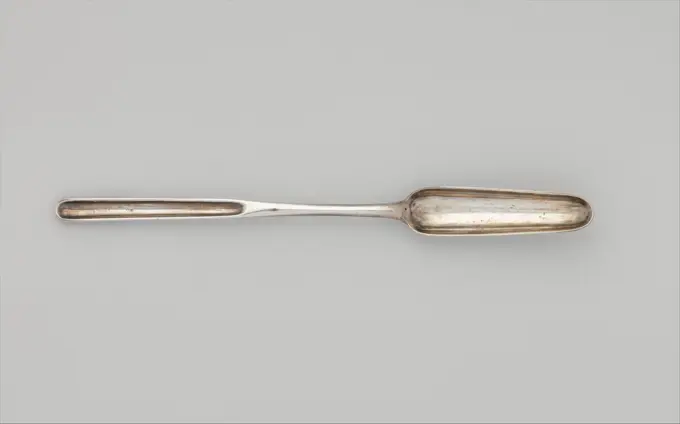
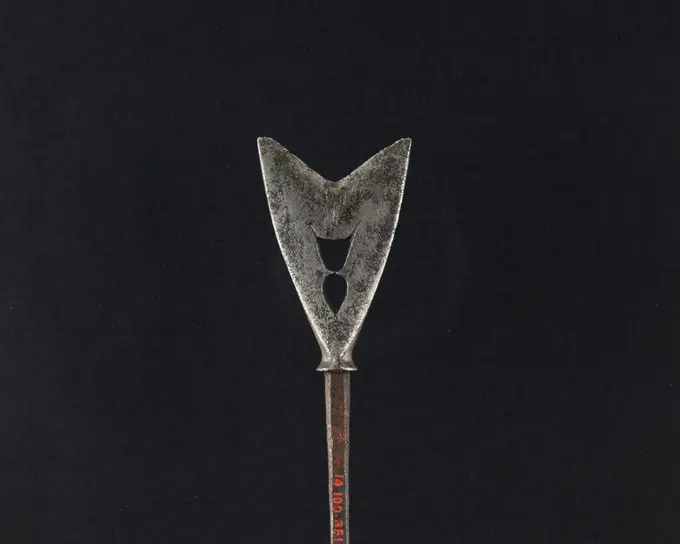
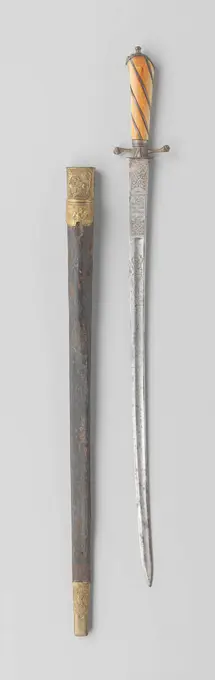
Hunting hanger owned by Rear Admiral J.A. Zoutman.A hunting hanger with a straight blade was used to deliver the final blow to cornered or wounded game. The hangers convenient format and often fine execution also made it popular outside the world of hunting. The deer, the wild boar and the hounds on the blade of this sword are clear references to the hunt.Hairpin 5th-6th century Coptic. Hairpin 473120Hairpin; silverTupu (pin) Before 17th century Tiwanaku () This object is a tupu, a Quechua word for pin (pithu in Aymara and alfiler in Spanish). Women in the Andes wear tupus in order to fasten textile garments. Tupus are made of metal and usually consist of two parts: a head and a stem. This tupu shows a circular head and a long stem that terminates in a point. It is similar in form to Metropolitan Museum of Art 64.228.606. Some scholars (e.g. Andrushko et al. 2006, 69) refer to this form as a "classic" tupu shape. Tupus often have one or two perforations in the head (e.g., 64.228.702 as an example with one perforation) that would allow a person to thread them onto a cord. This could help to further secure them on the person’s clothing. (Please see 64.228.607 for further discussion of the various ways that women in the Andes wear tupus.)To make this tupu, metalworkers likely started with a rod of metal. They may have had access to pre-fabricated rods that they could shape into various forms. (PleaDegen from politician c.p.m. Romme.be ampians with the "Ridderhelm" brand on the Klings from Carl Reinhard Kirschbaum (1848-58).Hairpin 7th century Frankish. Hairpin 465317 Frankish, Hairpin, 7th century, Silver, with gold head, glass paste, Overall: 6 1/4 x 1/2 in. (15.9 x 1.2 cm). The Metropolitan Museum of Art, New York. Gift of J. Pierpont Morgan, 1917 (17.192.248)Figurine of a Ritual Scepter of Power. Egypt, Third Intermediate Period - Late Period (931 - 525 BCE). Arms and Armor; scepters. BronzeHartsvanger.Hearts catcher or hunting sword called. The Asmetrisch Hilt has a green-made ivory grabbed in the form of the lifting of a knife with three decorative buttons as if the rivets are, and is with silver, including a baffle plate, cut off and engraved to resemble a bunch of curly prainage and a pearer rod It ends on both sides in a bird head. The curved blade is etched on either side with a signature framed by Arabesken and has a wide trench, etched at the top with a fruit garland between leaflets, and a narrower à la Montmorency.Parasol handle of black wood and small silver button, driven in neo-Rokoko style on a metal stick, anonymous, c. 1870 - c. 1880 Parasol grip of black wood and a silver cap on a white metal stick. Konian model. Small silver button, Galing in Neo-Rokoko style. Netherlands (possibly) Handle: Wood (plant material). Cap: Silver (Metal). stick: Metal cutting / lacquering / forging / casting Parasol grip of black wood and a silver cap on a white metal stick. Konian model. Small silver button, Galing in Neo-Rokoko style. Netherlands (possibly) Handle: Wood (plant material). Cap: Silver (Metal). stick: Metal cutting / lacquering / forging / castingRapier blade dated 1620 Northern European, probably German The rapier was the principal civilian sidearm throughout the sixteenth and seventeenth centuries. Designed for cut-and-thrust fencing of progressively complex techniques, the rapier is characterized by a double-edged blade with an acute point and an elaborate guard for the hand. The guards, usually of iron or steel, were subject to a variety of embellishment. They were engraved, chiseled, gilded, damascened, and encrusted in gold and silver in keeping with fashionable styles. Unless otherwise noted, the materials, attributions, and dating given here refer to the hilts. Rapier blades, invariably of steel, bear a variety of makers marks denoting their origin in the two principal centers of blademaking, Toledo in Spain and Solingen in Germany.. Rapier. Northern European, probably German. blade dated 1620. Steel, silver, gold, brass, iron. SwordsHockey stick -Hairpin 7th century Frankish. Hairpin 465316 Frankish, Hairpin, 7th century, Bronze-gilt, (silver-gilt), Overall: 6 9/16 x 3/16 in. (16.6 x 0.5 cm). The Metropolitan Museum of Art, New York. Gift of J. Pierpont Morgan, 1917 (17.192.247)Officer's PałaszLayer or Dumbstok, Anonymous, 1850 - 1900 measuring rod Measuring rod or dumb, incomplete. One half of 0-200 mm, other half 0-100 mm. unknown brass (alloy)Copper spoon with fig-shaped bowl and long flat handle with knob on end, spoon cutlery soil find copper metal, Possibly marked on the handle near the scoop blade: cross shape archeologyPen Carl Kuhn & Co.Szpila. nieznany warsztat luristański, workshopStick Pin (USA); silver; Overall: 7.4 x 1 cm (2 15/16 x 3/8 in.)BroadswordFork with two teeth and vase -shaped decoration at the end of stem, anonymous, c. 1600 - c. 1699 The cast fork has two teeth and a round stem ending in a vase -shaped decoration. West-Europa brass (alloy) casting The cast fork has two teeth and a round stem ending in a vase -shaped decoration. West-Europa brass (alloy) castingPointed Pile of a Javelin. Dimensions: L. 11 cm (4 5/16 in), w. 1.9 cm (3/4 in). Dynasty: Dynasty 18. Reign: Joint reign of Hatshepsut and Thutmose III. Date: ca. 1479-1458 B.C.. Museum: Metropolitan Museum of Art, New York, USA.Bronze ladle with handle ending in a duck's head. Culture: Etruscan. Dimensions: H.: 11 1/4 in. (28.6 cm)Diam.: 2 7/8 in. (7.3 cm). Date: 5th century B.C.. Museum: Metropolitan Museum of Art, New York, USA.Beulszwaard van het Gerechtshof, Den Haag.Expulsion sword with wooden hilt, sharp cutting portion on both sides, at the top button, bottom protrusions. From the court, The Hague.Lance 15th century Italian. Lance 27068Funeral Funeral Master of Adam Mickiewicz's funeral ceremonyLanspunt with copper ring and missing wood, anonymous, c. 1850 - c. 1900  Lans with two -edged blade with a roasted middle bone, the blade is stuck with a pin in the shaft. The end of the shaft consists of a red copper openwork sleeve. The shaft is made of brown wood, the top of which is thicker than the bottom. At the top of the shaft is the number 10567. The sheath is made of wood and has a wide pace but ends in a point. A red copper open worked sleeve around the edge. On the sheath is the number 725 0 6644 10. Indonesia kling: iron (metal). band: copper (metal). schacht: wood (plant material)   LombokPrehistory, Denmark, Mesolithic. Iron bow. From Holmegard.Skewer needle 18th century Swiss. Skewer needle. Swiss. 18th century. Steel, silver, horn. Metalwork-SteelSchiavonaFragment of the spindle;  II century (101-00-00-200-00-00);Deposit of the University of Warsaw from 1937-1939, Polish-French excavations in Edfu (Egypt)Degen of politician C.P.M. Romme, 1848 - 1858 civil servant's sword B and on the Kling the brand "Ridderhelm" by Carl Reinhard Kirschbaum (1848-58).  kling, gevest: iron (metal). schede: leather. greep: mother of pearl. felt (textile) etching  The HagueArrow Point, 1700s. Japan, Edo period (1615-1868). Steel; overall: 9.6 cm (3 3/4 in.); head: 4 cm (1 9/16 in.).PinKanjar with a scabbardArrow, 1800s. Japan, Edo period (1615-1868) to Meiji period (1868-1912). Bamboo shaft tipped with metal point and heeled with feathers; average: 87.7 cm (34 1/2 in.).Armorer's Hammer 18th-19th century German or French This hammer is among the 644 pieces that make up the very specialized outillage (set of tools) brought from Paris to New York by the armorer Daniel Tachaux (1857-1928) in 1909, when he was hired to repair and maintain the Museums arms and armor collection. Hammer heads and stakes of many different sizes, shapes, and weights are necessary to create the complex forms of different weapons and pieces of armor. Tachaux trained in Paris under the German armorer Ludwig Klein (about 1830-1882) and inherited his teachers tools, which he combined with his own. The set, possibly the most complete of its kind in existence, was purchased by the Metropolitan Museum in 1912 at the request of the Arms and Armor Department's founding curator Bashford Dean.. Armorer's Hammer. German or French. 18th-19th century. Iron, wood. MiscellaneousCaucasian KanjarSpear (Mdung) 18th-19th century Tibetan. Spear (Mdung). Tibetan. 18th-19th century. Iron, wood, leather. Shafted WeaponsHair Ornament. Culture: Japan. Dimensions: W. 1/2 in. (1.3 cm); L. 7 1/8 in. (18.1 cm). Museum: Metropolitan Museum of Art, New York, USA.Ti Chin 19th century Chinese. Ti Chin 500617Caduceus Rocket, a form of firework used in the 18th and 19th century. Illustration 1820Musical Bow late 19th century West African The Musical bow, a wood rod fitted with a string and tapped with a stick, is one of the oldest instrument types. The sounds of the vegetal, metal or cord string may be enhanced by a gourd resonator held against the chest or resonated in the mouth. It is widely distributed and African versions were brought to the Americas by enslaved peoples who in Brazil used it (berimbau) to perform capoeira, a martial art dance.. Musical Bow 501113Cocks & Bettridge, Caddy Spoon, 1801/2, silver.Weapons, anonymous, c. 1590 - c. 1596 harpoon Harpoen with barbs. Kling with ring. The ring in front of the Werptros is connected to the shaft by a hole and there are three nail holes in the handle. The harpoon may have been used for hunting walruses.     Nova Zembla. Saving HuysMace 17th century Persian. Mace. Persian. 17th century. Steel, silver, turquoise. Shafted WeaponsHair pin, 7 3/8 x 2 1/4 x 1 in. (18.73 x 5.72 x 2.54 cm), Silver, ChinaBronze Lime Spoon 15th-mid-16th century Peru; north coast (). Bronze Lime Spoon 309231Early Sword ca. 1500 French. Early Sword. French. ca. 1500. Steel. SwordsHalberd Made 1490-1550 Italy. Steel and wood . Master BE, (Bernadino da Carnago )Officiersdegen algemeen model, 1820-1855, Koninkrijk der Nederlanden.Degen with fire-glazed copper hilt, consisting of button with acanthus leaves, front bracket ornamented. With silver wire wrapped. Two, non-folding shovel, engraved: H.G. Seel. Half pearl rod with button with acanthus leaves. Iron with trophies and floral motifs decorated, etched, blued and fired cling. Between clicks and bump plate red sheep fabric. Black leather sheath. Copper fire-gulbed upper tire with carrying button. Sheath with red bed sheet.Degen with sheath of J.M. Foot. Though leather sheath. Hilt, fire gathered and ornamented. The hilt consists of a button, front bracket, half pearl rod and two bug leaves, one foldable. The wooden handle is partly lined with sheet iron. With iron blued, fired, etched blade with trench. Iron sheath with fire-gulbed copper top and medium strap with support rings and ditto button.Werner and S-ka (Warsaw; Wytwórnia Z Otnicz; 1864-1939); 1887 (1887-00-00-1887-00-00);Mace. Culture: Persian. Dimensions: L. 28 3/8 in. (72.1 cm); W. 1 1/2 in. (3.8 cm); Wt. 2 lb. 2.8 oz. (986.6 g). Date: 17th century. Museum: Metropolitan Museum of Art, New York, USA.Fire Tongs 1770-1800. Fire Tongs 3654Three Pieces of an Arrow, First Intermediate- Middle Kingdom, 2123- 1814 BC. Egypt, First Intermediate period- Middle Kingdom, 2123- 1814 BC. Wood; part 1: 15.3 cm (6 in.).Binoculars of the Seinpost of the Optical Telegraaf on the Weesperpoort in Amsterdam, Rochette (Père), 1800 - 1815  Binoculars of wood with copper parts at the ends. The extendable eye section consists of five pieces and three lenses. Out is screwed to the copper end of the wooden tube. On the other hand, one large lens is screwed into the copper end, and a copper cap on it. Inscription; On extendable piece: Télégraphie Amsterdam / NO 41. On the inside of the eye area: 79. On the edge of the largest lens: IV. Signed; On extendable piece: Rochette Père / à Paris. Paris copper (metal). wood (plant material). glass rolling / grinding  FranceAwl () ca. 4600-3600 B.C. Ghassulian. Awl (). Ghassulian. ca. 4600-3600 B.C.. Bone. Chalcolithic. Levant, Teleilat GhassulBrooch, Hair (human), gold, USA, ca. 1860-70, jewelry, Decorative Arts, BroochBow -Spear 18th-19th century Thai. Spear 30667Point of a Harpoon ca. 1550-1070 B.C. New Kingdom. Point of a Harpoon. ca. 1550-1070 B.C.. Bronze or Copper Alloy. New Kingdom. From Egypt; Probably from Northern Upper Egypt, Deir el-BallasUnderstop of parasol or umbrella of bamboo with a drop -shaped button from Kunstof and with a metal point, Gustav Schnitzler, c. 1920 - c. 1940 Understop of a umbrella or parasol made of bamboo with a drop -shaped plastic button. Metal point. Nijmegen knob:. Stok: Bamboo. Point: Metal Understop of a umbrella or parasol made of bamboo with a drop -shaped plastic button. Metal point. Nijmegen knob:. Stok: Bamboo. Point: MetalPointed part of the wreck of the East Indies Hollandia, Anonymous, 1700 - in Or Before 1743 fragment Varied parts or fragments, points or pointed end fragments; fragm, broken off; straight, circular in section, tapering, solid. Netherlands copper (metal)   SecondMembership of the Association of War Invalids of the Polish People's Republic unknown labelScrew bullet extractor 16th-17th century French or German. Screw bullet extractor 192689Eugene Bartz, Toy Shovel, c 1937 Toy ShovelScribe tools, ivory scribal palette, Egyptian civilizationSlagzwaard.Two-hunter with a later wooden handle and an early octagonal anti-clock that appears from a combat sword. The straight, double--------driving blade has pearl hooks on either side and is seriously helped.Bezem of ragebol met getorste steel bekroond met een knop.Broom of mahogany with a torched handle and the original wearing. The handle ends at the top of a double profiling with a round button; A break in the handle at the transition to the back has been strengthened with a copper band. The back of the broom is flat circular and has a profile edge on the underside.Bow -Object ID #18706009; silver; L x W x D: 19.4 x 3.8 x 0.3 cm (7 5/8 x 1 1/2 x 1/8 in.)Parasol with deck of creamy white moiré side on a stick of wood with a knots handle, anonymous, c. 1910 - c. 1915 Parasol with deck of cream-white moiré sides, on which a beige gauze edge. Stick of light -colored wood with scattered knots in the upper and handle. A brush on the stick. Unsurbed. Eight ribs of copper (and gilded). Brussels (possibly) deck: Silk. deck:. Stok: Wood (plant material). Brush: Silk. Baleinen: Copper (Metal) cutting / forging Parasol with deck of cream-white moiré sides, on which a beige gauze edge. Stick of light -colored wood with scattered knots in the upper and handle. A brush on the stick. Unsurbed. Eight ribs of copper (and gilded). Brussels (possibly) deck: Silk. deck:. Stok: Wood (plant material). Brush: Silk. Baleinen: Copper (Metal) cutting / forgingCane; goldKnife with a Standing Tiger on the Handle 7th-6th century B.C. Northeast China. Knife with a Standing Tiger on the Handle 59441Hairpin 19th century China. Hairpin. China. 19th century. Jade. JadeNVv.Peld of the trade union NVV with long smooth pen.Side view isolated snowboard base layers edge boots copy space background. Waxing before and after service preparation conceptSteel hook with flattened handle, Imra, c. 1900 - c. 1950 A steel hook with flattened handle. Address: Imra / Geschützt. Germany (possibly) whole: Steel (Alloy) A steel hook with flattened handle. Address: Imra / Geschützt. Germany (possibly) whole: Steel (Alloy)Kaval late 19th century Romanian (). Kaval 501480Arrowhead (Yanone) 18th century Japanese Although today Japanese warriors are renowned most for their swordsmanship, archery, especially from horseback, has been an essential part of samurai warfare and culture for centuries. Arrows were fitted with heads of varying shape according to their intended use in war, the hunt, or target practice. Arrowheads made for use on the battlefield incorporated different designs intended for specialized purposes such as the piercing of armor or to cause maximum damage to horses and unarmored personnel.Large arrowheads, pierced and elaborately chiseled with landscapes, birds, flowers, dragons, and Buddhist divinities, were created to be admired for the beauty of their metalwork and design rather than for use in archery. Such highly elaborate examples may have been made for presentation or as a votive offerings to a shrine.. Arrowhead (Yanone). Japanese. 18th century. Steel. Archery Equipment-ArrowheadsSilver strigil (scraper). Culture: Possibly South Italian or Etruscan. Dimensions: H. 10 3/4 in. (27.3 cm). Date: early 3rd century B.C..Strigils were used to scrape accumulated oil, dirt, and sweat gently from the body. In Greek and Roman society, they were exclusively used by men; both sexes are shown using them in Etruscan culture. A retrograde monogram reads DA:MV (Ra... : Mu...) and probably refers to the owner, whose name might have been Ramtha Murcnas or Murinas. Ramtha was a common woman's name, and both family names are attested in the Bolsena region. Museum: Metropolitan Museum of Art, New York, USA.Miniature tongs ca. 1720-30 David Clayton British. Miniature tongs. British, London. ca. 1720-30. Silver. Metalwork-Silver-MiniatureBaton -Cloth Shuttle. Dated: 1939. Dimensions: overall: 33.3 x 24.5 cm (13 1/8 x 9 5/8 in.) Original IAD Object: 11 3/8" high; 1 5/8" wide. Medium: watercolor, graphite, and pen and ink on paperboard. Museum: National Gallery of Art, Washington DC. Author: Albert Geuppert.Baluster (USA), ca. 1800; mapleAlto recorder, Engelbert Terton, c. 1720 Altoblock flute, marked e: terton. Amsterdam maple (wood) painting Altoblock flute, marked e: terton. Amsterdam maple (wood) paintingPinGoose feathers, anonymous, c. 1590 - c. 1596  Goose springs.  . cutting  Nova Zembla. Saving HuysDarubiri Melanesian (New Guinea) 19th centurySilver holder for chalk and charcoal, from archive chest Van der Werff, holder silver, Round hollow silver holder for chalk and charcoal. Sawed at both ends and bent slightly inwards. For reinforcement, rings are placed at the end of the saw cuts on about third of the length. Adriaen van der Werff Kralingen Rotterdam From the coffin with archives from Adriaen van der Werff.Sword with jade guard, 5th-3rd century BCE, 18 7/8 × 1 13/16 × 1 3/16 in., 1.1 lb. (47.94 × 4.6 × 3.02 cm, 0.5 kg), Bronze with silver and gold inlay, China, 5th-3rd century BCEGalevu Hohamamu late 19th century Melanesian. Galevu Hohamamu 501440Hooks of white plastic. Hooks of white plastic.Falconer's Horn 17th century Italian The high-pitched sound of these small horns mimicked the cry of a falcon and were employed by falconers to call to their birds. Their intricate craftsmanship and fine materials reflect the high status of falconry.. Falconer's Horn 503944Steekbeitel met octagonal handvat.Seat chisel with octagonal handle of wood. Intact.August III court fanfara; Riedel, Christian Friedrich; 1745 (1745-00-00-1745-00-00);Marrow Spoon 1750-1800 American. Marrow Spoon 16319Hammered Silver Miniature Club 8th-mid-16th century Peru; north coast (). Hammered Silver Miniature Club 309196Sheath for a Kris. Culture: Javanese. Dimensions: L. 17 5/8 in. (44.8 cm); Wt. 3.7 oz. (104.9 g). Date: 16th-19th century. Museum: Metropolitan Museum of Art, New York, USA.Arrowhead (Yanone). Culture: Japanese. Dimensions: L. 8 in. (20.3 cm); L. of head 2 in. (5.1 cm); W. 1 1/4 in. (3.2 cm); Wt. 1 oz. (2.5 g). Date: 13th-18th century. Museum: Metropolitan Museum of Art, New York, USA.