Decorative Pins and Blades

A diverse collection of ornamental pins and blades, showcasing historical craftsmanship and design across various cultures.
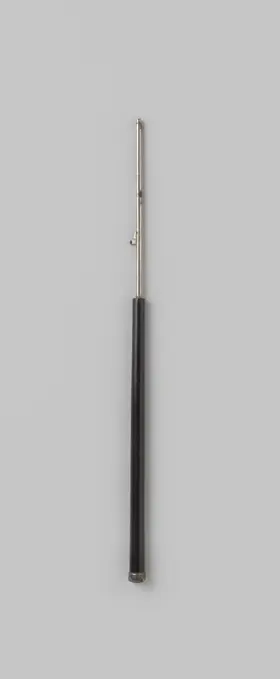
Parasol handle of black wood and small silver button, driven in neo-Rokoko style on a metal stick, anonymous, c. 1870 - c. 1880 Parasol grip of black wood and a silver cap on a white metal stick. Konian model. Small silver button, Galing in Neo-Rokoko style. Netherlands (possibly) Handle: Wood (plant material). Cap: Silver (Metal). stick: Metal cutting / lacquering / forging / casting Parasol grip of black wood and a silver cap on a white metal stick. Konian model. Small silver button, Galing in Neo-Rokoko style. Netherlands (possibly) Handle: Wood (plant material). Cap: Silver (Metal). stick: Metal cutting / lacquering / forging / casting
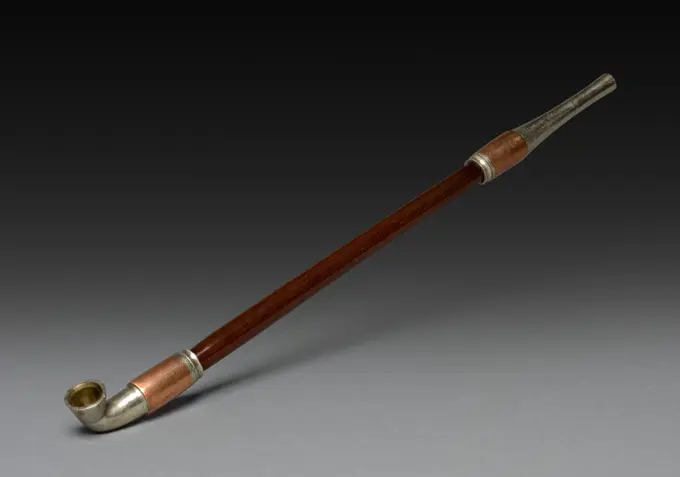
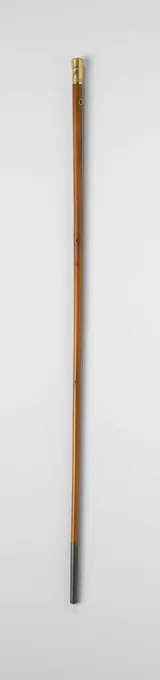
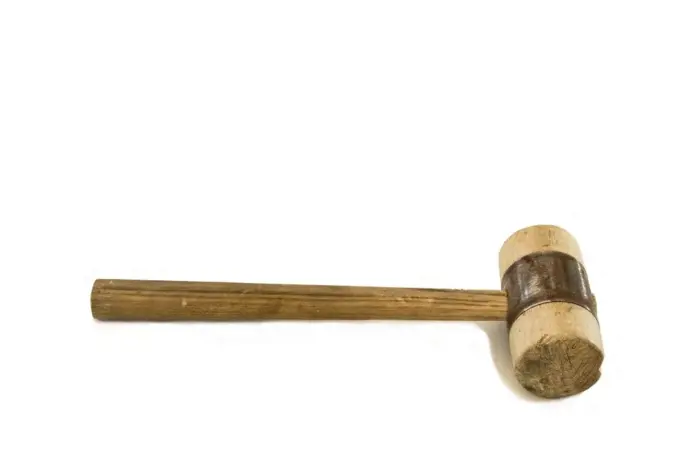
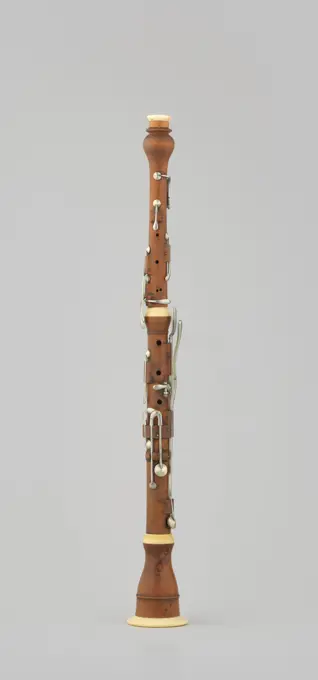
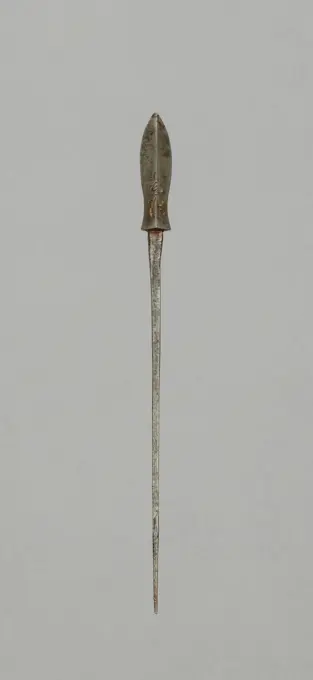
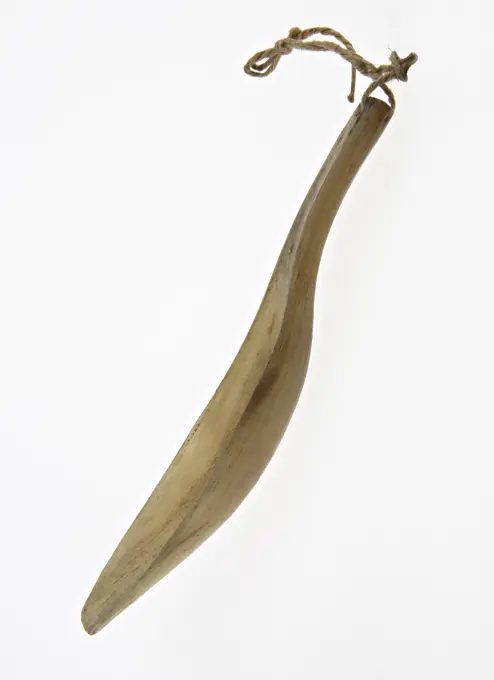
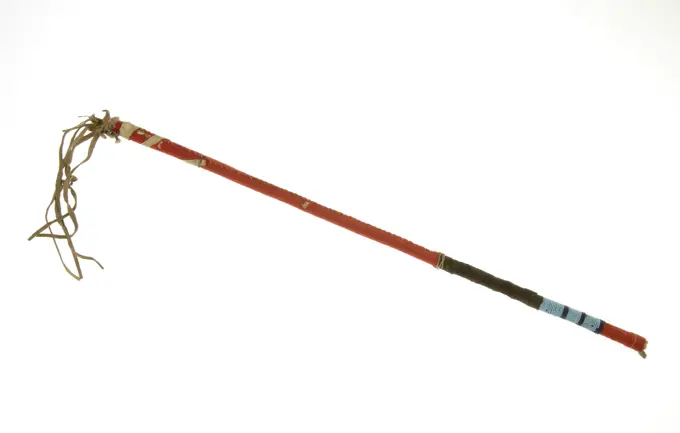
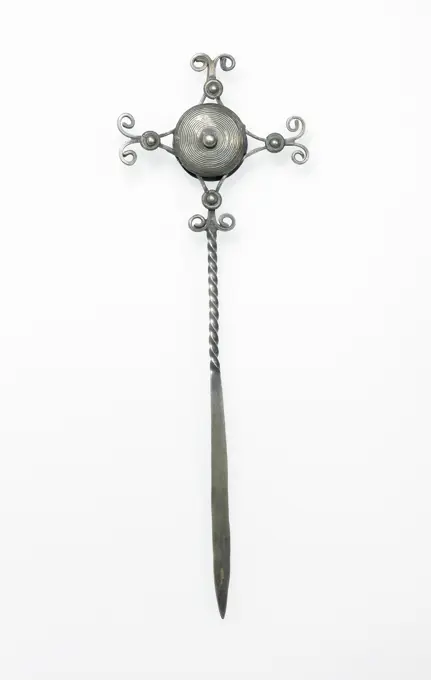
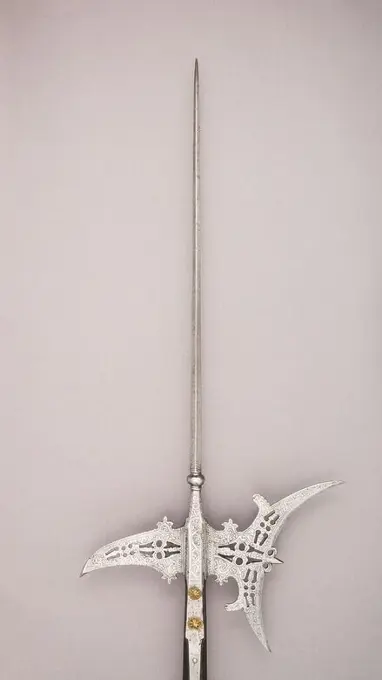
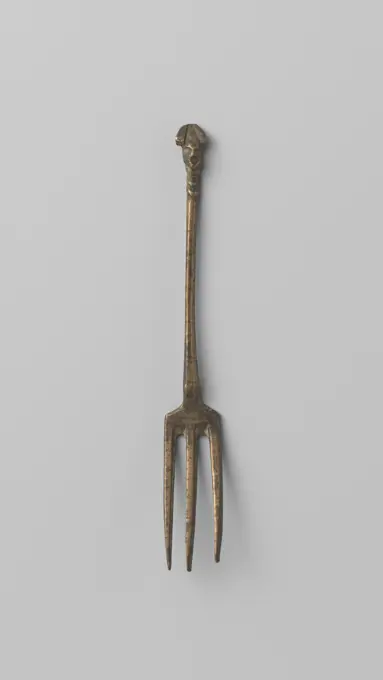
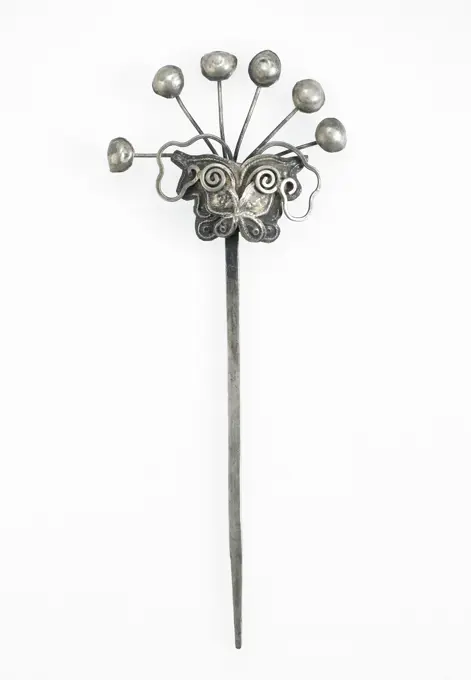
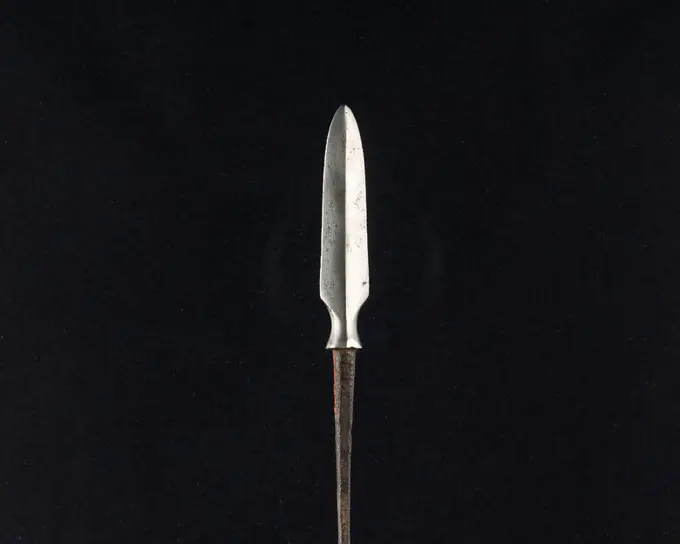
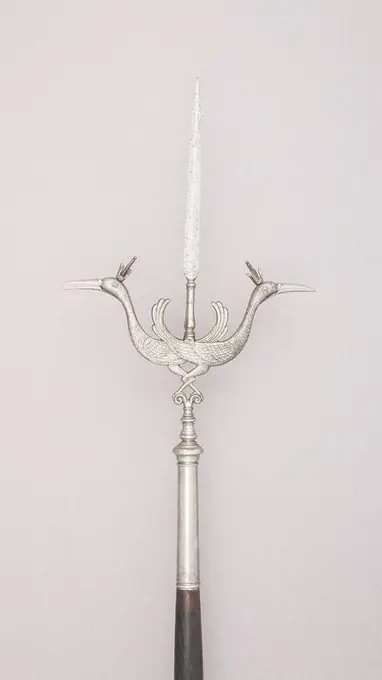
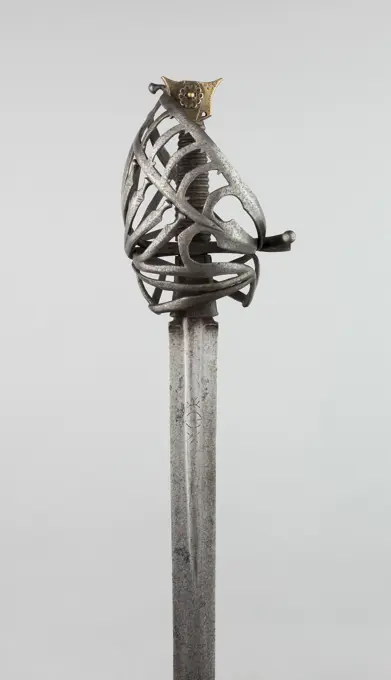
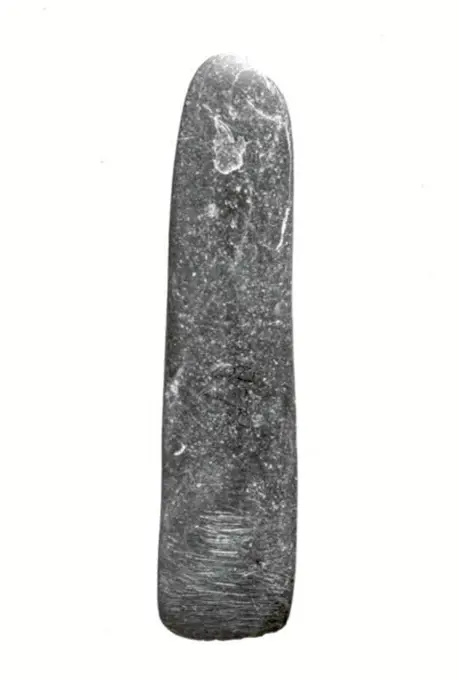
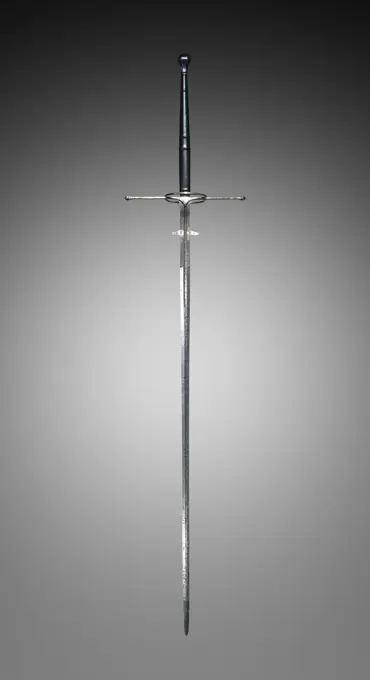
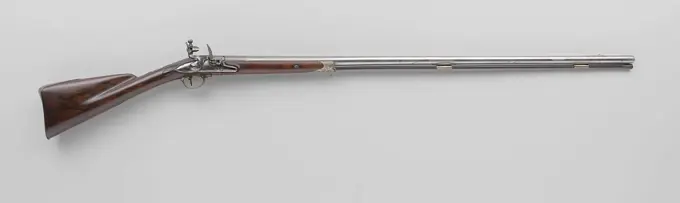
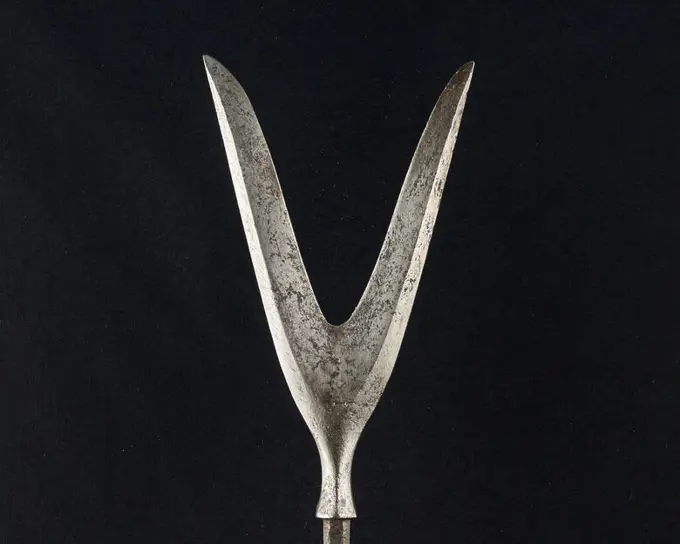
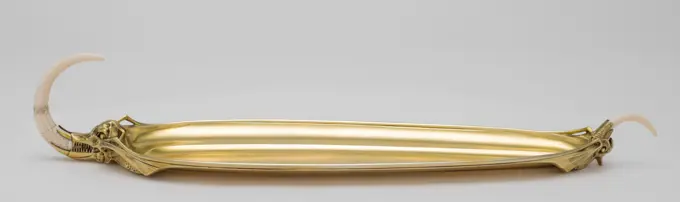
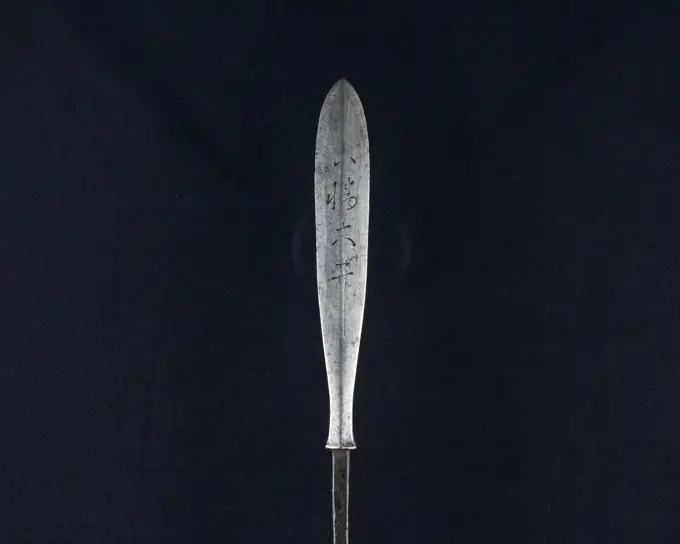
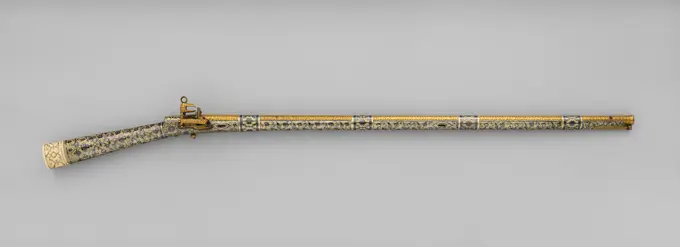
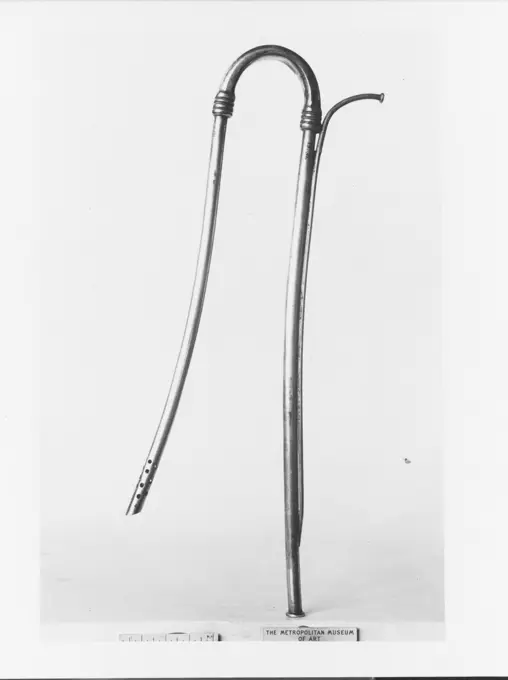
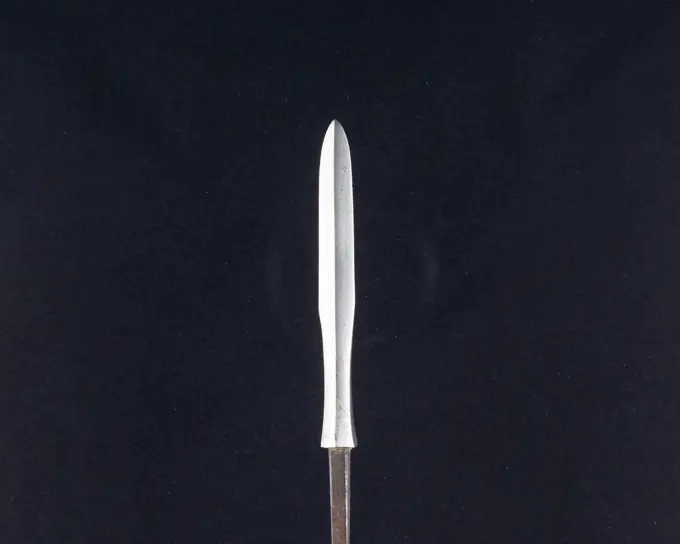
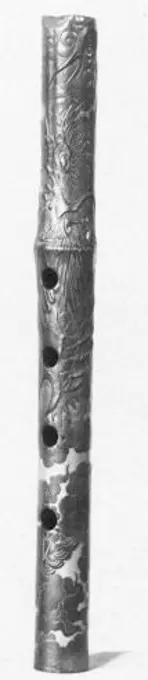
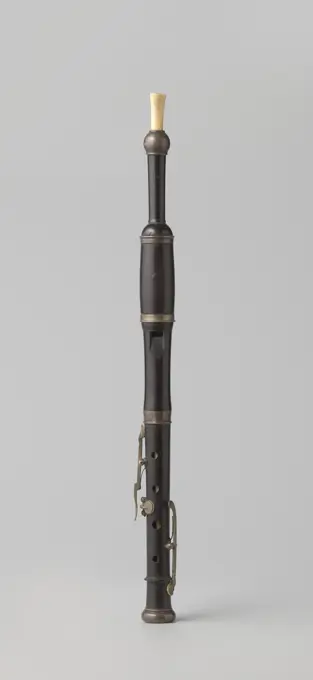
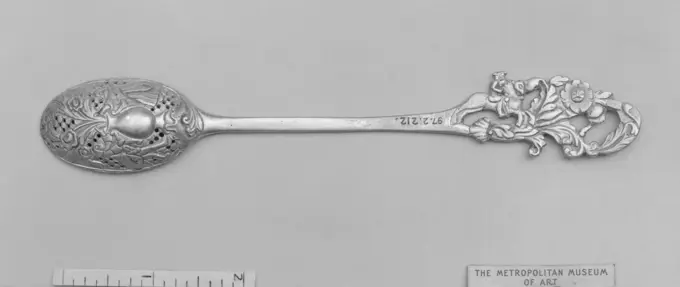
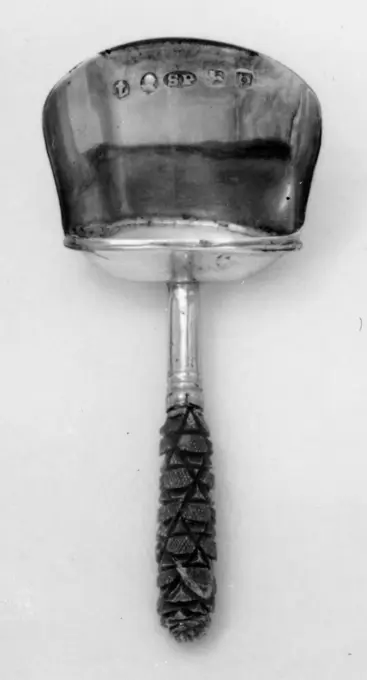
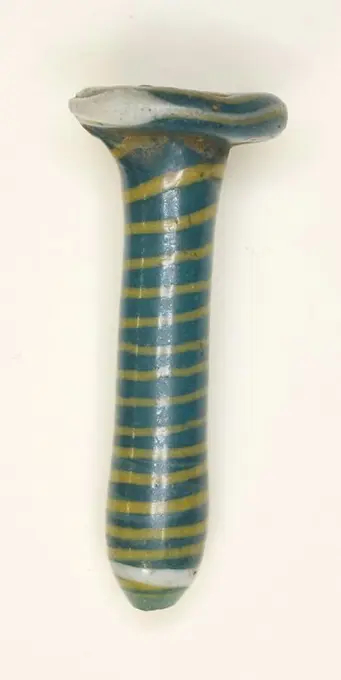
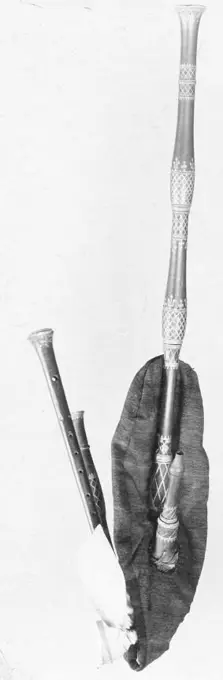
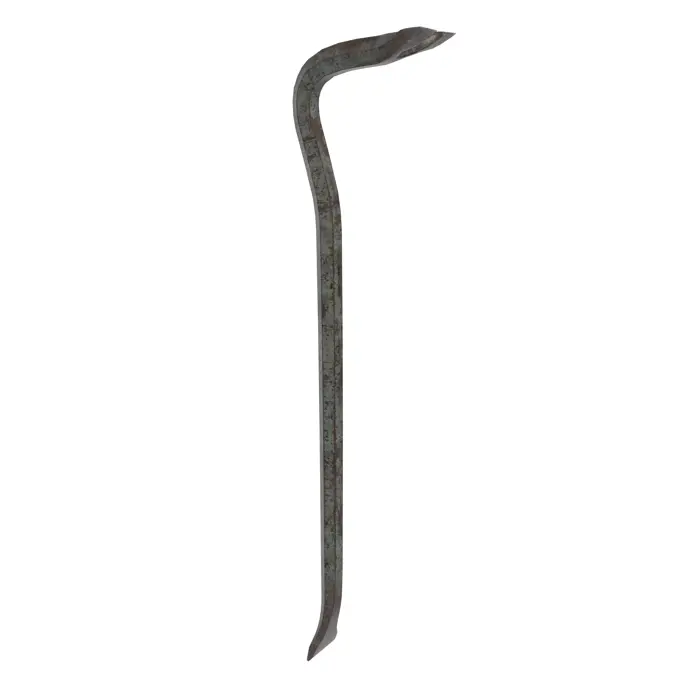
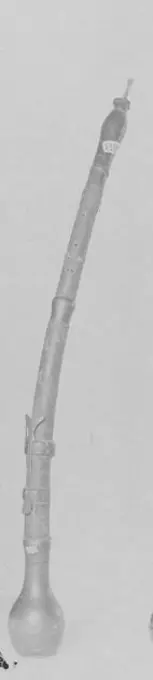
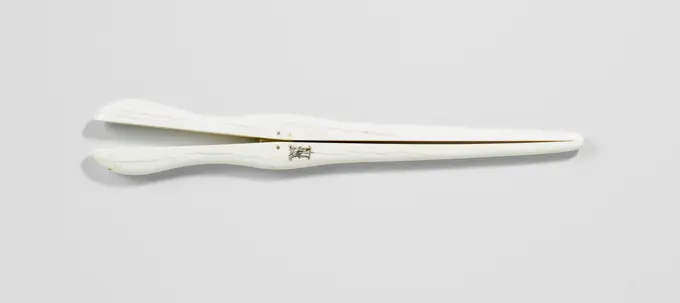
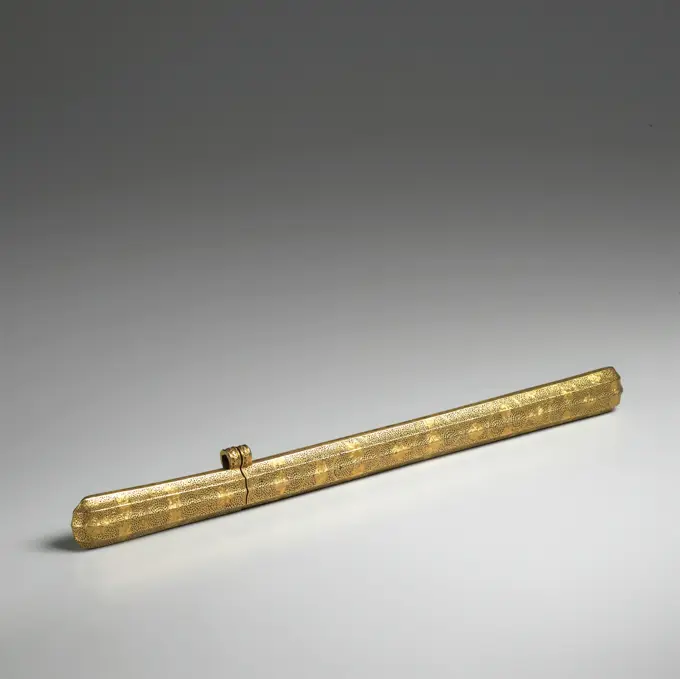
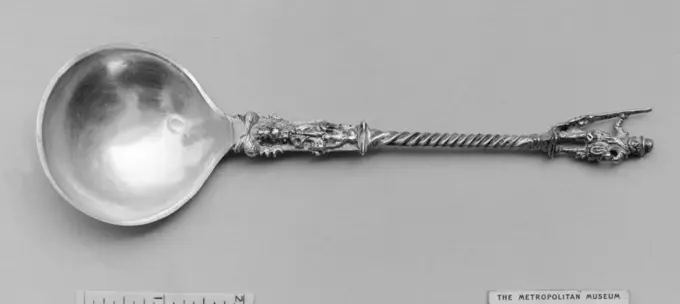
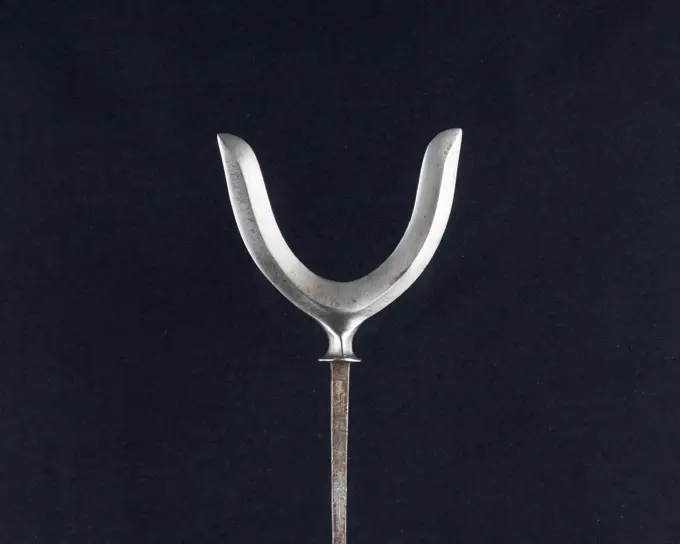
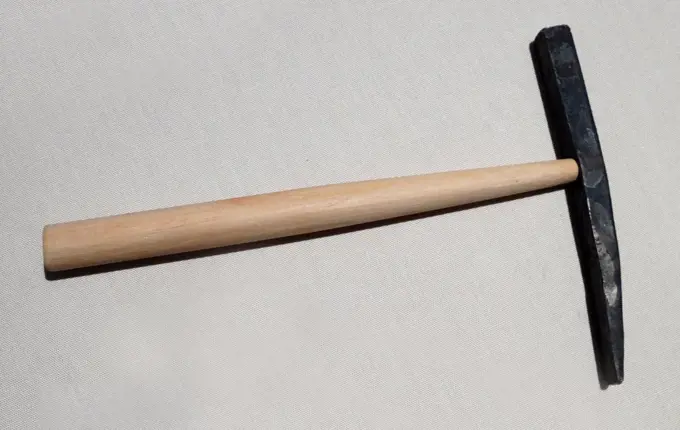
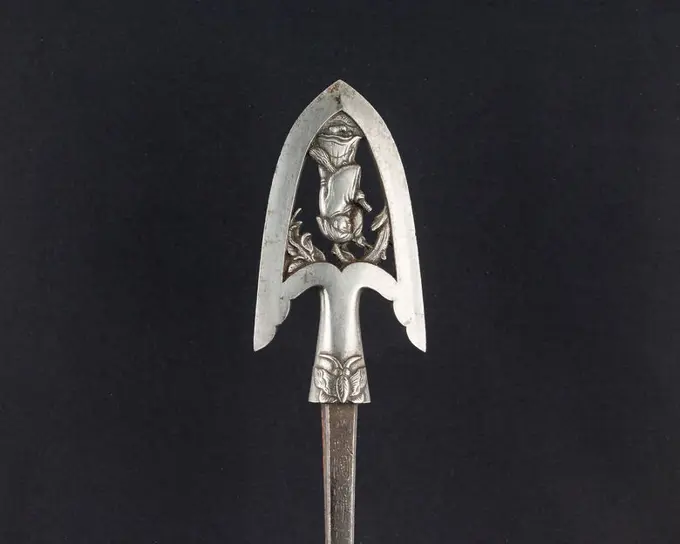
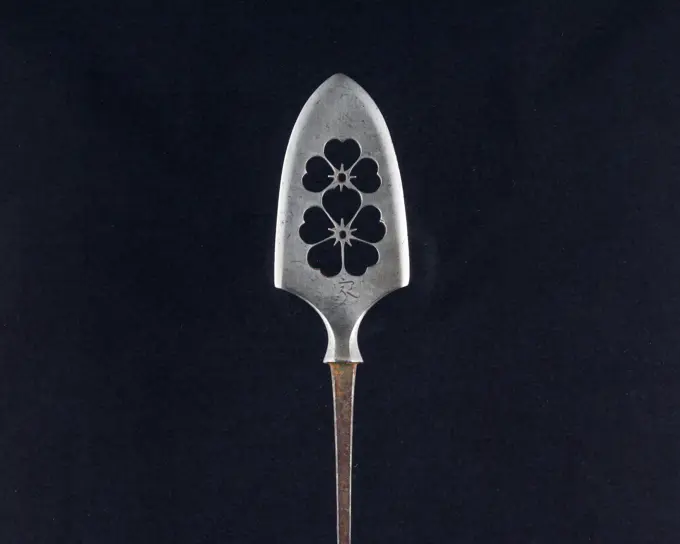
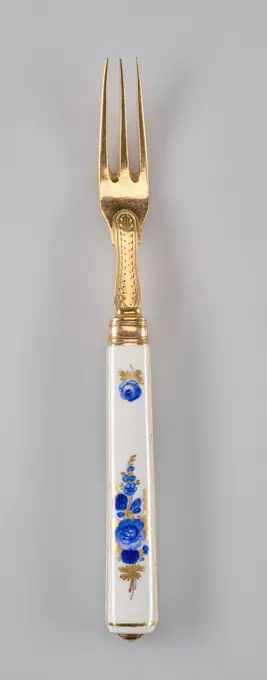
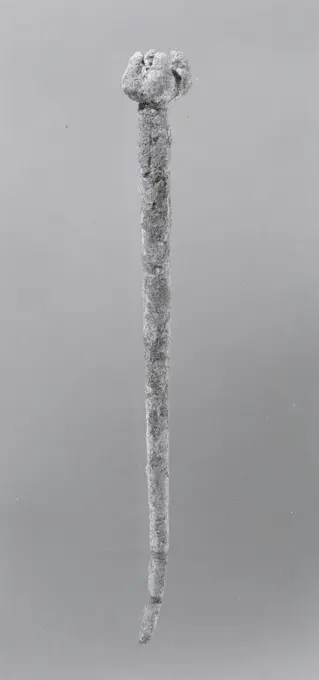
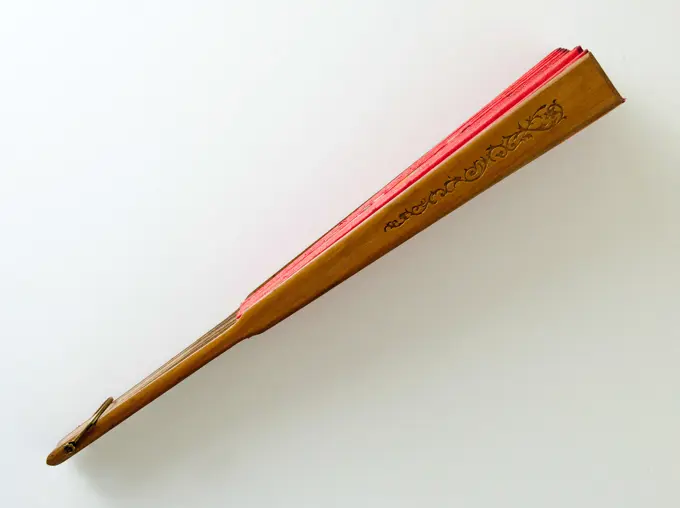
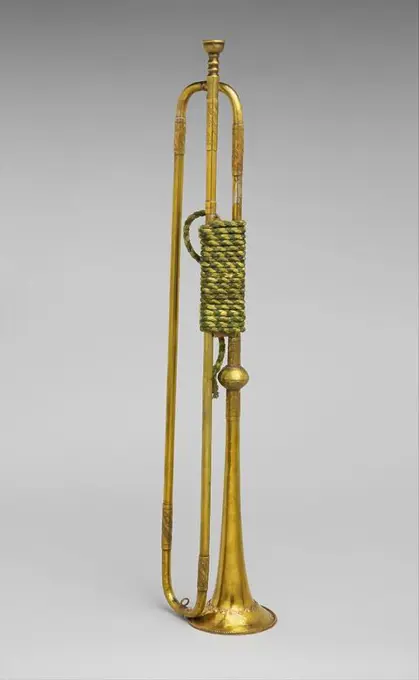
Penknife,  1893 - 1894Tobacco Pipe, early to mid-1800s. Japan, Edo period (1615-1868). Wood, silver, brass, and copper; overall: 19.8 cm (7 13/16 in.).Arrow tip ca. 2051-2000 B.C. Middle Kingdom. Arrow tip 561784Rattan rotting, mounted with gold-plated silver and copper.Spoon 19th century possibly German. Spoon 188250Staff ca. 1550-1295 B.C. New Kingdom. Staff. ca. 1550-1295 B.C.. Wood. New Kingdom. From Egypt, Upper Egypt, Thebes, Dra Abu el-Naga, Carnarvon/Carter excavations, before 1911. Dynasty 18one mallet. one mallet on white backgroundOboe, Alexander-Claudius brothers, c. 1840 Hobo of Palmhout with fourteen round silver valves, an ivory finger support and four ivory rings (one on the upper part, one in the middle and two on the cup). The upper ivory ring can be removed. The third gap is double. Marked on the upper part: Sun consisting of stripes / Alexander / star. Marked on the middle and lower part: Sun consisting of stripes / Alexander / in / Mainz / star Mainz boxwood. silver (metal). kleppen: ivory Hobo of Palmhout with fourteen round silver valves, an ivory finger support and four ivory rings (one on the upper part, one in the middle and two on the cup). The upper ivory ring can be removed. The third gap is double. Marked on the upper part: Sun consisting of stripes / Alexander / star. Marked on the middle and lower part: Sun consisting of stripes / Alexander / in / Mainz / star Mainz boxwood. silver (metal). kleppen: ivoryArrow Point, 1700s. Japan, Edo period (1615-1868). Steel; overall: 15.2 cm (6 in.); head: 3.8 cm (1 1/2 in.).Austrian infantry saber, wz. 1837Ice strainer -Crossbow Bolt, 1500s-1600s. Germany, 16th-17th century. Wood, leather, steel; average: 37.2 cm (14 5/8 in.).Pewter spoon with flattened handle and drip-shaped container with brand, spoon cutlery soil find copper silver metal, with three spoons (spoons trade mark) archeology between the lettersMount; L x W x D: 26.4 x 2.2 x 1.5 cm (10 3/8 x 7/8 x 9/16 in.)Military Fork ca. 1550 Italian. Military Fork 26088Ceremonial coup stick -Serving spoon 1789-90 British, London. Serving spoon 195557Baluster. Culture: British. Dimensions: Height: 26 in. (66 cm). Date: late 17th-early 18th century. Museum: Metropolitan Museum of Art, New York, USA.Hair pin, 7 3/4 x 2 5/8 x 3/4 in. (19.69 x 6.67 x 1.91 cm), Silver, ChinaFriuli Spear. European. Date: 1550-1600. Dimensions: Blade L. 71.1 cm (28 in.)Wt. 3 lb. 8 oz.measure for overall length). Steel, wood (chestnut), brass, and velvet. Origin: Europe. Museum: The Chicago Art Institute, Chicago, USA.Halberd. Culture: Italian. Dimensions: L. 8 ft. 7 in. (261.7 cm); L. of head 32 in. (81.3 cm); W. 14 3/4 in. (37.5 cm); Wt. 5 lbs. 8 oz. (2490 g). Date: ca. 1550. Museum: Metropolitan Museum of Art, New York, USA.A Regli, Candle Holder, 1935 1942 Candle HolderFork with three teeth and needs at the end of stem, anonymous, c. 1600 - c. 1699 The cast fork has three teeth and a simple handle, which ends in a hoof. West-Europa brass (alloy) casting The cast fork has three teeth and a simple handle, which ends in a hoof. West-Europa brass (alloy) castingBASTON DE MANDO DE RODRIGO PONCE DE LEON - TERCER DUQUE DE ARCOS - (1545-1630).Zhajiao 19th century Chinese This trumpet, found in different sizes, is used in wedding processions or funerals.. Zhajiao. Chinese. 19th century. Metal. China. Aerophone-Lip Vibrated-trumpet / tromboneRapier Made 1640-1660 Europe, northern. Steel .Hair Pin, 7 x 3 x 5/8 in. (17.78 x 7.62 x 1.59 cm), Silver, ChinaBlood bag pin -Potato Masher. Dated: c. 1940. Dimensions: overall: 34.8 x 24.2 cm (13 11/16 x 9 1/2 in.). Medium: graphite, watercolor, and ink on paperboard. Museum: National Gallery of Art, Washington DC. Author: Luther D. Wenrich.Umbrella with black silk deck on a bamboo chest and wood colored round handle with black silk cover, anonymous, c. 1900 - c. 1925 Men's paraplu with black silk deck. Unsurbed, with eight black painted iron ribs. A wood -colored lacquered round handle on the bamboo stick, with black silk cover. Netherlands deck: Silk. Baleinen: Iron (Metal). Stok: Bamboo. Handle: Wood (plant material). Button: Bamboo casting / cutting / cutting / lacquering Men's paraplu with black silk deck. Unsurbed, with eight black painted iron ribs. A wood -colored lacquered round handle on the bamboo stick, with black silk cover. Netherlands deck: Silk. Baleinen: Iron (Metal). Stok: Bamboo. Handle: Wood (plant material). Button: Bamboo casting / cutting / cutting / lacqueringScarf pin with duck, Gold, enamel, glass, England or USA, ca. 1900, jewelry, Decorative Arts, Stick pin, Stick pinSzpila do włosów z główką w formie szyszki pinii. unknown, authorWilliam Gethen, Ladle, c. 1800, silver.Twilight, Theo Nieuwenhuis, 1900 - 1925 Twilights from the house Het Uiltje in Loenen-Nieuwersluis. Netherlands padouk (wood). brass (alloy) Twilights from the house Het Uiltje in Loenen-Nieuwersluis. Netherlands padouk (wood). brass (alloy)Wooden Spindle Made 1000-1476 Peru. Wood .Arrowhead (Yanone). Culture: Japanese. Dimensions: L. 6 1/2 in. (16.5 cm); L. of head 2 1/4 in. (5.7 cm); W. 1/2 in. (1.3 cm); Wt. 0.6 oz. (17 g). Date: 18th century. Museum: Metropolitan Museum of Art, New York, USA.Linstock. Culture: possibly French. Dimensions: L. 77 3/4 in. (197.5 cm); L. of head 16 5/8 in. (42.2 cm); W. 8 3/8 in. (21.3 cm); Wt. 2 lbs. 1 oz. (936 g). Date: 17th century. Museum: Metropolitan Museum of Art, New York, USA.Zoomorphic tube ca. 7th century B.C. Iran. Zoomorphic tube 325261Basket-Hilted Broadsword with Scabbard (Schiavona) Made 1690-1710 Venice. Steel, bronze, and leather .Scraper 5th-3rd millennium B.C. Iran This stone scraper was excavated in 1937 at a prehistoric site in the vicinity of Nishapur in northeastern Iran. While Nishapur itself was founded by the Sasanian king Shapur I (reigned ca. A.D. 241-272), this object shows that human habitation there goes back to the prehistoric period. Furthermore, the prehistoric pottery from Nishapur has close affinities with ceramic materials from Central Asia rather than with contemporary sites in Iran, meaning that in this period its inhabitants were likely culturally linked to their neighbors to the east. At the same time, Nishapurs location on what later became known as the Great Khorasan Road suggests that it was part of the trade network that facilitated the import of precious stones such as lapis lazuli, carnelian and turquoise from Central Asia to Mesopotamia.. Scraper 323688Diploma Case for Henryk Siemiradzki zotnik F.S.Two-Handed Sword, 1550-1600. Spain, Toledo, second half of 16th Century. Steel, wood and leather grip; fluted pommel; overall: 168.3 cm (66 1/4 in.); blade: 126.4 cm (49 3/4 in.); quillions: 35.2 cm (13 7/8 in.); grip: 41.3 cm (16 1/4 in.); ricasso: 20.3 cm (8 in.). The two-handed sword, originally a weapon of war for specialist infantry, is so named because two hands were required to wield it. By the late 1600s, these enormous swords assumed a largely ceremonial or bodyguard function.Tool. Tool. Bronze. BronzesVuursteenjachtgeweer.The lock is easily decorated with edges, a wide on the lock plate with a signature; The pan is rainproof. The loop is equipped with a basulating kulas, a golden zund hole and a silver vizor grain. The half drawer of the flask is relieved with an asymmetrical acanthus sheet. The silver fittings is easily engraved and includes a hood parent in front of the drawer decorated with a shell embossed and equipped with a silver eye for a carrying strap, an asymetric screw plate with praise, a flask stamped with the city deck of Amsterdam and the annual letter O (1773) and probably a brand in the form of a warworld; An ebony tub with a hood of Koehoorn and an iron crasser.Arrowhead (Yanone). Culture: Japanese. Dimensions: L. 10 3/4 in. (27.3 cm); L. of head 5 in. (12.7 cm); W. 3 in. (7.6 cm); Wt. 3.1 oz. (87.9 g). Date: 18th century. Museum: Metropolitan Museum of Art, New York, USA.Shepherd crook (hook) vector illustrationTray, c. 1907. Carlo Bugatti (Italian, 1856-1940), Adrien-Aurélien Hebrard (French, 1866-1937). Gilt silver and ivory; overall: 13.5 x 76.9 x 19.9 cm (5 5/16 x 30 1/4 x 7 13/16 in.). This tea and coffee service, salver, and table, together with some now missing cups, were all designed by Carlo Bugatti as an ensemble and presented at the 1902 exposition devoted to decorative arts in Turin, Italy. The set was probably acquired from Bugatti's 1907 exhibition at the Galerie Hébrard in Paris by a wealthy South African widow, Anna Blake, who was living there at the time. Some of the animal and insect motifs suggest mythical beasts or the fossils of prehistoric animals. When Mrs. Blake returned to Cape Town, she took these and other pieces designed by Bugatti with her, and they remained in South Africa throughout her lifetime.Arrowhead (Yanone) 18th century Japanese Although today Japanese warriors are renowned most for their swordsmanship, archery, especially from horseback, has been an essential part of samurai warfare and culture for centuries. Arrows were fitted with heads of varying shape according to their intended use in war, the hunt, or target practice. Arrowheads made for use on the battlefield incorporated different designs intended for specialized purposes such as the piercing of armor or to cause maximum damage to horses and unarmored personnel.Large arrowheads, pierced and elaborately chiseled with landscapes, birds, flowers, dragons, and Buddhist divinities, were created to be admired for the beauty of their metalwork and design rather than for use in archery. Such highly elaborate examples may have been made for presentation or as a votive offerings to a shrine.. Arrowhead (Yanone). Japanese. 18th century. Steel. Archery Equipment-ArrowheadsBoneNeedlesFlintlock Rifle ca. 1800-1850 Caucasian, Kubachi, Dagestan This rifle was probably made in the Dagestani village of Kubachi, the principal armsmaking center in the Caucasus. The Arabic inscription on the barrel, "Owned by Abā Muslim Khān Shamkhāl," and the very high quality of the workmanship suggest that it belonged to a member of the family of the ruling prince (shāmkhāl).. Flintlock Rifle 23354Spoon, silver, Pointed oval bowl, shaped tubular stem corded by two snakes, twisted central section. Circular, smooth crusher terminal., Paris, France, 19th century, cutlery, Decorative Arts, SpoonSiphoning Tube 1800-1850 American. Siphoning Tube 7515FinialBow -Arrowhead (Yanone) 18th century Japanese Although today Japanese warriors are renowned most for their swordsmanship, archery, especially from horseback, has been an essential part of samurai warfare and culture for centuries. Arrows were fitted with heads of varying shape according to their intended use in war, the hunt, or target practice. Arrowheads made for use on the battlefield incorporated different designs intended for specialized purposes such as the piercing of armor or to cause maximum damage to horses and unarmored personnel.Large arrowheads, pierced and elaborately chiseled with landscapes, birds, flowers, dragons, and Buddhist divinities, were created to be admired for the beauty of their metalwork and design rather than for use in archery. Such highly elaborate examples may have been made for presentation or as a votive offerings to a shrine.. Arrowhead (Yanone). Japanese. 18th century. Steel. Archery Equipment-ArrowheadsHitoyogiri late 19th century Japanese. Hitoyogiri. Japanese. late 19th century. Bamboo. Japan. Aerophone-Blow Hole-end-blown flute (vertical)oregano spices on white backgroundFruit Knife (France); Designed by F. Nicoud (French, active 1890); silver, steel, mother-of-pearl, gilding; L x W x D: 20 x 1 x 0.8 cm (7 7/8 x 3/8 x 5/16 in.)Hammer selective focus over black backgroundFlage olet of black ebony with silver mounted. Flage olet of black ebony with silver mounted, with six holes and two valves.old rubber mallet on white backgroundBlade van officiersdegen, sword sword sword weapon weapon foundry wrought iron metal total h 96.0 blade h 80.5 angel h 15.5 archeology militariaStrainer spoon 18th century possibly Dutch. Strainer spoon 188235 possibly Dutch, Strainer spoon, 18th century, Silver, parcel-gilt, 6 5/8 in. (16.8 cm). The Metropolitan Museum of Art, New York. Gift of Mrs. Samuel P. Avery, 1897 (97.2.212)Samuel Pemberton, Caddy Spoon, 1813/14, silver.Ear Stud or Bead. Egyptian. Date: 1350 BC-1186 BC. Dimensions: H. 3.2 cm (1 1/4 in.); diam. 1.3 cm (1/2 in.). Glass, rod-formed. Origin: Egypt. Museum: The Chicago Art Institute, Chicago, USA. Author: Ancient Egyptian.Bolt or linchpin ca. 9th century B.C. Iran. Bolt or linchpin 325036Fork;  2 after. XVII W (1650-00-00-1699-00-00);Decorative oars hung on the wallCornemuse Du Nivernais early 19th century French. Cornemuse Du Nivernais 501470LA ESPADA TIZONA DEL CID CAMPEADOR - SIGLO XI. Location: ALCAZAR / MUSEO DEL EJERCITO-COLECCIÓN. Toledo. SPAIN.Mustard (or salt) spoon early 19th century possibly German, Stuttgart. Mustard (or salt) spoon 188244 possibly German, Stuttgart, Mustard (or salt) spoon, early 19th century, Silver, parcel gilt, 4 in. (10.2 cm). The Metropolitan Museum of Art, New York. Gift of Mrs. Samuel P. Avery, 1897 (97.2.221)Hand peak, fragment consisting of blade and a portion of stick.Handpiek, fragment consisting of a blade of iron and a portion of the stick.Heavy crowbar isolated on a white background for several applications, heavy crowbar isolated on a white background for several applicationsEnglish Horn in F ca. 1800 Member of the Grassi Italian. English Horn in F. Italian. ca. 1800. wood, leather, horn, brass. Milan, Italy. Aerophone-Reed Vibrated-double reedGlove tractor of ivory with monogram jvn, anonymous, c. 1910 Glove remover from ivory with the monogram JVN, in an embroidered bag. Netherlands (possibly) whole: Ivory cutting Glove remover from ivory with the monogram JVN, in an embroidered bag. Netherlands (possibly) whole: Ivory cuttingClubBelt Case, 14th century, 13 3/4 x 1 x 3/4 in. (34.93 x 2.54 x 1.91 cm), Iron with gold inlay, China, 14th century, This exquisitely crafted case would have been suspended from the belt, a custom introduced to China by the peoples of the northern steppes. The design is different on each of the two faces. One side shows octagonal cartouches decorated with lotus flowers and scrolling leaves. The opposite side has oval panels decorated with a wealth of Buddhist images such as the conch shell and the wheel of the law. The Mongols, who ruled China from 1280-1368, adopted the Tibetan style of Buddhism, which features the conch, wheel, umbrella, and unending knot symbols seen here. The new Mongol rulers naturally maintained aspects of their traditional dress, including cases such as this that hung from their belts and could have held a writing brush or personal chopsticks.Het statief met de maan, onderdeel van het planetarium, tellurium, lunarium.Device with which the movement of sun, earth, moon and planets can be proposed. Tripod on which a small ivory globe (the moon) with a connecting piece (dovetail) with rotary knob at the bottom.Figure-top spoon probably 1630 Dutch, Enkhuizen The bowl and handle have been clumsily soldered together. It is possible that this bowl is not original to this stem, although the marks appears to be genuine, the shape of the bowl is not quite like that of other Enkhuizen spoons of the seventeenth century.. Figure-top spoon 188283 Dutch, Enkhuizen, Figure-top spoon, probably 1630, Silver, Overall: 7 9/16  2 1/4 in. (19.2  5.7 cm). The Metropolitan Museum of Art, New York. Gift of Mrs. Samuel P. Avery, 1897 (97.2.260)Unmarked, Caddy Spoon, c. 1800, silver.Arrowhead (Yanone). Culture: Japanese. Dimensions: L. 7 in. (17.8 cm); L. of head 2 3/4 in. (7 cm); W. 1 3/8 in. (3.5 cm); Wt. 1.2 oz. (34 g). Date: 18th century. Museum: Metropolitan Museum of Art, New York, USA.Arrowhead (Yanone) 18th century Japanese Although today Japanese warriors are renowned most for their swordsmanship, archery, especially from horseback, has been an essential part of samurai warfare and culture for centuries. Arrows were fitted with heads of varying shape according to their intended use in war, the hunt, or target practice. Arrowheads made for use on the battlefield incorporated different designs intended for specialized purposes such as the piercing of armor or to cause maximum damage to horses and unarmored personnel.Large arrowheads, pierced and elaborately chiseled with landscapes, birds, flowers, dragons, and Buddhist divinities, were created to be admired for the beauty of their metalwork and design rather than for use in archery. Such highly elaborate examples may have been made for presentation or as a votive offerings to a shrine.. Arrowhead (Yanone). Japanese. 18th century. Steel. Archery Equipment-ArrowheadsFork. Fork with two long teeth and a silver handle.Example of tools used to make the Staffordshire Hoard. Dated 7th CenturyArrowhead (Yanone). Culture: Japanese. Dimensions: L. 10 in. (25.4 cm); L. of head 3 1/4 in. (8.3 cm); W. 1 3/4 in. (4.5 cm); Wt. 3.4 oz. (96.4 g). Date: dated 1645. Museum: Metropolitan Museum of Art, New York, USA.Arrowhead (Yanone) 18th century Japanese Although today Japanese warriors are renowned most for their swordsmanship, archery, especially from horseback, has been an essential part of samurai warfare and culture for centuries. Arrows were fitted with heads of varying shape according to their intended use in war, the hunt, or target practice. Arrowheads made for use on the battlefield incorporated different designs intended for specialized purposes such as the piercing of armor or to cause maximum damage to horses and unarmored personnel.Large arrowheads, pierced and elaborately chiseled with landscapes, birds, flowers, dragons, and Buddhist divinities, were created to be admired for the beauty of their metalwork and design rather than for use in archery. Such highly elaborate examples may have been made for presentation or as a votive offerings to a shrine.. Arrowhead (Yanone). Japanese. 18th century. Steel. Archery Equipment-ArrowheadsReed Pipe Fijian late 19th century View more. Reed Pipe. Fijian. late 19th century. Bamboo, shell, wood. Fiji. Aerophone-Reed Vibrated-pipeSotck exchange. XIXth. GAL1987.227.45Joseph Taylor, Caddy Spoon, 1803/4, silver.Infant's Cap, first half 19th century. America, first half 19th century. Embroidery: linen; average: 62.2 x 21.6 cm (24 1/2 x 8 1/2 in.).Handicraft - Baskets. Photographs Relating to National Forests, Resource Management Practices, Personnel, and Cultural and Economic HistoryPrime of leg with round button and collar profile. A prime of leg with round button and collar profile.Figure-top spoon second half 16th century possibly Southern German. Figure-top spoon 188231 possibly Southern German, Figure-top spoon, second half 16th century, Silver, parcel-gilt (), Length: 5 1/4 in. (13.3 cm). The Metropolitan Museum of Art, New York. Gift of Mrs. Samuel P. Avery, 1897 (97.2.208)Fork, from a flatware dessert service, 18th century, Meissen Porcelain Factory, Meissen, Germany, est. 1710, Hard paste porcelain, gilt metal, Germany, 18th centurySkewer (Italy); silver; L x W x D: 20.2 x 4.2 x 0.5 cm (7 15/16 x 1 5/8 x 3/16 in.)Pin ca. late 3rd-early 2nd millennium B.C. Bactria-Margiana Archaeological Complex. Pin 326785EVENTAIL. Red icy percale, common wood. Paris, Carnavalet museum. Eventail: Fashion accessory, Eventailcorner of a bamboo frame isolated on white backgroundNatural Trumpet. Culture: German. Dimensions: Depth (Without crook or mouthpiece): 25 11/16 in. (65.3 cm)Diameter (Of bell): 4 7/16 in. (11.3 cm). Maker: Johann Wilhelm Haas (German, Nuremberg 1649-1723 Nuremberg). Date: late 17th century.Natural trumpets such as this were used in the military and in royal pagentry. The production and playing of trumpets in Germany during the seventeenth and early eighteenth centuries was strictly regulated by a guild system. The four generations of the Haas family were the most prolific and prominent dynasty of brass instrument makers working in Nuremberg. Their trumpet output ranged from simply ebellished brass examples such as this to ornately decorated silver trumpets with gold gilding like 54.32.1. Museum: Metropolitan Museum of Art, New York, USA.