Decorative Pins and Blades

A diverse collection of ornamental pins and blades, showcasing historical craftsmanship and design across various cultures.
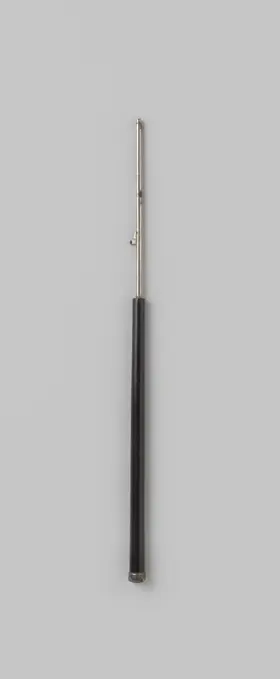
Parasol handle of black wood and small silver button, driven in neo-Rokoko style on a metal stick, anonymous, c. 1870 - c. 1880 Parasol grip of black wood and a silver cap on a white metal stick. Konian model. Small silver button, Galing in Neo-Rokoko style. Netherlands (possibly) Handle: Wood (plant material). Cap: Silver (Metal). stick: Metal cutting / lacquering / forging / casting Parasol grip of black wood and a silver cap on a white metal stick. Konian model. Small silver button, Galing in Neo-Rokoko style. Netherlands (possibly) Handle: Wood (plant material). Cap: Silver (Metal). stick: Metal cutting / lacquering / forging / casting
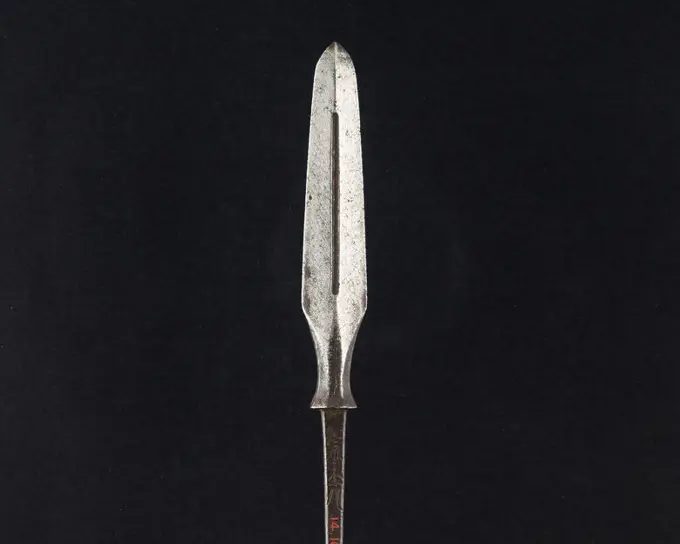
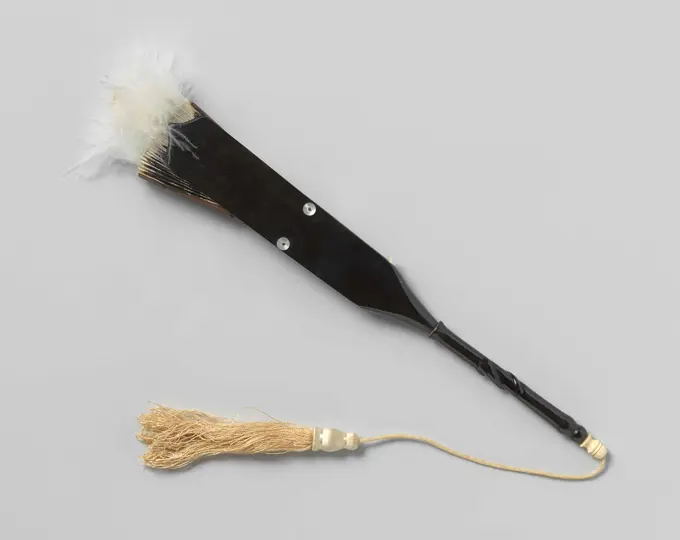
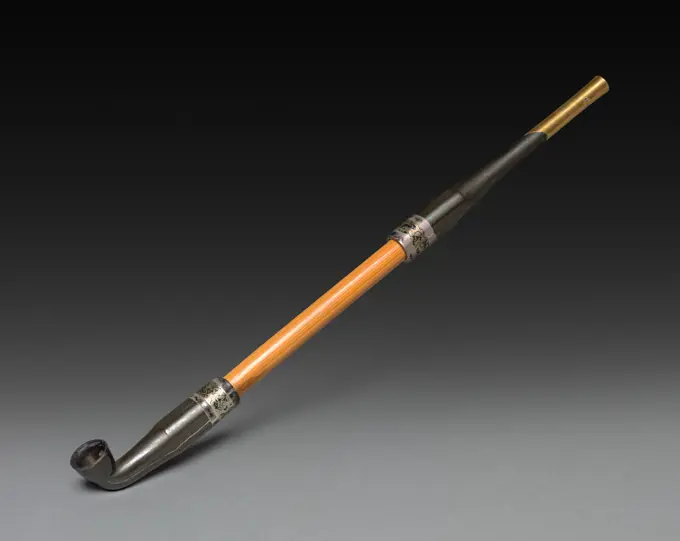
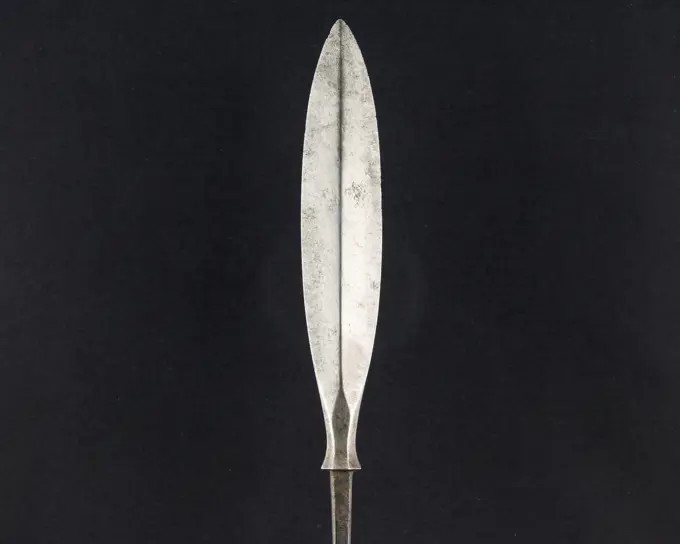
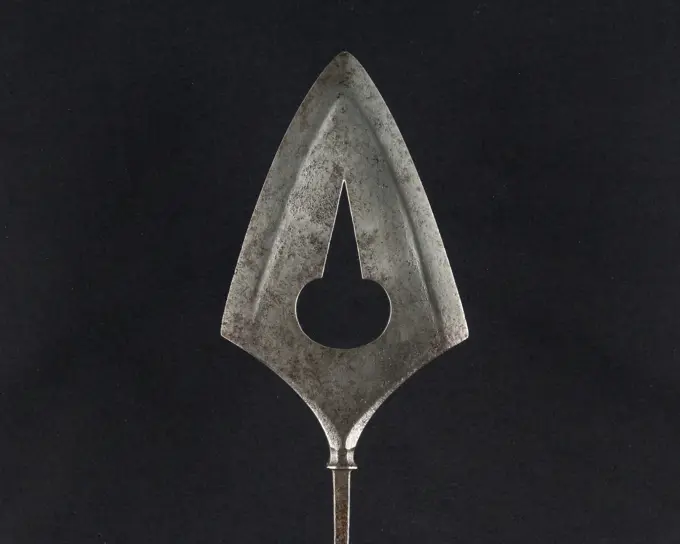
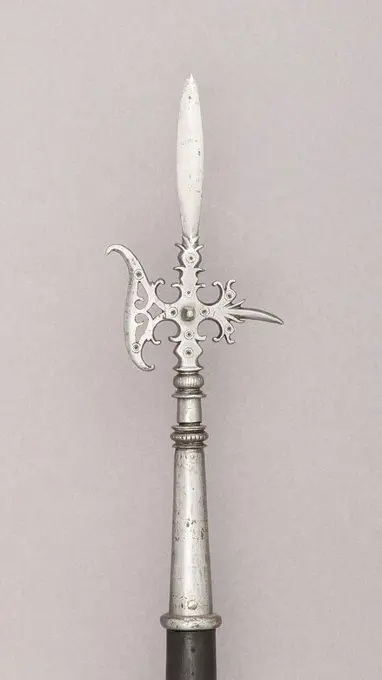
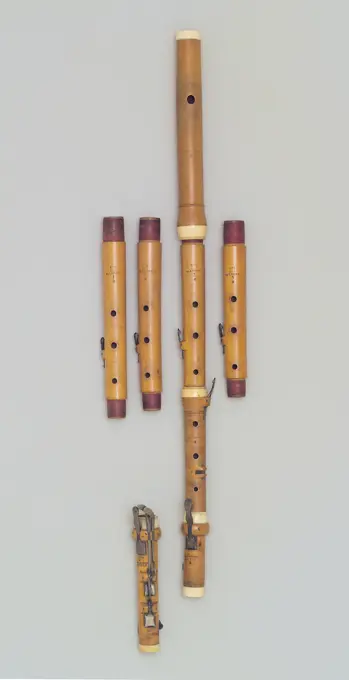
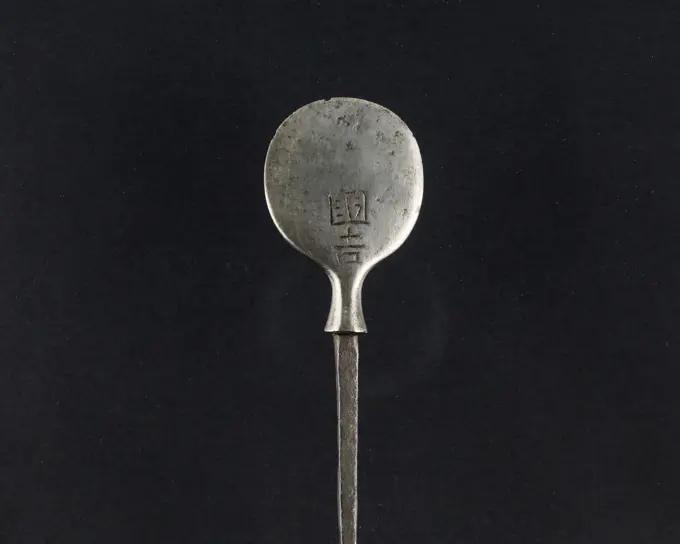
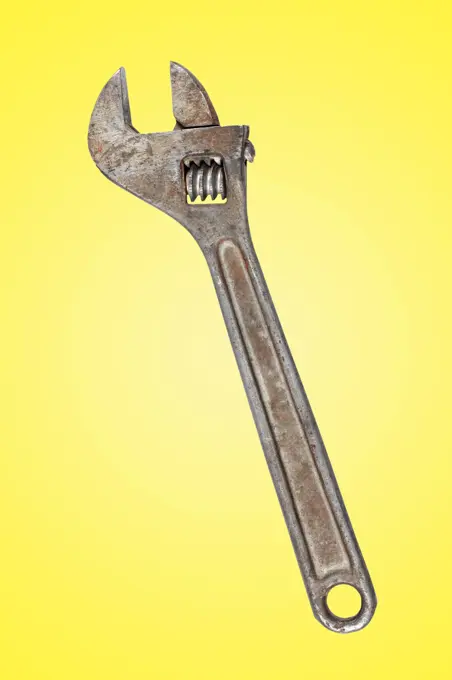
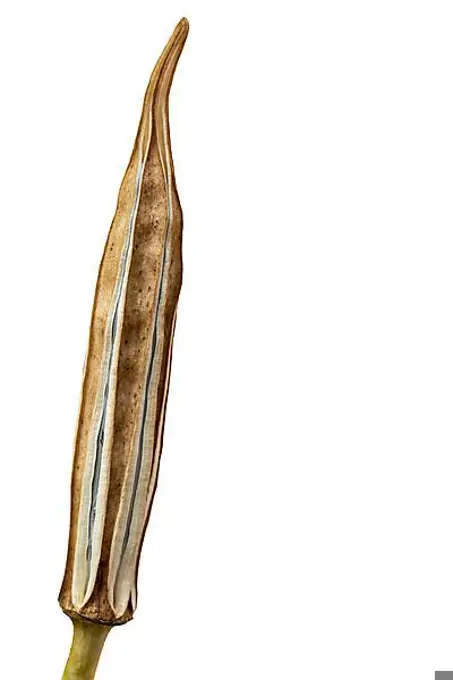
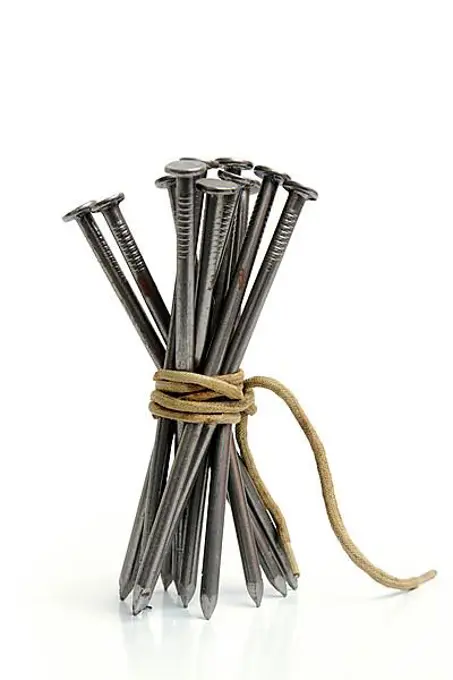
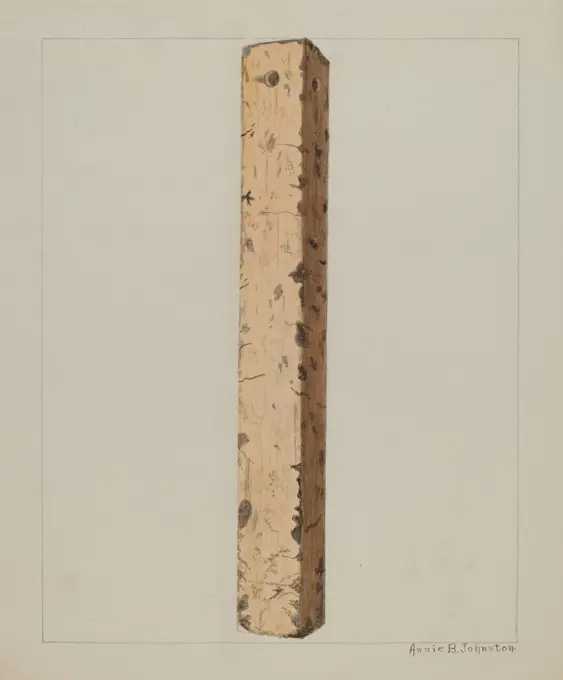
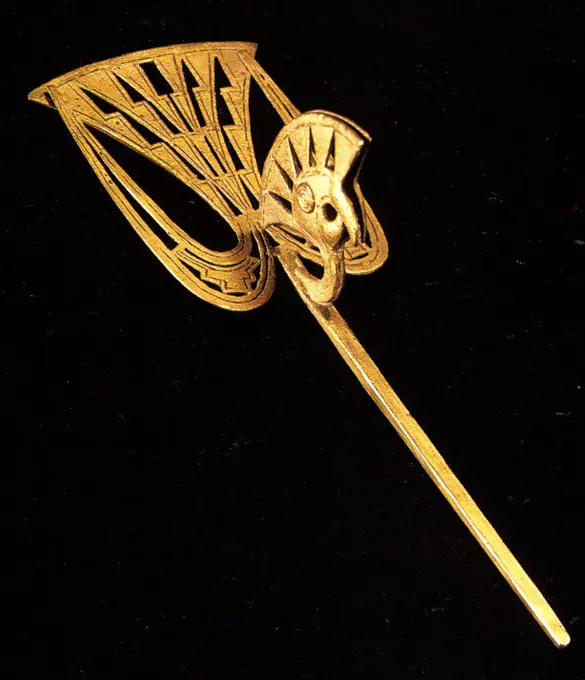
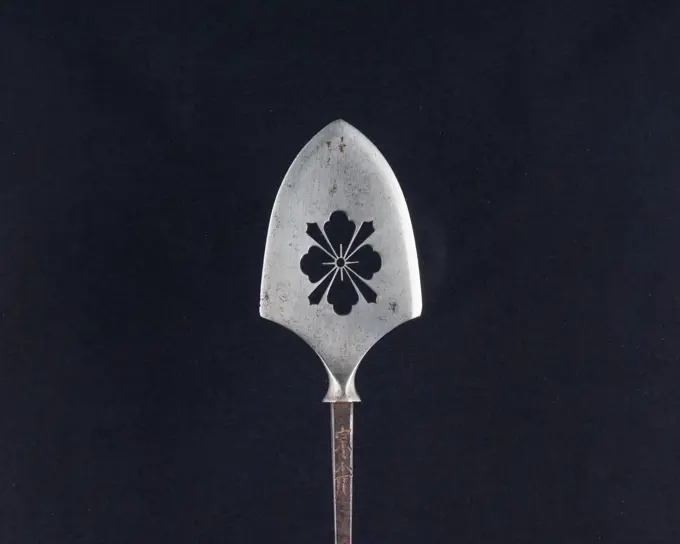
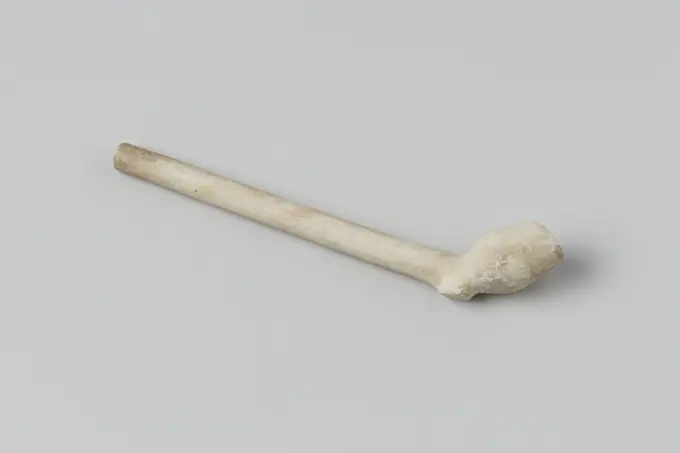
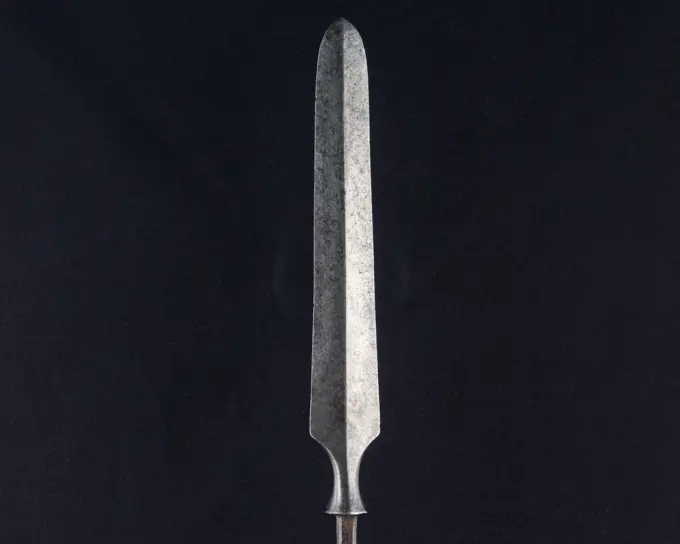
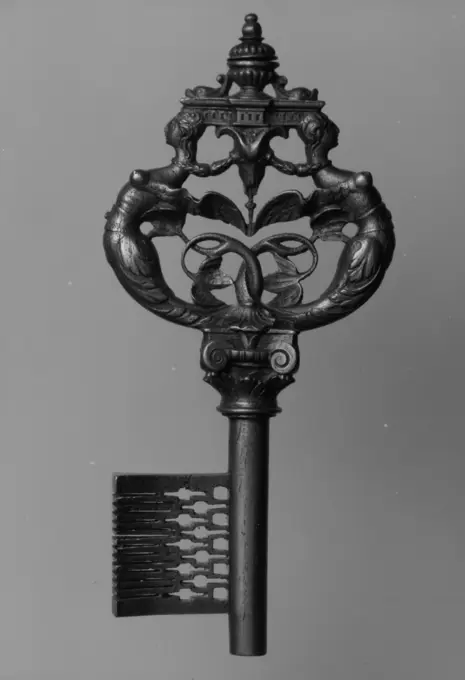
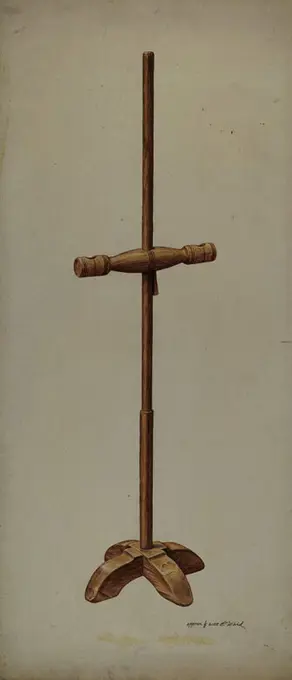
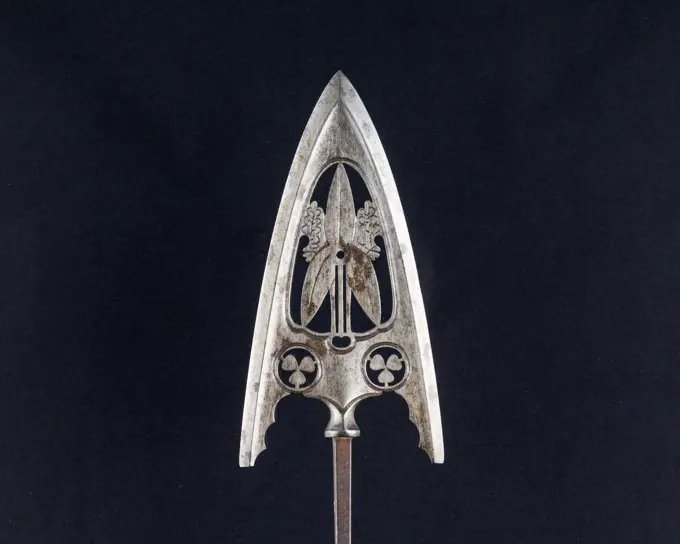
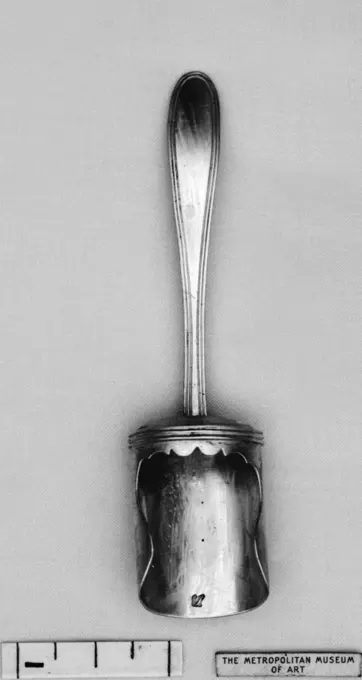
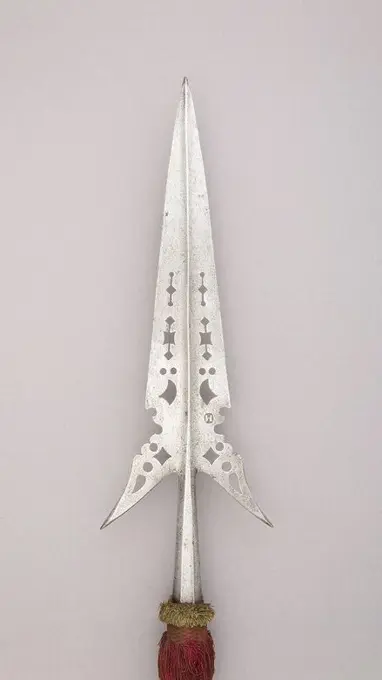
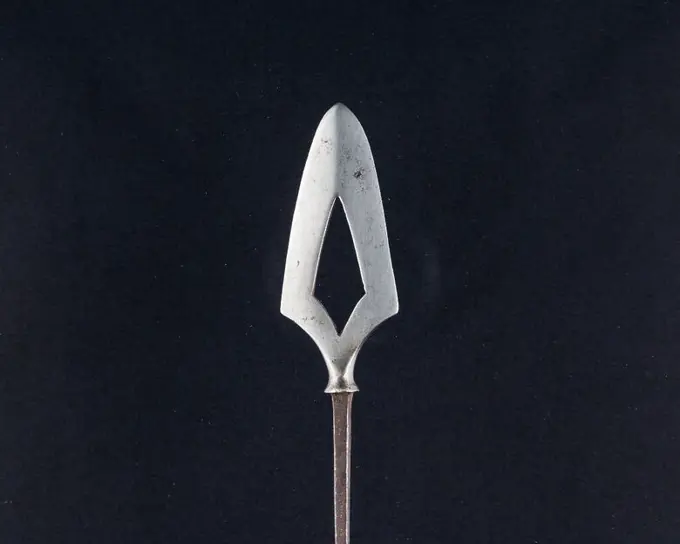
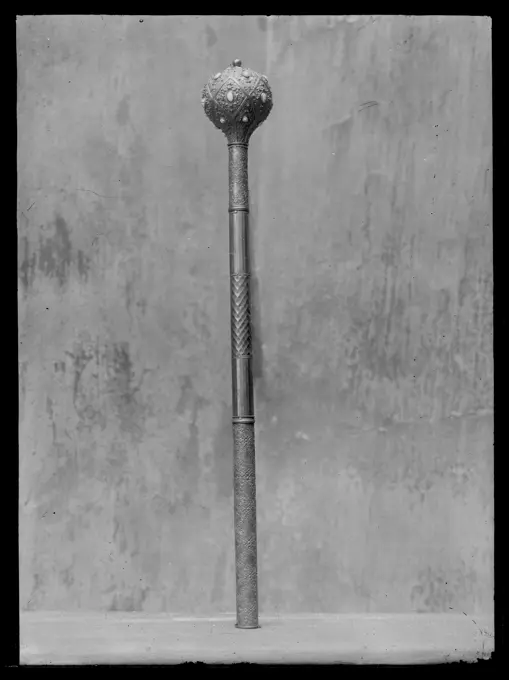
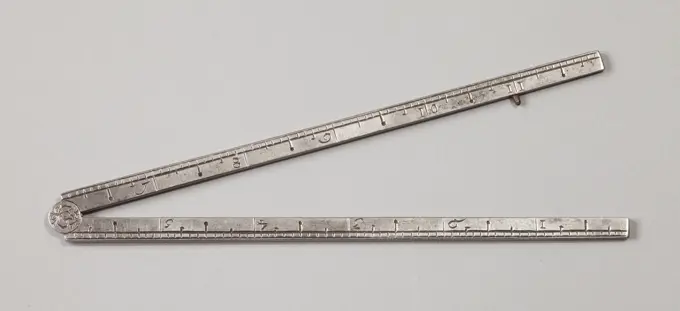
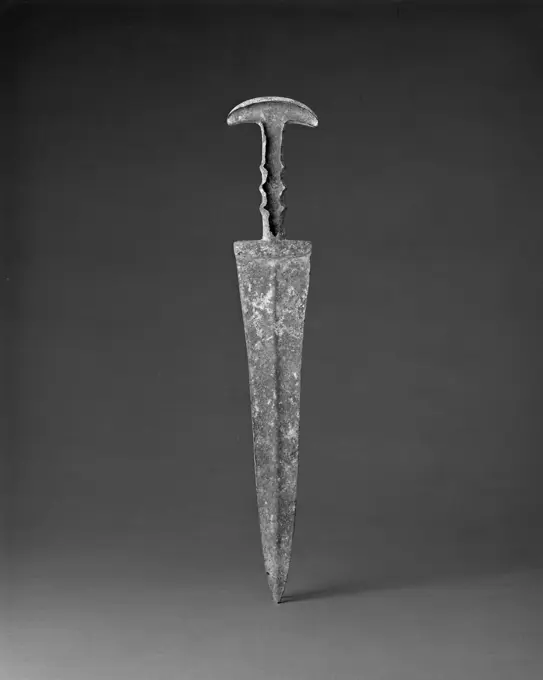
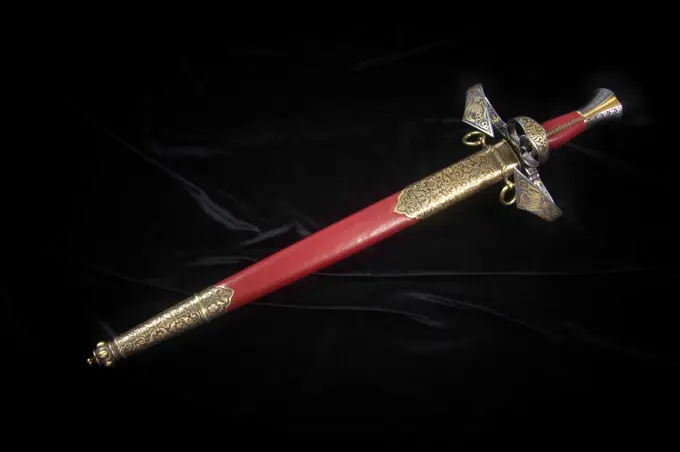
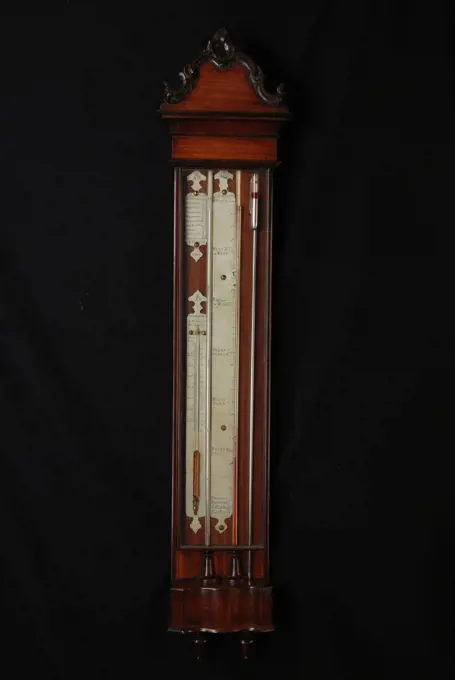
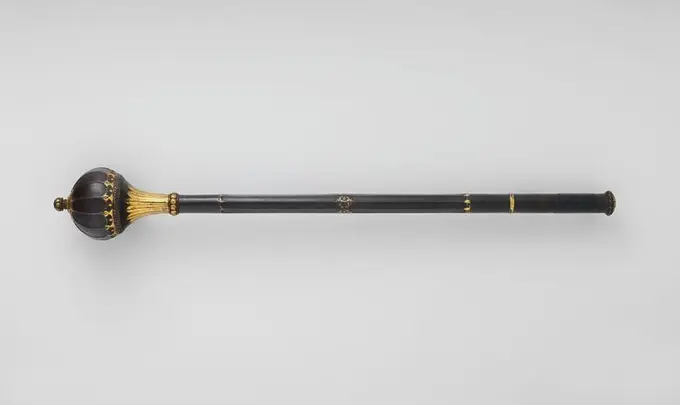
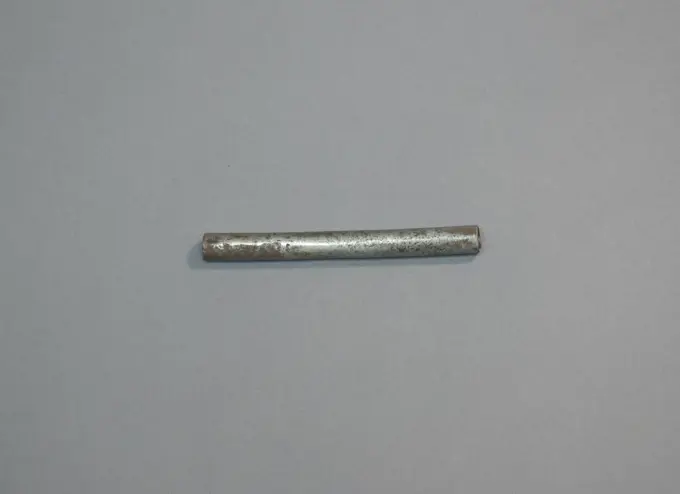
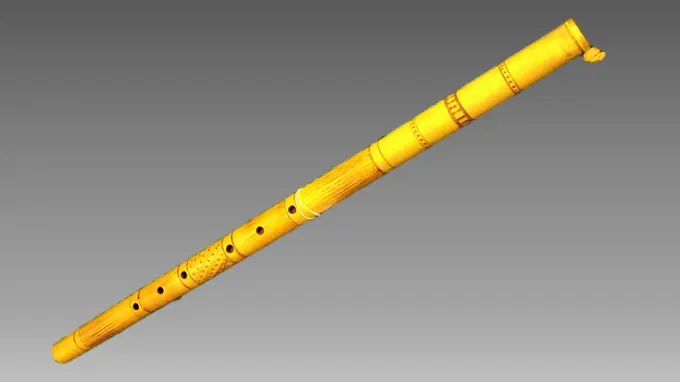
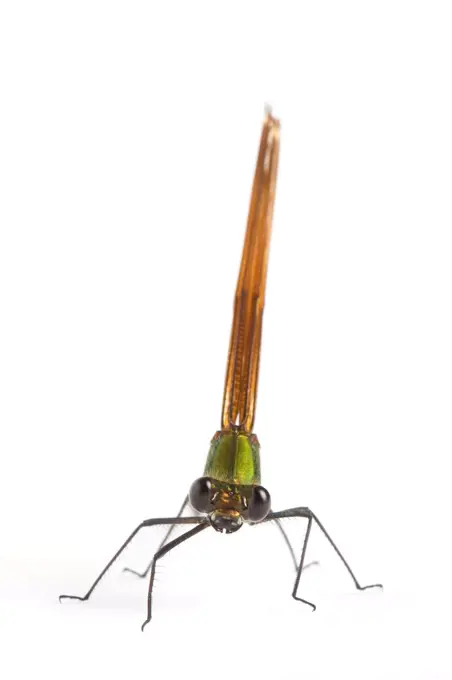
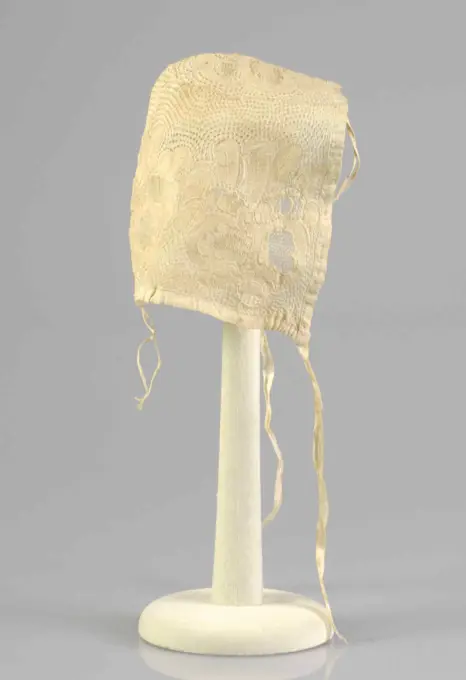
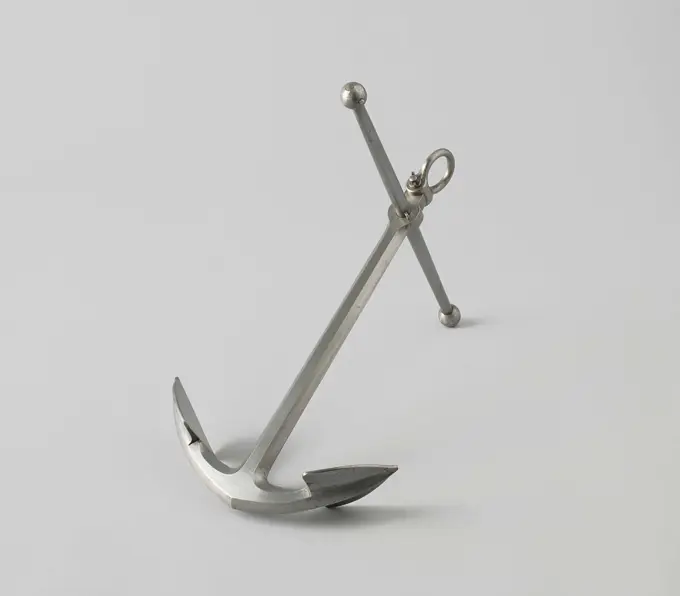
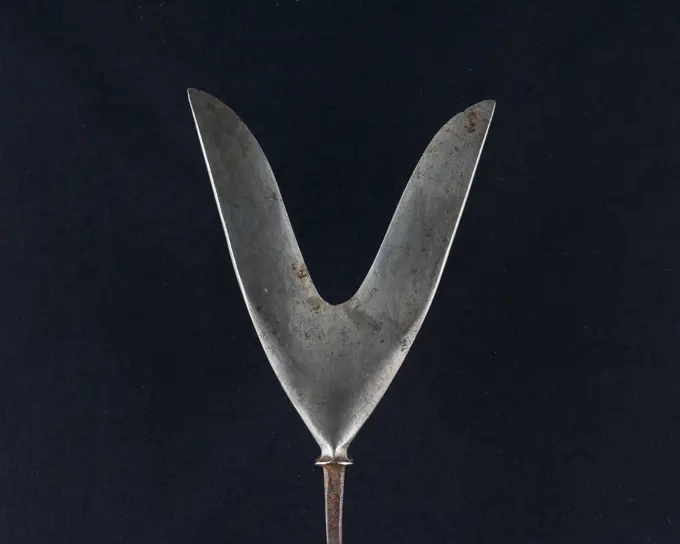
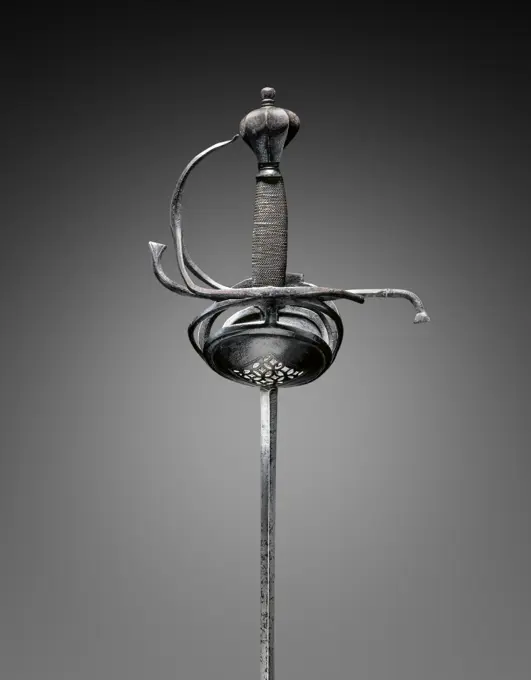
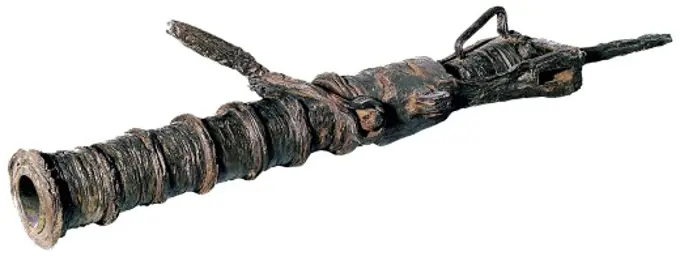
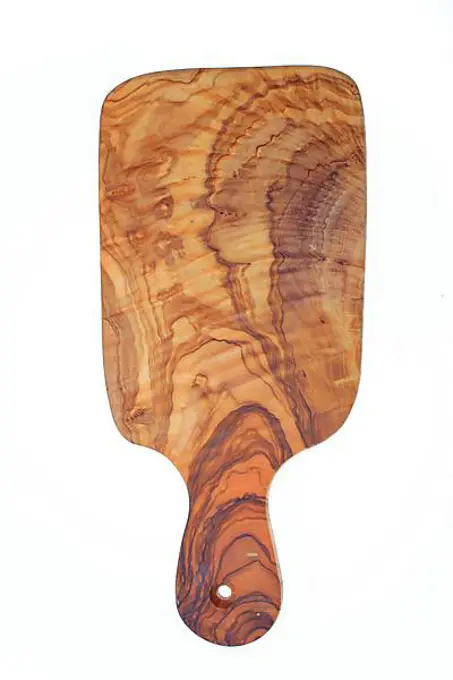
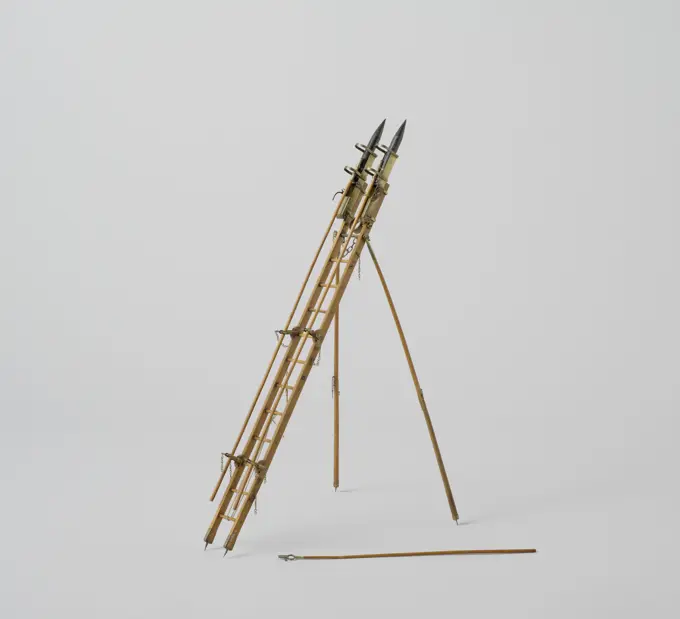
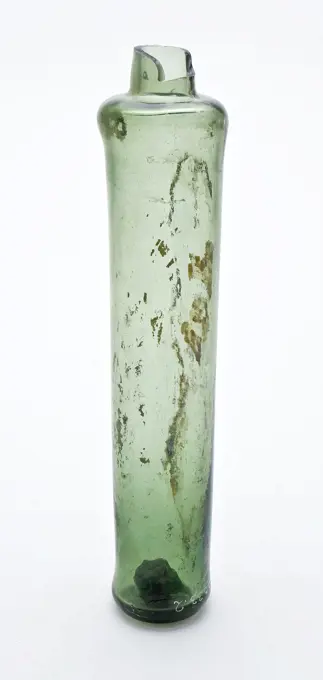
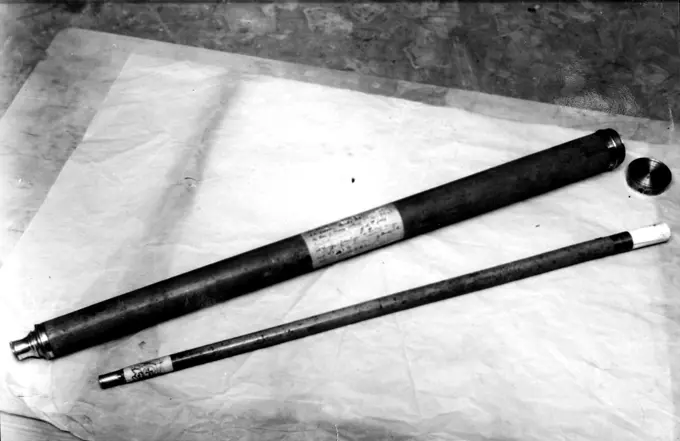
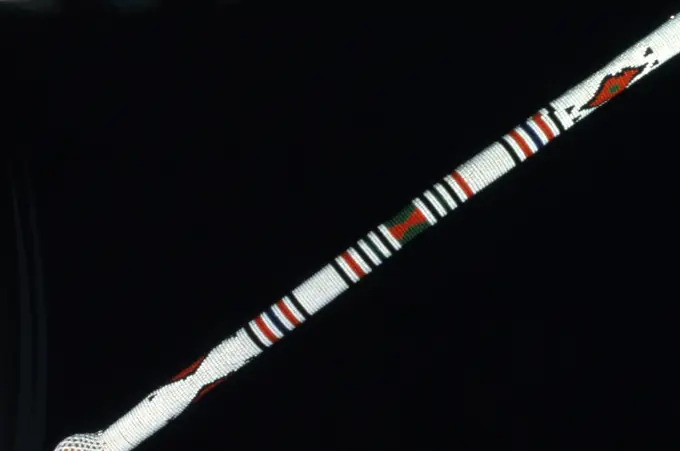
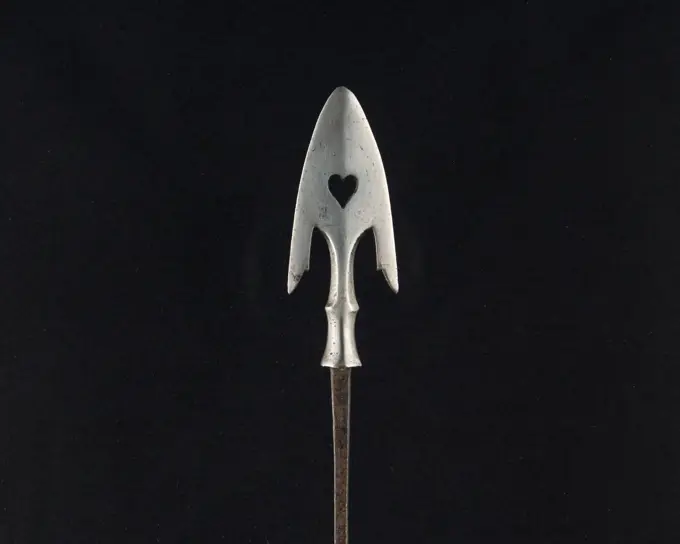
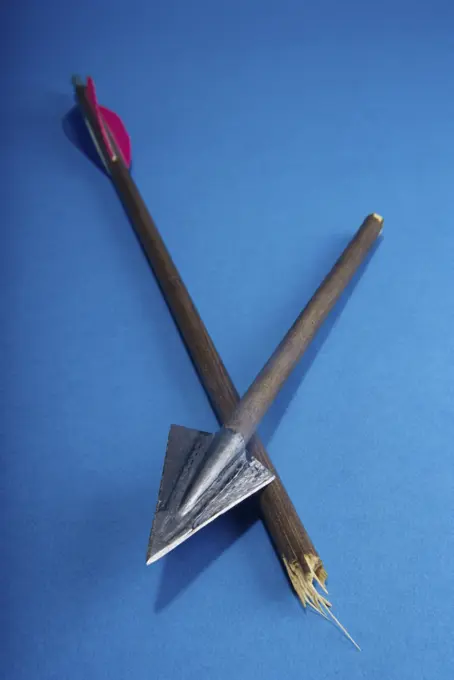
Broken arrowArrowhead (Yanone). Culture: Japanese. Dimensions: L. 9 1/2 in. (24.1 cm); L. of head 3 1/8 in. (7.9 cm); W. 5/8 in. (1.6 cm); Wt. 1.1 oz. (31.2 g). Date: 15th-16th century. Museum: Metropolitan Museum of Art, New York, USA.Cookard fan with circular leaf of white batist with black lace strip and white marabeises on the outer edge, black varnished wooden frame in holder, silk brush. Black lacquered wooden frame with ivory button and silk brush in holder with mother-of-pearl slices at the locking pins; Circular folding sheet of white batist with black lace strip and white marabolies on the outer edge.Hair ornament, one of a pair, 8 x 1 x 3/16 in. (20.32 x 2.54 x 0.48 cm), Silver, ChinaNeedle tube with image of J.A. Zoutman, Dirk Hoep (attributed to), c. 1781 case Pointed tissue needle cooker made of silver, with screw -up lid. Decorations in relief, in the middle image of Schout by night J.A. Zoutman (1724 - 1793), hip piece in Ovaal, including Leeuw (from the States General) to the right with a bundle of arrows and sword. The upper part is decorated with two urns. Marked: Hoorns brand. Inscription; M.: 'Zoutman'. Hoorn (North Holland) silver (metal)   DoggersbankSpoon (France); Made by Jules Boivin; silver; L x W x D: 17.3 x 3.1 x 1.9 cm (6 13/16 x 1 1/4 x 3/4 in.); 1909-21-11Souvenir spoon with finial in form of an academic or peer British, Birmingham 1895-96Tobacco Pipe, early to mid-1800s. Japan, Edo period (1615-1868). Bamboo, iron, and silver; overall: 19.1 cm (7 1/2 in.).Two ArtistS Paintbrushes (Small And Large)Arrowhead (Yanone) 18th century Japanese Although today Japanese warriors are renowned most for their swordsmanship, archery, especially from horseback, has been an essential part of samurai warfare and culture for centuries. Arrows were fitted with heads of varying shape according to their intended use in war, the hunt, or target practice. Arrowheads made for use on the battlefield incorporated different designs intended for specialized purposes such as the piercing of armor or to cause maximum damage to horses and unarmored personnel.Large arrowheads, pierced and elaborately chiseled with landscapes, birds, flowers, dragons, and Buddhist divinities, were created to be admired for the beauty of their metalwork and design rather than for use in archery. Such highly elaborate examples may have been made for presentation or as a votive offerings to a shrine.. Arrowhead (Yanone). Japanese. 18th century. Steel. Archery Equipment-ArrowheadsArrowhead (Yanone) 18th century Japanese Although today Japanese warriors are renowned most for their swordsmanship, archery, especially from horseback, has been an essential part of samurai warfare and culture for centuries. Arrows were fitted with heads of varying shape according to their intended use in war, the hunt, or target practice. Arrowheads made for use on the battlefield incorporated different designs intended for specialized purposes such as the piercing of armor or to cause maximum damage to horses and unarmored personnel.Large arrowheads, pierced and elaborately chiseled with landscapes, birds, flowers, dragons, and Buddhist divinities, were created to be admired for the beauty of their metalwork and design rather than for use in archery. Such highly elaborate examples may have been made for presentation or as a votive offerings to a shrine.. Arrowhead (Yanone). Japanese. 18th century. Steel. Archery Equipment-Arrowheads. This tureen and stand bear the alliance coat of arms of Baron Assueer Jan Torck and Eusebia Jacoba de Rode van Heeckeren, who were married in 1758. This couple was closely acquainted with the stadtholder and his consort. The imposing tureen, an early example of NeoclassicalHague silver, affords a good impression of the art at and around the stadtholders court.Halberd-spontoon. Culture: possibly Italian. Dimensions: L. 69 3/8 in. (176.2 cm); L. of head 9 7/8 in. (25.1 cm); W. 3 1/8 in. (7.9 cm); Wt. 1 lb. 4 oz. (567 g). Date: 17th century. Museum: Metropolitan Museum of Art, New York, USA.Transverse Flute ca. 1795 Friedrich Gabriel August Kirst German Kirst was one of the foremost German flute makers of his generation. The instrument comes with four exchangeable upper-middle sections to tune the flute in different pitches, and an additional C-foot for the notes c-sharp and c.. Transverse Flute. German. ca. 1795. Boxwood, silver, ivory. Potsdam, Germany. Aerophone-Blow Hole-side-blown flute (transverse)Teaspoon French 18th-19th centuryOld Metal Pipe isolated on white backgroundArrowhead (Yanone) 18th century Japanese Although today Japanese warriors are renowned most for their swordsmanship, archery, especially from horseback, has been an essential part of samurai warfare and culture for centuries. Arrows were fitted with heads of varying shape according to their intended use in war, the hunt, or target practice. Arrowheads made for use on the battlefield incorporated different designs intended for specialized purposes such as the piercing of armor or to cause maximum damage to horses and unarmored personnel.Large arrowheads, pierced and elaborately chiseled with landscapes, birds, flowers, dragons, and Buddhist divinities, were created to be admired for the beauty of their metalwork and design rather than for use in archery. Such highly elaborate examples may have been made for presentation or as a votive offerings to a shrine.. Arrowhead (Yanone). Japanese. 18th century. Steel. Archery Equipment-ArrowheadsYeah for paper;  nineteenth century (1885-00-00-1899-00-00);Hem Measure (USA); Manufactured by William B. Kerr & Company (United States); silverSchiavonaWooden Spindle Made 1000-1476 Peru. Wood .Old rusty wrench on yellow background. Old rusty wrench on yellow background. Copyright: xZoonar.com/BorysxShevchukx 4397648Dry okra (Abelmoschus esculentus) seed pod isolated on white background with copy spaceSteel nailsStaff 2nd-7th century Moche. Staff 315681Horn 19th century possilby French. Horn. possilby French. 19th century. Wood, leather, ivory. France. Aerophone-Lip Vibrated-trumpet / tromboneAn ancient Greek stylus.  From a contemporary print, c.1935.Annie B Johnston, Pottery Grave Post, c 1937 Pottery Grave Postold key isolated on white backgroundBird Spatula 11th-16th century Popayan The area near the town of Popayán in the upper Cauca River area of Colombia has produced a number of handsome gold objects that are not related to any other styles. Of considerable visual appeal and superior craftsmanship, the elegant works are invariably cast of tumbaga; their surfaces were enriched by the depletion gilding method, also known as mise-en-couleur. Bird imagery is pervasive in the goldwork of Precolumbian America. Isthmian eagle pendants, with their characteristic frontal pose, are particularly well known, and different versions of the spread-wing-and-tail type come from Colombia as well. Here the artist has found an innovative way to depict the bird in full flight. Visualized from above, the bird appears to dive, its spread tail and wings forming a linear openwork pattern, perhaps to indicate feathers and to convey a sense of lightness. The bird's head, atop a strongly curved neck, has a fanned-out crest and strong beak that recallClose-up of five kitchen measuring spoonsArrowhead (Yanone) 18th century Japanese Although today Japanese warriors are renowned most for their swordsmanship, archery, especially from horseback, has been an essential part of samurai warfare and culture for centuries. Arrows were fitted with heads of varying shape according to their intended use in war, the hunt, or target practice. Arrowheads made for use on the battlefield incorporated different designs intended for specialized purposes such as the piercing of armor or to cause maximum damage to horses and unarmored personnel.Large arrowheads, pierced and elaborately chiseled with landscapes, birds, flowers, dragons, and Buddhist divinities, were created to be admired for the beauty of their metalwork and design rather than for use in archery. Such highly elaborate examples may have been made for presentation or as a votive offerings to a shrine.. Arrowhead (Yanone). Japanese. 18th century. Steel. Archery Equipment-ArrowheadsTabakspijp., anonymous, c. 1400 - c. 1950 Tobacco pipe. Old brand no. 9.  earthenware. pipe clay Tobacco pipe. Old brand no. 9.  earthenware. pipe clayHarpoon Head 10th century Aleutian Islands (). Harpoon Head 310586Detail picture of rails in rail.Bird In Space, 1919, Constantin Brancusi, (1876-1957/Romanian), Bronze, Museum of Modern Art, New York City ,Fork (England); Possibly by Royal Worcester (England, GB, United Kingdom); steel, silver, porcelain; L x W: 21.8 x 2.7 cm (8 9/16 x 1 1/16 in.); The Robert L. Metzenberg Collection, gift of Eleanor L. Metzenberg; 1985-103-191Fragment Pijpensteel from the wreck of the East Indians Hollandia, Anonymous, 1700 - in Or Before 1743  Pipe, stem; fragment. Netherlands pipe clay   SecondItalian spurs with rowels, 16th-century Italian spurs with rowels, 16th-century Copyright: xZoonar.com/Heinz-DieterxFalkensteinx 21665054Arrowhead (Yanone) 18th century Japanese Although today Japanese warriors are renowned most for their swordsmanship, archery, especially from horseback, has been an essential part of samurai warfare and culture for centuries. Arrows were fitted with heads of varying shape according to their intended use in war, the hunt, or target practice. Arrowheads made for use on the battlefield incorporated different designs intended for specialized purposes such as the piercing of armor or to cause maximum damage to horses and unarmored personnel.Large arrowheads, pierced and elaborately chiseled with landscapes, birds, flowers, dragons, and Buddhist divinities, were created to be admired for the beauty of their metalwork and design rather than for use in archery. Such highly elaborate examples may have been made for presentation or as a votive offerings to a shrine.. Arrowhead (Yanone). Japanese. 18th century. Steel. Archery Equipment-ArrowheadsGouge for Carving Jade 20th century China. Gouge for Carving Jade 62062Model of a Made Mast, unknown, 1796 demonstration model Round mast with octagonal top, mars and donkey head. The mast itself consists of an octagonal mast king surrounded by eight cheeks. The parts are held together by Kuipbands. A number of short shelves around the mast form a flat riding bed from the front, on the sides the ears with clamps that support the calves, and behind half an eight -eight. The march is around from the front and is worn by the longitudinal and transversal. The marching edge is reinforced with copper and the march floor is closed with wide planks, which are secured with pegs on top and turning points under. The donkey head is rectangular and flat in shape. This model can be varied. This mast is made according to the 'Dutch method' (see NG-MC-127). Netherlands wood (plant material). brass (alloy)Courtier's key ca. 1580-89 French The bow consists of two fantastic winged female figures springing from a column capital and supporting an urn flanked by dolphins. Keys were frequently embellished with this type of ornament, attesting to their status as decorative objects for the elite.. Courtier's key. French. ca. 1580-89. Iron. Metalwork-IronCandle Stand. Dated: c. 1938. Dimensions: overall: 58.9 x 26 cm (23 3/16 x 10 1/4 in.) Original IAD Object: Crossbar 12 1/2"long. 45"high.. Medium: watercolor, colored pencil, graphite, and pen and ink on paperboard. Museum: National Gallery of Art, Washington DC. Author: Paul Ward.Arrowhead (Yanone) 18th century Japanese Although today Japanese warriors are renowned most for their swordsmanship, archery, especially from horseback, has been an essential part of samurai warfare and culture for centuries. Arrows were fitted with heads of varying shape according to their intended use in war, the hunt, or target practice. Arrowheads made for use on the battlefield incorporated different designs intended for specialized purposes such as the piercing of armor or to cause maximum damage to horses and unarmored personnel.Large arrowheads, pierced and elaborately chiseled with landscapes, birds, flowers, dragons, and Buddhist divinities, were created to be admired for the beauty of their metalwork and design rather than for use in archery. Such highly elaborate examples may have been made for presentation or as a votive offerings to a shrine.. Arrowhead (Yanone). Japanese. 18th century. Steel. Archery Equipment-ArrowheadsCaddy spoon late 18th century-early 19th century Christoffel Oepkes. Caddy spoon 188273 Maker: Christoffel Oepkes, 18121819, Caddy spoon, late 18th centuryearly 19th century, Silver, 3 3/8 in. (8.6 cm). The Metropolitan Museum of Art, New York. Gift of Mrs. Samuel P. Avery, 1897 (97.2.250)Partisan. Culture: British. Dimensions: L. 90 5/8 in. (230.3 cm); L. of head 23 1/4 in. (59.1 cm); W. 7 3/4 in. (19.7 cm); Wt. 4 lbs. 13 oz. (2182.9 g). Date: 16th century. Museum: Metropolitan Museum of Art, New York, USA.Snuff Bottle with Stopper (stopper), 1736-95. China, Qing dynasty (1644-1912), Qianlong reign (1735-1795). Porcelain; overall: 7.7 cm (3 1/16 in.).Arrowhead (Yanone). Culture: Japanese. Dimensions: L. 8 3/4 in. (22.2 cm); L. of head 2 13/16 in. (7.1 cm); W. 1 1/8 in. (2.9 cm); Wt. 0.9 oz. (25.5 g). Date: 18th century. Museum: Metropolitan Museum of Art, New York, USA.Essstäbchen für Sushi oder andere japanische oder chinesische Gerichte Chopsticks for sushi or other Japanese or Chinese food on a brownstone table. Asian chopsticks LicenseRF Copyright: xZoonar.com/TetianaxChernykovax 23261987Tromba Marina ca. 1700 () German. Tromba Marina. German. ca. 1700 (). Wood. Germany. Chordophone-Lute-bowed-unfrettedParrying Dagger 1690-1710 Spain. Steel, wood, copper, and iron .Hair Pin 18th-19th century China. Hair Pin 60803Bobbins (Peru); wood bobbins, cotton and wool yarnsArrowhead (Yanone). Culture: Japanese. Dimensions: L. 9 1/4 in. (23.5 cm); L. of head 2 3/4 in. (7 cm); W. 1 3/8 in. (3.5 cm); Wt. 1 oz. (28.3 g). Date: ca. 1615-1868. Museum: Metropolitan Museum of Art, New York, USA.Bliżej Kultury unknownFan Case with Bottle Gourds and Vines 18th-19th century China. Fan Case with Bottle Gourds and Vines 65577Lime Spatula. Papua New Guinea, Abelam People, no date. Tools and Equipment; spatulas. Cassowary boneDraaibas n° 298.Smooth cannon with round grape. Kulasband with a curf and around hole on top. To the right tapered wide notch (1 to 1.5 cm) transversely through the tire. Zundgat in pear-shaped outline. Halfway through a fraction and two early taps. Smooth necklace and slightly wide range. Rear bottom piece a round hole.Rush Burner Paperweight. Dated: c. 1936. Dimensions: overall: 30.8 x 22.8 cm (12 1/8 x 9 in.). Medium: watercolor and graphite on paper. Museum: National Gallery of Art, Washington DC. Author: Gerald Bernhardt.Folding measureDagger. Northern Iran, circa 1350-1000 B.C.. Arms and Armor; daggers. Bronze, castLong-handled Brush, 19th century, 12 9/16 x 2 1/8 in. (31.9 x 5.4 cm), Huang hua-li, natural bristles, China, 19th centuryStaff ca. 1981-1802 B.C. Middle Kingdom. Staff. ca. 1981-1802 B.C.. Wood. Middle Kingdom. From Egypt, Memphite Region, Lisht South, Tomb 5115, North Chamber, MMA excavations, 1913-14. Dynasty 12Magnifying glasssmart dagger smart dagger of the medieval soldier. It was used for hunting Copyright: xZoonar.com/VALERY-SIBRIKOVx 14134271Przeszo Przyszoci unknownRoman candelabon;  I/II W.N.E. (91-00-00-110-00-00);Hooked Harp 18th century Austrian The hook harp is a diatonic harp equipped with hooks that can be used to raise the pitch of adjacent strings in order to play in multiple keys. This beautiful example has thirty-four strings and two hooks in each octave, giving it some accidental notes. It is decorated with Neoclassical motifs, including acanthus leaves and a figure of a boy playing a flute and dressed in eighteenth-century regalia.. Hooked Harp. Austrian. 18th century. Maple, various materials. Austria. Chordophone-HarpA. Reballio, Nut-shaped barometer with mercury barometer and alcohol thermometer with dishes according to Réaumur and Fahrenheit, bakbarometer barometer thermometer measuring instrument wood walnut tin brass paper mercury oil, Bakbarometer Walnut-shaped wall shelf with two twisted knobs on the underside and crest with carved ornament in Rococo style Glass oblong door lockable with locking pin on the back of the bin. Behind the door three tin plates with indications for the weather and temperature All three with signature. Glass columns filled with mercury oil and probably an alcohol-like product (hygrometer). Behind each displaying part of the white paper columns for the contrast increase. There are also experience types at the respective scales. At the Fahrenheit scale, the thermometer also contains two location entries and dates where the temperature in question occurred around the middle of the eighteenth century. On all three plates: REBALLIO FECIT ROTTERDAM and 4 with cross and ARMace. Culture: North Indian or possibly Deccan. Dimensions: L. 25 in. (63.5 cm); Diam. of head 3 1/4 in. (8.1 cm); Wt. 2 lb. 11 oz. (1232 g). Date: probably 18th century.The mace is one of civilization's oldest known weapons and was often used in the Islamic world as a symbol of power and authority. This heavy but finely chiseled example may have served either as a utilitarian arm or as a ceremonial object, perhaps as a commander's baton. Museum: Metropolitan Museum of Art, New York, USA.Tubular drill for carving jade 20th century China These steel drills with blunt points (zhuangding or dingzi in Chinese), flat heads (tuozi), or curving heads (wazi) are used for high relief carving, undercutting, and fine shaping of small jade works. The craftsman holds the jade in one hand against the drill, which is mounted on a spinning shaft. He or she rotates the shaft using foot treadles, while continuously applying abrasives, usually sand mixed with water, to the tip of the drill, which cuts the jade.. Tubular drill for carving jade 62071Suling late 19th century Javanese. Suling 501949Fife early 19th century Meacham & Co. American. Fife. early 19th century. Wood, brass. Aerophone-Blow Hole-side-blown flute (transverse)Prehistory - Italy - Lance pointMediterranean Demoiselle damselfly in studioCap ca. 1830 American. Cap 170377Four-valve vaginal retractor (Speculum), by Unknown artist, 1st Century, . Italy: Campania: Naples: National Archaeological Museum: 113264. Whole artwork. Speculum four-valve vaginal retractorModel of an Anchor. Model of a stick and chain anchor, consisting of a shaft with a curved arm with anchor hands on the ends. Iron anchor stick, inserted with a key and equipped with bulbs at the ends, one of which can be removed to release the stick through the hole in the shaft. The anchor ring has been replaced by a harp, typical of chain anchors; Shaft and arms are also heavier than at regular anchors. Scale 1: 5 (estimation).Arrowhead (Yanone) 18th century Japanese Although today Japanese warriors are renowned most for their swordsmanship, archery, especially from horseback, has been an essential part of samurai warfare and culture for centuries. Arrows were fitted with heads of varying shape according to their intended use in war, the hunt, or target practice. Arrowheads made for use on the battlefield incorporated different designs intended for specialized purposes such as the piercing of armor or to cause maximum damage to horses and unarmored personnel.Large arrowheads, pierced and elaborately chiseled with landscapes, birds, flowers, dragons, and Buddhist divinities, were created to be admired for the beauty of their metalwork and design rather than for use in archery. Such highly elaborate examples may have been made for presentation or as a votive offerings to a shrine.. Arrowhead (Yanone). Japanese. 18th century. Steel. Archery Equipment-ArrowheadsGolden goblet (2500-2000 BC). Hittite art. Jewelry. TURKEY. CENTRAL ANATOLIA. Ankara. Archaeological Museum.Ceremonial Arrowhead (Yanone). Culture: Japanese. Dimensions: L. 11 3/4 in. (29.9 cm); L. of head 5 1/8 in. (13 cm); W. 2 3/8 in. (6 cm); Wt. 5.3 oz. (150.3 g). Steel-chiseler: Umetada Motoshige (Japanese, Edo period, died 1675). Date: dated August 1645.Large arrowheads, pierced and elaborately chiseled with landscapes, birds, flowers, dragons, and Buddhist divinities, were created to be admired for the beauty of their metalwork and design rather than for use in archery. This arrowhead is dated 1645 and signed by Umetada Motoshige (died 1675), a member of the Umetada school of swordsmiths, tsuba makers, and iron chiselers. It belongs to a group of more than thirty similarly signed and dated pieces in the Metropolitan Museum's collection (including acc. nos. 32.75.318, .321, .327, .330, .334, .337, .339, .398-.399, .403, .406, .409) that may have been made for presentation or as a votive offering to a shrine. Museum: Metropolitan Museum of Art, New York, USA.Rapier, c.1625-50. Federico Picinino (Italian). Steel; hilt russeted; wire grip; overall: 144.8 cm (57 in.); quillions: 22.5 cm (8 7/8 in.). The rapier was a sword worn with civilian dress and used in duels. The term rapier derives from the 16th-century French word rapière, which in turn was derived from the Spanish espada ropera, or dress sword.” The rapier was a light weapon with a straight double-edged and pointed blade that, with the development of the art of fencing in the 1500s and 1600s, gradually became narrower and lighter, and thus suitable for thrusts only. With the new technique of swordplay emphasizing the point of the blade, sword guards became more complex to protect the duelist’s unarmored hand. These elaborate guards were frequently decorated by various techniques—chiseling, bluing, russeting, and damascening.weapons arms guns ""Bombardella a Braga"" breech loader European second half of the 15th century,Clay pipe with rail and mark in relief on the side of the boiler, crowned M, clay pipe smoking equipment smoking floor found ceramic pottery, pressed into shape finished baked Pipe with oval head and rail. Marked in relief on the left side of the boiler relief mark side boiler: crowned M above which MAO Reverse three dots archeology Rotterdam railway tunnel indigenous earthenware tobacco smoking Soil discovery: rail tunnel Rotterdam.Spoon; carved, painted and gilded woodWooden board, olive wood chopping board, kitchen accessoriesRetro cartoon with texture. Isolated on White.Model of Two Congreve Rockets with Launching Gear, anonymous, c. 1810 - c. 1840 scale model. demonstration model Model of two fire missiles on a launch device or chair, for land use. Made from light -colored wood. The missiles themselves consist of a pointed cylinder to which a long stabilization stick is attached to the side. The chair consists of a ladder -shaped frame that forms a tripod together with two legs; A running ring has been installed in the frame, which can be beaten around the front of a sloop and led the movement of the frame for aiming and lowering for it for aiming and loading, and is equipped with a fall. A metal room with flint lock is mounted on every leg of the frame. The flint locks have tractors with holes for a tractor rope, these are very long of this model; The ditches are also each other's mirror image, one left -handed, the other right -handed. The heads of the rockets are placed in the rooms under two brackets, the stabilization rods stabbed by brackets onFragment of soil, body, shoulders and part of neck of (Haarlemmerolie or eau de cologne) bottle, perfume bottle bottle holder bottomfound glass, hand blown in mold blow Fragment of bottom body shoulders and part of neck of Haarlemmerolie or eau-de-cologneflesje in clear green glass Under bottom pontilmerk. Cylindrical body at the bottom and slightly to the neck. Square shoulders to cylindrical neck (dm 1.4 cm). Remains of cork in body archeology Rotterdam City center Stadsdriehoek Oudehaven archaeological find in the soil Oude Haven 1979 - 1980.A stock photograph of an artists paint brush with fresh colorful paint on its bristles.Admiral Nelson's telescope (by Dollond) given to him by his Godson and the famous walking stick used mostly in naples.  Photograph by William Gordon Davis.Tower of coinsNdebele dance stick or wand. Made with beads and straw. 20th century. The Southern African Ndebele are one of the Nguni speaking ethnicities.blade of wooden kayak or canoe paddle against dry leavesFragment of pipe stems from the wreck of the East India "t flying heart. Three pieces of stem from earthen golden blowjobs, dark brown discolored. Fragments or bowls and votes.Arrowhead (Yanone) 18th century Japanese Although today Japanese warriors are renowned most for their swordsmanship, archery, especially from horseback, has been an essential part of samurai warfare and culture for centuries. Arrows were fitted with heads of varying shape according to their intended use in war, the hunt, or target practice. Arrowheads made for use on the battlefield incorporated different designs intended for specialized purposes such as the piercing of armor or to cause maximum damage to horses and unarmored personnel.Large arrowheads, pierced and elaborately chiseled with landscapes, birds, flowers, dragons, and Buddhist divinities, were created to be admired for the beauty of their metalwork and design rather than for use in archery. Such highly elaborate examples may have been made for presentation or as a votive offerings to a shrine.. Arrowhead (Yanone). Japanese. 18th century. Steel. Archery Equipment-ArrowheadsFork C.K. Professional school in the wooden industryArrowhead possibly 15th-17th century probably Tibetan. Arrowhead. probably Tibetan. possibly 15th-17th century. Iron. Ngari. Archery Equipment-ArrowheadsMaccha tea with ladle and tea whisk in Japanese tea ceremony