Decorative Pins and Blades

A diverse collection of ornamental pins and blades, showcasing historical craftsmanship and design across various cultures.
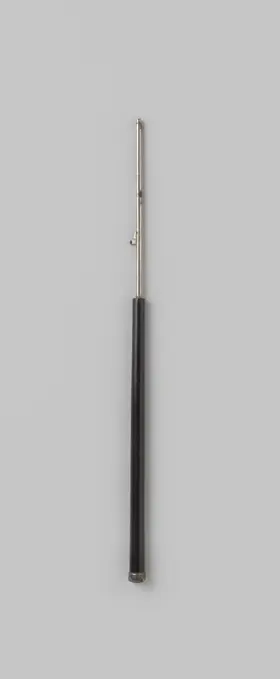
Parasol handle of black wood and small silver button, driven in neo-Rokoko style on a metal stick, anonymous, c. 1870 - c. 1880 Parasol grip of black wood and a silver cap on a white metal stick. Konian model. Small silver button, Galing in Neo-Rokoko style. Netherlands (possibly) Handle: Wood (plant material). Cap: Silver (Metal). stick: Metal cutting / lacquering / forging / casting Parasol grip of black wood and a silver cap on a white metal stick. Konian model. Small silver button, Galing in Neo-Rokoko style. Netherlands (possibly) Handle: Wood (plant material). Cap: Silver (Metal). stick: Metal cutting / lacquering / forging / casting
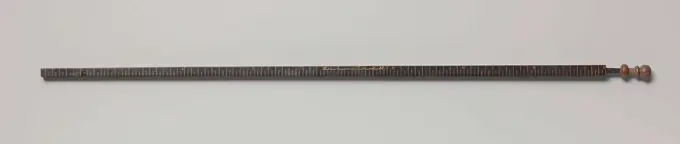
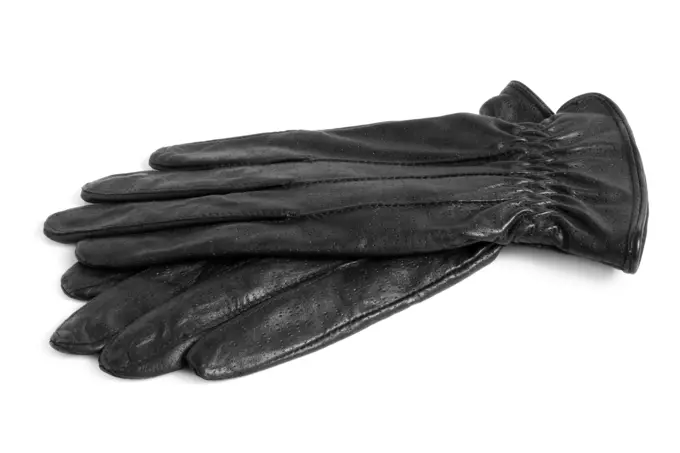
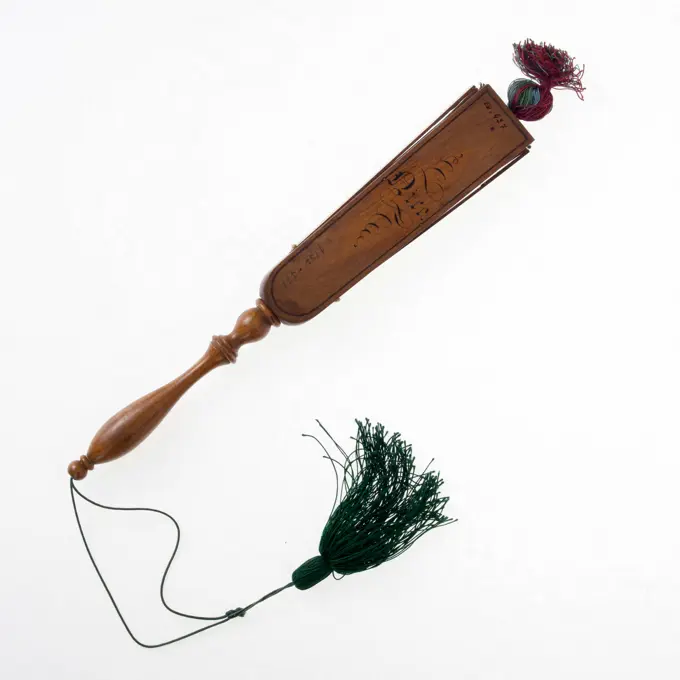
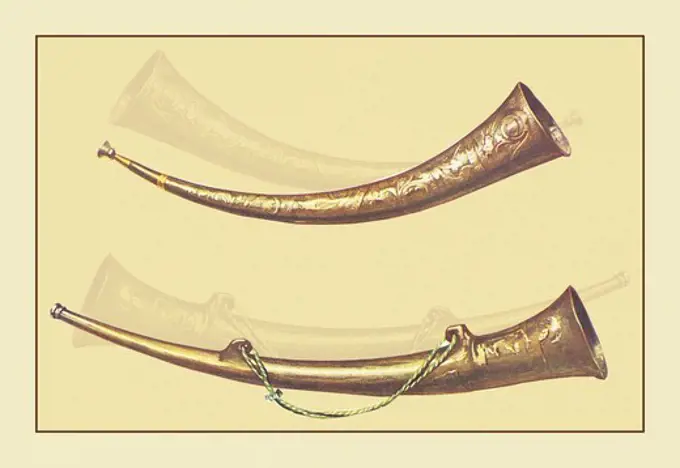
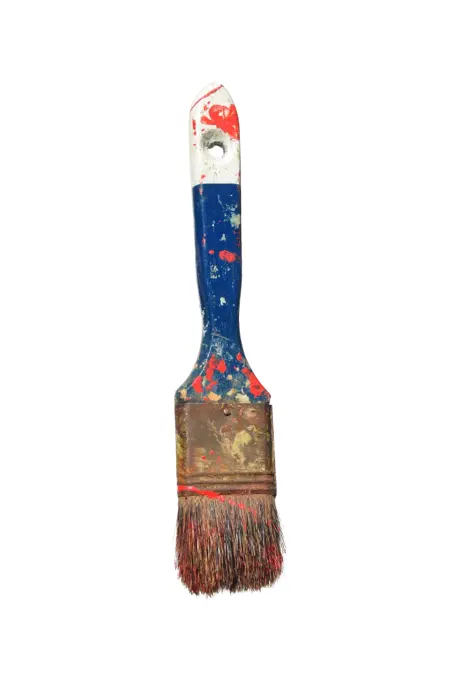
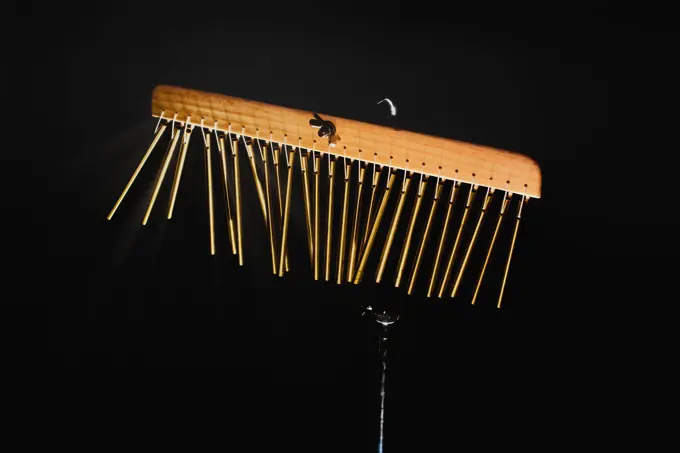
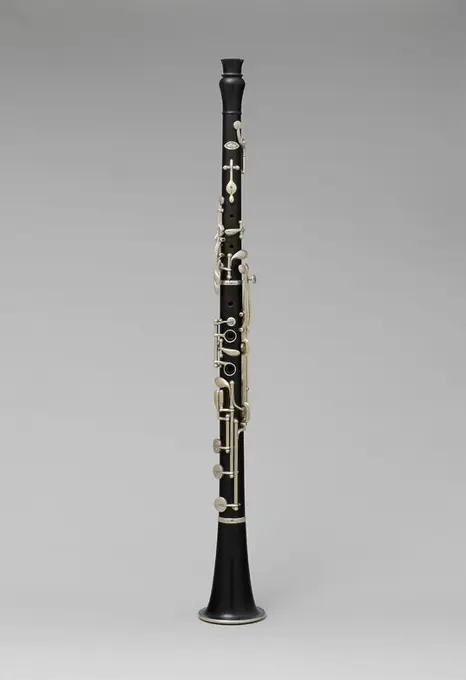
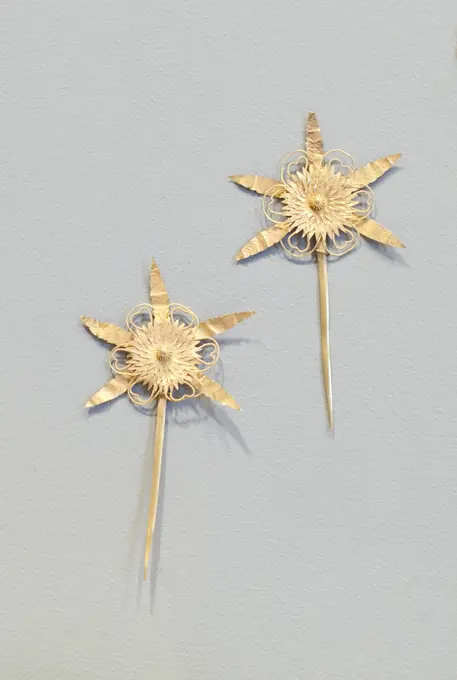
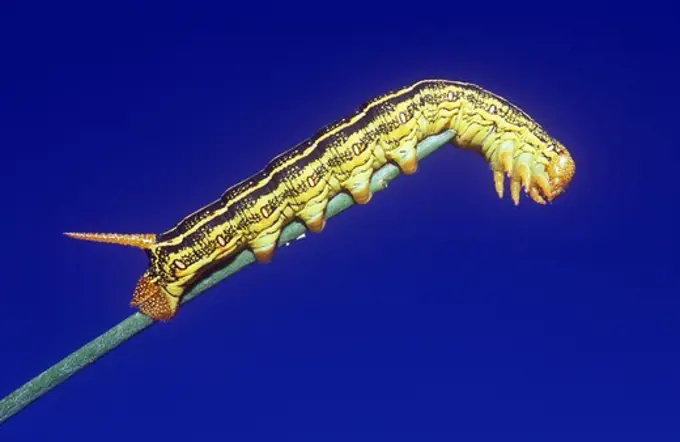
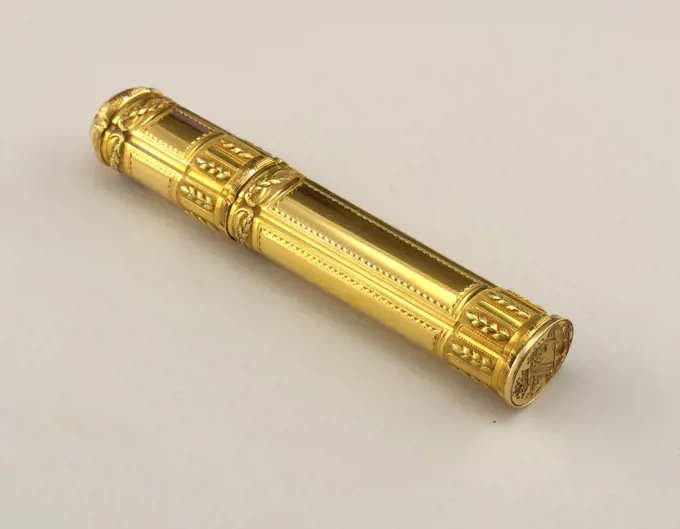
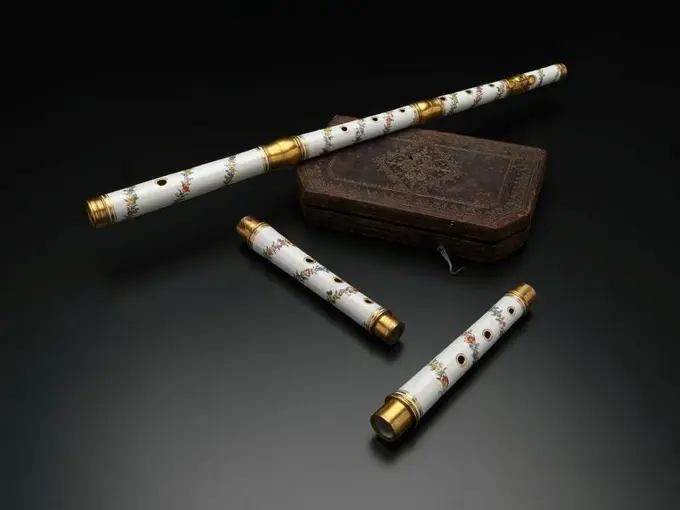
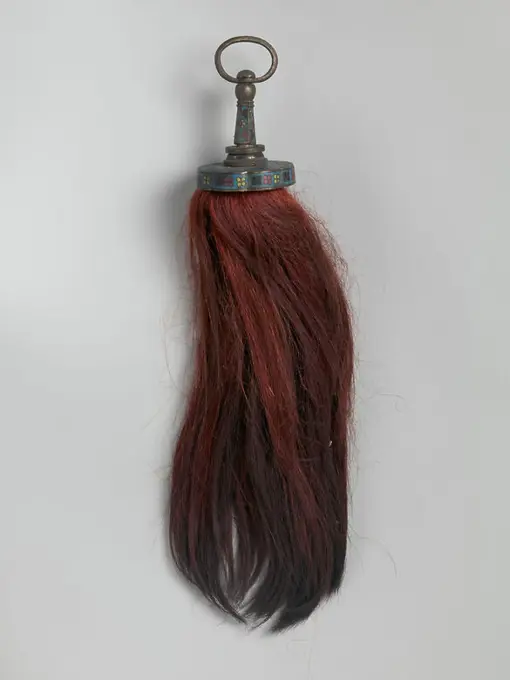
Saddle and Horse Trappings. Culture: Korean. Date: 16th-19th century. Museum: Metropolitan Museum of Art, New York, USA.El of maatstok.Black lucked maid, with a different length measure on each side: Amsterdam else; Bataviasche El; Rhijnlandse feet; Palms of De Nederlandsche El. Counter stick that makes a comparison possible between three non-metric sizes and the meter.Etruscan Mirror 4th C. BC Roman Art Bronze Cummer Museum of Art & Gardens, Jacksonville, FLBlack women gloves Black women gloves on a white background Copyright: xZoonar.com/OlgaxPopovax 2571352spool of thread and needle isolated on a white  backgroundNiçois Eventail in Airette, in the worked case. Printed paper, in wooden case. Paris, Carnavalet museum. Niçois Eventail in Airette, in the worked case Fashion accessory, EventailBurgmote Horns, Musical InstrumentsBrush and Cover with Figures in a Garden Made 1600-1699 China. Cinnabar lacquer and animal hair with carved decoration .Scepter with Head in Form of a Double Cloud (Ruyi) Made 1801-1899 China. Boxwood .Arrowhead (Yanone). Culture: Japanese. Dimensions: L. 9 1/4 in. (23.5 cm); L. of head 3 3/8 in. (8.6 cm); W. 2 3/8 in. (6 cm); Wt. 1.5 oz. (42.5 g). Date: 18th century. Museum: Metropolitan Museum of Art, New York, USA.Paint brushBar Glockenspiel Percussion at black background 1104311249Oboe. Culture: American. Dimensions: L.: 55.9 cm (22 in.); Bell Diam. 6.9 cm (2-3/4 in.). Maker: Theodore Berteling (Westphalia, 1821/22-1890 New York). Date: 1860-90. Museum: Metropolitan Museum of Art, New York, USA.Hair Ornament, one of a pair, 11th century, 3 3/4 x 2 in. (9.53 x 5.08 cm), Gold, China, 11th century, These beautiful hairpins are decorated with imaginative floral blossoms intricately fashioned from gold sheet wire hammered, incised, and soldered together. On each pin is a double overlapping prunus blossom within a six-petal wire flower with five thin serrated-edged leaves. The floral style derives from Tang dynasty (618-906) gold and silver hair ornaments, which were popular with the aristocracy. Upper-class women of Tang, Song (960-1279), and Liao (916-1125) required a variety of hair combs and pins to maintain the elaborate hairstyles that were fashionable. A number of gold broaches and hairpins similar in style and technique to these have been excavated from Liao tombs.Brush 1875-80 American. Brush 175626Harp 18th century French. Harp 504936White-lined Sphinx Moth Larva (Hyles lineata) Anza-Borrego Desert SP, CAPonytail for light or heavy drageling helmet M 1838-1845, Anonymous, c. 1800 - c. 1850  Braided black horsehair plume mounted on a strip of black leather. On the leather on the back double copper hook no. 11649 and leather strap with metal buckle. On horsehair loop Label: Roosdorp L-1, downside Nm 11649. Netherlands horsehair. leather. copper (metal). yarn. iron (metal) braiding / sewing  NetherlandsEtui and cover, gold, Oval tubular etui. Sheath closure. Case (a) with retangular form, plain panels with bright-cut borders. At upper end a band of chased 's' scrolls and green gold leaves at top of each panel. Shallow flute in each panel. Bottom with engraved seal with coat of arms, unidentified. Cover (b) with similar decoration. Domed top with swirled rosette of green gold leaves., possibly Switzerland, 1780, jewelry, Decorative Arts, Etui and coverRetro look Tag label Vintage looking Tag or address label with string Copyright: xZoonar.com/ClaudioxDiviziax 5827799A sash from the funeral of Adam Mickiewicz in Krakow on July 4, 1890Shadow Puppet (Wayang Kulit) of CakraRicikanTransverse Flute in D-flat. Culture: German. Dimensions: Height: 24 5/16 in. (61.7 cm). Date: 1760-90.Johan Friedrich Böttger's rediscovery of hard-paste porcelain in 1708 was the basis of a new luxury industry. Makers explored all kinds of applications in the new medium. Porcelain musical instruments posed enormous problems since during drying and firing there occurred substantial shrinkage. In the kiln, wet porcelain matter shrinks by a third of its volume so large molds had to be made to guarantee the precise final dimensions of bore, finger- and embouchure hole. Wooden flutes are easily fine-tuned and voiced by drilling; porcelain, however, makes later manipulations problematic. Porcelain flutes and carillons were rare, but ocarinas like one from Dresden in the Museum's collection were more common. After the porcelain sections of this flute, including its decoration, had been fired, a goldsmith completed the metal work, making joints, sockets, cap and key. Porcelain flutes were knShadow Puppet (Wayang Kulit) of HyangMatali