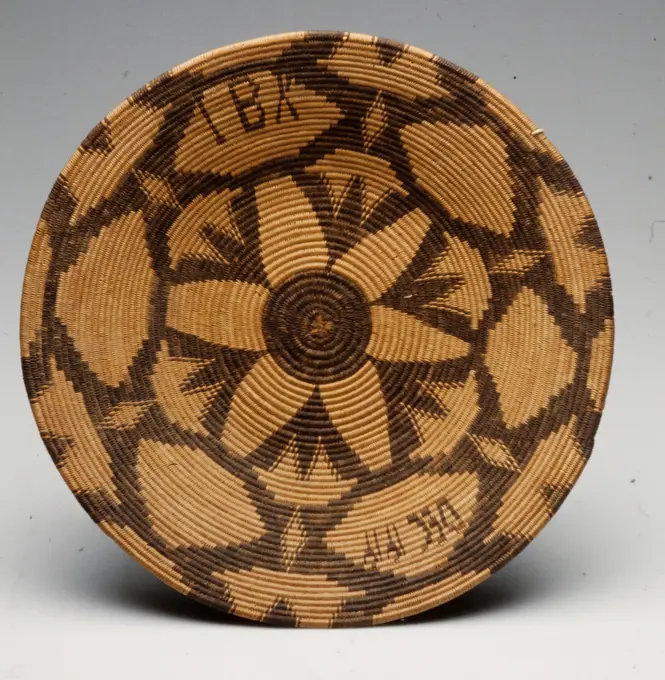
Decorative Plates and Dishes

A collection of intricately designed plates and bowls in various materials with colorful motifs, highlighting craftsmanship from different eras.
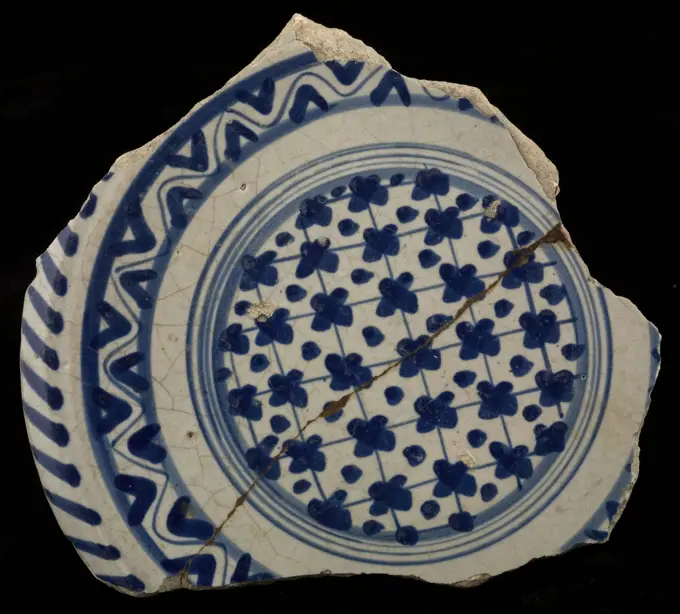
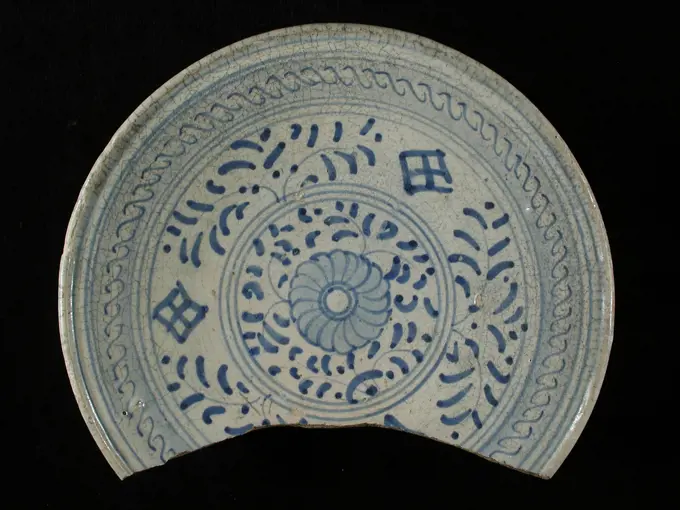
Fragment majolica plate, very flat model, blue on white, simplified chessplate decor, plate crockery holder soil find ceramic earthenware glaze, baked underside covered with lead glaze bright green tinted where it is thickly applied Monochrome Very flat and low model archeology decorate serving
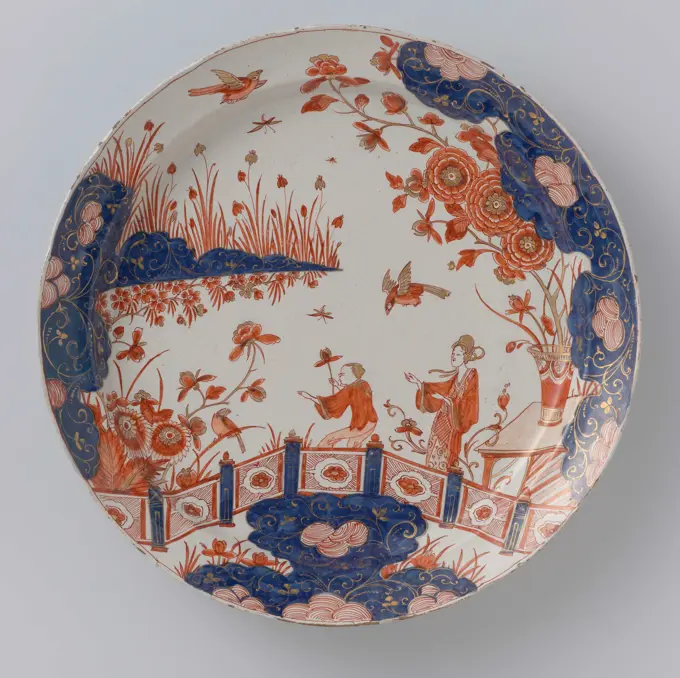
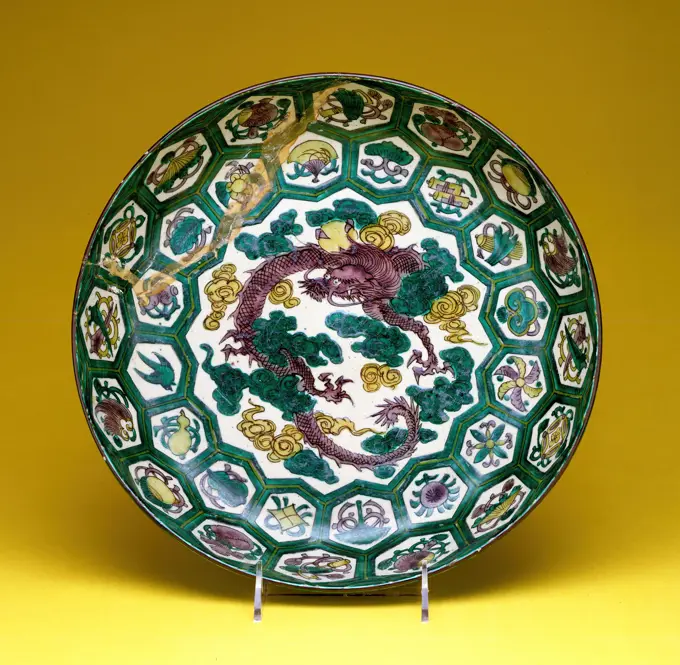
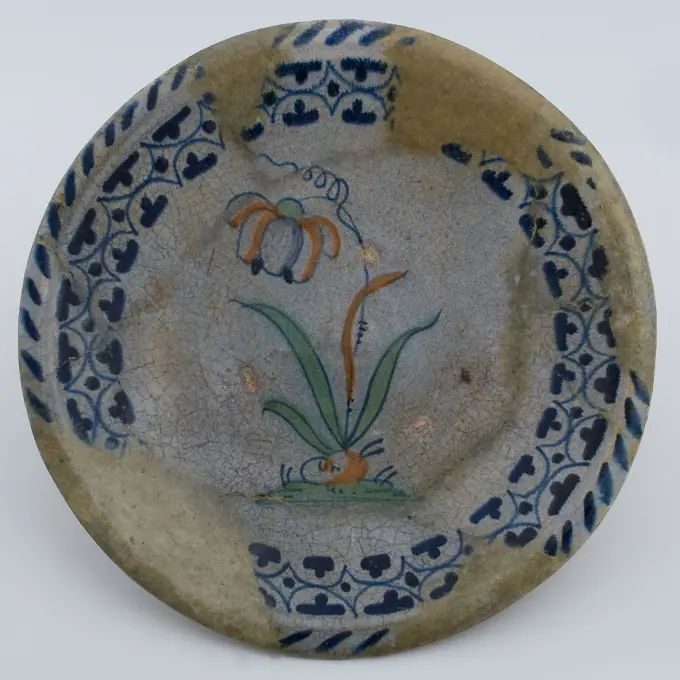
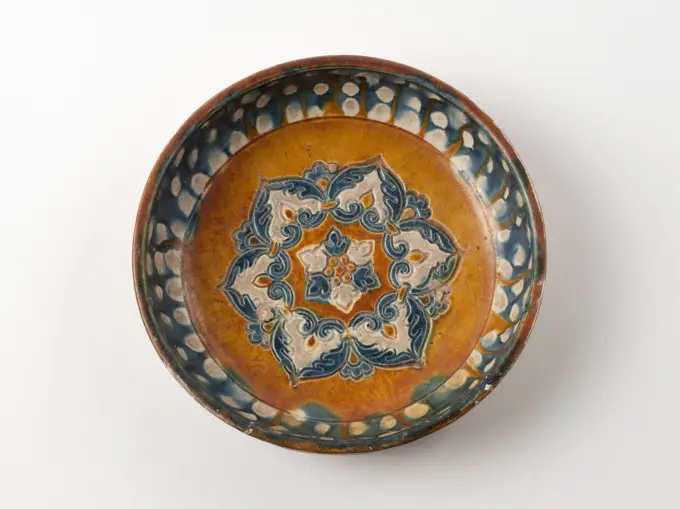
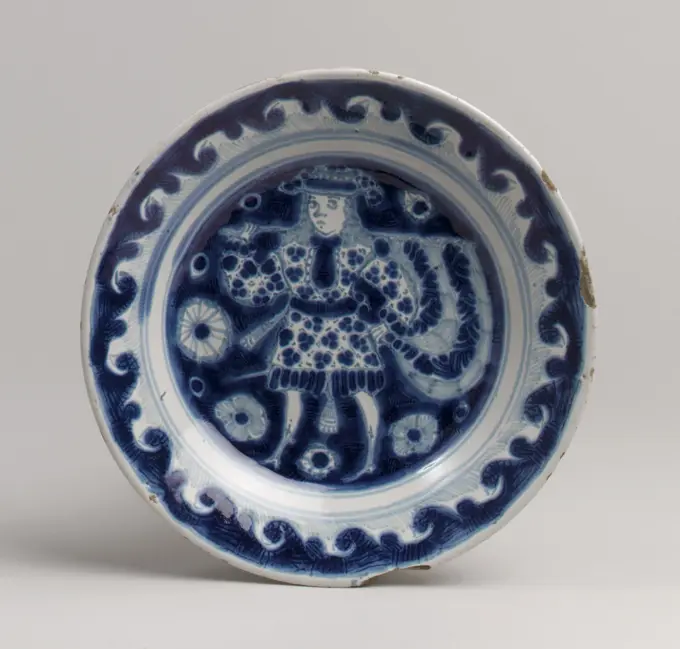
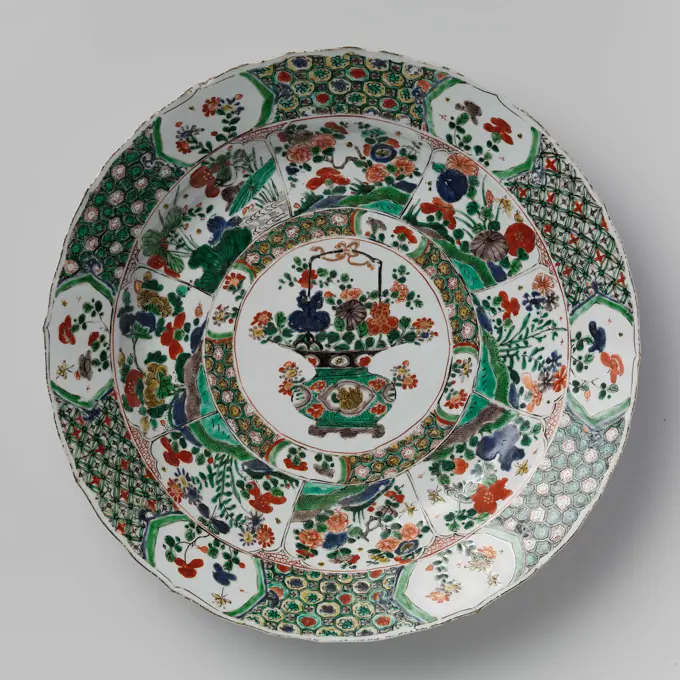
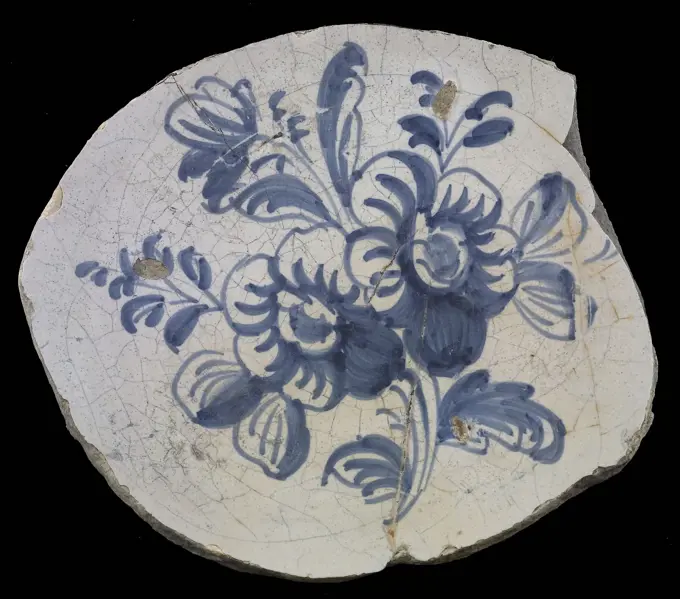
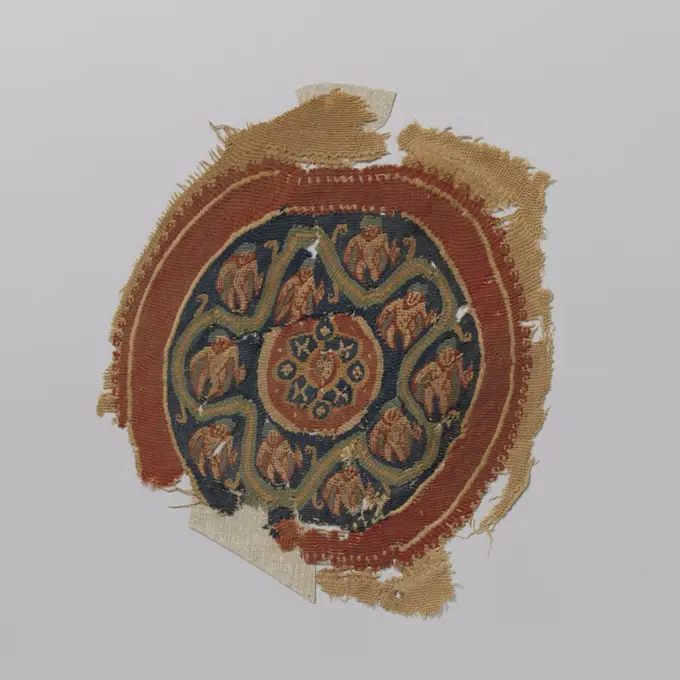
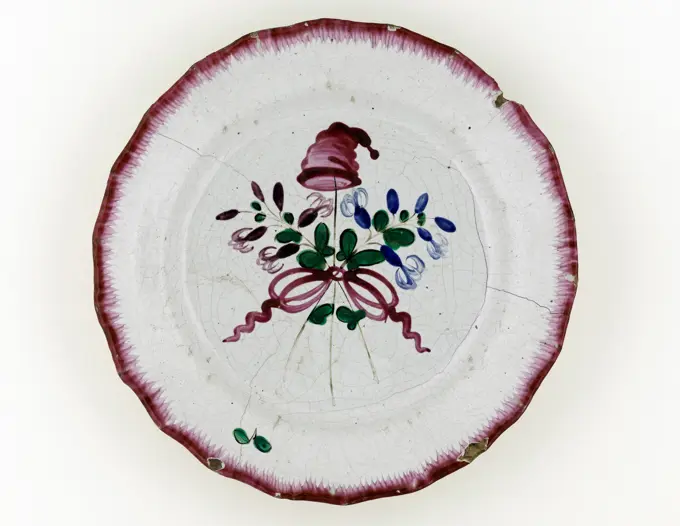
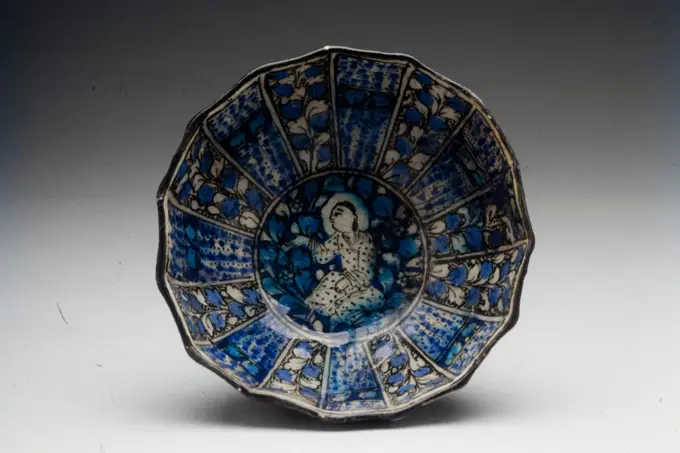
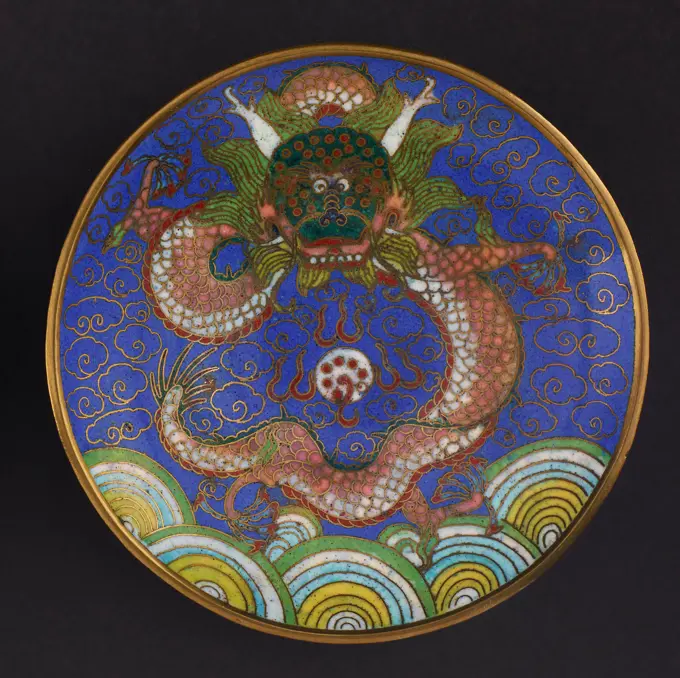
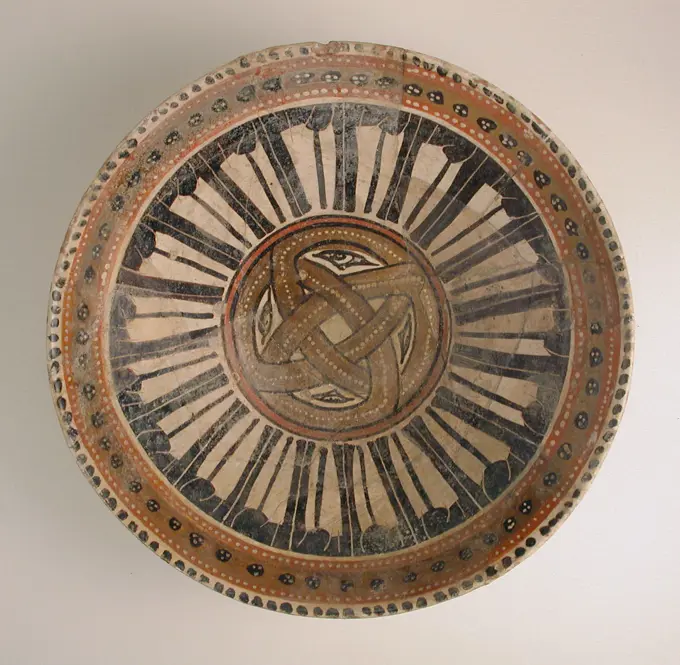
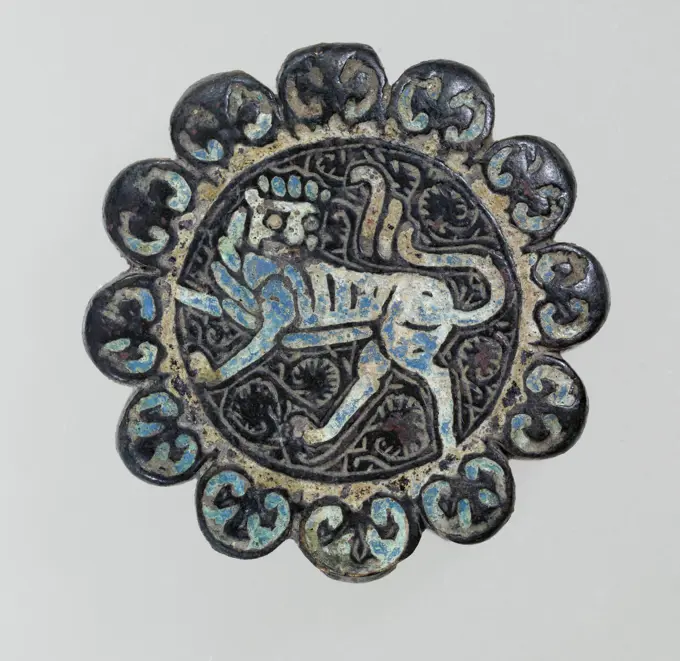
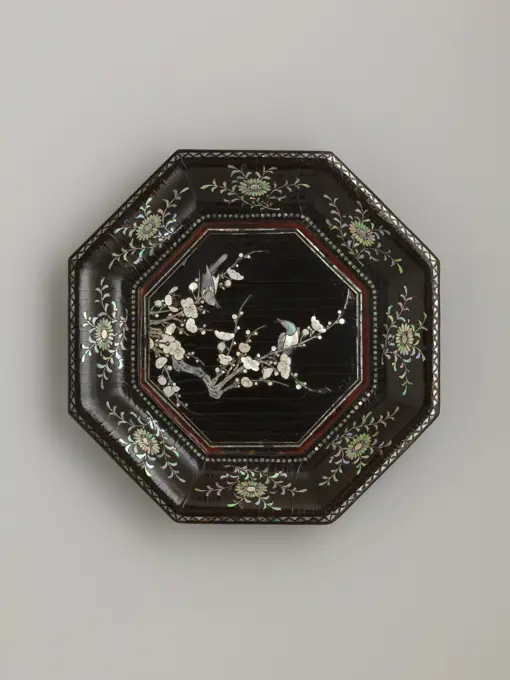
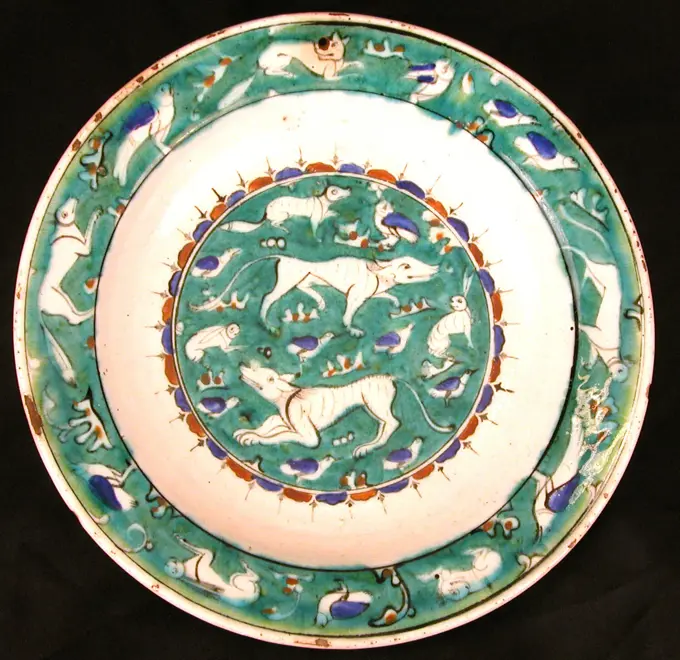
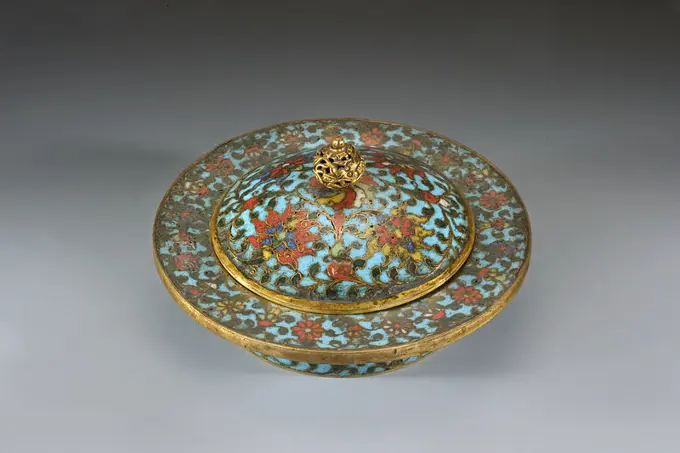
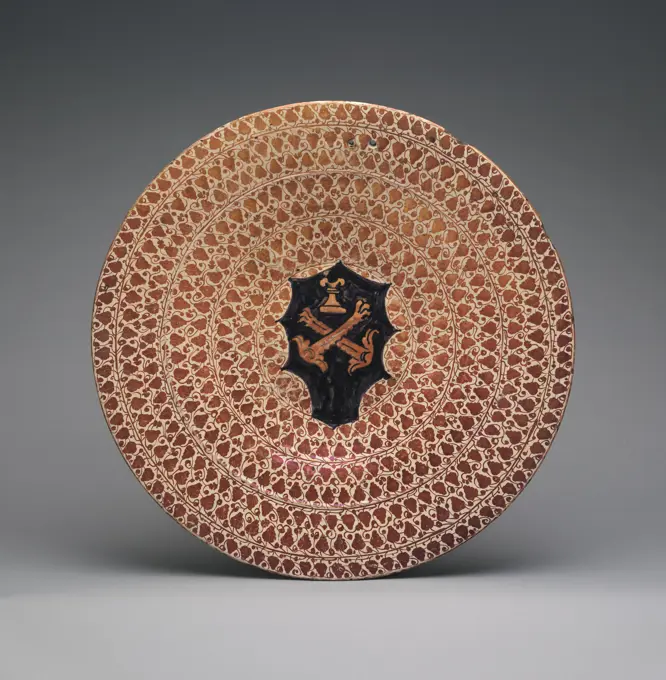
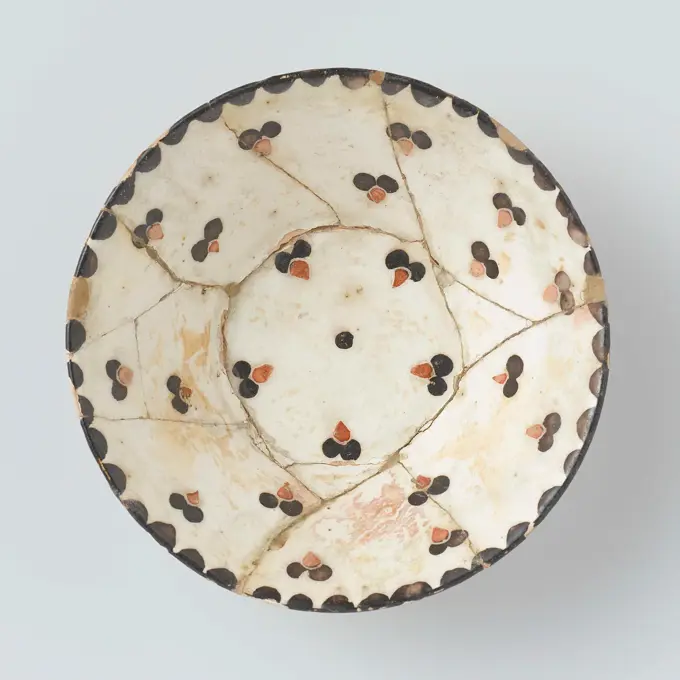
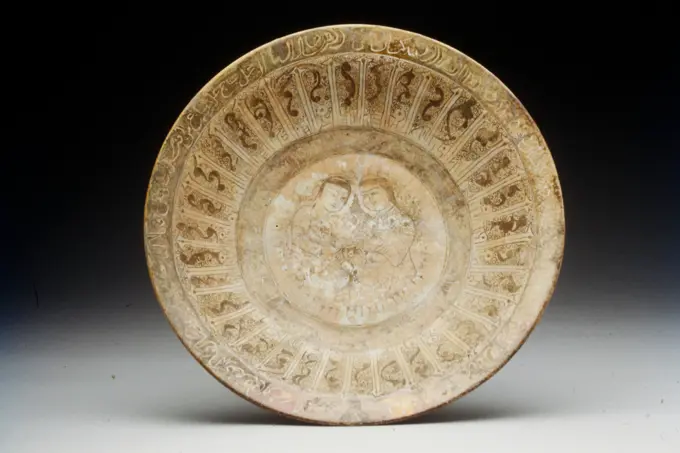
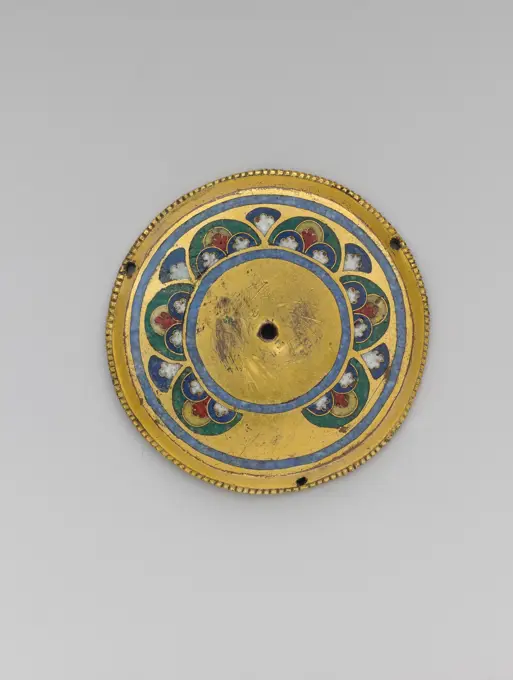
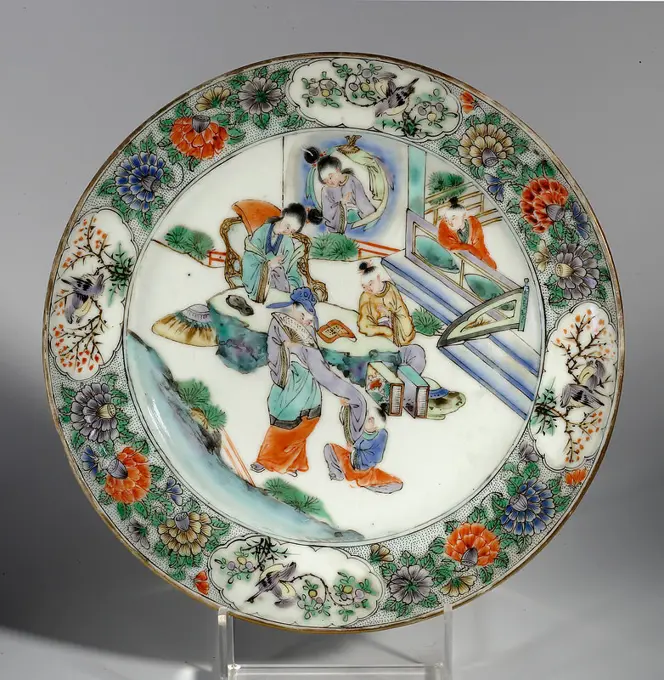
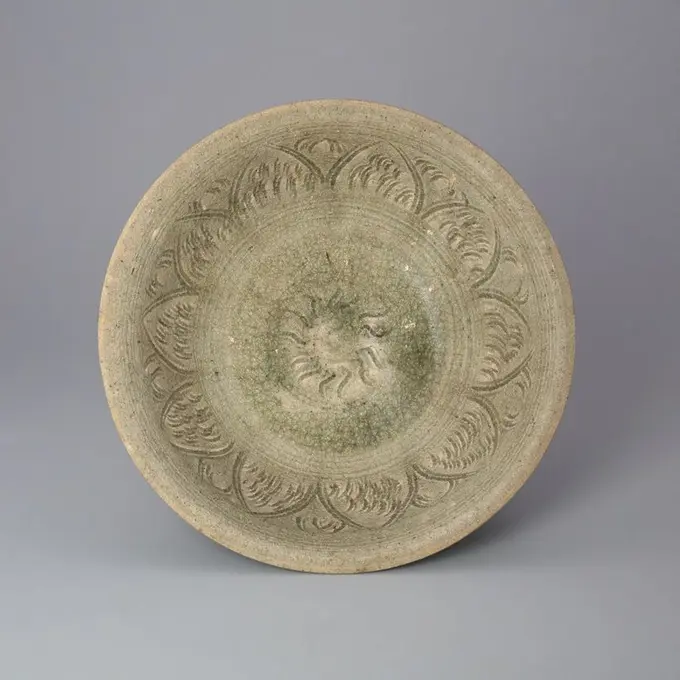
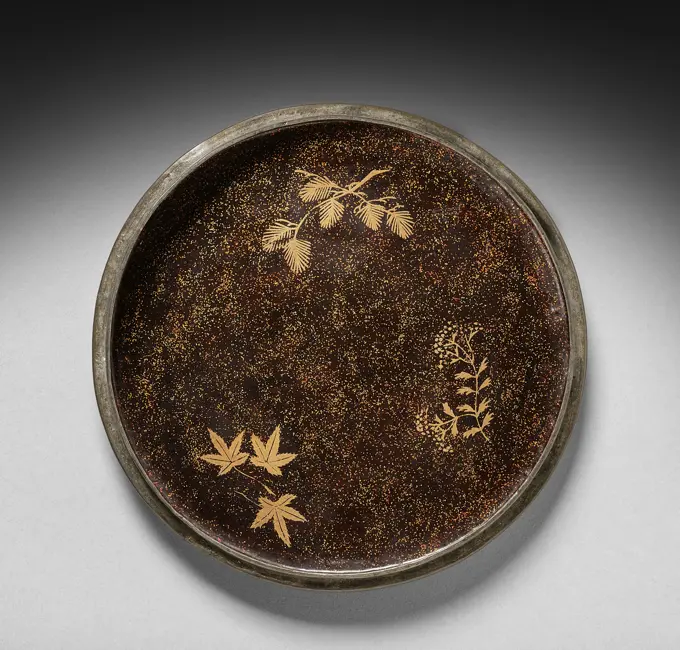
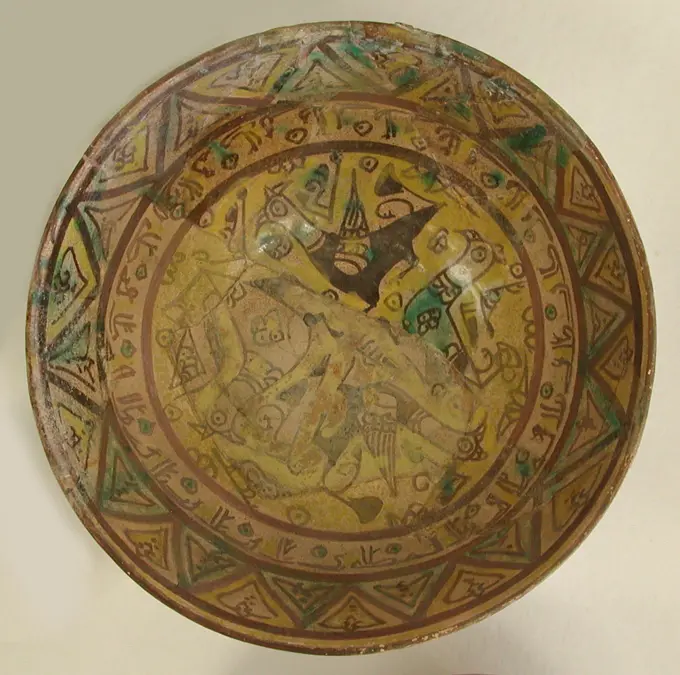
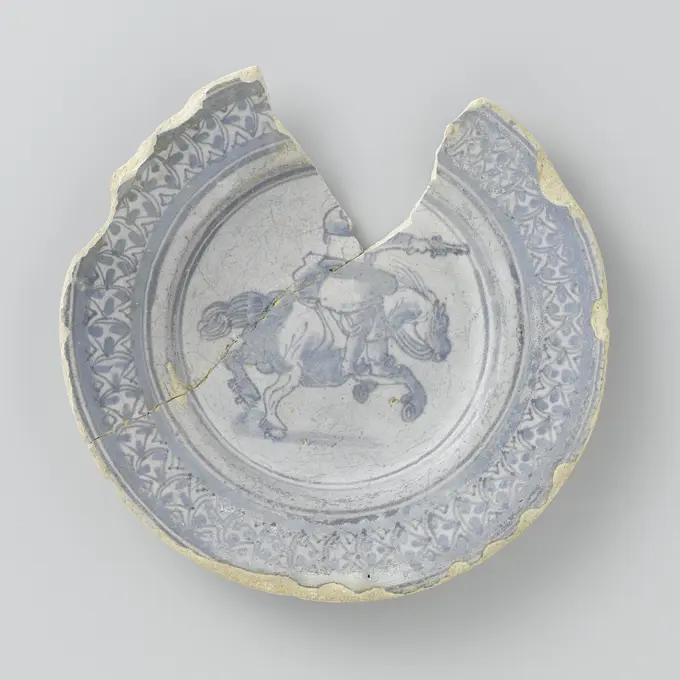
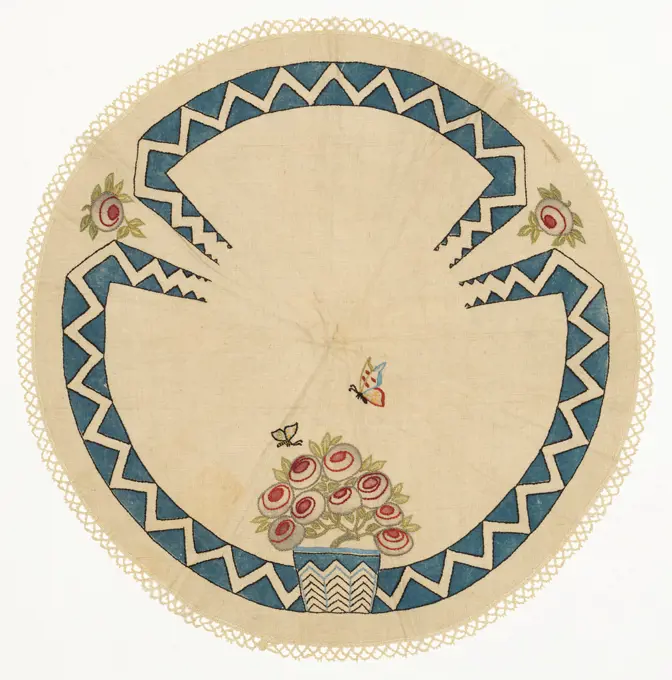
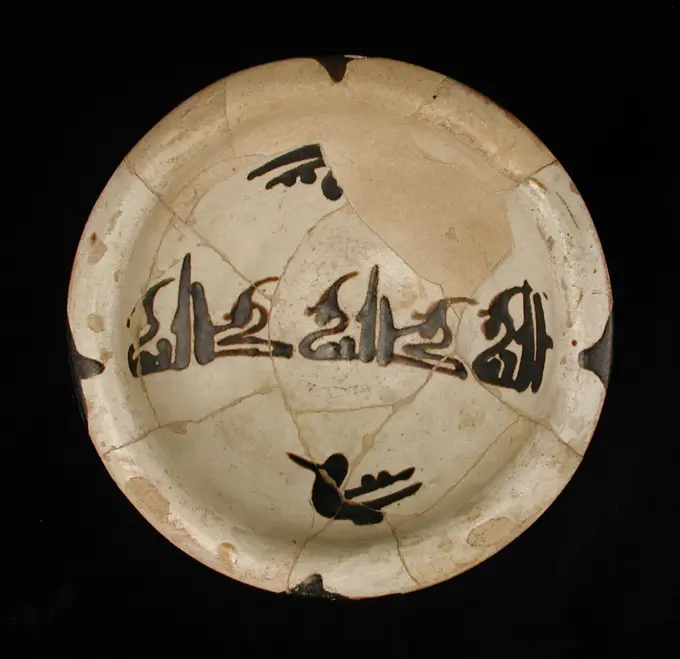
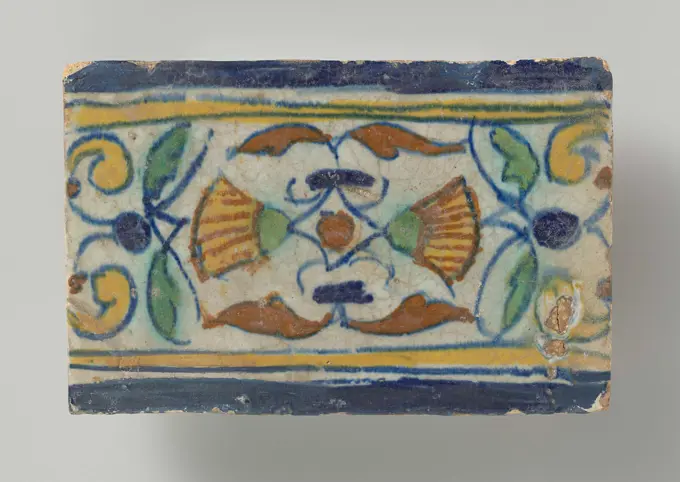
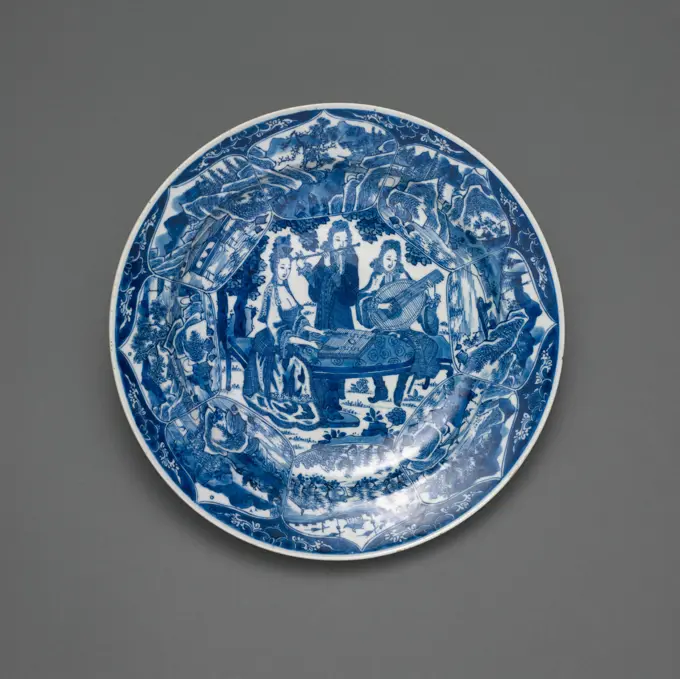
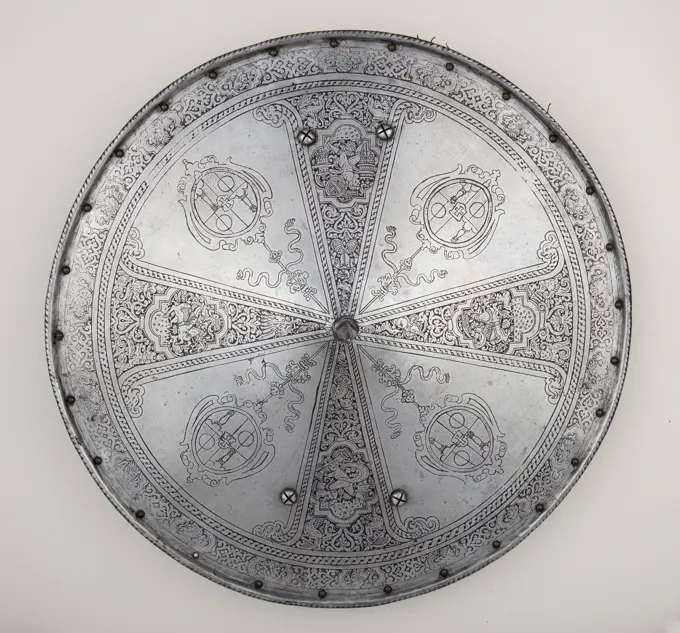
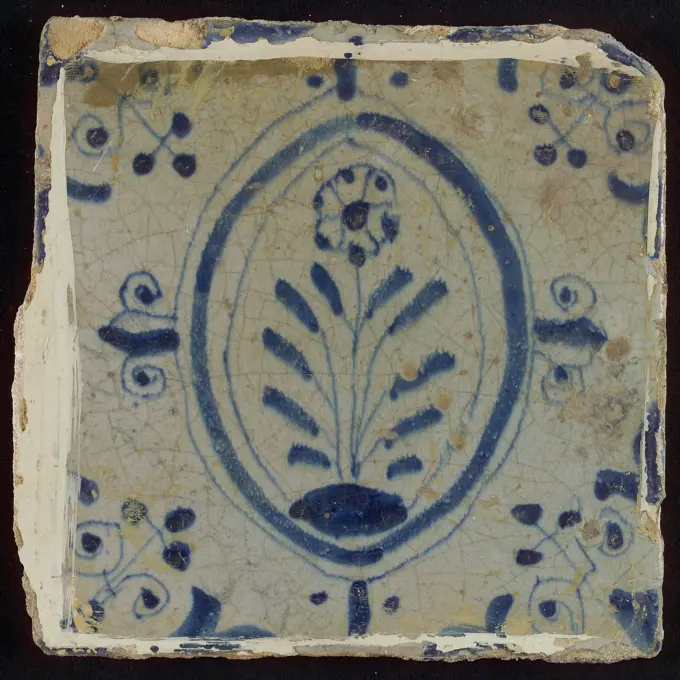
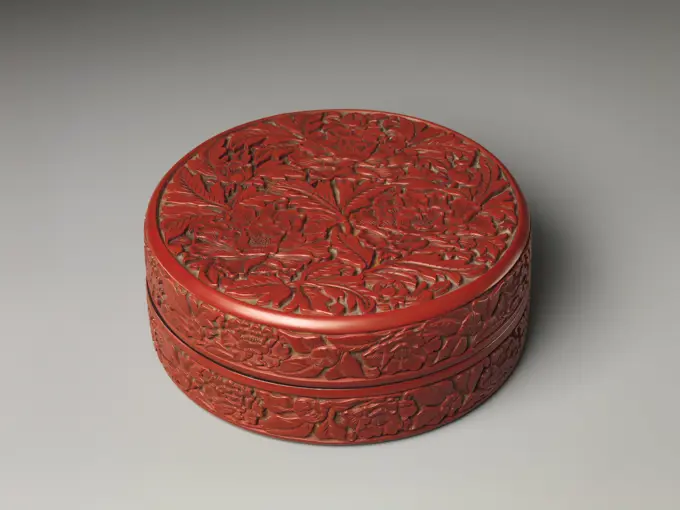
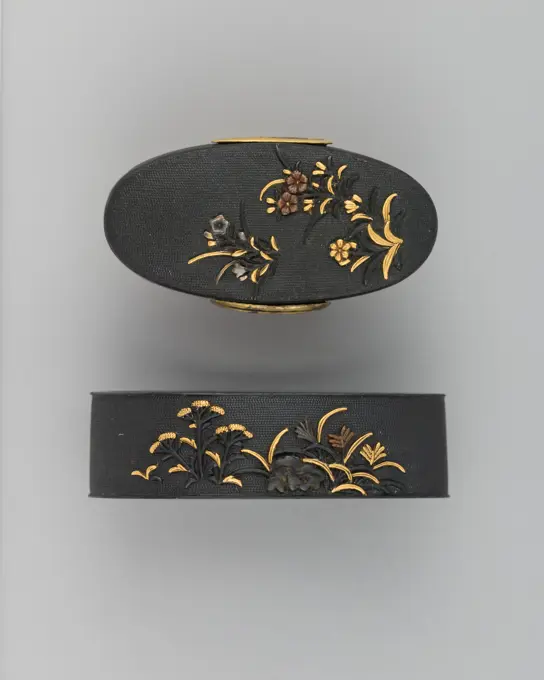
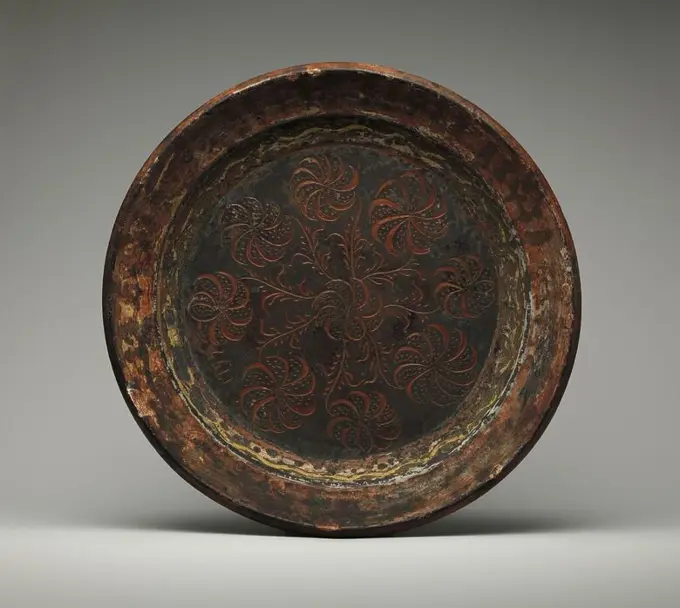
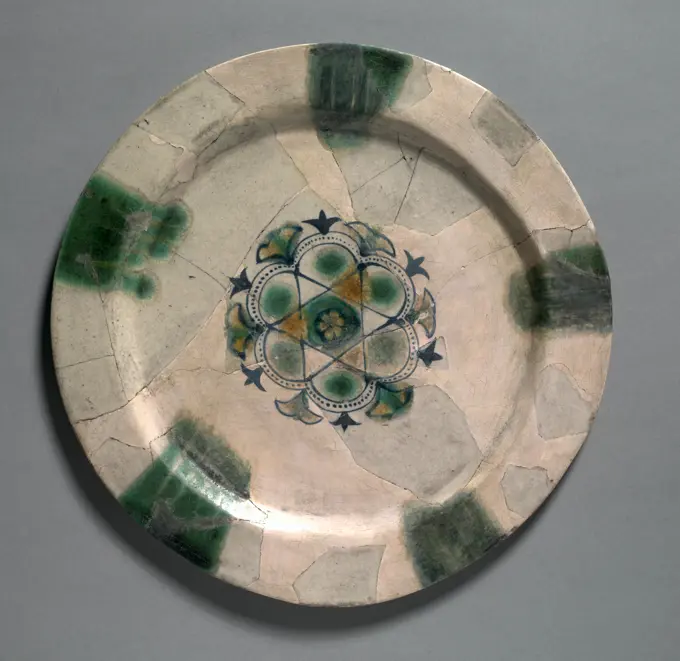
Plate of multi -colored Faïence, Anonymous, c. 1700 - c. 1720 Faïence board. Multicolored painted with a vase with flowers. An edge with compartments, alternating with flowers and landscapes. Delft . Faïence board. Multicolored painted with a vase with flowers. An edge with compartments, alternating with flowers and landscapes. Delft .Shallow bowl. unknown, craftsmanMajolica dish, blue on white, rankendecor, small rosette in the middle, signed, plate crockery holder soil find ceramic earthenware glaze, hand-turned baked glazed decorated baked Majolica dish on stand. Blue decor on gray-blue background. Rankendecor and small rosette in the middle of the mirror. Cooked on prunes. underside lead glaze gray and milky Signed indistinct initials glazed on reverse: UW archeology Rotterdam indigenous pottery serving serve serving food table Soil discovery Rotterdam 1940.Saucer with precious objects on a green ground with cloud motifs, c. 1675 - c. 1699 Porcelain dish, painted on biscuit in green, yellow, eggplant and black. The dish is covered with a cloud motif on a green soil at the front and back (except the bottom within the foot ring); On this motif valuables (mint, pearl, window, artemisia leaf) and lucky symbols (shell). Email sur Biscuit. China porcelain. glaze. painting / vitrification Porcelain dish, painted on biscuit in green, yellow, eggplant and black. The dish is covered with a cloud motif on a green soil at the front and back (except the bottom within the foot ring); On this motif valuables (mint, pearl, window, artemisia leaf) and lucky symbols (shell). Email sur Biscuit. China porcelain. glaze. painting / vitrificationPlate Mexican ca. 1830 View more. Plate. Mexican. ca. 1830. Earthenware. Made in Mexico. Dish of Faïence. Painted multi-colored.Plate of multi -colored Faïence, Anonymous, c. 1700 - c. 1725 Faïence board. Multicolored painted with a Chinese water landscape and lambrequins, in Imari colors. Delft . Faïence board. Multicolored painted with a Chinese water landscape and lambrequins, in Imari colors. Delft .Plate (Sara);  2nd half XVII century () (1601-00-00-1700-00-00);Plate 10th-11th century. Plate 447815Fragment majolica plate, very flat model, blue on white, simplified chessplate decor, plate crockery holder soil find ceramic earthenware glaze, baked underside covered with lead glaze bright green tinted where it is thickly applied Monochrome Very flat and low model archeology decorate servingBasin ca. 1680-1700 Mexican. Basin. Mexican. ca. 1680-1700. Tin-glazed earthenware. Made in MexicoBowl, 18th-19th century, Unknown Japanese, 3 x 12 x 12 in. (7.62 x 30.48 x 30.48 cm), Porcelain, Japan, 18th-19th centuryMajolica dish on stand with polychrome tulip in the mirror, rim with ornamental band, dish plate crockery holder earth discovery ceramic earthenware glaze tin glaze lead glaze, hand turned fried glazed fried Majolica dish with polychrome tulip as representation in the colors green orange and blue On the edge blue ornamental band and rope pattern along the dish edge. Proof printing in the presentation Stand ring pierced for hanging hole underside sparing lead glaze Dish with curved edge without shoulder. Flat side dish edge Restauration is repainted in completely strange color archeology Rotterdam City triangle New harbor indigenous pottery serve adorn serving table food room Soil discovery: New Haven 1st cesspool (around) 21-08-1980Vase (plate) base with a flower monogram (TB). Korzec (manufaktura porcelany ; 1790-1832), factoryDish with Two Birds Encircled by Beaded Roundels 618 CE-907 CE China. Slip-coated earthenware with cobalt blue and lead amber glazes and underglaze mold-impressed decoration .Cut. Terracotta. China, Tang dynasty. Paris, Cernuschi museum. 72776-10 Asian art, old ceramic, covered, tang dynasty, email, empire unifies tang, glacide three 3 colors, 9th 9th 9th 9th 9th 9th century, Chinese object, Chinese pottery, terracotta, terracotta emaillee, 7th viem VII 7th 7th 7th 7th 7th 7th 7th 7th 7th 7th 7th 7th 7th 7th 7th Century, VIIIEM VIIIE VIII 8th 8th 8th century, XEME XE X 10th 10th 10th centuryPlate ca. 1760 Mexican. Plate. Mexican. ca. 1760. Earthenware. Made in MexicoMajolica dish, blue decor, four-leaved flower in the mirror, dish plate crockery holder soil find ceramic earthenware glaze lead glaze tin glaze, hand-turned baked glazed painted fried Majolica dish on stand ring cooked on prunes. underside covered with lead glaze. Blue decor consisting of four-leaved leaf motif in the mirror around which double blue ring. Cross the flag alternately with cross with four dots or plume with four fingers The stand ring is pierced. The restoration is repainted archeology Valckensteyn Poortugaal Albrandswaard serve serving food decorate archaeological find in the soil: castle Valckensteyn in Poortugaal now Albrandswaard 1961-1962.Dish With a Flower Basket, Flowering Plants And Diaper Patterns. Dish of porcelain with a scalloped edge, painted on the glaze in blue, red, green, yellow, eggplant, black and gold. On the flat a flower basket in a medallion; Here a band with napkin interrupted by flower branches in cartouches. The wall is divided into eight compartments with flowering plants (Lotus, Chrysanthemum, Prunus, Aster, Peony, Prachtanjer, Camelia). On the edge napkin interrupted by cartouches with flower branches. The back with three flower branches. Marked on the bottom with an artemisia leaf in a double circle. Some chips in the edge. Famille Verte.Fragment majolica dish, blue on white, decor with two flowers, dish plate crockery holder earth discovery ceramics earthenware glaze, Wines fried archeology adorn food servingCeramic Vessel. Morocco, Fez, late 18th century. Ceramics. CeramicTissue Fragment with orbiculus, Anonymous, c. 400 - c. 699Anonymous. Plate with the Bonnet de la Liberté. Earthenware. Paris, Carnavalet museum. 71683-20 Phrygian cap, decoration, faience, freedom, revolutionary period, French revolution, platePair of Dishes (Pan) with Flowers, Landscapes, and Vessels with Musical Instruments. China, Jiangxi Province, Jingdezhen, Chinese, Qing dynasty, Kangxi period, 1662-1722. Furnishings; Serviceware. Wheel-thrown porcelain with powder blue underglaze, with clear overglaze and painted enamel decoration (wucai), and gildingFragment of Bowl 15th century. Fragment of Bowl 446338Bowl with Repeating Persian Inscription Wishing for Good Fortune. Dimensions: Diam. 11 1/4 in. (28.6 cm)H. 4 7/8 in. (12.4 cm). Date: dated A.H. 822/ A.D. 1419-20.Luster production reach its apex in Iran during the medieval period. Later, under Timurid rule, blue and white ceramics in imitation of Chinese examples were favored and produced in large quantities. This luster-glazed stonepaste bowl, dated A.H. 822/A.D. 1419, demonstrates a continuation of luster ceramic production into the fifteenth century in Kashan. A repeating blessing which translates to "may the end be good" or "may you have good fortune" frames an out-spread bird or heraldic phoenix. The exterior of the bowl is decorated with a continuous pattern of lotus leaves, suggesting a Chinese influence. Museum: Metropolitan Museum of Art, New York, USA.Bowl, 1300-1399, 3 1/4 x 7 in. (8.3 x 17.78 cm), Ceramic, underglazes, Iran, 14th centuryFor a long time;  18th century (1701-00-00-1800-00-00);Qing (style), University of Warsaw - collection, Chinese (culture), Phoenixes (iconogr.), Flowers, Qilin (iconogr.), Chinese artPlate. Culture: Spanish. Dimensions: Overall: 1 15/16 x 18 1/16 in. (5 x 45.9 cm). Date: 1430-1465. Museum: Metropolitan Museum of Art, New York, USA.Bowl 14th century Korea. Bowl. Korea. 14th century. Stoneware with inlaid decoration under celadon glaze. Goryeo dynasty (918-1392). CeramicsPlate with a dragon on a cobalt blue background unknownSaucer from the set from the branch; Nieborów (Manufaktura Majoliki; 1881-1899); Kon. XIX century (1881-00-00-1899-00-00);Printing Block (France); woodBowl 9th-10th century A peculiarity of this and related types is the use of an olive-colored slip, sometimes greener than here. Such pseudo-inscriptions are frequently found, conjucted with a central decorative roundel.. Bowl 449544Sword Pommel 12th-13th century probably French This pommel is one of the best examples of a distinct group of sword and dagger pommels dating from the time of the Crusades, most of which have been found in the area of the Middle East that was known to Europeans during the Middle Ages as the Holy Land. The unidentified heraldic shield on the back of the pommel was probably the insignia of its original owner or the noble family he served. The striding lion on the front also appears on other pommels from this group, including one that formerly belonged to Dr. Bashford Dean, the founding curator of the Department of Arms and Armor in the Metropolitan Museum of Art (acc. no. 29.158.685).The pommel is made of cast bronze in the form of a disk with twelve scallops or lobes around its perimeter and is decorated with enamel. The obverse has the heraldic figure of a lion passant guardant azure (lion walking to the viewer's left and looking full-face to the viewer, colored blue) and on the revers. Plate of faience. Respondly painted.Dish with Pommel Scroll Design. Culture: China. Dimensions: Diam.13 1/4 in. (33.7 cm)Storage: 2 1/2 x 14 1/8 x 14 1/8 in. (6.4 x 35.9 x 35.9 cm). Date: 14th century. Museum: Metropolitan Museum of Art, New York, USA.Dish with Flowering Plum and Birds 14th century China Flowering plums and birds, possibly magpies, a popular theme in the paining and poetry of the Southern Song dynasty (1279-1368), were understood as harbingers of spring, because the plum is one of the first blossoms to appear as winter ends. This depiction of plum blossoms, which range from buds to full blooms, derives from the influential Manual of Plum Blossom Likeness (Meihua xishen pu), written by the artist Song Boren in the mid-thirteenth century, which discusses and illustrates the different stages in the life of this delicate flower.. Dish with Flowering Plum and Birds 40256Basket, early 20th century, 2 1/4 x 13 1/2 in. (5.72 x 34.29 cm), Plant fibers, United States, 20th centuryBuff Ware Bowl with Geometric Patterns 9th century A typical composition for the buff ware objects with abstract patterns, this bowl employs a favored quadripartite layout and hatched ground, and uses floral forms that were widespread in the ninth century.. Buff Ware Bowl with Geometric Patterns 449600Dish with a flowervase near a fence and panel decoration with landscapes, anonymous, c. 1675 - c. 1724 Porcelain saucer, painted in under -glaze blue. On the flat in a double medallion a scaly flower vase with three flowers, large branches and leaves. The vase stands on a chassis on a terrace in front of a fence; Plants behind it. The wall and edge are divided into courses with river landscapes with mountains, trees and a pavilion; Two courses with a bird on a rock. Between the courses narrow compartments with a window. Old label on the underside with 'P 3307/ Japan/ +- 1700/ Imari/ 130- des.'. The edge has been broken; Sharf porcelain baked on the outside; A proen on the bottom. Blue White. Japan porcelain. glaze. cobalt (mineral) painting / vitrification Porcelain saucer, painted in under -glaze blue. On the flat in a double medallion a scaly flower vase with three flowers, large branches and leaves. The vase stands on a chassis on a terrace in front of a fence; Plants behind it. TheBowlA plate;  19th/20th century (1801-00-00-1900-00-00);Paderewski, Ignacy Jan (1860-1941), Paderewski, Ignacy Jan (1860-1941)-collection, qing (style), Chinese (culture), cloisonné, gift (provenance), grenades (fruit), huania (style), art Chinese, images of birdsPLATO O CUENCO DECORADA EN VERDE Y MARRON-VIDRIADO-ARTE POPULAR S XX. Location: ALFARERIA. SPAIN.Dish with Bird, Rabbit and Quadruped Design last quarter 16th century The animals on this dish, some more recognizable than others, have an old iconographic tradition in Anatolia and can be related to figural Seljuq art. The central design is, in effect, a painted menagerie, an approach not often attempted by Iznik potters before around 1570. Another group of animals pursue one another on the rim of the dish. The bold effect of the bright green ground is heightened by the potter's decision to leave the cavetto blank, in essence providing breathing room for the composition.. Dish with Bird, Rabbit and Quadruped Design 452946Polychromed edge, Anonymous, c. 1560 - c. 1600 Randtegel with a multicolored (blue, orange, yellow and green) painted decoration of two links of a chain motif between a pearl list. In the links, leaf motifs. Netherlands earthenware. tin glaze majolica Randtegel with a multicolored (blue, orange, yellow and green) painted decoration of two links of a chain motif between a pearl list. In the links, leaf motifs. Netherlands earthenware. tin glaze majolicaFlat cylindrical pyxis with a lid with a openwork knob showing a dragon among clouds. unknown, craftsmanPlate 1430-1470 Spanish This plate is emblazoned with the coat of arms of the Morelli family of Florence, and must have belonged to a large table service. This large plate, called in contemporary documents a tayador or tallador, could have been used as a trencher for carving or a salver for serving meats or other foods. Examples of matching services have only rarely survived, although documents indicate great numbers were made for both the domestic and the export markets. In a receipt dated 1454, the widow of Don Pedro Buyl, overlord of the Manises lusterware factories, received payment of 6000 gueldos (roughly equivalent to $360,000 in 2016) as a tithe on the potters goods destined for the export market. These wares leaving Grao, the port of Valencia, destined for Mediterranean markets, generally were transported by ships of Mallorcan registry. For this reason, lusterware, and later all glazed earthenware, became known as majolica. The holes in the plate, which appear on the majorityPlate with a kneeling man figure (St. Franciscus), Anonymous, c. 1510 Round plate of multicolored painted majolica. On the flat, a soil is painted within a circle on which a kneeling man (St. Francis). Four circles are painted on the edge. In a circle, a lute playing woman is painted, playing in a whistling woman, in a naked woman lying in a landscape and two grotesken in the other. Striped leaves are painted on the back of the board. Siena earthenware Round plate of multicolored painted majolica. On the flat, a soil is painted within a circle on which a kneeling man (St. Francis). Four circles are painted on the edge. In a circle, a lute playing woman is painted, playing in a whistling woman, in a naked woman lying in a landscape and two grotesken in the other. Striped leaves are painted on the back of the board. Siena earthenware. Concave come with flat bottom; red-traying clay with a white slip layer, decorated with reddish-brown and brunette dots and a polka dot belt along the inner lip; The inside is covered with a translucent lead glaze.Bowl, 13th century, 2 5/8 x 12 1/4 x 12 1/4 in. (6.67 x 31.12 x 31.12 cm), Glazed earthenware with golden luster-painted decoration, Iran, 13th centuryFragment majolica dish, blue on white, Italian-looking tendrils, plate crockery holder soil find ceramics pottery glaze, majolica Cooked on prunes. Italian decor archeology Italy Rotterdam Overschie Schieveen Verlaatsloot food decorate archaeological find in the soil Verlaatloot 1941.Enamel from a Reliquary early 13th century Workshop of the Master of the Virgin Mary's Reliquary Casket German These delicately patterned enamels once formed part of a large shrine (perhaps as much as six feet long) to contain the precious remains of Christian saints. The rectangular plaques would have been set horizontally or vertically as border decoration; the medallion served as a decorative halo for a statuette of a saint. The lavish attention given to these small elements is a testament to the importance of the commission and to the skill of the goldsmith. When such shrines were restored in the 19th and early 20th centuries, original plaques were sometimes replaced with modern copies in impeccable condition, and originals like these were sold to collectors.. Enamel from a Reliquary. Workshop of the Master of the Virgin Mary's Reliquary Casket (German, Aachen). German. early 13th century. Champlevé & cloisonné enamel, copper-gilt. Made in Cologne, Germany. Enamels-Champlevé & CloiDish with Split-Leaf Palmette Design ca. 1625-50 The splitleaf palmette motifs found on this dish became a pervasive design element within the imperial Ottoman workshop. Most likely inspired by Persian manuscript illumination, Ottoman artists creatively adapted this motif for their works in other media, such as ceramics and metalwork.. Dish with Split-Leaf Palmette Design 451844Plate ca. 1815-25 Attributed to Solomon Grimm. Plate 6010. Scale with scalloped edge; On the flat a heraldic ornamentTable round, Medium: linen, cotton, acetate Technique: embroidered on plain weave, machine-made trim, Light brown table round has an embroidered border with a geometric pattern in blue, orange, yellow and olive green. Machine-made border has knotted tassels., USA, ca. 1908, embroidery & stitching, Table roundDish German early 16th century View more. Dish. German. early 16th century. Brass. Metalwork-BrassPlate. unknown, craftsmanPa. German Pie Dish. Dated: c. 1940. Dimensions: overall: 38.2 x 38.5 cm (15 1/16 x 15 3/16 in.) Original IAD Object: 13 3/4" in diameter; 2 1/4" deep. Medium: watercolor, graphite, and colored pencil on paper. Museum: National Gallery of Art, Washington DC. Author: Charlotte Angus.Sawankhalok Ware Stem Bowl with Incised Lotus Petal Design. Thailand, Sukhothai Province, Si Satchanalai. Date: 1401-1500. Dimensions: 13.7 × 21.1 × 21.1 cm (5 3/8 × 8 5/16 × 8 5/16 in.). Stoneware with celadon glaze. Origin: Thailand. Museum: The Chicago Art Institute, Chicago, USA.Dish late 17th-early 18th century. Dish 452033For a long time; De Paeuw (Paw); 18th century (1701-00-00-1800-00-00);Shield. Culture: Persian. Dimensions: Diam. 15 in. (38.1 cm). Date: 1727. Museum: Metropolitan Museum of Art, New York, USA.Mirror Container with Design of Maple Tree and Autumn Shower, 1400s. Japan, Muromachi period (1392-1573). Lacquer on wood with decoration in maki-e; diameter: 12.2 cm (4 13/16 in.); overall: 3.1 cm (1 1/4 in.).Shard of yellowish pottery, with a foot ring, with blue glaze on the front, with a painting with leaves and flowers on the flat in brown, blue, orange, yellow and white, and around circles and a waveed edge in brown and brown and yellow, anonymous, 1600 - 1650  Northern Netherlands earthenware. glaze majolica  Northern Netherlands earthenware. glaze majolica"Bamiyan Ware" bowl. Dimensions: H. 2 5/8 in. (6.7 cm)Diam. of rim: 11 1/4 in. (28.6 cm). Date: 11th-12th century.Pottery decorated with incised designs and splashed colored glazes was popular in most areas of the Islamic world. This plate belongs to a group of ceramics reportedly found at the site of Shahr-i Ghulghula at Bamiyan in Afghanistan. While these works are usually described as "Bamiyan," there is no archaeological evidence that they were produced there. Museum: Metropolitan Museum of Art, New York, USA.Bowl 9th century. Bowl 449612Bowl. Iran, 224-651. Furnishings; Serviceware. Bronze, hammeredSaucer with a flower spray and flowering plants, anonymous, c. 1775 - c. 1799 Porcelain saucer, painted in underly glaze blue and on the glaze red and gold. A flower branch on the flat in a medallion. Around the medallion flowering plants from the flat on the wall. Imari. Japan porcelain. glaze. cobalt (mineral). gold (metal) painting / gilding / vitrification Porcelain saucer, painted in underly glaze blue and on the glaze red and gold. A flower branch on the flat in a medallion. Around the medallion flowering plants from the flat on the wall. Imari. Japan porcelain. glaze. cobalt (mineral). gold (metal) painting / gilding / vitrificationCovered Box with Dragons, 1573-1620. China, Jiangxi province, Jingdezhen kilns, Ming dynasty (1368-1644), Wanli reign (1572-1620). Porcelain with underglaze blue decoration; overall: 8.9 x 15.2 cm (3 1/2 x 6 in.).Bowl with bird motif, 10th century, Diam.7-3/4 in., Earthenware with cram-slip ground under clear glaze with brown, red, and green slip-painted décor, Iran, Samanid dynasty (819-999 CE)Bit Bosses. Culture: German. Dimensions: 14.25.1803b; Diam. 3 3/4 in. (9.5 cm); Wt. 1.1 oz. (31.2 g); 14.25.1803c; Diam. 3 3/4 in. (9.5 cm); Wt. 0.8 oz. (22.7 g). Date: 16th century.These two bosses, attached to the sides on a horse bit, appear similar but in fact do not originally form a pair. The rim of each is decorated with flowers and birds in blue, green, purple and yellow translucent enamel over patches of silver foil, standing out against a black background painted with golden scrolls. The domed central section is adorned with white, green, blue and yellow rays with flowers and scrolls using the same techniques.The bosses' style and technique are typical of painted enamels made in Germany in the 16th century. Enameled harness ornaments are very rare because of their extreme fragility. Such pieces would only be used on special events like parades or equestrian demonstrations. Museum: Metropolitan Museum of Art, New York, USA.Black and Blue Painted Bowl early 13th century The whiteness of stonepaste provided a canvas upon which potters could paint pigments directly, rather than applying a slip. By the early thirteenth century, a new type emerged, decorated in black and blue against the white ground, usually with vegetal motifs inside radial frameworks. The stable black pigment creates crisp outlines and fine details, while the rather runny blue fills contours and highlights forms. Underglaze painting would have longterm consequences on the development of Iranian ceramics.. Black and Blue Painted Bowl 451767Bowl 13th century. Bowl 448543Dishes of ross -baking earthenware, with a foot ring, with a painting on the flat, of a diamond pattern with crosses in blue, and of circles around it in blue and orange, anonymous, 1600 - 1650  Northern Netherlands earthenware. glaze majolica  Northern Netherlands earthenware. glaze majolicafragmentary on board, anonymous, c. 1635 - c. 1665 Fragmentary round plate of blue painted faience. A rider with a gun is painted on the flat and triangles on the edge. A large triangular piece is missing from the board. The board is a soil find from Amsterdam. Delft earthenware. tin glaze.   Amsterdam Fragmentary round plate of blue painted faience. A rider with a gun is painted on the flat and triangles on the edge. A large triangular piece is missing from the board. The board is a soil find from Amsterdam. Delft earthenware. tin glaze.   AmsterdamTable round, Medium: cotton Technique: stenciled and embroidered on plain weave, crocheted border, Off-white table round has a discontinuous painted blue border containing a zigzag pattern in reserve and a black embroidered outline. Bottom edge has a large flowerpot also with a zigzag pattern that contains a flowering plant with two butterflies above. Two small flowerheads are in the upper left and right. Crocheted border., USA, ca. 1910, embroidery & stitching, Table roundTile, double flower on ground in yellow, orange, green and blue on white, corner pattern french lily, wall tile tile sculpture ceramic earthenware glaze, baked 2x glazed paintedThree Bowls with Floriated Kufic Inscriptions late 9th-early 10th century. Three Bowls with Floriated Kufic Inscriptions 449323Bowl withLionTile, blue, green, orange and brown on white, star tulip with quarter rosette, bunches of grapes and orange-apples, wall tile tile sculpture ceramic earthenware glaze, baked 2x glazed painted Yellow shard with red wisps square two nail holes spring spring sphereEdge tile with marigolds and leaves. Edge tile with a multi-colored (blue, green, yellow and orange) ornament of marigolds and leaves.Dish with Europeans Playing Musical Instruments 1661-1722 China. The design of musicians in the center of this dish is based on a print of a French ìcostume partyî designed by French engravers. One possible source is the engraving titled Symphonie du Tympanum, du Luth et de la Flut díAllemagne Symphony of Dulcimer, Lute, and German Flute by Nicholas Bonnart (1646-1718) and Robert Bonnart (1652-after 1686). Chinese porcelains decorated with such images reflected prevailing European fashion for masquerades and were generally commissioned for export to France, Italy, and Holland. As characteristic of many export wares ordered and shipped abroad by maritime companies and private traders, the panels of Chinese landscape encircling this French image create a truly multicultural composition.Although this dish was most likely intended for a French or other European client, the introduction of European aristocratic culture to China may also have piqued the interest of wealthy Chinese consumerMajolica plate, blue on white, bird in Chinese garden in Wanli style, plate crockery holder soil find ceramic earthenware glaze, baked underside covered with greyish but clear lead glaze. Sharpened pottery archeology food decorate serving ChinaPlate 1818 Attributed to Henry Troxel. Plate 6207Box with camellia. Culture: China. Dimensions: H. 1 3/8 in. (3.5 cm); Diam. 4 in. (10.2 cm). Date: 14th century.The stylized flowers depicted in Chinese lacquer are often difficult to identify precisely. However, the large blossom on this box is probably a camellia, a flower associated with winter and endurance. This box is one of several, most found in Japan, which bear the name Zhang Cheng (here, carved into the base). He is one of only two fourteenth-century lacquer artists whose names are recorded. Museum: Metropolitan Museum of Art, New York, USA.Dish, belonging to a six-part tête-à-tête, painted with dust pattern in gold, white and blue. Dish, belonging to a six-part tête-à-tête, painted with a dust pattern consisting of alternately a white band, in which a golden leaf garrier is winding around a blue trim and a wider gold band with lace pattern with flower and leaf garlands. Marked with the crowned monogram CT including 7 in underglazing blue.Shield ca. 1570-80 Italian. Shield. Italian. ca. 1570-80. Steel, textile. ShieldsPLATO VIDRIADO EN BLANCO Y PINTADO CON "PAXARA"-ARTE POPULAR S XX. Location: ALFARERIA. SPAIN.White tile with in blue flower in oval frame; corner motif triptych, wall tile tile sculpture ceramic earthenware glaze, baked 2x glazed paintedCushion Cover. Manchu; China. Date: 1700-1750. Dimensions: 101.5 × 104.9 cm (40 × 41 1/2 in.). Silk and gold-leaf-over-lacquered-paper-strip-wrapped silk, slit and dovetailed tapestry weave with interlaced outlining wefts; painted details; lined with silk, warp-float faced 7:1 satin weave. Origin: China. Museum: The Chicago Art Institute, Chicago, USA.Chair Cushion, Qianlong period, 1736-1795, 12 5/8 x 19 3/4in. (32.1 x 50.2cm), Silk, gold thread, embroidery, China, 18th centuryBox with peonies 15th century China Frequently depicted in carved lacquer, peonies are an important symbol for honor, rank, royalty, and wealth. This box bears additional flowers along the sides: camellias, chrysanthemums, pomegranates, and tree peonies. It is one of several pieces in The Met collection with a six-character mark carved on the bottom reading Made during the reign of the Yongle emperor” (Da Ming Yongle nian zhi). The use of marks like this, seen more commonly on ceramics, began in the early fifteenth century and continued in all media into the twentieth. Works so marked were likely produced for the court.. Box with peonies 60980Sword-Hilt Collar and Pommel (Fuchigashira) mid-19th century Japanese A fuchigashira is a pair of matching sword fittings comprising the fuchi (collar at the base of the grip of the sword hilt) and kashira (pommel cap at the end of a sword hilt).. Sword-Hilt Collar and Pommel (Fuchigashira). Japanese. mid-19th century. Copper-gold alloy (shakud), gold, silver. Sword Furniture-Fuchi-KashiraBlack hyalith glass plate with chinoiserie. Round, shallow board, the edge light concave. On the flat and edge gold-plated decoration of chinoiserie with butterflies, dragons and diamond motifs.Sharf of white-baking earthenware, with a motif of flowers in light and dark blue at the front, c. 1500 - c. 1899 fragment   earthenware. glazeDish. Culture: American. Dimensions: H. 2 1/4 in. (5.7 cm); Diam. 12 3/4 in. (32.4 cm). Date: 1797. Museum: Metropolitan Museum of Art, New York, USA.Dish with Splashes of Green, 830-900. Iraq, Basra, Abbasid period (750-1258). Earthenware with overglaze design; diameter: 30.2 cm (11 7/8 in.); overall: 1.3 cm (1/2 in.).Small Dish (Kozara) with Baskets and Cherry Blossoms Design, c. 16701710. Japan, Edo period (1615-1868). Porcelain with underglaze blue and iron red enamel (Hizen ware, Nabeshima type); diameter: 14.6 cm (5 3/4 in.).