Decorative Plates and Dishes

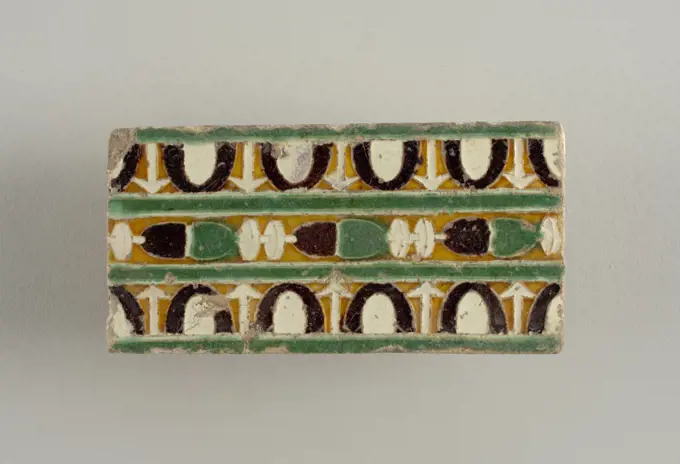
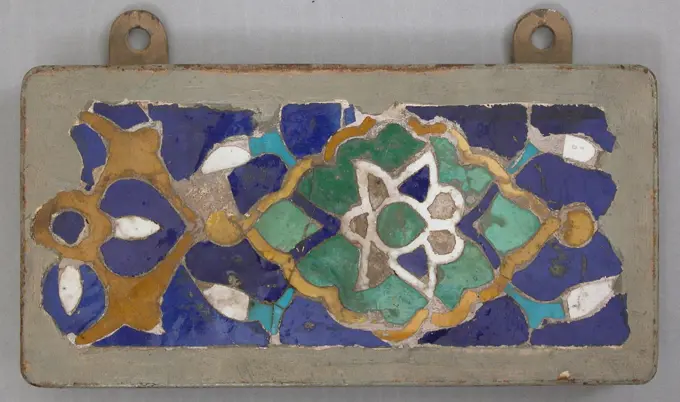
A collection of intricately designed plates and bowls in various materials with colorful motifs, highlighting craftsmanship from different eras.
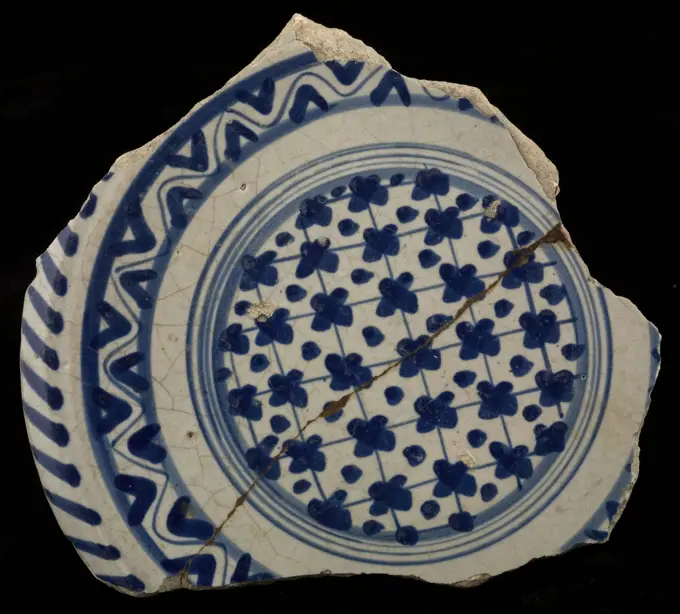
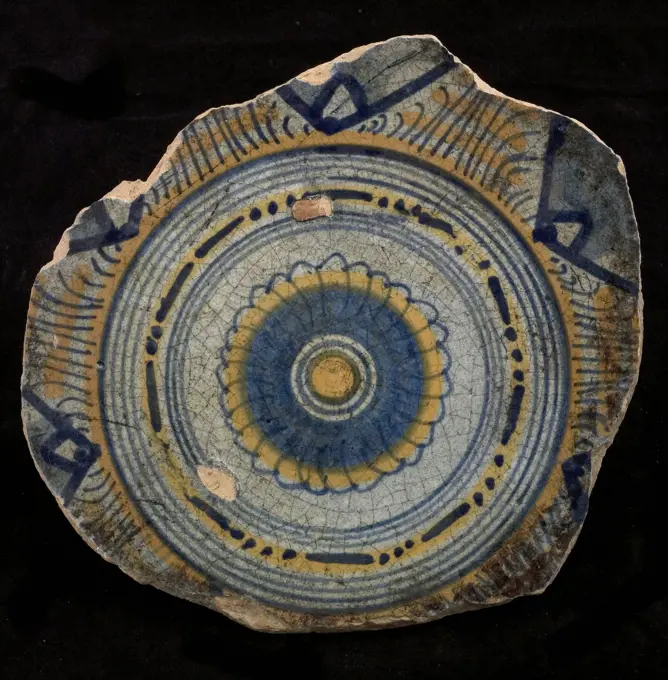
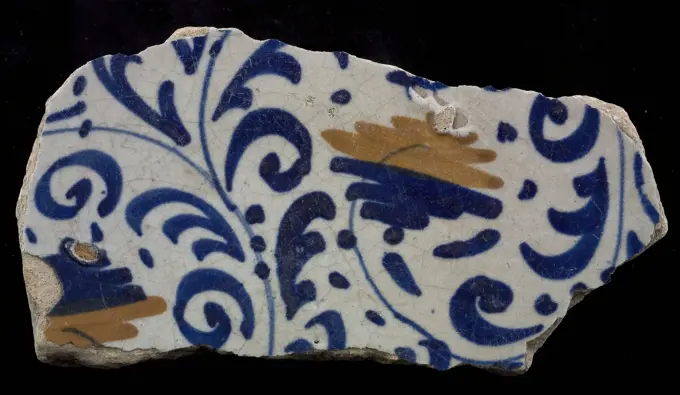
Fragment majolica plate, very flat model, blue on white, simplified chessplate decor, plate crockery holder soil find ceramic earthenware glaze, baked underside covered with lead glaze bright green tinted where it is thickly applied Monochrome Very flat and low model archeology decorate serving
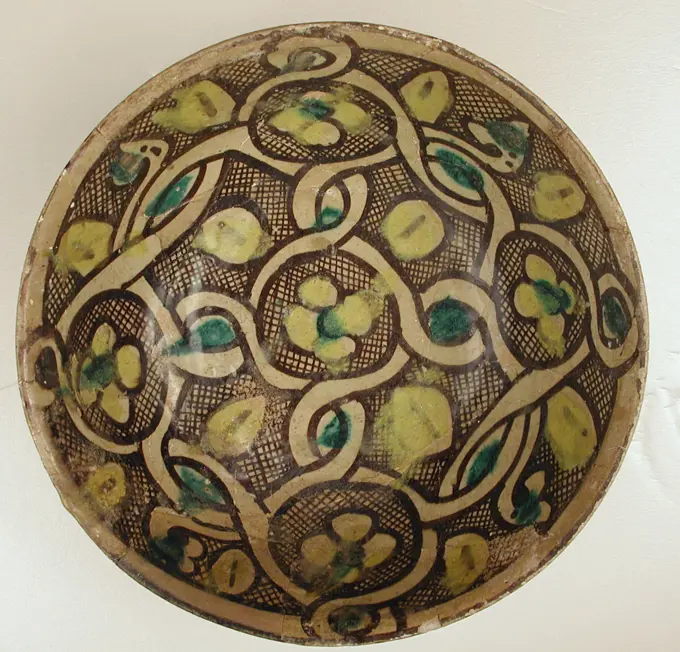
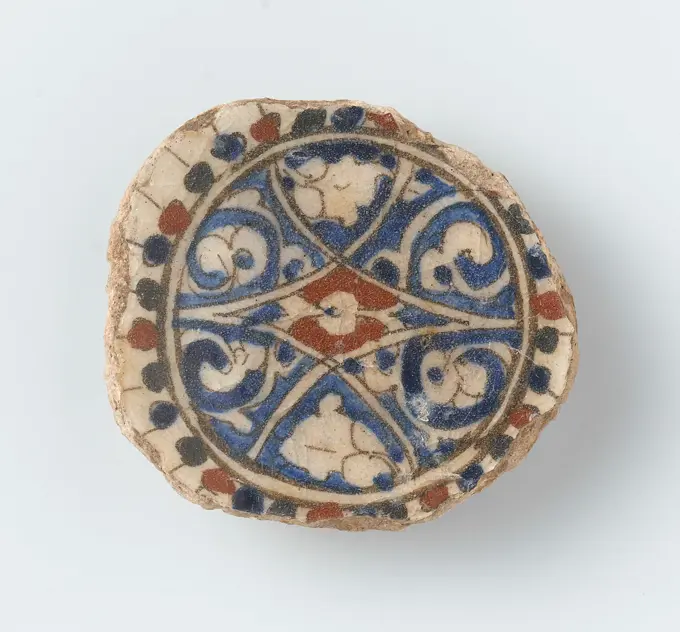
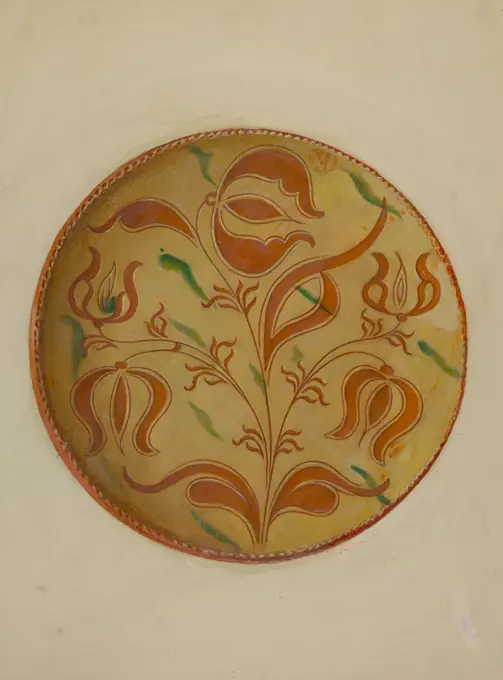
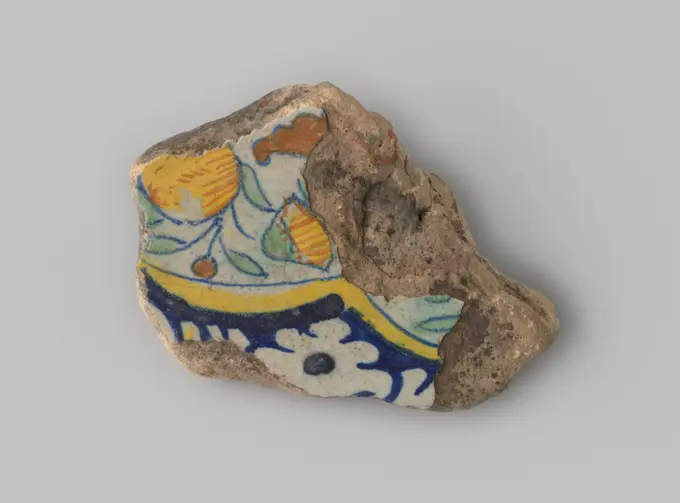
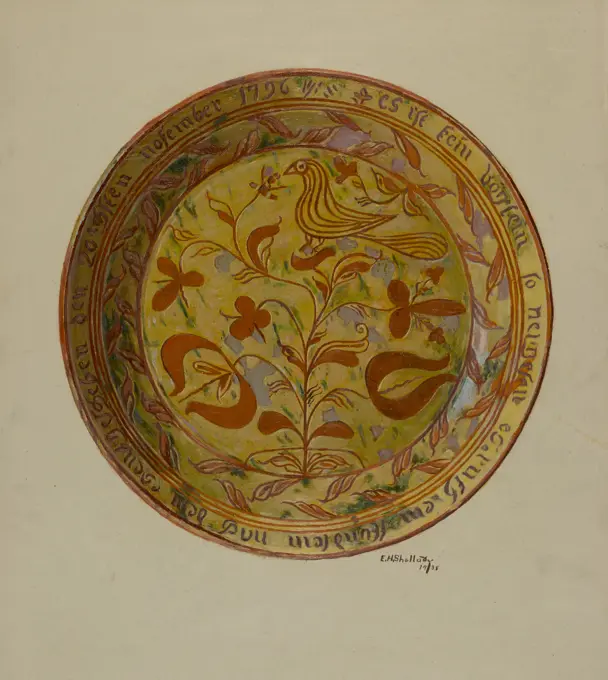
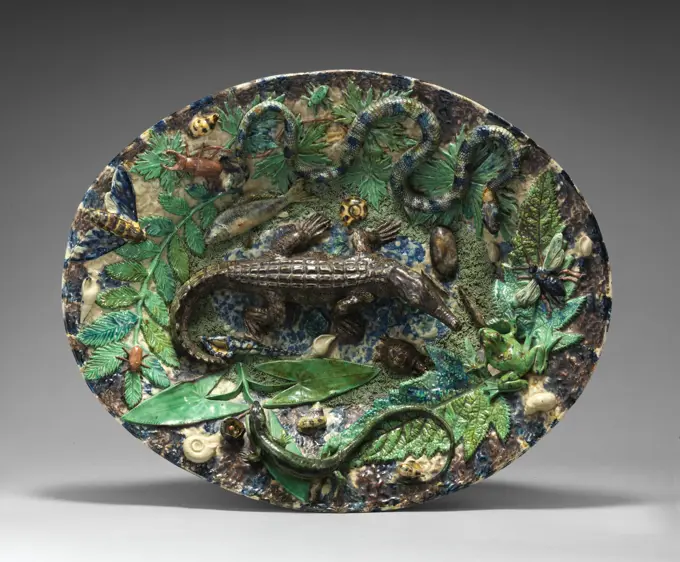
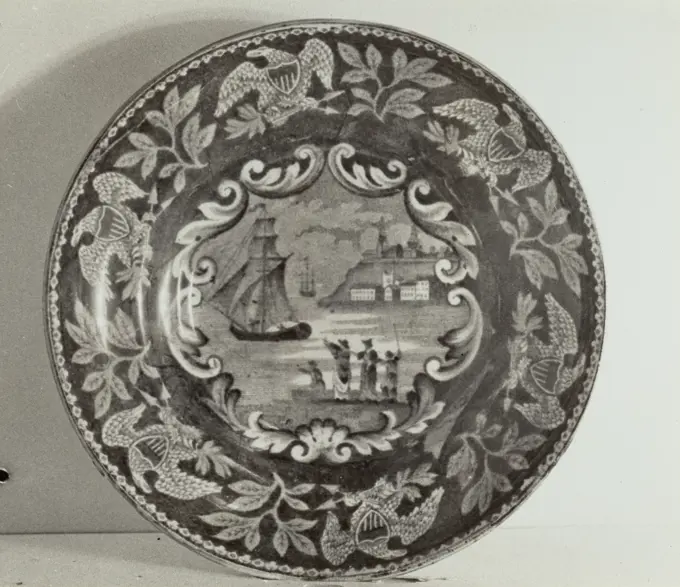
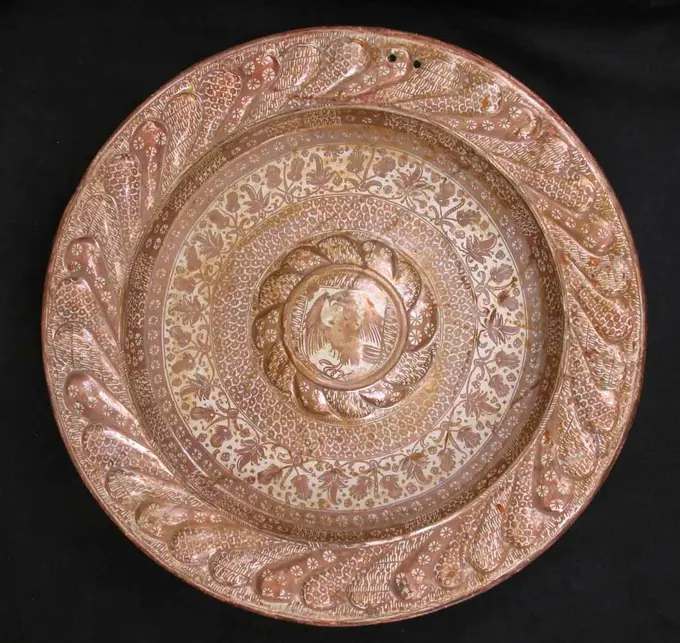
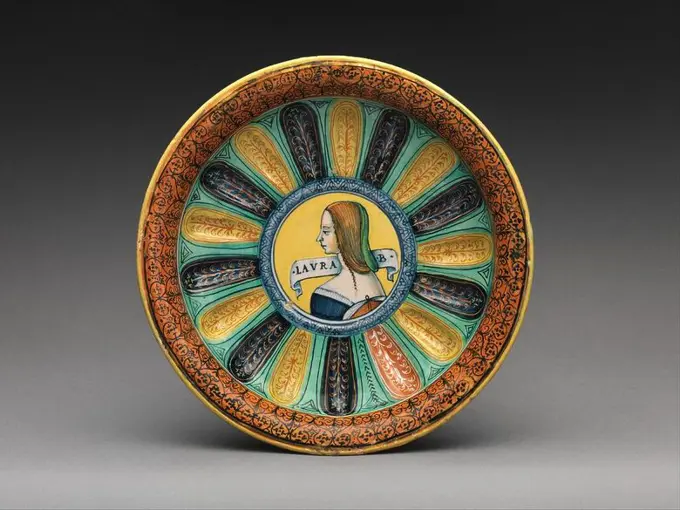
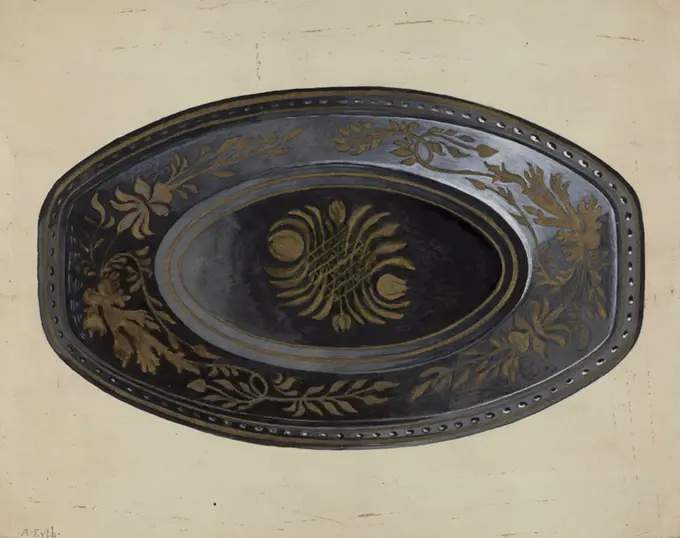
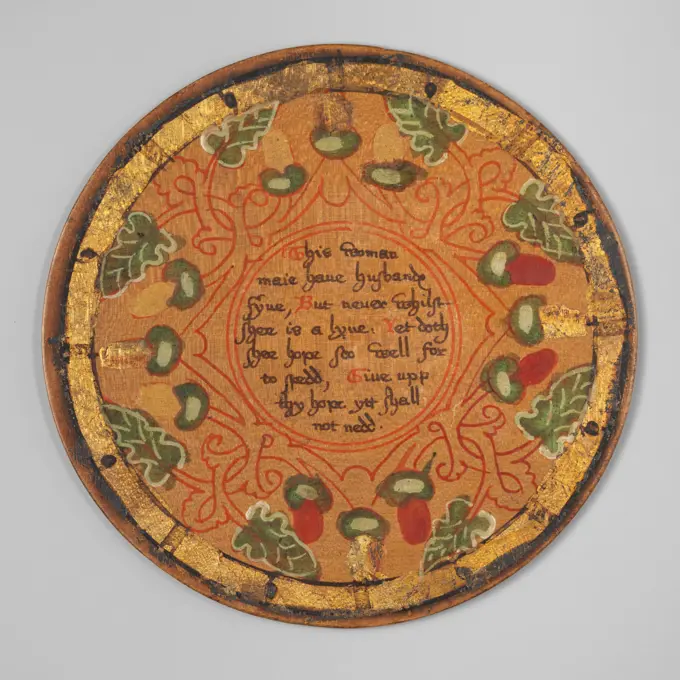
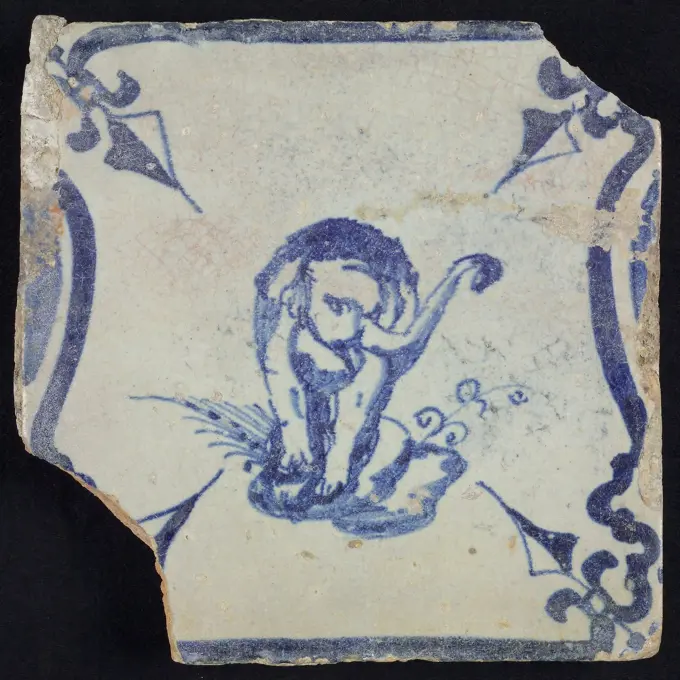
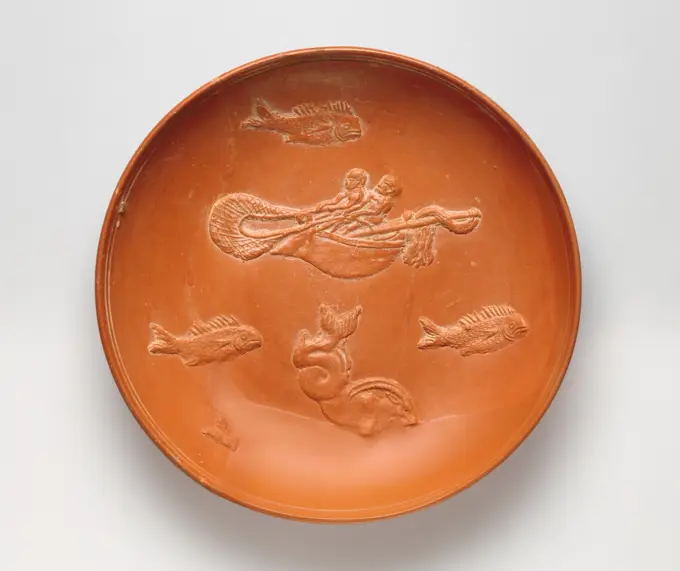
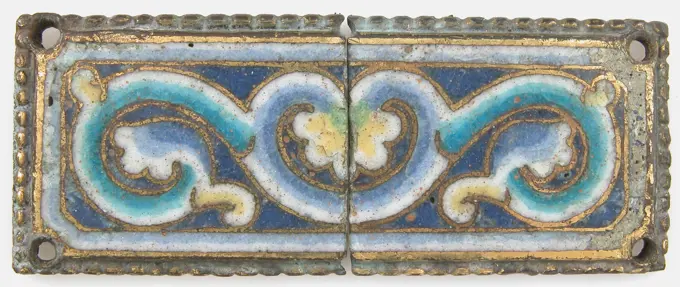
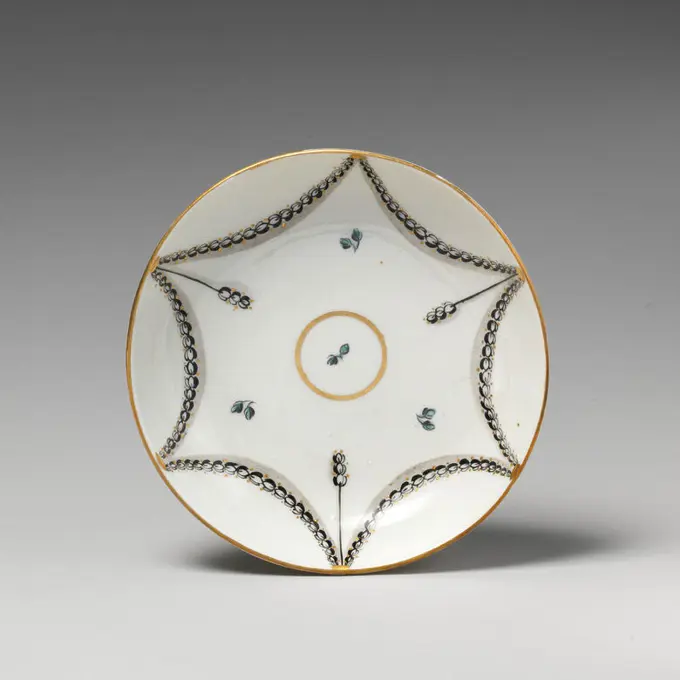
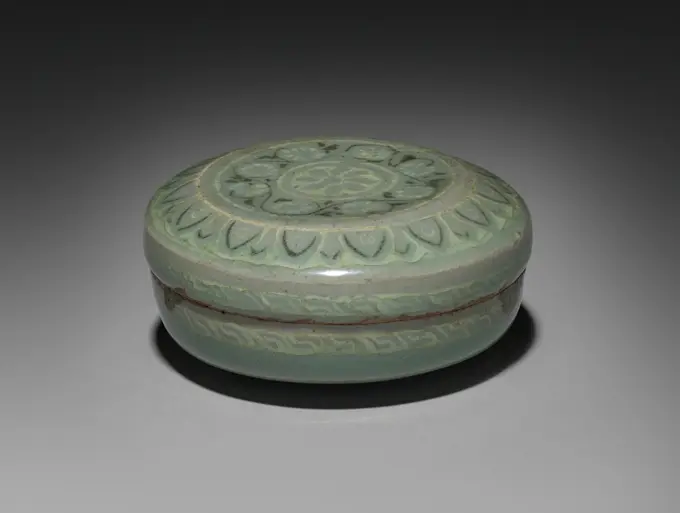
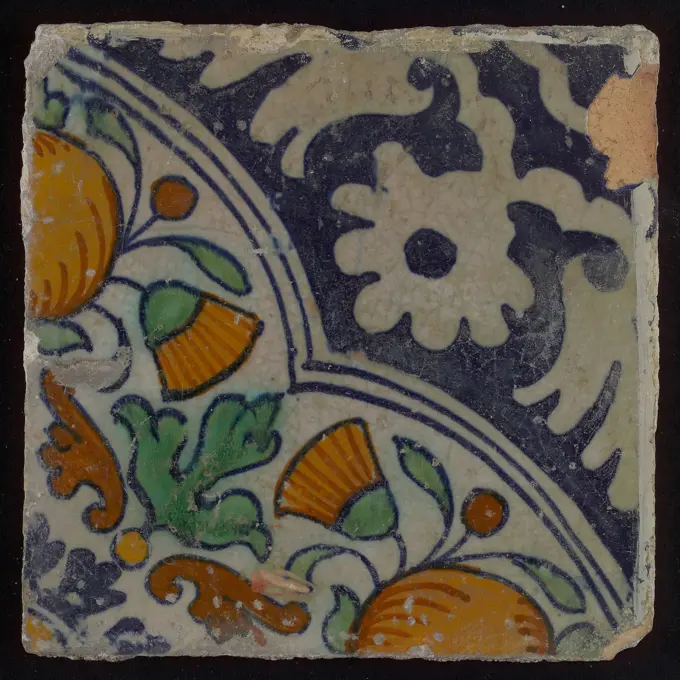
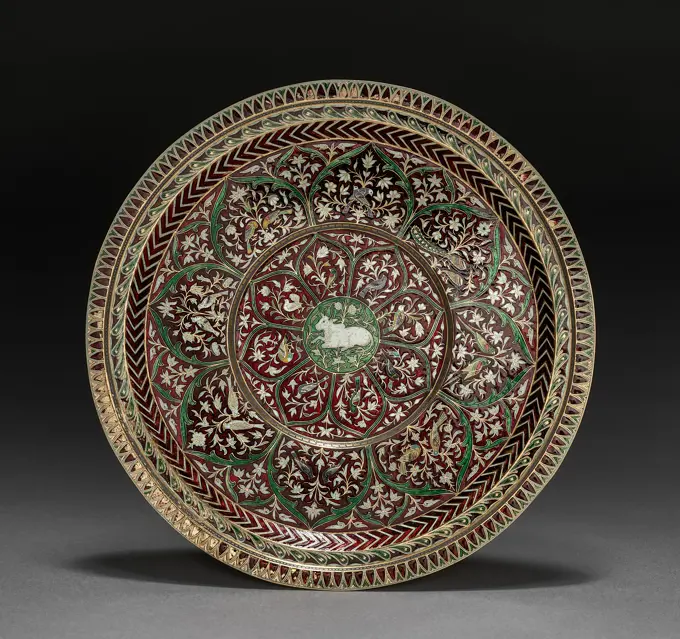
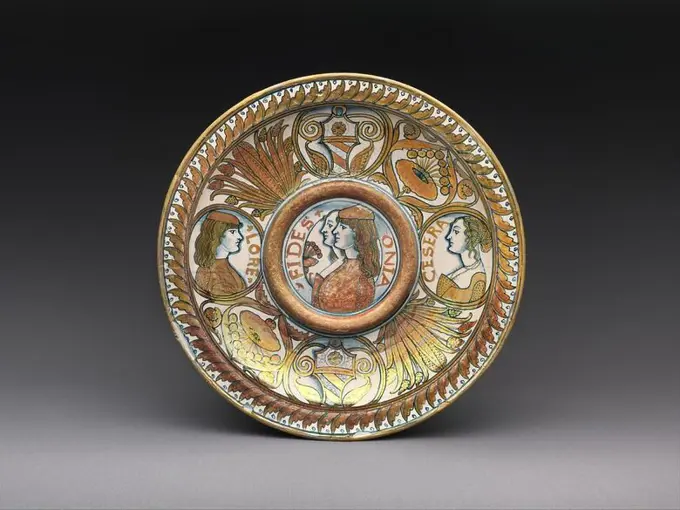
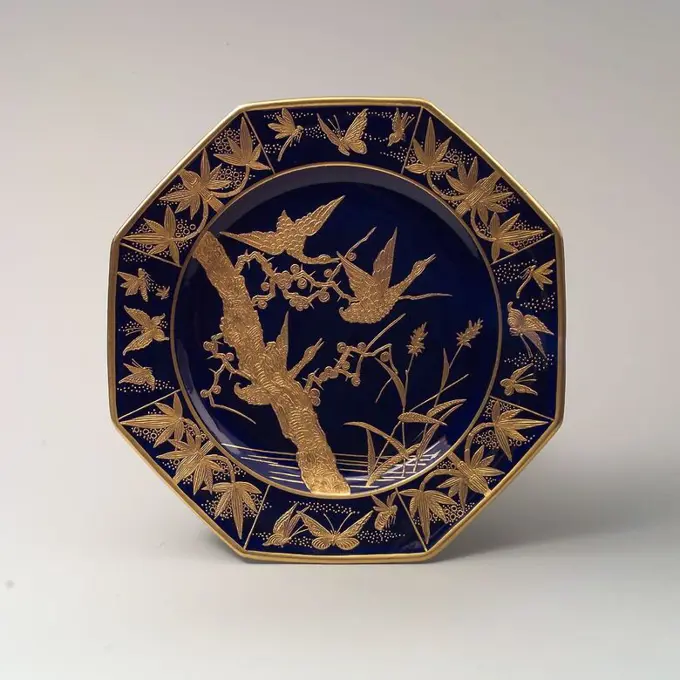
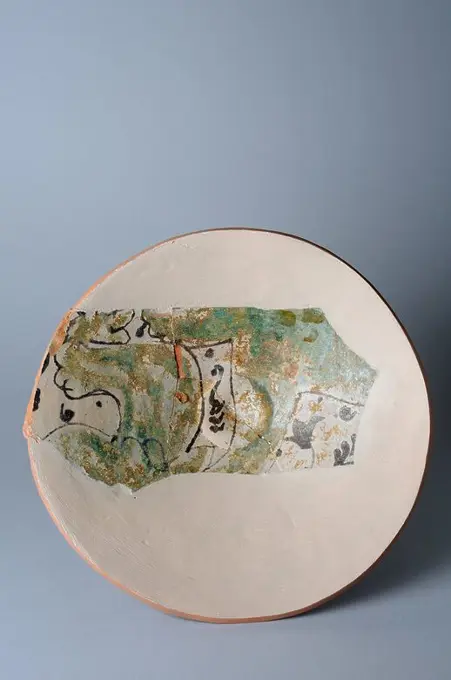
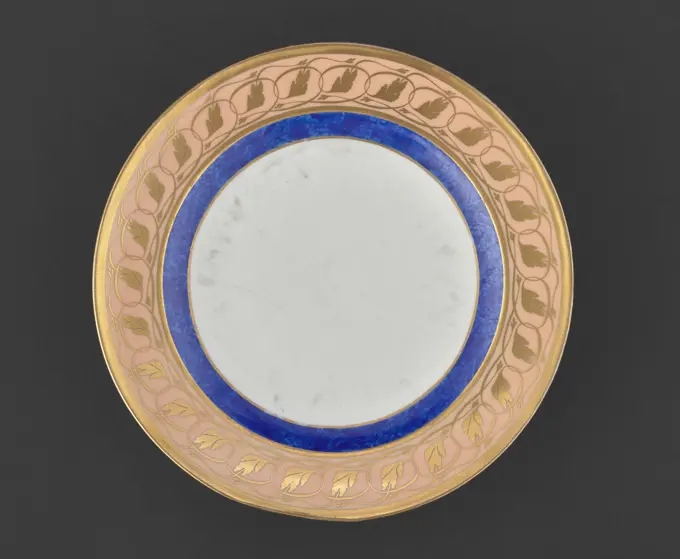
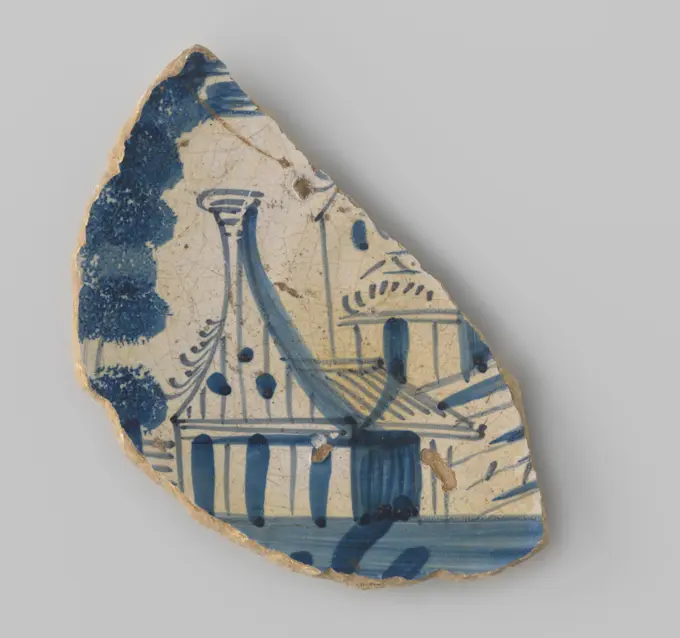
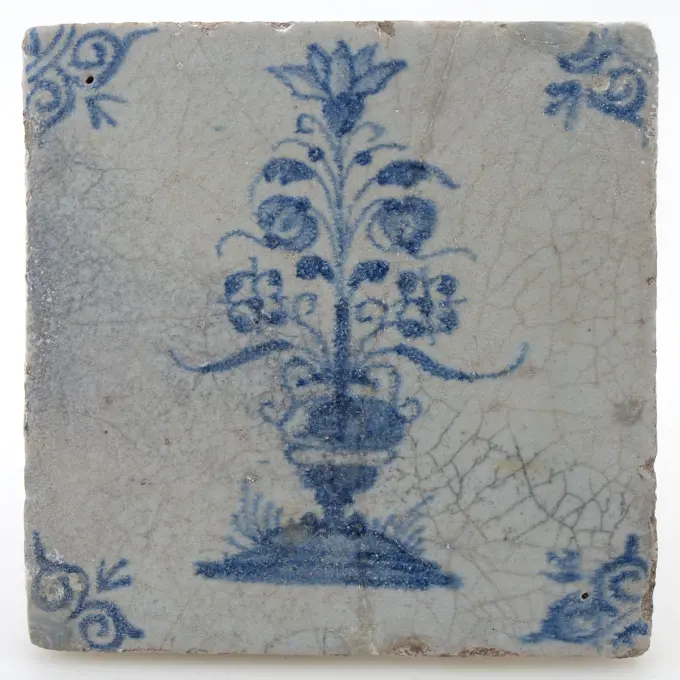
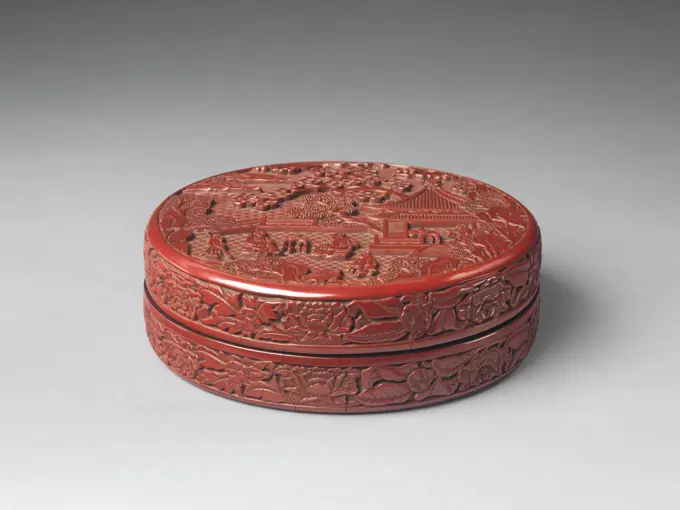
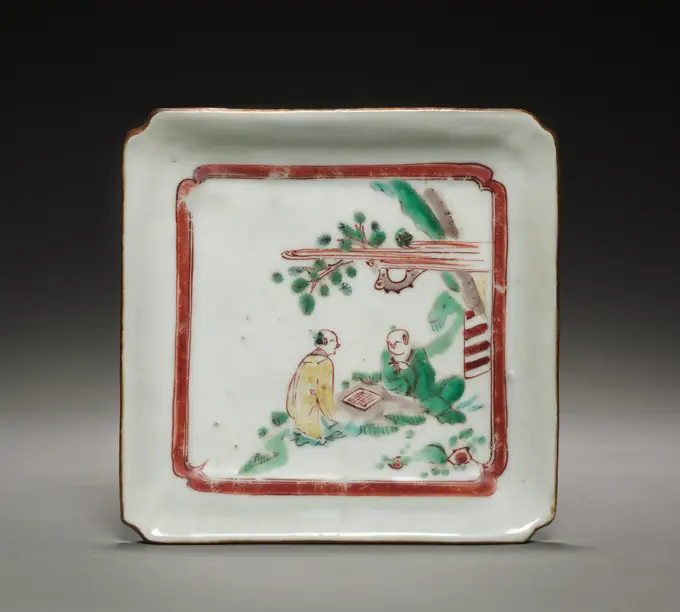
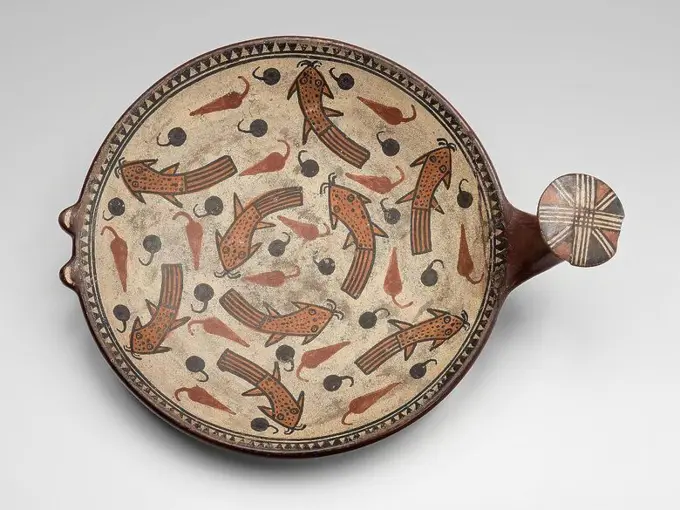
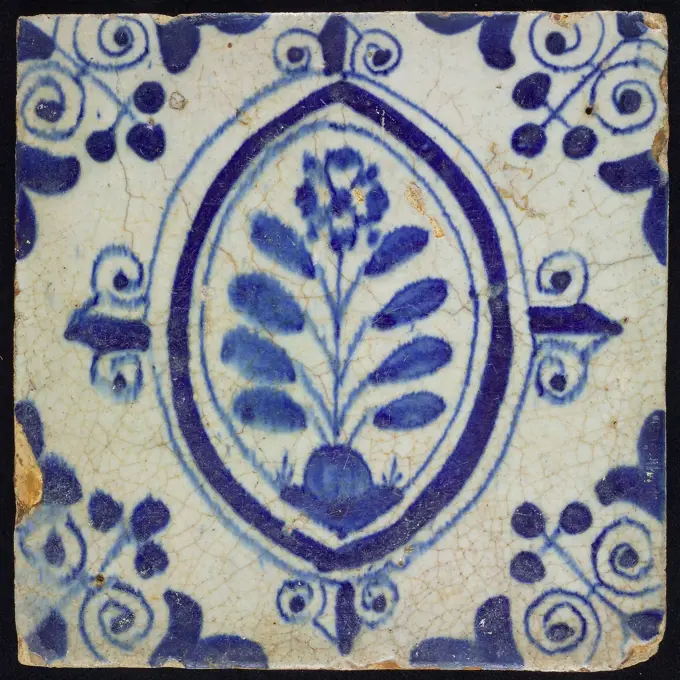
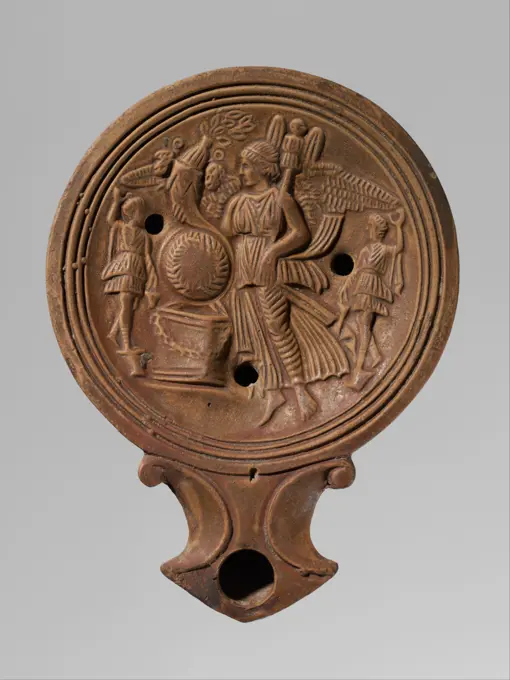
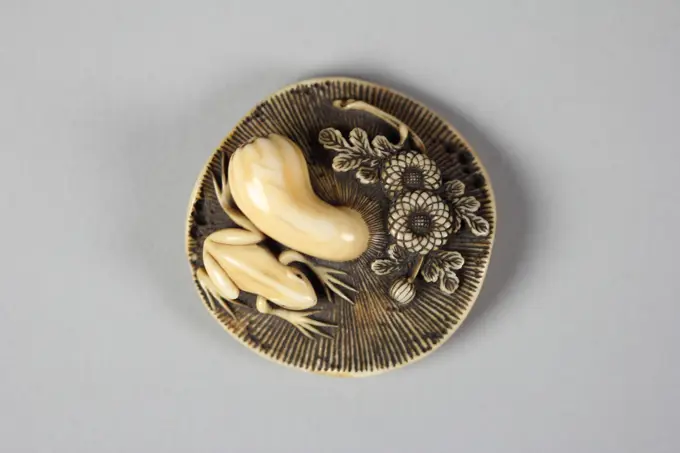
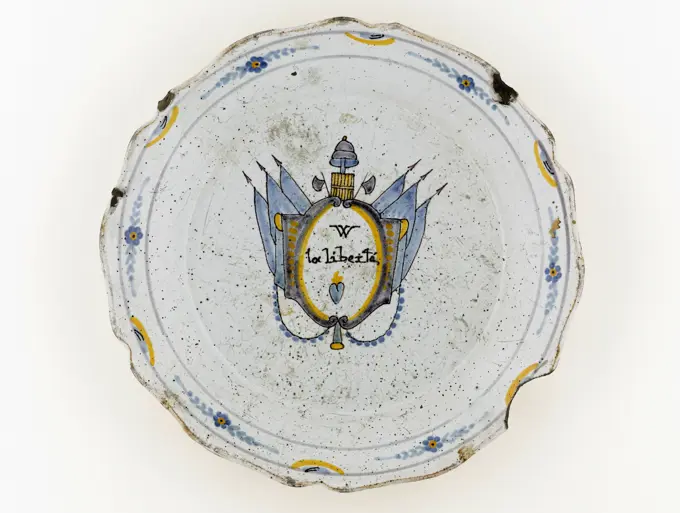
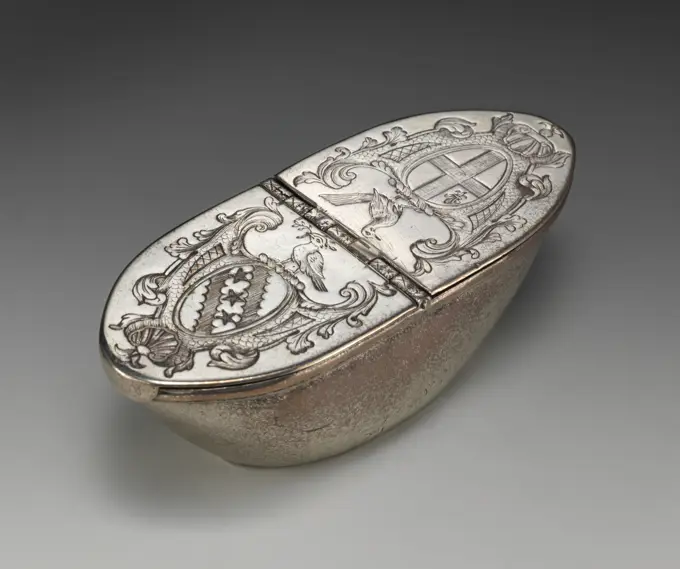
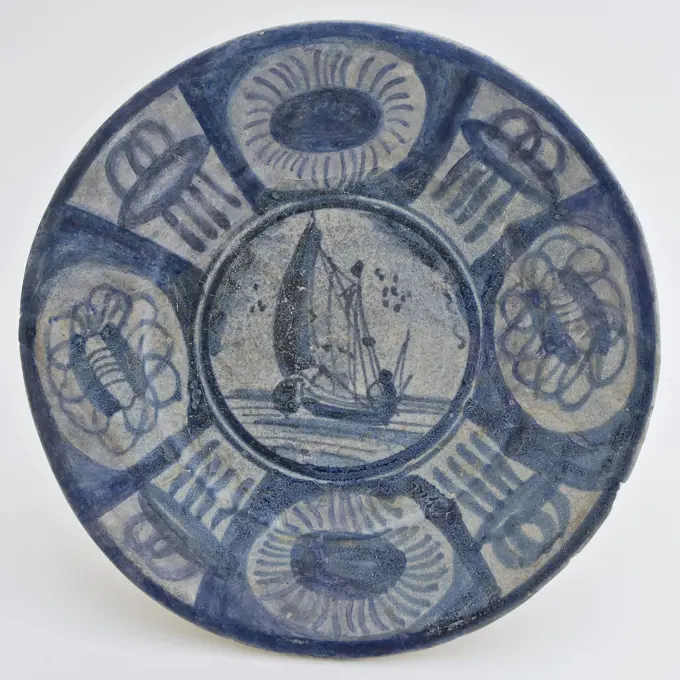
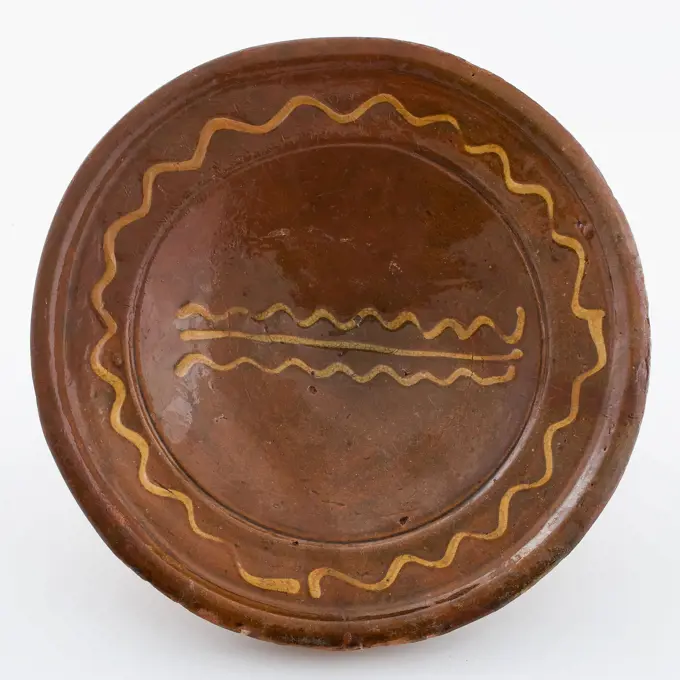
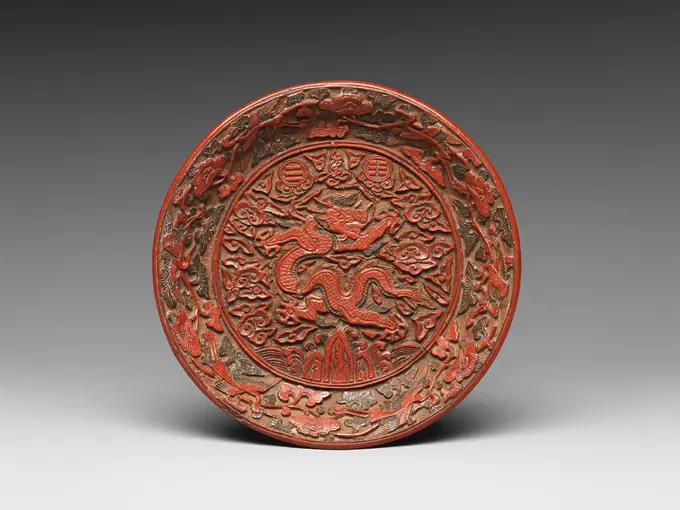
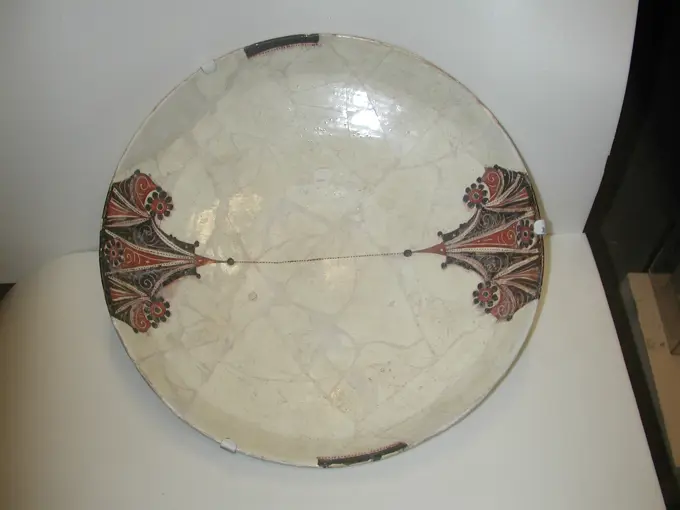
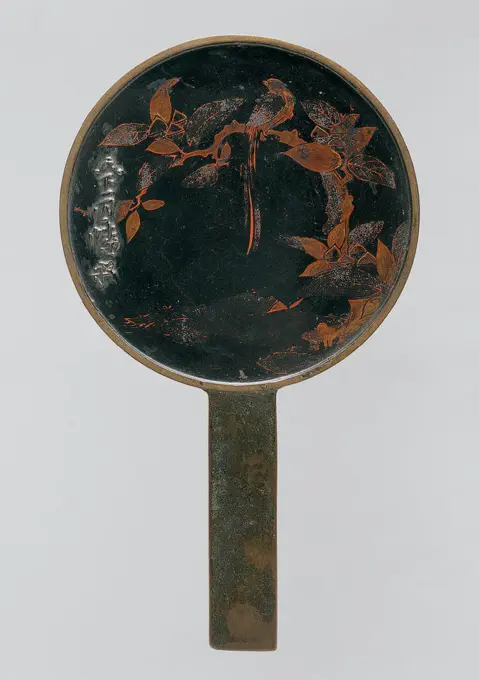
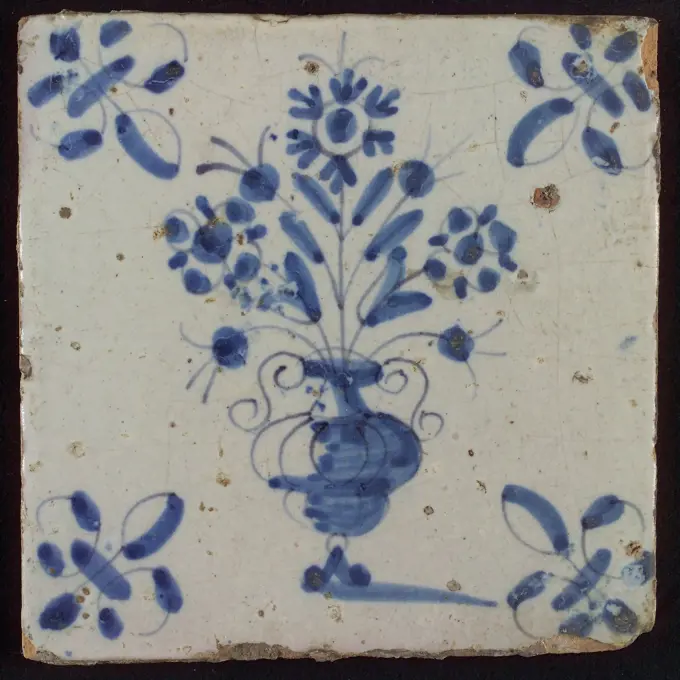
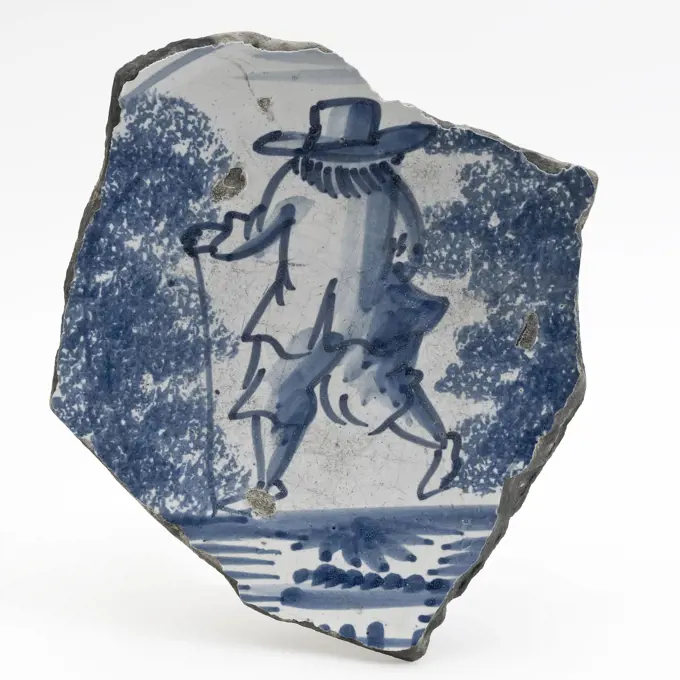
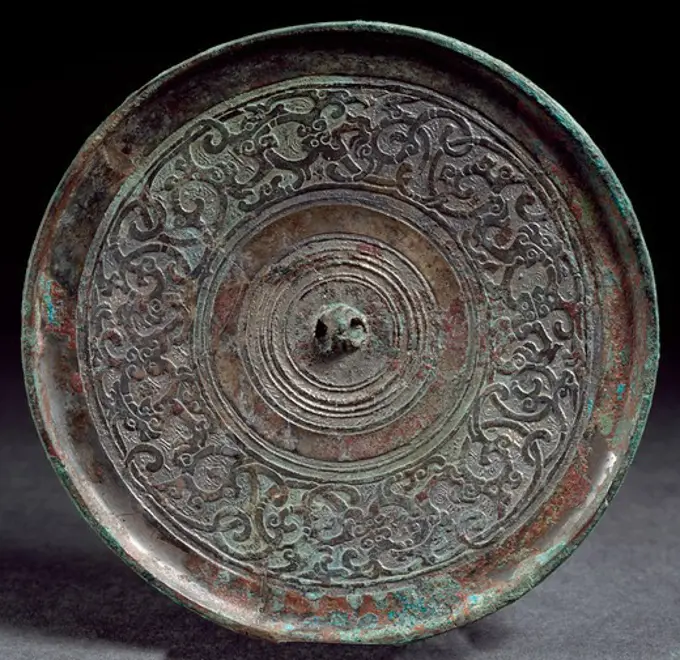
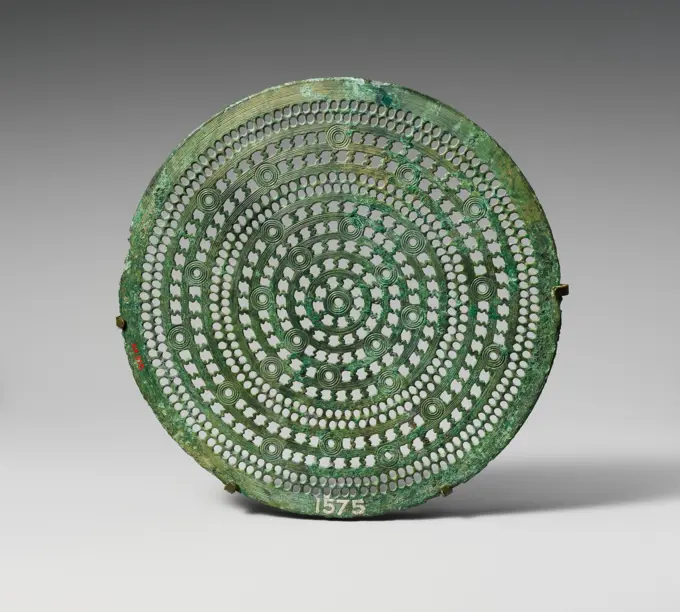
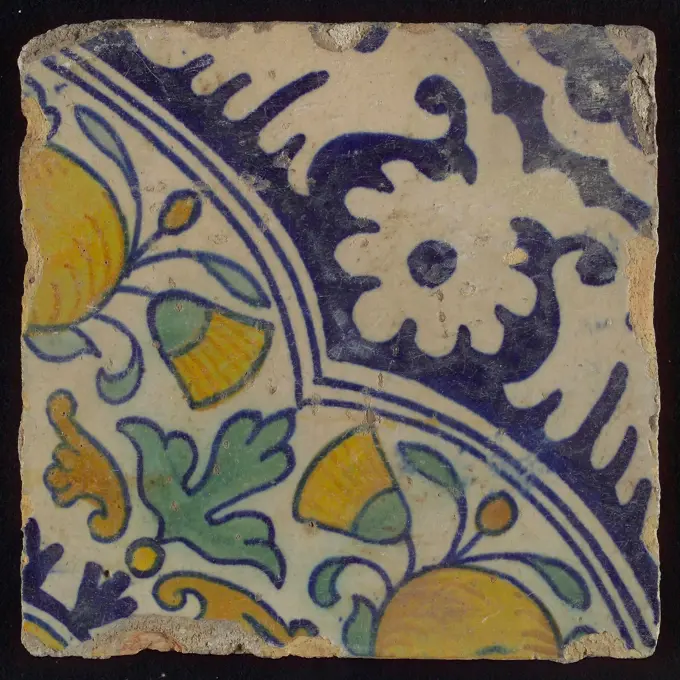
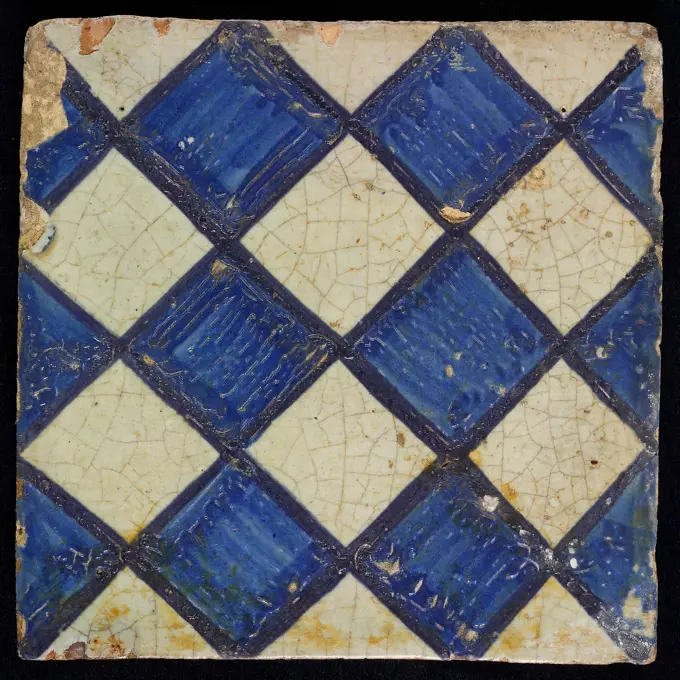
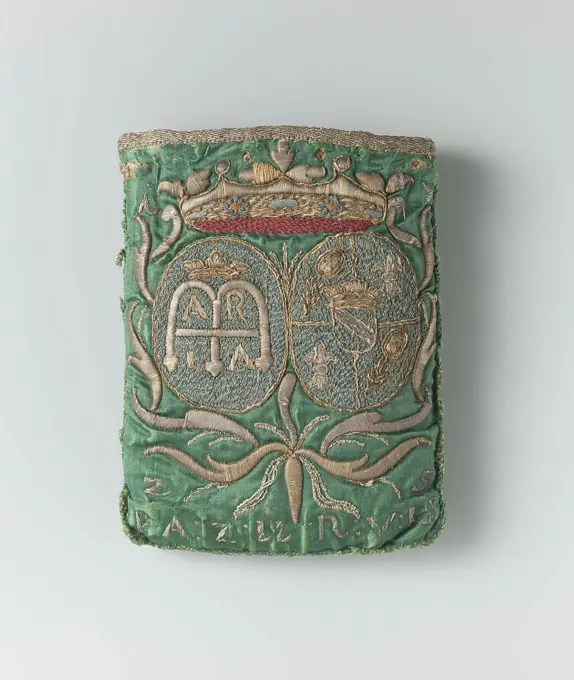
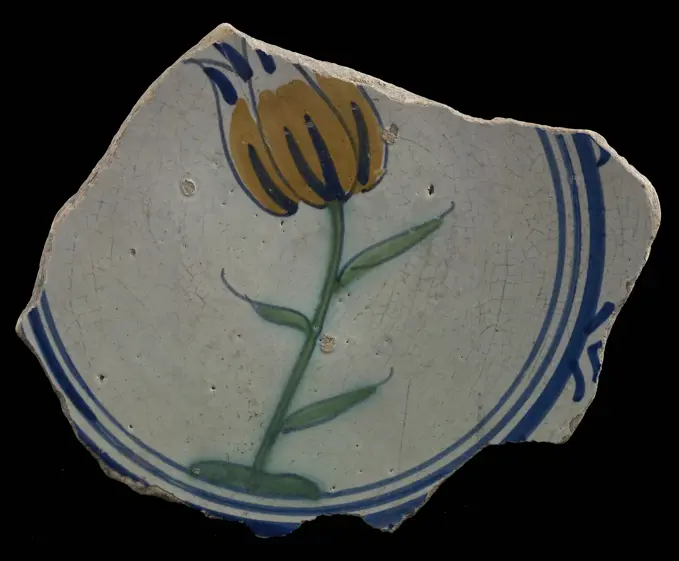
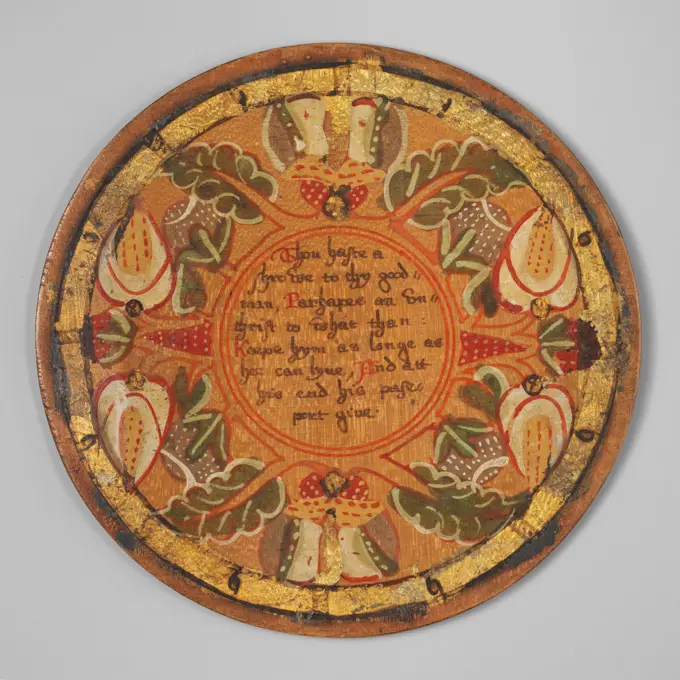
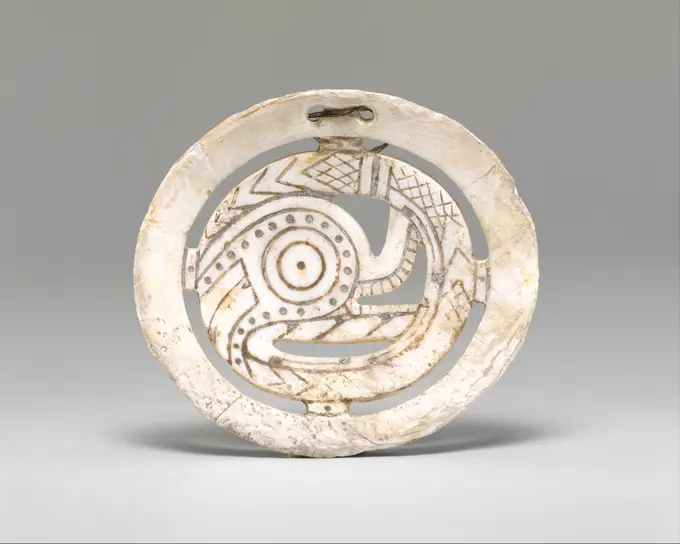
Gorget 13th-14th century Mississippian. Gorget 319184Bowl with Interlace Pattern and Yellow Flowers 9th century Among the rich assemblage of ceramics unearthed at Nishapur during the Metropolitan Museums excavations was a type that came to be known as "buffware." This name comes from the buff color of the body fabric itself, usually a brownish-beige clay. Buffware was numerically one of the largest groups of ceramics found at Nishapur, which may have been a primary production center for the type. It has also been found in northeastern Iran and Transoxiana, however. Buffware is known for its lively color palette - usually black, green and bright yellow - and vibrant decoration, which often covers the entire interior of the vessel. This bowl features a simple but eye-catching design. A pattern formed by interlacing bands in white fills the concave surface, breaking up the space into discrete sections. Flowers and flower petals in yellow and green fill the rings formed by the bands and the spaces in between rings. The background is covered. Fragment of the bottom of a small cup of quartz frying with a white glass glaze. To the circular center a border of points. On the bottom a medallion with a decor of circle segments and flower drinks with white and red accents and black outlines in the blue field. The fragment is found in Cairo.Plate with the Arms of the Rizzardi Family of Venice, c. 1525-1530. Attributed to Maestro Giorgio Andreoli (Italian, 1465-1553). Tin-glazed earthenware with gold and red lustre (maiolica); diameter: 26.7 cm (10 1/2 in.).Max Soltmann, Pa German Pie Dish, c 1936 Pa. German Pie DishFragment of a tile with yellow-baking shards with red veins, with white glaze, on which a drawing in blue, green, yellow and orange of flower and fruit motifs, c. 1500 - c. 1899 fragment. tile   earthenware. glazeEugene Shellady, Pa German Dish, 1938 Pa. German DishPlatter with crocodile, snake, and lizard ca. 1870-80 School of Paris Inspired by the works made by the Renaissance ceramicist Bernard Palissy (1510-ca.1590), nineteenth-century producers of Palissy ware combined novel motifs with traditional techniques. A crocodile, which were not a typical feature of the sixteenth-century potters work, occupies the center of this platter teeming with life.. Platter with crocodile, snake, and lizard. French. ca. 1870-80. Glazed earthenware. Ceramics-PotteryHelmut Hiatt, Fruit Dish  Quebec, c 1936 Fruit Dish - QuebecOrnament tile, diagonally across the tile white braid band motif, corner motif quarter rosette, wall tile tile sculpture ceramic earthenware glaze, baked 2x glazed painted Light yellow shard with fine red dots and square squares. Multicolored: blue (ocher to lemon) yellow and orange on white. Savings technique MoorsPlate ca. 1750 British, Staffordshire. Plate. British, Staffordshire. ca. 1750. Glazed earthenware. Ceramics-PotteryBrasero late 15th-early 16th century Muslim potters working in the lusterware industry emigrated to the region of Valencia in the early 14th century, and these craftsmen established and dominated the Manises ceramic industry for the next hundred years. Lusterware was the most significant luxury ceramic for both local consumption and international export. The prestige of these wares is evidenced by the decorative heraldic blazons belonging to a number of noble, ecclesiastical, and royal patrons. This dish is ornamented with an eagle blazon of an unidentified patron.In the late 15th century a shift in the taste led to the production of this type of dish, called "gadrooned ware." Characterized by the raised and tapered gadroon decoration around the outer rim and inner raised boss, this design was borrowed from contemporary metalwork, which often comprised raised decorative elements.. Brasero 451995Pompadourtegel, anonymous, 1580 - 1625 Pompadourt tile with a multicolored (blue, green, orange and yellow) painted flowerpot within a square. In the corners, ornament in Vultechniek. Netherlands earthenware. tin glaze majolica Pompadourt tile with a multicolored (blue, green, orange and yellow) painted flowerpot within a square. In the corners, ornament in Vultechniek. Netherlands earthenware. tin glaze majolicaFragment from the Base of a Bowl. Byzantine; Serres, Greece. Date: 1201-1400. Dimensions: H. 3.5 cm (1 3/8 in.); w. at widest point: 11 cm (4 1/2 in.). Glazed terra-cotta. Origin: Constantinople. Museum: The Chicago Art Institute, Chicago, USA.Saltcellar early 17th century Spanish or Southern Italian. Saltcellar. Spanish or Southern Italian. early 17th century. Maiolica (tin-glazed earthenware). Ceramics-PotteryBasin or bowl with Laura Bella. Culture: Italian, probably Faenza. Dimensions: Overall (confirmed): 2 3/8 × 10 3/4 in. (6 × 27.3 cm). Date: ca. 1510. Museum: Metropolitan Museum of Art, New York, USA.Plate with image of donkey and birds. unknown, craftsmanField of four tiles with fruit scales. Four tiles (2 x 2) each with a blue-painted fruit bowl. In the corners, a lily.Tile, orange, brown, green and blue on white, flowerpot in square, corner pattern palmet, wall tile tile sculpture ceramic earthenware glaze, baked 2x glazed paintedCircular tile with eagle. Circular tile with a blue-painted crowned eagle with a shield on his chest with the year: 1735.Ornament tile, central kidney-shaped green and brown floral shape, corner motifs, quarter rosette and save technique, wall tile tile sculpture soil find ceramic pottery glaze, baked 2x glazed painted Multicolored: blue pull; green yellow brown blue on white fond archeology underground pit Churchillplein Rotterdam City center Stadsdriehoek Soil discovery: Churchillplein underground pit 1968 Gerzon.Dessert Service (Saucer). Flight, Barr & Barr (England, Worcester, 1813-1840). England, 1813. Furnishings; Serviceware. PorcelainSaucer-dish with a cock on a rock near flowering plants in a leaf-shaped panel, anonymous, c. 1725 - c. 1749 Porcelain dish, painted on the glaze in blue, red, pink, green, yellow, turquoise, black and gold. On the flat a leaf -shaped cartouche with a rooster on a rock in flowering plants, above it an insect, brush and seal; Around the Cartouche flower branches against a floor of servetwork; On the inner edge a band with servetwork. Famle Rose. China porcelain. glaze. gold (metal) painting / gilding / vitrification Porcelain dish, painted on the glaze in blue, red, pink, green, yellow, turquoise, black and gold. On the flat a leaf -shaped cartouche with a rooster on a rock in flowering plants, above it an insect, brush and seal; Around the Cartouche flower branches against a floor of servetwork; On the inner edge a band with servetwork. Famle Rose. China porcelain. glaze. gold (metal) painting / gilding / vitrificationPlaying fair probably originally from green velvet, embroidered in gold, silver thread and multicolored silk with Paris city pavement. Playing fair probably originally from green velvet, embroidered in gold, silver thread and multicolored silk with Paris city pavement. Model: Flat round bottom of which a wavy raised edge has holes through which a cord (missing) could be drawn. On two sides, a button is sewn on the edge, with a core of wood and wound with flossy. The substance of the raised edge has disappeared almost everywhere between the official ornaments. The loose ornaments resemble the bottom again with large stitches of black silk. Lined with goat leather. Decoration: The 20 bulges or 'ribs' were decorated with alternating stacked ornaments. A horizontal line of silver wire ran flat under edge. Along the top is only a small leftover of the passing element that originally camouflage the seam between lining and dust. The bottom is circled with a double edge, a zigzag line of silveBread Tray. Dated: c. 1937. Dimensions: overall: 28 x 35.5 cm (11 x 14 in.) Original IAD Object: 13 7/8" long; 8 1/4" wide. Medium: watercolor, gold ink, and graphite on paper. Museum: National Gallery of Art, Washington DC. Author: Albert Eyth.Trencher (one of a set) late 16th-early 17th century British Banquets usually ended with candied fruits or other sweetmeats served on such decorative "spice dishes" of silver or wood. The gold effects were achieved with yellow varnish over a layer of silver-leaf. The verses were written in Black Letter script, with elaborate capital letters in Lombardic script. The verses, either amusing or moralizing, were shared with the other diners.. Trencher (one of a set). British. late 16th-early 17th century. Oak and sycamore woods, painted, silvered and yellow varnished; inscription: ink (animal or vegetable). Natural SubstancesAnimal tile, standing elephant frontal on plot between balusters, in blue on white, corner pattern french lily, wall tile tile sculpture ceramic earthenware glaze, baked 2x glazed painted Red shard square. Two-tone: blue on white.Red-Slip Bowl. UnknownBowl China. Bowl 44707Plaque from a Reliquary Shrine ca. 1170 German Among the most splendid objects in the great churches of Cologne are large architectural shrines containing relics associated with local saints. These ambitious goldsmiths works are among the greatest artistic achievements of their time. Refined decorative fragments like the small rectangular plaques shown here are often all that remain of these monumental objects, as many were dismantled or even destroyed following the secularization of church property in this region in the first decade of the nineteenth century. During later efforts to restore shrines, some fragments were replaced and the originals sold to collectors and museums.. Plaque from a Reliquary Shrine 464196 German, Plaque from a Reliquary Shrine, ca. 1170, Champlev? enamel, copper alloy, gilt, Overall: 2 11/16 x 1 1/16 x 1/8 in. (6.8 x 2.7 x 0.3 cm) a: 1 5/16 x 1 1/16 x 1/8 in. (3.4 x 2.7 x 0.3 cm) b: 1 5/16 x 1 1/16 x 1/8 in. (3.4 x 2.7 x 0.3 cm). The Metropolitan Museum ofDecorative dish. unknown, craftsmanSaucer (part of a service). Culture: British, Caughley. Dimensions: Diameter (each): 3 13/16 in. (9.7 cm); Diameter (.375): 3 3/4 in. (9.5 cm). Factory: Caughley Factory (British, ca. 1772-1799). Date: ca. 1780-90. Museum: Metropolitan Museum of Art, New York, USA.Box and Cover with Inlaid Chrysanthemum Design, 1200s. Korea, Goryeo period (918-1392). Celadon; diameter: 9.1 cm (3 9/16 in.); overall: 4.2 cm (1 5/8 in.). Celadons, spoons, seals, and bronze mirrors were the most common burial objects in tombs during the Goryeo period (918-1392). Once used to contain color powder, rouge and eyebrow gel for makeup, this small container was one of the standard goods that furnished elites' tombs. Goryeo-period women and men used the grain powder of rice or millet for whitening their skin, safflower extract for rouge, and plant ash or soot for eyebrow gel. Yet, natural-looking make-up seems to have been the most favorable one in Korea according to the travelogue by Xu Jing (1091-1153), the Chinese diplomat who visited Korea in 1123.Tile/tile fragment, Glazed earthenware, Spain or Italy, 17th century, tiles, Decorative Arts, Tile/tile fragmentMajolica dish with polychrome decoration, rosette, dish crockery holder soil find ceramic earthenware glaze lead glaze tin glaze, majolica baked painted glazed Fragment of majolica dish High wide stand ring in which hole Backside gray-blue glazed front (dirty) white on which decoration in blue yellow orange. Proof printing. Pink-orange shard. Shaved pottery. Cooking on praars Onderzijde leadg glaze of poor quality archeology Rotterdam railway tunnel room serving food decorate Soil discovery: railway tunnel Rotterdam.Ornament tile, diagonal ornament in quatrefoil with orange and flowers, palm corner, corner pattern rosette, wall tile tile sculpture ceramics pottery glaze, baked 2x glazed painted Ruddy shard square Two nail holes. Multicolored: brown blue green Bellevue Rotterdam Hillegersberg-Schiebroek Hillegersberg Zuid Kleiweg Originating from Huize Bellevue that stood on the Kleiweg.. Dish of porcelain with ribbed wall and scalloped edge, painted in underglaze blue and on the glaze blue, red, green, yellow, black and gold. On the flat in a medallion the coat of arms of England with the inscription 'Englandt', about the weapon flower branches, two butterflies and two birds. The wall is divided into twelve flower leaf-shaped compartments with alternating a flower vase and a person in a landscape; between the napkin workers. The back with two flower branches. A crack in the wall. Weapon porcelain with famille verte email colors.Tile. Tile painted in yellow and purple with star pattern.Circular ornaments were worn as pendants, sewn onto textiles, or pinned into hair. The decorative motif made of colorful gems depicting flowering plants was introduced during the reign of the Mughal emperor Shah Jahan (1628-58) and remained popular through the 1800s. Ornament, 1800s. India. Gold with green enamel ground, white sapphires, rubies, and pearls; diameter: 5.2 cm (2 1/16 in.).Dish Spanish late 15th-early 16th century View more. Dish. Spanish. late 15th-early 16th century. Tin-glazed earthenware. Made in probably Manises, Valencia, Spain. CeramicsTile late 16th century. Tile 446973Walter Praefke, Hat Box, c 1937 Hat BoxPlate with Nandi in Center, 1700s-1800s. India, Jaipur, 18th-19th Century. Cloisonné enamel on gold; diameter: 14.4 cm (5 11/16 in.).Gold Thewa Brooch made from gold, enamel and glass, in India during the 19th CenturyEwer stand with male and female profiles and arms of the Orsini family. Culture: Italian, Deruta. Dimensions: Overall (confirmed): 1 9/16 × 12 1/8 in. (4 × 30.8 cm). Date: ca. 1500-1510.The motto FIDES OMNIA (Faith or Fidelity is all things) encircling the double portraits of a man and a woman suggests that the decoration of the plate refers to a marriage or betrothal. The inclusion of the Orsini coats of arms at top and bottom might indicate that both bride and groom were related to that powerful Roman family. Museum: Metropolitan Museum of Art, New York, USA.GG, Animal tile with lying deer, blue decor on white ground, corner filling ox's head, marked, wall tile tile sculpture ceramic earthenware glaze tin glaze, in shape made baked glazed painted baked Wall tile with blue decor on white fond. Animal tile with lying deer sharp antlers on its head and lying on ground Corner filling big ox head. Orange-red shard Scraped earthenware. Slightly slanted sides. Marked at the back In blue paint on the back: GG probably part letters has disappeared Rotterdam City Triangle Zandstraat indigenous pottery Originating from the Zandstraat Rotterdam area.Button 249-210 B.C. Chinese. Button 127633wall tile tile sculpture ceramic earthenware glaze, baked 2x glazed painted Yellow and reddish shard square two and four nail holes. Multicolored: brown blue green yellow on white ground (variation in light and dark). Saving technique in blue on white.Panel 14th-15th century. Panel 444785Fragment majolica dish, blue on white, details orange, Italian-looking tendrils, plate crockery holder soil find ceramic earthenware glaze, majolica Cooked on prunes. Italian decor Polychrome archeology Italy serving Rotterdam to decorate archaeological find in the soil Rotterdam 1914.Plate. Culture: American. Decorator: James Callowhill (1838-1917). Dimensions: Diam. 7 in. (17.8 cm) (hexagonal). Date: ca. 1885-86.Formerly an important decorator at Royal Worcester, Callowhill most likely painted this ornate plate, which is signed and inscribed with a Brooklyn address, shortly after his arrival in the United States. Museum: Metropolitan Museum of Art, New York, USA.Glazed ceramic dish with floral decoration. Base diameter 68mm Maximum width 237 mm Thickness 7 mm ( 14 th CE ) - Medieval period belonging of the " Burgo de Santiuste Museum" in Alcalá de Henares. (Madrid). SPAIN.Plate; Koenigliche Porzellan Manufaktur (KPM; Berlin; 1763-1918); 1803-13 (1823-00-00-1832-00-00);Textile Fragment 3rd-4th century. Textile Fragment 443304Fragment of a dish with yellowish shard, with a painting of a building in blue on a white surface, c. 1500 - c. 1899 fragment   earthenware. glazePottery tile with flower vase and ox head corner decoration in blue on white background, wall tile tile visualization earth discovery ceramics earthenware enamel tinglag, in form made glazed baked earthenware tile with flower vase and ox head corner decoration in blue on off-white ground. Presentation is lightly flowned Decoration consists of flower vase with two large curled ears on field with blades of grass. In the vase bouquet with leaves and five flowers On the left the tile is lightly sintered by overheating archeology Rotterdam City Center Stadsdriehoek Schiedamsedijk Soil discovery: Schiedamsedijk east side Rotterdam 1939.Joseph Rothenberg, Bandbox, c 1939 BandboxSix-lobed Dish from the Yuan Dynasty (1279-1368). Dated 14th CenturyBandbox, Block-printed paper, pasteboard support, Lid only. On what may have been white background, scene enframed in oval frame of blue lines: Man and woman seated in chairs at small pedestal table with basket of grapes, boy standing nearby hands grapes to man. Blue, brown, faded yellow or green. Rim: Yellow background simple border pattern of green and white lines, simplified leaves., USA, 1830-40, Wallcoverings, BandboxBox with scene of a zither (qin) gathering 1403-1424 China On the cover of this box, a pair of seated men relax on a veranda that overlooks a body of water. One plays the Chinese zither (qin) while the other listens. A trio of attendants, one inside the nearby pavilion, also enjoy the music. Scenes depicting the cultured lifestyle and artistic skills of the scholarly class became ubiquitous in Chinese painting and decorative arts after the fourteenth century.. Box with scene of a zither (qin) gathering 40219Plate with Chrysanthemum Design ca. 1800 Japan. Plate with Chrysanthemum Design. Japan. ca. 1800. Seto ware; stoneware with iron decoration. Edo period (1615-1868). CeramicsFragment of a tile, anonymous, c. 1640 - c. 1670 Fragment of a tile with a multicolored (blue, green, yellow, orange and purple) painted bust of a woman inside a squared pillow. Netherlands earthenware. tin glaze majolica Fragment of a tile with a multicolored (blue, green, yellow, orange and purple) painted bust of a woman inside a squared pillow. Netherlands earthenware. tin glaze majolicaDish with Two Men Playing Go, 1700s. Japan, Edo period (1615-1868). Porcelain, molded, with overglaze color enamel (Hizen ware, Imari style); overall: 2.4 x 13.8 cm (15/16 x 5 7/16 in.).Minitature Tray Depicting Suche Fish and Peppers. Inca; Probably vicinity of Cuzco, Peru. Date: 1450-1532. Dimensions: 7.6 × 23.7 cm (3 × 9 5/16 in.). Ceramic and pigment. Origin: Cuzco. Museum: The Chicago Art Institute, Chicago, USA.Dish Italian, Deruta ca. 1500-1510 View more. Dish. Italian, Deruta. ca. 1500-1510. Maiolica (tin-glazed earthenware). Ceramics-PotterySupport to take the pulse (common name), 900, transparent glaze with green spots. Cernuschi Museum, Asia Museum of Asia in the city of Paris. On the top, touches of green-profinity form an abstract floral decor.SB, Flower Tile, blue on white, in oval with lilies, flower on ground, corner motif, wall tile tile sculpture soil find ceramic pottery glaze, baked 2x glazed painted Ruddy shard square. Two-tone: blue on white ground on back in black ink graceful SB archeology Rotterdam Kralingen-Crooswijk Struisenburg Oostmaaslaan Soil discovery: Oostmaaslaan.Terracotta oil lamp 1st century A.D. Roman On the discus is winged Victory holding a cornucopia (horn of plenty) in her right hand and a trophy on a pole in her left. The scene also contains a shield above an altar, and to either side, Victory is flanked by two lares militares (guardians of the soldiers).. Terracotta oil lamp. Roman. 1st century A.D.. Terracotta; mold-made. Early Imperial. TerracottasWhite tile with blue fruit bowl on stand, apples and grapes; corner pattern meander angle, wall tile tile sculpture ceramic earthenware glaze, baked 2x glazed painted Red shard square three and four nail holes. AVIa chinoiserieField of six tiles with soldiers. Field of six tiles (3 x 3) each with a blue painted soldier within a four-pass. In the corners, Meander ornament.Netsuke of Mushroom and Frog 19th century Japan. Netsuke of Mushroom and Frog. Japan. 19th century. Ivory. Edo (1615-1868) or Meiji period (1868-1912). NetsukeAnonymous. Plate. Earthenware. Paris, Carnavalet museum. 71680-13 Phrygian cap, decoration, flag, faience, beam, revolutionary period, French revolution, plateNutmeg box first half 18th century Possibly by James Manners. Nutmeg box. probably British, London. first half 18th century. Silver. Metalwork-SilverBlue majolica plate in Wanli style, flat on sailboat, plate crockery holder soil find ceramic earthenware glaze tin glaze lead glaze, hand-turned baked decorated glazed fried Majolica dish. Flat mirror slanting flag and shallow shoulder. Standring. Yellow shard Bottom lead glaze crackle in glaze layer. Cooked on prunes. Blue decor on white fond in the mirror witnessed and sailing sailing ship. Cassetterand in Chinese style archeology Valckensteyn Poortugaal Albrandswaard indigenous pottery decorate serving up food archaeological find in the soil Poortugaal ValckensteynSeal paste box with scene from the Western Chamber China late 18th-19th centuryTile, flowerpot in blue on white, corner motif lily, wall tile tile sculpture ceramic earthenware glaze, baked 2x glazed paintedEarthenware dish on stand ring, yellow sludge decoration in mirror and wave line along the edge, dish plate crockery holder earth discovery ceramic earthenware glaze lead glaze clay, hand-turned glazed decorated fried lemonade Pottery dish on stand ring Glazed internally Decorated in sludge technique Decoration consists of yellow line straight through the mirror flanked by two rolled lines On the flag single undulating line Groove on the transition from side wall to flag. Thickened upstanding dish edge. Restoration is repainted archeology underground pit Rotterdam City Triangle Blaak Groenendaal indigenous pottery serving serving table room Soil discovery of the Groenendaal direction Blaak.Circular Dish with Dragon, Trigrams, and the Character for Longevity (Shou). Culture: China. Dimensions: H. 1 5/16 in. (3.3 cm); Diam. 6 1/2 in. (16.5 cm). Date: 1522-1566. Museum: Metropolitan Museum of Art, New York, USA.Bowl with Red and Black Vegetal Motifs 10th century Excavations at Nishapur and Samarqand produced a wide range of ceramic finds; among these was a group of earthenware vessels covered in white and polychrome slip. This shallow bowl is decorated with two symmetrically-arranged designs of red and brown slip that are joined by a trail of dots. Because of close ties between Nishapur and Samarqand during the Samanid period, scholars have been unable to identify the precise origin of this bowl.. Bowl with Red and Black Vegetal Motifs 452072Oval fragment with embroidered flowers, anonymous, c. 1850 - c. 1920 Possibly an apron. Netherlands textile materials embroidering Possibly an apron. Netherlands textile materials embroideringSaucer-dish with a woman on a powder blue ground, c. 1700 Porcelain bowl with round wall, painted in underly glaze blue and red. The front is covered with bleu poudré (powder blue) with a woman (long lijs) sparked at the orchid in her hand and standing at a table with a lid bowl and vase with lotus; Two inching branches on the outside. Marked on the underside with a tripod in a double circle. Underglaze blue with copper red. China porcelain. glaze. cobalt (mineral). copper (metal) painting / vitrification Porcelain bowl with round wall, painted in underly glaze blue and red. The front is covered with bleu poudré (powder blue) with a woman (long lijs) sparked at the orchid in her hand and standing at a table with a lid bowl and vase with lotus; Two inching branches on the outside. Marked on the underside with a tripod in a double circle. Underglaze blue with copper red. China porcelain. glaze. cobalt (mineral). copper (metal) painting / vitrificationFan ca. 1777-80 British. Fan. British. ca. 1777-80. Silk, ivory, silver. FansMirror with handle 1661-72 Japan. Mirror with handle. Japan. 1661-72. Bronze with black and red lacquer and silver maki-e. Edo period (1615-1868). MirrorsSword-Hilt Collar and Pommel (Fuchigashira) 18th century Japanese A fuchigashira is a pair of matching sword fittings comprising the fuchi (collar at the base of the grip of the sword hilt) and kashira (pommel cap at the end of a sword hilt).. Sword-Hilt Collar and Pommel (Fuchigashira). Japanese. 18th century. Copper-gold alloy (shakud), gold. Sword Furniture-Fuchi-KashiraSaucer-dish with powder blue and pots with pine, bamboo and prunus. Scale with round wall of porcelain, painted in underglaze blue and red. The dish is covered with bleu poudré (powder blue) with a star-shaped reserve on the flat in which two flower pots with pine, bamboo and prunus packs; Twice a bamboo roof on the bottom. Marked on the underside with the six character mark of Emperor Chenghua in a double circle. Middle blue with copper red.Tile, flowerpot in blue on white, corner pattern lily, wall tile tile sculpture ceramic earthenware glaze, baked 2x glazed paintedFragment majolica dish with walking man in blue on white ground, dish crockery holder soil find ceramic earthenware glaze tin glaze lead glaze, ring 12.8 hand turned baked 2x majolica Fragment majolica dish with blue representation on stand ring Presentation consists of walking man with stick in wooded landscape trees are shown in tamponation technique. imprints in the performance. Back of lead glaze archeology Rotterdam Heliport grounds indigenous pottery food serving table room serve Soil discovery: Heliport site Rotterdam June 1978.Tile, flower vase, blue decor white fond, corner filling spider, wall tile tile sculpture ceramic earthenware glaze tin glaze, in form made baked painted baked Wall tile with blue decor on white background Central representation of flower vase underneath shadow line. Vase with two thin curled ears. Corner filling spider. Yellow shard scraped pottery Slightly slanted sides. Deformed corner flattening indigenous earthenwareTray, from a Japonisme Lemonade Set Tray; Manufactured by Worcester Royal Porcelain Company, Ltd., Royal Worcester (England, GB, United Kingdom); hard paste porcelain, vitreous enamel, goldBronze mirror, China. Chinese Civilisation, Warring States Period, 5th-3rd century BC.Bronze perforated disc early 7th century B.C. Italic Decorative disks of this sort were often attached to shields or sewn onto leather breastplates for added protection.. Bronze perforated disc 246438Ornament tile, diagonal ornament in quatrefoil with bows in which orange-apples and flowers, palm corner, corner pattern rosette, wall tile tile sculpture ceramic earthenware glaze, baked 2x glazed painted Yellow and reddish shard square two and four nail holes. Multicolored: brown blue green yellow on white ground (variation in light and dark). Saving technique in blue on white.BRASERO DE CERAMICA. Location: PARADOR NACIONAL-ALCAZAR. Badajoz. SPAIN.Ornament tile, blue on gray, with light blue brushed check pattern and dark blue frame, as checkerplate, small windows, floor tile tile images ceramic earthenware glaze, d 1.2Fair in a flat, rectangular model of green silk, on which a crowned double medallion in gold and silver thread on the one hand and a duke hat including lion on the other. Purse in a flat, rectangular model of green silk, with gold and silver wire and blue and red lobby side embroidered. On the one hand a crowned double medallion with a blue-embeded background. In the left a crowned 'm' of which the middle leg is crossed with a horizontal line, so that four surfaces arise with the letters: 'a', 'r', 'i' and 'a', in silver thread. In the other medallion two French lilies and two thistles (), With a crowned shield in the middle in which a diagonal line. In the four corners of the year 1725. Against the bottom of the fair: 'Pa: Z: LL: R: Q: I: S'. On the other hand, a dark red derto herd including lion a lion to the constitued lion. The opening at the top is ombed with a double-wire double galon. Originally a cord was strung through holes along the top edge. The stock market is lined withSoul of majolica dish with polychrome decor, some tulip in green, orange and blue, dish crockery holder soil find ceramic earthenware glaze tin glaze lead glaze, ring 10,7 hand turned baked glazed painted baked Soul fragment of majolica dish Curved shape without shoulder Stand ring with hanging hole Polychrome decor In frame of blue circles large tulip with crooked hanging chalice the colors blue orange and green Boiled on the underside: greenish tinted lead glaze sintered inside the stand ring. Cracked archeology City center Rotterdam indigenous pottery serving serve tulipred war Second World War Founded in Rotterdam by clearing the rubble in the City Center after the bombing in May 1940.Bandbox and lid, Block-printed on handmade paper, cardboard support, Very exotic foliage, resembling palm trees, with oversize parrots and dragonflies. The upper portion of the box contains a pattern of white stars. Printed in pink and varnished green on a yellow ground. Very faded., USA, ca. 1820, Wallcoverings, Bandbox and lidWhite tile with blue fruit basket with insect, corner motif spider, wall tile tile sculpture ceramic earthenware glaze, baked 2x glazed paintedBead 4th-7th century Coptic. Bead 463393Trencher (one of a set) late 16th-early 17th century British Banquets usually ended with candied fruits or other sweetmeats served on such decorative "spice dishes" of silver or wood. The gold effects were achieved with yellow varnish over a layer of silver-leaf. The verses were written in Black Letter script, with elaborate capital letters in Lombardic script. The verses, either amusing or moralizing, were shared with the other diners.. Trencher (one of a set). British. late 16th-early 17th century. Oak and sycamore woods, painted, silvered and yellow varnished; inscription: ink (animal or vegetable). Natural Substances