Decorative Plates and Dishes

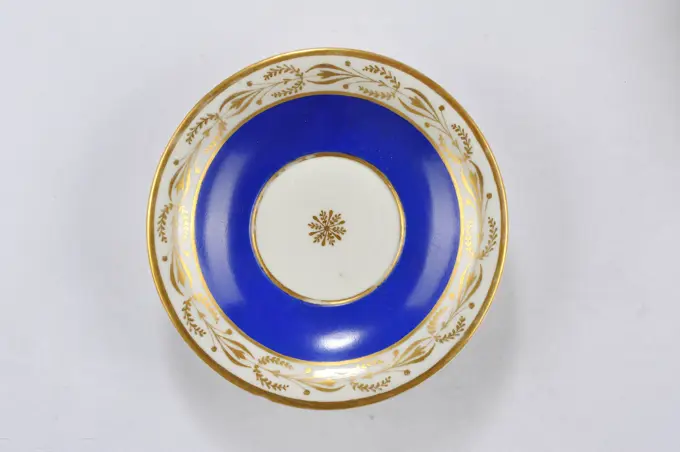
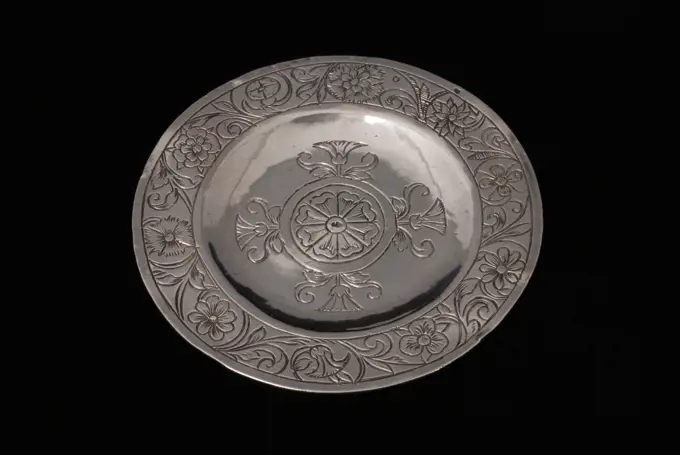
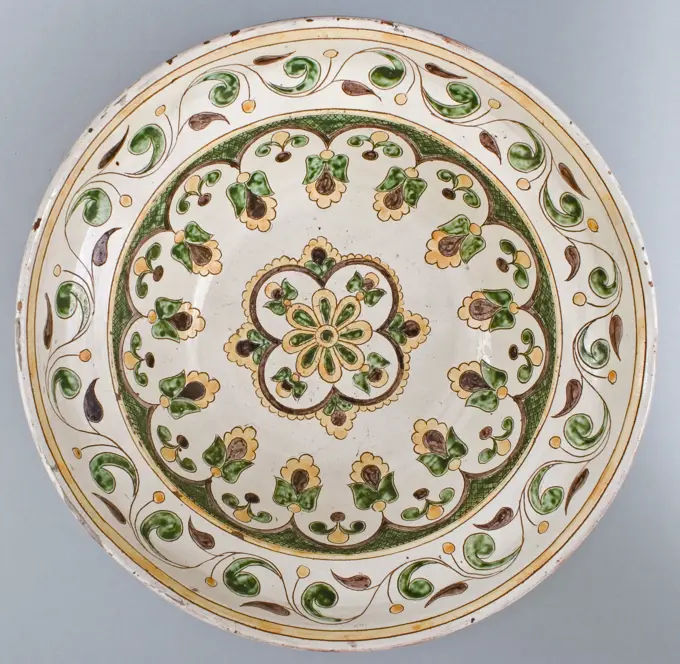
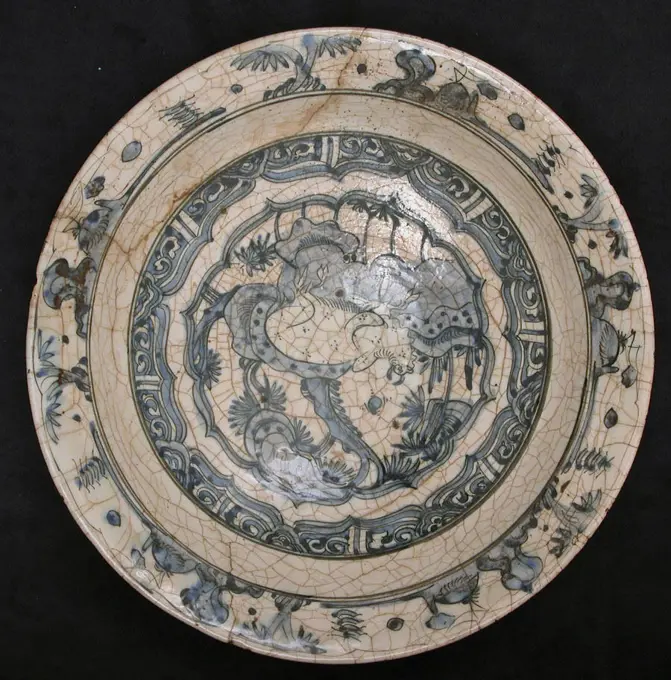
A collection of ornate ceramic dishes featuring intricate patterns, colorful floral designs, and historical influences from various cultures.

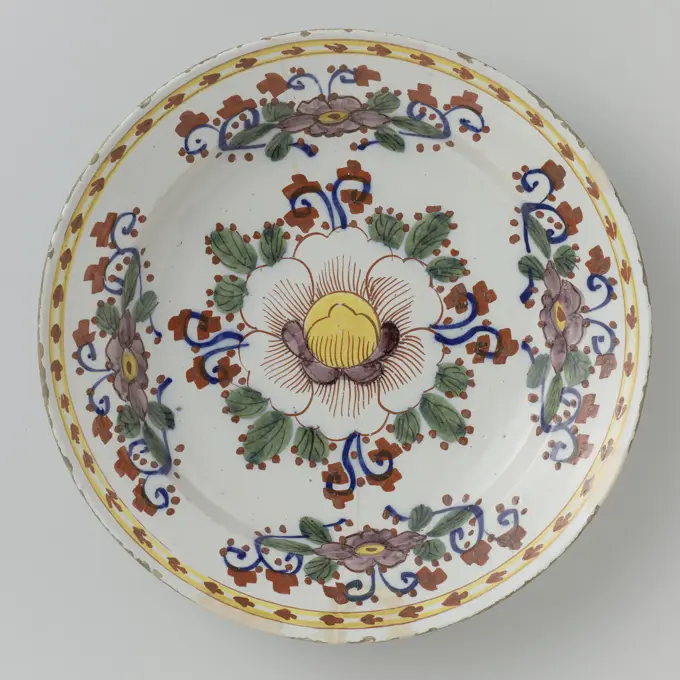
Dish, the Greek A, c. 1710 - c. 1720 Dish of Faïence. Multicolored painted. Marked: A R. Delft . Dish of Faïence. Multicolored painted. Marked: A R. Delft .
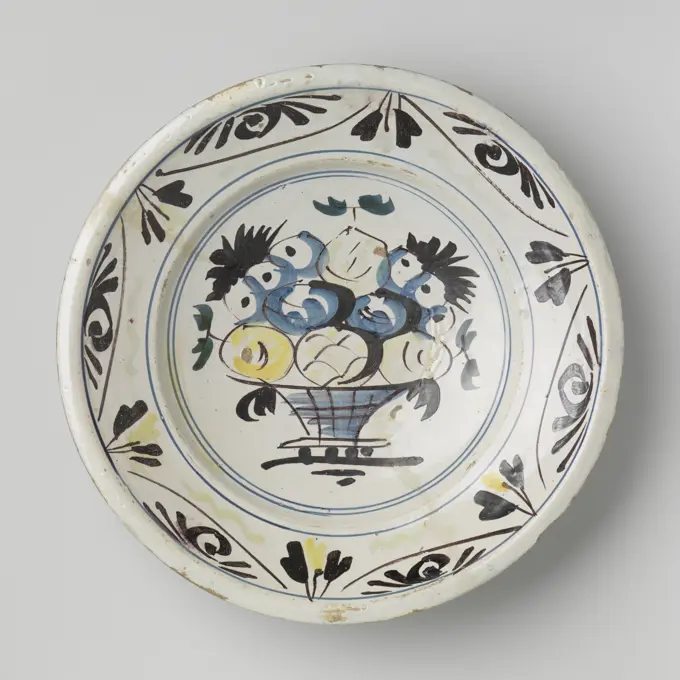
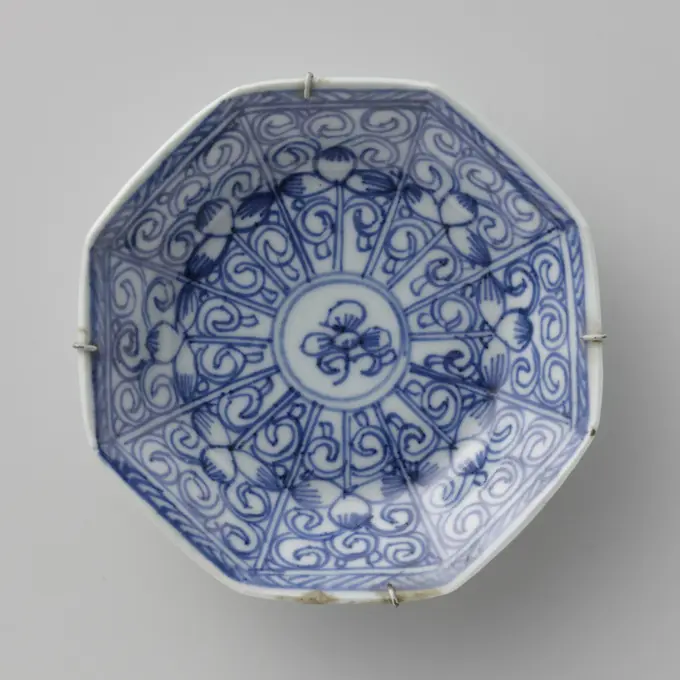
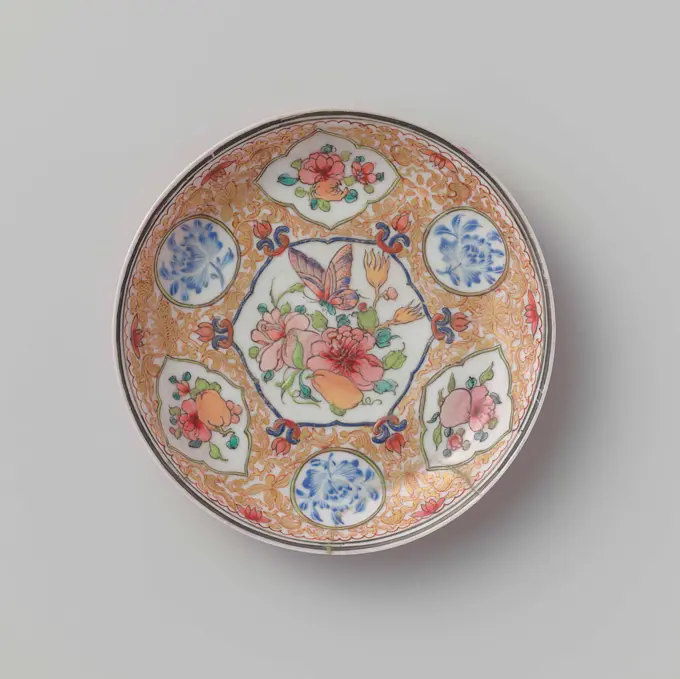
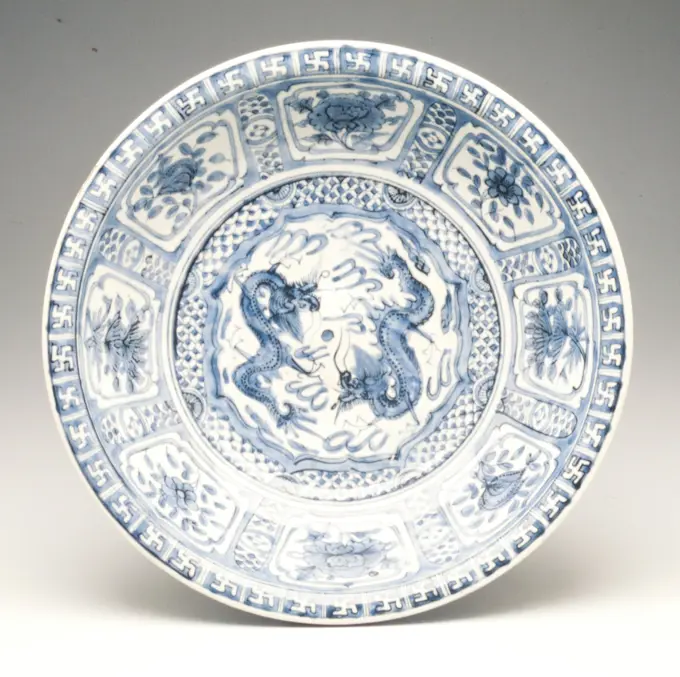
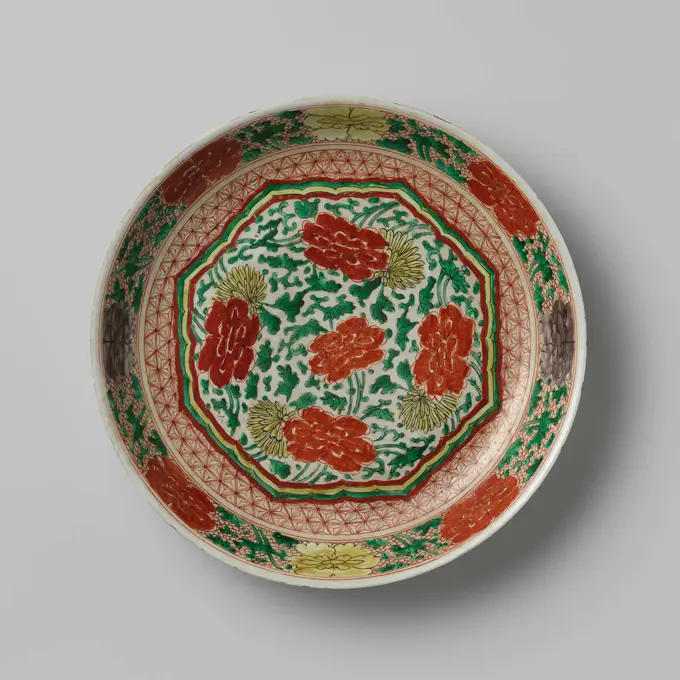
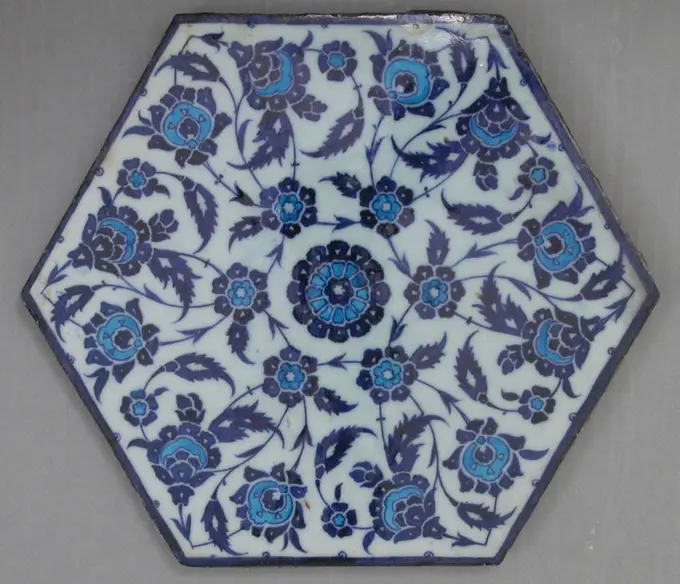
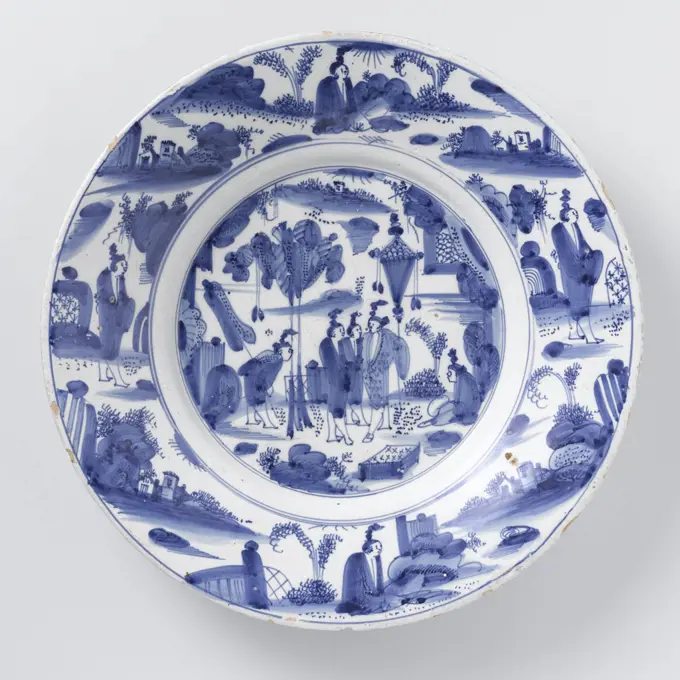
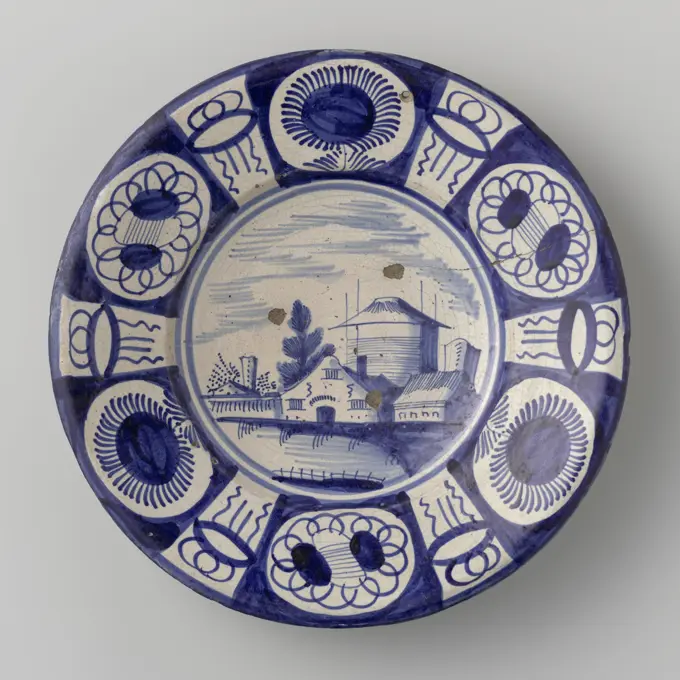
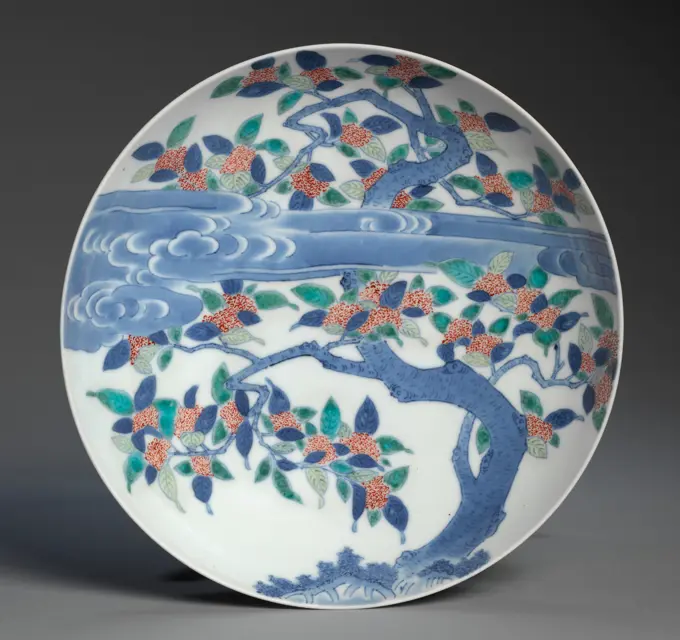
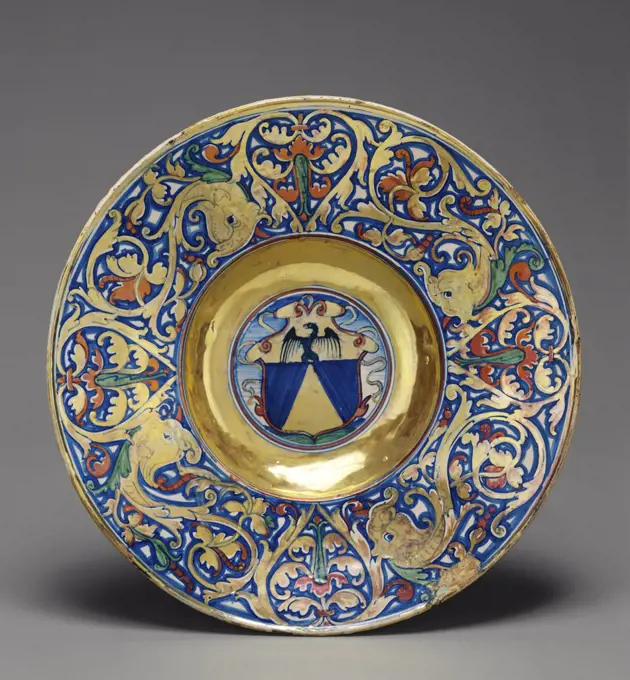
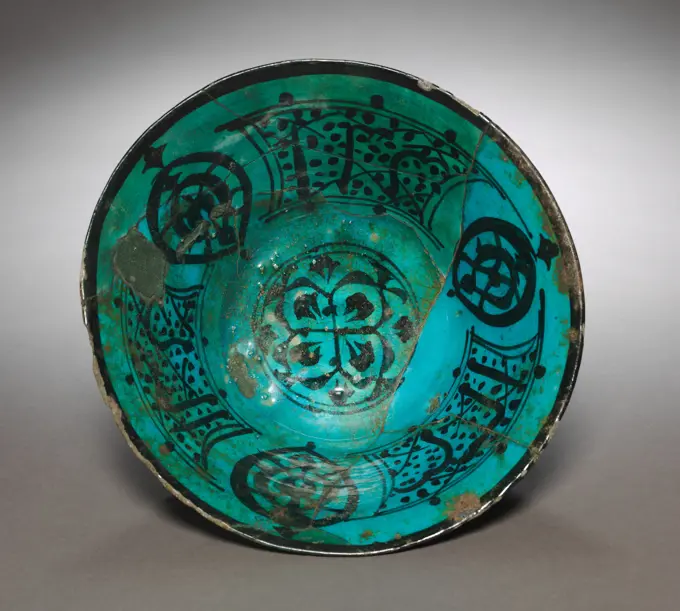
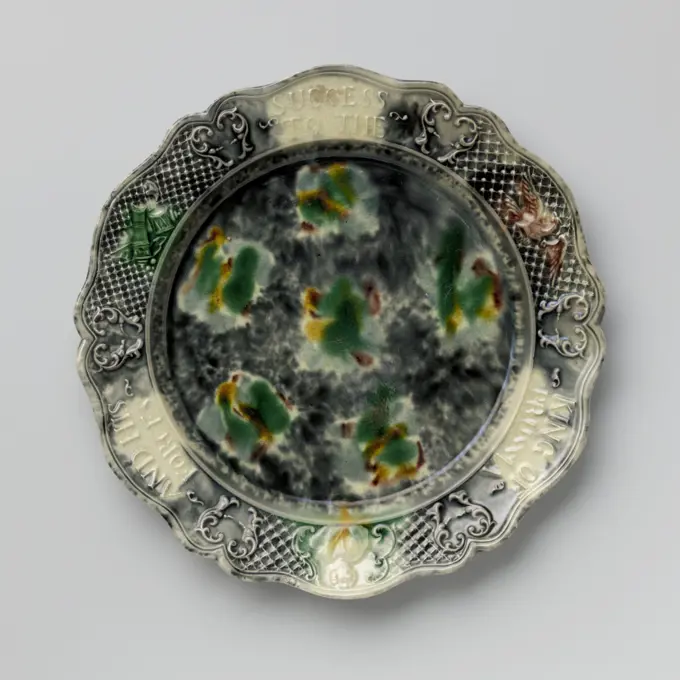
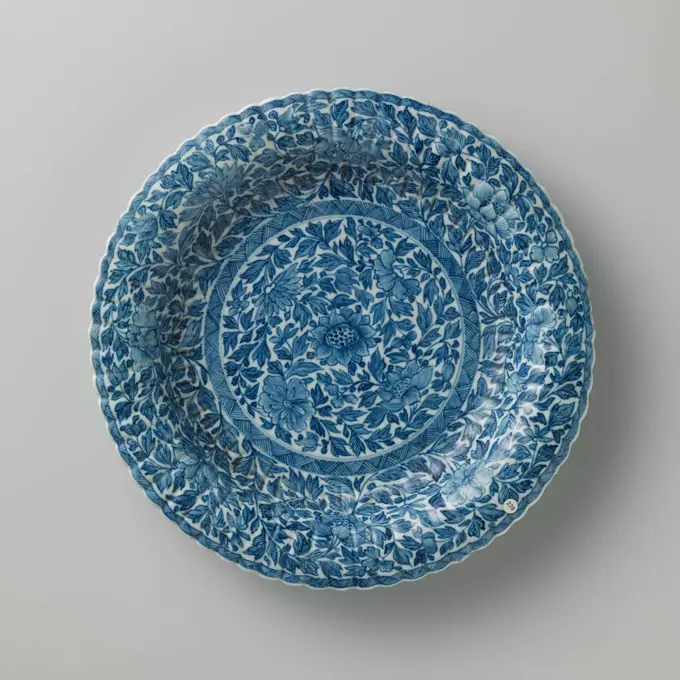
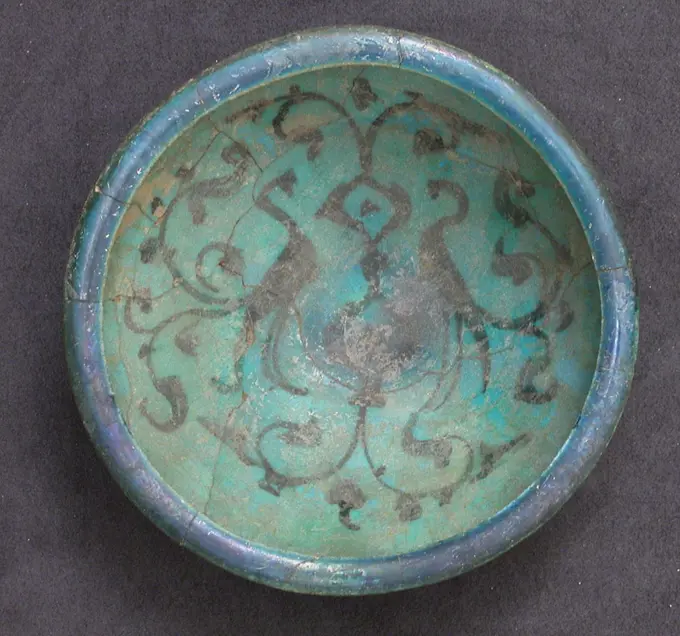
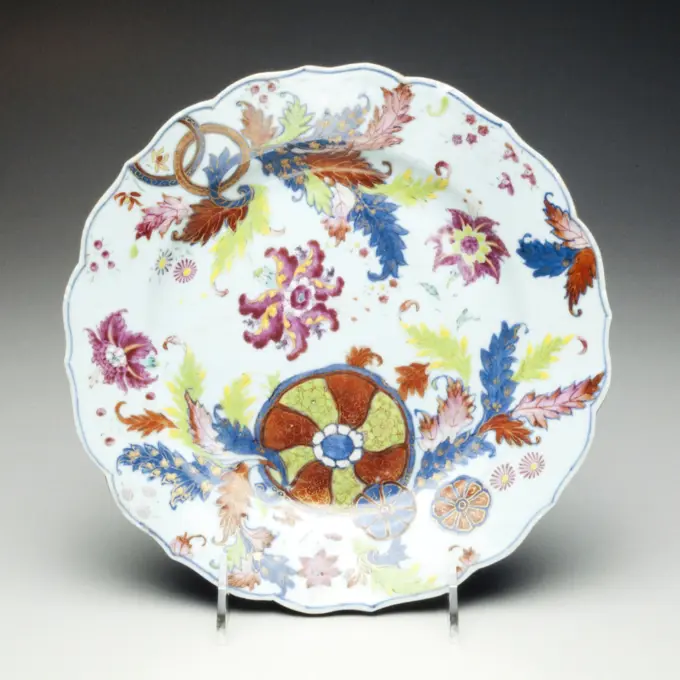
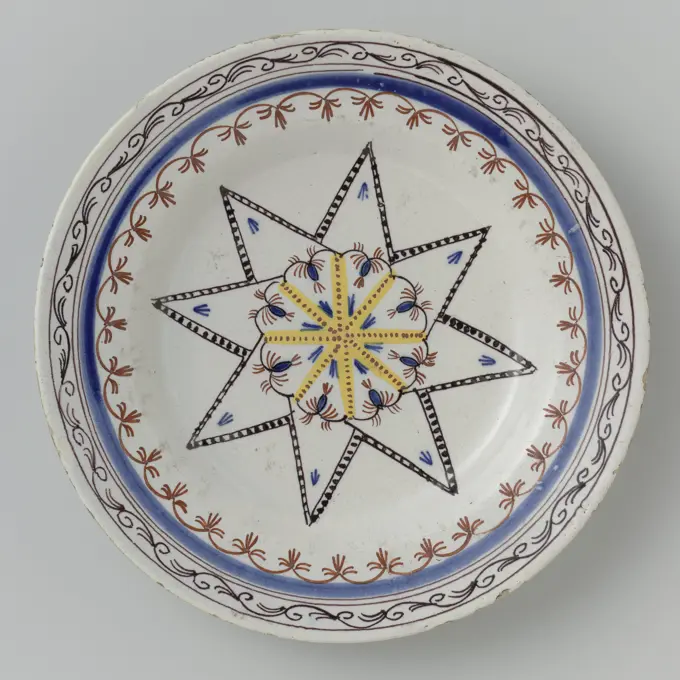
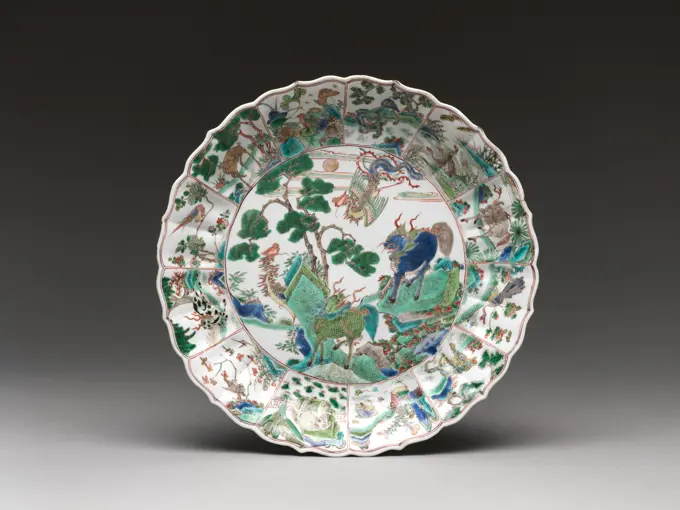
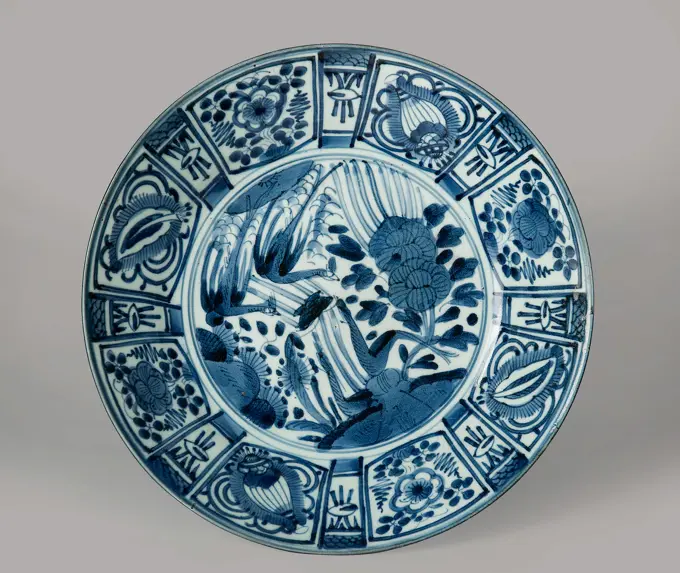
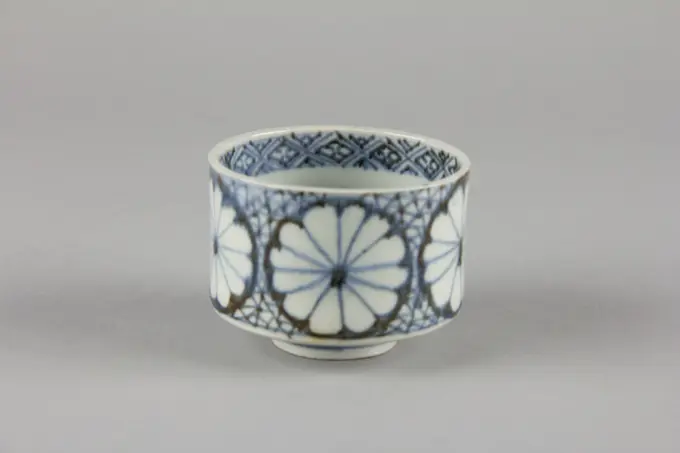
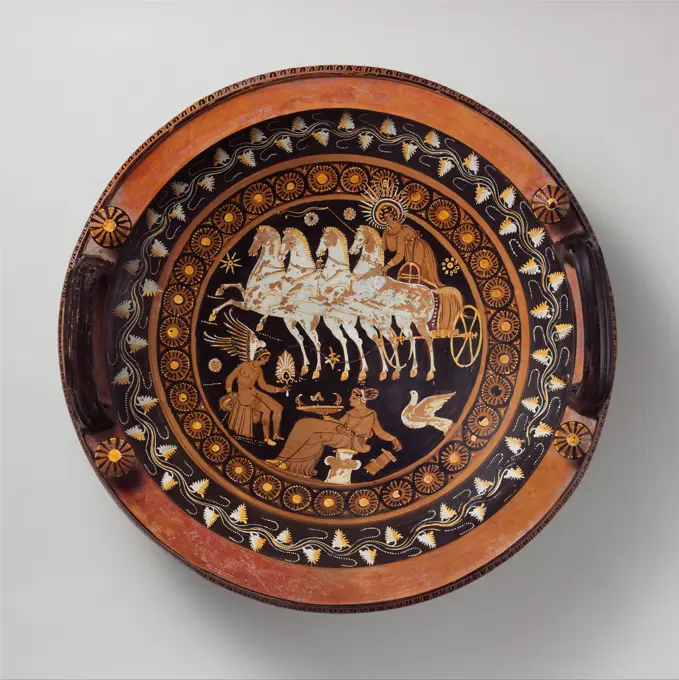
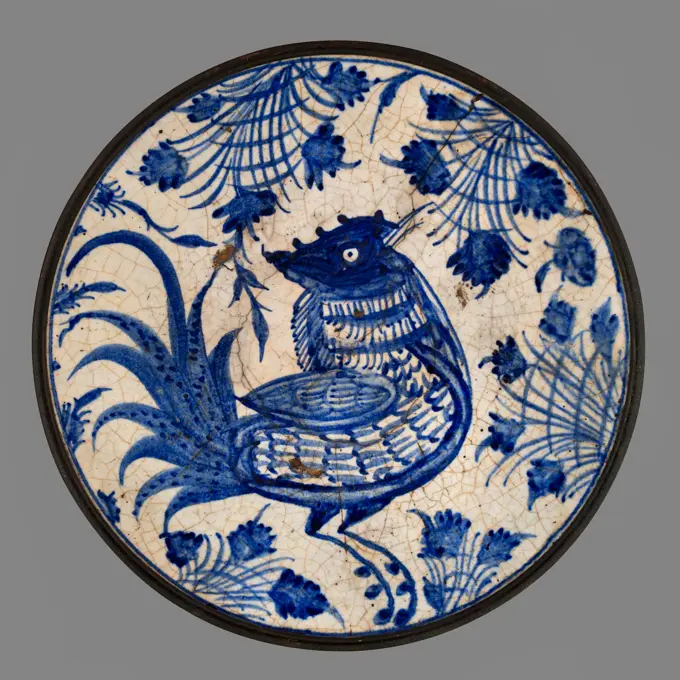
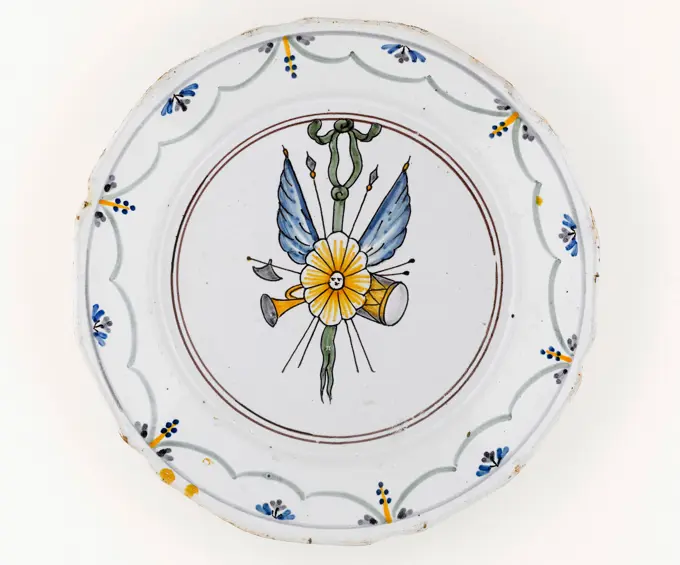
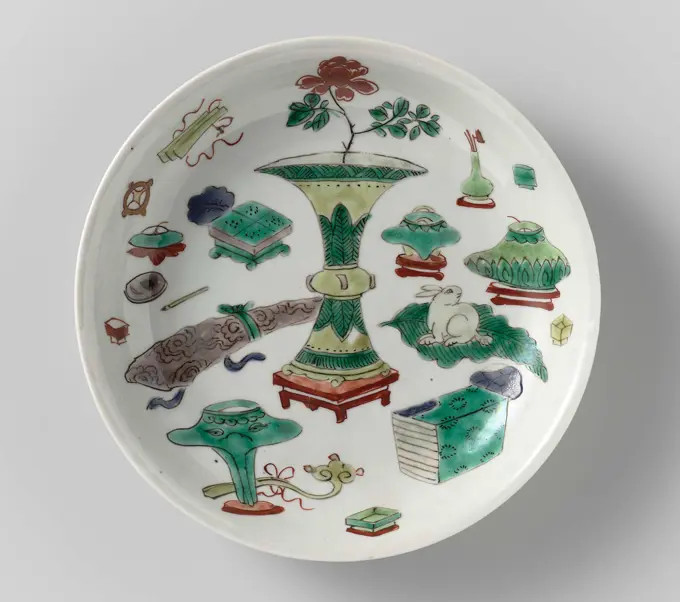
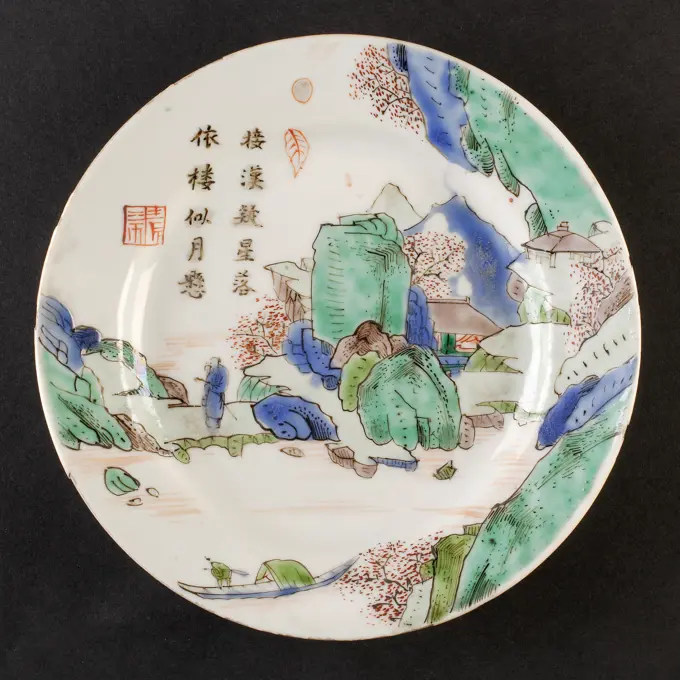
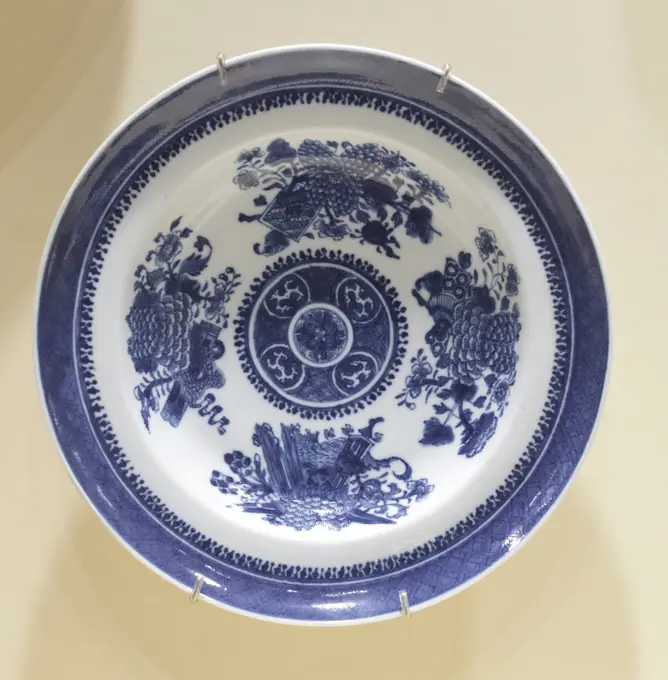
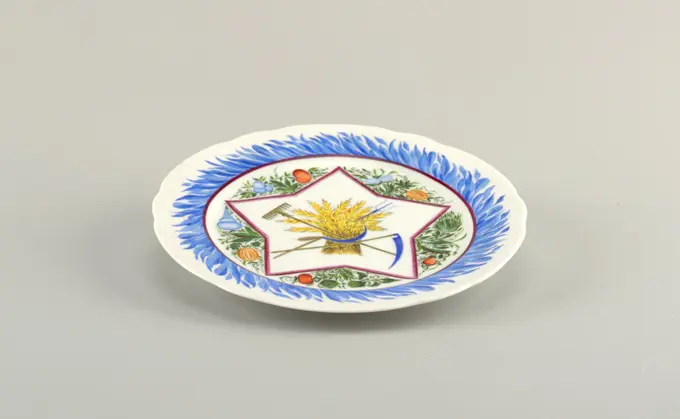
Dish with Hoo-Birds and Flowering Plants in Panels on Diaper Pattern. Dish of porcelain with lobed edge, painted in underglaze blue and on the glaze blue, red, green, turquoise, black and gold. On the flat a medallion with three stylized flower branches; Around the medallion a band napkin interspersed with a rank. The wall and edge with napkin on a background of underglaze blue. This alternately saved three large cartouches with a flying hay-bird above flowering plants and three scalloped cartouches with flowering plants. On the outside wall four times valuables (music stone, artemisia leaf). Three preen on the bottom. Imari.Dish of multicolored painted Faïence, the Greek A, c. 1700 - c. 1715 Dish of Faïence. Multicolored painted. Delft . Dish of Faïence. Multicolored painted. Delft .. Round dish of multicolored faience painted. On the flat, a circle with plants is painted on a ground inside, around eight compartments with plants and flowers. The edge is divided into eight courses within which plants and flowers. The colors used are: blue, green, red, purple and yellow. Five identical dishes with Invnrs are part of the dish. BK-NM-13347-A, BK-NM-133347-B, BK-NM-13347-C, BK-NM-13347-E, BK-NM-13347-F. The dish has been marked. The glaze completely released.Dish of multicolored painted Majolica, Anonymous, c. 1725 - c. 1775 Round dish of multi -colored painted majolica. A basket with fruits is painted on the flat around which concentric circles. On the edge, six segment arches were painted with palmets and stylized leaves. Delft earthenware. tin glaze. lead glaze majolica Round dish of multi -colored painted majolica. A basket with fruits is painted on the flat around which concentric circles. On the edge, six segment arches were painted with palmets and stylized leaves. Delft earthenware. tin glaze. lead glaze majolicaDish, the Greek A, c. 1710 - c. 1720 Dish of Faïence. Multicolored painted. Marked: A R. Delft . Dish of Faïence. Multicolored painted. Marked: A R. Delft .Circular Imari dish. unknown, craftsman. Round plate of multi-colored painted faience, with a vase on the flat with flowers in front of a bowl of flowers in the colors green, red, blue and yellow and around it around a tenno-corner border in the colors green and red. A Chinese motif is painted on the edge of the board. Two identical signs with Invnrs are part of the board. BK-KOG-2427-A and BK-KOG-2427-B.Octagonal saucer with flower scrolls in panel decoration, anonymous, c. 1700 - c. 1724 Octagonal dish of porcelain, painted in under -glaze blue. On the flat a flower branch in a double medallion; Around eight -radiating compartments with stylized flower vines; The edge with a band with zigzag work. Iron wire frame. Blue White. China porcelain. glaze. cobalt (mineral). iron (metal) painting / vitrification Octagonal dish of porcelain, painted in under -glaze blue. On the flat a flower branch in a double medallion; Around eight -radiating compartments with stylized flower vines; The edge with a band with zigzag work. Iron wire frame. Blue White. China porcelain. glaze. cobalt (mineral). iron (metal) painting / vitrificationSaucer with Ruby Back, Flower Scrolls, Fruit and Butterfly. Dish of porcelain, painted on the glaze in blue, red, pink, green, yellow, black and gold. On the flat in the center a cartouche with flowers, fruit and butterfly; Around the cartouche flower drinks with three medallions with flower branch and three times a four-pass with flower branch and fruit. The rear of the dish is covered with a pink glaze (Ruby Back). Wall has been broken. Family Rose.. Round plate of multi-colored painted faience, with a vase on the flat with flowers in front of a bowl of flowers in the colors green, red, blue and yellow and around it around a tenno-corner border in the colors green and red. A Chinese motif is painted on the edge of the board. Two identical signs with Invnrs are part of the board. BK-KOG-2427-A and BK-KOG-2427-C.Deep Dish made for export, c. 1600, 3 3/4 x 15 3/8 x 15 3/8 in. (9.53 x 39.05 x 39.05 cm), Porcelain with underglaze blue decor (Swatow ware), China, 16th-17th century, Most Chinese wares destined for export are more roughly made and simply decorated than the high end domestic wares and imperial porcelain. Swatow, one of the best known export wares of the late sixteenth and early seventeenth centuries, was named after the port city, north of Canton, on the South China coast where it was assumed, erroneously, to have been exported from. This was, however, the region of China where the 'scholars of Kwangtung' who had befriended Matteo Ricci first suggested he make a map of the various countries he had passed through in coming to China. The region was well known for the export of blue-and-white porcelain to Southeast Asia and Europe, and this sort of popular ware would have been familiar to Ricci.Soup plate - Davenport DavenportPlate 1695-1730 Delft. Tin-glazed earthenware (Delftware) . Grieksche A Factory (Maker)Plate. Moskwa, Szkoła im. S.G. Stroganowa, schoolDish of multi -colored Faïence, Anonymous, c. 1700 - c. 1720 Round dish of multicolored painted Faïence. A landscape is painted on the dish in which two figures (Cinese husband and female) stand by a bridge (). Birds and flowers are painted in the landscape. Delft earthenware. tin glaze. Round dish of multicolored painted Faïence. A landscape is painted on the dish in which two figures (Cinese husband and female) stand by a bridge (). Birds and flowers are painted in the landscape. Delft earthenware. tin glaze.Plate with rock, butterflies and flowering plants, anonymous, c. 1700 - c. 1724 Plate of porcelain, painted in underly glaze blue and on the glaze blue, red, green, yellow, eggplant and black. On the flat butterflies and flowering plants in a rock; the edge with four flower groups (chrysanthemum, peony, aster) interspersed with two butterflies; Three flower branches on the back. Marked on the underside with an incense burner in a double circle. A crack in the edge. Famle Verte. China porcelain. glaze. cobalt (mineral) painting / vitrification Plate of porcelain, painted in underly glaze blue and on the glaze blue, red, green, yellow, eggplant and black. On the flat butterflies and flowering plants in a rock; the edge with four flower groups (chrysanthemum, peony, aster) interspersed with two butterflies; Three flower branches on the back. Marked on the underside with an incense burner in a double circle. A crack in the edge. Famle Verte. China porcelain. glaze. cobalt (mineral) paintinKraak Porcelain Plate from the v.o.c.-Ship the 'Witte Leeuw'. Porcelain plate from v.O.c. ship the 'white lion', 95%% present. Plate with a flat edge and a scalloped edge, decorated in underglaze blue. In the flat lucky symbols (Artemisiablad) surrounded by a wide, star-shaped band with geometric motifs. On the wall and edge alternately wide and narrow fields with lucky symbols and flower and fruit varieties (peach). Cracking porcelain in blue and white.Board decorated with blue flowers. Powerboard plate with liquefy transfer decor, round, decorated with blue flowers.. Round dish of multicolored faience painted. On the flat, a circle with plants is painted on a ground inside, around eight compartments with plants and flowers. The edge is divided into eight courses within which plants and flowers. The colors used are: blue, green, red, purple and yellow. Five identical dishes with Invnrs are part of the dish. BK-NM-13347-A, BK-NM-133347-B, BK-NM-13347-D, BK-NM-13347-F. The dish has been marked. The glaze completely released.Dish 1500-1510 Italian, Deruta. Dish. Italian, Deruta. 1500-1510. Maiolica (tin-glazed earthenware), lustered. Ceramics-PotteryFor a long time; De Grieksche A (Fiansu Factory; 1658-1818), Pieter Adriansz Kocks (1701-1722); beginning of the 18th century (1700-00-00-1710-00-00);Plate decorated with blue flowers, Peter Regout, c. 1850 - c. 1875 Plate of earthenware with flow -blue transfer decor, round, decorated with blue flowers. Maastricht . Plate of earthenware with flow -blue transfer decor, round, decorated with blue flowers. Maastricht .Charger, c. 1720. China, Chinese Export -- English Market, 18th century. Porcelain; diameter: 38.3 cm (15 1/16 in.); overall: 5.5 cm (2 3/16 in.).Dish 1430-1460 Spanish. Dish. Spanish. 1430-1460. Tin-glazed earthenware. Made in probably Manises, Valencia, Spain. CeramicsFor a long time; De Drye Vergulde Astonnens (Facans Factory; 1655-1803), Delft (Ceramic family; Ca 1600-); XVII (1690-00-00-1710-00-00);Dish 17th century. Dish 446939Deep Dish 1420-1430 Spanish. Deep Dish. Spanish. 1420-1430. Tin-glazed earthenware. Made in probably Manises, Valencia, Spain. CeramicsAnonymous, Rouen. Octagonal hollow dish. Great fire earthenware, polychrome enamels. 2nd half of the 18th century. Museum of Fine Arts of the City of Paris, Petit Palais. Faience, table service, dishes, 18th 18th 18th 18th 18th 18th 18 century, dishScallop-shell-shaped bowl with antiques. Shell-shaped bowl of porcelain with ribbed wall, painted on the glaze in blue, red, green, yellow, eggplant, black and gold. On the bottom antiques (flower vase, ruyi scepter, incense burner etc.); on the handle two lucky symbols (umbrella, fish); On the edge styled lotus drinks against a black speckled green ground. Rear unglazed. Famille Verte.Scale on three legs, painted with a four-legged friend on a ground. Round scale of blue painted faience, standing on three legs in the form of animal claws. The circular center of the dish is deepened and painted with a four-legged friend on a ground. The edge has three sunbished shell motifs, interspersed with a palm-motive in Relief Symetrical Ranks.Fragment majolica pancake dish, blue on white, decor Chinese garden with bird and flowers, dish tableware holder soil find ceramics pottery glaze, Op fried archeology food decorate serving ChinaDish 1510-20 Italian, Deruta. Dish. Italian, Deruta. 1510-20. Maiolica (tin-glazed earthenware), lustered. Ceramics-PotteryHenri Husson / Adrien-Aurélien Hébrard. Plate. Copper enamelled and champlevé. 1909-1914. Museum of Fine Arts of the City of Paris, Petit Palais. 76265-1 Champleve, copper enamel, plateBowl. Iran, second half of 17th century. Ceramics. Fritware, overglaze luster paintedPlatter set in wood. Sawona (ośrodek ceramiczny ; XVI-XX w.), factoryDish with flower sprays in petal-shaped panels, anonymous, c. 1680 - c. 1720 Porcelain saucer with a battery -shaped border, painted in underlaze blue. On the flat in the center a medallion with a lotus drink. Around this a larger medallion with a band with Ruyi motifs with bright petals-shaped compartments with flower branches; Between the compartments of servetwork. On the wall and edge the same band with flowering plants in the compartments. The outer edge with three flower branches. Marked on the bottom with a window in a double circle. Blue White. China porcelain. glaze. cobalt (mineral) painting / vitrification Porcelain saucer with a battery -shaped border, painted in underlaze blue. On the flat in the center a medallion with a lotus drink. Around this a larger medallion with a band with Ruyi motifs with bright petals-shaped compartments with flower branches; Between the compartments of servetwork. On the wall and edge the same band with flowering plants in the compartments. TheDish, Anonymous, 1740 - 1780 Dish of Faience. Frequently painted with a flower decoration. Delft . Dish of Faience. Frequently painted with a flower decoration. Delft .Pottery plate, plate crockery holder soil find ceramic earthenware glaze lead glaze, hand turned fired ring small unglazed backside. Red-brown shard archeology underground pit Rotterdam City center Stadsdriehoek Groenendaal food Soil discovery: underground pit Groenendaal black layer at 1.90 meters.Bowl 13th century or later. Bowl. 13th century or later. Earthenware; painted and glazed. Made in Iran. Ceramics. This plate was produced in Kerman in southeast Iran. It is decorated with a central Chinese landscape, enclosed by narrow panels containing propitious symbols alternating with wider panels with flowers and banana leaves. The dish is signed on the back by the potter Made byKaml al-Din Muhammad.’Dish, the 3 clocks, 1750 - 1800  Dish of Faience. Blue painted with a bird and decorated edges with flowers and feathers. Delft .Plate, Porcelinfabriek aan den Amstel, 1784 - 1814 Plate with a multi -colored imari decor. Flower clusters hanging on the flat at a fence. On the edge of medallions filled with flowers. Marked: Amstel and a cross in underlaze blue. Ouder-Amstel porcelain Plate with a multi -colored imari decor. Flower clusters hanging on the flat at a fence. On the edge of medallions filled with flowers. Marked: Amstel and a cross in underlaze blue. Ouder-Amstel porcelainFor a long time; De Drye Vergulde Astonnens (Facans Factory; 1655-1803), Delft (Ceramic family; Ca 1600-); XVII/18th century (1780-00-00-1800-00-00);Jingdezhen porcelains dated from the Ming dynasty. Dated 15th CenturySapphire & gold saucer. Koenigliche Porzellan Manufaktur - KPM (Berlin ; 1763-1918), factoryDish with Dragons above Waves 1573-1620 China. Porcelain painted in underglaze blue and iron red .Soul of majolica dish with crinkled blue circles in the mirror, dish plate board plate soil find ceramic earthenware glaze tin glaze lead glaze, majolica baked 2x painted glazed Soul fragment of majolica dish with crinkled circles in blue. Blank center dot Circles are constructed with thicker and thinner lines, blue bubble or rounded edge from the middle. Non-symmetrical ringing with feathers and fantasy figures Bottom covered with wrinkled lead glaze. Standring baked archeology Rotterdam Stadscentrum Stadsdriehoek Schielandshuis indigenous pottery serving serving food decorating the table Soil discovery: Schielandshuis 1983.Dish with IHS Monogram and Floral Pattern 1430-1460 Spanish. Dish with IHS Monogram and Floral Pattern. Spanish. 1430-1460. Tin-glazed earthenware. Made in probably Manises, Valencia, Spain. Ceramicszilversmid, Silver round miniature dish with floral pattern, dish crockery holder dolls toy relaxing medium miniature model silver, Flat round dish On the edge and on the flat engraved flowers and leaves rosette central tax stamp: J playing decorate home interior dollhouse Bishop RotterdamFaïence board, the Greek A, c. 1700 - c. 1725 Van earthenware edge. Delft . Van earthenware edge. Delft .Misa Bauhölzel, Jakub, National Garncarska School in KołomyjaFragment of a Bowl 13th-14th century. Fragment of a Bowl. 13th-14th century. Stonepaste; underglaze painted. Attributed to Syria. CeramicsScale, painted in blue with a bird surrounded by flour branches.Scale Painted in Blue With A Bird Surrounded by Flower branches. Along The Edge Boxes Filled With Flowers. Marked B.K./c.Dish 17th-18th century. Dish 447750Plate, c. 1736, 1 3/16 x 9 in. (3.02 x 22.86 cm), Porcelain with enamel decoration, China, 18th centuryDish 16th-17th century. Dish 448438Dish with Flower Scrolls in a panel. Dish of porcelain with round wall, painted on the glaze in red, green, yellow, eggplant and black. On the flat peony and chrysanthranks in a lobd, pointed cartouche, here around a geometric pattern; On the wall a band with peony ranks; the outside with three flower branches; around the foot a bond with triangles; Around the edge a bond with curl. Some cracks and chips in the edge. Famille Verte.Dinner plate - D'après George L. Ashworth & Brothers, 1862-1968Plate with Carp. Culture: China. Dimensions: Diam. 18 in. (45.7 cm). Date: mid-14th century.Close examination of the cobalt blue used to paint this dish shows areas of darker blue. Known as "heaped and piled," this effect is a result of imperfect control of the pigment during firing. This effect disappeared in the early fifteenth century, when potters further mastered the use of this pigment. Museum: Metropolitan Museum of Art, New York, USA.Dish 17th century. Dish 446937Plate 1695-1705 Jingdezhen. Hard-paste porcelain with underglaze blue decoration .Plate with figure in landscape, c. 1740, 1 x 9 in. (2.54 x 22.86 cm), Porcelain with underglaze blue decoration, China, 18th centuryHexagonal Tile with Floral Design ca. 1535 Hexagonal tiles in blue and white or blue, turquoise, and white were frequently used in combination with monochrome triangular tiles to adorn the walls of mosques and palaces. The design on this tile mirrors those which decorate the facade of the Sünnet Odasi (Circumcision Room) in the Topkapi Saray in istanbul. Tiles were often painted with a master stencil, which allowed the mass production of certain patterns.. Hexagonal Tile with Floral Design 450368Dish, Anonymous, c. 1650 - c. 1665Round dish of blue painted Majolica, Anonymous, c. 1630 - c. 1650 Round dish of blue painted majolica. A landscape is painted on the flat with a farm and a haystack. The edge is divided into courses in which stylized flowers (Wan-Li). Holland (possibly)Friesland (possibly) earthenware. tin glaze. lead glaze majolica Round dish of blue painted majolica. A landscape is painted on the flat with a farm and a haystack. The edge is divided into courses in which stylized flowers (Wan-Li). Holland (possibly)Friesland (possibly) earthenware. tin glaze. lead glaze majolicaTall, covered cup with scenes and landscapes in panels on a ground of scrolls, anonymous, c. 1775 - c. 1799 High lid head of porcelain, painted on the glaze in blue, red, pink, yellow, green, black and gold. Sitting on the wall and a cartouche with two high -ranking men sitting on a table on a terrace in front of a pavilion, surrounded by a third man and two women with a boy depicted; around it different cartouches with a flower branch or a landscape respectively. Famle Rose/Mandarin. China porcelain. glaze. gold (metal) painting / gilding / vitrification High lid head of porcelain, painted on the glaze in blue, red, pink, yellow, green, black and gold. Sitting on the wall and a cartouche with two high -ranking men sitting on a table on a terrace in front of a pavilion, surrounded by a third man and two women with a boy depicted; around it different cartouches with a flower branch or a landscape respectively. Famle Rose/Mandarin. China porcelain. glaze. gold (metal) painting / gilding Dish with Sweet Osmanthus and Cloud, late 1600s-early 1700s. Japan, Edo period (1615-1868). Porcelain with underglaze blue and overglaze color enamel (Hizen ware, Nabeshima type); diameter: 20 cm (7 7/8 in.). The dish is an example of the finest type of early Japanese porcelain, Nabeshima-type Hizen ware. It is decorated with sweet osmanthus, or fragrant olive tree, with iron-red flowers and green and yellow enamels on the leaves. A band of misty clouds in underglaze blue completes the composition. The osmanthus tree was imported from China to southern Japan.Lustered Armorial Plate; Workshop of Giorgio di Pietro Andreoli, known as Maestro Giorgio, Italian, about 1465 - about 1555; Gubbio, Italy, Umbria, Europe; 1524; Tin-glazed earthenware with silver luster; Object: H:  7.3 x Diam.:  39.85cm (H:  2 7/8 x Diam.:  15 11/16 in.)Saucer-dish with the Arms of Gelderland. Scale of porcelain with ribbed wall and scalloped edge, painted in underglaze blue and on the glaze blue, red, green, yellow, black and gold. On the flat in a medallion the weapon of Gelderland with the inscription 'Gelderlant', about the weapon flower branches, two butterflies and two birds. The wall is divided into twelve flower leaf-shaped compartments with alternating a flower vase and a person in a landscape; between the napkin workers. The back with two flower branches. Some cracks and chips in the edge. Weapon porcelain with famille verte email colors.Plate with Fluted Sides and Continuous Flower Pattern. Porcelain plate with ribbed wall and scalloped edge, painted in underglaze blue. On the flat flower drinks in a medallion with a band arceing; the wall with floral drinks and a band with arrearing; The back with four lotus plants. Marked on the bottom with a diamond in a double circle. Two chips in the edge. Blue White.Bowl, Early 13th Century. Syria (Raqqa), Ayyubid Period. Fritware with underglaze-painted design; diameter: 22.5 cm (8 7/8 in.); overall: 11.5 cm (4 1/2 in.).Round plate of hard baked pottery; Staffordshire, Anonymous, c. 1756 Round plate of hard baked earthenware, covered with blue-black lead glaze with spots in light blue, green, yellow-brown and manganese. The edge is decorated in relief with fields alternately smooth and filled with grille. On the razes alternately an eagle, a trophy and the portrait of Frederik the Great. On the slippery fields, the inscriptions are successful to the king, king of prussia, and his forces. The sign is part of five plates (BK-1987-40-A to BK-1987-40-F). England earthenware. lead glaze Round plate of hard baked earthenware, covered with blue-black lead glaze with spots in light blue, green, yellow-brown and manganese. The edge is decorated in relief with fields alternately smooth and filled with grille. On the razes alternately an eagle, a trophy and the portrait of Frederik the Great. On the slippery fields, the inscriptions are successful to the king, king of prussia, and his forces. The sign is part of. This decoration was very popular in the beginning of the 18th century. In addition to Chinese chargers such as this one, there are also Delft and Japanese examples with the same painted pattern.Dish. unknown, craftsmanPlate KorzecPlate with Fluted Sides and Continuous Flower Pattern. Porcelain plate with ribbed wall and scalloped edge, painted in underglaze blue. On the flat flower drinks in a medallion with a band arceing; the wall with floral drinks and a band with arrearing; The back with four lotus plants. Marked on the bottom with a diamond in a double circle. Edge damaged. Blue White.Plate, in two fragments. Fragment (two parts) of a plate of multicolor painted majolica. The edge is painted with star-shaped ornaments and intersecting, striped tires. See a can with equal painting with Invnr. BK-NM-11899.A plate;  2. PO. 19th century (1851-00-00-1900-00-00);Dish with trefoil leaf design 15th-16th century Northern Thailand, Kalong kilns The distinctive glazed ceramics produced at Kalong, in Chiang Rai Province, northern Thailand represent a regional tradition that emerged in the 15th century to service the kingdom of Lanna. Clay sources in the vicinity of the Mae Lo River that passes through Chiang Rai and Chiang Mai Provinces determined the location of the kilns. Most examples have been recovered either at the cluster of kilns or in the vicinity of the Lanna citadel at Wiang Kalong. They have also been recorded, in considerable quantities, as grave goods in hill community burial sites in Tak Province.. Dish with trefoil leaf design. Northern Thailand, Kalong kilns. 15th-16th century. Stoneware with iron-brown underglaze decor. CeramicsBowl 13th century. Bowl 447150Plate, one of a pair, c. 1765, 1 1/8 x 9 in. (2.86 x 22.86 cm), Porcelain with enamel decoration, China, 18th centuryBord van faience, anonymous, 1770 - 1800 Fowence board. Multicolored painted with a star and decorated edges. Delft . Fowence board. Multicolored painted with a star and decorated edges. Delft .Oval plaque with scalloped edge multicolour painted with a vase with flowers, anonymous, c. 1720 - c. 1760 Plate, oval with a scumed edge, from Faïence. Multiculously decorated with a vase with flowers. Delft . Plate, oval with a scumed edge, from Faïence. Multiculously decorated with a vase with flowers. Delft .Plate with Phoenix and Mythical Qilin 1678-88 China. Plate with Phoenix and Mythical Qilin. China. 1678-88. Porcelain painted with colored enamels over transparent glaze (Jingdezhen ware). Qing dynasty (1644-1911), Kangxi mark and period (1662-1722). CeramicsCharger. unknown, craftsmanSoba cup 19th century Japan. Soba cup 45487Dish 17th century. Dish 446910Terracotta lekanis (dish) late 4th century B.C. Attributed to the Stuttgart Group Interior, Eos in her chariot; below, Eros, a woman and swan.. Terracotta lekanis (dish) 255283Bottom of the half -bowl;  XVII century (1601-00-00-1700-00-00);Leopold and Janina Binnenthal - collection (Fl. Ante 1940), fragments, rooster (iconogr.), Półmiski, Islamic art, Persian artPlate of 'La Segarra', 17th century.Anonymous. Plate. Earthenware. Paris, Carnavalet museum. 71478-49 Attribute, baguette, emblem, revolutionary time, faience, flower, ax, knot, French revolution, drum, trumpet, dishes, plateSaucer-dish with precious objects and antiques. Dish with round wall of porcelain, painted in underglaze blue and on the glaze blue, red, green, yellow, eggplant and black. On the flat Chinese antiques; The bottom with four valuables. Marked on the underside with a seal mark in a double circle. Famille Verte.A plate;  18th century (1701-00-00-1800-00-00);Paderewski, Ignacy Jan (1860-1941), Paderewski, Ignacy Jan (1860-1941)-collection, qing (style), ceramics, Chinese (culture), gift (provenance), inscriptions, landscape motif, color porcelain, Chinese artDish, Anonymous, 1616 Round dish of lead glaze pottery, on three shell -shaped legs. The dish is decorated in white sludge, with a fool on the flat, which holds a flower branch with leaves in both hands. The year 1616 among the poor. A broad wreath is painted around it. The dish is covered with local green -tinted lead glaze. North Holland earthenware. lead glaze Round dish of lead glaze pottery, on three shell -shaped legs. The dish is decorated in white sludge, with a fool on the flat, which holds a flower branch with leaves in both hands. The year 1616 among the poor. A broad wreath is painted around it. The dish is covered with local green -tinted lead glaze. North Holland earthenware. lead glazeToy dinner plate - Inconnu / UnknownSoup bowl, c. 1785-1800, 1 7/8 x 10 1/8 x 10 1/8 in. (4.8 x 25.7 x 25.7 cm), Porcelain, China, 18th-19th century, Chinese factories developed a vocabulary of patterns that could be applied to each piece of a dinner service. The FitzHugh pattern made from 1780-1820s consists of four botanical clusters evenly spaced around a central panel. The center could feature a landscape, monogram, or coat of arms--note the differences between this FitzHugh soup bowl and the hot water plate below, and the two FitzHugh tureen stands on the opposite wall, one green, one orange.Maker: Unknown, Basin for anEwer, Tin-glazed earthenware (maiolica), 4.92 × 33.97 cm (1 15/16 × 13 3/8in.), Made in Deruta, Italy, Italian,Deruta, needsresearch, Containers -CeramicsSharf of white -baking earthenware, with a floral motif in dark blue at the front, c. 1500 - c. 1899 fragment   earthenware. glazeChow Bowl (lid), 1700s. Siam, 18th century. Porcelain; diameter: 21.6 cm (8 1/2 in.); overall: 14 cm (5 1/2 in.).Star, Wheat, Harvesting Tools Plate; Designed by Nina Alexeevna Zander; Manufactured by State Porcelain Factory (Russia); enameled porcelain; Diameter: 24.8 cm (9 3/4 in.); The Henry and Ludmilla Shapiro Collection; Partial gift and partial purchase through the Decorative Arts Association Acquisition and Smithsonian Collections Acquisition Program Funds; 1989-41-19