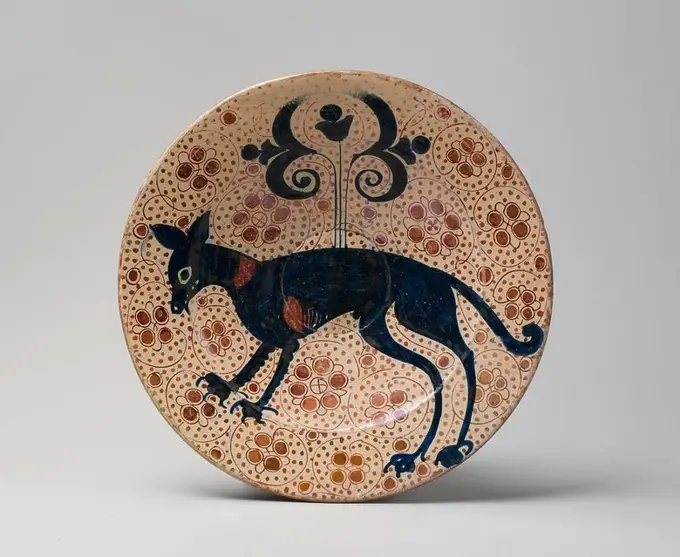
Decorative Plates and Dishes

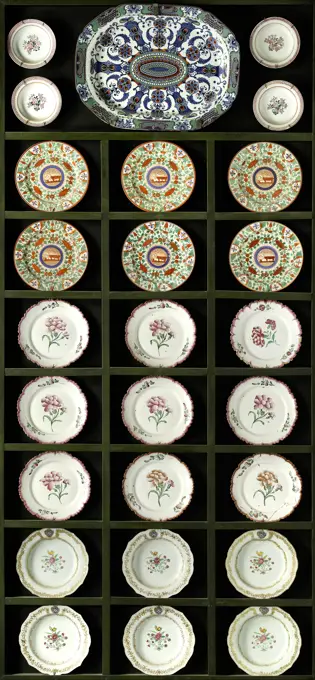
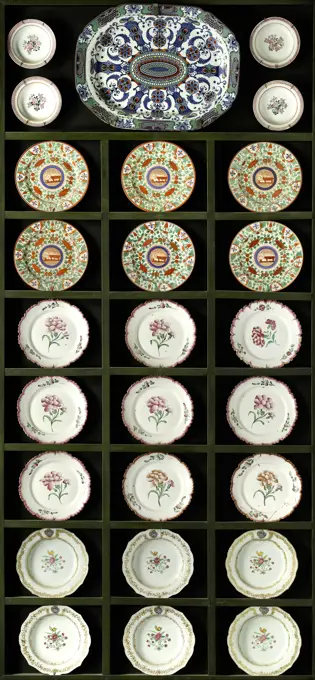
A collection of ornate ceramic dishes featuring intricate patterns, colorful floral designs, and historical influences from various cultures.

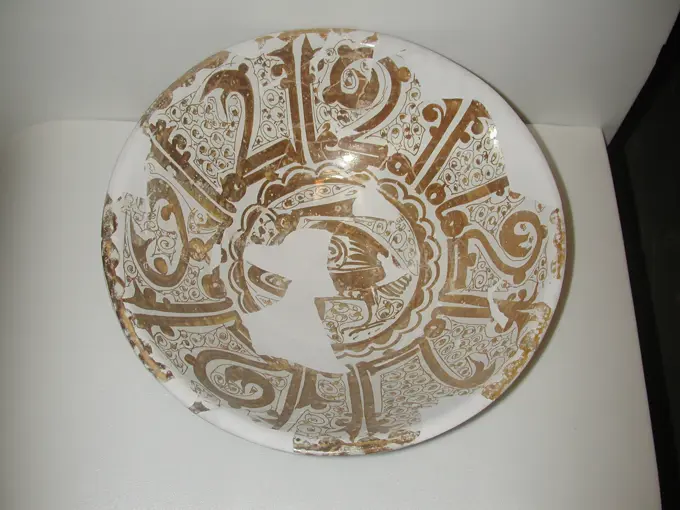
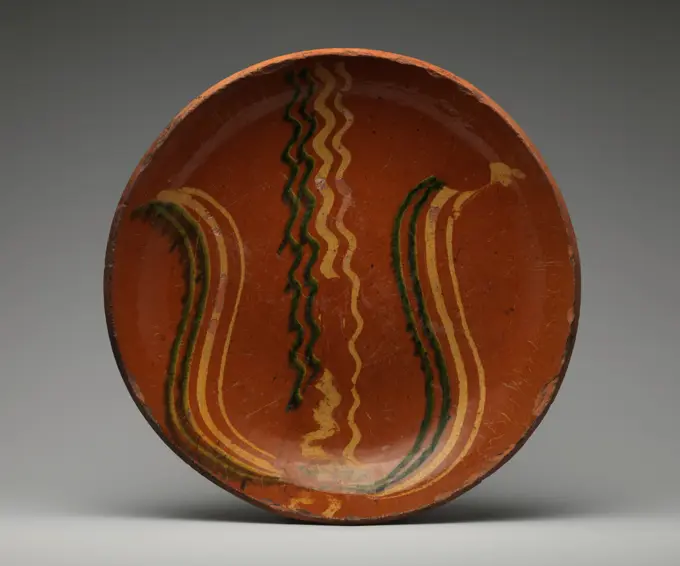
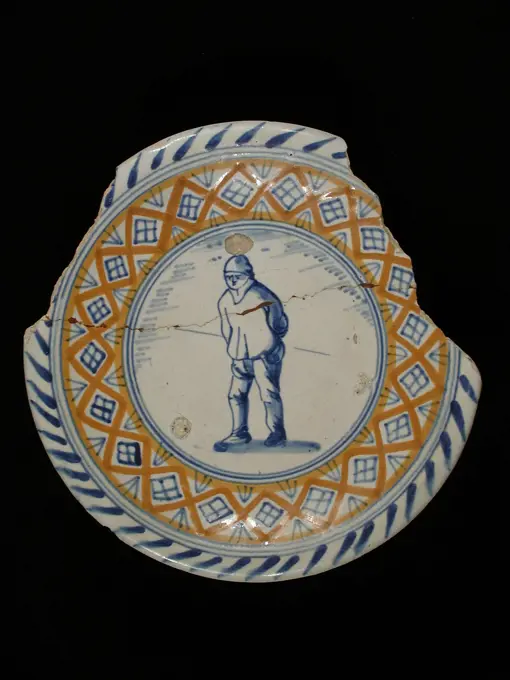
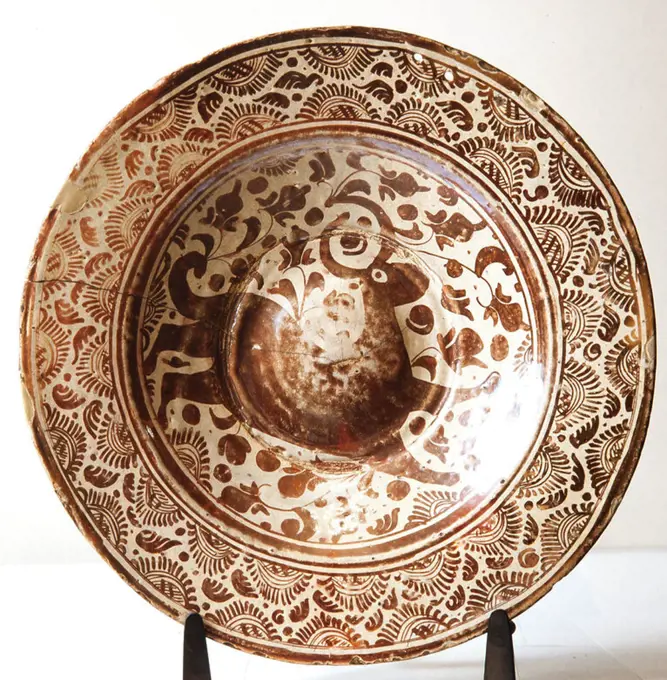
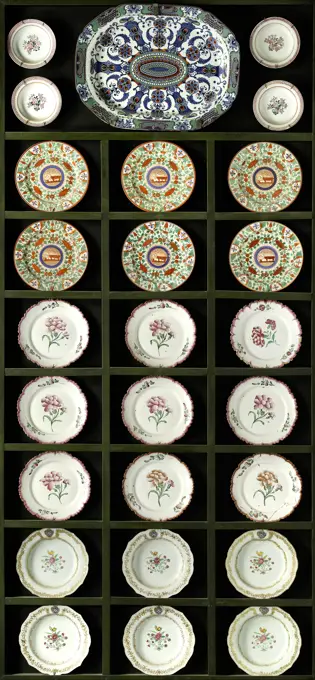
Dish, the Greek A, c. 1710 - c. 1720 Dish of Faïence. Multicolored painted. Marked: A R. Delft . Dish of Faïence. Multicolored painted. Marked: A R. Delft .
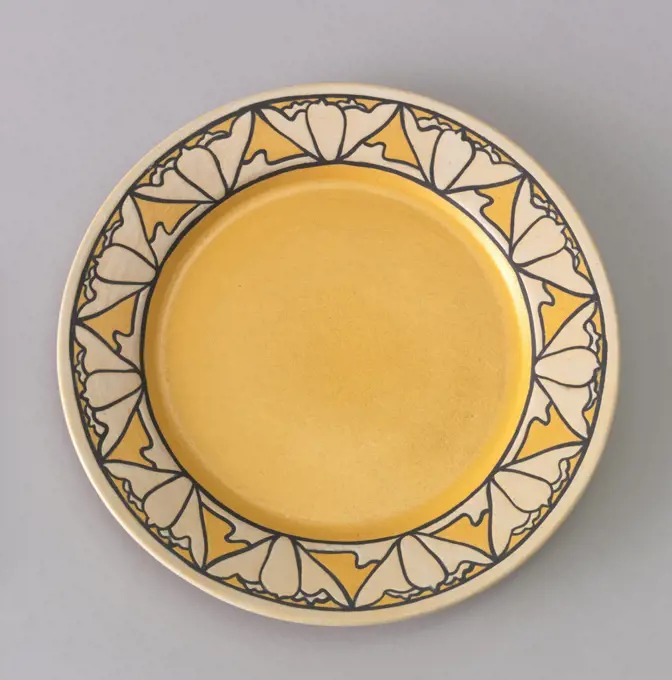
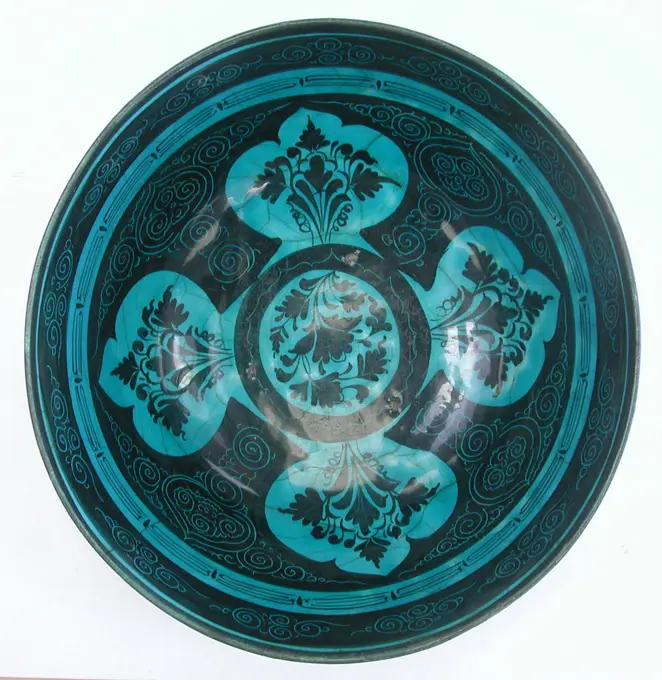
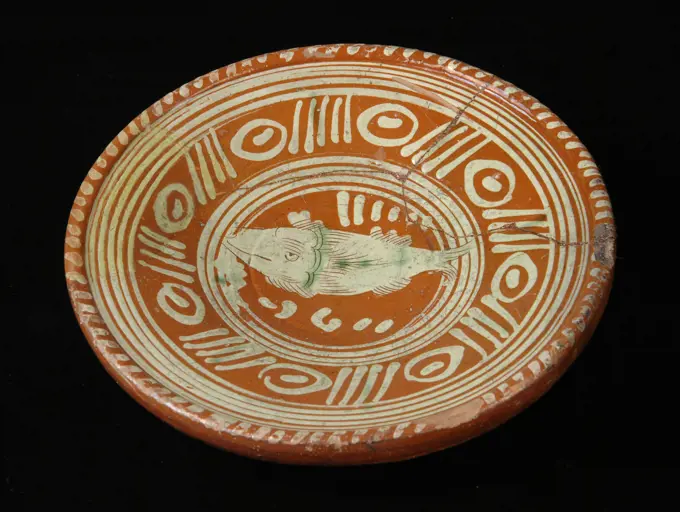
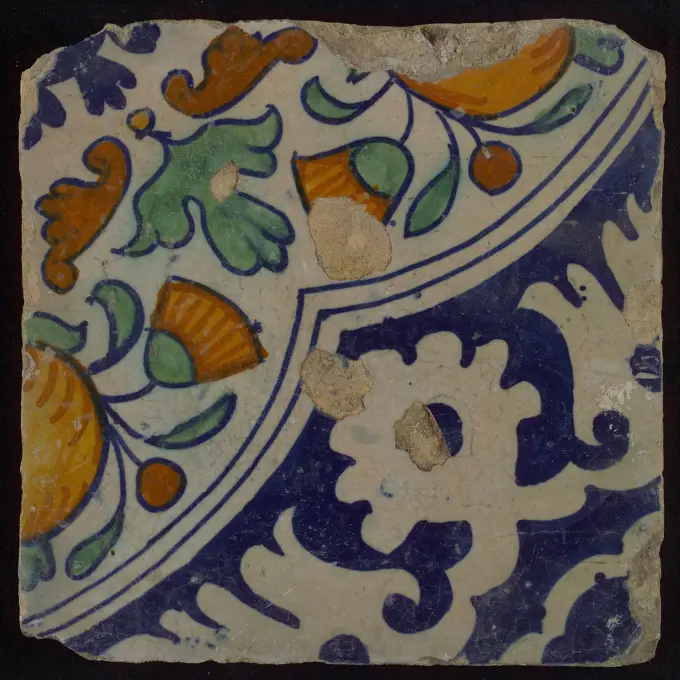
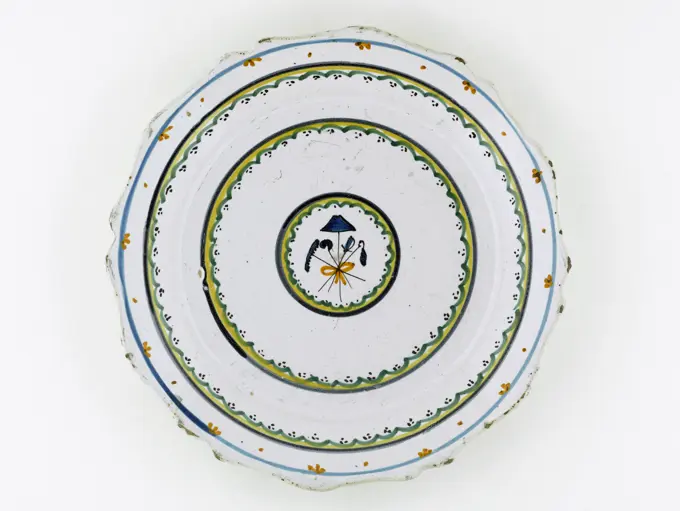
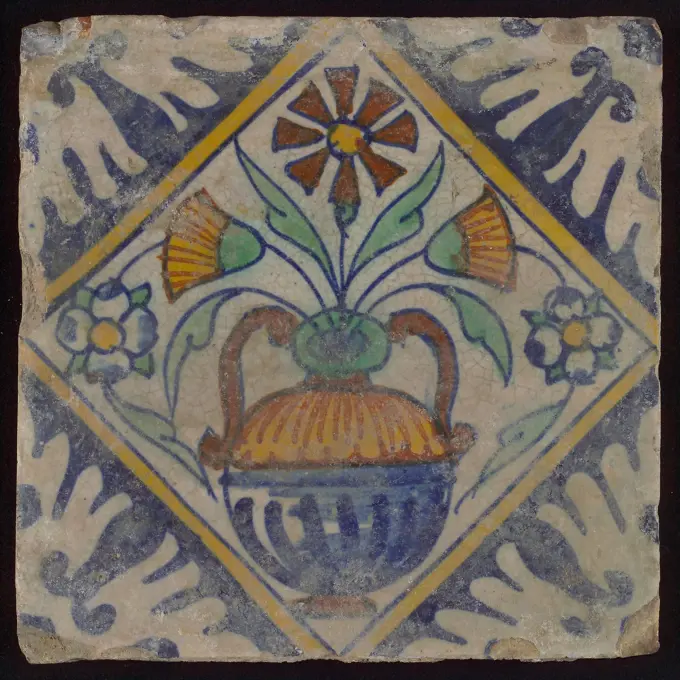
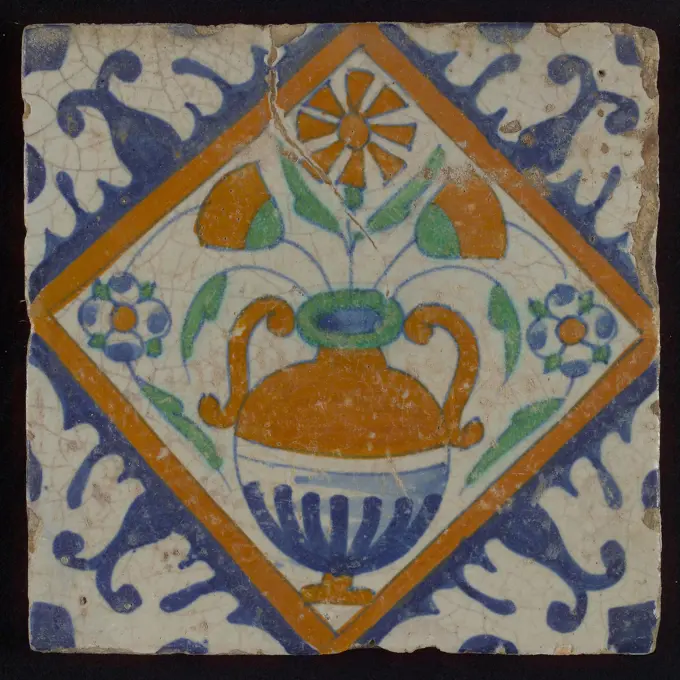
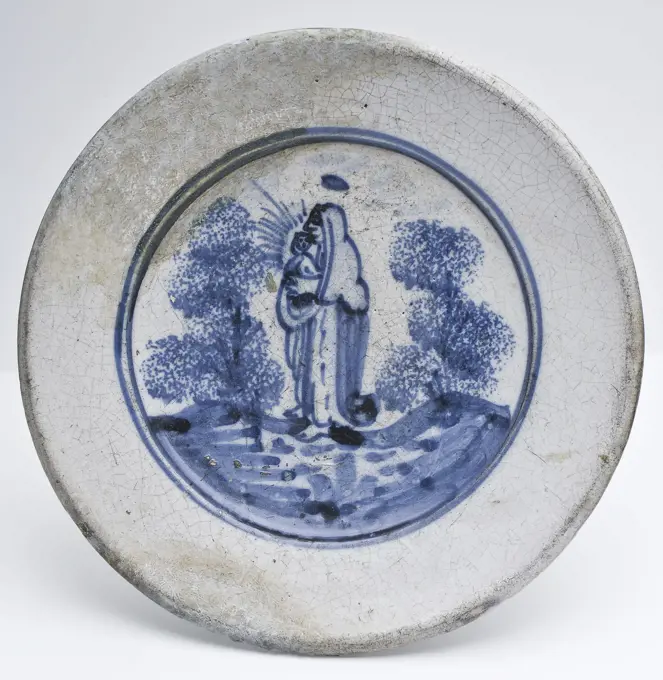
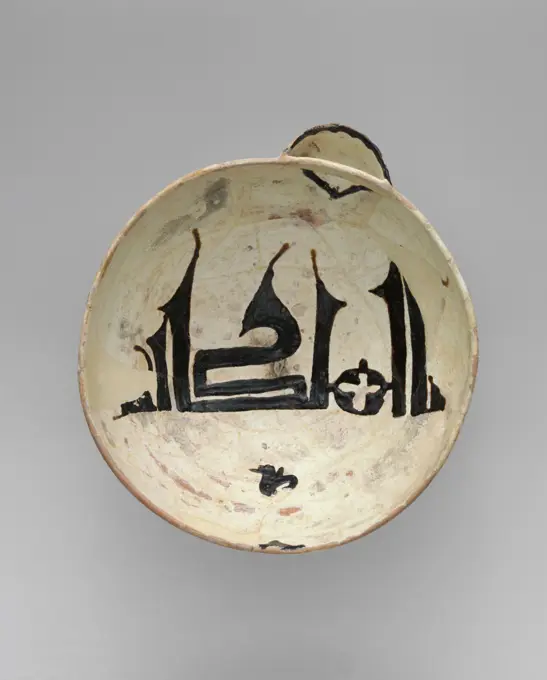
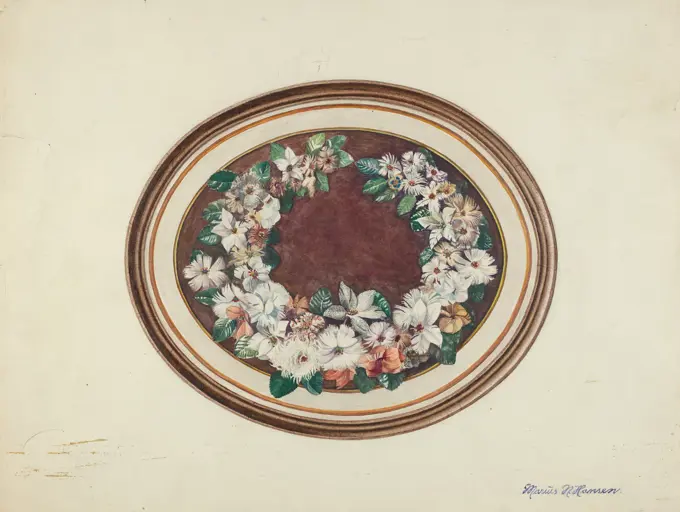
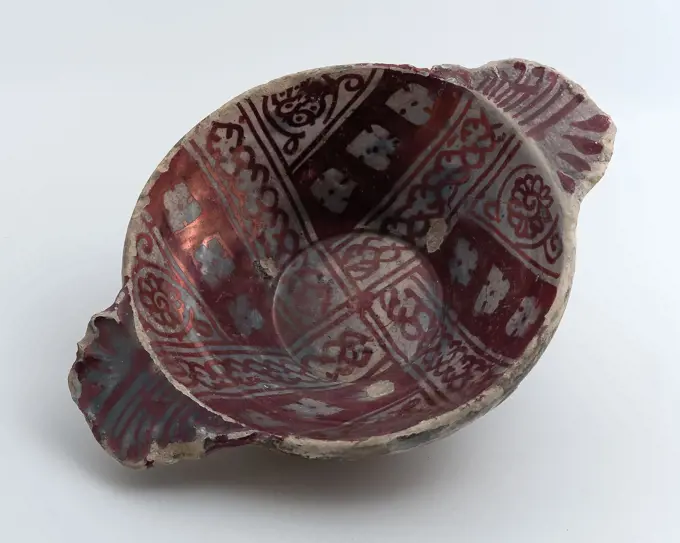
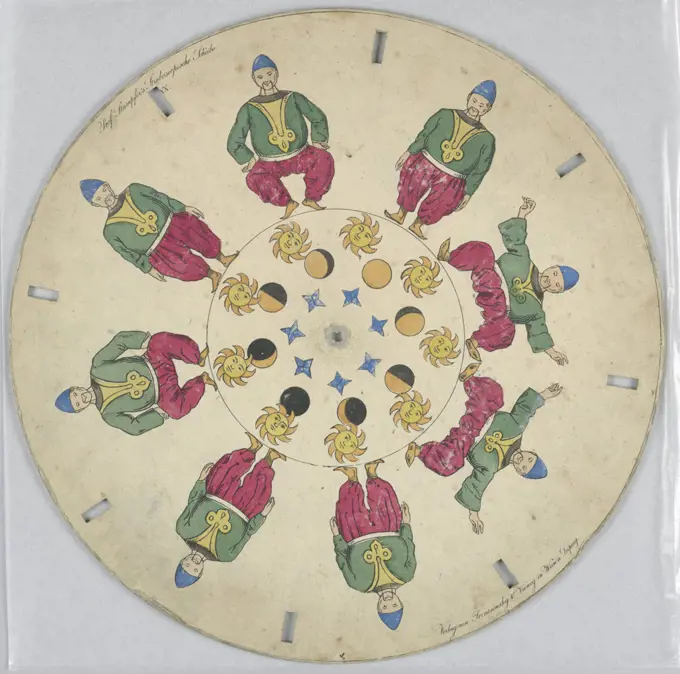
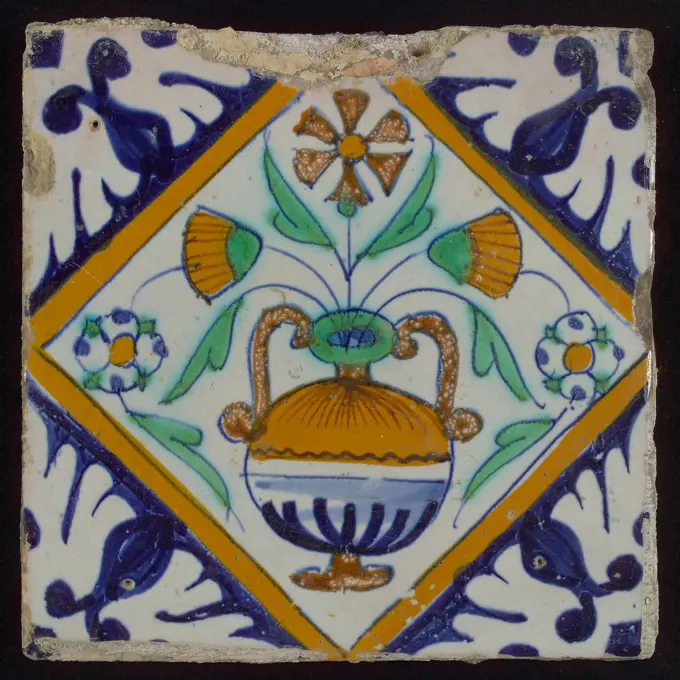
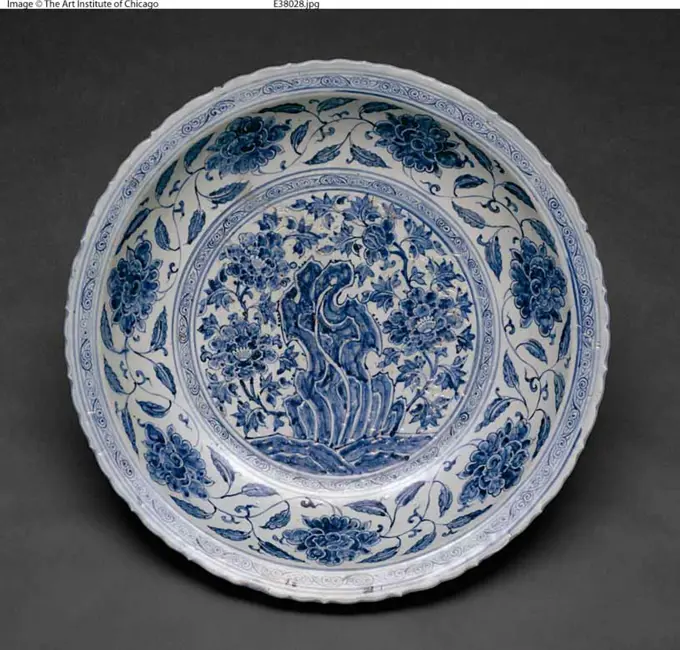
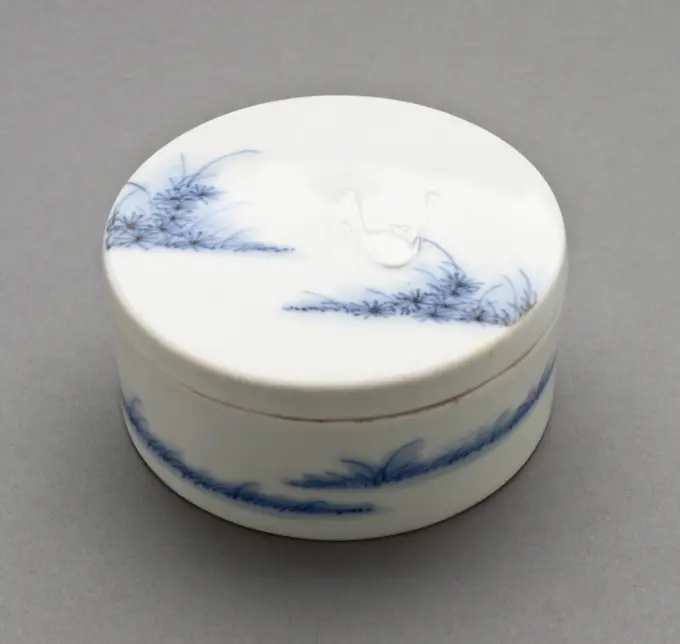
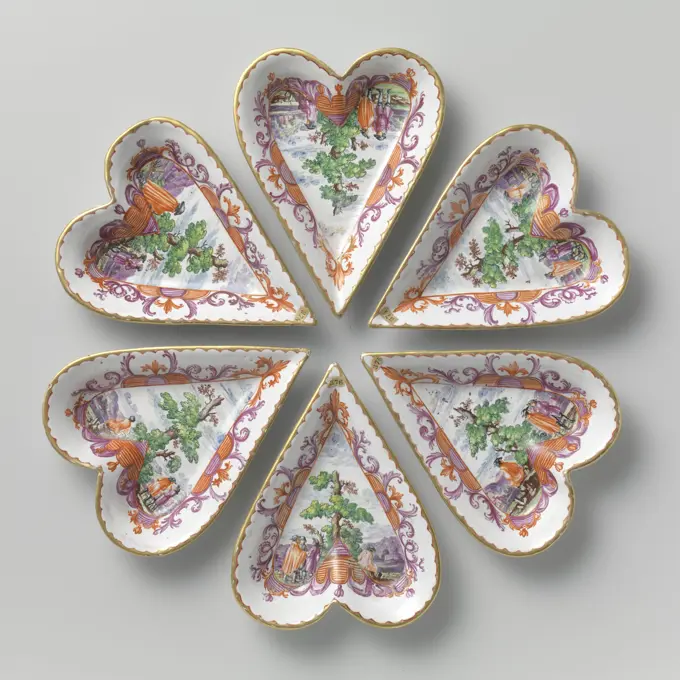
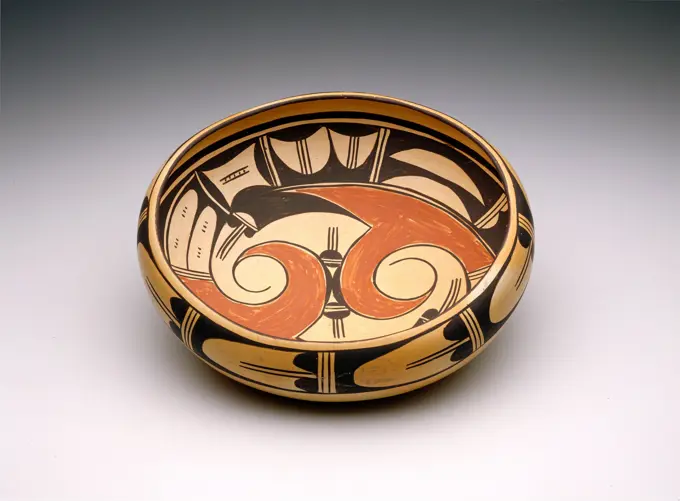
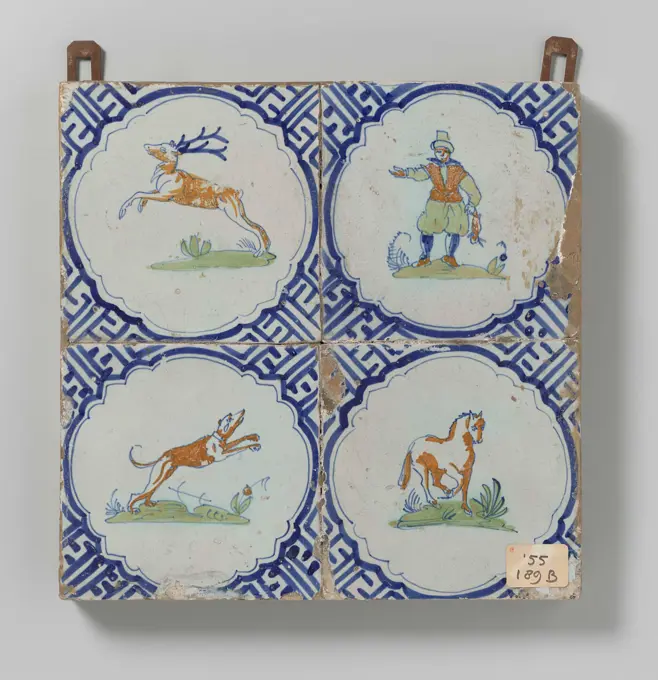
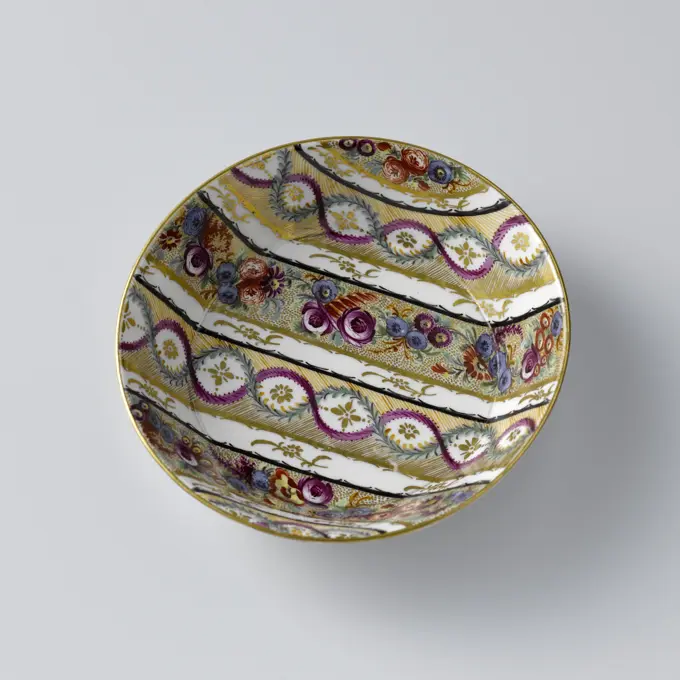
Saucer with ornamental borders, 1773 Porcelain dish with a straight wall, painted on the glaze in blue, red, pink, green, yellow, black and gold. The front is divided into straight tires alternately filled with flower vines, each other cutting leaves in which a rosette and narrow tires with golden flower branches. Marked on the underside with IP, a shield with m and a g. Golden Rand. Porcelain Company: Höchstschrezheim porcelain. glaze. gold (metal) painting / gilding / vitrification Porcelain dish with a straight wall, painted on the glaze in blue, red, pink, green, yellow, black and gold. The front is divided into straight tires alternately filled with flower vines, each other cutting leaves in which a rosette and narrow tires with golden flower branches. Marked on the underside with IP, a shield with m and a g. Golden Rand. Porcelain Company: Höchstschrezheim porcelain. glaze. gold (metal) painting / gilding / vitrificationSaucer with petal-shaped panel around a central medallion, filled with flower sprays, anonymous, c. 1750 - c. 1774 Porcelain saucer, painted in underly glaze blue and on the glaze red and gold. On the flat of the dish a medallion with flour, around the medallion six petal-shaped compartments filled with flower branches; A flower vend between the courses; Three loose flowers on the back. A crack in the dish. Chinese Imari. China porcelain. glaze. cobalt (mineral). gold (metal) painting / gilding / vitrification Porcelain saucer, painted in underly glaze blue and on the glaze red and gold. On the flat of the dish a medallion with flour, around the medallion six petal-shaped compartments filled with flower branches; A flower vend between the courses; Three loose flowers on the back. A crack in the dish. Chinese Imari. China porcelain. glaze. cobalt (mineral). gold (metal) painting / gilding / vitrificationAnonymous. Moustiers-Sainte-Marie. Flat. Great fire earthenware, polychrome enamels. 1st half of the 18th century. Museum of Fine Arts of the City of Paris, Petit Palais. Faience, table service, dishes, 18th 18th 18th 18th 18th 18th 18 century, dishPlate first quarter 18th century Chinese, for European market. Plate 202383Majolica dish with grid or checkerplate motif in blue and orange, dish plate board plate earth discovery ceramic earthenware glaze tin glaze lead glaze, majolica baked 2x painted glazed Majolica dish with grid or checkerboard pattern in orange and blue In the midfield grid pattern with at the intersections blue crosses dot in every square. Around the mirror circles and toothed line. On the edge of the dish rope motif. Standring Bottom of lead glazing Restoration is not overpainted archeology Rotterdam City center Stadsdriehoek Schielandshuis indigenous pottery serving serving food decorating the table Soil discovery: Schielandshuis 1982.plate, Paul Revere Pottery, American, 1908 - 1942, Fanny Levine, earthenware, Dish with bright yellow well; border of flattened natural-colored blossoms outlined in thick black on yellow ground., Boston, Massachusetts, USA, 1917, ceramics, Decorative Arts, platePair of plaques, anonymous, 1600 - 1699 Round plate China copper (metal). Round plate China copper (metal).Dish 16th century () Belgian or French. Dish 194464Plate;  19th century (1801-00-00-1900-00-00);Cup and saucer 20th century Austrian, Vienna. Cup and saucer 461042Bowl;  XVIII/19th century (1791-00-00-1810-00-00);Dish with an Allegory of Taste, anonymous, c. 1645 - c. 1670 Faaience saucer from a series of the five senses: the taste Delft . Faaience saucer from a series of the five senses: the taste Delft .Dish on three shell -shaped legs, decorated with birds, vines and grape bunches, anonymous, c. 1600 - c. 1630 Dish of earthenware on three shell -shaped legs. Decorated in white sludge with two birds on the mirror on either side of a vegetative central motif and with vineyards with grape bunches on the edge. The dish is covered with a local green tinted lead glaze. North Holland earthenware. lead glaze Dish of earthenware on three shell -shaped legs. Decorated in white sludge with two birds on the mirror on either side of a vegetative central motif and with vineyards with grape bunches on the edge. The dish is covered with a local green tinted lead glaze. North Holland earthenware. lead glazeFragment sign from V.O.C. ship De 'Witte Leeuw', Anonymous, Before 1613 plate (dishes) Fragment sign from V.O.C. ship De 'Witte Leeuw' with a flat edge and a slightly scalloped lip, decorated in under-glaze blue, 90 present. In the flat a duck standing on the waterfront, surrounded by plants. The show is enclosed by a star -shaped band, filled with geometric motifs. On the edge and wall wide and narrow fields with lucky symbols and boom branches. Jingdezhen porcelain. bone china (material)   Sint-HelenaSet of three 'Bengal Tiger' pattern plates, c. 1810, 1 x 9 5/8 in. (2.54 x 24.45 cm), Porcelain with enamel and gilded decoration, China, 19th centuryKorabiewicz, Wacław (1903-1994), Wacław (1903-1994)-collection, ceramics, gift (provenance), plant (ornament), Indian art, Islamic art, platesBowl late 11th-12th century. Bowl 450574Board, with landscape and a company in a boat. Pottery plate with blue transfer decor. The flat with landscape and a company in a boat. The border with flowers, leaves, volutes and fencing.M I, Flower tile, orange, brown, green and blue on white, flowerpot in square, corner pattern palm, wall tile tile sculpture ceramic earthenware enamel, baked 2x glazed painted Red shard square two nail holes. Misbaksel. Multicolored. Green blue and orange-brown on white background. Flowerpot with five flowers including two marigolds in square, M and presumably an I.Bowl second half 15th century This striking turquoiseandblack bowl belongs to a group of ceramics known as Kubachi ware. Named for a village in the Caucasus where this pottery was discovered in quantity, such wares may have been produced elsewhere in northwestern Iran. This bowl— painted in black under a pale turquoise glaze, with an incised pattern of spirals and floral elements—is among the earliest examples.. Bowl 446926Tile with blue fruit bowl; corner pattern lily, wall tile tile sculpture ceramic earthenware glaze, baked 2x glazed painted Four tiles with blue fruit bowl.Fragments plate from V.O.C. ship De 'Witte Leeuw', Before 1613 plate (dishes) Sign from V.O.C. ship De 'Witte Leeuw', 60 present; Parts of the wall and the flat are missing. The shard is glassy white and has little ingrained dirt. The glaze is blue tinted and has pinholes and small baking cracks on the corners of the lip edge. The glaze is peeling off over parts of the lip edge. The bottom is glazed. The foot ring is inside, is V-shaped and faceted. More than 20 grains of oven sand have been found. Jingdezhen bone china (material)   Sint-HelenaSludge dish with fish and 1611, dish crockery holder soil find ceramic earthenware glaze lead glaze, hand turned sgraffito glazed fried lemonade Pottery red-orange shredder Bottom unglazed under the fish: 1611 archeology indigenous pottery import serve serving garnishOrnament tile, diagonal ornament in quatrefoil with bows in which orange apples and flowers, palm corner, corner pattern rosette, wall tile tile sculpture ceramics pottery glaze, baked 2x glazed painted Yellow and reddish shard square two and four nail holes. Multicolored: brown blue green yellow on white ground (variation in light and dark). Saving technique in blue on white.Terracotta fish-plate ca. 350-325 B.C. Attributed to the Helgoland Painter Two bream and a torpedo fish are featured around the center of this fish-plate, with two scallops, a mussel, murex, and shrimp illustrated in the background.. Terracotta fish-plate 247404Plate c 1829 Staffordshire. Earthenware . Staffordshire PotteriesPlate ca. 1830 Barker, Sutton and Till. Plate 6090Plate. Staffordshire, England. Date: 1760-1775. Dimensions: H. 1.5 cm (3/4 in.); diam. 22.9 cm (9 in.). Lead-glazed earthenware (creamware). Origin: Staffordshire. Museum: The Chicago Art Institute, Chicago, USA.Plate, 1785-1800. China, Chinese Export, 18th century. Porcelain; diameter: 19.7 cm (7 3/4 in.).Bowl 10th century. Bowl 449726Bowl Baranowski, Józef (1863 or 1868 1942). Square leaf with oscenips corners and on four low feet. Decorated with flowering plants (peony and magnolia) and two pheasants at a rock. On the edge a geometric pattern on a pink fond and with four flower fields. A cracked ice-motif on the outer edge and a simple flower drink on the bottom.Dish with Design of Cockscomb ca. 1760-80 Japan. Dish with Design of Cockscomb 52354Dish. Culture: Spanish. Dimensions: Overall: 18 1/4 x 2 1/2 in. (46.4 x 6.4 cm). Date: 1420-1450. Museum: Metropolitan Museum of Art, New York, USA.Cover for a Box, 1898-1901. Louis Comfort Tiffany (American, 1848-1933), Tiffany Glass & Decorating Company (American, New York, 1892-1902). Enamel on copper; diameter: 13.1 cm (5 3/16 in.). By 1900 Tiffany had expanded his empire by increasing the firms production of “fancy goods,” including inkstands, candlesticks, clocks, small boxes, desk sets, tea screens, and other functional objects. Along with the array of artistic glass designs from his factory in Corona, Queens, works in ceramic, bronze, other metals, and even jewelry abounded. These smaller, more affordable luxury items were designed with as much thought to artistry as the great stained glass windows and lamps through which the firm enjoyed unrivaled success.Stand under the branch Ank;  19th century (1801-00-00-1900-00-00);Plate with Hunters, Deer, and BirdsTile. Iran, mid-15th century. Ceramics. Fritware, molded and underglaze-paintedSalver Possibly by Alexandre Gueyton 19th centuryPlate; Koenigliche Porzellan Manufaktur (KPM; Berlin; 1763-1918); 1803-13 (1823-00-00-1832-00-00);Hatplates and bowls, XVII century, Santa Catalina convent, Museu de Mallorca, Palma, Majorca, Spain.. Fragmentary plate of blue painted faience. On the board a landscape has been painted with the performance of Job on the fizz or the merciful Samaritan with a transient priest. The plate is a soil find, parts of the border are missing.. Demand for souvenirs increased around 1800 when steadily more Japanese began to tour their own country. Bowls like these, with depictions of Dutchmen and their ships, were available in Nagasaki, the only place in Japan where Europeans resided. The Dutch are portrayed stereotypically with long noses and red hair.Plate 1820-80 Possibly Daniel Dry , active ca. 1820-80. Plate 6004PIF, Majolica plate on stand, man with stick in blue, polychrome border, signed, plate crockery holder soil find ceramic earthenware glaze tin glaze lead glaze, hand turned fried glazed decorated fried Dish on stand ring Smooth transition from mirror to edge Yellow shard entirely glazed underside teal lead glaze In the mirror blue decoration on white fond consisting of man with stick. Along the flag polychrome ornamental decoration consisting of orange circles and squares with blue squares. Rope motif along the dish edge. Cooked on prunes. Signed initials reverse: PIF archeology Rotterdam native pottery serving garnish serving food table archaeological find in the soil Rotterdam 1941.Tray, Grieksche A de (the Greek A Factory), Delft, Netherlands, founded 1658, Jan Teunis Dextra, Dutch, Tin-glazed earthenware, Flat 8-sided tray with raised rim, on three flattened ball feet; painted in underglaze blue on white with center roundel showing dragonfly, rocks, flowers, surrounded by 8 panels painted with 'precious objects' alternating with flowers; feet painted blue., Delft, Netherlands, 1757-1765, ceramics, Decorative Arts, TrayPlato de reflejos, siglo XVI. Colección privada.Plate 1800-1830 British. Plate 5993Victor Hugo (1802-1885). Chinese decor from Juliette Drouet's house in Guernsey, West Wall. Green wooden record containing plates and dishes, composed of twenty-seven compartments (right side of the west wall). Painted wood. 1857-1864. Paris, house of Victor Hugo. 78171-18 Asian art, decorative arts, painted wood, green wood, Chinese cabinet, locker, chinoiserie, compartment, decor, faience, storage, Chinese living room, dishes, 19th XIX 19th 19th 19th 19th century, plate, dishVictor Hugo (1802-1885). Chinese decor from Juliette Drouet's house in Guernsey, West Wall. Green wooden record containing plates and dishes, composed of twenty-seven compartments (right side of the west wall). Painted wood. 1857-1864. Paris, house of Victor Hugo. 78171-18 Asian art, decorative arts, painted wood, green wood, Chinese cabinet, locker, chinoiserie, compartment, decor, faience, storage, Chinese living room, dishes, 19th XIX 19th 19th 19th 19th century, plate, dishVictor Hugo (1802-1885). Chinese decor from Juliette Drouet's house in Guernsey, West Wall. Green wooden record containing plates and dishes, composed of twenty-seven compartments (right side of the west wall). Painted wood. 1857-1864. Paris, house of Victor Hugo. 78171-18 Asian art, decorative arts, painted wood, green wood, Chinese cabinet, locker, chinoiserie, compartment, decor, faience, storage, Chinese living room, dishes, 19th XIX 19th 19th 19th 19th century, plate, dishWine Cistern. Francesco Durantino; Italian, active 1543-after 1553. Date: 1553. Dimensions: 53.3 × 26.7 cm (21 × 10 1/2 in.). Tin-glazed earthenware (maiolica). Origin: Italy. Museum: The Chicago Art Institute, Chicago, USA.Fragment majolica dish, orange, green and blue on white, star-shaped decor, with between the leaf motifs, rosette in the middle, cable border, dish plate crockery holder earth discovery ceramics pottery glaze, archeology serving garnishAnonymous. Plate. Earthenware. Paris, Carnavalet museum. 71478-9 Attribut, Beche, Crosse, Embleme, Epee, Revolutionary Epoque, Faience, knot, rake, French revolution, three orders, dishes, plateTile, orange, brown, green, and blue on white, flowerpot in square, corner pattern palm, wall tile tile sculpture ceramic earthenware glaze, baked 2x glazed paintedTile, orange, brown, green, and blue on white, flowerpot in square, corner pattern palm, wall tile tile sculpture ceramic earthenware glaze, baked 2x glazed paintedDish with a Bird. Spain, Manises, 1430-1450. Ceramics. Tin-glazed earthenware (maiolica)DISH with Vertical Borders, Porcelain Manufaktur Frankenthal, c. 1765 - c. 1770 Chop -shaped leaf or dish of porcelain with a scalloped wall, painted on the glaze in blue and gold. The front is covered with vertical tires with alternating blue flower vines or garlands against a golden background and loose flowers and a golden leaf vank that winds around a gold and blue line. Marked on the underside with the crowned CT including a 7, H2. Frankenthal porcelain. glaze. gold (metal) painting / gilding / vitrification Chop -shaped leaf or dish of porcelain with a scalloped wall, painted on the glaze in blue and gold. The front is covered with vertical tires with alternating blue flower vines or garlands against a golden background and loose flowers and a golden leaf vank that winds around a gold and blue line. Marked on the underside with the crowned CT including a 7, H2. Frankenthal porcelain. glaze. gold (metal) painting / gilding / vitrificationSaucer with Butterflies 18th century China. Saucer with Butterflies. China. 18th century. Porcelain painted with colored enamels and gilded (Jingdezhen ware). Qing dynasty (1644-1911), Qianlong period (1736-95). CeramicsFlower tile, flowerpot in square, corner pattern palmet, wall tile tile sculpture ceramic earthenware glaze, baked 2x glazed painted Yellow shard square three nail holes. Multicolored: orange brown blue green on white fond.Salver 19th century Possibly by Alexandre Gueyton. Salver. French, after French original. 19th century. Silver on base metal. Metalwork-ElectrotypeWilliam L Antrim, Pa German Plate, c 1937 Pa. German PlateCramp unknownFaience dish with inner double concentric circle Mary with Christ child, dish crockery holder soil find ceramic earthenware glaze tin glaze leaded glaze, hand-turned baked 2x majolica Majolica dish cream-colored Shard majolica blue on white prints Fully glazed flat bottom without stand archaeology Rotterdam Heliportterrein serve bible New Testament religion Jesus Christ Maria Madonna Soil discovery: Heliport site Rotterdam June 1978.Spouted Bowl, Inscribed "Sovereignty is God's" late 10th century Although inscribed with a lofty sentiment, this bowl served a very practical function in the preparation of food, and even has a useful spout for pouring.. Spouted Bowl, Inscribed "Sovereignty is God's" 449787Plate. unknown, craftsmanMajolica dish with woman with basket in the mirror, dish plate tableware holder soil find ceramic earthenware glaze lead glaze tin glaze, majolica shaped baked glazed painted baked Majolica dish with flat mirror and gradually rising edge. Cooked on prunes. Yellowish shard Pictured is woman to the left used basket on her left arm. Stylized soil in orange and blue Nissen decor in the edge and rope decor outer edge archeology decorate serving food interiorMarius Hansen and Edith Towner, Feather Wreath, c 1940 Feather WreathMajolica bowl with outstanding lying ear, slightly purple decoration, pop bowl bowl crockery holder soil find ceramics pottery glaze tin glaze, hand-turned baked decorated glazed fried Majolica bowl yellow shard no stand ring only soul An outstanding solid shell-shaped ear. Ornamental decoration in light manganese purple on white background. Papkom was born in 2006 with second ear archeology indigenous pottery import drink food porridge food serve serveTea set from Chromolith Stoneware, decorated in blue and tan. Chromolith stoneware, consisting of a round blade (a), teapot (b), milk jug (c), sugar bowl (d), two plates (e, f), two cups and saucers (g to j). Decoration in blue and tan.Cylindrical covered jar on foot with precious objects and antiques. Lid with button of cylindrical lid pot of porcelain, painted in underglaze blue. On the lid with two cartouches with valuables and antiques. Blue White.Sharf multicolored majolica, anonymous, 1500 - 1699  Majolic screen. Northern Netherlands earthenware. glazePhenakistiscope Disc with Dancing Man, Simon von Stampfer, Austrian, 1792 - 1864, Hand-colored lithograph on paperboard, Paper disc with a hole in the center, 8 rectangular perforations evenly spaced along perimeter for viewing. In the outermost ring, several still images show a dancing man in oriental costume in various stages of a low squat. In the innermost ring, a sun with a face orbits around a planet, showing the stages of day and night. Closest to the central perforation is a ring of blue stars at various angles., Vienna, Austria, ca. 1835, toys & games, Optical toy, Optical toyDish. The Dutch East India Company (VOC) began trading in Chinese porcelain in the 17th century. The borders of dishes and bowls from this period are often divided into panels. This kind of porcelain is known as Kraak porcelain, after the caracca, or carrack, a type of Portuguese ship in which it was transported. The decorations on this dish are executed with great spontaneity, evident in the large flowers and the cloud behind the bird in flight.Tile, orange, brown, green, and blue on white, flowerpot in square, corner pattern palm, wall tile tile sculpture ceramic earthenware glaze, baked 2x glazed painted Rotterdam Hillegersberg-Schiebroek Hillegersberg Zuid Clay road Bellevue This tile comes from the house Bellevue that stood on the wall Clay road.Toy dessert plate - Charles Allerton & Sons Charles Allerton & SonsLarge Foliate Dish with Garden Rock and Plants 1425-1475 China. Porcelain painted in underglaze blue .Tile, orange, brown, green, and blue on white, flowerpot in square, corner pattern palm, wall tile tile sculpture ceramic earthenware glaze, baked 2x glazed paintedDish. Culture: Mexican. Dimensions: H. 18 in. (45.7 cm). Date: ca. 1830. Museum: Metropolitan Museum of Art, New York, USA.KSAD POZKA;  19th century (1790-00-00-1810-00-00);Incense Box with Design of Cricket and Autumn Grasses. Japan, mid-late 19th century. Ceramics. Hirado ware; porcelain with underglaze blueSet of six small heart-shaped dishes, c. 1735 - c. 1755 Heart -shaped dish, multi -colored painted with figures around a tree. Delft . Heart -shaped dish, multi -colored painted with figures around a tree. Delft .Tile with blue flower and curls, tile picture footage fragment ceramics pottery glaze, d 1.5Plate Made 1800-1810 Coalport. Soft-paste porcelain, orange and black enamels and gilding . William Locke of Norbury, the YoungerDish, painted multily. On the flat inside a circle the inscription stand. Round dish of multicolored painted majolica. In the middle, the inscription sta is painted in a circle. Around the circle are concentric strips painted between which a stylized continuous leaf.Tile, orange, brown, green, and blue on white, flowerpot in square, corner pattern palm, wall tile tile sculpture ceramic earthenware glaze, baked 2x glazed paintedWine Cup Japan mid-19th centuryVessel, early 20th century, 3 3/4 x 11 1/2 in. (9.53 x 29.21 cm), Ceramic, pigment, United States, 20th century, The Hopituh Shinumu (Hopi) have a long tradition of making pottery. The quality and creativity of pottery design had reached a peak in the ancient town of Sikyatki between the 14th and 17th century. By the time the former Indian Agent and Englishman, Thomas Keam set up a trading post in Hopituh Shinumu territory in 1875, pottery had declined and many were making white-slipped vessels with A'shiwi (Zuni)-inspired decoration. With Keam's encouragement, the revival of the Sikyatki style began and was led by Nampeyo, a potter from the First Mesa town of Hano. Common elements of the Sikyatki Revival Style include abstracted birds and feathers, bold curvilinear lines, and a characteristically low vessel shape.Plate, 1898. Carel-Adolphe-Lion Cachet (Netherlandish, 1864-1945), Petrus Regout & Co., Maastricht (Netherlandish). Earthenware; diameter: 20.4 cm (8 1/16 in.); overall: 2.7 cm (1 1/16 in.).K, Fragment majolica dish, blue on white, landscape with farm, plate dish crockery holder soil find ceramic earthenware glaze tin glaze lead glaze, majolica cooked on prince Fragment majolica dish blue on white landscape with farm around it arching arch edge Vaulted mirror Marked or signed on the bottom reverse side within the stand ring initial: K archeology Rotterdam decorate food archaeological find in the soil Rotterdam.Dish. unknown, craftsmanPlate 1700-1799 Vienna. Pewter . A. KarstBowl 12th-13th century. Bowl 451385Set of six small heart-shaped dishes. Delft, c. 1735-1755, tin-glazed earthenware (faience)Field of tiles with animals and hunter. Field of four tiles (2 x 2) each with a multi-colored (blue, orange, purple and green) painted animal (one with a hunter) on a ground within a circle with a scalloped edge. In the corners, a meander ornament.Stand. Staffordshire, England. Date: 1760-1770. Dimensions: 2.1 x 14 x 13.3 cm ( 3/4 x 5 1/2 x 5 1/4 in.). Lead-glazed earthenware (creamware). Origin: Staffordshire. Museum: The Chicago Art Institute, Chicago, USA.Bowl late 13th-early 14th century This bowl exhibits a rare glaze type referred to as lajvardina, from the Persian word lajvard, or lapis lazuli (a deep blue colored stone containing gold inclusions). Its design comprises small squares of gold leaf, carefully arranged into intricate patterns with delicate red and white overpainting. Production of this type of glazed ware is limited to the Ilkhanid period in Iran. And the luxurious nature of this bowl suggests it was destined for wealthy patrons.Dish. Culture: Spanish. Dimensions: Overall: 13 5/8 x 2 3/16 in. (34.6 x 5.5 cm). Date: 1400-1450. Museum: Metropolitan Museum of Art, New York, USA.Anonymous. Plate. Earthenware. 1789-1790. Paris, Carnavalet museum. 70955-18 Weapon, Crown, Epee, Faience, Lys, Decorative Pattern, Revolutionary Periode, Crockery, Plate