Decorative Plates and Dishes

A collection of ornate ceramic dishes featuring intricate patterns, colorful floral designs, and historical influences from various cultures.

Dish, the Greek A, c. 1710 - c. 1720 Dish of Faïence. Multicolored painted. Marked: A R. Delft . Dish of Faïence. Multicolored painted. Marked: A R. Delft .
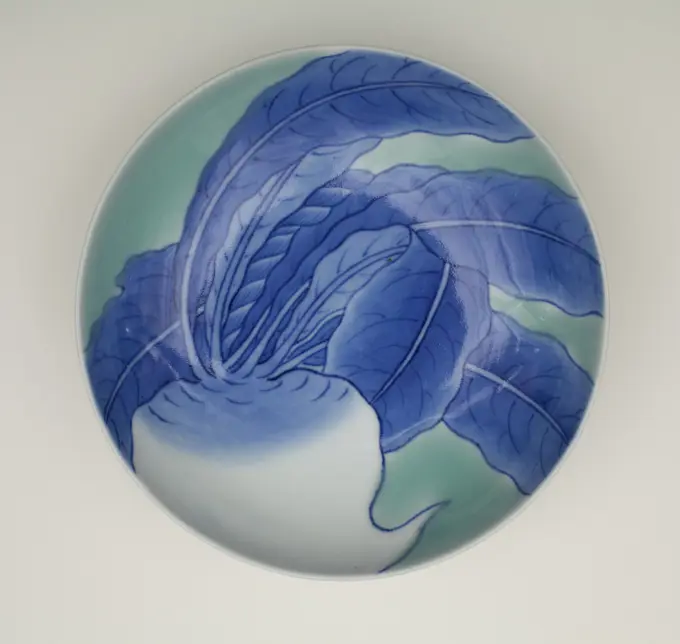
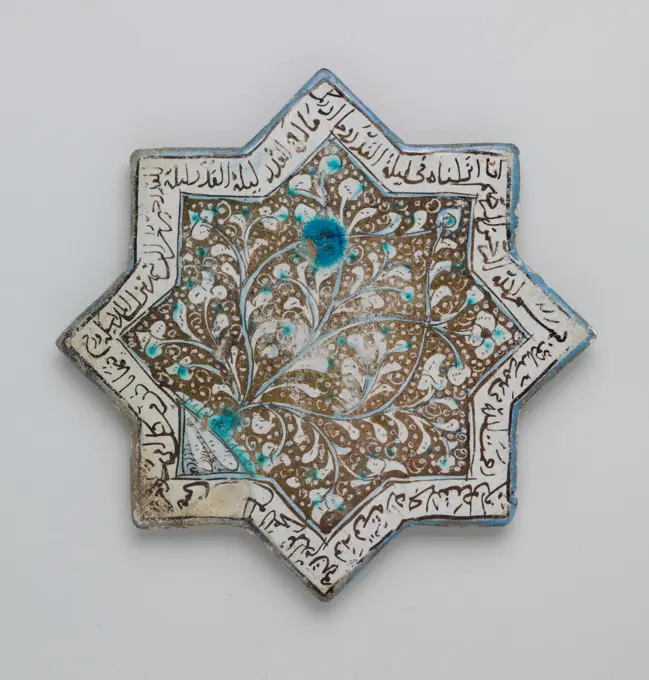
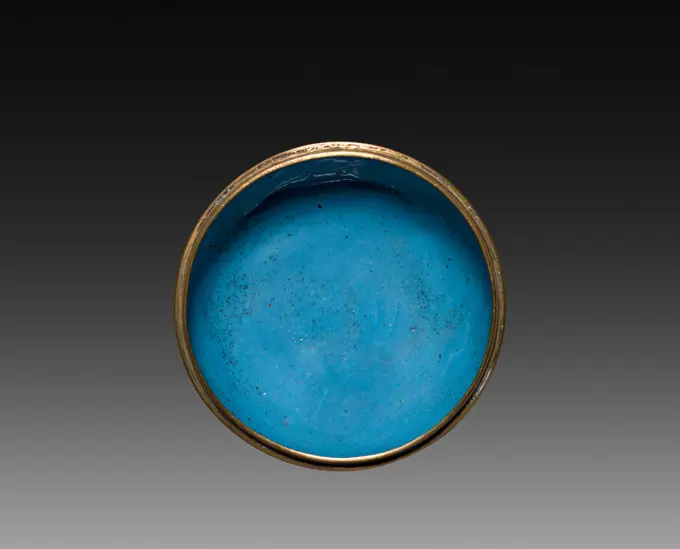
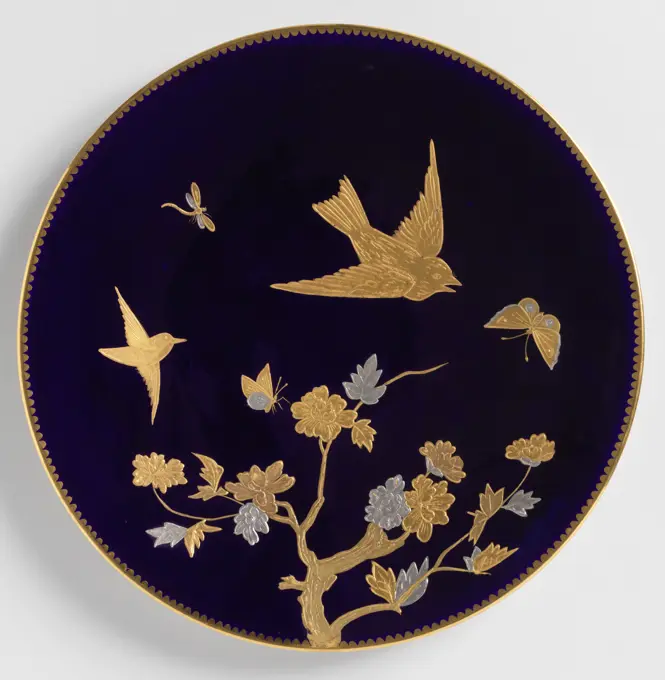
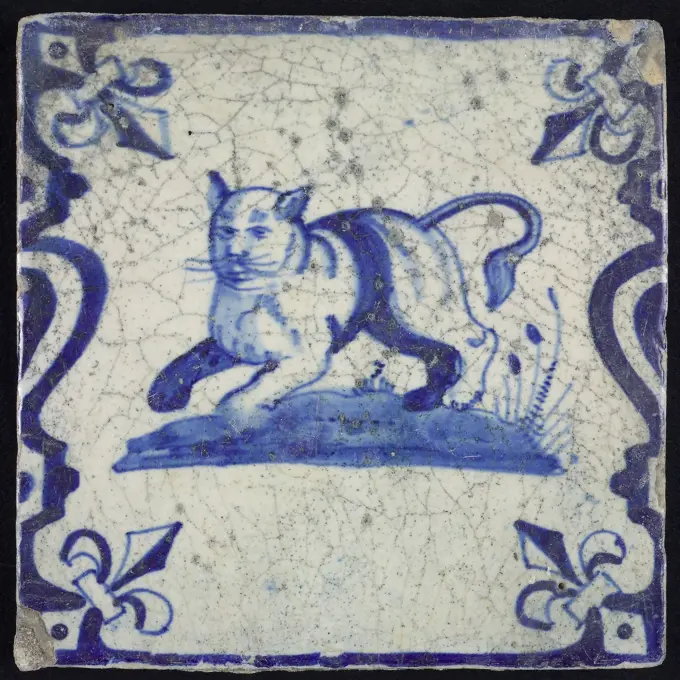
Fragment Kraaikop from V.O.C. ship De 'Witte Leeuw', Anonymous, Before 1613 bowl Fragment Kraaikop from V.O.C. ship the 'Witte Leeuw'. Jingdezhen bone china (material)   Sint-HelenaFragment majolica dish, yellow and blue on white, rosette, plate crockery holder soil find ceramic earthenware glaze, baked underside covered with clear lead glaze. Polychrome archeology to serve foodFragment of majolica dish on which person is depicted, dish plate crockery holder soil find ceramic earthenware glaze lead glaze tin glaze, majolica baked 2x painted glazed Fragment of pancake dish with curled soul. Majolica. Polychrome image of part of person in long robe. Orange background green soil leaf figures in manganese Cooked on prunes. Orange shard scraped pottery archeology Rotterdam Stadscentrum Stadsdriehoek Schieland house decorate serve serve food Soil discovery: Schielandshuis Pappegay and in the garden.Dish with Turnip Design. Japan, early 17th century. Ceramics. Nabeshima ware; porcelain with underglaze blue and celadon glazeEight-pointed Star Tile with Foliage and Inscription dated A.H. 663/A.D.1264/5 Eight pointed star tiles would originally have been part of much larger compositions with alternating star and cross shaped tiles, like a few panels exhibited in our galleries. On the unglazed reverse side of this tile there are two superimposed images: a rather abstract design possibly created by escaping oxides from another tile during firing and a fine drawing of a mounted horseman. The latter was probably a study for another tile by an artist in the workshop.. Eight-pointed Star Tile with Foliage and Inscription 450444Box with Dragon (base), c 1900- 1925. Japan, Meiji period (1868-1912) or Taishō period (1912-26). Cloisonne enamel; diameter: 2.2 x 5.1 cm (7/8 x 2 in.).Nist tile. Nist tile with a scalloped long side. The side of this long side is decorated with tendrils. The top of the tile is decorated with a multicolored (blue, green, yellow and orange brown) rosette surrounded by fruits and flowers, within a four-pass frame. In the corners, filling technology ornament.Tile 16th-17th century Spanish, Seville. Tile 187941 Spanish, Seville, Tile, 16th17th century, No dimensions recorded.. The Metropolitan Museum of Art, New York. Gift of Henry G. Marquand, 1894 (94.4.453)Tile, blue painted with a ship. Tile, blue painted with a ship, so-called farmer's throw. A spinning head in the corners.Plate Plate; T. C. Brown; Retailed by Davis Collamore & Co.; England; hard paste porcelain, vitreous enamel, goldAnimal tile, running lion or cat to the left on plot between balusters, in blue on white, corner pattern French lily, wall tile tile sculpture ceramics pottery glaze, baked 2x glazed painted Square two nail holes. Blue lion or cat running on white background. Baluster ornament with french lilies.Scene tile, castle or city gate with two towers, blue decor on white ground, corner filling spider, wall tile tile sculpture ceramic earthenware enamel tinglage, in form made baked glazed painted baked Wall tile with blue decor on white fond Central representation castle or city gate with two towers connected by wall in which gate. On the tour and in the gate soldier on guard. Three sailing ships in the background. Orange-yellow shard. Shaved pottery. Corner filling spins Slightly slanted sides of indigenous pottery