Decorative Plates and Dishes

A collection of intricately designed plates and bowls in various materials with colorful motifs, highlighting craftsmanship from different eras.
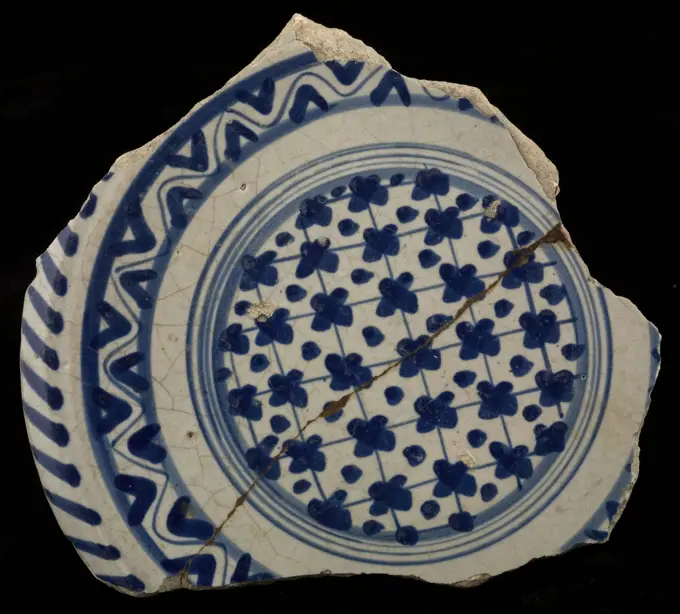
Fragment majolica plate, very flat model, blue on white, simplified chessplate decor, plate crockery holder soil find ceramic earthenware glaze, baked underside covered with lead glaze bright green tinted where it is thickly applied Monochrome Very flat and low model archeology decorate serving
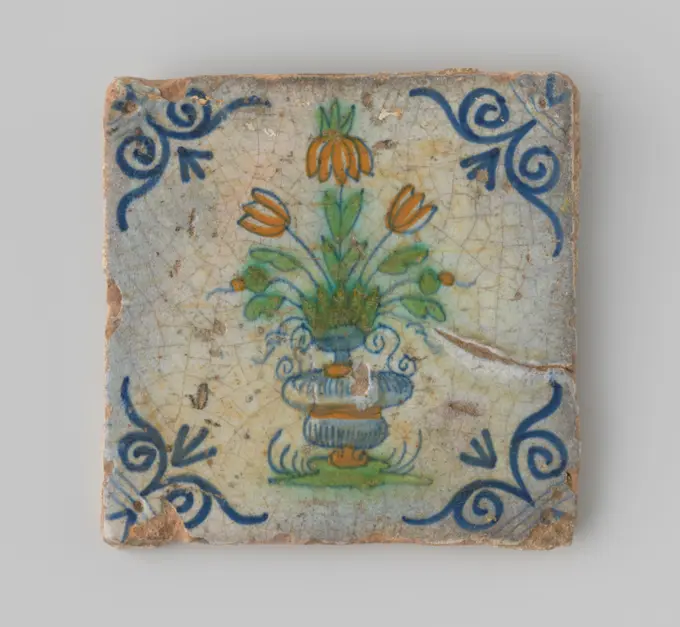
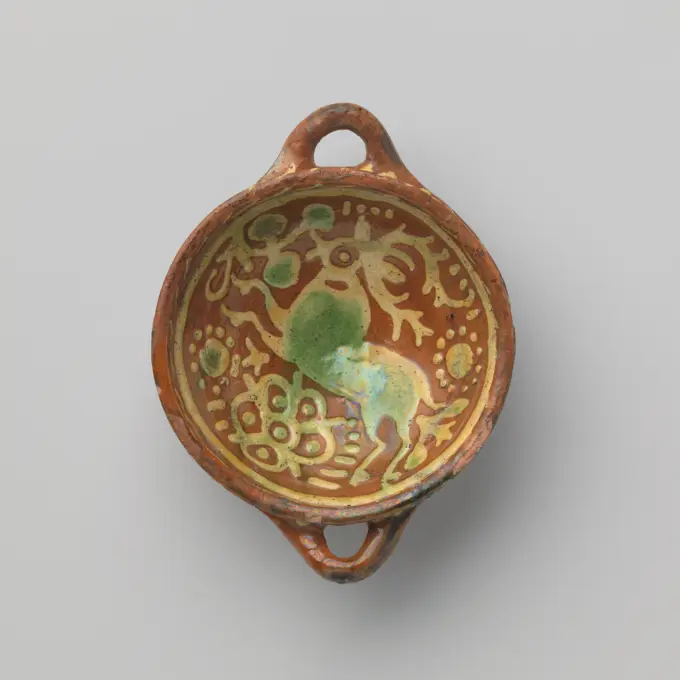
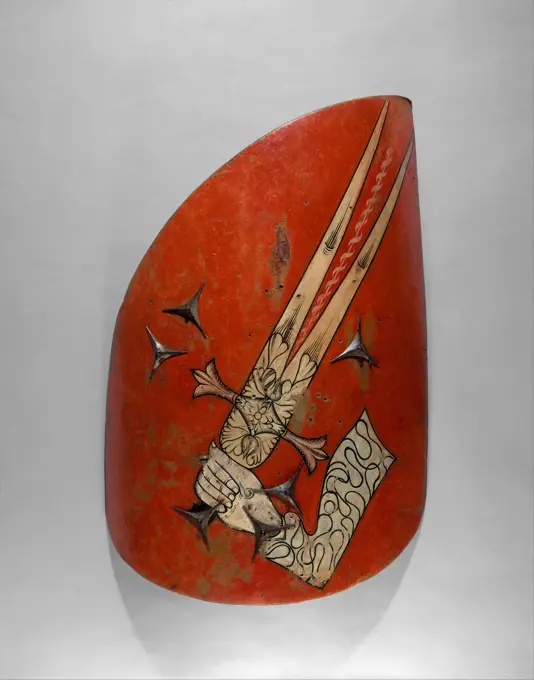
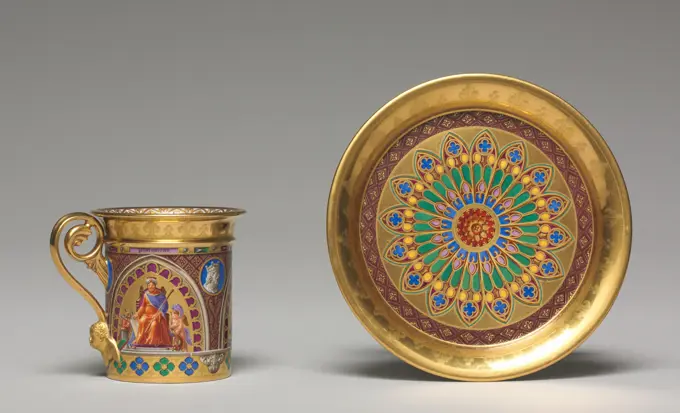
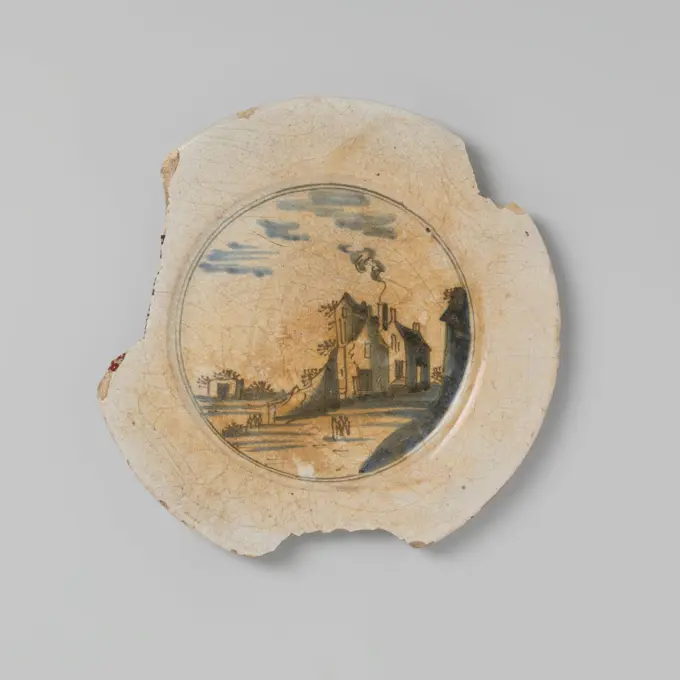
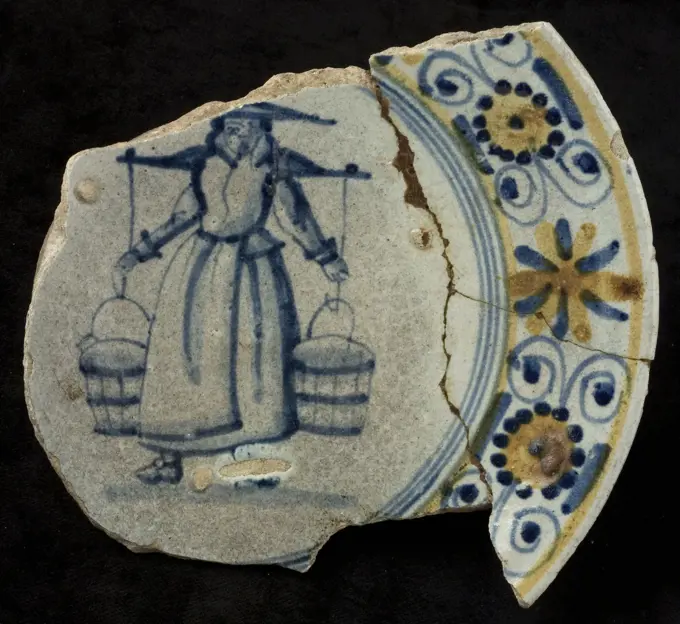
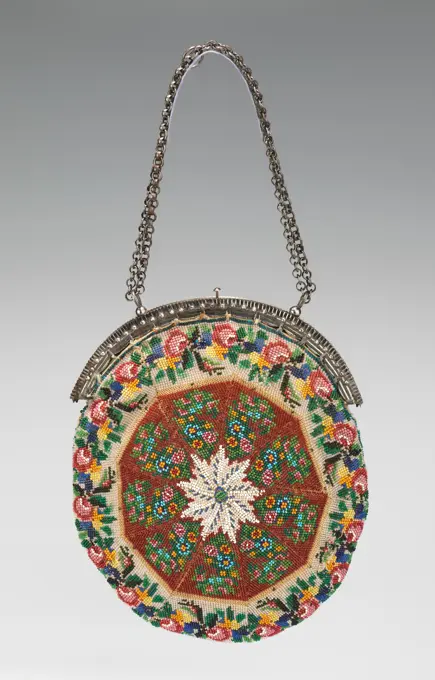
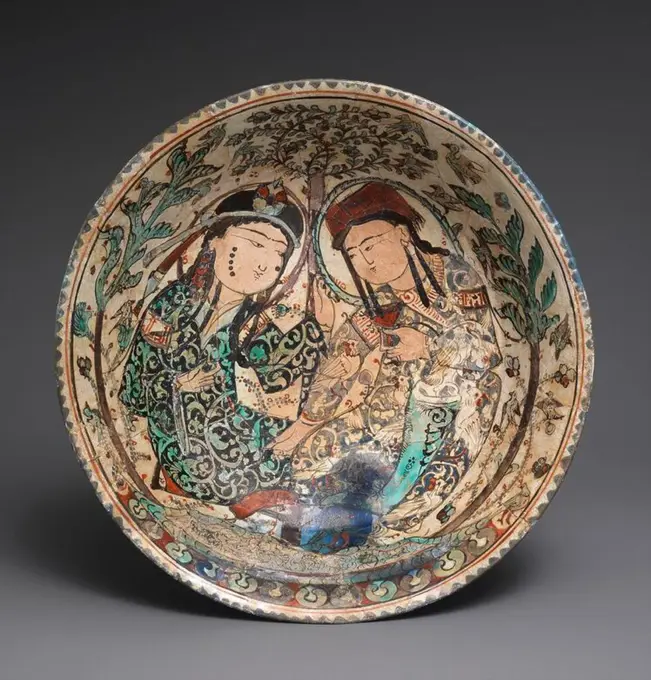
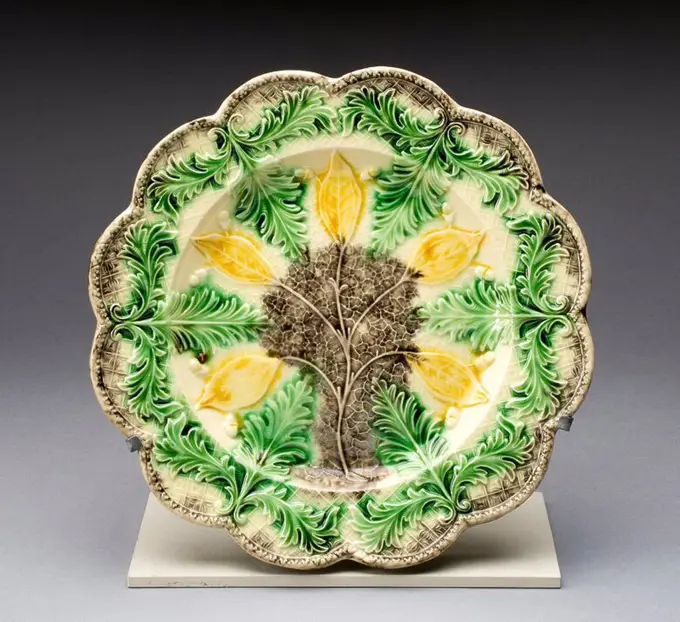
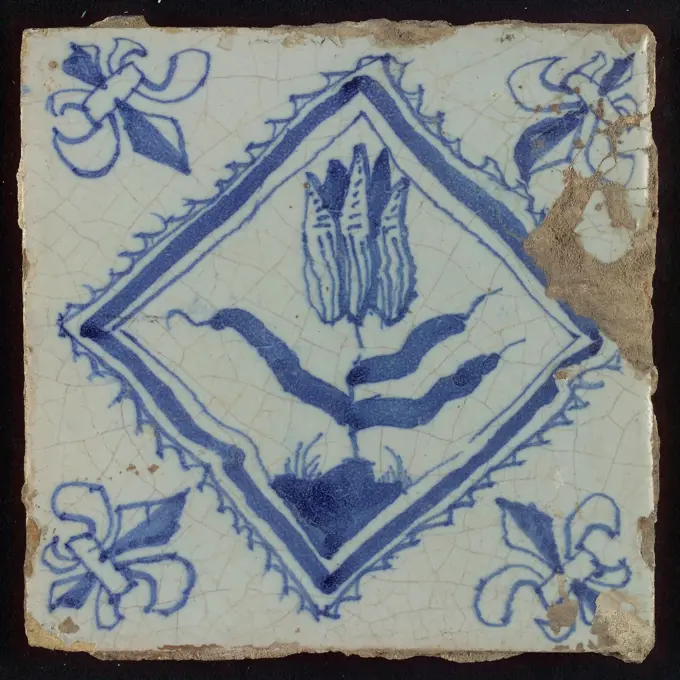
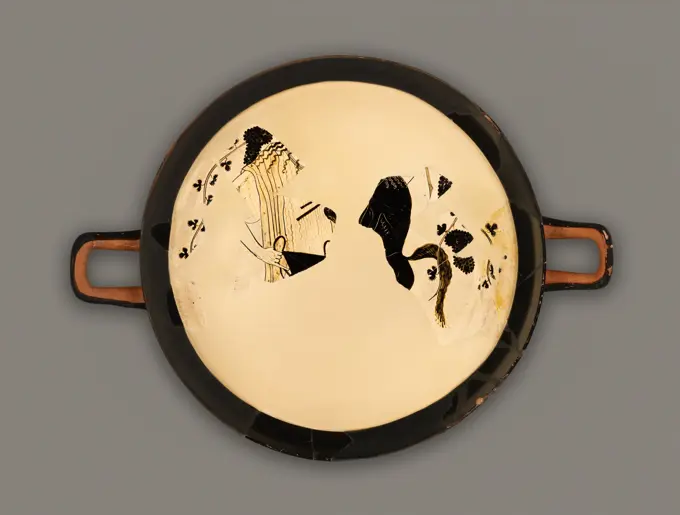
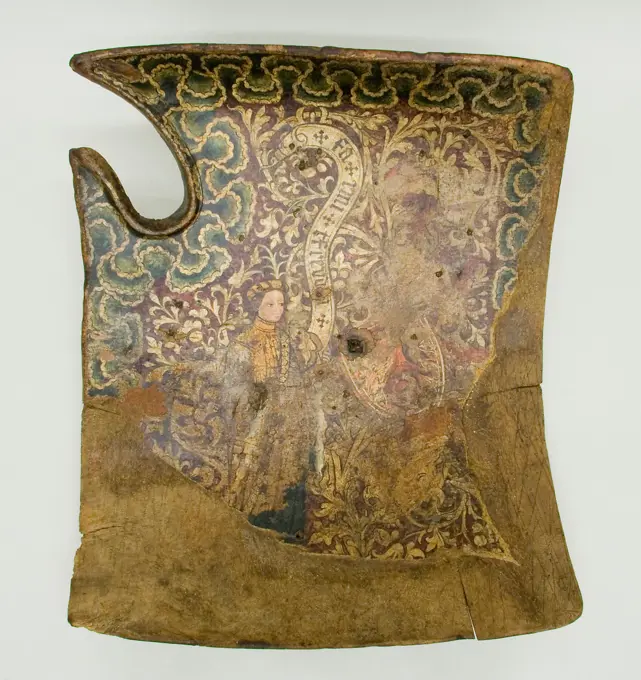
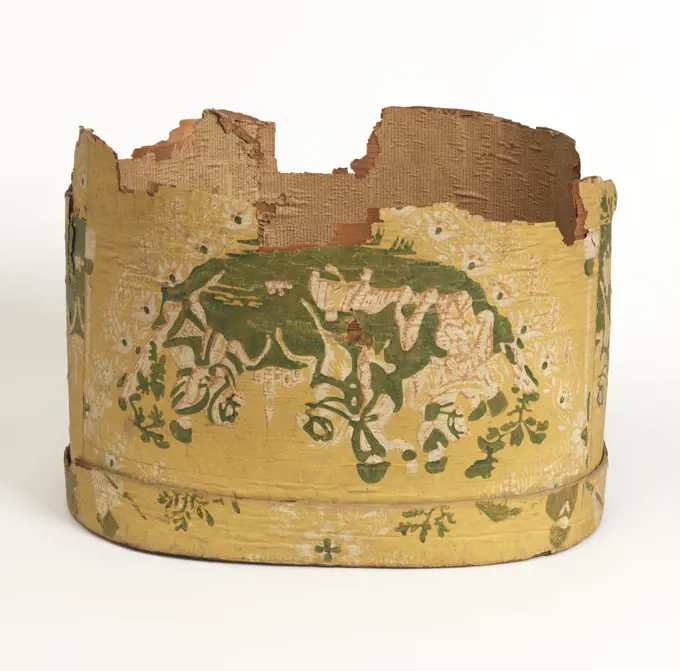
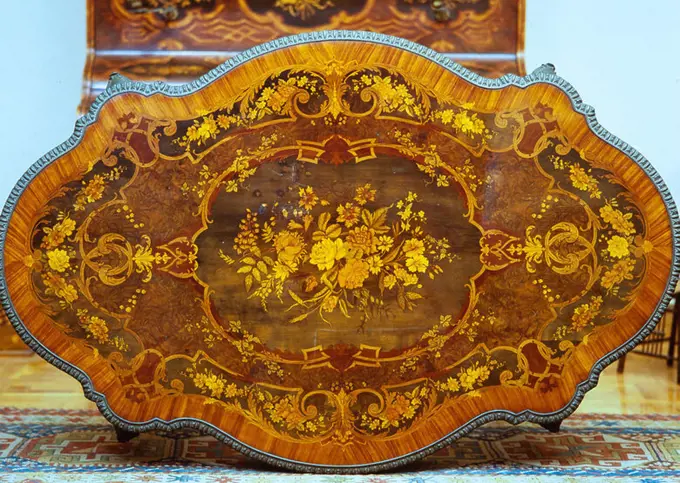
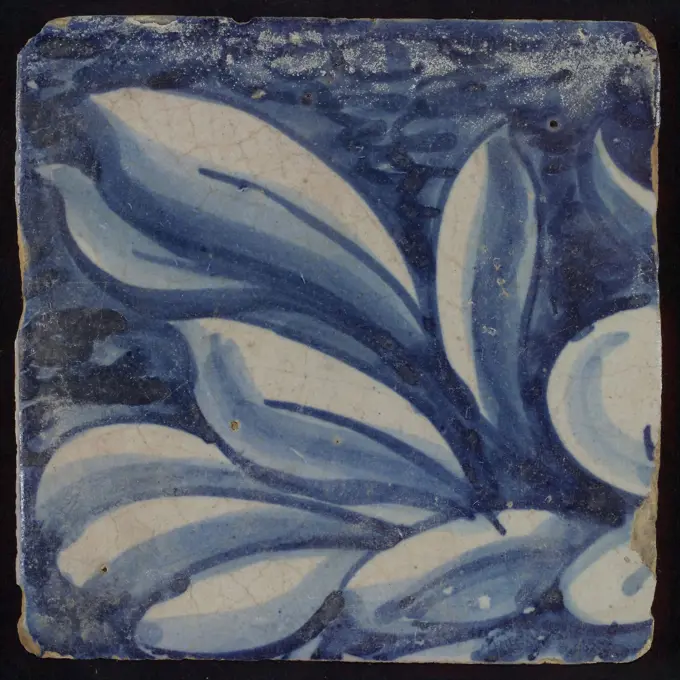
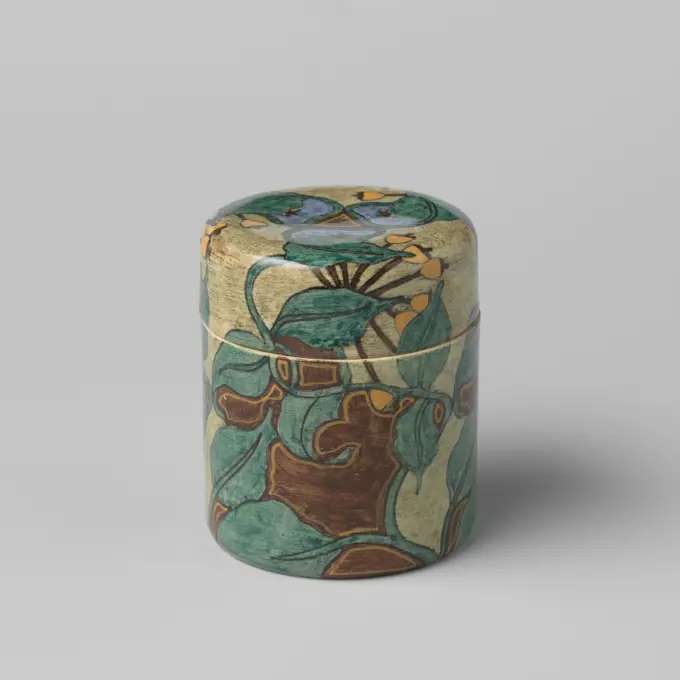
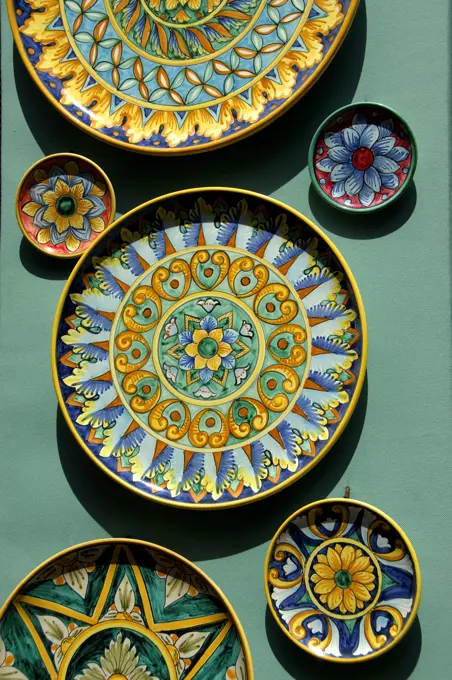
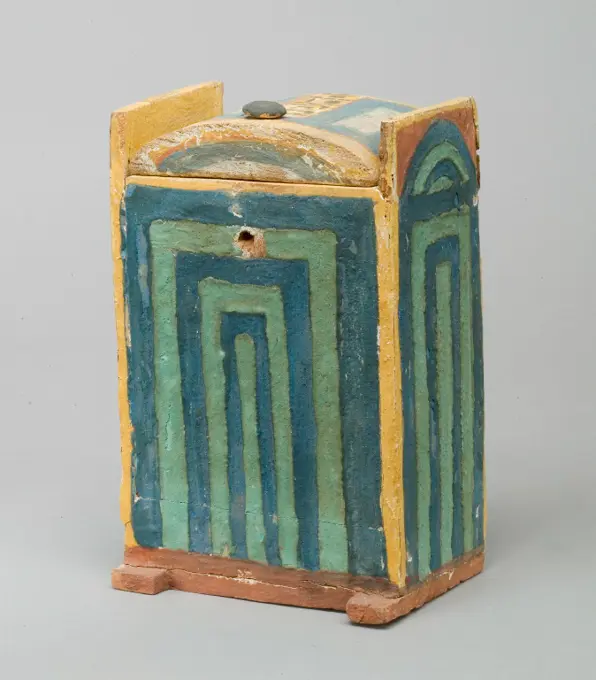
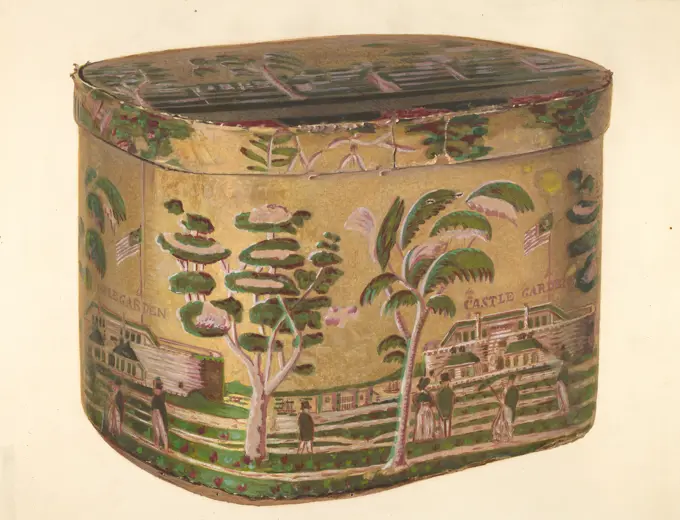
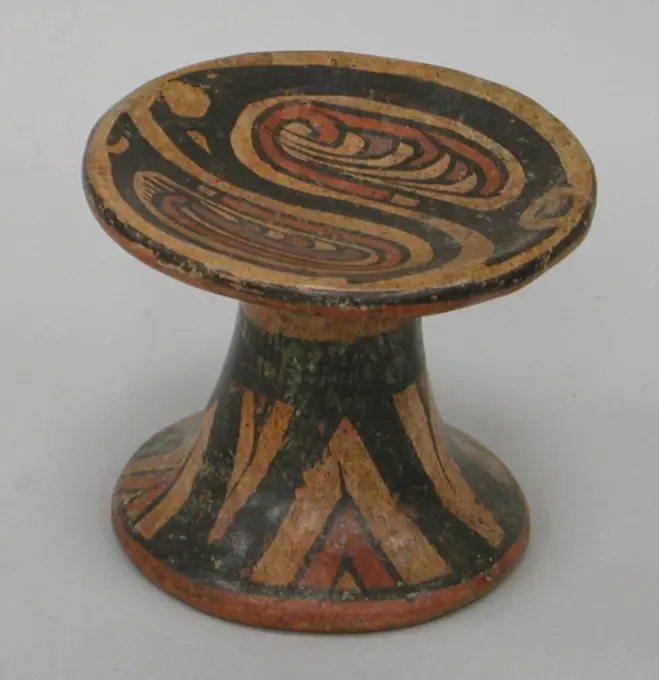
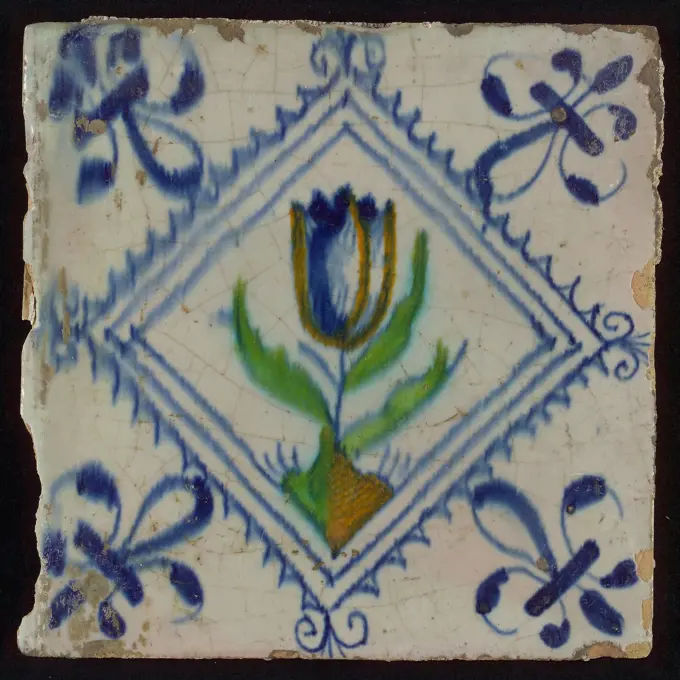
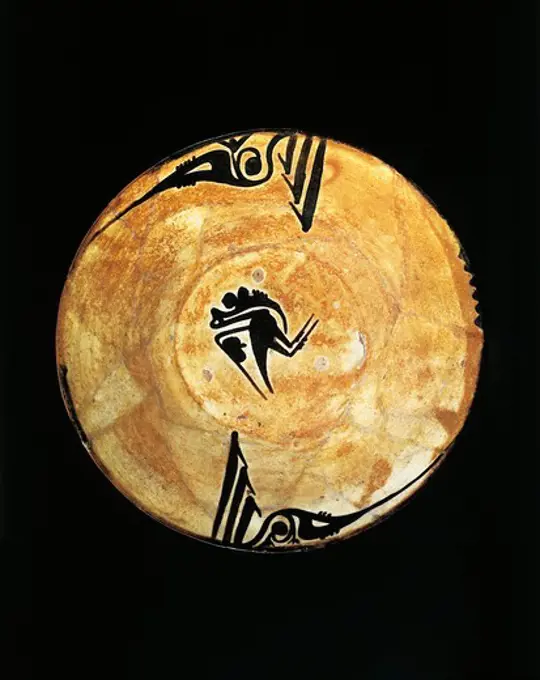
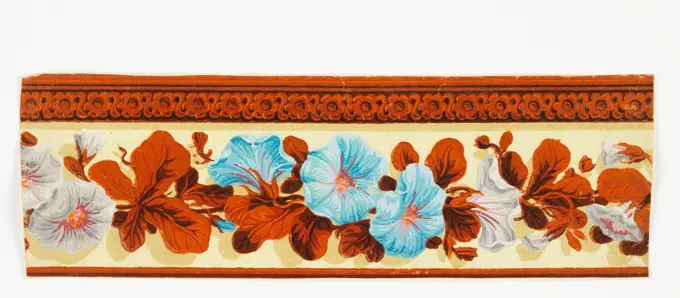
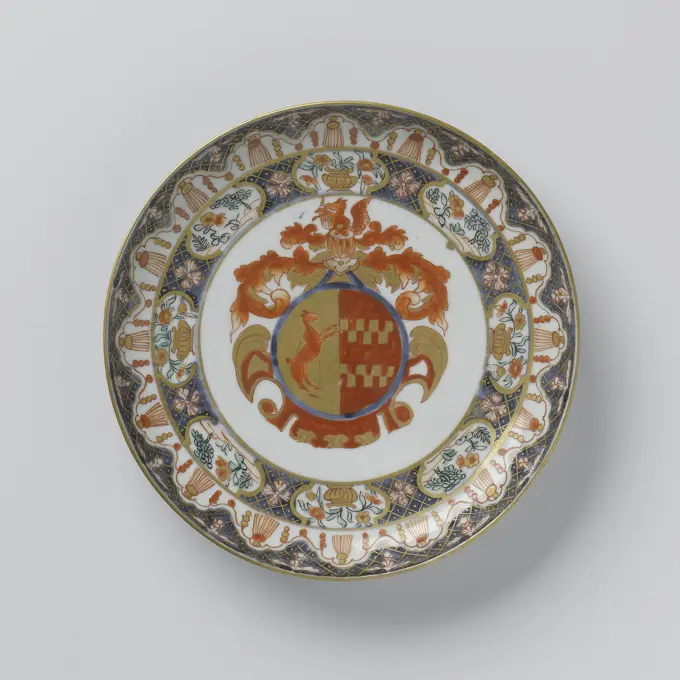
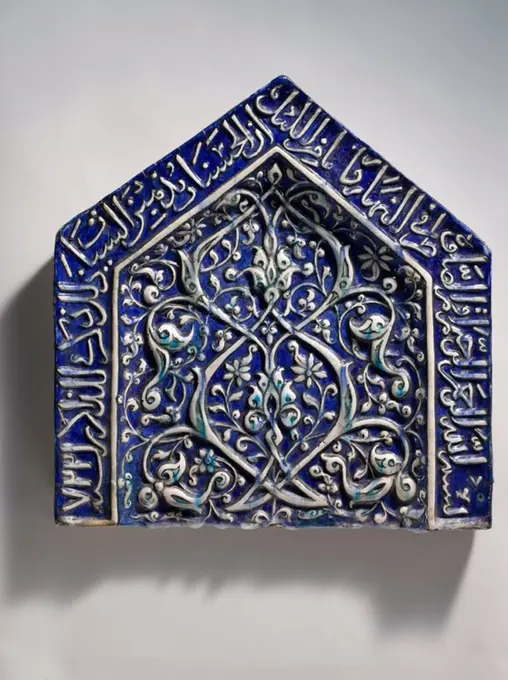
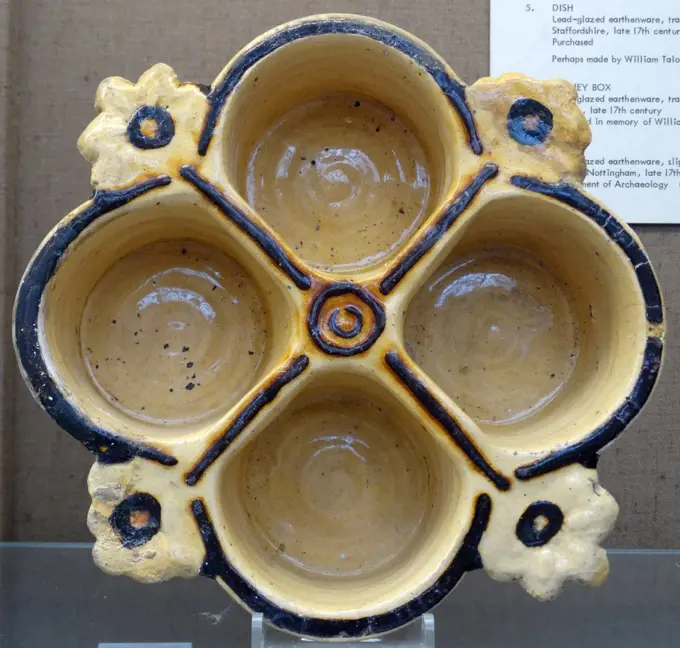
Lead-glazed earthernware cruet from Staffordshire. Dated 17th CenturyTile (damaged) with white glaze, on which a drawing in blue, green and orange of a vase with flowers, and in blue ornaments on the corners, c. 1500 - c. 1899 fragment. tile   earthenware. glazeDish on three shell -shaped legs, decorated in white sludge with rosette, window with cross and cloverleaf with local green -tinted lead glaze, anonymous, c. 1600 - c. 1625 Dish of lead glaze pottery, on three shell -shaped legs. The flat is completely covered with white sludge. The edge is decorated in white sludge with three motifs alternately: a rosette, a diamond with a cross and a cloverleaf. The edge is covered with local green -tinted lead glaze. North Holland earthenware. lead glaze Dish of lead glaze pottery, on three shell -shaped legs. The flat is completely covered with white sludge. The edge is decorated in white sludge with three motifs alternately: a rosette, a diamond with a cross and a cloverleaf. The edge is covered with local green -tinted lead glaze. North Holland earthenware. lead glazeFrying pan figure from Syros, 25th century BC. Artist: UnknownHungarian-Style Shield ca. 1500-1550 Eastern European This wing-shaped shield and others like it in the Metropolitan Museum's collection (42.50.29, .30), with the distinctive upward-sweeping back edge, were the characteristic light-cavalry shields of Hungary. During the sixteenth century, the style was adopted across much of eastern Europe by both Christian and Islamic horsemen. The shield's elongated upper edge was designed to defend the back of the head and neck against cuts from a saber, the preferred cavalry weapon in that region.This shield is painted on its exterior with the double-bladed sword of the prophet Muhammad and on its interior with the Crucifix and instruments of the Passion. This unusual mix of Islamic and Christian symbols suggests that the shield was used in a tournament by a Christian warrior dressed in Muslim fashion. In these "Hungarian style" tournaments, the participants wore Hungarian and Turkish costumes and used sabers to strike off feathers attached to theiCup and Saucer, 1827. Sèvres Porcelain Factory (French, est. 1756), Pierre Huard (French). Porcelain; overall: 8.2 x 10 cm (3 1/4 x 3 15/16 in.). The 19th-century decorator of this cup embellished it with motifs from different eras, including portrayals of three ancient Frankish or French kings, surrounded by later Gothic style decoration.Plate of earthenware, with tinglaze on the top and bottom and a landscape with houses in blue on the top, damaged, anonymous, 1500 - 1799   earthenware. tin glaze   earthenware. tin glazeMajolica plate with woman with buckets on yoke, colored border, plate dish crockery holder soil find ceramic pottery glaze tin glaze lead glaze, majolica shaped baked glazed painted baked Majolica plate with monochrome representation in the mirror and polychrome border decoration with curls rosettes and flower figures. Cooked on prunes. Yellow shard scraped pottery. Depicted is woman with yoke and two buckets on her head serving wide hat archeology decorate interior food servingBag fourth quarter 19th century Mexican The body of this handbag was originally the bottom of a pouch bag. It has been reconfigured as a flat circle to accommodate a more modern shape with a frame. It could be carried by its chain or hung from the chain's chatelaine ring. Worked in the enduring paisley motif in traditional shawl colors, it features a center tassel that would have hung from the bottom of the bag when it was in pouch form. The bag is part of the Mexican beadwork collection of over 600 pieces assembled by Elizabeth Morrow (1873-1955), mother of writer Anne Morrow Lindbergh, the wife of renowned aviator Charles Lindbergh. Morrow collected the objects between 1927 and 1930, when her husband, Dwight Morrow, Sr., served as U.S. ambassador to Mexico. She lent the collection to the Brooklyn Museum in 1938 and upon her death, her children donated it. A collection of 155 pieces of Mexican ceramics and other decorative arts were given to Amherst College, her husband's alma mater. Travel deskWhite tile with blue fruit bowl, corner pattern ox head, wall tile tile sculpture ceramic earthenware glaze, baked 2x glazed paintedBurmese lacquer bowl, lacquer applied over woven horsehair base, decoratedHandscreen; engraved and hand-colored paper leaf, turned wood handle; 1927-17-4Bowl, Mina'i ("enameled") ware. Culture: Iranian. Dimensions: Diameter: 7 3/8 in. (18.8 cm.). Date: late 12th-early 13th century. Museum: Metropolitan Museum of Art, New York, USA.Bowl, 3rd century, 3 5/16 x 14 1/8 x 14 1/8 in. (8.41 x 35.88 x 35.88 cm), Bronze, China, 3rd centuryTile, flower on ground in brown, yellow, green and blue on white, inside serrated square with plume, corner pattern French lily, corner point: yellow, wall tile tile sculpture ceramic earthenware glaze, baked 2x glazed paintedPlate. Staffordshire, England. Date: 1760-1770. Dimensions: H. 1.5 cm (3/4 in.); diam. 24.8 cm; (9 3/4 in.). Lead-glazed earthenware (creamware). Origin: Staffordshire. Museum: The Chicago Art Institute, Chicago, USA.Tile, tulip on ground within serrated squared, in blue on white, corner pattern french lily, wall tile tile sculpture ceramics pottery glaze, baked 2x glazed painted Rotterdam Hillegersberg-Schiebroek Hillegersberg Zuid Clay road Bellevue Originating from Huize Bellevue, which stood on the Kleiweg.Attic White-Ground Cup (Lipped Inside) Fragment.Shield for the Field or Tournament (Targe) 15th century German Although damaged from use and age, this shield is one of the most beautifully painted examples of the fifteenth century. On the preserved surface shows a woman wearing a feathered turban and holding a scroll inscribed in German fahr mit Freuden” (go with joy). A heraldic shield to the right formerly displayed an owner’s coat of arms, which is now illegible. The surrounding areas are delicately painted with foliate scrolls and cloud bands” in opaque colors and translucent glazes on a polished silver-leaf ground.. Shield for the Field or Tournament (Targe). German. 15th century. Wood, canvas, leather, gesso, silver, polychromy, iron. ShieldsSake Cask in the Shape of a Drum, early 17th century, Unknown Japanese, 11 1/16 × 7 3/16 × 3 1/2 in. (28.1 × 18.26 × 8.89 cm), Negoro ware; wood, black lacquer with red lacquer decoration, Japan, 17th century, Drum-shaped sake casks were produced in Japan as early as the Kamakura period, originally as ceremonial objects. They went on to be used in various religious ceremonies and secular events, including weddings and cherry-blossom viewing parties. These two black-lacquer casks feature drum-shaped bodies on ornamental stands, with small spouts for pouring sake on top. The face of each 'drum' is decorated with designs of flowers and grasses executed in red lacquer.Bandbox (USA); block printed on handmade paper, pasteboard support; 49 x 41.5 x 30 cm (19 5/16 x 16 5/16 x 11 13/16 in.)Bandbox, Hannah Davis, 1784 - 1863, Block-printed paper, wood support, Soldiers in costume of Napoleon's time, in pink and green, on yellow field, enframed in white drapery motif with tassels. Lined with newspaper of 1833., Jaffrey, New Hampshire, USA, ca. 1840, Wallcoverings, BandboxMirror Case 18th-19th century. Mirror Case 444621Mesa de marquetería. Luis XIV. Siglo XIX. Museo Maricel del Mar, Sitges. Barcelona.Field of sixteen tiles, Anonymous, c. 1680 - c. 1725 Field of sixteen tiles (4 x 4) each with a blue painted landscape with figures within an octagon surrounded by sprinkled purple. In the corners, a quarter rosette. Holland earthenware. tin glaze majolica Field of sixteen tiles (4 x 4) each with a blue painted landscape with figures within an octagon surrounded by sprinkled purple. In the corners, a quarter rosette. Holland earthenware. tin glaze majolicaTile with blue leaves, tile picture footage fragment ceramics pottery glaze, d 1.4Box, cylindrical, painted with flowers and leaves, company Wed. N.S.A. Brantjes and Co., 1895 - 1904 Box with lid (B), cylindrical and painted with flowers and leaves in green, brown, yellow and blue on light green stock. Painting runs uninterrupted from box to lid. Purmerend earthenware Box with lid (B), cylindrical and painted with flowers and leaves in green, brown, yellow and blue on light green stock. Painting runs uninterrupted from box to lid. Purmerend earthenwareFragment and shard lampet dish from v.O.c.-ship the 'white lion'. Lampet dish from v.O.c.-ship the 'white lion', 90% present. The shard is glassy white. The glaze is blue tinted and reflects over parts of the lip edge. The bottom is unglazed. The foot ring is faceted and stands inside. More than 20 granules of oven sand were found. The lip is scalloped.Europe, Italy, Amalfi Coast, Bay of Salerno, Amalfi. Typical Italian painted pottery plates.Decorative ceramic plate with  different colors. painted plate on white background, closeup, top view. Decorative porcelain plate painted with acrylic paints, handwork, dot paintingShabti box of Khabekhnet ca. 1279-1213 B.C. New Kingdom, Ramesside This shabti box belonged to a man named Khabekhnet, son of Sennedjem in whose tomb the box was found. Other objects in the collection that were discovered in the same tomb can be viewed here.. Shabti box of Khabekhnet 551118Floor tile, Glazed and painted earthenware, Square tile of buff clay with thin underfired opaque grayish-white glaze. Underglaze blue painting of diagonally placed heraldic shield with eagle and three pointed arches. Above, helmet with plumes, and foliated scrolls surrounding the shield., possibly Portugal, 16th-early 17th century, tiles, Decorative Arts, Floor tileBandbox (USA); stencilled paper, distemper colors, pasteboard support; 46.5 x 37 x 29 cm (18 5/16 x 14 9/16 x 11 7/16 in.)Holger Hansen, Bandbox, 1935 1942 BandboxField of four tiles with birds. Field of four tiles (2 x 2) each with a multicolored (blue, orange, green, yellow and purple) bird inside a circle on a ground. In the corners, meander ornament.Colorful vector hand drawn set of Spring cartoon doodle objects, symbols and items. Round composition. Colorful vector hand drawn set of Spring cartoon doodle objectsHat Box. Dated: 1938. Dimensions: overall: 22.1 x 29.8 cm (8 11/16 x 11 3/4 in.) Original IAD Object: 4 1/2" high; 9 1/4" long; 6 7/8" wide. Medium: watercolor, gouache, and graphite on paperboard. Museum: National Gallery of Art, Washington DC. Author: Charles Moss.Painted Ceramic Pedestal Plate 8th-12th century Coclé (Macaracas). Painted Ceramic Pedestal Plate 315710Tile, tulip on ground in orange, green and blue on white, inside serrated square with plume, corner pattern french lily, wall tile tile sculpture ceramic earthenware glaze, baked 2x glazed paintedFor a decorative bowl; Nieborów (Manufaktura Majoliki; 1881-1899); 1881-1889 (1881-00-00-1881-00-00);Four tiles with four -pointed star within Circle, Anonymous, c. 1500 - c. 1600 Four tiles (2 x 2) that together form a four -pointed star within a circle between which vine drinks in relief. Netherlands earthenware. lead glaze Four tiles (2 x 2) that together form a four -pointed star within a circle between which vine drinks in relief. Netherlands earthenware. lead glazeOttoman ancient Handmade Turkish Tiles with floral patternsOrnament tile, blue on gray, with light blue brushed check pattern as checkerplate, small windows, floor tile tile sculpture ceramic earthenware glaze, d 1.2Bowl decorated in Samarkand styleDish from India. Made from steel, blued and gilt, overlaid with gold 'koftgari'. Dated 1880Border; block-printed and flocked; Overall (a): 44.5 x 14.2 cm (17 1/2 x 5 9/16 in.) Overall (b): 13 x 14.2 cm (5 1/8 x 5 9/16 in.)Saucer-dish with the arms of Van Buren and two ornamental borders, anonymous, c. 1700 - c. 1724 Porcelain bowl, painted in underly glaze blue and on the glaze red, green, black and gold. On the flat the family crest of Van Buren with a grin against a gold background on the left and twice seven golden rectangles on a red background. The helmet sign is a greyhound with wings surrounded by acanthus leaves. To the medallion a band with servetwork with a stylized flower, interrupted by cartouches with a landscape or a flower vase. The edge with a band with brushes and a band with leaves on servetwork. Four pronen on the bottom. Weapon porcelain in Imari. Arita. Arita porcelain. glaze. cobalt (mineral). gold (metal) painting / gilding / vitrification Porcelain bowl, painted in underly glaze blue and on the glaze red, green, black and gold. On the flat the family crest of Van Buren with a grin against a gold background on the left and twice seven golden rectangles on a red background. The helPlate.   Maker: Bernard W. Fischer, American, 1900-1986  Maker: Phyllis Fischer, American, 1899-ca.1980Corinthian painted pottery. Dated 450 BCDish 1430-1470 Spanish. Dish. Spanish. 1430-1470. Tin-glazed earthenware. Made in probably Manises, Valencia, Spain. CeramicsTile from a Mihrab. Dimensions: H. 27 3/8 in. (69.5 cm)W. 26 in. (66 cm)Wt. 74 lbs. (33.6 kg). Date: dated A.H. 722/ A.D. 1322-23.This tile once formed part of a mihrab, or niche, facing Mecca, toward which prayer is directed in mosques. The inscription at its top includes a Qur'anic reference to the mihrab's function, and provides the date of the tile's manufacture in the fourteenth century. This surrounds the modeled vine and tendril motif executed with touches of black and turquoise. We must imagine that the interior walls of the building containing this mihrab were once covered in similar tiles, as was common during the Ilkhanid period in Iran. Museum: Metropolitan Museum of Art, New York, USA.Plateau ca. 1760 German, Künersberg In 1745 Baron Küner established a faience pottery at Künersberg, his country manor.. Plateau. German, Künersberg. ca. 1760. Tin-glazed earthenware. Ceramics-PotteryTin-glazed earthenware dish. By Arnold Taylor Bequest. Dated 18th CenturyTile 18th century. Tile 442900