Decorative Plates and Saucers

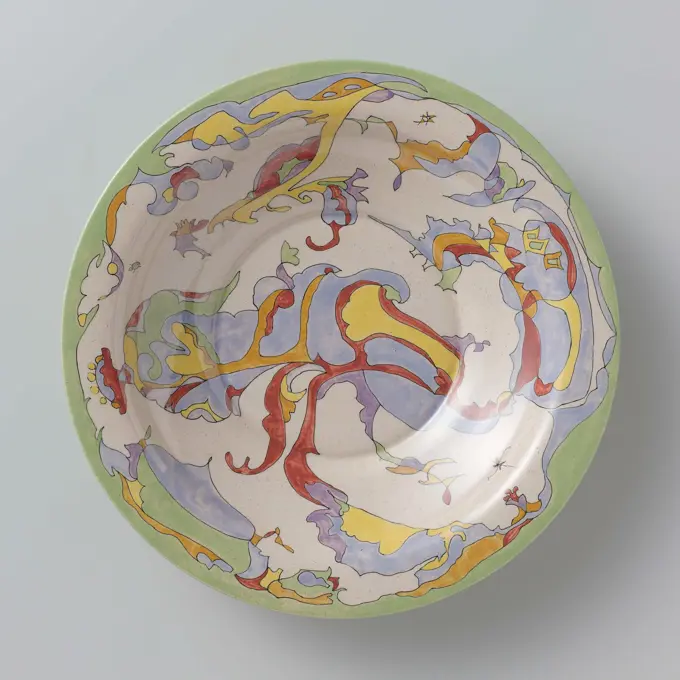
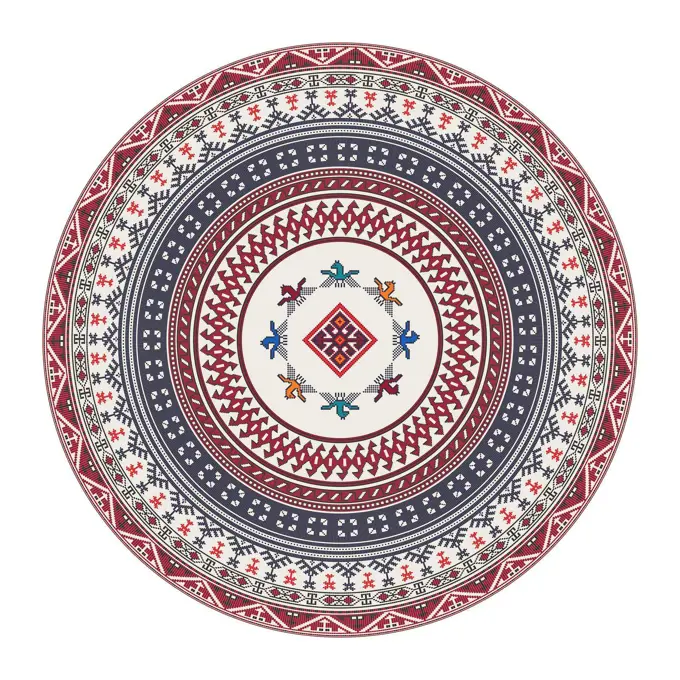
A selection of culturally significant decorative plates and saucers, featuring intricate designs and vibrant colors from various periods.
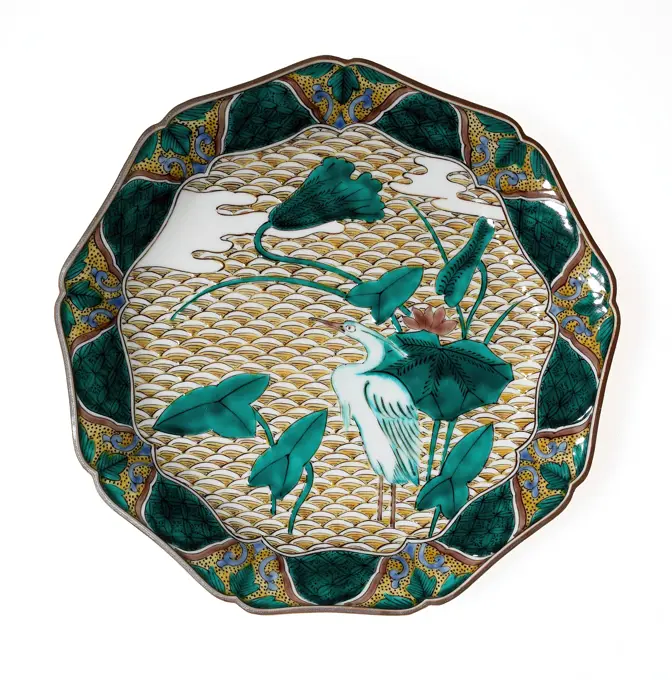
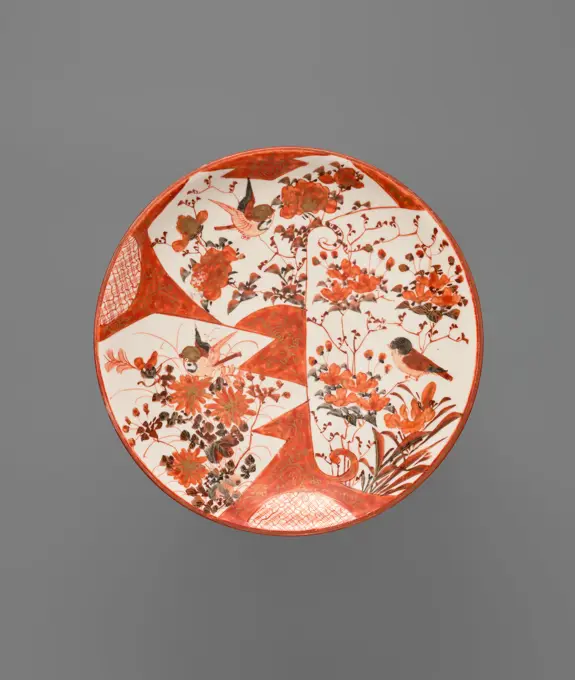
Plate, Unknown Japanese, 1 3/8 x 10 1/16 x 10 in. (3.49 x 25.56 x 25.4 cm), Glazed porcelain, Japan
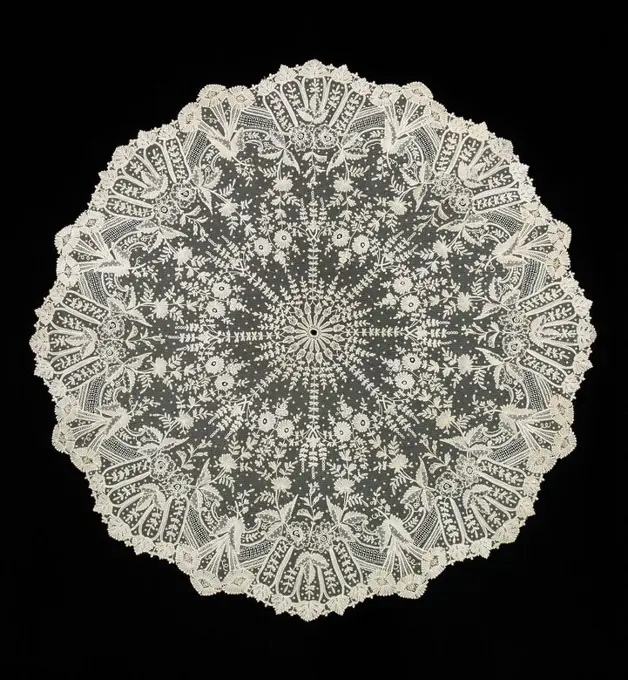
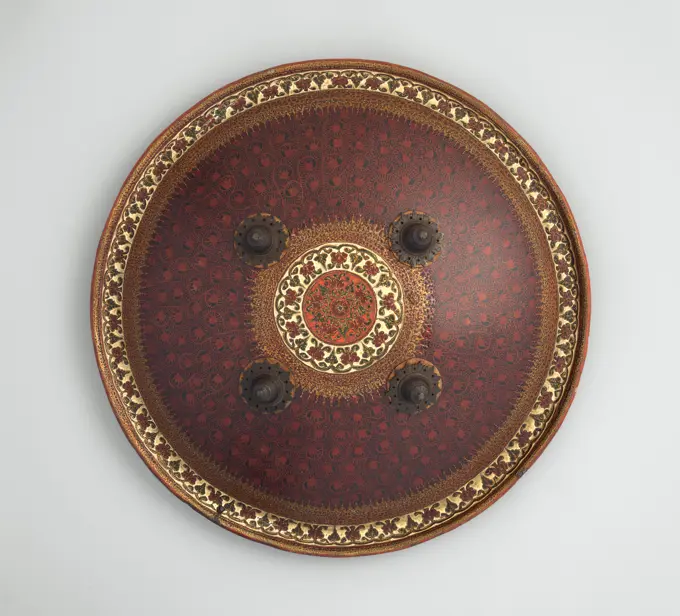
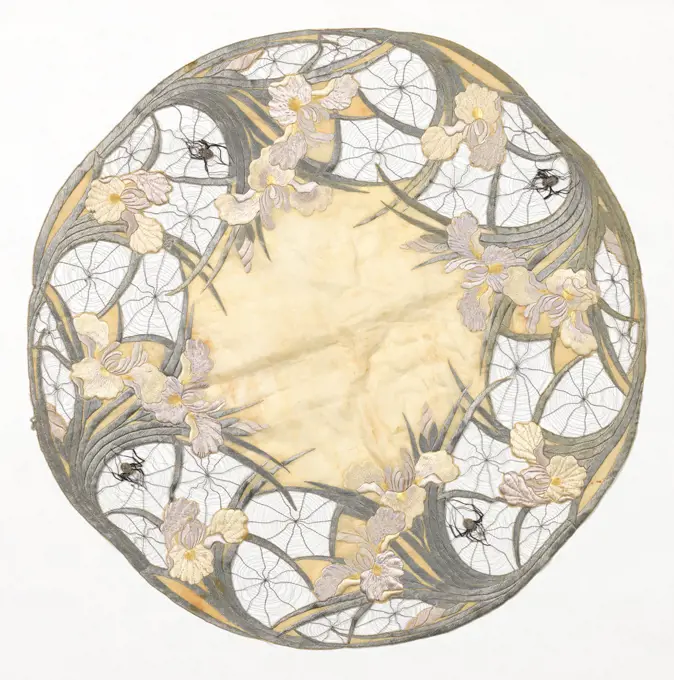
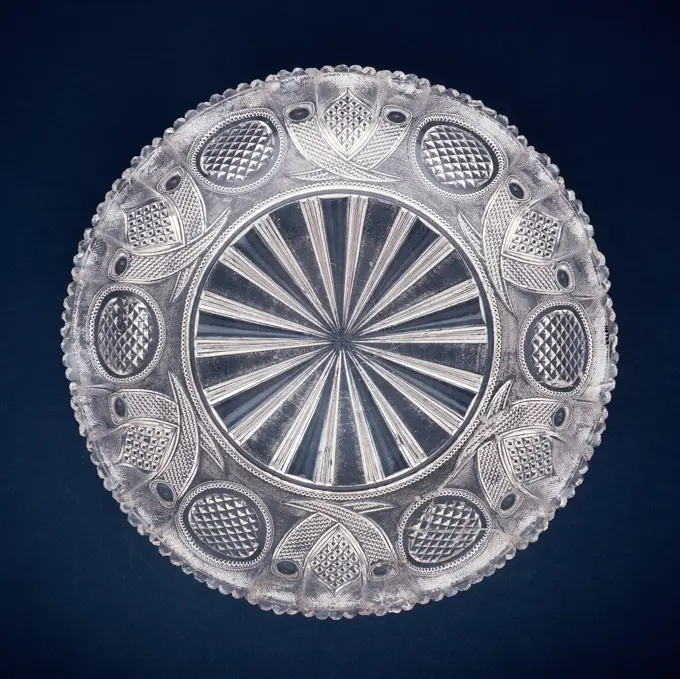
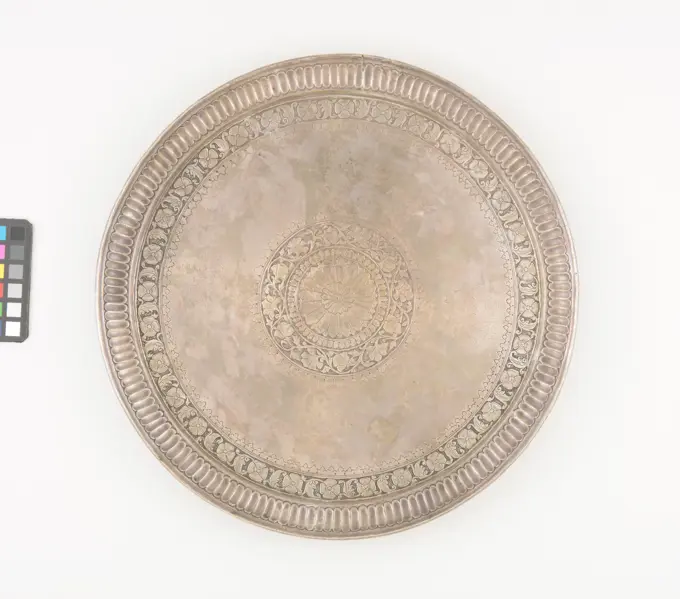
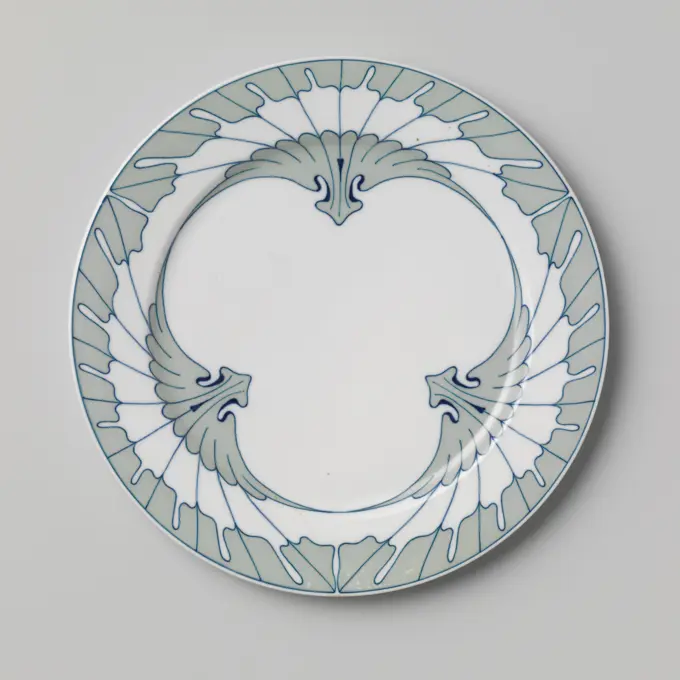
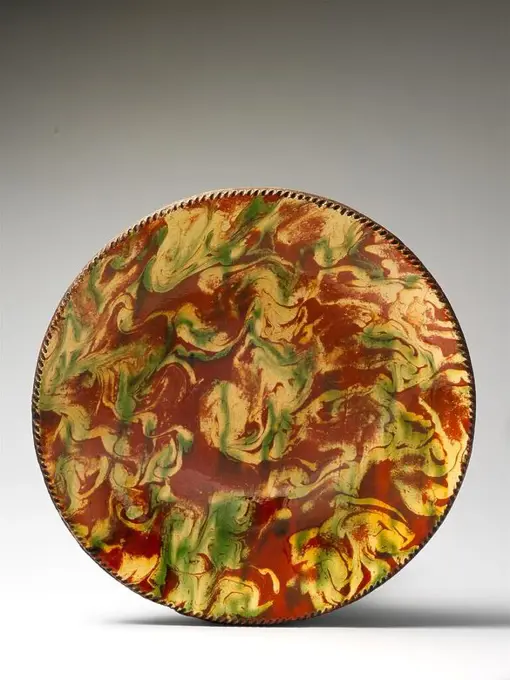
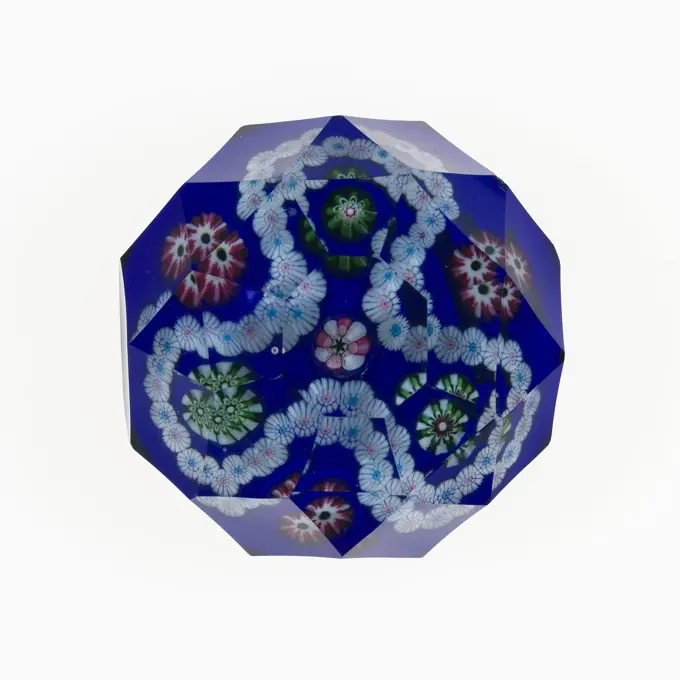
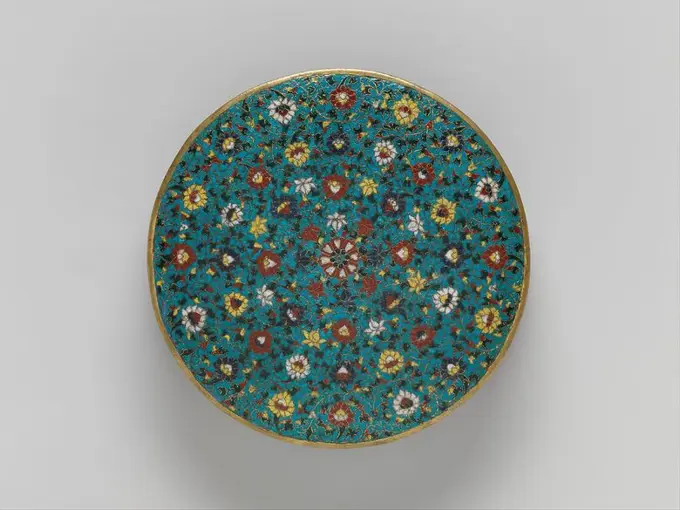
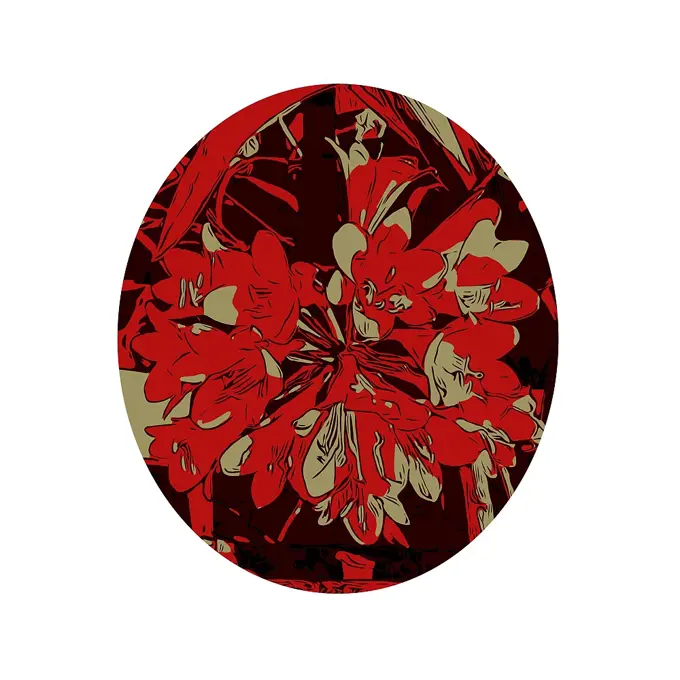
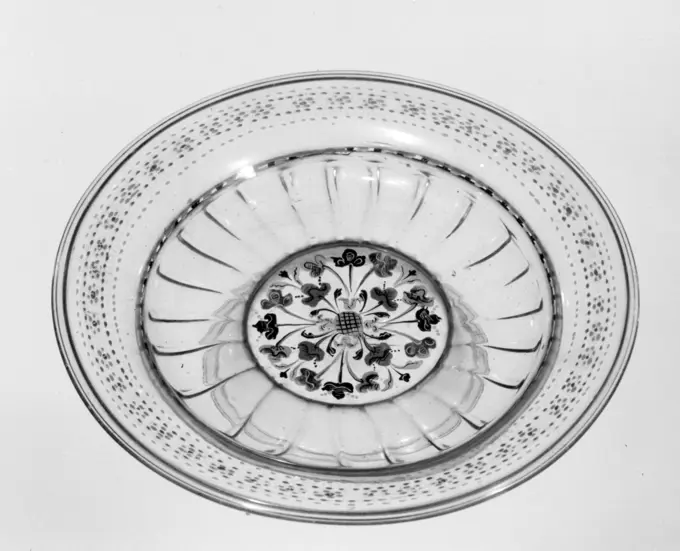
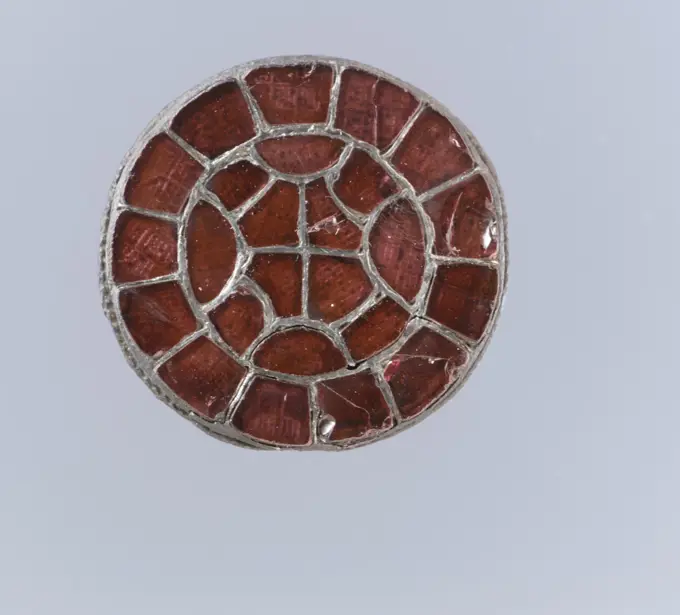
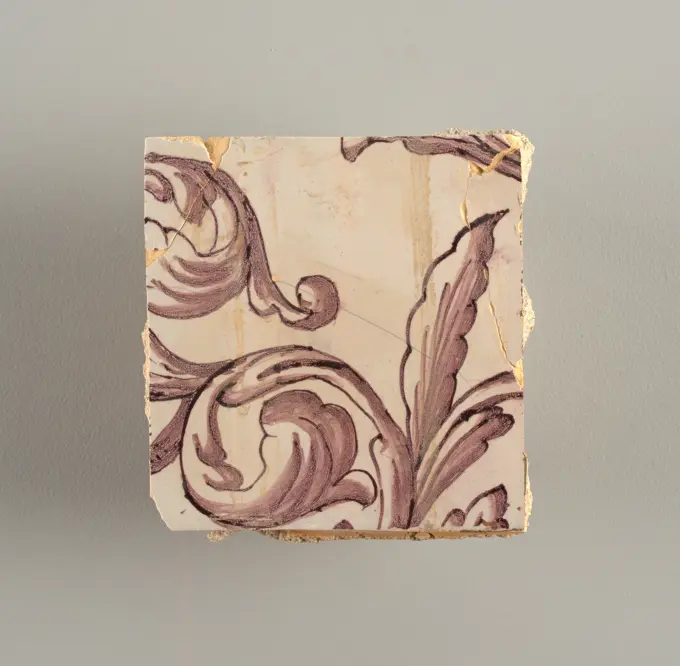
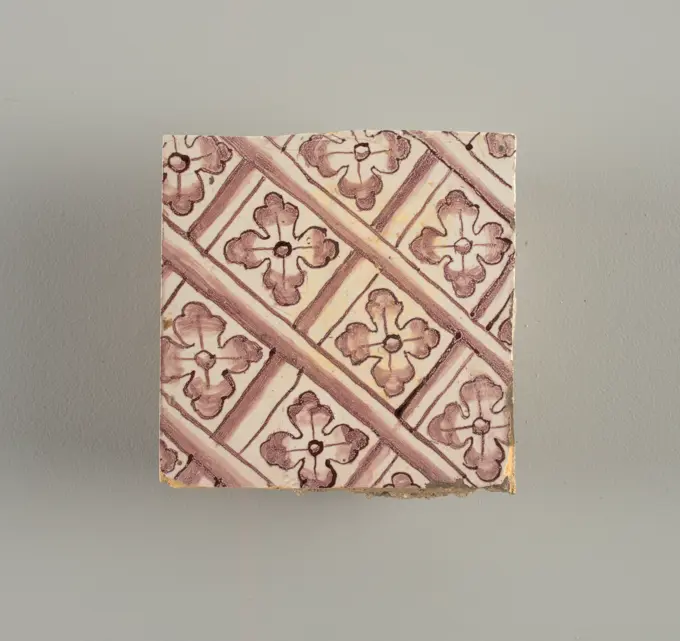
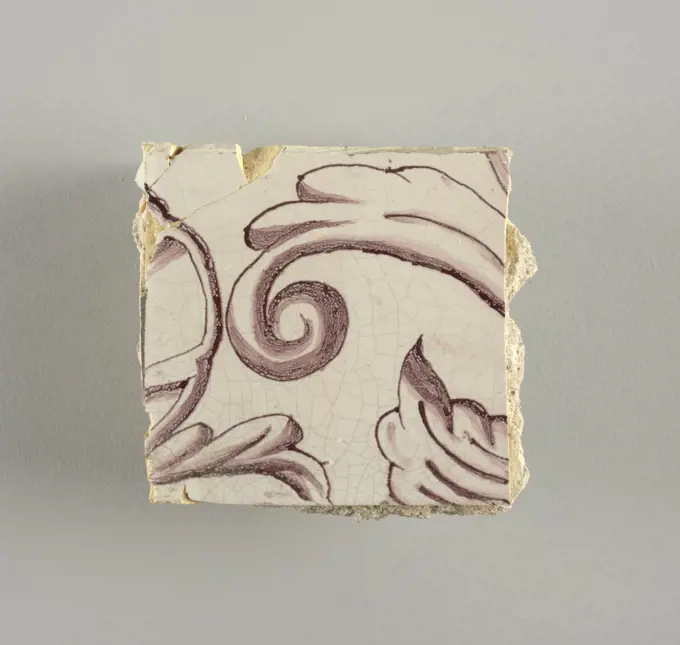
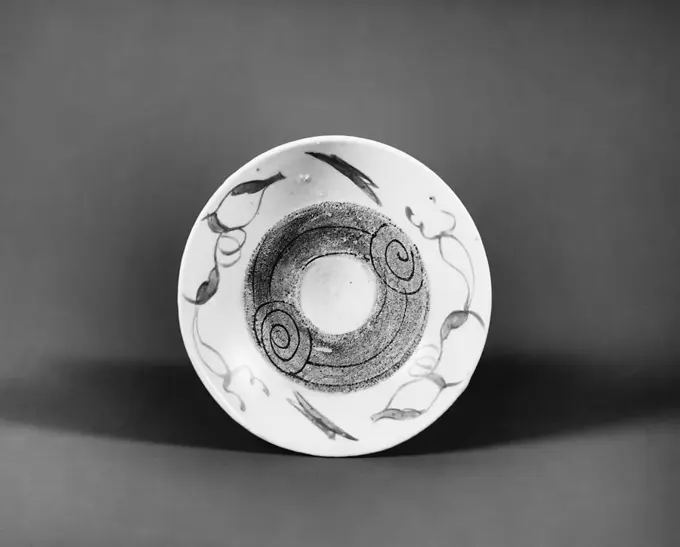
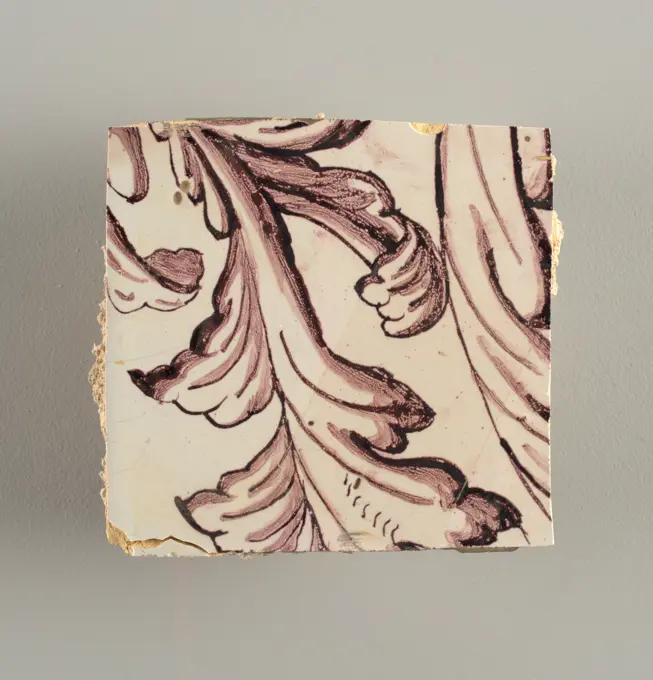
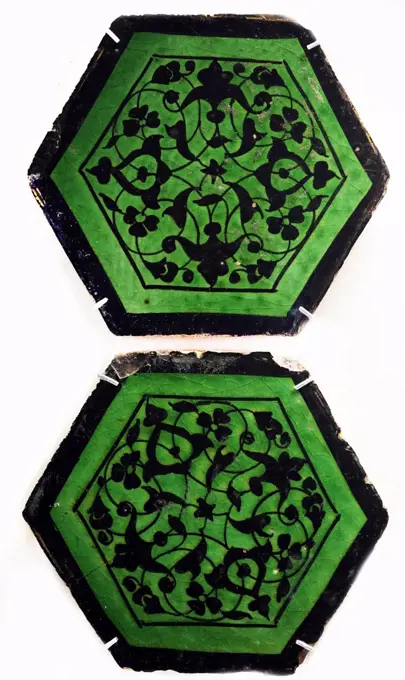
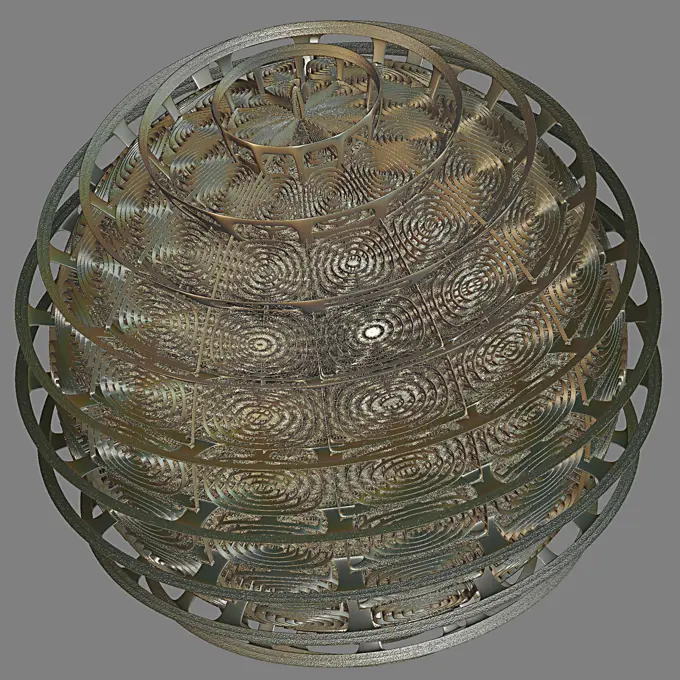
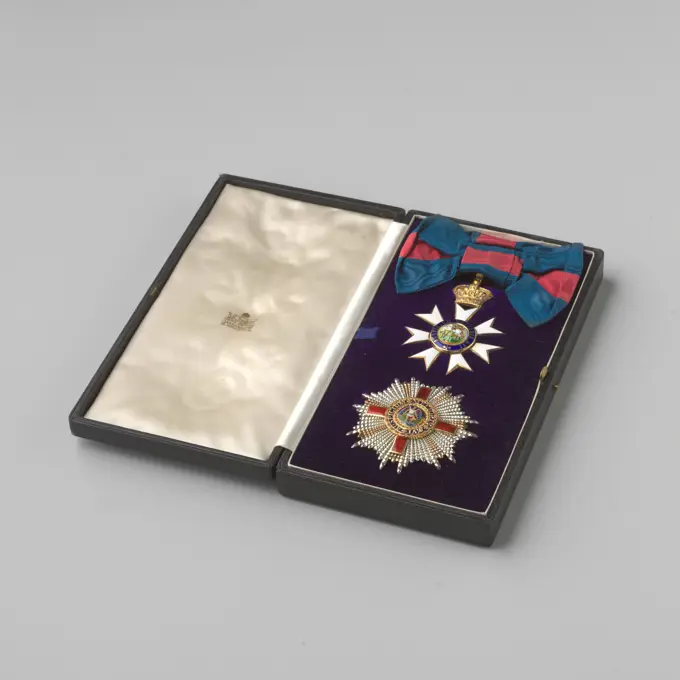
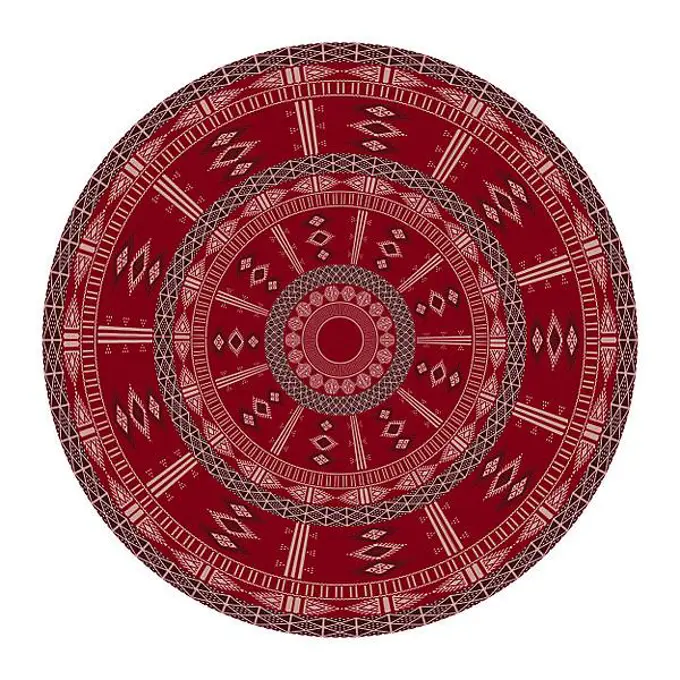
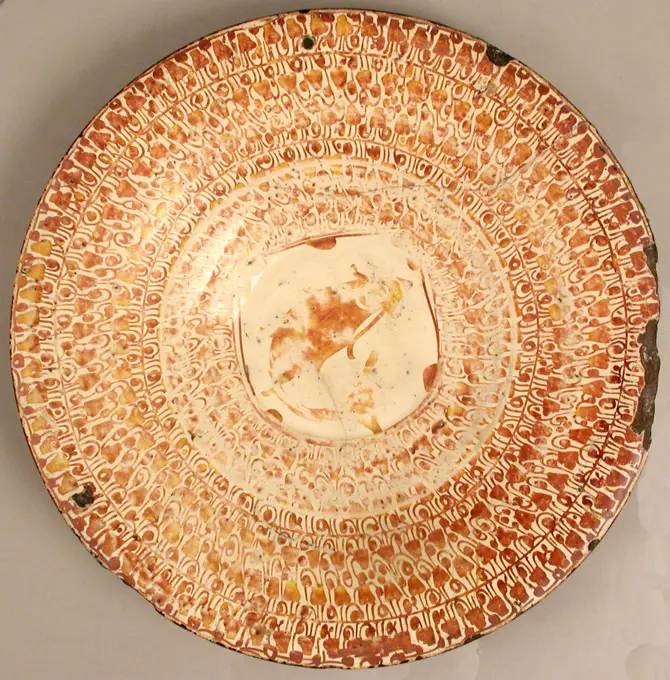
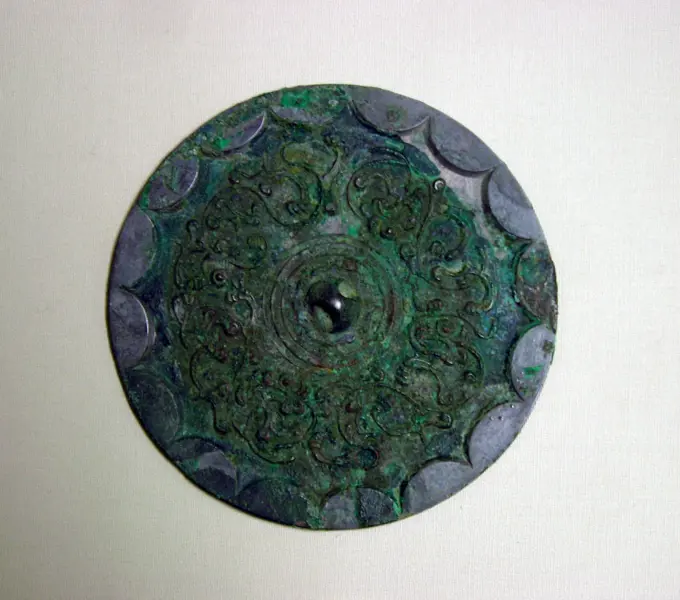
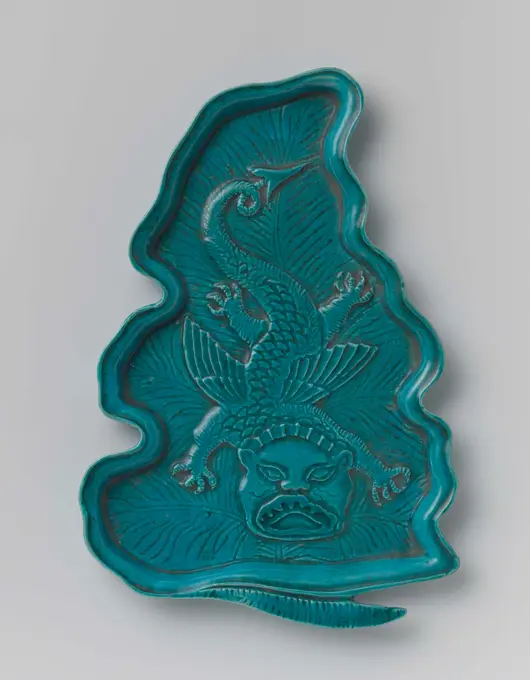
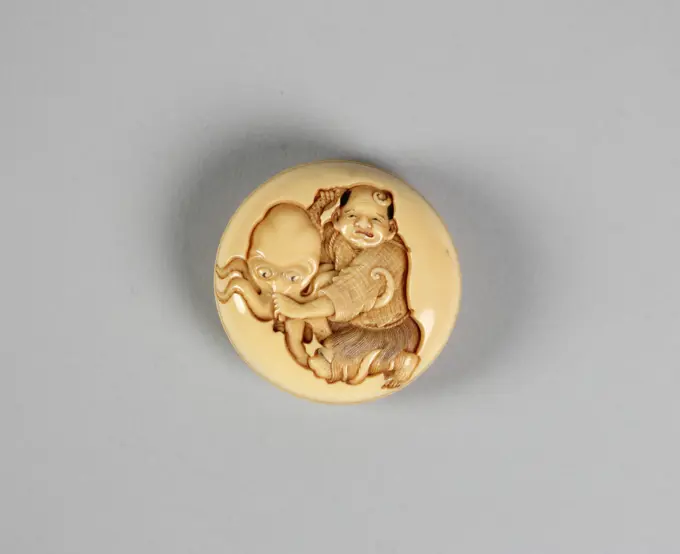
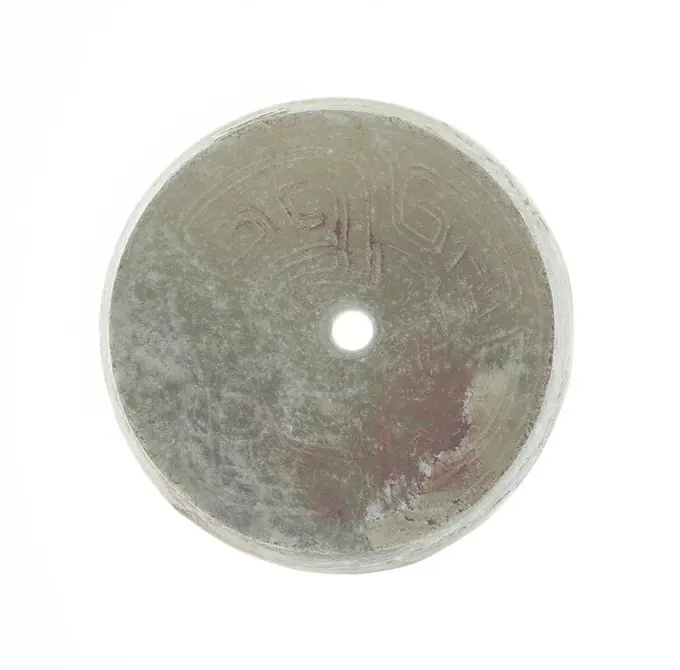
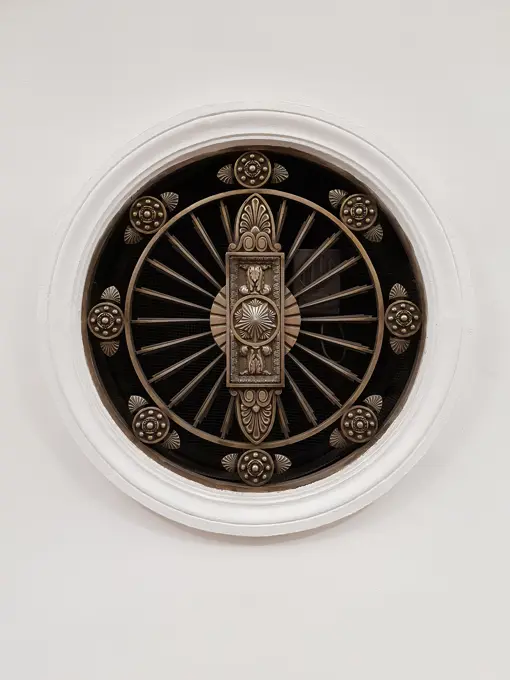
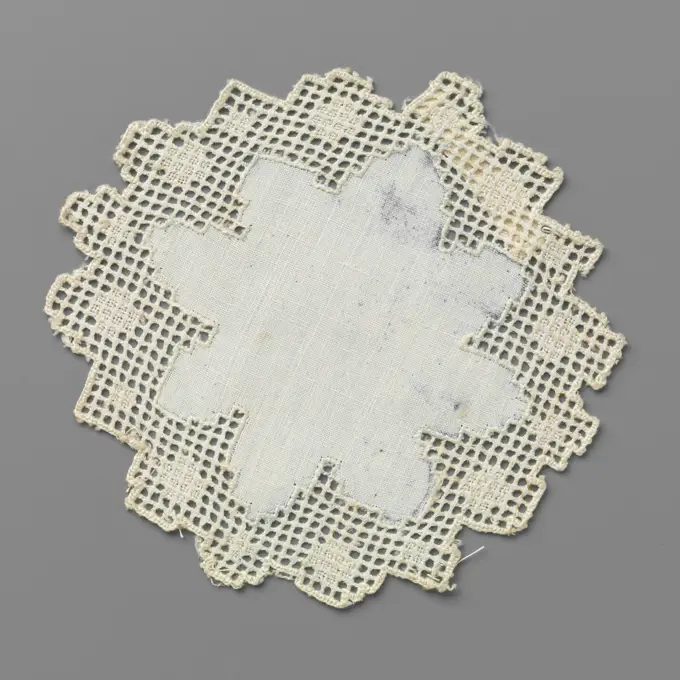
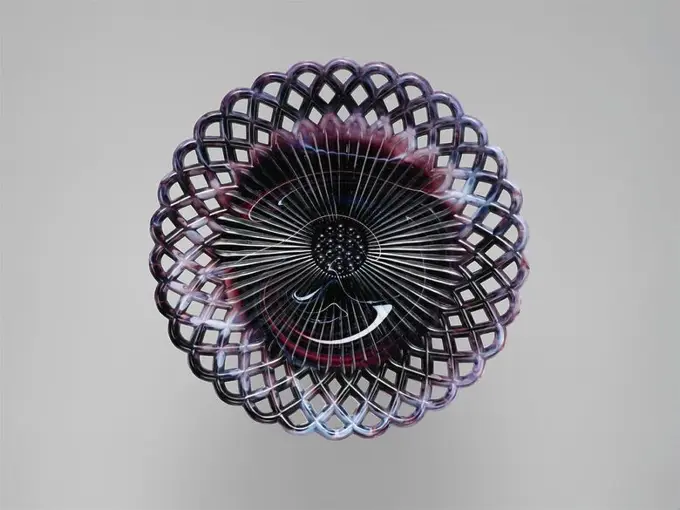
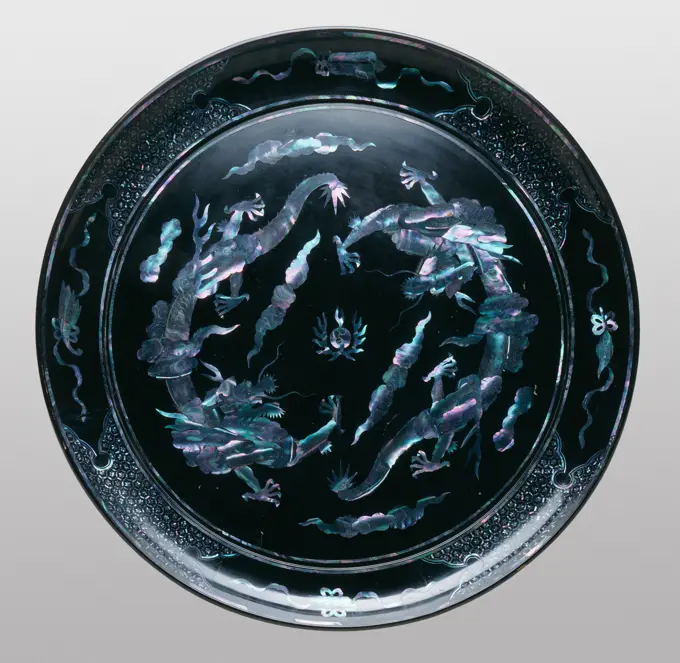
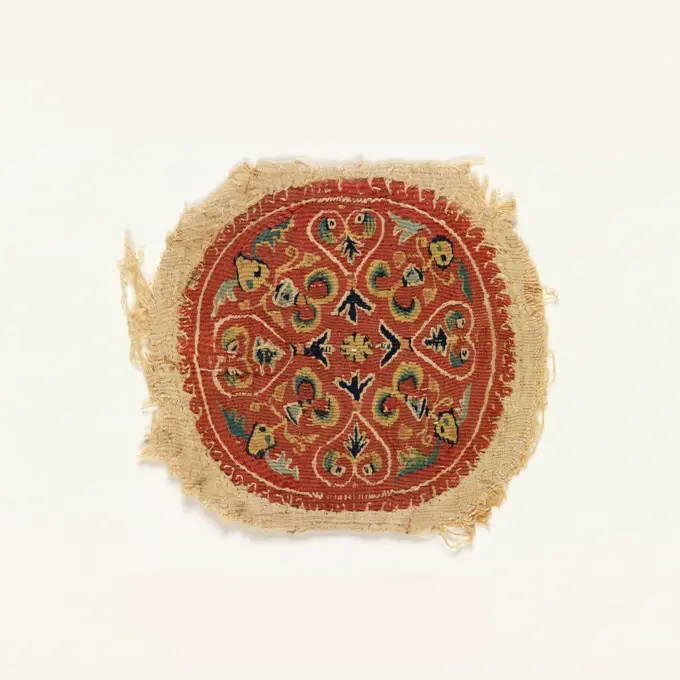
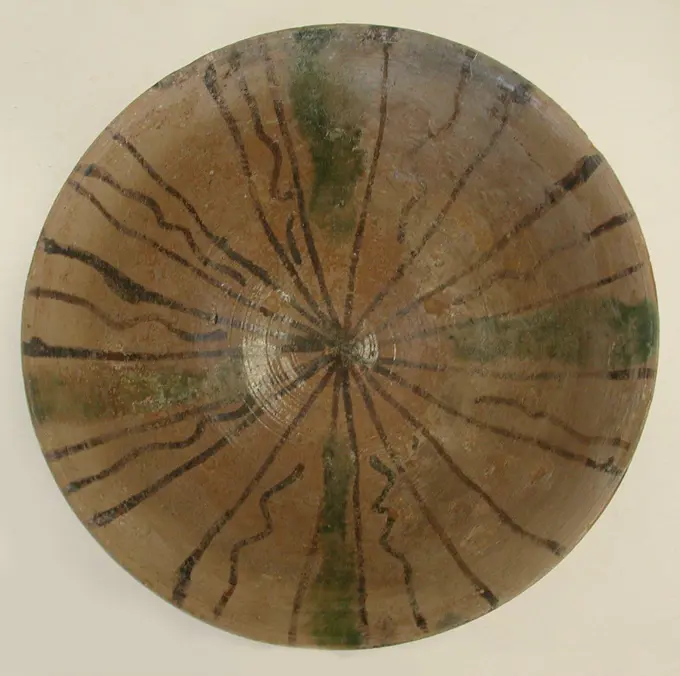
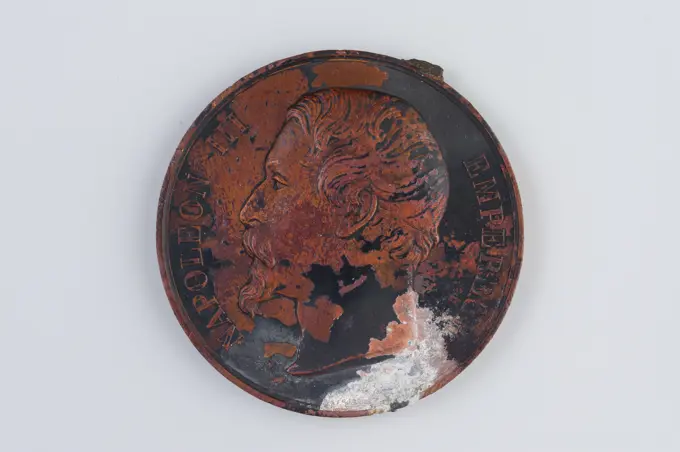
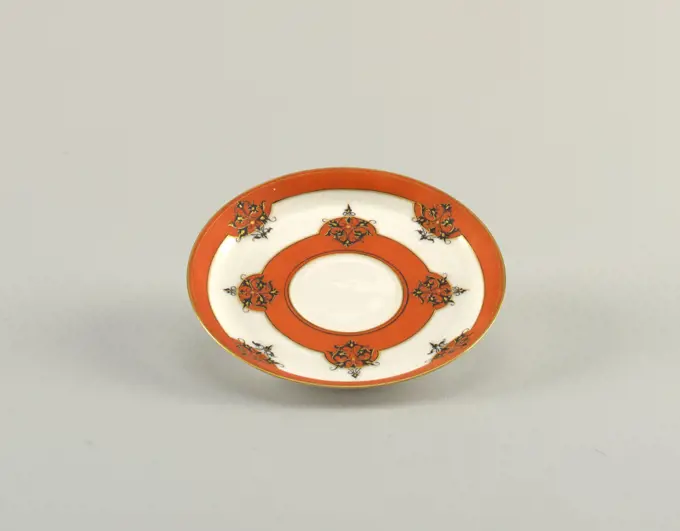
Saucer, Porcelain, Overglaze and underglaze decoration in colors of American flag, eagels, head of Liberty with decorative borders of orange, gold, and black., USA, 19th century, ceramics, Decorative Arts, SaucerPlate, Unknown Japanese, 1 3/8 x 10 1/16 x 10 in. (3.49 x 25.56 x 25.4 cm), Glazed porcelain, JapanPommel 206 BCE-9 CE China. Jade .Animal-and-Grape Mirror, mid 600s. China, Tang dynasty (618-907). Bronze; diameter: 8.2 cm (3 1/4 in.); overall: 1 cm (3/8 in.); rim: 1 cm (3/8 in.).Basin for a Ewer. Italy, Venice, circa 1500. Tools and Equipment; basins. Enamel, silver gilt, copper, gildingDish with ivy drink on dull blue ground. Dish of porcelain, decorated in DOF Blue with black ivy drink and golden edges. Signature: Nast. With a corresponding head (A).Plate;  End of the 19th century (1890-00-00-1900-00-00);Parasol. Culture: Belgian. Date: 1880-89.Used for a very expensive parasol, this is a fine example of Belgian appliqué net lace worked in the form of a parasol cover. Parasol covers were made separately from the parasols and tacked on at the end of the manufacturing process. Museum: Metropolitan Museum of Art, New York, USA.Shield (Dhál) ca. 1875 Signed by Khooshal Dhunjee & Sons This shield is remarkably fine in quality, technique, and condition in comparison with other examples of Indian painted leather round shields in the Museum's collection (acc. nos. 36.25.586, .588, .593, and .608). It is also important for documentary purposes because the name and address of the shield painters are included on the reverse, placing this within the small group of Indian arms that can be connected with specific craftsmen or a place of production. On the bright red interior painted in gold letters it states: Khooshal Dhunjee & Sons / Painter and Shield makers / Dhalgarwada Street / City Ahmedabad / Bombay Presidency / India.This round convex leather shield is painted overall on the exterior with repeating floral patterns. In the center there is a stylized symmetrical leaf and blossom pattern painted in black on a red ground in a circular compartment surrounded by an off-white band painted with a similar pattern in blaMountain, of sphinx, c. 1850 - C. 1875 Plate of earthenware, decorated with the decor Montagne decor. Band in rich rococo style with servetwork and flowers. Maastricht whole: Earthenware printing Plate of earthenware, decorated with the decor Montagne decor. Band in rich rococo style with servetwork and flowers. Maastricht whole: Earthenware printingTablecloth, Medium: silk, cotton Technique: embroidery and cutwork on plain weave, Round tablecloth has embroidery and cutwork in an elaborate design of irises and spider webs with spiders. Cutwork areas have spoked grey threads worked with thinner grey threads to create a spider web effect., USA, ca. 1905, embroidery & stitching, TableclothPaperweight 1801-1900 Baccarat. This paperweight uses a traditional glass-making technique called millefiori to great effect. Italian for ìone thousand flowers,î millefiori was first developed in fifteenth-century Venice. In the nineteenth century, French glassmakers revived the technique with a cultural twist. Arranged to evoke traditional French gardens such as the Tuileries in Paris, paperweights like this example brought a little of this landscaping magic indoors.From the late 1840s to early 1860s, French manufacturers of fine glass and crystalósuch as Baccarat (Alsace), Clichy (Paris), and Saint-Louis (Lorraine)ócatered to the vast public enthusiasm for beautiful yet functional desk accessories. Paperweights, which were designed to secure loose papers against drafts, were among their most popular products.. Glass . Baccarat GlassworksBasin. Boston and Sandwich Glass Company (attributed to the) (United States, Massachusetts, Sandwich, 1825-1888). United States, circa 1845. Tools and Equipment; basins. Pressed glassTray. India, Gujarat (), circa 1750. Furnishings; Serviceware. Silver, repoussé and chasedPaperweight 1801-1900 Clichy. Glass . Clichy GlasshouseBowl; Manises (ceramic family; Ca 1400-); 1675-1750 (1650-00-00-1750-00-00);Dish of multicolored painted majolica, anonymous, c. 1580 - c. 1625 Round dish of multi -colored painted majolica. A rosette is painted on the flat inside concentric circles. On the outer circle, running fan -shaped leaf motifs are painted. On the edge, cutting blue and orange arches are painted between double blue piping. Holland earthenware. tin glaze. lead glaze majolica Round dish of multi -colored painted majolica. A rosette is painted on the flat inside concentric circles. On the outer circle, running fan -shaped leaf motifs are painted. On the edge, cutting blue and orange arches are painted between double blue piping. Holland earthenware. tin glaze. lead glaze majolicaPanel; tin-glazed earthenware, underglaze manganese decoration; Overall: H: 147.3 x W: 85.1 cm (58 x 33 1/2 in.)BORD, TELDERD MET Het wing pattern decor, Meissener porcelain manufactory, 1901 Plate of painted porcelain. The board is painted in green and blue with the Flügelmuster. The board belongs to a service (BK-1976-65-1 to BK-1976-65-34) and is marked. Float porcelain Plate of painted porcelain. The board is painted in green and blue with the Flügelmuster. The board belongs to a service (BK-1976-65-1 to BK-1976-65-34) and is marked. Float porcelainKilim round design element 6Excerpt (foot) with red shard, in sgraffito drawing a flower with a wreath of corner shapes in ocher and green, anonymous, 1200 - 1899  Italy earthenware  Italy earthenwareFinger cloth of Linnamast with Dessin Marguerite, Cornelis van der Sluys, c. 1904 Linnamast finger cloth with a flower pattern: Motif Marguerite, Dessin No. 500. The finger cloth belongs to eleven finger cloths, thirteen napkins and a tablecloth. Eindhoven linen (material) damask Linnamast finger cloth with a flower pattern: Motif Marguerite, Dessin No. 500. The finger cloth belongs to eleven finger cloths, thirteen napkins and a tablecloth. Eindhoven linen (material) damaskPlate Cooperative Kamionka, Łysa GóraRound plate of hard-baked pottery; Staffordshire. Round plate of hard-baked pottery, covered with blue-black lead glazing with stains in light blue, green, tan and manganese. The edge is embossed with fields alternately smooth and filled with grille. On the trap fields alternately an eagle, a trophy and the portrait of Frederik the Great. On the smooth fields the inscriptions success to the King, King of Prussia, and His Forces. The sign belongs to five signs (BK-1987-40-A to BK-1987-40-F).Mirror, 4th-3rd century BCE, 6 7/16 × 3/8 in., 0.9 lb. (16.35 × 0.95 cm, 0.4 kg), Bronze, China, 4th-3rd century BCEPlate. unknown, craftsmanPlate. Culture: American. Dimensions: Diam. 15 3/4 in. (40 cm). Date: ca. 1800-20. Museum: Metropolitan Museum of Art, New York, USA.Mirror Case with Filled Diagonal Lattice China. Mirror Case with Filled Diagonal Lattice 54412 China, Mirror Case with Filled Diagonal Lattice, Silk embroidery on silk gauze, Overall: 7 3/4 x 7 3/4 in. (19.7 x 19.7 cm). The Metropolitan Museum of Art, New York. Bequest of William Christian Paul, 1929 (30.75.788)Paperweight 1840-1865 France. This paperweight uses a traditional glass-making technique called millefiori to great effect. Italian for ìone thousand flowers,î millefiori was first developed in fifteenth-century Venice. In the nineteenth century, French glassmakers revived the technique with a cultural twist. Arranged to evoke traditional French gardens such as the Tuileries in Paris, paperweights like this example brought a little of this landscaping magic indoors.From the late 1840s to early 1860s, French manufacturers of fine glass and crystalósuch as Baccarat (Alsace), Clichy (Paris), and Saint-Louis (Lorraine)ócatered to the vast public enthusiasm for beautiful yet functional desk accessories. Paperweights, which were designed to secure loose papers against drafts, were among their most popular products.. Glass . Clichy GlasshouseWall Facing (Netherlands); tin-glazed earthenware, underglaze; 5 tiles tall, various wideEarflare Frontal 10th-13th century Huastec. Earflare Frontal. Huastec. 10th-13th century. Shell, clay (), pigment. Mexico, Mesoamerica, Veracruz. Shell-OrnamentsPlate ca. 1800-20 American. Plate 5996Base for a Mandala. Culture: China. Dimensions: H. 3 in. (7.6 cm); Diam. 13 1/2 in. (34.3 cm). Date: 15th century.Ceremonial mandalas were used in later forms of Buddhism, including Esoteric Buddhism, which is noted for its complicated pantheon and rituals. Esoteric Buddhism, which developed in India between the fourth and eighth centuries, flourished in Tibet from the tenth century and was influential at the Chinese court after the fourteenth.This base, most likely produced for use in Tibet, once supported a three-dimensional mandala that probably comprised small sculptures, models of temples and stupas, or colored sands. The decoration combines lotus flowers (Buddhist symbols of purity) at the top with the Eight Buddhist Treasures at the sides. The traditional treasures--a conch, a lotus, a wheel, a parasol, an endless knot, a pair of fish, a banner, and a treasure vase--are here augmented with other auspicious motifs such as coral. Each treasure appears atop a lotus flower. MuseumTile. Majolica tile, painted in purple. In a circle an asymmetrical branch with rosette-shaped flowers and a chali flower. In the corners of vegetative motifs.WPA poster art of the Kaffir Lily or Clivia miniata set inside oval shape done in works project administration or federal art project style.. Kaffir Lily  or Clivia Miniata Flower Set Inside Oval WPA Art StyleKnightly board. An element for defense of the medieval soldierTazza early 16th century Italian, Venice (Murano). Tazza. Italian, Venice (Murano). early 16th century. Glass, enameled. GlassWorkpiece for diploma beautiful crafts, Geesje Smid, c. 1890 - c. 1900 Steel filet. Netherlands Steel filet. Netherlands. Powerboard board, painted with the pattern "loose" in the colors blue, yellow, green, brown, pink and purple. Design Colenbrander. Signature: 27 with part sign including a d.; Factory stamp; "Los" and a.k.; 27 (reimbursement).Carnavalet Museum, Medals CollectionGeorgian embroidery symbol 5Wall Facing (Holland); tin-glazed earthenware, underglazeDisk Brooch second half 6th century Frankish Garnets, worked in the cloisonné technique, featured prominently in the luxury jewelry of the Franks. Jewelers would solder small compartments arranged in geometric patterns onto the surface of a metal disk. In those cells, or cloisons, they would place a textured piece of gold foil, which would show through the thin translucent garnet that would then be set on top.. Disk Brooch. Frankish. second half 6th century. Silver-gilt, garnets with patterned foil backings, and pearl. Metalwork-SilverVotive Ornament ca. 1479-1458 B.C. New Kingdom. Votive Ornament 549461Platter (part of a service) 1785-1800 Chinese, probably for British market. Platter (part of a service) 201125Tile Wall Facing (Netherlands); tin-glazed earthenware, underglazeMirror; repoussé and chased silver, mirrored plate glassWall Facing (Netherlands); tin-glazed earthenware, underglazeTile wall facing, Tin-glazed earthenware, underglaze, Horizontal rectangle. Thirty tiles wide and twenty-three tiles high with opening for fireplace eleven tiles wide and ten high. Foliage arabesques disposed about three vertical axes from which are emphazised by urns at center and right, and at left by the figure of a standing woman carrying an infant on her arm and accompanied by two children., Possibly Rotterdam, Holland, Possibly Delft, Netherlands, ca. 1725, tiles, Decorative Arts, Tile wall facingCoiled Dragon Pendant 1300 BCE-1000 BCE China. Jade .Plate, painted with the Flügelmuster decor. Painted porcelain plate. The plate is painted in green and blue with the flügelmuster. The sign belongs to a tableware (BK-1976-65-1 to BK-1976-65-34) and has been marked.Wine cup 19th century Design attributed to Aoki Mokubei Japanese. Wine cup 52317Plate - Indian Chiefs  Robert Cochran & Company, 1846-1896 Robert Cochran & Company, 1846-1896Wall Facing (Netherlands); tin-glazed earthenware, underglaze; 5 tiles tall, various wideDecorative elementTile, Glazed earthenware, Portion of a design composed of strap-work, painted in blue, yellow, green, brown, and violet., Netherlands, late 16th century, tiles, Decorative Arts, TileTray;  beginning of the 20th century (1901-00-00-1910-00-00);Wall Facing (Holland); tin-glazed earthenware, underglazeIce cream plate (Patelle à glace cannelé) 1840 Sèvres Manufactory French. Ice cream plate (Patelle à glace cannelé) 202627Tea Bowl with Crescent Moon, Clouds, and Blossoming Plums 17th century Japan. Tea Bowl with Crescent Moon, Clouds, and Blossoming Plums. Japan. 17th century. Stoneware painted with white slip on brown glaze (Seto ware). Edo period (1615-1868). CeramicsVinaigrette. Birmingham, England. Date: 1840-1841. Dimensions: 4.5 × 3.8 cm (1 3/4 × 1 1/2 in.). Silver and silver gilt. Origin: Birmingham. Museum: The Chicago Art Institute, Chicago, USA.Hexagonal tiles painted with black cruciform arabesque scrolls and blossoms. From Iran. Dated 15th CenturyChocoloate on the plateDish with multi -colored flower decor, Wilkinson Ltd, c. 1930 - c. 1940 Dishes of earthenware, multi -colored painted with floral decor. Part of tea set. England earthenware. uranium oxide Dishes of earthenware, multi -colored painted with floral decor. Part of tea set. England earthenware. uranium oxideLinnamast napkin with a volute pattern ,, 1723 - 1730 White Linnamasten Napkin with Pattern of Volutes, Brand: Kroon WG 26. Northern Netherlands (Possible) linen (material) damask White Linnamasten Napkin with Pattern of Volutes, Brand: Kroon WG 26. Northern Netherlands (Possible) linen (material) damaskBilder von dreidimensionalen Fraktalen Bilder von dreidimensionalen Fraktalen Copyright: xZoonar.com/Dr.xNorbertxLangex 13537459British Knighthood (The Most Distinguished Order of St. Michael and St. George), received by Willem Drees, Ltd Garrard & Co, c. 1818 - Before 1958  The order sign is a seven-armed, white-emailed gold star, which hangs on the crown of the empire. The middle medallion shows the archangel Michael in multiple colors on one side with flaming sword that the devil tramples, and has as a display 'auspicon Melioris Aevi' (a collateral for better times); The downside shows Sint Joris and the dragon and has the same change. The sign is connected to a blue shoulder strip with red stripes. London gold (metal). textile materials   Netherlands. EnglandTunisian embroidery inspired round design element, vector template against white backgroundPaperweight 1825-1850 Baccarat. Glass . Baccarat GlassworksPaperweight, 19th century, Baccarat Glass Works, 2 x 3 1/4 x 3 1/4 in. (5.08 x 8.26 x 8.26 cm), Glass, France, 19th centurySaucer with stylized floral motifs, Parthénon (possibly), c. 1900 - c. 1905 Porcelain dish, painted on the glaze in green and red. Flower branches stylized on the wall. The outer wall with a thin band in relief. Marked on the underside with 'Le Parthénon/ Paris'. Designed by Maurice Dufrêne, manufactured for La Maison Moderne, possibly by Le Parthénon, Paris. Paris porcelain. glaze. painting / vitrification Porcelain dish, painted on the glaze in green and red. Flower branches stylized on the wall. The outer wall with a thin band in relief. Marked on the underside with 'Le Parthénon/ Paris'. Designed by Maurice Dufrêne, manufactured for La Maison Moderne, possibly by Le Parthénon, Paris. Paris porcelain. glaze. painting / vitrificationPalestinian design elementNapkin with the design "Pauw", E.J.F. van Dissel & Zonen, c. 1918 Linnamast napkin with the "Pauw" design (design 526). Praying a smooth list of rounded corners are nine circles. The outer ones show an inward -turning peacock. De Pauw is frontally and in showing attitude. The middle circle has the stylized peacock tail. Four small rosettes as intermediate filling. Unhealthy. Eindhoven linen (material) damask Linnamast napkin with the "Pauw" design (design 526). Praying a smooth list of rounded corners are nine circles. The outer ones show an inward -turning peacock. De Pauw is frontally and in showing attitude. The middle circle has the stylized peacock tail. Four small rosettes as intermediate filling. Unhealthy. Eindhoven linen (material) damaskDish 15th century Spanish. Dish 466816Tile Wall Facing (Holland); tin-glazed earthenware, underglazeMirror with interlaced dragons late 2nd to 1st century B.C. China. Mirror with interlaced dragons. China. late 2nd to 1st century B.C.. Bronze. Western Han dynasty (206 B.C.-A.D. 9). MirrorsScallop-Shaped Covered Bowl with a Leaf-Shaped Stand with Dragon. Leaf-shaped lower part of the cover bowl of porcelain, covered with a monochrome turquoise, blue glaze. The dish with ingrangle veins and a flying, four-skylight dragon in relief. Monochromes.Tile painted with four green lizards, Bert Nienhuis (I), c. 1900 Tile of earthenware, painted with four green lizards along the edges and four dragonflies in the middle in light green, all against a gray stock. The edges in red -brown, including the sides. Netherlands earthenware Tile of earthenware, painted with four green lizards along the edges and four dragonflies in the middle in light green, all against a gray stock. The edges in red -brown, including the sides. Netherlands earthenwareNetsuke 19th century Japan. Netsuke. Japan. 19th century. Ivory. Edo (1615-1868) or Meiji period (1868-1912). NetsukeDish of hard-baked pottery; Stockton. Round dish of hard-baked pottery. The dish has a black overprint with flower branches on the edge and a bacchanal party on the flat. In a landscape there is a figure on a deer with an angel on either side. The dish has been labeled: WS & CO 3 Queensware Stockton 4 and Bacchus W S CO no 80.Box with pommel scrolls 13th century China. Box with pommel scrolls. China. 13th century. Carved red and black lacquer. Southern Song dynasty (1127-1271). LacquerCollar fragment, Medium: silk Technique: cut and uncut pile formed by supplementary warps in a satin foundation., Tan, blue and grey urns and branches on a pale blue background. The shape is that of an ecclesiastic collar., 17th-18th century, woven textiles, Collar fragmentBowl late 8th-early 9th century. Bowl. late 8th-early 9th century. Earthenware; glazed. Excavated in Iran, Nishapur. CeramicsDisc with Coiled Dragon. China. Date: 1100 BC-900 BC. Dimensions: Diam. 1 1/4-1 5/8 in.; W. 1/4 in. Jade. Origin: China. Museum: The Chicago Art Institute, Chicago, USA.Close up of a roundel with designs.Kleedje van kantborduurwerk met achtpuntig binnenstuk en ronde schulpenrand.Dress of Batist with an edge surrounded by edge: work with pulled out wires. Round model with sloping edge, the batters inner piece has the shape of an eight-pointed star or flower.Pearl Button, 1790-1820. Made in Birmingham, maker unknownTile with oak leaf wreath and acorns, c. 1880, Minton and Company, Stoke-on-Trent, Staffordshire, England, est. 1793, 6 x 6 x 1/2 in. (15.24 x 15.24 x 1.27 cm), Glazed earthenware, England, 19th centuryPaperweight Made 1801-1900 France. Glass . Unknown artistPlate. Culture: American. Dimensions: Diam. 10 3/8 in. (26.4 cm). Maker: Challinor, Taylor and Company (1866-1891). Date: 1870-90. Museum: Metropolitan Museum of Art, New York, USA.Circular Tray with Two Dragons Chasing a Flaming Pearl. Ryukyu Islands, about 1700-1800. Furnishings; Serviceware. Black lacquer on wood core with mother-of-pearl inlayPaperweight 1800-1899 France. Technological improvements to optical scientific instruments in the mid-nineteenth century spurred a veritable obsession across Europe with identifying and classifying the natural world. Amateur botanists were eager to collect and preserve floral specimens, which they intently researched and catalogued. In response to this broad appeal, French glassmakers made paperweights that portrayed the very botanical subjects that were so enthusiastically sought. Many weights represented specimens with horticultural correctness, but others were entirely fanciful creations. Paperweights like this example speak to the periodís fascination with taxonomic systems.From the late 1840s to early 1860s, French manufacturers of fine glass and crystalósuch as Baccarat (Alsace), Clichy (Paris), and Saint-Louis (Lorraine)ócatered to the vast public enthusiasm for beautiful yet functional desk accessories. Paperweights, which were designed to secure loose papers against drafts, weWall Facing (Netherlands); tin-glazed earthenware, underglazeRoundel (Egypt); warp; s-spun linen. wefts; s-spun linen, s-spun woolsSaucer With Prunus Branch and A Miniature Pine Tree in a pot. Dish of porcelain with ribbed wall and scalloped edge, painted on the glaze in blue, pink, green, yellow and purple. On the flat a flowerpot on a stool with a prunus branch and a dwarf pine; The wall with eight compartments with different patterns against a green, blue, pink or purple ground. Family Rose.Plate (USA); Designed by Fanny Levine; Made by Saturday Evening Girls Club; Manufactured by Paul Revere Pottery (United States); earthenwareTripod Plate with Jaguar Holding Decapitated HeadBowl late 8th-9th century. Bowl 449720Carnavalet museum, medal collectionButton, pearl shell, copper and glass, circular buttons with a central brilliant of white glass set in engraved leaves of seaweed type and milled edge., On card 29, France, 19th century, costume & accessories, Decorative Arts, Button