Decorative Plates and Saucers

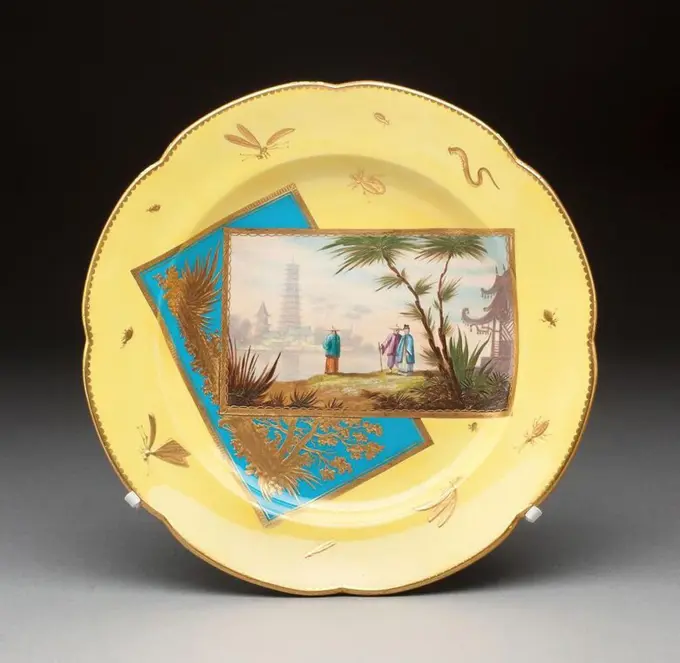
A selection of culturally significant decorative plates and saucers, featuring intricate designs and vibrant colors from various periods.
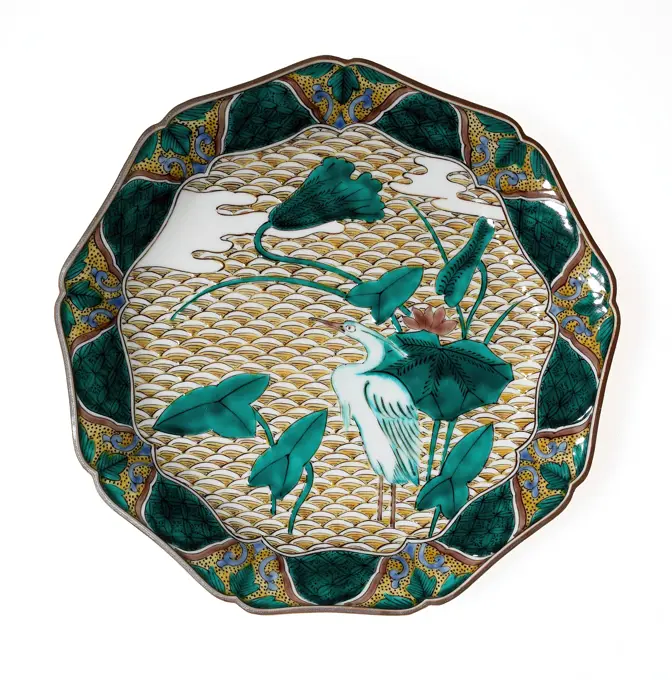
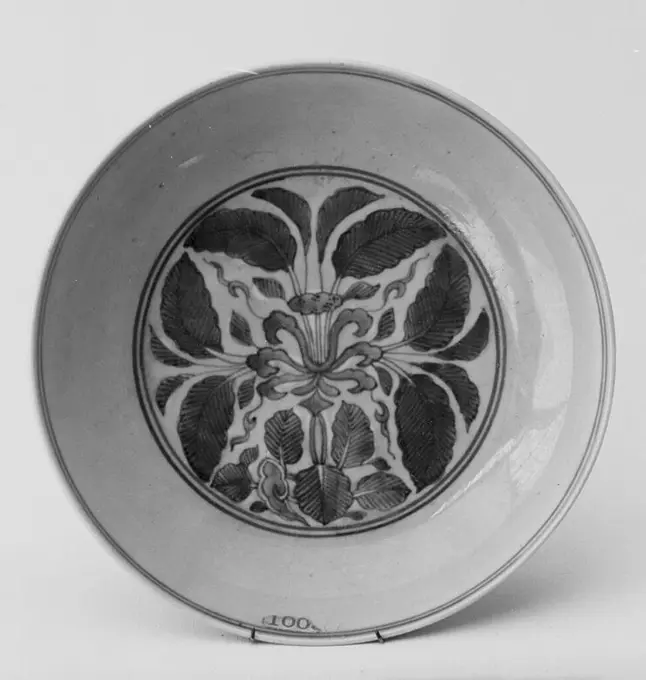
Plate, Unknown Japanese, 1 3/8 x 10 1/16 x 10 in. (3.49 x 25.56 x 25.4 cm), Glazed porcelain, Japan
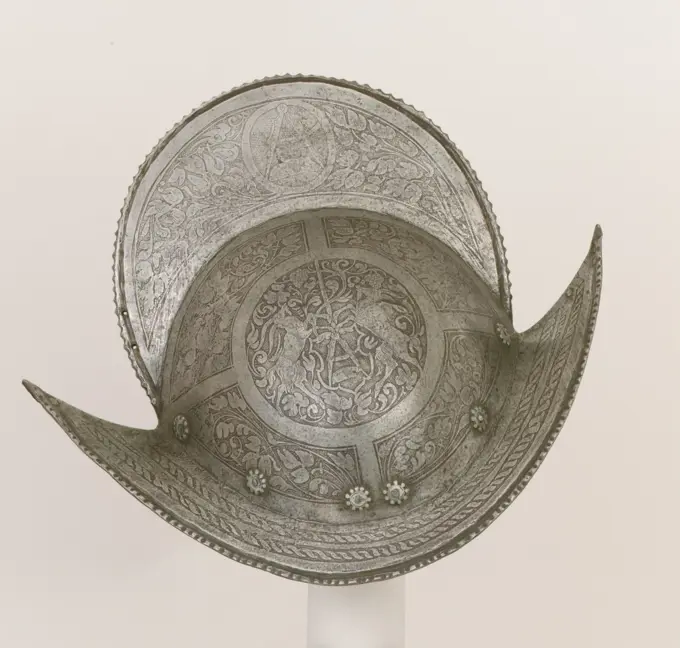
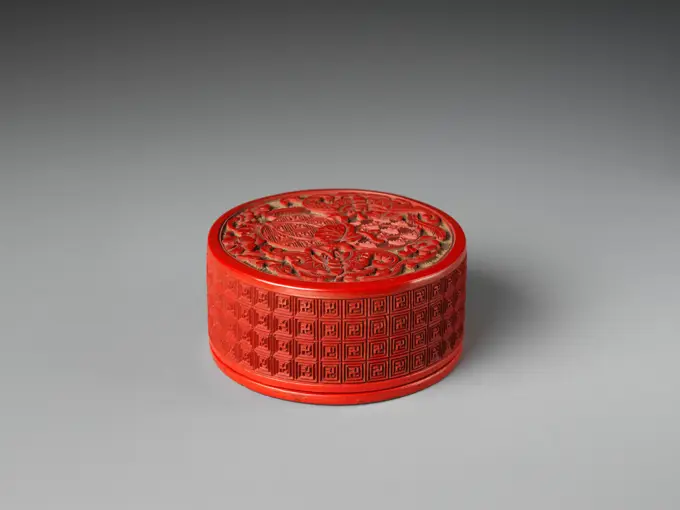
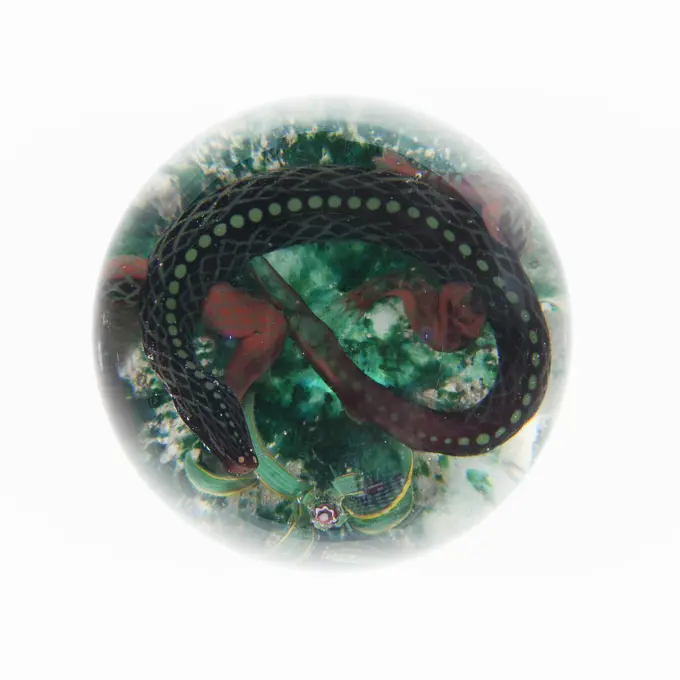
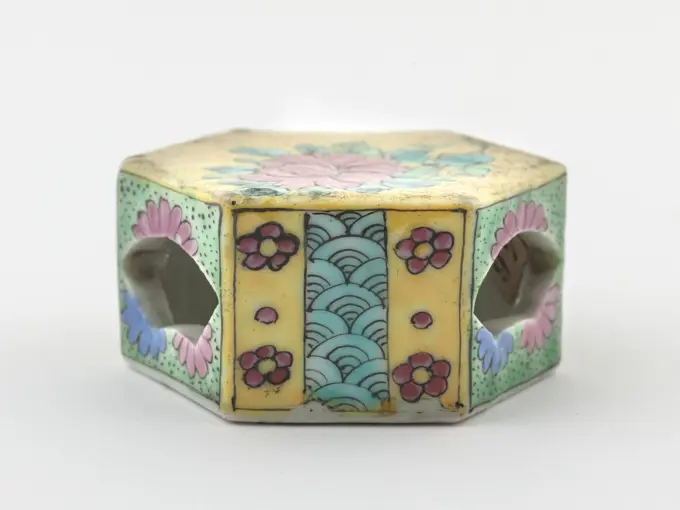
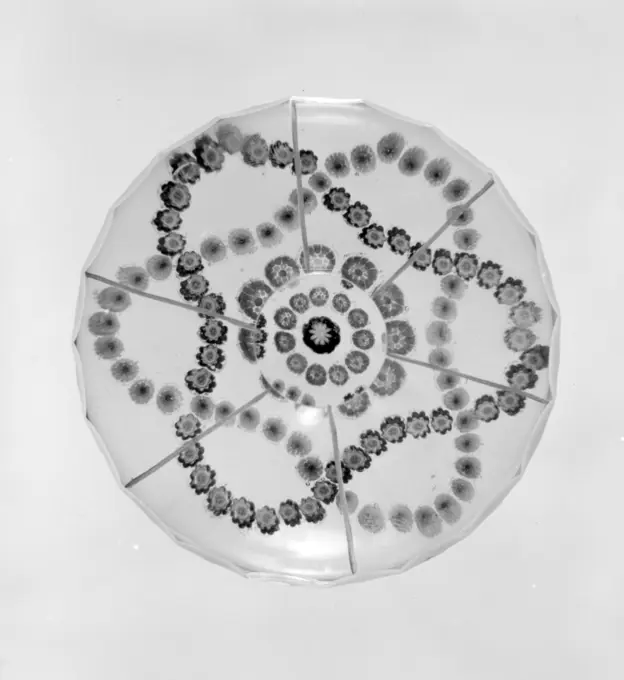
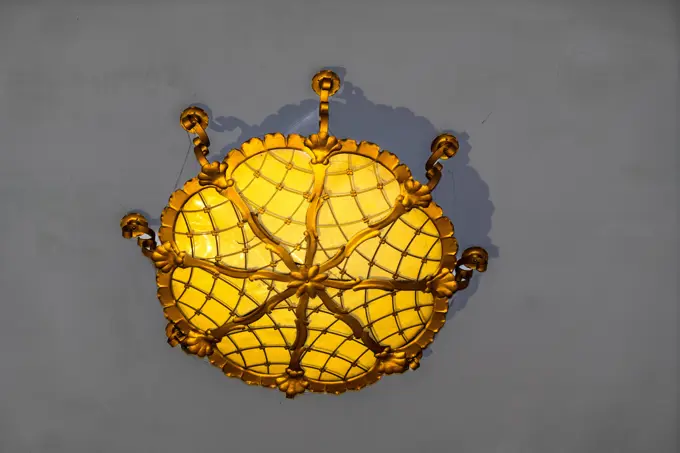
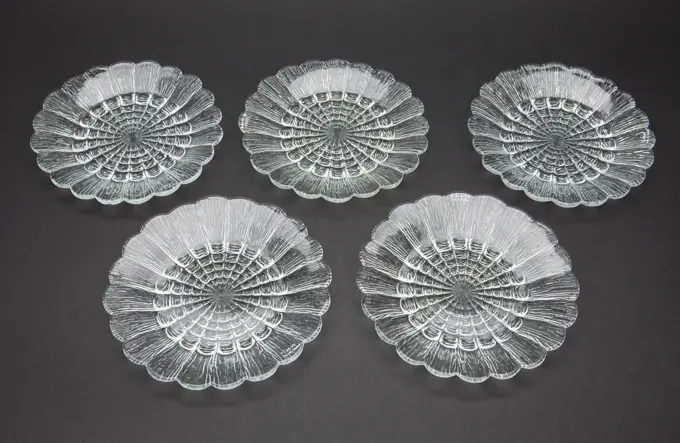
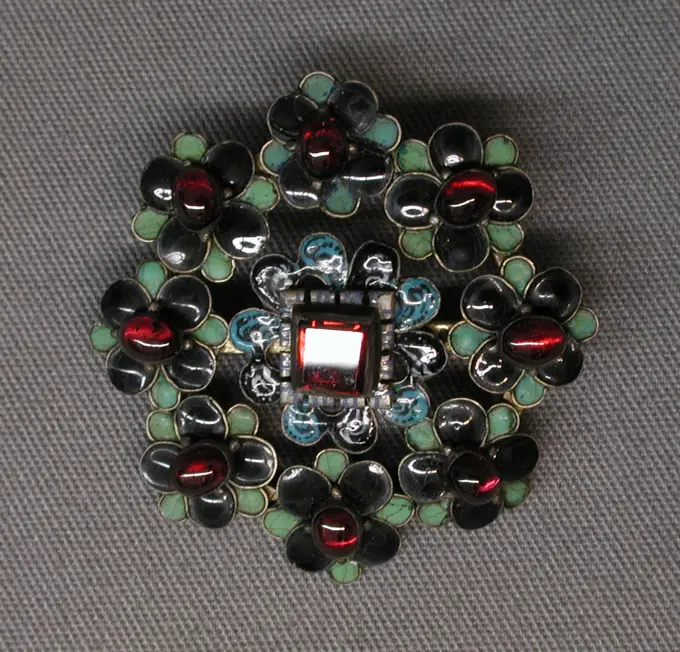
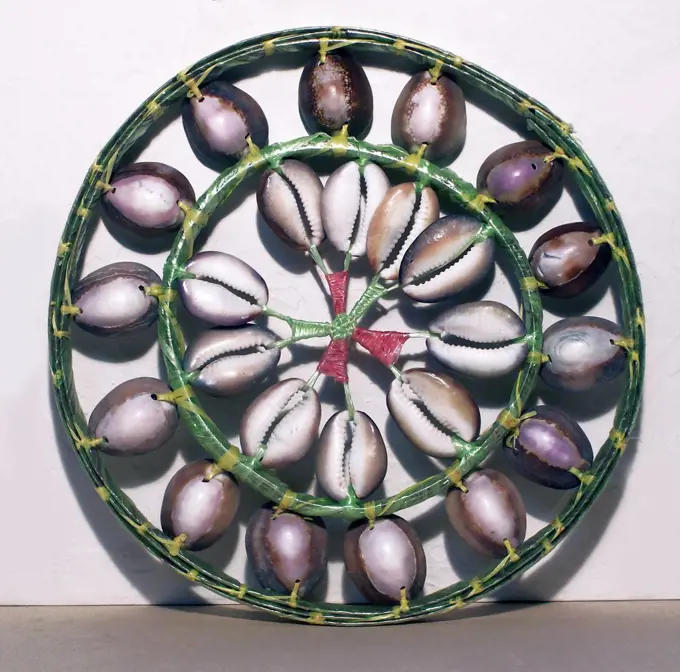
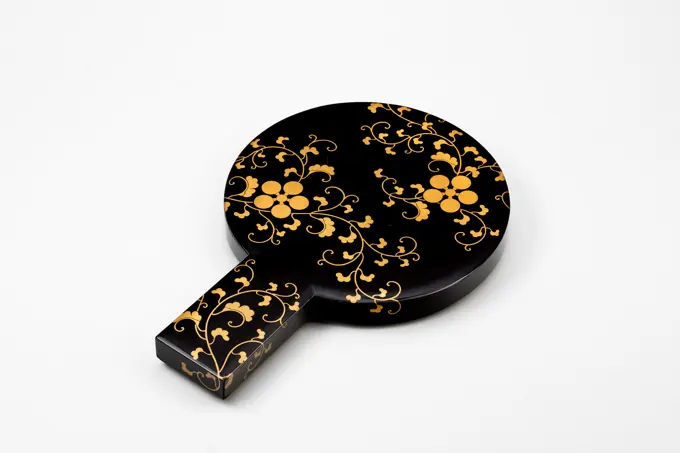
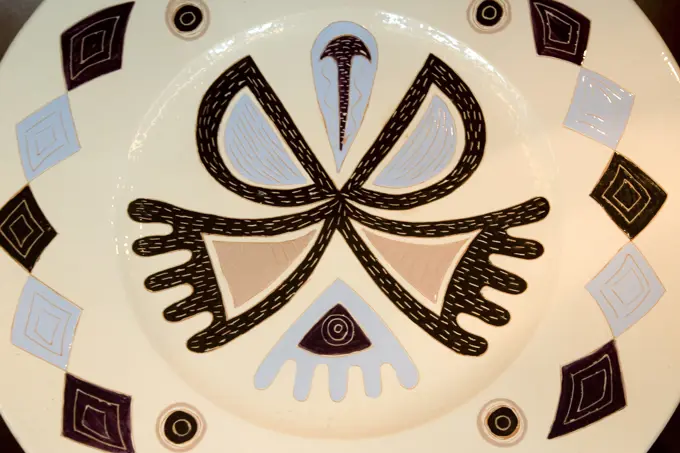
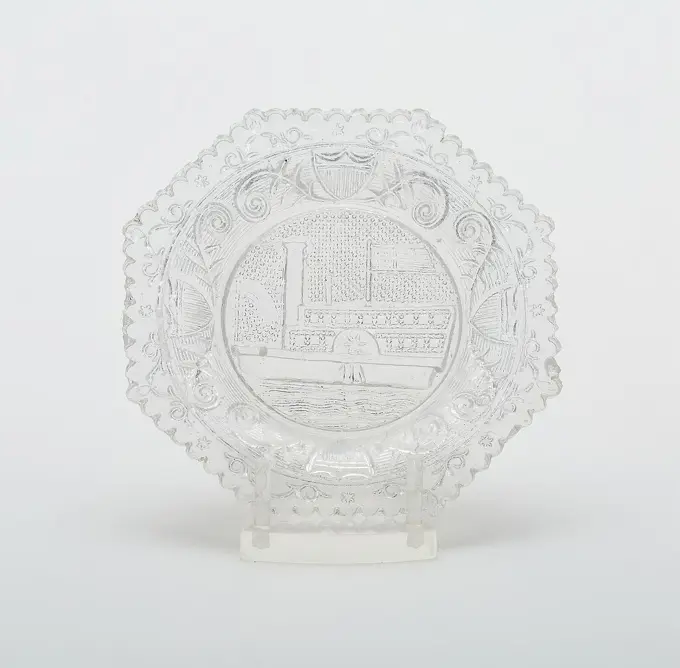
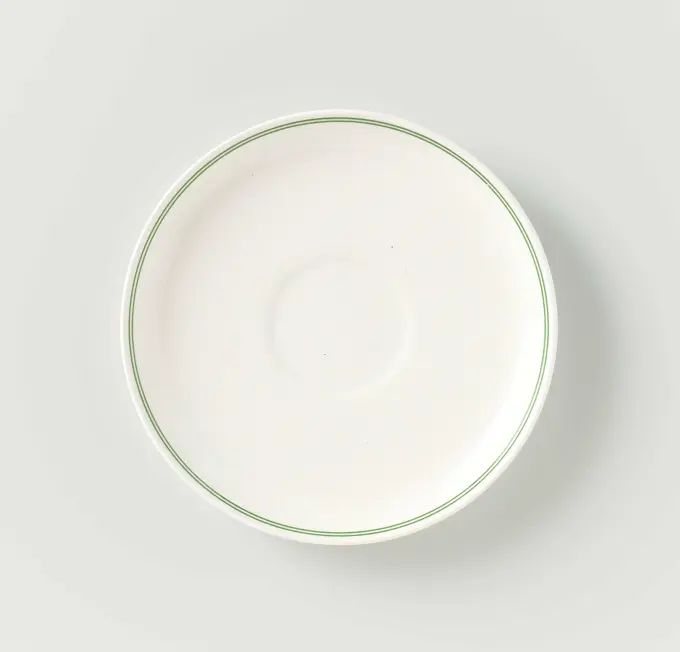
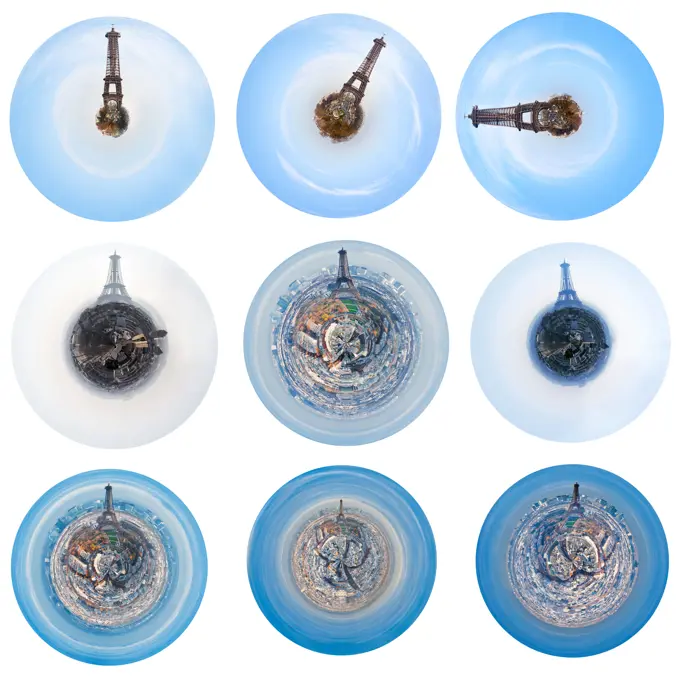
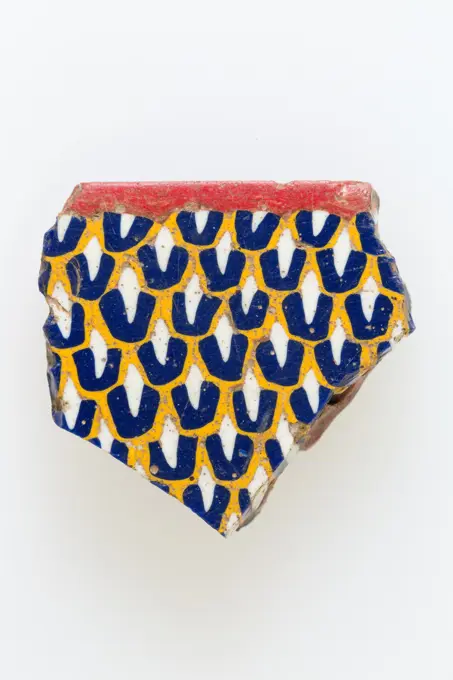
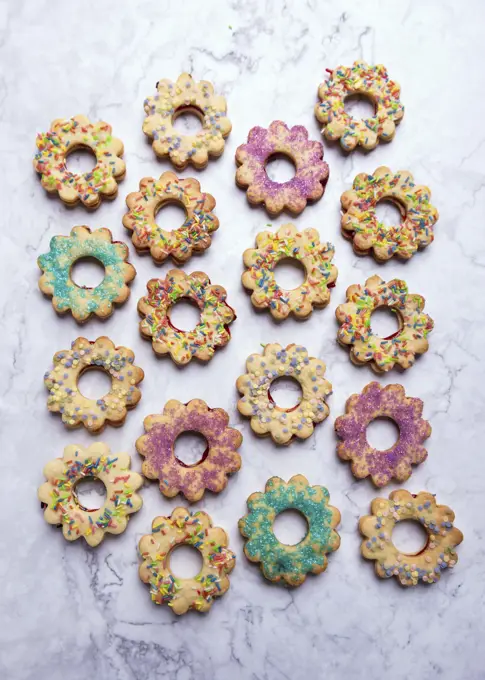
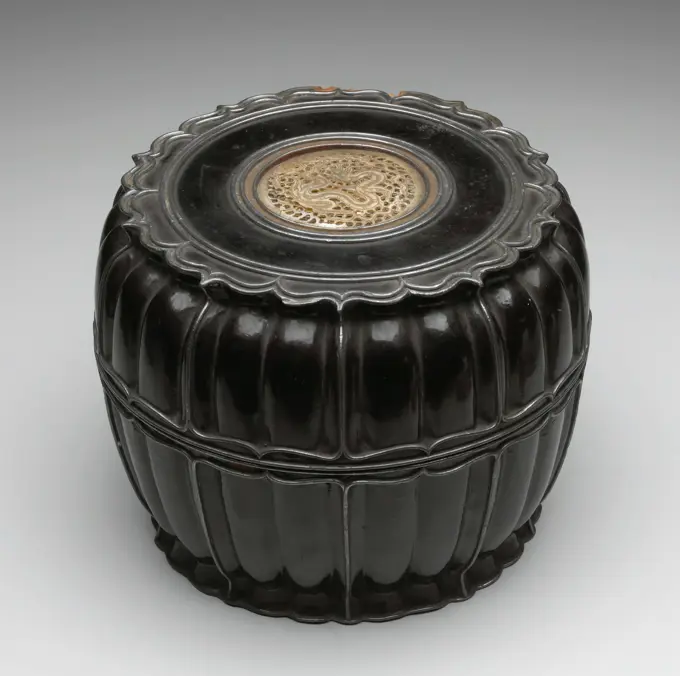
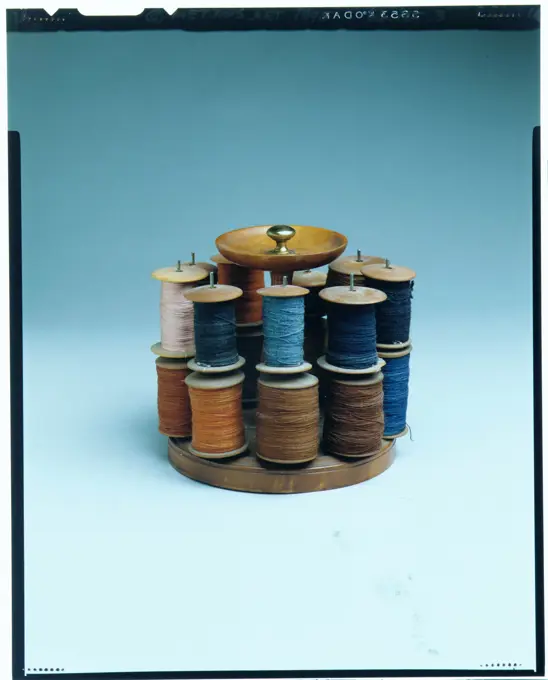
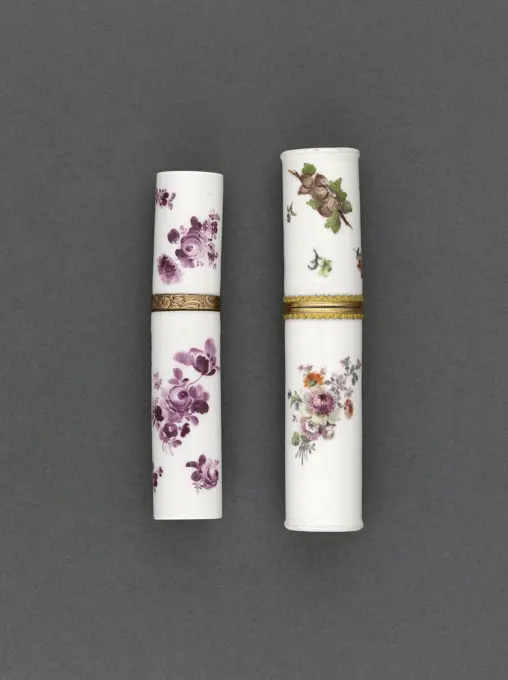
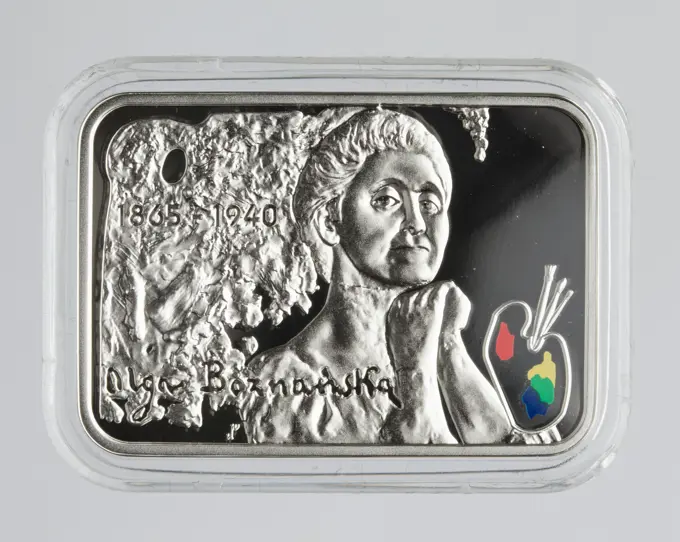
PatchBox.   Maker: William Rouse, American, 1639-1705Honorand: John Marshall Phillips, American, 1905-1953PunchStrainer.   Maker: Paul Revere, American, 1735-1818Dish 17th century. Dish 451116Drapery Tieback. Dimensions: Diam. 4 3/4 in. (12.1 cm). Date: 1810-60. Museum: Metropolitan Museum of Art, New York, USA.Zodiac astronomical Clock Tower Torre dell Orologio from st. Mark’s Square Piazza San Marko in Venice, Italy. Isolated on white backgroundPaperweight 1840-1865 France. This paperweight uses a traditional glass-making technique called millefiori to great effect. Italian for ìone thousand flowers,î millefiori was first developed in fifteenth-century Venice. In the nineteenth century, French glassmakers revived the technique with a cultural twist. Arranged to evoke traditional French gardens such as the Tuileries in Paris, paperweights like this example brought a little of this landscaping magic indoors.From the late 1840s to early 1860s, French manufacturers of fine glass and crystalósuch as Baccarat (Alsace), Clichy (Paris), and Saint-Louis (Lorraine)ócatered to the vast public enthusiasm for beautiful yet functional desk accessories. Paperweights, which were designed to secure loose papers against drafts, were among their most popular products.. Glass . Clichy GlasshouseThe Shi si -in is the treasure house that belongs to Ti dai-ji, Nara. The Shi si -in houses artifacts connected to Emperor Shi mu (701-756) and Empress Ki myi (701-760), as well as arts and crafts of the Tempyi period of Japanese history. After the Meiji Restoration, the Shi si -in came under the administration of the national government, and since World War II has been under the administration of the Imperial Household Agency. It is on the UNESCO register of World Heritage Sites as one of the Historic Monuments of Ancient Nara. It is also a national treasure of Japan.round wicker kitchen utensil rack on white table, copy spaceTablecloth, Medium: linen ground, cotton border, silk embroidery Technique: embroidered on plain weave, crocheted border, Round Art & Crafts-style brown tablecloth has an embroidered floral design in green, orange and pale yellow. Crocheted border in the same color as the tablecloth. Likely purchased as an embroidery kit., USA, ca. 1907, embroidery & stitching, Tablecloththick white cosmetic cream in a plastic jar, top viewWorkpiece for diploma beautiful crafts, Geesje Smid, c. 1890 - c. 1900 Sculpted corner motif from Batist Applicated on tulle with a chain stitch, decorated with a flower branch. Netherlands batiste embroidering Sculpted corner motif from Batist Applicated on tulle with a chain stitch, decorated with a flower branch. Netherlands batiste embroideringTraditional Polish embroidery round symbol 4Comb Morion ca. 1600 German This example is one of a series of morions etched with the arms of the cooper's guild: a pair of compasses opened above a short-handled cooper's ax and supported by two goats. Helmets emblazoned with the heraldic arms of an individual ruler, an aristocratic house, or even a municiplity are commonplace (see, for example, acc. nos. 04.3.219, 04.3.222, 14.25.532, and 29.156.46), but this group is the only one recorded as bearing the emblem of a craft guild. These helmets are traditionally said to come from Cologne.. Comb Morion 26515Mexico, Mexican traditional ethnic arts: baskets made of reed, bamboo, and other plant fibers.Frédéric Boucheron (1830-1902). Poudrier and lipstick. Gold, silver, ruby. Around 1950. Museum of Fine Arts of the City of Paris, Petit Palais. Fashion accessory, jewelrySpools from the Joseon Period, Korea. Made from lacquered wood with a mother-of-pearl inlay. Dated 19th CenturyTerracotta plate ca. 325-300 B.C. Attributed to the Kantharos Group Female head, profile to left.. Terracotta plate. Greek, South Italian, Apulian. ca. 325-300 B.C.. Terracotta; red-figure. Late Classical. VasesTile with Basketweave Design, 1881-1883, J. & J.G. Low Patent Art Tile Works, Chelsea, Massachussets, 1877-1907, 4 7/16 x 4 7/16 x 7/16 in. (11.27 x 11.27 x 1.11 cm), Glazed ceramic, United States, 19th centuryLinnamast napkin with ivy, Chris Lebeau, c. 1904 Linnamast's napkin with ivy: Motif Klimop, Dessin No. 513. The napkin belongs to eleven napkins (BK-1979-262-A to BK-1979-262-L) and two tablecloths (BK-1979-261-A and BK-1979-261-B). Eindhoven linen (material) damask Linnamast's napkin with ivy: Motif Klimop, Dessin No. 513. The napkin belongs to eleven napkins (BK-1979-262-A to BK-1979-262-L) and two tablecloths (BK-1979-261-A and BK-1979-261-B). Eindhoven linen (material) damaskPaperweight 1801-1900 Saint-Louis. The colorful geometric clusters embedded in this paperweight reflect the nineteenth-century European fascination with optical effects. Sir David Brewster invented the kaleidoscope in 1815, and its colorful and changing patterns brought great visual entertainment. Paperweights such as this example reformed this childlike pastime for a sophisticated adult audience. Depicted in glass were tiny glittering flowers, small black and blue cameos of figures, and even miniature bottlecaps. These were delicately arranged within the orb for the observant eye to discover.From the late 1840s to early 1860s, French manufacturers of fine glass and crystalósuch as Baccarat (Alsace), Clichy (Paris), and Saint-Louis (Lorraine)ócatered to the vast public enthusiasm for beautiful yet functional desk accessories. Paperweights, which were designed to secure loose papers against drafts, were among their most popular products.. Glass . Compagnie de Saint LouisFlower Spring Button Sticker IconOctagonal plate of multi -colored hard baked pottery; Staffordshire., Anonymous, c. 1765 - c. 1780 Octagonal plate of multi -colored hard baked pottery. The plate is covered with a manganese-brown spotted lead glaze with stains in blue, green and yellow-brown. The back is slightly lighter in color. The edge is ribbed. England earthenware. lead glaze Octagonal plate of multi -colored hard baked pottery. The plate is covered with a manganese-brown spotted lead glaze with stains in blue, green and yellow-brown. The back is slightly lighter in color. The edge is ribbed. England earthenware. lead glazeBrooch with Pearls Brooch; Made by Fabergé (Russia); Russia; gold, ruby, pearls; Overall: 3 diameter x 1 cm (1 3/16 x 3/8 in.)Basket MieleówPlate, with green edge and golden Greek band, Petrus Regout, c. 1865 Plate of earthenware, scalloped, with green edge and golden Greek band. Maastricht earthenware Plate of earthenware, scalloped, with green edge and golden Greek band. Maastricht earthenwareModern Black granite background and white podium show cosmetic product geometric. 3D renderingCovered Cosmetic Box wih Petalled Rosette, Flying Cranes, Stylized Clouds, and Layered Lotus Petals 1201-1300 Korea. Stoneware with celadon glaze and underglaze inlaid decoration of black and white clay .Pair of boxes with melons and butterflies 19th century China The combination of melons and butterflies is a pun on an old idiom that expresses a wish for many offspring, like melons on vines. This encoded meaning makes this pair of boxes a likely gift for a wedding.. Pair of boxes with melons and butterflies. China. 19th century. Carved red lacquer. Qing dynasty (1644-1911). LacquerPaperweight 1873-1883 France. Glass . Cristallerie de PantinBowl Base with a Marriage Scene 4th-5th century Roman or Byzantine The couple stands in the traditional Roman marriage pose. Thecrown and the inscription indicate that they may be Christians.. Bowl Base with a Marriage Scene 463702Cover (). Porcelain decorated with "pink family" enamels. Paris, Cernuschi museum. 78837-29 Asian art, Chinese art, porcelainDish, painted with the Flügelmuster decor. Oval dish of painted porcelain. The dish is painted in green and blue with the flügelmuster. The dish has been marked and belongs to a tableware (BK-1976-65-1 to BK-1976-65-34).Paperweight ca. 1835-45 Probably made at Baccarat glasshouse. Paperweight. French, possibly Baccarat. ca. 1835-45. Glass. GlassDekorative Lampen im Kulturzentrum Walhalla, Wiesbaden *** Decorative Lamps at Cultural Center Valhalla, Wiesbaden 1074706375Cora Trzewik Drost, Eryka, Economic Huta Z BkowiceBliżej KulturyEmpty white ceramic plates with paper flowers around over orange stone background. Flat lay, copy spaceBrooch 19th century possibly Austrian. Brooch. possibly Austrian. 19th century. Gold, enamel, silver, garnetsPaperweight 1843-1860 Saint-Louis. Technological improvements to optical scientific instruments in the mid-nineteenth century spurred a veritable obsession across Europe with identifying and classifying the natural world. Amateur botanists were eager to collect and preserve floral specimens, which they intently researched and catalogued. In response to this broad appeal, French glassmakers made paperweights that portrayed the very botanical subjects that were so enthusiastically sought. Many weights represented specimens with horticultural correctness, but others were entirely fanciful creations. Paperweights like this example speak to the periodís fascination with taxonomic systems.From the late 1840s to early 1860s, French manufacturers of fine glass and crystalósuch as Baccarat (Alsace), Clichy (Paris), and Saint-Louis (Lorraine)ócatered to the vast public enthusiasm for beautiful yet functional desk accessories. Paperweights, which were designed to secure loose papers against draftSaucer with a flower spray and ornamental border, anonymous, c. 1800 - c. 1824 Porcelain dish with a straight wall, painted on the glaze in gold. On the flat a gold medallion with a flower branch. The inner wall is with a pendulum of stars, half moon shapes with dots and triangles and a golden edge. Marked on the bottom with g. Empire. France porcelain. glaze. gold (metal) painting / gilding / vitrification Porcelain dish with a straight wall, painted on the glaze in gold. On the flat a gold medallion with a flower branch. The inner wall is with a pendulum of stars, half moon shapes with dots and triangles and a golden edge. Marked on the bottom with g. Empire. France porcelain. glaze. gold (metal) painting / gilding / vitrificationF53, 1953F128, 1953F192, 1953F487 1953F515. Group of Pearl and Gilt buttons, 1770-1820. Made in Birmingham, makers unknownPaperweight 1801-1900 Clichy. The colorful geometric clusters embedded in this paperweight reflect the nineteenth-century European fascination with optical effects. Sir David Brewster invented the kaleidoscope in 1815, and its colorful and changing patterns brought great visual entertainment. Paperweights such as this example reformed this childlike pastime for a sophisticated adult audience. Depicted in glass were tiny glittering flowers, small black and blue cameos of figures, and even miniature bottlecaps. These were delicately arranged within the orb for the observant eye to discover.From the late 1840s to early 1860s, French manufacturers of fine glass and crystalósuch as Baccarat (Alsace), Clichy (Paris), and Saint-Louis (Lorraine)ócatered to the vast public enthusiasm for beautiful yet functional desk accessories. Paperweights, which were designed to secure loose papers against drafts, were among their most popular products.. Glass . Clichy GlasshouseTRAGALUZ EN BARRO SIN ESMALTAR - S XX ARTE POPULAR. Location: ALFARERIA. MARRATXI-PORTOL. MALLORCA. SPAIN.Accession numbers: 1953F58, 1953F53, 1953F128, 1953F192, 1953F515. Group of 18th and 19th Century Buttons made in BirminghamBlackboard, with green edge and golden Greek band. Plate of pottery, scalloped, with green border and golden Greek tie.Christmas Island shell ornament, 2010. From the republic of Kiribati.Set of decorative watercolor vector floral elementsOld feet rest from Suriname, isolated on whiteMirror (kagami) in a mirror case (kagami-bako). unknown, craftsmanParis (4th arr.), France The southern rosette of Notre-Dame ,  (French - Paris ( IVe arr. ) , France La rosace sud de Notre-Dame). Church, Christianity, stained glass, Middle Ages, religious architecture, Religion , Art , Habitat , Architecture, NE Dame de Paris - Rosace- France, Paris, Rosette of Notre Damevariety of chocolates in boxBlue star of David in window isolated on white background marble solitaire game India Copyright: xVirenxDesai/DinodiaxPhotoxFrench Polynesia, Society Islands. Polynesian designs on a ceramic plate.Cup plate. American; Midwest. Date: 1835-1838. Dimensions: diam. 8.9 cm (3 1/2 in.). Pressed glass. Origin: Pittsburgh. Museum: The Chicago Art Institute, USA.Mold samples on white background. A petri dish with colonies of microorganisms for bacteriological analysis in a microbiological laboratory. Close up view of mould. Mold samples on white background. A petri dish with colonies of microorganisms for bacteriological analysis in a microbiological laboratory. Close up view of mould.Frame for pictures and brush  isolated on a white backgroundCompass set flat cartoon isolated on white background. Vector illustration. Dish of pottery decorated with squares in green and yellow.Dish. Culture: China. Dimensions: H. 1 1/2 in. (3.8 cm); Diam. 6 3/8 in. (16.2 cm). Date: 18th century. Museum: Metropolitan Museum of Art, New York, USA.LED light bulb lit from above LED Light bulb illuminated and taken from above and isolated against black Copyright: xZoonar.com/StevexHeapx 3757752spherical views of Eiffel Tower and Paris set of spherical views of Eiffel Tower and cityscape of Paris Copyright: xZoonar.com/VVxVoennyyx 5721189Inlay, feather pattern 200 BC-100 AD Ptolemaic Period-Roman Period A mosaic glass technique allowed multiples of an image to be created: a figural or design composition was made by bundling colored glass canes, which were then drawn out into a long bar. The bar was then sectioned at right angles, probably by striking the bar with appropriate tools, to produce small inlay tiles. The tile would then be smoothed and polished on the face intended to appear outwards.. Inlay, feather pattern. 200 BC-100 AD. Glass. Ptolemaic Period-Roman Period. From EgyptBraided star as a Christmas decorationVegan shortcrust biscuits with a jam filling and colourful sugar decorationsastronomical clock in Italy astronomical clock in Rimini in Italy Copyright: xZoonar.com/GoneWithTheWindx 9668223Vector chinese umbrella. Asian umbrellas isolated on white background. Japanese washi paper. Bamboo umbrella wagasa. Asian umbrellas set on white background Japanese washi papercloseup of traditional african drum on square pictureRound Lobed Box, c. 1300, 7 x 8-7/8 x 8-7/8 in. (17.8 x 22.5 x 22.5 cm), Lacquer, pewter wire, and mother-of-pearl, China, 13th-14th century, This elegant box is made up of lobes resembling the petals of a lotus. The scalloped rim of the top is in keeping with late Song and Yuan (13th-14th century) taste for shaped rims also seen in ceramic and silver works. The pewter wires are incorporated both for decorative effect, edge protection, and added strength. The top is inset with an openwork mother-of-pearl medallion carved with three dragons cavorting in clouds. The interior of the box is lacquered red and was probably used for holding toiletries. A lacquer container such as this, with its relatively complex shape, was likely inspired by contemporary silver objects, which had significant influence on the development of both ceramic and lacquer forms during the Song and Yuan dynasties (10th-14th century).Bliżej Kultury unknownDoll dinner plate - Inconnu / UnknownDoll dinner plate - Inconnu / UnknownSpool Stand 1830-50 United Society of Believers in Christs Second Appearing (“Shakers”), Mount Lebanon, New York. Spool Stand 7751Dish. Maker, probably by: Boston and Sandwich Glass Works, American, 1826-88. Hair comb of imitation turtle with bulging incredible back, 23 teeth.Vinaigrette with View of a Church 1885-1895 England. Silver, silver gilt, and enamel .Plate. Coalport and Coalbrookdale Porcelain Factory; England, founded 1796. Date: 1870-1875. Dimensions: Diam. 24.4 cm (9 9/16 in.). Soft-paste porcelain with polychrome enamel decoration and gilding. Origin: Coalport. Museum: The Chicago Art Institute, Chicago, USA.Friederich Klopstock. One-sided medallion in brass ring rear glass to wear eye and carrying ring. Front: breastpiece man to the right inscription. Reverse: Label with inscription.Luxury japan green podium decoration suitable for products.3D renderingAntique lantern with decorative pattern on glass. Retro night lightTile in Metal Trivet Mount International Tile Company. Tile in Metal Trivet Mount, ca. 1882-1888. Glazed earthenware, metal, 1 1/4 x 6 5/8 x 6 3/4 in. (3.2 x 16.8 x 17.1 cm).   Decorative Arts ca. 1882-1888Colorful painted fish sculpture.Set of Sale Decorative Labels Set of vintage hand drawn nature floral vector labels from your messages Copyright: xkostenkodesignxGerman anonymous. Case. Porcelain. 18th century. Paris, Cognacq-Jay museum. 56642-5 Etui, porcelainRoulette wheel, computer illustration.Polish Republic, 20 zlotys, Warsaw; 2016  Polish painters of the 19th and 20th centuries  Olga Boznańska National Bank of Poland, Mennica Polska S.A., Wałrzak, UrszulaYellow watercolor set on white background, Vector illustration.Petra Souvenir. Jerash Souvenir isolatedon white .