Decorative Plates

An assortment of beautifully decorated ceramic plates showcasing intricate designs, colors, and styles, from historical to modern patterns.

Fragment sign from V.O.C. ship De 'Witte Leeuw', Anonymous, Before 1613 plate (dishes) Sign from V.O.C. ship the 'Witte Leeuw' with a flat edge, decorated in underlaze blue, 90 present; Parts of the wall are missing. The shard is glassy white and has a lot of ingrained dirt. The bottom is glazed. The foot ring is faceted. More than 20 grains of oven sand have been found. The lip is scooped. In the flat a bird in a water landscape, surrounded by a flowering plant and a stylized cloud pattern. The show is surrounded by a star -shaped band with geometric motifs. On the wall and edge alternating wide and narrow fields filled with happiness symbols and flowering plants. Jingdezhen porcelain. bone china (material)   Sint-Helena
Fragment sign from V.O.C. ship De 'Witte Leeuw', Anonymous, Before 1613 plate (dishes) Sign from V.O.C. ship the 'Witte Leeuw' with a flat edge, decorated in underlaze blue, 90 present; Parts of the wall are missing. The shard is glassy white and has a lot of ingrained dirt. The bottom is glazed. The foot ring is faceted. More than 20 grains of oven sand have been found. The lip is scooped. In the flat a bird in a water landscape, surrounded by a flowering plant and a stylized cloud pattern. The show is surrounded by a star -shaped band with geometric motifs. On the wall and edge alternating wide and narrow fields filled with happiness symbols and flowering plants. Jingdezhen porcelain. bone china (material) Sint-Helena
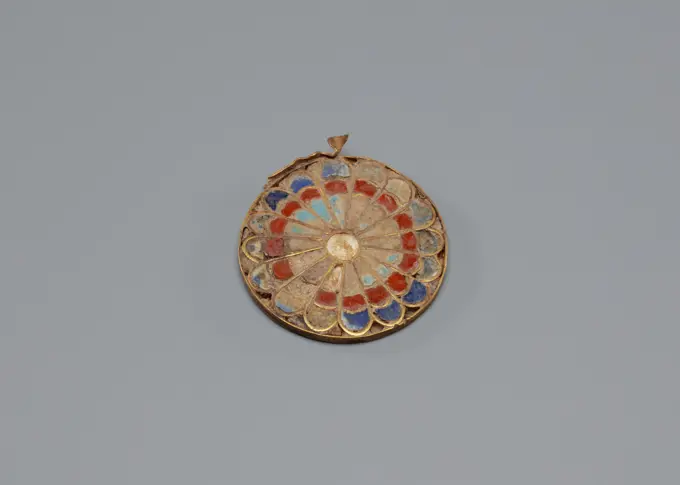
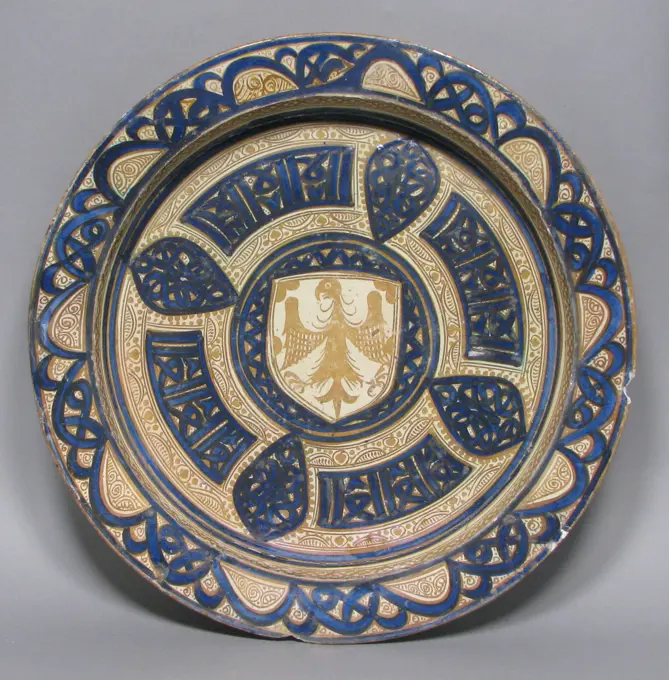
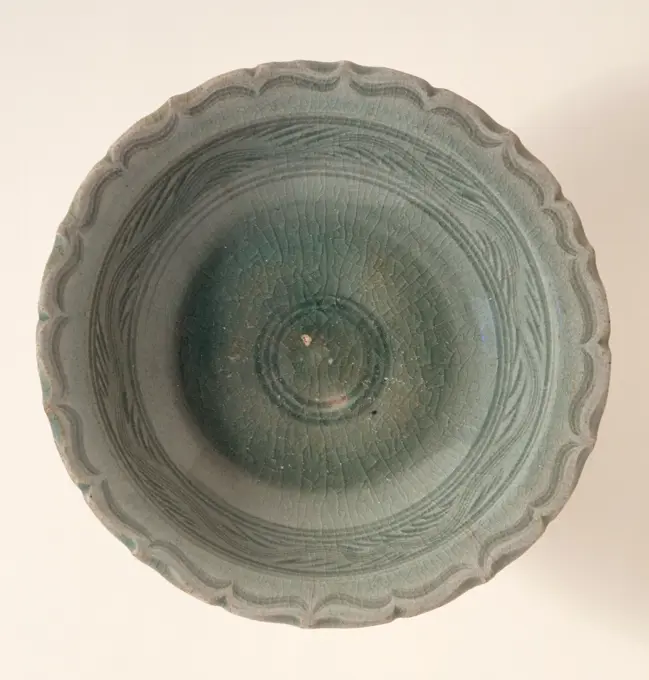
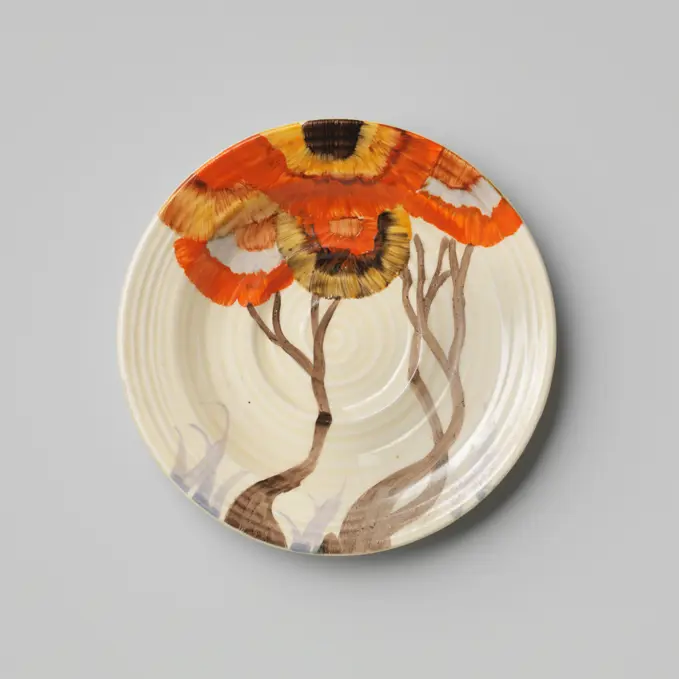
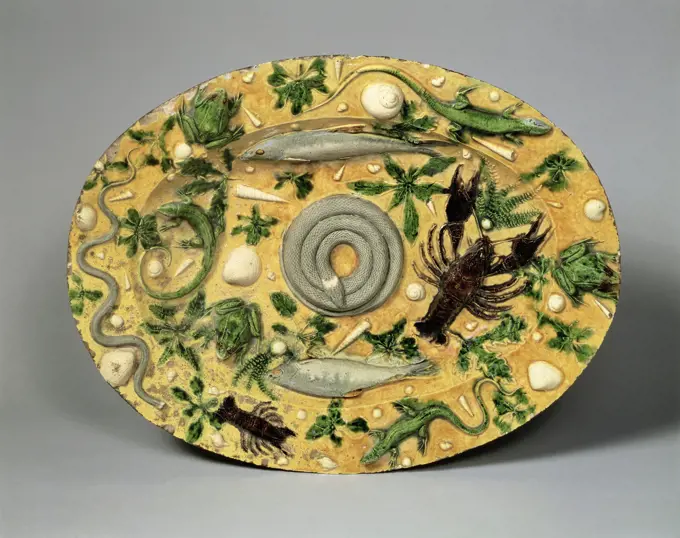
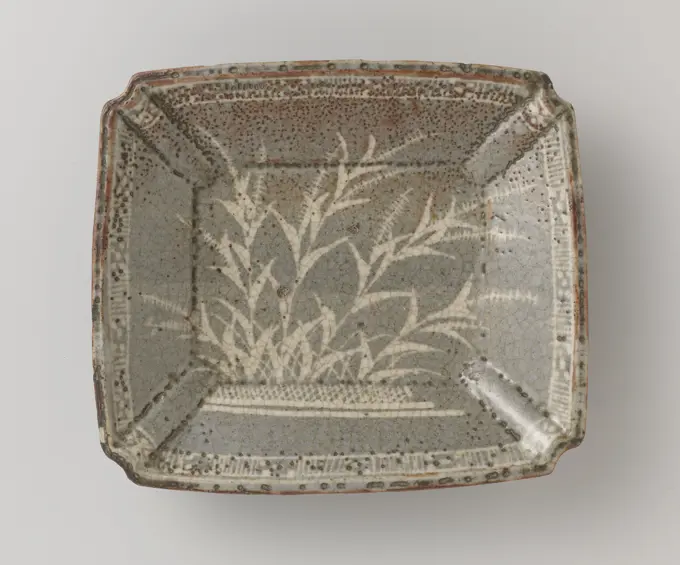
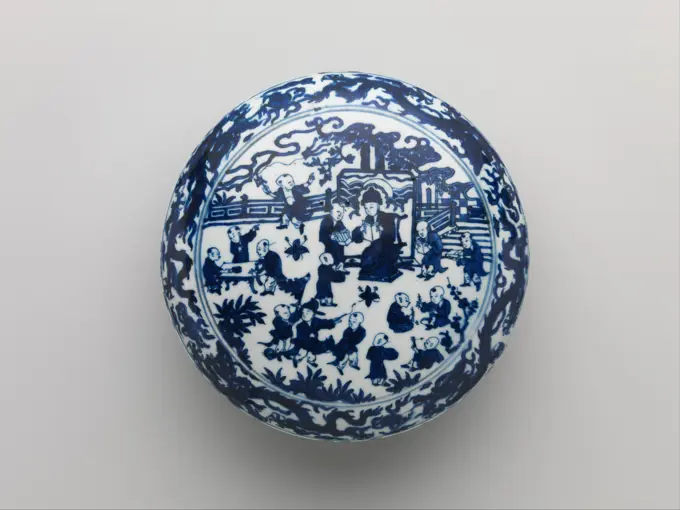
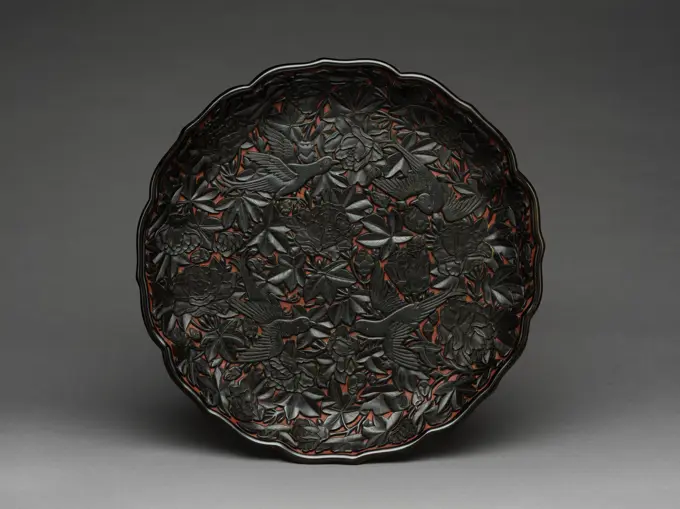
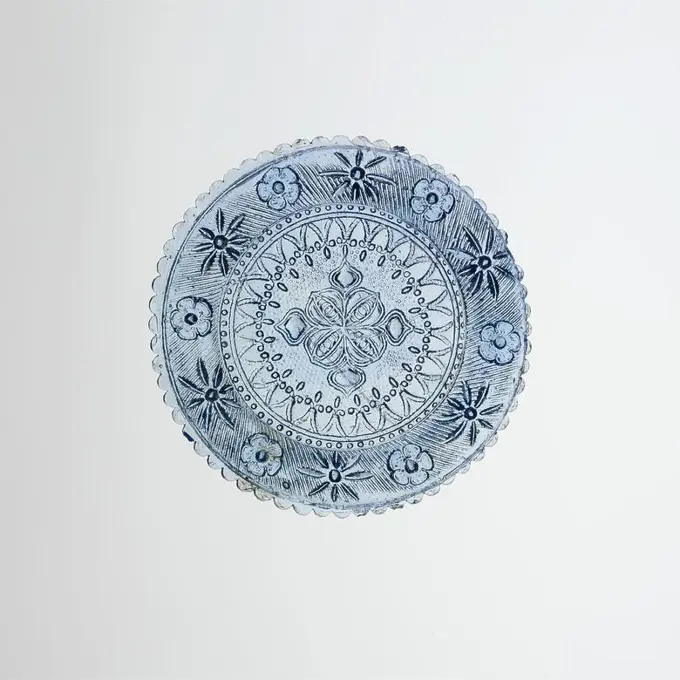
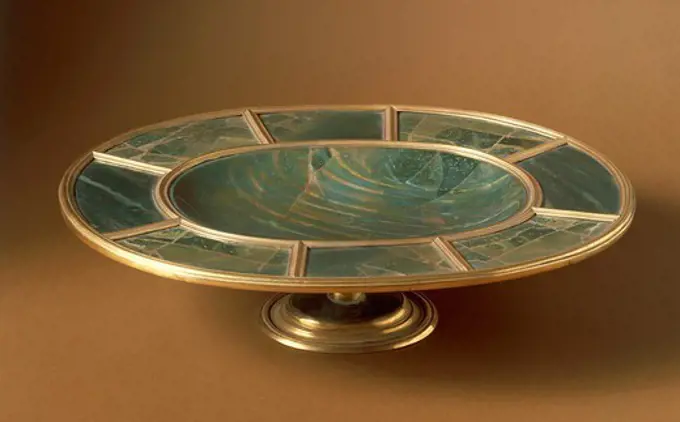
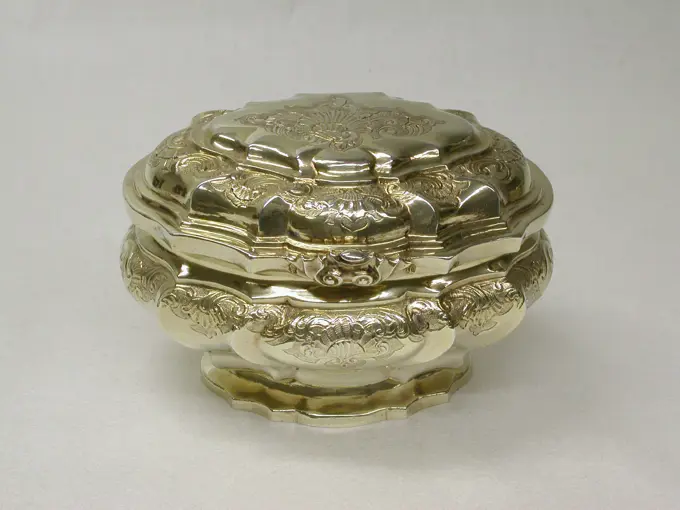
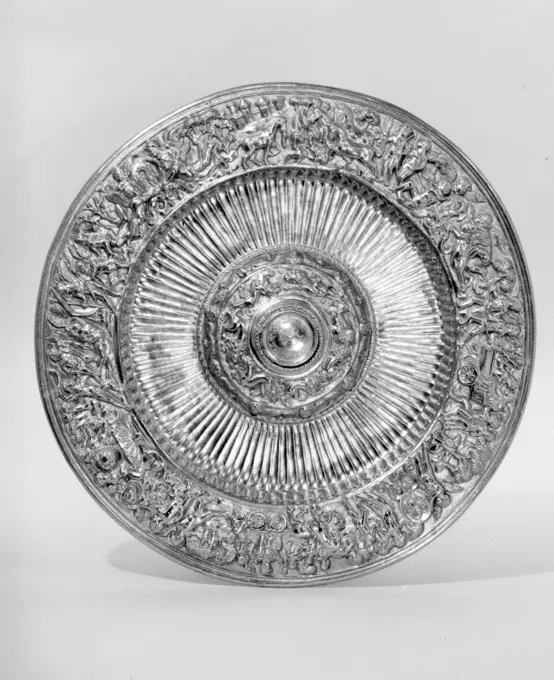
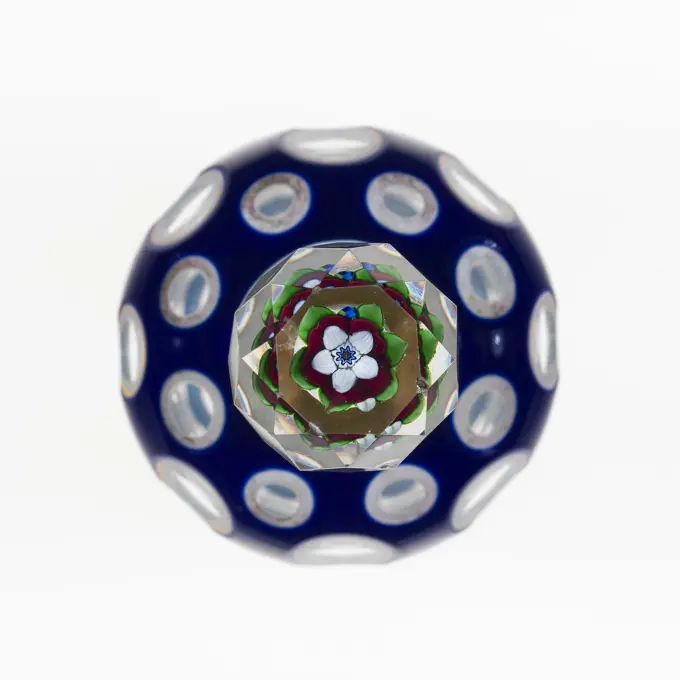
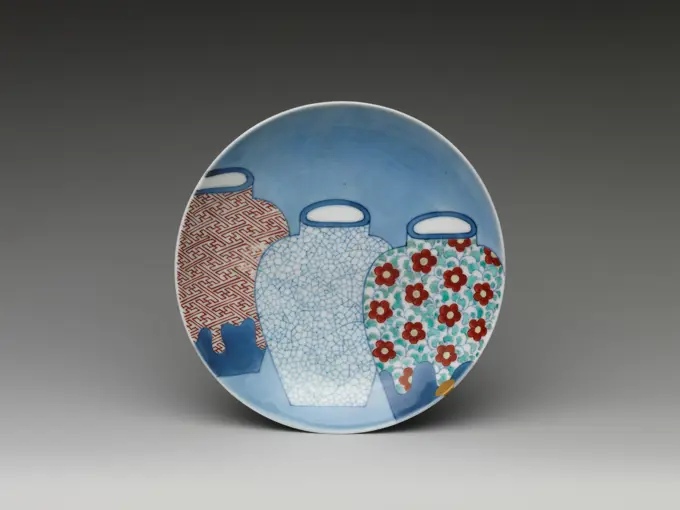
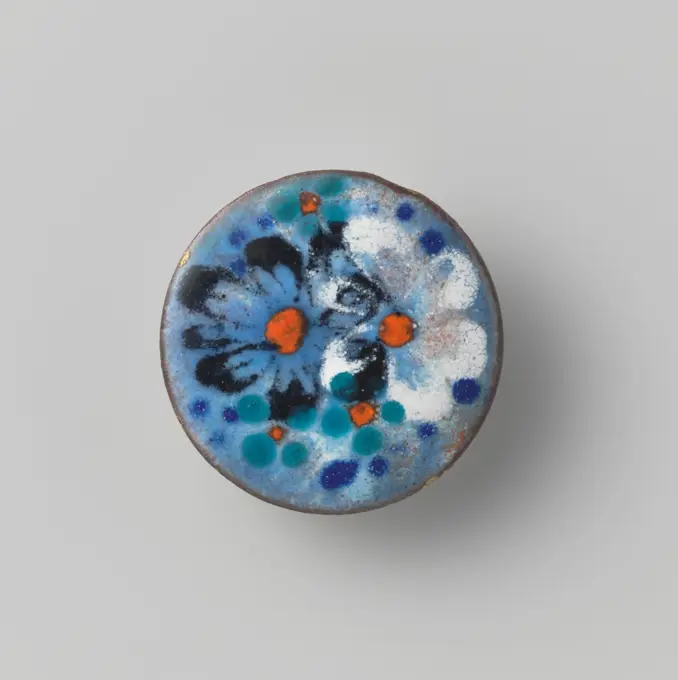
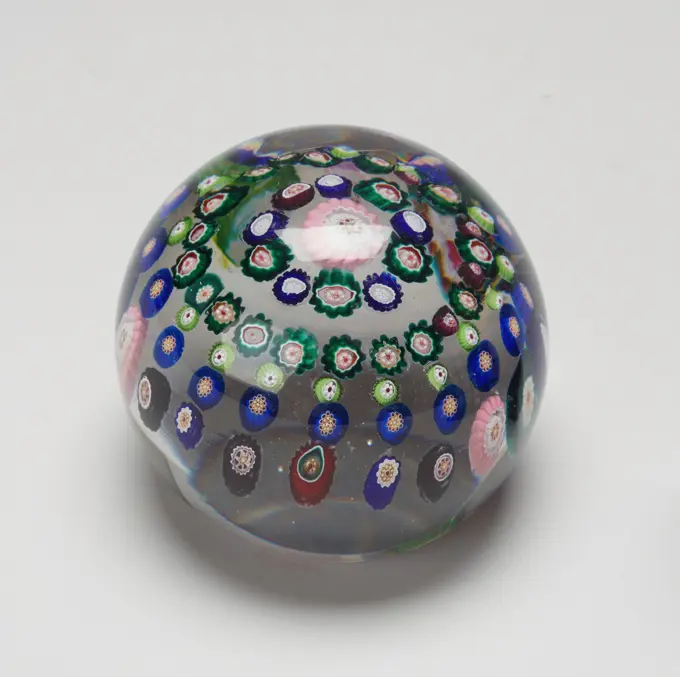
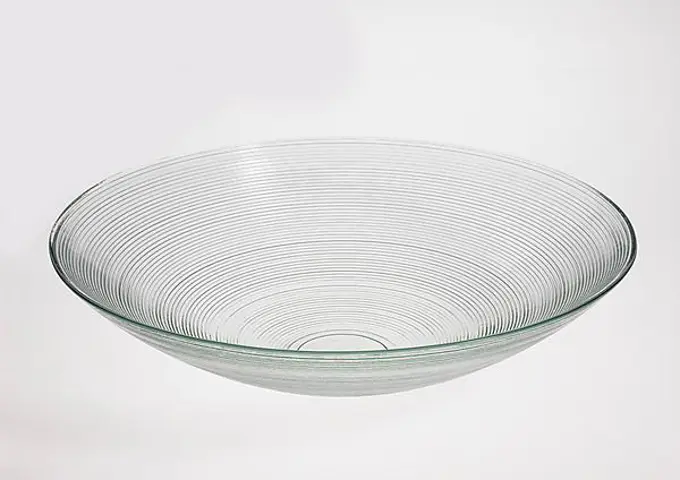
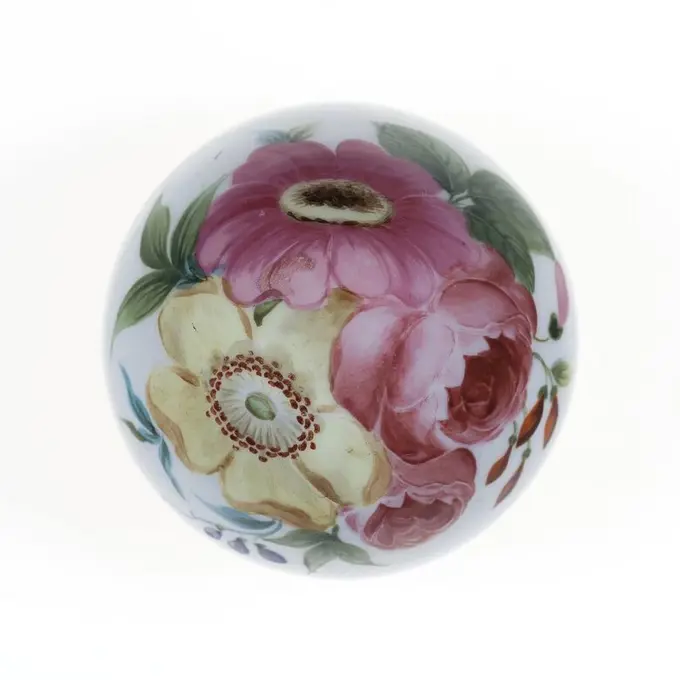
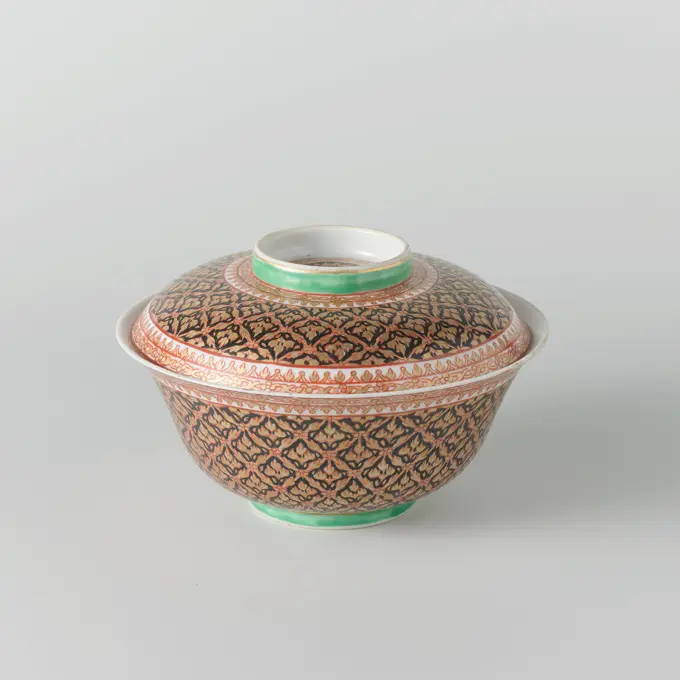
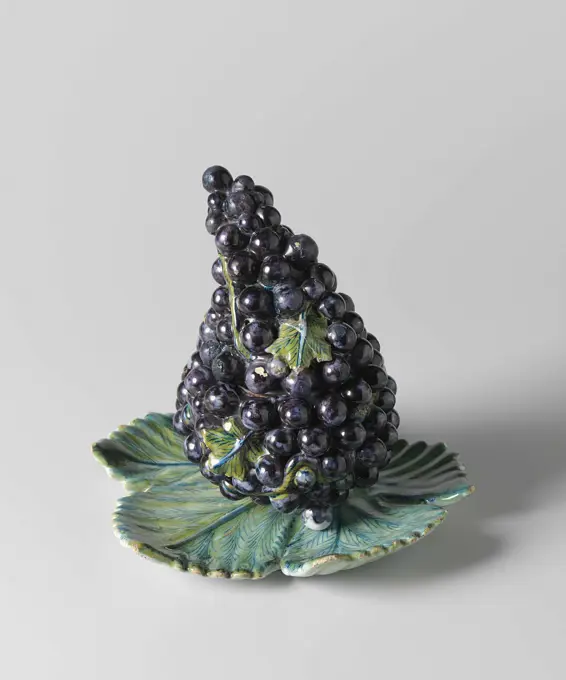
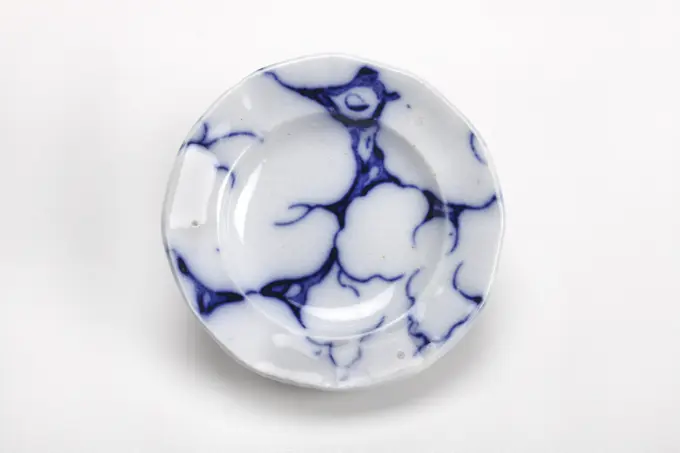
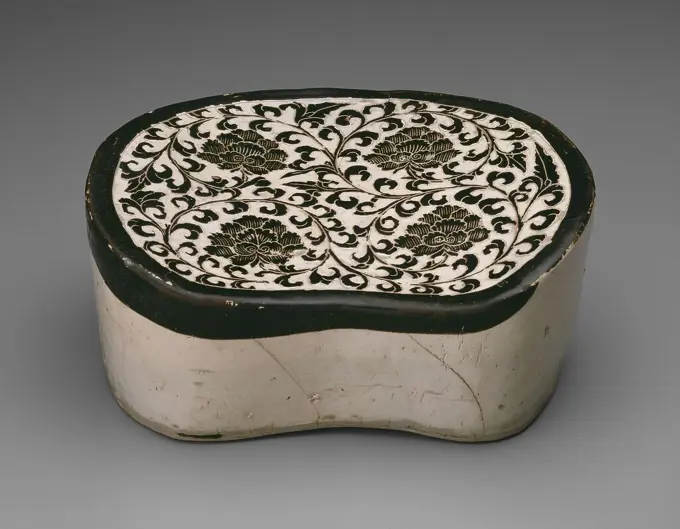
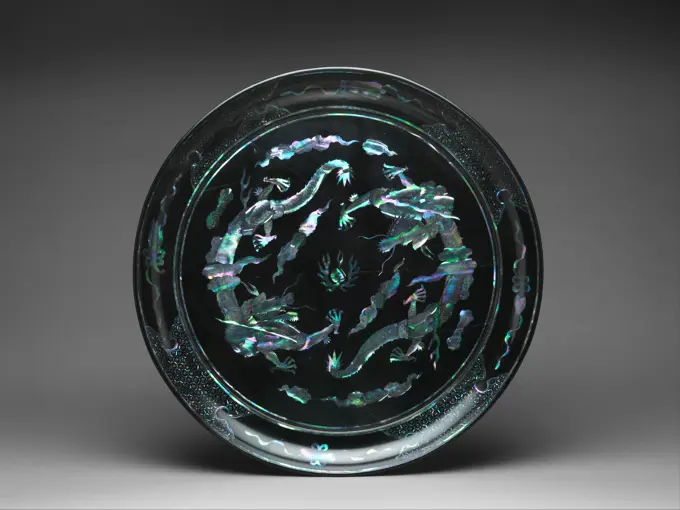
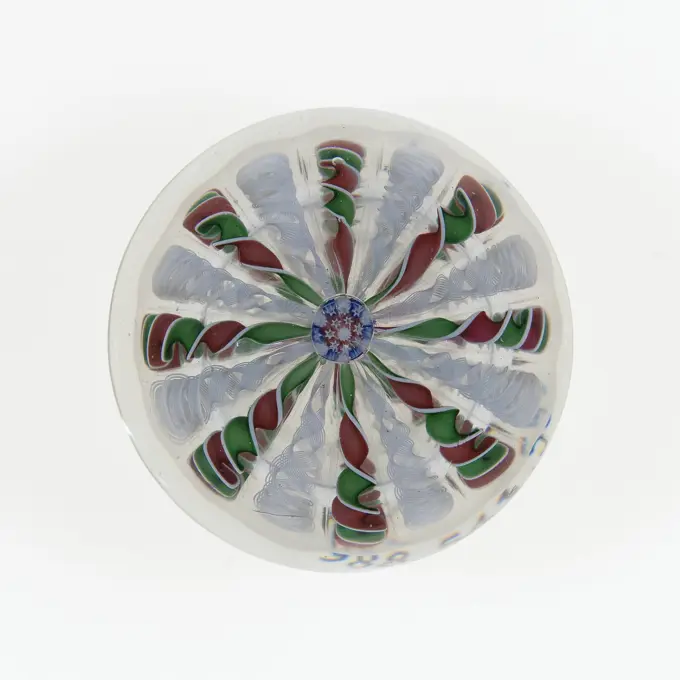
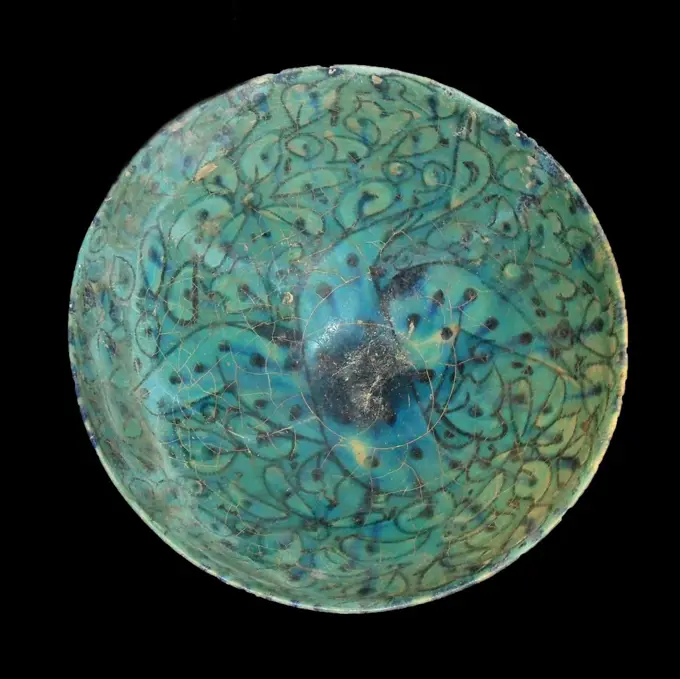
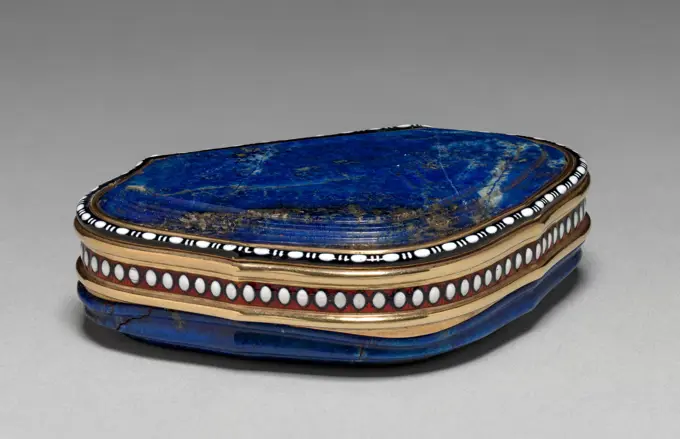
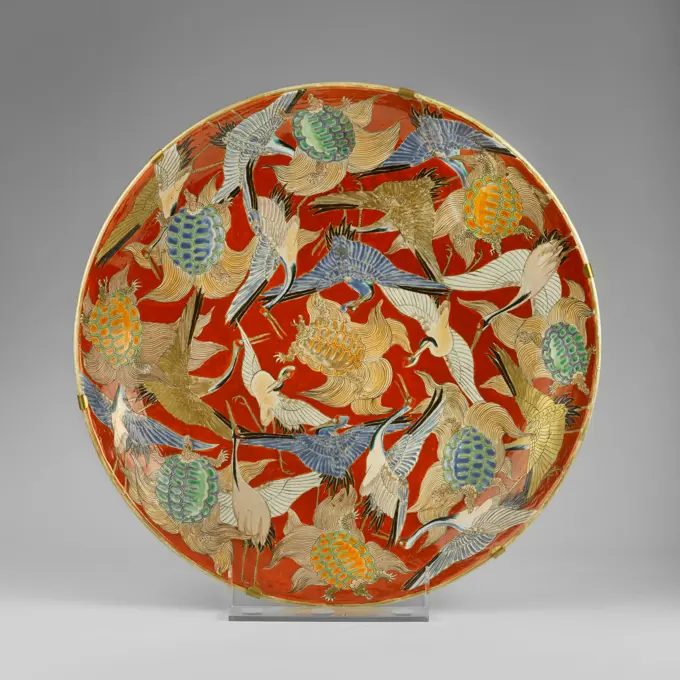
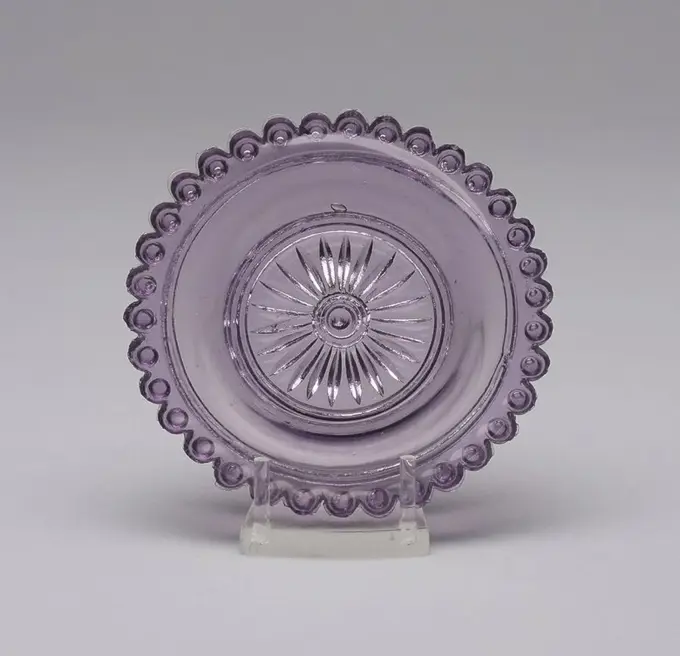
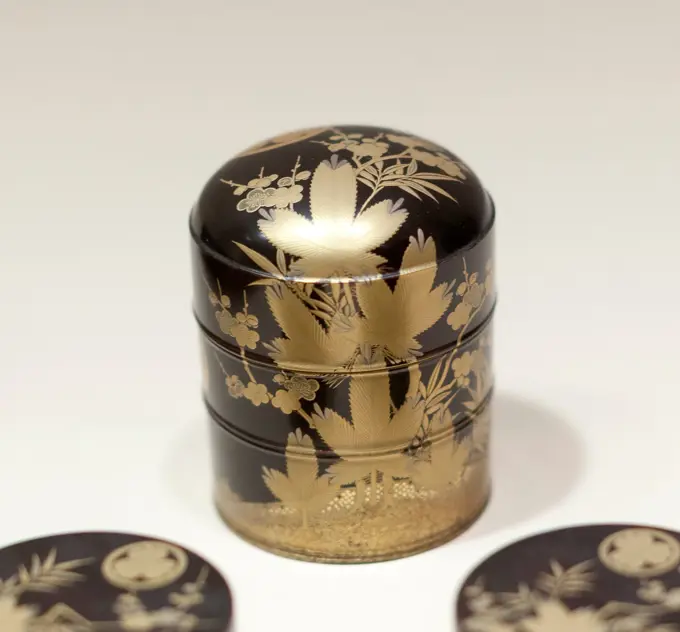
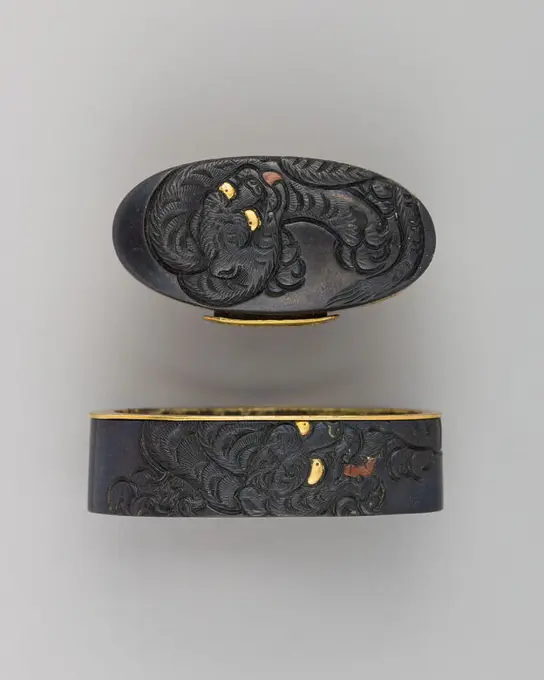
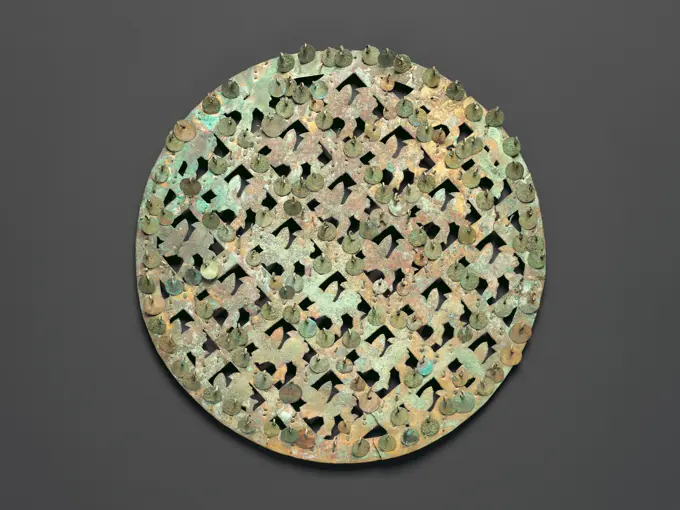
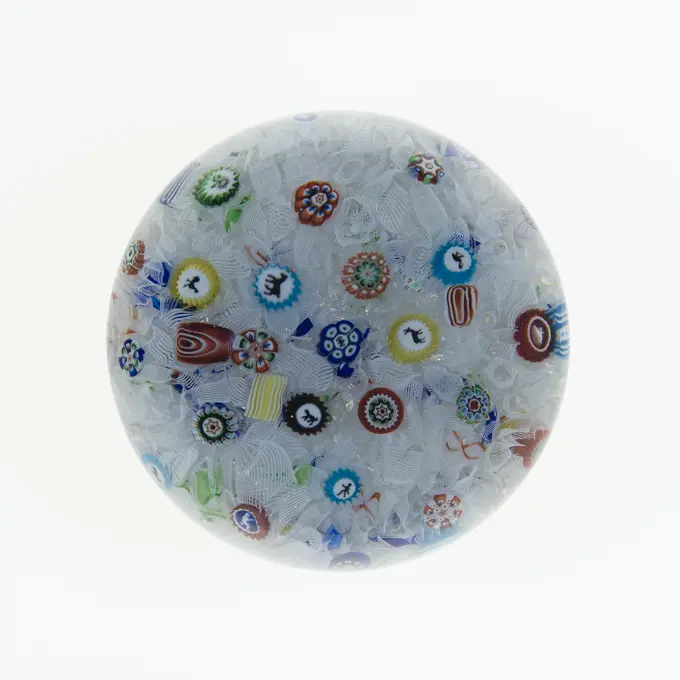
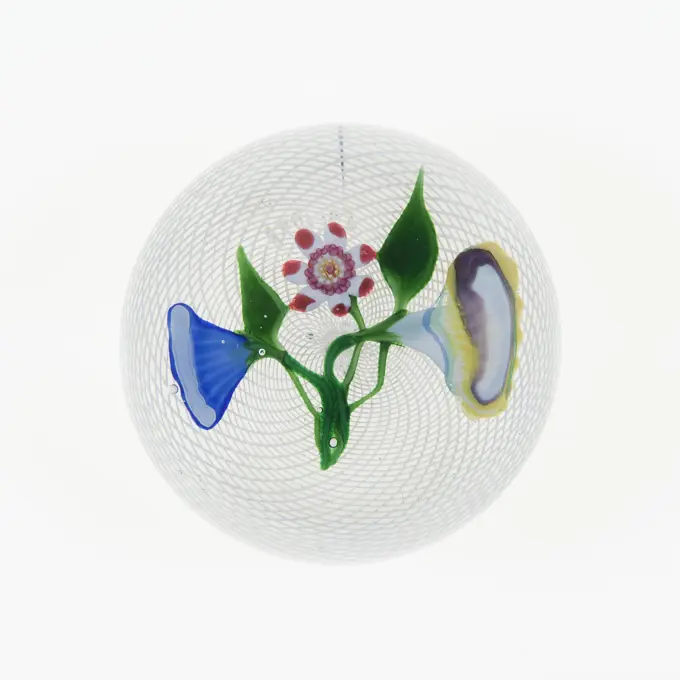
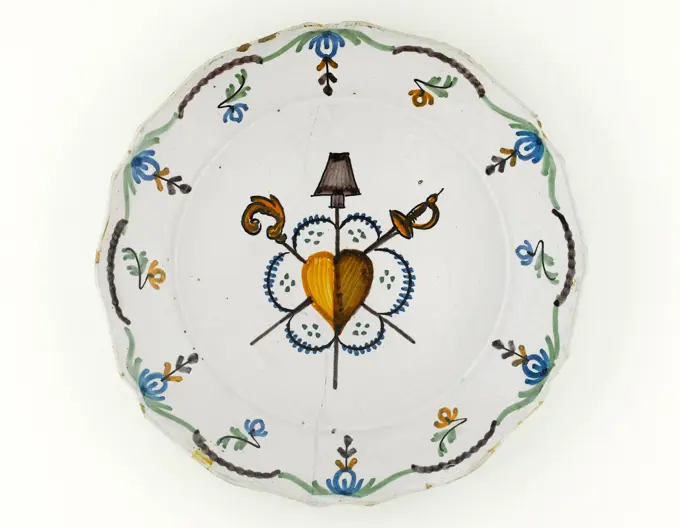
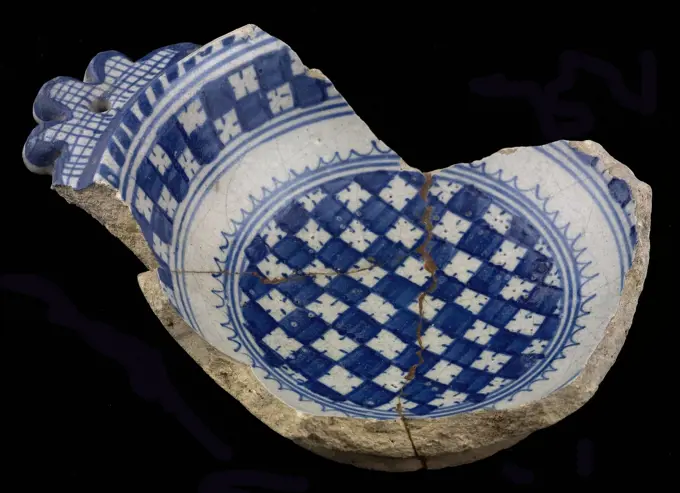
empty old silver plate with oxidized fragments on a gray backgroundInlaid Rosette ca. 1427-1400 B.C. New Kingdom This rosette has been inlaid with pieces of red jasper, faience, and glass in a technique called cloisonné. According to a note on the accession card, Howard Carter said that it was purchased by Theodore M. Davis from one of the men who funded excavations in KV 42 in the Valley of the Kings. While Carter was Chief Inspector of Antiquities for Upper Egypt, he had overseen the excavation of this tomb. In his report on the work, Carter mentions the rosette which he thought might be the bottom part of a menat or counterpoise for a ceremonial necklace. Although this is possible, it may be an element for another type of jewelry.For more information on KV 42 and the objects found there, see the curatorial interpretation below.. Inlaid Rosette. ca. 1427-1400 B.C.. Gold, faience, red jasper, blue glass. New Kingdom. Said to be from Egypt, Upper Egypt, Thebes, Valley of the Kings, Tomb of Merytre-Hatshepsut, KV 42, first corridor near entrance, MacarPaperweight. Culture: American. Dimensions: 2 3/4in. (7cm)Body diameter: 2 3/4 in. (7 cm). Maker: James Gillinder and Sons (American, 1861-ca. 1930). Date: 1861-70. Museum: Metropolitan Museum of Art, New York, USA.Deep Dish ca. 1430 Spanish. Deep Dish. Spanish. ca. 1430. Tin-glazed earthenware. Made in probably Manises, Valencia, Spain. CeramicsPearl Button, 1790-1800. Made in Birmingham, maker unknownFoliated Bowl with Waves. Thailand, Sawankhalok, circa 1400-1600. Furnishings; Serviceware. Wheel-thrown stoneware with molded and incised decoration and green glazePlate ca. 1685-1715 De Dubbelde Schenkkan. Plate. Painted by P I (possibly Jan Pietersz). Dutch, Delft. ca. 1685-1715. Tin-glazed earthenware with cobalt blue decoration. De Dubbelde Schenkkan. Ceramics-PotteryDish with multi -colored flower decor, Wilkinson Ltd, c. 1930 - c. 1940 Dishes of earthenware, multi -colored painted with floral decor. Part of tea set. England earthenware. uranium oxide Dishes of earthenware, multi -colored painted with floral decor. Part of tea set. England earthenware. uranium oxidePlate ca. 1794-1844 Possibly Conrad Mumbouer. Plate 6188Bowl late 8th-early 9th century. Bowl 449391Shallow Dish with Peony Sprays. China. Date: 1000-1099. Dimensions: H. 2.3 cm (15/16 in.); diam. 24.9 cm (9 13/16 in.). Ding ware; porcelain with underglaze carved decoration; metal rim. Origin: China. Museum: The Chicago Art Institute, Chicago, USA.Saucer.  Manufacturer: Haviland & Co., French, active 1864-1941 Designer Theodore Russell Davis, American, 1840-1894 Artist Painter: Lissac, French, active ca. 1868-85 Artist Etcher: Félix-Henri Bracquemond, French, 1833-1914Oval Basin; Attributed to Bernard Palissy (French, about 1510 - 1590); Saintes, France; about 1550; Lead-glazed earthenware; 47.9 x 36.8 cm (18 7,8 x 14 1,2 in.)Plate ca. 1770 Worcester factory. Plate. British, Worcester. ca. 1770. Soft-paste porcelain. Worcester factory (British, 1751-2008). Ceramics-PorcelainPlate 1837 Sèvres Manufactory French. Plate 202618Plate, Thomas Wieldon Factory, English, Lead-glazed earthenware, Plate with wavy border, brown speckled pattern with green and light bluish-grey biomorphic shapes., England, ca. 1760, ceramics, Decorative Arts, PlateRectangular dish with plants, anonymous, c. 1600 Rectangular scale of stoneware with indented corners and standing on four short feet, covered with a white sludge and a green glaze. On the flat a decorative decoration of a group of plants (grass blades); The inner edge with a band with stripes and dots. The Ingred Decoration is filled with a white sludge (Mishima technology). Two old labels on the bottom with 'Shino Ware, So Called Shino-Sotan. About 1600. Probably the work of captured Korean Potters/ V. Transactions yes Panese Society, 1934-35 'and' See also Morse/ bl. 191 and pl. XVIII/ Shino Sotan, 1530 '. Shino (Nezumi Shino). Japan stoneware. glaze vitrification Rectangular scale of stoneware with indented corners and standing on four short feet, covered with a white sludge and a green glaze. On the flat a decorative decoration of a group of plants (grass blades); The inner edge with a band with stripes and dots. The Ingred Decoration is filled with a white sludge (Mishima technolBox with Boys Playing in Garden late 16th-early 17th century China. Box with Boys Playing in Garden 50267Cup (from a set of eight) China. Cup (from a set of eight) 46880Foliated dish with four birds and flowers China 15th century This dish is an excellent example of a small group of carved black lacquers that feature a four-bird motif. In this example, four birds fly amid a dense array of blossoming peonies. This design evolved from a two-bird motif that first appeared during the late thirteenth century. Demanding extraordinary carving skills, these vessels create a nearly three-dimensional visual across a basically flat surface. The even more complex design featuring four or five birds, as here, began to appear on lacquers of the fifteenth century. View more. Foliated dish with four birds and flowers. China. 15th century. Carved black lacquer. Ming dynasty (1368-1644). LacquerOval Basin. Attributed to Bernard Palissy (French, about 1510 - 1590)Cup Plate. Dimensions: Dimensions unavailable. Date: 1825-60. Museum: Metropolitan Museum of Art, New York, USA.Brooch, Hair, gold, ivory, seed pearls, pailettes, Framed gold oval showing horn-of-plenty made of hair, seed pearls and pailettes and the initials 'FEG'. Surrounded by tightly woven brown human hair., England or USA, ca. 1837, jewelry, Decorative Arts, Brooch"Hesper" Plate; England; earthenware, transfer-printed decoration; 3 h. x 26.5 diameter cm (1 3/16 x 10 7/16 in. )Goldsmith's art, Italy, 16th century. Green chalcedony and gilded bronze saucer.Toilet box (one of a pair) ca. 1743-45 Johann Conrad Lotter German. Toilet box (one of a pair) 231575Saucer with a snake pattern on a dark blue background unknownSalver 19th century, after 15th century original Franchi and Son This electrotype is after a fifteenth-century original in the collection of the Victoria and Albert Museum, London, at the time of reproduction.. Salver. British, London, after Portuguese original. 19th century, after 15th century original. Silver on base metal. Metalwork-ElectrotypePair of CupPlates. Maker, probably by: Boston and Sandwich Glass Works, American, 1826-88Paperweight 1840-1865 France. Technological improvements to optical scientific instruments in the mid-nineteenth century spurred a veritable obsession across Europe with identifying and classifying the natural world. Amateur botanists were eager to collect and preserve floral specimens, which they intently researched and catalogued. In response to this broad appeal, French glassmakers made paperweights that portrayed the very botanical subjects that were so enthusiastically sought. Many weights represented specimens with horticultural correctness, but others were entirely fanciful creations. Paperweights like this example speak to the periodís fascination with taxonomic systems.From the late 1840s to early 1860s, French manufacturers of fine glass and crystalósuch as Baccarat (Alsace), Clichy (Paris), and Saint-Louis (Lorraine)ócatered to the vast public enthusiasm for beautiful yet functional desk accessories. Paperweights, which were designed to secure loose papers against drafts, weDish, multicolored painted with on the flat inside a circle the letters IHS, anonymous, c. 1450 - c. 1475 Round dish of multi -colored painted majolica. On the flat, a circle is painted in the middle in which the letters IHS. Drop -shaped ornaments are painted around the circle, alternated by a flower drink. On the wall and the edge, flowers consisting of points are painted with leaves. Florence earthenware. tin glaze. lead glaze majolica Round dish of multi -colored painted majolica. On the flat, a circle is painted in the middle in which the letters IHS. Drop -shaped ornaments are painted around the circle, alternated by a flower drink. On the wall and the edge, flowers consisting of points are painted with leaves. Florence earthenware. tin glaze. lead glaze majolicaPaperweight 1801-1900 Clichy. Technological improvements to optical scientific instruments in the mid-nineteenth century spurred a veritable obsession across Europe with identifying and classifying the natural world. Amateur botanists were eager to collect and preserve floral specimens, which they intently researched and catalogued. In response to this broad appeal, French glassmakers made paperweights that portrayed the very botanical subjects that were so enthusiastically sought. Many weights represented specimens with horticultural correctness, but others were entirely fanciful creations. Paperweights like this example speak to the periodís fascination with taxonomic systems.From the late 1840s to early 1860s, French manufacturers of fine glass and crystalósuch as Baccarat (Alsace), Clichy (Paris), and Saint-Louis (Lorraine)ócatered to the vast public enthusiasm for beautiful yet functional desk accessories. Paperweights, which were designed to secure loose papers against drafts, wePlate ca. 1770-75 Worcester factory. Plate 199044Plate; Koenigliche Porzellan Manufaktur (KPM; Berlin; 1763-1918); 1870-82 (1823-00-00-1832-00-00);Plate of white stoneware with openwork edge; Crouch true, anonymous, c. 1750 - c. 1765 Plate of white stoneware with salt glaze. The edge is sculpted and open. The flat has a circle in which a checkered pattern and around which eight medallions formed by acanthus leaves in which a checkered pattern. The edge has eight medallions formed by Acanthus leaves in which an open worker pattern. England stoneware. salt glaze Plate of white stoneware with salt glaze. The edge is sculpted and open. The flat has a circle in which a checkered pattern and around which eight medallions formed by acanthus leaves in which a checkered pattern. The edge has eight medallions formed by Acanthus leaves in which an open worker pattern. England stoneware. salt glazeCup Plate. United States, Midwest, circa 1830s. Furnishings; Serviceware. Pressed green glassDish with Three Jars 1680-90s Japan The Hizen region of Kysh was the center of early porcelain production in Japan. Although many designs and wares made in Kysh were intended for export, works of Hizen ware known as the Nabeshima type were commissioned by the Nabeshima clan and produced at an exclusive kiln. A dish like this example would have been part of a dining service. These sets were frequently sent to the shogun in Edo (Tokyo) as an annual tribute. The cheerful design of jars on this dish features the bold, luminous colors and exacting standards characteristic of the high-quality porcelains produced at the Nabeshima kiln.. Dish with Three Jars. Japan. 1680-90s. Porcelain with underglaze blue and overglaze polychrome enamels (Hizen ware, Nabeshima type). Edo period (1615-1868). CeramicsPlate c 1829 Staffordshire. Earthenware . Staffordshire PotteriesRound brooch from email on copper with flowers, c. 1950 - c. 1960 Round brooch made of email on copper with a ball closure. The flowers have an orange heart, one flower is white and the other is black on a blue spotted background. Netherlands copper (metal). Round brooch made of email on copper with a ball closure. The flowers have an orange heart, one flower is white and the other is black on a blue spotted background. Netherlands copper (metal).Paperweight, 19th century, Clichy Glass Works, 3 3/8 x 3 3/4 x 3 3/4 in. (8.57 x 9.53 x 9.53 cm), Glass, France, 19th centuryTadamori and the Oil Monk. Shunkōsai Chōgetsu (Japan, 1826-1892). Japan, mid- to late 19th century. Costumes; Accessories. Ivory with staining, sumi; manjū typeLid of a box in the shape of a grape food. Lid of a faience box, in the shape of a half licorice. Painted multi-colored. The lid belongs to a container (BK-NM-13338-B) on a subset (BK-NM-13338-A).A plateGlass Fruit Bowl against White BackgroundHood-shaped Overmantel for a Fireplace (Partially Reconstructed)Paperweight. Possibly Bohemian. Date: 1843-1847. Dimensions: Diam. 6 cm (2 3/8 in.). Glass. Origin: Czech Republic. Museum: The Chicago Art Institute, Chicago, USA.Coverd bowl with a geometrical foliate decoration, anonymous, c. 1800 - c. 1899 Bell -shaped lid bowl of porcelain, painted on the glaze in red, green, black and gold. The wall is covered with a geometric leaf pattern; A decorative band on the edge. The foot ring is green. Exports for Thailand in the Bencharong style (five colors). Porcelain with email colors. China porcelain. glaze. gold (metal) painting / gilding / vitrification Bell -shaped lid bowl of porcelain, painted on the glaze in red, green, black and gold. The wall is covered with a geometric leaf pattern; A decorative band on the edge. The foot ring is green. Exports for Thailand in the Bencharong style (five colors). Porcelain with email colors. China porcelain. glaze. gold (metal) painting / gilding / vitrificationButter dish or terrine in the form of a grape food. Butter fleet or terrine of faience. Consisting of a container with lid in the form of a grape tray, and a subset in the form of a grape sheet.Bin of butter dish or terrine in the form of a grape trim. Bin of butter dish or terrine of faience. Consisting of a container with lid in the form of a grape tray, and a subset in the form of a grape sheet.Double Art Nouveau belt buckle. unknown, authorToy plate - Inconnu / UnknownDish 1830-40 Bohemian. Dish 207918Dish c 1790-1860 Pennsylvania. Earthenware . Artist unknownBean-Shaped Pillow with Peony Scrolls. China. Date: 1100-1127. Dimensions: 22.9 × 30.3 × 13.6 cm (9 × 12 × 5 3/8 in.). Cizhou ware; stoneware, slip-coated, with underglaze sgraffito (cut-slip) decoration. Origin: China. Museum: The Chicago Art Institute, USA.Tray with Pair of Dragons 18th century Japan (Ryūkyū Islands) Historical records indicate that sets of thirty trays with matching basins were sent to the Qing court in Beijing from the Ryūkyū Islands at least three times during the eighteenth century. The two dragons chasing a pearl in the center of this tray have five claws on each foot, which indicates that they are imperial symbols. Large trays such as this remain in imperial collections in China and Taiwan, and it seems likely that they once belonged to the eighteenth-century sets. The dragons and other motifs are rendered with thin pieces of mother-of-pearl chosen for their bright colors. The disjunction between the heads of the dragons and the rest of their bodies is characteristic of Okinawan lacquer.. Tray with Pair of Dragons 40539Large Dish with Cherry Blossoms 1690-1720s Japan This plate is unique, featuring a rare design and an unusual comb pattern on the rim of its foot.. Large Dish with Cherry Blossoms 52281Basin or bowl with Laura Bella ca. 1510 Italian, probably Faenza. Basin or bowl with Laura Bella 195747Subtotle of a butter fleet, of multi -colored baked pottery; Staffordshire, Anonymous, c. 1750 - c. 1770 Subtotel (oval) Of multi -colored hard baked pottery. The underpotel is decorated with spotted lead glaze in the colors blue, gray, green and yellow with a mangan stippel. The bottom of the dish is dotted in manganese. The underpotel belongs to a butter fleet that is missing and a lid (BK-1987-36-D). England earthenware. lead glaze Subtotel (oval) Of multi -colored hard baked pottery. The underpotel is decorated with spotted lead glaze in the colors blue, gray, green and yellow with a mangan stippel. The bottom of the dish is dotted in manganese. The underpotel belongs to a butter fleet that is missing and a lid (BK-1987-36-D). England earthenware. lead glazeDish with Dragons Writhing amid Floral Scrolls. China. Date: 1506-1521. Dimensions: H. 4.0 cm (1 9/16 in.); diam. 19.9 cm (7 13/16 in.). Porcelain painted in underglaze blue. Origin: China. Museum: The Chicago Art Institute, Chicago, USA.Cup with Stylized Fruit Plums, Cherries, Melon, and Seeds 1662-1722 China. Porcelain painted with overglaze enamels .Paperweight 1840-1865 France. Glass . Compagnie de Saint LouisPlate, Jun ware. Artist: Chinese , Jin/Yuan Dynasty. Culture: Chinese. Dimensions: Diameter: 7 in. (17.7cm). Date: 12th-13th century. Museum: Metropolitan Museum of Art, New York, USA.Box with Pommel Scroll” Design 14th century China. Box with Pommel Scroll” Design 58355Decorative bowl, example of 13th century Islamic pottery from IranSnuff Box, mid-1700s. Germany, Dresden (), mid-18th century. Lapis lazuli with enameled gold mounts; overall: 2 x 7.4 x 5.3 cm (13/16 x 2 15/16 x 2 1/16 in.).For a long time (ôzara);  around 1870-1880 (1870-00-00-1880-00-00);Paderewski, Ignacy Jan (1860-1941), Paderewski, Ignacy Jan (1860-1941)-collection, ceramics, gift (provenance), Japanese (culture), porcelain, color porcelain, Japanese art, plates, cranes (iconogr.), turtlesDecorative round design element with traditional Palestinian embroidery symbols, scalable vector illustration over white backgroundDish 1830-50. Dish. 1830-50. Lacy pressed green glass. Possibly made in France; Possibly made in Belgium; Possibly made in EnglandBlue and white plate with turquoise, 1530-1545. Glazed. Iznik. Tiled Kiosk Museum. Archaeological Museum. Istanbul. Turkey.Dish, white, with blue piping. Dish of pottery, belonging to a coffee and tea set, white, with blue piping on the flat and the edge.Cup plate. American; Midwest. Date: 1830-1840. Dimensions: diam. 9.2 cm (3 5/8 in.). Pressed glass. Origin: Midwest. Museum: The Chicago Art Institute, Chicago, USA.(Round Box), 19th century, Unknown Japanese, 3 1/8 x 2 3/8 x 2 3/8 in. (7.94 x 6.03 x 6.03 cm), Lacquer, Japan, 19th centurySword-Hilt Collar and Pommel (Fuchigashira). Culture: Japanese. Dimensions: Fuchi (a); H. 1 7/16 in. (3.7 cm); Wt. 0.7 oz. (19.8 g); kashira (b); H. 1 3/8 in. (3.5 cm); Wt. 0.4 oz. (11.3 g). Date: late 18th century. Museum: Metropolitan Museum of Art, New York, USA.Disk Ornament 6th-7th century Moche (Loma Negra) This gilded copper disk, produced by artisans of the Moche culture in northern Peru, is a testament to the impressive skills of metal workers in the Andean region in the Early Intermediate period (200 B.C.-A.D. 600). The disk, perhaps a decorative addition to a small, hand-held shield, was originally cut from a larger sheet of hammered copper and subsequently gilded. The lattice design includes silhouettes of deer in the interstices, their legs flexed, giving the impression of animals in flight, driven into the net-like lattice. Deer hunting scenes illustrated on Moche ceramics show hunters capturing their prey by driving them into nets (Donnan, 1997; Donnan and McClelland, 1999; Lavalle, 1970). Here both the net and the circumference of the disk are adorned with gilded dangles suspended by copper wires fixed to the back of the disk. This would have yielded a strikingly animated image when illuminated by the sun or torchlight. The wires Bord van tin, Harm Amsing (attributed to), c. 1875 - c. 1900 Deep, round plate of tin. The edge is profiled. Groningen tin (metal) Deep, round plate of tin. The edge is profiled. Groningen tin (metal)Paperweight 1848 Lunéville. The colorful geometric clusters embedded in this paperweight reflect the nineteenth-century European fascination with optical effects. Sir David Brewster invented the kaleidoscope in 1815, and its colorful and changing patterns brought great visual entertainment. Paperweights such as this example reformed this childlike pastime for a sophisticated adult audience. Depicted in glass were tiny glittering flowers, small black and blue cameos of figures, and even miniature bottlecaps. These were delicately arranged within the orb for the observant eye to discover.From the late 1840s to early 1860s, French manufacturers of fine glass and crystalósuch as Baccarat (Alsace), Clichy (Paris), and Saint-Louis (Lorraine)ócatered to the vast public enthusiasm for beautiful yet functional desk accessories. Paperweights, which were designed to secure loose papers against drafts, were among their most popular products.. Glass . Baccarat GlassworksPaperweight 1840-1865 France. Technological improvements to optical scientific instruments in the mid-nineteenth century spurred a veritable obsession across Europe with identifying and classifying the natural world. Amateur botanists were eager to collect and preserve floral specimens, which they intently researched and catalogued. In response to this broad appeal, French glassmakers made paperweights that portrayed the very botanical subjects that were so enthusiastically sought. Many weights represented specimens with horticultural correctness, but others were entirely fanciful creations. Paperweights like this example speak to the periodís fascination with taxonomic systems.From the late 1840s to early 1860s, French manufacturers of fine glass and crystalósuch as Baccarat (Alsace), Clichy (Paris), and Saint-Louis (Lorraine)ócatered to the vast public enthusiasm for beautiful yet functional desk accessories. Paperweights, which were designed to secure loose papers against drafts, wePress paper van Millefioriglas, Anonymous, c. 1800 - Before 1977 Flattened spherical, colorless body, millefi ciglasses on a dark red stock. France glass. millefiori glass glassblowing Flattened spherical, colorless body, millefi ciglasses on a dark red stock. France glass. millefiori glass glassblowingDish, Anonymous, c. 1660 - c. 1700 Round dish of undecorated faience. The flat has a lobed band and the overhanging edge of the dish has also been lobed. Delft earthenware. tin glaze. Round dish of undecorated faience. The flat has a lobed band and the overhanging edge of the dish has also been lobed. Delft earthenware. tin glaze.Toy soup plate - Inconnu / UnknownLluís Masriera / Centro de mesa de plata, 1906. Colección privada. Author: LLUÍS MASRIERA I ROSÉS.Barber bowl, ceramic. Museum: COLECCION PRIVADA.Anonymous. Plate. Earthenware. Around 1790. Paris, Carnavalet museum. 70955-57 Weapon, Heart, Epee, Faience, Decorative Pattern, Revolutionary Periode, Pic, Crockery, PutchFloral Decoration Saucer; Manufactured by State Porcelain Factory (Russia); porcelain, enamel; Diameter: 14 cm (5 1/2 in.); The Henry and Ludmilla Shapiro Collection; Partial gift and partial purchase through the Decorative Arts Association Acquisition and Smithsonian Collections Acquisition Program Funds; 1989-41-63Sèvres Porcelain Manufactory, Cup and Saucer, 1786, soft-paste porcelain.Ladle with the Arms of SouthCarolina.  Manufacturer: Thomas Mayer, British, active 1826-38After Source material drawn by: Thomas Sully, American, born England, 1783-1872Engraver Source material by: George Murray, American, died 1822Publisher source material by: John Binns, American, born Ireland, 1772-1860EVENTAIL. Broken with ivory decorated with keys and dotted in the beige. Broken from ivory. Paris, Carnavalet museum. Eventail: Ivory broken decorated with keys and dotted in the beige Fashion accessory, EventailWine Cup mid-19th century Japan. Wine Cup 57726Paperweight 1843-1860 Baccarat. Technological improvements to optical scientific instruments in the mid-nineteenth century spurred a veritable obsession across Europe with identifying and classifying the natural world. Amateur botanists were eager to collect and preserve floral specimens, which they intently researched and catalogued. In response to this broad appeal, French glassmakers made paperweights that portrayed the very botanical subjects that were so enthusiastically sought. Many weights represented specimens with horticultural correctness, but others were entirely fanciful creations. Paperweights like this example speak to the periodís fascination with taxonomic systems.From the late 1840s to early 1860s, French manufacturers of fine glass and crystalósuch as Baccarat (Alsace), Clichy (Paris), and Saint-Louis (Lorraine)ócatered to the vast public enthusiasm for beautiful yet functional desk accessories. Paperweights, which were designed to secure loose papers against drafts, Earflare 14th-15th century Chimú. Earflare 310638Box with Floral Scrolls. Culture: China. Dimensions: H. 1 1/4 in. (3.2 cm); Diam. 3 3/8 in. (8.6 cm). Date: 18th century. Museum: Metropolitan Museum of Art, New York, USA.Dish, purple red fond with golden piping. Dish of porcelain, part of a coffee set, with purple red fond and golden piping along the edge a wide golden trim in which a engraved leaf drink. No brand.. Hair comb of imitation turtle. Broad and high comb with five teeth. In a fairly gross manner, two birds grew in the midst of flowers and plants.Fragment majolica dish with ears, blue on white, chessplate motif on mirror and rim, pap bowl bowl crockery holder soil find ceramics pottery glaze, archeologyRSFSR Plate; Designed by Pyotr Vladimirovich Vyechegzhanin (1904); porcelain, enamel; Diameter: 18.2 cm (7 3/16 in.); The Henry and Ludmilla Shapiro Collection; Partial gift and partial purchase through the Decorative Arts Association Acquisition and Smithsonian Collections Acquisition Program Funds; 1989-41-24Saucer China. Saucer. China. Porcelain painted in overglaze polychrome enamels and gilt. Qing dynasty (1644-1911). CeramicsBox -Spittoon -Sword Guard (Tsuba) Japanese late 18th-early 19th century A tsuba is a sword guard and part of a sword mounting. It is mounted between the swords blade and grip to protect the users hands.Blackboard from the coffee and tea service 'Saxonia'. Porcelain plate, painted in blue and gray. The sign belongs to the Saxonia coffee and tea service. The plate has been marked.