Decorative Plates

An assortment of beautifully decorated ceramic plates showcasing intricate designs, colors, and styles, from historical to modern patterns.

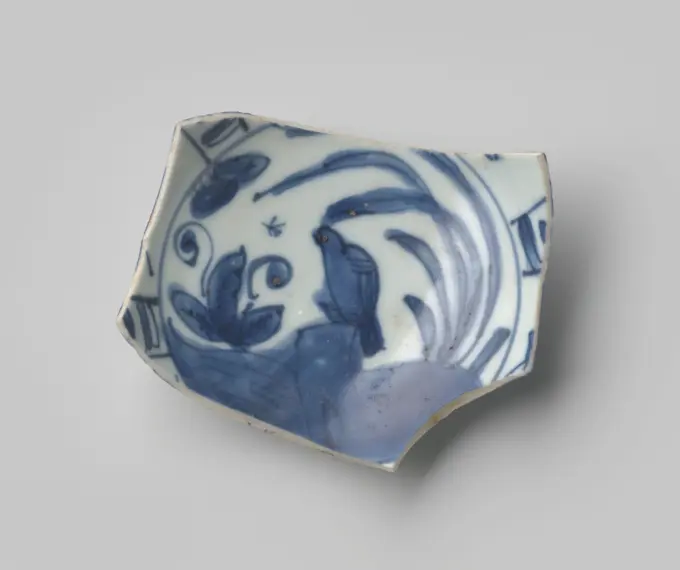
Fragment sign from V.O.C. ship De 'Witte Leeuw', Anonymous, Before 1613 plate (dishes) Sign from V.O.C. ship the 'Witte Leeuw' with a flat edge, decorated in underlaze blue, 90 present; Parts of the wall are missing. The shard is glassy white and has a lot of ingrained dirt. The bottom is glazed. The foot ring is faceted. More than 20 grains of oven sand have been found. The lip is scooped. In the flat a bird in a water landscape, surrounded by a flowering plant and a stylized cloud pattern. The show is surrounded by a star -shaped band with geometric motifs. On the wall and edge alternating wide and narrow fields filled with happiness symbols and flowering plants. Jingdezhen porcelain. bone china (material)   Sint-Helena
Fragment sign from V.O.C. ship De 'Witte Leeuw', Anonymous, Before 1613 plate (dishes) Sign from V.O.C. ship the 'Witte Leeuw' with a flat edge, decorated in underlaze blue, 90 present; Parts of the wall are missing. The shard is glassy white and has a lot of ingrained dirt. The bottom is glazed. The foot ring is faceted. More than 20 grains of oven sand have been found. The lip is scooped. In the flat a bird in a water landscape, surrounded by a flowering plant and a stylized cloud pattern. The show is surrounded by a star -shaped band with geometric motifs. On the wall and edge alternating wide and narrow fields filled with happiness symbols and flowering plants. Jingdezhen porcelain. bone china (material) Sint-Helena
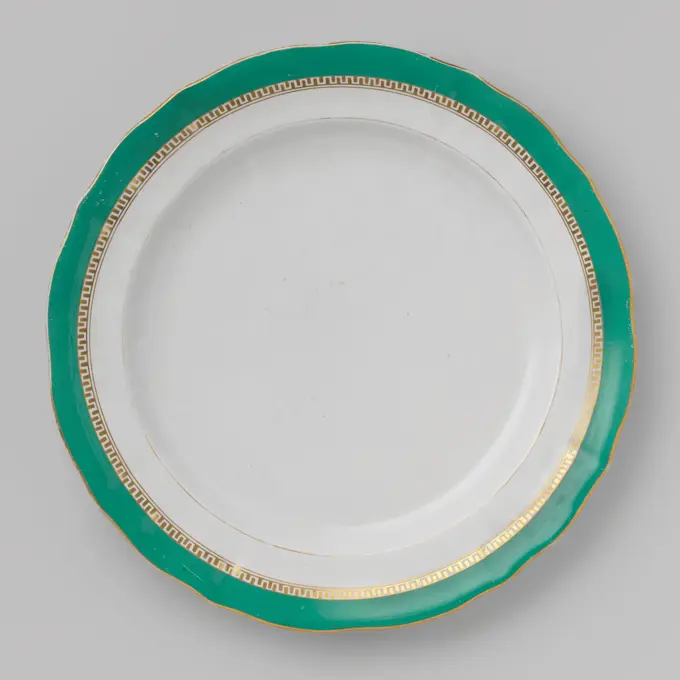
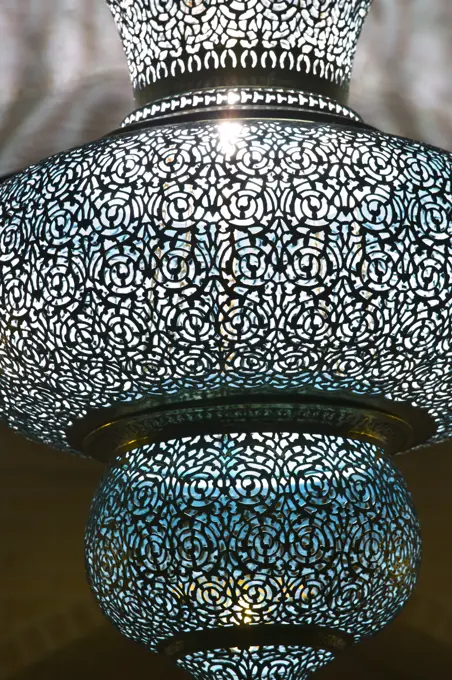
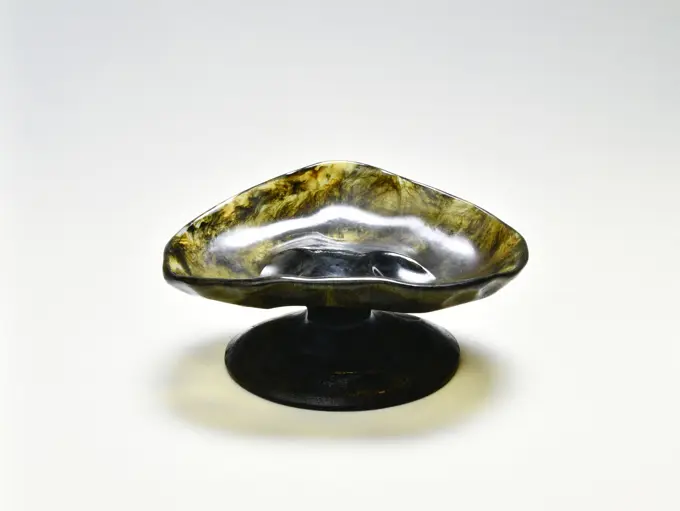
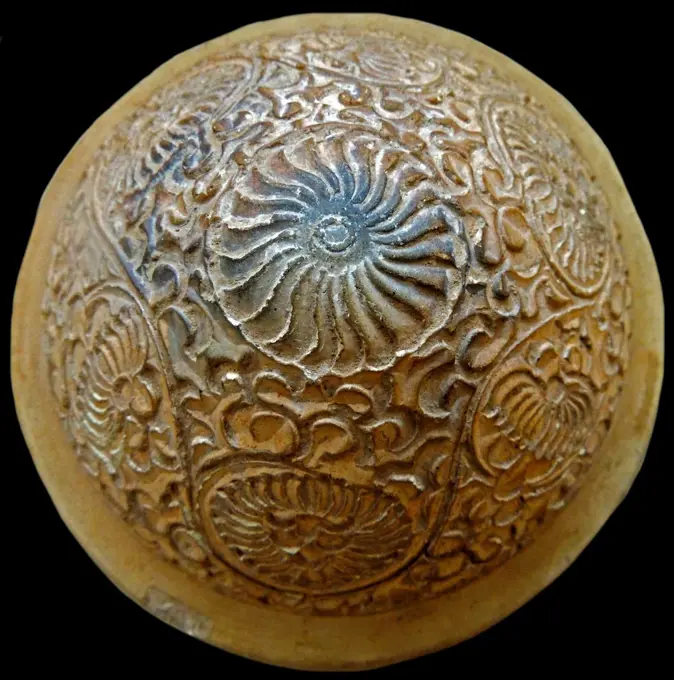
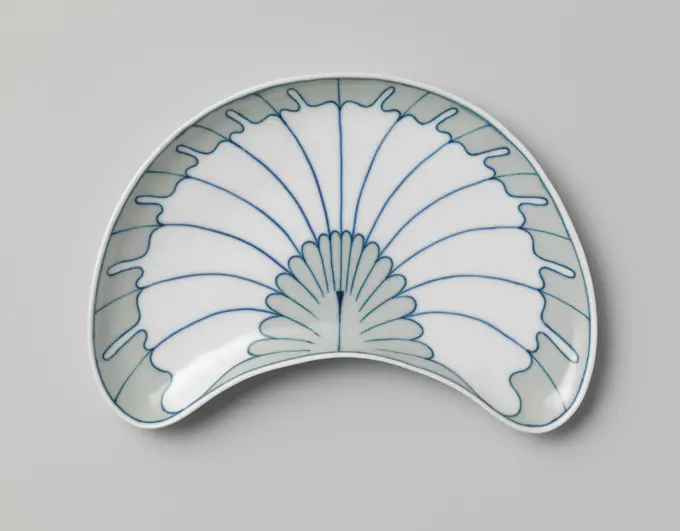
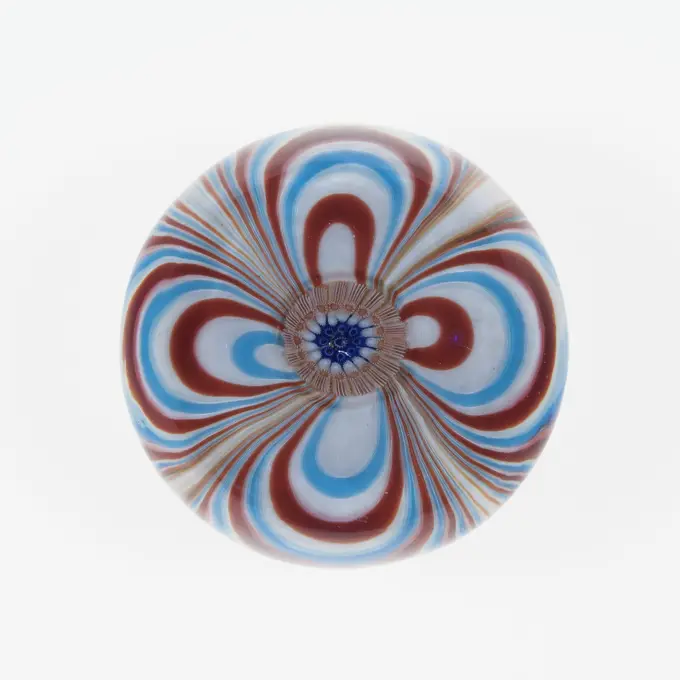
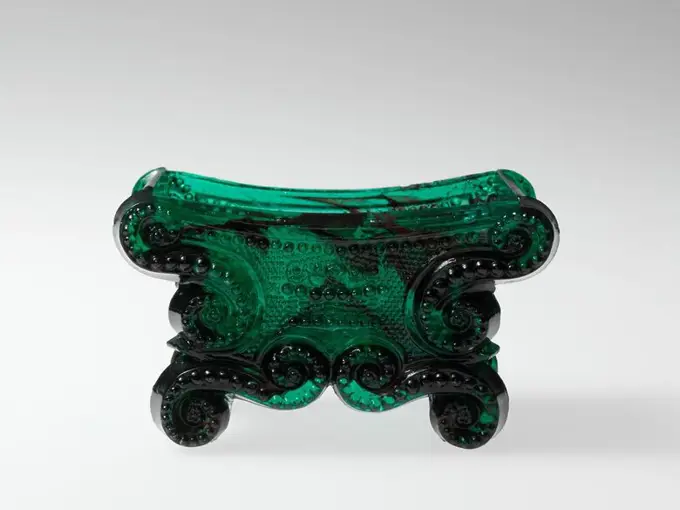
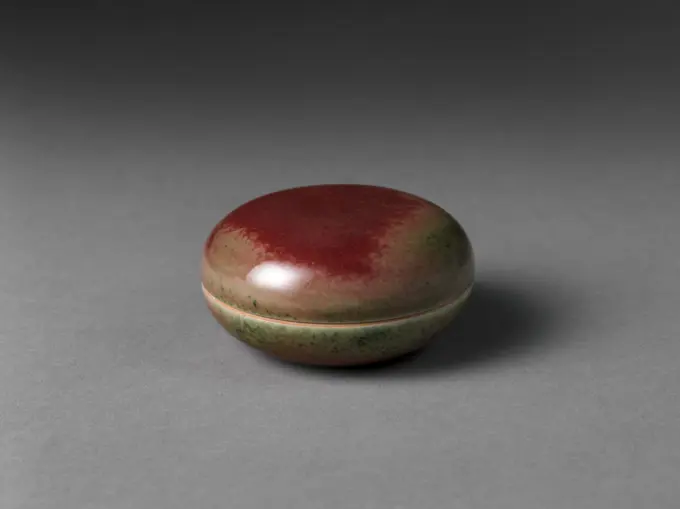
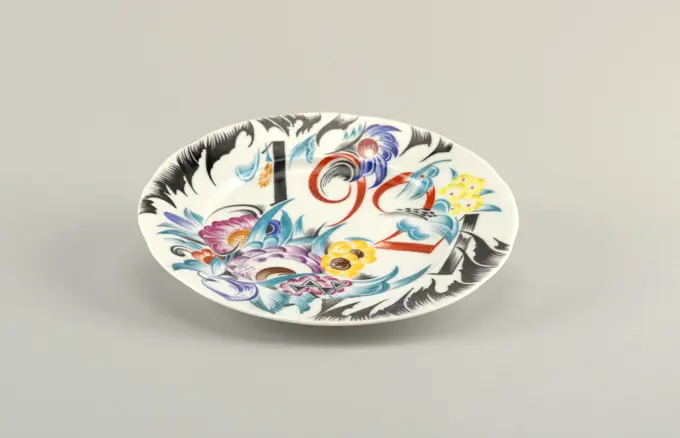
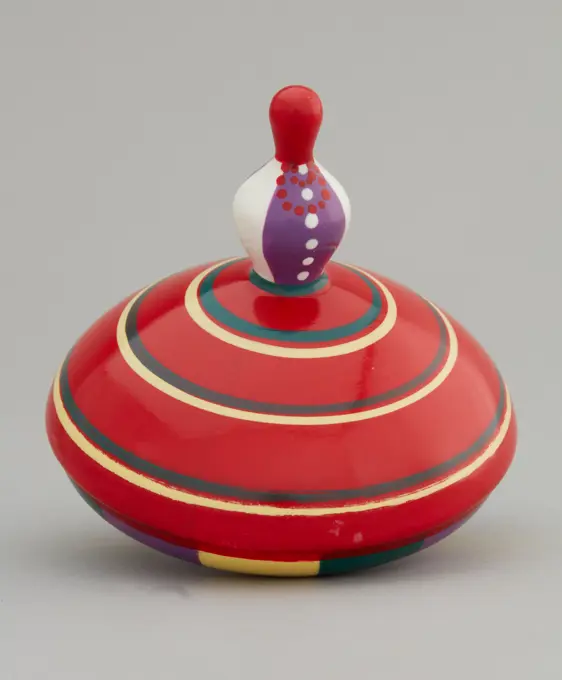
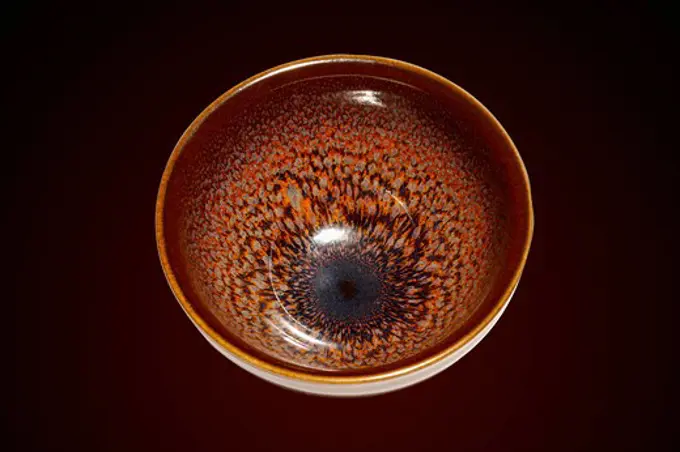
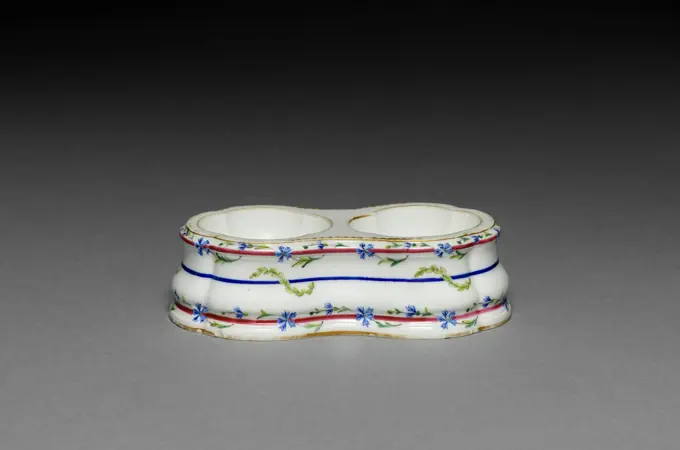
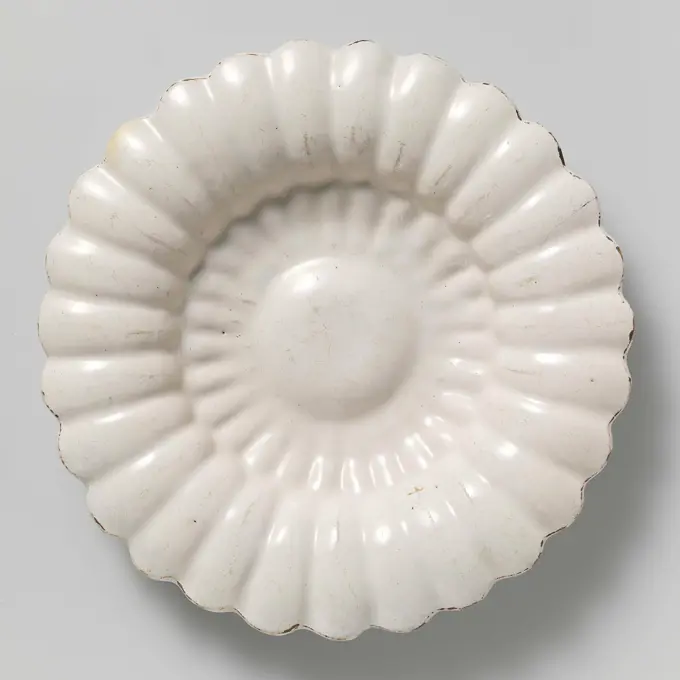
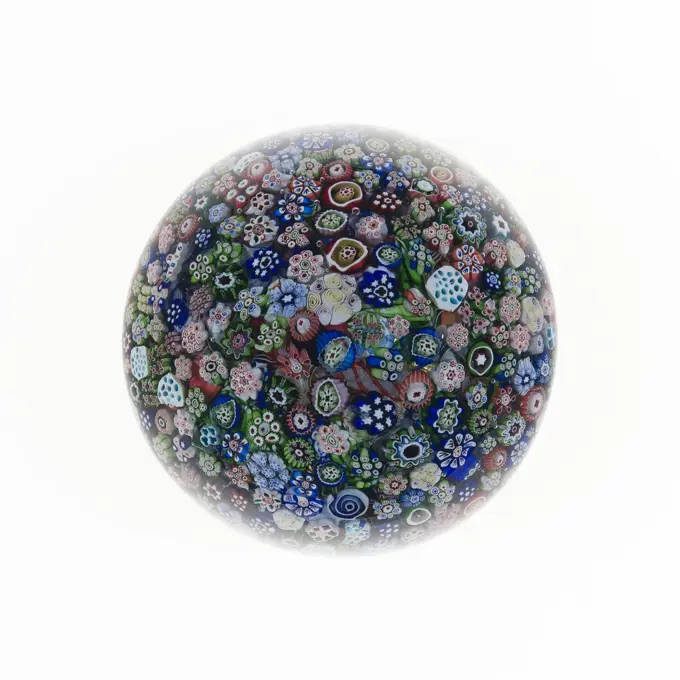
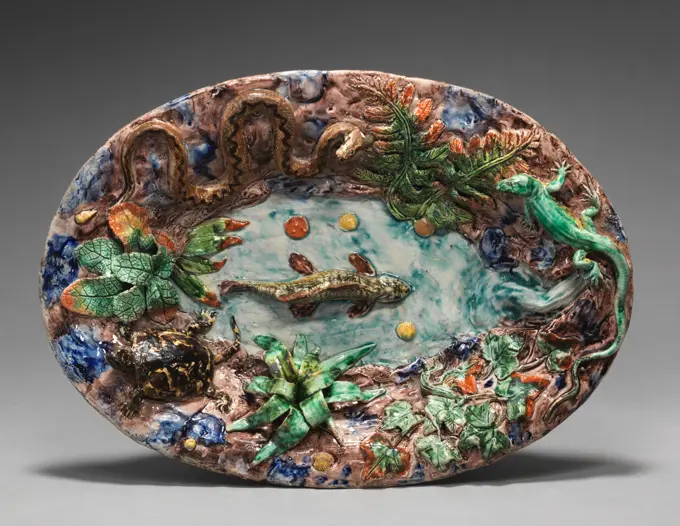
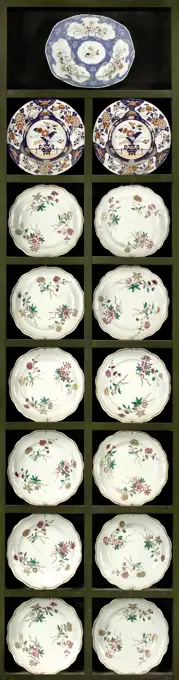
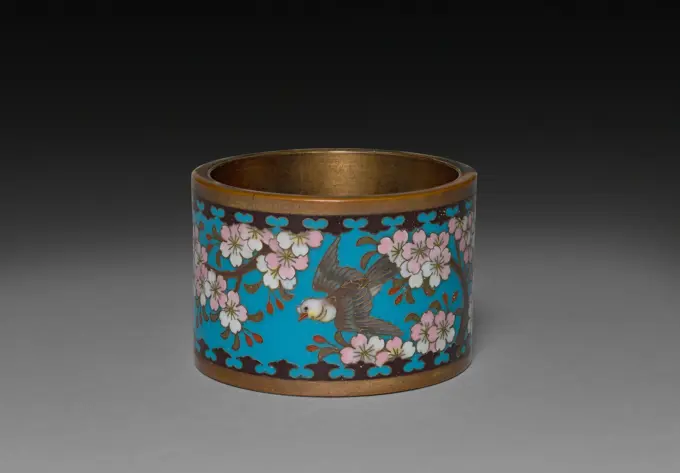
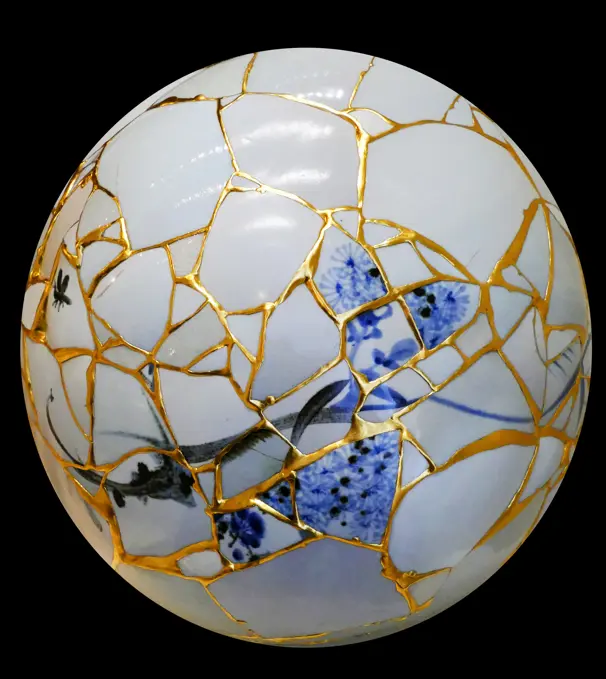
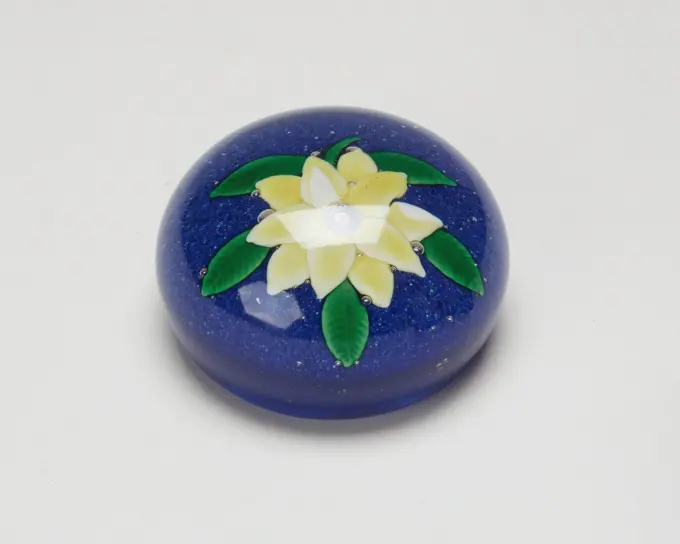
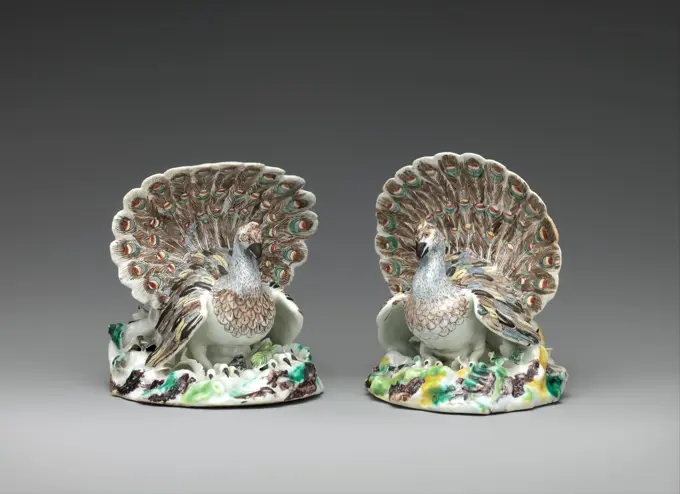
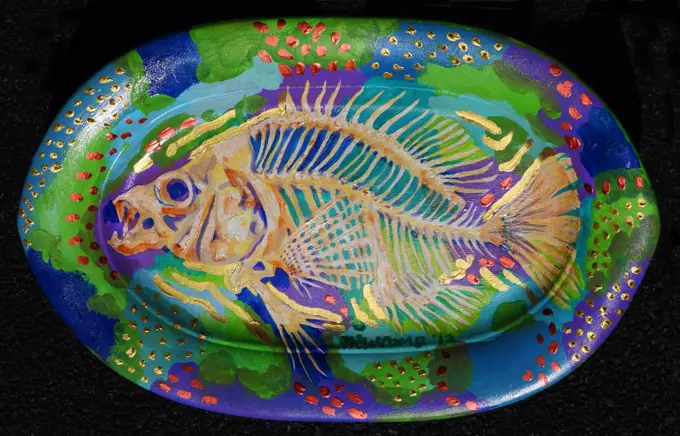
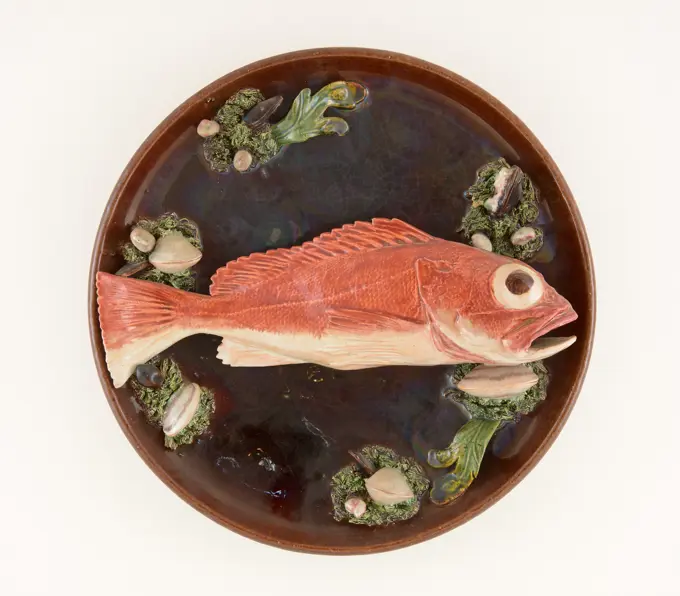
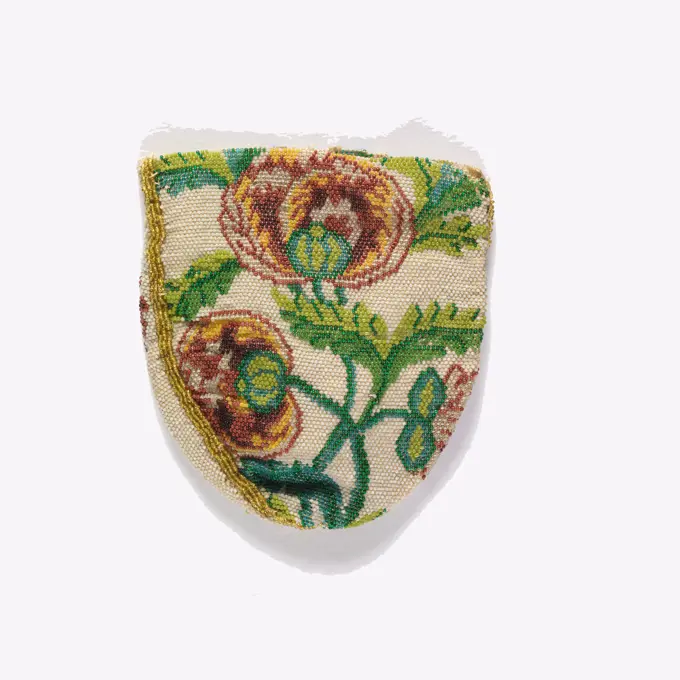
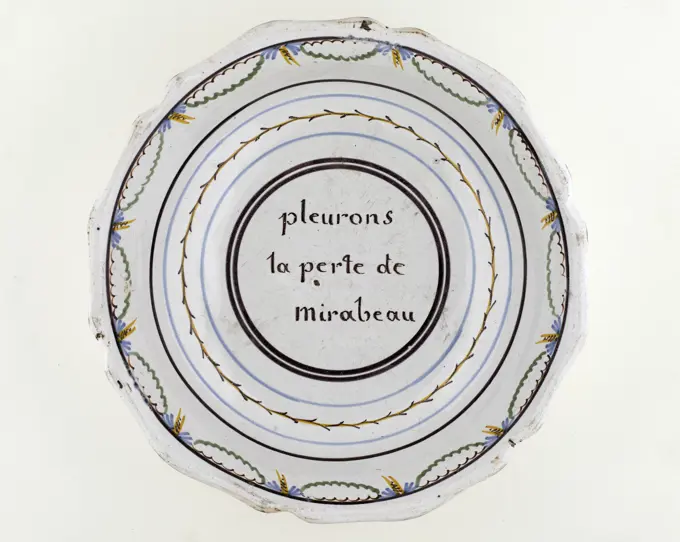
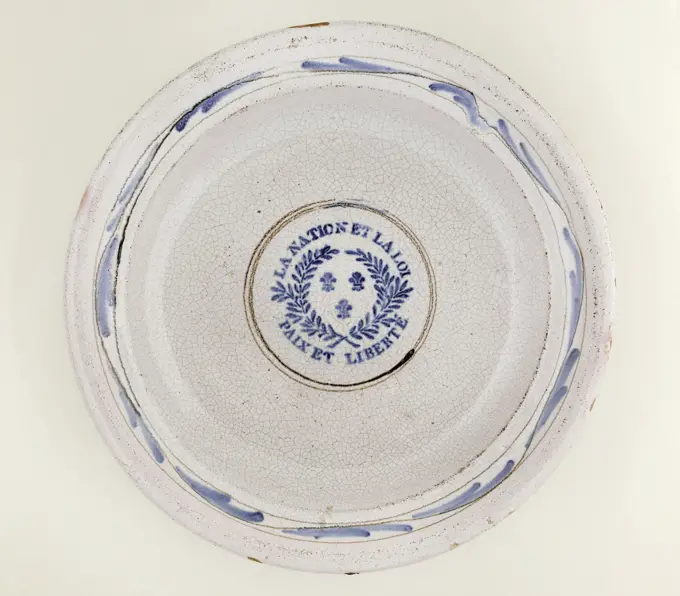
Arts and crafts pottery. The village of Hollokoe, UNESCO world heritage. Europe, HungaryScale, round, with a green edge and golden Greek band, Petrus Regout, c. 1865 Scale of earthenware, round, scalloped, with green edge and golden Greek band. Maastricht earthenware Scale of earthenware, round, scalloped, with green edge and golden Greek band. Maastricht earthenwareBone section.. This hat was worn by Mrs H.M.A.F. Six van Hillegom-Bosch Reitz, who bought it from A. Jacot around 1902. It was known in the family as the rose hat’. Jacot was one of Amsterdam’s leading milliners (modistes) around 1900.Empty wooden plate, knife, fork and cutting board Empty wooden plate, knife, fork and cutting board set on textured concrete background Copyright: xZoonar.com/TetianaxChernykovax 21416014Qatar, Ad Dawhah, Doha. Souk Waqif- Ornate lantern outside of cafeGeorges Despret (1862-1952). Cutting on foot. Glass, glass paste. XIXth-XXth century. Museum of Fine Arts of the City of Paris, Petit Palais. 19th XIXth XIX 19th 19th 19th century, XXth XXth XX 20th 20th 20th centuryDish with with Lotus, Saggataria, Mallow, and Peony 1100-1150 China. Ding ware; porcelain with underglaze mold-impressed decoration .Paperweight 1840-1865 Baccarat. Glass . Baccarat GlassworksCERAMICA DE TALAVERA S XVIII. Location: CONVENTO DE SAN CLEMENTE-MUSEO. Toledo. SPAIN.Scherf of a bowl from V.O.C. ship De 'Witte Leeuw', Before 1613 bowl Scherf Kraakporseleins come from V.O.C. ship the 'Witte Leeuw'. Soil clip. Jingdezhen bone china (material)   Sint-HelenaCeramic Mould with Flower Design 115 A.D.Insuated scale, painted with the Flügelmuster decor, Meisser Porzellan Manufaktur, 1901 Semi -circular -shaped bowl of painted porcelain. The scale is painted in green and blue with the Flügelmuster. The scale is part of a service (BK-1976-65-1 to BK-1976-65-34) and is marked. Float porcelain Semi -circular -shaped bowl of painted porcelain. The scale is painted in green and blue with the Flügelmuster. The scale is part of a service (BK-1976-65-1 to BK-1976-65-34) and is marked. Float porcelainTray 19th century Japan. Tray 57690Paperweight 1801-1900 Saint-Louis. Glass . Compagnie de Saint LouisSpoon. unknown, craftsmanContainer;  2. PO. 19th century (1851-00-00-1900-00-00);Salt. Culture: American. Dimensions: 1 7/8 x 1 7/8 x 3 1/8 in. (4.8 x 4.8 x 7.9 cm). Maker: Probably Boston & Sandwich Glass Company (American, 1825-1888, Sandwich, Massachusetts). Date: 1830-40. Museum: Metropolitan Museum of Art, New York, USA.Box for Seal Paste 1678-88 China. Box for Seal Paste. China. 1678-88. Porcelain with peach-bloom glaze (Jingdezhen ware). Qing dynasty (1644-1911), Kangxi period (1662-1722. CeramicsNine Dragon Box, 18th century, 8 1/4 x 11 1/4 x 11 1/4 in. (21 x 28.6 x 28.6 cm), Red, green, and brown carved lacquer (tixi), China, 18th century, During the transitional period between the Ming and Qing dynasties (1610-1738) little or no official carved lacquer was sponsored by the court. This changed in 1739 when an official lacquer workshop was established in Suzhou, and from then on a great many imperial pieces were produced. Official carved lacquers of the Qianlong reign, like this one, are often distinguished by a high level of craftsmanship and a fussiness of design. This cover and box are decorated with nine five-clawed dragons cavorting in clouds in pursuit of flaming pearls. The number nine is associated with good fortune, and nine dragons were used throughout the Qing dynasty as an official emblem. This presentation box is carved in the ticai technique which involves carving to various depths to expose different color layers, creating a polychrome effect.1921 Plate; Designed by Rudolf Feodorovich Vilde (1868); Manufactured by State Porcelain Factory (Russia); porcelain, enamel; Diameter: 25.2 cm (9 15/16 in.); The Henry and Ludmilla Shapiro Collection; Partial gift and partial purchase through the Decorative Arts Association Acquisition and Smithsonian Collections Acquisition Program Funds; 1989-41-21Toy Bączek Heavy, monika, heavy, krzysztof, heavy designTray late 19th century Japan. Tray 57645Close-up of a decorative pottery bowl in unique patternDouble Salt Dish (Deux salière), 1791. Sèvres Porcelain Factory (French, est. 1756). Porcelain; overall: 3.5 x 12.4 x 7 cm (1 3/8 x 4 7/8 x 2 3/4 in.).Lobed round dish from faience. Round lobed dish of undesecorated faience, with a bombed flat with a lobed edge and a wide lobby, overrun edge.Paperweight 1840-1865 France. The colorful geometric clusters embedded in this paperweight reflect the nineteenth-century European fascination with optical effects. Sir David Brewster invented the kaleidoscope in 1815, and its colorful and changing patterns brought great visual entertainment. Paperweights such as this example reformed this childlike pastime for a sophisticated adult audience. Depicted in glass were tiny glittering flowers, small black and blue cameos of figures, and even miniature bottlecaps. These were delicately arranged within the orb for the observant eye to discover.From the late 1840s to early 1860s, French manufacturers of fine glass and crystalósuch as Baccarat (Alsace), Clichy (Paris), and Saint-Louis (Lorraine)ócatered to the vast public enthusiasm for beautiful yet functional desk accessories. Paperweights, which were designed to secure loose papers against drafts, were among their most popular products.. Glass . Baccarat GlassworksKing and courtiers, 13th cent. Rhages bowl, Mongolian artefact.Plate with green edge and golden Greek band, Petrus Regout, c. 1865 Plate of earthenware, scalloped, with green edge and golden Greek band. Maastricht earthenware Plate of earthenware, scalloped, with green edge and golden Greek band. Maastricht earthenwareSmall oval dish with fish and serpent ca. 1850-70 Joseph Landais Joseph Landais had close ties to the family of Charles-Jean Avisseau, who was credited with rediscovering the techniques of Palissy in the nineteenth century. After marrying Avisseaus sister, Landais set up a workshop with Avisseau in Tours in 1843, only to end their joint enterprise three months later and establish rival firms. Like his brother-in-law, Landais based his career producing works inspired by Palissy, such as the example here showing a fish in the center of a fertile pond.. Small oval dish with fish and serpent. French, Tours. ca. 1850-70. Glazed earthenware. Ceramics-PotteryDish Japan. Dish 52299Victor Hugo (1802-1885). Chinese decor from Juliette Drouet's house in Guernsey, West Wall. Green wooden record containing plates and dishes, composed of fourteen compartments (left side of the fireplace). Painted wood. 1857-1864. Paris, house of Victor Hugo. 78171-21 Asian art, decorative arts, green wood, Chinese cabinet, chinoiserie, compartment, decor, earthenware, painted, storage, Chinese living room, dishes, 19th XIX 19th 19th 19th 19th century, plate, dishNapkin Ring with Cherry and Birds, early 1900s. Japan, Meiji period (1868-1912) or Taishō period (1912-26). Cloisonne enamel; diameter: 3.2 x 4.6 cm (1 1/4 x 1 13/16 in.).Anonymous. Flat plate. Porcelain. 18th century. Museum of Fine Arts of the City of Paris, Petit Palais. 122746-9Doll dessert plate - F. K. Martin Löchner F. K. Martin Löchner. Pair of faience shoes. Blue painted with flowers.Dessert scale in the form of a pigeon leaf, Petrus Regout, c. 1860 - c. 1890 Dessert scale of white -glazed earthenware, in relief in the form of a grape leaf. Maastricht . vitrification Dessert scale of white -glazed earthenware, in relief in the form of a grape leaf. Maastricht . vitrificationAnonymous. Flat "the nation and the law" "" peace and freedom. Faïence. 1790-1792. Paris, Musée Carnavalet. 72430-38 Faience, freedom, peace, revolutionary period, French revolution, dishSaucer, c. 1800. Austria, Vienna, early 19th century. Porcelain; diameter: 14.3 cm (5 5/8 in.).A pot of sea fans sits on a scallop plinth by British designer Nicky Haslam in the drawing room of Little Whale House, Little Whale CayDish of Fruit and Peach Blossoms 18th-19th century China. Dish of Fruit and Peach Blossoms. China. 18th-19th century. Jade (jadeite) and various stones, amber, glass, bone, and feathers. Qing dynasty (1644-1911). JadeFragment sign from V.O.C. ship De 'Witte Leeuw', Anonymous, Before 1613 plate (dishes) Fragment sign from V.O.C. ship De 'Witte Leeuw', 60 present. Plate with a flat edge and a slightly scalloped lip, decorated in underlaze blue. In the flat happiness symbols, surrounded by a wide star -shaped bond with geomtric motifs. On the wall and edge wide and narrow fields with flower branches and lucky symbols. Jingdezhen porcelain. bone china (material)   Sint-Helenaset of spherical views of Paris districts and landmarks, FranceCup Plate with view of New State House[Boston.  Manufacturer: John and William Ridgway, British, 1814-1830Translated Vase by Yeesookyung (b. 1963), Republic of South Korea, 2014. made from porcelain fragments, epoxy, lacquer, and gold leaf. The "Translated Vase" series was first exhibited in 2001. The artist translates (recycles), rejected objects to make new, whole works.Paperweight, 19th century, attributed to Boston and Sandwich Glass Company, American, Sandwich, Massachusetts, 1825-1888, 1 3/4 x 2 3/4 in. (4.4 x 6.99 cm), Glass, United States, 19th centuryPurple goblet Purple goblet with gem ornaments and clipping path included Copyright: xZoonar.com/Baloncicix 14637836Doll dinner plate - Inconnu / UnknownIcelandic Viking heritage is featured on much tableware and makes a good souvenir.Félix Henri Bracquemond, Eugène Rousseau. "Rousseau" service "" hollow plates ". Earthenware. 1866-1875. Museum of Fine Arts of the City of Paris, Petit Palais. 74386-11 Creuse plate, faience, butterfly, fish, Rousseau service, dishesPair of peacocks ca. 1745-50 Villeroy. Pair of peacocks 206108Vintage country house interior decoration, stock photoGoodbye, Mr. Bluegill  John Newcomb, Acrylic on metal, 2012Plate. Joío Arroja (Portugal, probably active 1900-1920). Portugal, circa 1900-1920. Furnishings; Accessories. Glazed earthenwareRussian wood art - Khokhloma utensil Russian wood art - Khokhloma utensil on a white background Copyright: xZoonar.com/AnastasiaxZolotnitskayax 22132165Purse (possibly England); glass beads, silk thread and steelAnonymous. Saladier "Sat the loss of mirabeau". Earthenware. 1791. Paris, Carnavalet museum. 72429-47 Faience, French politician, revolutionary period, French revolution, salad bowl