Decorative Porcelain Boxes

An assortment of ornate porcelain boxes with detailed designs, showcasing luxurious craftsmanship and decorations befitting historical luxury items.

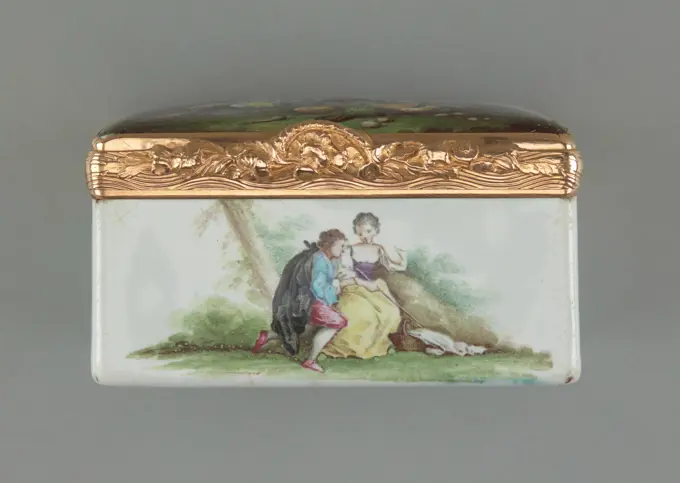
Cover of a sugar bowl with insects, flower sprays and grapevines, Rue Thiroux Parijs, c. 1797 - c. 1798 service (set). lid Cover of a porcelain sugar bowl, painted on the glaze in enamel colors and gold. Decorated with colored insects (butterflies, beetles, dragonflies, etc.) and in gold flower branches and grape vines. Golden Rand. Round lid button. Paris porcelain. glaze. gold (metal) painting / gilding / vitrification
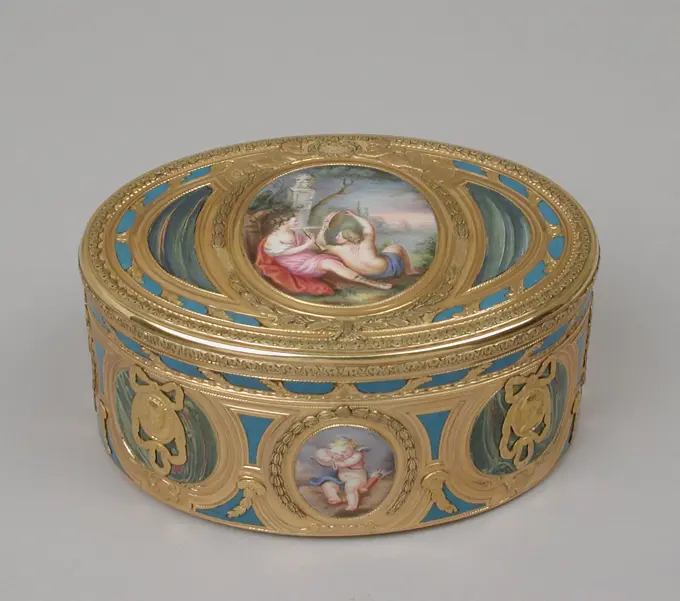
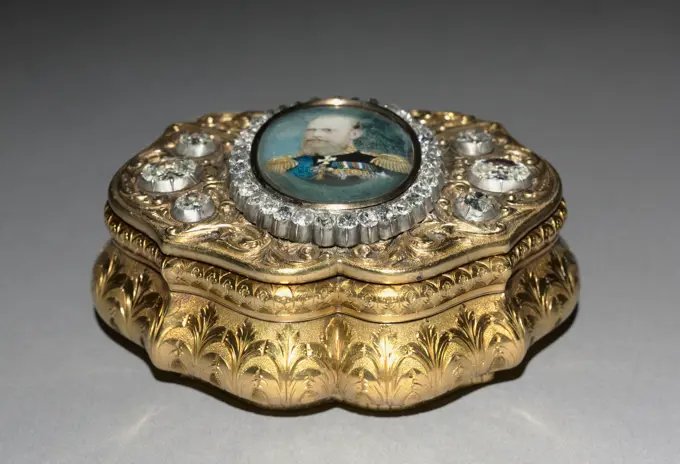
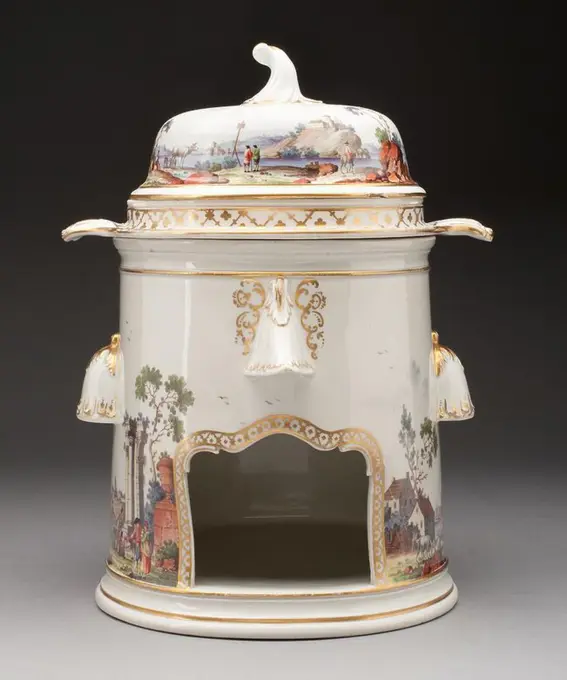
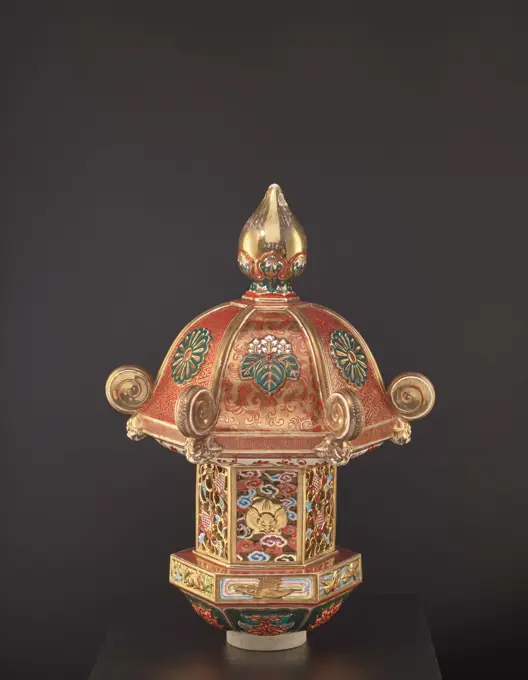
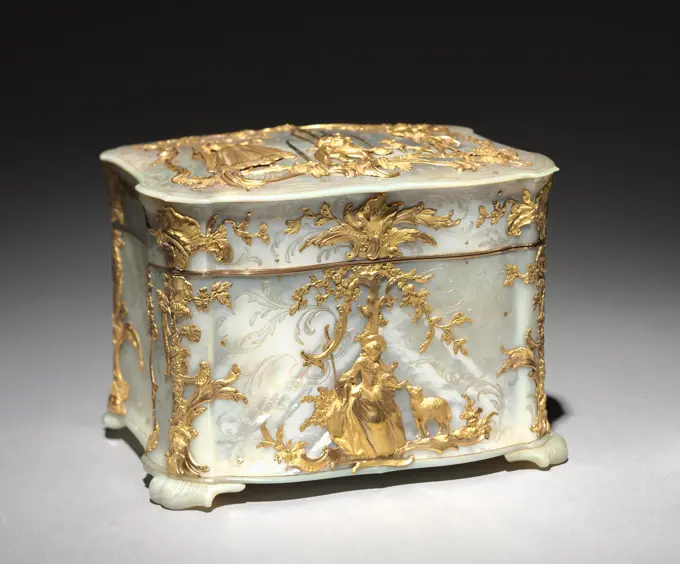
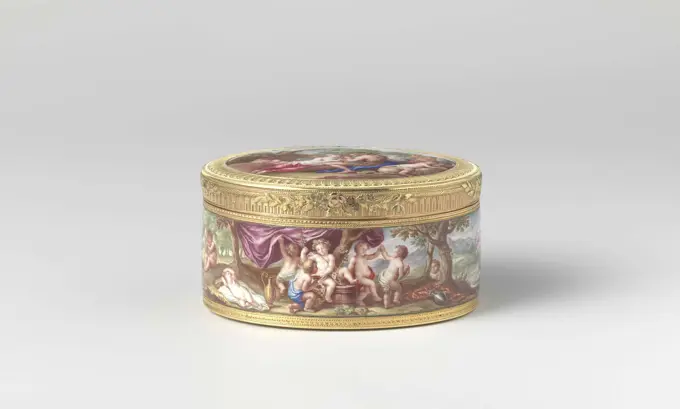
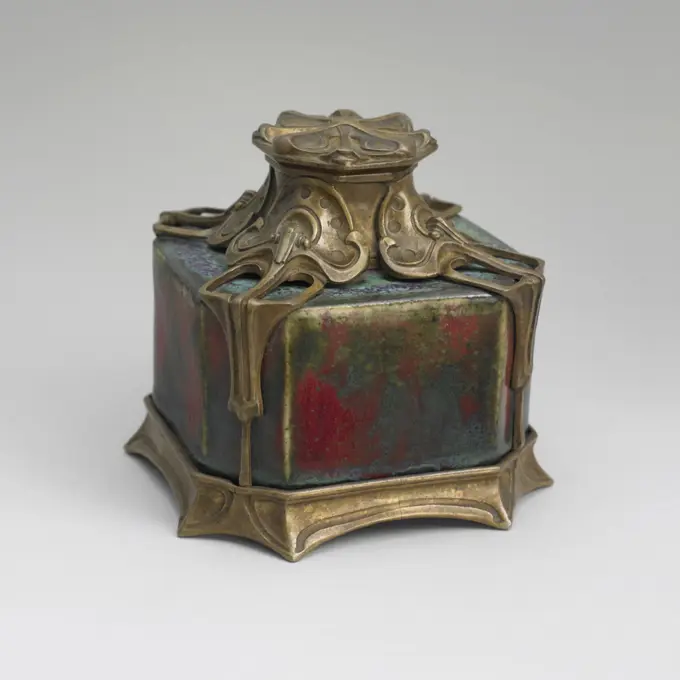
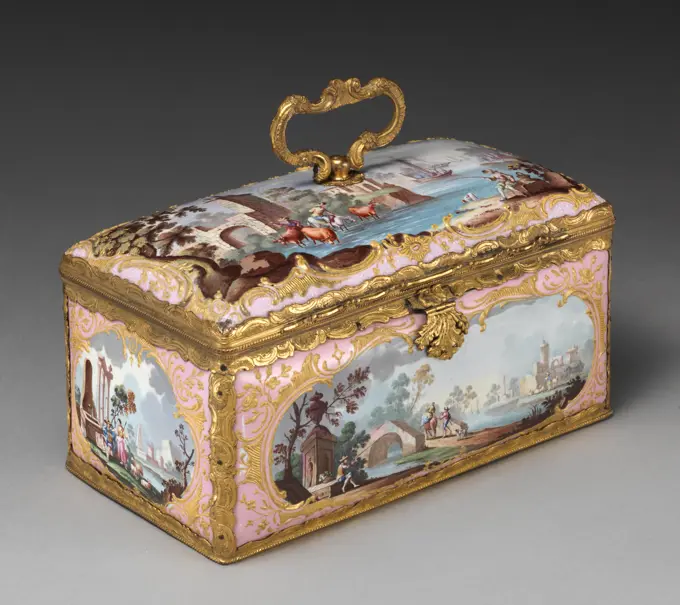
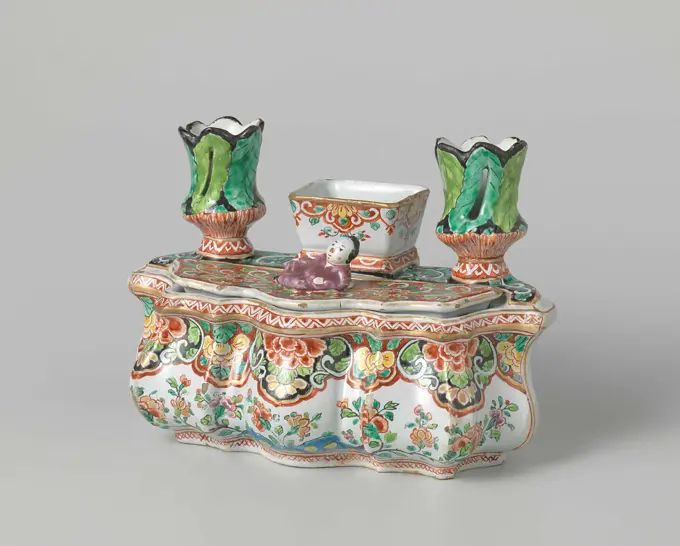
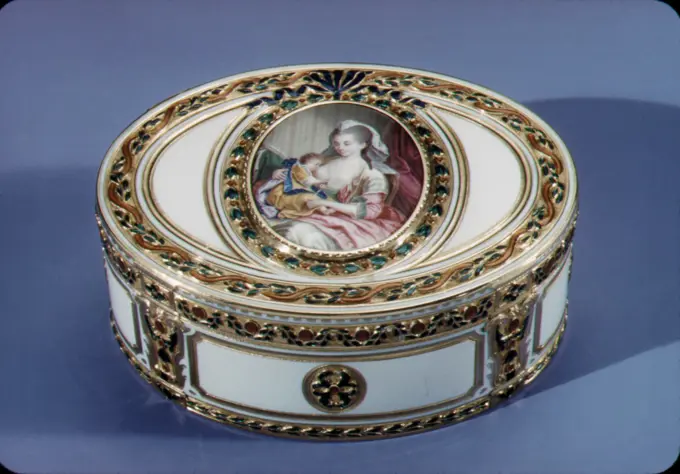
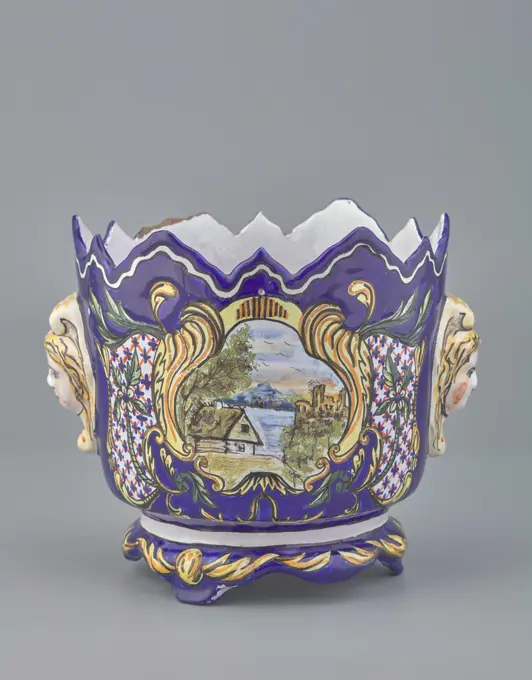
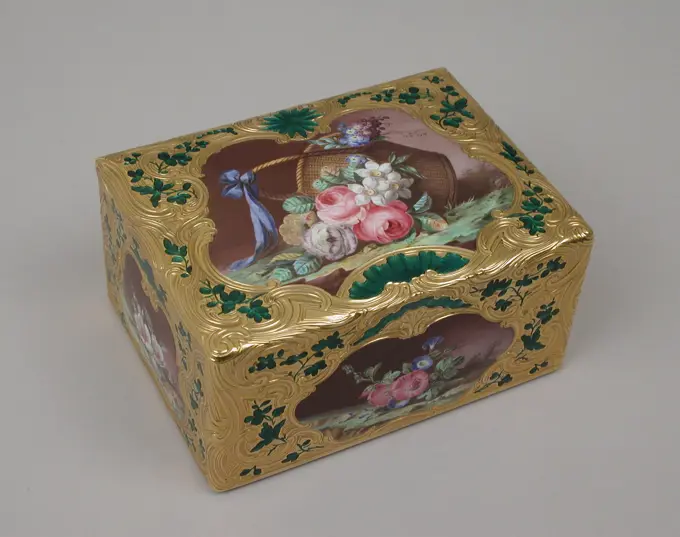
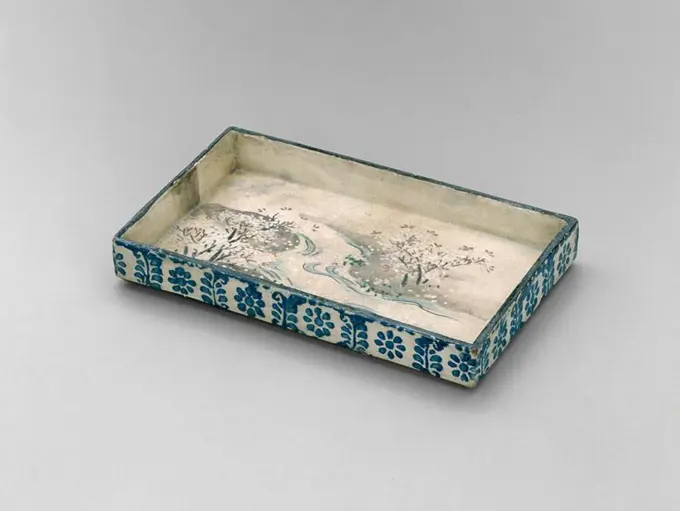
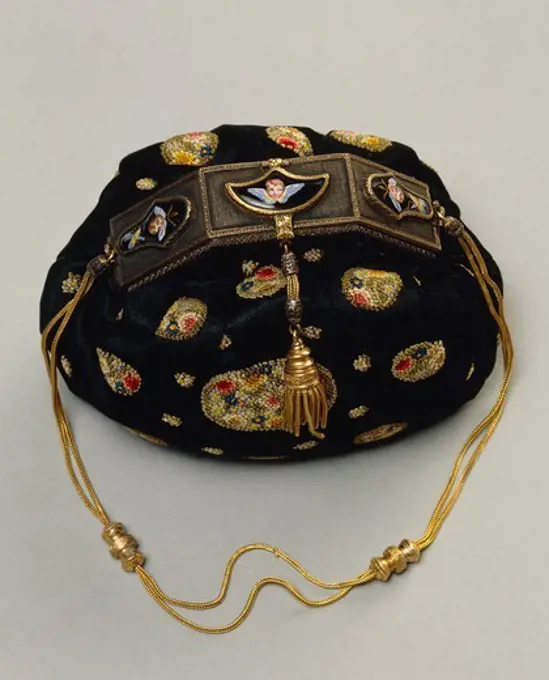
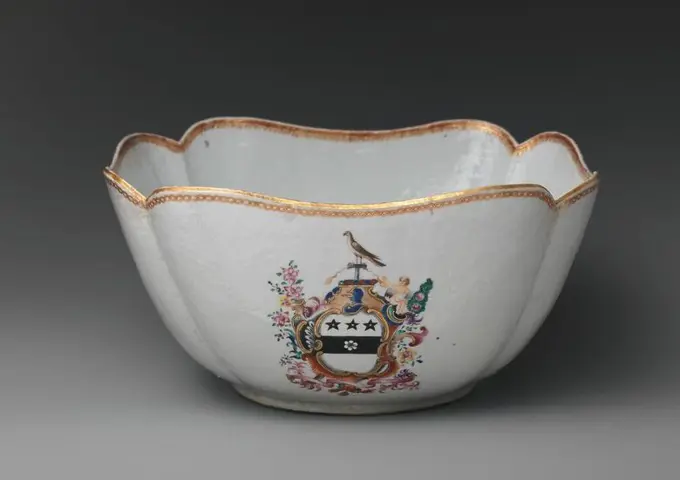
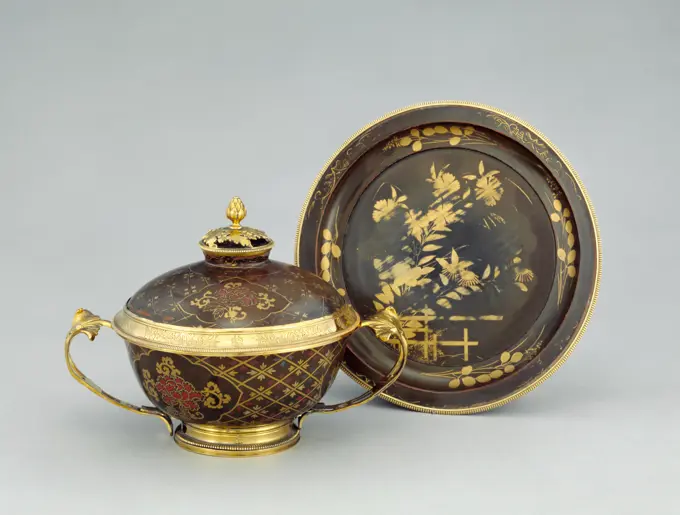
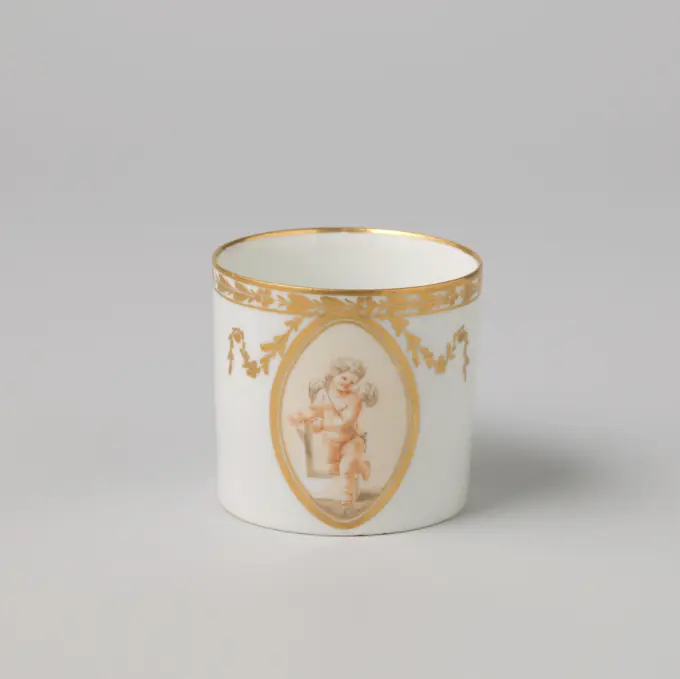
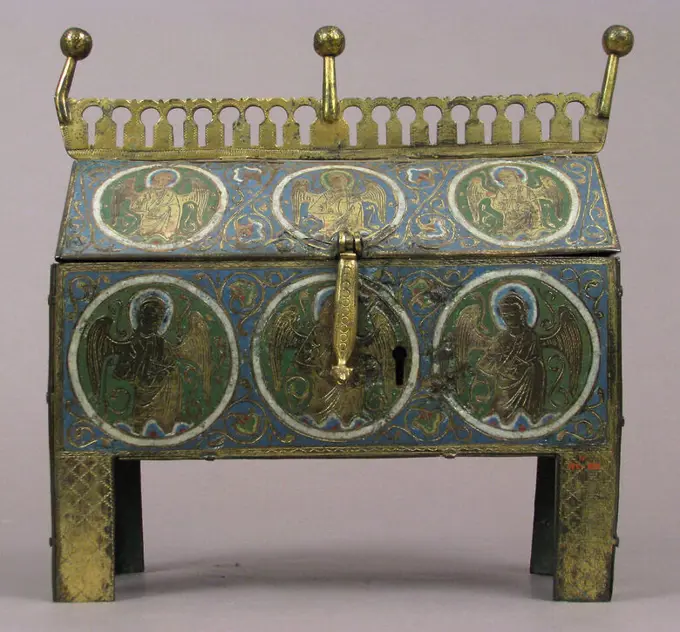
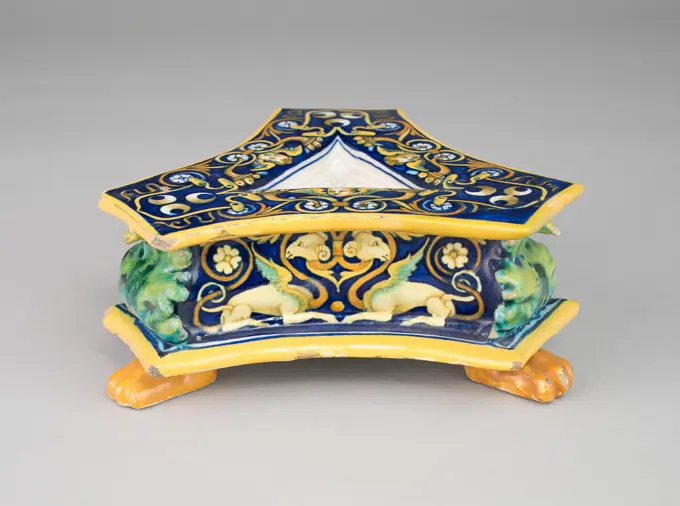
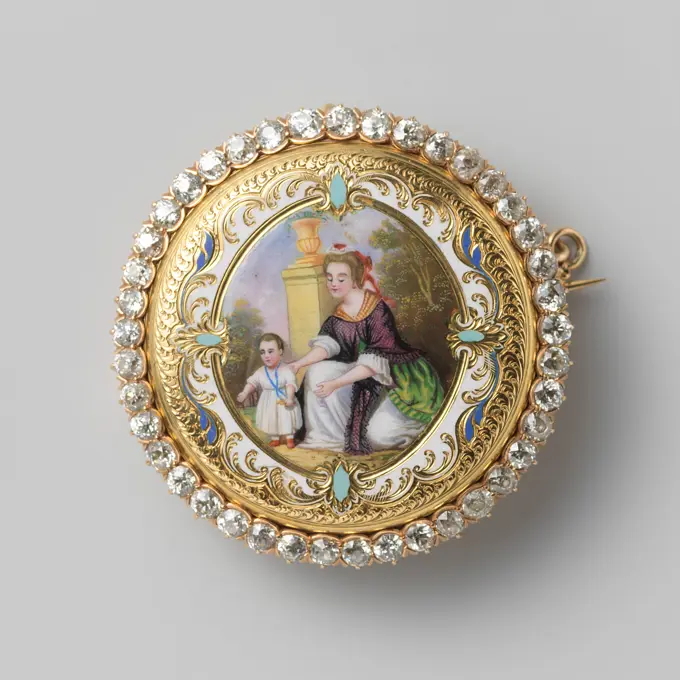
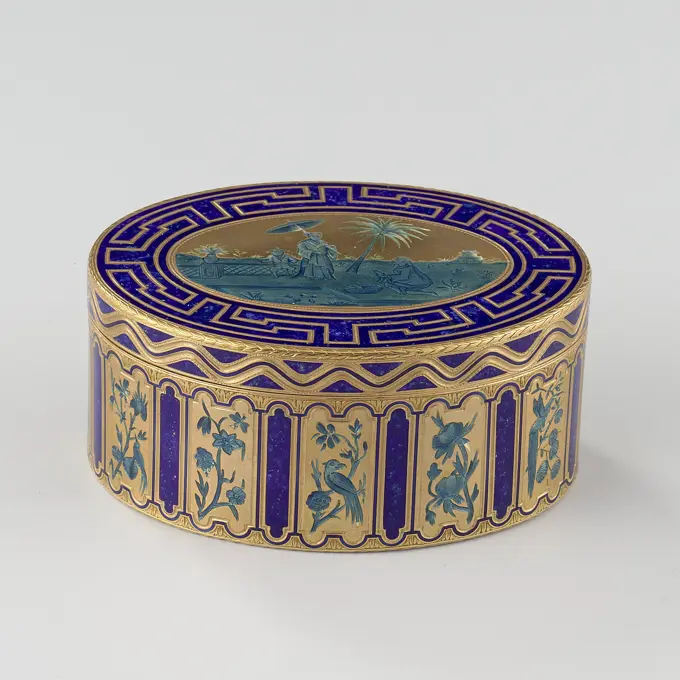
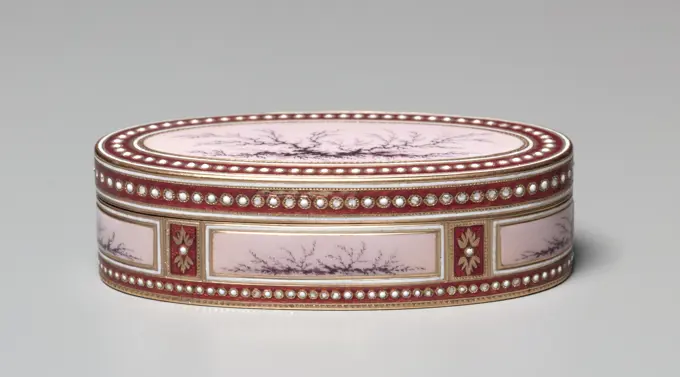
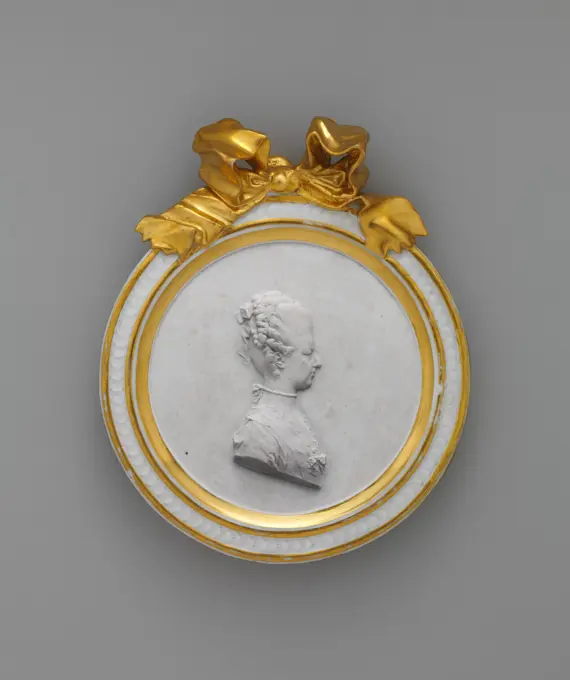
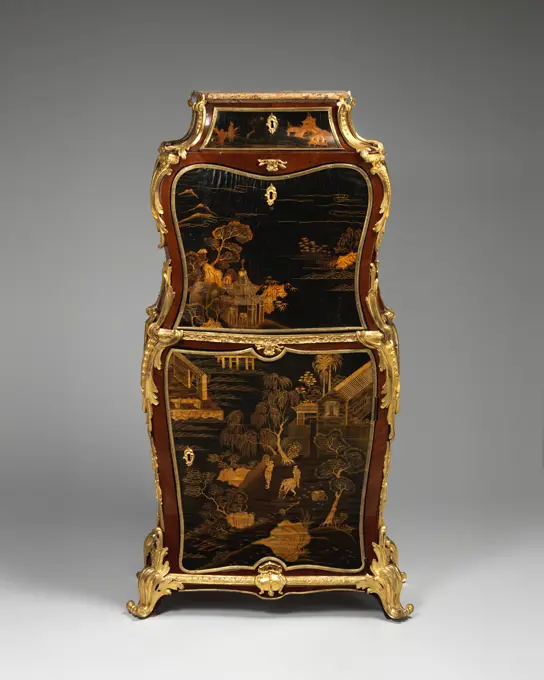
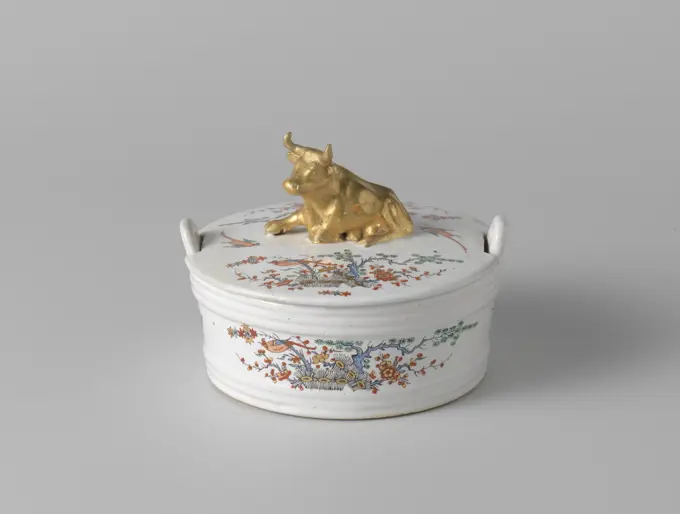
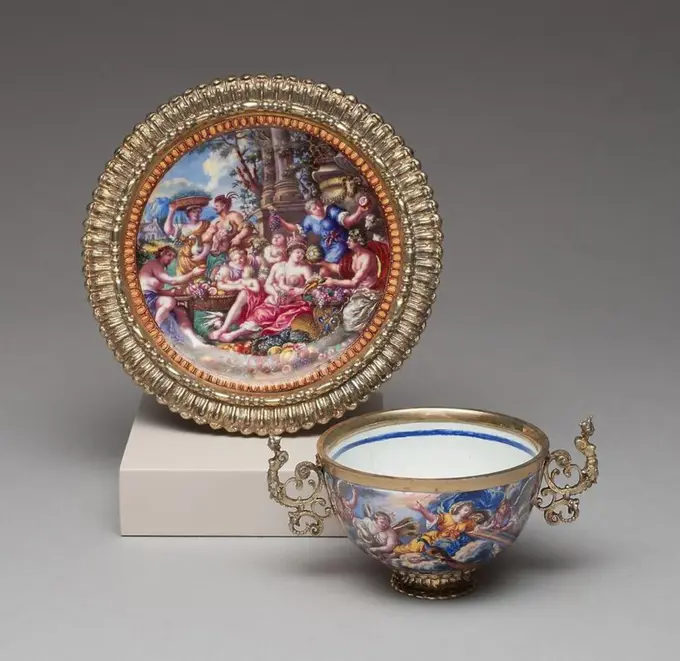
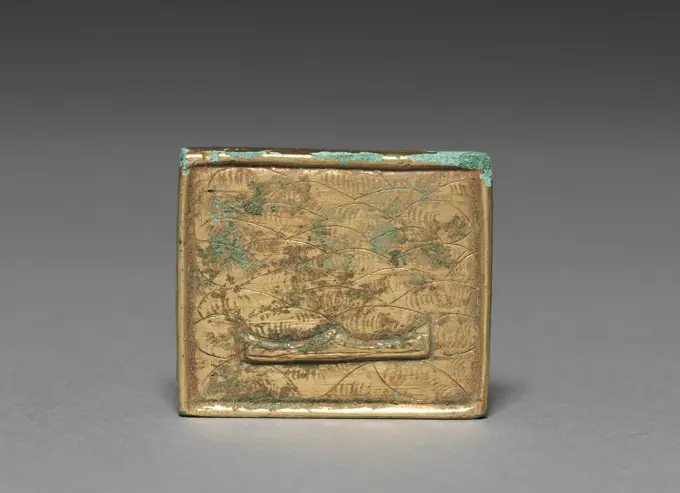
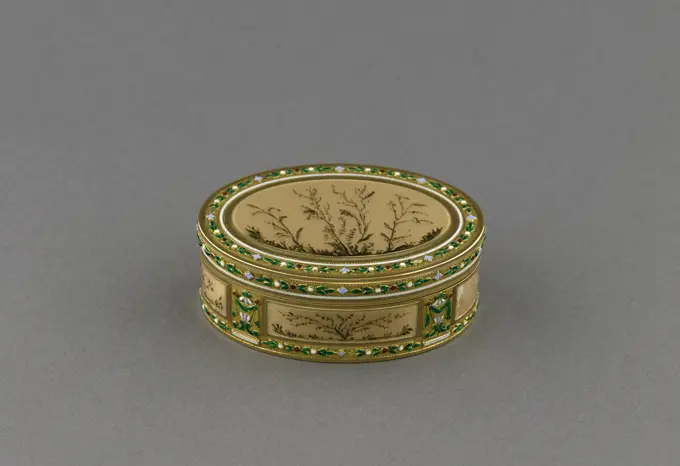
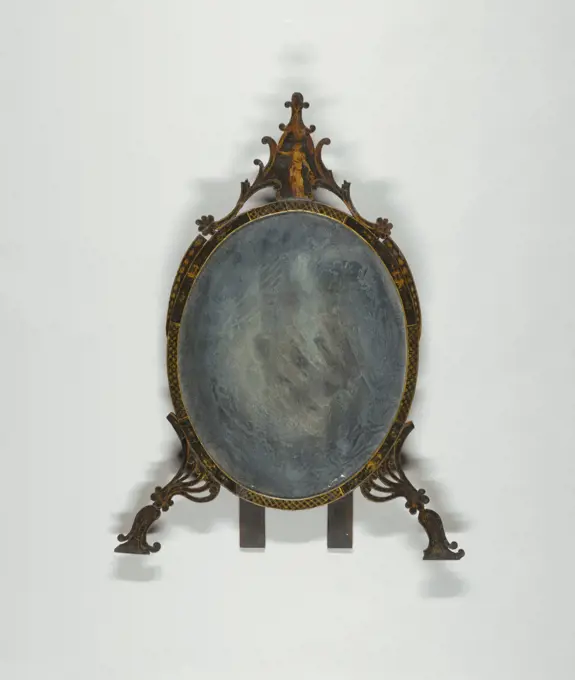
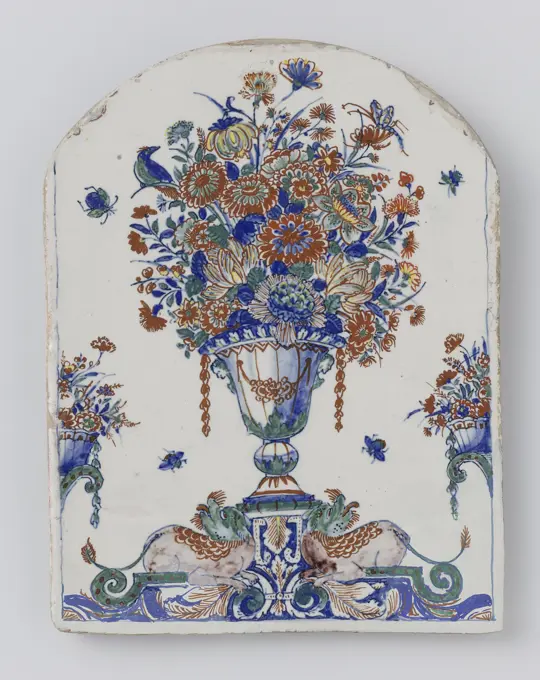
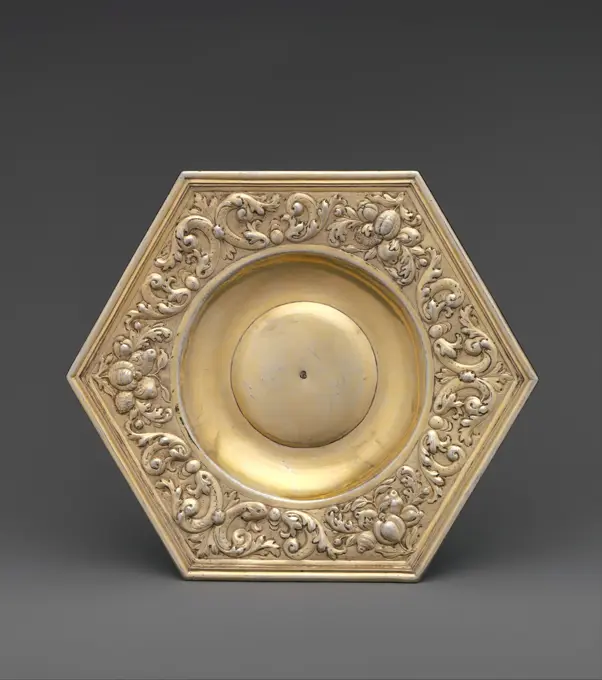
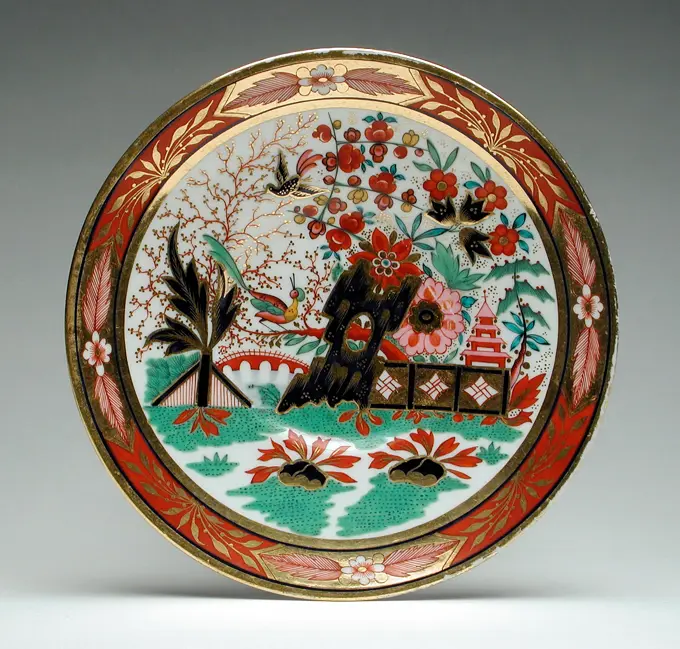
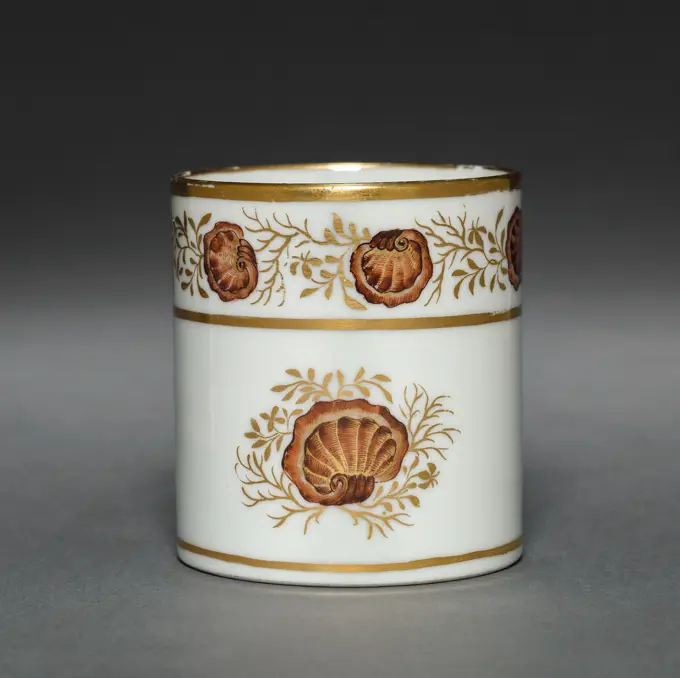
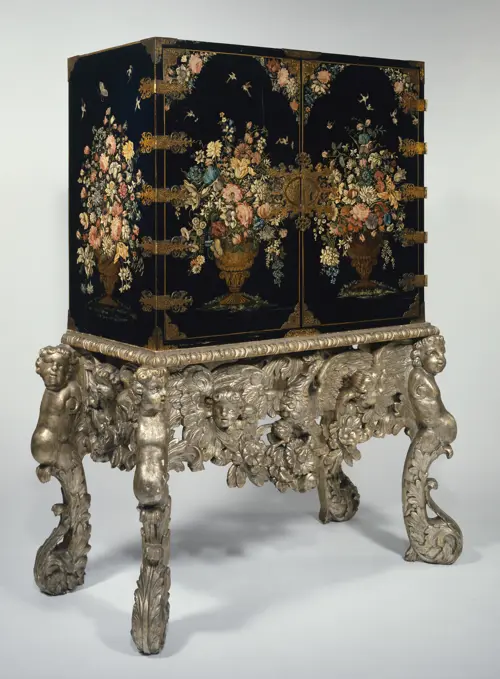
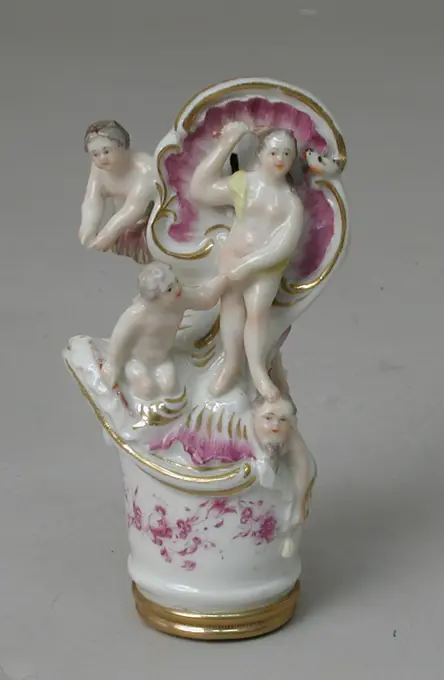
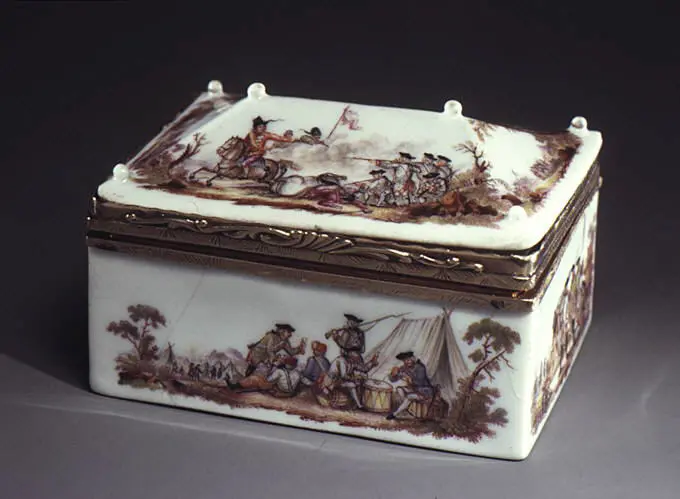
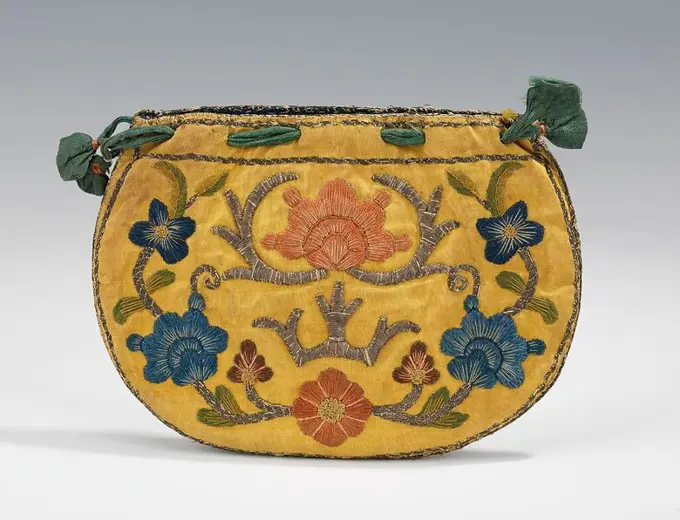
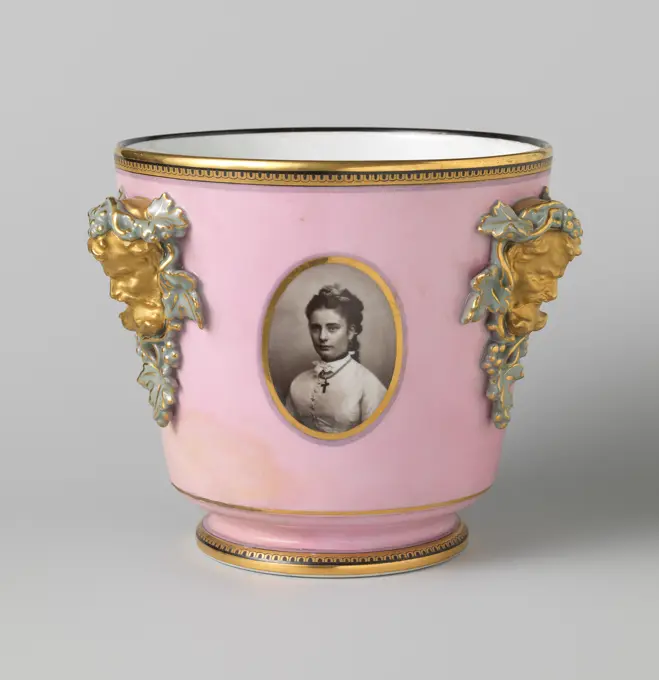
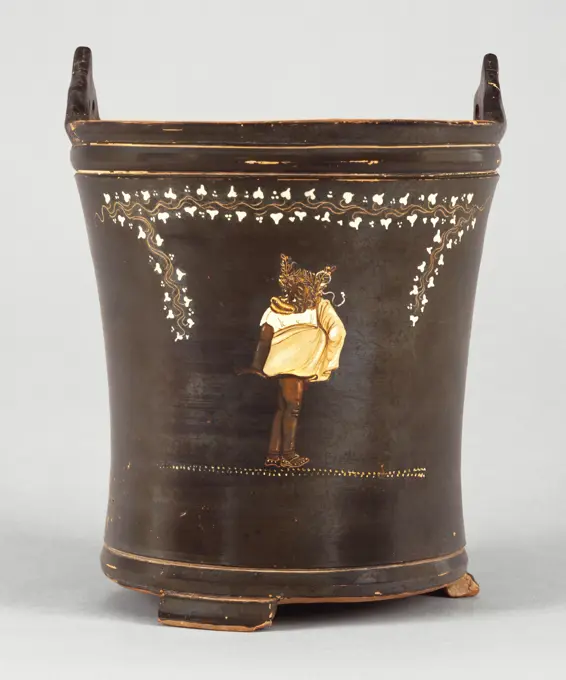
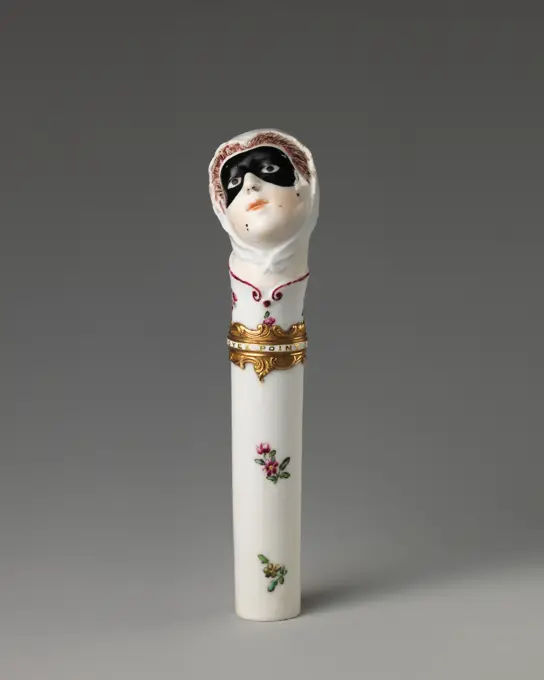
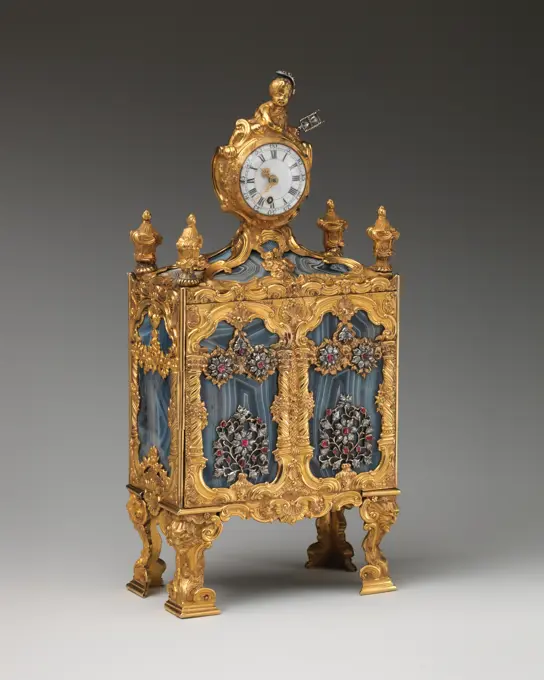
Butter fleet, multi -colored painted with a Mediterranean landscape, anonymous, c. 1735 - c. 1755 Round butter fleet with raised ears multicolored painted with a Mediterranean landscape. Marked in blue va. Delft . Round butter fleet with raised ears multicolored painted with a Mediterranean landscape. Marked in blue va. Delft .Cover of a sugar bowl with insects, flower sprays and grapevines, Rue Thiroux Parijs, c. 1797 - c. 1798 service (set). lid Cover of a porcelain sugar bowl, painted on the glaze in enamel colors and gold. Decorated with colored insects (butterflies, beetles, dragonflies, etc.) and in gold flower branches and grape vines. Golden Rand. Round lid button. Paris porcelain. glaze. gold (metal) painting / gilding / vitrificationBox second half 18th century probably British, South Staffordshire. Box. probably British, South Staffordshire. second half 18th century. Enamel on copper. Enamels-PaintedAnonymous. "Box covered with pacelaine -shaped shape". Porcelain. 1776-1800. Paris, Carnavalet museum. 101430-1Snuffbox 1769-70 Jean-Joseph Barrière In eighteenth-century Europe, Paris led the production of high-quality luxury goods. Parisian goldsmiths made a wide range of small, personal articles such as snuffboxes; étuis to hold sealing wax, tweezers, or utensils for sewing; souvenirs, which contained thin ivory tablets for note taking; and shuttles for knotting lace. Gold snuffboxes and boxes decorated with portrait miniatures were prized and frequently given as royal gifts, often to ambassadors or members of the court in lieu of cash payments for their services. Coveted and admired, these boxes were produced from a variety of materials. The best were skillfully made of gold and embellished with diamonds, enameled decoration, lacquer, and other luxurious materials. By the middle of the century, the taking of snuff had become an entrenched social ritual, and the snuffbox, too, had become an important social prop. Snuffboxes were considered highly fashionable accessories, with some merchants Cover (part of a service) ca. 1765 Chinese, for Portuguese market. Cover (part of a service) 201158Box, c. 1850. Goffert (Russian). Gold set with diamonds around a miniature of Tsar Alexander III (1845-1894); overall: 3.5 x 6.4 x 8.9 cm (1 3/8 x 2 1/2 x 3 1/2 in.).Gold Box 1770 France. Gold, silver, and enamel . Pierre François DraisSaucer 1726 Vienna. Saucer 200741Box and Cover 1700-1899 Germany. Wood and polychrome enamel .Micro-mosaic Earrings; Italy; gold sheet and wire, glass mosaicsFood Warmer (Réchaud). Nymphenburg Porcelain Manufactory; German, founded 1747. Date: 1755-1765. Dimensions: H. 26.7 cm (10 1/2 in.). Hard-paste porcelain with polychrome enamels and gilding. Origin: Munich. Museum: The Chicago Art Institute, Chicago, USA.Lantern. unknown, craftsmanSugar bowlSewing Box with Implements (Nécessaire), c. 1765. Austria, Vienna(), 18th century. Gold and mother-of-pearl; overall: 9.3 x 12.1 x 9.6 cm (3 11/16 x 4 3/4 x 3 3/4 in.).Snuff Box 1755-1765 Bilston. Blue and grisalle enamel and gilding on copper with metal mounts .Snuff box of gold, oval. On the lid a shepherd scene in email. Putti playing around the wall. Golden edge with Louis XVI ornament.Inkwell Inkwell; Designed by Adrien Pierre Dalpayrat (French, 1844 - 1910); France; stoneware, bronze, goldWorcester Porcelain Manufactory, Dish, c. 1770-c. 1772, soft-paste porcelain.Tea casket ca. 1770 British, South Staffordshire. Tea casket. British, South Staffordshire. ca. 1770. Enamel on copper, wood, velvet. Enamels-PaintedLidded basket, anonymous, 1775 - 1800 Oval basket on four modeled feet and with a flattened convex lid with lid button in the form of an openwork ball with two inner balls. The lid consists of a central oval with twelve openwork fields with lotus vines in which scalloped fields with flower hearts and fine teases, clamped between radial ribs with swastika motif. In the wall also twelve openwork fields with openwork geometric motifs on which sculpted fields with lotus vranks. On the ribs tooth and bamboo motif. Canton ivory cutting Oval basket on four modeled feet and with a flattened convex lid with lid button in the form of an openwork ball with two inner balls. The lid consists of a central oval with twelve openwork fields with lotus vines in which scalloped fields with flower hearts and fine teases, clamped between radial ribs with swastika motif. In the wall also twelve openwork fields with openwork geometric motifs on which sculpted fields with lotus vranks. On the ribs tooth and bMicro-mosaic Earrings; Italy; gold sheet and wire, glass mosaicsPin or maternity pillow. Number: 1554 (auction number, catalog number).Faïence ink set of multicolored painted faïence. Elongated ink set with container between two candle holders and a lid with a lying male. The multicolored painting consists of lambrequins and flower branches.Lid of butter fleet, anonymous, 1870 - 1880 Faamonence butter fleet lid. The lid of the fleet may have been made later. Delft . Faamonence butter fleet lid. The lid of the fleet may have been made later. Delft .Vanity case ca. 1760-1800 British, Staffordshire case and French, Paris scissors. Vanity case. British, Staffordshire case and French, Paris scissors. ca. 1760-1800. Enameled copper, ivory. Enamels. Oval brush back from blue painted faïence, painted with a vase with flowers, in which a bird on one of the flowers and along the edge a floral pattern. A second copy is part of the brush ridge. The brush ridge has been handed out in loan since 1958 to J.H. Loudon (Aerdenhout), returned and March 1996.Snuffbox with miniature of a mother nursing a child 1775-76 Joseph Etienne Blerzy French In eighteenth-century Europe, Paris led the production of high-quality luxury goods. Parisian goldsmiths made a wide range of small, personal articles such as snuffboxes; étuis to hold sealing wax, tweezers, or utensils for sewing; souvenirs, which contained thin ivory tablets for note taking; and shuttles for knotting lace. Gold snuffboxes and boxes decorated with portrait miniatures were prized and frequently given as royal gifts, often to ambassadors or members of the court in lieu of cash payments for their services. Coveted and admired, these boxes were produced from a variety of materials. The best were skillfully made of gold and embellished with diamonds, enameled decoration, lacquer, and other luxurious materials. By the middle of the century, the taking of snuff had become an entrenched social ritual, and the snuffbox, too, had become an important social prop. Snuffboxes were considered hCache-pot in z That with handles in the form of women's masks; Manufaktura Majoliki in Nieborów (Nieborów; Wytwórnia; 1881-1899), Stangenberg, Kazimiera; 1881-1886 (1881-00-00-1886-00-00);Snuffbox 1754-55 Noël Hardivillers This gold and enamel snuffbox is an example of the exuberant Rococo motifs that found their way onto a variety of luxury items, including these small cases for holding nasal tobacco that became popular during the eighteenth century. Marked by the goldsmith Noël Hardivillers, the box is decorated on the lid with a charming vignette that features an overturned basket of flowers tied with a blue ribbon, surrounded by S-shaped scrolls and shell motifs engraved into the surrounding surface and heightened with translucent enamel en basse taille, a goldsmith technique that entails engraving or chasing the surface of the metal with a design and then covering it with a layer of translucent enamel, in a similar manner to another snuffbox by Hardivillers in the museum (1976.155.5).Dr. Iris Moon, 2015. Snuffbox. French, Paris. 1754-55. Gold, enamelSmall epergne for sweets. Kaendler, Johann Joachim (1706-1775), sculptor, Eberlein, Johann Friedrich (1695-1749), sculptor, Koenigliche Porcellain Fabrique, Meissen (1710-1763), factoryBiscuit Tin; Manufactured by Buchanan Brothers; offset lithograph on tinSnuffbox 1739-40 Probably by Jacques Brillant (or Briant) In eighteenth-century Europe, Paris led the production of high-quality luxury goods. Parisian goldsmiths made a wide range of small, personal articles such as snuffboxes; étuis to hold sealing wax, tweezers, or utensils for sewing; souvenirs, which contained thin ivory tablets for note taking; and shuttles for knotting lace. Gold snuffboxes and boxes decorated with portrait miniatures were prized and frequently given as royal gifts, often to ambassadors or members of the court in lieu of cash payments for their services. Coveted and admired, these boxes were produced from a variety of materials. The best were skillfully made of gold and embellished with diamonds, enameled decoration, lacquer, and other luxurious materials. By the middle of the century, the taking of snuff had become an entrenched social ritual, and the snuffbox, too, had become an important social prop. Snuffboxes were considered highly fashionable accessories, Pair of Tea Caddies. Eliza Godfrey; English, active 1731-58; London, England. Date: 1744-1745. Dimensions: 14 x 8.6 x 6.4 cm (5 1/2 x 3 3/8 x 2 1/2 in.). Sterling silver. Origin: London. Museum: The Chicago Art Institute, Chicago, USA.Chair Seat (England); silk. Lid of painted porcelain.Dish with Design of Landscape with Blossoming Trees. Ogata Kenzan; Japanese, 1699/1712. Date: 1699-1712. Dimensions: 1 × 4 3/8 × 7 1/2 in. Glazed stoneware. Origin: Japan. Museum: The Chicago Art Institute, Chicago, USA.Goldsmith's art, Italy, 20th century. Mario Buccellati, night purse in embroidered fabric with clasp decorated with gold and enamels, circa 1930.Salad Bowl. Culture: Chinese, for American market. Dimensions: H. 5 in. (12.7 cm); Diam. 10 3/8 in. (26.4 cm). Date: 1785-90.This object belongs to a large dinner service (10.149.1-.248) bearing the Townley family coat-of-arms. The service, probably ordered by Justice Samuel Chase (1741-1811) of Annapolis, Maryland, displays the enamel-painted arms of Margaret Townley, Chase's aunt. Museum: Metropolitan Museum of Art, New York, USA.Lidded Bowl and Stand. P.L.R.Cup with a putto in a medallion, Fürstenberg, c. 1785 - c. 1795 Porcelain head with a cylindrical wall and angular ear, painted on the glaze in sepia and gold. On the outer wall a medallion with a putto leaning on an L-shaped block. Above the medallion a garland and a bond with a leaf vend on the edge. The ear with dots and floral motifs. Marked on the bottom with the F, 10 and 10n. Fürstenberg porcelain. glaze. gold (metal) painting / gilding / vitrification Porcelain head with a cylindrical wall and angular ear, painted on the glaze in sepia and gold. On the outer wall a medallion with a putto leaning on an L-shaped block. Above the medallion a garland and a bond with a leaf vend on the edge. The ear with dots and floral motifs. Marked on the bottom with the F, 10 and 10n. Fürstenberg porcelain. glaze. gold (metal) painting / gilding / vitrificationChasse. Culture: French. Dimensions: Overall: 9 1/16 x 9 5/8 x 4 1/4 in. (23 x 24.4 x 10.8 cm). Date: 13th century. Museum: Metropolitan Museum of Art, New York, USA.Salt Cellar 1525-1535 Urbino. Tin-glazed earthenware (maiolica) . Francesco Xanto AvelliPlate (tagliere) 1534 Italian, Gubbio. Plate (tagliere). Italian, Gubbio. 1534. Maiolica (tin-glazed earthenware). Ceramics-PotteryInkstel, the two Scheepjes (Possible), c. 1750 - c. 1782 Lid of ink set. On a rectangular lower piece, a watch holder is flanked in the middle by candle holders in rocaill forms. The ink set is painted with a water landscape and the underpotel with a writing figure surrounded by classicist buildings. On the lid a Chinese (), Dressed in dressing gown. Delft . Lid of ink set. On a rectangular lower piece, a watch holder is flanked in the middle by candle holders in rocaill forms. The ink set is painted with a water landscape and the underpotel with a writing figure surrounded by classicist buildings. On the lid a Chinese (), Dressed in dressing gown. Delft .Brooch of gold. In the middle a representation of a mother with child in email, surrounded by an edge of 41 diamonds. In a purple case.Snuff box of gold, oval and completely enamel. On the lid and the bottom chinoiseries, on the walls panels with branches and birds, anonymous, c. 1900 - c. 1910 Oval golden snuff box, completely enamel. On the lid and soil chinioseries. Around the wall panels with branches and birds. goldsmith: unknowngoldsmith: Parisgoldsmith: Paris gold (metal). Oval golden snuff box, completely enamel. On the lid and soil chinioseries. Around the wall panels with branches and birds. goldsmith: unknowngoldsmith: Parisgoldsmith: Paris gold (metal).Snuff Box (Tabatière), 1777-1778. Charles Le Bastier (French). Gold and enamel; overall: 2 x 3.4 cm (13/16 x 1 5/16 in.).Figure of an Officer on Horseback, Meissen Porcelain Manufactory, German, active from 1710 to the present, hard paste porcelain, vitreous enamel, gold, Officer on horseback. On oval base painted to simulate stone, framed by gilt scrolls. A prancing sorrel supported by tree trunk. An officer on white, gold edged coat and black tricorne in saddle, holding sword hilt in front and reigns in left hand., Germany, mid- 19th century, ceramics, Decorative Arts, figure, figureMaria Christine Teschen ca. 1775 Imperial Porcelain Manufactory These small, highly decorative plaques are representative of the purely Neoclassical porcelain luxury products that were commissioned as mementos for visiting dignitaries and family members or sent as tokens of appreciation.. Maria Christine Teschen 237080Drop-front secretaire (secrétaire à abattant) ca. 1760 Jean-François Dubut Once the fall front of this secretary, partly decorated with Chinese lacquer, is opened a series of drawers with geometric marquetry is revealed. The overall size indicates that this piece was intended for use in one of the more intimate and private rooms where the owner could write undisturbed. The model of this secretary remained very popular and was repeated a number of times during the nineteenth and twentieth centuries. Most of the mounts of this piece have been replaced. Drop-front secretaire (secrétaire à abattant). French. ca. 1760. Veneered on oak, in front with panels of black and gold lacquer, partly Chinese and partly European, and on the sides with floral marquetry in tulipwood, rosewood, satinwood, purplewood, and various other end-cut woods; mounts of gilded and chased bronze; top of breche d'Aleps marble. Woodwork-FurnitureSewing box with implements, Papier-mché, wood, mother-of-pearl, velvet, paper, paint, gilt, ivory, Elaborately contoured square box with stepped, slightly domed, hinged lid with scalloped edges; stepped, scalloped base with four broad feet; the black lacquer ground with overall floral and foliate decoration of mother-of-pearl inlay, gilding and touches of paint; lid with scene of large church in landscape, 'Melrose Abbey' in small letters painted under scene; lid opens over compartmented top section; double doors in front open to reveal four drawers, the bottom one designed like a lap desk with hinged flap; drawer and compartment linings of silk, velvet, paper; ivory and mother-of-pearl tape measure container and emery container; small metal key., England, ca. 1850, containers, Decorative Arts, Sewing box with implementsTrinket Box. American. Date: 1815-1825. Dimensions: 11.1 × 34.9 × 25.7 cm (4 3/8 × 13 3/4 × 10 1/8 in.). Wood, paper, watercolor, and gilt paper. Origin: United States. Museum: The Chicago Art Institute, Chicago, USA.Butter fleet with lid, crowned by a lying cow, anonymous, c. 1700 - c. 1725 Round butter fleet of multi-colored painted faience, with a lid and kakiemon decor. The lid has a gilding, lying cow as a button. The parts are painted in the moffel colors blue, red, green, black and gold with two bound hedges, a flowering tree, a bird on a branch and loose birds. The butter fleet is marked and the butter fleet includes an identical copy with InvNR. BK-1968-199-A. Delft earthenware. tin glaze. Round butter fleet of multi-colored painted faience, with a lid and kakiemon decor. The lid has a gilding, lying cow as a button. The parts are painted in the moffel colors blue, red, green, black and gold with two bound hedges, a flowering tree, a bird on a branch and loose birds. The butter fleet is marked and the butter fleet includes an identical copy with InvNR. BK-1968-199-A. Delft earthenware. tin glaze.Tea Bowl and Saucer. Matthäus Baur II; German, active 1681-1728. Date: 1695-1705. Dimensions: Tea bowl: H. 5.4 cm (2 1/8 in.); saucer: diam. 14.5 cm (5 11/16 in.). Silver-gilt, cast, embossed, and chased and enamels on copper. Origin: Augsburg. Museum: The Chicago Art Institute, Chicago, USA.Belt Ornament, 918-1392. Korea, Goryeo period (918-1392). Bronze gilt; overall: 3.9 x 4.5 cm (1 9/16 x 1 3/4 in.). Metallurgy advanced remarkably in the Goryeo period (918-1392), explaining why a large quantity of sophisticated metal artifacts with delicate designs were used not only as daily accessories but also as burial goods. Belt ornaments like this example were fixed to leather belts.Snuff box, porcelain, brass, Box, raised and colored decoration, heads & scrolls. Lid, raised and colored royal marriage scene; border, flat conventional flowers. 'Cappi di Monte', ca. 1800, containers, Decorative Arts, Snuff boxGold box chopped and guilloche with an enamel decor imitating the herbal agate. Anonymous Parisian or Swiss. Paris, Cognacq-Jay museum. 35592-2 Agate, box, decor, email, guilloche, herbalized, imitation, gold chisel, ParisianFragment of a tile. Fragment of a tile with a multi-colored (blue, green, yellow, orange and purple) painted bust of a woman inside a square cushion.Mirror, Japanned wood, mirrored plate glass, Oval form with easle type support on back., England, ca. 1790, woodwork, Decorative Arts, MirrorIncense Burner. England, Staffordshire. Date: 1825-1835. Dimensions: H. 11.1 cm (4 3/8 in.). Glazed earthenware with polychrome enamel decoration. Origin: Staffordshire. Museum: The Chicago Art Institute, Chicago, USA. Author: Staffordshire Potteries.Fili Anka, Spodek; Next, Jean Nepomucene Hermann (1754-1817), couples; around 1800 (1795-00-00-1805-00-00), early 19th century (1801-00-00-1805-00-00);Plate with rounded top and multicolored painted with a vase with flowers, anonymous, c. 1700 - c. 1730 Plate with rounded top, from Faïence. Multicolored painted with a vase with flowers. Delft . Plate with rounded top, from Faïence. Multicolored painted with a vase with flowers. Delft .Tea service for two people (tête-à-tête). Empress Maria Theresa of Austria presented this tea service to the pastellist Jean Etienne Liotard, who had portrayed her eleven children in Vienna. The service was made in the Viennese porcelain factory, which had been established by Claudius Innocentius du Paquier in 1718; for this enterprise, he had lured workers away from Meissen. Maria Theresa took over the factory in 1744 and renamed it the Kaiserliche Porzellanmanufaktur.Virginius, Romeins poet, Gottfried Eichler, 1687 - 1757 locket One -sided medallion in brass ring behind glass. Front: breastpiece man with wreath in her to the left. Reverse: label with inscription. Berlin gypsum. brass (alloy). glass castingDouble Snuff Box 1765-1775 South Staffordshire .Inkstand with Apollo and the Muses 1584 Workshop of the Patanazzi family This extravagant desk set celebrates the art of poetry while providing a writer with storage for the tools of his craft. The exterior decorations evoke ancient Roman art and honor the divine sources of creativity. Gods and muses perch beside famous poets atop an elaborate confection of drawers and removable containers, including inkwells and a sand-shaker (for drying fresh text). Inside, the compartments are decorated with images denoting their contents, such as scissors and quills.. Inkstand with Apollo and the Muses 197212Watch ca. 1800 French, Paris. Watch. French, Paris. ca. 1800. Gold, enamel. HorologyHexagonal dish (part of a set) second half 17th century Paulus Roth These five dishes (2010.110.13-17) would appear most spectacular when seen in flickering candlelight or radiant sunlight. The masterful balance between the foliage and fruit ornamentation on the rim is exquisite. These dishes originally belonged to members of the Hungarian dynasty of the Barons Bornemisza.LiteratureTihamér Gyárfás. A brassai ötvösség története. Brassó, 1912, pp. 110-11, no. 206.European Silver, Objects of Vertu and Miniatures / Orfèvrerie européene, objets de vitrine et miniatures. Sale cat., Christies, Geneva, May 9, 1989, p. 58, no. 109.Judit H. Kolba. Hungarian Silver: The Nicolas M. Salgo Collection. London, 1996, p. 45, no. 23.ExhibitedErdély régi művészeti emlékeinek kiállítása az Iparművészeti múzeumban / Ausstellung alten Kunstgewerbes aus Siebenbürgen. Exh. cat. Museum of Applied Arts. Budapest, 1931, p. 47, no. 231, pl. XVI.ReferencesElemér Kőszeghy. Magyarországi ötvösjegyek a középkortól 1Dessert Service (Saucer). Flight, Barr & Barr (England, Worcester, 1813-1840). England, 1813. Furnishings; Serviceware. PorcelainLid of Chocolate Cane of Faience. Lid of Chocolate Cane of Faience.Bulb pot, Olérys-Laugier Factory, France, founded 1738, Tin-glazed earthenware, One of a pair. Tureen-form bulb pot with cartouches and green and gold floral decoration; rococo upper body pierced with bulb hole., ca. 1760, ceramics, Decorative Arts, Bulb potPotpourri Vase with Figure of a Boy Potpourri Vase; Germany; porcelain, vitreous enamel, goldCup from Oliver Wolcott, Jr. Tea Service (1 of 6), 1785-1805. Chinese Export porcelain, late 18th-early 19th century. Porcelain, sepia enamel, gold leaf; overall: 7 x 7 x 6 cm (2 3/4 x 2 3/4 x 2 3/8 in.).Valentine - Standing easel, chromolithographed family 1873 Raphael Tuck & Sons. Valentine - Standing easel, chromolithographed family. Raphael Tuck & Sons (British, London). 1873. Heavy card-stock, gilding, chromolithographyBorder, Block-printed, handmade paper, Horizontal rectangle. Border paper, with simulated leaf molding above wavy band of foliage and flowers. Yellow figured band along lower edge of paper., France, ca. 1820, Wallcoverings, BorderPrzeszo Przyszoci unknownHeadrest with Scenes of Filial PietyPair of Two-Light Candelabra, Mennecy Porcelain Manufactory, French, active 1735 - 1773, soft paste porcelain; bronze, gold, Seated figure ('laughing buddha') in glazed white porcelain with a swirling, leafy, bifurcated ormolu branch terminating in two candle sockets., France, 1740-1745, ceramics, Decorative Arts, candelabra, candelabraBeaded Bag (floral motif), 19th century. America, 19th century. Silksatin, glass beads, pink ribbon strap; average: 18.1 x 14 cm (7 1/8 x 5 1/2 in.).Watch with motherhood. Gold watch. On the cupboard an enamelled representation of a mother with two children.Medallion with Coriulanus. Wedgwood Manufactory; England, founded 1759. Date: 1775-1799. Dimensions: 8.4 × 6.8 × 0.6 cm (3 5/16 × 2 11/16 × 1/4 in.). Stoneware (jasperware). Origin: Burslem. Museum: The Chicago Art Institute, Chicago, USA.Cabinet on Stand. UnknownTomb Figure Representing a Court Lady with Vase, 7th-8th century, 8 1/4 x 2 1/4 in. (20.96 x 5.72 cm), White earthenware with pale straw glaze, China, 7th-8th centuryBox with image of two girls who look at a bird in a tree., Anonymous Box with image of two girls looking at a bird in a tree. Address: Chocolate factory J.H. Dekker, Boommarkt, Amsterdam. With content (BK-15446-7-B to 7-E). Box with image of two girls looking at a bird in a tree. Address: Chocolate factory J.H. Dekker, Boommarkt, Amsterdam. With content (BK-15446-7-B to 7-E).Dog-Shaped Box. Kenya (Japan, Kyoto, active 1825-1889). Japan, mid-19th century. Costumes; Accessories. Pottery with glazes and overglaze enamelsCasket ca. 1770 British box with Italian plaques. Casket. British box with Italian plaques. ca. 1770. Painted enamel on copper; gilt pinchbeck metal. Enamels-PaintedCane handle ca. 1770 Höchst Manufactory. Cane handle. German, Höchst. ca. 1770. Hard-paste porcelain, gold. Ceramics-PorcelainBox, Molded and carved tortoiseshell inlaid with silver and mother of pearl, Inlaid tortoiseshell with silver and mother of pearl, Europe, 19th century, containers, Decorative Arts, BoxSnuffbox 1750-60 Meissen Manufactory German. Snuffbox 205872Sugar bowl with performances of the fight at Ouderkerk aan de Amstel and Pieter Leonard van der Kasteeleele. Sugar bowl of porcelain, part of a crockery with medallions painted in brown in which historical events and portraits of people from national history. Displayed event: the fight at Ouderkerk aan de Amstel in 1787. Shown person: Pieter Leonard van der Kasteele. Signature.Pouch. Culture: Russian. Date: 1740-70.This object is from the collection of Natalia de Shabelsky (1841-1905), a Russian noblewoman compelled to preserve what she perceived as the vanishing folk art traditions of her native country. Traveling extensively throughout Great Russia, she collected many fine examples of textile art of the wealthy peasant class. From the 1870s until moving to France in 1902, Shabelsky amassed a large collection of intricately embroidered hand-woven household textiles and opulent festival garments with rich decoration and elaborate motifs. The Brooklyn Museum holdings include many fine examples including the majority of the garments. Portions of Shabelsky's collection are also housed at the Museum of Fine Arts, Boston, the Cleveland Art Museum, and the Russian Museum of Ethnography in St. Petersburg. Peter the Great's (1672-1725) attempts to Westernize Russia were partially manifested in changes to the traditional costume of the court. Though they were not rFan late 19th century French. Fan 168280. Ostrich egg on gold-plated bronze base, painted with a representation of a dance in the open air. On the right is an orchestra, left the spectators, painted in the Watteau's trant. The rear is painted with brown seedill motifs and silver white twigs on a blue-black soil.Pot of cache dot with three portraits. Pot with two men's portraits and one women's portrait and three cups of Ban Bacchus ().Gnathian Situla. Attributed to the Workshop of the Konnakis Painter (Greek (Gnathia), active about 375 - 350 B.C.)Plate 1800-1825 Montereau. Earthenware, transfer-printed (creamware) . Montereau PotteryHead of Columbine ca. 1750-55 Saint James's Factory. Head of Columbine. British, London. ca. 1750-55. Soft-paste porcelain. Ceramics-PorcelainNécessaire incorporating a watch (one of a pair) ca. 1760 John Barbot British Londons workshops, supported by a complex network of specialized artisans, produced luxury goods of all kinds, including silks, fans, gold boxes, watches, and jewelry. Some of the most fanciful and expensive goods were made for export to China and India, while others were made on speculation or were sold by lottery. Listen to experts illuminate this artwork's story Listen Play or pause #413. Retail Value. High and Low Supported by Bloomberg Philanthropies We're sorry, the transcript for this audio track is not available at this time. We are working to make it available as soon as possible.. Nécessaire incorporating a watch (one of a pair). British, London. ca. 1760. Gold, agate, rubies, diamonds, silver, wood carcass, silk velvet, mirror glass; glass, enamel, ivory, steel; movement: gilded brass, steel; enamel face. Metalwork-Gold and PlatinumBandbox, Temple of Love and Pyramid; USA; block-printed paper on pasteboard support; 48 x 38 x 31.5 cm (18 7/8 x 14 15/16 x 12 3/8 in.)