Decorative Porcelain Boxes

An assortment of ornate porcelain boxes with detailed designs, showcasing luxurious craftsmanship and decorations befitting historical luxury items.

Cover of a sugar bowl with insects, flower sprays and grapevines, Rue Thiroux Parijs, c. 1797 - c. 1798 service (set). lid Cover of a porcelain sugar bowl, painted on the glaze in enamel colors and gold. Decorated with colored insects (butterflies, beetles, dragonflies, etc.) and in gold flower branches and grape vines. Golden Rand. Round lid button. Paris porcelain. glaze. gold (metal) painting / gilding / vitrification
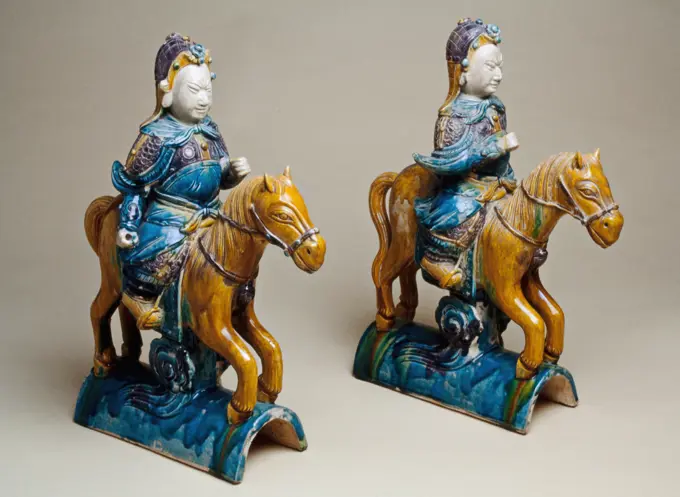
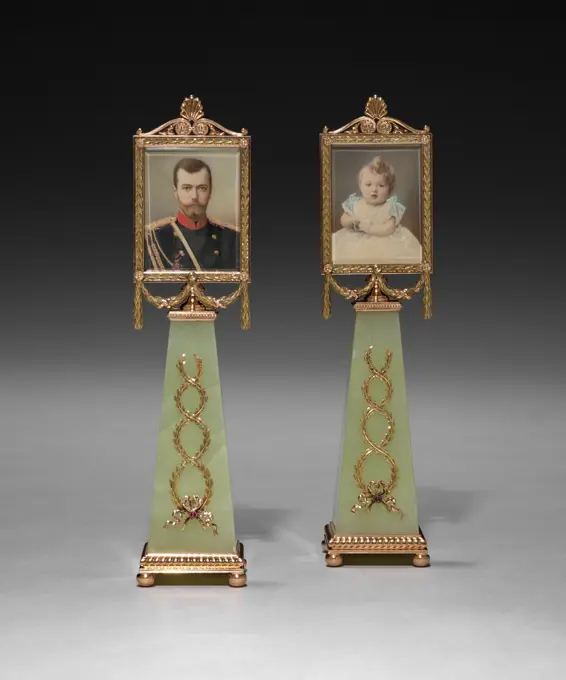
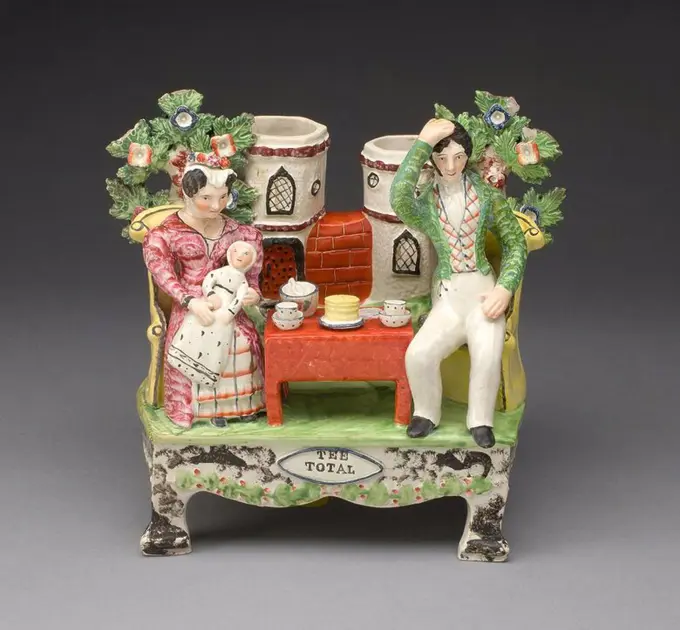
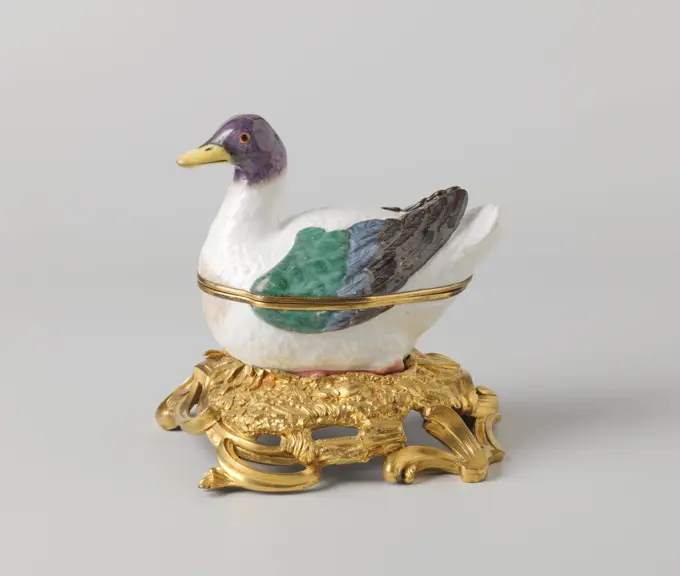
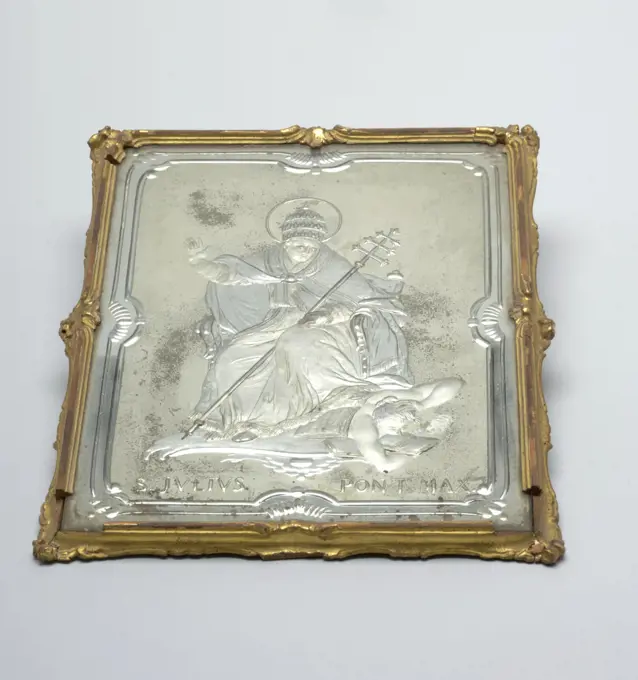
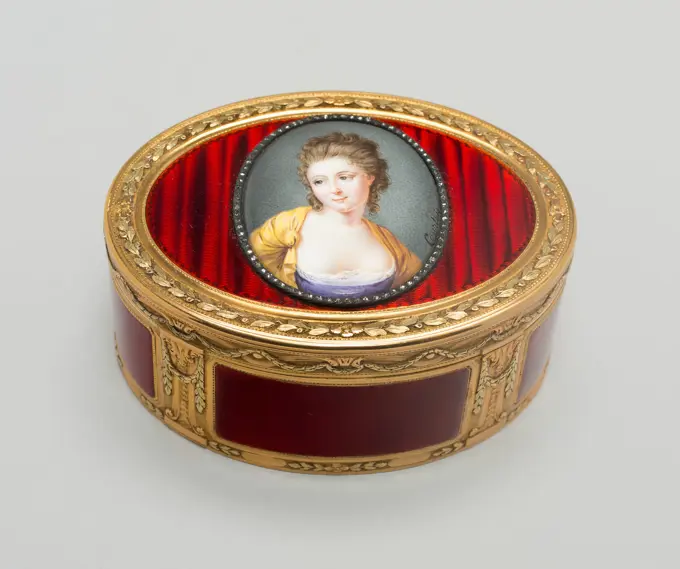
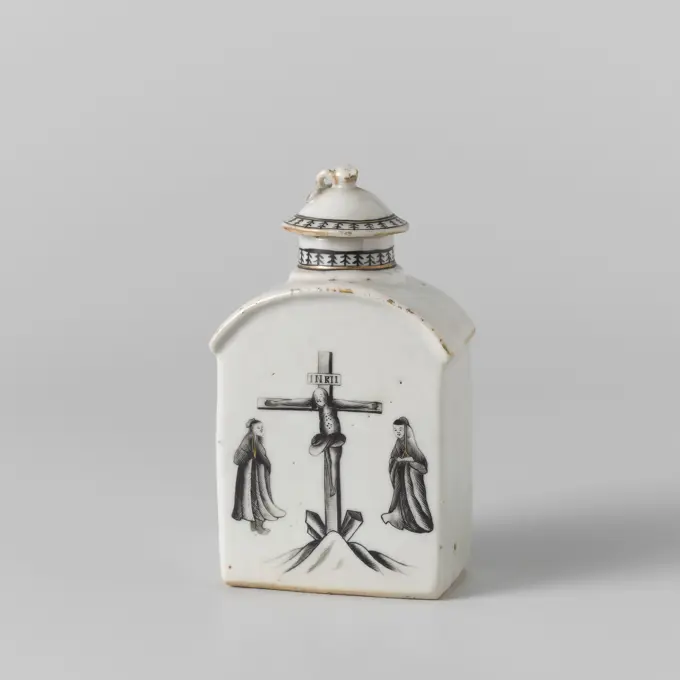
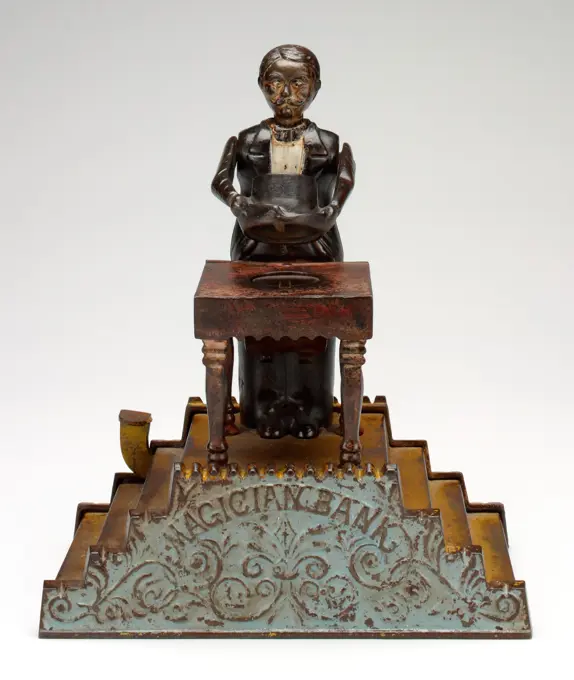
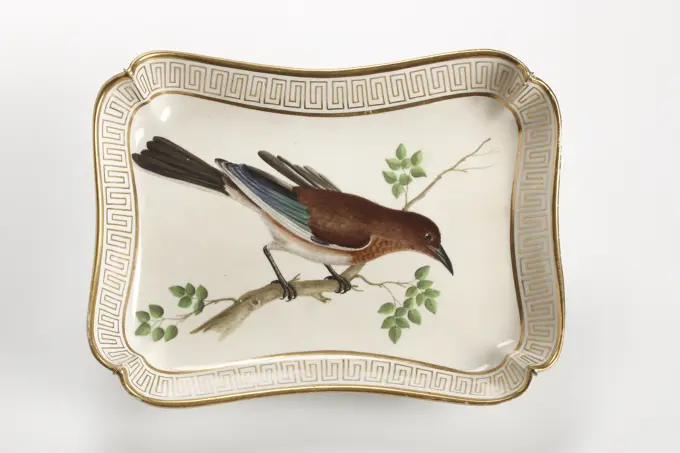
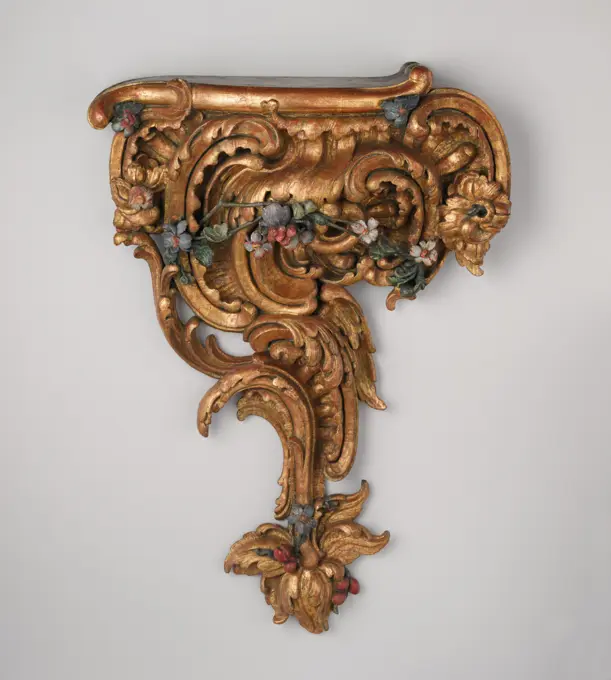
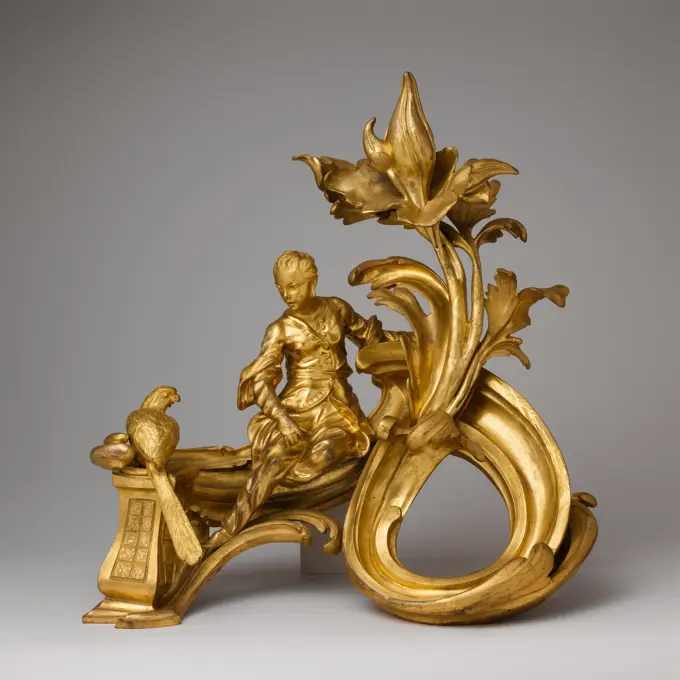
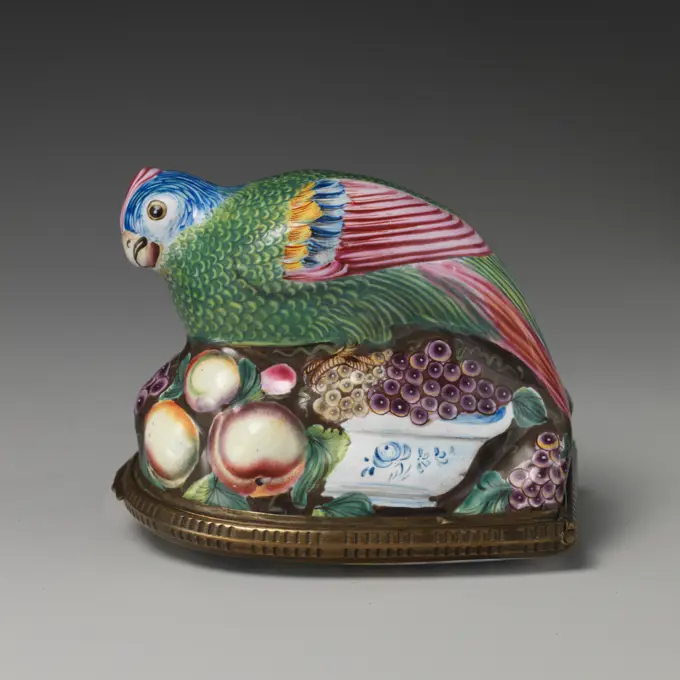
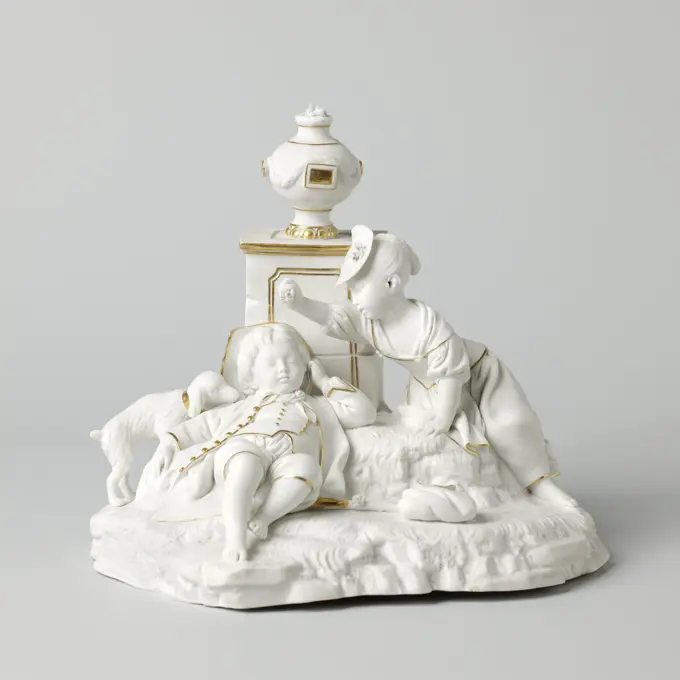
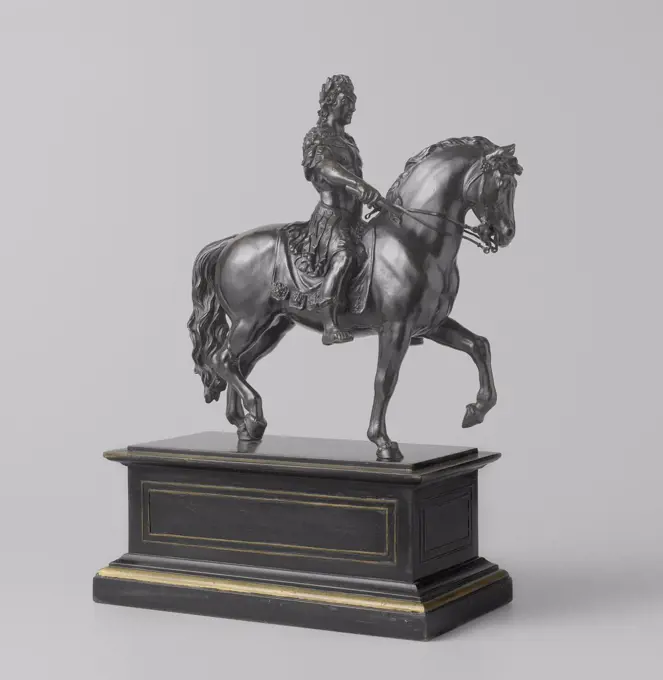
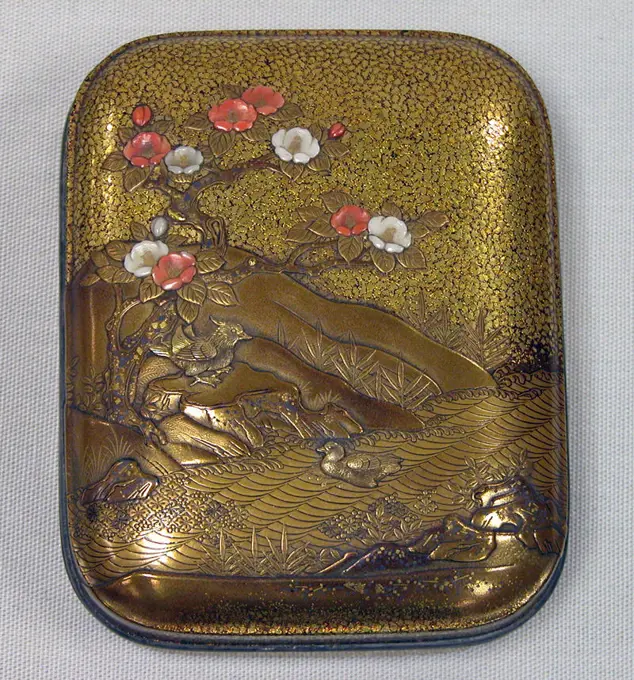
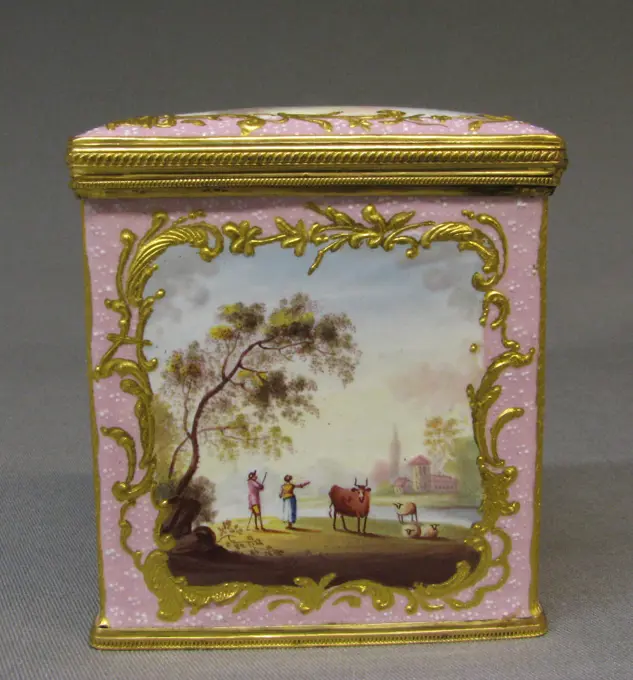
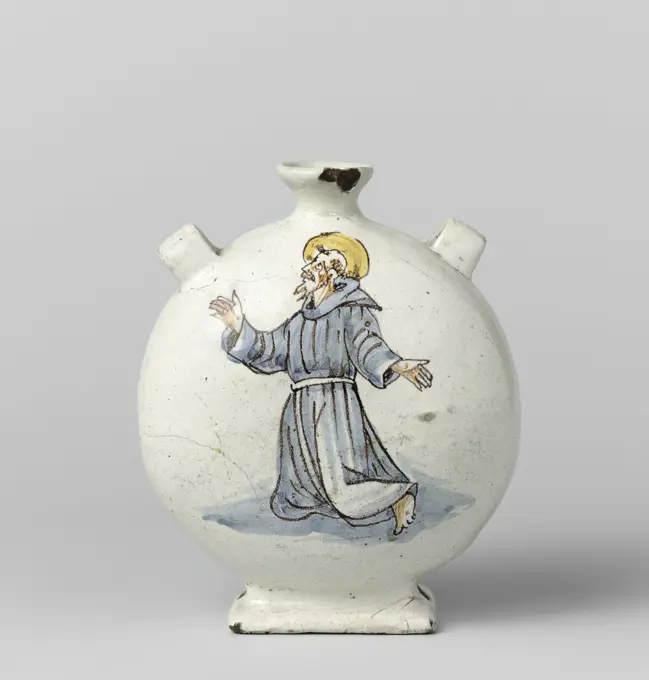
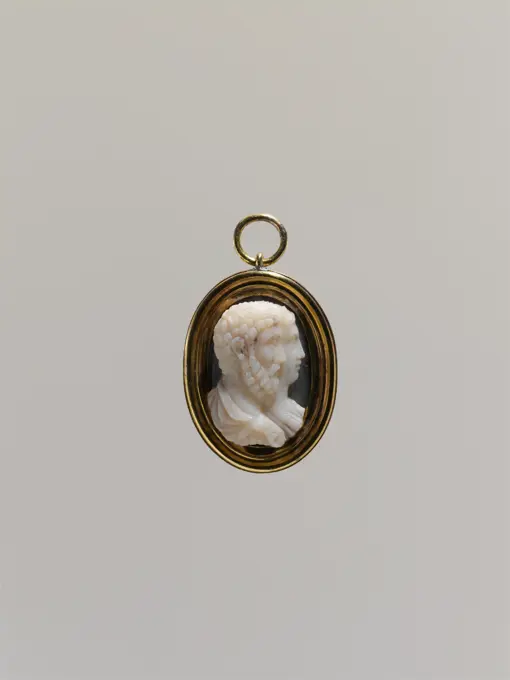
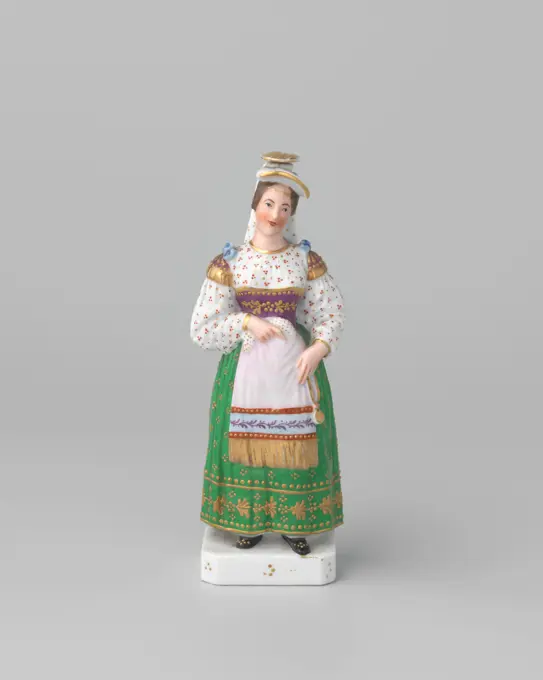
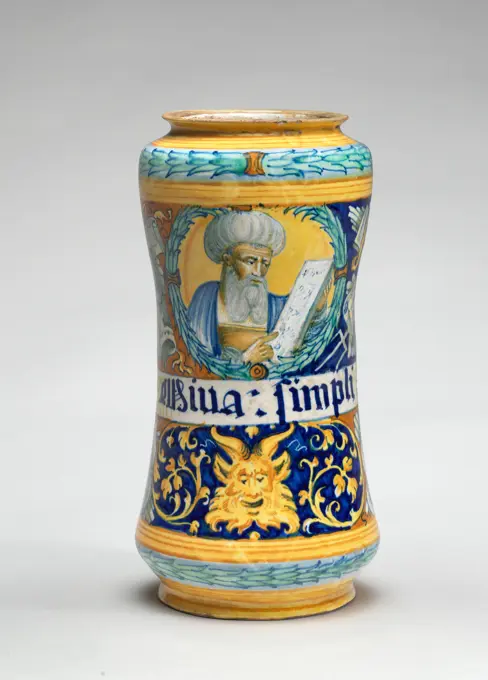
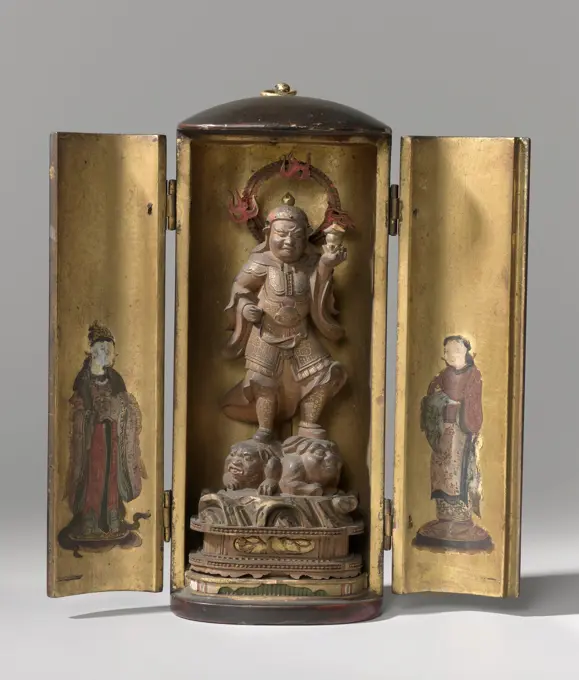
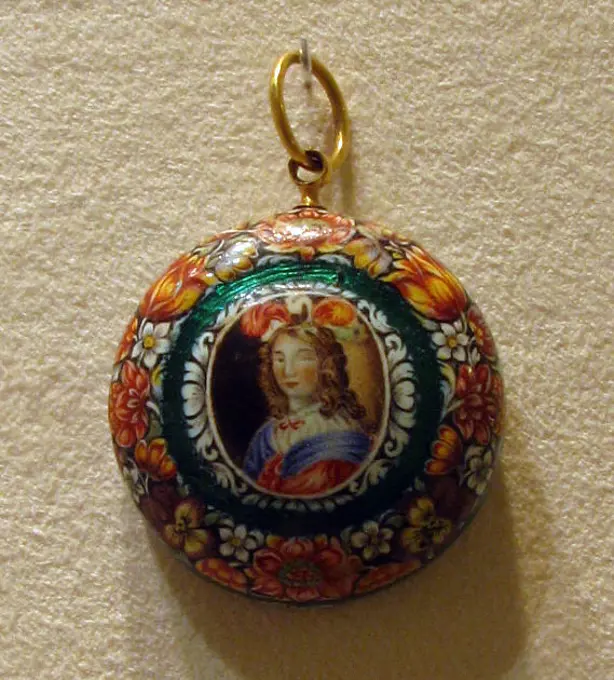
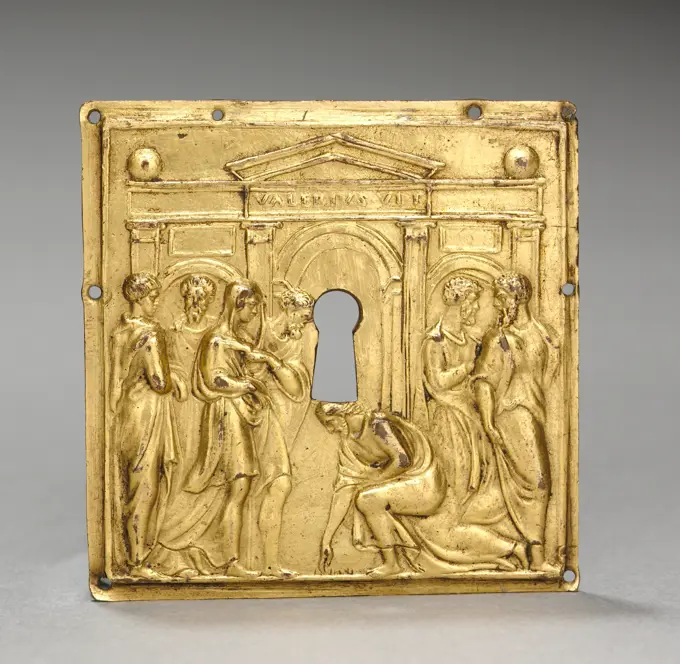
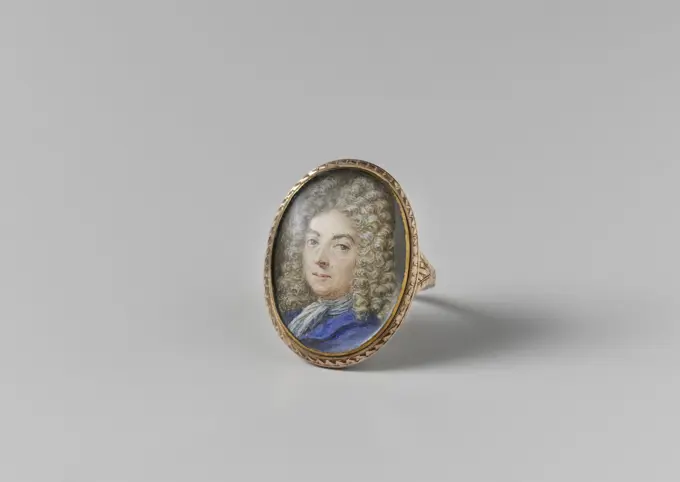
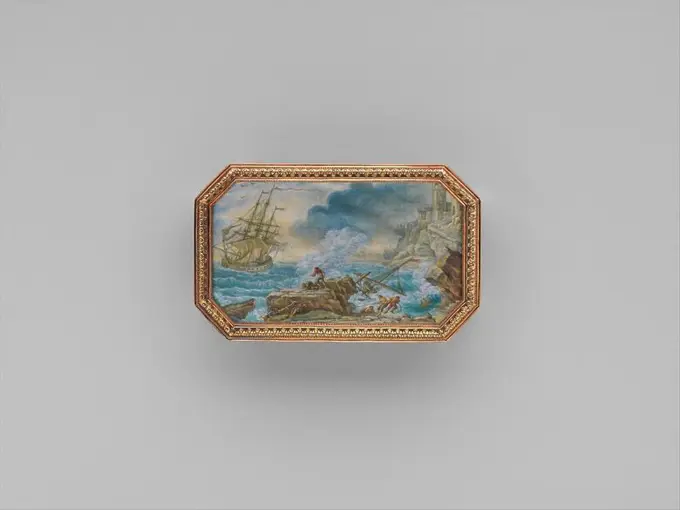
Snuffbox with six maritime scenes. Artist: Minaiture by French Painter , ca. 1770-71; After a painting by Joseph Vernet (French, Avignon 1714-1789 Paris). Culture: French, Paris. Dimensions: 1-1/4 x 3-1/16 x 1-7/8 in. (3.2 x 7.8 x 4.8 cm);Miniatures: Top, chamfered corners, 1 1/2 x 2 5/8 in. (37 x 68 mm); bottom, chamfered corners, 1 1/2 x 2 5/8 in. (37 x 68 mm); front 2 1/8 x 3/4 in. (53 x 19 mm); back 2 1/8 x 3/4 in. (53 x 19 mm); left side 7/8 x 3/4 in. (22 x 19 mm); right side 7/8 x 3/4 in. (22 x 19 mm). Maker: Dominique-François Poitreau (apprenticed 1741, master 1757, retired 1781). Date: 1770-71.In eighteenth-century Europe, Paris led the production of high-quality luxury goods. Parisian goldsmiths made a wide range of small, personal articles such as snuffboxes; étuis to hold sealing wax, tweezers, or utensils for sewing; souvenirs, which contained thin ivory tablets for note taking; and shuttles for knotting lace. Gold snuffboxes and boxes decorated with portrait miniatures . Parasol, with a deck of bordered rips side on a frame and stick with handle of wood, painted and plated. Model: Frame consisting of eight flat slats. Deck of heavy cream white rips side brocheted with colored flowers and trimmed with a galon of tassels of gold thread and silk. A ditto a larger brush to every points. Lined with pink tap side. Decoration: The stick is painted red and gilt, caught in a sliced gold-plated arm, to which a second stick is attached. This is decorated at the bottom with a sliced and gold-plated button. On top of a sliced head with angel heads (missing).Dish ca. 1830 Mexican. Dish 3209Chimney Ornament: Tee Total. England, Staffordshire. Date: 1815-1825. Dimensions: 19.4 x 20.3 x 11.4 cm (7 5/8 x 8 x 4 1/2 in.). Glazed earthenware with polychrome enamel decoration. Origin: Staffordshire. Museum: The Chicago Art Institute, Chicago, USA. Author: Staffordshire Potteries.Cover of box in the form of a duck, Meissener Porzellan Manufaktur, c. 1750 Cover of painted porcelain, head and back of a duck. The duck is partially painted in blue, green, brown and black; The head in blue, purple and gray with a yellow beak. Float porcelain. bronze (metal) gilding Cover of painted porcelain, head and back of a duck. The duck is partially painted in blue, green, brown and black; The head in blue, purple and gray with a yellow beak. Float porcelain. bronze (metal) gildingMirror, Engraved and silvered glass, carved, gessoed, and gilt wood, Rectangular glass panel with shaped engraved borders on matt ground surrounding engraved subjects of Pope Julius II seated above a figure probably representing the evils overcome by his reforms; over the legend: 'S. JULIUS PONT. MAX.'; within narrow scrolled frame of gilded wood., Venice, Italy, 1730-1760, glasswares, Decorative Arts, MirrorIncense Burner 1825-1835 Staffordshire. Glazed earthenware with polychrome enamel decoration . Staffordshire PotteriesHandscreen; engraved, hand-colored, and painted paper leaf, turned wood handle; 1927-17-21Snuff Box Portrait of Duchess of Marlborough 1770-1780 Paris. Gold, enamel, and diamonds . Nicolas André Courtois (Painter)complete set: a teacup and saucer in a case. unknown, manufactureRectangular tea caddy with a crucifixion scene, anonymous, c. 1780 Rectangular porcelain tea lease with slightly thickened, round shoulder, painted on the glaze in black and gold. On the outside twice a representation of the crucifixion with the two Maria's; The neck with a band with a decorative pattern. Underside unglazed. Part of a tea set. European performance in Encre de Chine. China porcelain. glaze. gold (metal) painting / gilding / vitrification Rectangular porcelain tea lease with slightly thickened, round shoulder, painted on the glaze in black and gold. On the outside twice a representation of the crucifixion with the two Maria's; The neck with a band with a decorative pattern. Underside unglazed. Part of a tea set. European performance in Encre de Chine. China porcelain. glaze. gold (metal) painting / gilding / vitrificationCushion mid-17th century British The scene on the cushion probably depicts the Biblical heroine Susanna bathing.. Cushion 222236Blaise Pascal, Gottfried Eichler, 1687 - 1757 locket One -sided medallion in brass ring rear glass on bearing eye and carrying ring. Front: breastpiece man to the right inside. Reverse: label with inscription. Berlin gypsum. brass (alloy). glass castingMagician', c. 1901, William C. Bull; Manufacturer: J. & E. Stevens Company, Cromwell, Connecticut, 1843-1950s, American, 8 1/16 x 7 x 3 13/16 in. (20.48 x 17.78 x 9.68 cm), Iron, pigment, 19th-20th centuryMirror list of sculpted ivory, decorated with rolling and fruits, anonymous, 1550 - 1600 Mirror frame of sculpted ivory, decorated with rolling motifs and fruits. At the top a sitting female figure with mirror and snake, prudentia symbolizing. On the left and right -winged putti are placed in the middle, above which a Leeuwekop. Upstairs and below the mirror the following text is in the middle within a cartouche: "Betert.v.leven.die.na.de.vlees.ghe.leeft.sal.Star". The "nails" with which the rolling work is attached are gilded. The mirror glass is modern. Southern Netherlands ivory. gilding (material). looking glasses. amalgam gilding Mirror frame of sculpted ivory, decorated with rolling motifs and fruits. At the top a sitting female figure with mirror and snake, prudentia symbolizing. On the left and right -winged putti are placed in the middle, above which a Leeuwekop. Upstairs and below the mirror the following text is in the middle within a cartouche: "Betert.v.leven.die.na.de.vleSalt cellar. Glinica (wytwórnia fajansu ; 1771-ok. 1870), factoryServing plate - Davenport DavenportPair of wall brackets ca. 1763-64 German, Würzburg Four of these brackets, each fitted with a vase-shaped top, originally hung in the trelliswork garden room of the Franckenstein Pavillion at Schloss Seehof, near Bamberg.. Pair of wall brackets 205739Pair of firedogs ca. 1750 French The model of these chenets in the chinoiserie style, incorporating a Chinese couple and parrots, was apparently very popular since many eighteenth as well as nineteenth century versions are known today. Lazare Duvaux (c. 1703-1758), one of the Parisian marchands merciers who dealt in luxury objects such as gilt-bronze furnishings, sold a pair of fire dogs with Chinese figures to the Marquise de la Ferrière in August of 1756. It may have been a set of this design.. Pair of firedogs 205500Snuffbox ca. 1760-61 British, Bilston, South Staffordshire. Snuffbox. British, Bilston, South Staffordshire. ca. 1760-61. Enameled copper. Enamels-PaintedMemorial medal, the Fr. Augustine Longin Josef Lobkowicz (1797-1842); Lang, Franz Xaver; 1840 (1835-00-00-1840-00-00);Gardener with a flower basket - figurine; Koenigliche Porcellain Fabrique, Meissen (1710-1763), Kaendler, Johann Joachim (1706-1775); approx. 1750 (1745-00-00-1750-00-00);Figure of a girl, sleeping boy and a dog, Höchst, c. 1767 - c. 1775 Image of porcelain in biscuit, painted with gold. The image represents a boy and a girl with a pillar on which a vase or urn stands with a garland. The boy fell asleep against the pillar, next to him is a bag. The girl leans over him and is about to sprinkle a handful of flowers on his head. On the other hand, a dog sniffs at the boy's shoulder. Maximum porcelain. gold (metal) painting / gilding Image of porcelain in biscuit, painted with gold. The image represents a boy and a girl with a pillar on which a vase or urn stands with a garland. The boy fell asleep against the pillar, next to him is a bag. The girl leans over him and is about to sprinkle a handful of flowers on his head. On the other hand, a dog sniffs at the boy's shoulder. Maximum porcelain. gold (metal) painting / gildingEquestrian statue of Stadtholder-King William III, possibly William Low, c. 1736Bandbox And Lid (USA); block printed on handmade paper, pasteboard support; 43 x 32 x 27 cm (16 15/16 x 12 5/8 x 10 5/8 in.)Plate. Pinxton (attributed to) (England, 18th century)J. Hewlett (England, died 1836). England, circa 1812. Furnishings; Serviceware. PorcelainIncense Container (Kōgō) with Camellia and Mandarin Ducks 18th century Japan On the lid of this small maki-e (sprinkled picture”) decorated incense container, two mandarin ducks are depicted in a stylized landscape under a blossoming camellia tree. In East Asia, mandarin ducks symbolize a perfect couple and represent marital fidelity and conjugal affection. The birds were portrayed in paintings, prints, decorative arts, plays, poetry, and prose. The drake depicted on the rock has brightly colored plumage, which is distinct from the hen’s brown feathers. Being winter birds, mandarin ducks remain after other fowl have migrated to a warmer climate, and the pair clings to each other throughout the hardship of winter.. Incense Container (Kōgō) with Camellia and Mandarin Ducks 58320Watch and case ca. 1760 Watchmaker: John Ellicott. Watch and case. British, London. ca. 1760. Gold, enamel. Horology'Battle of Fère-Champenoise. 1814'. Russia, First half of the 19th century. Dimensions: diam. 20,5 cm. Museum: State Hermitage, St. Petersburg.Sugar box (part of a set) ca. 1770 British, South Staffordshire Containing two canisters for tea (green and black) and a larger one for sugar, this chest could be locked to secure its valuable contents; both tea and sugar were expensive commodities during the eighteenth century. The polychrome pastoral scenes and Italianate landscapes, combined with Rococo-style gilding against a pink ground, create an opulent effect. Listen to experts illuminate this artwork's story Listen Play or pause #413. Retail Value. High and Low Supported by Bloomberg Philanthropies We're sorry, the transcript for this audio track is not available at this time. We are working to make it available as soon as possible.. Sugar box (part of a set) 203649Jug of multi -colored fowence, anonymous, c. 1575 - c. 1625 Flat spherical jug of multi -colored painted faience. The jug is on a square foot. The jug has two ears and a spout. On one side a kneeling holy is painted and on the other the letters y s between stars and three crossed arrows. Faenza earthenware. tin glaze. Flat spherical jug of multi -colored painted faience. The jug is on a square foot. The jug has two ears and a spout. On one side a kneeling holy is painted and on the other the letters y s between stars and three crossed arrows. Faenza earthenware. tin glaze.Jewel Casket, 1850-1885 Gilt, brass and enamel, in the form of an early medieval house reliquary (container for holy relics) and made in Birmingham., Applied Arts, Enamel, Bird, Peacock, Metal, BrassJugate heads of Marcus Aurelius (Marcus Aurelius Antoninus, 121-180) and Faustina (Anna Galeria Faustina, d. 175 or 176) probably 17th century Italian Subjects from Roman history preoccupied collectors in the Baroque era. The twinned countenances of these famous couples, mounted as pendants, were in the Arundel collection in the seventeenth century and the Marlborough collection in the eighteenth. As is often the case with portrait cameos, the stones were manipulated so that their warmer gradations further a suggestion of flesh.. Jugate heads of Marcus Aurelius (Marcus Aurelius Antoninus, 121-180) and Faustina (Anna Galeria Faustina, d. 175 or 176) 198343Medallon with portrait of Frederica Louise Wilhelmina van Oranje-Nassau, Johann Heinrich Schepp, 1782 locket Best in the relief of girl in profile to the right. She wears and decollette Jabon with pin or knot on shoulder. The hair falls into turned curls in the neck. The portrait is white and it has a violet-blue background, so-called Jasperware. On the downside are two vertically located holes in the background. The list is decorated with twice a pearl edge and around it a border decorated with leaf motifs and ribbon. Inscription reverse side: Frederique Louise / Willemine. Marked; Stamped downside, M.O.: Wedgewood. England porcelain. bronze (metal) casting / gilding historical persons - BB - womanFriendship Consoling Affliction 1785-1790 Burslem. Stoneware (jasperware), gilt metal frame . Wedgwood Manufactory (Manufacturer)Female fruit seller (one of a pair) ca. 1755 Chelsea Porcelain Manufactory. Female fruit seller (one of a pair). British, Chelsea. ca. 1755. Soft-paste porcelain. Chelsea Porcelain Manufactory (British, 1745-1784, Red Anchor Period, ca. 1753-58). Ceramics-PorcelainEquestrian Roof Tile, one of a pair, 19th century, 18in. (45.7cm), Ceramic, glaze, China, 19th centuryImperial Framed Miniatures, 1896. Johannes Zehngraf (Russian, 1857-1908), Mikhail Evlampievich Perkhin (Russian, 1860-1903), House of Fabergé (Russian, 1842-1918). Jade, gold, rubies, gouache, ivory, glass; overall: 15.3 x 5 x 5 cm (6 x 1 15/16 x 1 15/16 in.). The giving of miniatures had long been a common practice among wealthy and aristocratic families by the time Fabergé began combining portraits with his richly decorated frames. The Russian imperial family delighted in having these personal mementos and commissioned many different miniatures to place around their private apartments, providing a warm family atmosphere in an otherwise highly formal existence.Scent Bottle 1770-1800 British. Scent Bottle 7330Candlestick with Figurine, Bow Porcelain, circa 1760, UK, London, London MuseumPainting on wooden box, Jodhpur, Rajasthan, India Copyright: xSafatxAli/DinodiaxPhotoxPieter Paul Rubens, Flemish painter, Gottfried Eichler, 1840 locket One -sided medallion in brass ring rear glass on bearing eye and carrying ring. Front: breastpiece man with hat to the left. Reverse: label with inscription. Berlin gypsum. brass (alloy). glass casting portrait, self-portrait of painterSmileHall's Liliput Bank, with Tray' mechanical bank, c. 1877, John D. Hall; Manufacturer: J. & E. Stevens Company, Cromwell, Connecticut, 1843-1950s, American, 4 5/16 x 3 x 3 3/8 in. (10.95 x 7.62 x 8.57 cm), Iron, pigment, 19th centuryBandbox (USA); block-printed paper, pasteboard support; 43 x 33.5 x 29 cm (16 15/16 x 13 3/16 x 11 7/16 in.)Incense burner. Incense braber in the form of a quail.Bottle in the shape of a woman in folk costume, school van Fontainebleau, c. 1800 - c. 1810 figure Porcelain bottle, painted on the glaze in email colors and gold. The bottle is in the form of a woman in French traditional costume. On her head the opening, closed with a porcelain stop. Marked on the bottom with J.P. Fontainebleau porcelain. glaze. gold (metal) painting / gilding / vitrificationFaentine 16th Century, Albarello with white bearded, turbaned physician and trophies of arms, c 1550 1575 Faentine 16th Century (Central Italian), Albarello with white-bearded, turbaned physician and trophies of arms, c. 1550/1575, tin-glazed earthenware (maiolica), Corcoran Collection (William A. Clark Collection) 2015.19.4026St Louis of France 1675-1725 France. Glass; lampwork (verre de Nevers), metal armature .Reisaltaar, anonymous, 1800 - 1900 Miniature arc. Japan wood (plant material). lacquer (coating) Miniature arc. Japan wood (plant material). lacquer (coating)Watch ca. 1660-80 Watchmaker: Pierre Duhamel A French Huguenot refugee from Blois, Duhamel became a master watchmaker in Geneva, where he was known as a maker of movements for rock crystal and enameled cases. Pierre Huaud was born in Chtellerault, France, and emigrated to Geneva in 1630, where he became a master goldsmith and enamel painter. He was the father of Jean-Pierre and Amy, who between them signed the rest of the Swiss enamels displayed here. This watch has no balance spring, and the style of the enamel appears to be finer than the others in a series of painted enamels with so-called helmeted busts, one of which is signed by Jean-Pierre Huaud (1655-1723).. Watch. Swiss, Geneva. ca. 1660-80. Case: painted enamel on gold; Movement: gilded brass and steel, partly blued. HorologyScent Bottle: Huntsman. Ludwigsburg Porcelain Factory; German, 1756-1824. Date: 1770-1780. Dimensions: H. 7.6 cm (3 in.). Hard-paste porcelain, polychrome enamels, and gilding. Origin: Ludwigsburg. Museum: The Chicago Art Institute, Chicago, USA.A manner with a traffic jam Willn & ..Beaker 1810-1825 Vienna. Glass . Anton KothgasserPrzeszo Przyszoci Mi Nia (Meissen)Case, Leather, brass, velvet, silk, case (g): rectangular hinged leather case with silk() and velvet-lined interior with six slots for spoons. Exterior stamped with gilt borders and applied with two gilt metal sliding clasp mechanisms, locks., New York, New York, USA (case), ca. 1890, cutlery, Decorative Arts, CaseBirdcage, anonymous, c. 1685 - c. 1700 Faïence bird cage, painted in blue with flowers and birds in Chinese style Delft . Faïence bird cage, painted in blue with flowers and birds in Chinese style Delft .Bag late 17th century French. Bag 81548Doos.Box, possibly hearing at the office of office.Christ and the Woman Taken in Adultery, c. 1535 or later. Cast after a model by Valerio Belli (Italian, c. 1468-1546). Gilt bronze (later perforated with a keyhole); overall: 6 x 7.5 cm (2 3/8 x 2 15/16 in.).Portraits of unknown girl and unknown boy, Anonymous, 1880 - 1920 locket. photograph   copper (metal). glass. paper. baryta paper albumen print historical persons. boy (child between toddler and youth). girl (child between toddler and youth)OLD FASHIONED CARDS AND ORNAMENTSRectangular Octave Virginal. Culture: German. Dimensions: Height: 3 9/16 in. (9.1 cm)Width (parallel to keyboard): 17 3/8 in. (44.1 cm)Depth (perpendicular to keyboard): 8 9/16 in. (21.8 cm). Date: ca. 1600.An ebony, casketlike virginal in the style of Samuel Biedermann the Elder, probably made in Augsburg about 1600, is decorated with engravings by Hans Sebald Beham and the elder Crispijn van de Passe. A delicate parchment rosette adorns the sound hole. Two shallow drawers, perhaps for sewing equipment, fit into the top of the lid. Sounding an octave above normal pitch, this virginal was not intended for serious music-making. Museum: Metropolitan Museum of Art, New York, USA.Ring with self -portrait, Bernard Picart, c. 1780 - c. 1820 Ring of gold with a self-portrait of Bernard Picart (1673-1733) in miniature, with all-uniform. Bust, to the left, the viewer prospective. The portrait dates from around 1725. Netherlands gold (metal). glass. vellum (parchment) Ring of gold with a self-portrait of Bernard Picart (1673-1733) in miniature, with all-uniform. Bust, to the left, the viewer prospective. The portrait dates from around 1725. Netherlands gold (metal). glass. vellum (parchment)Jug in the form of a seated man, anonymous, c. 1750 - c. 1775 Gift jug of Faience. In the form of a man with both hands on the stomach. The wig tail serves to ear. Delft . Gift jug of Faience. In the form of a man with both hands on the stomach. The wig tail serves to ear. Delft .Jacob struggles with the angel, Anonymous, c. 1660 - c. 1675 Cushion of carpet tissue with Jacob in fight with the angel (Gen. 32:24). The pillow is part of a series of pillows with the history of Jacob, two of which are in the Rijksmuseum. Northern Netherlands Ketting: Wool. Entry: Wool. Entry: Silk tapestry Cushion of carpet tissue with Jacob in fight with the angel (Gen. 32:24). The pillow is part of a series of pillows with the history of Jacob, two of which are in the Rijksmuseum. Northern Netherlands Ketting: Wool. Entry: Wool. Entry: Silk tapestryPorcelain ecritoire with inkwell and pen stand, decorated with owl, snake, masks, blue and yellow festoon style. Riche ecritoire de bureau, style rayonnant. Chromolithograph after an illustration by Emilie Pottier from Andre Pottier's Histoire de la Faience de Rouen, Auguste le Brument, Rouen, 1870.InkwellMember of the Willoughby de Broke Family 18th century Probably by Isaac Gosset One of three medallions depicting members of Lord Willoughby de Broke family, 50.187.27-.29.. Member of the Willoughby de Broke Family. Probably by Isaac Gosset (British, St. Helier, Jersey 1713-1799 London). British. 18th century. Colorless wax on red velvet under glass; frame: black wood. Sculpture-MiniatureAnonymous. "Naples doll". Painted wood. Paris, Museum of Romantic Life. DOLLVase.  Manufacturer: Pauline Pottery, American, 1883-1888Man Holding a Watch (The Buyer), c. 1820. Gardner Factory (Russian). Porcelain; overall: 18 x 6.1 x 6.1 cm (7 1/16 x 2 3/8 x 2 3/8 in.).Figure (England); composition board (possibly paper mache), molded & painted. possible masonite baseStud mid-19th century American or European. Stud 123930Bust of a Cardinal, c. 1640, Italian, (Rome), 1602-1654, 28 1/2 x 36 1/4in. (72.4 x 92.1cm), Marble, Italy, 17th century