Decorative Porcelain Dishes

Elegant porcelain dishes adorned with floral patterns and intricate designs, featuring various colors and styles, reflecting fine craftsmanship.

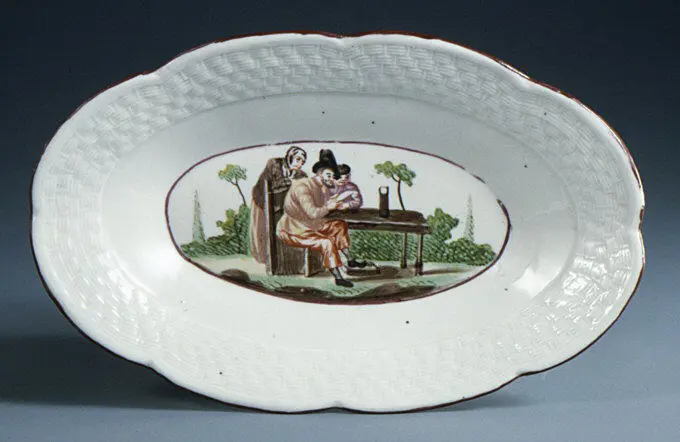
Unknown (n. - d.), Plate, decor called Pompadour (main title). Hard porcelain, polychrome enamels on covered (green, orange red, yellow, blue, pink and purple). Petit Palais, Museum of Fine Arts of the City of Paris.
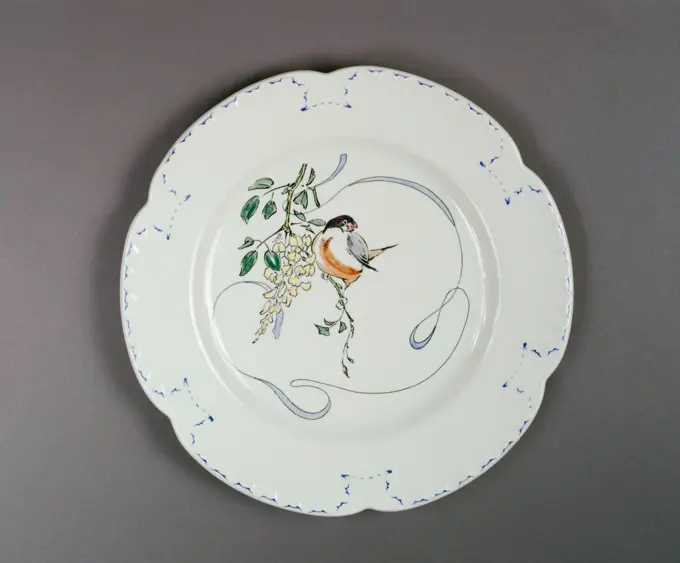
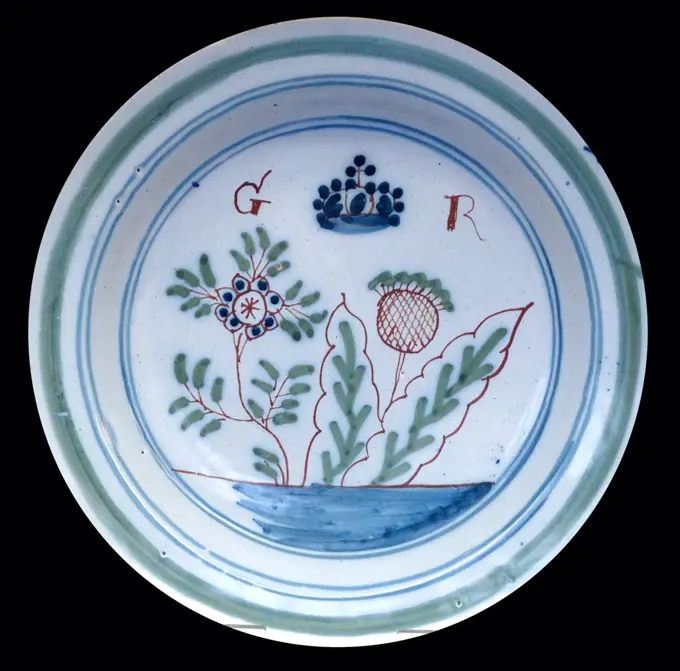
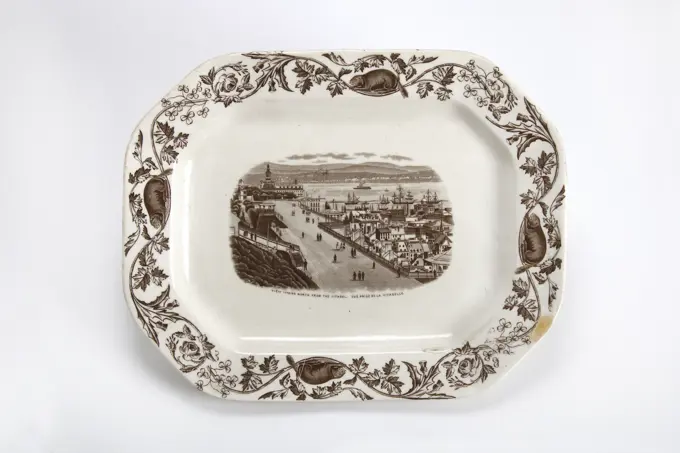
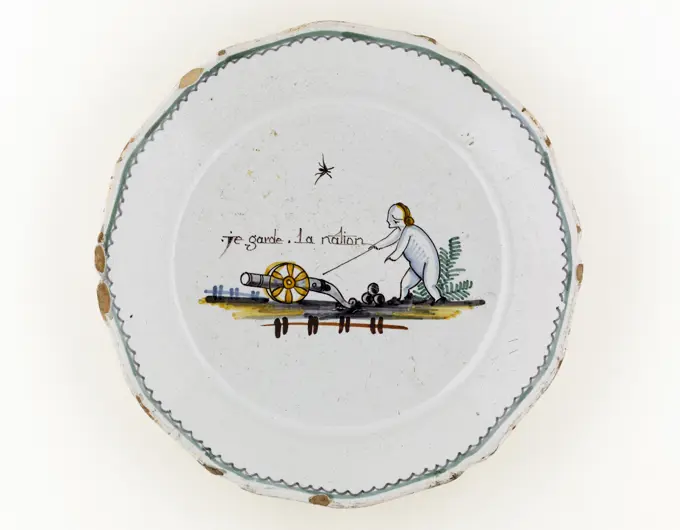
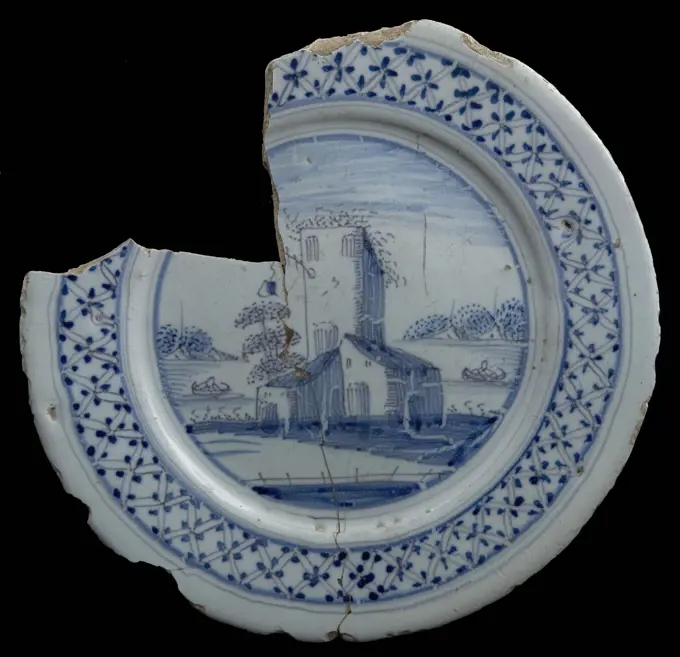
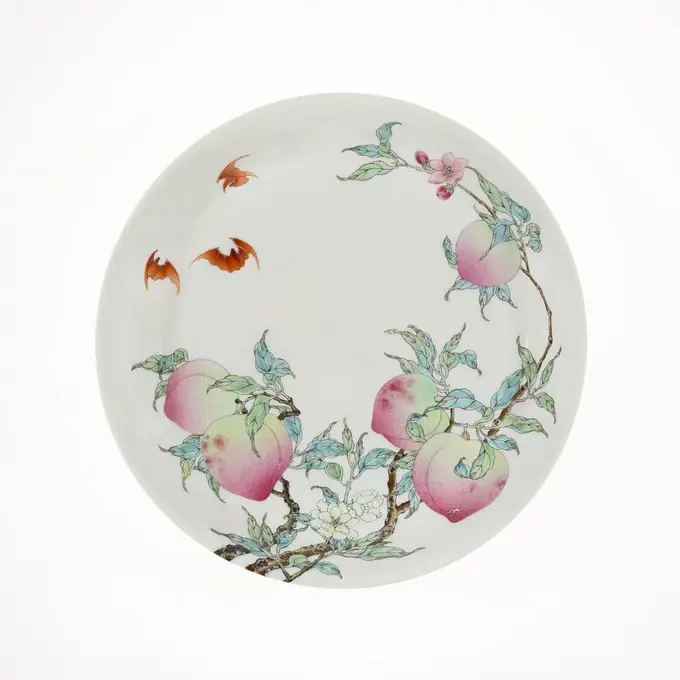
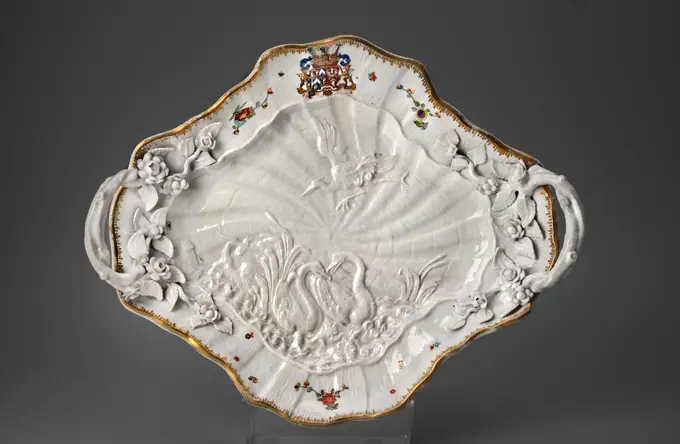
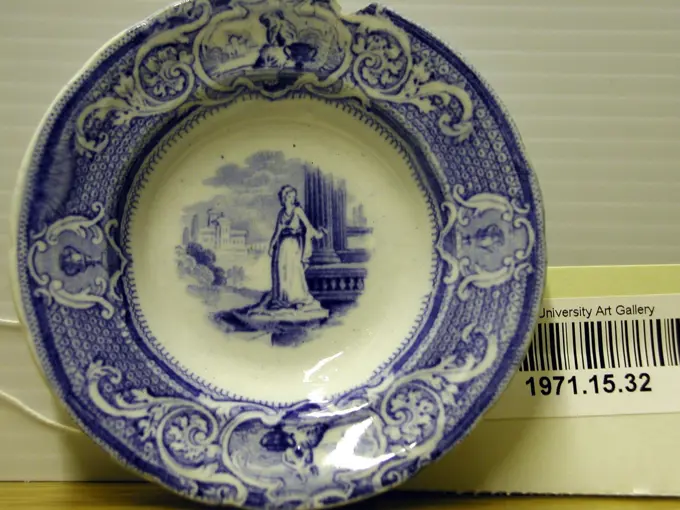
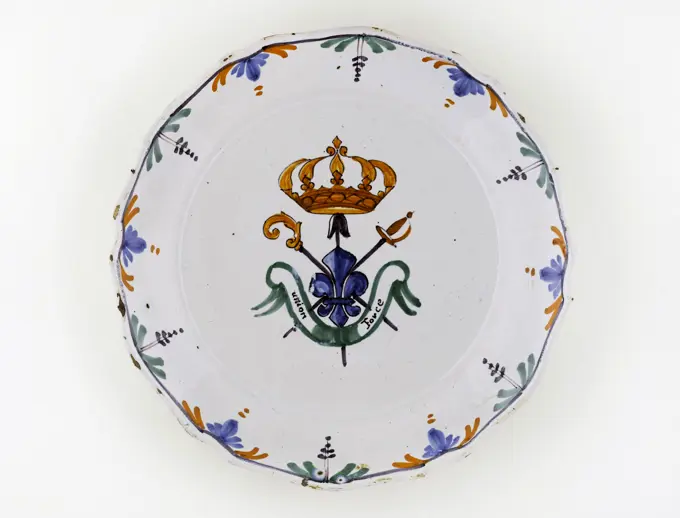
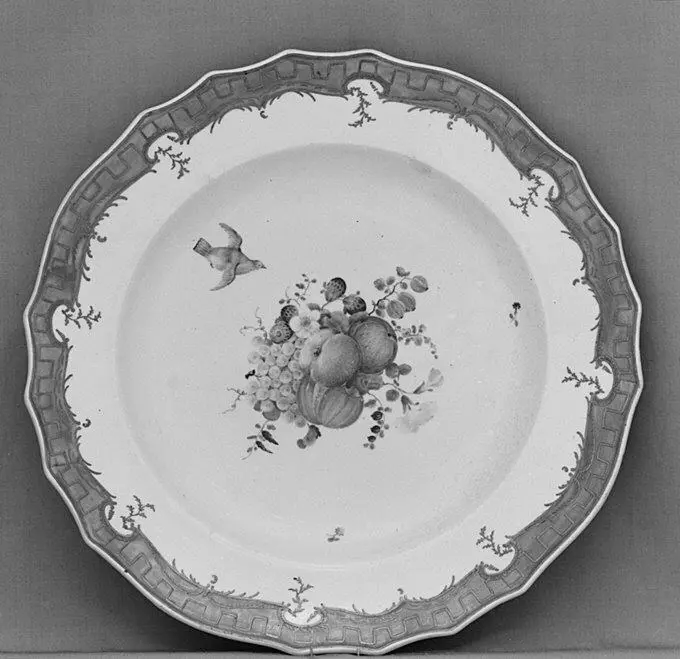
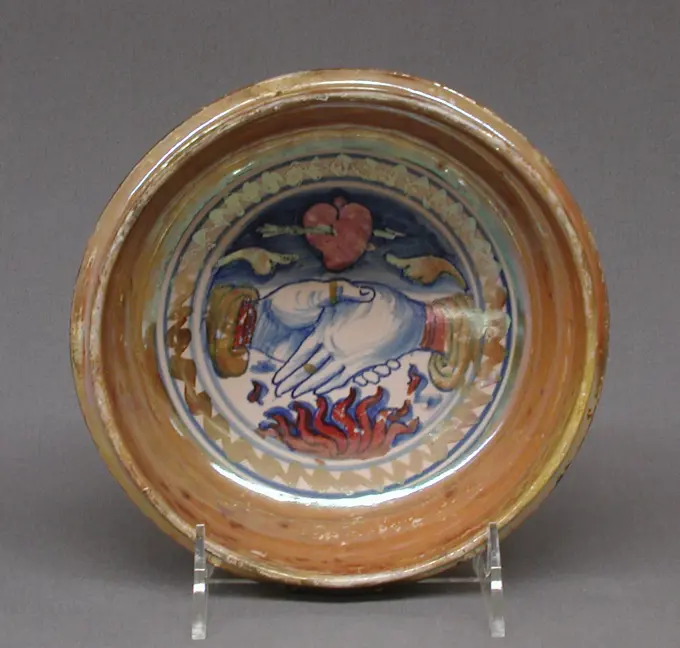
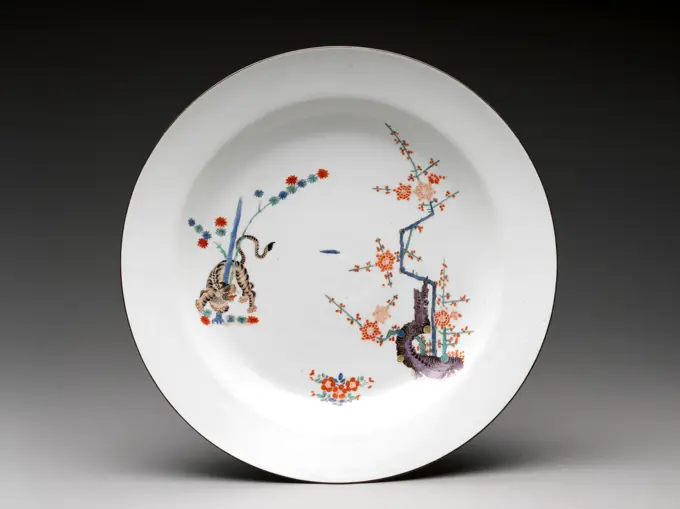
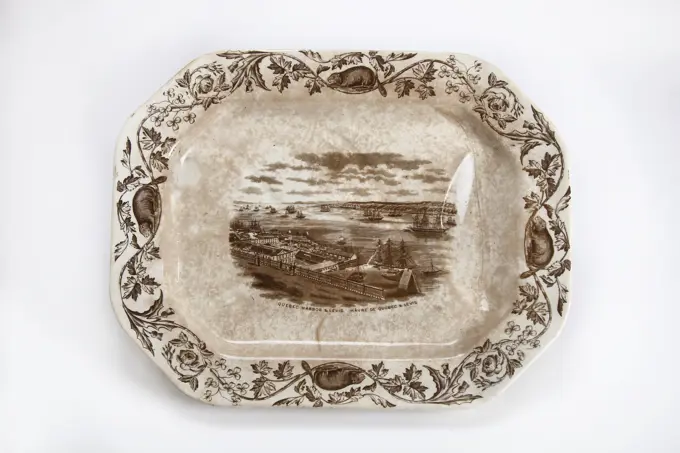
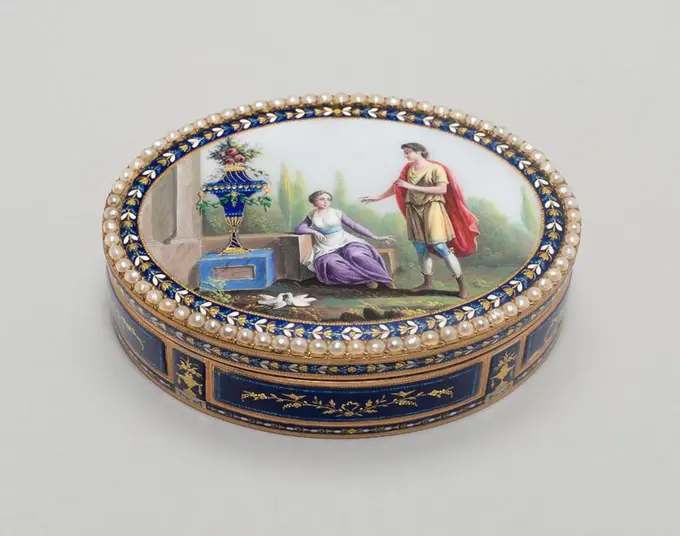
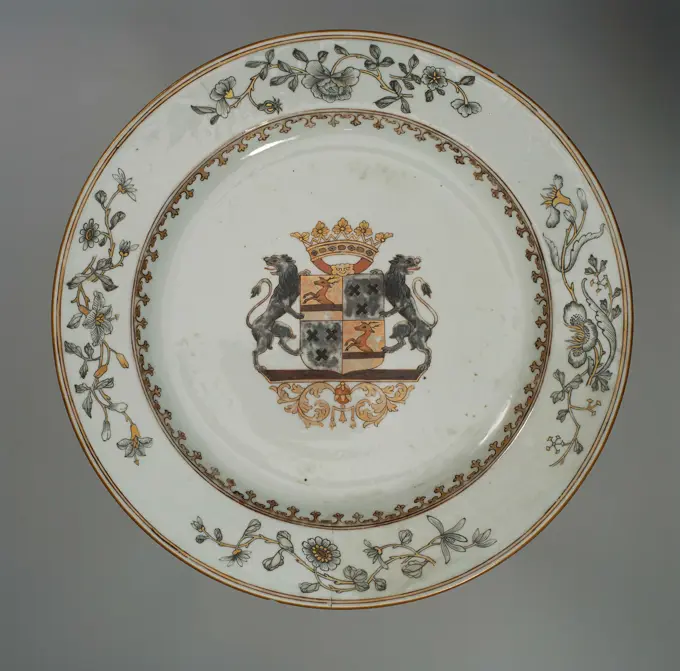
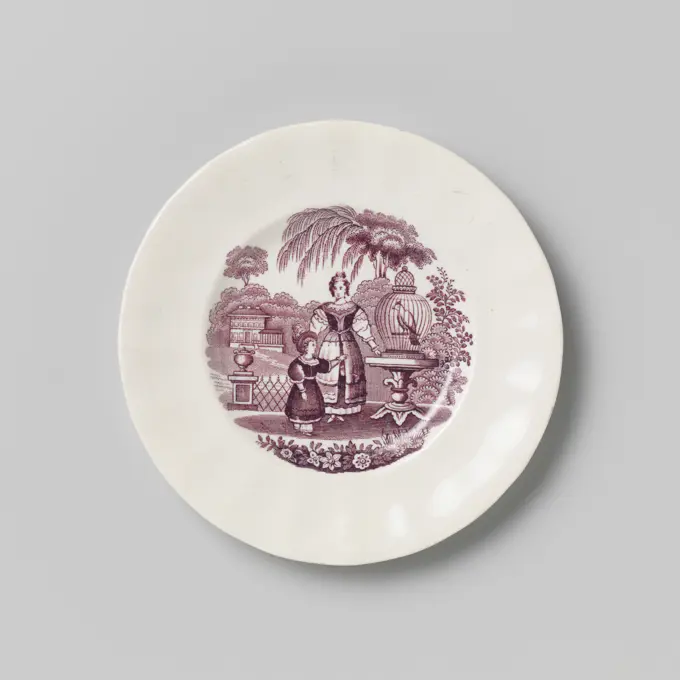
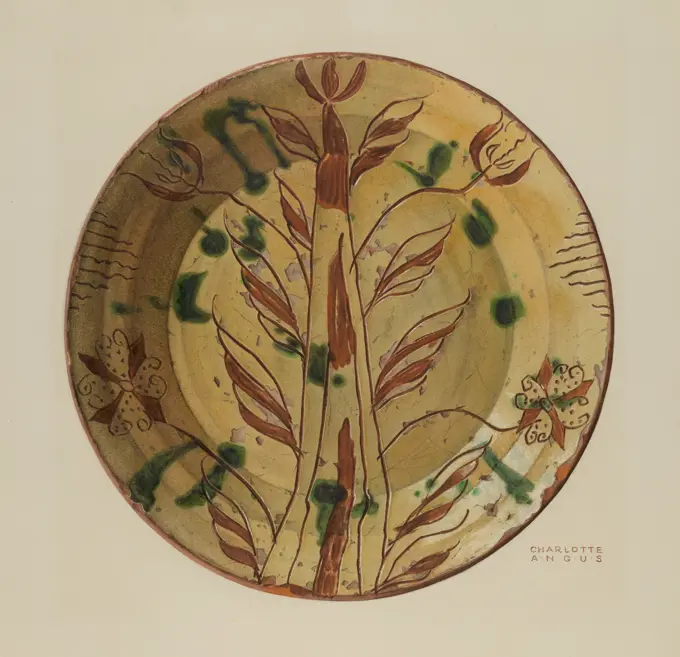
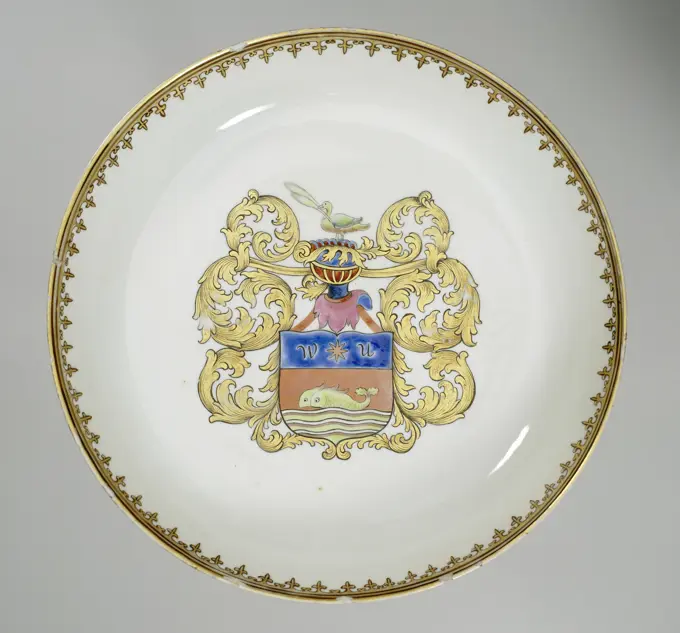
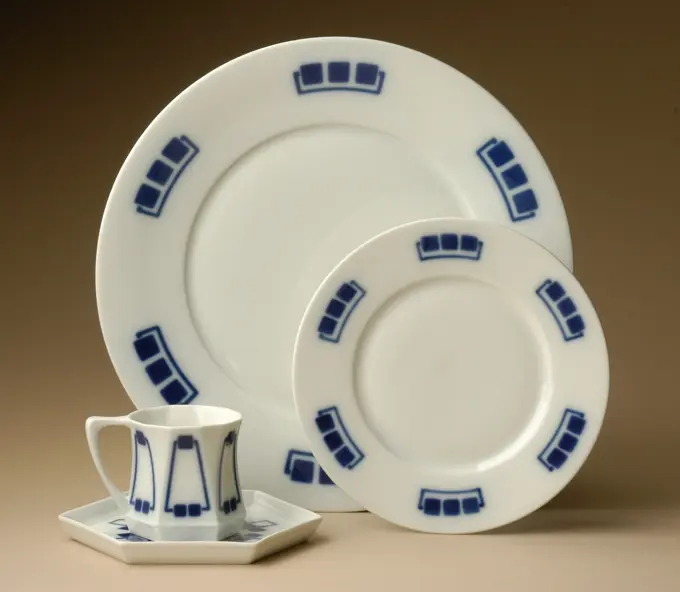
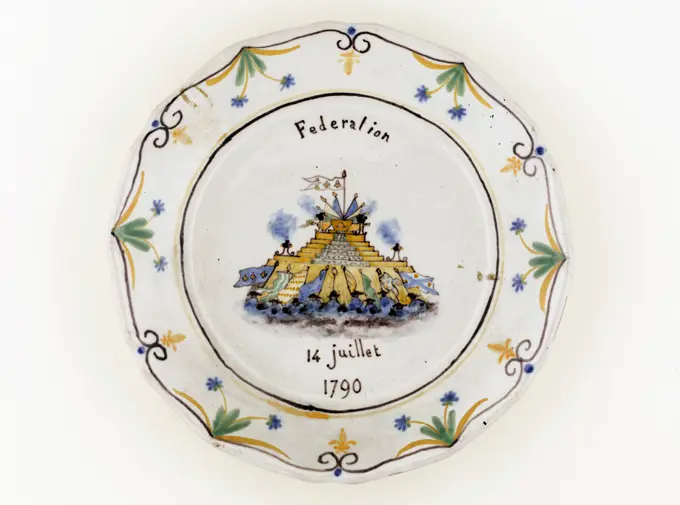
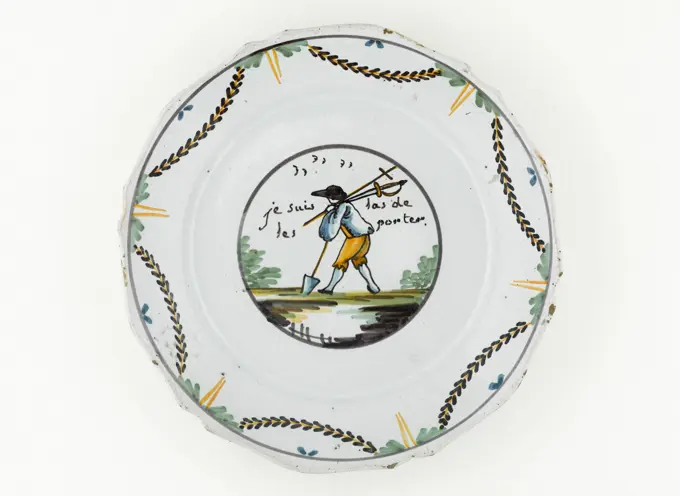
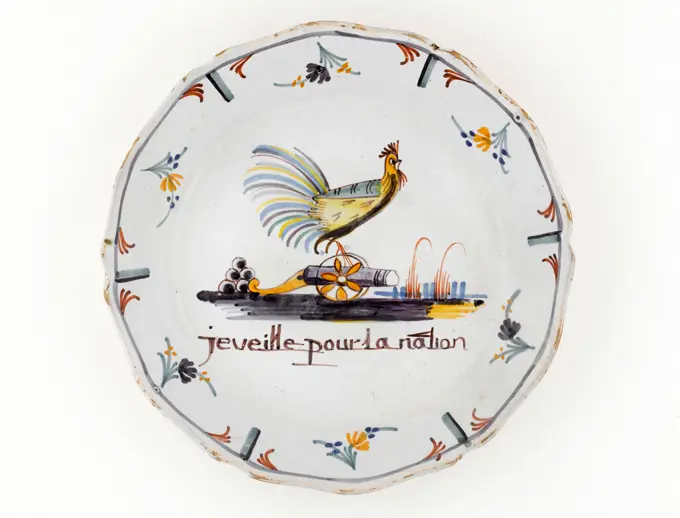
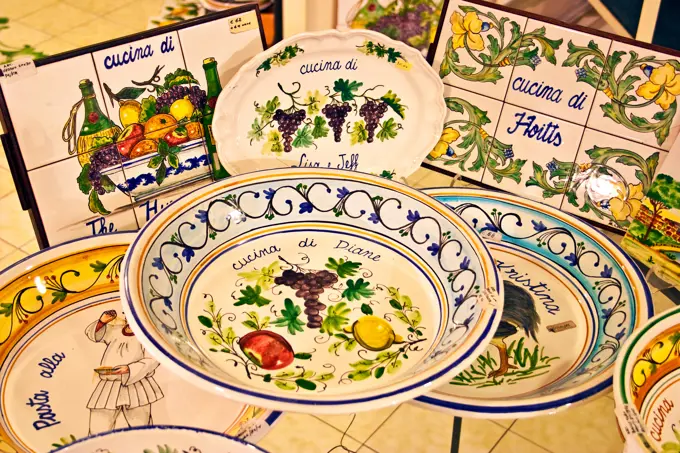
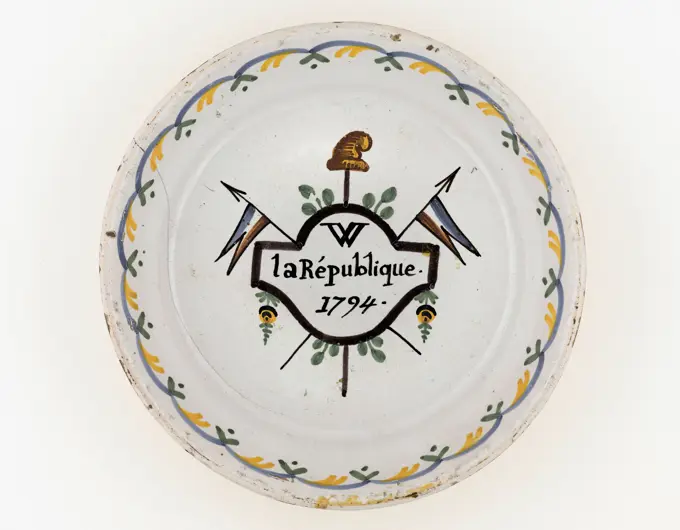
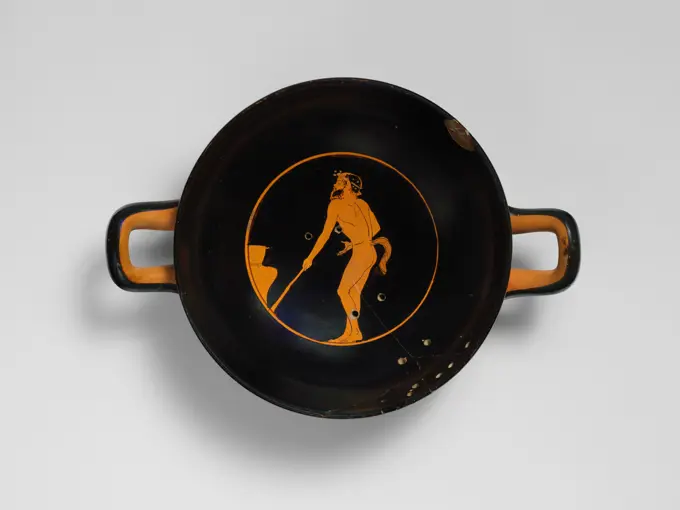
Two dishes 1760-70 Weesp. Two dishes 189000 Factory: Weesp, Two dishes, 176070, Hard-paste porcelain, Length: 5 1/2 in. (14 cm). The Metropolitan Museum of Art, New York. Rogers Fund, 1906 (06.360a, b)Félix Bracquemond (1833-1914). Flowers and ribbons service: dessert plate. Museum of Fine Arts of the City of Paris, Petit Palais. 71786-4 Dessert plate, decoration, leaf, flower, bird, painting, ribbon, serviceTin-glazed earthenware dish. By Arnold Taylor Bequest. Dated Dated 18th CenturyServing plate - View Looking North from the Citadel. Vue prise de la Citadelle, Quebec Views D'après Cochran & Fleming, 1896-1920Wilhelmina, Queen of the Netherlands - 's Lands Welzijn, De Porceleijne bottle, 1949  Plate, blue and orange painted with image of a crowned Oranjeboom with initials on both sides W. Below ribbon with inscription. With edge script and orange border. Back of three blue edges and v.z.v. Two holes and copper wire to hang the plate. Marked and v.z.v. Orange label with gold print. Delft earthenware. glaze. copper (metal) vitrification  NetherlandsPlate with a Portrait of a Gentleman, c. 1525-30. Italy, Faenza, 16th century. Tin-glazed earthenware (maiolica); diameter: 28.1 cm (11 1/16 in.).Berettino” plate with blue on blue decoration. Artist, workshop of: Piero Bergantini, Italian, active Faenza, ca. 1500-1540Plate; Copeland & Garret (England; Ceramics; 1833-1847); 1833-46 (1833-00-00-1846-00-00);Plate with Dutch Ships Anchored at the Table Bay. Porcelain plate, painted on the glaze in blue, red, pink, green, black and gold. On the flat a representation of different Dutch ships for anchor in the South African table bay, at the Dutch location; On the wall a bond with leaf raft; The edge with two decorative tires. The edge has been broken. European performance in email colors.Pify  two copies Bia And undergroundAnonymous. Plate. Earthenware. Paris, Carnavalet museum. 71680-15 Ball, cannon, decoration, faience, keep, nation, revolutionary period, French revolution, plateFaience plate, flat model, blue and purple on white, landscape with tower with fire pit, plate dish crockery holder earth discovery ceramic earthenware glaze, total, Cooked very clear carrying points along the dish edge at the bottom archeologyAnonymous. "Blue and white earthenware plaque". Earthenware, blue and white decor. Paris, Museum of Romantic Life. EARTHENWAREDish with Peaches and Bats. China. Date: 1723-1735. Dimensions: H. 4.1 cm (1 5/8 in.); diam. 20.8 cm (8 3/16 in.). Porcelain painted with overglaze famille rose enamels. Origin: China. Museum: The Chicago Art Institute, Chicago, USA.Rhomboid platter; Koenigliche Porcellain Fabrique, Meissen (1710-1763), Eberlein, Johann Friedrich (1695-1749); 1737-1741 (1737-00-00-1737-00-00);Plate; Copeland & Garret (England; Ceramics; 1833-1847); 1833-46 (1833-00-00-1846-00-00);Basket 1763-1773 Worcester. Soft-paste porcelain, underglaze blue, polychrome enamels and gilding . Worcester Royal Porcelain Company (Manufacturer)E.GERMANY, MEISSEN, PORCELAIN MUSEUM, DISPLAYAnonymous. Plate with the rose branch. Earthenware. Paris, Carnavalet museum. 71683-26 Branch, decoration, faience, flower, revolutionary period, French revolution, pink, plateCupPlate. Retailer: Davenport Brothers, New YorkAnonymous. Plate. Earthenware. 1789. Paris, Carnavalet museum. 70955-3 Weapon, Crown, Epee, Faience, Fleur, Force, Lys, Decorative Reason, Revolutionary Periode, French Revolution, Union, Crockery, platePlate ca. 1780-85 The Hague Dutch. Plate 192305Cover for a dish or vase dated 1538 Italian, Gubbio. Cover for a dish or vase. Italian, Gubbio. dated 1538. Maiolica (tin-glazed earthenware), lustered. Ceramics-PotteryPlate with tiger and bamboo ca. 1730 Meissen Manufactory German The inventory mark on the underside of this plate indicates that it was owned by Augustus II (1670-1733), elector of Saxony and king of Poland, one of Europes most avid collectors of East Asian porcelain in the eighteenth century.. Plate with tiger and bamboo. German, Meissen. ca. 1730. Hard-paste porcelain painted with colored enamels over transparent glaze. Ceramics-PorcelainPlates in the rockery style. Decorated a la corne and with solitary flowers, rose, tulip, and coat of arms. Assiette: type du decor a la corne. Assiette a decor de fleurs isolees. Style rocaille. Chromolithograph after an illustration by Emilie Pottier from Andre Pottier's Histoire de la Faience de Rouen, Auguste le Brument, Rouen, 1870.Dish of earthenware, fragment, with a jumping fox on an orange -yellow, blue and green field, anonymous, c. 1600 Dish of earthenware, fragment. In the circular middle a jumping fox on an orange yellow, blue and green field. Around it concentric yellow and blue lines and on the board a blue decoration of nis -shaped figures. Dutch.  earthenware Dish of earthenware, fragment. In the circular middle a jumping fox on an orange yellow, blue and green field. Around it concentric yellow and blue lines and on the board a blue decoration of nis -shaped figures. Dutch.  earthenwareToy serving plate - Hampton Ridgways, 1879-1920 Ridgways, 1879-1920Victor Hugo (1802-1885). Chinese decor from Juliette Drouet's house in Guernsey, West Wall. Green wooden record containing plates and dishes, composed of twenty-seven compartments (right side of the west wall). Painted wood. 1857-1864. Paris, house of Victor Hugo. 78171-18 Asian art, decorative arts, painted wood, green wood, Chinese cabinet, locker, chinoiserie, compartment, decor, faience, storage, Chinese living room, dishes, 19th XIX 19th 19th 19th 19th century, plate, dishTwo stamping oval;  1783 (1783-00-00-1783-00-00);Czartoryska, Maria Ludwika (1883-1958), Czartoryska, Maria Ludwika née Krasiński (1883-1958)-collections, antique, musical instruments, poets, plants, symbolsCommemorative plate - Statio Bene Fiola CarnisRhomboid platter; Koenigliche Porcellain Fabrique, Meissen (1710-1763), Eberlein, Johann Friedrich (1695-1749); 1737-1740 (1737-00-00-1740-00-00);Bruehl, Henryk (1700-1763), swan service, coats of arms, message (provenance), plattersPlate; Copeland & Garret (England; Ceramics; 1833-1847); 1833-46 (1833-00-00-1846-00-00);Plate; Boston StateHouse. Manufacturer attributed: Enoch Wood and Sons, British, 1820-1846Toy dessert plate - Children at Play Inconnu / UnknownBowl ca. 1680 Japanese, for European market The gift of the Hans Syz Collection in 1995 endowed the Museum with nearly three hundred examples of European and Asian ceramics meticulously acquired by Swiss-born collector Dr. Syz (1894-1991) to chart the migration of models and patterns from East to West. Documenting a continuous process of influence and adaptation, these pieces provide a discriminating review of the nuances of stylistic change resulting from three centuries of trade.. Bowl 208222Plate 1778 Sèvres. This striking plate is part of a dinner service commissioned by the Russian Empress Catherine II, called Catherine the Great (r. 1761ñ96). The complete set of eight hundred pieces included sixty place settings, tea and coffee services, a centerpiece with figures representing the Arts and Sciences in biscuit (unglazed porcelain), and numerous architectural elements. The empress gave the commission to the SËvres porcelain manufactory in mid-1776 through the Russian ambassador in Paris, commanding that it be ìin the best and newest styleîówhat we call Neoclassicism.The plate is marked with the monogram E II (for Ekaterina, the Russian form of Catherine; she was the second queen by this name), surmounted by the Russian imperial crown and encircled by branches of laurel, sacred to Apollo, the Greco-Roman god of the arts, and myrtle, sacred to Venus, the goddess of love. The plates were further enriched by a turquoise ground that imitated the semi-precious stone, and rimmeDish, painted in encre-chine with a double tower in a landscape. Dish of porcelain, painted in encre-chine with a double tower in a landscape. Broad golden trim along the satellure edge. With accompanying bowl (a).Plate, Andalusia” Pattern.   Maker: William Adams and Sons, British, 1819-1863Plate; Copeland & Garret (England; Ceramics; 1833-1847); 1833-46 (1833-00-00-1846-00-00);Saucer ca. 1795 Chinese, for Dutch market. Saucer 201295Dish for an ewer 1500-1520 Italian, Deruta. Dish for an ewer. Italian, Deruta. 1500-1520. Maiolica (tin-glazed earthenware), lustered. Ceramics-PotteryServing plate - Quebec Harbour & Levis, Hâvre de Quebec & Levis D'après Robert Cochran & Company, 1846-1896Snuff Box. Geneva, Switzerland. Date: 1775-1799. Dimensions: 2.3 x 6.8 x 4.9 cm (7/8 x 2 11/16 x 1 15/16 in.). Gold, enamel, and pearls. Origin: Switzerland. Museum: The Chicago Art Institute, Chicago, USA.. Porcelain plate, painted on the glaze in red, black and gold. On the flat a family crest divided into four parts: 1. and 4. a leaving deer; 2. And 3. Three cross against a gray soil. The weapon is flanked by two lions. At the top a mask and a crown with flowers. Leaf rights under the weapon. A Spearhead border on the wall; The edge with four flower branches. Two cracks and a chip in the edge. Weapon porcelain in Encre de Chine.Dish ca. 1725-40 () Chinese (). Dish. Chinese (). ca. 1725-40 (). Hard-paste porcelain. Ceramics-Porcelain-ExportPlate, from the 'Les Patisseries' Service, Sèvres Porcelain Manufactory, French, established 1756 to the present, hard paste porcelain, vitreous enamel, gold, Decorated in yellow, green, red and brown, with gilding. Flat bottom: slightly cavetto marly decorated with concentric bands of yellow and gold, edged with serpentine vine with berries. In bottom, gold laurel wreath enclosing a trophy composed of confections; caption below, in Gothic letters: 'Les Patisseries'., France, 1831, ceramics, Decorative Arts, plate, plateTray ca. 1770-80 Gotha. Tray 199272Blackboard with golden piping around edge and flat and painting in sepia. Porcelain plate, with golden piping around edge and flat. Part of a crockery in Sepia painted with landscapes or topographical faces. Signed in sepia in the painting: a.t.v ..Head of hard baked earthenware; Leeds, Anonymous, c. 1820 - c. 1850  Head of hard baked pottery. The head is half spherical and has a white stand ring. The head is decorated with an overpressure in brown, yellow, green and blue from a landscape with a gothic gate. The head is marked: Leeds. Leeds earthenware. lead glazeBord, de porceleyne was, 1750 - 1780 Fixence board, from the series the 12 months. Representing the month of August. It is shown: the harvest, with the text: August. Delft . Fixence board, from the series the 12 months. Representing the month of August. It is shown: the harvest, with the text: August. Delft .Blackboard with a woman and a child next to a bird cage. Pottery plate with red transfer decor, round, with a representation of a woman and a child next to a bird cage, with a garden in the background.. Plate of faïence, painted in blue with a seascape.Saucer, fragment, painted with chinoiserie (Chinese and rocks)., Anonymous, c. 1650 - c. 1690 Round dish (fragmentary) of blue painted faience. A figure (Chinese) and rocks are painted on the dish. The dish is a soil find from Delft. Delft earthenware. tin glaze.   Delft Round dish (fragmentary) of blue painted faience. A figure (Chinese) and rocks are painted on the dish. The dish is a soil find from Delft. Delft earthenware. tin glaze.   DelftCharlotte Angus, Dish, 1935 1942 DishBasin with Diana and Actaeon, Paulus Willemsz. Van Vianen, 1613 Scale of driven silver. The edge is decorated with lobe ornament between which eight mascarons. On the flat: Diana surprised by Actaeon. Back: the death of Actaeon. Prague silver (metal) Scale of driven silver. The edge is decorated with lobe ornament between which eight mascarons. On the flat: Diana surprised by Actaeon. Back: the death of Actaeon. Prague silver (metal)Saucer-dish with the arms of the Udemans family, anonymous, c. 1750 - c. 1774 Porcelain dish, painted on the glaze in blue, red, pink, green, black and gold. On the flat the coat of arms of the Udemans family. The weapon is divided into two parts: 1. On a red background two fish or dolphins in gold, swimming in water, 2. On a blue background the letters "W" and "U" in black and in the middle a golden star. The helmet sign is a pigeon and the cover consists of gold leafs. A Spearhead border on the edge. A crack and a few chips in the edge. Weapon porcelain with email colors. China porcelain. glaze. gold (metal) painting / gilding / vitrification Porcelain dish, painted on the glaze in blue, red, pink, green, black and gold. On the flat the coat of arms of the Udemans family. The weapon is divided into two parts: 1. On a red background two fish or dolphins in gold, swimming in water, 2. On a blue background the letters "W" and "U" in black and in the middle a golden star. The helmet signSaucer (part of a service) ca. 1790-ca. 1800 Royal Porcelain Manufactory, Naples. Saucer (part of a service) 187763 Factory: Naples Royal Porcelain Manufactory, Ferdinand IV period, ca. 1771ca.1807, Saucer (part of a service), ca. 1790ca. 1800, Soft-paste porcelain, Overall (confirmed): 1 1/8  5 1/4  5 1/4 in. (2.9  13.3  13.3 cm). The Metropolitan Museum of Art, New York. Gift of Henry G. Marquand, 1894 (94.4.144)CERAMICA DE SARGADELOS - BANDEJA Y PLATO CON DECORACION DE JARDINES - SIGLO XIX/XX. Location: BANCO EXTERIOR-COLECCION. MADRID. SPAIN.Plate ca. 1828-ca. 1846 Enoch Wood & Sons British. Plate. British (American market). ca. 1828-ca. 1846. Earthenware, transfer-printed. Made in Staffordshire, Stoke-on-Trent, EnglandItaly, Chianti, Radda. Rampini Ceramics, founded by the Rampini family, which originates from Gubbio, a center of ceramics production since the 15th century.9 Plates of Americanviews.  After: William Henry Bartlett, British, 1809-1854Plate Made 1703 Staffordshire. Tin-glazed earthenware .Soup Plate. English for the American market; Leeds. Date: 1785-1795. Dimensions: Diam. 24.3 cm (9 9/16 in.). Creamware. Origin: England. Museum: The Chicago Art Institute, Chicago, USA.Earthenware faience plate, decor in blue on white ground, with spell, dish plate crockery holder earth discovery ceramic earthenware glaze lead glaze tin glaze, hand turned decorated glazed baked earthenware plate decorated in blue on white fond with spell Presentation: two hands from the sky clouds show weight or plumb line down to heart on table In the middle text. Restoration is provisionally executed not finished or repainted in the midfield of the performance text: MOGHT ZYN archeology Rotterdam rail tunnel indigenous pottery serve serving table food Soil discovery: railway tunnel or construction site Rotterdam.A plate;  19th century (1801-00-00-1900-00-00);Fluted saucer-dish with cranes, minogame and pine shoots, anonymous, c. 1670 - c. 1690 Scale of porcelain with a ribbed wall and lobed edge, painted on the glaze in blue, red, green, yellow, black and gold. On the flat a standing crane between pine shoots, looking at a minog game on the floor. A second crane in the air. Some chips in the edge. Arita, Kakiemon. Japan porcelain. glaze. gold (metal) painting / gilding / vitrification Scale of porcelain with a ribbed wall and lobed edge, painted on the glaze in blue, red, green, yellow, black and gold. On the flat a standing crane between pine shoots, looking at a minog game on the floor. A second crane in the air. Some chips in the edge. Arita, Kakiemon. Japan porcelain. glaze. gold (metal) painting / gilding / vitrificationPlate decorated with bird figure nineteenth century.Plate, 18th century, 5/8 x 9 7/8 in. (1.59 x 25.08 cm), Speckle Ware, England, 18th centuryPair of Dessert Plates. Chamberlain's Factory (England, Worcester, 1788-1852). England, circa 1810-1820. Furnishings; Serviceware. Porcelain. gilding18 plates, each decorated with a Netherlandish province. These plates reflect the period when the Netherlands and Belgium together formed the United Kingdom of the Netherlands (1815-1830). The kingdom consisted of 17 provinces plus the grand duchy of Luxembourg. The gold decoration is in the Neoclassical style. On the upperedge are the arms of the kingdom, on the lower border those of each province. Today the Netherlands consists of 12 provinces.Mocha Cup and Saucer, for the Wertheim Department Store, Berlin. Peter Behrens (Germany, 1868-1940)Gebr. Bauscher (Germany, Bavaria, 1881-1927). Germany, 1902. Furnishings; Serviceware. Porcelain with underglaze blue paintAnonymous. Plate at the federation party. Earthenware. Paris, Carnavalet museum. 71684-38 Decoration, Faience, Federation, Fete, Revolutionary Periode, French Revolution, Plate. Round plate of multicolored painted porcelain. On the flat is painted on the port of Harlingen, to a print of M. Sallieth to the high from 1781. On the blue border, his golden attaches and swords are painted. The show on the flat is signed: Swebach. The plate has been marked.Commemorative dinner plate - Coat-of-arms, City of Toronto Josiah Wedgwood Josiah WedgwoodAnonymous. Plate. Earthenware. Paris, Carnavalet museum. 71478-24 Attribut, Beche, campaign, cross, emblem, epaule, pristine, revolutionary time, faience, man, las, wear, French revolution, three orders, dishes, platePlates with bird animal designs by Pablo Picasso, painted ceramic, 1881-1973Watch ca. 1805 French, Paris. Watch. French, Paris. ca. 1805. Metal, enamel. HorologyAnonymous. Plate. Earthenware. Paris, Carnavalet museum. 71680-6 Ball, cannon, rooster, standing, revolutionary time, faience, nation, awakening, French revolution, dishes, plateSorrento, Italy, a collection of hand painted ceramic dishes and tiles for the kitchenNut or candydishAnonymous. "W the French Republic" plate. Earthenware. Paris, Carnavalet museum. 71683-60 Phrygian cap, decoration, french flag, faience, revolutionary period, French republic, French revolution, plateTerracotta kylix (drinking cup) ca. 460-450 B.C. Attributed to the Euaion Painter Interior, satyr cookingAlthough satyr iconography tends to focus on the specific pursuits of Dionysos, the god of wine, and his followers, satyrs occasionally are cast in human roles. The satyr's meal is contained in a skyphos (deep drinking cup) that stands on a support of indeterminate shape. With the stick in his left hand, he seems to be stoking a fire beneath the support.. Terracotta kylix (drinking cup) 247340Commemorative platter for the Queen's Silver Jubilee. Dated 1977