Decorative Porcelain Dishes

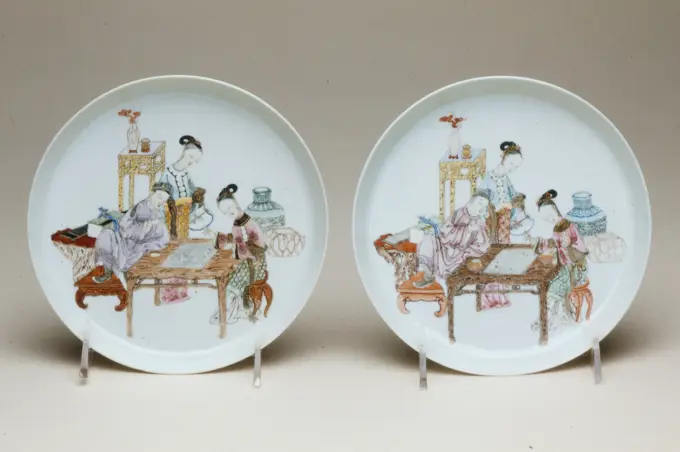
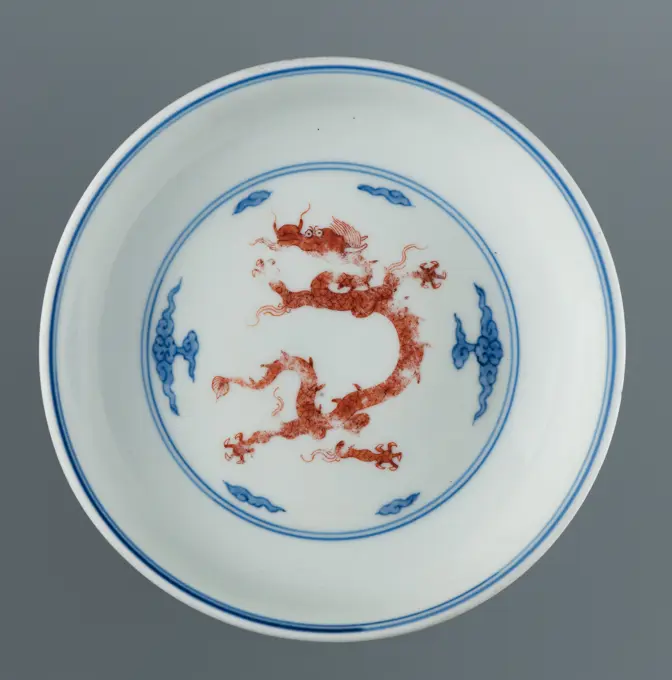
A collection of intricately designed porcelain dishes featuring colorful floral and landscape motifs, showcasing various cultural styles from the 17th to 18th centuries.

Bowl, late 17th century, Unknown Japanese, H.4 x Dia.10 in., Imari ware; porcelain with underglaze blue and overglaze enamels and gold, Japan, 17th century, The bold division of this bowl into symmetrical, but fancifully, delineated compartments around a central roundel is indicative of the fully developed Imari style of the late 17th century. Such wares were brought to Europe in great numbers by the Dutch East India Company where they were in high demand among British and Dutch collectors.
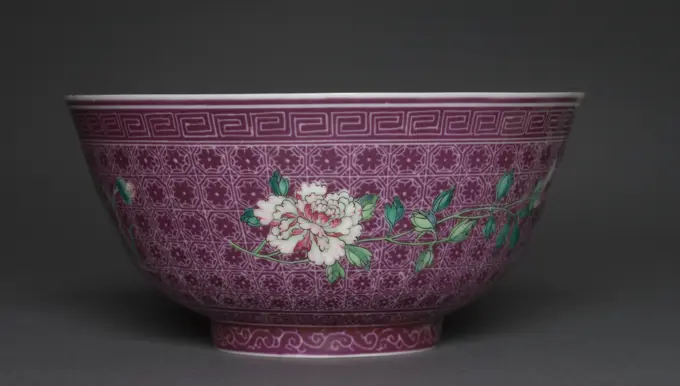
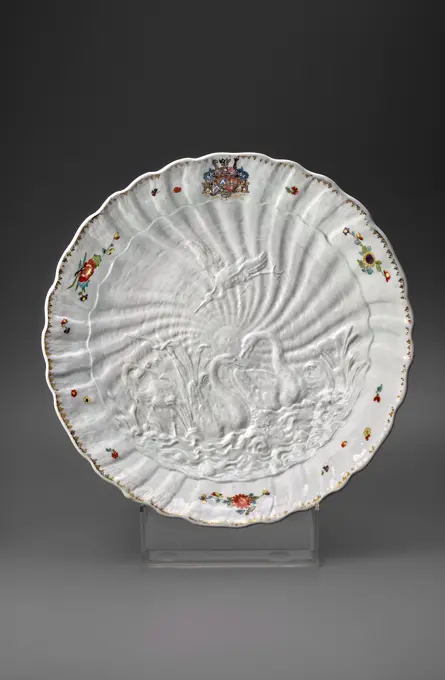
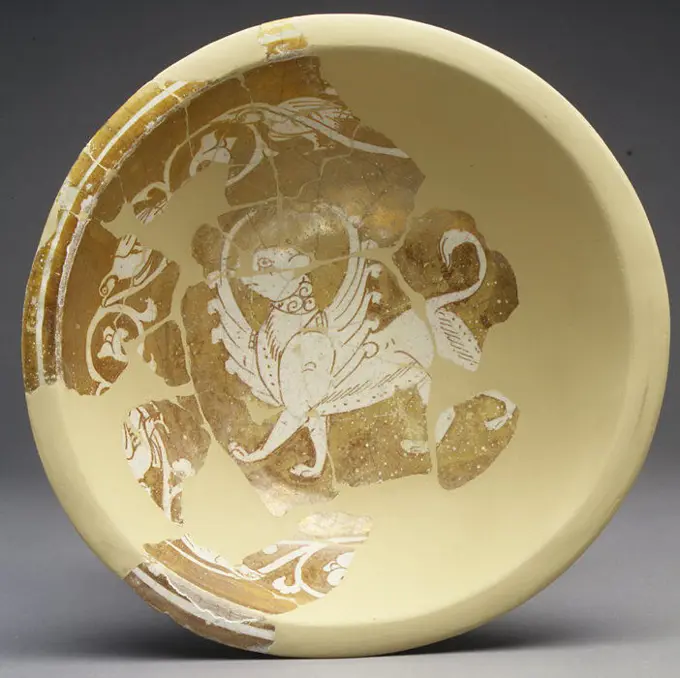
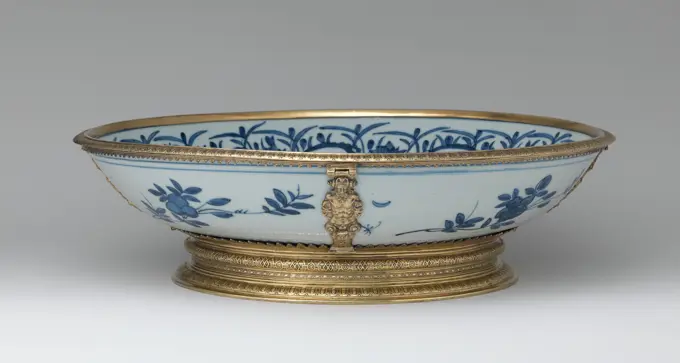
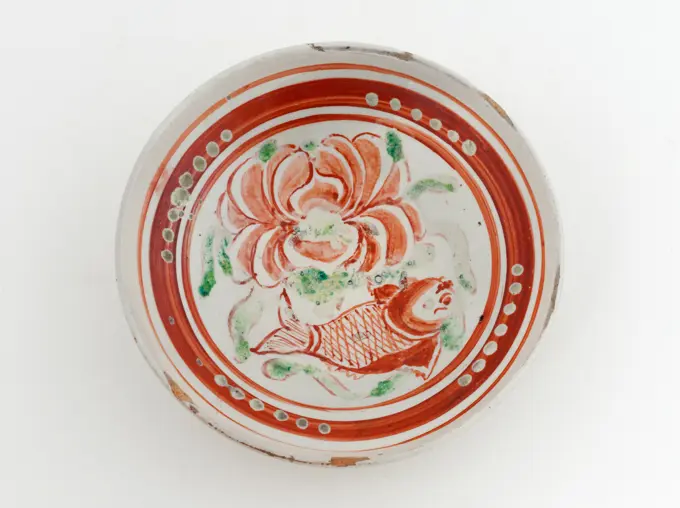
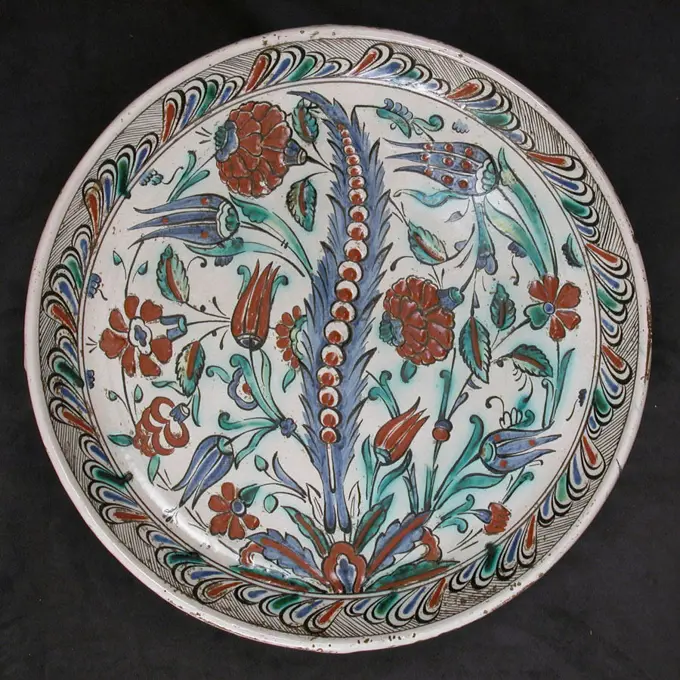
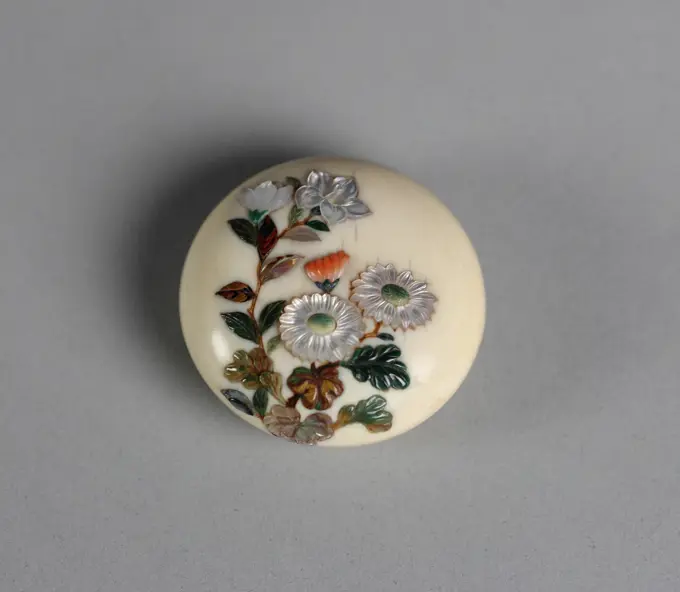
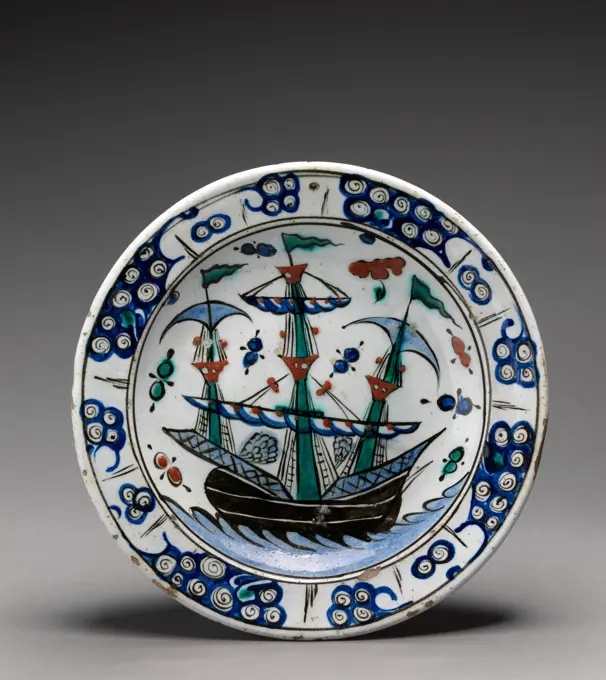
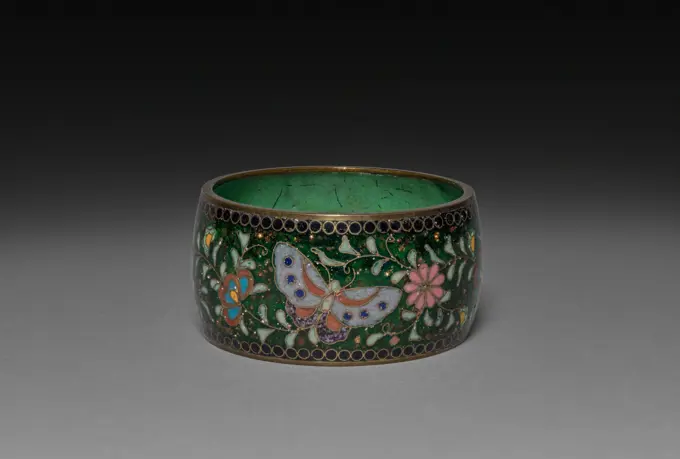
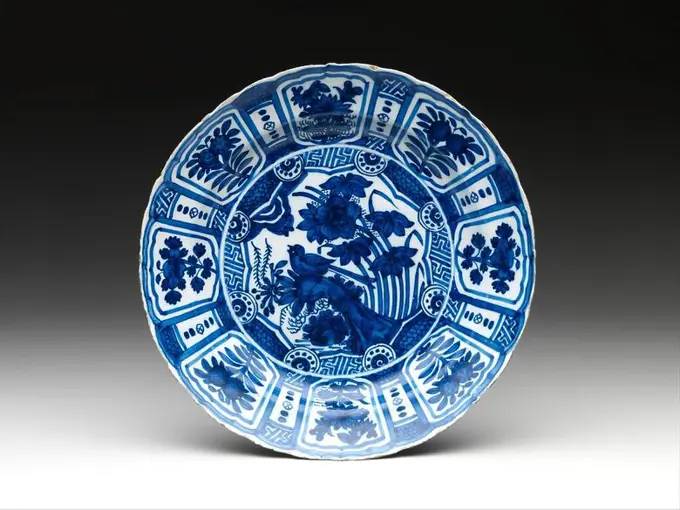
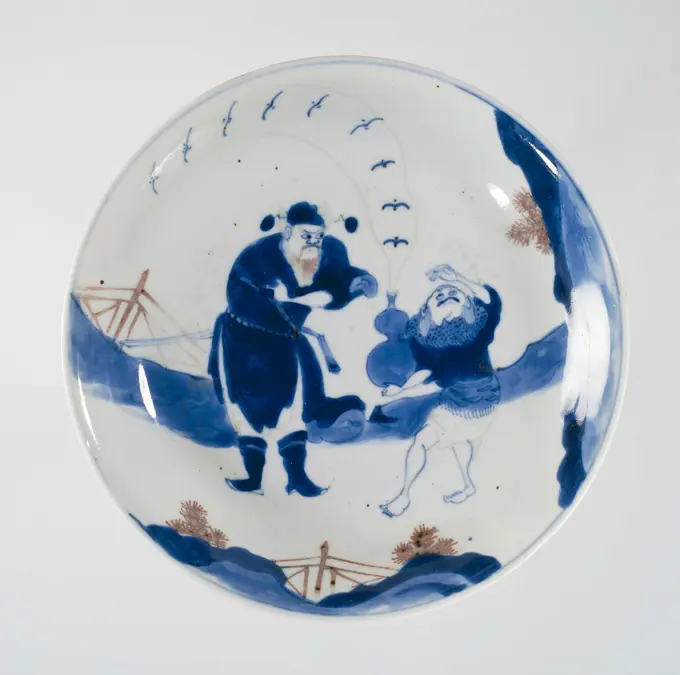
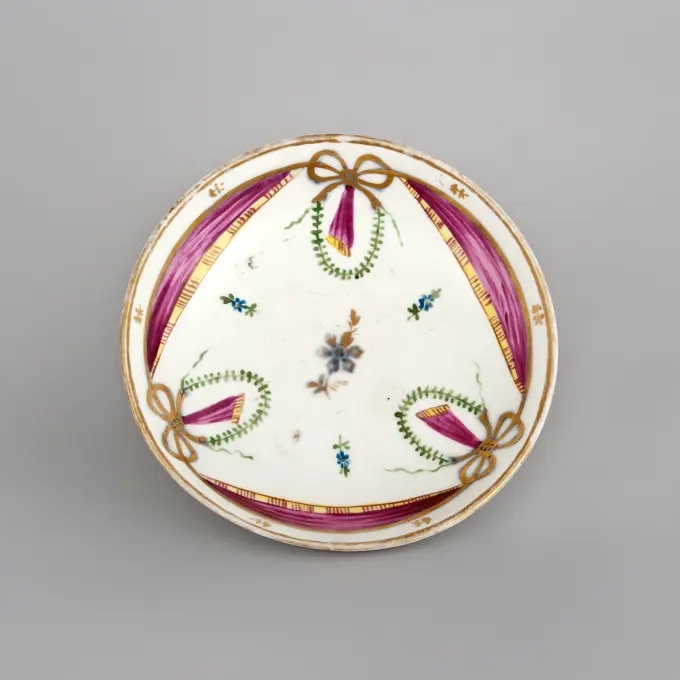
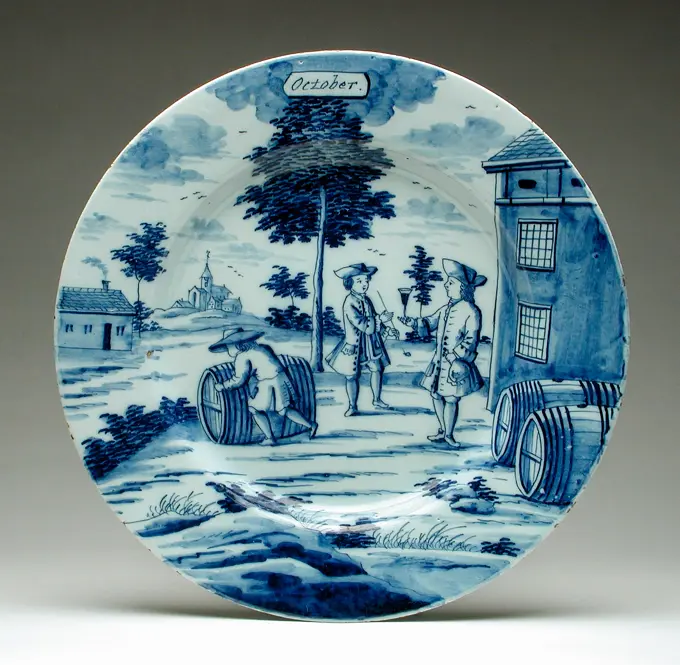
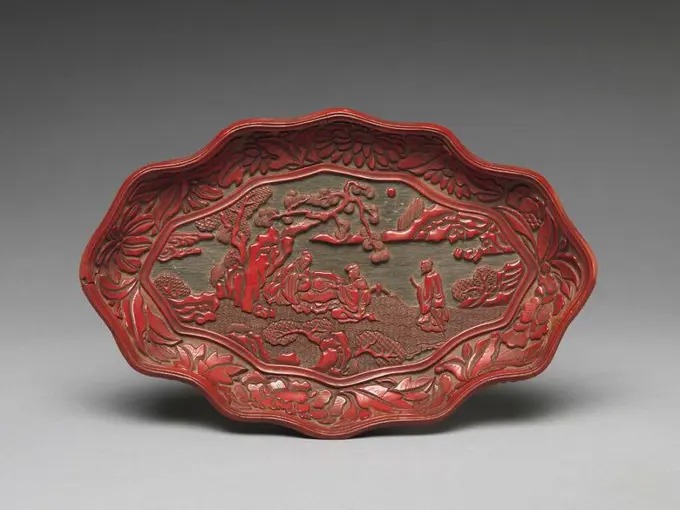
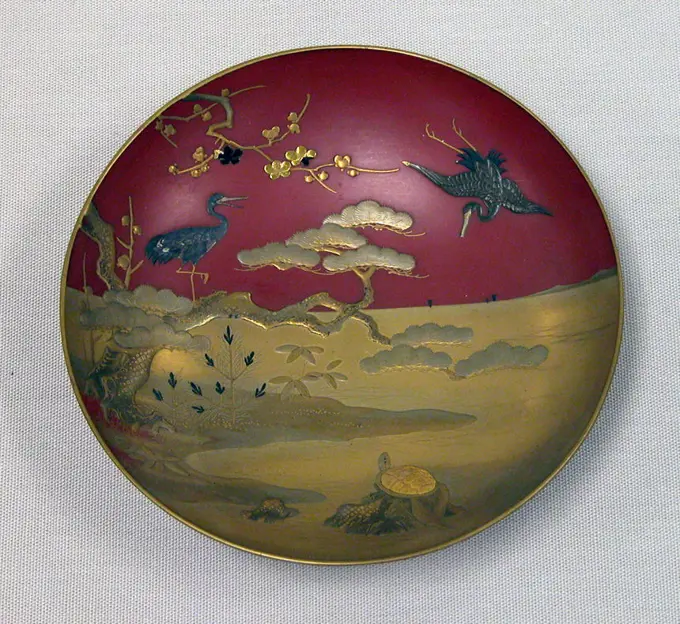
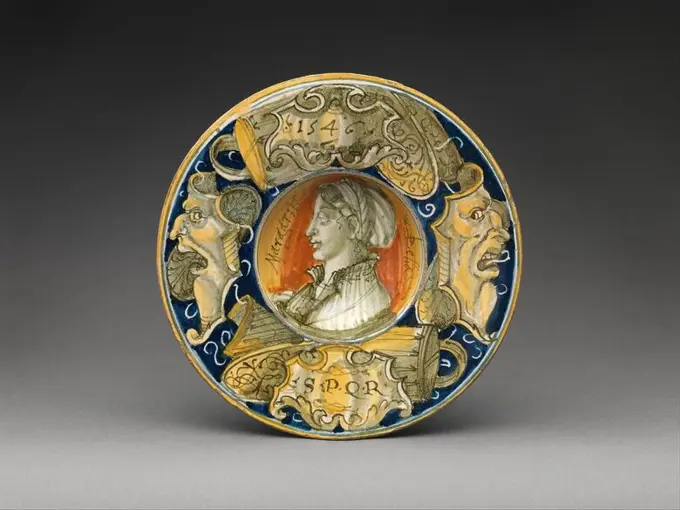
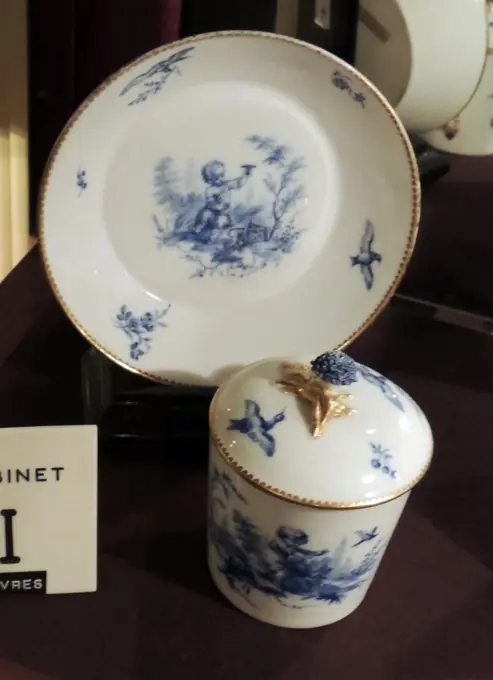
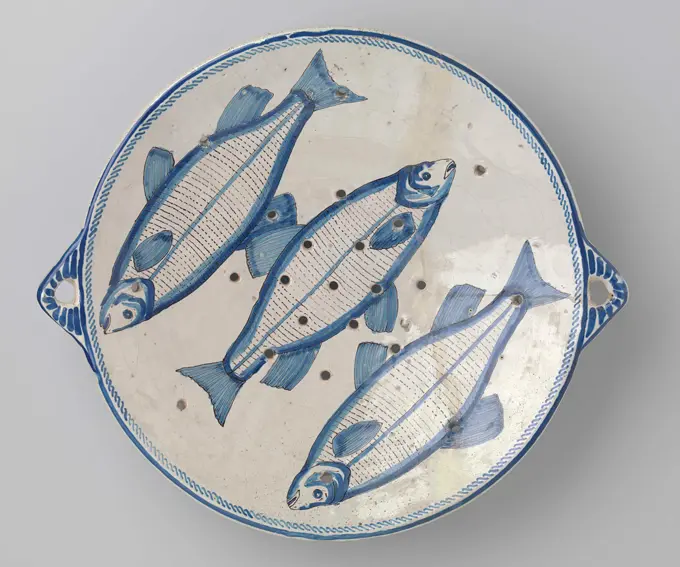
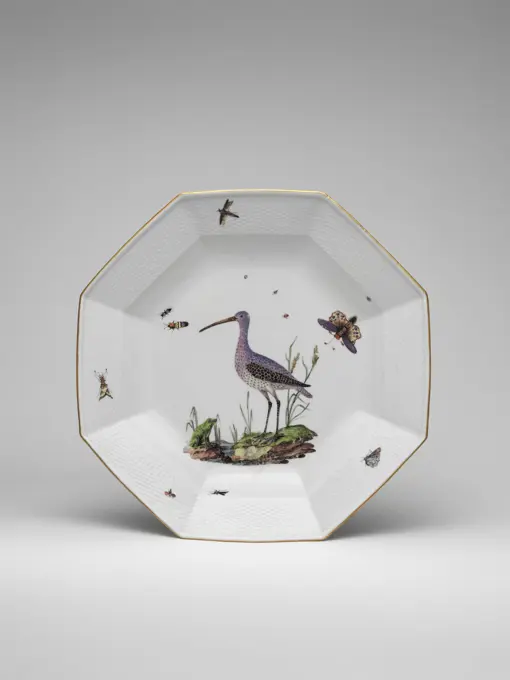
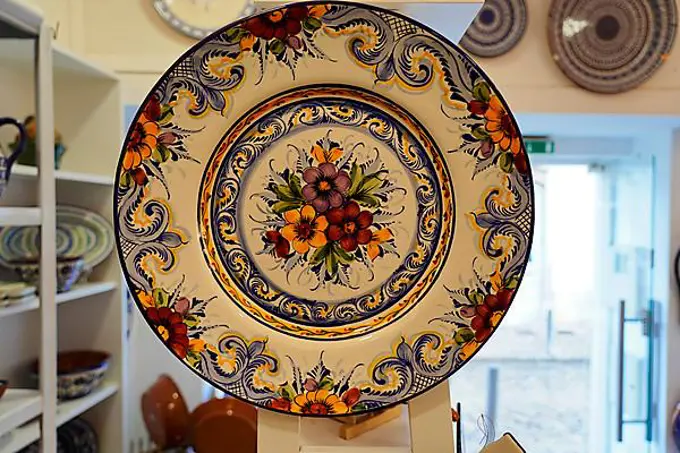
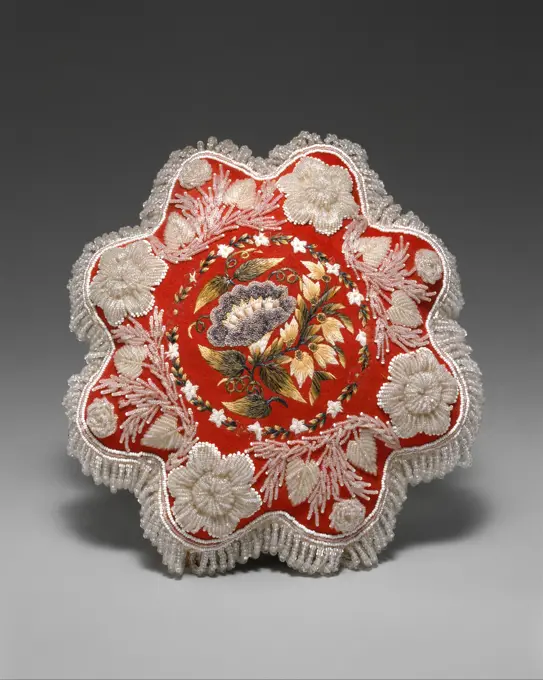
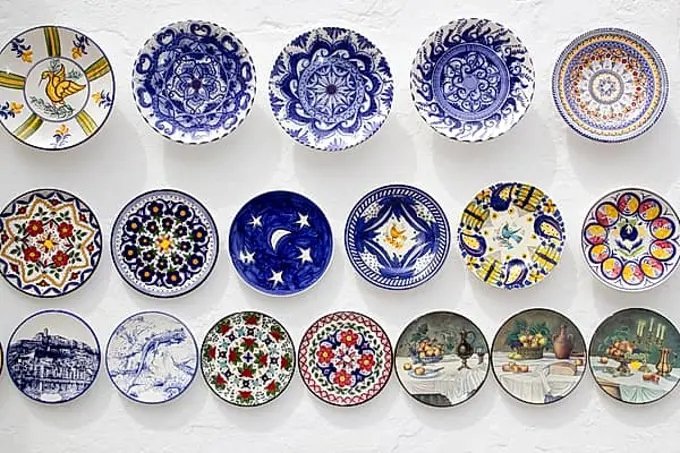
Bowl in the Shape of aParrotDish, painted with a village fair, Anonymous, 1700 Daadel van Faience, painted in blue with a village fair, on the edge rosettes and leaf work. Delft . Daadel van Faience, painted in blue with a village fair, on the edge rosettes and leaf work. Delft .. Dish of quartz frites with lead decorated with a scub motif and tendrils in blue, red and green on white under transparent lead-alkali tinglobic. On the edge a cloud motif or curl. Iznik.Sèvres Porcelain Manufactory, Saucer, 1811, Hard-paste porcelain.Covered Box 18th century China. Covered Box 40963Bowl with Peony Sprays on Diaper Ground (exterior); Chrysanthemum Sprays (interior), 1736-1795. China, Jiangxi province, Jingdezhen, Qing dynasty (1644-1911), Qianlong mark and reign (1736-1795). Porcelain with famille rose overglaze enamel decoration; diameter: 15.5 cm (6 1/8 in.); overall: 7.6 cm (3 in.).Punch bowl 1785-1800 Chinese, possibly for British market. Punch bowl. Chinese, possibly for British market. 1785-1800. Hard-paste porcelain. Ceramics-Porcelain-ExportRound platter. Kaendler, Johann Joachim (1706-1775), sculptor, Koenigliche Porcellain Fabrique, Meissen (1710-1763), factoryBean-Shaped Pillow with Peony Scroll. China. Date: 1115-1234. Dimensions: 12.5 × 40.5 × 28.2 cm (4 15/16 × 15 15/16 × 11 1/8 in.). Cizhou ware; earthenware, slip-coated with green and amber-yellow glazes and carved and incised decoration. Origin: China. Museum: The Chicago Art Institute, USA.Bowl with Griffin 11th century The design of the griffin in reserve at the center recalls Byzantine, as well as Sasanian, motifs. The technique of luster painting developed in ninth-century Iraq and reached a high point under Fatimid potters working at Fustat (in Old Cairo.. Bowl with Griffin 452074Snuffbox mid-18th century German. Snuffbox. German. mid-18th century. Painted enamel on copper, partly gilt; copper-gilt mounts. EnamelsCup and Saucer with Portrait of Benjamin Franklin. Sèvres Porcelain Manufactory; French, founded 1740; Painted by Etienne-Charles Le Guay (French, 1762-1846). Date: 1775-1785. Dimensions: Cup: 7.6 x 10 cm (3 x 4 in.); Saucer: 3.5 x 14.8 cm (1 3/8 x 5 13/16 in.). Soft-paste porcelain, blue ground, and gilding. Origin: Sèvres. Museum: The Chicago Art Institute, Chicago, USA. Author: Manufacture nationale de Sevres.Dish, 14th-15th century, 2 1/2 x 12 3/8 in. (6.35 x 31.43 cm), Porcelain with blue decor under clear glaze, China, 14th-15th century, Early Ming blue-and-white porcelain ranks among some of the most beautiful wares in all of China's ceramic history. This classic early 15th century example displays the so-called 'lotus bouquet' motif in its center. The informal, asymmetrical arrangement of the central bouquet and the generally naturalistic treatment of the flowers here mark a stylistic break from the more formal fourteenth century style shown above.Mounted dish with figures in a landscape from Burghley House, Lincolnshire porcelain 1573- ca. 1585, mounts ca. 1585 British, London mounts and Chinese porcelain Chinese porcelains were a great rarity in sixteenth-century England, and they were often fitted with gilt-silver mounts that proclaimed their high status as luxury objects. Examples such as this were regarded as suitable for royal gifts or for the furnishing of aristocratic houses.. Mounted dish with figures in a landscape from Burghley House, Lincolnshire 199403Round box with powder blue, rocks and flowering plants, anonymous, c. 1700 - c. 1724 Lid of round box of porcelain, painted in underly glaze blue and on the glaze gold. Covered with bleu poudré (powder blue); On the lid a rock with flowering plants and a fence; A decorative band with servetwork around the edge. Bleu Poudré with gold. China porcelain. glaze. cobalt (mineral). gold (metal) painting / gilding / vitrification Lid of round box of porcelain, painted in underly glaze blue and on the glaze gold. Covered with bleu poudré (powder blue); On the lid a rock with flowering plants and a fence; A decorative band with servetwork around the edge. Bleu Poudré with gold. China porcelain. glaze. cobalt (mineral). gold (metal) painting / gilding / vitrificationCup ". Ceramics. China, Dynasty of Song. Paris, Cernuschi Museum. 72685-42 Chinese, white, ceramic art, cutting, song, flower, fish, red, green, orange dynasty. Cup and saucer of porcelain, painted on the glaze in blue, red, black and gold. On the flat of the dish The arm of the family Saunders with three elephants; The helmet sign is also an elephant surrounded by acanthus leaves. On the wall a European decorative band in Louis XIV style with birds and napkin work in cartouches. Old label on the bottom with 'Saunders (Governor of Madras)'. A crack in the wall of the head. Weapon porcelain with email colors.Plate 16th-17th century. Plate 442872Netsuke of Assorted Flowers 19th century Japan. Netsuke of Assorted Flowers. Japan. 19th century. Ivory. Edo (1615-1868) or Meiji period (1868-1912). NetsukeCup and Saucer'Chinese Porcelain Bowl. Famille Verte. Period of K'Ang Hsi, 1662-1722', (1928).  Artist: Unknown.Dish with Sailing-Ship Design 17th century This dish comes from the major ceramics production center of Iznik, which rose to prominence in the sixteenth century and was known for its distinctive saz-style floral ornament. In the seventeenth century, there developed a new decorative repertory of figures, animals, ships, and buildings, including pagoda-like pavilions and domed churches. These field designs are found on numerous examples. The characteristic border of these pieces, ultimately derived from Chinese wave motifs, has become a pattern of alternating leaves and spirals.. Dish with Sailing-Ship Design. 17th century. Stonepaste; polychrome painted under transparent glaze. Made in Turkey, Iznik. CeramicsNapkin Ring with Butterflies, early 1900s. Japan, Meiji period (1868-1912) or Taishō period (1912-26). Cloisonne enamel; diameter: 2.7 x 5.1 cm (1 1/16 x 2 in.).Dish with flowers and birds. Culture: Dutch, Delft. Dimensions: Overall: 1 1/2 × 9 1/2 in. (3.8 × 24.1 cm). Date: ca. 1660.Most likely introduced from the Islamic world, where it had developed in the ninth century in response to imported Chinese ceramics, the use of a tin-based glaze to cover a dark earthenware body has a long history in Europe. Here, the tin glaze is painted with blue pigment on a plate whose shape and design parallel Chinese kraak ware. Museum: Metropolitan Museum of Art, New York, USA.. Dish with round wall of porcelain, painted in underglaze blue and red. On the flat show a representation of two people in a landscape, the person with an object in his hand is one of the eight immortal, Li Tie-Guai, with a gourd-shaped bottle and bats such as its attributes; The underside with two bamboo branches. Marked on the bottom with a flower in a double circle. A crack in the edge; A chip in the edge. Middle blue with copper red.Chien Lung, Cup and Saucer, 18th century, hard-paste porcelain.Bowl, late 1700s. Wedgwood Factory (British). Earthenware; diameter: 21.3 cm (8 3/8 in.).Saucer; Kaiserliche Porzellanmanufaktur in Wien (1744-1864); 1800 (1800-00-00-1800-00-00);Bronisław Krystall. Testament (Warsaw - Exhibition - 2015/2016), Krystall, Bronisław (1887-1983) - collection, draperies, bow (ornament), purchase (provenance)Dish early 17th century. Dish 446913Plate from a Calendar Set. 'de Porceleijne Bijl' Shop (Holland, 1679-1803)Hugo or Justus Brouwer (Holland, 1739-1775). Holland, 1739-1775. Furnishings; Serviceware. Earthenware with tin glaze and enamel (Delft)Inkstand in the shape of a butterfly China 19th century View more. Inkstand in the shape of a butterfly. China. 19th century. Painted enamel on copper alloy. Qing dynasty (1644-1911). EnamelsDish with immortals playing weiqi. Culture: China. Dimensions: H. 1 3/8 in. (3.5 cm); W. 5 7/8 in. (14.9 cm); L. 9 1/4 in. (23.5 cm). Date: 1425-1436.Dishes of this shape, often described as a lotus, were produced primarily during the short reign of the Xuande emperor. The figures here can be identified as Daoist immortals by their clothing, such as the short cape of leaves worn by the seated man on the right. They play weiqi, a chesslike game (known in Japan as go), by moonlight in a remote location--a common motif in Chinese art and literature. Museum: Metropolitan Museum of Art, New York, USA.One of a Pair of Wine Cups (Sakazuki) with Mount Hōrai 19th century Japan. One of a Pair of Wine Cups (Sakazuki) with Mount Hōrai 57730Sake Cup. Artist: Shomosai (Japanese, active late 18th-early 19th century). Culture: Japan. Dimensions: H. 1 in. (2.5 cm); W. 4 3/8 in. (11.1 cm). Date: 19th century. Museum: Metropolitan Museum of Art, New York, USA.Wide-rimmed bowl with Beautiful Margarita. Culture: probably Italian, Castel Durante. Dimensions: Overall (confirmed): 1 1/2 × 7 1/8 in. (3.8 × 18.1 cm). Date: 1546. Museum: Metropolitan Museum of Art, New York, USA.18th century French Porcelain China 2013Colander with two handles, painted with fish .. hole pecotel of blue painted faience, with two hanaters. Three fish have been painted on the patch and a rosette in the back on the back with around it in a circle loose flowers and along the edge flower vines.Famille Rose Dish, One of a Pair, 1723-1735, 6 1/2 x 6 1/2 in. (16.51 x 16.51 cm), Porcelain, China, 18th centuryPlate. unknown, craftsmanCharger ca. 1745 Meissen Manufactory German This large dish and another acquired with it were most likely produced as part of an extensive dinner service, although the service has not yet been identified. Their ornithological decoration suggests a date of manufacture in the mid- to late 1740s. In 1745 the Meissen factory acquired the first volume of Eleazer Albin's "Natural History of Birds," and the decoration on a number of vases and other wares produced shortly thereafter was based on Albin's prints. The accuracy and specificity of the birds portrayed on these wares set them apart from the much less detailed and more generic birds on porcelain produced in the following decades. The skill of the Meissen painters is also reflected in the rendering of the insects on the molded basket work pattern executed in low relief on the rim.. Charger. German, Meissen. ca. 1745. Hard-paste porcelain. Ceramics-PorcelainSouvenirs, pottery, old town, alley, houses, Tavira, Algarve, Portugal, EuropePincushion mid-19th century Huron. Pincushion 319020Ceramic plates decorated hand painted crafts Mediterranean IbizaPortrait medallion British late 19th century View more. Portrait medallion. British. late 19th century. Enamel. Enamels