Decorative Porcelain Plates

A series of beautifully painted porcelain plates featuring floral and animal motifs, showcasing fine craftsmanship from the Meissen porcelain factory.
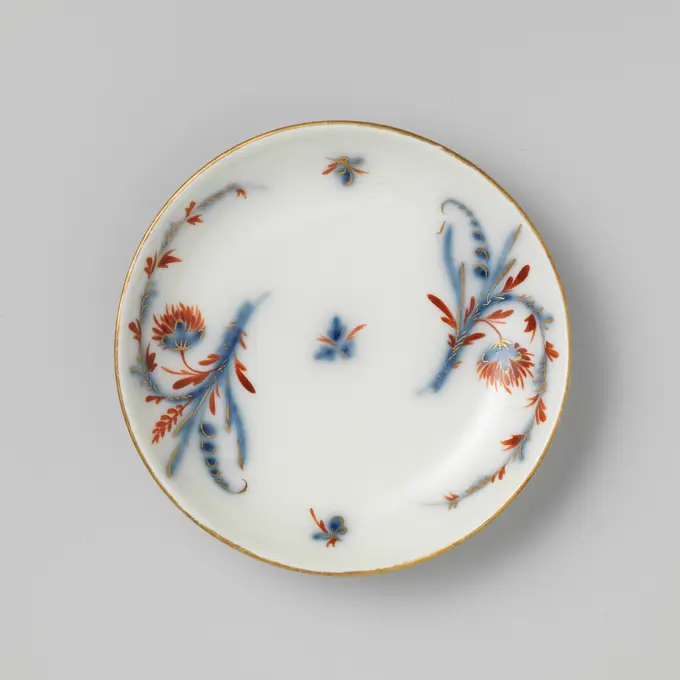
Dish, painted with flower branches. Dish of porcelain. Without ear. Painted in underglazing blue, red and gold with flower branches.
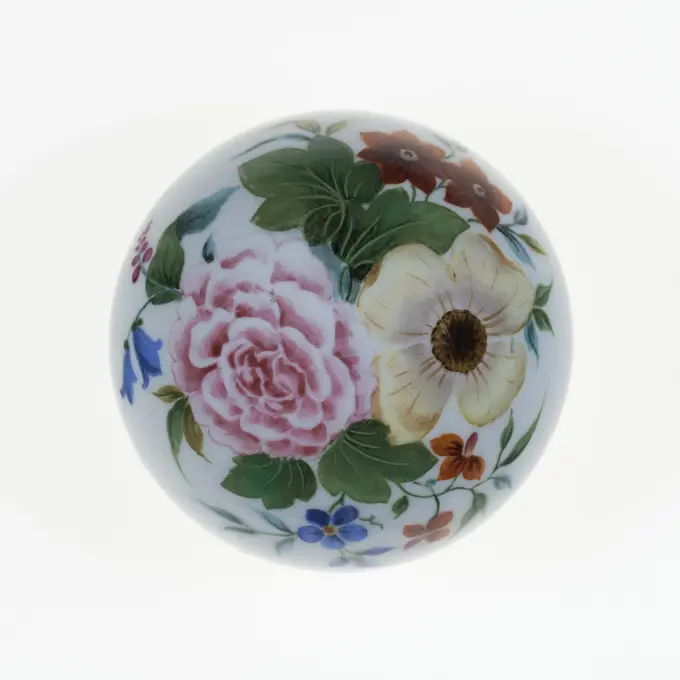
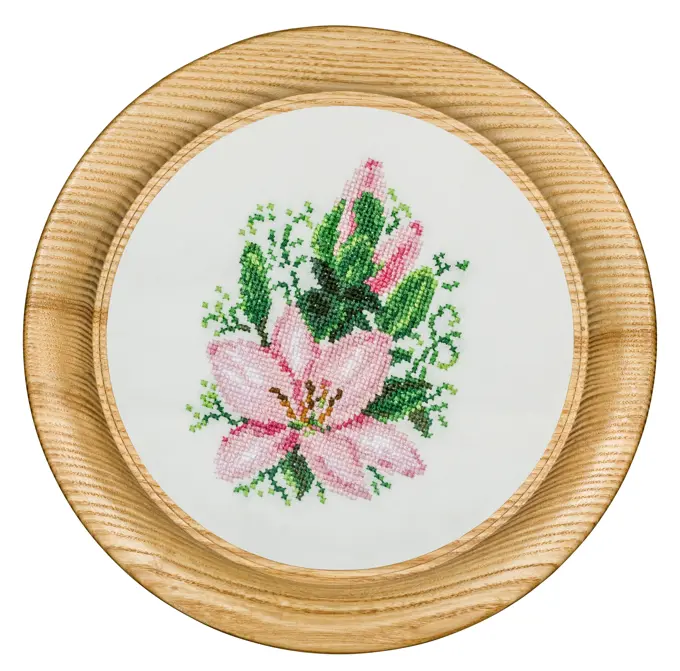
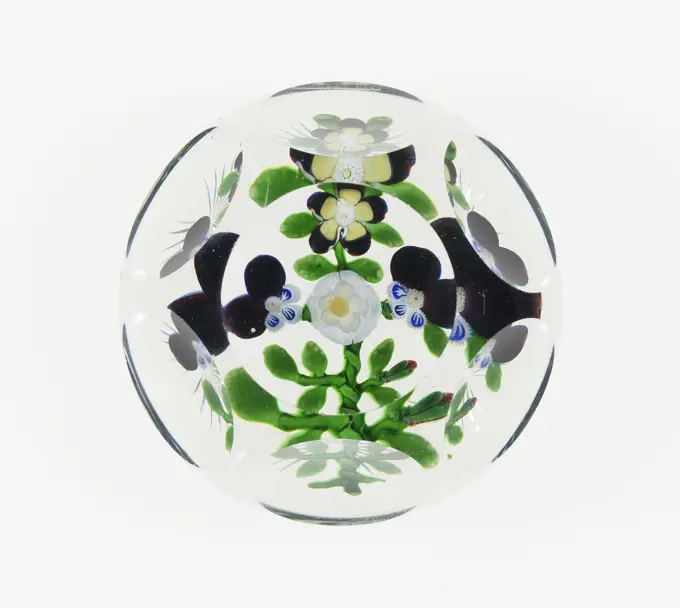
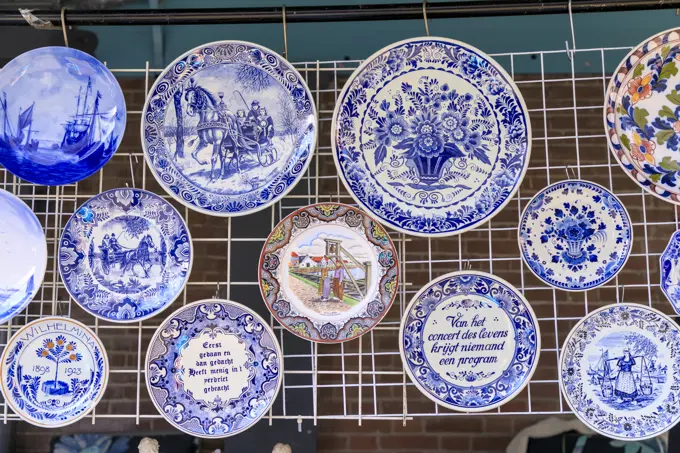
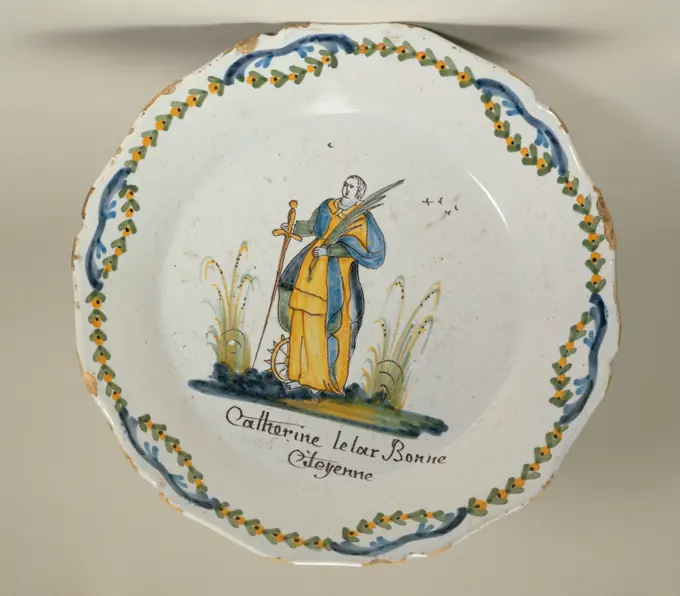
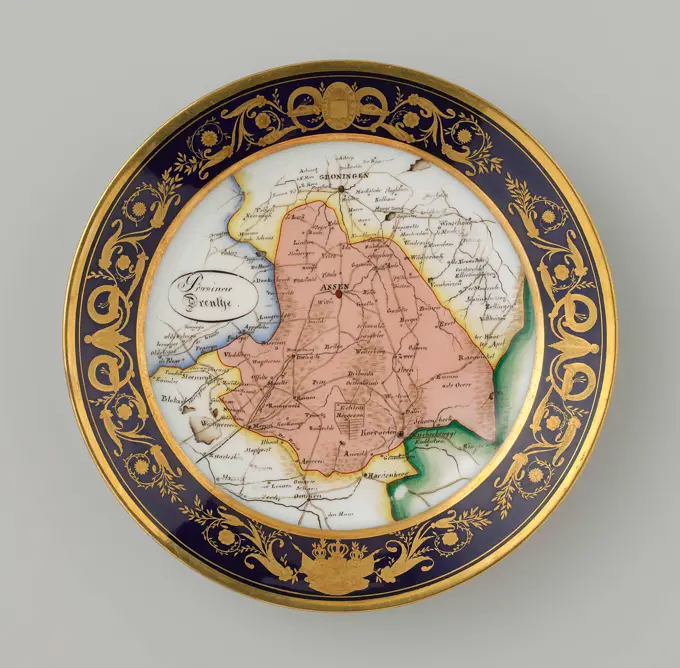
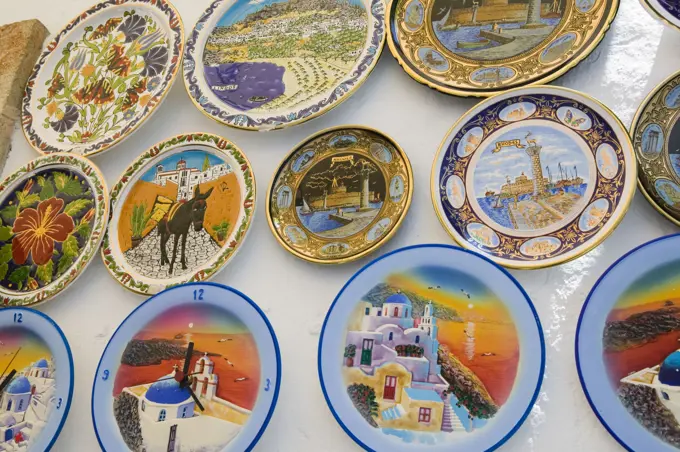
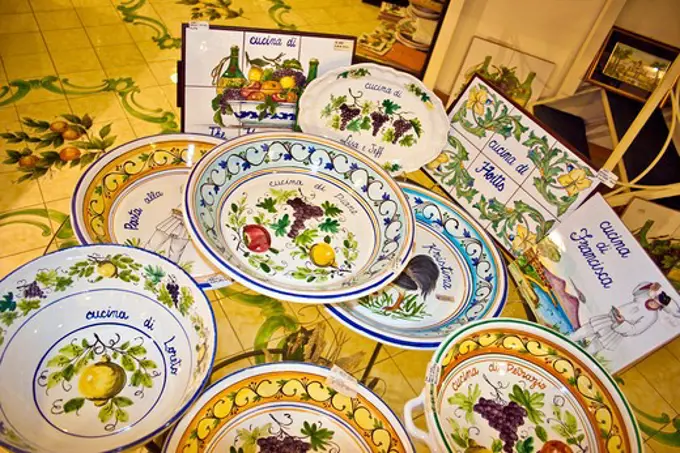
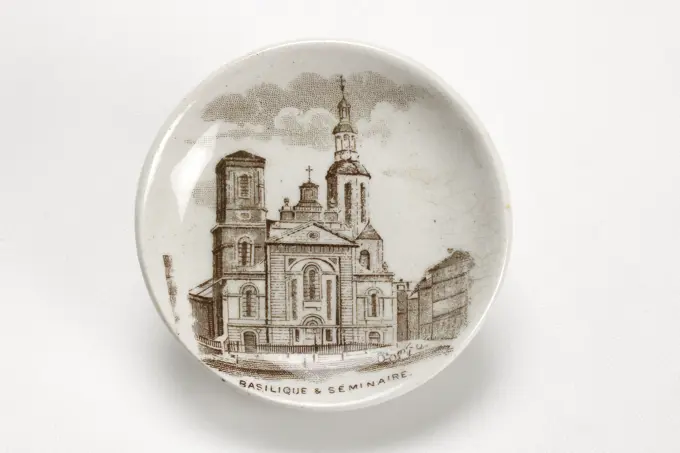
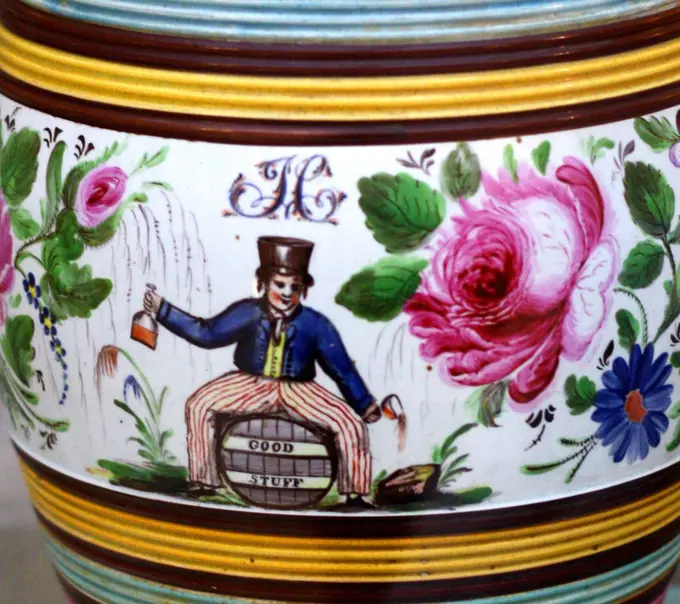
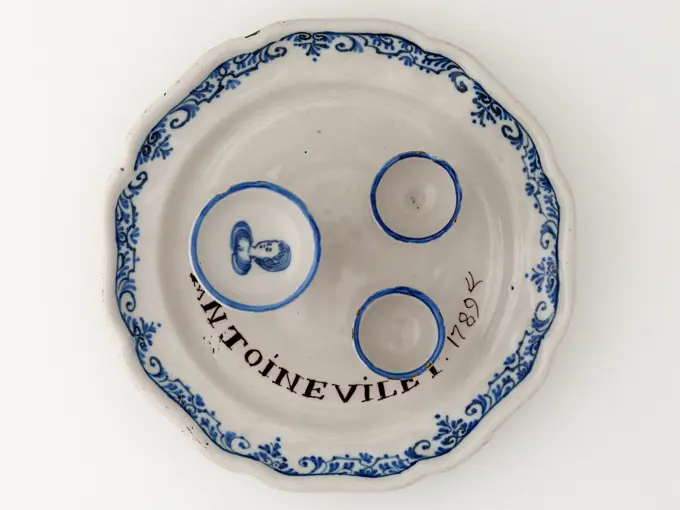
Plate with the coat of arms of Hendrik Peter Godfried Quack and Isabella Gertraud von Carnap, Etienne Blancheron, c. 1790 - c. 1800 Porcelain plate, painted on the glaze with gold. On the flat the alliance weapon of Hendrik Peter Godfried Quack and Isabella Gertraud von Carnap. The edge with a flower drink and a golden band. A proen on the underside; Porcelain gray from Tint. Marked on the underside with J . porcelain company: Paris (possibly)Netherlands (possibly) porcelain. glaze. gold (metal) painting / gilding / vitrification Porcelain plate, painted on the glaze with gold. On the flat the alliance weapon of Hendrik Peter Godfried Quack and Isabella Gertraud von Carnap. The edge with a flower drink and a golden band. A proen on the underside; Porcelain gray from Tint. Marked on the underside with J . porcelain company: Paris (possibly)Netherlands (possibly) porcelain. glaze. gold (metal) painting / gilding / vitrificationFirst Men on the Moon, the Porceleijne bottle, 1969  Plate, blue painted with image of a male on a half moon. Below part of the world. With inscription. Back of two blue edges and two holes with iron wire to hang the plate. Marked and provided with label. Delft earthenware. glaze vitrification  MoonSaucer with a roundel, anonymous, c. 1800  Porcelain dish with a straight wall, painted on the glaze in cream and gold. On the flat a rosette in a medallion. Around it, continuously on the wall a cream -colored band. The inner edge with a leaf vank between two gold tires. Marked on the bottom with 4. France porcelain. glaze. gold (metal) painting / gilding / vitrificationPaperweight 1840-1865 Czech Republic. Glass .Plate with three orders. Earthenware. 1789-1792. Paris, Carnavalet museum. 76184-29 Old regime, clergy, revolutionary faience, flower, nation, nobility, French revolution, third party, three orders, plateSaucer with playing cards, anonymous, c. 1800  Porcelain dish on a high foot ring, painted on the glaze in email colors and gold. On the flat golden concentric circles. The wall with playing cards against a green background. The high maps are decorated with well -known figures with the inscriptions 'Rachel', 'Lahire' and 'David'. Golden Rand. France porcelain. glaze. gold (metal) painting / gilding / vitrificationEmbroidered picture in the frame, isolated on white background Embroidered picture in the frame, isolated on white background Copyright: xZoonar.com/OleksandrxKostiuchenkox 9747211. Round plate of blue painted faience. On the flat is a landscape with a house and figures painted and a leaf fries on the edge. The plate is a soil find out of Delft.Plate. Attributed to Thomas Pardoe (England, 1770-1823)Welsh, Swansea (England). England, circa 1810. Furnishings; Serviceware. Cream-colored earthenware (Pearlware)PLATO JAPONES DE PORCELANA S XIX. Location: PALACIO TOPKAPI-MUSEO. ISTANBUL. TURQUIA.Paperweight 1843-1860 Baccarat. Technological improvements to optical scientific instruments in the mid-nineteenth century spurred a veritable obsession across Europe with identifying and classifying the natural world. Amateur botanists were eager to collect and preserve floral specimens, which they intently researched and catalogued. In response to this broad appeal, French glassmakers made paperweights that portrayed the very botanical subjects that were so enthusiastically sought. Many weights represented specimens with horticultural correctness, but others were entirely fanciful creations. Paperweights like this example speak to the periodís fascination with taxonomic systems.From the late 1840s to early 1860s, French manufacturers of fine glass and crystalósuch as Baccarat (Alsace), Clichy (Paris), and Saint-Louis (Lorraine)ócatered to the vast public enthusiasm for beautiful yet functional desk accessories. Paperweights, which were designed to secure loose papers against drafts, Netherlands, Holland. Alkmaar. Porcelain plates in typical blue and white decor and design. (Editorial Use Only)Dish with Design of Ascending Balloon dated 1797 Japan. Dish with Design of Ascending Balloon 49424Knife, Christening set, 1864-1865, George Adams, English (London), English, active 1840-1883, 8 1/2 in. (21.59 cm), Silver, gilt, England, 19th centurySpoon, Christening set, 1864-1865, George Adams, English (London), English, active 1840-1883, 7 in. (17.78 cm), Silver, gilt, England, 19th centuryOld Chinese design blue and white ceramic plates, Panjuan Flea Market, Beijing, China. Panjuan Flea Curio market has many fakes, replicas and copies of Chinese products.Anonymous. Plate. Earthenware. Around 1790. Paris, Carnavalet museum. 70955-58 Weapon, heart, speech, faience, decorative motif, shovel, revolutionary period, union, dishes, platePatriotic plate ". Paris, Carnavalet museum. 35750-8 Patriotic plate, ceramic, woman, patriotism, French revolution, dishesBread plate - Basilique & Séminaire. Quebec Views D'après Robert Cochran & Company, 1846-189618 plates, each decorated with a Netherlandish province. These plates reflect the period when the Netherlands and Belgium together formed the United Kingdom of the Netherlands (1815-1830). The kingdom consisted of 17 provinces plus the grand duchy of Luxembourg. The gold decoration is in the Neoclassical style. On the upperedge are the arms of the kingdom, on the lower border those of each province. Today the Netherlands consists of 12 provinces.GREECE, Dodecanese Islands, RHODES, Lindos: Souvenir Clocks and PlatesSorrento, Italy, a collection of hand painted ceramic dishes and tiles for the kitchenBread plate - Quebec Views Robert Cochran & Company, 1846-1896 Robert Cochran & Company, 1846-1896. Porcelain plate, painted in underglaze blue and on the glaze green, black and gold. On the flat a harlequin seat sitting on a stump with a tongs in his hand with the text: "The actymars on the tongs"; The edge with a decorative pattern. Action board. European performance in blue-white with email colors.Barrel & Watch Holder, Bristol, 1820-1835. Bristol Pottery of the first half of the 19th century is best known for its colourful painted floral designs. The barrel is unusual, perhaps unique, because of its large size. The watch holder is a rare form;it was designed to hold a gentleman's pocket watch when he was not wearing it.Egg plate (plate with two ochers and a salron fixed on the plate, and an inscription "Antoine Vile 1789"). Moustiers earthenware, 1789. Paris, Carnavalet museum. Egg plate Blue, Coquetier, Date, Moustiers Faience, Registration, Egg, Small Saliere, French Revolution, Saleron, Plate