Decorative Porcelain Plates

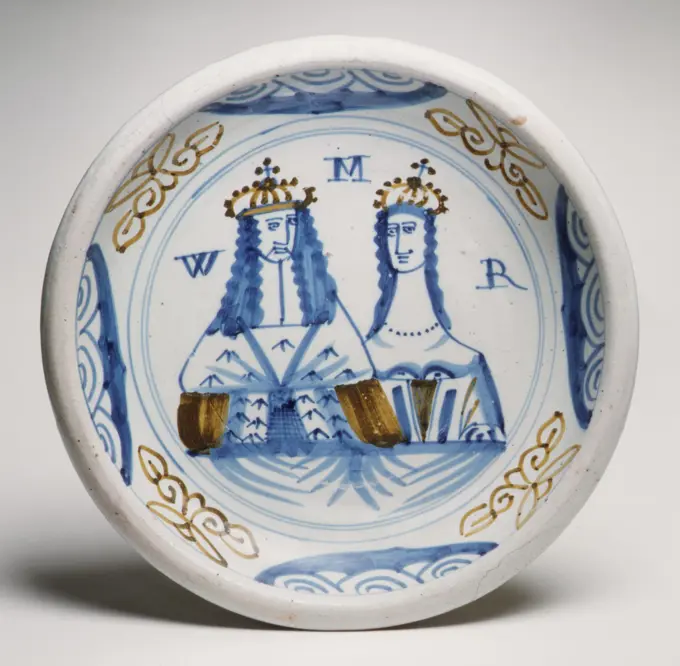
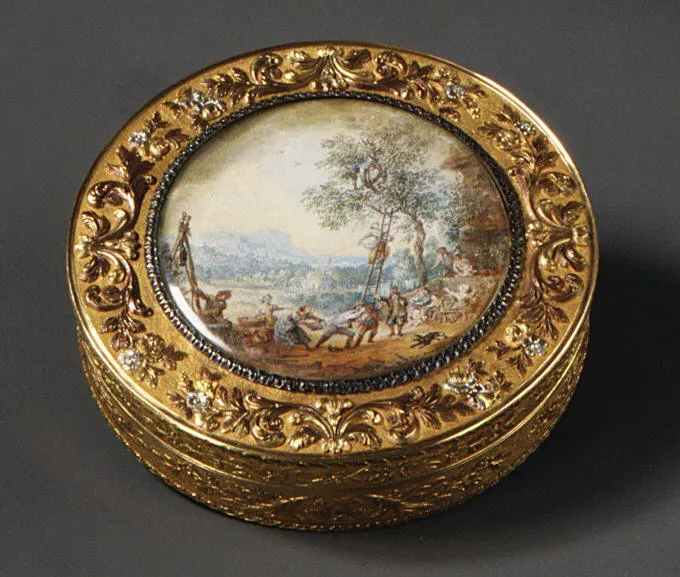
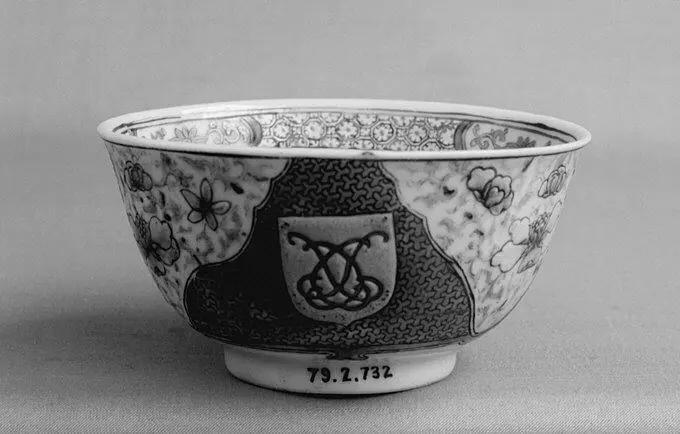
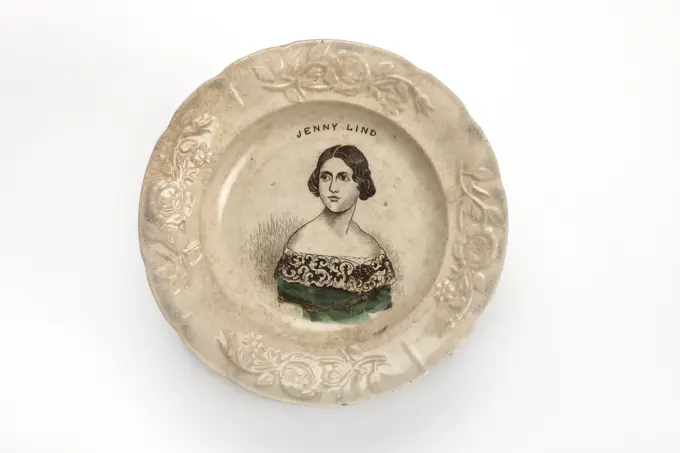
Assortment of elegant porcelain plates featuring colorful designs, including floral patterns, portraits, and historical symbols.

Plate; Rosenthal (Selb; Porcelain Factory; 1879-); 1925-41 (1920-00-00-1930-00-00);
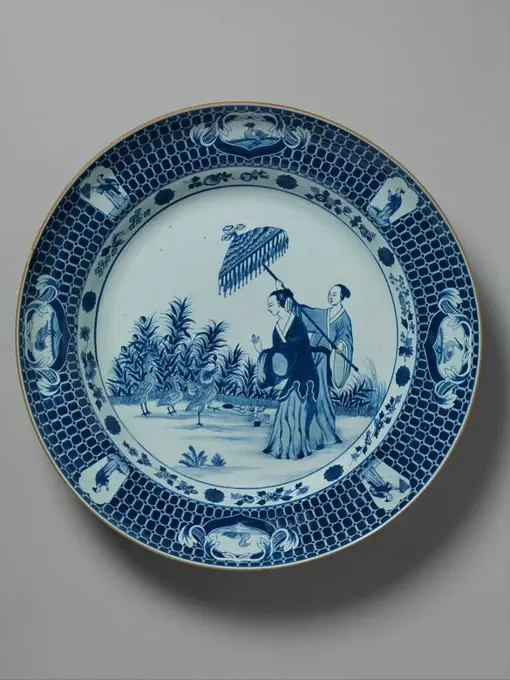
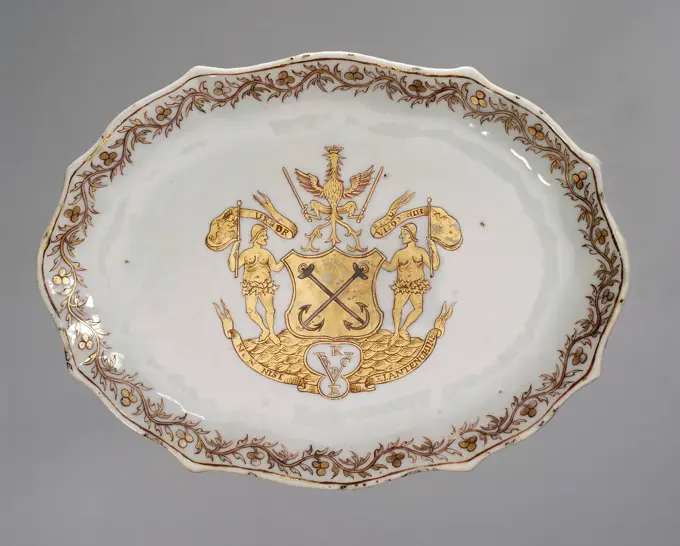
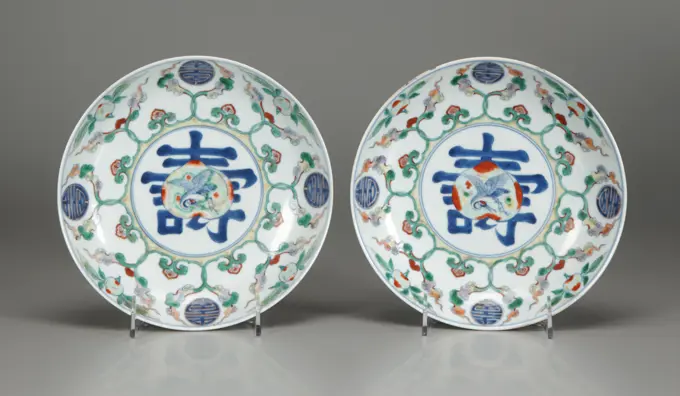
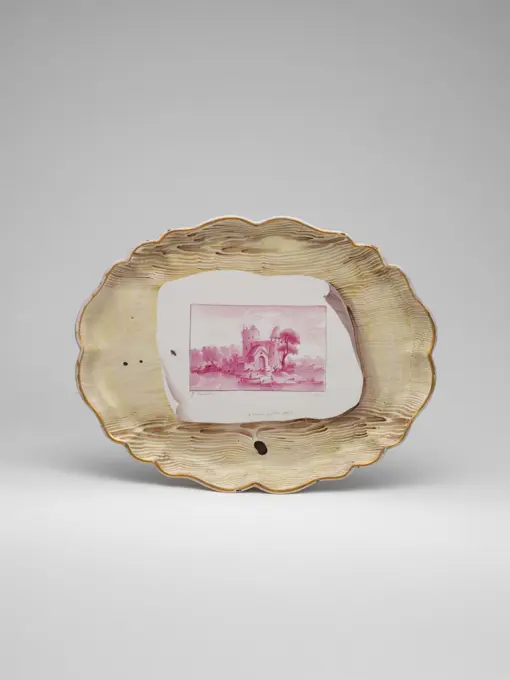
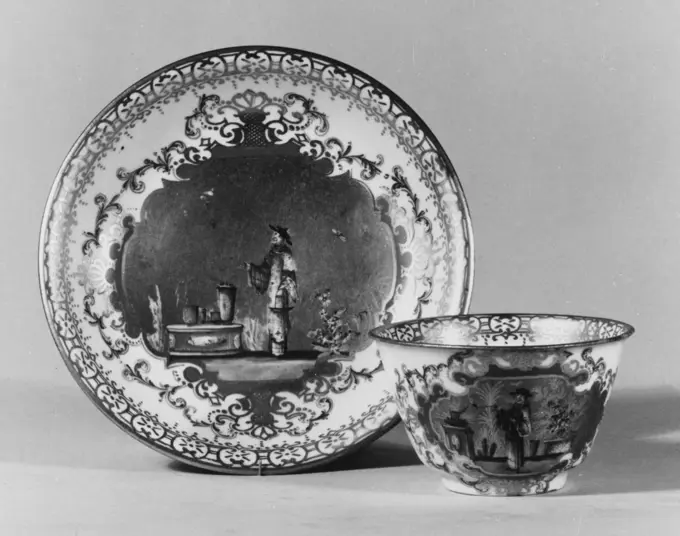
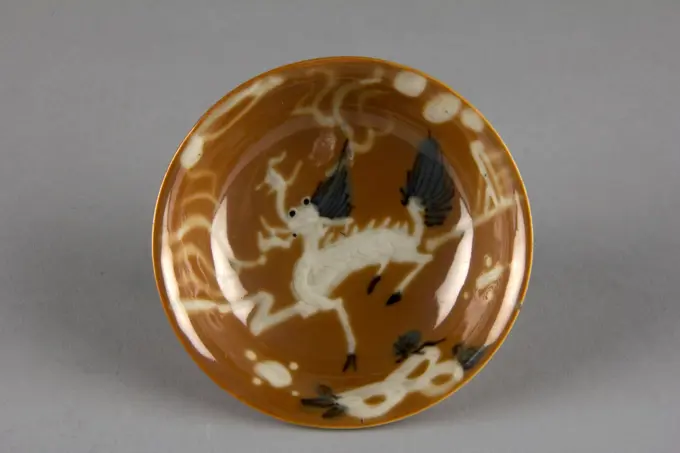
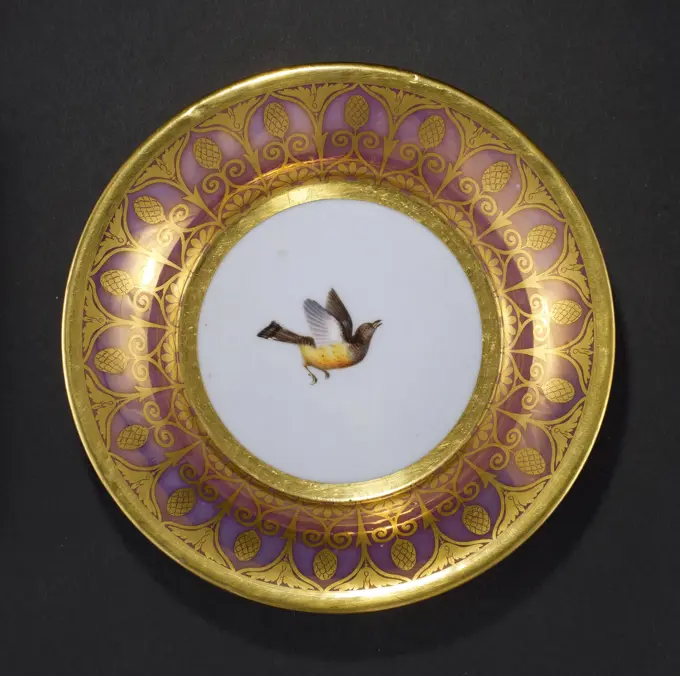
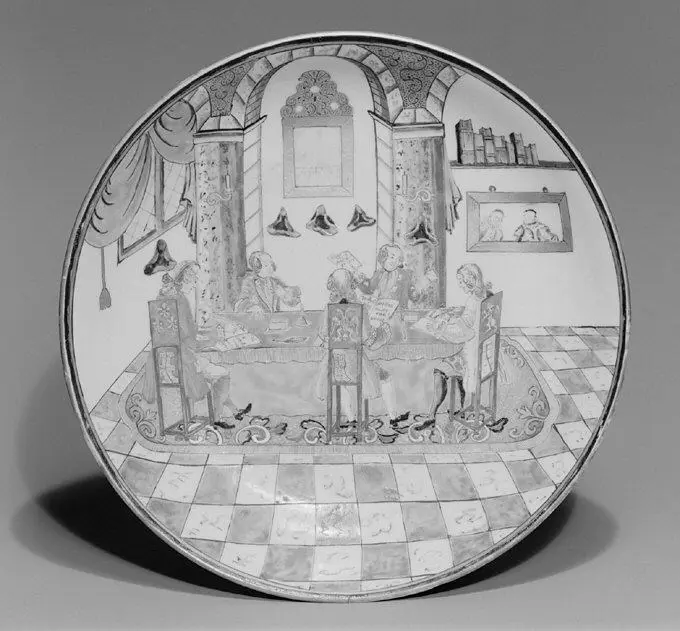
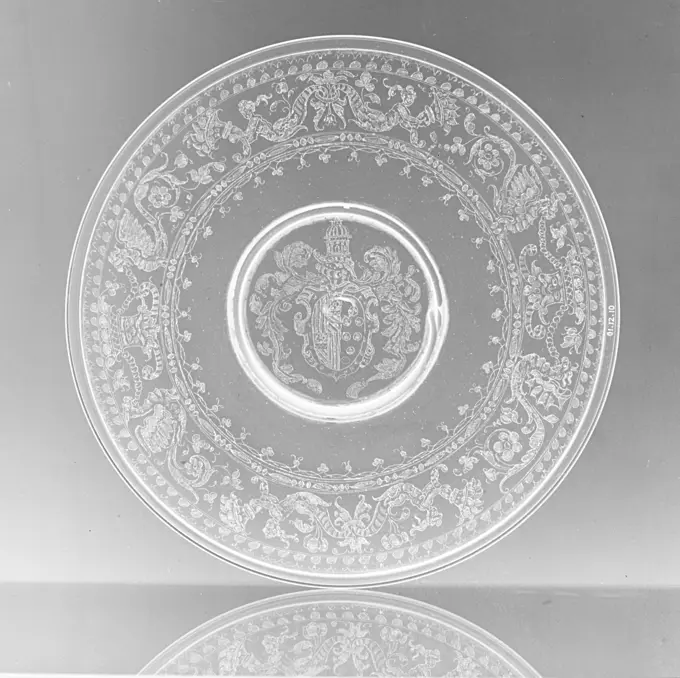
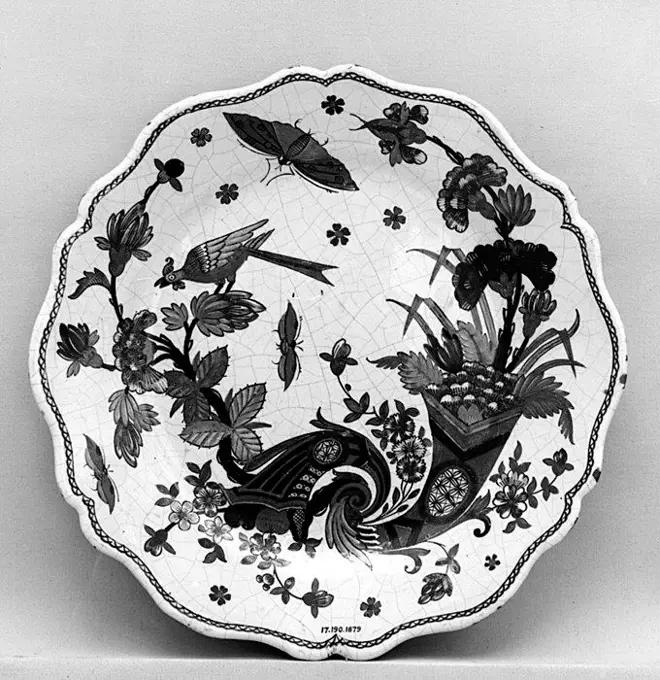
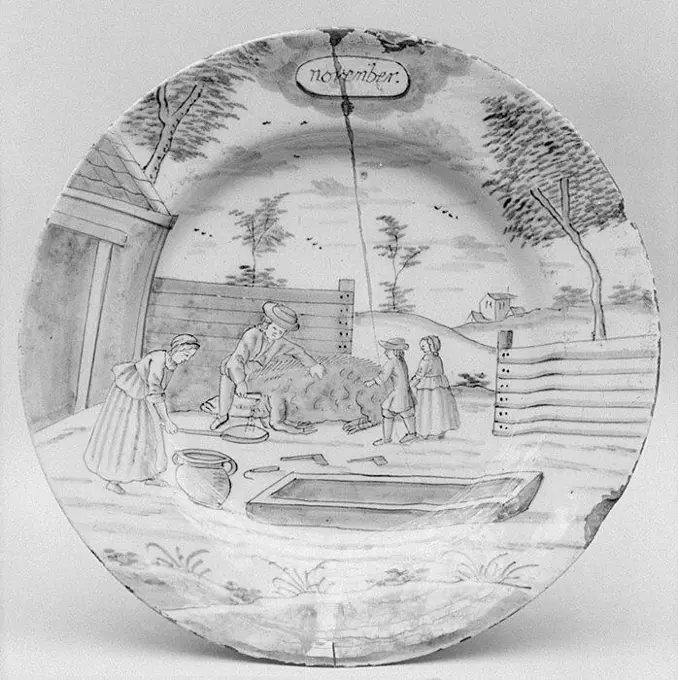
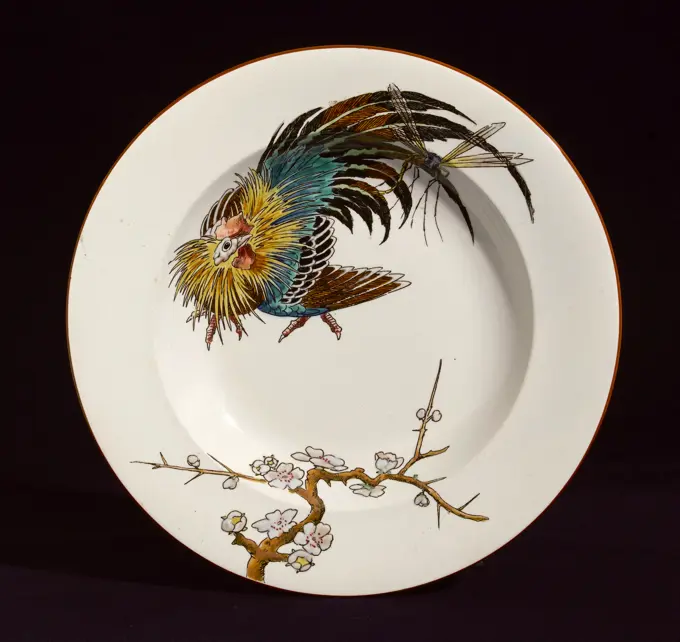
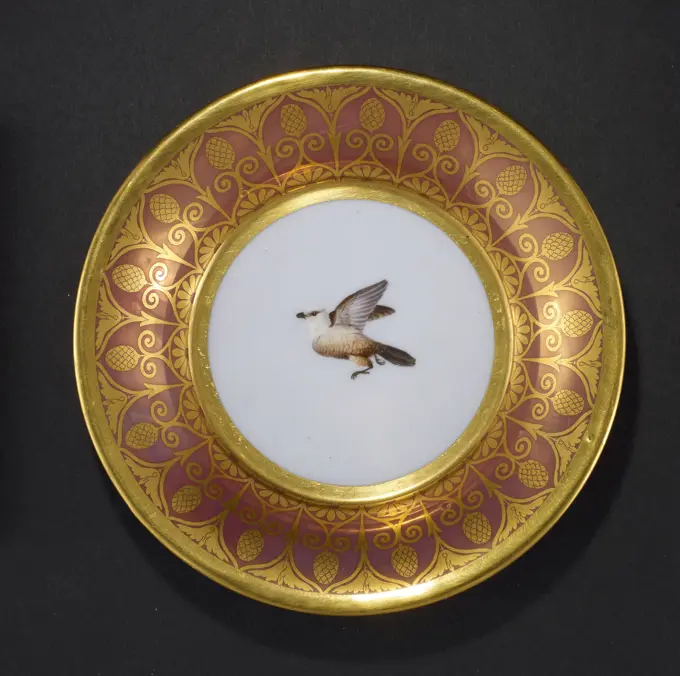
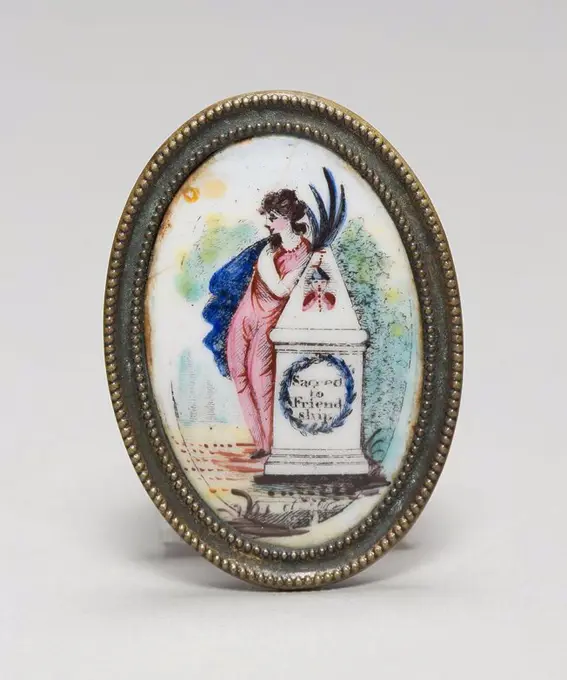
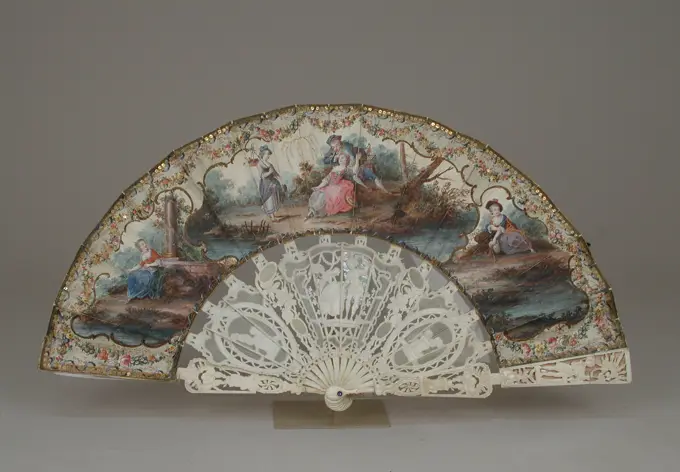
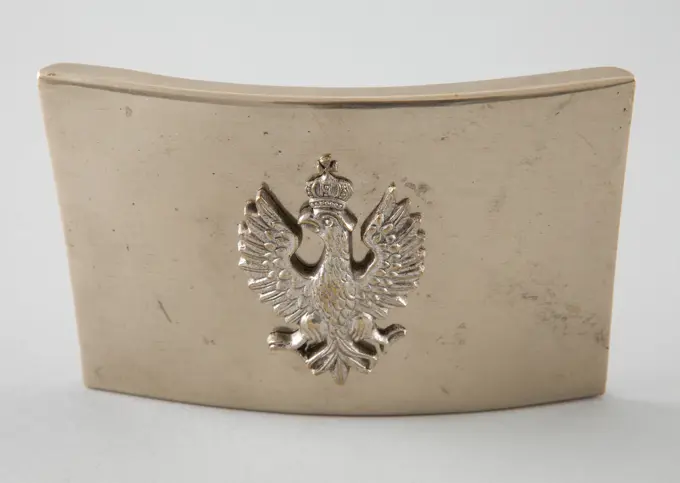
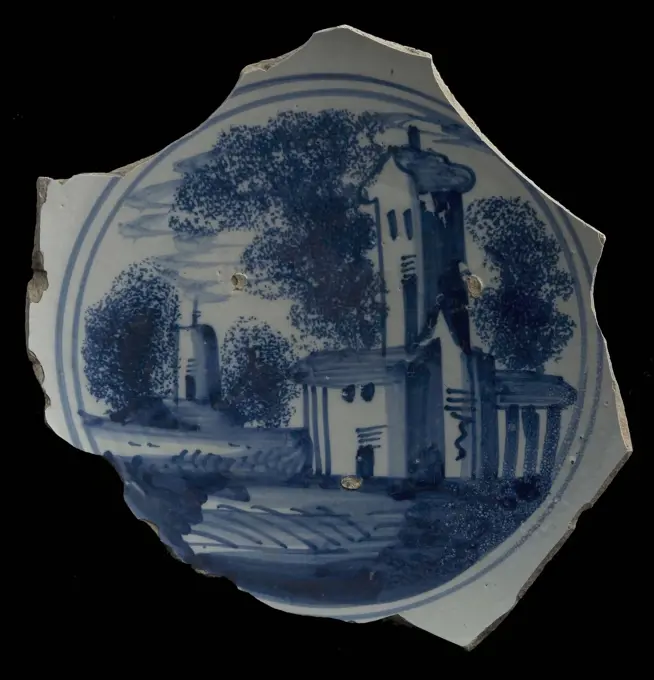
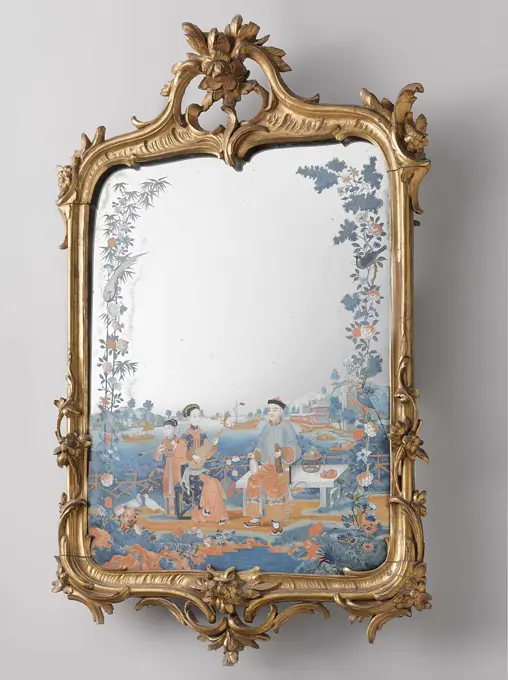
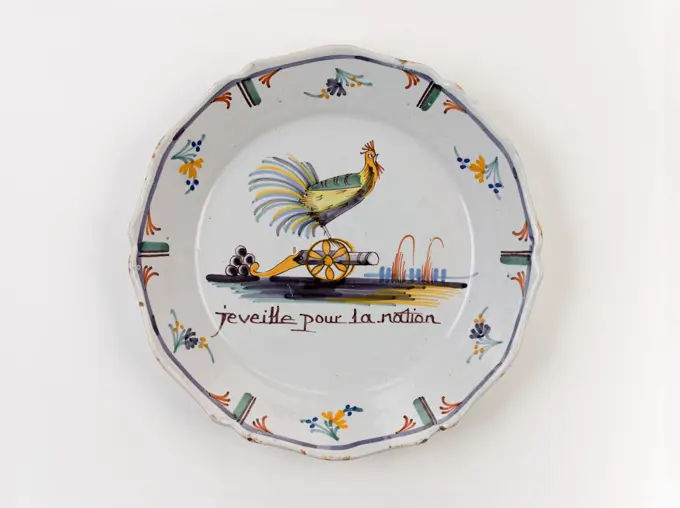
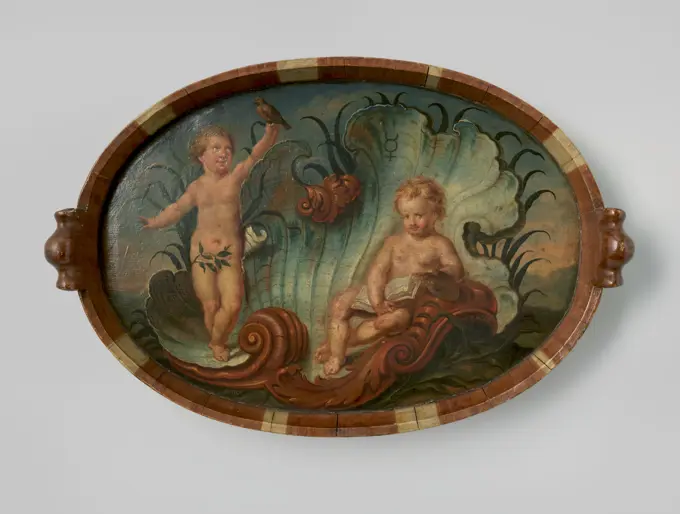
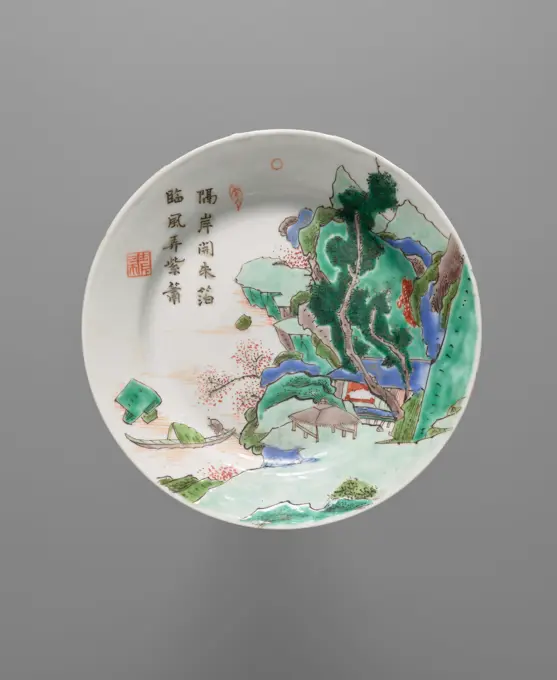
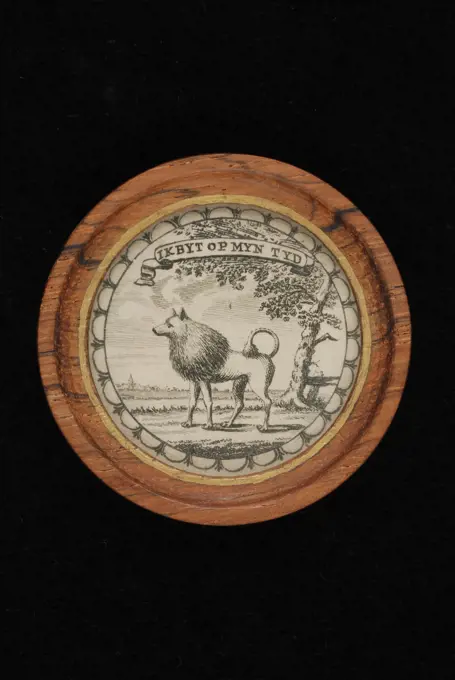
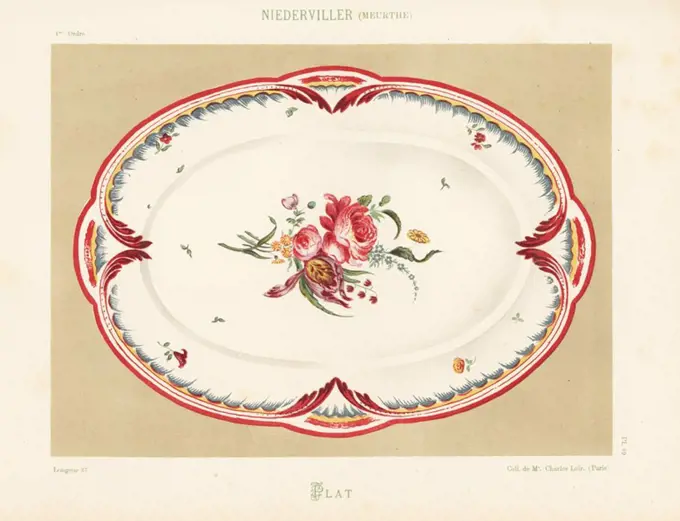
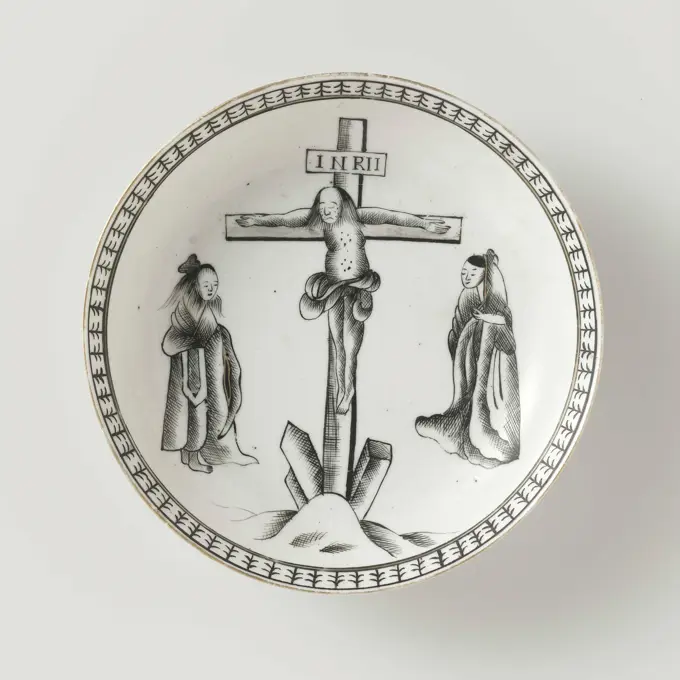
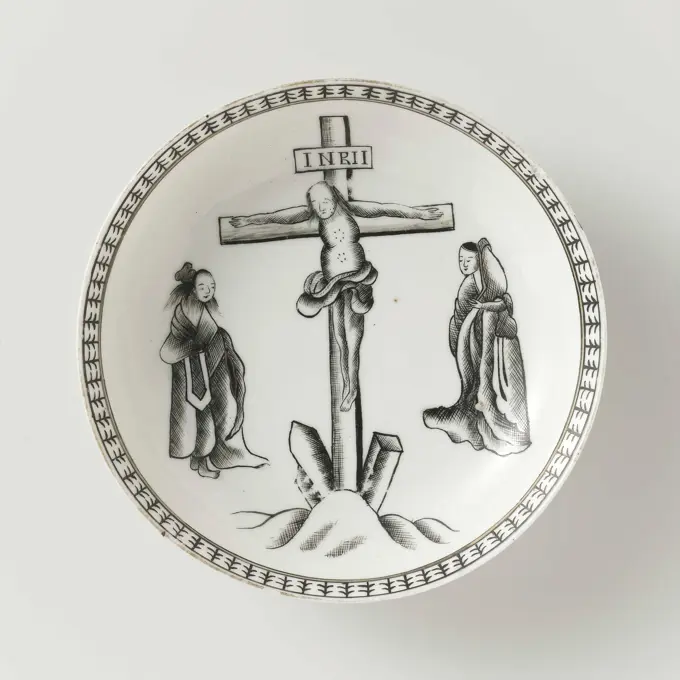
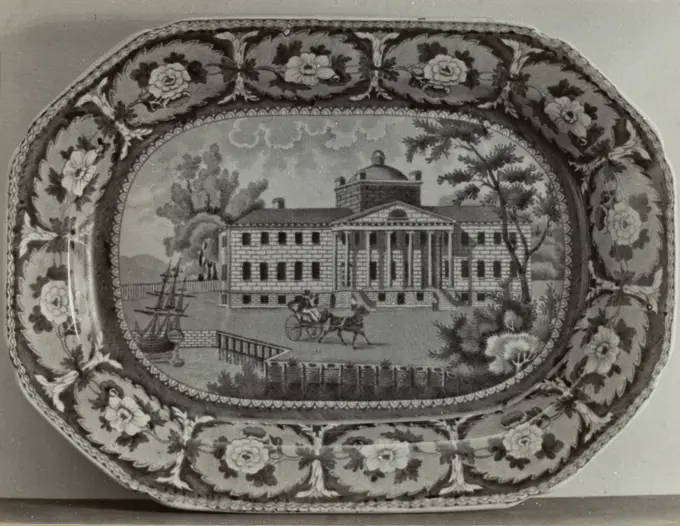
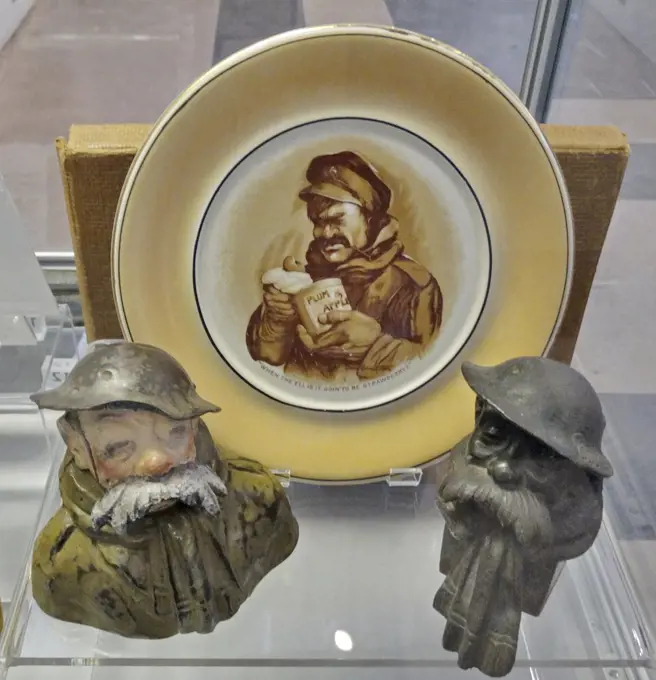
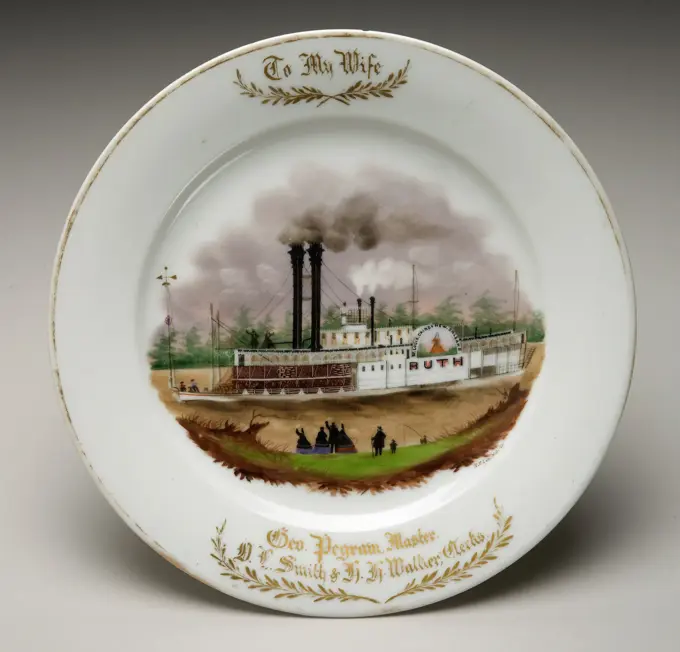
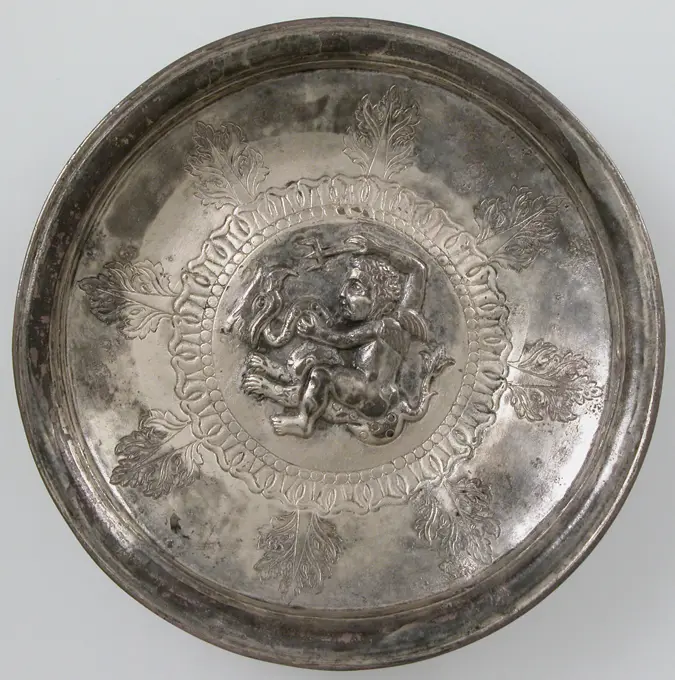
Dish 6th-7th century Byzantine. Dish. Byzantine. 6th-7th century. Silver. Metalwork-SilverPlate depicting a lady with parasol. Artist: After a design by Cornelis Pronk (Dutch, Amsterdam 1691-1759 Amsterdam). Culture: Chinese, for Dutch market. Dimensions: Overall: 4 1/8 × 19 1/2 in. (10.5 × 49.5 cm). Date: ca. 1734-37.The Dutch East India Company, which dominated the export of Chinese porcelains to Europe in the seventeenth and early eighteenth centuries, commissioned the Dutch artist Cornelis Pronk (1691-1759) to supply designs that could be copied on porcelain intended for export. This design of a lady with a parasol was one of Pronk's most popular compositions, and was employed by Japanese porcelain painters as well. Museum: Metropolitan Museum of Art, New York, USA.Plate - Royal Winton Royal Winton. Oval scale of porcelain with ribbed wall and scalloped edge, painted on the glaze in red and gold. On the flat the coat of arms of the Vereinigte Königlich-Preussian Bengali Companies (ZU) Emden with two crossed anchors; The helmet mark is a crowned eagle with two swords in his claws. The weapon is flanked by two half-naked men with banners with a script; Among the weapon a banderole with an inscription. Inscription reads 'Turbor Hinc Copia Rerum Non Nisi Eiante Numin'. Under the weapon a cartouche with the 'VKPBCE' monogram. The inner wall with a continuous leaf rank. Weapon porcelain with email colors.Dish. Culture: China. Dimensions: H. 1 in. (2.5 cm); Diam. 9 1/16 in. (23 cm); Diam. of foot 4 1/2 in. (11.4 cm). Museum: Metropolitan Museum of Art, New York, USA.Chinese, Pair of Deep Plates, porcelain.Saucer (part of a service) 18th century Meissen Manufactory German. Saucer (part of a service) 209398Fragment majolica plate, yellow and blue on white, simplified chessplate decor, plate crockery holder soil find ceramic earthenware glaze, baked underside covered with lead glaze. Polychrome Grid with thick cross at the intersections archeology Rotterdam decorate food archaeological find in the soil Rotterdam 1941.Picture (France); Made by Gaspard Grégoire (French, 1751-1846); silk; 1962-57-3Tray dated 1773 French, Niderviller Faience, or tin-glazed and enameled earthenware, first emerged in France during the sixteenth century, reaching widespread usage among elite patrons during the seventeenth and early eighteenth centuries, prior to the establishment of soft-paste porcelain factories. Although characterized as more provincial in style than porcelain, French faience was used at the court of Louis XIV as part of elaborate meals and displays, with large-scale vessels incorporated into the Baroque garden designs of Versailles. Earlier examples of French faience attest to the strong influence of maiolica artists from Italy. Later works demonstrate the ways in which cities such as Nevers, Rouen, Lyon, Moustiers, and Marseille developed innovative vessel shapes and decorative motifs prized among collectors throughout Europe. While faience can be created from a wide mixture of clays, it is foremost distinguished by the milky opaque white color achieved by the addition of tin oxPlatter ca. 1780 Worcester factory. Platter 198533Plate 1800-1830 Chinese. Plate. Chinese. 1800-1830. Porcelain. Made in ChinaTeapot stand with a crowned, illegible monogram surrounded by two flower sprays, anonymous, c. 1750 - c. 1774 Pattipan of porcelain with six times lobed wall, painted on the glaze in blue, red, pink, green, yellow, black and gold. On the flat a crowned, illegible monogram surrounded by two flower branches; The wall with flower vines with four cartouches with a landscape and four medallions with plants. European performance in email colors. China porcelain. glaze. gold (metal) painting / gilding / vitrification Pattipan of porcelain with six times lobed wall, painted on the glaze in blue, red, pink, green, yellow, black and gold. On the flat a crowned, illegible monogram surrounded by two flower branches; The wall with flower vines with four cartouches with a landscape and four medallions with plants. European performance in email colors. China porcelain. glaze. gold (metal) painting / gilding / vitrificationTeabowl (part of a service) 1723-26 Meissen Manufactory German The pieces of this service (1974.356.424-.430) come from one of the most richly decorated Meissen tea and coffee services. The gold background was added after the enamel was fired, either at the factory or in Augsburg, where the gilt-silver mounts were applied. This model was the most commonly produced at Meissen in the 1720s and 1730s. The design of the low octagonal sugar box dates to the earliest years of the factory; this example can be assigned to 1726-27 based on stylistic grounds as well as the factory mark KPM on the base.. Teabowl (part of a service) 205981Dish with mythical beast qilin (one of a pair) late 16th century China. Dish with mythical beast qilin (one of a pair). China. late 16th century. Porcelain with white slip decoration and brown glaze (Jingdezhen ware). Ming dynasty (1368-1644). CeramicsFragment of a dish. Fragment of a saucer of blue painted majolica. On the flat is a show painted from ELIAS that is eaten by the Raven.Plate with a view of Boston State House ( three cows in foreground; two trees).  Manufacturer: John Rogers and Son, 1815-1842Saucer from a tea service for twelve, 1807-1808, Christophe-Ferdinand Caron; Manufacturer: Sèvres Porcelain Factory, French (Sèvres), French, 1774-1831, 1 1/4 x 6 x 6 in. (3.18 x 15.24 x 15.24 cm), Hardpaste porcelain, gilt, France, 19th centuryPlate (one of six) Manufactory Meissen Manufactory German late 19th century View more. Plate (one of six). German, Meissen. late 19th century. Hard-paste porcelain. Ceramics-Porcelainunknown, Lautanen, East Indian, porcelain, arts and crafts, dia. 23.5 cmPlate ca. 1750 Chinese with European decoration, for Dutch market. Plate 195310Box with cover ca. 1720-40 Saint-Cloud factory. Box with cover. French, Saint-Cloud. ca. 1720-40. Soft-paste porcelain. Saint-Cloud factory (French, mid-1690s-1766). Ceramics-PorcelainCup and saucer 1780-85 Vinovo Porcelain Manufactory. Cup and saucer 189003 Factory: Vinovo Porcelain Manufactory, Factory director: Gioannetti period, 17801815, Cup and saucer, 178085, Hard-paste porcelain, Height (cup .363a): 2 11/16 in. (6.8 cm); Diameter (saucer .363b): 4 11/16 in. (11.9 cm). The Metropolitan Museum of Art, New York. Rogers Fund, 1906 (06.363a, b)Plate, painted with a poem on Prince Willem V. Plate of Faience, painted multicolored with a poem relating to Prince Willem V. The poem is: what his / God's working miracle large / who had that Kunne thinks / that God from such great Need / to us will give us again / Whoever had that for a year / who would not taught God now / "the orange prince has assumed us / orange is back / 1788Decel van Terrine, Meissener porcelain manufactory, c. 1735 Terrine lid with three recesses with a gold -plated edge. Inside chinoisation performances in landscapes. Float porcelain Terrine lid with three recesses with a gold -plated edge. Inside chinoisation performances in landscapes. Float porcelainSpice plate ca. 1558 Italian, Venice, Murano During the Renaissance, Venetian glassmakers, working on the island of Murano, were celebrated across Europe for their fine and sparkling work. Called cristallo” emulating the clarity of rock crystal, in the hands of the most skilled glassblowers the medium could be delightfully manipulated, variously stretched paper-thin flat, or playfully twisted, or blown into molds with spectacular patterns.. Spice plate. Italian, Venice, Murano. ca. 1558. Glass, diamond-engraved. GlassPlate ca. 1750-60 French, Rouen Faience, or tin-glazed and enameled earthenware, first emerged in France during the sixteenth century, reaching widespread usage among elite patrons during the seventeenth and early eighteenth centuries, prior to the establishment of soft-paste porcelain factories. Although characterized as more provincial in style than porcelain, French faience was used at the court of Louis XIV as part of elaborate meals and displays, with large-scale vessels incorporated into the Baroque garden designs of Versailles. Earlier examples of French faience attest to the strong influence of maiolica artists from Italy. Later works demonstrate the ways in which cities such as Nevers, Rouen, Lyon, Moustiers, and Marseille developed innovative vessel shapes and decorative motifs prized among collectors throughout Europe. While faience can be created from a wide mixture of clays, it is foremost distinguished by the milky opaque white color achieved by the addition of tin oxide Plate of sides; Koenigliche Porzellan Manufaktur (KPM; Berlin; 1763-1918); 1803-10 (1823-00-00-1832-00-00);Handscreen; engraved, hand-colored and painted paper leaf, turned wood handle. Round plate from painted porcelain. The plate has a scalloped edge and is painted with a squirrel on tied hedges and a red fox above it. The plate has been marked.Dish. Culture: British (American market). Dimensions: Diam. 9 7/8 in. (25.1 cm). Date: ca. 1825. Museum: Metropolitan Museum of Art, New York, USA.Anonymous / 'Octagonal Chinese porcelain platter. Compañía de las Indias'. First half of the XVIII century. Hard-paste porcelain. Museum: Museo del Prado, Madrid, España.Plate (part of a set) ca. 1764-88 De Porceleyne Bijl. Plate (part of a set) 195792Plate. Earthenware. JULES Old and Cie Manufacture. 2nd half of the 19th century. Musée des Beaux-Arts de Paris, Petit Palais. PLATE Crockery, Earthenware, Faience, Insect, Insect, Jules old and Cie Manufacture, Manufacture Jules Old and Cie, bird, dishes, plate, bird, flatField of four tiles with animals, anonymous, c. 1580 - c. 1625 Field of four tiles each with a multicolored (blue, orange, green, yellow and purple) animal on a floor within a circle frame. In the corners, filling technique ornament. Netherlands earthenware. tin glaze majolica Field of four tiles each with a multicolored (blue, orange, green, yellow and purple) animal on a floor within a circle frame. In the corners, filling technique ornament. Netherlands earthenware. tin glaze majolicaJ. & I. Cox, Salver, c. 1820, silver.18th century French Porcelain China 2013Saucer from a tea service for twelve, 1807-08, Christophe-Ferdinand Caron; Manufacturer: Sèvres Porcelain Factory, French (Sèvres), French, 1774-1831, 1 1/4 x 6 x 6 in. (3.18 x 15.24 x 15.24 cm), Hardpaste porcelain, gilt, France, 19th centuryCloak Pin (Knob or Tieback). England, South Staffordshire. Date: 1770-1780. Dimensions: 5.1 x 3.8 cm (2 x 1 1/2 in.). Transfer printed and polychrome enamel on copper, bronze and copper. Origin: South Staffordshire. Museum: The Chicago Art Institute, Chicago, USA.Folding fan mid-18th century French. Folding fan. French. mid-18th century. Paper, ivory, mother-of-pearl, spangles, glass. FansBuckleImpotent Fisherman. Dating: c. 1580. Place: Southern Netherlands. Measurements: d 16 cm; d 26 cm × d 2 cm. Museum: Rijksmuseum, Amsterdam.Plate, from the Industrial Arts Dessert Service (Assiette Platte, Service des Arts Industriels) Plate; Painted by Jean Charles Develly (French, 1783 - 1849); Manufactured by Sèvres Porcelain Manufactory (France); France; hard paste porcelain, vitreous enamel, goldSilversmith's Art, England 20th century. Sheffield plate tray with engraved surface, embossed border and handles with floreal motifs, approximately 1900's.Fragment majolica scale, blue on white, landscape with church or tower, plate tableware holder soil find ceramic pottery glaze, baked underside covered with lead glaze. Monochrome The trees are stemmed archeology Rotterdam decorate food Soil discovery: foundation pavilions for the Rotterdam Bank May 1957.Plate. Culture: British (American market). Dimensions: Diam. 9 1/8 in. (23.2 cm). Maker: Job & John Jackson (active 1831-35). Date: ca. 1831-ca. 1833. Museum: Metropolitan Museum of Art, New York, USA.. These mirrors, painted in Canton (China), were specially made for export. They were later framed in the Netherlands in the then-current Rococo style. Thus were exotic mirrors adapted to suit Dutch interiors. Originally there would have been a metal arm at lower centre to hold two candles. The mirrors belonged to Jean Theodore Royer, a well-known collector of Chinese objects in The Hague.Cup and Cover. Culture: Japan. Dimensions: Diam. 12 in.. Museum: Metropolitan Museum of Art, New York, USA.Anonymous. Plate. Earthenware. Paris, Carnavalet museum. 71478-55 Phrygian cap, cannon, tricolor flag, revolutionary time, faience, mountain, peak, French revolution, dishes, plateTray, multi -colored painted with a face on the port of Marseille, Meissener Porzellan Manufaktur, 1804 Tray of painted porcelain. The leaf is covered with a yellow stock in which saves an oval in which the face on the port of Marseille to Jos. Vilnet. The show is dated at the bottom right of a bale. The leaf is marked. Float porcelain   Marseille Tray of painted porcelain. The leaf is covered with a yellow stock in which saves an oval in which the face on the port of Marseille to Jos. Vilnet. The show is dated at the bottom right of a bale. The leaf is marked. Float porcelain   MarseilleSalver (one of a pair) 1764-65 Probably by Thomas Hannam. Salver (one of a pair) 208868The world with all modern discoveries. The world with all modern discoveriesDish with river face, Royal Porcelain Factory Dommer & Co., 1809 - 1814 Dish decorated with a multi -colored landscape. A pointing man and a farm along the river. Along the edge a golden edge. Marked: Amstel. Nieuwer-Amstel porcelain Dish decorated with a multi -colored landscape. A pointing man and a farm along the river. Along the edge a golden edge. Marked: Amstel. Nieuwer-Amstel porcelainFrench grammar for the use of annuitants (IT)Plate 1800-1850 Creil. Earthenware, transfer-printed (creamware) . Creil Pottery (Manufacturer)Dish ca. 1690 probably British, Lambeth. Dish 197825Snuffbox with scene of harvesting fruit ca. 1820 Johann Wilhelm Keibel. Snuffbox with scene of harvesting fruit 193860Teabowl ca. 1725-30 Chinese, for Dutch or British market. Teabowl 208940Commemorative plate -Plate, "I watch for the nation". Faïence in the big fire, polychrome decor. Nivernais, Nevers, 1792-1793. Paris, Carnavalet museum. Plate, I watch for the nation 1792 Canon, Rooster, Polychrome Decor, Faience at the big fire, I watch for the nation, Nivernais, French revolution, dishes, plateSoup Plate, Grecian Font” Pattern.  Manufacturer: William Adams and Sons, British, 1819-1863Pot lid with an ice face. Pot lid of pottery with multicolor transfer decor. Pictured is an ice face. In the foreground a boy falls on the ice next to a plate with the text: Dangerous.Cake Serving Plate (Austria); Designed by Franz von Zülow ((Austrian, 1883-1963)); Manufactured by Wiener Porzellanmanufaktur (Austria); molded, enameled, gilded and glazed hard paste porcelainDavid Willaume, Set of Four Dishes, 1699/1700, silver gilt.Plate 1730-35 Based on a composition by Abraham Bloemaert. Plate 204617TabakierkaHout leaf with painted children's figures and dated 1740, anonymous, 1740 Leaf, oval, of wood, on which two painted children's figures: one sitting with a palette and book in hand; The other standing, with a bird on the hand. They are placed in a shell. Dated 1740. Netherlands wood (plant material). paint (coating). rattan Leaf, oval, of wood, on which two painted children's figures: one sitting with a palette and book in hand; The other standing, with a bird on the hand. They are placed in a shell. Dated 1740. Netherlands wood (plant material). paint (coating). rattanDish; Made by Gerint Evers (German); lead-glazed earthenware with sgraffito and slip decorationPlate. unknown, craftsmanCharger Made 1700-1725 Bristol. Tin-glazed earthenware .Plate, c. 1880, Royal Worcester Porcelain Company, Worcester England, est. 1751, 8 7/8 in. (22.54 cm), Porcelain with enamel and gilded decoration, England, 19th centuryPlate. Domenego da Venezia (ca 1520-1568), factoryVintage plate isolated on whiteDeed sign paper Kees dog, with Ik byt op myn tyd, bearer identification carrier paper wood copper glass image (daily size), IK BYT ON MYN TYD keeshond patriotPlate 1840 Japan. Plate. Japan. 1840. Porcelain covered with glaze, decoration in colors (Awaji ware). Edo period (1615-1868). CeramicsOval platter from Niderviller, Lorraine, decorated with botanical illustration of roses and tulips. Hand-finished chromolithograph from Ris Paquot's General History of Ancient French and Foreign Glazed Pottery, Chez l'Auteur, Paris, 1874.Left part of a display case with objects of ceramics; Arts and crafts April 1962. Presumably the display case in room is 256 or 257. For the right part of the display case HA-0014370.Hungary, capital city of Budapest. Buda, Castle Hill. Traditional Hungarian blue & yellow pottery.. Dish of porcelain, painted on the glaze in black and gold. On the flat of the dish a representation of the crucifixion with the two Maria's; On the edge a bond with a decorative pattern. Part of a tea service. European performance in Encre de Chine.. Dish of porcelain, painted on the glaze in black and gold. On the flat of the dish a representation of the crucifixion with the two Maria's; On the edge a bond with a decorative pattern. Two cracks and a chip in the edge. Part of a tea service. European performance in Encre de Chine.Toy dessert plate - Coronation of Queen Elizabeth Howard Pottery Company Howard Pottery Company. Bell-shaped cup and saucer of porcelain, painted on the glaze in black and gold. On the flat a medallion with the portrait of Johannes Cocceius surrounded by the inscription 'Iohannes Cocceius theologia professor in Academia Lugdunensi'; On the inner edge a bond with tendrils in Meissen-style. The head with the same decoration, with the inscription 'Ioannes Cocceius'. European performance in Encre de Chine.USA, MICHIGAN, NEAR DETROIT, BIRMINGHAM, LA BELLE PROVENCE, PLATEHelmut Hiatt, Platter  Hospital, Boston, c 1936 Platter - Hospital, BostonClose-up of collection of blue and white china on shelvesHunters ca. 1745 Meissen Manufactory German. Hunters 203116Old Bill' Figurines around 1917.Plate, 1865, Rudolph T. Lux, American (Germany), American (born Germany), c. 1815-1868, 1 1/4 x 9 1/2 x 9 1/2 in. (3.18 x 24.13 x 24.13 cm), Porcelain, United States, 19th century, Since its heyday in the nineteenth century, the steamboat has symbolized the Mississippi River's role as a conduit for commerce, design, and pleasure.Bandbox. Dated: c. 1939. Dimensions: overall: 30 x 39.6 cm (11 13/16 x 15 9/16 in.) Original IAD Object: 11 1/2" high; 17" long. Medium: watercolor and graphite on paperboard. Museum: National Gallery of Art, Washington DC. Author: Gilbert Sackerman.Cloak Pin (Knob or Tieback) 1775-1785 England. Transfer printed and polychrome enamels on copper, brassDish 1800-1825 England. Earthenware with black transfer-print decoration .