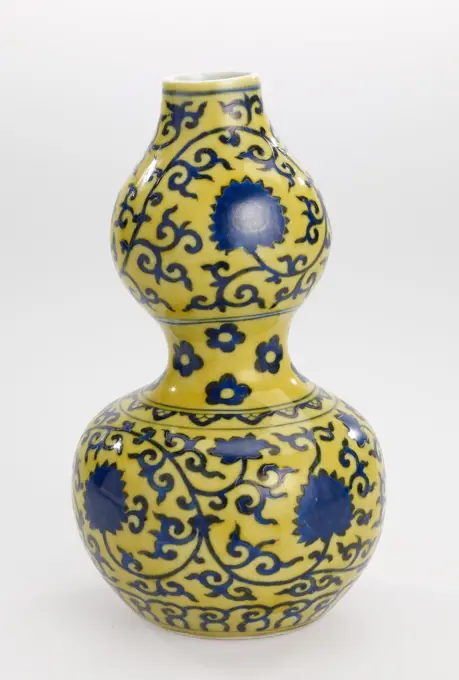
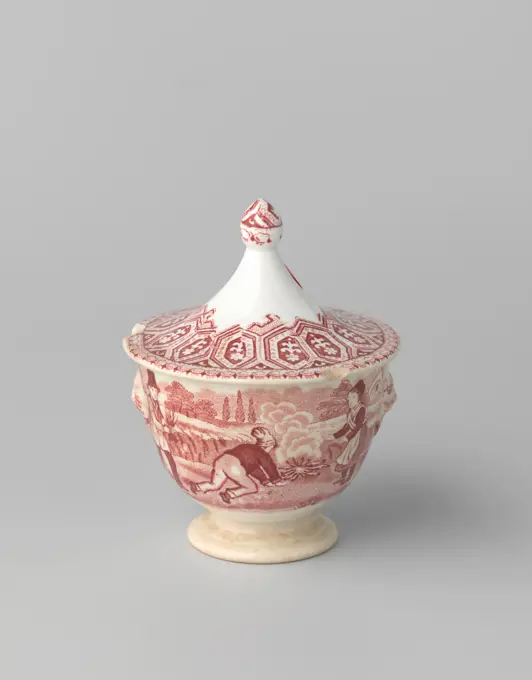
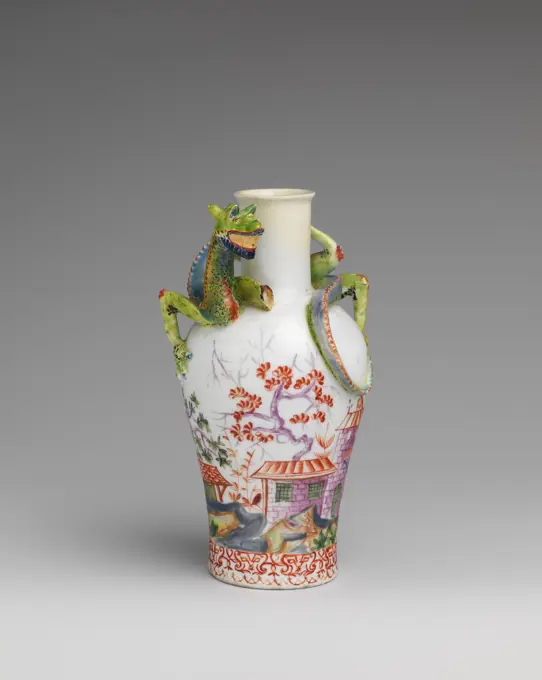
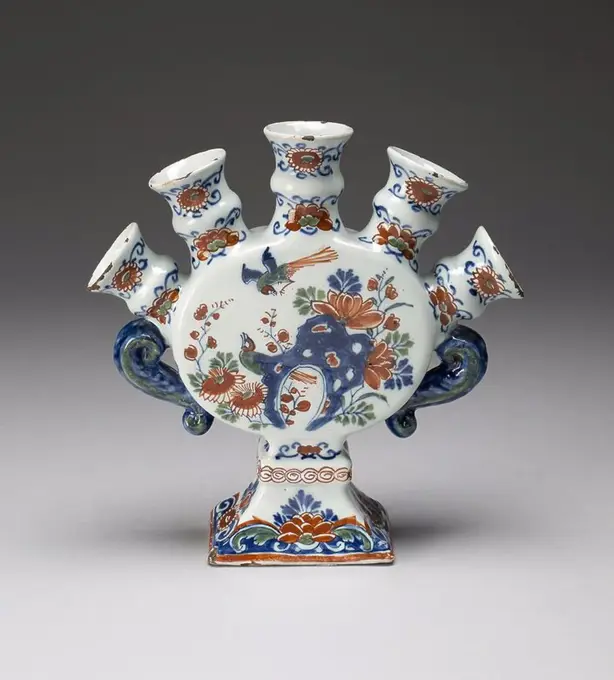
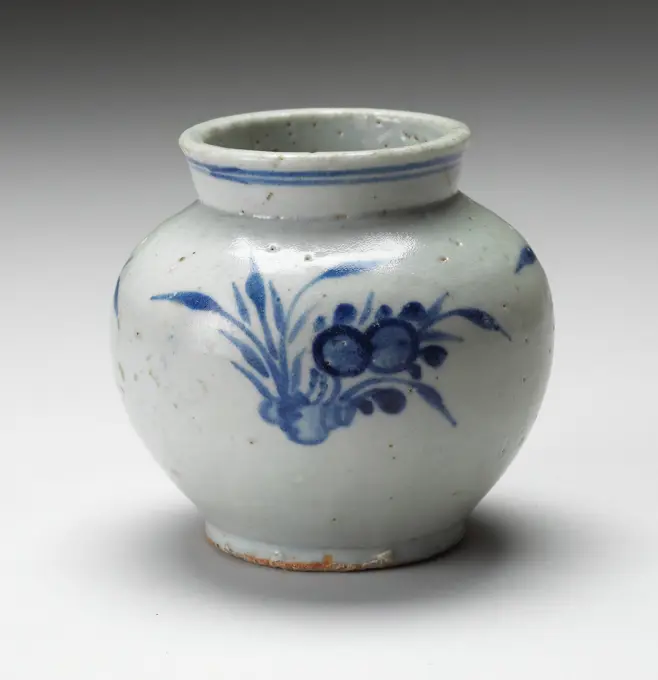
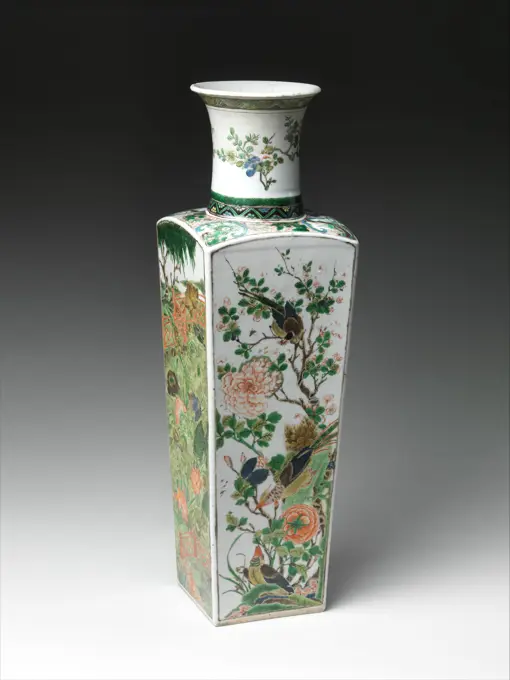
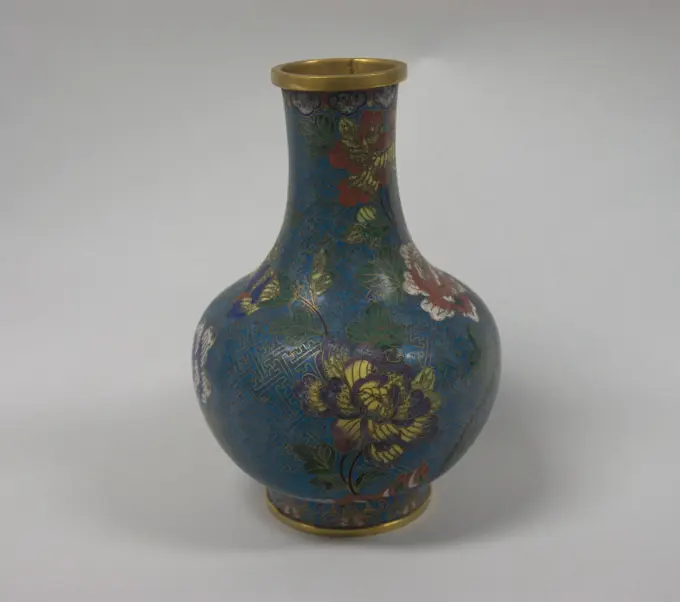
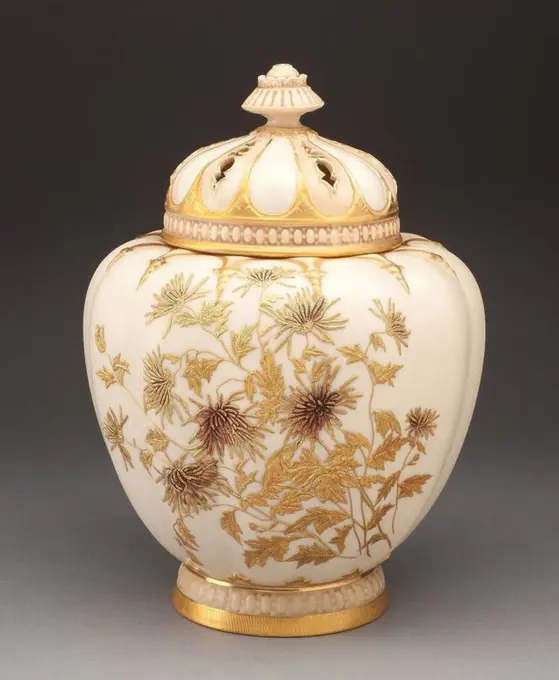
Decorative Porcelain Vases

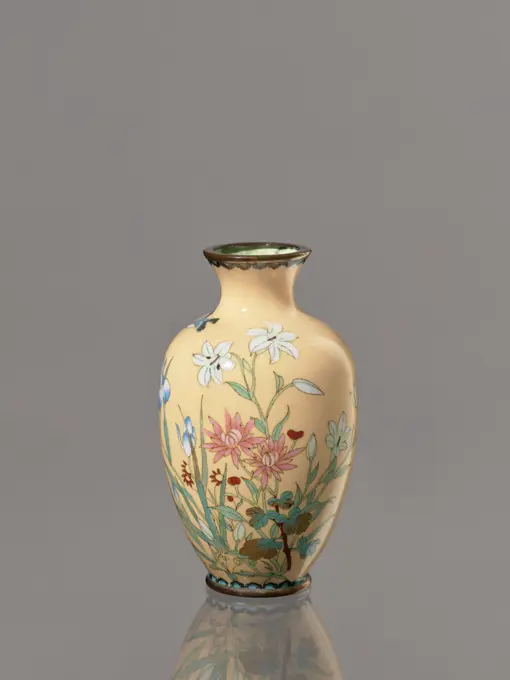
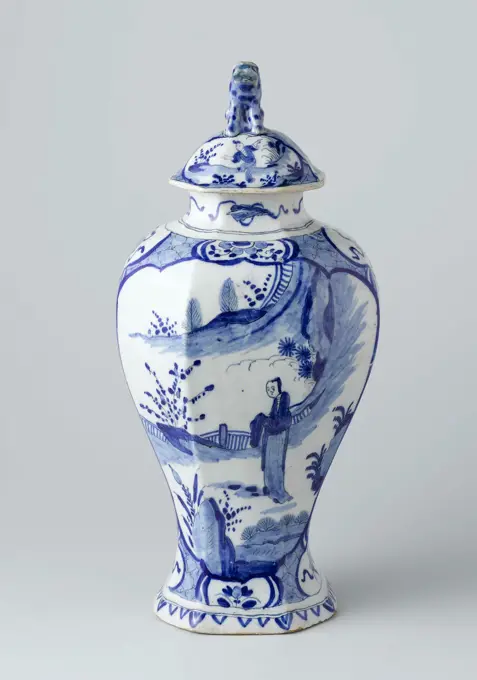
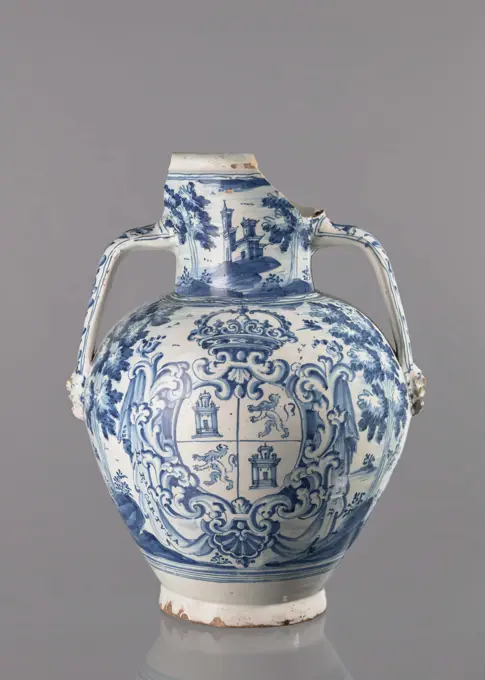
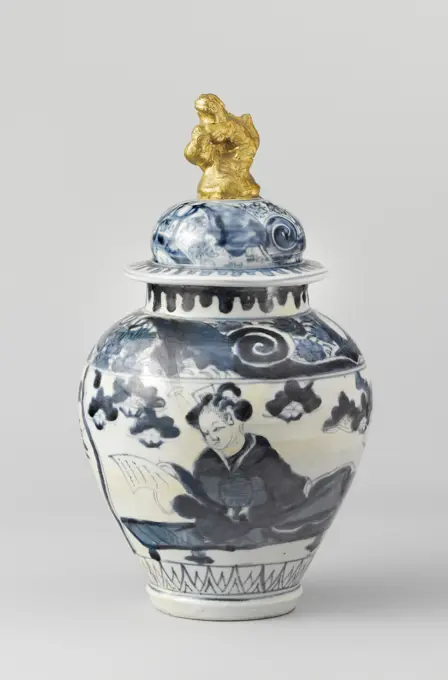
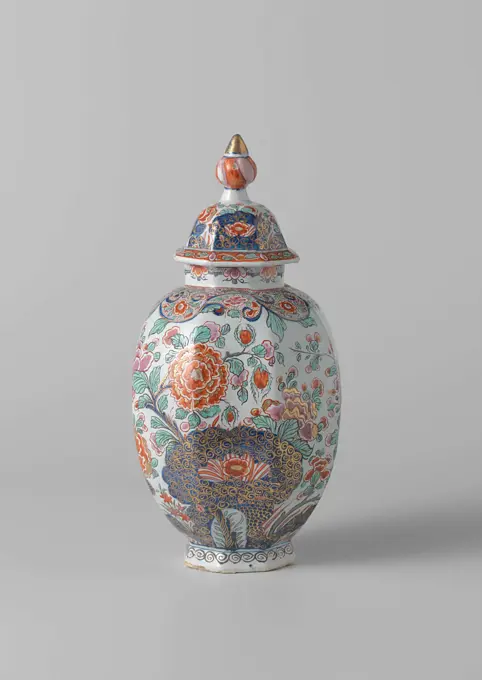
An array of beautifully painted porcelain vases adorned with floral patterns and intricate motifs, highlighting artistic styles from various periods.
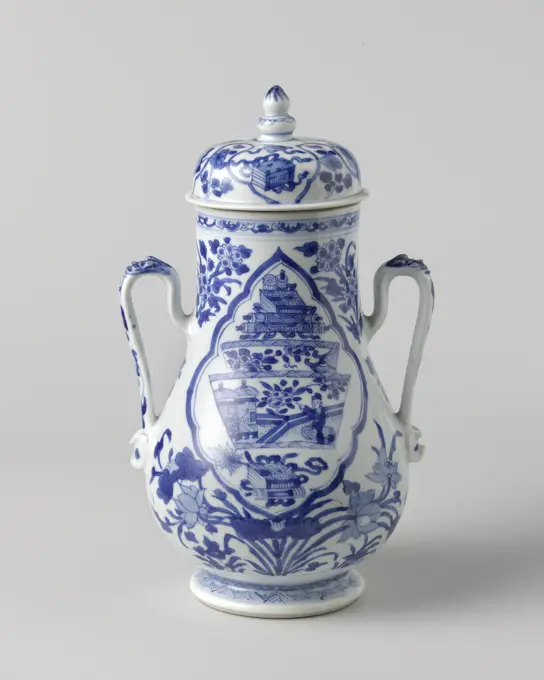
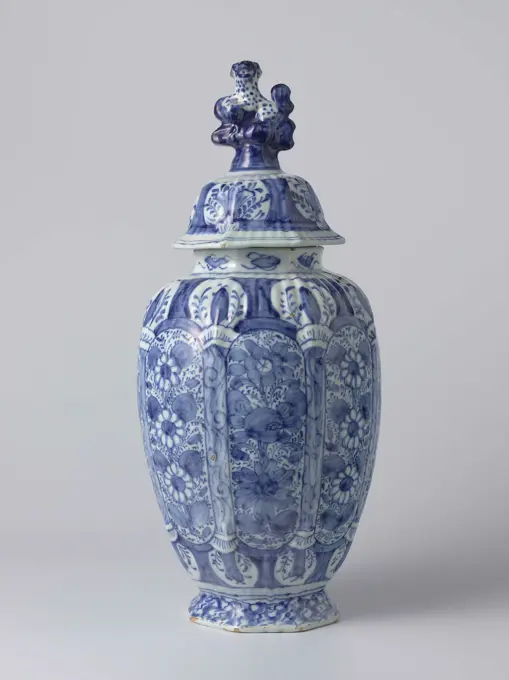
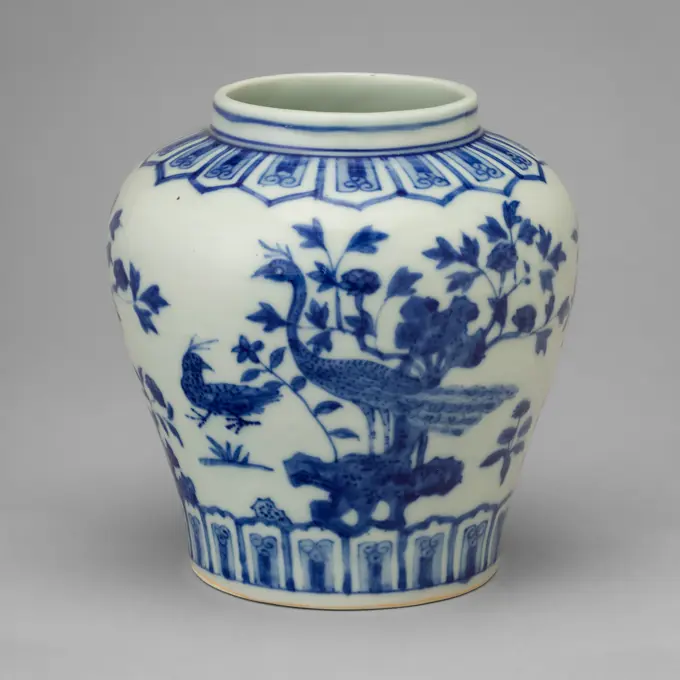
Pear-shaped covered jar with precious objects and flower sprays, anonymous, c. 1700 - c. 1724 Cover of pear -shaped lid jar of porcelain, painted in underlaze blue. On the lid with valuables (pearl, window) and lucky symbols and flower branches, separated by a wavy line. Blue White. China porcelain. glaze. cobalt (mineral) painting / vitrification Cover of pear -shaped lid jar of porcelain, painted in underlaze blue. On the lid with valuables (pearl, window) and lucky symbols and flower branches, separated by a wavy line. Blue White. China porcelain. glaze. cobalt (mineral) painting / vitrification
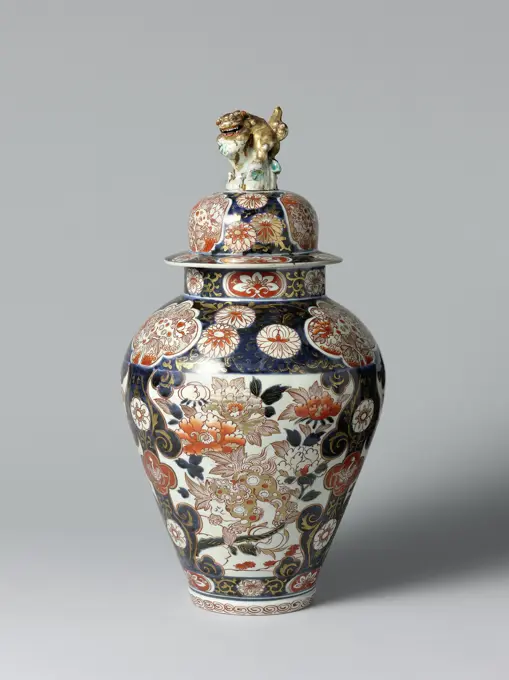
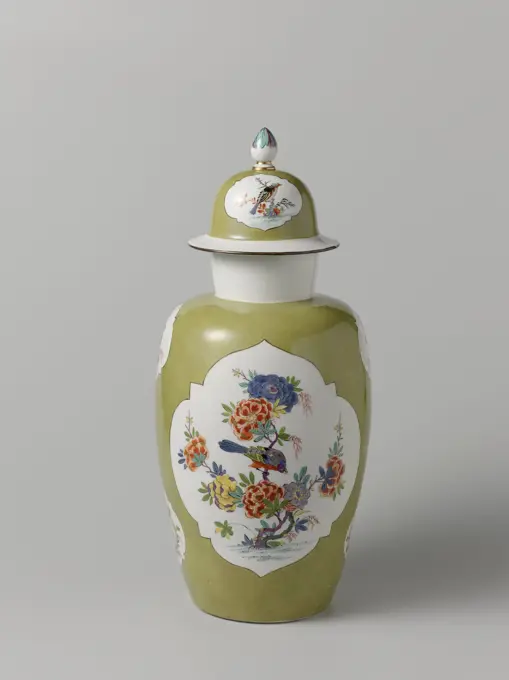
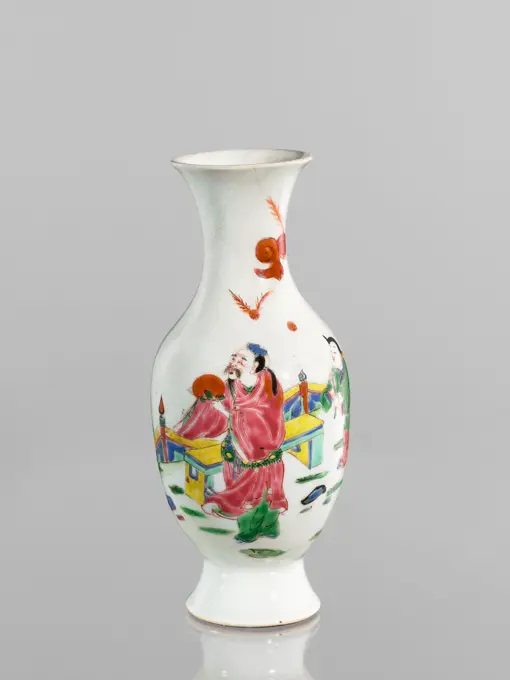
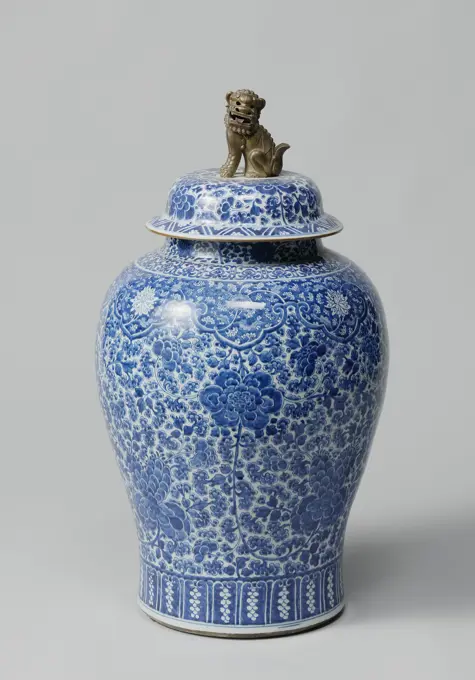
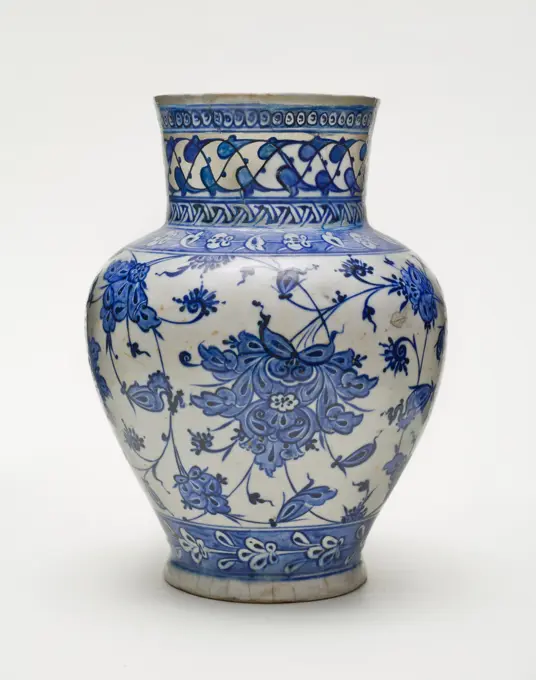
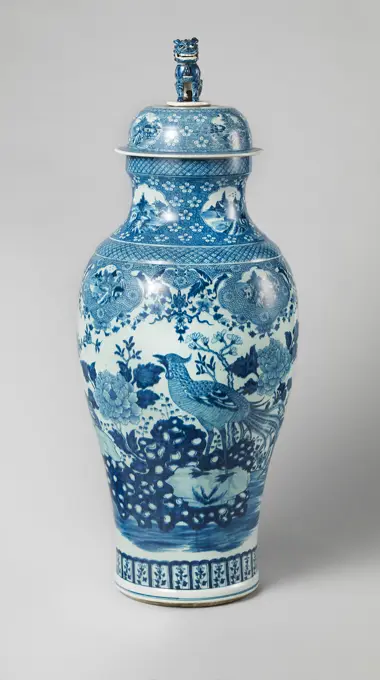
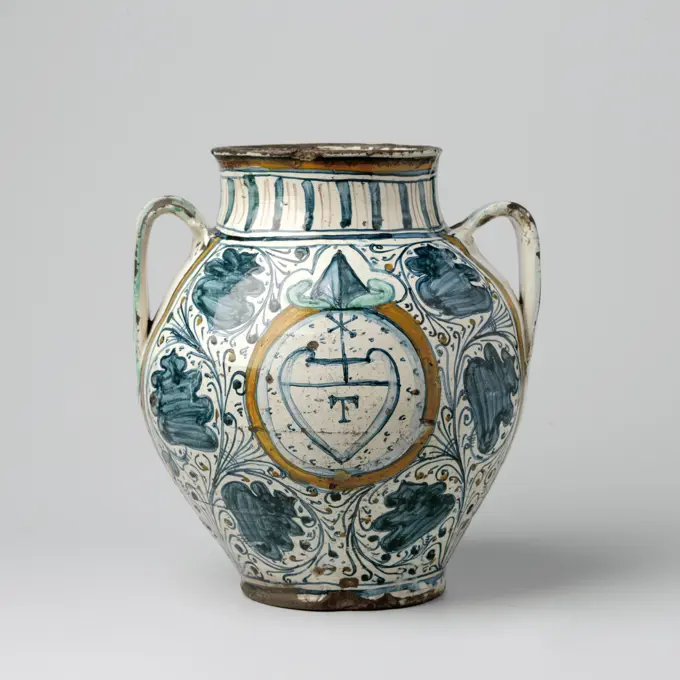
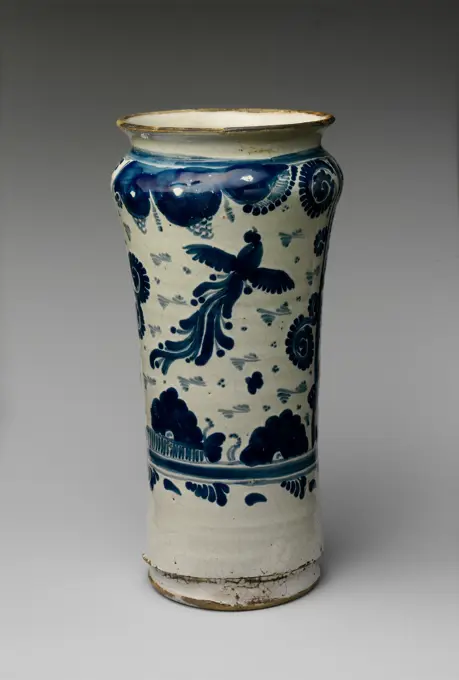
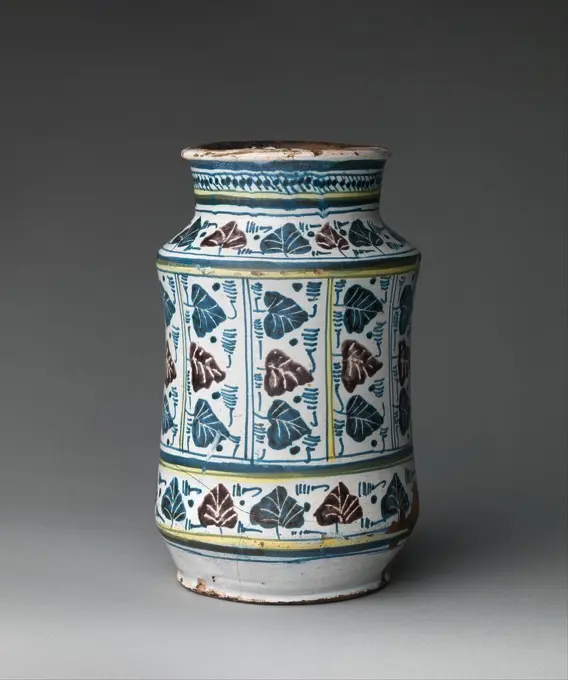
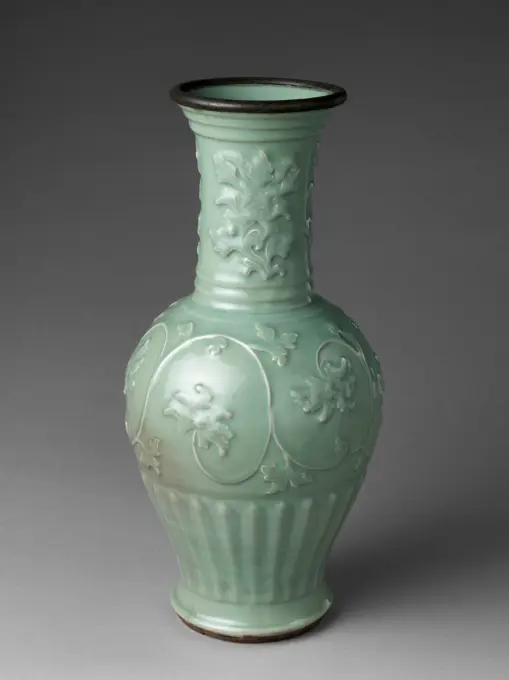
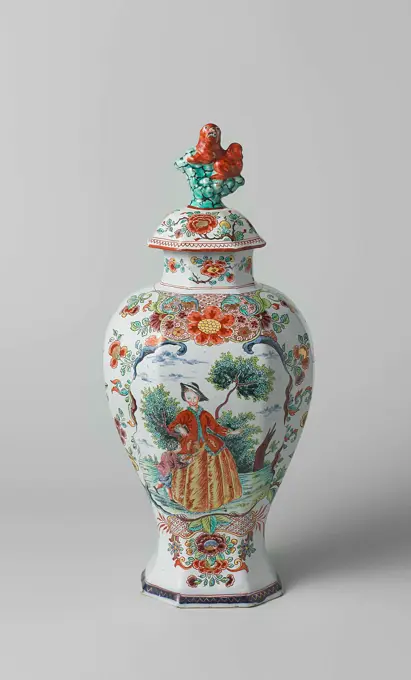
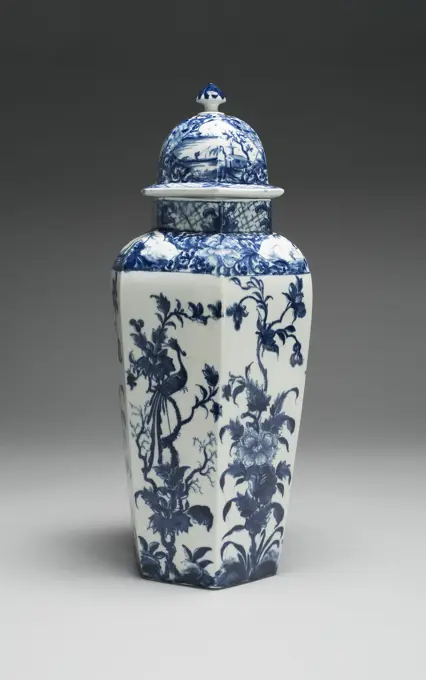
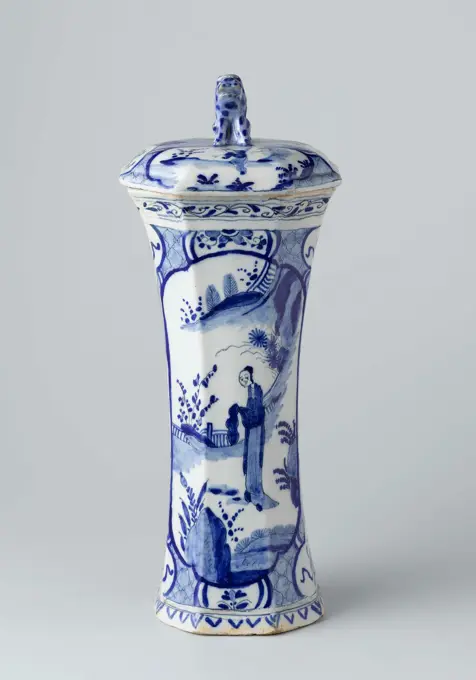
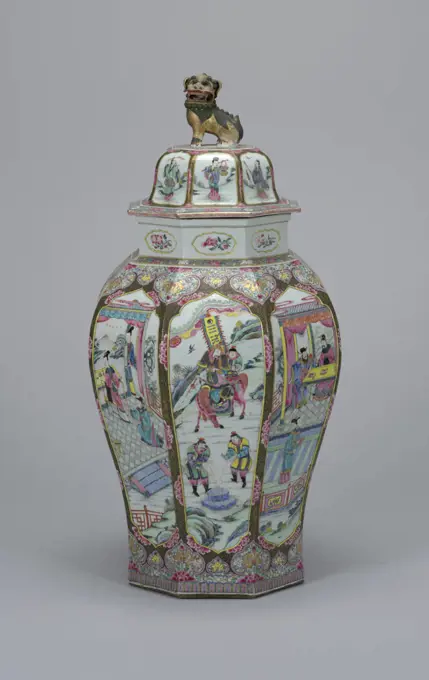
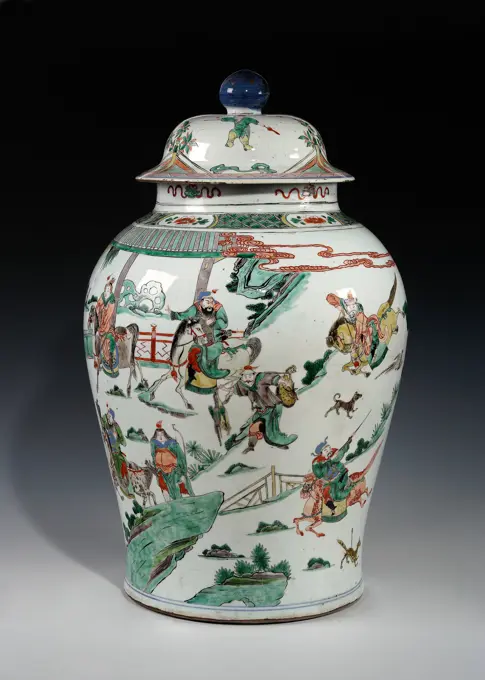
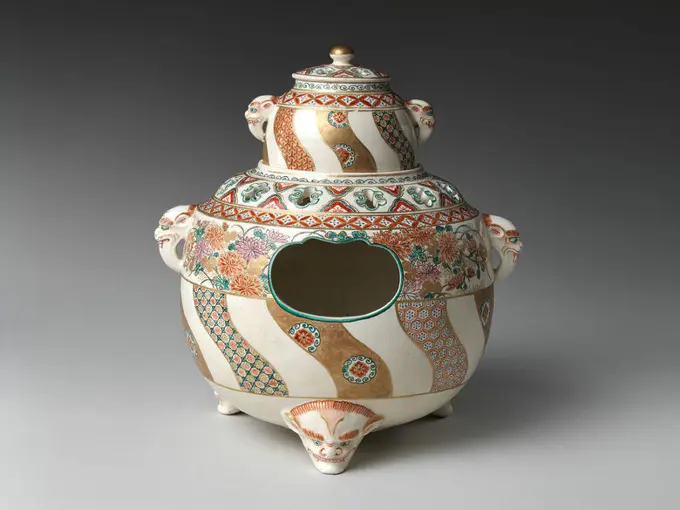
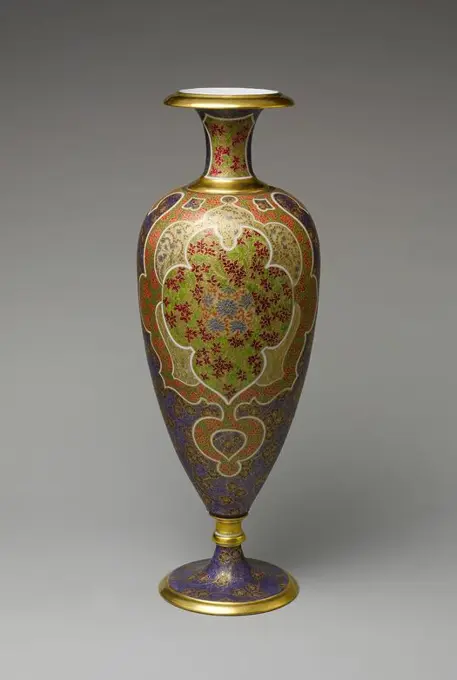
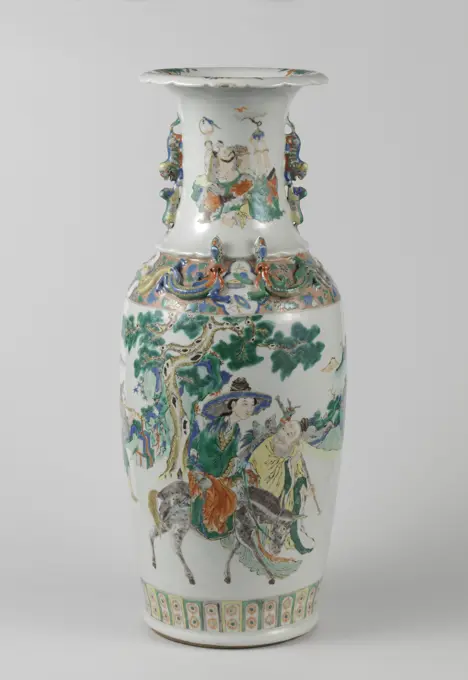
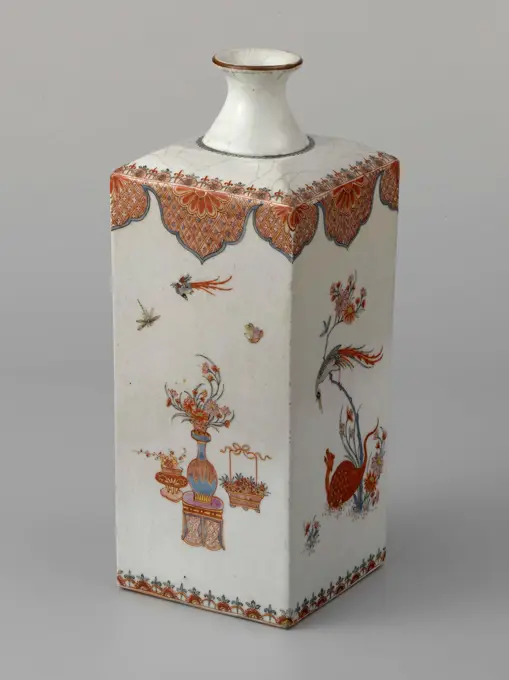
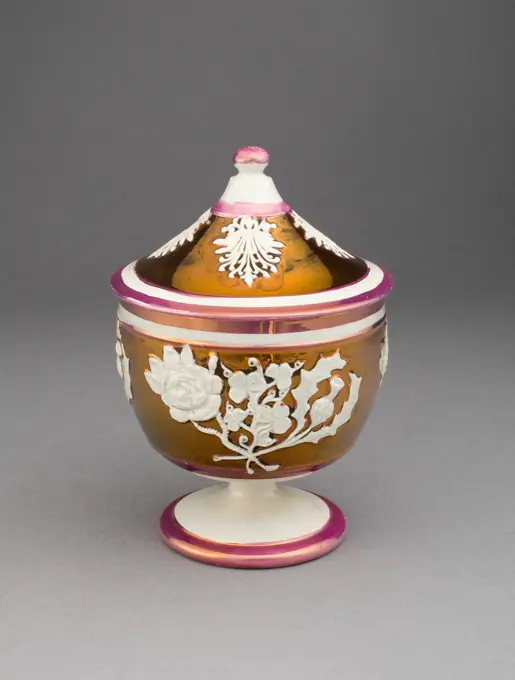
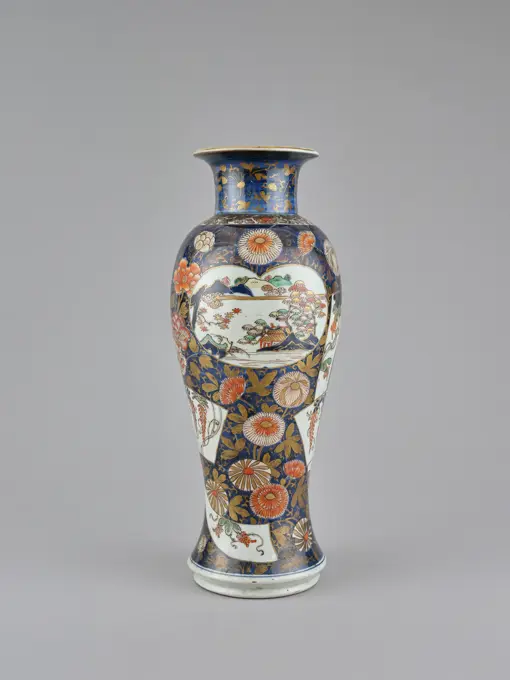
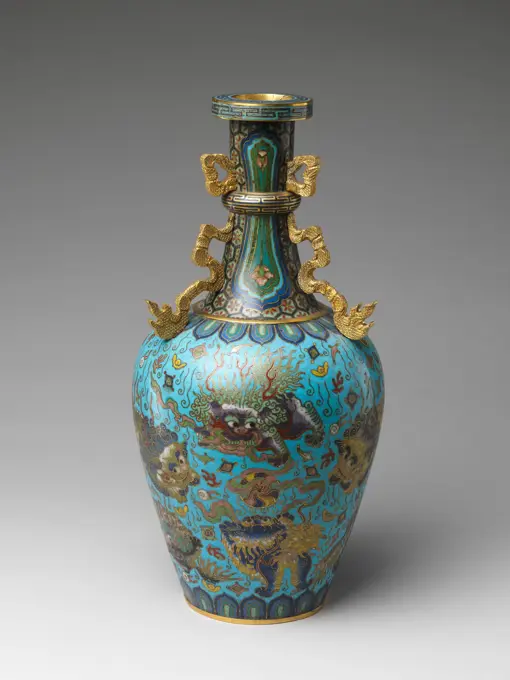
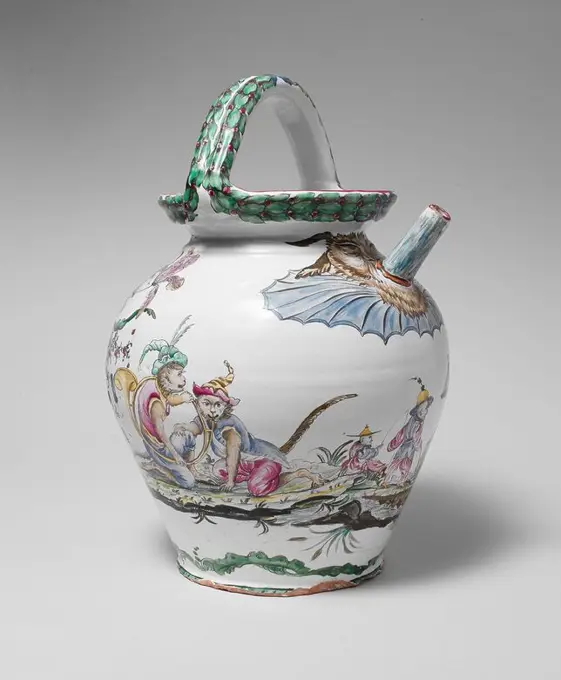
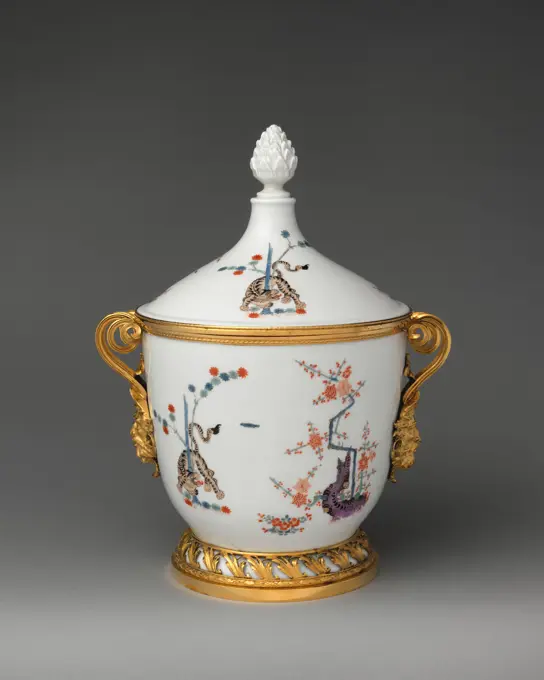
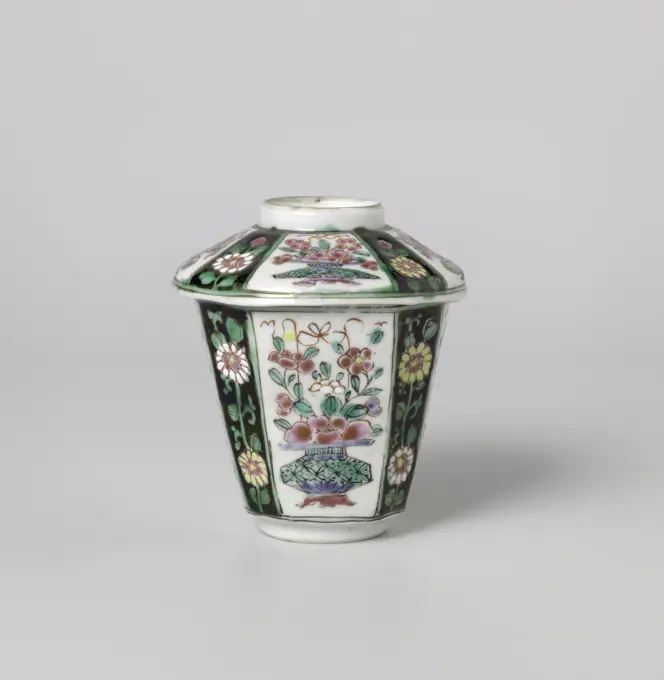
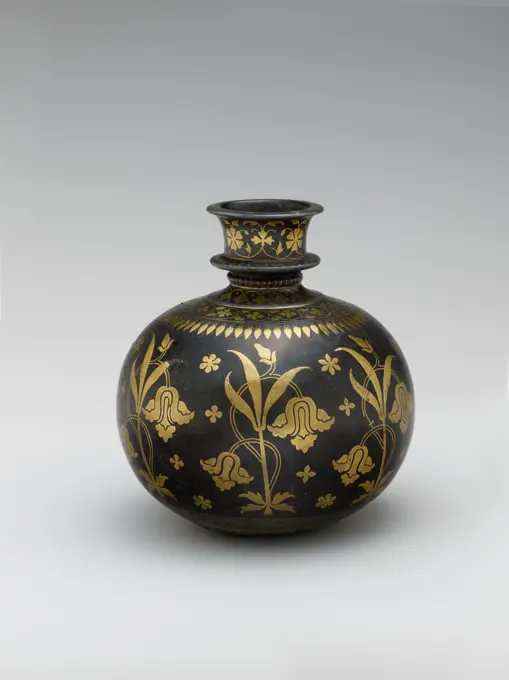
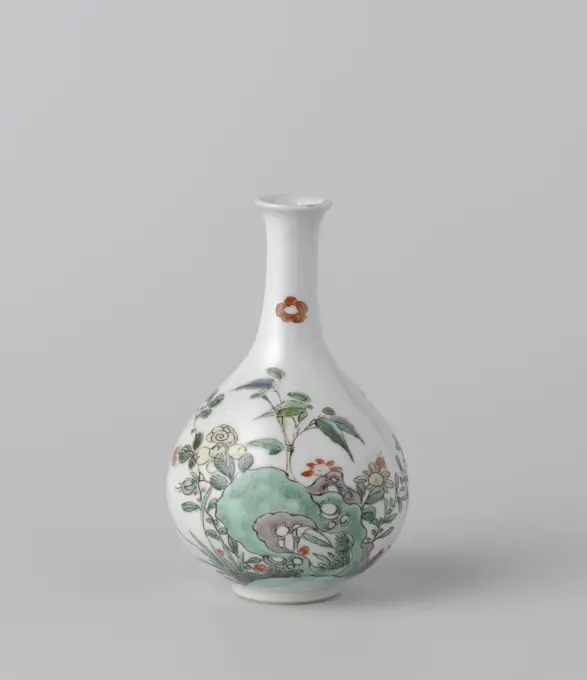
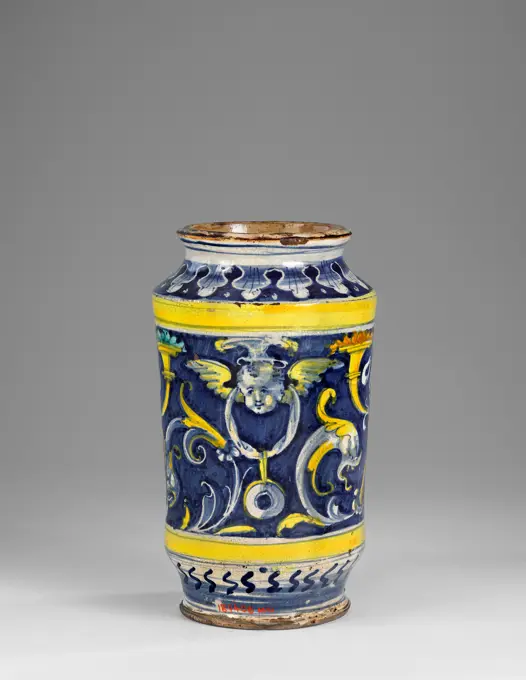
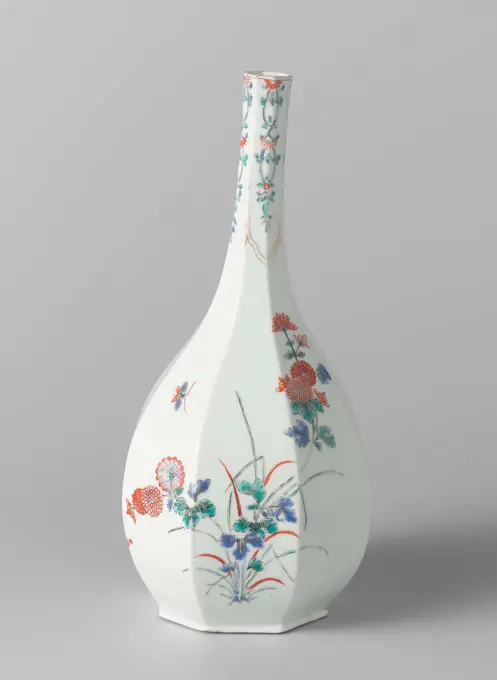
Arita (Ceramic Production Center) (n. - D.), Pot covered with imari decor. Porcelain, polychrome enamels. Petit Palais, Museum of Fine Arts of the City of Paris.Cover of Pot, Jan van Putten & Co., 1830 - 1850 Lid of Powence pot. Multicolored painted with Japanese Imari Decor. The lid jar is part of a cupboard set. Delft . Lid of Powence pot. Multicolored painted with Japanese Imari Decor. The lid jar is part of a cupboard set. Delft .. Lid of Pot of Faience. Blue painted with floral decorations. The pot is part of a cupboard set.Pear-Shaped Bottle Vase With Flowering Plants, Birds and Insects near A Rock. Bottle-shaped vase of porcelain with a ribbed, pear-shaped body, annular thickening in the neck, at the top spreading, painted in underglaze blue. On the abdomen a flowering plant with birds and insects at a rock. The annular thickening and the neck with flower branches. Blue White.Vase, multicolored painted with Chinese in saved four passes in a band with Indianic blums on a yellow stock, Meissener Porzellan Manufaktur, c. 1730 - c. 1735 Vase of painted porcelain. The vase has a flattened spherical body and a long slender neck. The body is decorated with a wide band of Indianic blums on a brown speckled yellow stock, in which three accolade -shaped four -passen with golden edges are saved. There is always a standing Chinese in flowers and a fence painted. The neck is also decorated with Indianic blums on a brown -speckled yellow stock. The vase is marked. Float porcelain Vase of painted porcelain. The vase has a flattened spherical body and a long slender neck. The body is decorated with a wide band of Indianic blums on a brown speckled yellow stock, in which three accolade -shaped four -passen with golden edges are saved. There is always a standing Chinese in flowers and a fence painted. The neck is also decorated with Indianic blums on a brown -speckled yellowCovered jar with shishi, hoo-birds, flowering plants and floral scrolls, anonymous, c. 1775 - c. 1824 Balus -shaped porcelain lid jar, painted in underly glaze blue and on the glaze red, black and gold. On the belly three large cartouches with a shishi (lion dog) between a flourishing peoning plant; The cartouches are separated by tires of curls containing a lobed cartouche with a Hoo-Vogel surrounded by flower vines. On the shoulder a wide band with chrysanthnums interrupted by lobed cartouches with a shishi between a plant. Around the foot and on the neck a bond with lotus vines. A band with curl work on the foot. The lid with the same decoration; Cover button in the form of a shishi on a rock. Is part of a cupboard set. Imari. Japan porcelain. glaze. cobalt (mineral). gold (metal) painting / gilding / vitrification Balus -shaped porcelain lid jar, painted in underly glaze blue and on the glaze red, black and gold. On the belly three large cartouches with a shishi (lion dog) between Pear-shaped covered jar with precious objects and flower sprays, anonymous, c. 1700 - c. 1724 Cover of pear -shaped lid jar of porcelain, painted in underlaze blue. On the lid with valuables (pearl, window) and lucky symbols and flower branches, separated by a wavy line. Blue White. China porcelain. glaze. cobalt (mineral) painting / vitrification Cover of pear -shaped lid jar of porcelain, painted in underlaze blue. On the lid with valuables (pearl, window) and lucky symbols and flower branches, separated by a wavy line. Blue White. China porcelain. glaze. cobalt (mineral) painting / vitrificationCovered jar with figures, flower sprays and auspicious symbols in shaped panels on a multi-colored ground, anonymous, c. 1725 - c. 1740 Porcelain lid of lid jar with baluster -shaped body and ribbed wall, painted on the glaze in blue, red, pink, green, yellow, purple, black and gold. On the wall cartouches against a frequently colored background of vertical tires (Harlequin pattern); Two cartouches in the form of open rolls with a woman (long lijs) with young (fool) in a fenced garden with flowering plants, underneath two leaf-shaped cartouches with peony branch and butterfly, a smaller pomegranate and fingercitren-shaped compartment on either side of the large courses with lucky symbols; On the neck a band with flower vines. The lid with the same decoration. On the bottom an old label with 'S.K. 21 '. Lid has been restored. Belonging to a five -part cupboard. Famle Rose. China porcelain. glaze. gold (metal) painting / gilding / vitrification Porcelain lid of lid jar with baluster -shaBaluster covered vase with women in a fenced garden, anonymous, c. 1700 - c. 1724 Balus -shaped, slender lid jar of porcelain with wide neck, painted in underly glaze blue. On the wall on one side two women (long lips) in a fenced garden, each with a twig in hand; On the other side two women at a table for a large screen, one with a fan and the other with a twig in hand; Two flower branches around the foot; Two flower branches around the neck; The edge with a tire servetwork. Blue White. China porcelain. glaze. cobalt (mineral) painting / vitrification Balus -shaped, slender lid jar of porcelain with wide neck, painted in underly glaze blue. On the wall on one side two women (long lips) in a fenced garden, each with a twig in hand; On the other side two women at a table for a large screen, one with a fan and the other with a twig in hand; Two flower branches around the foot; Two flower branches around the neck; The edge with a tire servetwork. Blue White. China porcelain. glaze. cobalt. Baluster-shaped porcelain lid pot, painted in underglaze blue and on the glaze red, black and gold. On the belly three large cartouches with a shishi (lion dog) between a flowering peony plant; The cartouches are separated by tires of curling work containing a lobed cartouche with a hay-bird surrounded by flower drinks. On the shoulder a wide bond with chrysanthranks interrupted by lobby cartouches with a shishi between a plant. Around the foot and on the neck a band with lotus drinks. At the foot a bond with curling work. Is part of a cabinet set. Imari.Vase of multi -colored Faïence, Anonymous, c. 1680 - c. 1685 Vase of faience, without soil. Multicolored painted. Delft . Vase of faience, without soil. Multicolored painted. Delft .Small vase. unknown, craftsmanLidded Vase, Meissener porcelain manufactory, c. 1736 Vase of painted porcelain. The vase is almost completely covered with a moss -green stock in which two large and four small four -pass -out four passes in which Indianic Blumen with one or two birds. The lid is high and has a slanted edge. The lid also has a green stock with two saved four passes. The pointed button of the lid is painted with a multicolored rosette. The vase is marked. Float porcelain Vase of painted porcelain. The vase is almost completely covered with a moss -green stock in which two large and four small four -pass -out four passes in which Indianic Blumen with one or two birds. The lid is high and has a slanted edge. The lid also has a green stock with two saved four passes. The pointed button of the lid is painted with a multicolored rosette. The vase is marked. Float porcelainBangchui vase;  XVII century (1600-00-00-1700-00-00);Minc, Bronisław (1913-2004), Minc, Bronisław and Elżbieta-collection, minc-kawenoki, Elżbieta (1910-2008), Qing (style), ceramics, Chinese (culture), gift (provenance), fo, white porcelain blue, Chinese artVase (rolwagen) with a meeting between officials and a hermit in a landscape, anonymous, c. 1635 - c. 1650 Vase (roller car) made of porcelain with a cylindrical body and spreading neck, painted in underly glaze blue. On the wall a representation of a high -value leak player and his entourage in a meeting with a hermit in a river landscape with rocks, banana trees and a willow. One man holds a banner, another a sword. The hermit stands for a rug with objects. It is probably King Wen from the Zhou-Rijk and the wise hermit Jiang Taigong. On the neck a tire with hanging, pointed leaf motifs. The bottom is unglazed. Transitional porcelain in blue and white. China porcelain. glaze. cobalt (mineral) painting / vitrification Vase (roller car) made of porcelain with a cylindrical body and spreading neck, painted in underly glaze blue. On the wall a representation of a high -value leak player and his entourage in a meeting with a hermit in a river landscape with rocks, banana trees and a willowPitcher; Rouen (ceramic family 1590 -); 2 18th century (1740-00-00-1750-00-00);Pot with lid, the Greek A, c. 1764 - c. 1772 Faïence lid jar. Blue painted. The lid jar is part of a cupboard set. Delft . Faïence lid jar. Blue painted. The lid jar is part of a cupboard set. Delft .. Garnitures were extremely popular decorative elements in 18th-century Dutch interiors, where they were placed on cabinets or buffets. Although the forms of some garnitures evolved with the times, popular models, like this set with decorations inspired by Chinese porcelain, remained in production for many decades.Covered Jar With Chinese Ladies And Flower Pots in panels. Porcelain baluster-shaped lid, painted in underglaze blue. The wall is divided into three rows with hexagonal compartments with alternating a Chinese lady (long lice) in a fenced garden and a flower vase in a landscape. Blue button. Part of a cabinet set with number AK-RBK-16290. Blue White.Flower vase. Nieokreślona manufaktura, factory. Egg-shaped porcelain lid pot, painted in underglazing blue and on the glaze gold. Two courses on the belly with a seated lady with a letter in her hand, the other with two flowering trees at rocks and a fence. On the shoulder a band with sprinklers and prunus flowers. A tire with pointed leaf motifs around the foot. The neck with a decorative band. Pot has been broken. Arita, blue-white.Ovoid covered vase with women, flower sprays and vases, anonymous, c. 1700 Egg -shaped porcelain lid jar on a high base with ring -shaped thickening, painted in underlaze blue. On the wall six modeled compartments with a woman (long lijs) or a flower vase (lotus, chrysanthemum) in each; Below six smaller modeled courses with fruit branches; the foot with a flower and fruit branch; On the neck a band with meander motif above which pointed leaves; the lid with valuables (books, pearl, artimisia magazine). Glued lid; Two chips in the edge of the lid. Blue White. China porcelain. glaze. cobalt (mineral) painting / vitrification Egg -shaped porcelain lid jar on a high base with ring -shaped thickening, painted in underlaze blue. On the wall six modeled compartments with a woman (long lijs) or a flower vase (lotus, chrysanthemum) in each; Below six smaller modeled courses with fruit branches; the foot with a flower and fruit branch; On the neck a band with meander motif above which pointed lVase;  19th/20th century (1890-00-00-1910-00-00);Vase, anonymous, c. 1670 - c. 1685 Vase van Faience with a decoration to the Chinese porcelain from the transition period. The colors are blue and manganese. Delft . Vase van Faience with a decoration to the Chinese porcelain from the transition period. The colors are blue and manganese. Delft .Guan-type vase with lid. unknown, craftsmanGourd-shaped Bottle, anonymous, c. 1700 - c. 1724 Bottle -shaped vase (lump of lessons) of porcelain, two nodules in the neck, a spherical body and spreading mouth, painted in underly glaze blue and covered with a celadongroen glaze. The body is covered with bleu poudré (powder blue) with three -saved, scalloped compartments with flowering plants (splendidanjer, chrysanthemum, peony) in a rock. The bottom ball in the neck is covered with a celladon glaze. The upper with servetwork interrupted by a flower branch in a cartouche. The neck with flowering plants. Monochromen and Bleu Poudré with blue and white. China porcelain. glaze. cobalt (mineral) painting / vitrification Bottle -shaped vase (lump of lessons) of porcelain, two nodules in the neck, a spherical body and spreading mouth, painted in underly glaze blue and covered with a celadongroen glaze. The body is covered with bleu poudré (powder blue) with three -saved, scalloped compartments with flowering plants (splendidanjer, chrysVase painted with branches with leaves and yellow fruits. Porcelain vase with Art Nouveau decor, painted in gold with branches, which are equipped with fruits in the form of yellow email droplets. Mounted with: Scepter in underglazing blue, rattling with KPM in red, 147/322 and 43 in black, ignition I and another symbol.Small vase. unknown, craftsmanBaluster covered jar with a continuous landscape with figures, boats and pavillions, anonymous, c. 1850 - c. 1899 Porcelain cover -shaped lid -shaped lid jar, painted on the glaze in blue, red, pink, green, black and gold. On the wall a continuous river landscape with people in boats. In the river a few islands with people on terraces or at pavilions. Different pain and prunus trees in the landscape. Bergen in the background. On the edge a band with flower vines interrupted by a chrysanthemum. Cover button in the form of a shishi (lion dog). Old label in the lid with 'S. Alberge et fils/ antiquaires 11 place/ la Haye/ Hollande '. Famle Rose. China porcelain. glaze. gold (metal) painting / gilding / vitrification Porcelain cover -shaped lid -shaped lid jar, painted on the glaze in blue, red, pink, green, black and gold. On the wall a continuous river landscape with people in boats. In the river a few islands with people on terraces or at pavilions. Different pain and prunus trees in theImari jar and cover, 34 1/4 x 17 x 17 in. (87 x 43.18 x 43.18 cm), Glazed porcelain, Chinese exportVase with floral scrolls mid-18th century China. Vase with floral scrolls 48768Pear-shaped bottle vase with floral scrolls, Ruyi Motifs and Petal Borders. Bottle-shaped vase of porcelain with a pear-shaped body and a straight neck, painted in underglaze blue. On the abdomen a band with connected scalloped cartouches with floral drinks saved against a blue background. On the shoulder a band with hanging Ruyi motifs with a tire with flower drinks above it. On the neck a band with large, pointed leaf motifs. A relationship with leaf motifs around the foot. Glue residues on the bottom. Blue White.Pot with lid of multicolor painted faïence. Pot with faïence lid. Multicolor painted with flower decorations. The pot is part of a cabinet set.Lid of a pot of multicolored painted faïence. Lid of pot multicolored painted faïence. Multicolor painted with flower decorations. The pot is part of a cabinet set.Cover with Flowering Plants, Birds and Landscapes in Panels Amid Scrolls. Porcelain lid with annular button, painted on the glaze in blue, red, pink, green, black and gold. With two large cartouches with flowering plants; two smaller cartouches with chickens and rooster in a landscape; on either side of this a medallion with landscape; A cartouche with flower branches in the center; Between the cartouches tendrils; On the edge a bond with flower drinks. Family Rose.Jar with Peacocks, Garden Rock, and Foliage 1522-1566 China. Porcelain painted in underglaze blue .Vase;  19th century (1801-00-00-1900-00-00);Clock of a carillon, multi-colored painted with a kakiemon decor, Meissener Porzellan Manufaktur, c. 1732 - c. 1737 Clock of a carillon, of multicolored painted porcelain. The clock is painted with a lion, a flying dragon and branches with Indianic blums. On top, flowers are painted in blue and yellow on a green surface and a ornament edge in gold along the mouth edge and on the shoulder. The clock is marked. Float porcelain Clock of a carillon, of multicolored painted porcelain. The clock is painted with a lion, a flying dragon and branches with Indianic blums. On top, flowers are painted in blue and yellow on a green surface and a ornament edge in gold along the mouth edge and on the shoulder. The clock is marked. Float porcelainBeaker vase, anonymous, c. 1635 - c. 1650 Porcelain cup vase with a thickened tire in the middle and spreading wall on the top and bottom. Painted in underlaze blue. The upper part of the wall with a continuous landscape with mountains, rocks, a pine and with playing boys. One boys are sitting on a toy horse, in addition a boy with a lotus leaf and the third has a flag. The thickened band with three flower branches (Lotus, peony, chrysanthemum). Below a band with hanging leaf motifs. Transitional porcelain in blue and white. China porcelain. glaze. cobalt (mineral) painting / vitrification Porcelain cup vase with a thickened tire in the middle and spreading wall on the top and bottom. Painted in underlaze blue. The upper part of the wall with a continuous landscape with mountains, rocks, a pine and with playing boys. One boys are sitting on a toy horse, in addition a boy with a lotus leaf and the third has a flag. The thickened band with three flower branches (Lotus, peony, chrysanthemLidded Vase, anonymous, c. 1700 Balus -shaped porcelain lid jar, painted in underlaze blue. The body is completely covered with a continuous flower drink (peony). On the shoulder a band with lambrequins with saved flower and lotus vines against a blue background. Above the foot a band with stylized leaf motifs. The neck with lotus vrocks. The lid with flower vessels; Lid button in the form of a gilt, bronze shishi. Marked on the bottom with a bang Johanneum number 'N393' above a wavy line. Blue White. China porcelain. glaze. cobalt (mineral). gold (metal). bronze (metal) painting / gilding / vitrification Balus -shaped porcelain lid jar, painted in underlaze blue. The body is completely covered with a continuous flower drink (peony). On the shoulder a band with lambrequins with saved flower and lotus vines against a blue background. Above the foot a band with stylized leaf motifs. The neck with lotus vrocks. The lid with flower vessels; Lid button in the form of a gilt, bronze shishi. Cylindrical bottle vase with floral scrolls in reserve in Ruyi-Shaped panels. Bottle-shaped vase of porcelain with a cylindrical body and short, spreading neck, painted in underglaze blue. On the abdomen a wide tire with jointed Ruyi-shaped cartouches with flower drinks saved in it against a blue background. Above the foot a tire with a zigzag pattern and stylized leaf motifs. On the shoulder a bond with a zigzag pattern and depending ruyi motifs. On the neck pointy leaf motifs. Blue White.Jar. Turkey, Iznik, early 16th century. Ceramics. Fritware, underglaze-painted. Bottle-shaped vase of porcelain with a pear-shaped body and annular thickening in the neck and spreading mouth, painted in underglaze blue and on the glaze blue, red, green, yellow, aubergrine, black and gold. On the wall Two crafted fours with flowering plants (peony, aster) at a rock with a flying kingfisher or butterfly. On the neck two leaf-shaped cartouches with blooming plants. Bleu poudré with famille verte.Aquarium. unknown, craftsmanOctagonal garden seat with lotus scrolls, anonymous, c. 1750 - c. 1774 Octagonal taboeret or porcelain stool, painted in underlaze blue. On the wall a wide, continuous bond with Lotusranken. A double openwork mint on two opposite sides. At the lower and top of the wall a bond with lobed cartouches with lotus vranks; In between, Noppen in relief. The top with a bond with lotus vines, an open -up mint motif and a band with a meander pattern. The bottom is open. A crack in the wall. Blue White. China porcelain. glaze. cobalt (mineral) painting / vitrification Octagonal taboeret or porcelain stool, painted in underlaze blue. On the wall a wide, continuous bond with Lotusranken. A double openwork mint on two opposite sides. At the lower and top of the wall a bond with lobed cartouches with lotus vranks; In between, Noppen in relief. The top with a bond with lotus vines, an open -up mint motif and a band with a meander pattern. The bottom is open. A crack in the wall. Blue White. China porcePitcher; Made by Ansbach Pottery and Porcelain Factory (Germany); tin-glazed earthenware, pewterBaluster covered jar with pheasants on a rock near flowering plants and landscapes in panels.Large, baluster-shaped porcelain lid pot with a slightly flared neck and raised edge, painted in underglaze blue. Two pheasants on the wall on a rock in blooming plants (peony, magnolia, prunus). Above a tire with Lambrequins filled with flour rosettes on frogs, with saved landscapes in lobed cartouches. Between the large lambrequins smaller with lucky symbols (coin, music stone) on a bow surrounded by flower drinks. The neck with spiral work interrupted by prunus flowers and four scalloped cartouches with landscapes. On the edge and shoulder a tire with napkin. Around the foot a bond with leaf motifs containing a flowering plant. The lid with the same decoration; Lid knob in the shape of a shishi (lion dog). A crack in the edge of the lid. Blue White.Vase, spherical, with two ears, anonymous, c. 1460 - c. 1490 Spherical vase of multicolored painted majolica, with a short cylindrical neck and two C-shaped ears. At the front of the vase, a heart -shaped weapon is painted within a circular medallion, within which the letter T and above a cross. Rens with spirals with spirals have been painted around the medallion and on the back of the vase with large blue stylized flowers. Montelupo earthenware. tin glaze. lead glaze majolica Spherical vase of multicolored painted majolica, with a short cylindrical neck and two C-shaped ears. At the front of the vase, a heart -shaped weapon is painted within a circular medallion, within which the letter T and above a cross. Rens with spirals with spirals have been painted around the medallion and on the back of the vase with large blue stylized flowers. Montelupo earthenware. tin glaze. lead glaze majolicaApothecary Jar 1700-1750 Mexican. Apothecary Jar 3461Pharmacy Jar. Culture: Italian. Dimensions: Overall: 9 1/8 x 5 9/16 in. (23.1 x 14.2 cm). Date: 1450-70.The ivy-leaf pattern is derived from Valencian lusterware, which was imported into Tuscany in large quantities during the 1400s. Italian potters, who at the time had not yet learned how to produce the sheen of lusterware, simulated the effect with paint. Museum: Metropolitan Museum of Art, New York, USA.Vase with Peony Scrolls mid-14th century China Developed at the Longquan kilns in the late thirteenth century, this type of vase was produced there well into the Ming dynasty (1368-1644). The decoration of molded peonies is an innovation of these kilns, and is frequently found on works produced there in the thirteenth and fourteenth centuries. The large size of this type of vase suggests that it was used in public spaces such as temples and reception halls.. Vase with Peony Scrolls. China. mid-14th century. Porcelain with molded decoration under celadon glaze (Longquan ware). Yuan dynasty (1271-1368). CeramicsVase;  19th century (1801-00-00-1900-00-00);. Vase of blue painted faience. The vase has a convex belly and has a narrow tapered neck. A landscape with figures (Chinese) is painted on the abdomen and on the neck point motifs and stylized flowers. Along the foot runs a border with geometric ornaments. The vase has been marked.Coverpot, Jan van Putten & Co., 1830 - 1850 FaiMence lid jar. Multicolored painted with Japanese Imari Decor. The lid jar is part of a cupboard set. Delft . FaiMence lid jar. Multicolored painted with Japanese Imari Decor. The lid jar is part of a cupboard set. Delft .Two vases and a beaker vase, part of a garniture.Delft, c. 1740-1760tin-glazed earthenware (faience)Vase with Cover (one of a pair) 1755-1765 Worcester. Garnitures were extremely popular decorative elements in 18th-century Dutch interiors, where they were placed on cabinets or buffets. Although the forms of some garnitures evolved with the times, popular models, like this set with decorations inspired by Chinese porcelain, remained in production for many decades.Jar and lid, Porcelain, bronze, A jar and lid decorated with a fight scene in enamel. The lid has matching decoration with a dragon handle., China (for export), late 19th century, ceramics, Decorative Arts, Jar and lidWaza from the cover;  XVII/18th century (1662-00-00-1722-00-00);Kalinowski, Lucjan - collection, qing (style), ceramics, gift (provenance), green family, resource, landscape motif, porcelain, color porcelain, figural scenes, Chinese artClove Boiler. Culture: Japan. Dimensions: H. 9 in. (22.9 cm); Diam. 7 in. (17.8 cm); Diam. of burner 3 5/8 in. (9.2 cm). Date: mid-19th century. Museum: Metropolitan Museum of Art, New York, USA.Pot of multicolored painted faïence, anonymous, c. 1730 - c. 1760 Pot of Faïence. Multicolored painted with flower decorations. The pot is part of a cupboard set. Delft . Pot of Faïence. Multicolored painted with flower decorations. The pot is part of a cupboard set. Delft .Vase. Culture: American. Dimensions: 22 in. (55.9 cm). Maker: James Callowhill (1838-1917). Date: ca. 1889-1900. Museum: Metropolitan Museum of Art, New York, USA.. Bottle-shaped vase of porcelain with pear-shaped body and long neck, painted in underglaze blue. On the abdomen twice a vase on a low table. On the shoulder a band with hanging Ruyi motifs with tendrils from which stamps hang on the belly with brushes and rolls. The neck with decorative tires and medallions with geometric motifs. On the edge a bond with flower drinks. A crack in the neck. Blue White.Ovoid covered jar with flowering plants near rocks and lotus scrolls, anonymous, c. 1675 - c. 1699 Porcelain lid of egg -shaped lid jar, painted in underlaze blue. On the wall three scalloped cartouches with flowering plants (peony, iris, chrysanthemum, lotus) in a rock. A lotus drink between the cartouches. A stylized flower on the lid button. Blue White. Japan porcelain. glaze. cobalt (mineral) painting / vitrification Porcelain lid of egg -shaped lid jar, painted in underlaze blue. On the wall three scalloped cartouches with flowering plants (peony, iris, chrysanthemum, lotus) in a rock. A lotus drink between the cartouches. A stylized flower on the lid button. Blue White. Japan porcelain. glaze. cobalt (mineral) painting / vitrificationSquare vase with landscapes, flower sprays and dragons, anonymous, c. 1800 - c. 1899 Square vase of porcelain with a tapered body and a spreading neck with a flat edge. Painted on the glaze in blue, red, green, yellow, turquoise and black. On the walls, twice a river landscape with trees, mountains, pavilions and people, once a prunus branch with bird and once a peon branch; On the shoulder a flower rosette on servetwork; the neck with four times a chilong (polled dragon) between clouds; Areawork on the edge. Two chips in the edge. Porcelain with email colors. China porcelain. glaze. painting / vitrification Square vase of porcelain with a tapered body and a spreading neck with a flat edge. Painted on the glaze in blue, red, green, yellow, turquoise and black. On the walls, twice a river landscape with trees, mountains, pavilions and people, once a prunus branch with bird and once a peon branch; On the shoulder a flower rosette on servetwork; the neck with four times a chilong (polled Ewer (Brocca). Culture: Italian, Florence. Dimensions: Overall (confirmed): 8 × 4 1/4 × 4 7/8 in. (20.3 × 10.8 × 12.4 cm). Factory: Medici Porcelain Factory (Italian, Florence, ca. 1575-ca. 1587). Date: ca. 1575-87.The first identifiable porcelain produced in Europe was made in the Medici court workshops in Florence in the late sixteenth century. Under the patronage of Francesco I de' Medici, Grand Duke of Tuscany, experiments began around 1574 to make porcelain in imitation of Chinese blue and white wares, which were highly prized in Europe. While Chinese and Ottoman ceramics influenced the decoration of Medici porcelain, many of the forms produced in the ducal workshop were indebted to contemporary hard-stone vessels or goldsmith's work, as in the case of this ewer. Approximately sixty of pieces of Medici porcelain are known to have survived. Museum: Metropolitan Museum of Art, New York, USA.Vase. Culture: China. Dimensions: H. 14 3/4 in. (37.5 cm). Museum: Metropolitan Museum of Art, New York, USA.Kendi with flowering plants and auspicious motifs in a panel decoration, anonymous, c. 1600 - c. 1649 Kendi of porcelain with a spherical body, breast-shaped spout and a long neck, painted in underlaze blue. The neck is slightly ending at the top to get back together in a short edge. The belly is slightly modeled in wide and narrow courses. In the wide courses alternately flowering plants or happiness symbols (roll) with bows and brushes. The narrow compartments with stripes and dots. On the shoulder a band with a swastikap pattern interrupted by cartouches with a fruit branch (peach). The spout is divided into four courses with dots, a peach branch and one of the eight valuables (window). A flower branch twice on the neck. Around the edge a band with stylized Ruyi motifs. A chip in the edge of the spout. Crack porcelain in blue and white. China porcelain. glaze. cobalt (mineral) painting / vitrification Kendi of porcelain with a spherical body, breast-shaped spout and a long neck, pai. Square bottle of porcelain, with long neck, painted on the glaze in blue, red, green, black and gold with alternating on the four walls prunus and stylized flowers. Fields of alternating leaf reflects with a flower and leaf reflection in the entire fields with alternating leaf reflections. Kakiemon.Double Gourd Bottle, Jiajing mark and period, 1522-1566, 7 7/16 x 4 1/4 x 4 1/4 in. (18.89 x 10.8 x 10.8 cm), Porcelain with underglaze blue designs and an overglaze yellow ground, China, 16th century, This slightly off-kilter bottle features lotus scrolls painted in underglaze blue against an overglaze yellow enamel ground. The form and decoration of this bottle may reflect the pursuits of immortality by Daoists in China, who believed that the calabash gourd held the elixir to prolong life. Tieguai Li, one of the Eight Immortals of Daoism, is often depicted carrying a gourd.Pear-shaped bottle vase with auspicious Symbols, Tassels and Ornamental Borders. Bottle-shaped vase of porcelain with pear-shaped body and long neck, painted in underglaze blue. On the abdomen twice a vase on a low table. On the shoulder a band with hanging Ruyi motifs with tendrils from which stamps hang on the belly with brushes and rolls. The neck with decorative tires and medallions with geometric motifs. On the edge a bond with flower drinks. A crack in the neck. Blue White.Sugar chip with lid, with children playing, Petrus Regout, 1874 Cover of earthenware with red transfer decor. The pointed lid decorated with hexagonal cartouches in which stylized leaf motif. The lid is crowned by a onion-shaped button with the same motif. Maastricht . Cover of earthenware with red transfer decor. The pointed lid decorated with hexagonal cartouches in which stylized leaf motif. The lid is crowned by a onion-shaped button with the same motif. Maastricht .Vase (one of a pair) ca. 1725 Vienna The gift of the Hans Syz Collection in 1995 endowed the Museum with nearly three hundred examples of European and Asian ceramics meticulously acquired by Swiss-born collector Dr. Syz (1894-1991) to chart the migration of models and patterns from East to West. Documenting a continuous process of influence and adaptation, these pieces provide a discriminating review of the nuances of stylistic change resulting from three centuries of trade.. Vase (one of a pair) 208451Flower Vase (one of a pair). Netherlands, Delft; Adriaan Pynacher; Dutch, 1622-1673. Date: 1700-1725. Dimensions: 17.8 × 17.8 × 5.1 cm (7 × 7 × 2 in.). Tin-glazed earthenware (Delftware). Origin: Delft. Museum: The Chicago Art Institute, Chicago, USA. Author: Adriaan Pynacher.Vase with Three Rams' Heads, 1736-1795. China, Jiangxi province, Jingdezhen, Qing dynasty (1644-1911), Qianlong mark and reign (1736-1795). Cloisonné enamel; diameter: 9.4 cm (3 11/16 in.); overall: 14 cm (5 1/2 in.).Jar, 18th century, Unknown Korean, 3 7/8 x 4 in. (9.84 x 10.16 cm), Porcelain with underglaze cobalt blue floral decor, Korea, 18th centuryVase;  around 1900 (1895-00-00-1900-00-00);Ginger Jar, 1662-1722. China, Qing dynasty (1644-1911), Kangxi reign (1662-1722). Porcelain; overall: 21.6 cm (8 1/2 in.).Vase with Flowers of the Four Seasons early 18th century China Seasonal references abound in Chinese art, and the four different types of flowers painted here allude to the passing of time and the changes in nature. For example, the plum blossoms on one side, which often bloom when snow is on the ground, are a harbinger of spring, while chrysanthemums on another symbolize autumn.. Vase with Flowers of the Four Seasons 42221Snuff Bottle China. Snuff Bottle 41076Vase China. Vase 40672Potpourri Vase. Worcester Royal Porcelain Company; Worcester, England, founded 1751. Date: 1880-1890. Dimensions: 25.4 x 17.8 x 17.8 cm (10 x 7 x 7 in.). Soft-paste porcelain and gilding. Origin: Worcester. Museum: The Chicago Art Institute, Chicago, USA.Vase, anonymous, c. 1850 - in or before 1878 Large vase of porcelain with a somewhat sphere body, long, trumpet -shaped neck and turned, lobed edge. Painted on the glaze in blue, red, green, yellow, eggplant, black and gold. On the wall a continuous landscape with different people: a depiction of 'the three combined religions' with three figures for a large vase, one has a bowl in his hand, the other makes a defend gesture, on the right a servant with a bowl. The other side of the vase with Zhang Guolao, one of the eight immortals, with a woman next to him, probably Ma Gu, on his donkey; Behind them a man with books, rolls and a sword on a stick on his shoulders. Two scenes on the neck: three boys playing with Budai and one of the eight immortal Lie Tieguai with a servant; In between twice a modeled shishi (lion dog) with a young. The shoulder with a band with flower vessels on red frog drill interrupted by lobed cartouches with lucky objects. On the band, a modeled, polled dragon (ChiApothekerspot van faience, anonymous, c. 1740 - c. 1775 Pharmacist's pharmacy. Blue painted with inscription: O/ Palmae. Delft . Pharmacist's pharmacy. Blue painted with inscription: O/ Palmae. Delft .. Square bottle of porcelain, painted on the glaze in blue, red, green, yellow, eggplant, black and gold. On the wall a flower vase on a stool with two flower baskets, insects and a bird; Two quail in flowering plants, a rock and bound hedges; a flower vase on a table with three vases behind it, a parrot on a stick and two birds, lid pot with handle, bird and insects; A hay bird on a flowering plant with a dragon below. On the shoulder a band with a kind of 'Spearhead-Border' with flowers; Below flowers with lambrequins with napkin interrupted by flowers. Around neck a band with leaf motifs. The bottom is unglazed. Arita, decorated in the Japanese Kakiemon style in Europe.Sugar Bowl with Symbols of England, Ireland, and Scotland 1825-1835 Staffordshire. Earthenware with copper lustre decoration .Unknown (n. - d.), Roll vase with imari decoration. Porcelain, polychrome enamels. Petit Palais, Museum of Fine Arts of the City of Paris.Ovoid covered jar with ornamental borders, anonymous, c. 1675 - c. 1699 Egg -shaped lid pot of porcelain, painted in underlaze blue. On the abdomen a wide tire made up of three different narrower tires with lotus vines saved in a blue background, one with small flower rosettes and one with Ruyi motifs. Above the same tire in reverse order. A slender above the foot. Lotus vines on the short neck and lid in a blue background. Blue White. China porcelain. glaze. cobalt (mineral) painting / vitrification Egg -shaped lid pot of porcelain, painted in underlaze blue. On the abdomen a wide tire made up of three different narrower tires with lotus vines saved in a blue background, one with small flower rosettes and one with Ruyi motifs. Above the same tire in reverse order. A slender above the foot. Lotus vines on the short neck and lid in a blue background. Blue White. China porcelain. glaze. cobalt (mineral) painting / vitrificationVase with lions China The doglike lions cavorting on the surface of this vase are often known as Fu dogs in the West. Fu, or fo, is the Chinese word for Buddha, and the creatures were probably so named because they are often found in temples or monastic compounds. Here they are placed among various emblems of good luck and fortune, such as flaming pearls, coral branches, and silver ingots.. Vase with lions 40712Water jar. Culture: French, Lunéville. Dimensions: H. 14-3/8 in. (36.5 cm). Date: ca. 1765. Museum: Metropolitan Museum of Art, New York, USA.Ice cream pail (one of a pair) porcelain ca. 1730, mounts ca. 1780-90 Meissen Manufactory German Originally made to contain ice cream, these tall covered jars were produced at the Meissen factory in about 1730. Incised inventory marks indicate that they were originally part of the Saxon royal collections housed in the Japanese Palace in Dresden, where the enormous holdings of both Asian and Meissen porcelain owned by Augustus the Strong were displayed. Archival documents suggest that these jars were removed from the Japanese Palace and combined with similarly decorated Meissen porcelain to form a dinner service that was presented as a gift to Sir Thomas Robinson (1695-1770), a British diplomat who visited Dresden in 1737.Towards the end of the 18th century, the jars were fitted with gilt-bronze mounts which necessitated removing the porcelain handles, thus altering their appearance and function. A surviving drawing for the mounts indicates that they were produced in the workshop of LuiFlask with Medallion. Culture: China. Dimensions: H. 12 1/4 in. (31.1 cm). Date: early 15th century.Both the shape of the flask and the stylized medallion painted on the front and back derive from Islamic traditions and reflect the strong ties between China and West Asian centers in the early fifteenth century. Museum: Metropolitan Museum of Art, New York, USA.Covered cup with flower baskets and floral scolls, anonymous, c. 1750 - c. 1774 Square lid head of porcelain with beveled corners, painted on the glaze in blue, red, pink, green, yellow, and black. Three flower branches and three twigs depicted; A flower vase on the wall; On the corners against a flower drink on a black soil. A crack in the head. Famle Rose. China porcelain. glaze. painting / vitrification Square lid head of porcelain with beveled corners, painted on the glaze in blue, red, pink, green, yellow, and black. Three flower branches and three twigs depicted; A flower vase on the wall; On the corners against a flower drink on a black soil. A crack in the head. Famle Rose. China porcelain. glaze. painting / vitrification. Terrine with lid, multicolored painted porcelain. The wall of the terrine is painted in the famille rose style with four leaf-shaped fields that are saved in brown oeil-de-perdrix fond. Multicolored flower branches are painted over the entire fond. The fields have a golden edge and red contours and hang out to a branch starting at the mouth edge. Chinese still lifes have been painted in the fields. The knob of the lid has the shape of a pairing chicken and rooster. The terrine has been marked.Baluster bottle vase with powder blue and a prunus spray, anonymous, c. 1680 - c. 1720 Bottle -shaped vase with a balm -shaped belly of porcelain, painted in underlaze blue, red, brown and white sludge. The belly is completely covered with bleu poudré (powder blue) with waves and rocks on the wall in darker blue waves and rocks; Around the shoulder an edge with Ruyi motif; the base of the neck with a brown edge; A prunus branch and a bird on the neck. A double circle on the bottom. Two chips in the edge. Underglaze blue with copper red. China porcelain. glaze. cobalt (mineral). copper (metal) painting / vitrification Bottle -shaped vase with a balm -shaped belly of porcelain, painted in underlaze blue, red, brown and white sludge. The belly is completely covered with bleu poudré (powder blue) with waves and rocks on the wall in darker blue waves and rocks; Around the shoulder an edge with Ruyi motif; the base of the neck with a brown edge; A prunus branch and a bird on the neck. A doubBase for a Water Pipe (Huqqa) with Irises late 17th century This huqqa base, with irises and other flowers, would have originally been fitted with a long stem supporting a brazier and a pipe through which the smoker would have inhaled. Many of the known examples of huqqa bases from the seventeenth and eighteenth centuries were made in the Deccan and decorated with the type of metal inlay known as bidri, in which the base metal of the object is darkened through a chemical process in order to highlight the inlaid metal of the ornament. Listen to experts illuminate this artwork's story Listen Play or pause #6620. Base for a Water Pipe (huqqa) with Irises Supported by Bloomberg Philanthropies We're sorry, the transcript for this audio track is not available at this time. We are working to make it available as soon as possible.. Base for a Water Pipe (Huqqa) with Irises. late 17th century. Zinc alloy; cast, engraved, inlaid with brass (bidri ware). Made in India, Deccan, Bidar. MetalBottle vase with flowering plants near a rock, anonymous, c. 1700 - c. 1724 Bottle -shaped vase of porcelain with a pear -shaped body, painted on the glaze in blue, red, green, yellow, eggplant and black. Flowering plants (aster, bamboo, peony) and a butterfly at a rock. Famle Verte. China porcelain. glaze. painting / gilding / vitrification Bottle -shaped vase of porcelain with a pear -shaped body, painted on the glaze in blue, red, green, yellow, eggplant and black. Flowering plants (aster, bamboo, peony) and a butterfly at a rock. Famle Verte. China porcelain. glaze. painting / gilding / vitrificationSnuff Bottle, 18th-19th century, H.2-3/8 x W.1-5/8 in., porcelain, China, 18th-19th centuryAlbarello. unknown, author. Octagonal, bottle-shaped vase of porcelain with a pear-shaped body and long, narrow neck, burned on the glaze in blue, red, green, black and gold. On the belly three flowering plants (chrysanthemum, delivery herb, swamp crooked-me-not) and butterflies. On the neck-dependent flower drinks in elongated, scalloped compartments. Arita, Kakiemon.