Decorative Porcelain Vases

An array of beautifully painted porcelain vases adorned with floral patterns and intricate motifs, highlighting artistic styles from various periods.
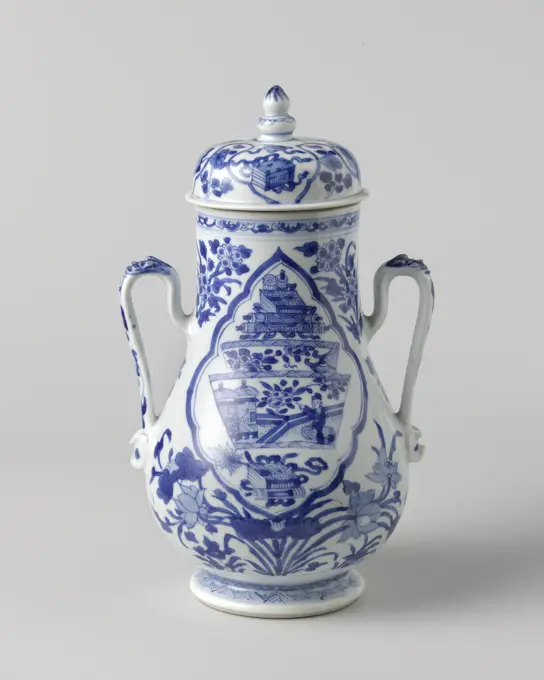
Pear-shaped covered jar with precious objects and flower sprays, anonymous, c. 1700 - c. 1724 Cover of pear -shaped lid jar of porcelain, painted in underlaze blue. On the lid with valuables (pearl, window) and lucky symbols and flower branches, separated by a wavy line. Blue White. China porcelain. glaze. cobalt (mineral) painting / vitrification Cover of pear -shaped lid jar of porcelain, painted in underlaze blue. On the lid with valuables (pearl, window) and lucky symbols and flower branches, separated by a wavy line. Blue White. China porcelain. glaze. cobalt (mineral) painting / vitrification
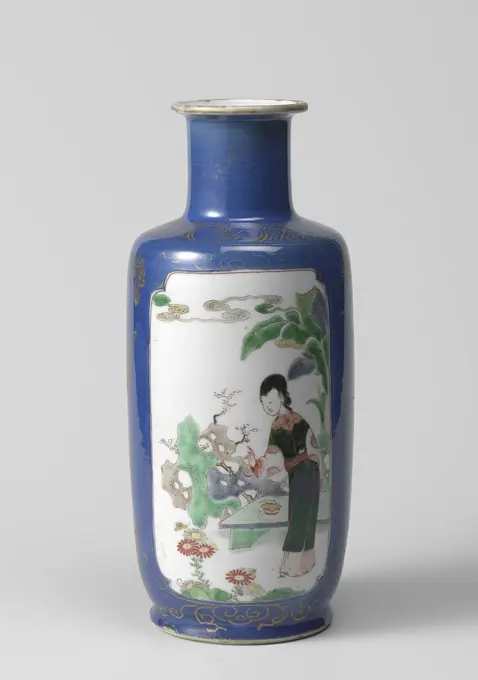
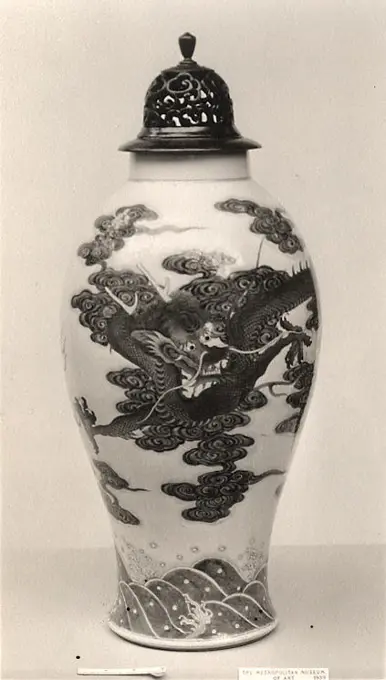
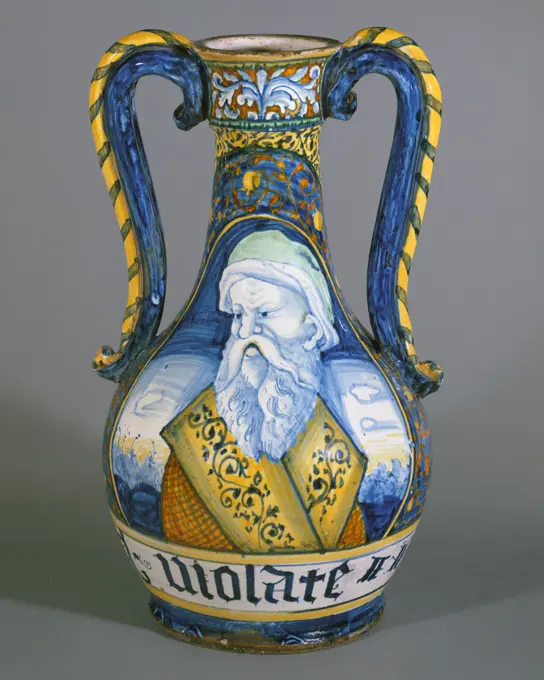
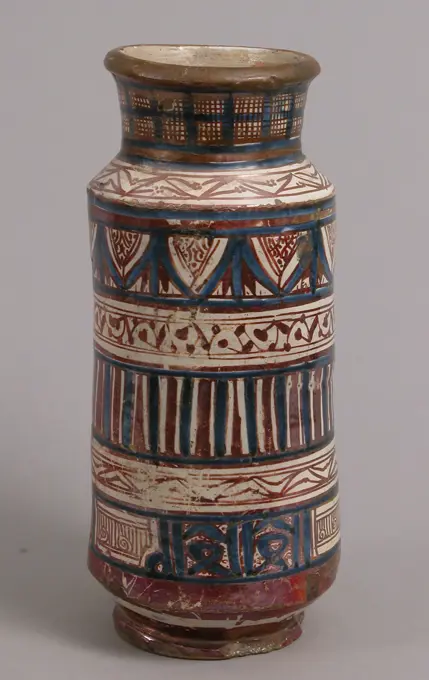
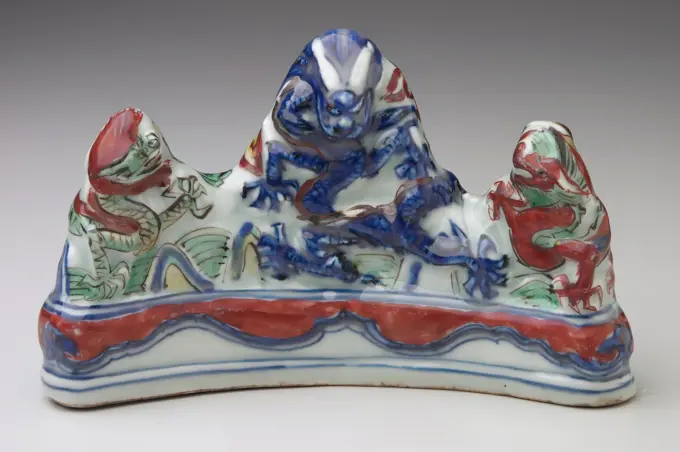
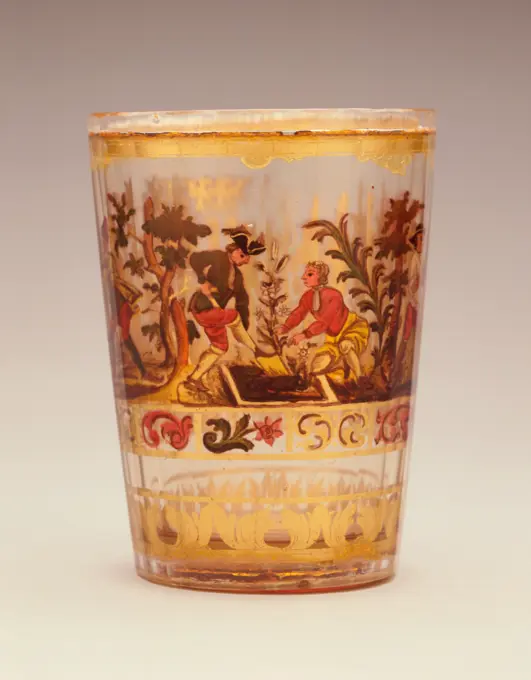
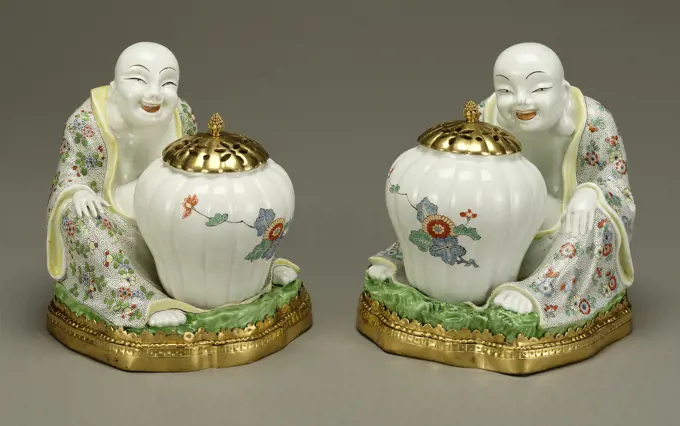
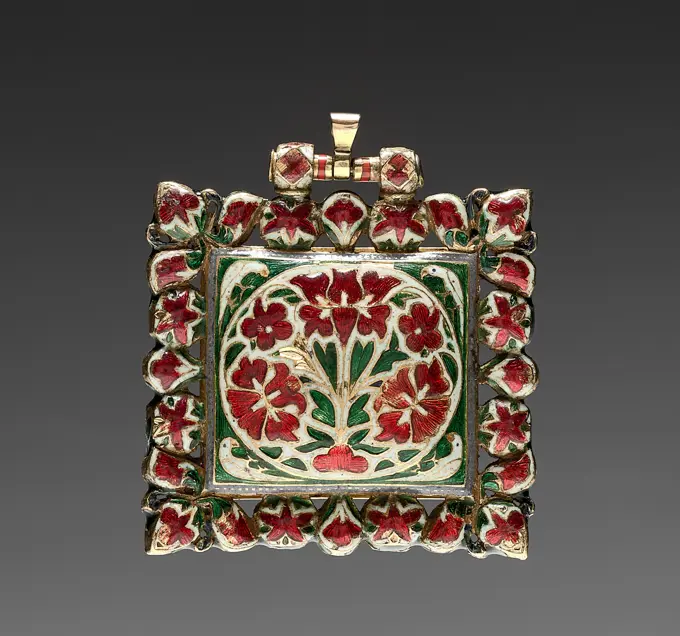
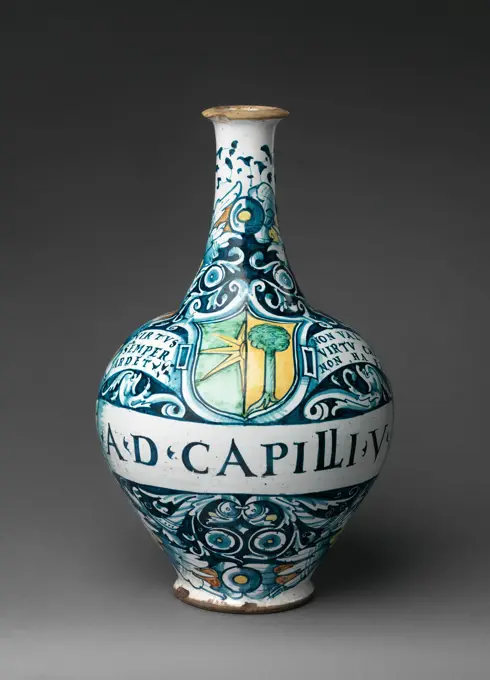
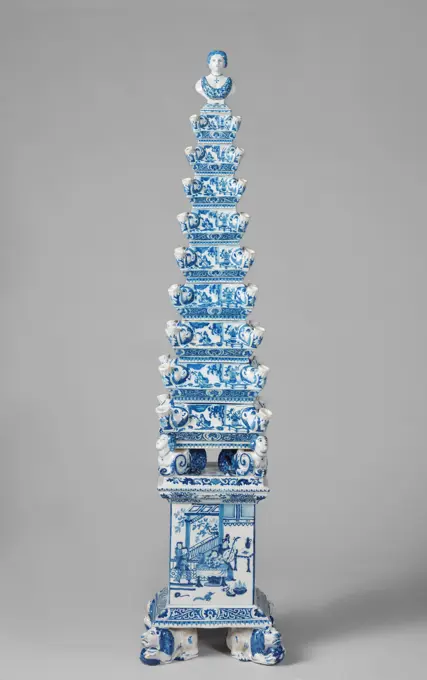
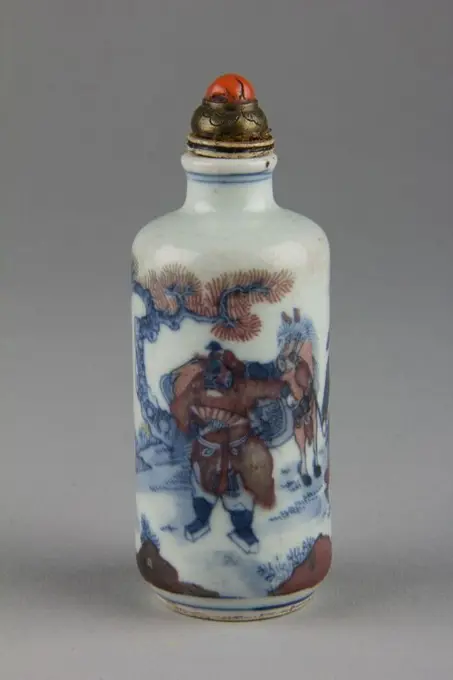
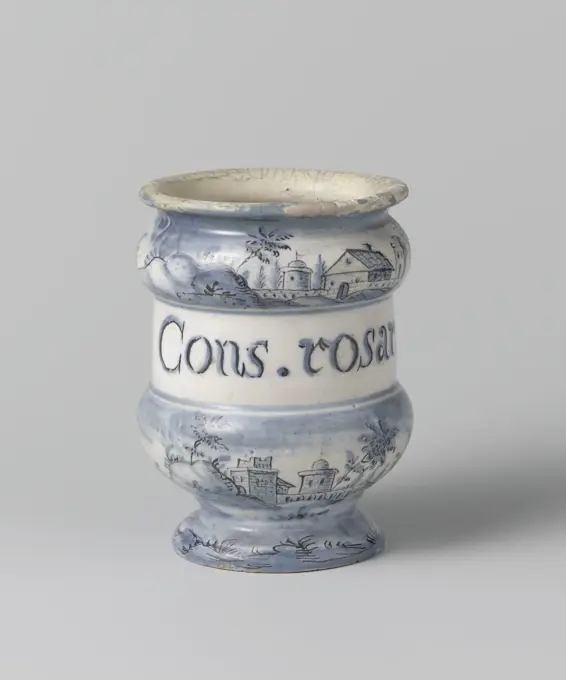
Beaker 1760-65 British. Beaker 374. Cylindrical vase of porcelain with a flat shoulder, straight neck and flat edge, painted in underglaze blue and on the glaze blue, red, green, yellow, eggplant, black and gold. The vase is covered with bleu poudré (powder blue) with two saved, rectangular cartouches with squeezed corners. In one Chinese lady (long lice) in a garden for a low table at a rock, banana plant and flowering plants (Aster). The other cartouche with a lady in a fenced garden with a ruyi scepter in her hands at a rock with bamboo and blooming plants. Between the boxes a flower vase; Above the foot curly. On the shoulder a band with a Swastika pattern interrupted by cartouches with antiques (books, ruyi scepter). On the neck flower branches. Bleu poudré with famille verte.Wan-Li Incense Burner Ming Dynasty 1368-1644Oil Jar with Helen and Eros; Manner of Meidias Painter (Greek (Attic), active 420 - 390 B.C.); Athens, Greece; about 400 B.C; Terracotta; 12.7 × 6.8 cm (5 × 2 11,16 in.)Vase with dragon late 18th century China. Vase with dragon 51063Three vases, part of a garniture. These lidded vases are composed of rocailles, or twisted shell-like motifs, characteristic of the Rococo style. The Chinese heads on the lids make the vases look like female figures with swirling robes. Vases of this kind, painted in striking colours with Chinese motifs, were highly fashionable.Apothecary vase (vaso da farmacia) ca. 1520-30 Italian, Castelli. Apothecary vase (vaso da farmacia). Italian, Castelli. ca. 1520-30. Maiolica (tin-glazed earthenware). Ceramics-PotteryBottle porduced by the Anabaptists in the Ukraine in the 1800s Museum of Anthropology  Vancouver  CanadaTeapot with precious objects and accompanying wicker basket. Cylindrical teapot of porcelain with spout and handle of wrapped iron wire, painted in underglaze blue. On the wall Two decorative tires with this valuables (books), lucky symbols (vase) and taoist symbols (range, castagnets); Lid with sunken center with Chinese character. According braided, drum-shaped basket with brass hinges and closure. Blue White.Pharmacy Jar 1400-1450 Spanish Pharmacy jars used for spices and drugs were a specialty of Valencian potters during the 1400s. Their shapetall and slender without handles or spoutsmade them easy to store, while the wide mouth provided ready access to their contents. A parchment label (attached with a string) would have indicated their contents.. Pharmacy Jar 463086Three Dragon Brushrest, Wanli mark and period (1573-1619), 4 1/8 x 6 5/8 x 2 9/16in. (10.5 x 16.8 x 6.5cm), Wucai ware Porcelain with underglaze blue and polychrome overglaze enamel décor, China, 16th -17th century, Under Ming royal patronage, potters at Ching-te-chen introduced a series of fine porcelains decorated with new and improved overglaze polychrome enamels. The term wu-ts'ai means 'five colors' but it was used generically to mean 'polychrome' regardless of how many colors actually appeared on a vessel. The Wu-ts'ai overglaze colors included red, blue, green, yellow, and purple, and during Ming, they were usually used in conjunction with underglaze cobalt blue designs. The Wu-ts'ai palette gained favor during the Chia-ching (1522-66) and Wan-li (1573-1620) periods and was produced at imperial as well as private kilns.Lidded Vase, Meissener porcelain manufactory, c. 1745 Conversely egg -shaped vase with a narrow, high cylindrical neck and a arched lid with a button. The vase is painted on one side with a heron on a ground and on the other side with a finch on a tree. The lid is painted with a bird on a tree. The vase is marked. Float porcelain Conversely egg -shaped vase with a narrow, high cylindrical neck and a arched lid with a button. The vase is painted on one side with a heron on a ground and on the other side with a finch on a tree. The lid is painted with a bird on a tree. The vase is marked. Float porcelainBeaker with Country Scenes. Bohemia, probably early 19th century. Furnishings; Serviceware. Glass, gold leaf, polychrome lacquerVase with reliefs of the nine Muses and Apollo, and tricolor vase with quatrefoils in green and white on blue. Chromolithograph by W. Griggs from Frederick Rathbone's Old Wedgwood, the Decorative or Artistic Ceramic Work Produced by Josiah Wedgwood, Quaritch, London, 1898.Pair of Magot Figures; Mounts: Unknown, Figures: Chantilly Porcelain Manufactory (French, active about 1725 - about 1792); about 1740; Soft-paste porcelain, polychrome enamel decoration; gilt-bronze mounts;Pendant, 1700s. India, Rajasthan, Jaipur, 18th century. Gold with semi-precious stones and enamel; overall: 4.4 x 4.2 cm (1 3/4 x 1 5/8 in.).Pharmacy bottle (one of a pair) ca. 1500-1510 Italian, Deruta The Latin mottos "Virtue always burns" and "Virtue has no value if one has no faith" may relate to the bottles owner, whose coat of arms appears between the inscriptions. Prominent labels indicate that the vessels (see also 02.5.58) once held extracts of wood bettony and maidenhair fern.. Pharmacy bottle (one of a pair) 237452Bloempiramide, Royal Tichelaar Makkum, 2003 - 2004 Top figure of flower pyramid of faience, female bust blue painted in the enamel. Makkum tin glaze Top figure of flower pyramid of faience, female bust blue painted in the enamel. Makkum tin glazeSnuff Bottle. Culture: China. Dimensions: H. 3 3/8 in. (8.6 cm); Diam. 1 3/8 in. (3.5 cm). Museum: Metropolitan Museum of Art, New York, USA.Jar with a Man Leaning on a Crutch. UnknownPainted duck egg, image of robin and raspberriesPharmacy spot Met Text: Cons. Rosar. Rub., c. 1400 - c. 1950 Pharmacist's jar with a landscape in blue and the text: cons. Rosar. rub.  earthenware vitrification / painting Pharmacist's jar with a landscape in blue and the text: cons. Rosar. rub.  earthenware vitrification / paintingAnonymous / "Orza de botiga", 1752, Ceramics (Interphase painted clay), 25 x 22 x 15.5 cm.England, West Midlands, Birmingham, Birmingham Museum and Art Gallery, Vase and Cover Produced by The Worcester Royal Porcelain Company dated 1874