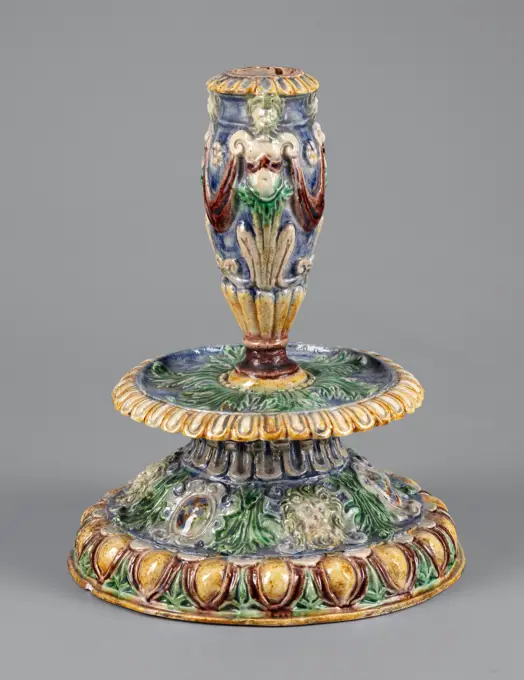
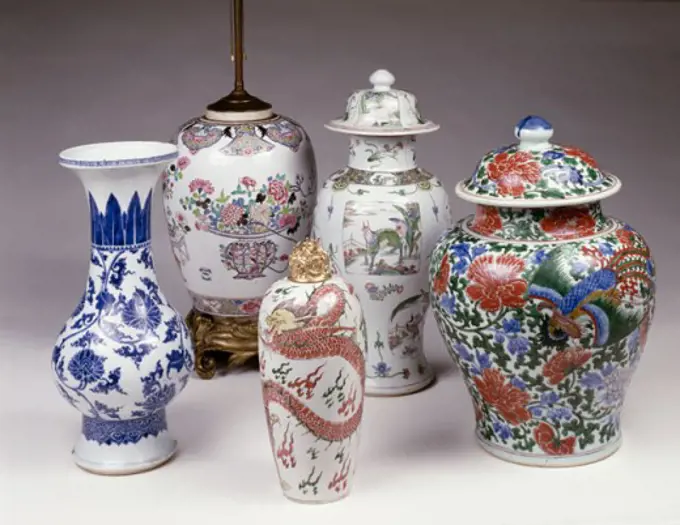
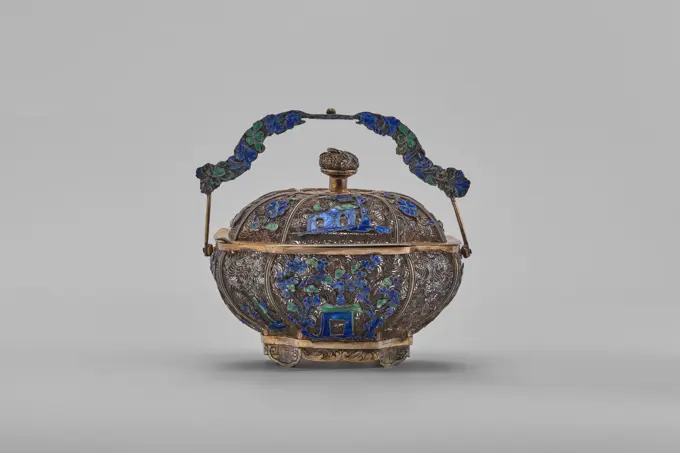
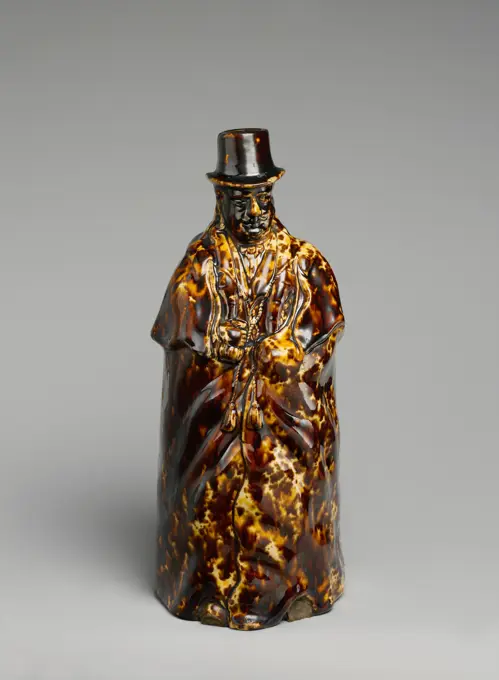
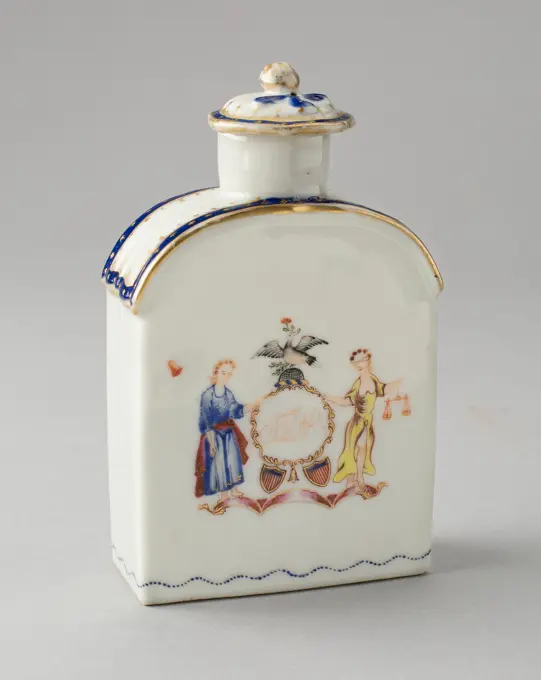
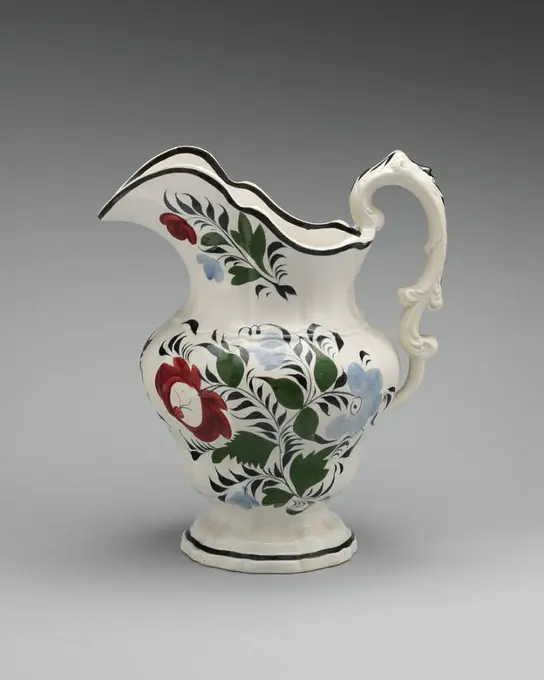
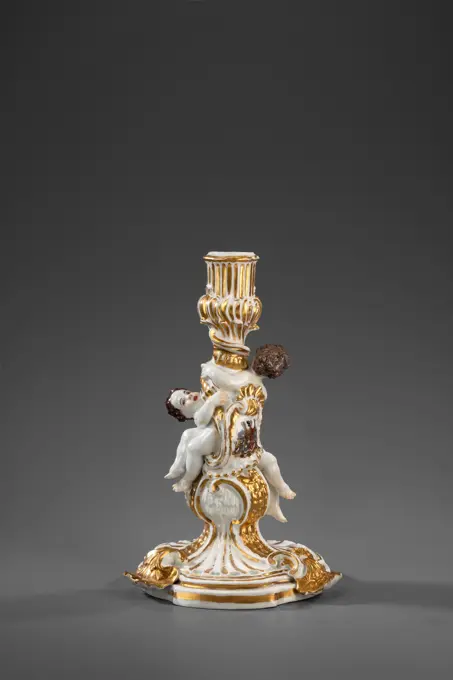
Decorative Porcelain Vases

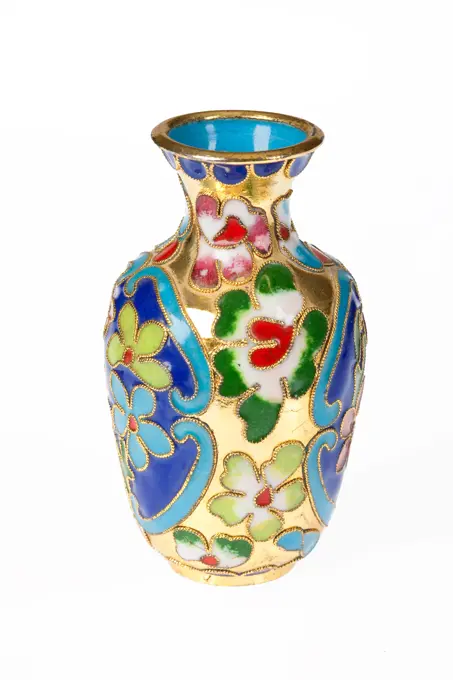
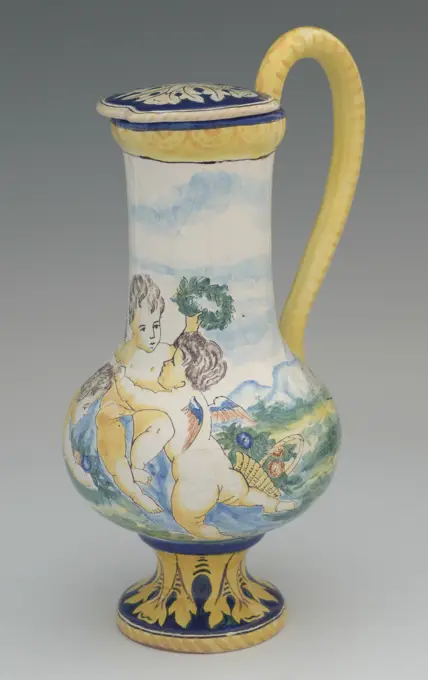
Collection of artistic porcelain vases featuring intricate floral designs, blue and white patterns, and colorful accents. Each vase showcases unique shapes and styles.
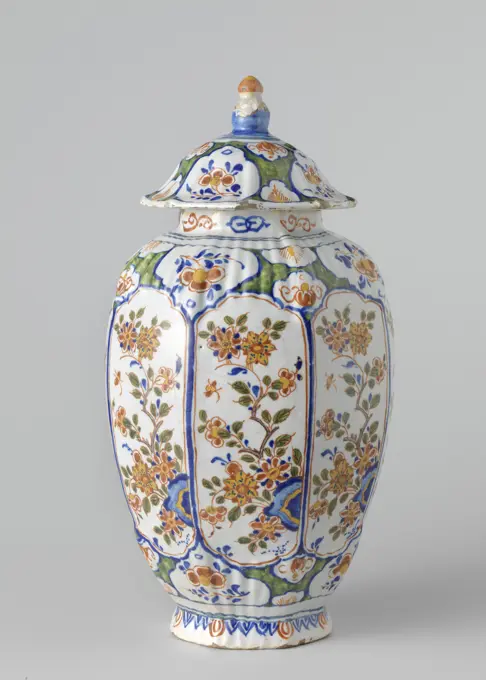
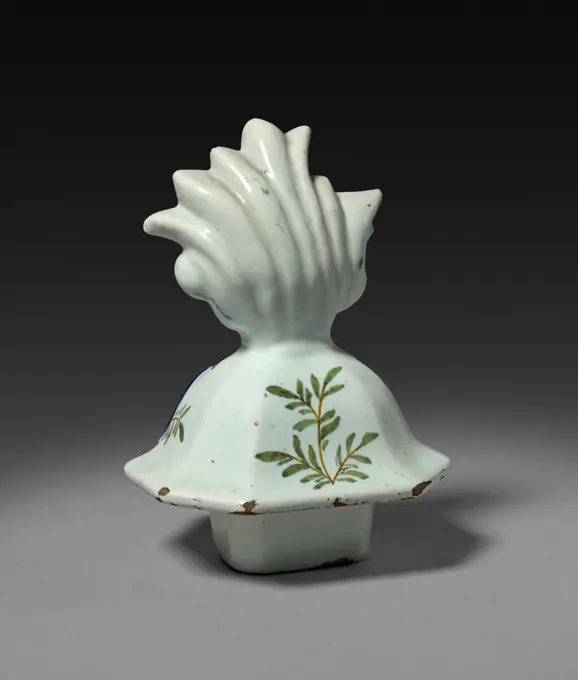
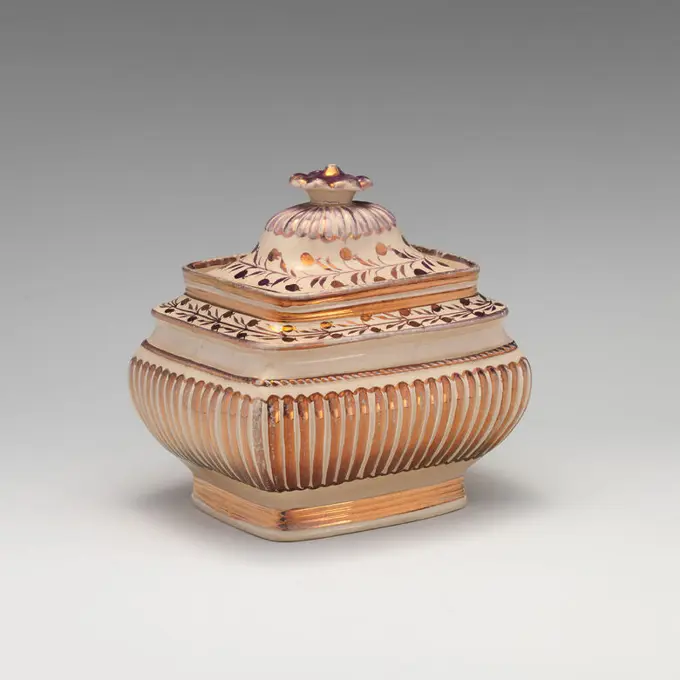
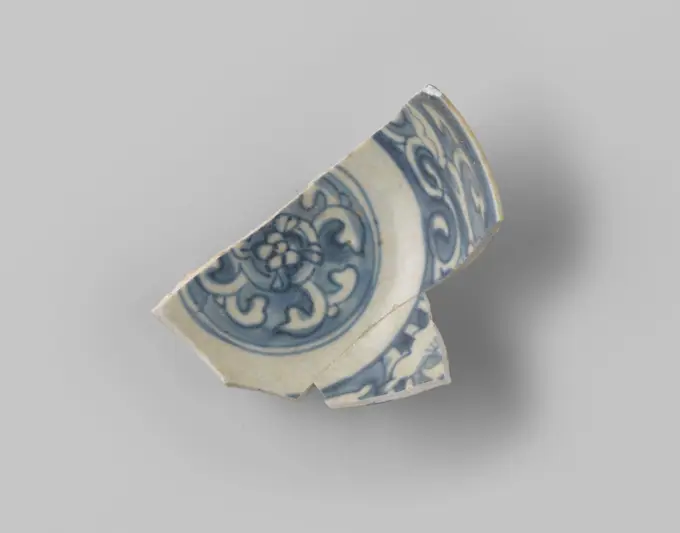
Lid, octagonal vaulted, with button; Polychrome decorated with flower branches within cartouches, the two Scheepjes, after Jan Gaal, after widow Gaal -van der Plank, 1707 - 1727  Delft earthenware  Delft earthenware
Lid, octagonal vaulted, with button; Polychrome decorated with flower branches within cartouches, the two Scheepjes, after Jan Gaal, after widow Gaal -van der Plank, 1707 - 1727 Delft earthenware Delft earthenware
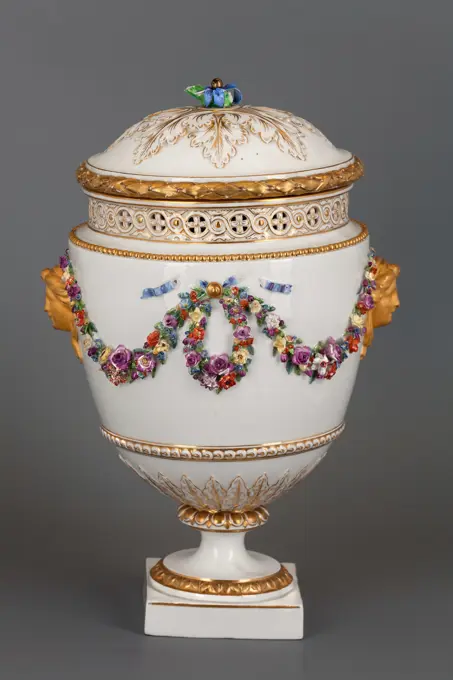
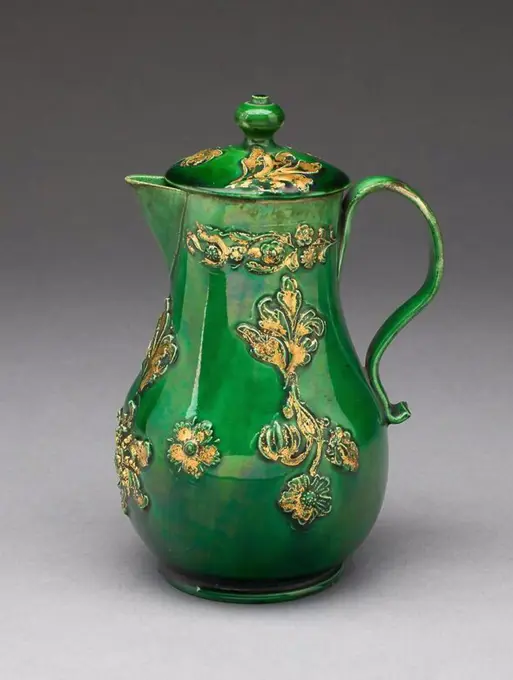
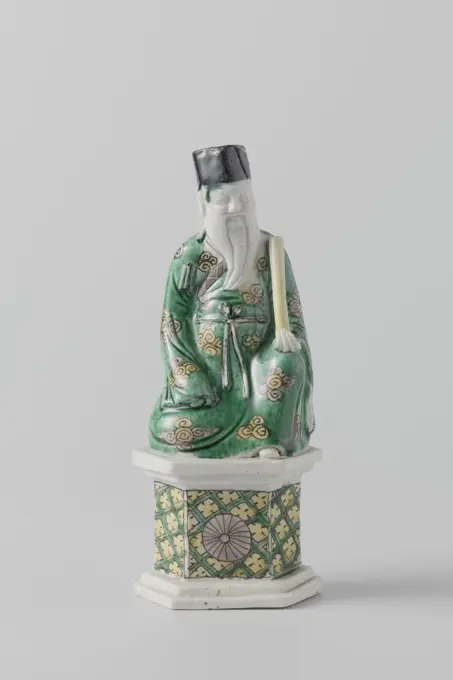
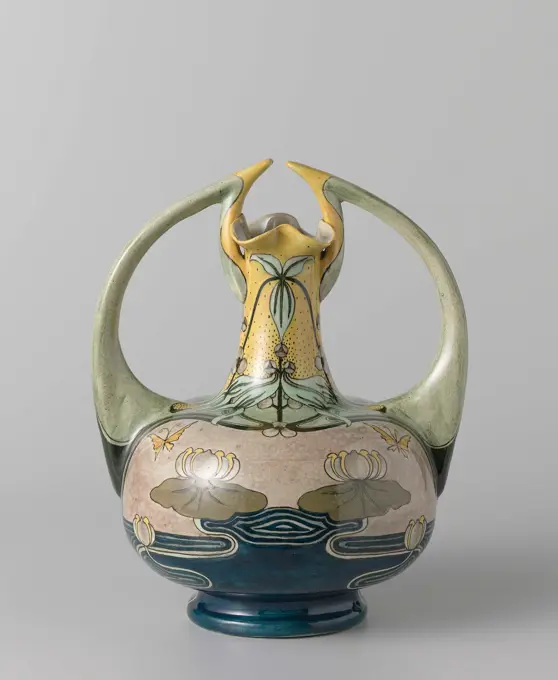
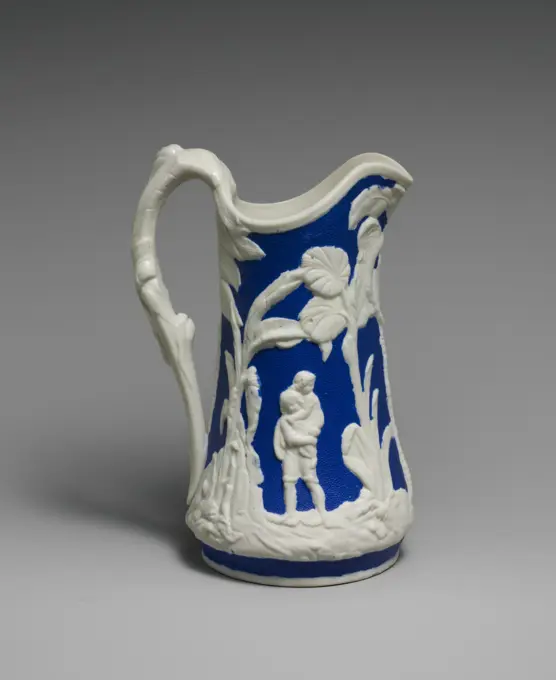
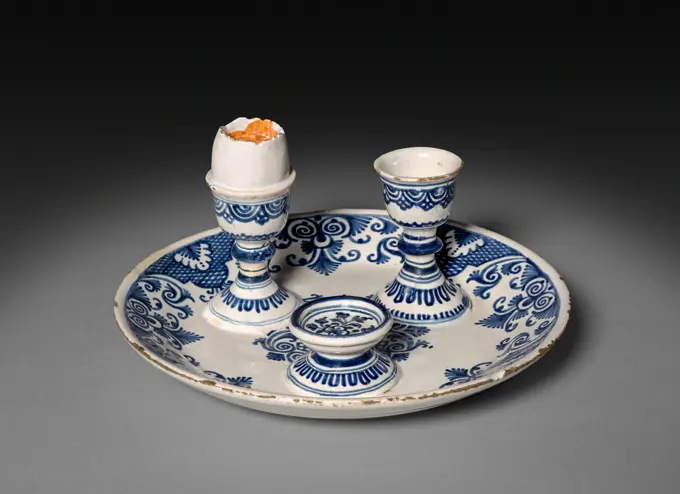
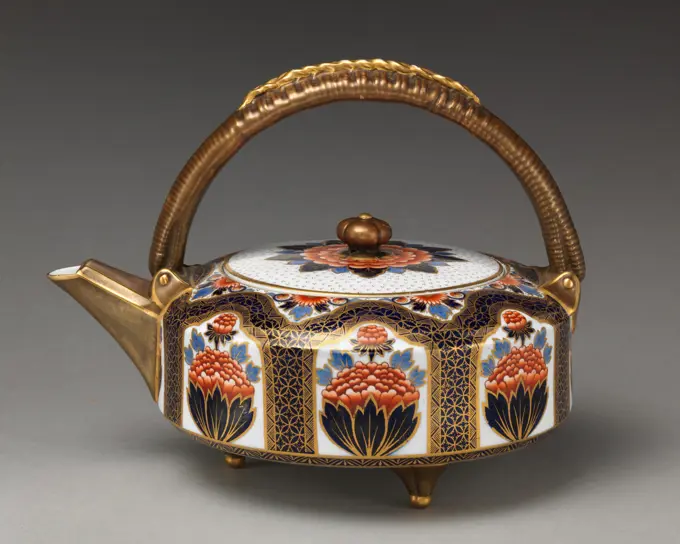
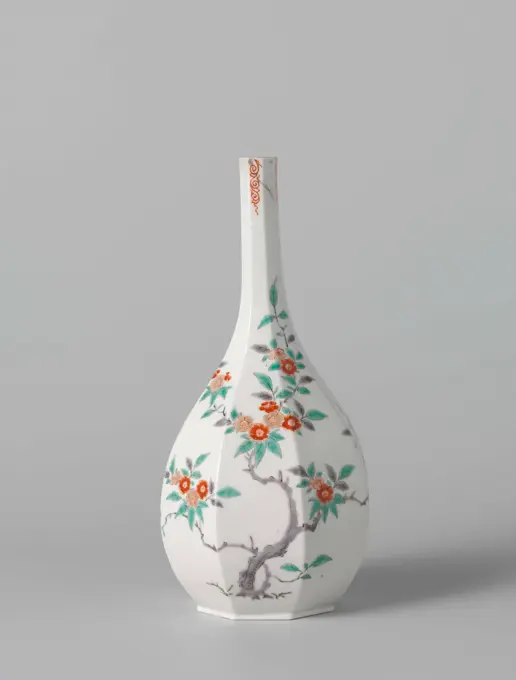
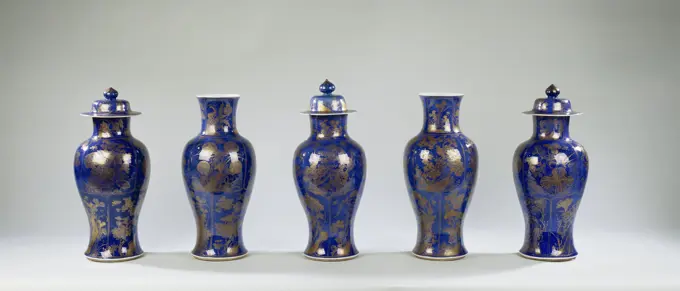
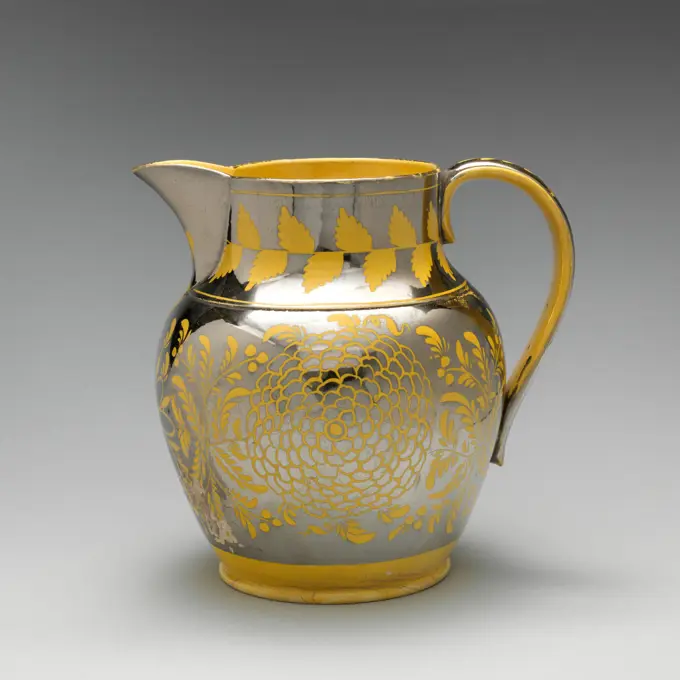
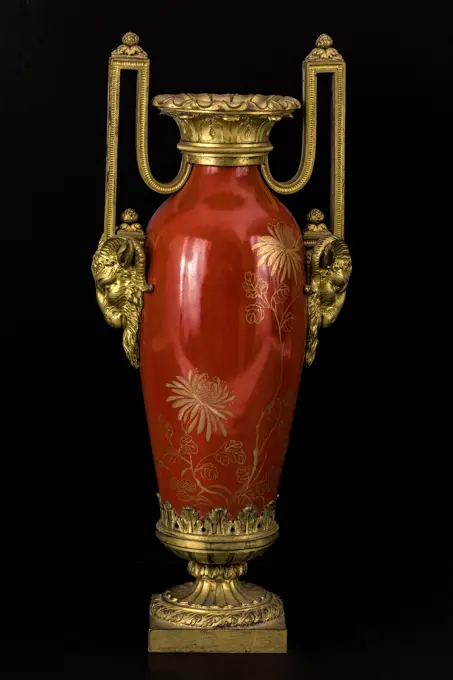
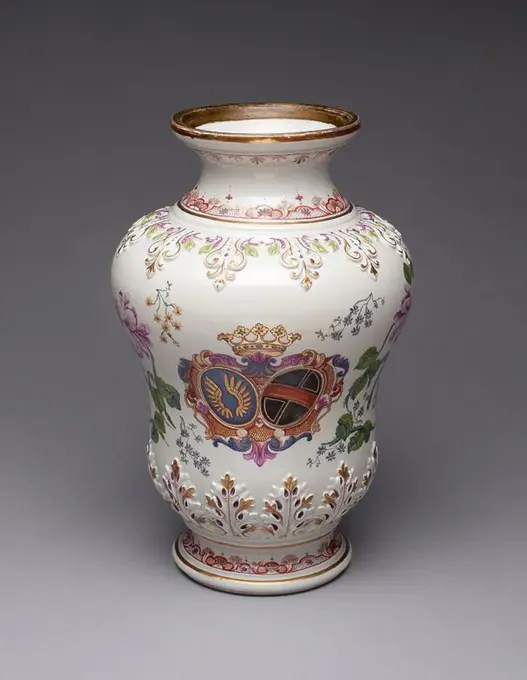
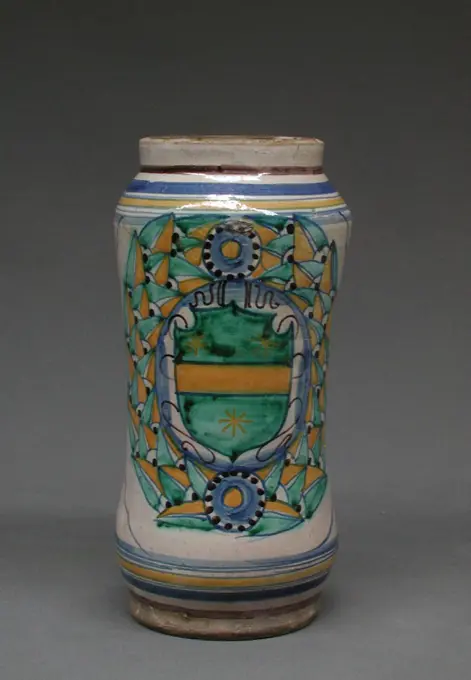
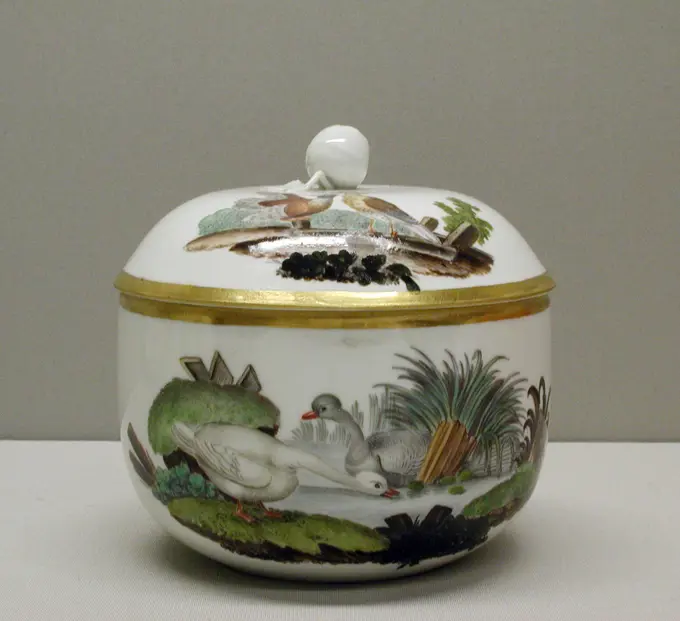
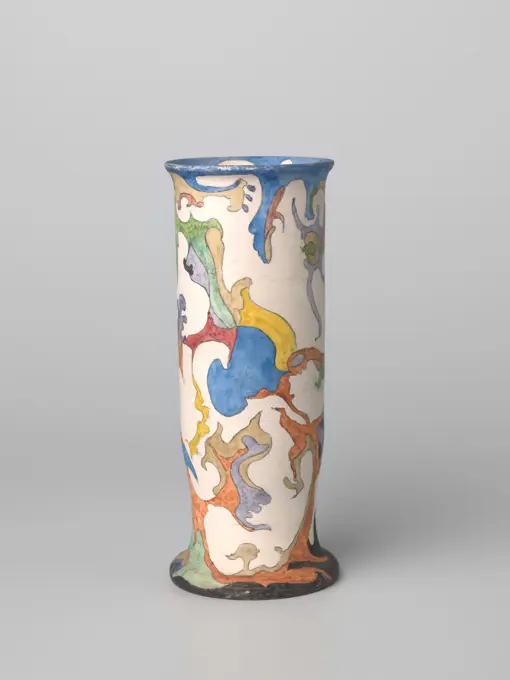
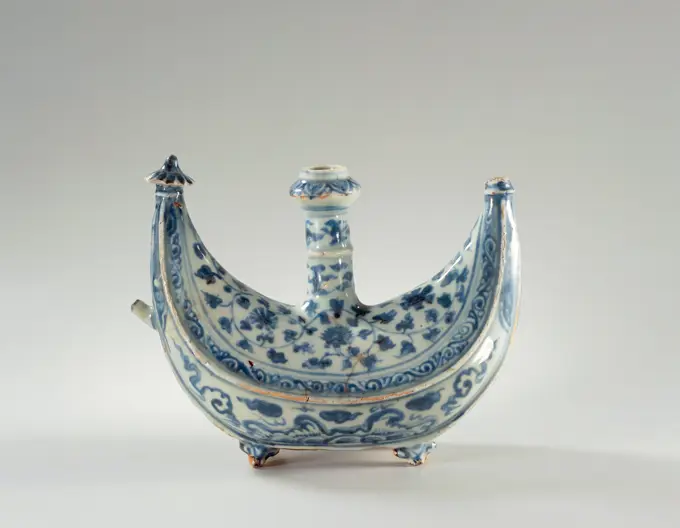
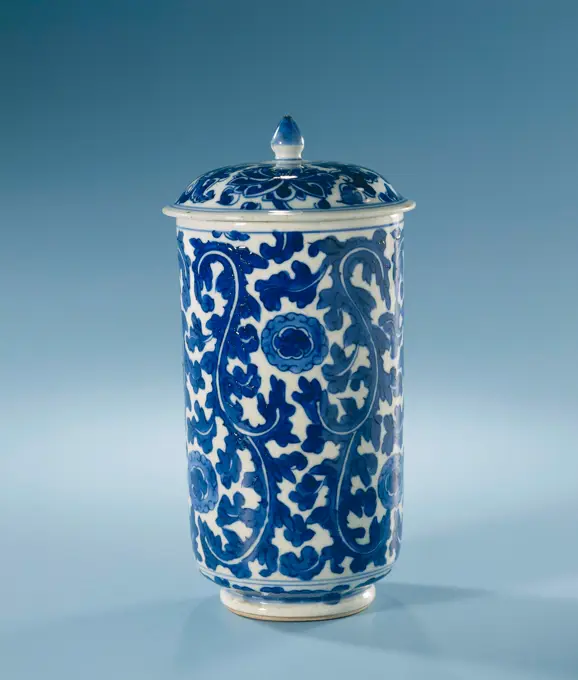
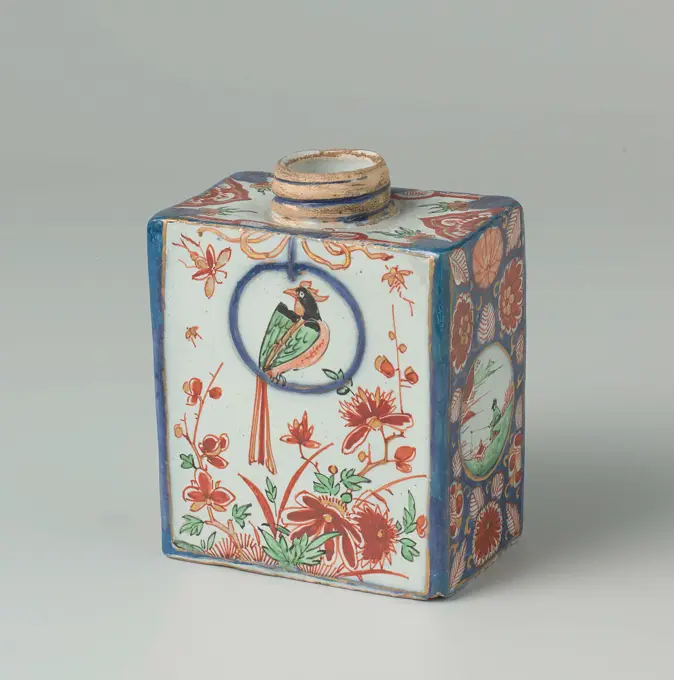
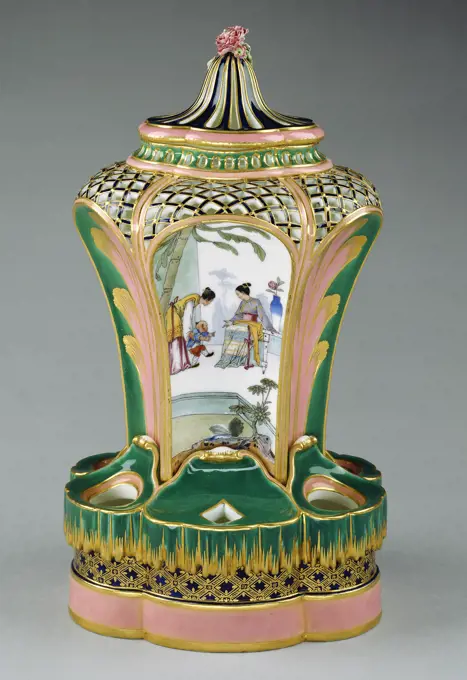
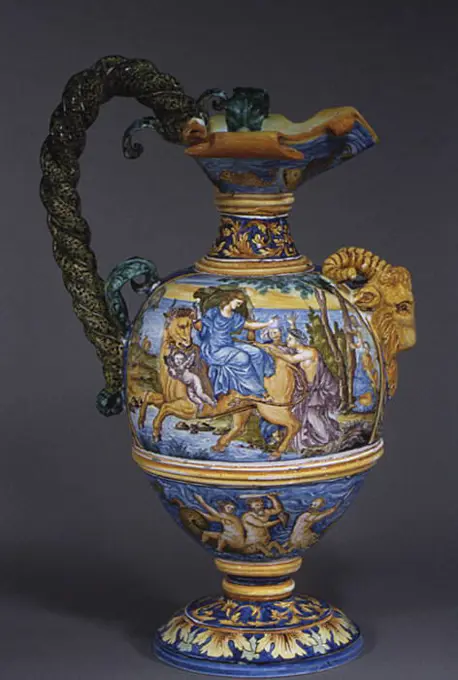
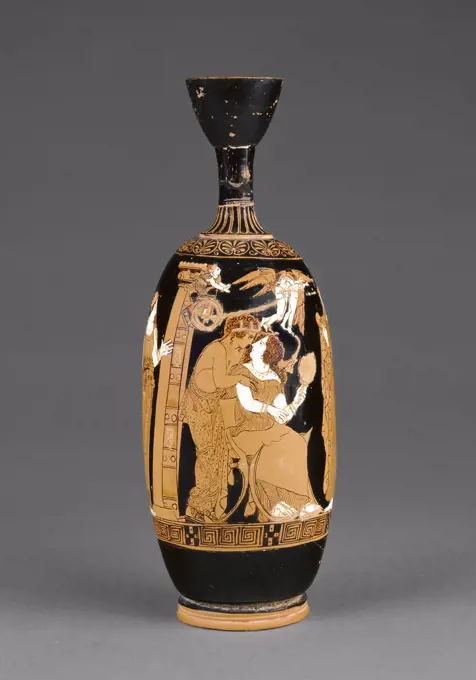
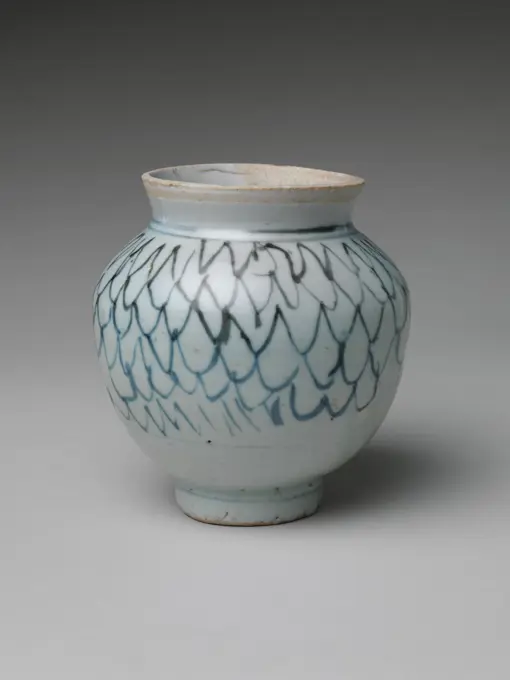
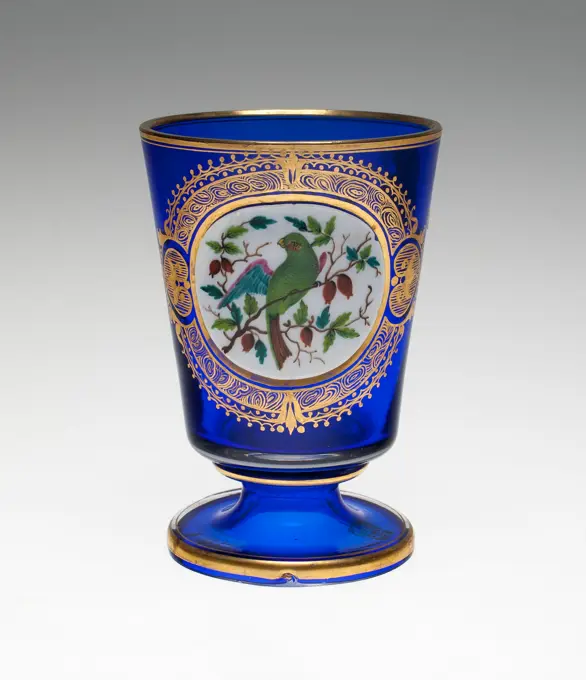
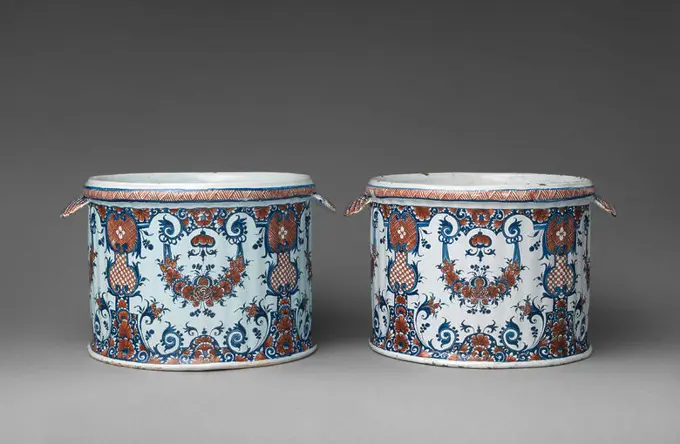
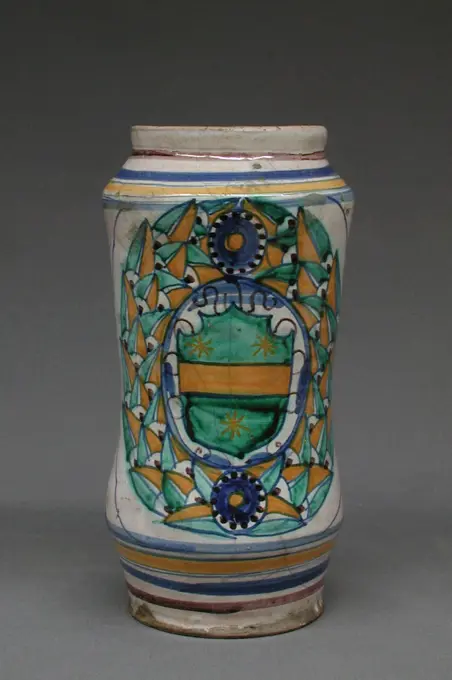
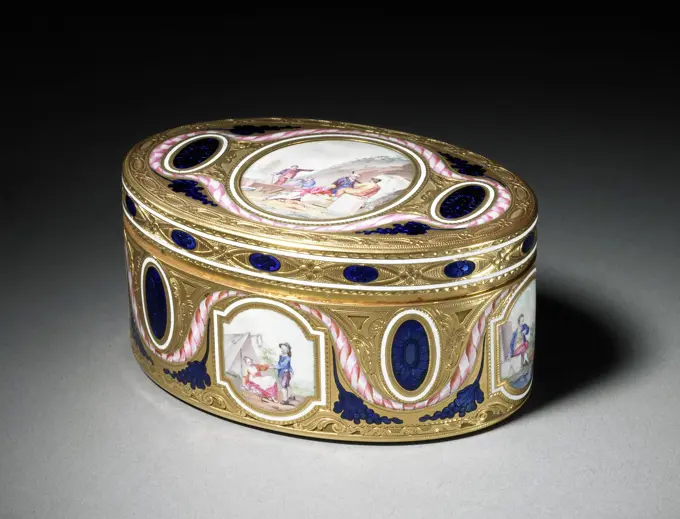
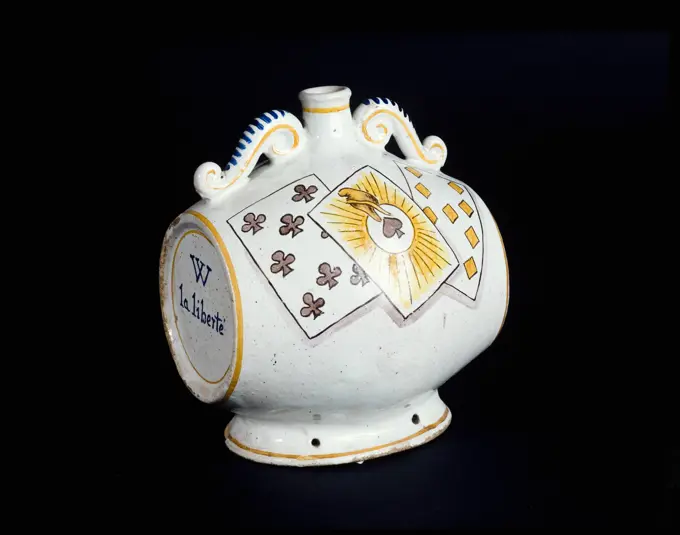
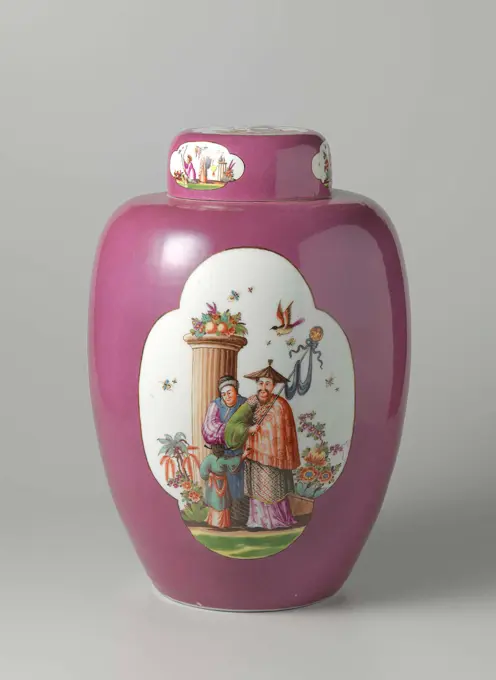
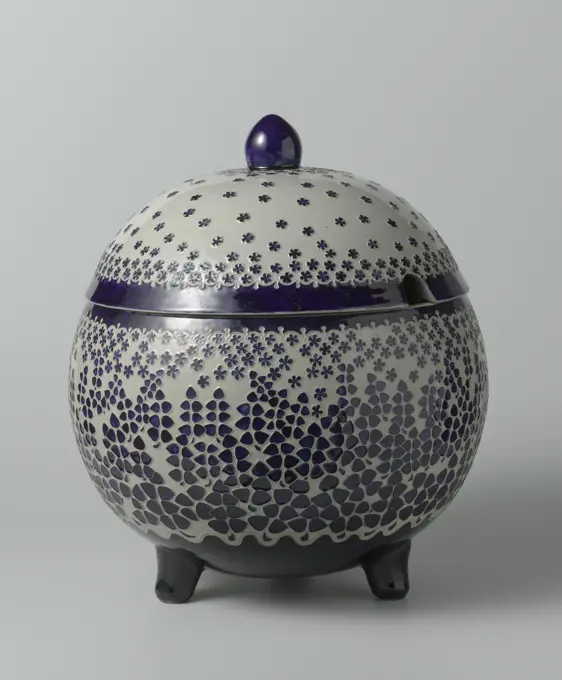
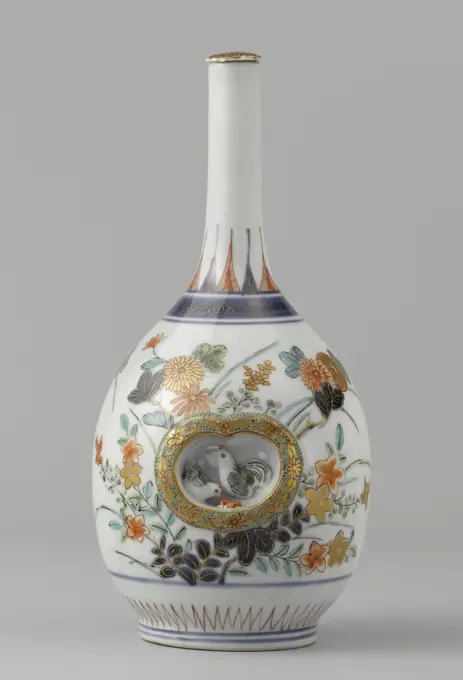
Bottle with two recessed panels with flower sprays and chickens in relief, anonymous, c. 1700 - c. 1724 Bottle of porcelain with a spherical body and a narrow neck, painted in underly glaze blue and on the glaze red, green, black and gold. Two sunken compartments on the belly with a flower branch or a chicken and a rooster. The courses are surrounded by a raised band with flower vines. Around the flower areas. The shoulder with a strap with curl work with raised, pointed leaf motifs. A decorative band around the foot. A crack in the bottom. Imari. Japan porcelain. glaze. cobalt (mineral). gilding (material) painting / gilding / vitrification Bottle of porcelain with a spherical body and a narrow neck, painted in underly glaze blue and on the glaze red, green, black and gold. Two sunken compartments on the belly with a flower branch or a chicken and a rooster. The courses are surrounded by a raised band with flower vines. Around the flower areas. The shoulder with a strap with curl workDecorative vase with a lid. Cesarska Fabryka Porcelany w Petersburgu (1744-1917), factory. Meissener Porzellan ManufakturMeissen, c. 1726-1730painted decoration: Augsburg, c. 1730-1735hard-paste porcelain; lid: silver (a later addition)Milk Jug. England, Staffordshire. Date: 1760-1775. Dimensions: 13.3 x 8.6 cm (5 1/4 x 3 3/8 in.). Lead-glazed earthenware (creamware), gilded. Origin: Staffordshire. Museum: The Chicago Art Institute, Chicago, USA.Seated figure of Zhang GuoLao, one of the Eight Immortals, anonymous, c. 1700 - c. 1724 Image of porcelain on hexagonal pedestal, painted on biscuit in green, yellow, eggplant and black. It depicts the sitting Zhang Guolao, one of the eight immortals, in a robe with clouds. His attribute, a bamboo percussion instrument, rests on his left knee. The hexagonal pedestal is decorated at the front with servetwork with a stylized chrysanthemum, two loose flowers and a window at the rear. The sticks of the percussion instrument have been demolished. Email sur biscuit with family distance colors. China porcelain. glaze. painting / vitrification Image of porcelain on hexagonal pedestal, painted on biscuit in green, yellow, eggplant and black. It depicts the sitting Zhang Guolao, one of the eight immortals, in a robe with clouds. His attribute, a bamboo percussion instrument, rests on his left knee. The hexagonal pedestal is decorated at the front with servetwork with a stylized chrysanthemum, twPair of vases (vase hollandais nouvelle forme). These vases were used as planters for bulbs or other plants, which were nourished with water that filled the stands. The delicately painted motifs of Chinese figures and flowers derive directly from 18th-century Chinese art: porcelain, enamels or paintings on paper. The highly talented Dodin was the only painter of this kind of decoration on Sèvres porcelain.. Vase with two ears, flattened spherical with cylindrical neck with lobby outstanding mouth edge. Polychrome painting of arrow herb, water lilies and butterflies on blue (water) and light purple fond. Shoulders and ears green, ears with yellow end. Neck in yellow with black dots. Inside vase light purple. Marked, upper each other: clog, monogram NB, faience the purple, Hollande; Left 1011; Right Dec: C, Monogram, and D, everything in brown. Inserting: R.Pitcher 1852-58 United States Pottery Company Porcelain objects with white figures in low relief on a blue ground recall eighteenth-century Wedgwood wares. This pattern, known as "Paul and Virginia," is a copy of an English design.. Pitcher 5862Vase with Lelies, plateel bakery Haga, 1904 - 1907 Vase with lilies hanging from the shoulder, three times three chalices, in yellow, orange, purple and black on yellow stock. Purmerend earthenware Vase with lilies hanging from the shoulder, three times three chalices, in yellow, orange, purple and black on yellow stock. Purmerend earthenwarePlate with Boiled Egg, mid 1700s. Possibly by Nevers Factory (French). Faience; diameter: 23.9 cm (9 7/16 in.); overall: 12.3 cm (4 13/16 in.).Baluster Jar, One of a Pair, 17th-18th century, 17in. (43.2cm), Ceramic, glaze, wooden stand, China, 17th-18th centuryCantonese vase in the shape of the pilgrim bottle. unknown, craftsmanElephant Candelabrum Vase (Vase à Tête d'Eléphant). Sèvres Porcelain Manufactory; French, founded 1740; Design attributed to Jean-Claude Duplessis (French, active 1745/48-1774, died 1783); Painted by Pierre-Louis-Philippe Armand (French, active 1758-1781). Date: 1757-1758. Dimensions: 39.2 cm (15 7/16 in.). Soft-paste porcelain, polychrome enamels, and gilding. Origin: Sèvres. Museum: The Chicago Art Institute, Chicago, USA. Author: Manufacture nationale de Sevres.Teapot 1879 Worcester factory After the end of the Flight, Barr & Barr ownership of the Worcester factory in 1840, the firm went through a succession of owners and mergers before falling under the ownership of Kerr & Binns in 1852. During the partnership, the factory sought to rebuild its former eighteenth-century reputation in porcelain and known for Renaissance-inspired designs. With the establishment of the Royal Worcester Porcelain Company in 1862, the company gradually gained recognition for its Japanese-inspired designs, which formed part of Japonisme, a collective fascination with Japan that took place in Europe and the United States following the opening of Japanese markets to the West by Commodore Perry in 1853.. Teapot. British, Worcester. 1879. Bone china. Ceramics-Porcelain. Octagonal, bottle-shaped vase of porcelain, painted on the glaze in red, green, eggplant, black and gold. On the abdomen a flowering tree (prunus), plants and a cloud. Curf work on the edge. A crack in the edge. Arita, Kakiemon style.Five-pieve garniture with with powder blue and flowering plants and animals in panel decoration, anonymous, c. 1700 - c. 1724 Five -piece porcelain cabinet, consisting of two jabs and three lid vases. Painted in underly glaze blue and on the glaze gold with three rows of compartments: the bottom row has a different flowering plant or tree in each section with a rock with insects; The second row is also with four different flowering plants (Lotus, chrysanthemum, prunus, peony) with birds and/or butterflies. Bleu Poudré with gold. China porcelain. glaze. cobalt (mineral). painting / gilding / vitrification Five -piece porcelain cabinet, consisting of two jabs and three lid vases. Painted in underly glaze blue and on the glaze gold with three rows of compartments: the bottom row has a different flowering plant or tree in each section with a rock with insects; The second row is also with four different flowering plants (Lotus, chrysanthemum, prunus, peony) with birds and/or butterflies. BlJar with Four Auspicious Characters in Relief, 1800s. Korea, Joseon dynasty (1392-1910). Glazed porcelain; outer diameter: 22.1 cm (8 11/16 in.); height: 19.4 cm (7 5/8 in.).Covered Punch Bowl. Culture: American. Dimensions: H. 14 5/8 in. (37.1 cm). Maker: Probably Hobbs, Brockunier and Company (1863-1891). Date: ca. 1885-87. Museum: Metropolitan Museum of Art, New York, USA.Portland Vase 1860-1880 Burslem. Stoneware (jasperware) . Wedgwood Manufactory (Manufacturer)Box with diaper patterns and flowering plants in a panel decoration, anonymous, c. 1400 - c. 1599 Box of stoneware, painted in underly glaze blue and on the glaze red and green. The wall of the box is modeled in courses with alternating servet network or a flowering plant. Decoration following the Chinese squatter porcelain. Vietnam stoneware. glaze. cobalt (mineral) painting / vitrification Box of stoneware, painted in underly glaze blue and on the glaze red and green. The wall of the box is modeled in courses with alternating servet network or a flowering plant. Decoration following the Chinese squatter porcelain. Vietnam stoneware. glaze. cobalt (mineral) painting / vitrificationSnuff Bottle, 17th-19th century, 2 3/4 x 1 1/2in. (7 x 3.8cm), Crystal, jade, China, 17th-19th centuryConfectioner; Manufacture Nationale de Porcelaine de Sevres (1756-); after. 19th century (1850-00-00-1850-00-00);ornamentsJug with dragon handle and floral madellions 18th century China. Jug with dragon handle and floral madellions 48281Jug ca. 1815 British, Staffordshire. Jug. British, Staffordshire. ca. 1815. Lustered earthenware. Ceramics-PotteryAnonymous. Vase mounted. Porcelain, gilded bronze, 1775-1785. Paris, Cognacq-Jay museum. 78926-11 Mythological animal, handle, bronze gilded, ceramic, ceramic, gilding, flower motif, red, head, vase monte, 18th 18th 18th 18th 18th 18th 18 centuryVase. Du Paquier Porcelain Manufactory; Austrian, 1718-1744. Date: 1725-1735. Dimensions: H. 29.2 cm (11 1/2 in.); diam. 19.1 cm (7 1/2 in.). Hard-paste porcelain, polychrome enamels, and gilding. Origin: Vienna. Museum: The Chicago Art Institute, Chicago, USA.Jar, soft paste porcelain, vitreous enamel, A) Circular on narrow foot, with straight sides, B) Slightly domed cover with simple knob., Decorated with underglaze blue lambrequin design., 1701-1715, ceramics, Decorative Arts, jar, jarApothecary's Bottle, 1670s. Japan, Edo period (1615-1868). Porcelain with underglaze blue decoration; overall: 41.3 cm (16 1/4 in.). This white porcelain bottle is decorated with cobalt blue birds and flowers. While inspired by functional apothecary jars used in medieval pharmacies, this bottle was likely decorative. Its underside has the initials IC, which are almost certainly those of Johannes Camphuys (1634-1695), who was in charge of the Dutch East India Companys operations in Deshima in 1671. During the Edo period, the Japanese government relegated Dutch traders to the man-made island of Deshima in Nagasaki harbor as a means of preventing European influence on the native population.Pitcher 1845-47 Norton and Fenton. Pitcher 5832Vase China. Vase 49857Vase, c. 1728-30. Meissen Porcelain Factory (German). Porcelain; overall: 37.5 x 23.8 cm (14 3/4 x 9 3/8 in.).Blue and White Jar with Cover. Dated: 18th century. Dimensions: overall (height by greatest diameter): 46.36 × 26.67 cm (18 1/4 × 10 1/2 in.). Museum: National Gallery of Art, Washington DC. Author: Chinese Qing Dynasty.Octagonal ribbed pot of multicolored faïence, the metal pot, c. 1695 - c. 1725 Octagonal, ribbed pot of multicolored painted faïence, with a lid. The pot is painted with flowers, rocks, birds and a bird in a tree. The pot is part of a couple, the other parts are: two of this pot of equal pots and two identical vases. The parts are marked. Delft earthenware. tin glaze. Octagonal, ribbed pot of multicolored painted faïence, with a lid. The pot is painted with flowers, rocks, birds and a bird in a tree. The pot is part of a couple, the other parts are: two of this pot of equal pots and two identical vases. The parts are marked. Delft earthenware. tin glaze.Baluster covered jar with three figures in a fenced garden, anonymous, c. 1675 - c. 1699 Balus -shaped porcelain lid jar, painted in underlaze blue. On the wall a scene of a civil servant with two servants in a fenced garden with a building, clouds, rocks and trees; A servant has a fan in his hand, the other holds an object and points with his other hand. Marked on the underside with an artemisia leaf. A chip in the edge; Lid is missing. Blue White. China porcelain. glaze. cobalt (mineral) painting / vitrification Balus -shaped porcelain lid jar, painted in underlaze blue. On the wall a scene of a civil servant with two servants in a fenced garden with a building, clouds, rocks and trees; A servant has a fan in his hand, the other holds an object and points with his other hand. Marked on the underside with an artemisia leaf. A chip in the edge; Lid is missing. Blue White. China porcelain. glaze. cobalt (mineral) painting / vitrificationStorage Jar (Albarello) 16th century or later Italian or French Storage vessels were among the most frequently produced maiolica wares in late medieval and Renaissance Italy. Made in fairly standard shapes, they were designed to fit with dozens of others on a shelf, often in a pharmacy or shop. Their handles therefore tend to fit within the vessels profile, and the cylindrical albarello type is generally narrower at the middle than at the top or bottom, making it easy to grip. Other common features include inscriptions indicating contents and flanged lips to help secure cloth or paper seals. The decoration, usually more elaborate on one side than the other, can sometimes link pieces to a known dispensary or specific workshop or artist.. Storage Jar (Albarello). Italian or French. 16th century or later. Maiolica (tin-glazed earthenware). Ceramics-PotteryInkstand William Crolius American 1773Sugar bowl ca. 1775 Höchst Manufactory This partial tea and coffee service is distinguished by its relative completeness and its two components (the coffee pot and the hot milk jug) signed by the painters who decorated themJoseph Angele and Johann Heinrich Usinger, respectivelya rarity on 18th-century porcelain.[Jeffrey H. Munger, 2009. Sugar bowl 234895Pair of "triple-gourd" vases late 17th-early 18th century Dutch, Delft. Pair of "triple-gourd" vases. Dutch, Delft. late 17th-early 18th century. Tin-glazed earthenware. Ceramics-PotteryBowl and cover China, 1750-1800, Chinese, made for the for the Thai royal market, this enamelled decoration is called Bencharong (five-coloured).Vase, cylindrical, polychrome painted with watercolor, n.v. Plateelbakkerij Ram, c. 1920 - c. 1922 Vase of earthenware with outstanding base, cylindrical, polychrome painted with watercolor, unglazed. Arnhem earthenware. watercolor (paint) Vase of earthenware with outstanding base, cylindrical, polychrome painted with watercolor, unglazed. Arnhem earthenware. watercolor (paint)Ewer, anonymous, c. 1475 - c. 1524 Kendi van porcelain in the form of a crescent moon on four short feet, in the middle a long neck with thickening and a small spout on one side, painted in underlaze blue. The lower part with swirling waves, flames and clouds. The upper part with continuous flower vines and a band with curl. The thickening in the neck with stylized floral motifs. The points of the sickle are equipped with a parasol crown, one of which is missing. Ming porcelain in blue and white. China porcelain. glaze. cobalt (mineral) painting / vitrification Kendi van porcelain in the form of a crescent moon on four short feet, in the middle a long neck with thickening and a small spout on one side, painted in underlaze blue. The lower part with swirling waves, flames and clouds. The upper part with continuous flower vines and a band with curl. The thickening in the neck with stylized floral motifs. The points of the sickle are equipped with a parasol crown, one of which is missing.. Cylindrical cup with porcelain lid, painted in underglaze blue. The cup and lid are decorated with a continuous, curly leaf motif interspersed with floral rosettes (tiger lily motif). Marked on the bottom with an artemisia leaf in a double circle. Not associated lid with lotus drinks. A chip in the lid. Blue White.Tea bus. Tea bus from faience. Multicolored painted with landscape, flower decorations and a parrot in a ring on the front.Covered bowl with floral pattern 19th century China. Covered bowl with floral pattern. China. 19th century. Porcelain painted in overglaze polychrome enamels (Bencharong ware for Thai market). Qing dynasty (1644-1911). CeramicsSugar bowl 1820-40 American. Sugar bowl. American. 1820-40. Blown molded lead glass. Possibly made in Pennsylvania, United States; Probably made in Ohio, United StatesPitcher;  1. W. 16th century (1501-00-00-1525-00-00);Kiebedź, Zofia (1871-1963), Dar (provenance), ornamentsTea canister.Apothecary Jar (orciuolo) ca. 1480-1520 Italian, probably Florence or vicinity. Apothecary Jar (orciuolo). Italian, probably Florence or vicinity. ca. 1480-1520. Maiolica (tin-glazed earthenware). Ceramics-Pottery. Hexagonal charcoal burner (hiire) of stoneware, covered with a white sludge and painted in blue. The wall is divided into six courses with varied a river landscape or in blue peony reflections. Kyoyaki.Vase (pot-pourri fontaine ou à dauphin); Painted decoration attributed to Charles-Nicolas Dodin (French, 1734 - 1803), Sèvres Manufactory (French, 1756 - present); Sèvres, France; about 1760; Soft paste porcelain; bleu lapis, blue, pink and green ground colors, polychrome enamel decoration, and gilding; 29.8 x 16.5 x 14.6 cm (11 3,4 x 6 1,2 x 5 3,4 in.)Decanter 1867 George Franklin Lapham Richly colored glass in the Bohemian taste, ornamented with cutting and engraving, attracted the American public beginning in the mid-nineteenth century. This whiskey decanter, in a shape typical of the 1860s and 1870s, is distinguished by its brilliant faceting and detailed depiction of fruit, revealing the skill of the engraver. As a testament to its quality, Lapham signed and dated the work. The decanter was owned by William Kern, a glassworker who was presented with over fifty pieces of blown and engraved glass upon his retirement from the Boston and Sandwich Glass Company in 1867, after twenty-two years of employment.. Decanter 3080Funnel with a brown glaze and ruyi border, anonymous, c. 1700 - c. 1724 Funnel of porcelain with circular cup, thickening and cylindrical stem, painted in underlaze blue and brown. The cup with a band Ruyi motif with curl work; A decorative pattern around the stem; The stem with dark brown glaze. Monochrome brown with blue and white. China porcelain. glaze. cobalt (mineral) painting / vitrification Funnel of porcelain with circular cup, thickening and cylindrical stem, painted in underlaze blue and brown. The cup with a band Ruyi motif with curl work; A decorative pattern around the stem; The stem with dark brown glaze. Monochrome brown with blue and white. China porcelain. glaze. cobalt (mineral) painting / vitrificationPotpourri Vase (pot pourri Pompadour).A handle for articles; Korzec (Porcelain and faience manufacture; 1790-1832); 19th century (1801-00-00-1900-00-00);Wine jug (one of a pair) ca. 1680 French, Nevers This jug and its mate (1985.181.1) are decorated with scenes from classical mythology. Here, Mercury, commanded by the goddess Hera, prepares to behead Argus, the hundred-eyed guardian of Io, a maiden beloved of Zeus, Hera's husband.. Wine jug (one of a pair) 208903Square bottle with flowering plants, birds and insects, anonymous, c. 1700 - c. 1724 Square bottle of porcelain, covered with a turquoise glaze and painted on the glaze in blue, red, pink, green, yellow, black and gold. On the wall twice flowering plants with a butterfly and twice a bird on a flower branch with flowering plants and a rock. On the shoulder and the top of the wall lambrequins with servetwork interrupted by a flower, with a lobed cartouche with a flower on the corners. On the shoulder around the neck a tire with leaf motifs. Old label on the bottom with 'Collection Westendorp/ 112'. Brown edge. Arita, decorated in the Japanese Kakiemon style in Europe. Japanpainter: Europe porcelain. glaze. gold (metal) painting / gilding / vitrification Square bottle of porcelain, covered with a turquoise glaze and painted on the glaze in blue, red, pink, green, yellow, black and gold. On the wall twice flowering plants with a butterfly and twice a bird on a flower branch with flowering . Octagonal bottle of painted porcelain and a gold-plated bronze frame. The vase has a slender neck and is painted on both sides with flowering plants in Kakiemon style. The vase has been marked.Cover for a Vase, mid 1700s. Probably by Het Bijltje Factory (Dutch). Delftware (tin glazed earthenware); overall: 25.1 cm (9 7/8 in.); container: 15 cm (5 7/8 in.).Attic Red-Figure Lekythos; Painter of the Frankfort Acorn, and Phintias; Athens, Greece, Europe; about 420 - 400 B.C.; Terracotta; Object: H: 18.4 x Diam.: 6.7 cm (7 1/4 x 2 11/16 in.), Object (body): Diam.: 10.6 cm (4 3/16 in.)Jar with Stylized Net Design ca. 1620-40 Japan. Jar with Stylized Net Design 63565Covered jar with women on a terrace and finial in the shape of a shishi, anonymous, c. 1700 Porcelain lid -shaped lid -shaped lid jar, painted in underly glaze blue and on the glaze red, black and gold. Around the edge of the lid a band with balls in relief; the lid with an edge of servetwork; The button in the form of a polychrome shishi (lion dog). Blue White. China porcelain. glaze. cobalt (mineral). gold (metal) painting / vitrification Porcelain lid -shaped lid -shaped lid jar, painted in underly glaze blue and on the glaze red, black and gold. Around the edge of the lid a band with balls in relief; the lid with an edge of servetwork; The button in the form of a polychrome shishi (lion dog). Blue White. China porcelain. glaze. cobalt (mineral). gold (metal) painting / vitrificationClub-shaped Vase, 1662-1722. China, Qing dynasty (1644-1911), Kangxi reign (1662-1722). Porcelain; overall: 49.2 cm (19 3/8 in.).Pair of jardinières or wine coolers 1725-40 French, Rouen The striking color scheme is a response to a blue/red combination in contemporary imported porcelains, made in China after a Japanese type called "Imari.". Pair of jardinières or wine coolers. French, Rouen. 1725-40. Faience (tin-glazed earthenware). Ceramics-PotteryBeaker 1845-1855 Bohemia. Glass; colorless, blown, enameled, opaque white and gilding .Pair of jardinières or wine coolers. Culture: French, Rouen. Dimensions: Overall (each): 6 1/8 × 8 1/2 in. (15.6 × 21.6 cm). Date: 1725-40.The striking color scheme is a response to a blue/red combination in contemporary imported porcelains, made in China after a Japanese type called "Imari.". Museum: Metropolitan Museum of Art, New York, USA.Storage Jar (Albarello) 16th century or later Italian or French Storage vessels were among the most frequently produced maiolica wares in late medieval and Renaissance Italy. Made in fairly standard shapes, they were designed to fit with dozens of others on a shelf, often in a pharmacy or shop. Their handles therefore tend to fit within the vessels profile, and the cylindrical albarello type is generally narrower at the middle than at the top or bottom, making it easy to grip. Other common features include inscriptions indicating contents and flanged lips to help secure cloth or paper seals. The decoration, usually more elaborate on one side than the other, can sometimes link pieces to a known dispensary or specific workshop or artist.. Storage Jar (Albarello). Italian or French. 16th century or later. Maiolica (tin-glazed earthenware). Ceramics-PotterySugar bowl. Culture: British, Staffordshire. Dimensions: Overall (with cover): 5 × 5 in. (12.7 × 12.7 cm). Date: early 19th century. Museum: Metropolitan Museum of Art, New York, USA.Pair of vases, La Courtille, c. 1809 - c. 1814 Vase with lid, cylindrical on round high foot multicolour painted with birds in a landscape on one side and a still life with fruits on the other. porcelain company: ParisNieuwer-Amstel porcelain Vase with lid, cylindrical on round high foot multicolour painted with birds in a landscape on one side and a still life with fruits on the other. porcelain company: ParisNieuwer-Amstel porcelainJardiniere. Nieborów (manufaktura majoliki ; 1881-1899), factoryVase in Turquoise and Yellow with Dragon ReIIef unknownScherf of a bowl from V.O.C. ship De 'Witte Leeuw', Anonymous, Before 1613 bowl Scherf of a bowl, from V.O.C. ship the 'Witte Leeuw'. 40 present. Jingdezhen porcelain   Sint-HelenaTeapot with lid, part of a tête-à-tête, painted with Lelies, N.V. Haagsche Plateel Factory Rozenburg, 1900 Teapot with lid of a tête-à-tête of porcelain. Painted in yellow, reddish -brown and different shades of green with an ornamental decor, in which lilies. On all parts the monogram MVV (= Michiels van Verduynen) and the weapon of this family, in which the color blue also occurs. Marked Rozenburg. The Hague porcelain Teapot with lid of a tête-à-tête of porcelain. Painted in yellow, reddish -brown and different shades of green with an ornamental decor, in which lilies. On all parts the monogram MVV (= Michiels van Verduynen) and the weapon of this family, in which the color blue also occurs. Marked Rozenburg. The Hague porcelainDecorated Vase Isolated old vase with ornament Copyright: xZoonar.com/AndreyxSkatx 7747856Jug with a lid HeavenlyCane knob with a stylized flower and floral scrolls, Saint-Cloud, c. 1700 - c. 1724 Walking stick button from Soft-Paste Porcelain (Pâte Tendre), painted in underly glaze blue. The top with a stylized flower and on the wall a band with flower vines. Saint-Cloud porcelain. soft-paste porcelain. glaze. cobalt (mineral) painting / vitrification Walking stick button from Soft-Paste Porcelain (Pâte Tendre), painted in underly glaze blue. The top with a stylized flower and on the wall a band with flower vines. Saint-Cloud porcelain. soft-paste porcelain. glaze. cobalt (mineral) painting / vitrificationAnonymous / 'Case for the Vase of Moses'. 1650 - 1711. Leather, Wood, Metal, Cloth. Museum: Museo del Prado, Madrid, España.Covered Jar. Culture: China. Dimensions: H. 24 in. (61 cm). Museum: Metropolitan Museum of Art, New York, USA.Candlestick; Palissy, Bernard (1510-1589); The end of the 16th century (1540-00-00-1560-00-00);Hermy (Elem. Decor), cartouche, Kimation (ornament), mascaronsVase with lid. unknown, craftsmanMiniature sixloby, bottle-shaped vase of porcelain, painted in underglaze blue. On the wall, six times alternating a thriving plant and a Chinese lady (long lice) with a sprig in hand. Blue White.Snuff Bottle, 19th century, 1 3/8 x 1 3/4in. (3.5 x 4.4cm), Enamel on copper, jade, pigment, China, 19th centuryAntique Porcelain Ginger Jars & Vase Chinese Art Vase 1877 John Bennett. Vase 20737Cover basket;  19th century (1801-00-00-1900-00-00);Bottle ca. 1849-58 Probably designed by Daniel Greatbatch British. Bottle 644Vase;  19th century (1901-00-00-1910-00-00);Tea Caddy, c. 1735. Meissen Porcelain Factory (German). Porcelain; overall: 10.7 x 7.5 x 5.1 cm (4 3/16 x 2 15/16 x 2 in.).Tea canister.Covered Bottle-Vase (Meiping) with Children among Blossoming Vine. China, probably Jingdezhen, Jiangxi province. Date: 1100-1127. Dimensions: H. 41.9 cm (16 1/2 in.); diam. 23.2 cm (9 1/8 in.). Qingbai ware; porcelain with underglaze carved and incised decoration. Origin: China. Museum: The Chicago Art Institute, Chicago, USA.Covered Jar China. Covered Jar. China. Porcelain painted in famille verte enamels. Qing dynasty (1644-1911), Kangxi period (1662-1722). CeramicsCovered Wine Pot 19th century China. Covered Wine Pot 40949Covered Jar China. Covered Jar 48652. Tulip vase of pottery, chaloid-shaped round foot, polychrow painted in the colors yellow-brown, black and brown with the decor "SpanNig". The interior edge has a wide yellow bies between black lines. Marked with factory stamp in circle shape, including "speechig", 7 / D, painter of Jo Blom (all in black); Reimburse 4.Oval snuff box, gold and email, anonymous, c. 1780 - c. 1790 Oval box of gold, with scenes in email. Painting on the underside marked CWM. Brand: W in Ovaal. Vienna (possibly) gold (metal). Oval box of gold, with scenes in email. Painting on the underside marked CWM. Brand: W in Ovaal. Vienna (possibly) gold (metal).Earthenware gourde from Nevers, 1830 - Ace de Pique ". Ceramics. Paris, Carnavalet museum. As pique, phrygian cap, card to play, ceramic, heart, nevers earthenware, gourd, trefleLidded vase. Meissen porcelain manufactory ice cream, c. 1725-1730Hard Paste Porcelain. Spherical punchkom on three legs.Tea caddy c 1790-1800 China. Porcelain .Jug (part of a set). Culture: British, Staffordshire. Factory: William Adams (British, Greenfield, Staffordshire 1798-1865). Date: 18th-19th century. Museum: Metropolitan Museum of Art, New York, USA.Claterr from the "swan" service, small; Koenigliche Porcellain Fabrique, Meissen (1710-1763), Eberlein, Johann Friedrich (1695-1749); 1739-1741 (1739-00-00-1741-00-00);Bruehl, Edmund (1888-1962)-collection, Henryk (1700-1763), Męrtlewicz, swan service, gift (provenance), coats of arms, Liechtar