Decorative Porcelain Vases

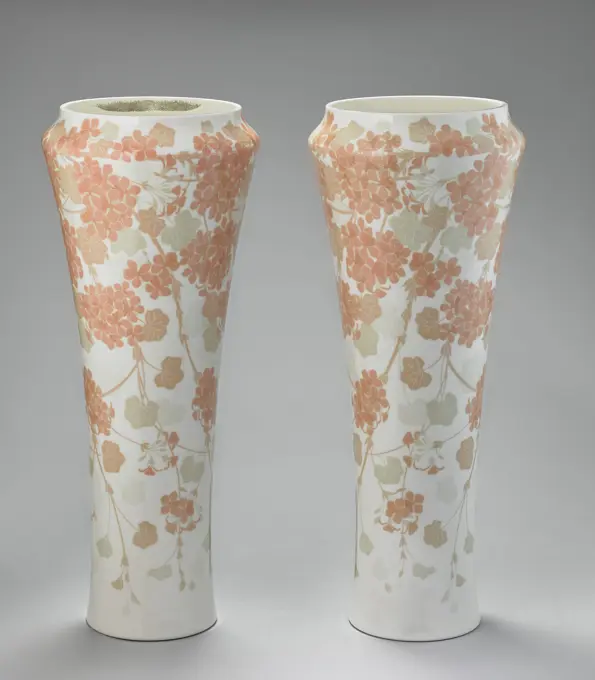
Collection of artistic porcelain vases featuring intricate floral designs, blue and white patterns, and colorful accents. Each vase showcases unique shapes and styles.
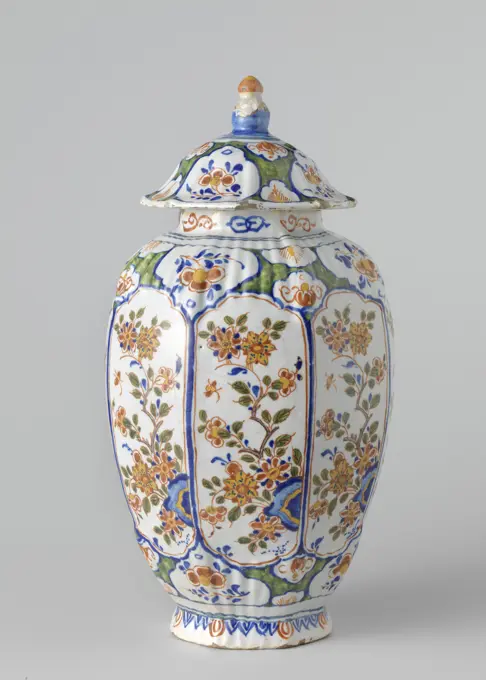
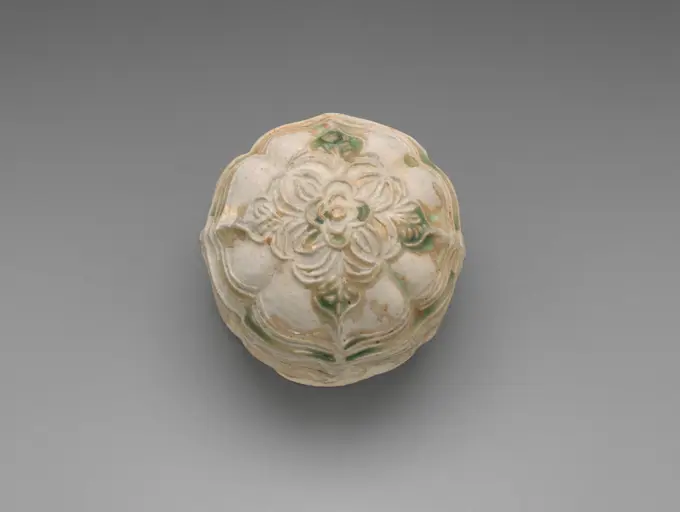
Lid, octagonal vaulted, with button; Polychrome decorated with flower branches within cartouches, the two Scheepjes, after Jan Gaal, after widow Gaal -van der Plank, 1707 - 1727  Delft earthenware  Delft earthenware
Lid, octagonal vaulted, with button; Polychrome decorated with flower branches within cartouches, the two Scheepjes, after Jan Gaal, after widow Gaal -van der Plank, 1707 - 1727 Delft earthenware Delft earthenware
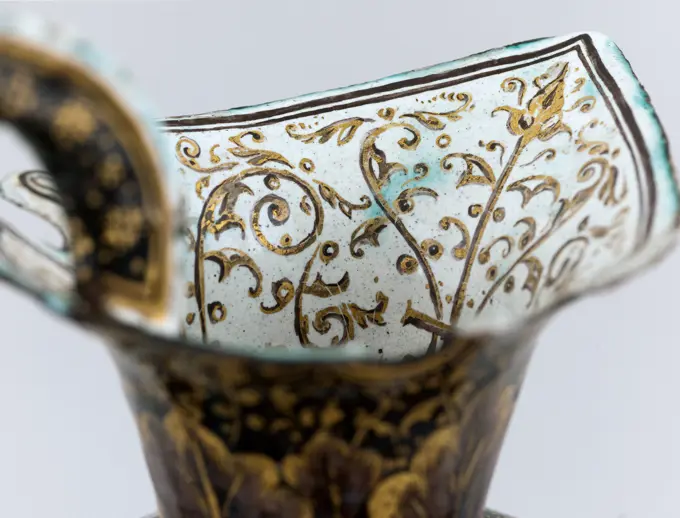
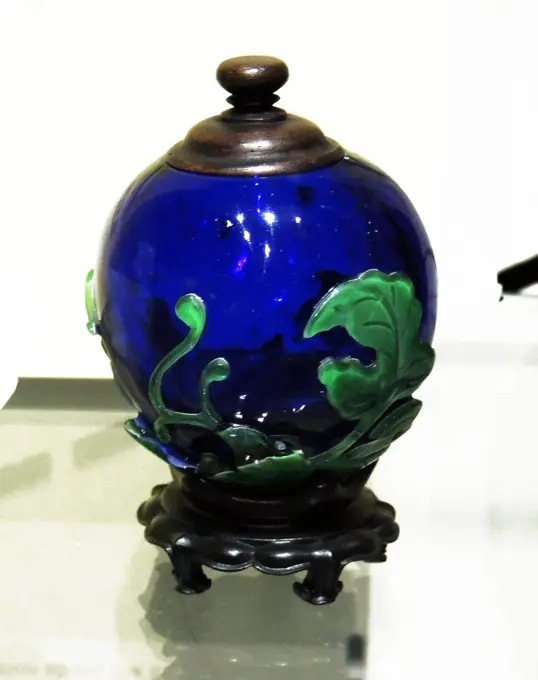
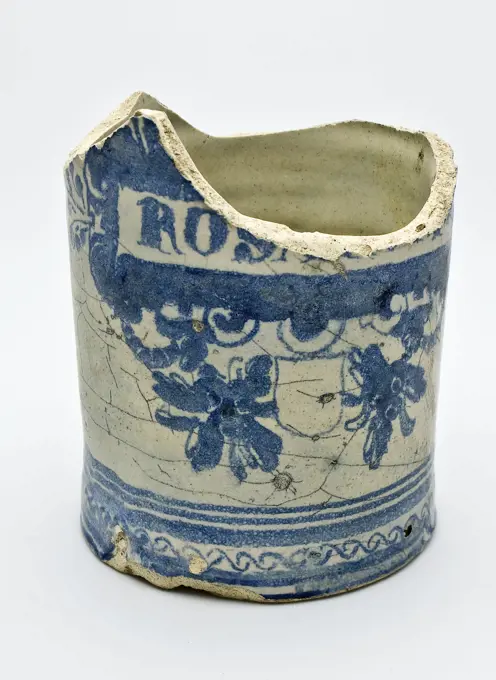
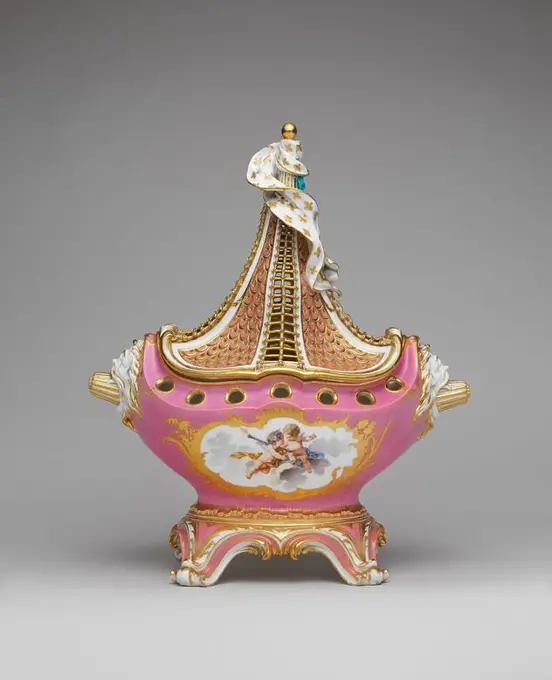
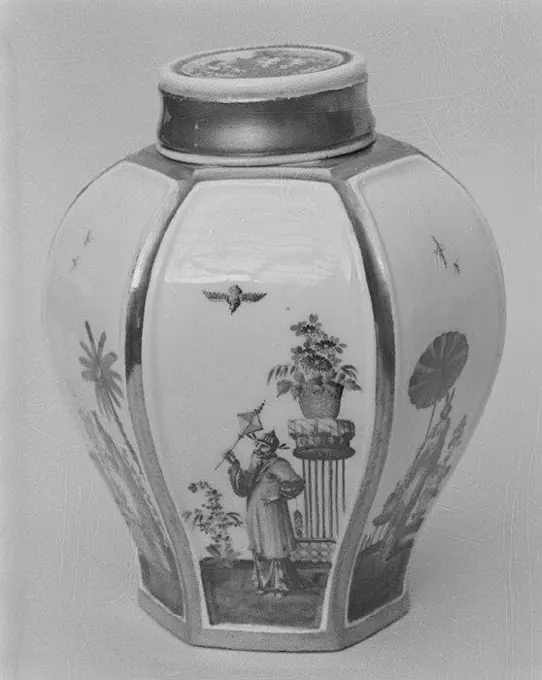
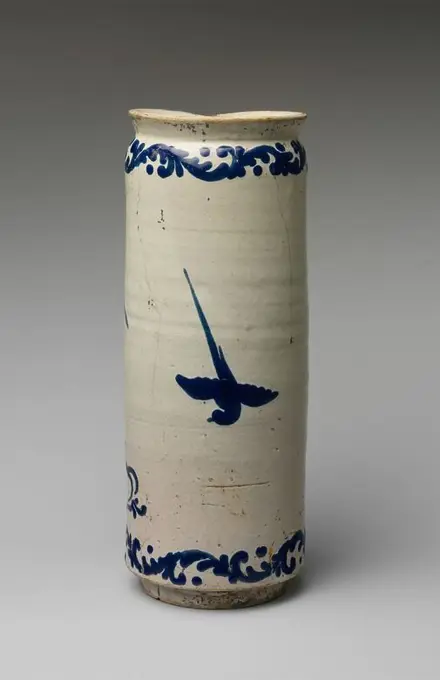
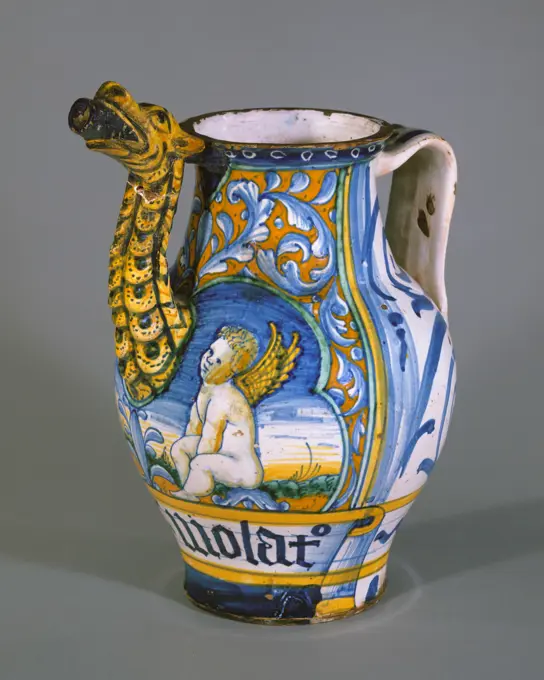
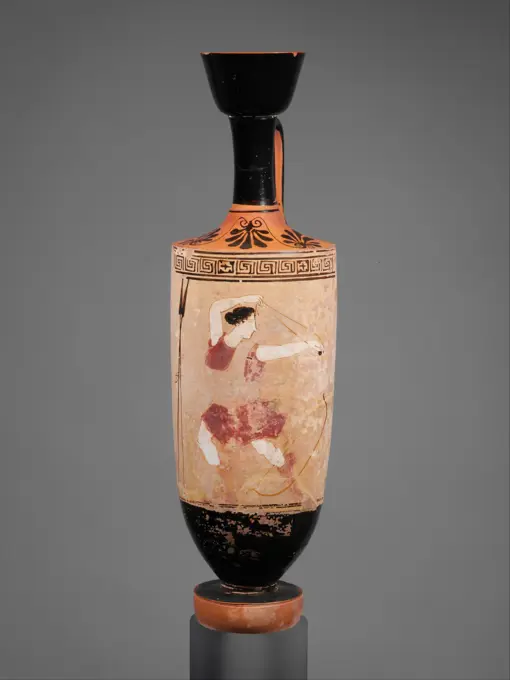
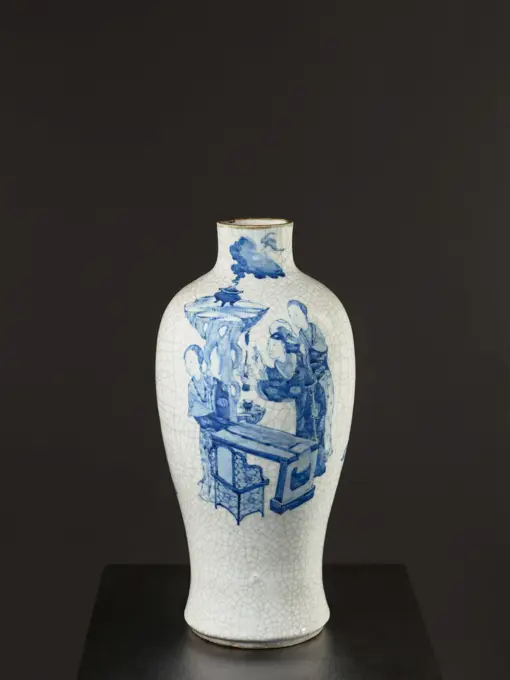
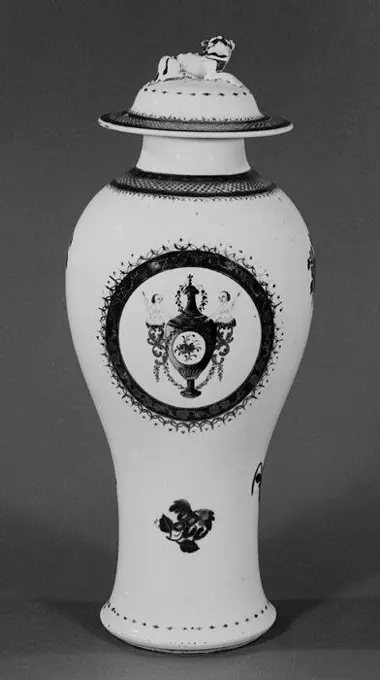
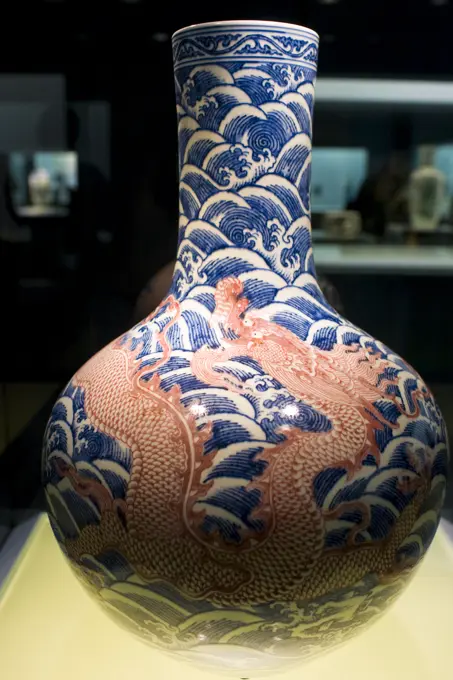
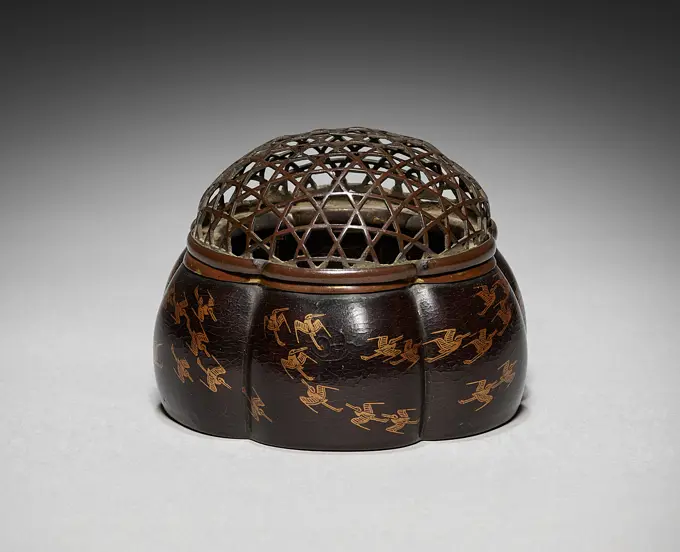
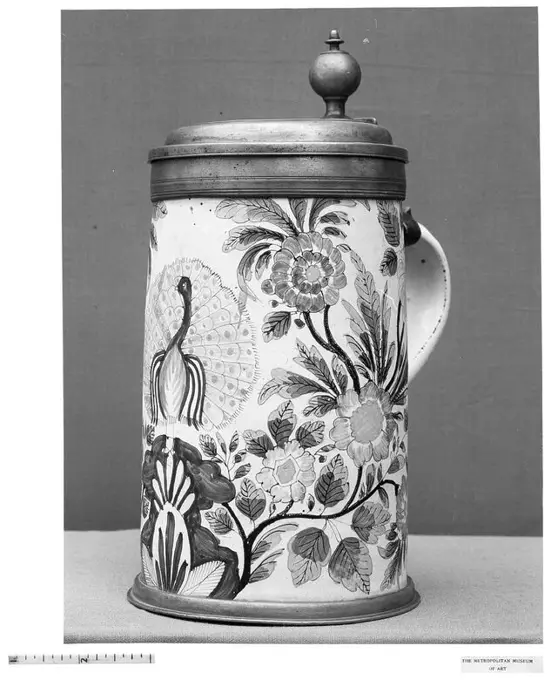
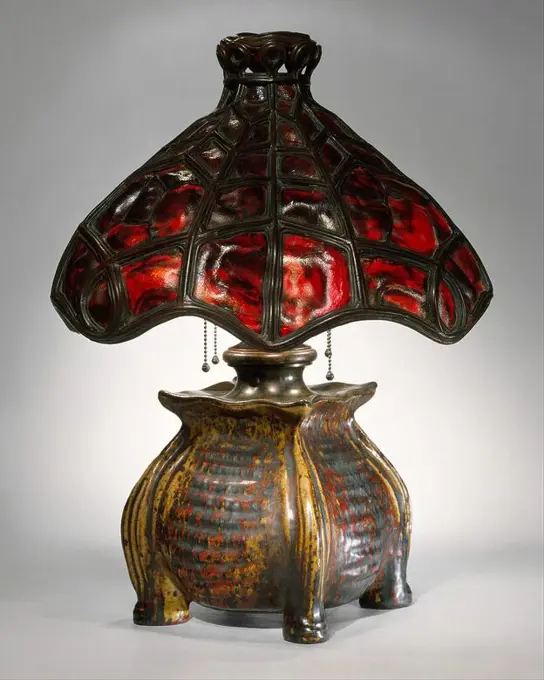
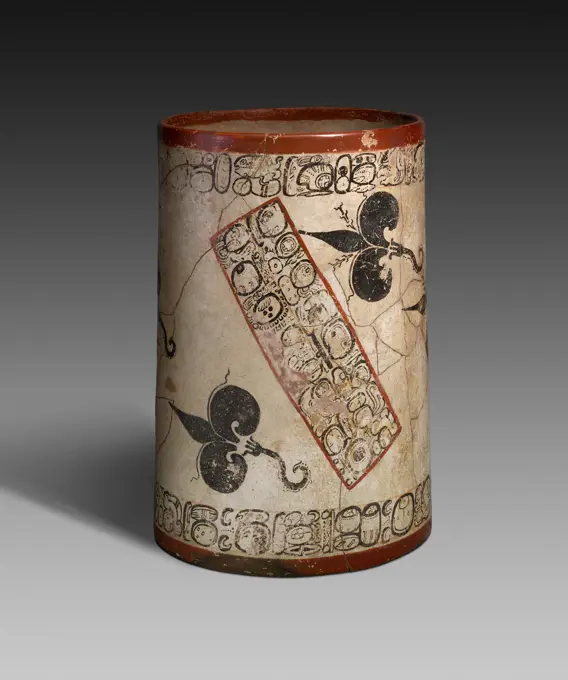
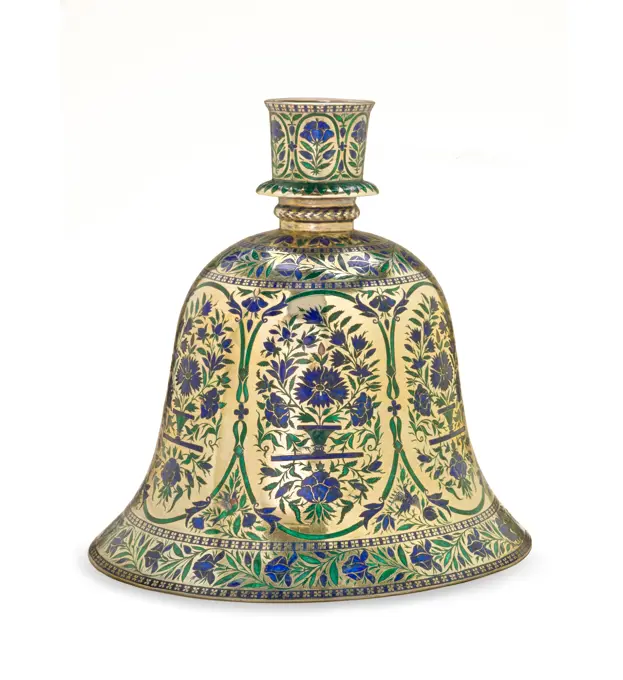
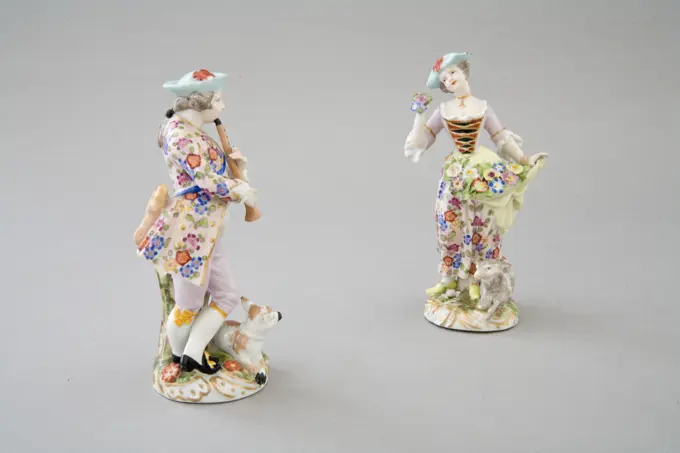
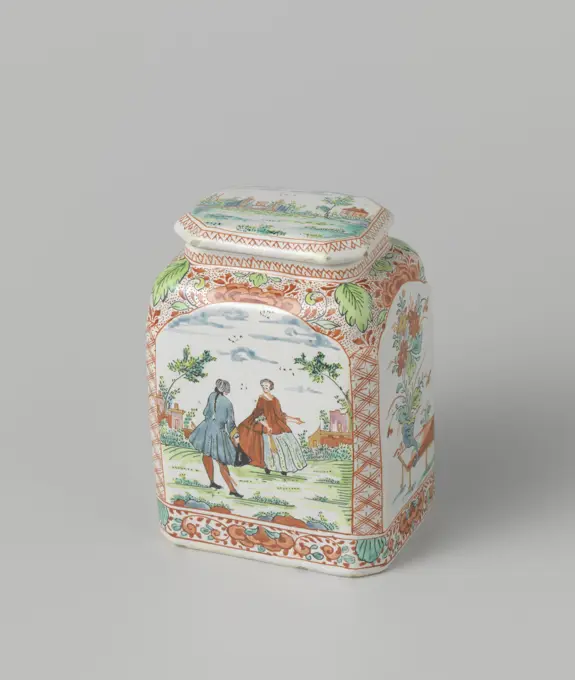
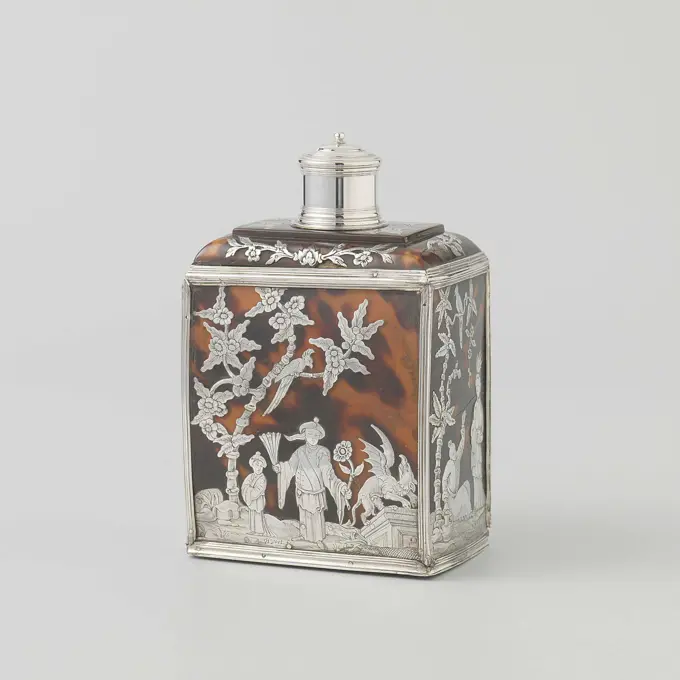
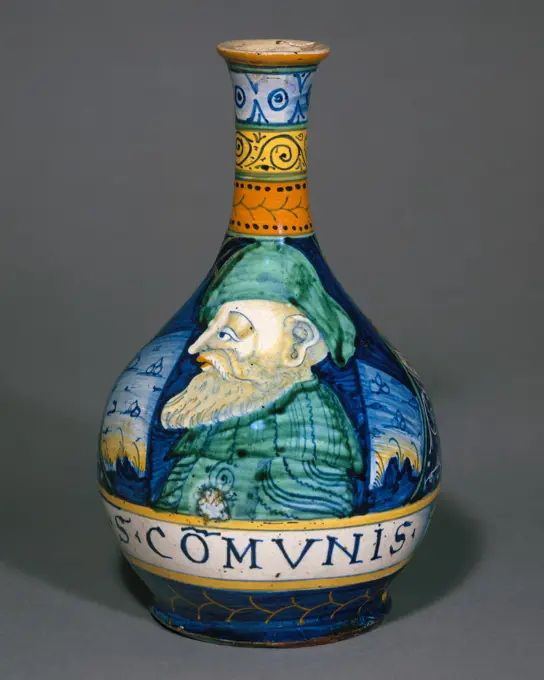
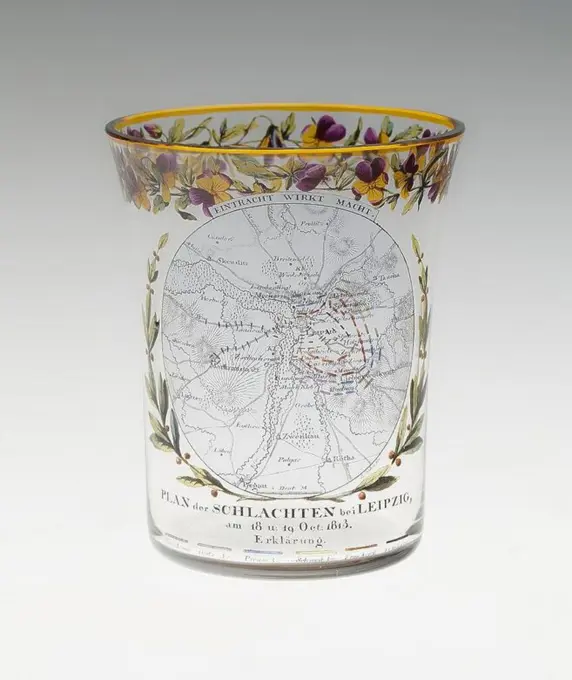
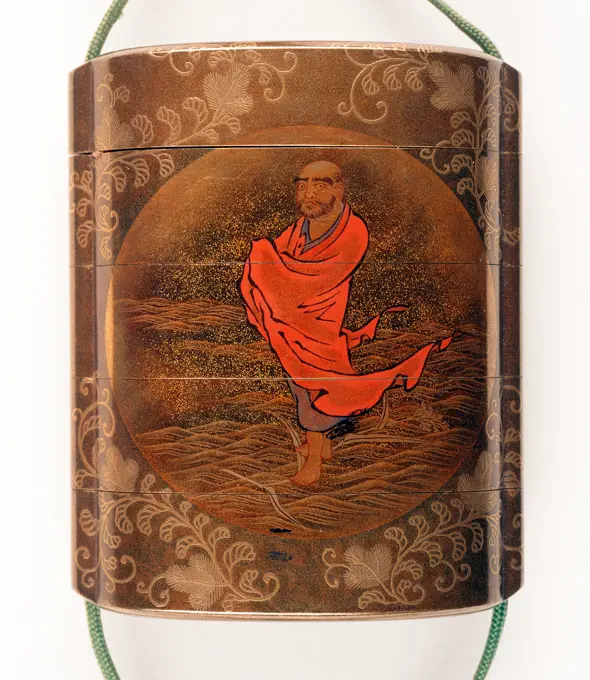
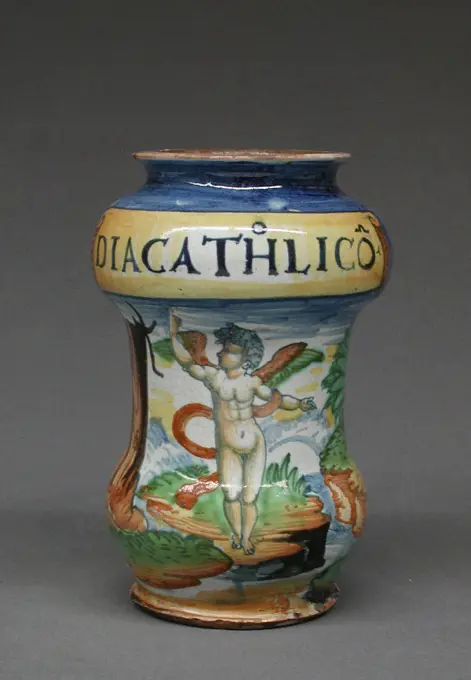
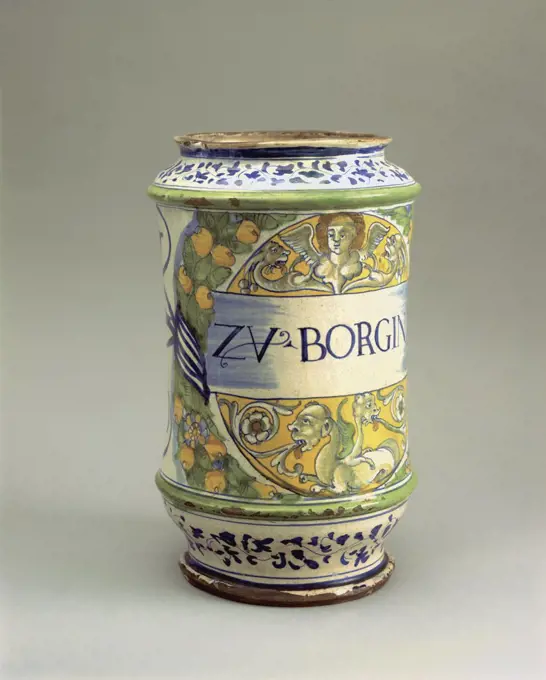
Close-up of an Apothecary jar, Urbania, ItalyBeaker. Germany. Date: 1825-1835. Dimensions: 10 x 7.8 cm (3 15/16 x 3 1/16 in.). Glass. Origin: Germany. Museum: The Chicago Art Institute, Chicago, USA.Porcelain candlestick with red overglaze enamel decoration. Qing dynasty, Qianlong period (AD 1736).Hexagonal lantern with pierced sides, anonymous, c. 1850 - c. 1899 Hexagonal lantern of porcelain, painted on the glaze in blue, pink, green, yellow and black. The wall is divided into eighteen courses, each of which is open with a Swastika or 'cash' pattern; Around the courses a band with different types of servetwork against a colored soil. Famle Rose. China porcelain. glaze. painting / vitrification Hexagonal lantern of porcelain, painted on the glaze in blue, pink, green, yellow and black. The wall is divided into eighteen courses, each of which is open with a Swastika or 'cash' pattern; Around the courses a band with different types of servetwork against a colored soil. Famle Rose. China porcelain. glaze. painting / vitrificationVase from a five piece garniture, early 19th century, 8 1/2in. (21.6cm), Porcelain, China, 19th centuryAnonymous. Ewer. Metal, enamelled copper, polychrome painted enamels on a blue and black background, silver paids, gold raises. Around 1590-1610. Museum of Fine Arts of the City of Paris, Petit Palais. 72451-2 Aiguiere, copper, painted email, email, blue background, metal, black, silver paillon, polychrome, rayut goldPotpourri vase (pot-pourri à vaisseau) 1758 Sèvres Manufactory French These three vases (58.75.89a, b-.91) were originally accompanied by two additional vases to form a set, or garniture, that was one of the most extraordinary and expensive garnitures produced at Sèvres during the eighteenth century. The boat-shaped vase, known at the factory as a pot-pourri à vaisseau or a pot-pourri en navire, would have occupied the central position in the grouping flanked by the two elephant-head vases (vase à tête déléphant) and two vases with ear-shaped handles (vase à oreilles) now at the Musée du Louvre, Paris.[1 The garniture is remarkable not only for its originality of the vase forms but also for its novel and extremely highquality decoration.The body of the center vase is in the shape of a boat with marine masks at both ends and truncated bowsprits emerging from the mouths of the masks. The lid, which is formed from shrouds or rigging that alternate with pierced panels to represent sails,Cylindrical vase with powder blue and a woman on a terrace, c. 1700 - c. 1724 Porcelain roller vase with flat shoulder, straight neck and flared edge, painted in underly glaze blue and on the glaze blue, red, green, yellow, eggplant, black and gold. The wall is covered with bleu pouddré (powder blue) with two rectangular reserves with squeezed corners, one filled with a woman with a twigs sitting on a stool on a terrace with rocks and plants, the other with a woman sitting on one sofa with a musical instrument next to a stool in a fenced garden with rocks, plants and a tree; Around the compartments a decoration in gold, between the compartments a flower vase, around the foot curry, on the shoulder a swastika pattern interspersed with compartments filled with antiques, on the neck flower areas. Restored bursting in the edge and neck; On the bottom an old label with 'Collection S. Alberge-La Haye 1750'. Bleu Poudré with Famle Verte. China porcelain. glaze. cobalt (mineral). gold (metal) Incense Burner (Lu) in the Form of an Ancient Ritual Tripod (Liding) with Floral Scrolls. China, Chinese, Middle Ming dynasty, about 1450-1550. Tools and Equipment; burners. Cast bronze with cloisonné enamel decorationWater-pot China, 1800-1900, Qing dynasty. To make this water-pot, the blue bowl was probably blown into shape and then dipped into the molten white and then molten green glass. After cooling, the outer layers were carved away to make the design of vine leaves.Cup China. Cup. China. Porcelain with incised decoration under colored glazes. Qing dynasty (1644-1911), Daoguang mark and period (1821-50). CeramicsBox with aPalmetteUnknown, pair of vases with lid (title of the whole). Porcelain, polychrome enamels, gilding. Petit Palais, Museum of Fine Arts of the City of Paris.Fragment of cylindrical pharmacy jar, decorated in blue on white ground, apothecary jar ointment container soil find ceramic earthenware glaze tin glaze leadglaze, hand turned baked 2x majolica Majolica apothecary jar albarello cylindrical model white shard covered with white tin glaze. Stand with light soul on which lump of baked earthenware Flirty blue painting On the belly include cartouche with text Around the foot concentric circles and S-shaped motifs. Turns on the inside In the remaining part of the cartouche the letters ROS ... archeology Rotterdam City Triangle Cool Coolsingel health care indigenous pottery store medicine drug packing pharmacy Soil discovery: Coolsingel 1964.Potpourri vase (pot-pourri à vaisseau). Culture: French, Sèvres. Dimensions: Overall (confirmed): 17 5/8 x 14 3/4 x 7 5/8 in. (44.8 x 37.5 x 19.4 cm). Factory: Sèvres Manufactory (French, 1740-present). Modeler: Jean-Claude Duplessis (French, ca. 1695-1774, active 1748-74). Date: 1757-58.Many of the more extraordinary and unusual vase models made at Sèvres were created in the late 1750s, and of these the two types of vases seen here are among the most novel and ambitious. Such extravagant shapes were not admired by everyone, however. Thomas Bentley, the partner of pottery maker Josiah Wedgwood, wrote in 1776, "I observed several very rich vases of the manufacture of Seve, of the worst and clumsiest forms imaginable."1 The majority of these new vase models found favor at the French court, however, and contemporary documents indicate that the elephant-head vases in particular were avidly purchased by the king, members of his circle, and prominent marchands-merciers.An inventory of 17Tea caddy ca. 1725 Meissen Manufactory German. Tea caddy 199156Vase, c. 1900, Unknown Japanese, 7 3/8 in. (18.7 cm), Cloisonné enamel, Japan, 19th-20th centuryApothecary Jar. Culture: Mexican. Dimensions: H. 9 7/8 in. (25.1 cm); Diam. 3 1/16 in. (7.8 cm). Date: ca. 1750-1800. Museum: Metropolitan Museum of Art, New York, USA.Apothecary jar (orciuolo) ca. 1520 Italian, Castelli. Apothecary jar (orciuolo). Italian, Castelli. ca. 1520. Maiolica (tin-glazed earthenware). Ceramics-PotteryLuster-Painted Bottle second half 17th century In the seventeenth century, lusterware production was revived in Iran. Painted with dark redbrown luster on a cream-colored ground, this bottle is decorated with cypresses, birds, spiky flowers, and grass. In contrast to Safavid blue-and-white ceramics, lusterware was produced in a limited range of shapes, such as bottles, small cups, sand shakers, and bowls.. Luster-Painted Bottle 450480Terracotta lekythos (oil flask) ca. 440 B.C. Attributed to the Klügmann Painter Amazon using a slingshotThe Klügmann Painter is distinguished from his contemporaries by his depictions of mythological figures and scenes from daily life rather than funerary subjects.. Terracotta lekythos (oil flask) 248296Blue and White Vase,  Xuande Period, 1426-1435High chair from Faience, Anonymous, c. 1750 - c. 1790 Child seat from Faience. Multicolored painted. Delft . Child seat from Faience. Multicolored painted. Delft .JugTripod Jar 700 CE-750 CE China. Earthenware with three-color (sancai) lead glazes .Vase. unknown, craftsmanVase with cover ca. 1790 Chinese, for British or American market. Vase with cover 202473Dish probably 19th century Manner of Bernard Palissy French. Dish. French. probably 19th century. Lead-glazed earthenware. Ceramics-PotteryUnknown, bouquetière pot to fire (main title). Great fire earthenware, polychrome enamels. Petit Palais, Museum of Fine Arts of the City of Paris.Ming vase on display in the Shanghai Museum, ChinaIncense Burner with Lid, late 1300s. Japan, Nanbokuchō period (1336-92). Black lacquer on wood with decoration in maki-e; metal rims; bronze lid; overall: 7.7 x 10.8 cm (3 1/16 x 4 1/4 in.). This container's repeated, undulating, rounded sides evoke waves over which the articulated plovers sweep. The bronze cover (probably a later addition) mimics the design of a fishing weir. Overall, the container brings to mind the seashore. The earthy quality of the lacquered surface demonstrates the interaction between a man-made pattern (the plovers) and the somewhat unexpected surface of a natural material such as wood.Square Bottle With Figures in a Landscape, A Flower Vase and a Flowering Plant Near a Rock. Square bottle of porcelain, painted in underglaze blue. On the wall Four different performances: one with two ladies with a range in a landscape for a large tree with two birds, a flower vase with a lady with a range, a flowering chrysanthemum at rocks and a water carrier at a house and a large tree With a bird. The shoulder with flower drinks. Arita, blue-white.Tankard. Culture: German, Bavaria. Date: 18th century. Museum: Metropolitan Museum of Art, New York, USA.Table lamp. Artist: Pierre-Adrien Dalpayrat (French, Limoges 1844-1910 Limoges). Dimensions: H. 23-1/2, W. 18 in. (59.7 x 45.7 cm.). Date: ca. 1900-1902. Museum: Metropolitan Museum of Art, New York, USA.Vase with immortals 18th century China. Vase with immortals. China. 18th century. Porcelain painted in overglaze polychrome enamels (Jingdezhen ware). Qing dynasty (1644-1911), Qianlong period (1736-95). CeramicsBottle 1700-1800. Bottle 587Vase with cover ca. 1755-65 Chelsea Porcelain Manufactory. Vase with cover 192802Spice box with cover (Poivrière) ca. 1710-30 Saint-Cloud factory. Spice box with cover (Poivrière) 200838Tea caddy 1747 Dutch, Delft This caddy is from a tea set made to celebrate the election of Charles Henry Friso, Prince of Orange, as Stadtholder Captain and Admiral General of the United Netherlands in 1747. His wife was Princess Anna of Britain.. Tea caddy. Dutch, Delft. 1747. Tin-glazed earthenware. Ceramics-PotteryClose-up of yellow and blue swirly-patterned glass ornamentsCup 18th century Japan. Cup 52360Water-Lily Vessel, Vase of the Water Lilies 700 CE-850 CE Petén department (Object made in), Naranjo (Object Probably made in), Guatemala (Object made in). The simple, elegant design of this vessel reflects the refined abilities of the artist, who painted images of water lilies and a hieroglyphic text with a perfectly controlled brush. The inscription below was the first to be deciphered on a Classic Maya vessel. It states the name of the artist, Ah Maxam (aj maxam), and declares that he is a member of the royal lineage of the kingdom of Naranjo. His mother and father are also named on this vessel, as well as on other dynastic monuments from the region. For the Maya, water lilies were symbolic of the watery surface of the Underworld and the earthís regenerative powers.. Ceramic and pigment . Ah MaxamJar China. Jar. China. Porcelain painted in underglaze blue. Qing dynasty (1644-1911), Kangxi period (1662-1722). CeramicsGlass. Heckert Fritz (Petersdorf ; 1866-1918), glassmaking companyMilk jug with cover (part of a set) 1770-80 Chinese, for Dutch market. Milk jug with cover (part of a set) 201003Hookah Base. India, Uttar Pradesh, Awadh, Lucknow, circa 1850. Tools and Equipment; hookahs. Enameled gilded silverFigurine, two copies DerbyBottle with One Handle 18th century Japan. Bottle with One Handle. Japan. 18th century. White porcelain decorated with blue under the glaze. Edo period (1615-1868). CeramicsPair of Lidded Vases. Unknown porcelain about 1700, mount 1722-1727 An unknown Parisian silversmith pierced and set these small Chinese porcelain vases with silver mounts like flowers, thus transforming them into potpourri containers. Containers for potpourri first appeared in the 1700s in France, made from precious metals, porcelain, lacquer, or hardstones; recipes for their sweet-smelling contents were soon prevalent.Tea canister, anonymous, c. 1720 - c. 1760 Square tea liability multi -colored with a few in 18th century costume in a landscape. Delft . Square tea liability multi -colored with a few in 18th century costume in a landscape. Delft .Tea jar Japan. Tea jar 58250Replica of antique Greek vase isolated on a white background. It depicts Apollo riding the Chariot of the Sun.matchsafe, Porcelain, Figure of man wearing Near Eastern costume with green jacket with yellow collar and tied with white belt and red stripes and white outfit underneath with light blue stripes. Figure wears white turban with diagonal rust stripes., probably England, late 19th century, containers, Decorative Arts, matchsafeSnuff bottle with stopper. Culture: China. Dimensions: H. 2 3/4 in. (7 cm). Date: 18th-19th century. Museum: Metropolitan Museum of Art, New York, USA.Tea bus with chinoiseries. Tea bus. Rectangular. The wooden core is glued with turtle and inlaid with engraved silver chinoiseries. Along all sides silver, profiled lists. The cylindrical lid is made of silver and is crowned by a round button. On the four sides of the tea can occur: a seated Chinese and a standing Chinese woman at trees; Two Chinese with two trees; Two Chinese with a dragon and a tree; Two chinese at a tree. Leaf and floral motifs inhibited on the top of the bus.Bandbox And Lid, Old Rough and Ready; USA; block-printed paper on pasteboard supportRectangular Tea Caddy Covered With A Light Blue Glaze And Antiques in panels. Lid of rectangular tea coin made of porcelain, covered with a light blue / turquoise glaze and painted on the glaze in blue, red, green, yellow, purple and black. On the top a saved medallion with stylized flower shown. European forms with email colors.Snuff Bottle with European Figures, 1736-95. China, Qing dynasty (1644-1911), Qianlong mark and reign (1736-95). Painted enamel on copper; overall: 7.4 cm (2 15/16 in.).Welcome Beaker (Wilkomm). Franconia, Germany. Date: 1669. Dimensions: H. 19.1 cm (7 1/2 in.). Glass with enamel decoration. Origin: Franconia. Museum: The Chicago Art Institute, Chicago, USA.Facing for a firedog with the monogram of Prince William III, De Metaale Pot (possibly), c. 1690 - c. 1700 Front piece of a Faïence Fire Bink with the monogram of Prince William III Delft . Front piece of a Faïence Fire Bink with the monogram of Prince William III Delft .Manufacture of Sèvres, pair of caches (title of the ensemble), 1903. White porcelain. Petit Palais, Museum of Fine Arts of the City of Paris.Apothecary bottle (fiasca da farmacia) ca. 1530-40 Italian, Castelli. Apothecary bottle (fiasca da farmacia). Italian, Castelli. ca. 1530-40. Maiolica (tin-glazed earthenware). Ceramics-PotteryCan, two copies MieleówBottle 1663 Hungary. Tin-glazed earthenware (Habaner ware) and pewter .Snuff Bottle, 1921, 2 5/8 x 2 in. (6.7 x 5.1cm), Crystal, jadeite, ChinaIncense Burner 1825-1835 Staffordshire. Glazed earthenware with polychrome enamel decoration .Beaker. Samuel Mohn; German, 1762-1815; Dresden, Germany. Date: 1813. Dimensions: 10.6 x 10 cm (4 3/16 x 3 15/16 in.). Glass; colorless, blown, transparent enamels and gilding. Origin: Germany. Museum: The Chicago Art Institute, Chicago, USA.Daruma on Reed (Inrō/Ojime/Netsuke Ensemble). Japan, early 19th century. Costumes; Accessories. inrō Gold hiramakie on gold dusted lacquer ground; ojime metal (gold?)Albarello ca. 1600 Italian, Urbino Storage vessels were among the most frequently produced maiolica wares in late medieval and Renaissance Italy. Made in fairly standard shapes, they were designed to fit with dozens of others on a shelf, often in a pharmacy or shop. Their handles therefore tend to fit within the vessels profile, and the cylindrical albarello type is generally narrower at the middle than at the top or bottom, making it easy to grip. Other common features include inscriptions indicating contents and flanged lips to help secure cloth or paper seals. The decoration, usually more elaborate on one side than the other, can sometimes link pieces to a known dispensary or specific workshop or artist.. Albarello. Italian, Urbino. ca. 1600. Maiolica (tin-glazed earthenware). Ceramics-Pottery