Decorative Porcelain Vessels

A selection of exquisite porcelain pieces including sugar bowls and flowerpots, adorned with intricate designs and vibrant colors.
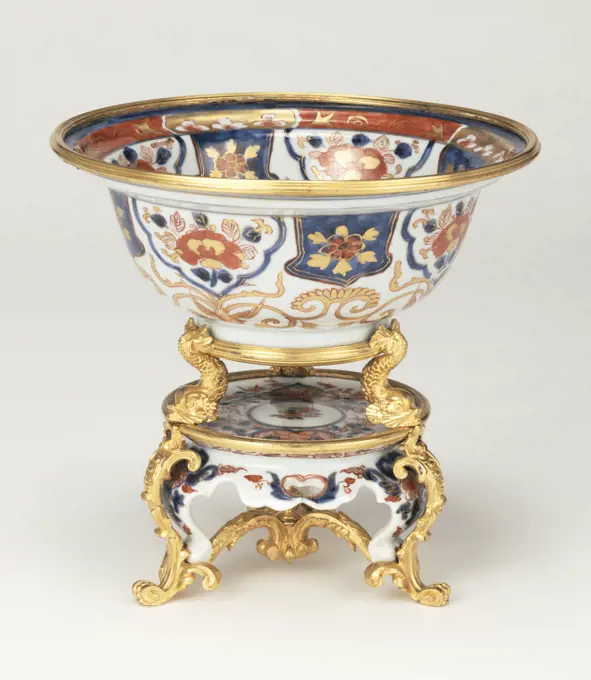
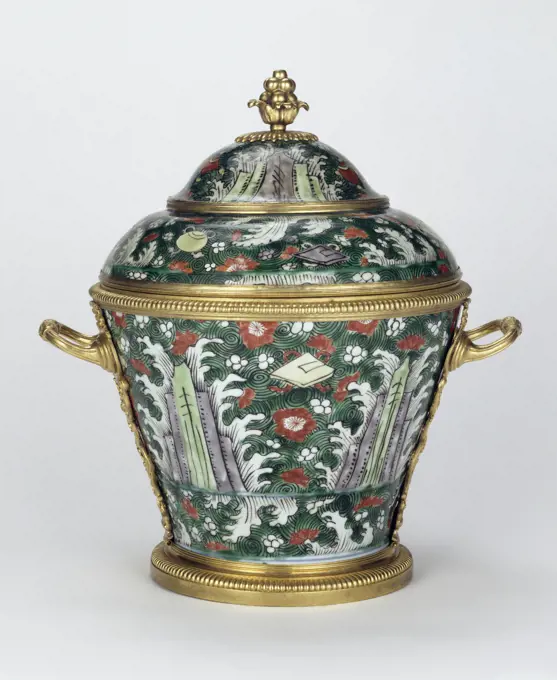
Bowl on Stand; Imari, Japan; stand late 17th century; bowl about 1720; mount about 1740; Porcelain and gilt bronze mounts; 18.1 x 19.8 cm (7 1,8 x 7 13,16 in.)
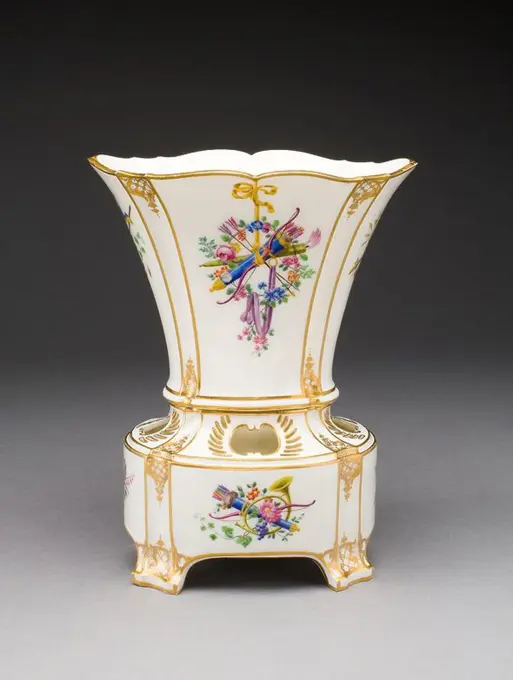
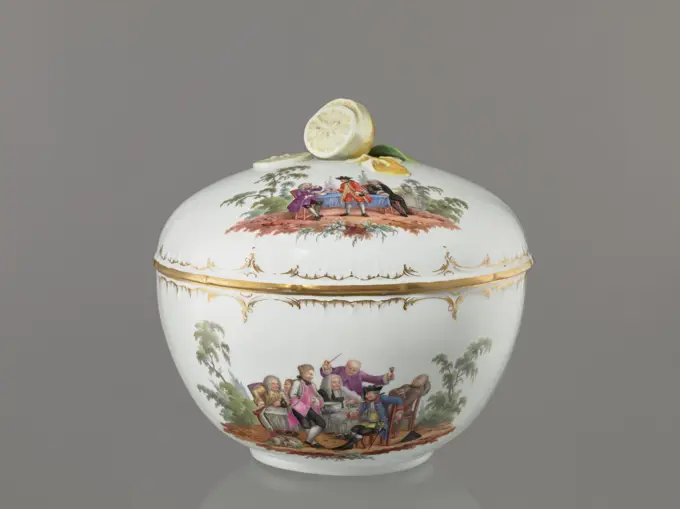
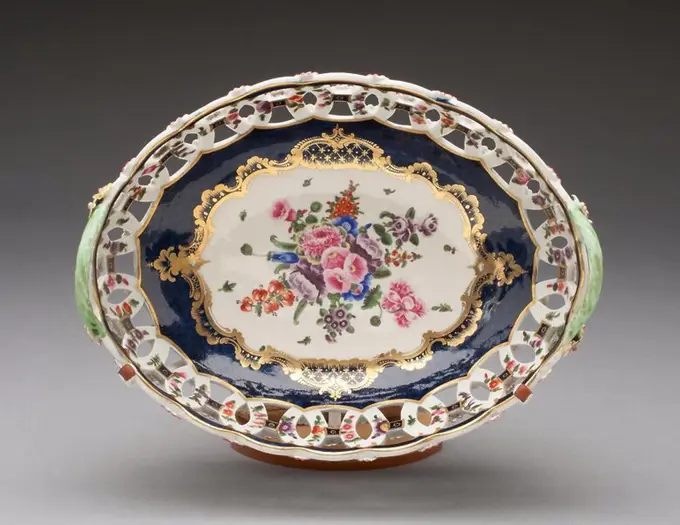
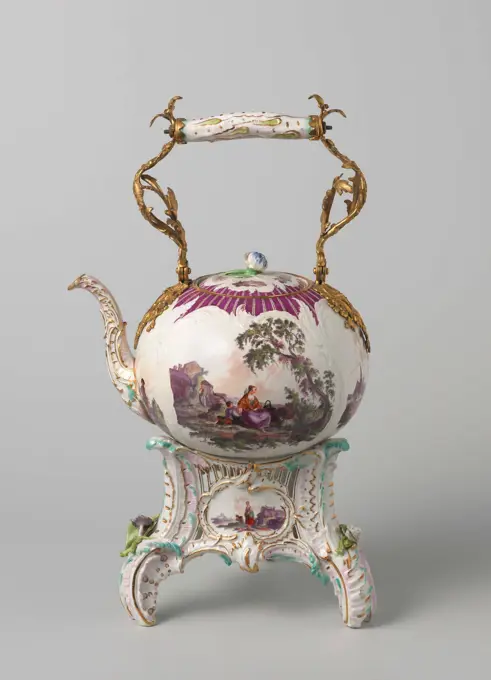
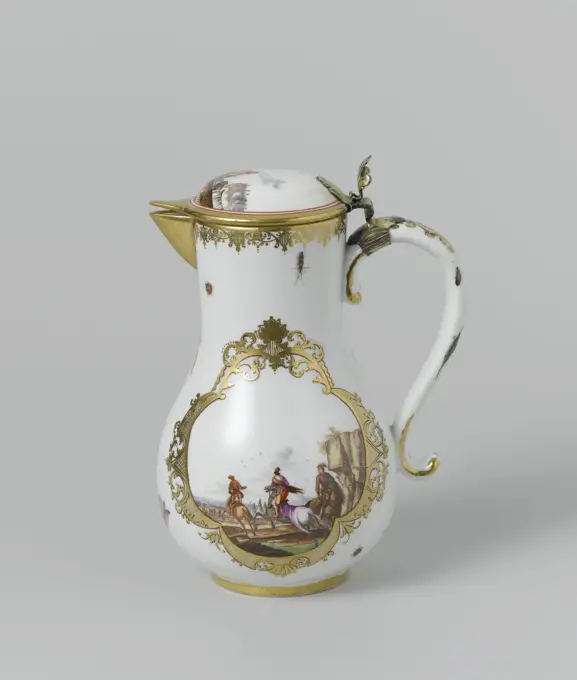
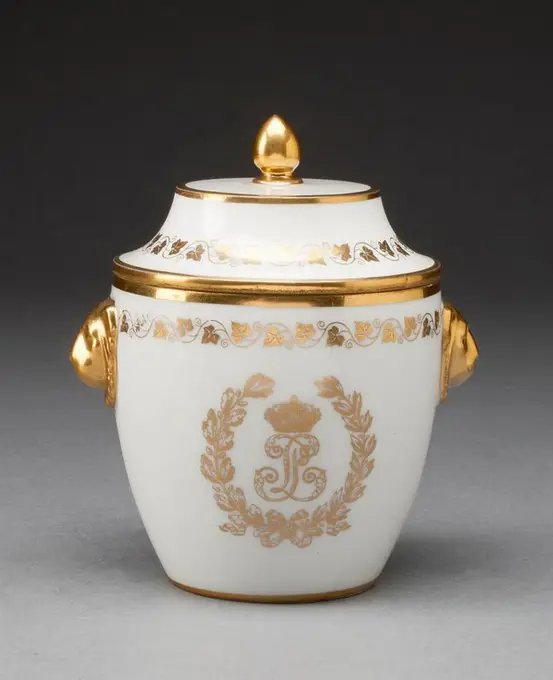
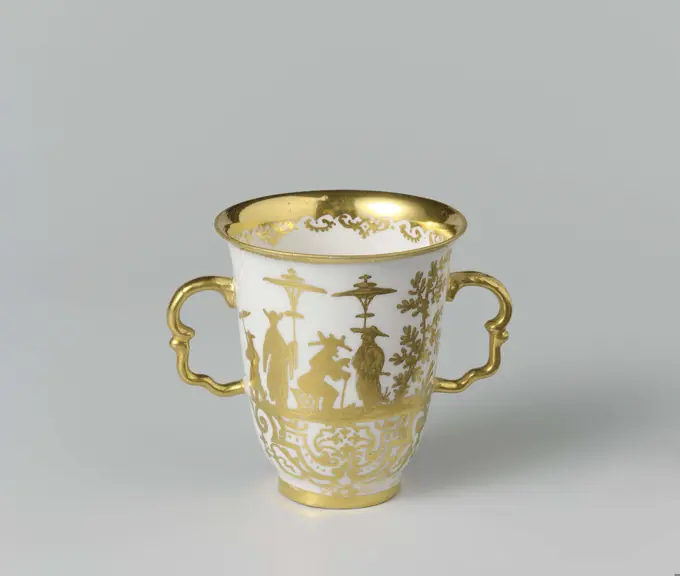
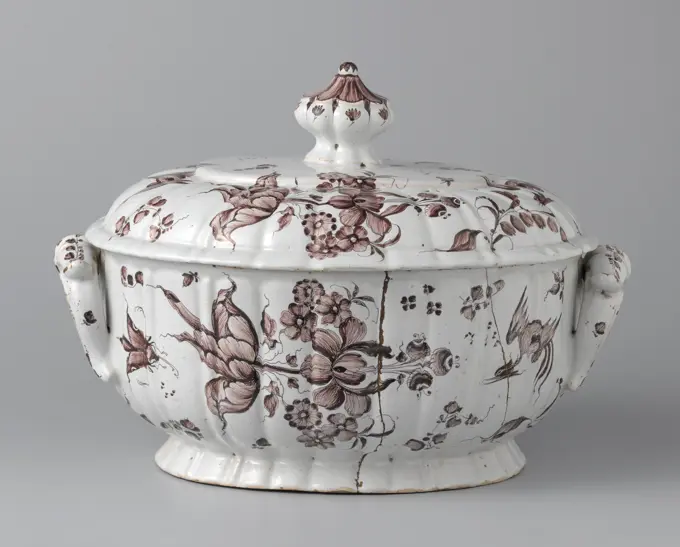
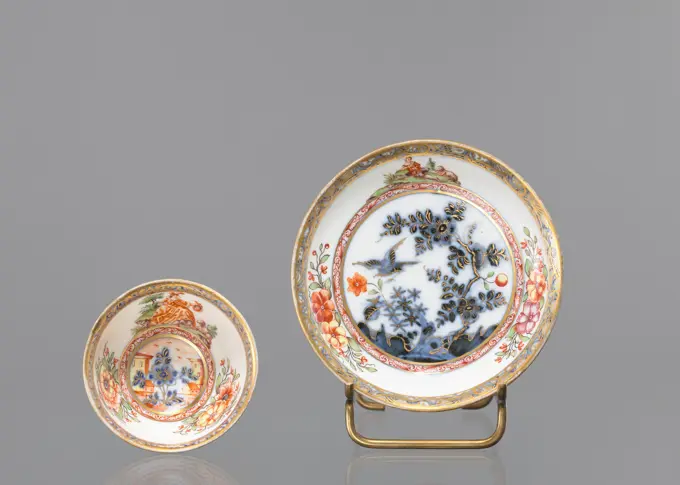
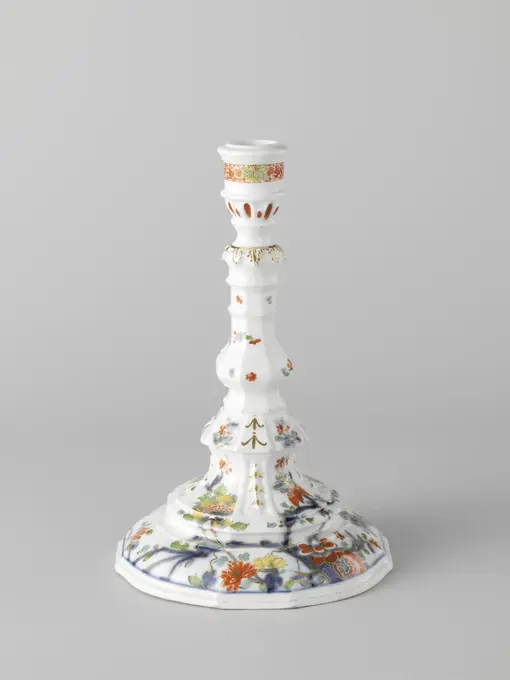
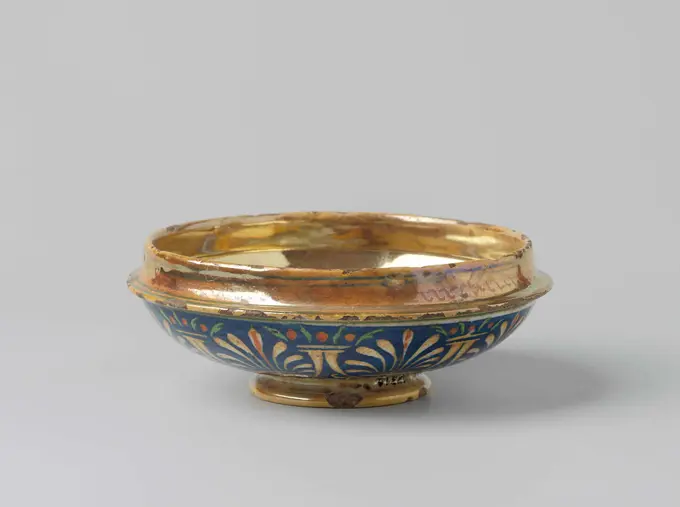
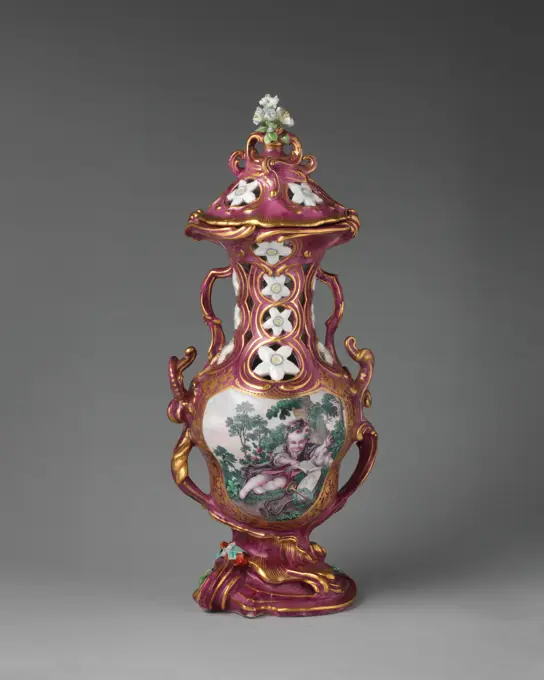
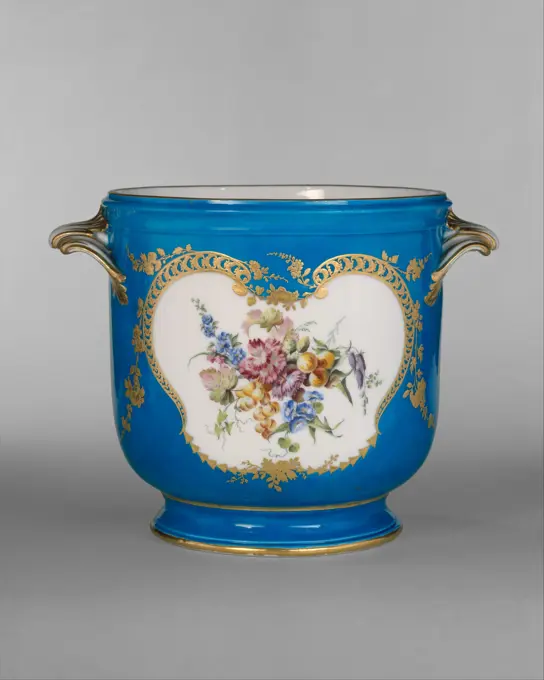
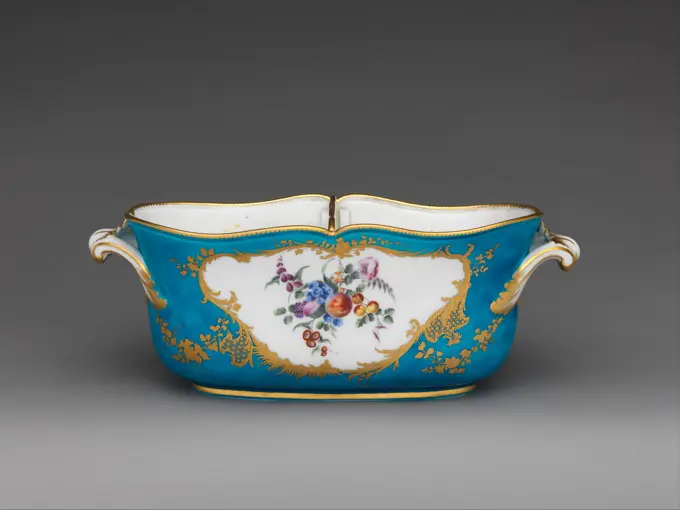
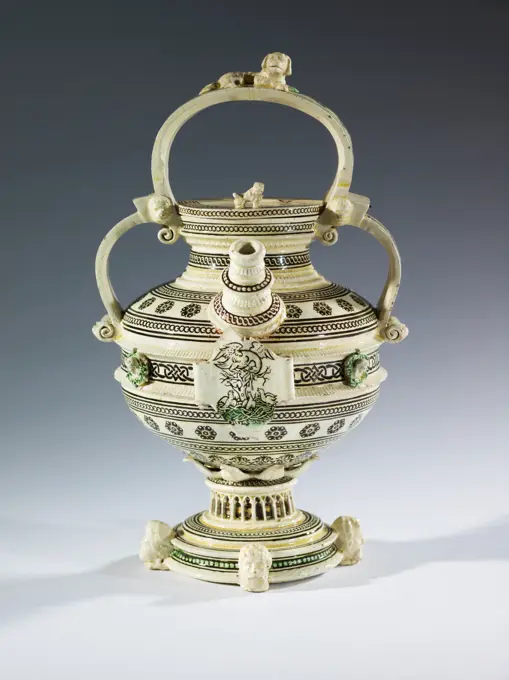
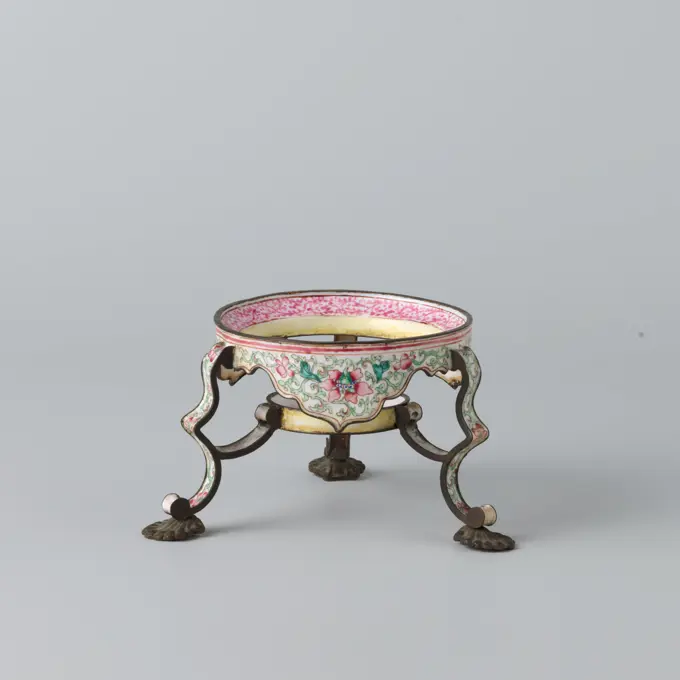
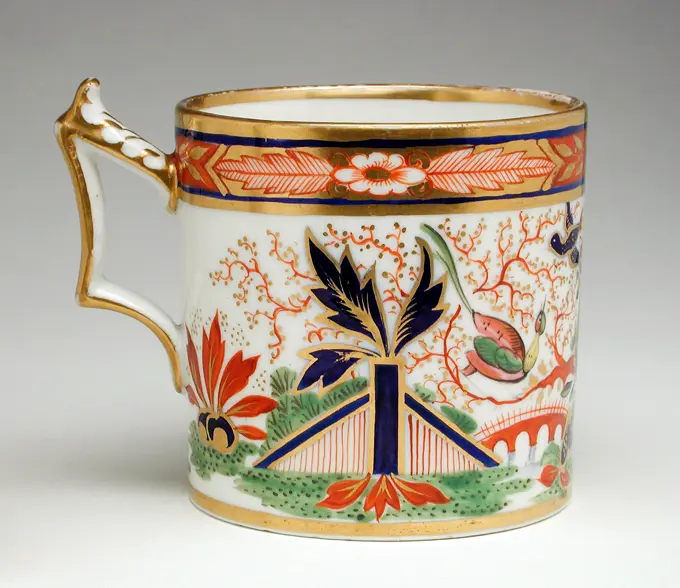
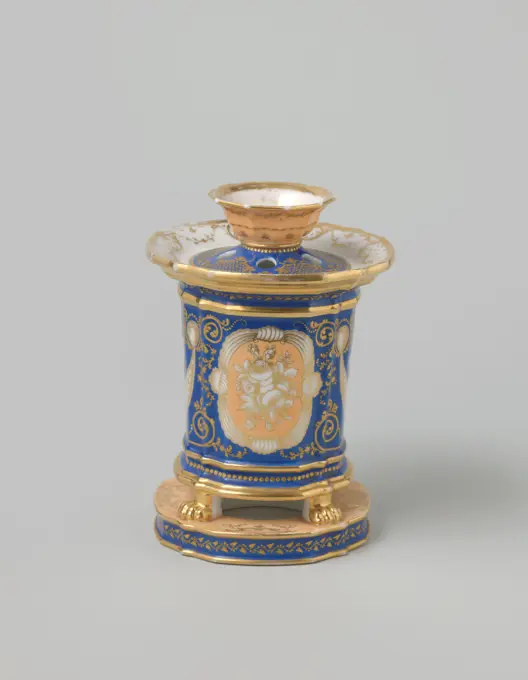
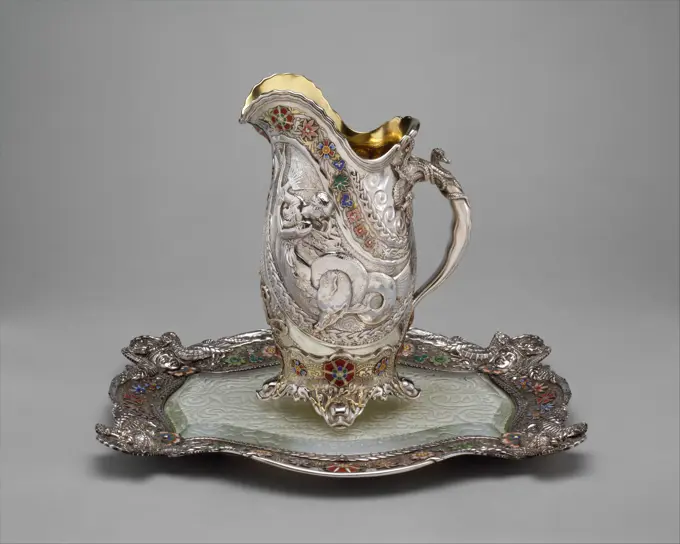
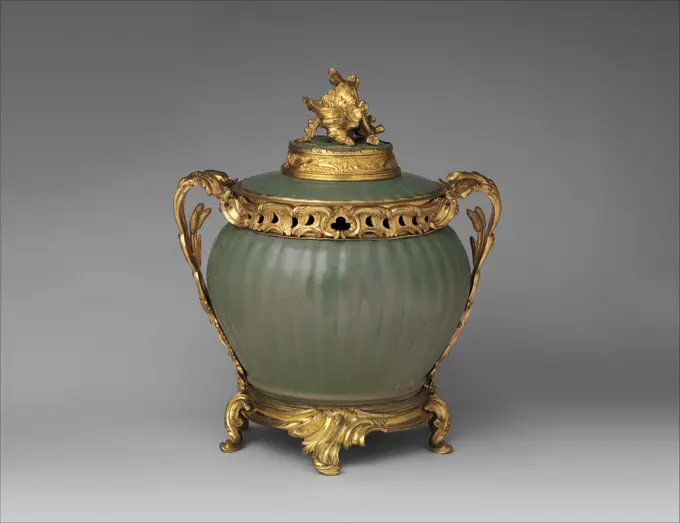
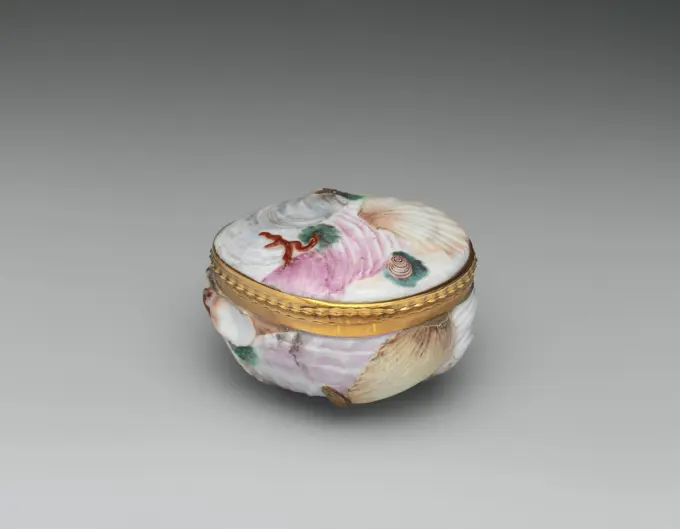
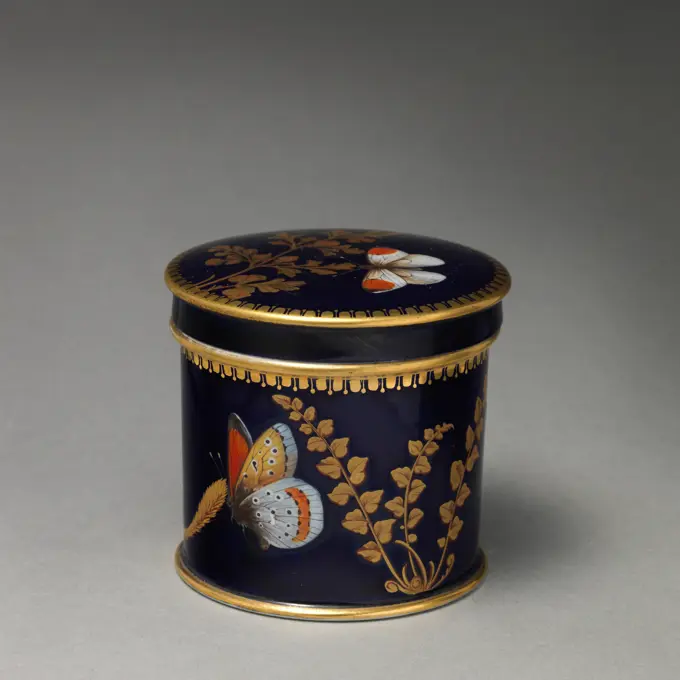
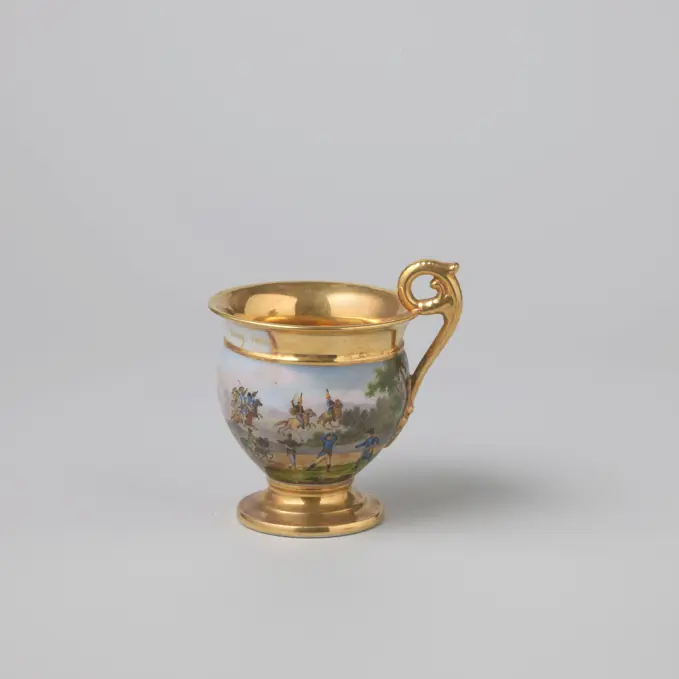
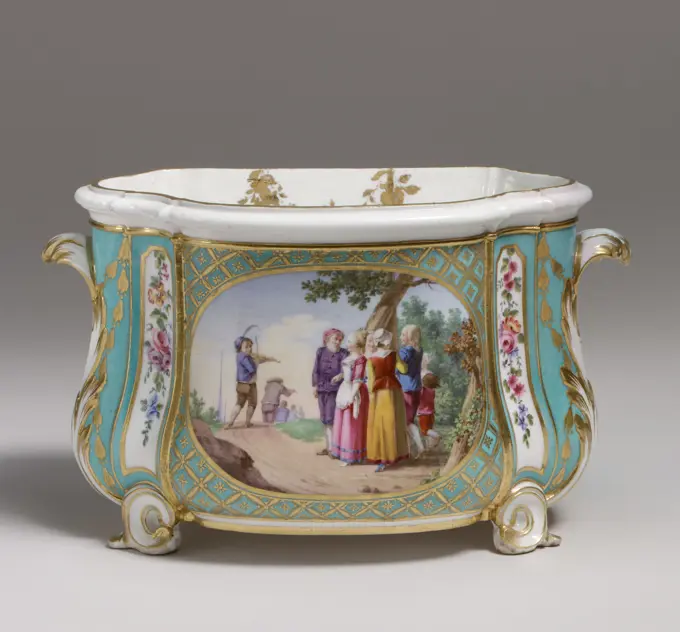
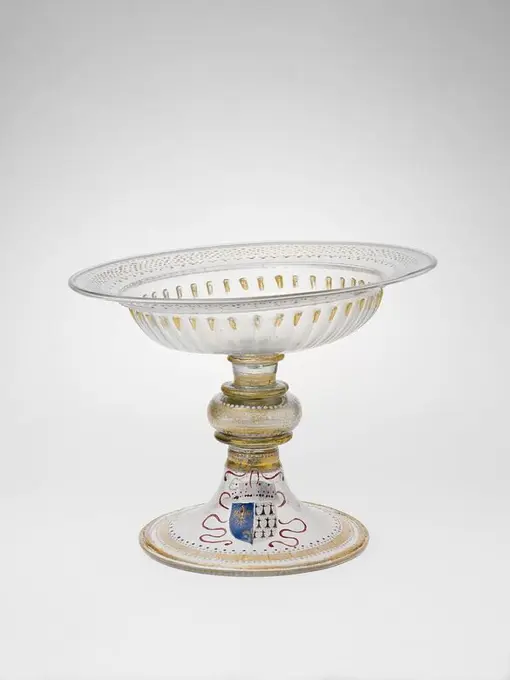
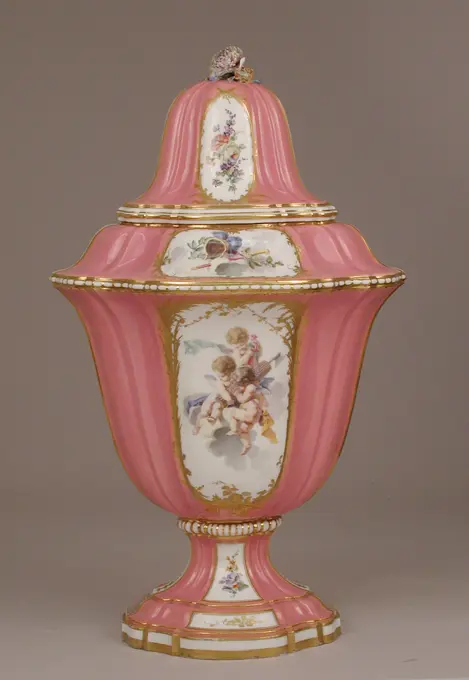
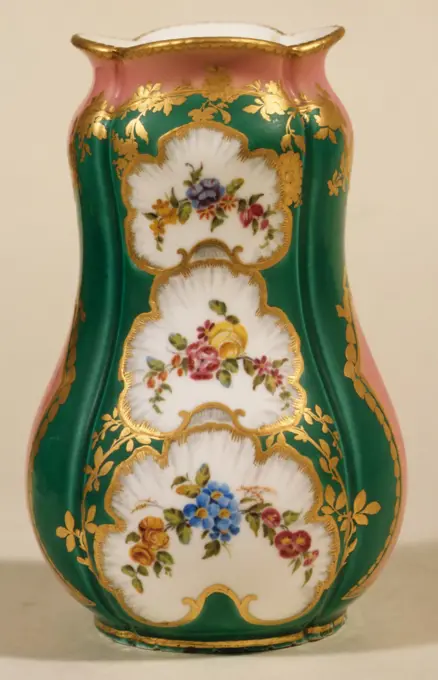
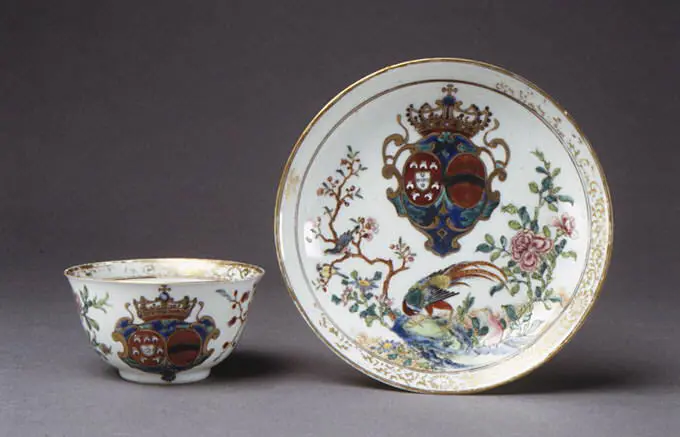
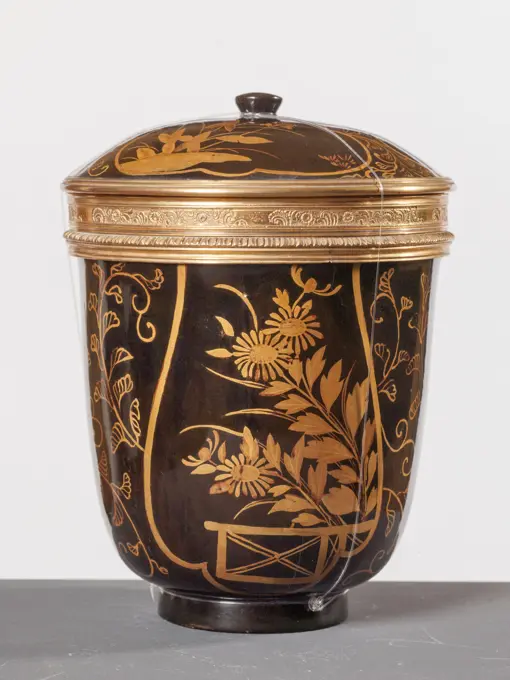
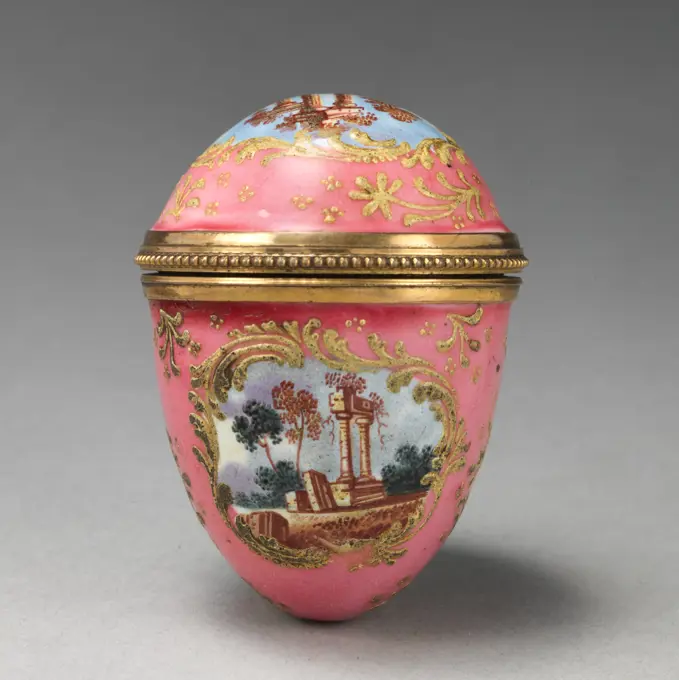
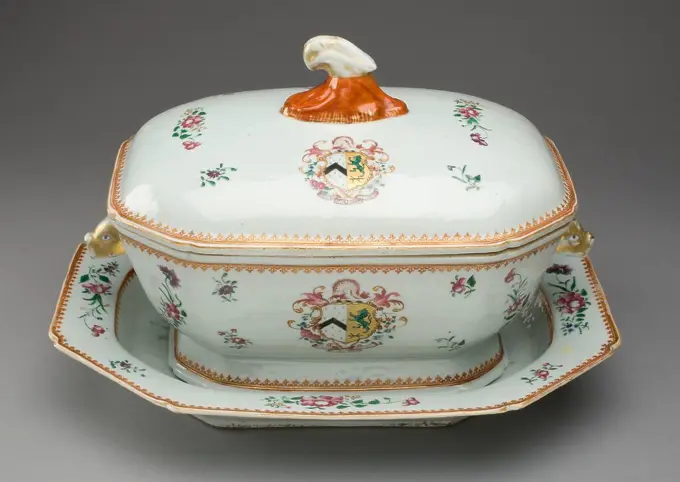
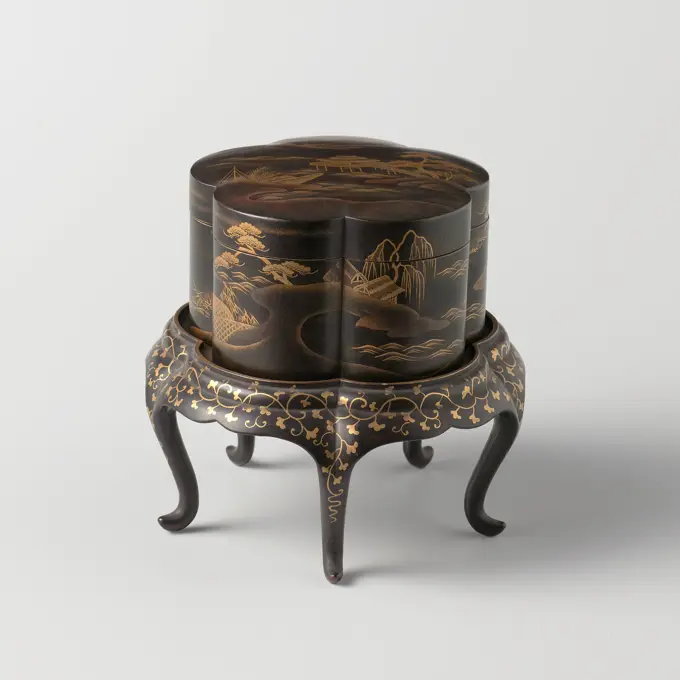
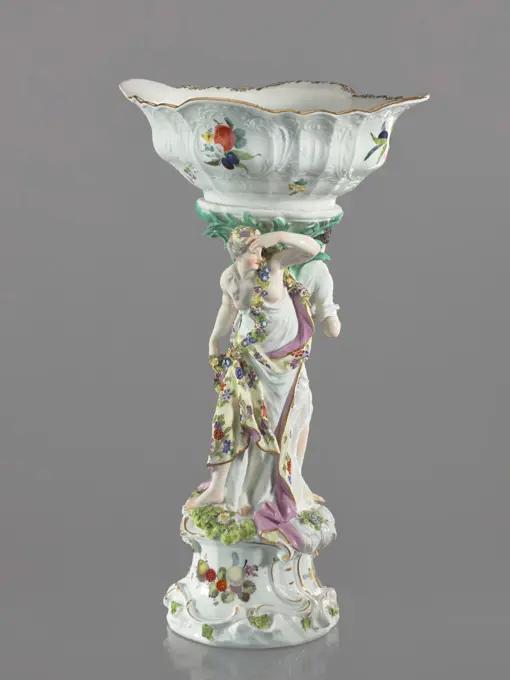
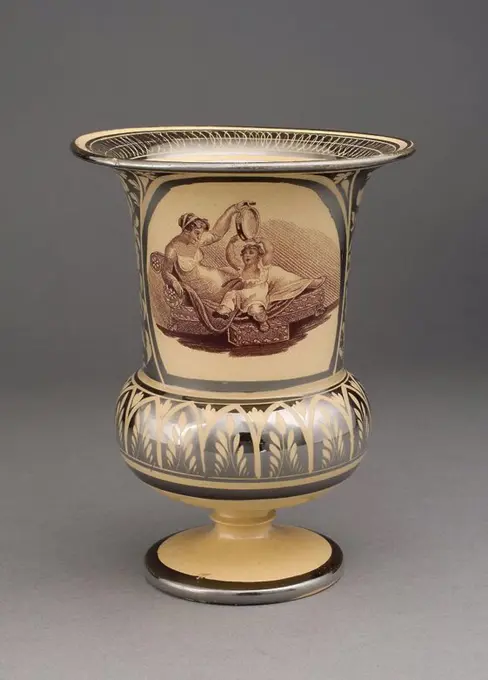
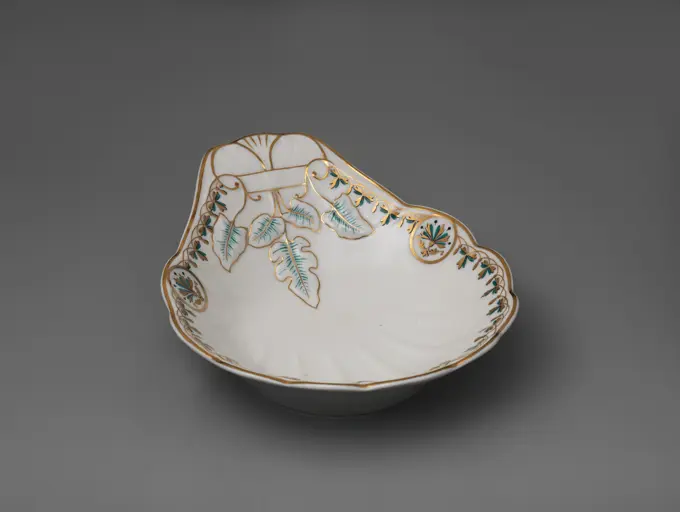
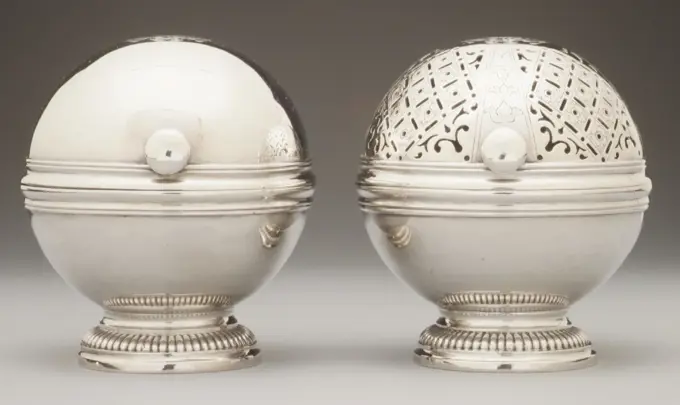
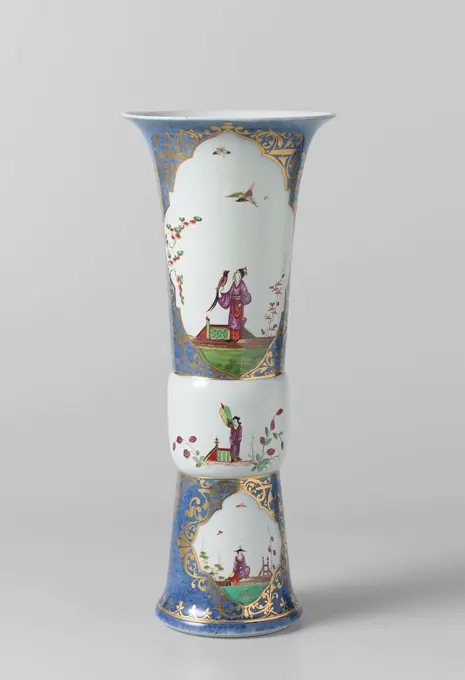
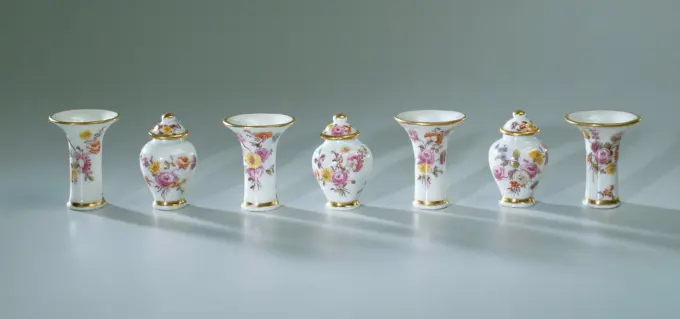
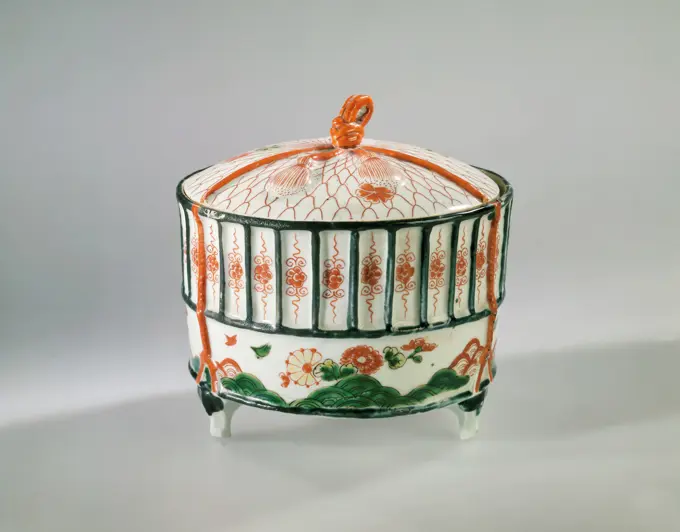
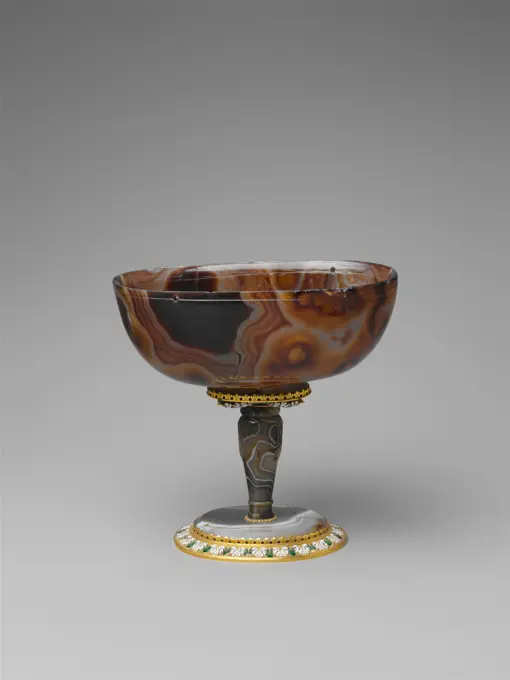
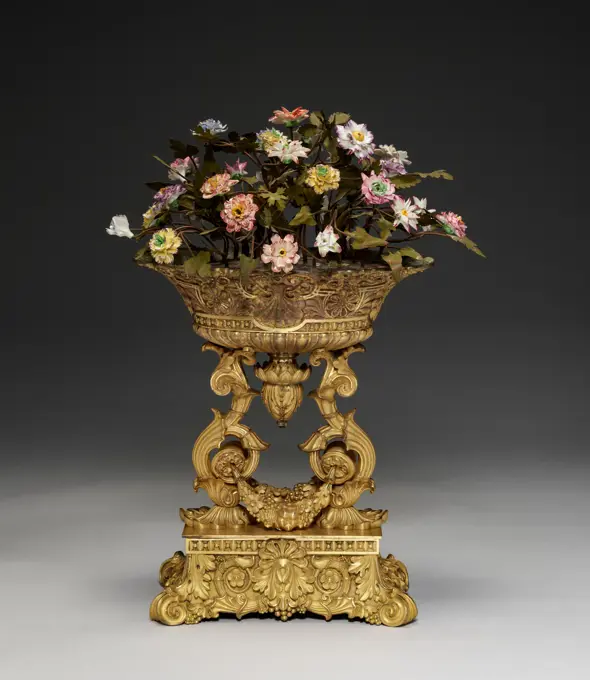
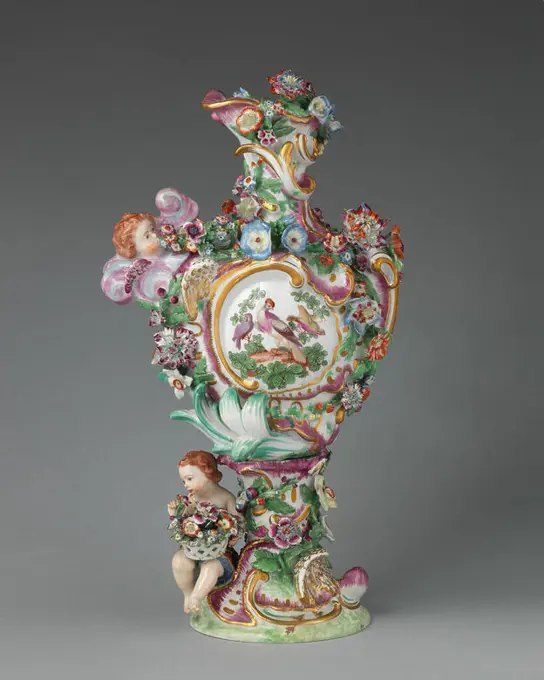
Sugar bowl with lid, painted with flowers and ladder motif, manufacture Oud-Loosdrecht, c. 1775 - c. 1778 Porcelain sugar bowl. Painted with flowers and a ladder motif in bright colors. Loosdrecht porcelain Porcelain sugar bowl. Painted with flowers and a ladder motif in bright colors. Loosdrecht porcelainBowl on Stand; Imari, Japan; stand late 17th century; bowl about 1720; mount about 1740; Porcelain and gilt bronze mounts; 18.1 x 19.8 cm (7 1,8 x 7 13,16 in.)Flowerpot. Flowerpot from porcelain. Decorated with a drapery in relief, and painted with two round medallions in grisaille. The edges with gold deposited.Cover of a tureen with the coat of arms of Hendrik Peter Godfried Quack and Isabella Gertraud von Carnap, Etienne Blancheron, c. 1790 - c. 1800 Cover of a porcelain terrine with a raised handle painted on the glaze with gold. Decorated with the alliance weapon of Hendrik Peter Godfried Quack and Isabella Gertraud von Carnap and a flower drink. Golden band on the edge. The handle is in the form of two leaf vines. porcelain company: Paris (possibly)Low Countries (possibly) porcelain. glaze. gold (metal) painting / gilding / vitrification Cover of a porcelain terrine with a raised handle painted on the glaze with gold. Decorated with the alliance weapon of Hendrik Peter Godfried Quack and Isabella Gertraud von Carnap and a flower drink. Golden band on the edge. The handle is in the form of two leaf vines. porcelain company: Paris (possibly)Low Countries (possibly) porcelain. glaze. gold (metal) painting / gilding / vitrificationBratina (ceremonial Vessel), Stand And Tcharkas (cups) (Russia); Designed by Pavel Akinov Ovchinnikov (Russian, active 1853 - c.1917); Made by Pavel Ovchinnikov; raised, repoussé, chased, and engraved parcel-gilt silverFlower Vase. Sèvres Porcelain Manufactory; French, founded 1740; Painted by Charles Buteux; French, active 1756-1782. Date: 1759. Dimensions: 22.5 x 17.7 x 14.3 cm (8 3/4 x 7 x 5 5/8 in.). Soft-paste porcelain, polychrome enamels, and gilding. Origin: Sèvres. Museum: The Chicago Art Institute, Chicago, USA. Author: Manufacture nationale de Sevres.Vase to punch with lid; Koenigliche Porzellan Manufaktur (KPM; Berlin; 1763-1918); 4Sugar bowl with a landscape, anonymous, c. 1765 Porcelain sugar bowl, painted on the glaze in email colors and gold. On the outer wall a landscape with people and a kind of obelisk. The other side with a bouquet and sprinkling flowers. Golden lines on the foot and the edge. The spout ends in an animal head. The lid with a landscape and a bouquet; pointed lid button. Marked with the monogram of Catherine II of Russia. Possibly a 19th or 20th century falsification. Sint-Petersburg porcelain. glaze. gold (metal) painting / gilding / vitrification Porcelain sugar bowl, painted on the glaze in email colors and gold. On the outer wall a landscape with people and a kind of obelisk. The other side with a bouquet and sprinkling flowers. Golden lines on the foot and the edge. The spout ends in an animal head. The lid with a landscape and a bouquet; pointed lid button. Marked with the monogram of Catherine II of Russia. Possibly a 19th or 20th century falsification. Sint-Petersburg porcelain. glaCzarka;  End of the 19th century (1891-00-00-1900-00-00);Liberty Cup and Saucer 1879-80 Union Porcelain Works. Liberty Cup and Saucer 4782Tureen with stand with figures on a terras near a pavilion, anonymous, c. 1800 - c. 1849 Terrine of porcelain with two braided ears, painted on the glaze in blue, red, pink, green, yellow, black and gold. The terrine with two different performances of a group of women and a sitting man; The lid with a sitting woman in a garden, two standing people with a fan and two women looking from the window of the pavilion. Famle Rose. China porcelain. glaze. gold (metal) painting / gilding / vitrification Terrine of porcelain with two braided ears, painted on the glaze in blue, red, pink, green, yellow, black and gold. The terrine with two different performances of a group of women and a sitting man; The lid with a sitting woman in a garden, two standing people with a fan and two women looking from the window of the pavilion. Famle Rose. China porcelain. glaze. gold (metal) painting / gilding / vitrification. Terrine of porcelain, painted multi-colored with birds in a landscape. Along the edges of Rocailles in Relief, over which leafs and C-Volutes in gold. Signature: Amstel in underglazing blue and reimburse a star and letter you.Basket. Worcester Porcelain Factory; Worcester, England, founded 1751. Date: 1765-1775. Dimensions: 18.1 x 22.8 cm (7 1/8 x 9 in.). Soft-paste porcelain, underglaze blue, polychrome enamels and gilding. Origin: Worcester. Museum: The Chicago Art Institute, Chicago, USA. Author: Worcester Royal Porcelain Company.. This teapot and heating stand were produced by the Königliche Porzellan Manufaktur, the porcelain factory of King Frederick II of Prussia in Berlin. The model, however, was older and had been designed by Johann Ernst Gotzowsky, the factorys original founder. Due to financial difficulties he had been forced to sell his business to the king in 1763. The slender shape of the teapots handle recalls silver teapots.Fountain with perfume. Porcelain and gilded bronze. Carnavalet museum, history of Paris.Coffee or water jug, multi-colored painted with landscapes with riders, Meissener Porzellan Manufaktur, c. 1740 Pear-shaped can with a SNEB, an S-shaped ear and a hinged lid. Lid and can be connected by a gilded silver frame with thumb grip connected. On the side, two four -passes are painted within which a performance to a print. On the one hand a landscape in which riders, men and tents and on the other hand riders with a rock with tents in the background. The lid is painted with a circle in which a landscape with a rider and four men. The jug and the frame are marked. porcelain company: Meissensilversmith: Paris Porcelain. frame: Silver (Metal) gilding Pear-shaped can with a SNEB, an S-shaped ear and a hinged lid. Lid and can be connected by a gilded silver frame with thumb grip connected. On the side, two four -passes are painted within which a performance to a print. On the one hand a landscape in which riders, men and tents and on the other hand riders with a rock with tents in tScent bottle ca. 1760-80 British, Staffordshire. Scent bottle. British, Staffordshire. ca. 1760-80. Enamel on copper. Enamels-PaintedChamberstick - Davenport DavenportSugar Bowl. Sèvres Porcelain Manufactory; French, founded 1740. Date: 1834. Dimensions: 11.8 x 10.5 cm (4 5/8 x 4 1/8 in.). Hard-paste porcelain and gilding. Origin: Sèvres. Museum: The Chicago Art Institute, Chicago, USA. Author: Manufacture nationale de Sevres.Goldsmith's art, Bohemia, 16th century. Bohemian jasper and enamelled gold cup.. Chocolate head from painted porcelain. The head is decorated in gold with chinoiseries on consoles. The head has two gold-plated ears. The head is not noticed.Terrine, c. 1750 - c. 1780 Oval bowl of manganese painted faience. With accompanying lid (BK-15134-2). Arnhem earthenware. tin glaze. Oval bowl of manganese painted faience. With accompanying lid (BK-15134-2). Arnhem earthenware. tin glaze.Tureen. Du Paquier Porcelain Manufactory; Austrian, 1718-1744. Date: 1720-1730. Dimensions: H. 15.1 cm (5 15/16 in.); diam. 19.1 cm (7 1/2 in.). Hard-paste porcelain, polychrome enamels, and gilding. Origin: Vienna. Museum: The Chicago Art Institute, Chicago, USA.Box with lid and gilt decorations, Meisser Porzellan Manufaktur, 1720 - 1725 Round box with lid and shell -shaped handles, gilded with Chinese style performances. Around the edges gilding and band work. Float porcelain. gilding (material) Round box with lid and shell -shaped handles, gilded with Chinese style performances. Around the edges gilding and band work. Float porcelain. gilding (material)Mustard pot. Culture: British, Worchester. Factory: Worcester factory (British, 1751-2008). Date: 18th century. Museum: Metropolitan Museum of Art, New York, USA.Czarka, Spodek; Koenigliche Porcellain Fabrique, Meissen (1710-1763), Ferner, J.F. (ca 1750, or workshop), Hausmaler (home painter); OK. XVIIIw. (1740-00-00-1750-00-00);Candlestick, multi -colored painted with Indianian blums, Meissener Porzellan Manufaktur, c. 1730 - c. 1735 Candlestick of multicolored and underlaze blue painted porcelain. The candlestick is octagonal, has a vaulted foot and a baluster -shaped, profiled trunk. The trunk is decorated at the bottom in relief with strands of chalices inside courses and at the top with gilded acanthus leaves. The foot and part of the trunk are painted with Indianic blums and an insect. A frieze of leaf vines and flowers is painted around the candle holder. The candlestick is marked. Float porcelain Candlestick of multicolored and underlaze blue painted porcelain. The candlestick is octagonal, has a vaulted foot and a baluster -shaped, profiled trunk. The trunk is decorated at the bottom in relief with strands of chalices inside courses and at the top with gilded acanthus leaves. The foot and part of the trunk are painted with Indianic blums and an insect. A frieze of leaf vines and flowers is painted aroUnknown, vase with lid. Porcelain. Petit Palais, Museum of Fine Arts of the City of Paris.Lid of a maternity base, painted multi-colored with a putto with two trumpets. Round lid of multi-colored painted majolica, from a maternity base. On the inside, a long-running putto with two trumpets is painted in his hand on a distance of Goudluster. On the outside, the year 1537 has been painted in the middle inside concentric circles. To the outer circle, palmets are painted in yellow and green on a dark blue soil.Lid, the gilt blompot, 1780 - 1820  Lid Delft .Vase (one of a set of three) ca. 1761 Chelsea Porcelain Manufactory. Vase (one of a set of three). British, Chelsea. ca. 1761. Soft-paste porcelain. Chelsea Porcelain Manufactory (British, 1745-1784, Gold Anchor Period, 1759-69). Ceramics-PorcelainFish bowl with floral scrolls, flowering plants, birds and insects, anonymous, c. 1740 - c. 1760 Fish bowl of porcelain, painted on the glaze in blue, red, pink, green, yellow, black and gold. The wall is covered with a spiral pattern with flower vines on it. It saved two large cartouches with a pheasant on a rock near a fence and flowering plants (Prunus, peony, Magnolia, Aster). On the wall two modeled lion heads in Biscuit with a ring; Around cartouche around cartouche around it. Up and below this decoration a band with a meander pattern. On the neck and above the foot loose flower branches and butterflies. The foot with a band with flower vines. On the Rand Servetwerk interrupted by alternating large and small cartouches. The large cartouches with a landscape with pavilions, mountains and trees. The small cartouches with a butterfly and flower branch. Different fish and aquatic plants in the bowl. Famle Rose. China porcelain. glaze. gold (metal) painting / gilding / vitrification FLidded pot.Bottle cooler from the Louis XV service (seau à bouteille) 1754 Vincennes Manufactory French One of the most influential and renowned porcelain dinner services made during the eighteenth century was the first produced for Louis XV (1710-1774), king of France, by the Vincennes factory in France. Commissioned in 1751 to include both dinner and dessert wares, the service was sufficiently extensive in scale and challenging to produce that it necessitated delivery in three major installments over a three-year period, which began in 1753.1 Because it was the first service of significant scale produced at Vincennes, it required the development of many new models, and it was the first to employ the turquoise ground color, known as bleu céleste, that the factory had just developed.2 The goldsmith Jean-Claude Duplessis (Italian, ca. 1695-1774), known as Duplessis père to distinguish him from his son Jean-Claude- Thomas Duplessis (French, ca. 1730-1783), was the artistic director at VincennesHead, multi -colored painted with chinoiseries and some animals, Meissener Porzellan Manufaktur, c. 1725 Half -ball -shaped head of painted porcelain. On the bottom of the head, a landscape with a house on a rock with flowers on rocks is painted in red inside a double red circle. A Höroldt chinoiserie is painted on the head within a four-pass with a golden edge and on the back a stork with a frog, a butterfly and a sea monster are painted two fish. The head is marked. Float porcelain Half -ball -shaped head of painted porcelain. On the bottom of the head, a landscape with a house on a rock with flowers on rocks is painted in red inside a double red circle. A Höroldt chinoiserie is painted on the head within a four-pass with a golden edge and on the back a stork with a frog, a butterfly and a sea monster are painted two fish. The head is marked. Float porcelainCovered Jar With Chinese Ladies on a Terrace and Finial in the Shape of a Shishi. Lid of drum-shaped porcelain lid pot, painted in underglaze blue and on the glaze red, black and gold. Around the edge of the lid a bond with balls in relief; the lid with a border napkin; The button in the shape of a polychrome shishi (lion dog). Blue White.Liqueur bottle cooler (seau ovale à liqueur) 1755 Vincennes Manufactory French This cooler, intended for liqueur bottles, is fitted with a central, removable panel that is perforated in a decorative pattern. These holes would allow the water from melting ice to flow from one side to another.. Liqueur bottle cooler (seau ovale à liqueur) 206530Anonymous and workshop known as "Saint-Porchaire". Aiguière, called "bottle". Kaolinic clay. Between 1540 and 1561. Museum of Fine Arts of the City of Paris, Petit Palais. 112503-11 Acute, decorative art, French, ceramic art, earthenware, container, French rebirth, dishes, 16th 16th 16th 16th 16th 16Lidded Vase; China; porcelain about 1650 - 1680; mounts about 1715 - 1720; Hard-paste porcelain; gilt bronze mounts; 34.3 x 32.4 x 33 cm (13 1,2 x 12 3,4 x 13 in.)Comfoor, painted email on copper, anonymous, 1740 - 1760 The comfoor has three curved legs and shell -shaped feet. In the edge, between the legs, three large volute shapes. The edge and legs are painted with flower vines. An oil reservoir with lid (marbled) falls in the comfoor. China copper (metal). The comfoor has three curved legs and shell -shaped feet. In the edge, between the legs, three large volute shapes. The edge and legs are painted with flower vines. An oil reservoir with lid (marbled) falls in the comfoor. China copper (metal).Egg glass; Koenigliche Porzellan Manufaktur (KPM; Berlin; 1763-1918); 1780-1800 (1832-00-00-1850-00-00);Dessert Service (Coffee Cann). Flight, Barr & Barr (England, Worcester, 1813-1840). England, 1813. Furnishings; Serviceware. Porcelain, 'Japan' patternBowl, hard paste porcelain, vitreous enamel, gold, Footed bowl decorated with thin gilded bands. Interior shows segmented decoration of gilt and enamel florals on alternating white and blue ground. Gilding at rim., England, after 1833, ceramics, Decorative Arts, bowl, bowlVase with flowers, scrolls and birds, anonymous, c. 1800 - c. 1899 Four -sided vase of porcelain with scalloped corners and four claw legs resting on a base. Painted on the glaze in blue, salmon color and gold. On the walls, against a blue background, twice a medallion with shell shapes with flowers saved in a salmon -colored background and twice a garland worn by (horses) Heads, above which a bird. Ranks between these decorations. On the edge a band with tenders and diamond motifs. The side of the basement with leaf vines against a blue background and on the top a similar decoration as on the edge against a salmon -colored background. The removable upper part of the vase also has the same decoration, five holes and a ten -angled head shape decorated with garlands and flower heads and with an open bottom. France porcelain. glaze. gold (metal) painting / gilding / vitrification Four -sided vase of porcelain with scalloped corners and four claw legs resting on a base. Painted on the glazCream Bowl 1780-1800 Staffordshire. Lead-glazed earthenware (creamware) .Pitcher (Goelet Schooner Prize) ca. 1883 Whiting Manufacturing Company This pitcher and an accompanying tray (on display in the Museums Henry R. Luce Center for the Study of American Art) were awarded to Samuel R. Platts schooner, Montauk, in 1882, the inaugural year of the Goelet Cup races off Newport, Rhode Island. The dynamic design, which incorporates a mermaid, a dolphin, seahorses, and seaweed, is punctuated with bright enamel in conventionalized floral motifs and is a testament to the designer, Charles Osbornes consummate skill and original artistic vision.. Pitcher (Goelet Schooner Prize) 5872Inkwell ca. 1840 Mexican. Inkwell 4425Covered baluster jar with figures in an interior behind framework, prunus trees and floral scrolls, anonymous, c. 1650 - c. 1699 Balus -shaped porcelain lid jar with a spreading base, painted in underly glaze blue and on the glaze red, black and gold. On the wall twice two people sitting in an interior behind modeled and painted grille work. This grille is decorated with modeled and decorated prunus trees and tires with flower vines. Under the grille work a band with flower vines. Around the foot a bond with lotus drinks. On the neck three cartouches with lotus vines. The lid with the same decoration; Lid button in the shape of a bird on a stump. Imari. Japan porcelain. glaze. cobalt (mineral). gold (metal) painting / gilding / vitrification Balus -shaped porcelain lid jar with a spreading base, painted in underly glaze blue and on the glaze red, black and gold. On the wall twice two people sitting in an interior behind modeled and painted grille work. This grille is decorated with modPotpourri bowl with cover stoneware 18th century, mounts 1745-49 Chinese with French mounts The fluted pumpkin-shaped jar, with a flattened lid, of gray-green celadon porcelain of the late Ming or early Qing period (seventeenth century), is richly mounted as a pot-pourri bowl with gilt bronze. A band of bronze, gilded, scrolled, pierced, and chased with foliate and shell forms, etc., separates the body from the cover. The center of the lid has been cut out, raised, and mounted with a deep circular border of gilt bronze chased with foliate scrolls and shell forms. This provides a podium for a group of shells and coral branches of gilt bronze forming a knop or handle to the cover. At each side of the body is a handle in the form of interlacing acanthus leaves and sprays of bulrushes of gilt bronze. The whole rests on a circular base of ribbed gilt bronze supported on four feet in the form of asymmetrical acanthus scrolls.. Potpourri bowl with cover 205425Egg glass; Koenigliche Porzellan Manufaktur (KPM; Berlin; 1763-1918); 1780-1800 (1832-00-00-1850-00-00);Kałarz; Nieborów (Manufaktura Majoliki; 1881-1899); horse. 19th century (1880-00-00-1899-00-00);Shell-shaped snuffbox ca. 1745 Capodimonte Porcelain Manufactory Gricci was the chief modeler of the porcelain manufactory established in 1743 on the grounds of the royal palace at Capodimonte, outside Naples. Introduced the first year of the factorys existence, the model of this snuffbox, with its surface composed of numerous shells and marine plant life in low relief, proved especially popular.. Shell-shaped snuffbox. Italian, Naples. ca. 1745. Soft-paste porcelain, gilt metal. Ceramics-PorcelainSugar bowl with gold borders on a red ground, anonymous, c. 1800 - c. 1824 Porcelain sugar bowl on spreading foot and with two handles in the form of a human head, covered on the glaze with red and gold. The outer wall is covered with red and the foot, outer edge and handles with gold. On the edge a flower vank in one of the golden tires. The lid with the same decoration. Marked on the bottom with SC under a horizontal line. Empire. France (possibly) porcelain. glaze. gold (metal) painting / gilding / vitrification Porcelain sugar bowl on spreading foot and with two handles in the form of a human head, covered on the glaze with red and gold. The outer wall is covered with red and the foot, outer edge and handles with gold. On the edge a flower vank in one of the golden tires. The lid with the same decoration. Marked on the bottom with SC under a horizontal line. Empire. France (possibly) porcelain. glaze. gold (metal) painting / gilding / vitrificationCovered Box. Thailand, Sawankhalok, 16th century. Furnishings; Accessories. Stoneware with underglaze brown painted decoration and clear glazeBox with Lid 1879 Worcester factory. Box with Lid. British, Worcester. 1879. Porcelain. Ceramics-PorcelainCup with the Battle of Quatre Bras, anonymous, in or after 1815 Porcelain head on a spreading foot, with a flared edge and a high, curled ear. Painted on the glaze in email colors and gold. The head is covered with gold and on the outer wall a scene from the Battle of Quatre-Bras. On the edge a saved box with the inscription 'Quatre Bras 16 Juny 1815'. Marked under the foot with 'Duhamel'. France porcelain. glaze. gold (metal) painting / gilding / vitrification Porcelain head on a spreading foot, with a flared edge and a high, curled ear. Painted on the glaze in email colors and gold. The head is covered with gold and on the outer wall a scene from the Battle of Quatre-Bras. On the edge a saved box with the inscription 'Quatre Bras 16 Juny 1815'. Marked under the foot with 'Duhamel'. France porcelain. glaze. gold (metal) painting / gilding / vitrificationFlower vase (cuvette à fleurs Courteille) (one of a pair) 1761 Sèvres Manufactory French. Flower vase (cuvette à fleurs Courteille) (one of a pair). French, Sèvres. 1761. Soft-paste porcelain. Ceramics-PorcelainArmorial tazza. Artist: Italian (Venice) or façon de Venise (Venetian-style); Possibly French. Culture: Venetian or façon de Venise, or French. Dimensions: 8 11/16 in. (22.1 cm); diam. of rim 10 7/8 in. (27.6 cm). Date: 1499-1514.This tazza bears the coats of arms of Louis XII of France (1462-1515; r. 1498-1515) and Anne, duchess of Brittany (1477-1514). It is believed to have been part of a service made to celebrate their marriage, which took place in 1499. Three other pieces from this presumed service are known. French glassmakers were able to emulate Venetian examples of the period; though the tazza form originated in Venice, technical evidence suggests that the Lehman piece was manufactured in France. Museum: Metropolitan Museum of Art, New York, USA.Mug. Made by Adam Schuster (Dutch, active 18th century); Netherlands, Delft. Date: 1719. Dimensions: 20 × 14.6 cm (7 7/8 × 5 3/4 in.). Tin-glazed earthenware, pewter mounts. Origin: Delft. Museum: The Chicago Art Institute, Chicago, USA.. Oval gold box, with scenes in email. Painting on the underside labeled CWM. Brand: W in oval.Flower vase with stand (vase hollandais nouveau) (one of a pair) 1761 Sèvres Manufactory French. Flower vase with stand (vase hollandais nouveau) (one of a pair) 202190Manufacture of Sèvres. Plateau. Porcelain. 18th century. Museum of Fine Arts of the City of Paris, Petit Palais. 112503-4Vase (vase Boileau) (part of a set) 1758 Sèvres Manufactory French This example is the earliest known vase of this model, and it sold for the price of 720 livres, which was roughly the annual salary of a skilled worker such as a cabinetmaker. This vase, combined with the two vases (50.211.156a, b, .157a, b), was acquired by Prince Henry of Prussia, the younger brother of Frederick the Great. He must have valued the garniture highly, for he kept it on a chest of drawers in his bedroom in his palace in Berlin.. Vase (vase Boileau) (part of a set). French, Sèvres. 1758. Soft-paste porcelain. Ceramics-PorcelainVase (vase Indien) 1760 Sèvres Manufactory French Innovations in color dominate this version of the vase à oignon, with its boldly juxtaposed panels of apple green and rose. The effect is softened by the painted floral reserves and fine gold tooling.. Vase (vase Indien). French, Sèvres. 1760. Soft-paste porcelain. Ceramics-PorcelainCenterpiece 1835-1855 Bohemia. Glass; clear, partly encased with ruby and engraved .Vase Decorator Tucker Factory American 1828-38Teabowl and saucer ca. 1742 Chinese, for Portuguese market. Teabowl and saucer 202708Porcelain lid. Porcelain lid. Painted with bouquets and spreader flowers.CERAMICA-SOPERA. Location: MUSEUM OF FINE ARTS. GRANADA. SPAIN.Covered pot. Wood, Japan lacquer, gilded bronze. 1775. Paris, Carnavalet museum. Bronze gilded, lid, cover, gilding, japan lacquer, Japanese lacquer, flower motif, pot, 18th 18th 18th 18th 18th 18th 18 century, woodMicro-mosaic, Gold sheet and wire, glass mosaics, Gold bracelet of three chains connected to one oval. Oval is outlined in blue with an inner image of Italian architecture. Bracelet is part of a set., Rome, Italy, 1800-1825, jewelry, Decorative Arts, Bracelet, BraceletThimble case ca. 1760-80 British, Staffordshire. Thimble case. British, Staffordshire. ca. 1760-80. Enameled copper. EnamelsCover for an Ice Pail, c. 1795. Derby (Crown Derby Period) (British). Porcelain; overall: 21.6 x 24.2 cm (8 1/2 x 9 1/2 in.).Covered Tureen and Stand with the Arms of French Impaling Sutton. China. Date: 1760-1770. Dimensions: Tureen with cover: 22.4 × 34 × 21.8 cm (8 13/16 × 13 3/8 × 8 9/16 in.); Platter: 5.5 × 37.2 × 28.7 cm (2 1/8 × 14 5/8 × 11 5/16 in.). Hard-paste porcelain with polychrome enamels and gilding. Origin: China. Museum: The Chicago Art Institute, FLORENCIA, USA.Kadzielnica (kôro); Kinzan; 19th/20th century (1890-00-00-1910-00-00);Bowl;  2. PO. 19th century (1851-00-00-1900-00-00);Box, lobed, with gilded landscapes on black soil, anonymous, 1700 - 1800 Lobbed box with a somewhat convex lid. In the box a leaf with five inner boxes (cake point -shaped) that together follow the shape of the outer box. Black lacquer with decorations in hiramakia with water landscapes, butterflies and flowers. (inv.no. Lid: AK-NM-6137). Note: see also AK-NM-6135. Japan whole: Wood (plant material). whole: Gold (metal). whole: Lacquer (coating) lacquering Lobbed box with a somewhat convex lid. In the box a leaf with five inner boxes (cake point -shaped) that together follow the shape of the outer box. Black lacquer with decorations in hiramakia with water landscapes, butterflies and flowers. (inv.no. Lid: AK-NM-6137). Note: see also AK-NM-6135. Japan whole: Wood (plant material). whole: Gold (metal). whole: Lacquer (coating) lacqueringFruit epergne. Koenigliche Porcellain Fabrique, Meissen (1710-1763), factorySaucer. Culture: German, Meissen. Decorator: Johann Gregor Höroldt (1696-1775). Dimensions: Overall (confirmed): 15/16 × 5 × 4 15/16 in. (2.4 × 12.7 × 12.5 cm). Factory: Meissen Manufactory (German, 1710-present). Date: ca. 1725.This beaker and saucer were part of a tea and chocolate service given to Vittorio Amadeo II, King of Sardinia (1666-1732) by Augustus the Strong, the Elector of Saxony, under whose patronage the Meissen factory was established. Museum: Metropolitan Museum of Art, New York, USA.Vase (part of a Garniture of 5 Vases). England, Leeds; With Transfer Decoration after Adam Buck; Irish, 1759-1833. Date: 1815-1825. Dimensions: H. 14 cm (5 1/2 in.). Earthenware with silver lustre decoration, monochrome brown, and yellow ground. Origin: Leeds. Museum: The Chicago Art Institute, Chicago, USA.Lid of box, painted multi-colored with Chinese in landscapes. Lid of box of painted porcelain.Bowl 1885 Union Porcelain Works Union Porcelain Works was one of the most important and inventive American porcelain manufacturers in the second-half of the nineteenth century. In addition to their imaginative works designed by the German-born artistic director, Karl H. L. Müller, the firms mainstay was the production of heavy porcelain hotel dinnerware. This extensive service was made by Thomas Carll Smith, head of the Union Porcelain Works, as a gift to his daughter, Pastora Forest Smith Chace. The neoclassical decoration of the gilt bellflower and basket motif is complimented by turquoise enamel. Unlike the firms more eccentric and lavish designs created for their display at the Philadelphia Centennial Exposition in 1876, the pottery favored a more restrained classical style for their dinner services. This service descended in the Chace family.. Bowl 878Branches; Manufacture de Porcelaine (Vincennes; 1740-1756); 3 18th century (1750-00-00-1780-00-00);Flower decorations, landscapes, solitaireSoap and sponge boxes ca. 1739 Marked by C. Louis Gérard Matching spherical boxes such as this pair were often made to accompany a silver shaving basinan oval bowl with a broad notched rim that allowed the basin to be pressed against a gentleman’s neck while he was being shaved. The decorative piercing on the sponge box had a practical purpose: it allowed air to circulate to dry the damp sponge. The unpierced box accommodated a piece of soap, which, in the eighteenth century, was purchased in a ball rather than a bar.. Soap and sponge boxes. French, Douai (Lille Mint). ca. 1739. Silver. Metalwork-SilverMicro-mosaic Brooch; Italy; gold sheet and wire, glass mosaicsSmall vase. unknown, craftsmanPair of vases.Three vases, part of a garniture, De Grieksche A, c. 1765 Lid vase, multi -colored painted with pagodas, Chinese landscapes and bouquets à la Chinoise. The foot and upper and top of the vase is entirely built from rocailles. The lid looks like a short Chinese dress that folds over the edge of the vase. The button of the lid is formed by a Chinese women's head. Delft . Lid vase, multi -colored painted with pagodas, Chinese landscapes and bouquets à la Chinoise. The foot and upper and top of the vase is entirely built from rocailles. The lid looks like a short Chinese dress that folds over the edge of the vase. The button of the lid is formed by a Chinese women's head. Delft .. Vase with lid of painted porcelain. The vase is pear-shaped, has an outstanding foot. The painting consists of multicolored flower bouquets. The vase has been marked. Vase is part of a seven-part cabinet set.Cilidrical covered box in the shape of a cricket's cage, anonymous, c. 1675 - c. 1699 Cylindrical porcelain box on three legs and held together in the form of a cricket cage by three modeled cords, ending in a raised knot as a lid button. Painted in underly glaze blue and on the glaze red, green, yellow and black. The lower half of the box with waves, birds and flower branches; The upper half is modeled in grille work with a flower drink in each box. Imari. Japan porcelain. glaze. cobalt (mineral) painting / vitrification Cylindrical porcelain box on three legs and held together in the form of a cricket cage by three modeled cords, ending in a raised knot as a lid button. Painted in underly glaze blue and on the glaze red, green, yellow and black. The lower half of the box with waves, birds and flower branches; The upper half is modeled in grille work with a flower drink in each box. Imari. Japan porcelain. glaze. cobalt (mineral) painting / vitrificationCup, decorated with flower and fruit wreaths. Cup of porcelain, decorated with flour and fruit wreaths on dull green soil. Plated inside.Walker's Patent Kapnophilon tobacco jar and cover 1870s F. R. Pratt & Co.. Walker's Patent Kapnophilon tobacco jar and cover. British. 1870s. Porcelain. Ceramics-PorcelainIvory Tusk Vase, late 1800s. Japan, Meiji period (1868-1912). Carved ivory, pigment; overall: 27 cm (10 5/8 in.); base: 20 cm (7 7/8 in.).Teacup and saucer, a miniature, an inscription and gilded ornamentation. Koenigliche Porzellan Manufaktur - KPM (Berlin ; 1763-1918), manufacture, unknown, painterCup cup 900-1100 A.D.; stem, base, and mounts ca. 1655-60 Byzantine (cup) and French, Paris (stem, base, and mounts) Byzantine luxury goods such as this hardstone cup were greatly coveted in western Europe. The cup was one of several Byzantine objects acquired by Louis XIV of France, whose artisans fitted it with an ornate foot.. Cup 193573Centerpiece, or Jardinière, c. 1830-1850. France, Paris, 19th century. Gilt bronze with enamel flowers; overall: 36.7 x 31 x 17.5 cm (14 7/16 x 12 3/16 x 6 7/8 in.); with flowers: 51 x 38.2 x 26.4 cm (20 1/16 x 15 1/16 x 10 3/8 in.). Regrettably, a maker's mark does not appear on this piece: thus the factory that made it remains unknown. Nevertheless, its design, castings, and gilding are of fine quality and indicate that it is the product of a group of talented craftsmen who worked in the robust taste of the second quarter of the 19th century.Vase. Culture: British, Chelsea. Dimensions: Height: 13 1/2 in. (34.3 cm). Factory: Chelsea Porcelain Manufactory (British, 1745-1784, Gold Anchor Period, 1759-69). Date: ca. 1760. Museum: Metropolitan Museum of Art, New York, USA.Vase with reversed egg -shaped belly on which two naked angels are painted, anonymous, c. 1560 - c. 1620 Vase of multi -colored painted faience. The belly of the vase is reversed egg -shaped. The vase is on a profiled foot and has a short, narrow neck with a wide edge. The two ears are C-shaped and have split, curled ends. Two naked angels were painted on the vase. Faenza earthenware. tin glaze. Vase of multi -colored painted faience. The belly of the vase is reversed egg -shaped. The vase is on a profiled foot and has a short, narrow neck with a wide edge. The two ears are C-shaped and have split, curled ends. Two naked angels were painted on the vase. Faenza earthenware. tin glaze.Snuff Box (Tabatière), 1779-1780. Pierre Marie Gault De Saint-Germain (French, 1754-1842). Gold and enamel; overall: 3.4 x 6.8 cm (1 5/16 x 2 11/16 in.).Cigars Gone