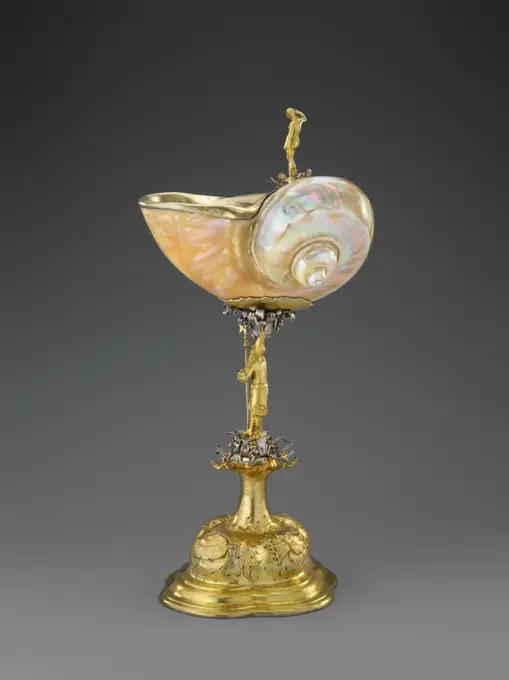
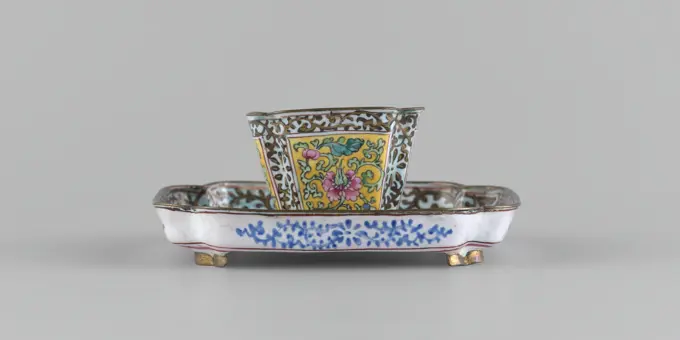
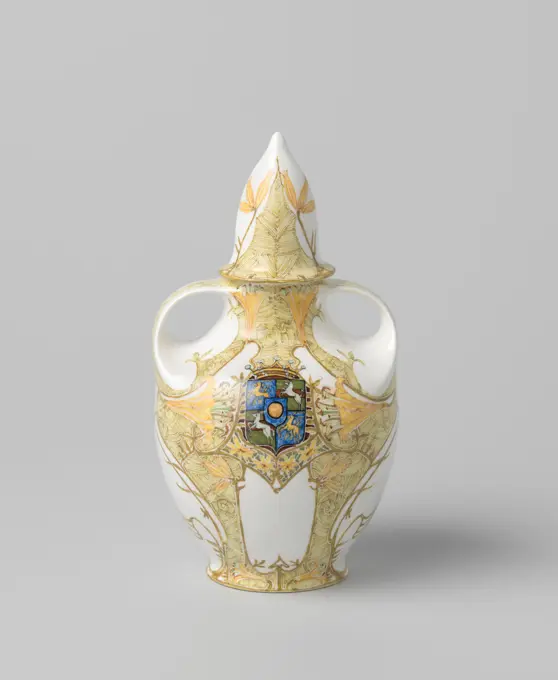
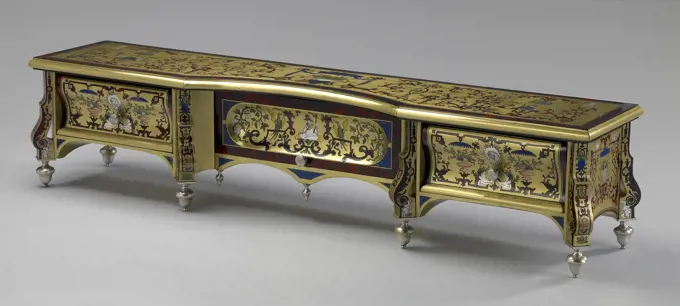
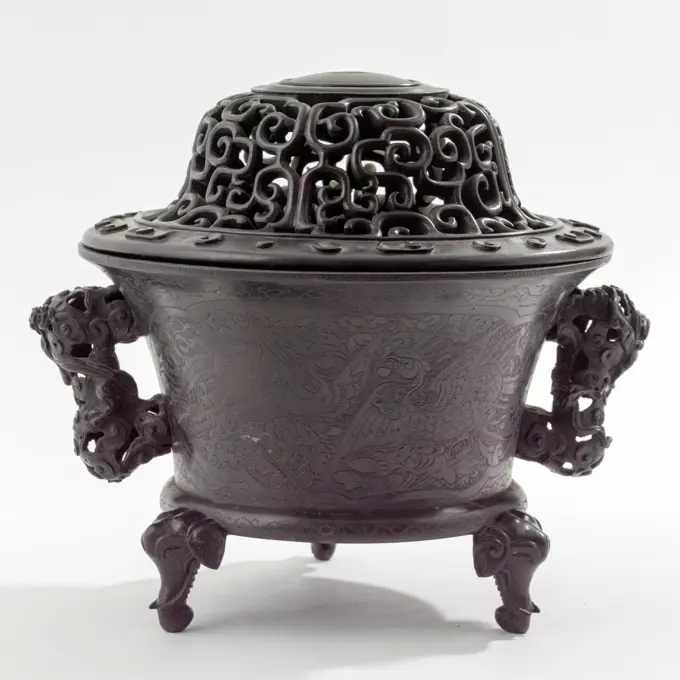
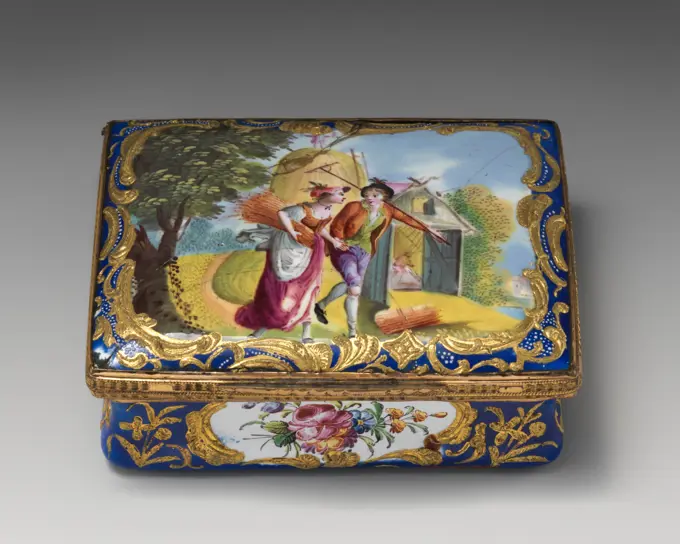
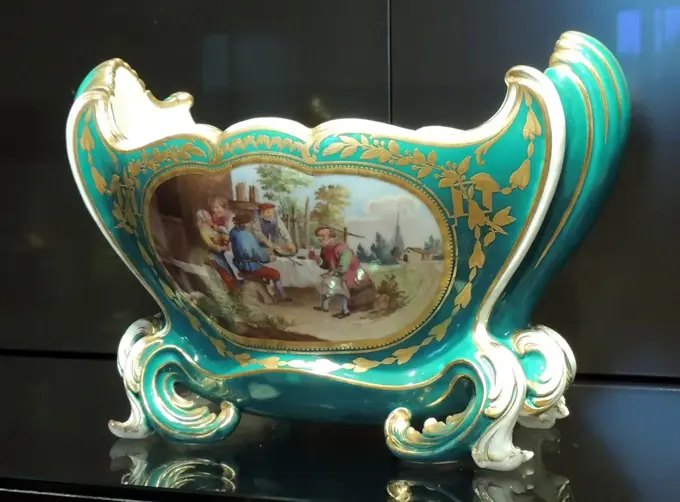
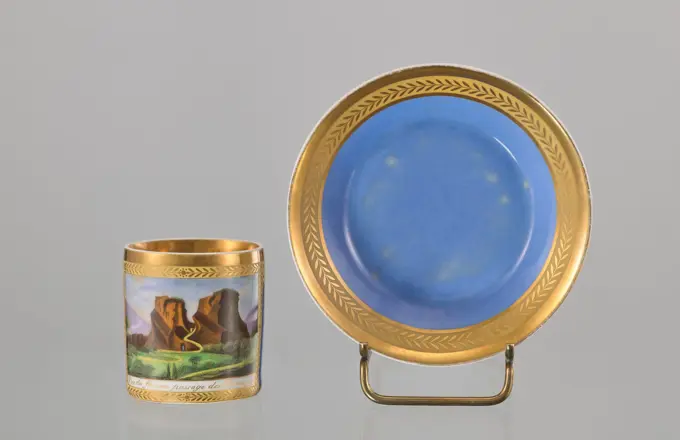
Decorative Porcelain Vessels

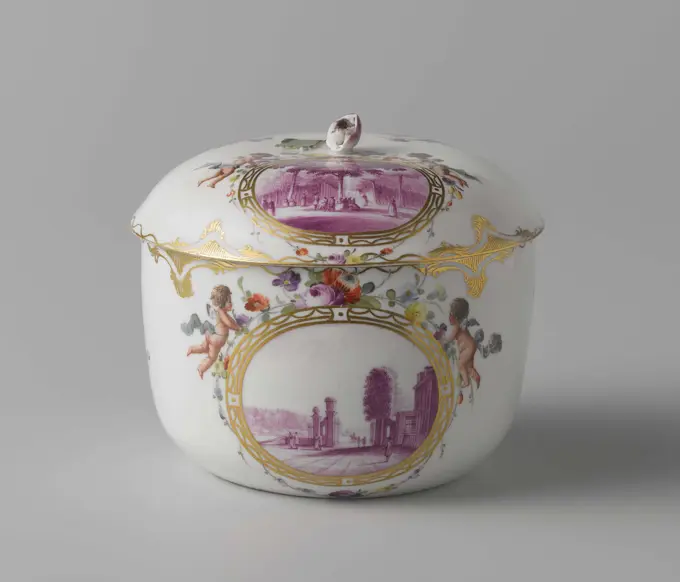
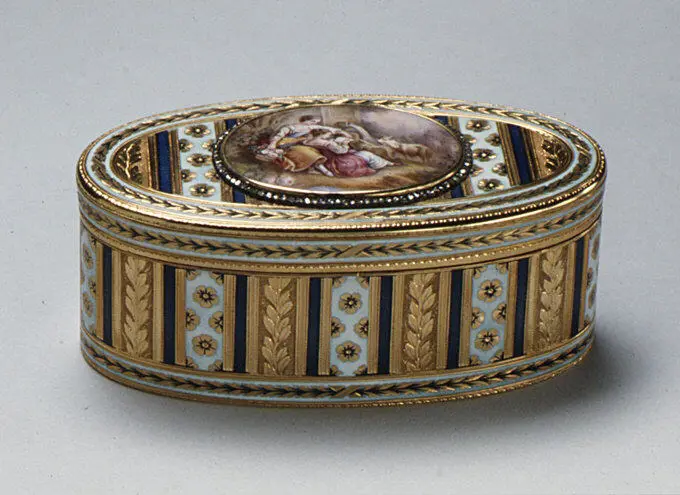
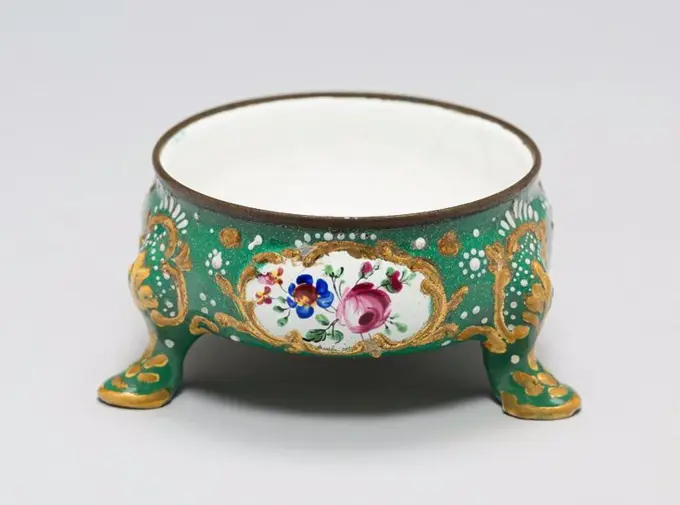
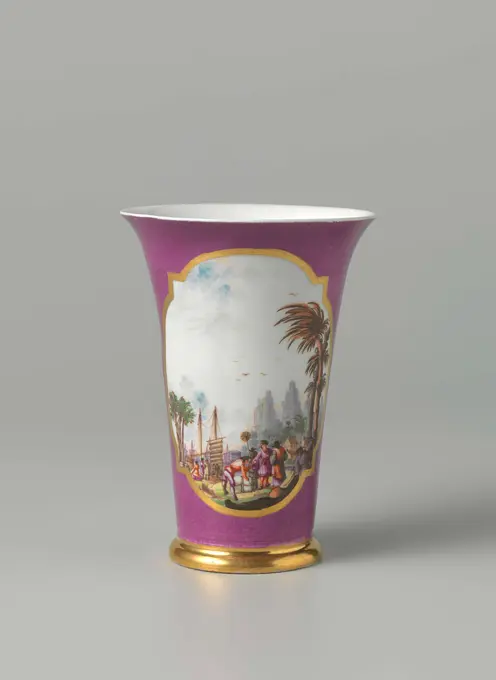
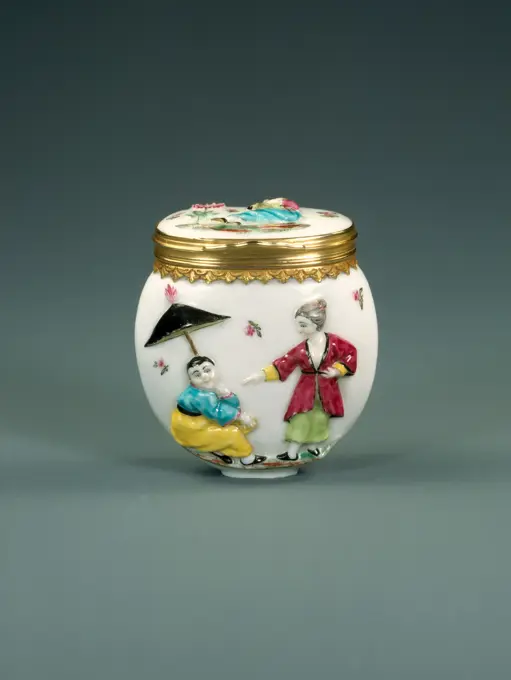
A selection of exquisite porcelain pieces including sugar bowls and flowerpots, adorned with intricate designs and vibrant colors.
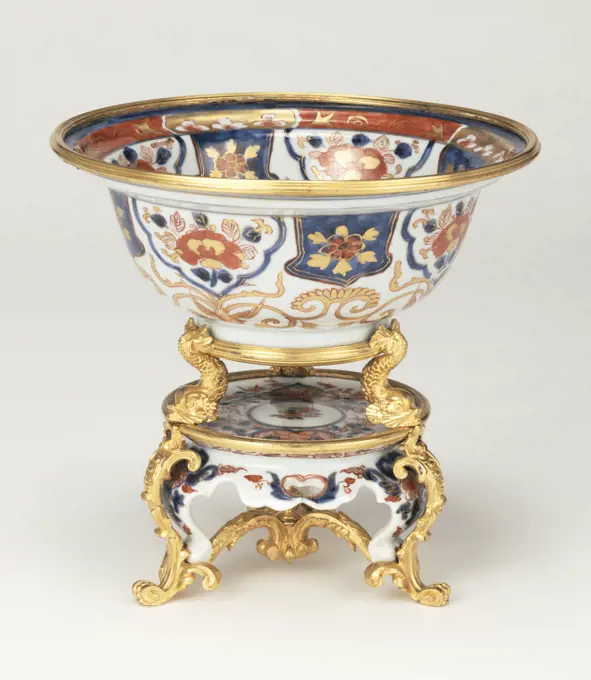
Bowl on Stand; Imari, Japan; stand late 17th century; bowl about 1720; mount about 1740; Porcelain and gilt bronze mounts; 18.1 x 19.8 cm (7 1,8 x 7 13,16 in.)
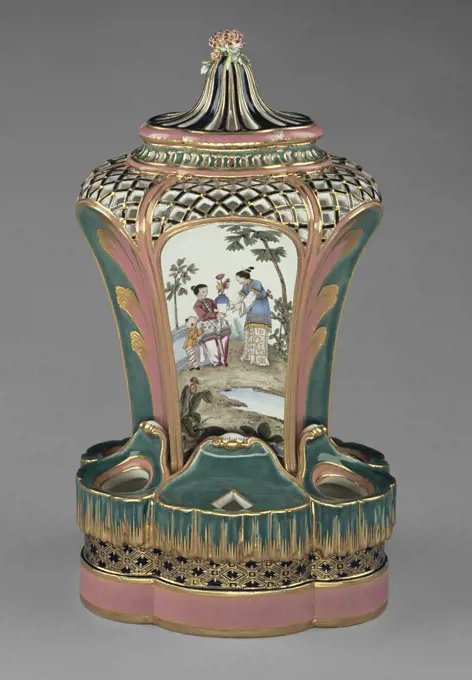
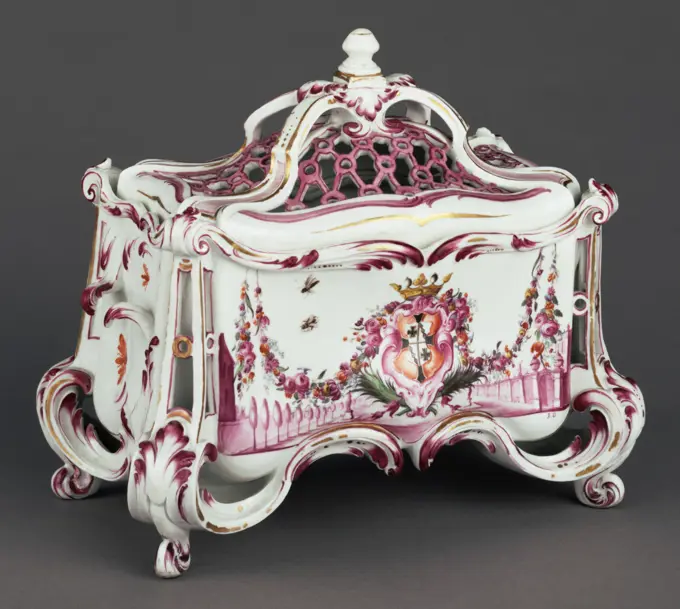
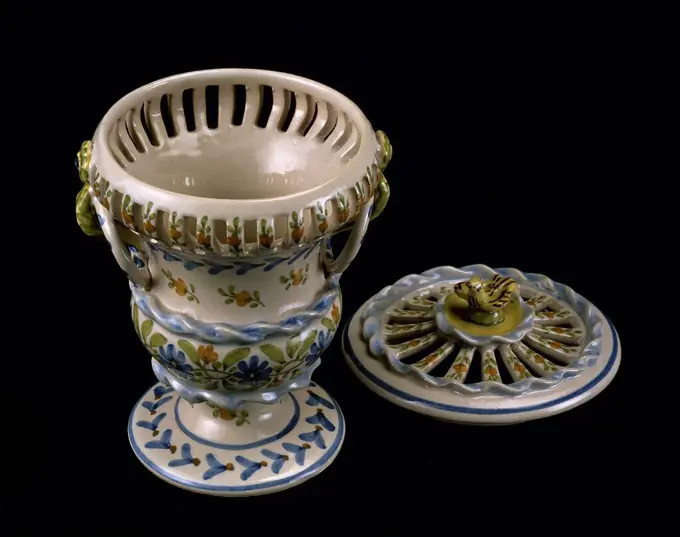
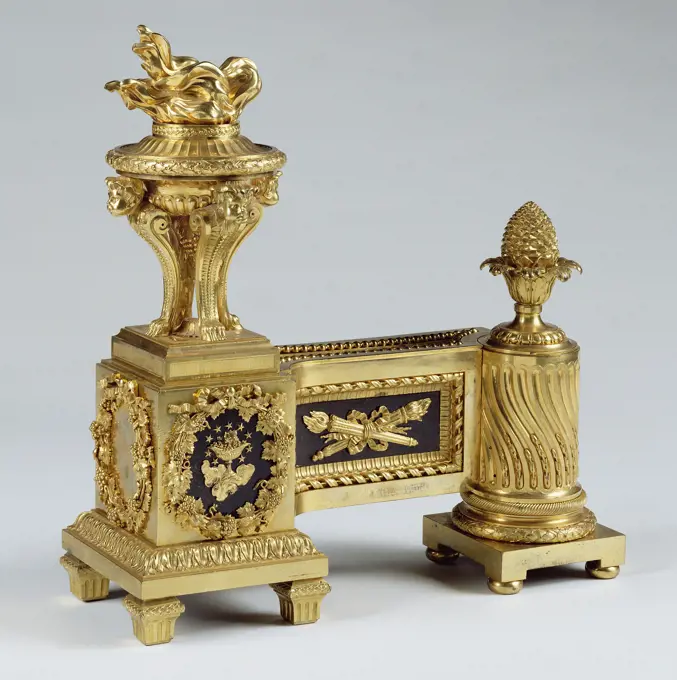
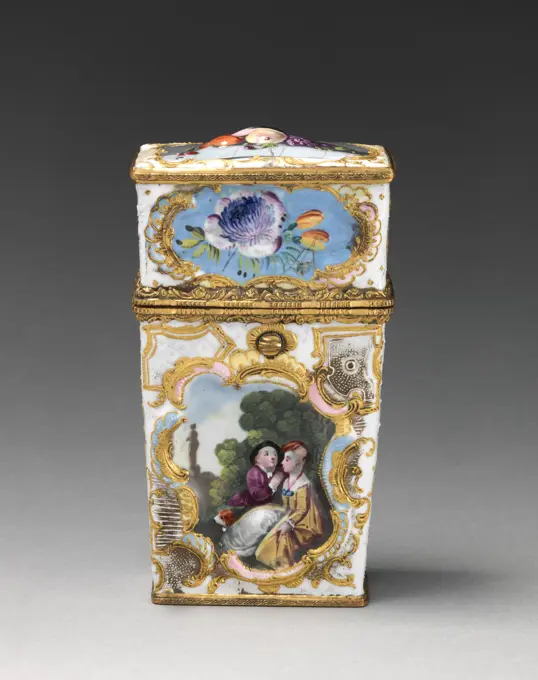
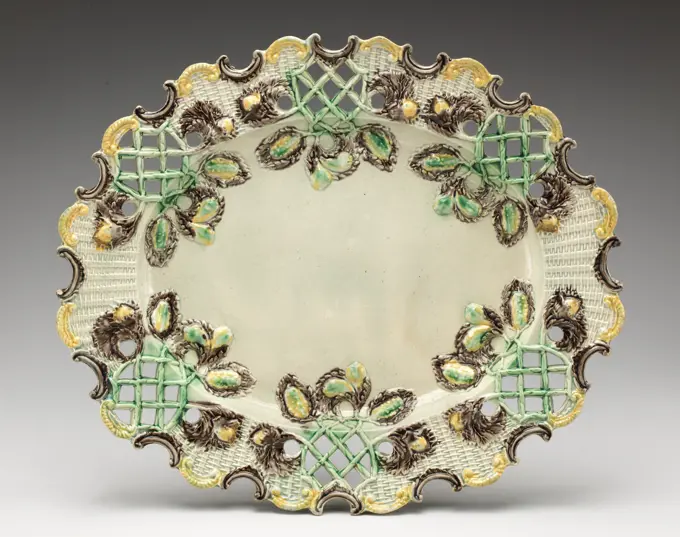
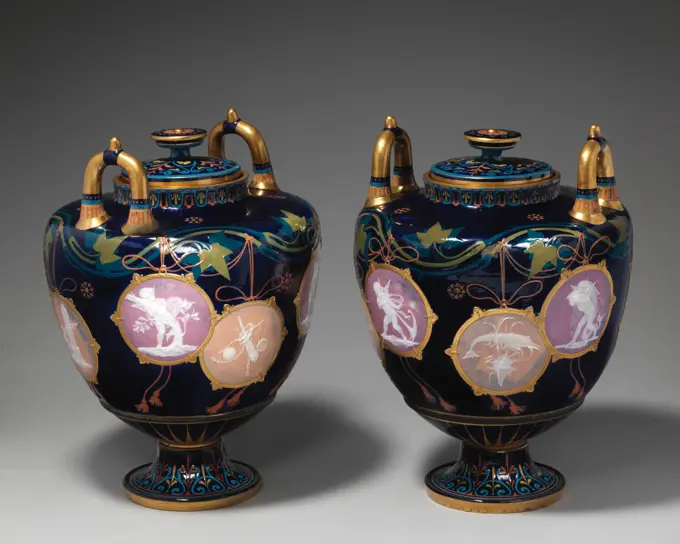
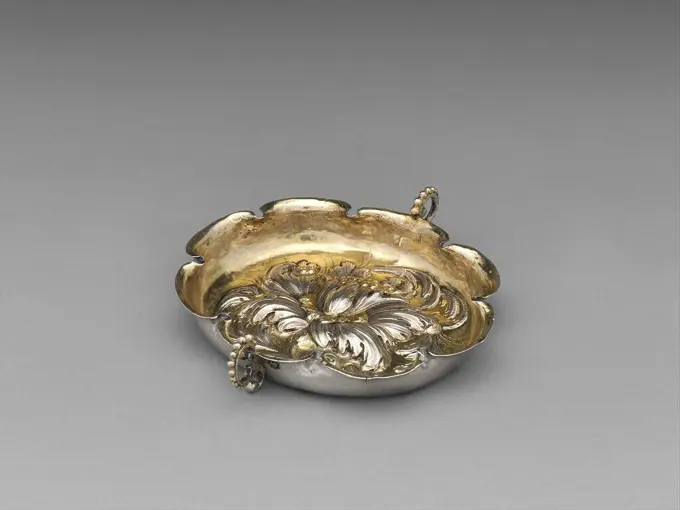
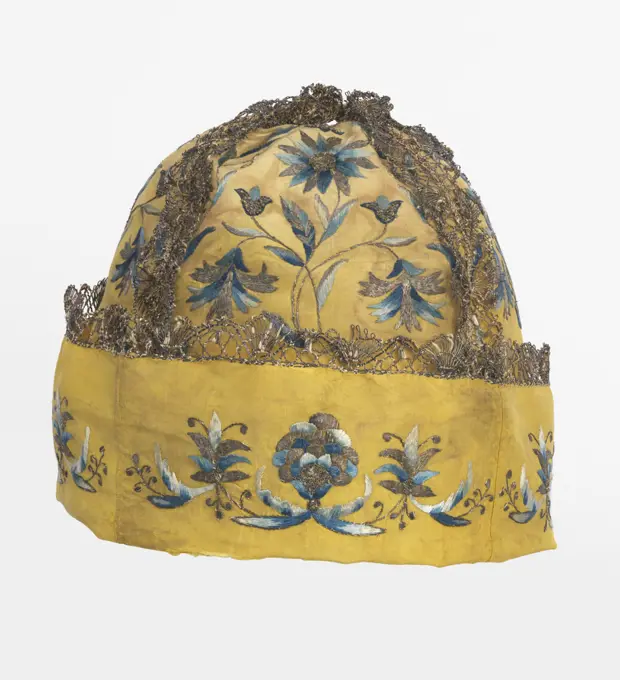
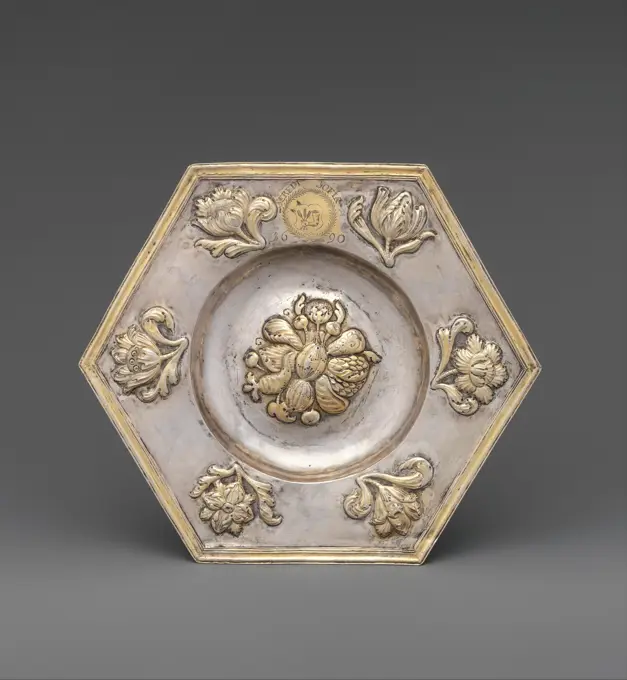
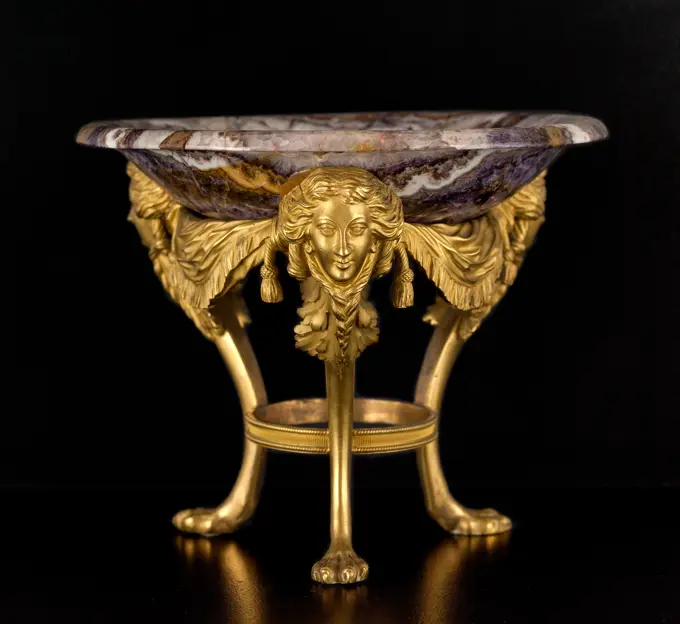
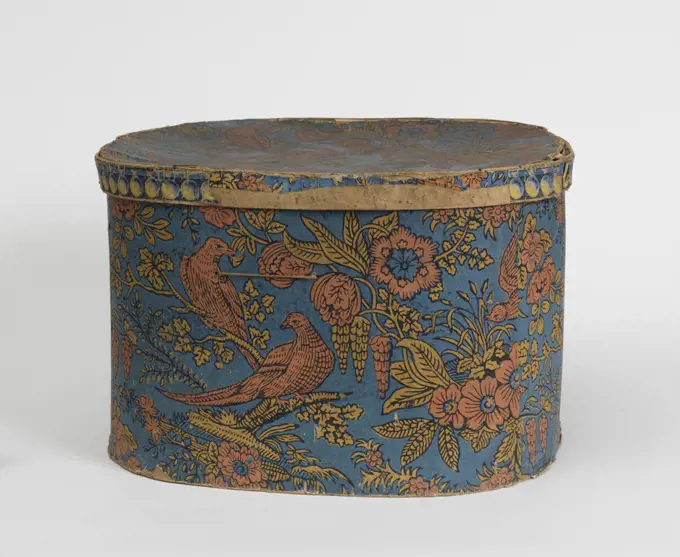
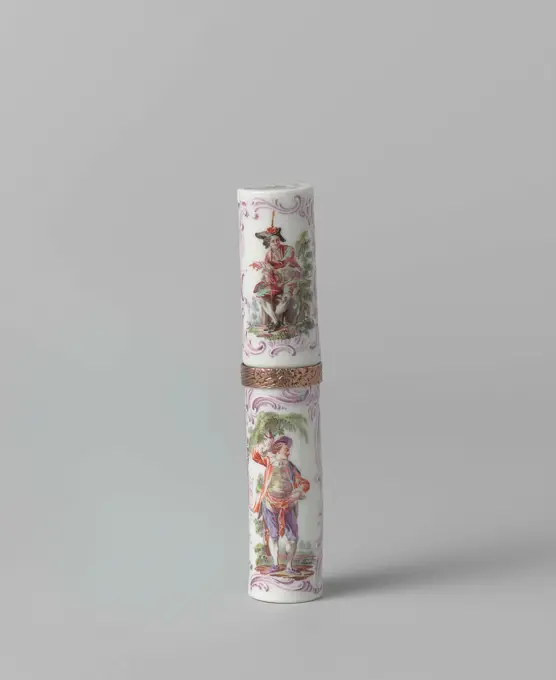
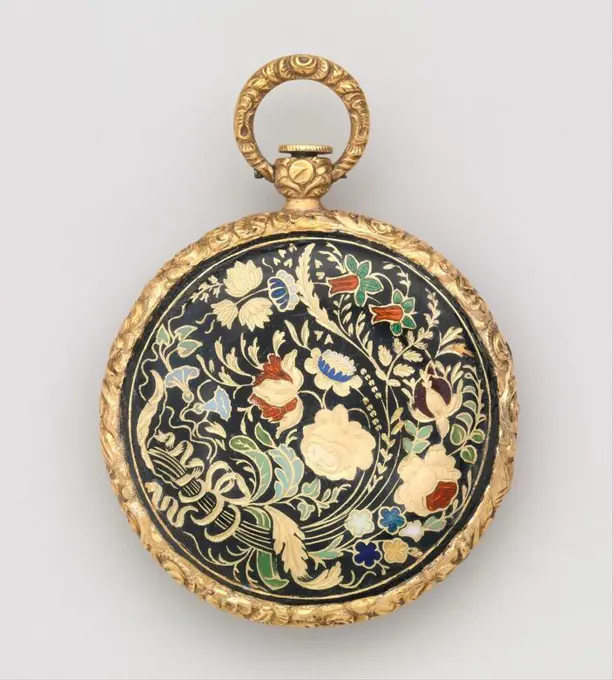
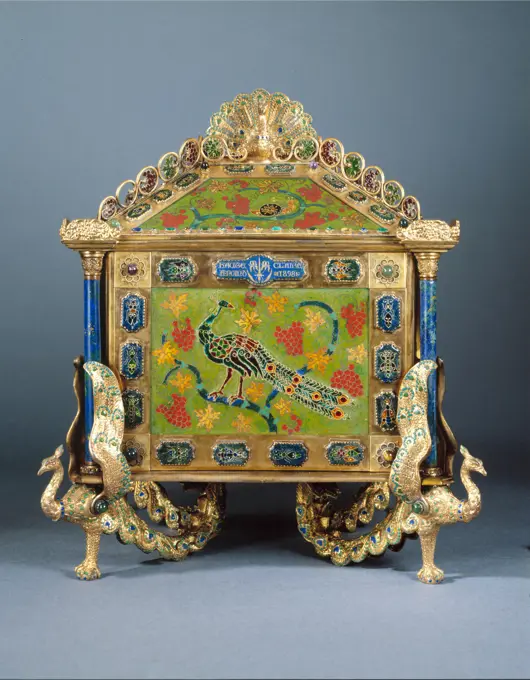
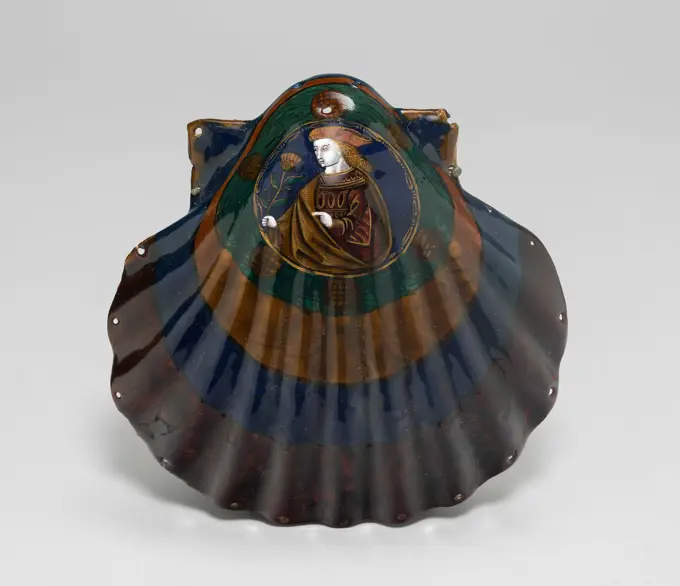
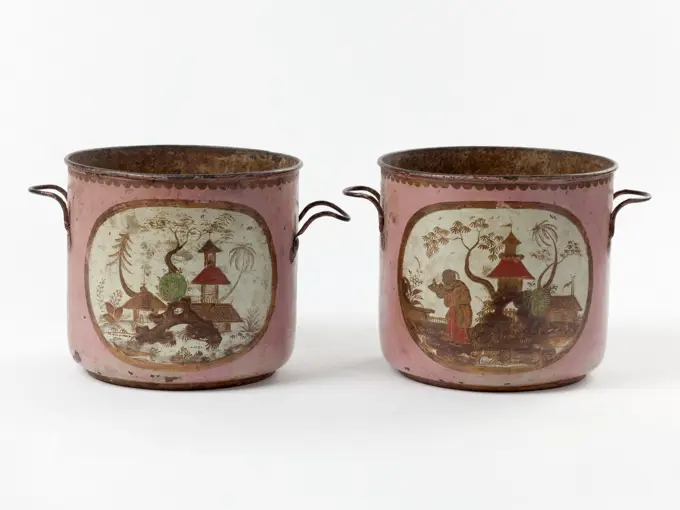
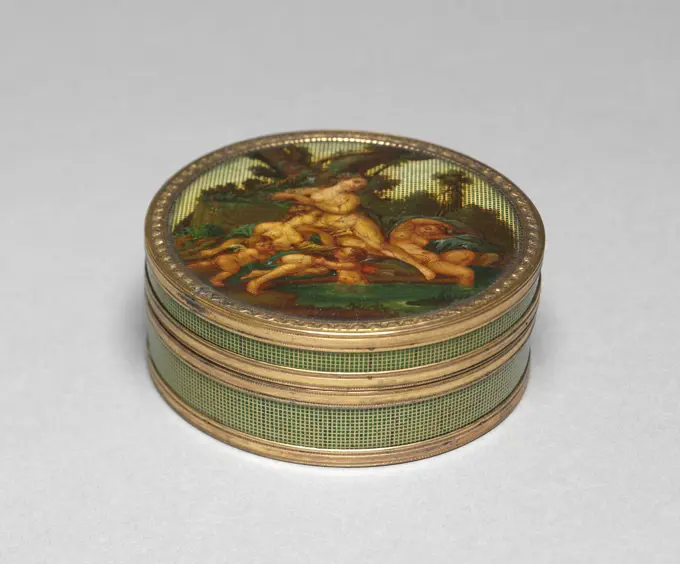
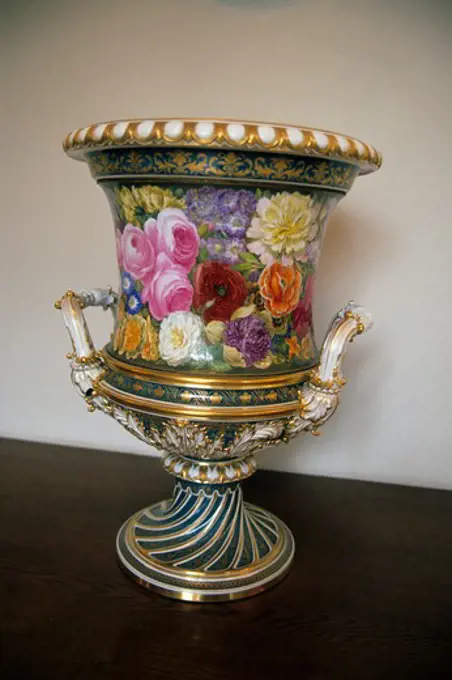
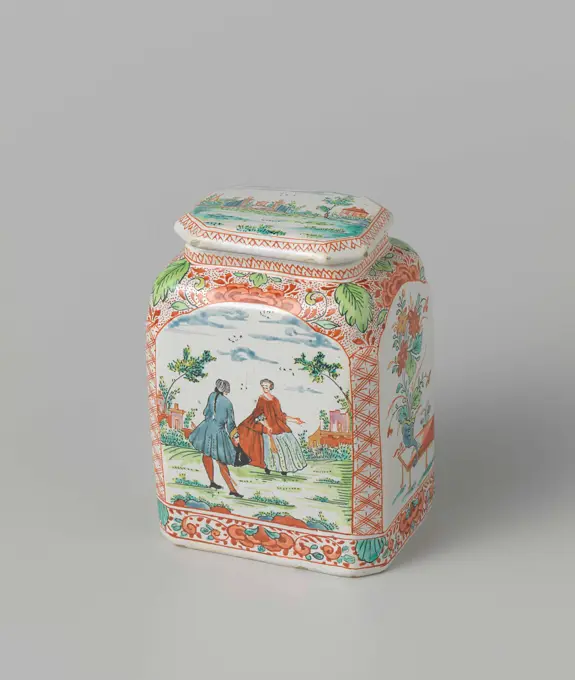
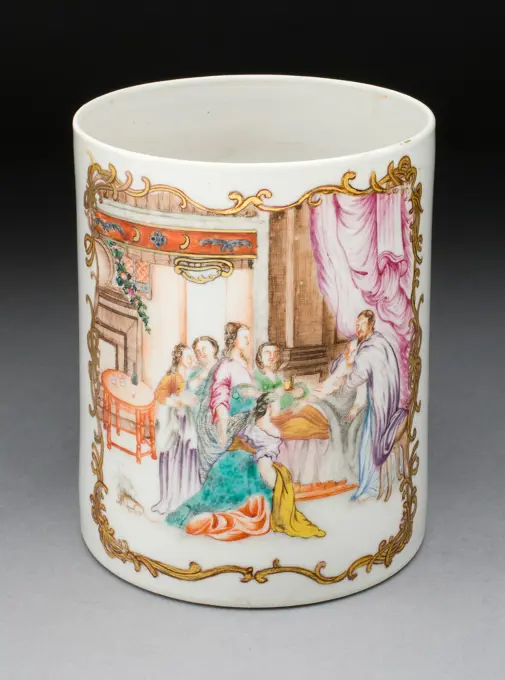
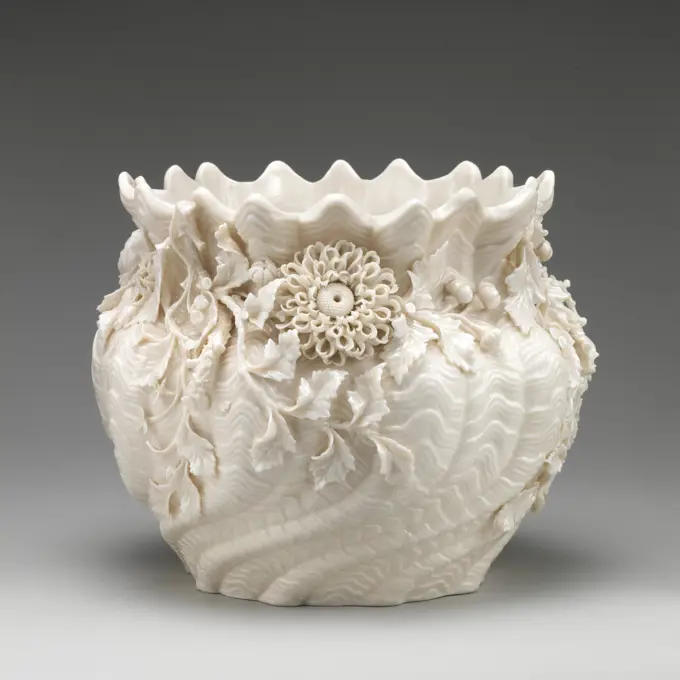
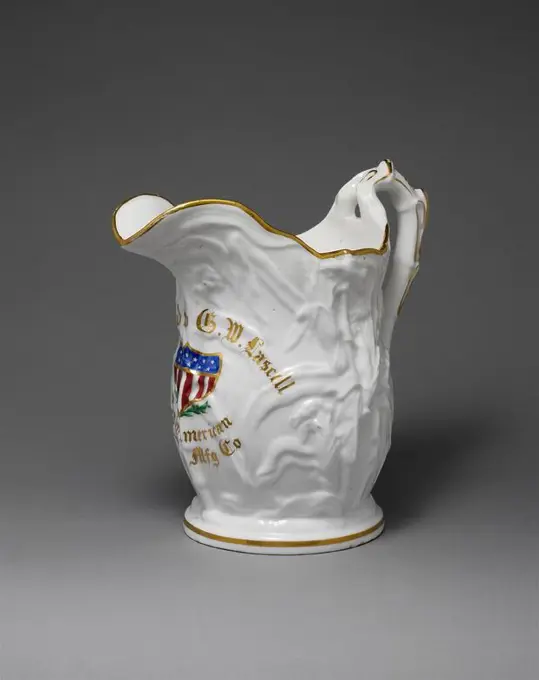
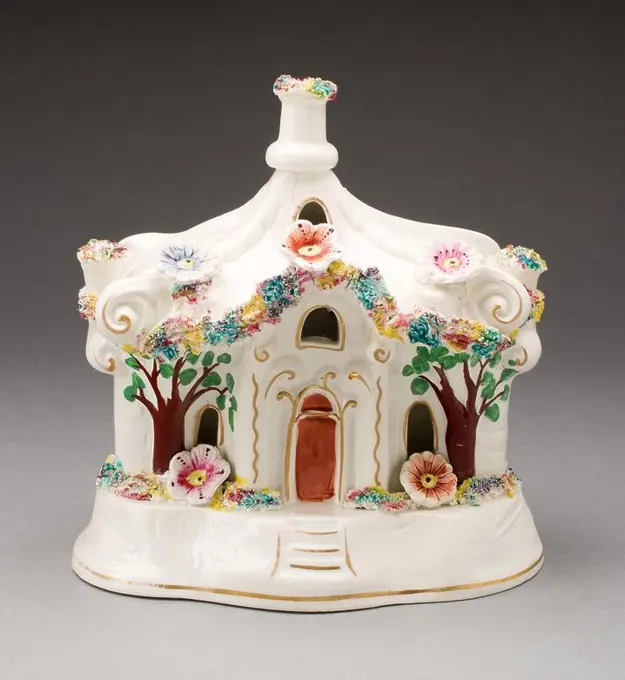
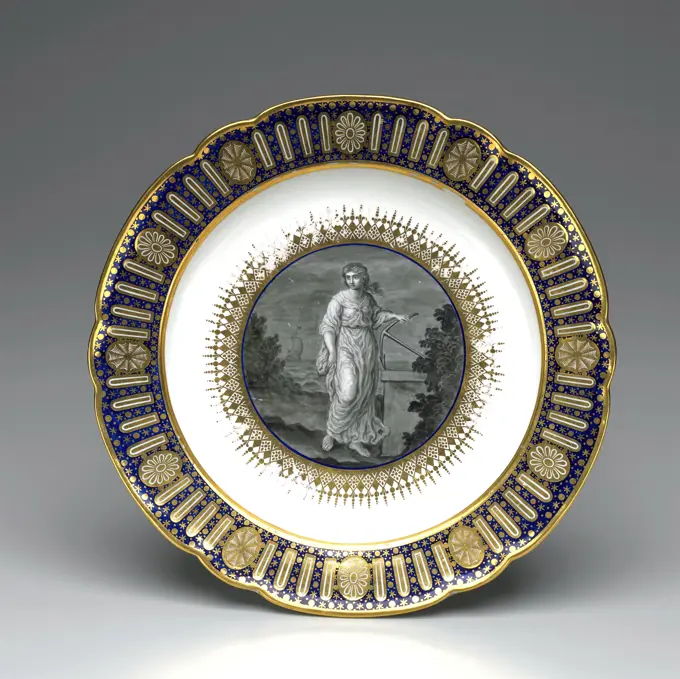
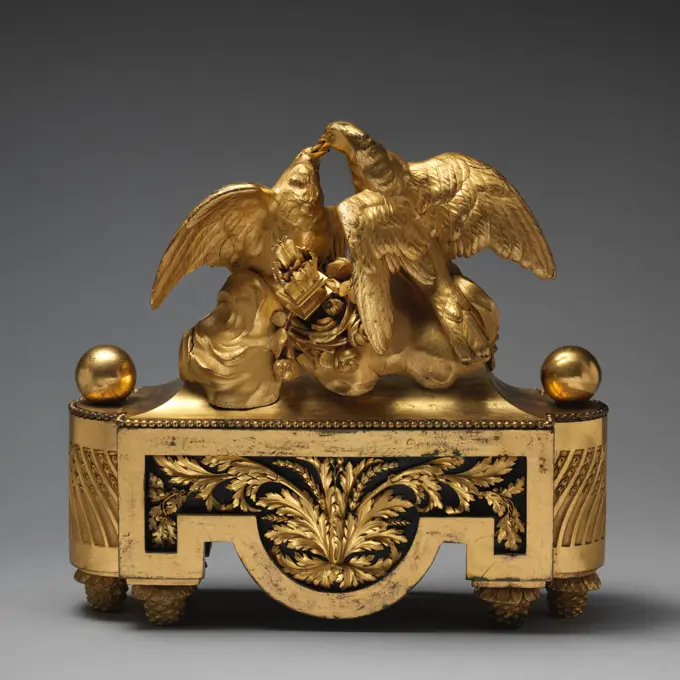
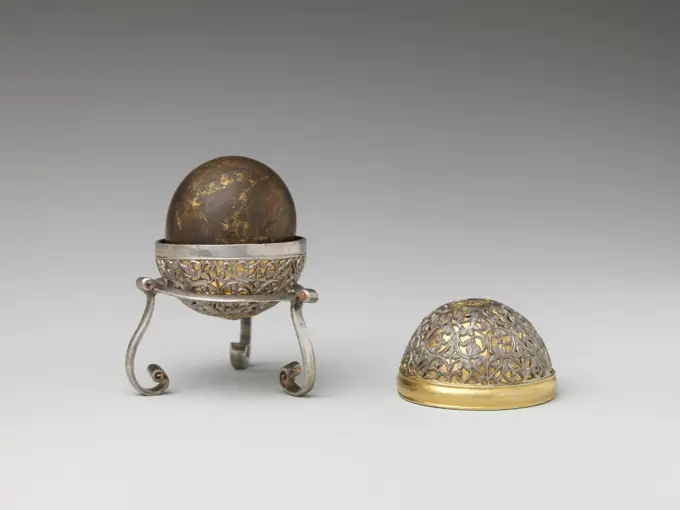
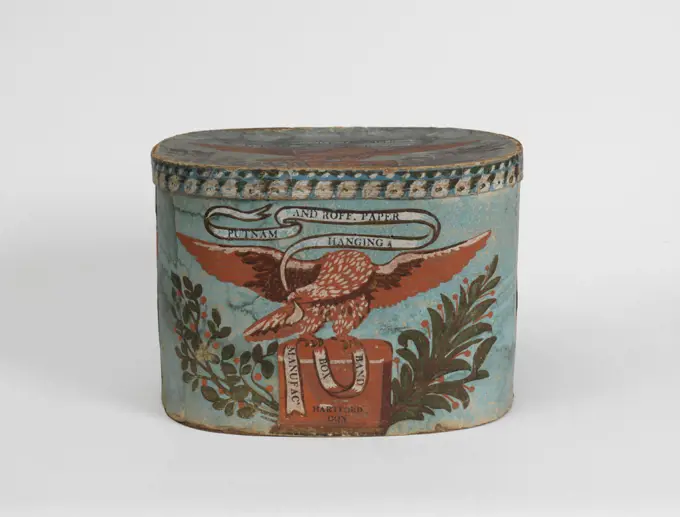
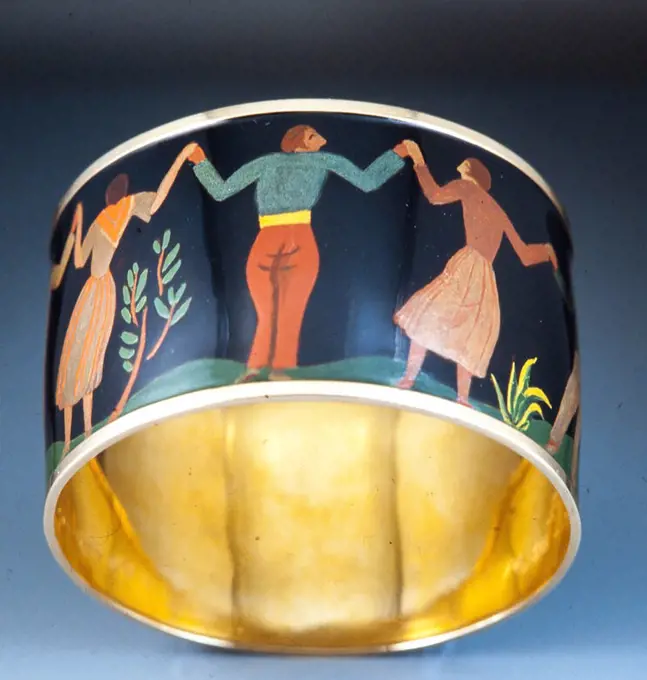
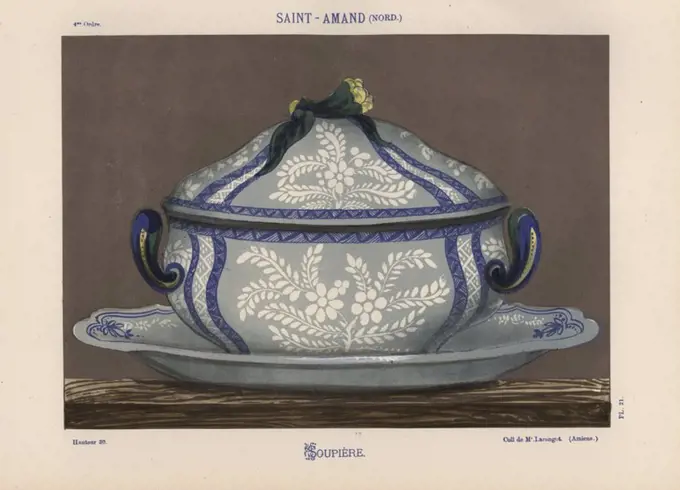
Three Bowls with Dutchmen, anonymous, c. 1800 - c. 1900 Come from porcelain, painted in underly glaze blue and on the glaze red, green, black and gold. On the bottom a Dutch ship with two people on the deck. Around this a decorative band with dragons and clouds. On the wall servetwork with a bunch of Dutch men four times, interspersed with heraldic ornaments and cartouches with a ship. On the outside wall a peon branch interrupted by two medallions with Dutch men and two medallions with a ship. The edge with leaf vines and three cartouches with the head of a shishi (lion dog). On the bottom an unidentified character. Come has been broken. European performance in Imari. Japan porcelain. glaze. cobalt (mineral). gold (metal) painting / gilding / vitrification Come from porcelain, painted in underly glaze blue and on the glaze red, green, black and gold. On the bottom a Dutch ship with two people on the deck. Around this a decorative band with dragons and clouds. On the wall servetwork wiVase (pot-pourri fontaine ou à dauphin); Painted decoration attributed to Charles-Nicolas Dodin (French, 1734 - 1803), Sèvres Manufactory (French, 1756 - present); Sèvres, France; about 1760; Soft-paste porcelain, pink, green, and bleu lapis ground colors, polychrome enamel decoration, and gilding; 29.8 x 16.5 x 14.6 cm (11 3,4 x 6 1,2 x 5 3,4 in.)Maker Unknown, Coffee Cup, c. 1800, porcelain, enamel, and gilding.Lidded Bulb Vase (caisse à oignons). Niderviller Porcelain Manufactory (French, active 1754 - present)Soup tureen with a lid and with a base. Kaiserliche Porzellanmanufaktur in Wien (1744-1864), factoryALFABEGUER O ALBAHAQUERO - S XX. Location: ALFARERIA. SPAIN.Meissen Porcelain Manufactory, Cup and Saucer, c. 1745, hard-paste porcelain.Cloches (dish covers), coolers, soup tureens, sauceboats, salt cellars, pepper and mustard pots, c. 1819  Paris silver (metal). gilding (material)  Paris silver (metal). gilding (material)Fire Dog; Attributed to Pierre Gouthière (French, 1732 - 1813,1814 (master 1758)); Paris, France; about 1775; Gilt bronze; dark blue enamel panels; 40 x 38.1 x 14 cm (15 3,4 x 15 x 5 1,2 in.)Lantern. unknown, craftsmanFili Anka, Spodek; Korzec (Porcelain and faience manufacture; 1790-1832); 1814 (1814-00-00-1814-00-00);Sèvres Porcelain Manufactory, Cup and Saucer, 1784, soft-paste porcelain.. Ansbachpainted Decoration: Porcelain factory The Hague, 1777-1790Hard-Paste PorcelainSnuffbox 1767-68 Jean Marie Tiron (called Tiron de Nanteuil) French In eighteenth-century Europe, Paris led the production of high-quality luxury goods. Parisian goldsmiths made a wide range of small, personal articles such as snuffboxes; étuis to hold sealing wax, tweezers, or utensils for sewing; souvenirs, which contained thin ivory tablets for note taking; and shuttles for knotting lace. Gold snuffboxes and boxes decorated with portrait miniatures were prized and frequently given as royal gifts, often to ambassadors or members of the court in lieu of cash payments for their services. Coveted and admired, these boxes were produced from a variety of materials. The best were skillfully made of gold and embellished with diamonds, enameled decoration, lacquer, and other luxurious materials. By the middle of the century, the taking of snuff had become an entrenched social ritual, and the snuffbox, too, had become an important social prop. Snuffboxes were considered highly fashionable accNécessaire ca. 1760-1800 British, Staffordshire. Nécessaire. British, Staffordshire. ca. 1760-1800. Enameled copper. Enamels-PaintedVase (vase chinois) (one of a pair). Culture: French, Sèvres. Decorator: Louis-François L'Écot (active 1763-65, 1772-1802). Dimensions: Overall (confirmed): H. 15-1/8 x W. 5-1/2 x D. 5 in. (38.4 x 14 x 12.7 cm). Factory: Sèvres Manufactory (French, 1740-present). Date: 1791.Fashions changed quickly in France during the eighteenth century, but the taste for decoration in the Chinese style and for black lacquer never waned. This pair of vases, which dates from the last decade of the century, reflects a model known at the Sèvres factory as vase chinois, and the handles in the form of the head of a fantastic beast allude to the exoticism then associated with China. The decoration, executed in platinum and two tones of gold, evokes Chinese landscapes in the depiction of craggy rocks, twisting tree branches, and pagodas, and the dress and hairstyles of the figures are clearly intended to suggest Asians. The gold chinoiserie scenes on a black ground are the porcelain equivalent of Japanese bBOTIJO DE ADORNO VIDRIADO Y DECORADO CON FLORES DE PASTA BLANCA-S XX. Location: ALFARERIA. CUERVA. Toledo. SPAIN.Gold snuff box, oval, with six enamelled performances, Noël Hardivillier, c. 1760 - c. 1762 Snip box of gold, oval. With six enamelled performances. Frames of ciseled Louis XVI ornament. Paris gold (metal). Snip box of gold, oval. With six enamelled performances. Frames of ciseled Louis XVI ornament. Paris gold (metal).Woodwater bin from stoneware. Woodwater bin from stoneware. On the back plate embossed a representation of Christ. On the bin curl ornament in blue.Platter ca. 1760 British, Staffordshire. Platter. British, Staffordshire. ca. 1760. Creamware. Ceramics-PotteryNautilus cup. unknown, authorSmall bell. Koenigliche Porcellain Fabrique, Meissen (1710-1763), factory. Table of painted walnut on four overhoeks placing s-shaped legs, decorated with acanthus leaf and lobe ornament and connected by rules. The rule has been partially open and has a double leaf and flower festiv, on which a now empty coat of arms in the middle. The top of the rules has two visited C volutes, including kidney-shaped openings. The side rules exhibit a symmetrical lobe ornament, the rear rule is above scallops and furthermore incorrect.Clock; Manufaktura Majoliki Micha And Piotr Radziwi A (Nieborów; Manufaktura; 1881-); Kon. XIX century (1880-00-00-1899-00-00);Bandbox, Block-printed paper on pasteboard support, Box shows figures mounting into a carriage. Cover shows buildings in a wreath of flowers. Inside of box decorated with spatter of blue and white on pale blue field. Printed in pink, olive and brown on yellow ground., USA, 1835-45, Wallcoverings, BandboxModel of an Inkstone 700 CE-750 CE China. Earthenware with three-color (sancai) lead glazes .Jardinière Manufactory Levavasseur French ca. 1775 Faience, or tin-glazed and enameled earthenware, first emerged in France during the sixteenth century, reaching widespread usage among elite patrons during the seventeenth and early eighteenth centuries, prior to the establishment of soft-paste porcelain factories. Although characterized as more provincial in style than porcelain, French faience was used at the court of Louis XIV as part of elaborate meals and displays, with large-scale vessels incorporated into the Baroque garden designs of Versailles. Earlier examples of French faience attest to the strong influence of maiolica artists from Italy. Later works demonstrate the ways in which cities such as Nevers, Rouen, Lyon, Moustiers, and Marseille developed innovative vessel shapes and decorative motifs prized among collectors throughout Europe. While faience can be created from a wide mixture of clays, it is foremost distinguished by the milky opaque white color achieved by the addCan Retrifteryer, Johan Godlieb (17.. 18 ..)Czarek with Spodek;  18th century (1701-00-00-1800-00-00);Tureen And Cover, ca. 1760; tin-glazed earthenware, polychrome overglaze enamelsSugar Pot, part of a tête-à-tête, painted with Lelies, N.V. Haagsche Plateel Factory Rozenburg, 1900 Sugar pot of a porcelain tête-à-tête. Painted in yellow, reddish -brown and different shades of green with an ornamental decor, in which lilies. On all parts the monogram MVV (= Michiels van Verduynen) and the weapon of this family, in which the color blue also occurs. Marked Rozenburg. The Hague porcelain Sugar pot of a porcelain tête-à-tête. Painted in yellow, reddish -brown and different shades of green with an ornamental decor, in which lilies. On all parts the monogram MVV (= Michiels van Verduynen) and the weapon of this family, in which the color blue also occurs. Marked Rozenburg. The Hague porcelainTea from Zatyczk and lid; Koenigliche Porzellan Manufaktur (KPM; Berlin; 1763-1918); 1780-85 (1775-00-00-1780-00-00);Writing Stand (Gradin); French; France; about 1692 - 1700; Oak and walnut veneered with brass, copper, silver, ebony, painted horn (some laid on gold foil), mother-of-pearl, and tortoiseshell; silvered-bronze mounts; silk velvet; 19.1 x 84.5 x 19.1 cm (7 1,2 x 33 1,4 x 7 1,2 in.)Teacup and saucer. Korzec (manufaktura porcelany ; 1790-1832), factoryPair of "Pompeian" vases with covers ca. 1874 Minton(s) This vase demonstrates the wealth of ornamental motifs available to designers at industrial manufactories such as Mintons, where Solon worked for much of his career. The results were at times startlingly eclectic. On this pair of Pompeiian vases,” the asymmetrically hung medallions evoke Japanese designs, while the delicate pink hue of the ornaments and Solon’s cameo decoration call to mind a neo-Rococo aesthetic. Pair of "Pompeian" vases with covers. British, Stoke-on-Trent, Staffordshire. ca. 1874. Pte-sur-pte with gilding and enamel decoration. Ceramics-PotteryHead, multi -colored painted with harbor faces, Meissener Porzellan Manufaktur, 1804 Porcelain head, painted with a harbor face within an oval that is saved in a yellow stock. The head is marked. Float porcelain Porcelain head, painted with a harbor face within an oval that is saved in a yellow stock. The head is marked. Float porcelainTwo-handled bowl. Culture: Hungarian, Kolozsvár. Dimensions: Overall: 5 3/16 in. (13.2 cm). Maker: Michael Gatthi (active ca. 1653). Date: ca. 1653.This type of small flat oval bowl with six or eight concave lobes and handles was very popular throughout Central and Southeastern Europe during the seventeenth century. The form derives from models produced in the German-speaking area. The dramatically swirling foliage around the single flower in high relief, together with the sensitively applied partial gilding, testify to the refinement of Hungarian goldsmithing. The circulation of Northern European floral and leaf patterns in Hungary and Transylvania is evident in drawings by Andreas Tar of about 1680 (<i>Baroque Splendor: The Art of the Hungarian Goldsmith</i>. Exh. cat. by István Fodor et al. Bard Graduate Center for Studies in the Decorative Arts. New York, 1994, p. 48, fig. 6).LiteratureJudit H. Kolba. <i>Hungarian Silver: The Nicolas M. Salgo Collection</i>. London, 1996, p. 63, noNightcap, Medium: silk, metallic yarn (silver foil wrapped around silk core), flat foil strip Technique: embroidered in satin stitches on plain weave Label: silk embroidered with silk, metallic yarns and flat foil strip in satin stitch; metallic bobbin lace, Man's cap of yellow silk taffeta made up of four panels with a deep turn-up cuff. Embroidered with symmetrical chinoiserie floral sprays in satin stitch in blue ombre silk, and in bouclé stitch in silver metallic yarns. With silver metallic bobbin lace covering the four seams and edging the cuff., France or Italy, 18th century, costume & accessories, NightcapDish (one of a pair) mid-17th century Hungarian, possibly Transylvania Gilded flowers and foliage within boldly-conceived rims frame a high-embossed, gilded fruit arrangement in the center of each hexagonal dish. The fact that the engraved coat of arms, with a laurel wreath and an inscription, are squeezed between two of the large flowers indicates that they may have been added at a later date. These dishes were possibly made as stock pieces rather than for a special commission.LiteratureEuropean Silver. Sale cat., Sothebys, Geneva, May 12, 1983, p. 45, no. 105.Judit H. Kolba. Hungarian Silver: The Nicolas M. Salgo Collection. London, 1996, p. 69, no. 47.ExhibitedRégi ezüstkiállításának leíró lajstroma. Exh. cat. by Károly Csányi. Országos Magyar Iparművészeti Múzeum. Museum of Applied Arts. Budapest, 1927, p. 16, no. 83.ReferencesFor an example of a hexagonal dish in serpentine, see Gert-Dieter Ulferts, Sächsischer Serpentin: Sammlung Jahn. Berlin, 2000, pp. 58-9, no. 30.[Wolfram KoePair of mules. Delft, c. 1710-1730tin-glazed earthenware (<faience>)Covered Cream Bowl 1815-1825 London. Soft-paste porcelain, polychrome enamels and gilding . H. & R. Daniel (Firm)Two Salts. Bilston, England. Date: 1760-1765. Dimensions: 3.5 × 7.6 cm (1 3/8 × 3 in.). Polychrome enamel and gilding on copper with metal mounts. Origin: Bilston. Museum: The Chicago Art Institute, Chicago, USA.Vase. Meissen porcelain manufactory Meissen, c. 1735 Hard Paste PorcelainInkstand with View of Merton College Chapel, Oxford. Chamberlain's Factory (England, Worcester, 1788-1852). England, circa 1816. Tools and Equipment; stands. Porcelain, gildingSèvres Porcelain Manufactory, Sugar bowl and cover (pot à sucre à pied anse volute couvert) with portraits of Elizabeth I (1533-1603) and Mary, Queen of Scots (1542-1587), 1812, Hard-paste porcelain.Anonymous. Vase mounted. Amethyst, golden bronze, 1775-1785. Paris, Cognacq-Jay museum. 79923-10 Amethyst, bronze gilded, gilding, animal paw, vase, face, 18th 18th 18th 18th 18th 18th 18th centuryBandbox, Block-printed paper on pasteboard support, Block print repeat design wallpaper pattern: on blue background, two salmon-colored birds on yellow limb with leaves, sprays of salmon and yellow flowers and leaves, salmon-colored bird in flight. Over-all diagonal movement of pattern. Rim border: band of strung beads with yellow and blue highlights on blue background., USA, 1830-40, Wallcoverings, BandboxNeedle case. attributed to the Meissener Porzellan ManufakturMeissen, c. 1760hard-paste porcelain, copper, goldCup and saucer ca. 1806 Austrian, Vienna. Cup and saucer 460508Can with a lid, with a view of New Town and the Church of the Virgin Mary in Warsaw. Wąsowicz, Wacław (1891-1942), painterBandbox (USA); block-printed paper, pasteboard support; 44 x 34.5 x 33 cm (17 5/16 x 13 9/16 x 13 in.)Watch. Culture: French, Lyon. Dimensions: Height: 1/16 in. (0.2 cm); Diameter: 1 9/16 in. (4 cm). Date: 1822-38. Museum: Metropolitan Museum of Art, New York, USA.Anonymous / 'Fluted goblet with a tall stem and rubies'. Ca. 1600. Moss agate, Enamel, Bloodstone, Gold, Ruby. Museum: Museo del Prado, Madrid, España.Snuffbox ca. 1755 Saint James's Factory. Snuffbox. British, London. ca. 1755. Soft-paste porcelain, gold. Ceramics-PorcelainArmand Point. "Peacock box, 1888 (seen from the front)". Museum of Fine Arts of the City of Paris, Petit Palais. 26986-10 Box, face, bird, civil gold, peacockFour-sided vase with lid and knob in the shape of lingzhi (mushroom of immortality"). unknown, craftsmanVase (Old World) Decorated by Joseph S. Potter American ca. 1886-89 These vases provide a rich iconographic narrative of a particular world view from from the point of view of a worldly American statesman in the late nineteenth century, as exemplified by the eight allegorical vignettes. They were decorated by Joseph S. Potter, an American diplomat, while he was stationed in Germany, during the late 1870s and 1880s. The vases were made in an unidentified European factory and their shapes are based on a sumptuous mid- to late-eighteenth century Sèvres form (Vase ferré). They feature a rich blue ground and are elaborately gilded. Their main interest, however, is the group of eight meticulously painted vignettes (four on each vase) depicting allegorical figures and attributes of the New and Old Worlds (Old World, Asia, Africa, and Europe; New World, North America, South America, and Australia). Potters work was first discovered through an album acquired by the Museum in 1997; it took 21 yeVase. Bronze. Chine. Par musée musée malée. Anse, Chinese art, bronze, cover, relief pattern, Elephant, tripod, three feet, vaseSnuffbox ca. 1760-1800 British, Staffordshire. Snuffbox. British, Staffordshire. ca. 1760-1800. Enameled copper. Enamels-PaintedFlower vase (cuvette Mahon) Sevres, c. 1761-1763 designed by Jean Claude Duplessis (c. 1695-1774) painted and gilded soft-paste porcelain. The form of this vase, with its boat shape, was designed to commemorate the French capture of the British-occupied Port Mahon on the island of Minorca in 1756.Fili Anka with a miniature: thermopylae, saucer with the laurel trail; Baranówka (Porcelain Manufaktura; 1804-2012); around 1820 (1815-00-00-1820-00-00);Pair of Shells with Portraits Forming a Purse 1500-1525 Limoges. Copper and enamel . Nardon PénicaudMACETA CON EL CORAZON DE JESUS - S XIX. Location: CONVENTO DE SAN CLEMENTE-MUSEO. Toledo. SPAIN.Blad, part of a tête-à-tête, painted with Lelies, N.V. Haagsche Plateel Factory Rozenburg, 1900 Rectangular leaf with beveled corners of a tête-à-tête of porcelain. Painted in yellow, reddish -brown and different shades of green with an ornamental decor, in which lilies. On all parts the monogram MVV (= Michiels van Verduynen) and the weapon of this family, in which the color blue also occurs. On the back of the magazine is in black: Master Louis Paul Marie Hubert Baron Michiels van Verduynen. Government commissioner of the Netherlands. World Exhibition Paris.1900. Offered by: j. Jurriaan Kok, director of the factory "Rozenburg". The Hague porcelain Rectangular leaf with beveled corners of a tête-à-tête of porcelain. Painted in yellow, reddish -brown and different shades of green with an ornamental decor, in which lilies. On all parts the monogram MVV (= Michiels van Verduynen) and the weapon of this family, in which the color blue also occurs. On the back of the magazine is in black: CHAP. Painted sheet, iron, around 1750. Paris, Carnavalet museum. 77640-23 Anse, Cahe-Pot, Louis XV time, iron, Asian motif, landscape, painted, character, Louis XV style, tole, 18th centurySnuff Box, 1700s. France, 18th century. Wood decorated with lacquer with gold or gilt metal mounts, lined in tortoiseshell; overall: 3.9 x 7.8 cm (1 9/16 x 3 1/16 in.).E.Germany, Meissen, Porcelain Museum, DisplayHandscreen; engraved paper leaf with applied chromolithograph, turned wood handleTea canister.Tureen with landscapes and bouquets, porcelain manufacturer Nymphenburg, c. 1760 - c. 1770 Oval, lobed terrine of porcelain on four rocaille feet and with two handles, painted on the glaze in enamel colors and gold. On the outer wall a landscape with a rider and walkers near a village. On the narrow sides a profession formed by leaf vines in relief containing a painted bouquet of different flowers. The edge with a tire of entry, vertical lines. Nymphenburg porcelain. glaze. gold (metal) painting / gilding / vitrification Oval, lobed terrine of porcelain on four rocaille feet and with two handles, painted on the glaze in enamel colors and gold. On the outer wall a landscape with a rider and walkers near a village. On the narrow sides a profession formed by leaf vines in relief containing a painted bouquet of different flowers. The edge with a tire of entry, vertical lines. Nymphenburg porcelain. glaze. gold (metal) painting / gilding / vitrificationTankard Made 1750-1775 Jingdezhen. Hard-paste porcelain with polychrome enamels and gilding .Urn (cachepot) ca. 1880 Belleek Wild shamrock trails among the larger garden flowers.. Urn (cachepot). Irish, Belleek. ca. 1880. Porcelain. Ceramics-PorcelainPitcher. Artist: American Porcelain Manufacturing Company (1854-1857). Culture: American. Dimensions: 12 1/2 in. (31.8 cm)Base diameter: 7 in. (7 in.)Body diameter: 8 1/4 in. (21 cm). Date: 1853-56. Museum: Metropolitan Museum of Art, New York, USA.Incense Burner. England, Staffordshire. Date: 1825-1835. Dimensions: H. 17.2 cm (6 3/4 in.). Glazed earthenware with polychrome enamel decoration. Origin: Staffordshire. Museum: The Chicago Art Institute, Chicago, USA. Author: Staffordshire Potteries.Plate from the 'Hope' dinner service, 1790, John Pennington; Manufacturer: Worcester Porcelain Works (a.k.a. Royal Worcester Porcelain Company), Worcester, England, est. 1751, 1 1/4 x 9 3/4 x 9 3/4 in. (3.18 x 24.77 x 24.77 cm), Porcelain, enamel, gilt, England, 18th centuryVase with cover (one of a pair) porcelain ca. 1740-45, mounts 1745-49 Meissen Manufactory German. Vase with cover (one of a pair) 205723Firedog (feu or chenet) (one of a pair) ca. 1780 François Rémond The kissing doves on clouds bursting with quivers, torches and a wreath of roses give these firedogs a distinct love theme. In 1780, the bronze worker François Rémond supplied a pair of firedogs of this model to the Comte dArtois. It was used in one of the private rooms at the Chàteau de Bagatelle, the pleasure pavilion built for Comte dArtois in the Bois de Boulogne, Paris. The original provenance of this particular pair is unknown.. Firedog (feu or chenet) (one of a pair). French. ca. 1780. Gilded bronze. Metalwork-Gilt BronzeHatBoxBust of Frederika Louise Wilhelmina, princess of Prussia, Fürstenberg, c. 1807 bust Bust van Porcelain in Biscuit by Frederika Louise Wilhelmina Princess of Prussia, wife of Willem Prins of Oranje-Nassau, the later King William I. marked on the underside of the bust with II. Fürstenberg porcelain  historical persons - BB - womanTableware set box - F. K. Martin Löchner F. K. Martin LöchnerCandlestick (one of a pair) Made 1810-1820 Sunderland. Lead-glazed earthenware with lustre decoration .Bezoar Stone with Case and Stand 17th century Sought by European nobility, Goa stones are compounds of natural elements once thought to have curative properties. The ornate containers were believed to enrich the medicinal effects.. Bezoar Stone with Case and Stand. 17th century. Container: silver; pierced, chased, and mercury-gildedGoa stone: compound of organic and inorganic materials; mercury-gilded. Attributed to India. MetalBandbox, Unidentified Chapel and Building; USA; block-printed paper on pasteboard support; 38 x 27.5 x 23.5 cm (14 15/16 x 10 13/16 x 9 1/4 in.)Putnam and Roff, Putnam and Roff, Block printed paper on pasteboard support, Bandbox scene depicts eagle bearing in his beak a banderole advertising the manufacturer. Printed on banderole shown in pattern: 'PUTNAM AND ROFF. PAPER/ HANGING &/ BAND/ BOX/ MANUFACR/ HARTFORD/ CON'. Light blue ground block printed in orange, white, gray, and light brown distemper colors, and in green, brown, black and yellow with glossy finish. Rim covered in border paper with blue ground, block-printed in white, pink, brown and green., Hartford, Connecticut, USA, 1821-24, Wallcoverings, Bandbox and lid, Bandbox and lidInkwell (Germany); cast and gilt bronzeEaster egg by Michail Pershin, Gold, enamel, gems, 1902, 19th century, Russia, Moscow, State Armory Chamber in the Kremlin, H 8, 9Charger. Bristol, England. Date: 1700-1725. Dimensions: Diam. 12 7/8 in. (32.7 cm). Tin-glazed earthenware. Origin: Bristol. Museum: The Chicago Art Institute, Chicago, USA.Brazalete, obra de Xavier Nogués i Casas, siglo XX. Colección privada.Przeszo Przyszoci unknownShoes 1740-59 British. Shoes 168944Ice sleigh from Hindelopen with painting and carving. Ice sleigh from Hindelopen with painting and carving. The sleigh has sliced leaf ornament with angel figures and birds. The sled is partially plated on the front and rear. The side walls show a painted representation of flower work with children's figures and a painted representation of Bacchus and love, to Goltzius on the front and back.Soup dish from Saint-Amand, Normandy, France. Hand-finished chromolithograph from Ris Paquot's General History of Ancient French and Foreign Glazed Pottery, Chez l'Auteur, Paris, 1874.Spoon (USA), 1880; Manufactured by Gorham Manufacturing Company (United States); silver, gold (gilt); L x W: 11.7 x 2.5 cm (4 5/8 x 1 in.)Ensemble ca. 1865 British. Ensemble 107634Netherlandish 17th or 18th Century, Tapestry covered Cushion, c 1675 1725 Netherlandish 17th or 18th Century, Tapestry-covered Cushion, c. 1675/1725, , Widener Collection 1942.9.460Saucer with a portrait of Johannes Cocceius, Anonymous, c. 1725 - c. 1749 Porcelain dish, painted on the glaze in black and gold. On the flat a medallion with the portrait of Johannes Cocceius with the inscription 'Iohannes Cocceius theologia professor in Academia Lugdunensi'; On the inner edge a bond with branches in Meissen-style. European performance in Encre de Chine. China porcelain. glaze. gold (metal) painting / gilding / painting Porcelain dish, painted on the glaze in black and gold. On the flat a medallion with the portrait of Johannes Cocceius with the inscription 'Iohannes Cocceius theologia professor in Academia Lugdunensi'; On the inner edge a bond with branches in Meissen-style. European performance in Encre de Chine. China porcelain. glaze. gold (metal) painting / gilding / painting