Decorative Pottery Bowls

A variety of antique ceramic bowls showcasing unique designs, colors, and cultural significance from different historical periods.

Cup (usual name), 1400. Covered sandstone. Cernuschi Museum, Asia Museum of Asia in the city of Paris.
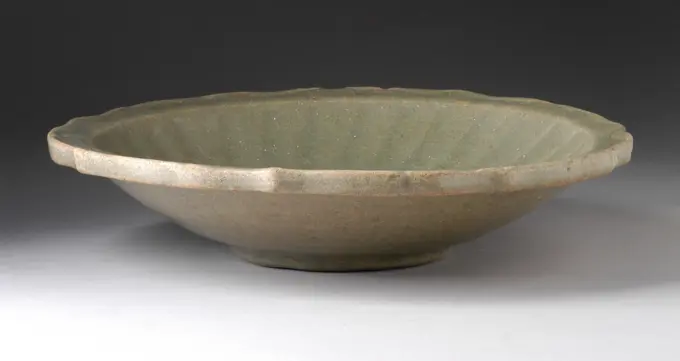
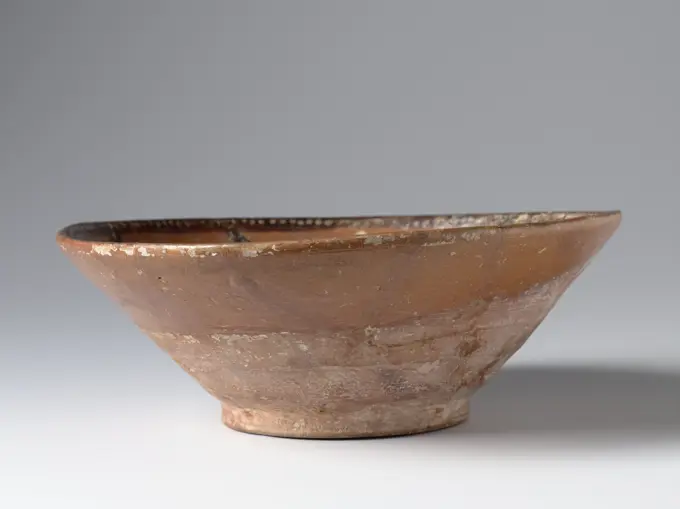
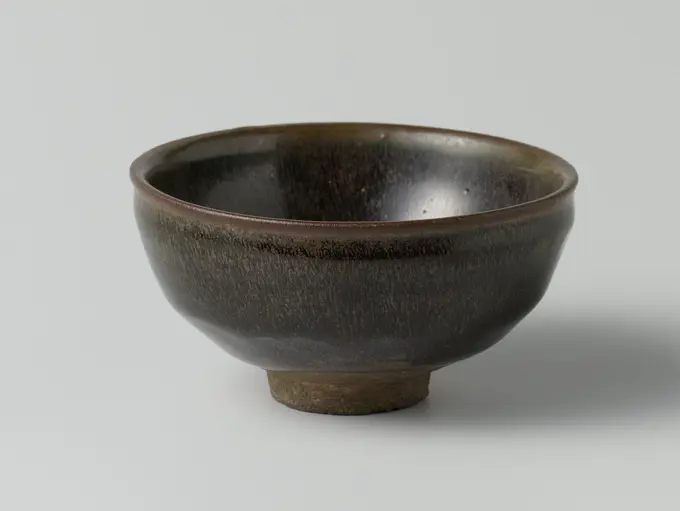
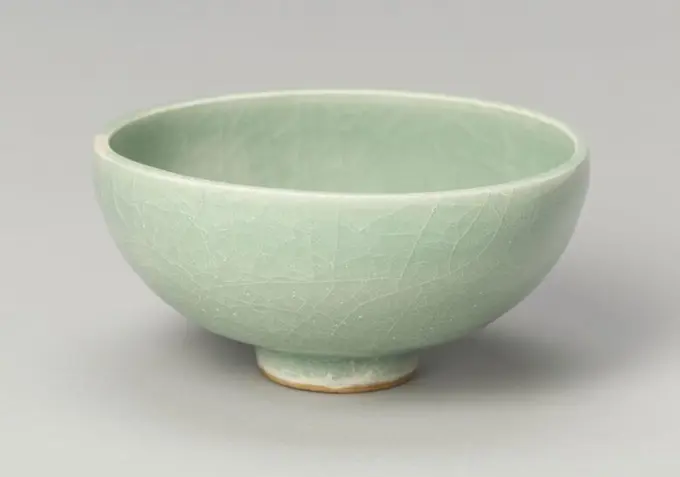
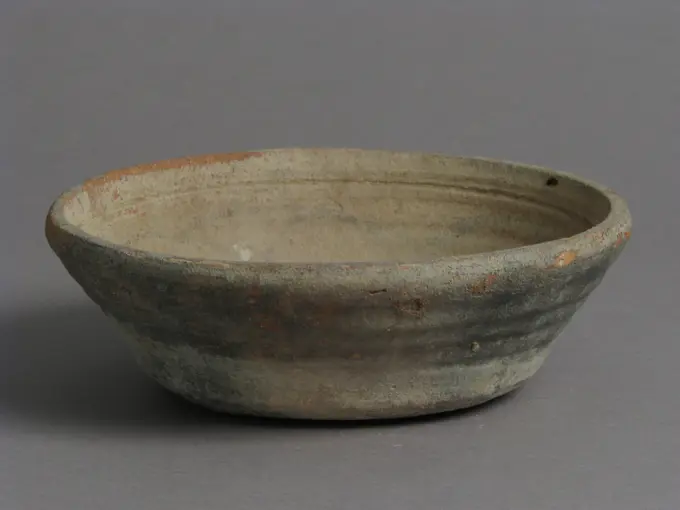
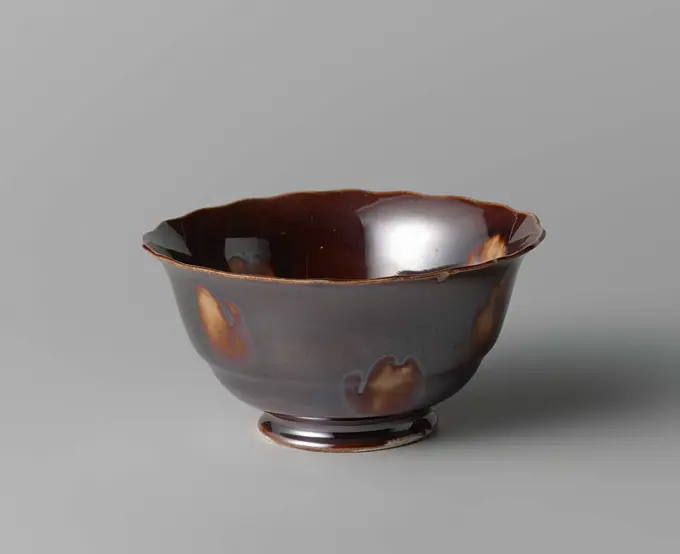
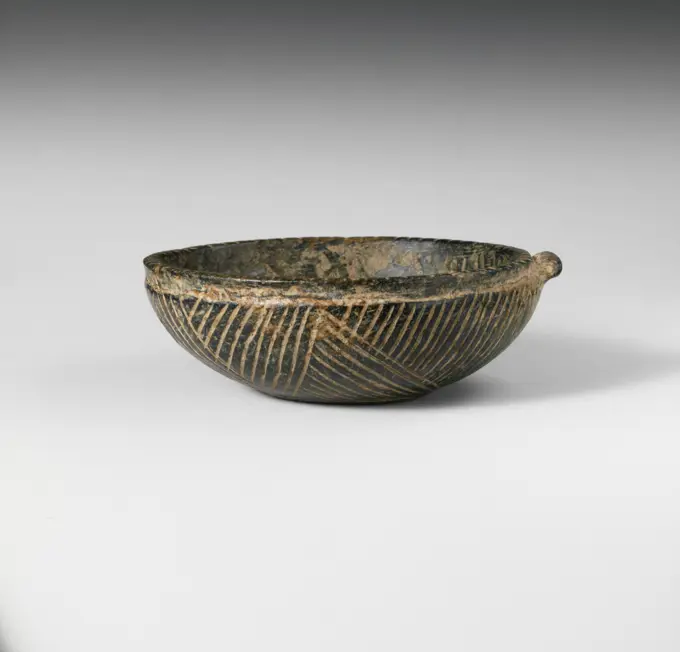
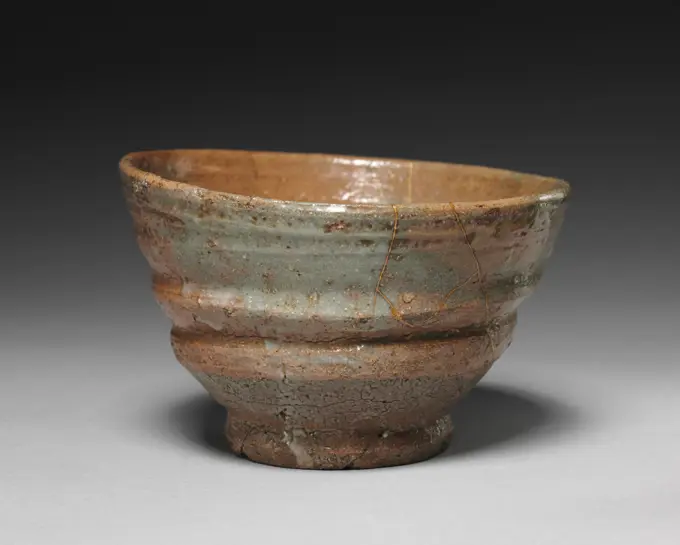
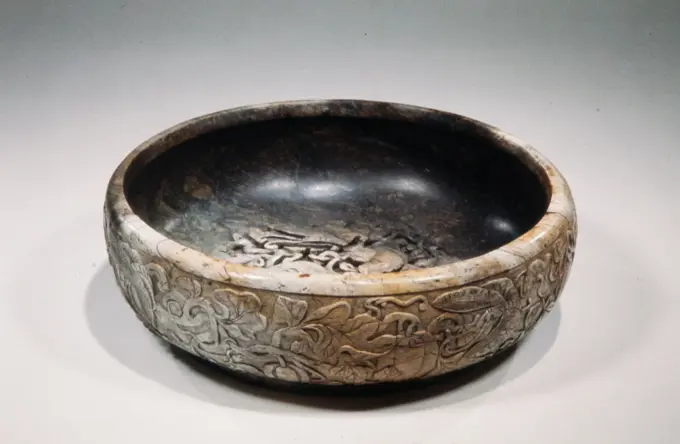
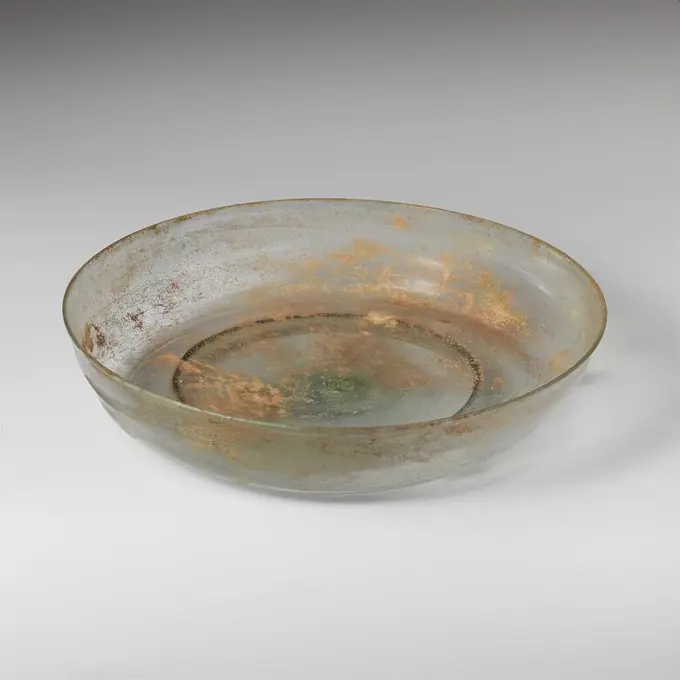
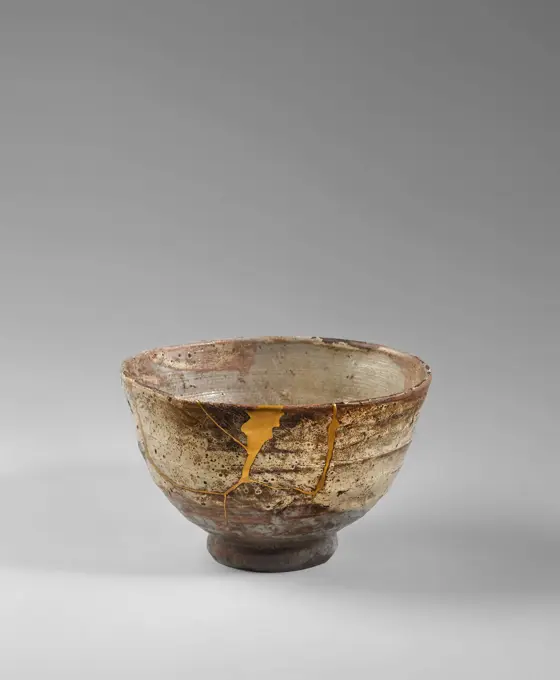
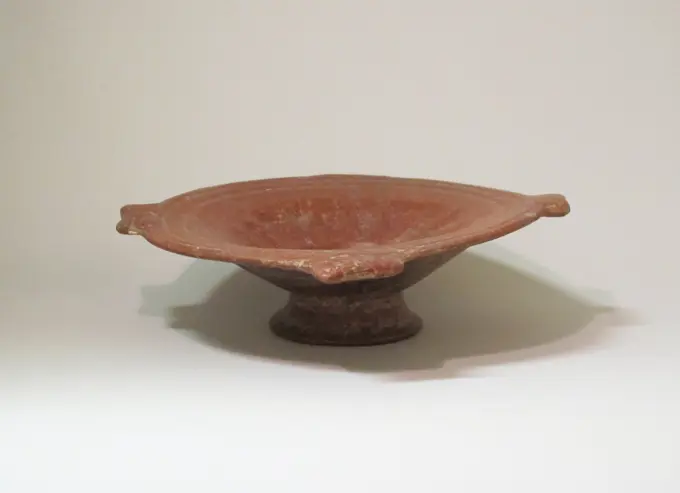
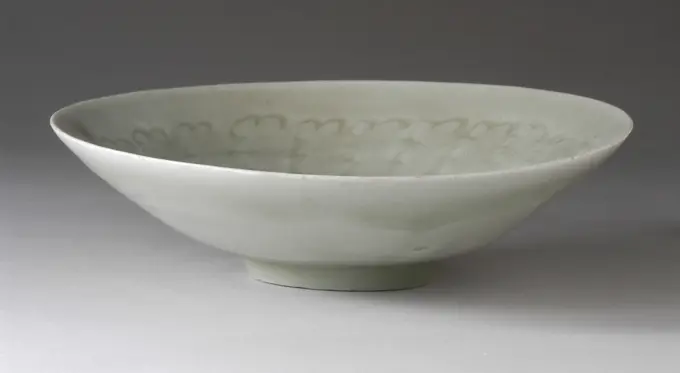
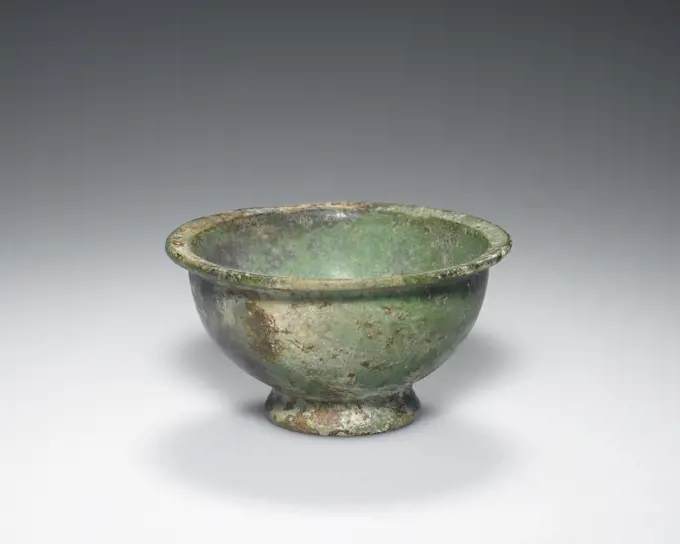
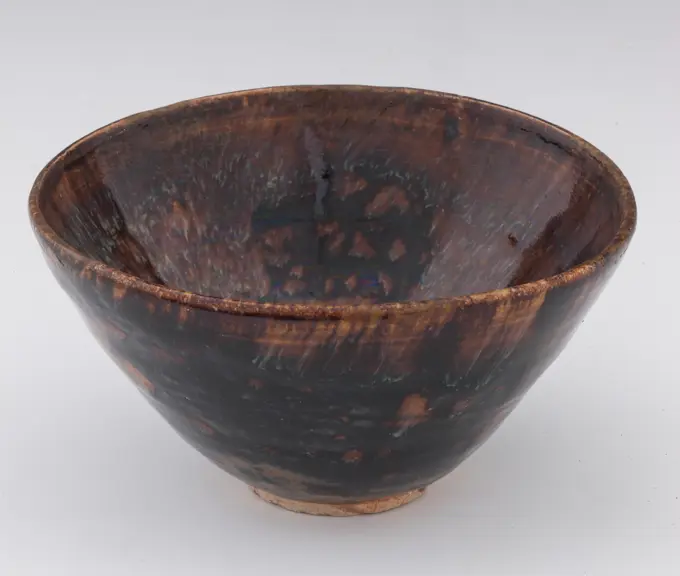
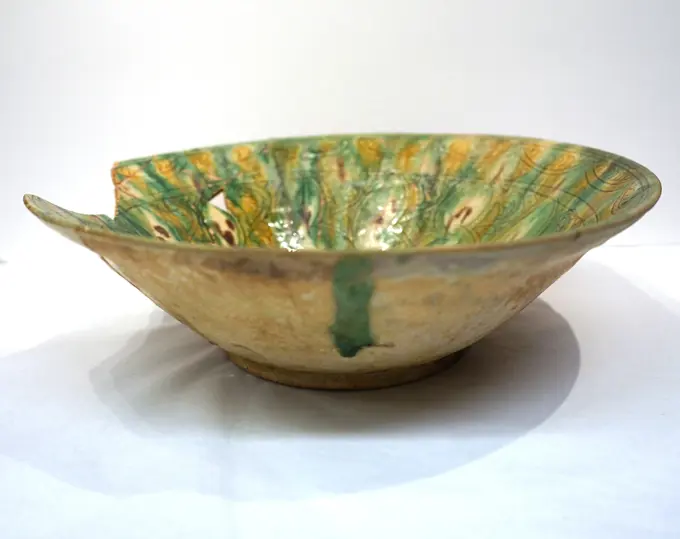
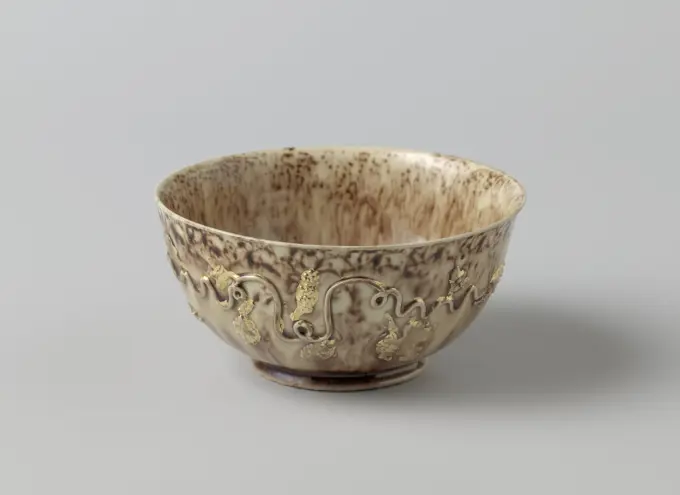
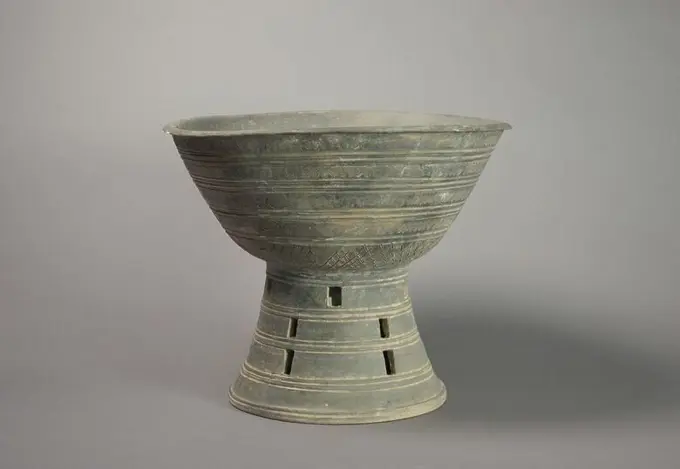
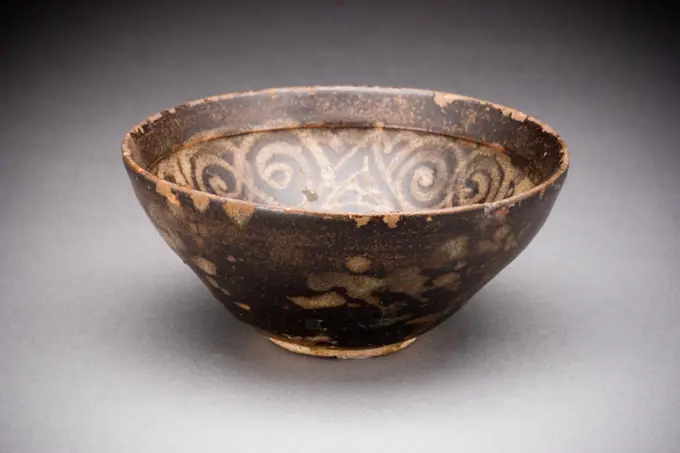
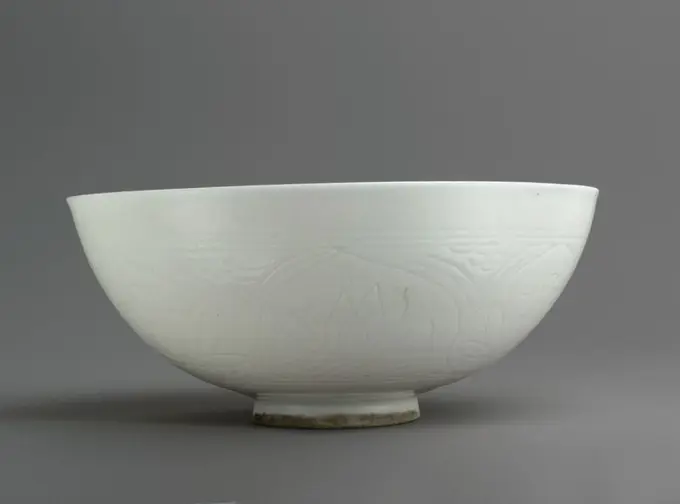
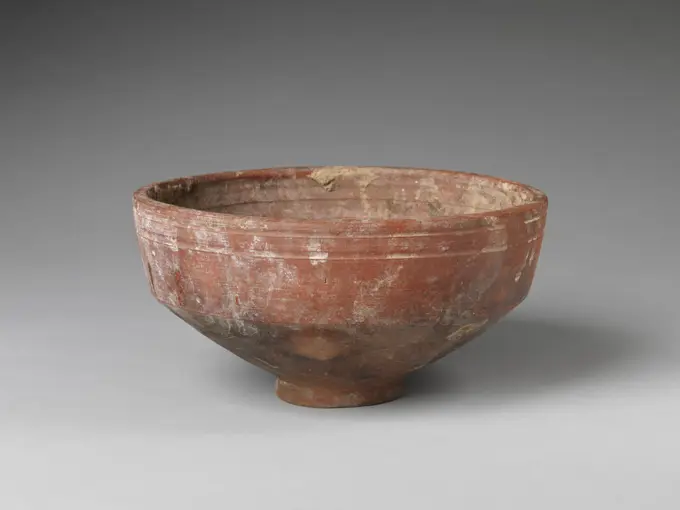
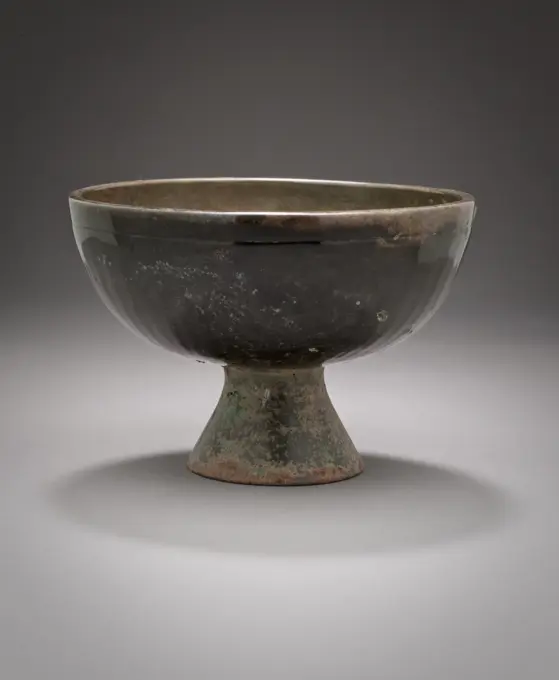
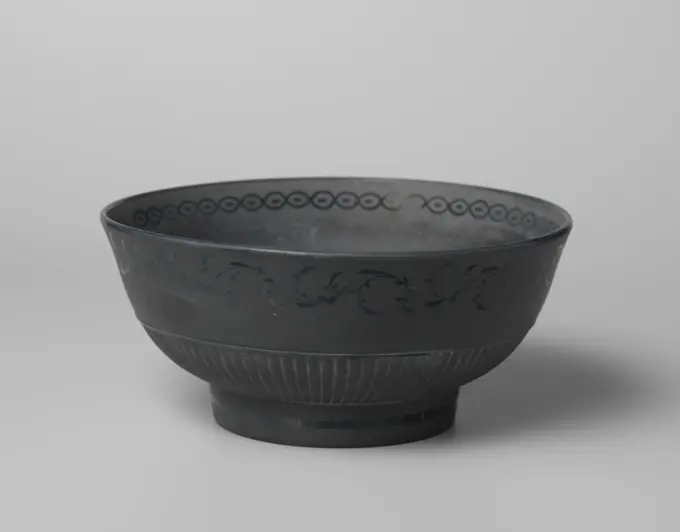
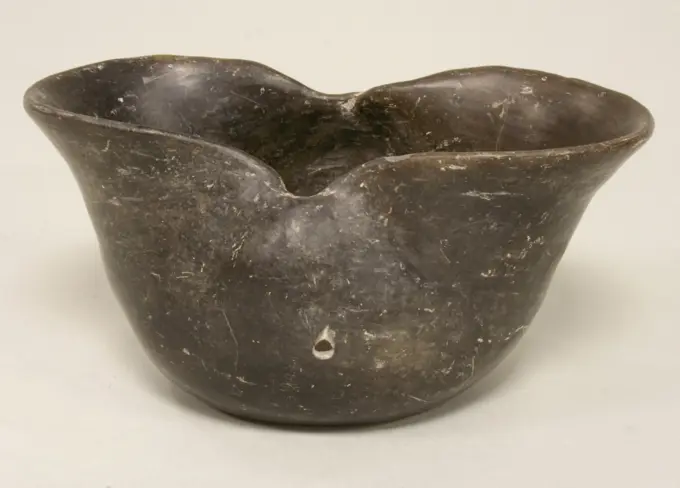
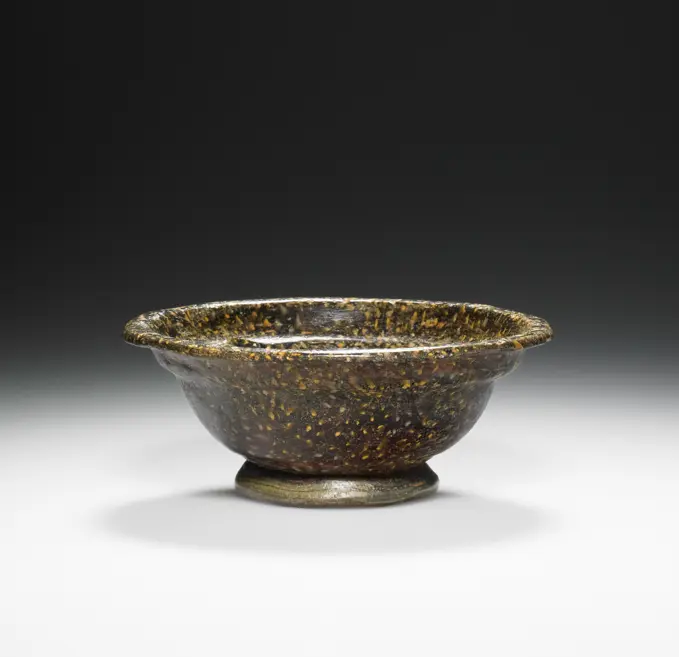
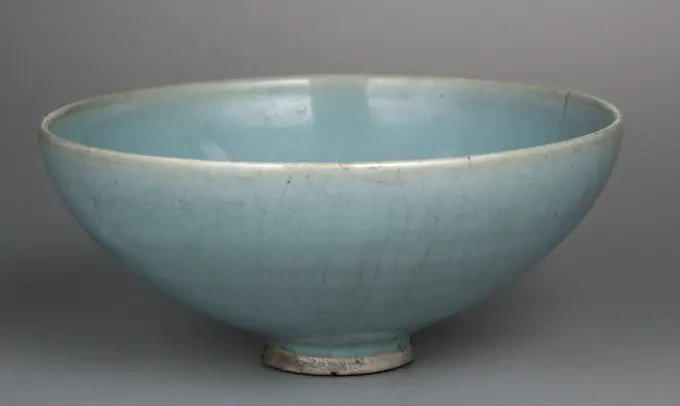
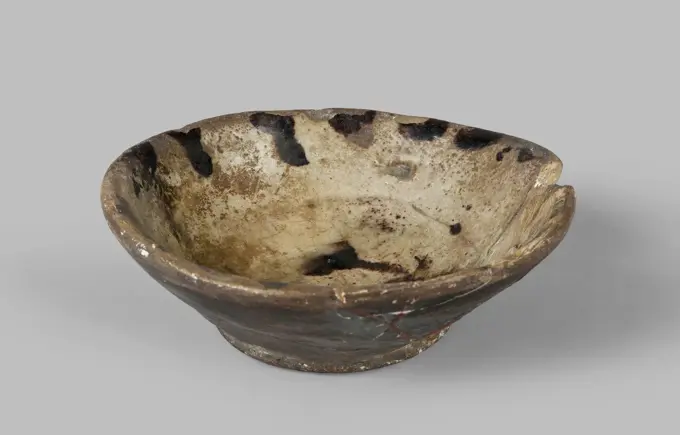
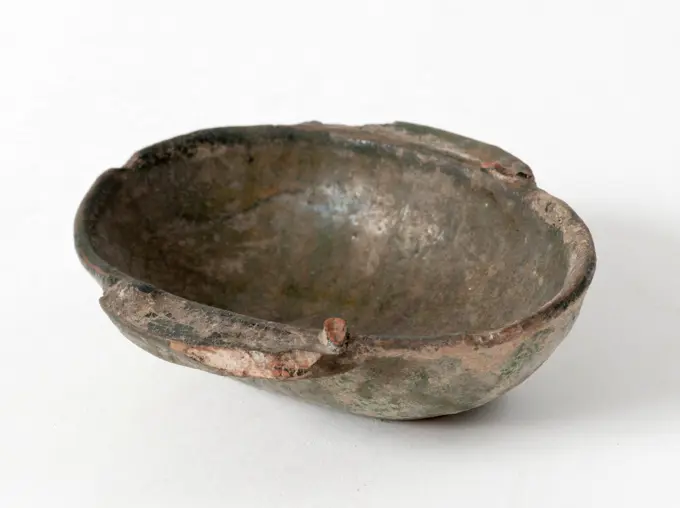
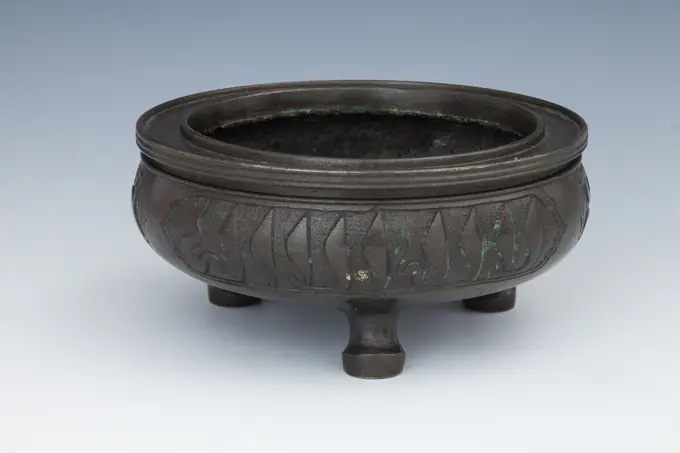
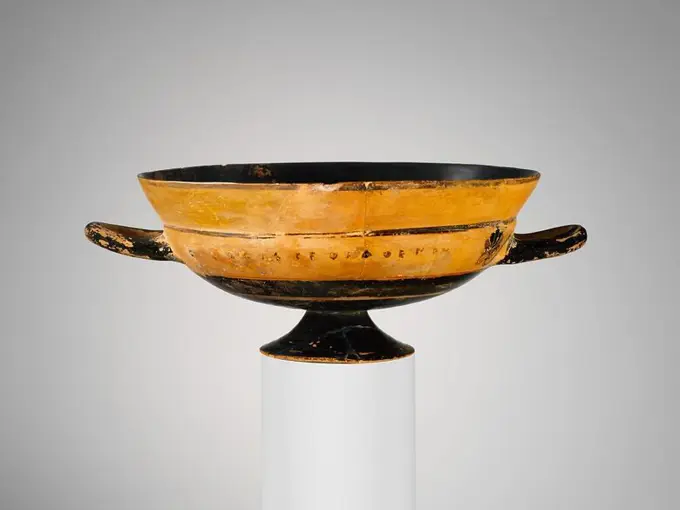
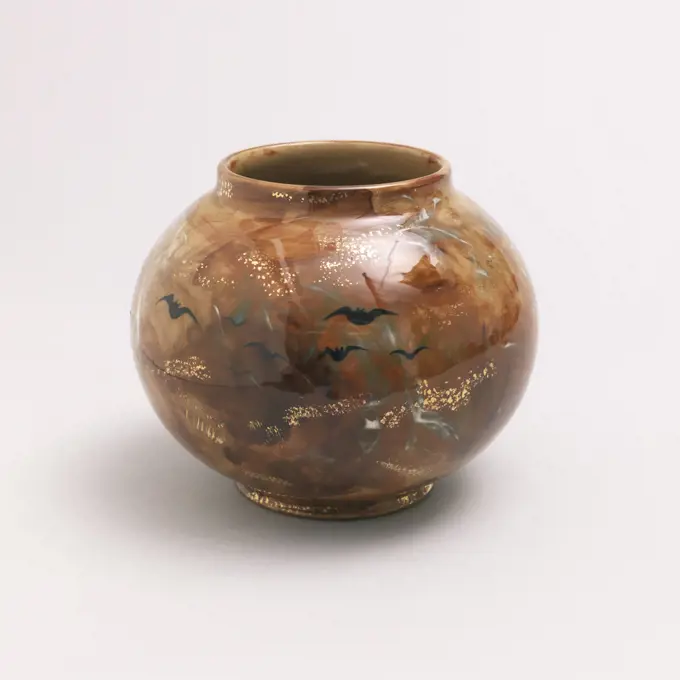
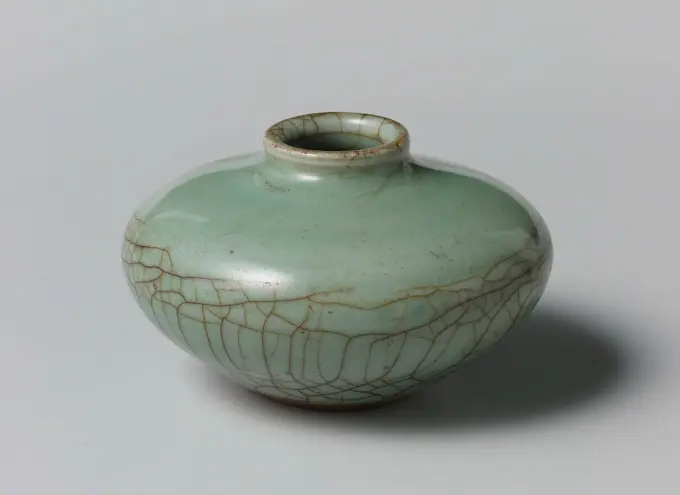
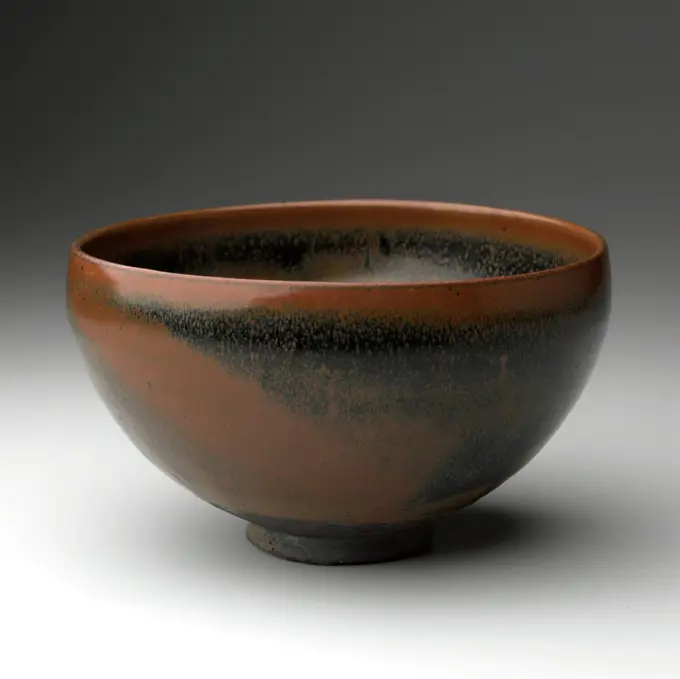
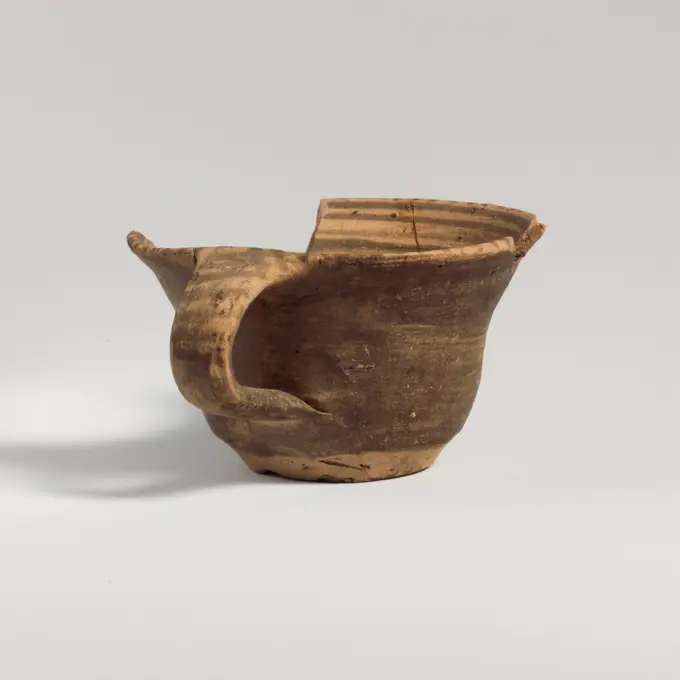
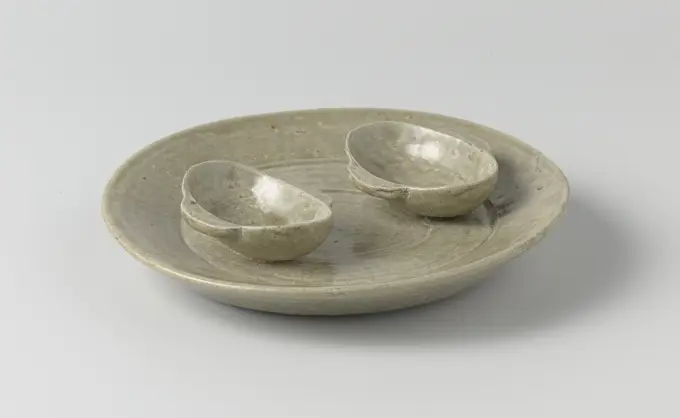
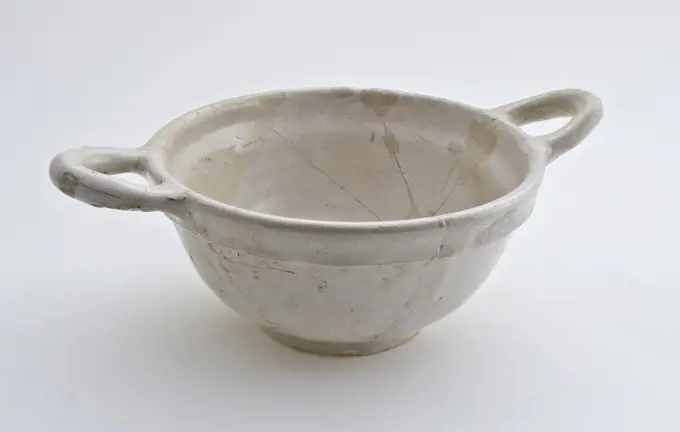
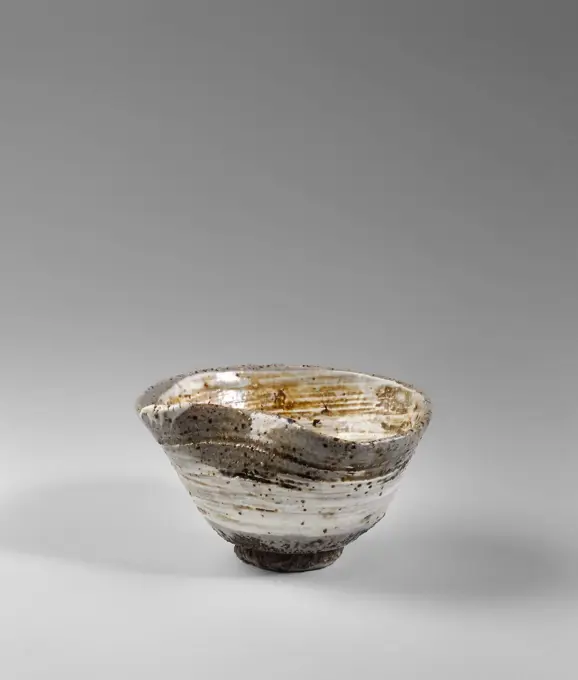
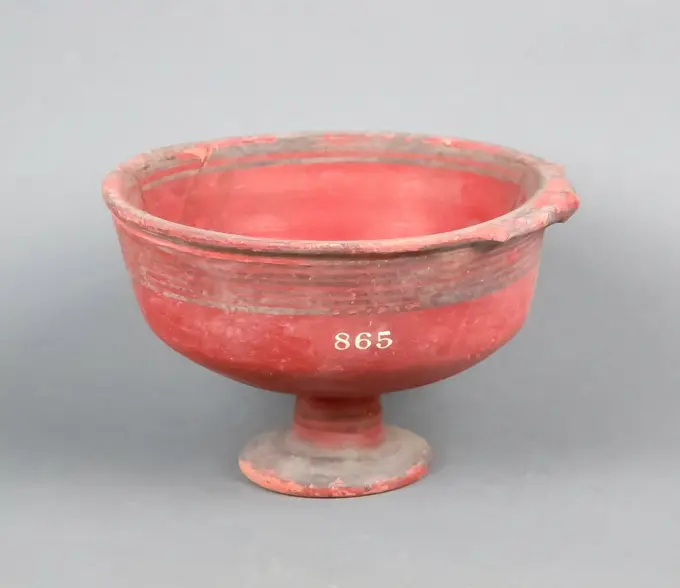
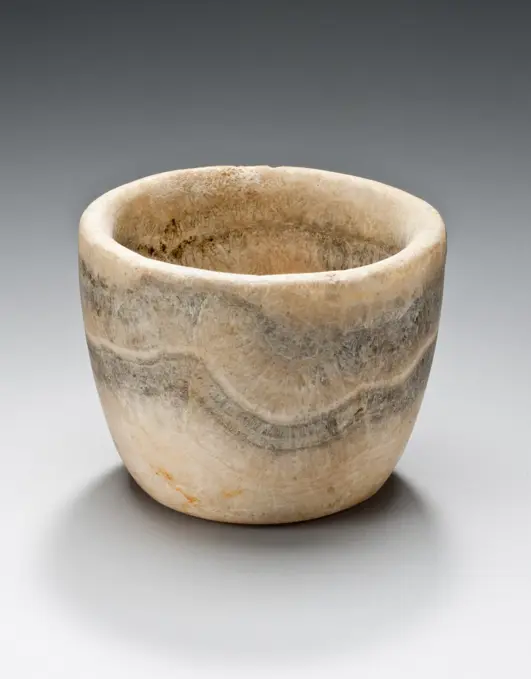
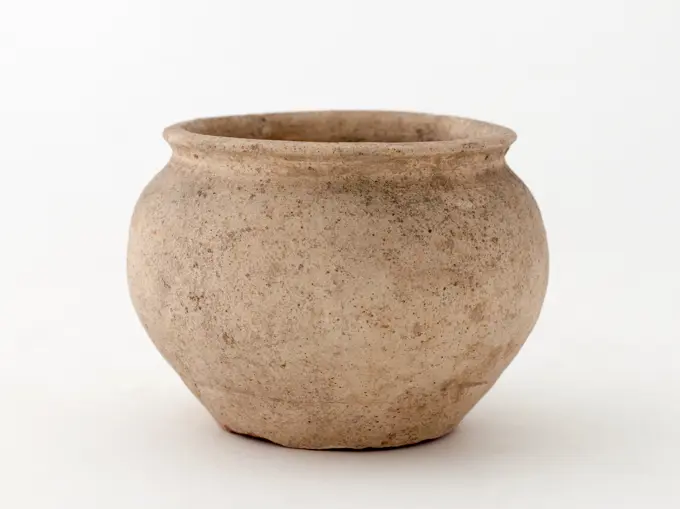
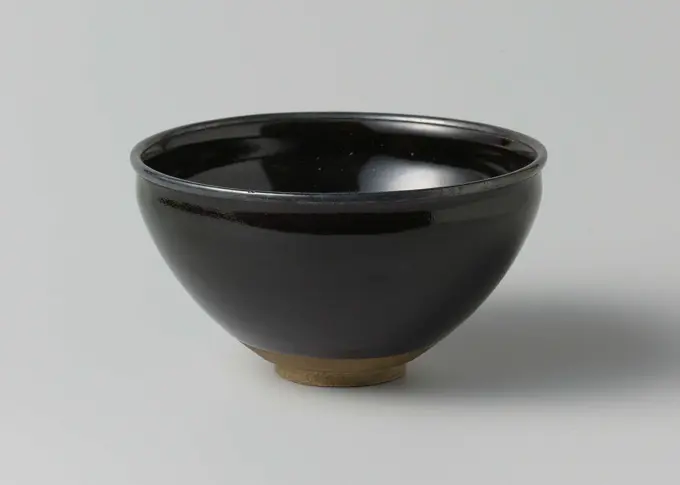
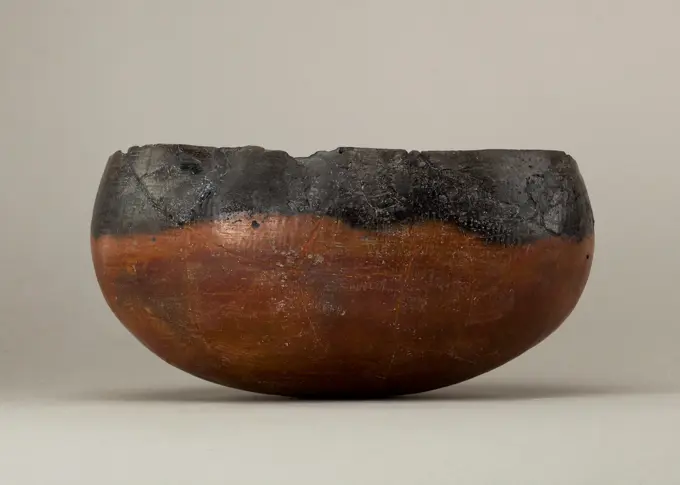
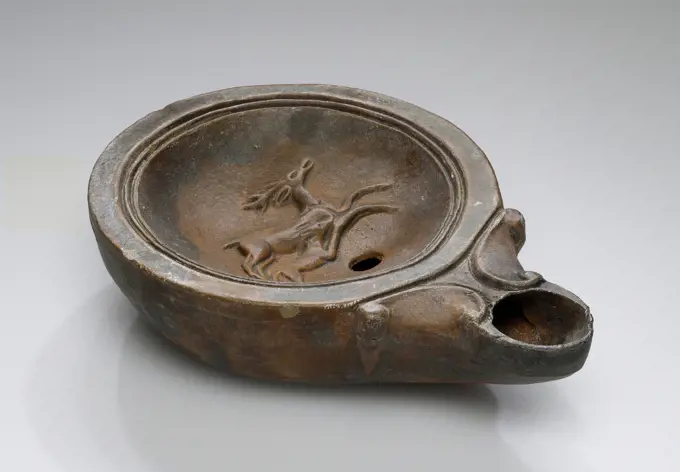
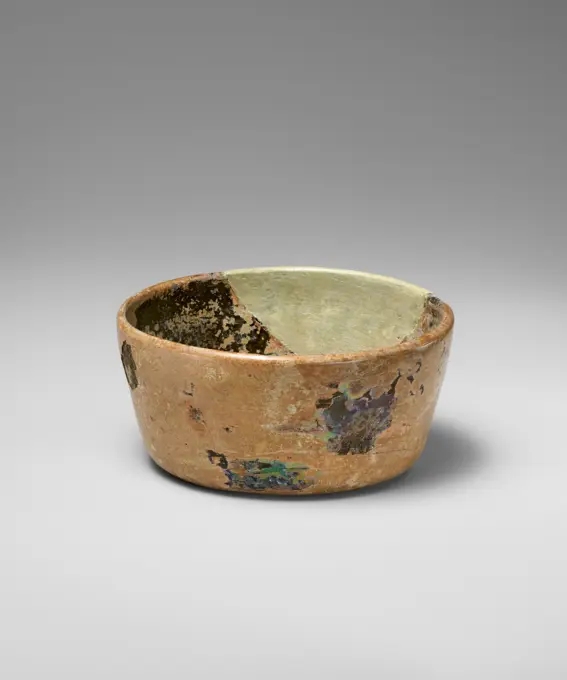
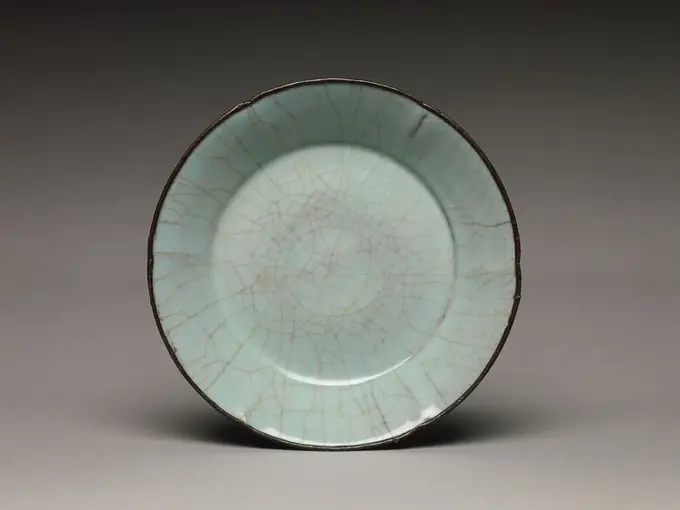
. Come of pottery decorated with two stylized birds and two tires with pseudo-script in brown sludge on Engobe of white sludge.Cup (usual name), 1400. Covered sandstone. Cernuschi Museum, Asia Museum of Asia in the city of Paris.Large Dish with Foliate Rim. China, Yuan or early Ming dynasty, 14th-15th century. Furnishings; Serviceware. Longquan ware, wheel-thrown stoneware with molded decoration and celadon glazeBowl. Culture: Coptic. Dimensions: Overall: 1 7/16 x 3 7/8 in. (3.6 x 9.9 cm). Date: 4th-7th century. Museum: Metropolitan Museum of Art, New York, USA.Bowl c 1809-1839 Pennsylvania. Earthenware . Levi CoatesTea Bowl, 1700s. Korea, Joseon dynasty (1392-1910). Stoneware with white slip and overglaze; overall: 8.1 cm (3 3/16 in.); diameter of base: 5.5 cm (2 3/16 in.).Lobed Cup. China. Date: 900 AD-999 AD. Dimensions: H. 5.0 cm (2 in.); diam. 13.1 cm (5 3/16 in.). Stoneware with crackled white glaze. Origin: China. Museum: The Chicago Art Institute, Chicago, USA.. Tea bowl of stoneware, partially covered with a white sludge (Hakeme-technique: sludge with a wide brush applied). A golden lacquer repair in the edge. Three old labels on the bottom with 'Hagi / (Hakeme)', 'Cat. 555 " and 'W688'. Hagi.Bowl 4th-7th century Coptic. Bowl 478816Bowl with nine petal motifs in panels, anonymous, c. 900 - c. 999 Come from red-baking earthenware with a white and a brown sludge decoration under a transparent lead glaze. The inside is divided into seven compartments containing nine leaf motifs. Nishapur earthenware. glaze painting / vitrification Come from red-baking earthenware with a white and a brown sludge decoration under a transparent lead glaze. The inside is divided into seven compartments containing nine leaf motifs. Nishapur earthenware. glaze painting / vitrificationTeabowl with a 'hare's fur' glaze, anonymous, c. 960 - c. 1279 Theekom van Steengoed, partially covered with a dark brown glaze with golden brown stripes (hare sheet). The lower half of the bowl and the edge are unglazed. Jian. China stoneware. glaze. metal vitrification Theekom van Steengoed, partially covered with a dark brown glaze with golden brown stripes (hare sheet). The lower half of the bowl and the edge are unglazed. Jian. China stoneware. glaze. metal vitrification. Bowl of redbroken pottery with a white and brown sludge decoration under a transparent lead glaze. The inside is divided into seven compartments with nine leaf motifs in it.Bowl with Central Floret. China. Date: 1127-1279. Dimensions: H. 4.6 cm (1 13/16 in.); diam. 9.3 cm (3 11/16 in.). Longquan ware; glazed stoneware with applied decoration. Origin: China. Museum: The Chicago Art Institute, Chicago, USA.Bowl 4th-7th century Coptic. Bowl 478684Bowl, brown with light spots. Come of pottery with brown luster. Light spots on the belly.Miniature chlorite bowl ca. 1600-1050 B.C. Cypriot One handle, decorated with basket pattern.The bowl has a small, horizontal lug. On the exterior is a decoration of hatched triangles and there are diagonal lines inscribed on the inside lip.. Miniature chlorite bowl 243906Tea Bowl, 1600s. Korea, Joseon dynasty (1392-1910). Glazed stoneware; diameter of mouth: 14.6 cm (5 3/4 in.); overall: 8.9 cm (3 1/2 in.).Tea Bowl: Northern Black Ware, 12th Century. China, Northern Song dynasty (960-1127). Stoneware; diameter: 12.4 cm (4 7/8 in.); overall: 4.8 cm (1 7/8 in.).Bowl, 17th century, 3 1/8 x 9 1/2 in. (7.94 x 24.13 cm), Light brown nephrite intentionally burned darker, China, 17th century, This bowl is an excellent example of intentional color alteration practiced during the late Ming dynasty. Toward the end of the sixteenth century, jade began to be quarried in the K'un-lun mountains near Khotan. This 'mountain jade' was considered inferior in color to other types, so a practice developed of staining certain areas of the finished carving to increase its value. Iron-rich compounds were apparently used to create various shades of brown and black. Old literature also mentions burning jade as a way of altering color, and this nephrite bowl has most likely been treated with a combination of these techniques. The deeply carved melon and butterfly motif on the interior, symbolic of prosperity, is similar to designs found in carved lacquer ware of this same period.Bowl with Bunjang Design. Korea, Korean, Joseon dynasty (1392-1910), 15th-early 16th century. Furnishings; Serviceware. Wheel-thrown stoneware with slip and pale green glazeBowl. Qingbai covered porcelain. Paris, Cernuschi museum. 78846-6 Asian art, table art, bowl, old ceramic, container, dishesDeep bowl 13th-14th century Chinese. Deep bowl 461490Glass dish. Culture: Roman. Dimensions: 2 1/16 × 9 3/8 in. (5.3 × 23.9 cm)Diam. of foot: 5 3/4 in. (14.6 cm). Date: 4th century A.D..Colorless with pale blue green tinge.Rounded, slightly thickened vertical rim; convex side to body, tapering downwards then curving sharply in to pushed-in outer section of bottom; applied tubular foot ring, splayed outwards; inner section of bottom slightly convex with thickened dome and pontil scar at center.Intact; many pinprick, some elongated horizontally, and a few very large bubbles; dulling, pitting, and patches of brownish iridescent weathering.Greenish blown glass plate with thick base. Museum: Metropolitan Museum of Art, New York, USA.Tea bowl (chawan). unknown, craftsmanBowl, 1250-1499, 2 5/16 x 7 1/16 in. (5.87 x 17.94 cm), Ceramic, United States, 13th-15th centuryBowl 4th-7th century Coptic. Bowl 478815Dish 7th century B.C. Etruscan High foot, red ware, fluting on inside.. Dish. Etruscan. 7th century B.C.. Terracotta; impasto with red-orange slip. Early Orientalizing. VasesPlate. China (possibly Jingdezhen kilns), Song Dynasty, 12th-13th century. Furnishings; Serviceware. Stoneware with celadon glazeBowl late 5th century B.C. Greek, Attic. Bowl. Greek, Attic. late 5th century B.C.. Terracotta; black-glaze. Classical. VasesPatera - a bowl on the foot; Staatliche Keramische Fachschule Bunzlau (1918-1945); around 1920-1930 (1918-00-00-1930-00-00);Hennig, Artur (1880-1959), Keramische Fachschule Bunzlau (Bolesławiec-1893-1944), decorative dishesBowl; Eastern Mediterranean or Italy; end of 1st century B.C. - beginning of 1st century A.D; Glass; 3.4 x 6.1 cm (1 5,16 x 2 3,8 in.)Tea bowl unknownBowl 9th-10th century. Bowl. 9th-10th century. Earthenware; white slip, incised and splashed with polychrome glazes under a transparent glaze (sgraffito ware). Excavated in Iran, Nishapur. Attributed to Iran, Nishapur. CeramicsRinse bowl of hard baked pottery; Staffordshire., Anonymous, c. 1750 Rinse bowl of hard baked pottery. The milk jug is covered with a brown -marbled lead glaze and decorated in relief with partly gilded vines with leaves and grape bunches. The coil bowl is part of a teapot (BK-1977-245-A) and a milk jug (BK-1977-245-B). England earthenware. lead glaze marbled paper / gilding Rinse bowl of hard baked pottery. The milk jug is covered with a brown -marbled lead glaze and decorated in relief with partly gilded vines with leaves and grape bunches. The coil bowl is part of a teapot (BK-1977-245-A) and a milk jug (BK-1977-245-B). England earthenware. lead glaze marbled paper / gildingBowl 4th-7th century Coptic. Bowl 478847Bowl Shaped Pedestal. Culture: Korea. Dimensions: H. 14 in (35.6 cm). Date: 5th-6th century. Museum: Metropolitan Museum of Art, New York, USA.Tea Bowl (Chawan) with Sword-Pommel Pattern. China, Jiangxi Province, Ji'an County, Southern Song dynasty, 1127-1279. Furnishings; Serviceware. Jizhou ware, wheel-thrown stoneware with dark brown glazeBowl with Incised Lotus Flowers. Dimensions: H. 3 3/8 in. (8.6 cm)Diam. 7 7/8 in. (20 cm). Date: second half 17th century or later.This bowl along with a bottle (91.1.131) are part of a group of Iranian ceramics known as Gombroon ware, named after a trading post on the south coast of Iran. Ideally situated, the port was frequented by both the Dutch and English East India Companies and served as an entrepot for ceramics and other luxury goods into Europe. The style of Gombroon ceramics and their role in international trade reflect the significant artistic, cultural, and economic ties that existed between China, Iran, and Europe in the seventeenth century.Like much of Iranian ceramic production from the ninth century onward, Gombroon wares sought to emulate Chinese ceramics, which were especially prized, not only for their aesthetic appeal but also for their unique technical qualities. Gombroon ware is characterized by incised lines that serve to emphasize the thinness of the walls --Bowl. Culture: Coptic. Dimensions: Overall: 1 5/8 x 4 1/2 in. (4.1 x 11.4 cm). Date: 4th-7th century. Museum: Metropolitan Museum of Art, New York, USA.Kylix, miniature. Culture: Roman. Dimensions: H. 6.20 cm..Enamelled dark green inside. Museum: Metropolitan Museum of Art, New York, USA.Bell-Shaped Cup With a Landscape, The Outside Covered in Wicker. Bell-shaped head of porcelain, painted in underglaze blue and covered with braided reeds. On the bottom a landscape with mountains, trees and a pavilion. The outer wall is covered with braided reeds. Blue White.Bowl used as lid 3rd-late 2nd century B.C. Ptolemaic Period This bowl served as the lid for the large jar 13.180.34b. Analysis of residue indicates the bowl probably once a material rich in bovine collagen, perhaps a thick beef broth or jelly.. Bowl used as lid 571627Pedestal Bowl. Iran, Sasanian period (225-650 A.D.). Furnishings; Serviceware. High-tin bronzeBowl 4th-7th century Coptic. Bowl 478439Rinse bowl of pottery, Neale & Palmer Black Basalt. Hall ball-shaped flush bowl of pottery, Black Basalt. The bowl has a stand ring. The lower half of the bowl is ribbed, a silver-colored leaf drink runs along the top edge. On the inside, a geometric band runs along the top edge.Bowl with a seated man and mythical animals, anonymous, c. 1175 - c. 1224 Come from quail fritry with a polychrome decoration. On the bottom a medallion with a man, sitting between flowering plants and two birds. The inner wall with six medallions with mythical animals, connected by ranks. On the outside a bond with an inscription. is the earthenware. glaze painting / vitrification Come from quail fritry with a polychrome decoration. On the bottom a medallion with a man, sitting between flowering plants and two birds. The inner wall with six medallions with mythical animals, connected by ranks. On the outside a bond with an inscription. is the earthenware. glaze painting / vitrificationTea bowl with a red brown glaze, anonymous, anonymous, c. 1500 - c. 1599 Theekom of stoneware, covered with a reddish -brown, cream -colored glaze. Old label on the bottom with 'Shigaraki/ XVIIe'. Two cracks in the wall. Shigaraki. Japan stoneware. glaze vitrification Theekom of stoneware, covered with a reddish -brown, cream -colored glaze. Old label on the bottom with 'Shigaraki/ XVIIe'. Two cracks in the wall. Shigaraki. Japan stoneware. glaze vitrificationBowl with floral design 18th century India. Bowl with floral design. India. 18th century. Jade (nephrite). Moghul period (1526-1858). JadeMoldBowl. UnknownBowl 3rd century B.C.-A.D. 4th century Olmec (). Bowl 312885Mosaic Bowl. UnknownBowl: Jun Ware, 1100s-1200s. Northern China, Northern Song dynasty (960-1127) - Jin dynasty (1115-1234). Glazed stoneware; diameter: 22.9 cm (9 in.); overall: 10.1 cm (4 in.).Czarek with a well -known bottom;  X-XII century (901-00-00-1200-00-00);UniversityTerracotta dish 1st century B.C.-1st century A.D. Roman Plate on base, concentric circles incised inside bowl.. Terracotta dish. Roman. 1st century B.C.-1st century A.D.. Terracotta; lead-glazed ware. VasesBowl 960 CE-1279 China. Marbled earthenware with clear glaze .Tripod Incense Burner 1650-1699 China. Yixing stoneware . Chen MingyuanEar cut ". Terracotta with green lead glaze. Han dynasty (206 BC-220 AD). Paris, Cernuschi museum. Chinese art, ears cut, Han dynasty, Han time, Chinese object, terracottaCzara z systemem rurek do wspólnego picia przez dwie osoby. unknown, authorScoop. American; possibly Connecticut. Date: 1690. Dimensions: 22.9 × 50.8 cm (9 × 20 in.). Walnut. Origin: United States. Museum: The Chicago Art Institute, Chicago, USA.Bowl with Dragons and Clouds, 1368-98. China, Jiangxi province, Jingdezhen, Ming dynasty (1368-1644), Hongwu period (1368-98). Porcelain with molded and incised decoration and copper-red glaze; diameter: 10 cm (3 15/16 in.); overall: 5 cm (1 15/16 in.).Incised Painted Bowl 5th-3rd century B.C. Paracas. Incised Painted Bowl 308617Bowl with cobalt decoration unknownBowl with Old Pine and Poem, c. 1915-51. Seifū Yohei IV (Japanese, 1872-1951). Porcelain with molded and carved design; height: 8 cm (3 1/8 in.); diameter: 19.1 cm (7 1/2 in.).BowlFeast Bowl, c. 1850, 6 5/16 x 12 3/4 x 12 1/4 in. (16.0 x 32.4 x 31.1 cm), Wood, United States, 19th centuryBowl with Pomegranate Branches and Chrysanthemums 1265-1299 Korea. Celadon-glazed stoneware with underglaze inlaid decoration of black and white clays .A vessel with Arabic and Chinese motifs unknownKom, anonymous, c. 1500 - c. 1700 Round bowl of dark earthenware. West-Europa earthenware Round bowl of dark earthenware. West-Europa earthenwarePlate ca. 1st century A.D. Nabataean. Plate. Nabataean. ca. 1st century A.D.. Ceramic. Nabataean. From Levant, PetraTerracotta kylix: Siana cup (drinking cup). Culture: Greek, Attic. Dimensions: H. 3 9/16 in. (9.1 cm.)Width with handles 9 5/8 in. (24.5 cm.)Diameter 7 1/2 in. (19.1 cm.). Date: mid-6th century B.C..Exterior, obverse, inscription: fairest of the maidensOn interior, a sphinx seated facing right with its paw liftedThis sphinx, the sole and central decoration on this cup, is of an early type. The inscription, hailing the beauty of girls, is unusual. Commonly, the beautiful appearance of young boys, not of girls, is celebrated by Greek vase painters. Museum: Metropolitan Museum of Art, New York, USA.Plat. Bronze. Par musée musée malée. 70004-16 Asian art, Chinese art, extreme-East art, bronze, metal, dishes, dishJar, Rookwood Pottery, American, 1880 - 1967, earthenware, Bulbous jar with Limoges bat and spider decoration., Cincinnati, Ohio, USA, 1882, ceramics, Decorative Arts, jar, jarSmall Bowl. Flat printed, egg-shaped vase of stoneware, covered with a crackled green glaze. The foot is unglazed. Celadon.Whistling cut. White porcelain, Qing dynasty (1644-1912). Provenance: China. Paris, Cernuschi museum. 78846-10 Asian art, Chinese art, cut, Ching dynasty, Qing dynasty, Tsing dynasty, containerBowl, 12th century, 3 9/16 x 6 1/16 in. (9.05 x 15.4 cm), Kuang-yuan ware Stoneware with black glaze with mottled russet markings in overglaze iron oxide, China, 12th century, Appearing almost black, a lustrous dark brown glaze covers the interior and exterior of this beautifully formed bowl. The lip is edged in a russet color, and large portions of the body boast radiant patterns of russet markings. The varied glaze finishes result from the use of different iron bearing solutions. The density and color of the clay and type of cut foot indicate that this bowl most likely came from the Guangyuan kilns in north-central Sichuan province. The vessel was dipped three times in iron-rich glaze compounds to achieve the beautiful combination of velvety black and brown mottles.Terracotta cup early 7th century B.C. Greek, Attic From the Hymettos deposit (see 30.118.1)This type of Geometric cup, with flaring sides and a flat base, is known as a Phaleron cup, after the cemetery in that suburb of Athens where such pieces were found.. Terracotta cup. Greek, Attic. early 7th century B.C.. Terracotta. Geometric. VasesGlobular pot with small flared collar ". Terracotta. Vietnam-Xe-Xive s. Paris, Cernuschi museum. 72186-17 Vietnamese object, Small Evase Col, Globular Pot, TerracottaBowl ca. 2960-2770 B.C. Early Dynastic Period. Bowl. ca. 2960-2770 B.C.. Pottery. Early Dynastic Period. From Egypt, Northern Upper Egypt, Abydos, Osiris Temple precinct, Tomb M12, Egypt Exploration Fund excavations, 1902. Dynasty 1Bowl (Wan)Dish with Two Wine Bowls, anonymous, c. 200 - c. 399 Dish of stoneware with (fixed) two wine troughs, covered with an olive green, somewhat crackled glaze. China stoneware. glaze vitrification Dish of stoneware with (fixed) two wine troughs, covered with an olive green, somewhat crackled glaze. China stoneware. glaze vitrificationCycladic PedestaledDishIncised bowl with geometric pattern. Culture: Paracas. Dimensions: Overall: 2 5/8 in. (6.6 cm)Other: 10 1/16 in. (25.6 cm). Date: 3rd-2nd century B.C.. Museum: Metropolitan Museum of Art, New York, USA.Jiuzun cylindrical tripod vase. White sandstone with transparent covers. Janse, Lach Truong, burial 1. Epoque by Giao Chi (1st century BC - 4th centuries after J.C.). Paris, Cernuschi museum. 59238-1 Vietnamese art, ceramic, transparent, cylindrical covered, giao chi, white, janse, jiuzun, lach truong, septure 1, vase tripodWhite faience dish with two lying ears, papkom bowl crockery holder earth discovery ceramics earthenware glaze tinglaze, hand turned fried glazed baked Papkom white glaze two horizontal ears of which one restoration in plaster thickened edge stand ring No traces in glaze visible from the way of baking. Certainly not prunes baked archeology Valckensteyn Poortugaal Albrandswaard native earthenware crockery kitchenware tableware porridge porridge serving serve Soil discovery: castle Valckensteyn in Poortugaal now Albrandswaard.Tea bowl (chawan). unknown, craftsmanBowl Cypriot Bowl on high foot with horizontal bands.. Bowl. Cypriot. Terracotta. Iron Age. VasesBowl. Afghanistan, 2000-1500 B.C.. Furnishings; Serviceware. CalciteBowl with a big flower and scrolls, anonymous, c. 900 - c. 999 Come of earthenware, decorated with entered decorations and covered with white sludge and green, yellow manganese in transparent lead glaze in green and yellow. On the inside a large entered flour with curls and tendrils between the leaves. Nishapur earthenware. glaze painting / engraving / vitrification Come of earthenware, decorated with entered decorations and covered with white sludge and green, yellow manganese in transparent lead glaze in green and yellow. On the inside a large entered flour with curls and tendrils between the leaves. Nishapur earthenware. glaze painting / engraving / vitrificationGlobular pot with small flared collar ". Terracotta. Vietnam-Xe-Xive s. Paris, Cernuschi museum. 72186-51 Vietnamese object, Small Evase Col, Globular Pot, Terracotta. Tea bowl of stoneware, partly covered with a brown glaze. The lower half of the bowl is unglazed. The edge is caught in a metal band. English imitation of a Chinese temmoku bowl.Bowl ca. 4400-3800 B.C. Predynastic, Badarian. Bowl. ca. 4400-3800 B.C.. Pottery. Predynastic, Badarian. From Egypt, Northern Upper Egypt, Matmar, Tomb 3107, BSAE/Brunton excavations, 1931Lamp, Anatolia; 1st - 4th century; Terracotta; 2.8 x 7.4 x 10.5 cm (1 1,8 x 2 15,16 x 4 1,8 in.)Dish ca. 3rd-7th century A.D. Sasanian This small glass vessel is mostly preserved, with shallow, slightly sloping sides and a preserved pontil mark on its bottom. A pontil mark is left behind from the place where a rod would have been attached to the hot glass. Having this type of mark indicates that the glass was blown freehand and not in a mold (which does not use the rod). Originally a clear glass, this piece is covered with an opaque greenish yellow oxidation. Glass found in excavations has often gone through a process of decay that changes its surface color. Glass was widely produced and used during the Sasanian period. Although colorless glass was highly valued, the majority of glass finds are slightly tinted, usually greenish or yellow tint, although reddish and brown tints also occur. Glass finds from this period include a variety of types such as small cosmetic containers, serving vessels, and drinking glasses. This piece was excavated from a house at the site of Maaridh II Bowl with the coat of arms of the Tokugawa family; Toyota Masanobu; 3. W. 19th century (1851-00-00-1875-00-00);Bowl -Dish. Culture: China. Dimensions: Diam. 8 5/8 in. (21.9 cm). Date: late 12th-13th century.The cracks on this dish, made to resemble the accidental cracks that sometimes occurred during the firing of ceramics, are deliberate. The piece is an example of ceramics produced in south China near the Southern Song capital of Hangzhou to re-create imperial wares produced earlier in the north: delicate cracks, sometimes known as crazing, are one of the hallmarks of the famed, and rare, Ru ware produced for the Northern Song court. Museum: Metropolitan Museum of Art, New York, USA.Of the hammers. .. Come from quartz frying goods, decorated in relief with yacht scenes and a seated person. On the outer wall, slightly continuous on the inner wall, three underglazing blue stripes under transparent alkalilation.