Decorative Pottery Bowls

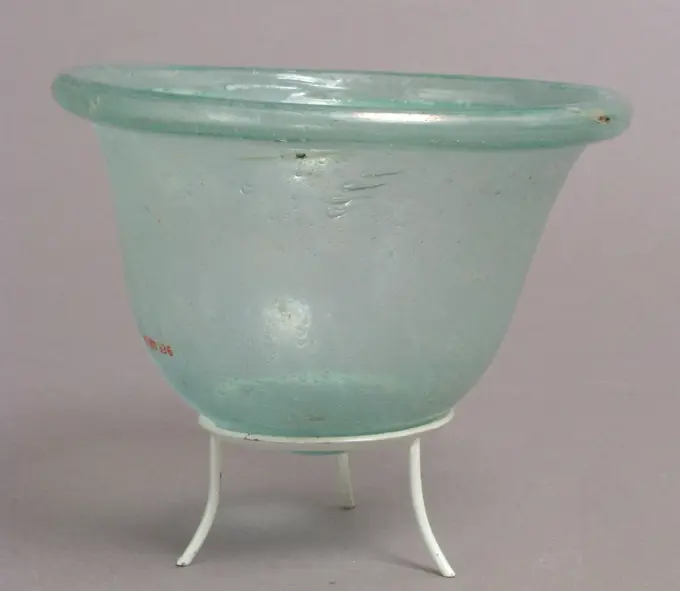
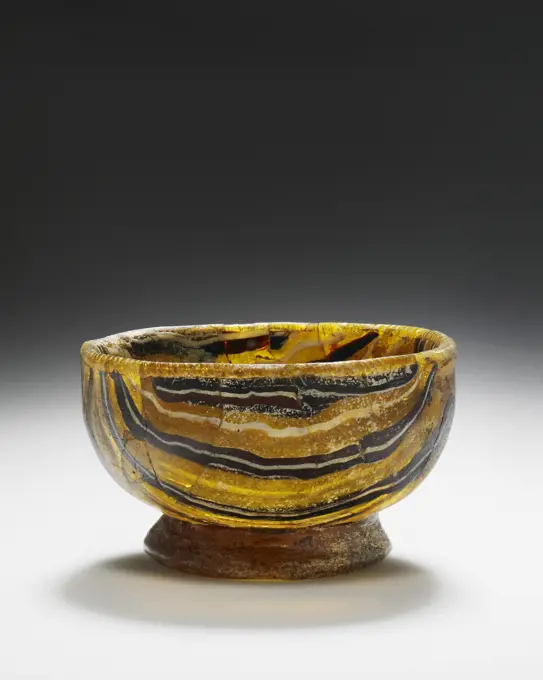
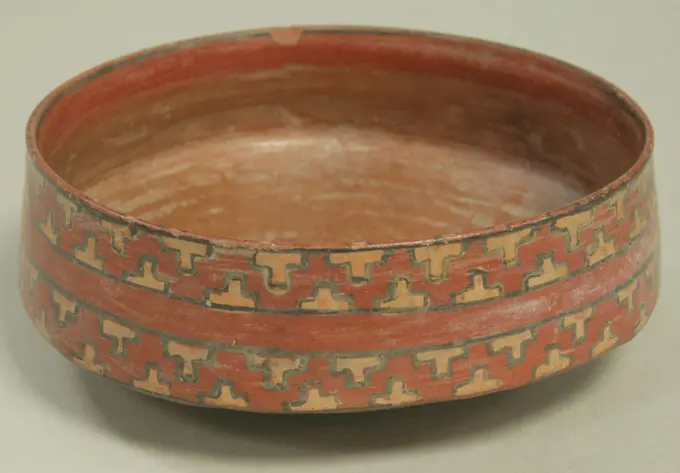
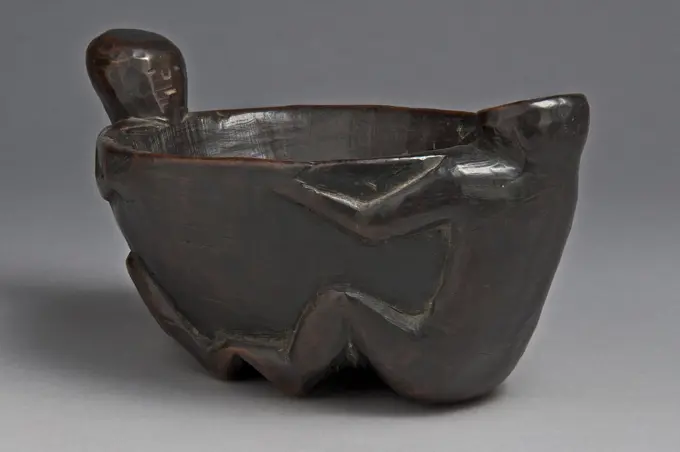
A variety of antique ceramic bowls showcasing unique designs, colors, and cultural significance from different historical periods.

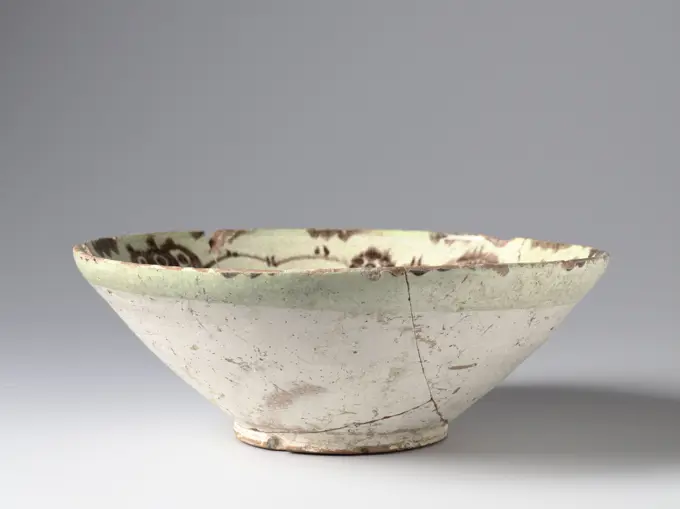
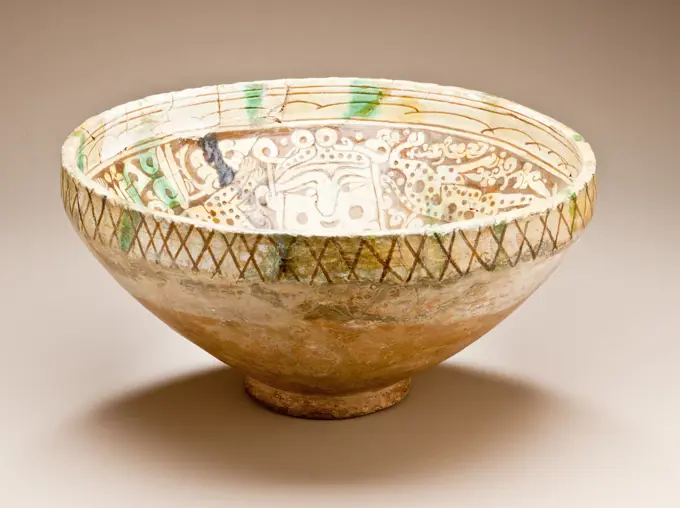
Cup (usual name), 1400. Covered sandstone. Cernuschi Museum, Asia Museum of Asia in the city of Paris.
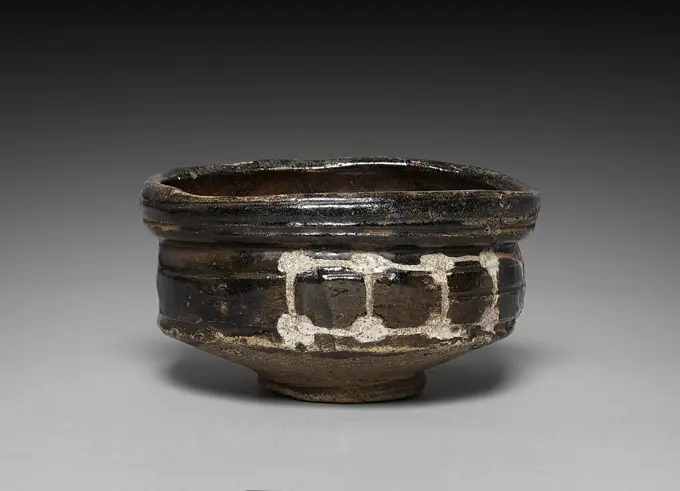
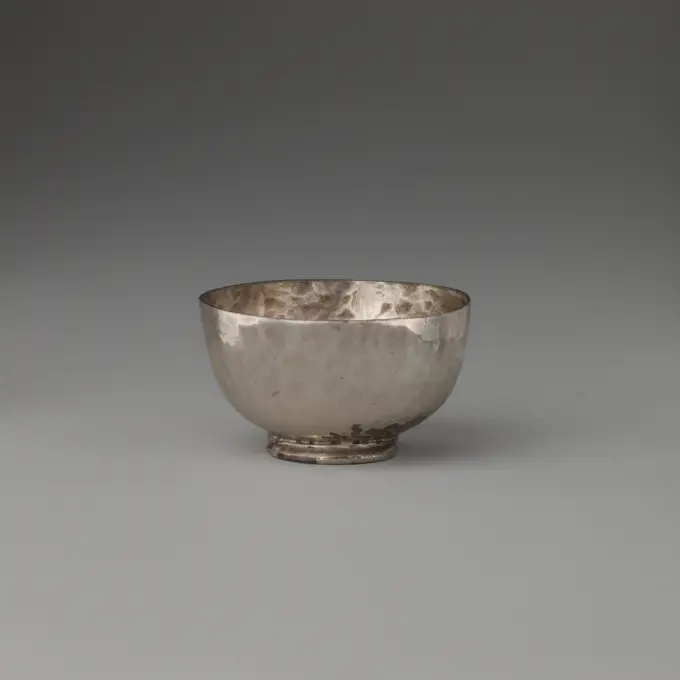
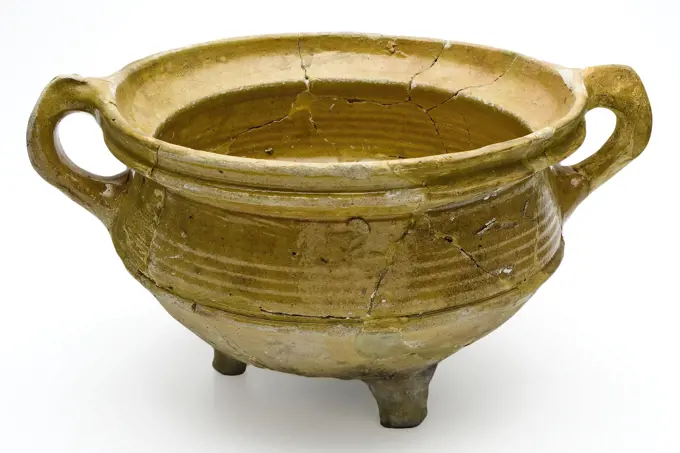
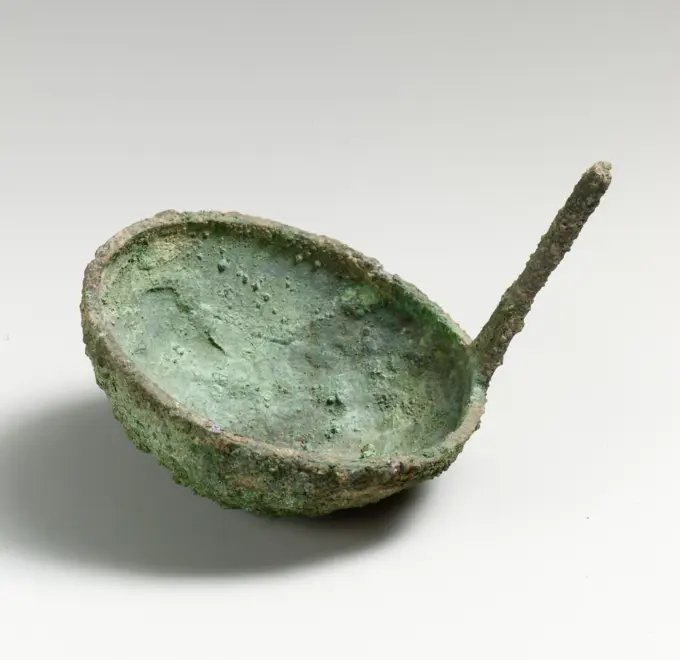
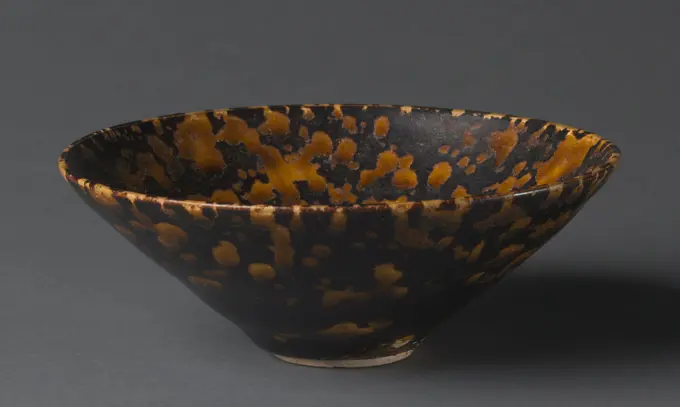
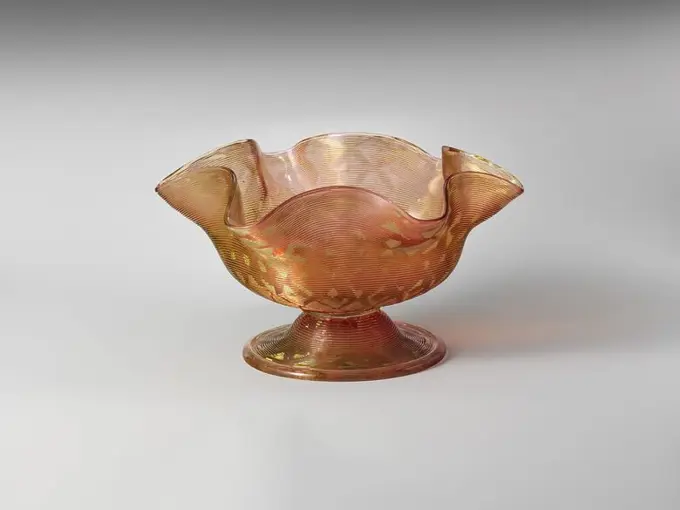
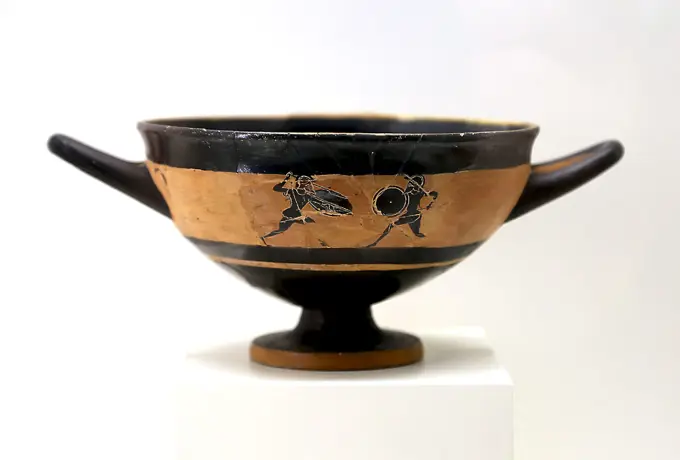
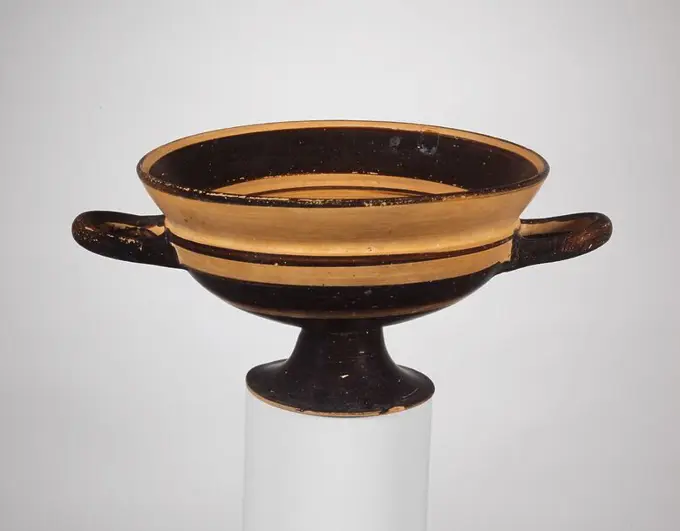
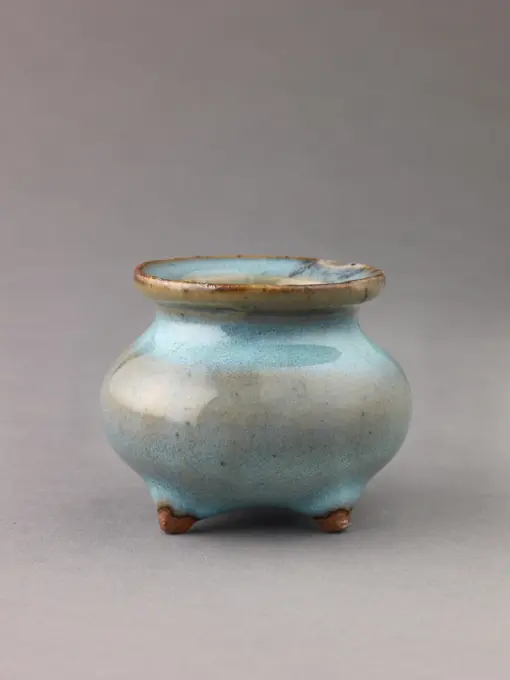
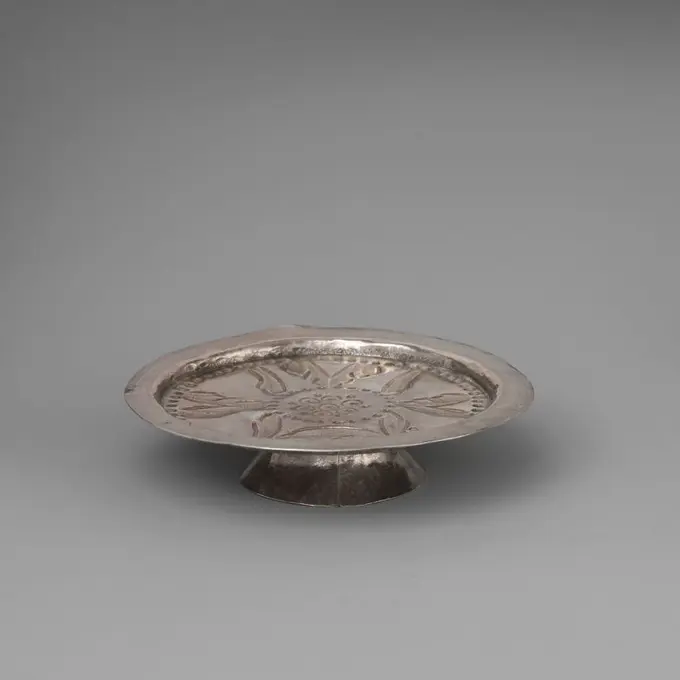
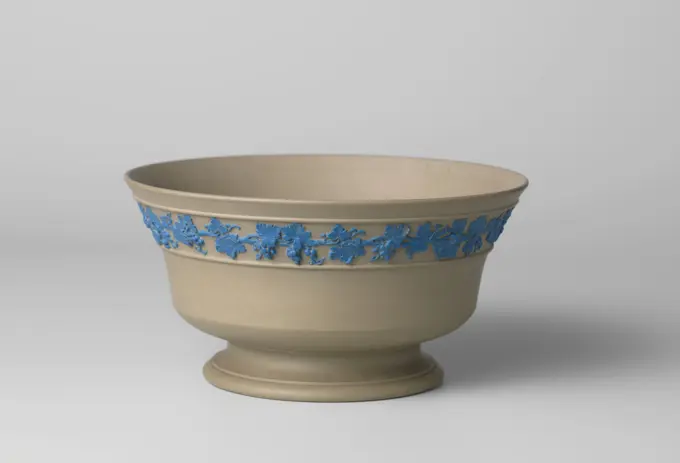
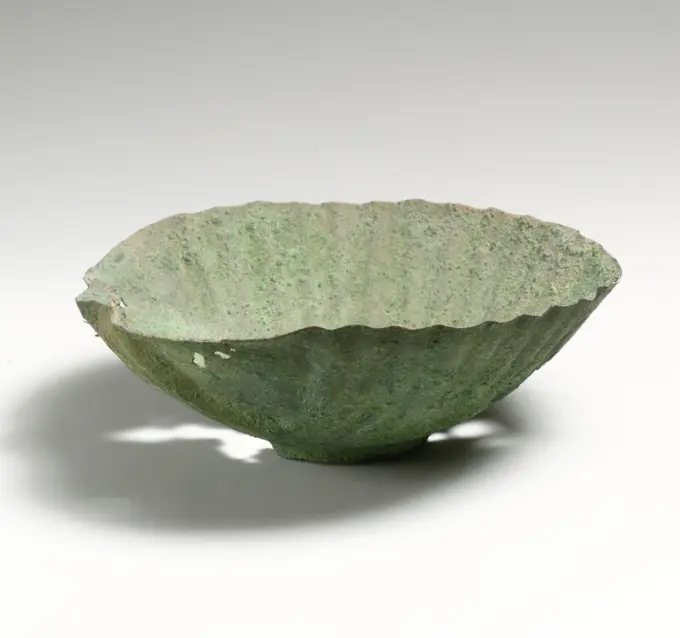
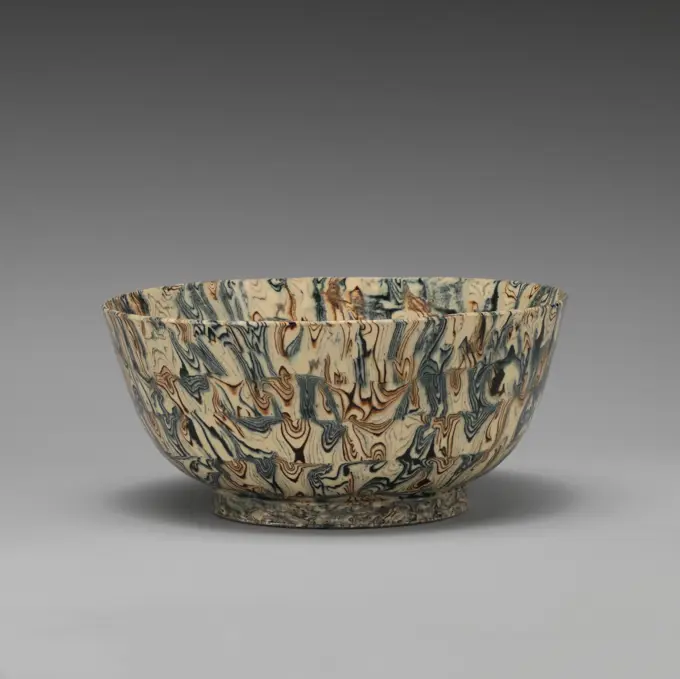
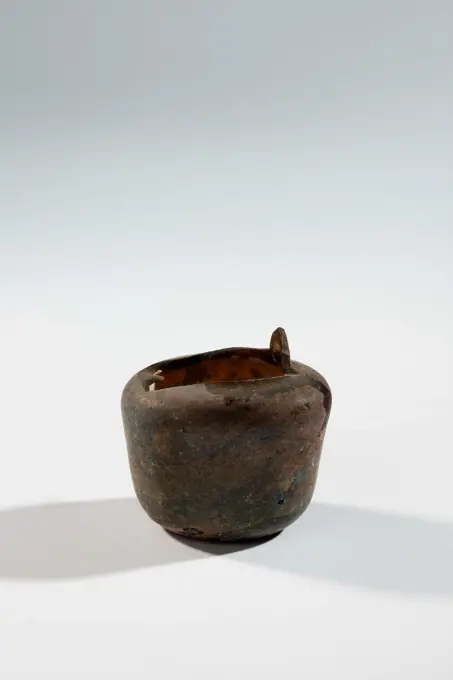
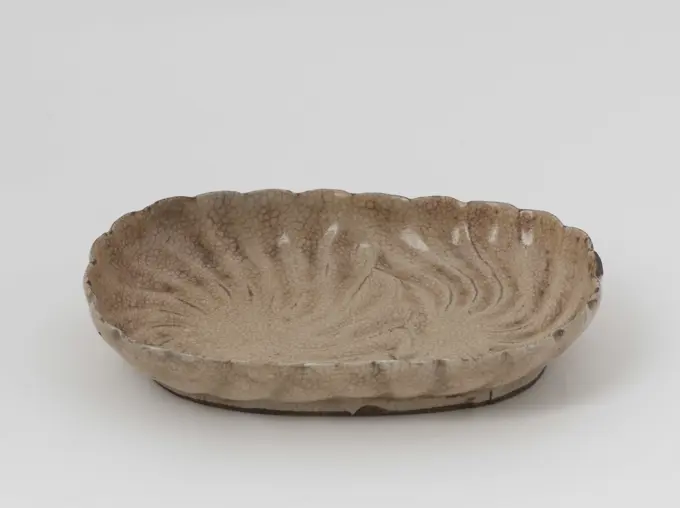
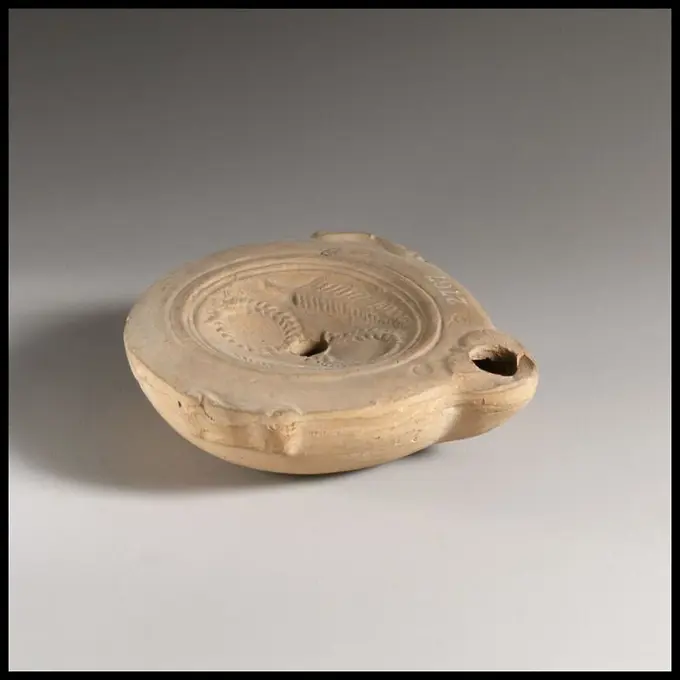
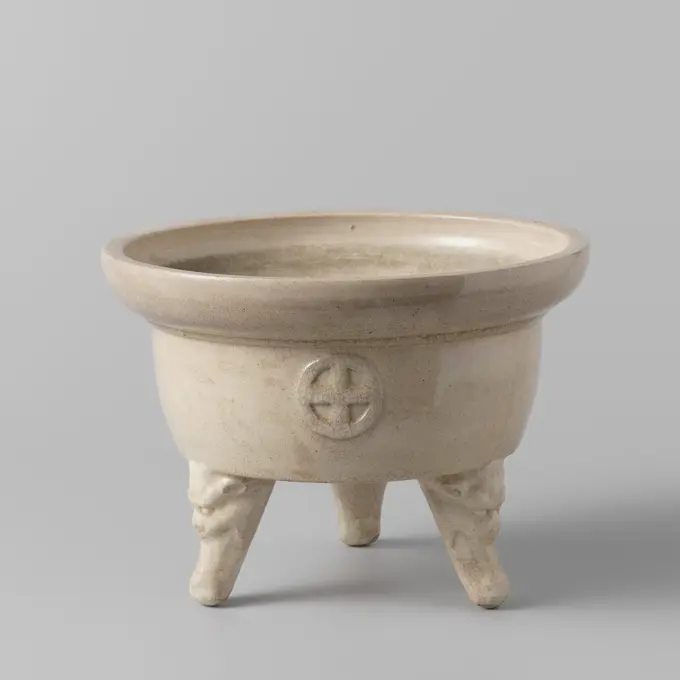
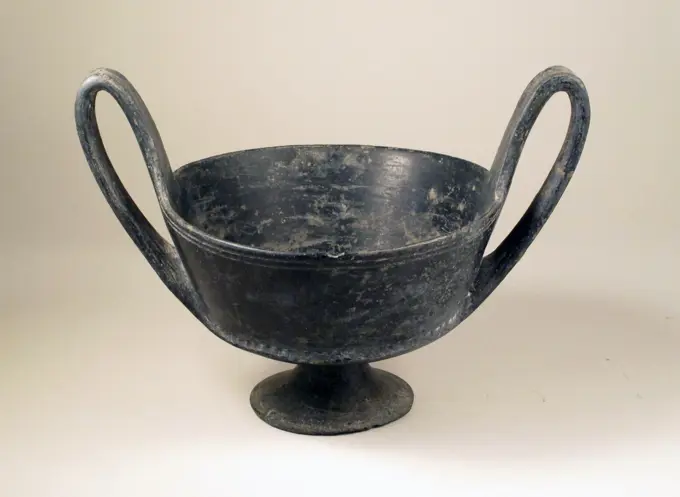
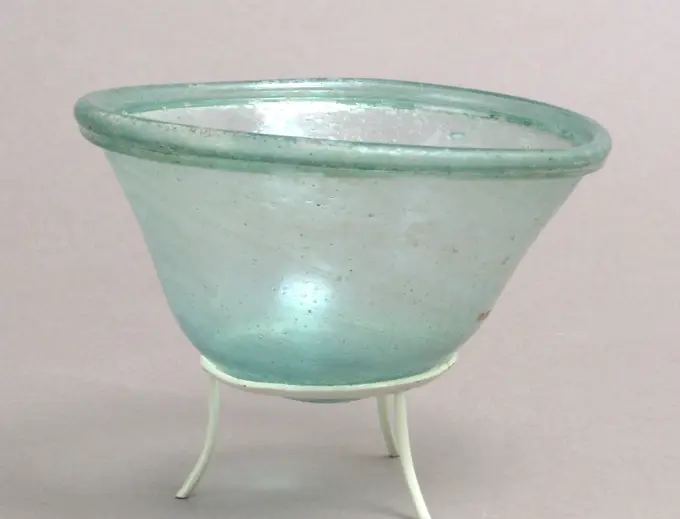
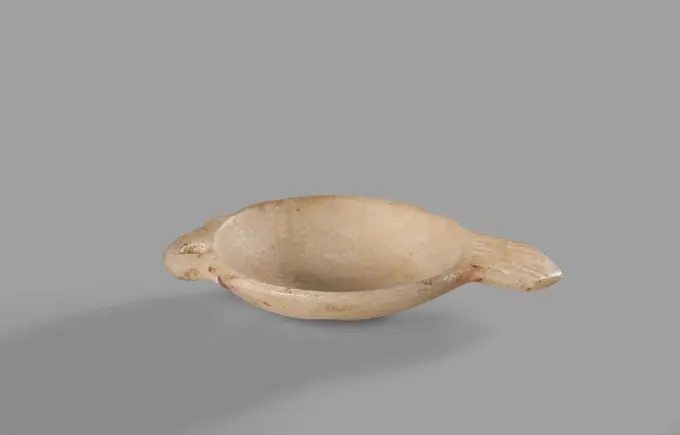
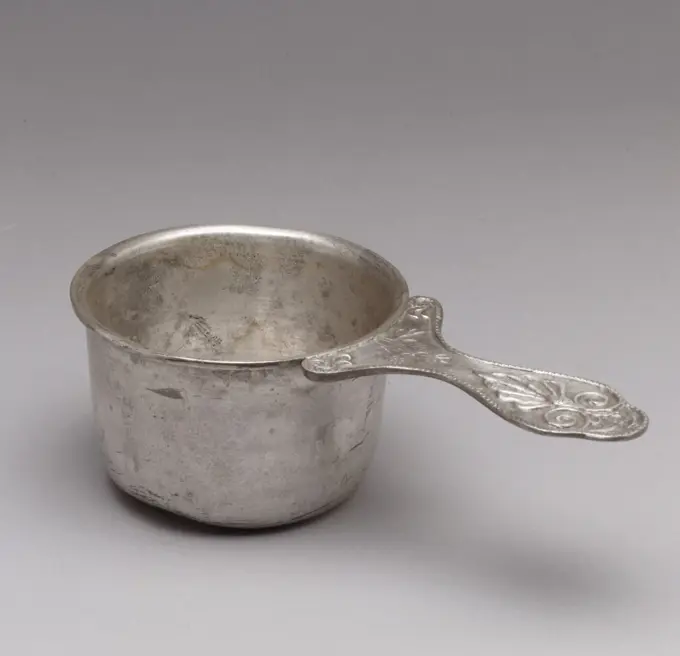
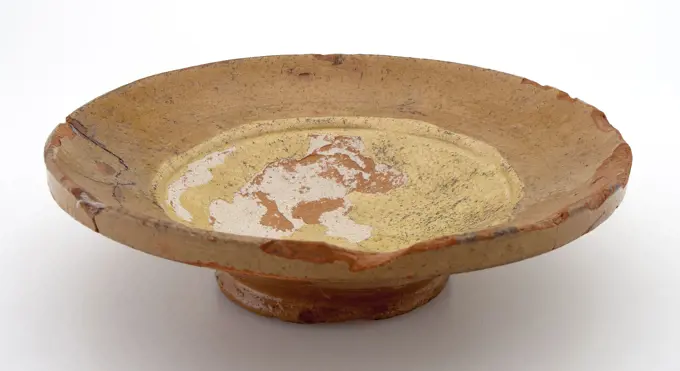
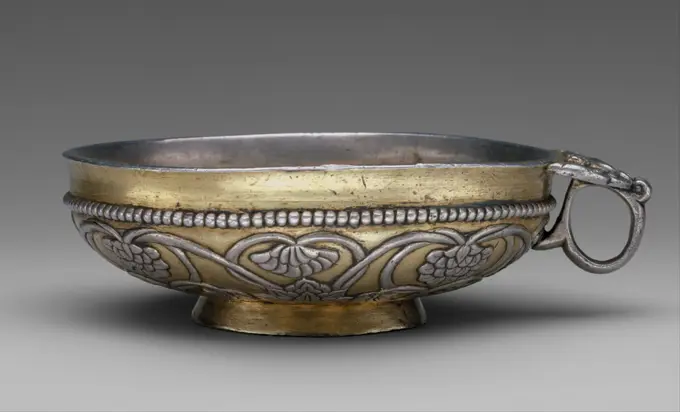
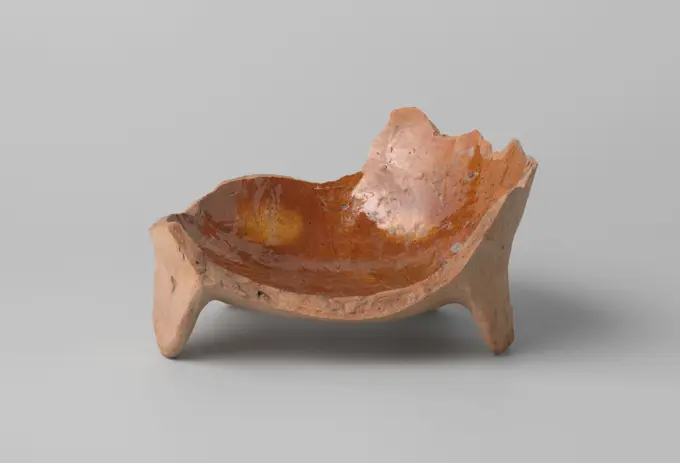
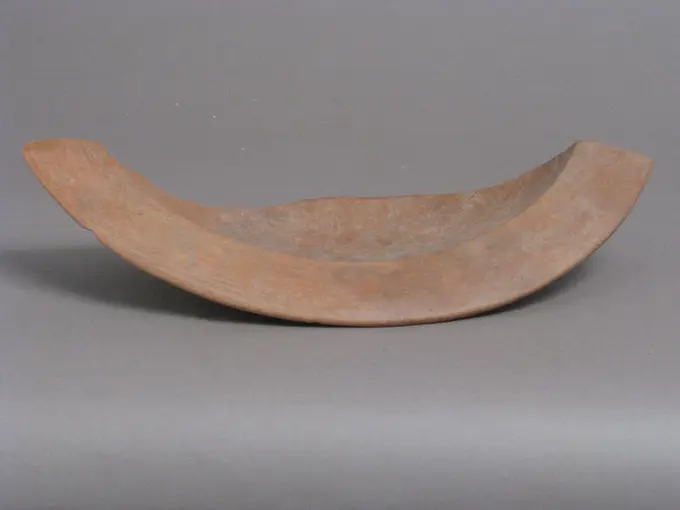
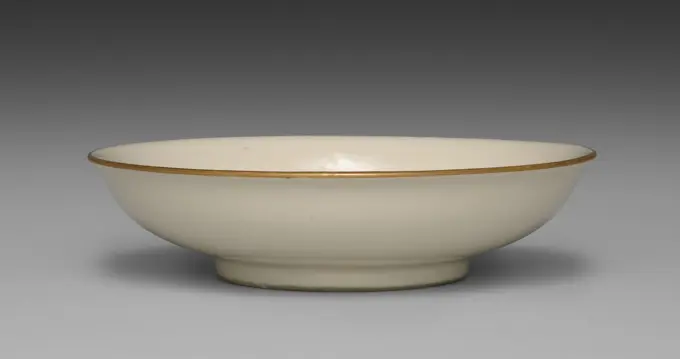
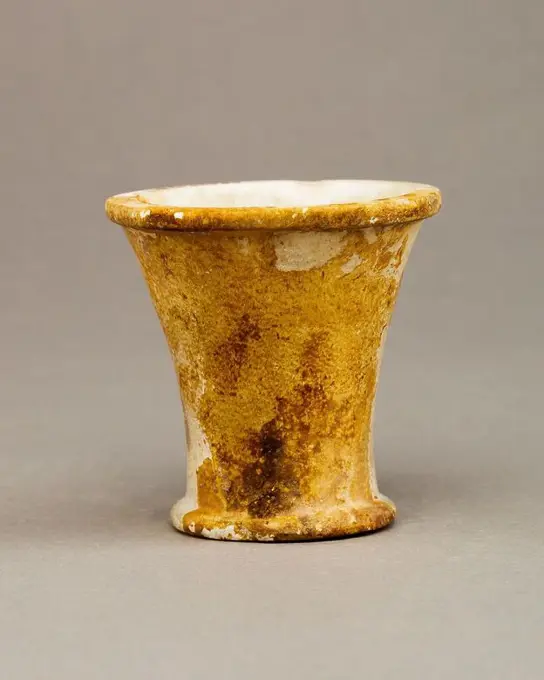
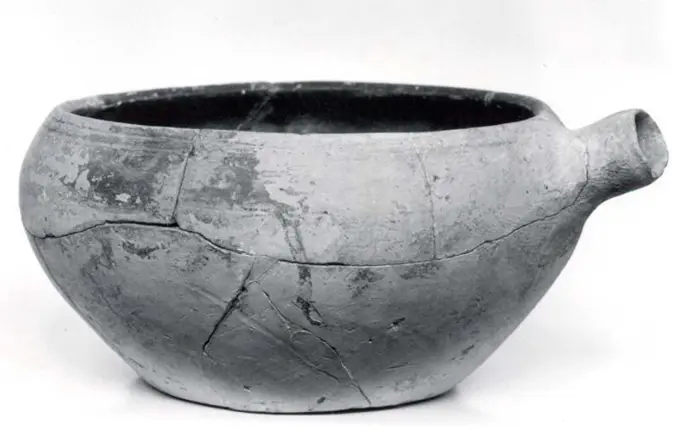
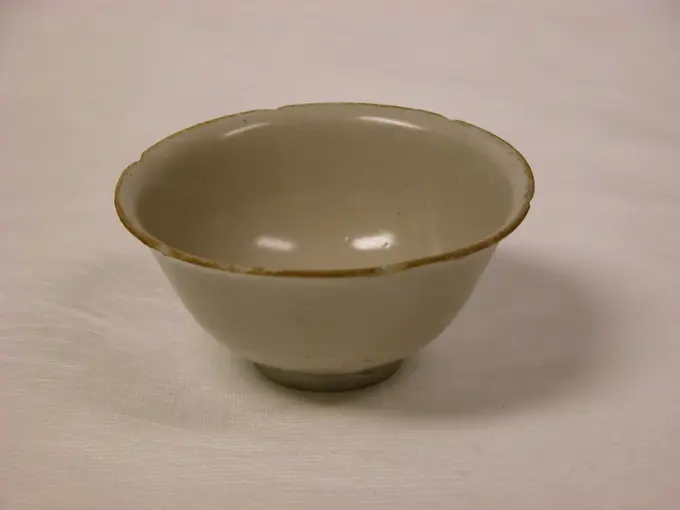
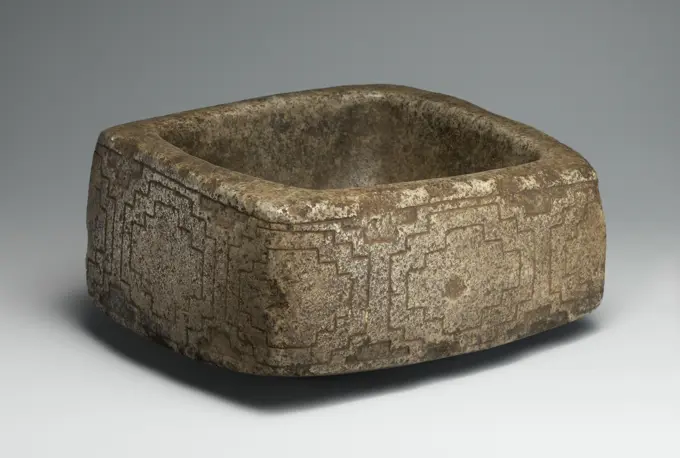
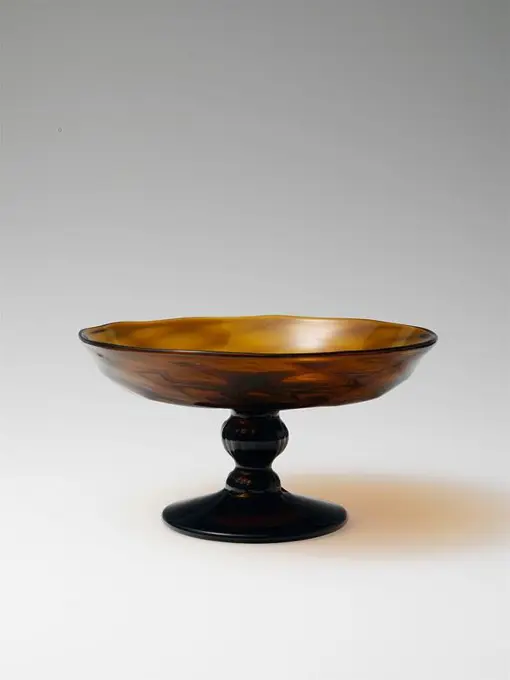
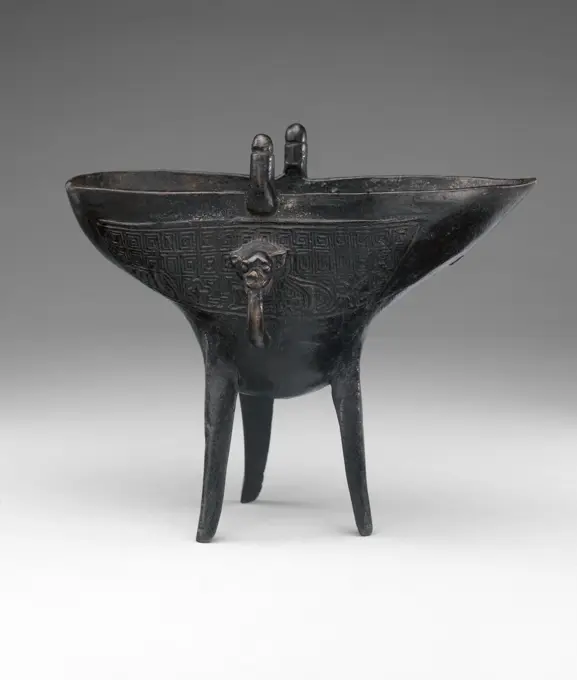
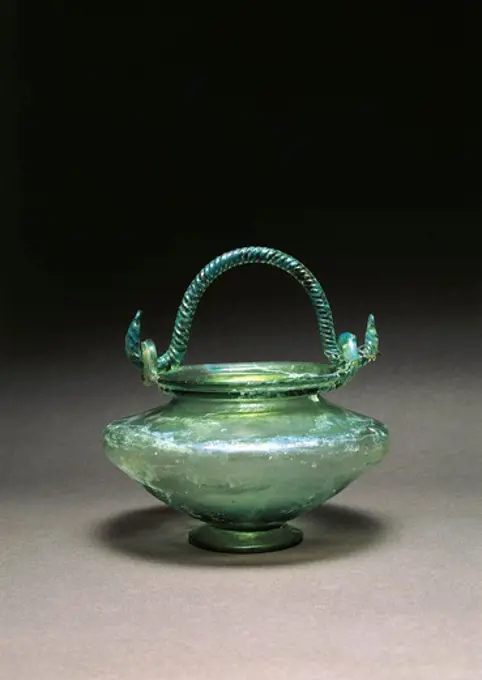
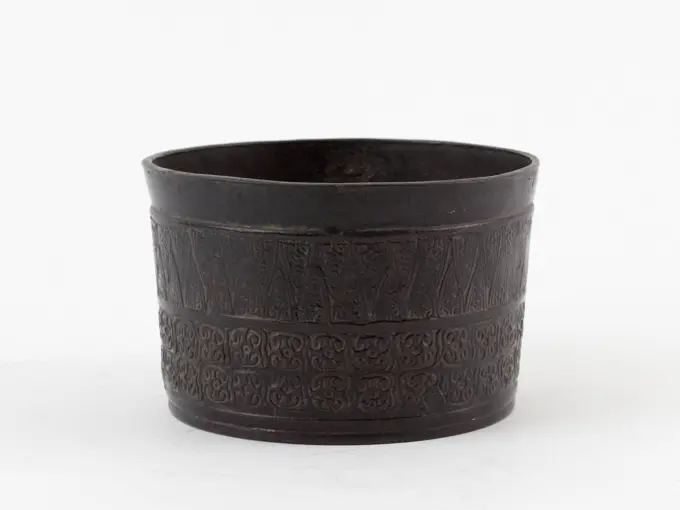
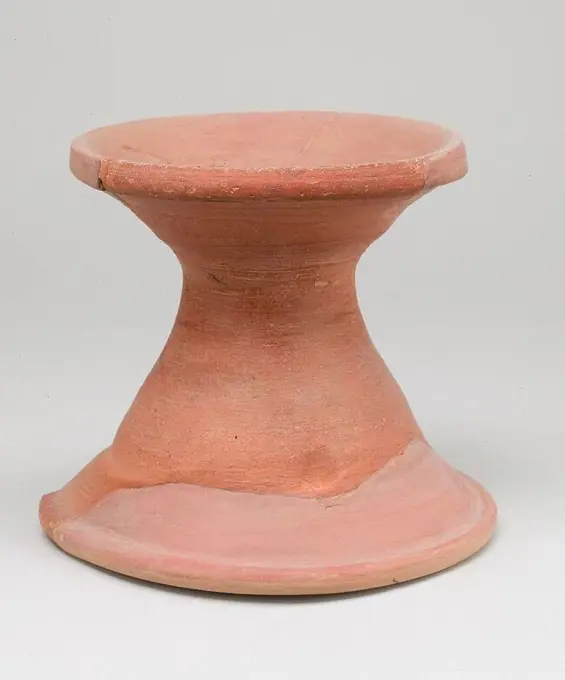
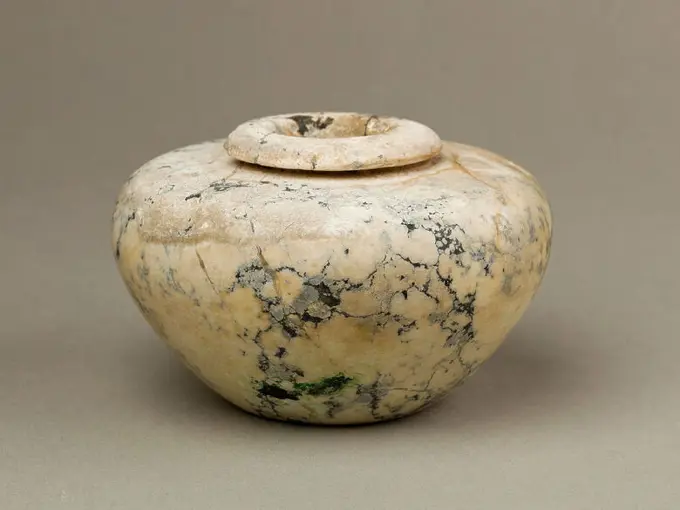
Squat jar. Dimensions: H: 7.5 cm (2 15/16 in.); diam: 11.5 cm (4 1/2 in.); weight: 1 kg (2.2 lbs.). Dynasty: Dynasty 2. Reign: reign of Khasekhemui. Date: ca. 2650 B.C.. Museum: Metropolitan Museum of Art, New York, USA.Bowl 4th-7th century Coptic. Bowl 478865Large cut (common name). Sandstone with brown-black decoration under cover. Cernuschi Museum, Asia Museum of Asia in the city of Paris.Flower - shaped Cup Stand with Incised Chrysanthemum Spray DesignWine Cup (pair), unassigned. Brass; diameter of mouth: 2.9 x 6.2 cm (1 1/8 x 2 7/16 in.).Clog-shaped Teabowl, early 1600s. Japan, Momoyama period (1573-1615). Glazed stoneware, Mino ware, black Oribe type; overall: 8 x 14.2 x 11.5 cm (3 1/8 x 5 9/16 x 4 1/2 in.). Tea gatherings are fundamental to Japanese culture. Teabowls like this one are the most important objects used in tea practice. Its oblong shape and bold abstract designs are the signature style of the time period in which it was produced. That style is called Oribe, named for the tea master who championed the aesthetic.Miniature bowl 18th century Possibly by George Manjoy British. Miniature bowl. British, London. 18th century. Silver. Metalwork-Silver-MiniatureYellow pot on three legs, with two pinched ears, lid edge, grape cooking pot crockery holder kitchenware earth discovery ceramic earthenware glaze lead glaze, hand turned set glazed baked Cooking pot white shard yellow glaze two pinched ears of which one in plaster three legs of which one in gypsum rings . Double conical in shape with semi-round bottom. Groove along the upper edge archeology Valckensteyn Poortugaal Albrandswaard indigenous pottery kitchen cooking stoves nutrition food preparation Soil discovery: castle Valckensteyn in Poortugaal now Albrandswaard 1961-1962.Ladle, bowl 6th-5th century B.C. Cypriot. Ladle, bowl 244487BowlConical Bowl, 1100s. China, Jiangxi province, Ji'an, Southern Song dynasty (1127-1279). Stoneware with "tortoise shell" glaze, Jizhou ware; diameter: 14.8 cm (5 13/16 in.); overall: 5.4 cm (2 1/8 in.).Tazza. Culture: American. Dimensions: H. 4 5/8 in. (11.7 cm); Diam. 8 1/4 in. (21 cm). Maker: Possibly Boston & Sandwich Glass Company (American, 1825-1888, Sandwich, Massachusetts). Date: 1880-88. Museum: Metropolitan Museum of Art, New York, USA.Painted Bowl 7th-3rd century B.C. Paracas. Painted Bowl 310703Cup with combat scene. Black figure pottery, Attic worK, 4th cent. BC. Empuries, Archaeology Museum of Catalonia. Barcelona, Spain.Red pot ointment pot, cylindrical, narrowed foot, ointment jar pot holder soil find ceramic earthenware glaze lead glaze, hand turned glazed baked Red pot ointment Cylindrical model narrowed foot Internal glazed turnings on the inside Cut loose Slightly along the top edge archeology packing store store ointment medicine drug pharmacy take care ofBowl with a bird and floral scroll, anonymous, c. 900 - c. 1099 Come of earthenware decorated with a bird surrounded by a flower livel in polychrome sludge in colors green, manganese brown, red -brown and white on white sludge engobe. Sari earthenware. glaze painting / vitrification Come of earthenware decorated with a bird surrounded by a flower livel in polychrome sludge in colors green, manganese brown, red -brown and white on white sludge engobe. Sari earthenware. glaze painting / vitrificationBowl. Iran, Garrus District, 11th-12th century. Ceramics. Fritware, underglaze paintedTerracotta kylix (drinking cup). Culture: Greek, South Italian, Campanian, Teano. Dimensions: Other: 2 1/8 x 4 3/8 in. (5.4 x 11.1 cm). Date: ca. 330-300 B.C..Decorated with ivy vine and stamped pattern. Museum: Metropolitan Museum of Art, New York, USA.Quaich 1665-1675 Glasgow. Silver . R. B. (Maker)Terracotta kylix (drinking cup). Culture: East Greek. Dimensions: Overall: 3 9/16 x 7 7/8in. (9.1 x 20cm); diameter 6in. (15.2cm). Date: 6th century B.C..The shape is derived from Attic Little Master cups, specifically lip-cups. The finely executed concentric circles on the interior are characteristic of East Greek production. Museum: Metropolitan Museum of Art, New York, USA.Miniature incense burner, Jun ware 13th-14th century Chinese. Miniature incense burner, Jun ware. Chinese , Jin/Yuan Dynasty. Chinese. 13th-14th century. Stoneware with blue glaze.. CeramicsMiniature stand. Culture: British, London. Dimensions: 5/8 × 1 1/2 in. (1.6 × 3.8 cm). Maker: George Manjoy (British, active 1685-ca. 1720). Date: 1691/92. Museum: Metropolitan Museum of Art, New York, USA.Miniature bowl late 17th-early 18th century David King. Miniature bowl. Irish, Dublin. late 17th-early 18th century. Silver. Metalwork-Silver-MiniatureContent of 2 dl, anonymous, c. 1820  Chips contents of 2 dl. No inscriptions or brands. Netherlands wood (plant material)   NetherlandsBowl with Lotus Bud Decoration, 1-200. Egypt, Roman Empire. Bright turquoise blue faience; diameter: 10.6 cm (4 3/16 in.); diameter of mouth: 9.4 cm (3 11/16 in.); overall: 5.8 cm (2 5/16 in.).Rinse bowl of hard baked pottery; Wedgwood., Wedgwood, c. 1790 - c. 1810 Rinse bowl of hard baked pottery. The bowl has a constricted funnel -shaped belly and stands on a foot. The bowl is decorated with an edge of grapes and vines in relief. The bowl includes a teapot (BK-15430-A), a sugar bowl (BK-15430-B) and a milk jug (BK-15430-C). The rinsing bowl is marked. England earthenware Rinse bowl of hard baked pottery. The bowl has a constricted funnel -shaped belly and stands on a foot. The bowl is decorated with an edge of grapes and vines in relief. The bowl includes a teapot (BK-15430-A), a sugar bowl (BK-15430-B) and a milk jug (BK-15430-C). The rinsing bowl is marked. England earthenwareBowl, fluted Cypriot. Bowl, fluted 244480Bowl ca. 1750 British, Staffordshire. Bowl. British, Staffordshire. ca. 1750. Agateware (glazed earthenware). Ceramics-PotteryChrysanthemum Bowl 10th-13th century Japan. Chrysanthemum Bowl. Japan. 10th-13th century. Porcelaneous ware covered with a celadon glaze. CeramicsBottle. unknown, craftsmanRavier. GRS, covered CRME. Paris, Muse Cernuschi. Japanese art, Japanese ceramic, gres, character, statuetteTea Bowl with Oil Spot Markings 1115-1234 China. Northern blackware, Cizhou type; grey stoneware with dark brown glaze and overglaze iron oxide .Terracotta oil lamp. Culture: Roman. Dimensions: Length: 3 3/16 in. (8.1 cm)Height: 1 1/16 in. (2.7 cm). Date: 2nd century A.D.. Museum: Metropolitan Museum of Art, New York, USA.Dish with Griffin. Saljuq, 1000-1250. Metal. BronzeHeavy pottery pot on wide stand ring, round and stocky model, pot holder ceramic earthenware glaze lead glaze, hand-turned glazed baked earthenware pot on wide stand ring Round and stocky model with thick upright neck edge. Strapping above the stand ring Red shard internally glazed Was probably used in the sugar industry indigenous pottery sugar industry refiningVessel ca. late 3rd-early 2nd millennium B.C. Bactria-Margiana Archaeological Complex. Vessel 326764Terracotta plate ca. A.D. 60-150 Roman At the center of the dish, a foot-shaped stamp reads: Sex(tus) M(urrius) F(estus). His workshop was active in Pisa in Northwestern Italy.. Terracotta plate. Roman. ca. A.D. 60-150. Terracotta; Arretine ware. Imperial. VasesCharger late 17th-early 18th century Adam Churcher. Charger. British, Petersfield. late 17th-early 18th century. Pewter. Metalwork-PewterCome, beaten from a Gelderland currency of 1760. Come from the buyer, from the inside. Beaten from Gelderse Munt of 1760. On the bottom a weapon and year.Bowl with Leaf Calyx Medallion; Eastern Hellenistic Empire; 2nd - 1st century B.C; Silver; 6.1 × 19.1 cm, 0.2459 kg (2 3,8 × 7 1,2 in., 9,16 lb.);Red polished ware bowl ca. 3850-2960 B.C. Predynastic Period. Red polished ware bowl. ca. 3850-2960 B.C.. Pottery. Predynastic Period. From Egypt, Northern Upper Egypt, Mahasna, Tomb H 107 (k), EEF excavations 1908-1909Candlestick And Socket (England); wood, turnedFaience bowl ca. 1200 B.C. Cypriot With pale green glaze, with no decoration except dots on rim.. Faience bowl 243957Bowl. UnknownStool, 1900-1950, 9 1/16 x 15 3/8 in. (23.02 x 39.05 cm), Ceramic, Mali, 18th-19th centuryElm Bowl, 1954. Made by George Lailey of Bucklebury Common, Berkshire.. Pinto Collection - Purchased from Edward H Pinto, 1965.. This elm wood bowl was made by George Lailey of Bucklebury Common, Berkshire in 1954. George Lailey was one of the last pole lathe workers to earn a living from making domestic utensils in England. This bowl was one of his last pieces which he made in 1954 when he was 85 years old. Although woods such as sycamore and beech were popular amongst wood turners, George Lailey preferred to use elm, which was in plentiful supply at that time. The outbreak of Dutch elm disease in the 1970s was a catastrophe for the English Elm. Only a handful of large elm trees have survived and it is now commonly. found only as a small tree in hedgerows.Bowl on three legs with animal heads and a mon (family emblem), anonymous, anonymous, c. 1700 - c. 1799 Come from stoneware on three legs based on a modeled animal head, covered with a translucent cream -colored glaze. On the wall twice the weapon (mon) of the Satsuma Clan in relief. The underside is unglazed. Old label on the bottom with 'W701'. Satsuma. Japan stoneware. glaze vitrification Come from stoneware on three legs based on a modeled animal head, covered with a translucent cream -colored glaze. On the wall twice the weapon (mon) of the Satsuma Clan in relief. The underside is unglazed. Old label on the bottom with 'W701'. Satsuma. Japan stoneware. glaze vitrificationCup. Culture: China. Dimensions: H. 1 13/16 in. (4.6 cm); Diam. 3 1/4 in. (8.3 cm). Date: 18th century. Museum: Metropolitan Museum of Art, New York, USA.Spittoon (Zhadou) 800 CE-899 CE China. Yue ware; glazed stoneware .Kantharos 650-625 B.C. Etruscan Two incised lines around rim.. Kantharos. Etruscan. 650-625 B.C.. Terracotta; bucchero. Archaic. VasesCarvedBowlBowlBowl (Maigelein), 1400s. Germany, 15th century. Green glass; diameter: 9.9 cm (3 7/8 in.).Earthenware oil lamp with lower and upper shell and stem, long and connecting hanging ear, oil lamp lamp lighting agent earth discovery ceramic earthenware glaze lead glaze, hand turned hand shaped glazed baked earthenware oil lamp with lower base and upper shell are connected by bar of earthenware with at the top hanging hole red shard covered with lead glaze. Stand with outstretched soul underneath the trunk. Drawns on the bottom. Restoration is painted on color. Archeology lighting. Indigenous earthenware lamp.Palm Cup 7th-8th century Frankish. Palm Cup 465750 Frankish, Palm Cup, 7th8th century, Glass, Overall: 2 5/16 x 4 1/8 in. (5.8 x 10.5 cm). The Metropolitan Museum of Art, New York. Gift of J. Pierpont Morgan, 1917 (17.193.406)Korean Traditional ToolŁyżeczka kosmetyczna w kształcie kaczki. unknown, authorSilver Patera (Saucepan-Shaped Vessel) 200-300 Late Roman Though their function remains elusive, vessels of this shape are among the most characteristic of the late Roman world. This patera was found with a silver dish (47.100.28) and several Roman coins on the site of an ancient Roman temple, suggesting it may have been used for ceremonial purposes. The name inscribed on the handle may refer to the maker or commissioner of the piece.. Silver Patera (Saucepan-Shaped Vessel) 468191Unknown, the kidnapping of Europe (main title). Earthenware. Petit Palais, Museum of Fine Arts of the City of Paris.Ear cut. White proto-Grès with ivory covered. Cernuschi Museum, Asia Museum of Asia in the city of Paris.VASO CILINDRICO DE UN ASA - NEOLITICO. Location: MUSEO. Volos. GREECE.Earthenware dish, entirely glazed in brown and yellow, on stand, dish plate tableware holder earth discovery ceramics earthenware glaze lead glaze clay, hand turned glazed baked Earthenware dish entirely glazed in brown and yellow on stand ring Often referred to as egg dish Yellow glaze on deepened inside archeology Rotterdam Kralingen-Crooswijk Struisenburg Oostmaaslaan indigenous pottery kitchen room serving food Soil discovery: Oostmaaslaan and 's Gravenweg Rotterdam.Large Cup with Ring Handle 8th century Northwestern China The flat bowl, attached ring handle, and raised entwined palmettes on this cup are typical of works produced under Tibetan rule in the seventh and eighth centuries. Chinese historical annals record the extensive and extravagant use of gold and silver in Tibet during this period. However, this production has only recently been identified, largely on the basis of similar pieces excavated at sites in northwestern China.. Large Cup with Ring Handle 63957Fragments pot from the wreck of the East Indians Hollandia, Anonymous, 1700 - in Or Before 1743 pot Pot; fragm, egg-shaped, consisting of 2 halves: half complete, domed, plain, rim internally threaded; fragm of other half oblong domed, recessed rim, externally threaded. Netherlands bone (material)   SecondWater boiler with standard. Teapot of brass, inner side, belonging to a tea service. At the low foot, a wide range, with very slightly vaulted top with round opening, which can be closed with lid. The top edge of the pot, as well as the edge around the opening is decorated with profiled tires. The flat lid is also in the middle and on the edge decorated with profiled tires and has a round, wooden button in the middle. On the top of the pot a angular handle is mounted in the middle wound with reeds. The spout is out and is placed on the top.Bowl mid 6th-5th millennium B.C. Ubaid. Bowl 324092Bottom of a pot of red -baking earthenware on 4 pinched legs, with glaze on the inside, fragment, anonymous, 1500 - 1799   earthenware. glaze   earthenware. glazeFragment of a Large Bowl. Culture: Coptic. Dimensions: Overall: 2 9/16 x 12 7/16 x 5 1/4 in. (6.5 x 31.6 x 13.3 cm). Date: 4th-7th century. Museum: Metropolitan Museum of Art, New York, USA.Frying pan;  K.Xixw. (1880-00-00-1880-00-00);Incised bowl with fox motif. Culture: Paracas. Dimensions: Overall: 2 1/2 in. (6.35 cm)Other: 6 1/8 in. (15.6 cm). Date: 7th-5th century B.C.. Museum: Metropolitan Museum of Art, New York, USA.Spool-Shaped Game Pieces from Neferkhawet's Tomb. Dimensions: H. 1.9 cm (3/4 in.); Diam. 2 cm (13/16 in.). Dynasty: Dynasty 18, early. Reign: reign of Thutmose I-early sole Thutmose III. Date: ca. 1504-1447 B.C..A family tomb, belonging to a man named Neferkhawet, was excavated by the Egyptian Expedition of the Metropolitan Museum of Art in 1935. One of the last people buried in the tomb was a woman whose name was not recorded on any of the objects in the tomb. Inside her coffin was an incomplete set of gaming pieces, five spool-shaped like this one and five conical. These would have been used to play the games senet and 20-squares. No trace of an accompanying game box was recorded by the excavators. The coffin itself was badly damaged by rot and insects, so remains of a wooden game box may have been indistinguishable from the coffin.The five conical game pieces are quite uniform in shape, size, and color. Four of the spool-shaped pieces are also quite simiilar, but the fifth is diffSmall Dish from Dining Set with Plum Blossoms and Cracked-Ice, c. 1875-78. Seifū Yohei II (Japanese, 1844-1878). Porcelain with molded designs; overall: 2.9 x 11.5 cm (1 1/8 x 4 1/2 in.).Bowl ca. 1st century A.D. Nabataean. Bowl 325917Palm Cup 7th-8th century Frankish. Palm Cup 465673 Frankish, Palm Cup, 7th8th century, Glass, Overall: 2 15/16 x 4 5/8 in. (7.4 x 11.8 cm). The Metropolitan Museum of Art, New York. Gift of J. Pierpont Morgan, 1917 (17.193.336)Mortar with incised geometric design. Culture: Condorhuasi-Alamito. Dimensions: 3 × 7 1/2 × 6 1/2 in. (7.6 × 19.1 × 16.5 cm). Date: 500 B.C.-A.D. 500.This rectangular stone receptacle bears incised stepped, concentric geometric designs with recessed areas on the exterior. The principal shape is a 20-sided cruciform motif known as the ANdean cross, an element common in art from the Andes throughout the Precolumbian period.The Condorhuasi-Alamito peoples were llama pastoralists in the area that is now the Catamarca province of Argentina. They were skilled artisans in a variety of media, including ceramic, metal, and stone. Archaeological evidence suggests that the Condorhuasi-Alamito peoples maintained extensive long-distance contacts with other regions, including the important site of Tiwanaku, near Lake Titicaca in what is now Bolivia. Museum: Metropolitan Museum of Art, New York, USA.Fragment of a bowl with leaves, anonymous, c. 800 - c. 899 Fragment of a shallow bowl. Decorated with palmets and semi-palmets in cobalt blue on a surface of white tinglaze. Irak earthenware. tin glaze. cobalt (mineral) painting / vitrification Fragment of a shallow bowl. Decorated with palmets and semi-palmets in cobalt blue on a surface of white tinglaze. Irak earthenware. tin glaze. cobalt (mineral) painting / vitrificationFooted Bowl; Eastern Mediterranean; 1st century B.C; Glass; 4.9 x 8.4 cm (1 15,16 x 3 5,16 in.)Anonymous / 'Agate bowl'. XVII century. Agate. Museum: Museo del Prado, Madrid, España.Painted Bowl 14th-15th century Ica. Painted Bowl 309744Kitchen funnel - Brantford Stoneware Manufacturing Company, 1894-1907  Brantford Stoneware Manufacturing Company, 1894-1907Lobed Bowl 8th-early 9th century Indonesia (Java). Lobed Bowl 50902Bowl with TwoFiguresOintment Jar. Dynasty: Dynasty 12. Reign: reign of Amenemhat I. Date: ca. 1981-1952 B.C..This small ointment jar was part of a foundation deposit comprising 25 vessels of pottery and Egyptian alabaster, 1 stone burnisher of Egyptian alabaster, and 10 rough grinders of sandstone. The deposit was discovered in a pit along the axis of the pyramid temple of Amenemhat I at Lisht North, where it had been buried during rituals performed by the king to mark the beginning of the temple's construction.See also 08.200.15a, 08.200.15c, 08.200.bb, 08.200dd, 08.200.15ff, and 08.200.15jj. Museum: Metropolitan Museum of Art, New York, USA.Bowl with spout ca. 6th-8th century A.D. Sasanian or Islamic. Bowl with spout 322950Bowl China. Bowl 50570Mortar with incised geometric design 500 B.C.-A.D. 500 Condorhuasi-Alamito This rectangular stone receptacle bears incised stepped, concentric geometric designs with recessed areas on the exterior. The principal shape is a 20-sided cruciform motif known as the ANdean cross, an element common in art from the Andes throughout the Precolumbian period.The Condorhuasi-Alamito peoples were llama pastoralists in the area that is now the Catamarca province of Argentina. They were skilled artisans in a variety of media, including ceramic, metal, and stone. Archaeological evidence suggests that the Condorhuasi-Alamito peoples maintained extensive long-distance contacts with other regions, including the important site of Tiwanaku, near Lake Titicaca in what is now Bolivia.. Mortar with incised geometric design. Condorhuasi-Alamito. 500 B.C.-A.D. 500. Stone. Argentina, Northwest Argentina. Stone-ImplementsCompote. Culture: American. Dimensions: H. 3 3/8 in. (8.6 cm); Diam. 6 1/4 in. (15.9 cm). Date: 1815-35. Museum: Metropolitan Museum of Art, New York, USA.Flower holder, Tin, Flowers and leaves of stamped metal. Twelve leaves soldered to flaring circular stems surround three smaller leaves and twenty-five flowers mounted on wire stems rising from a common base. Topmost flower, center, has five large petals enclosing blossom in three layers., USA, 1889, metalwork, Decorative Arts, Flower holderVASO OCULADO CON DECORACION INCISA PROCEDENTE DE LOS MILLARES-CERAMICA CALCOLITICA CON MOTIVOS OCULADOS Y GEOMETRICOS 2700-1800 a JC. Location: MUSEO ARQUEOLOGICO NACIONAL-COLECCION. MADRID. SPAIN.JUGUETE ROMANO-AJUAR MUNECA-NECROP PALENCIA:CERAMICA. Location: MUSEO ARQUEOLOGICO NACIONAL-COLECCION. MADRID. SPAIN.Ritual Grain Server(Pu), 8th-7th centuryb.c.e., Bronze, 6 × 9 in. (15.24 × 22.86cm), China, Chinese, Eastern Zhou (770-221 B.C.), Spring and Autumn period (770-476B, Containers -MetalsCup. China. Date: 581 AD-618 AD. Dimensions: H. 6.6 cm (2 5/8 in.); diam. 9.0 cm (3 9/16 in.). Stoneware with cream-colored glaze. Origin: China. Museum: The Chicago Art Institute, Chicago, USA.Wine Cup of Archaistic Design China. Wine Cup of Archaistic Design. China. Bronze. Ming dynasty (1368-1644). MetalworkSpain, Fuerteventura, Antigua, Vase with twisted handle, glassPOT. Bronze. Chine. Par musée musée malée. 70005-11 Chinese art, decorative motif, pot, containerTontopf Clay pot of manual work. It is possible to store milk or other liquid Copyright: xZoonar.com/ValeryxxSibrikovx 5406245PolychromeJarSoba cup mid-18th-18th century Japan. Soba cup 63751Kohl Jar 1550 BCE-1069 BCE Egypt. Stone . Ancient EgyptianRed Ware Jar Stand from Malqata. Dimensions: H. 11.5 cm (4 1/2 in); diam. 13.5 cm (5 5/16 in). Dynasty: Dynasty 18. Reign: reign of Amenhotep III. Date: ca. 1390-1353 B.C.. Museum: Metropolitan Museum of Art, New York, USA.