Decorative Pottery Bowls

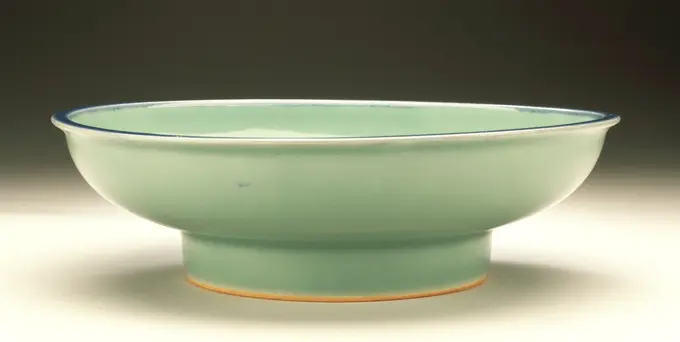
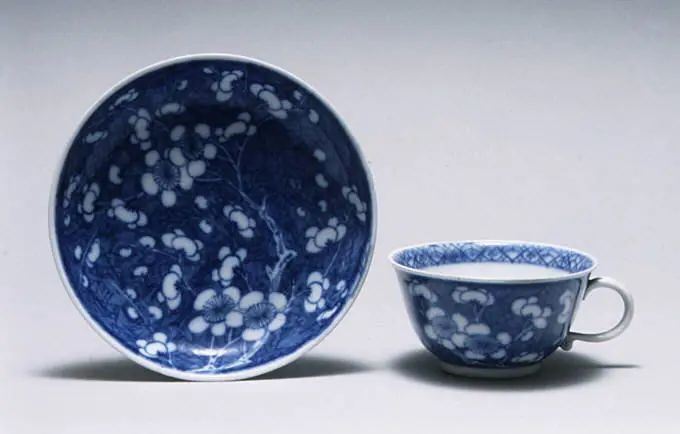
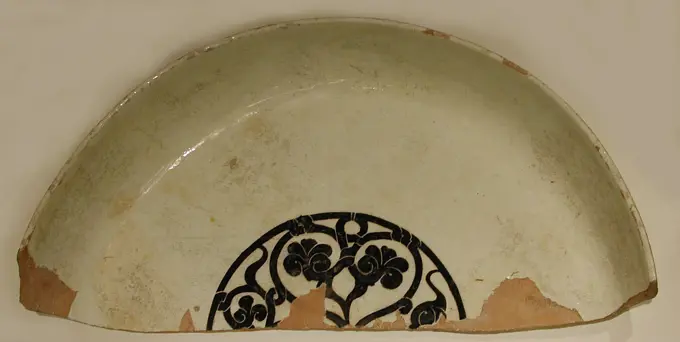
A variety of antique ceramic bowls showcasing unique designs, colors, and cultural significance from different historical periods.

Cup (usual name), 1400. Covered sandstone. Cernuschi Museum, Asia Museum of Asia in the city of Paris.
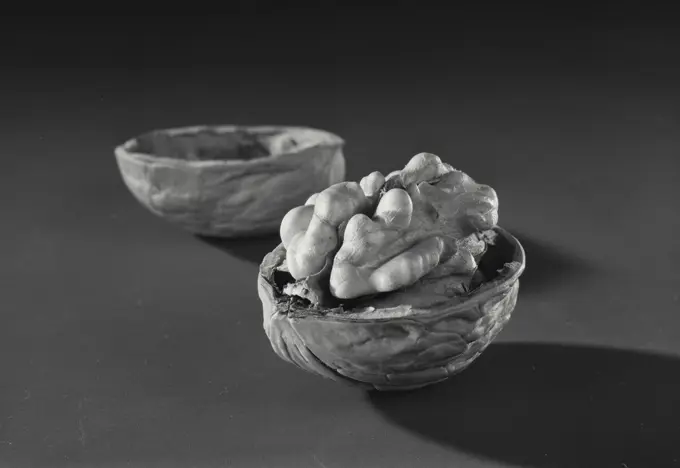
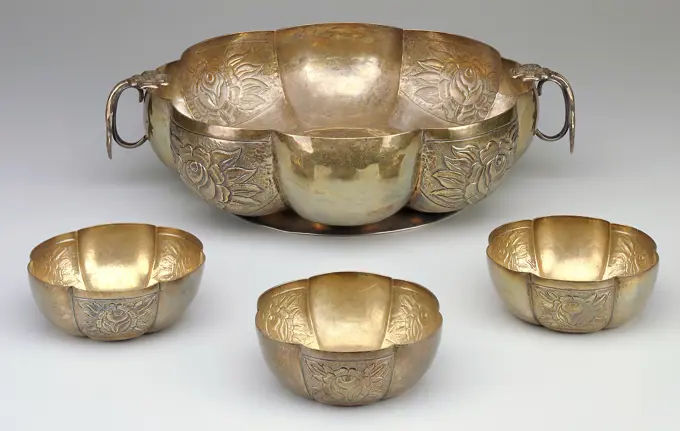
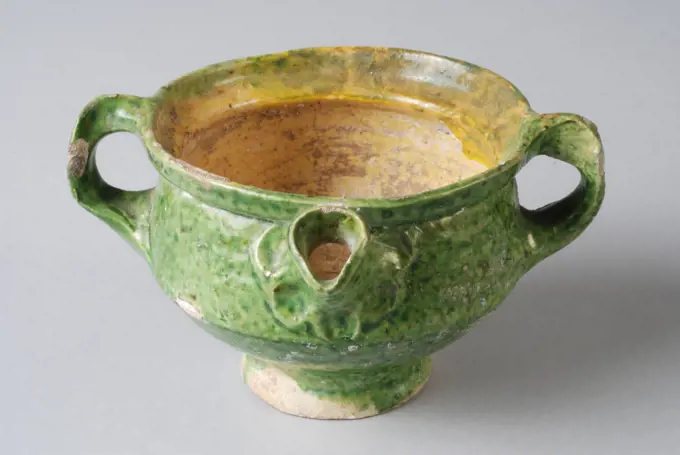
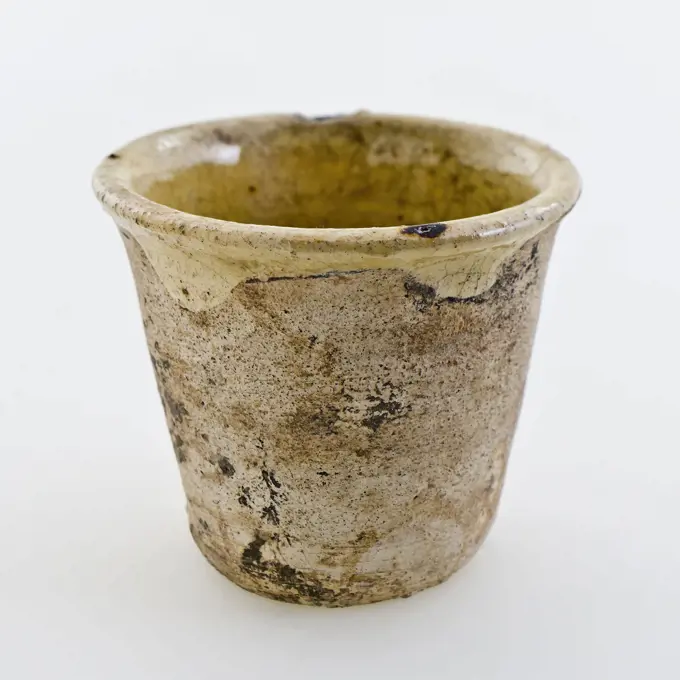
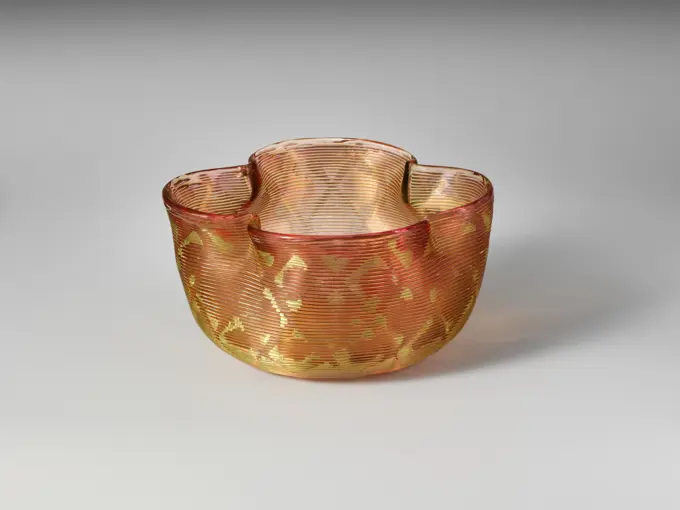
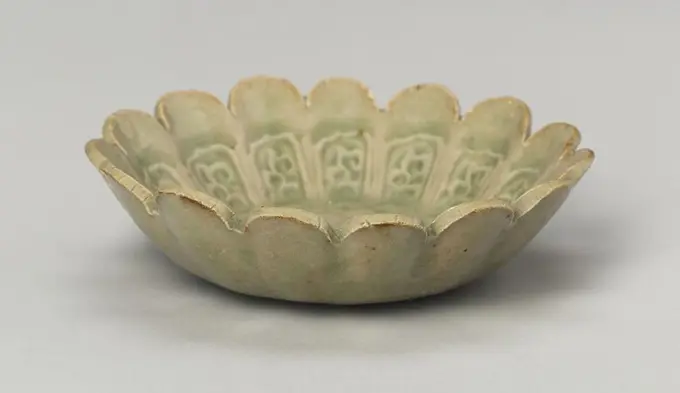
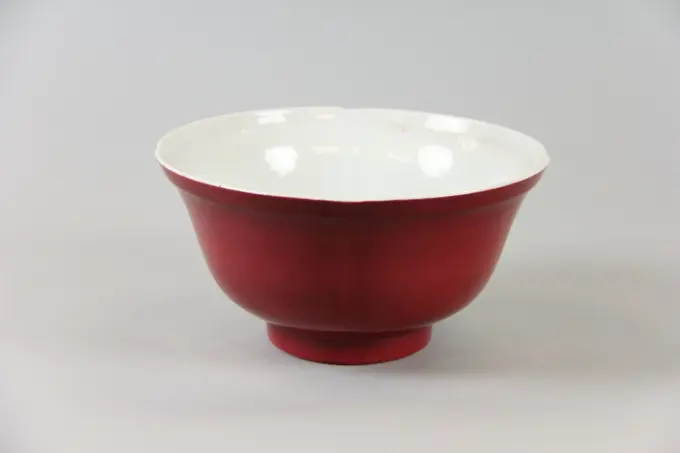
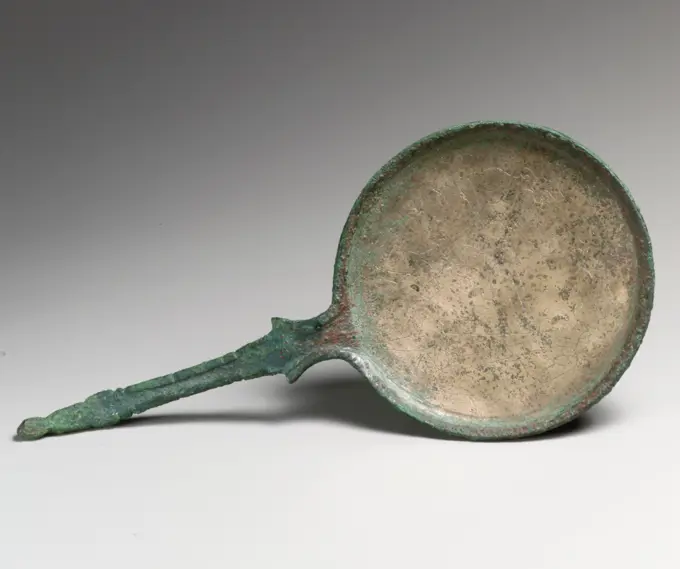
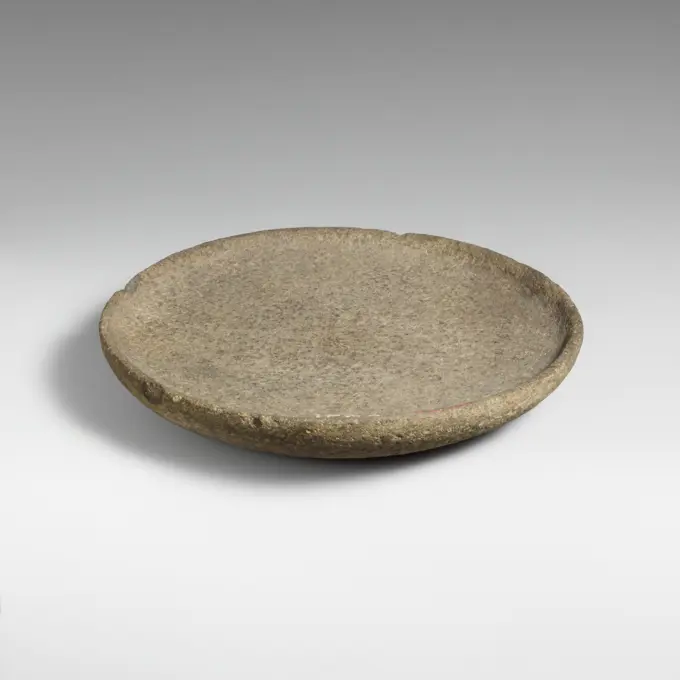
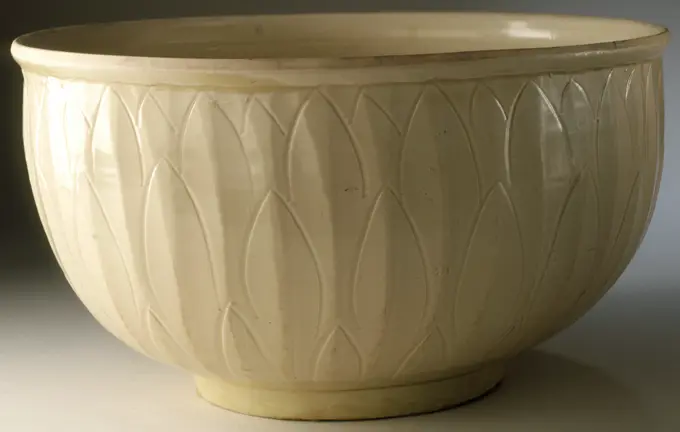
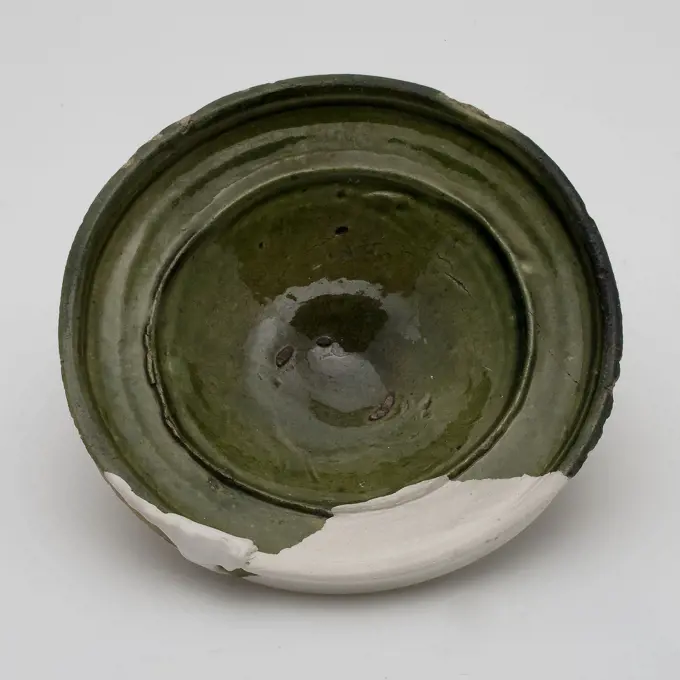
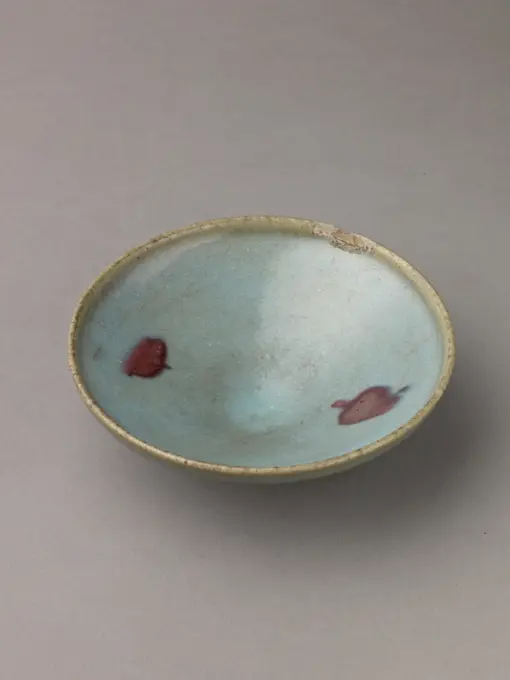
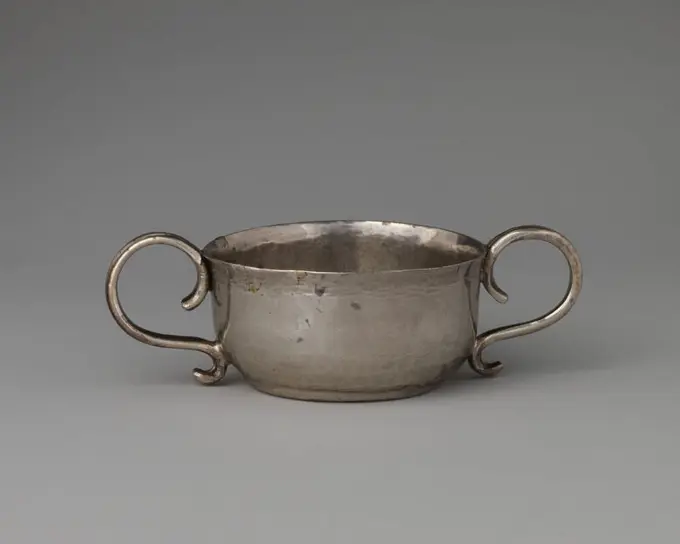
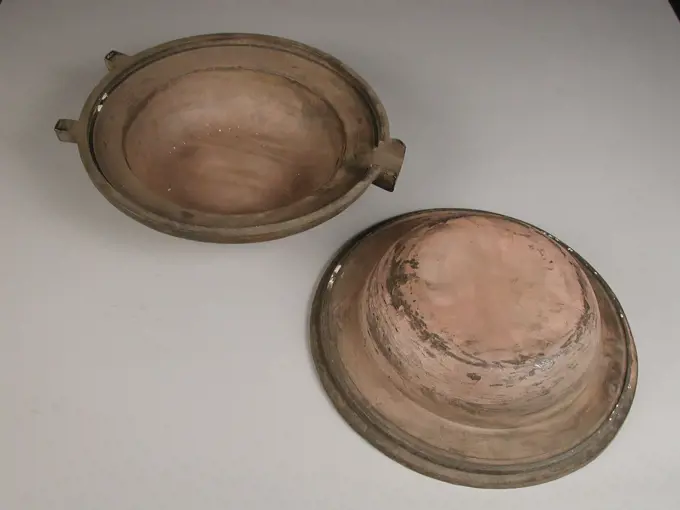
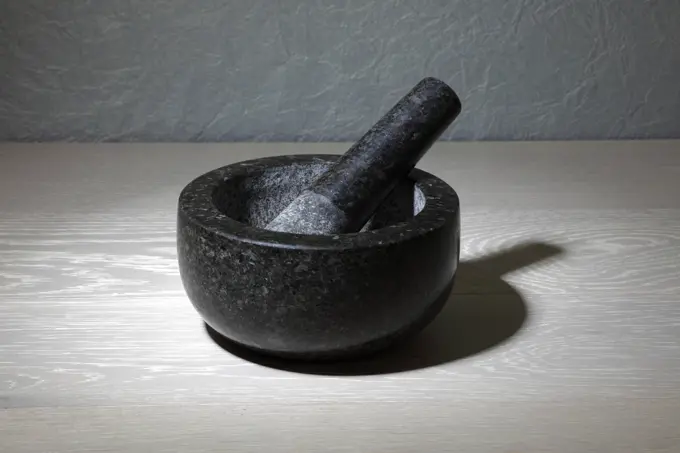
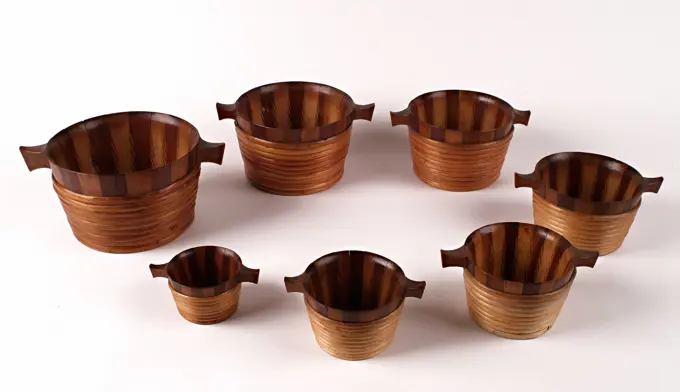
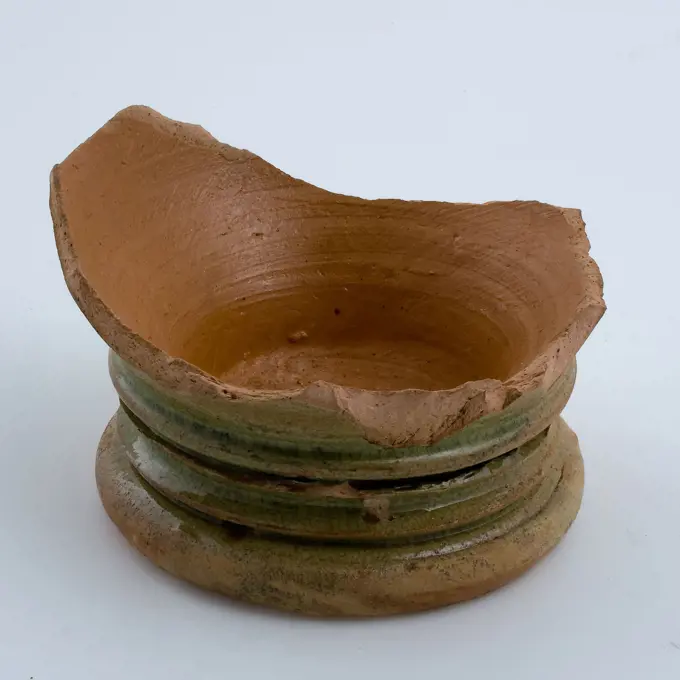
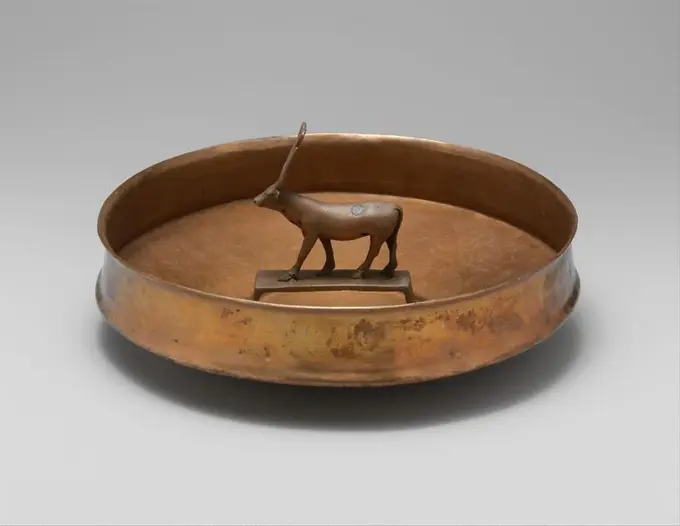
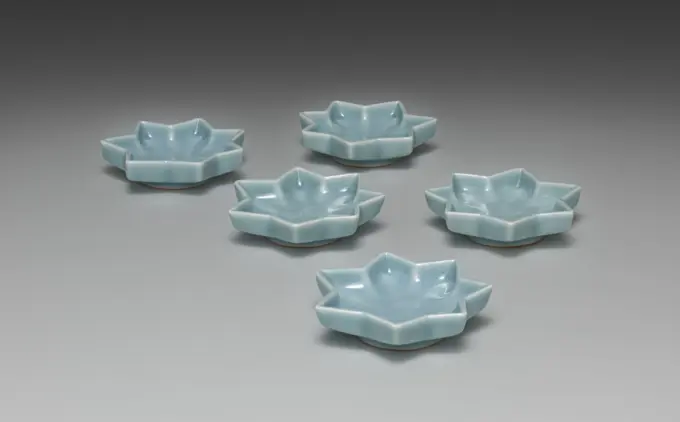
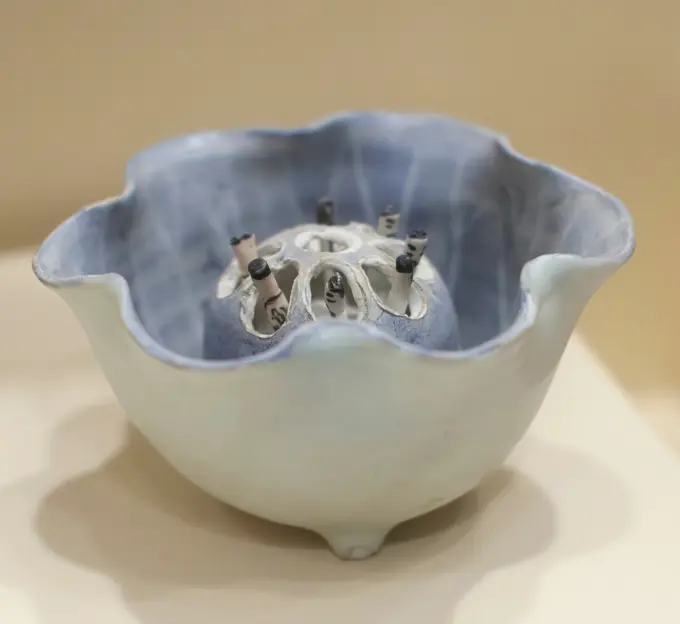
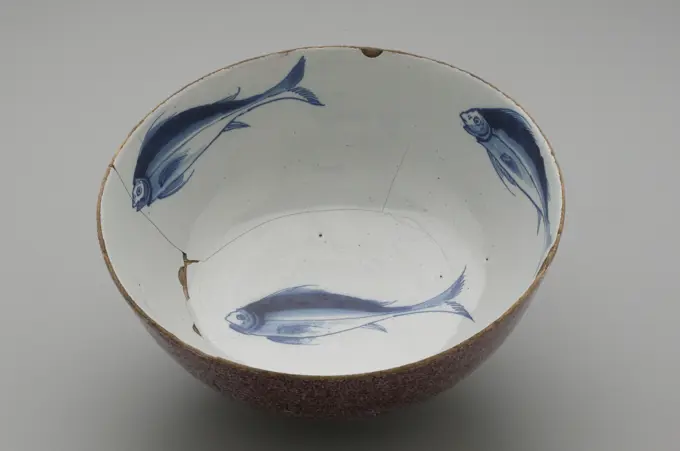
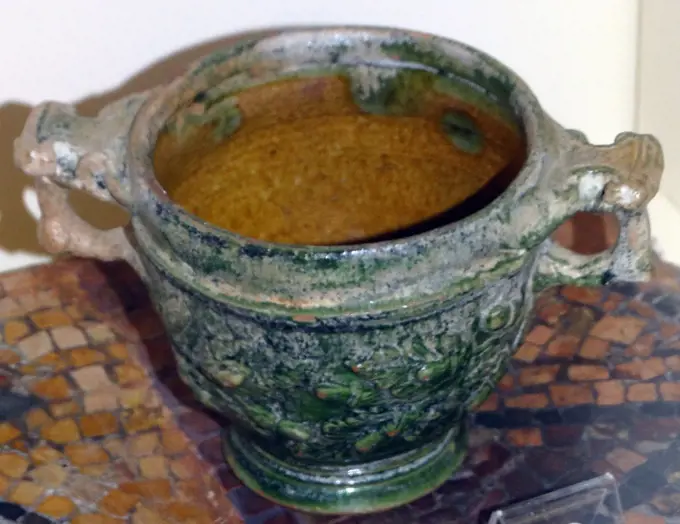
Cup With Translucents Rice-Grain Roundels. Bell-shaped head of porcelain, covered with a translucent white glaze. The walls are open (Ajourwerk) in five rice work rosettes. White porcelain, monochromes.Fingerbowl, from a set of 12, c. 1929-1930, 1 5/8 x 4 11/16 x 4 9/16 in. (4.1 x 11.9 x 11.6 cm), Silver, Mexico, 20th centurySmall spout pot with two ears and spout, grass green glaze, spout pot crockery container toy relaxant soil find ceramic earthenware glaze lead glaze, hand turned glazed baked Pottery spout white shard covered entirely with lead glaze spout two vertically turned on top pinched bandstands stand ring archeology indigenous pottery serving toy kitchen playLobed Cup and Stand with Floral Sprays and Stylized Leaves. Korea. Date: 918 AD-1392. Dimensions: Cup: h. 6.3 cm (2 1/2 in.); diam. 7.1 cm (2 13/16 in.); stand: h. 5.6 cm (2 3/16 in.); diam. 15.5 cm (6 1/8 in.). Celadon-glazed stoneware with underglaze carved and incised decoration. Origin: Korea. Museum: The Chicago Art Institute, Chicago, USA.Pottery ointment jar, white shard, internally glazed yellow, ointment jar pot holder soil find ceramic earthenware glaze lead glaze, hand turned glazed baked Pottery ointment jar white shard internal yellow glazed on stand. Tapered upwards with narrowing above the foot Draairil on the bottom on the inside archeology health care indigenous pottery pharmacy store sell craftPorringer, c. 1800. William IV Moulton (American, 1772-1861). Silver; overall: 5.3 cm (2 1/16 in.); with handle: 21.4 cm (8 7/16 in.); without handle: 14 cm (5 1/2 in.).Finger Bowl 1880-88 Possibly Boston & Sandwich Glass Company. Finger Bowl 3623Scalloped Dish with Stylized Floral Sprays and Sickle-Leaf Scrolls. China. Date: 1199-1299. Dimensions: H. 2.7 cm (1 1/8 in.); diam. 9.6 cm (3 13/16 in.). Yaozhou ware; glazed stoneware with underglaze molded scrolls. Origin: China. Museum: The Chicago Art Institute, Chicago, USA.Lid of a neck-amphora 6th century B.C. Greek, Attic. Lid of a neck-amphora. Greek, Attic. 6th century B.C.. Terracotta; black-figure. Archaic. VasesLobed Pillow with Deer. China. Date: 1075-1127. Dimensions: 25.0 × 21.0 × 13.0 cm (9 13/16 × 8 1/4 × 5 1/8 in.). Cizhou ware; slip-coated stoneware with underglaze impressed and molded decoration. Origin: China. Museum: The Chicago Art Institute, USA.Lobed bowl early 18th century China. Lobed bowl 46397. Dish of porcelain, covered with a monochrome red glaze. The edge is white. A translucent glaze on the underside inside the foot ring; With the six character seal brand from Emperor Qianlong. Monochromes.Terracotta saucer-shaped lamp. Culture: Cypriot. Dimensions: Overall: 1 5/8 x 3 7/8 in. (4.1 x 9.8 cm). Date: 4th century B.C.. Museum: Metropolitan Museum of Art, New York, USA.Bowl with Loop Handles China. Bowl with Loop Handles. China. Jadeite. Qing dynasty (1644-1911), Qianlong period (1736-95). JadeClose-up of small pottery bowl with blue and white borderGłęboka misa. unknown, authorDąbek, Teresa, Dąbek, Teresa and Wacław - collection, Dąbek, Wacław, Dar (provenance), Japanese artMirror with Dioskouroi Etruscan The engraved design represents the two Dioskouroi, who stand facing each other with crossed legs and one hand placed on hip. They wear short girt chitons and Phrygian caps. Behind each stands a round shield.. Mirror with Dioskouroi 246381Lobed Cup and Stand with Floral Sprays and Stylized Leaves 자 잔과 잔 받침 1100-1299 North Korea. Stoneware with underglaze incised decoration .Basalt mortar or plate ca. 1600-1050 B.C. Cypriot The mortar has a ring foot and an in-curving lip.. Basalt mortar or plate 243921Bowl. Culture: China. Dimensions: H. 3 1/2 in. (8.9 cm); W. 8 in. (20.3 cm). Date: first half of the 19th century. Museum: Metropolitan Museum of Art, New York, USA.Brush washer in the shape of a leaf, anonymous, c. 1700 - c. 1799 Porcelain brush bowl in the shape of a leaf, covered with a translucent cream -colored glaze. Ear in the form of a branch; The four legs consist of modeled leaves, branches and flowers. Blanc the Chine. China porcelain. glaze vitrification Porcelain brush bowl in the shape of a leaf, covered with a translucent cream -colored glaze. Ear in the form of a branch; The four legs consist of modeled leaves, branches and flowers. Blanc the Chine. China porcelain. glaze vitrificationBowl (Wan) with Floral Spray and Lotus PetalsFood Basket 1870-1890 Northern California. Plant fibers and pigment . MaiduTea head of twisted wood, anonymous, c. 1800 - c. 1899 Four heads turned from a dark hardwood species. England (possibly) . Four heads turned from a dark hardwood species. England (possibly) .Earthenware salt bowl on stand, green glazed, salt bowl salt barrel crockery holder toy relaxant soil find ceramic earthenware glaze lead glaze, hand turned glazed baked Earthenware salt bowl white shard inside covered with green lead glaze outside unglazed profiled edge between flag and mirror stand ring with soot. Restoration is left blank and not finished archeology indigenous pottery serving salt condiment food child playDeep bowl, Jun ware ca. 13th century Chinese. Deep bowl, Jun ware 460654Bowl 18th century This bowl is typical of the objects that were displayed in open niches in reception rooms of Ottoman-period upper-class Syrian homes. Bowl 444880Miniature porringer. Culture: British, London. Dimensions: 5/8 × 1 1/2 in. (1.6 × 3.8 cm). Maker: Probably George Manjoy (British, active 1685-ca. 1720). Date: 1684-85. Museum: Metropolitan Museum of Art, New York, USA.Earthenware bowl with sausage ear and pale green lead glaze on the inside, ear bowl bowl crockery holder earth discovery ceramics earthenware lead glaze glaze, hand turned glazed fried lemonade Pottery ear bowl thick red shard horizontally set sausage stand stand archeology indigenous pottery food drinkTwo-piece bronze mold for plate, mold casting tool tools equipment base metal bronze, cast turned Two-piece bronze mold for casting large deep plate or bowl Rotterdam tin foundry tin stain tin Meeuws Druy craft Shapes are from the from origin 18th century Rotterdam tinnegieter J Druy. The large molds that were not signed or dated were the property of the tinker guild and were rented to the small tin caster.Bowl 50 BCE-50 CE Syria. Glass vessel, flat bowl form, with cut decoration.. Glass, sagged, rotary-polished and fire-polished . Ancient RomanBasket, 19th-20th century, 3 3/8 x 16 in. (8.57 x 40.64 cm), Plant fibers, United States, 19th-20th centuryBowl 12th-13th century. Bowl 451381Cup. 5th-3rd centuries BC. Post-Talaiotic culture. Clay. From the Shrine of Predio de Son Corro (Costitx, Majorca, Balearic Islands, Spain). National Archaeological Museum. Madrid. Spain.. Incense burner (Hibachi) of stoneware on three three three three-stable feet, covered with a glossy red candle glaze (tea dust) and painted on the glaze in red, green, eggplant and gold. On the outside wall six medallions with a stylized flower in a window. Three cracks in the wall, repaired with golden lacquer. Old label on the bottom with 'ninsei (style)'. Kyoyaki.Glass dish. Culture: Roman. Dimensions: H.: 1 1/2 x 8 1/4 x 4 1/4 in. (3.8 x 21 x 10.8 cm). Date: 4th century A.D..Colorless.Tubular rim, folded up, round, down, and in, forming collar on underside; shallow S-shaped side to body; integral tubular foot ring; pushed-in bottom with domed thickening at center and traces of large circular pontil mark.Intact; pinprick and a few larger bubbles; dulling, yellow brown iridescence, and patches of whitish weathering on exterior. Museum: Metropolitan Museum of Art, New York, USA.Vintage Photograph. Closeup of Walnut cracked open lying on surface with shell in background, Frame 2mörtel und pfeife auf küchenarbeitsfläche A mortar and pestle on kitchen work surface LicenseRF Copyright: xZoonar.com/NigelxStripex 15290754Bickers - Nest of Cups, 1750-1900. Pinto Collection - Purchased from Edward H Pinto, 1965.. Made in Scotland. This is a very rare nest of bickers made in Scotland in the 18th century. Bickers were traditional Scottish drinking vessels and as shown in this nest, they were made in a variety of sizes.It was said that a skilled craftsman was able to make a bicker using only a knife. It was made of alternate sycamore and alder staves which fitted together with a series of small feather like notches. The whole vessel was then held in place with willow bands which were carefully laced together. A dried pea was inserted into a false base in the largest bicker, so that the cup rattled when a top up was required.Vajilla negra romana. Can Serra Museu de Mataró.Terracotta statuette base 3rd century B.C. Greek, South Italian, Tarentine For statuette.. Terracotta statuette base 248618Bottom of earthenware beaker from Cologne, Green glazed, cup crockery holder soil find ceramic earthenware glaze lead glaze, hand-turned glazed baked Cup or jug. Yellowish shard covered with lead glaze green Orange brown on the inside. Pivot rail traces on the underside Profile rings around the abdomen just above the foot archeology metropolis Rotterdam City center Stadsdriehoek Oostplein indigenous pottery import drinking beer serving.Bowl, one of a pair, 11th century, 1 1/2 x 4 1/16 in. (3.8 x 10.32 cm), Ding ware Porcelain with brown-black glaze, China, 11th centuryRoman Art. Terra Sigillata. Two roman red gloss terra sigillata bowl with relief decoration. The ceramic orange is hispanic terra sigillata. 1st-5th centuries. National Museum of Art. Merida. Spain.Wooden holder belonging to a nautilus shell, engraved with a dancing Bacchus -child and with Nymph and Amor, Cornelis Bellekin (attributed to), 1650 - 1700 Wooden holder belonging to an engraved and black -rubbed nautilus shell. Amsterdam mother of pearl engraving Wooden holder belonging to an engraved and black -rubbed nautilus shell. Amsterdam mother of pearl engravingGlass beaker 1st century A.D. Roman Colorless.Knocked-off rim; slightly bulging collar below rim; carinated sides tapering downward; concave bottom.One fine horizontal wheel-cut line below collar 3/8 in. (9 mm) below rim), two broader bands 1/16 in. (1.5 mm) apart further down body just above turn, 1 5/8 in. (41 mm) below rim.Almost complete except for small weathered chips in rim and cracks around rim; pinprick and larger bubbles; deep pitting, brilliant iridescence, and creamy weathering; black enamel-like weathering and soil accretion on interior.. Glass beaker 239813Empty wooden plate, knife, fork and cutting board Empty wooden plate, knife, fork and cutting board set on textured concrete background Copyright: xZoonar.com/TetianaxChernykovax 21413649Bowl, 1900-1905. Great Basin, Timbisha Shoshone (Panamint). Sumac, bulrush; coiled (3 rods); overall: 8.6 x 22 cm (3 3/8 x 8 11/16 in.).Jar. Gray paste sandstone; incised and printed decor. Cernuschi Museum, Asia Museum of Asia in the city of Paris.Tray 19th century Lacquered by Shibata Zeshin Japanese. Tray. Lacquered by Shibata Zeshin (Japanese, 1807-1891). Japan. 19th century. Lacquer with gold. LacquerVotive Bowl. Dimensions: H. including cow: 6 cm (2 3/8 in.); Diam. 22 cm (8 11/16 in.). Dynasty: Dynasty 18. Reign: probably reign of Thutmose III. Date: ca. 1479-1425 B.C.. Museum: Metropolitan Museum of Art, New York, USA.Basket And Tray (England); glazed earthenwareFooted Dish. Japan, Edo period, 1690-1740. Ceramics. Hizen ware, Nabeshima type; porcelain with celadon glaze and underglaze cobalt bluePlateIberian ceramic fountain, V-II BC, Cerro Boyero, Valenzuela, Cordoba, Iberian Museum of Jaén, Andalusia, Spain.Bowl 10th-11th century. Bowl 449753Cup and saucer ca. 1740 Meissen Manufactory German The gift of the Hans Syz Collection in 1995 endowed the Museum with nearly three hundred examples of European and Asian ceramics meticulously acquired by Swiss-born collector Dr. Syz (1894-1991) to chart the migration of models and patterns from East to West. Documenting a continuous process of influence and adaptation, these pieces provide a discriminating review of the nuances of stylistic change resulting from three centuries of trade.. Cup and saucer 208239While porcelain was their primary specialization, all the members of the Seif studio also made stoneware painted with iron oxide designs under the glaze and with color enamel and gold over the glaze. Many examples are further characterized by pink dots brought out during firing and by crackling in the glaze. Works of this type are classified as Kyoto ware, after the city where the style developed. People used the ceramics for a diversity of purposes, from everyday dining to chanoyu, or Japanese tea practice. Boat-Shaped Bowl with Plovers, 1893-97. Seifū Yohei III (Japanese, 1851-1914). Stoneware with crackled glaze and overglaze color enamel and gold; height: 5 cm (1 15/16 in.); length: 17 cm (6 11/16 in.); depth: 8.5 cm (3 3/8 in.).These saucers shaped like maple leaves show Seif Yohei III’s “heavenly blue glaze.” Maple Leaf-Shaped Saucers, 1893-1914. Seifū Yohei III (Japanese, 1851-1914). Set of five saucers; porcelain with molded design and blue glaze; height (each): 2.5 cm (1 in.); width (each): 9 cm (3 9/16 in.).Fragment of a Dish 10th century. Fragment of a Dish 449456Lotus bowl with tripod base, c. 1643, 2 3/4 x 4 1/2 in. (7 x 11.43 cm), Earthenware, China, 17th centuryBowlPlate China. Plate 52837Glazed cup decorated with oak leaves and acorns. Dated 50 ADBowl, 12th-13th century, 2 x 5 5/16 in. (5.08 x 13.49 cm), Chun ware Stoneware with pale blue glaze and purple markings, China, 12th-13th centuryBowlTibetan singing bowl isolated on whiteOld stone mortar for Rice processing in vietnam