Decorative Silver Cutlery

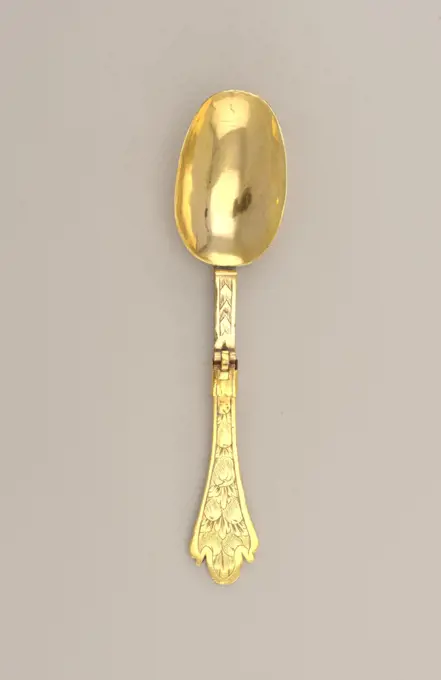
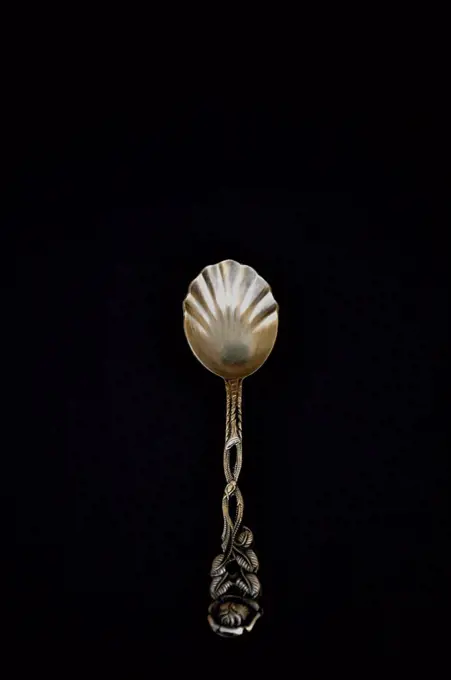
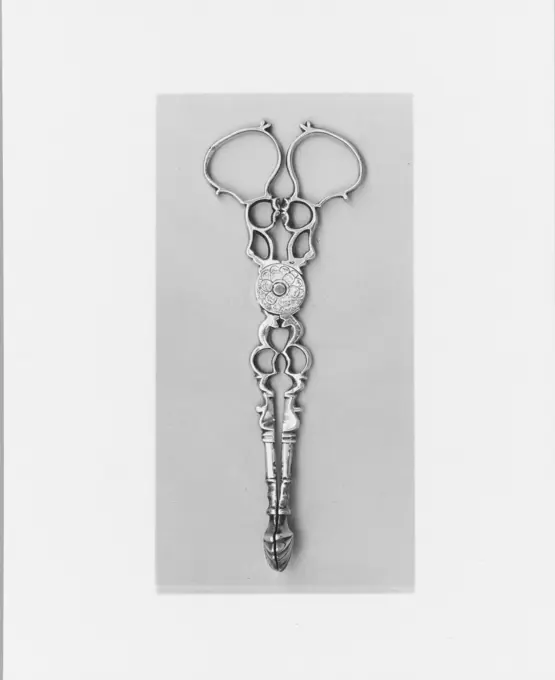
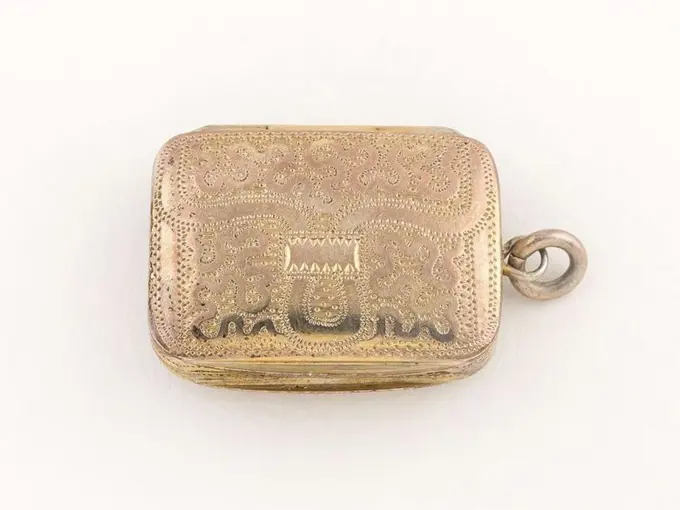
Collection of antique silver spoons and skewers with detailed ornamentation, showcasing craftsmanship and historical design.

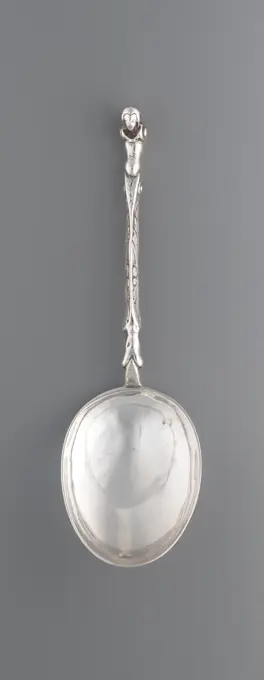
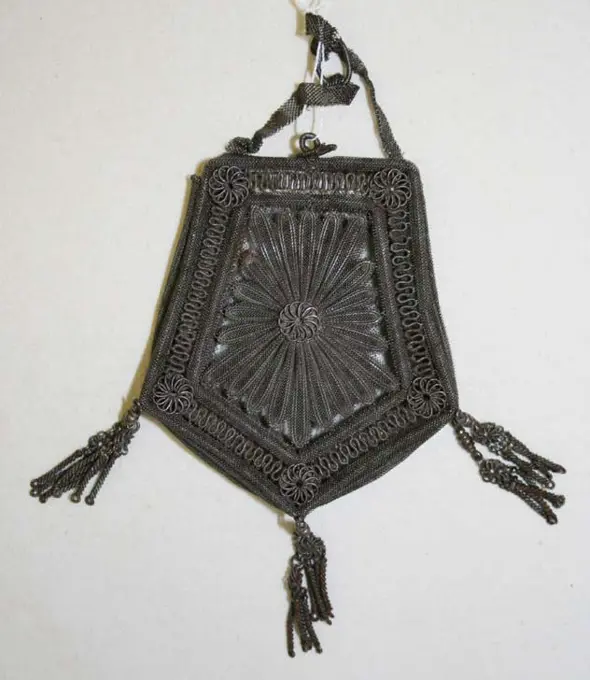
Spoon, silver, Large fig-shaped spoon bowl, flat flaring neck. Scrolled decoration on front with a lion's head in the centre. Long plain handle, round in sectionon top of handle a soldier standing on a pedestal holding a rifle., possibly Germany, n.d., cutlery, Decorative Arts, Spoon
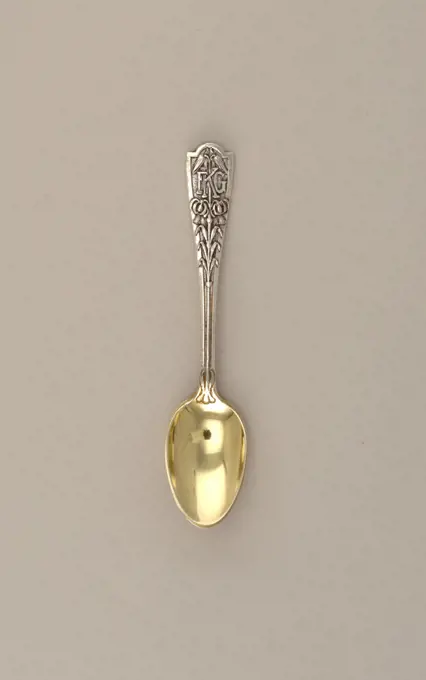
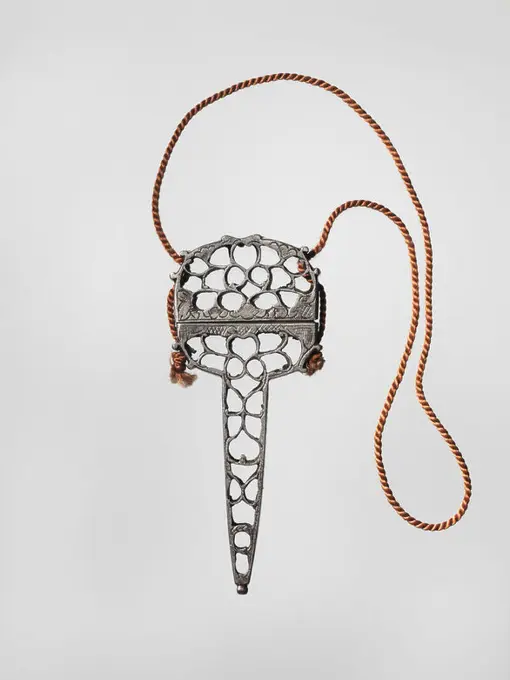
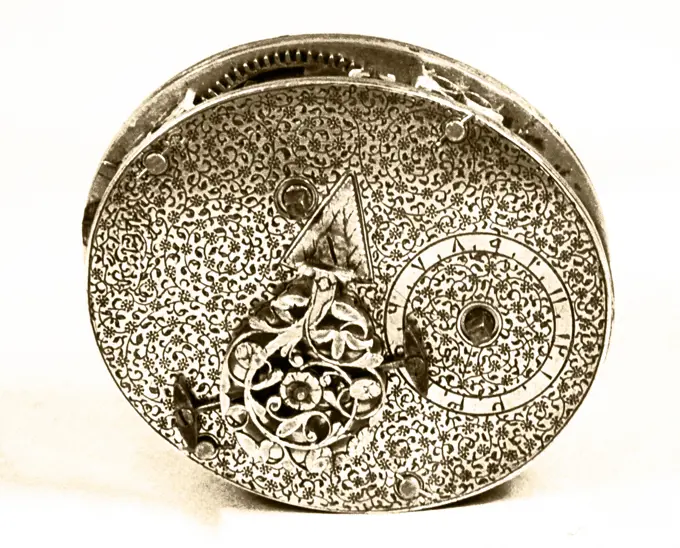
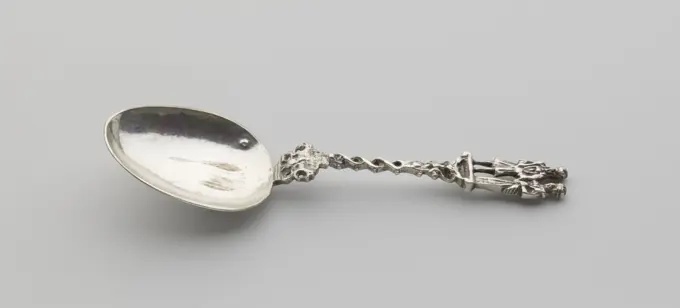
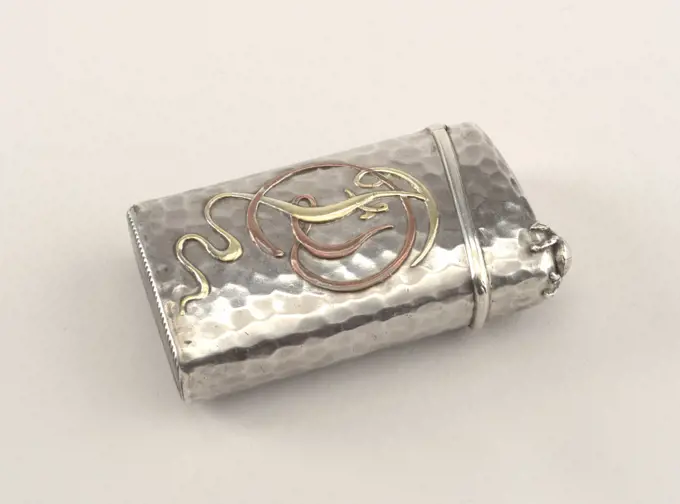
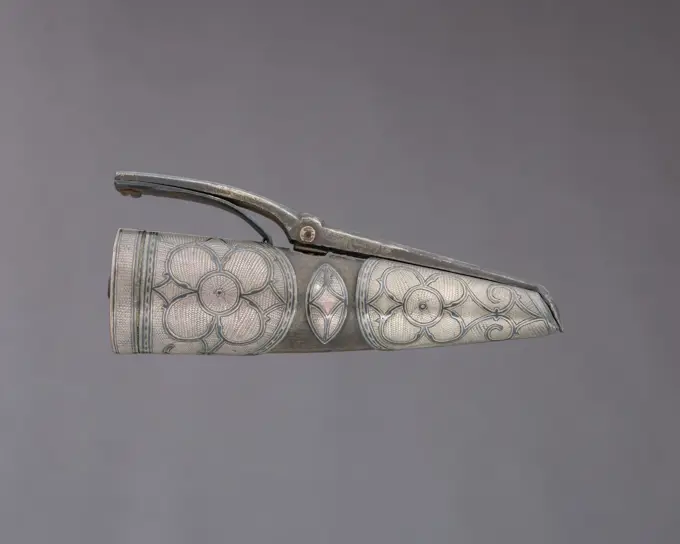
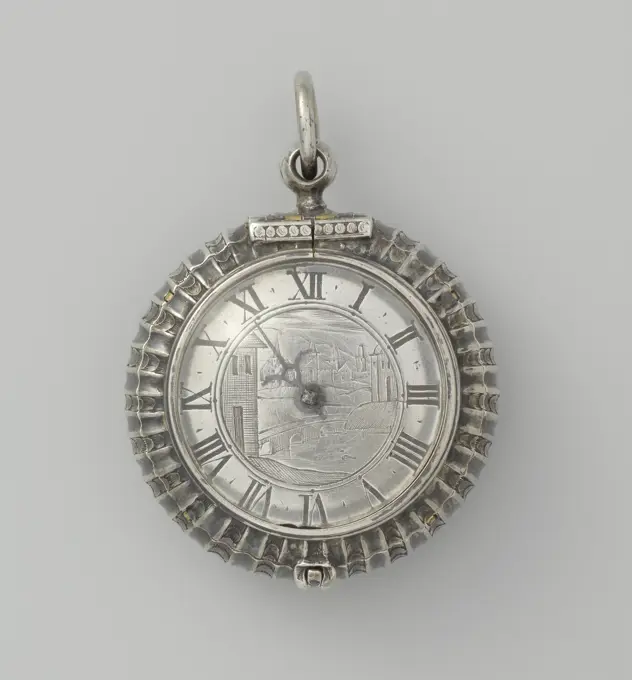
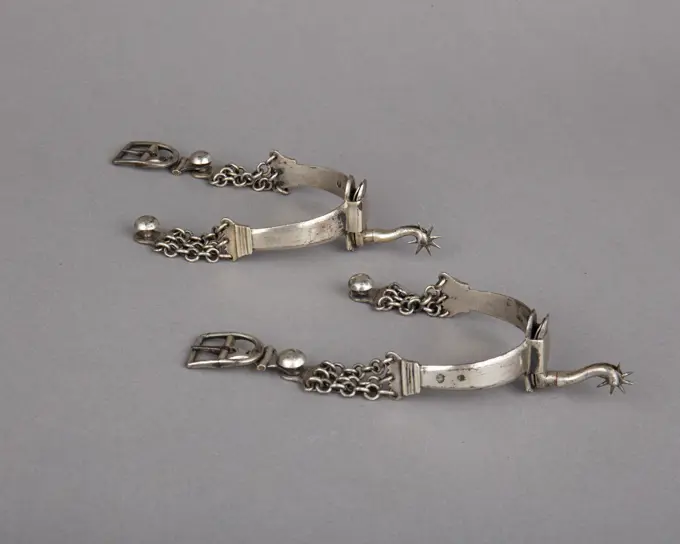
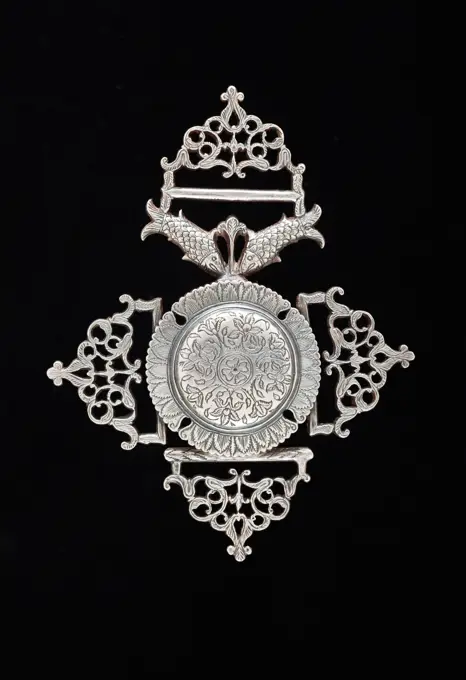
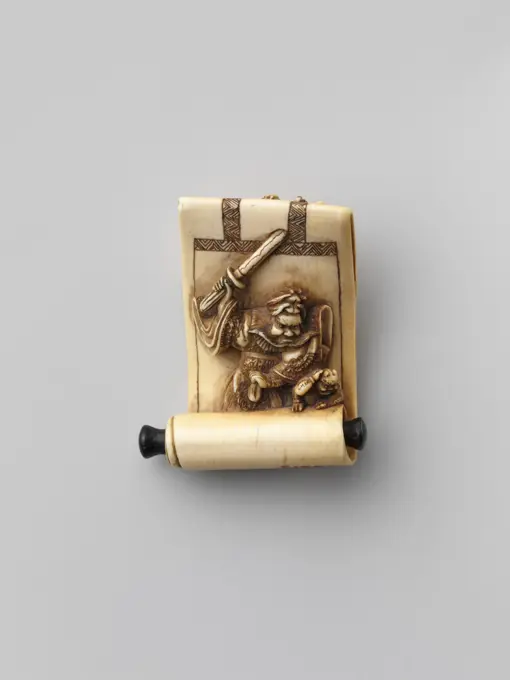
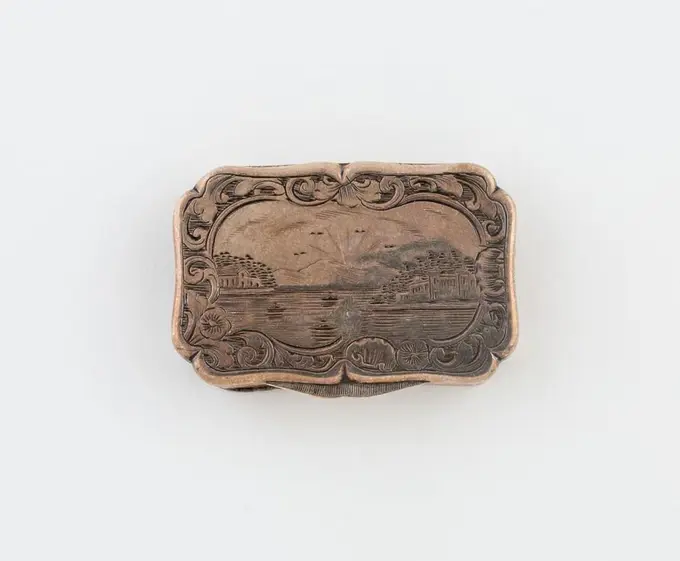
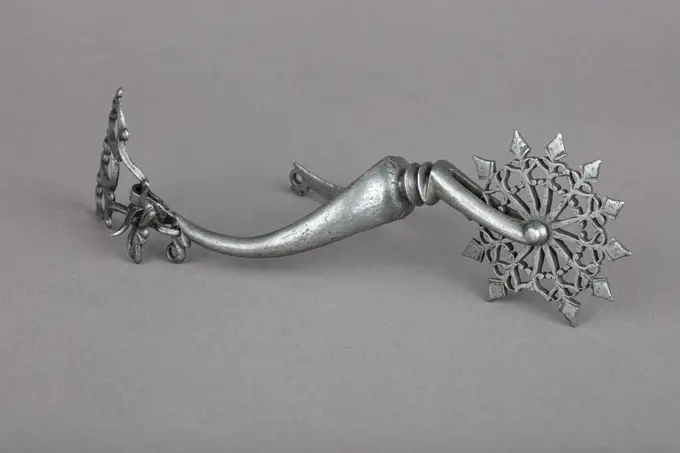
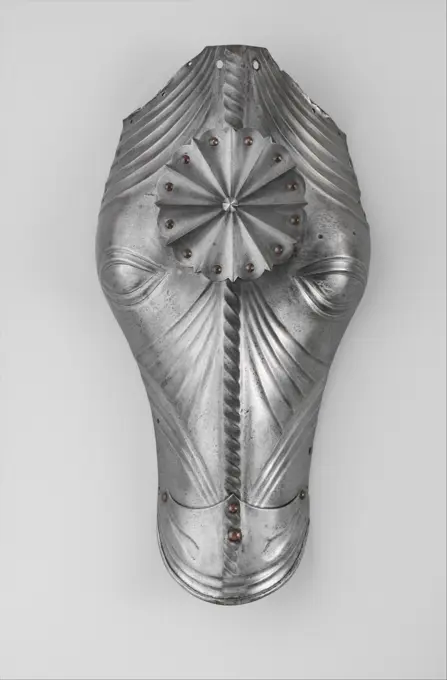
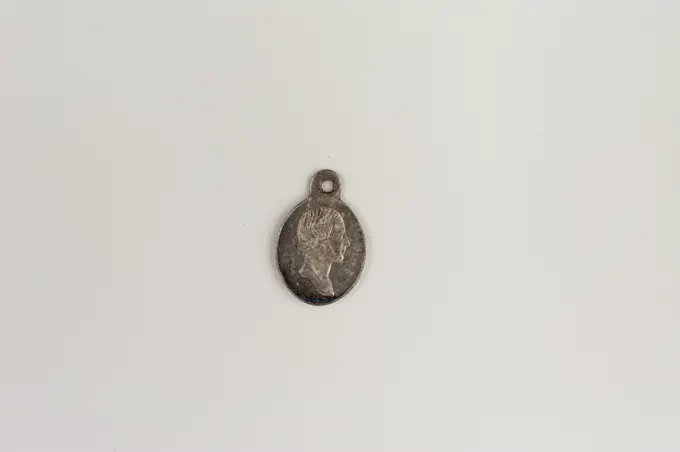
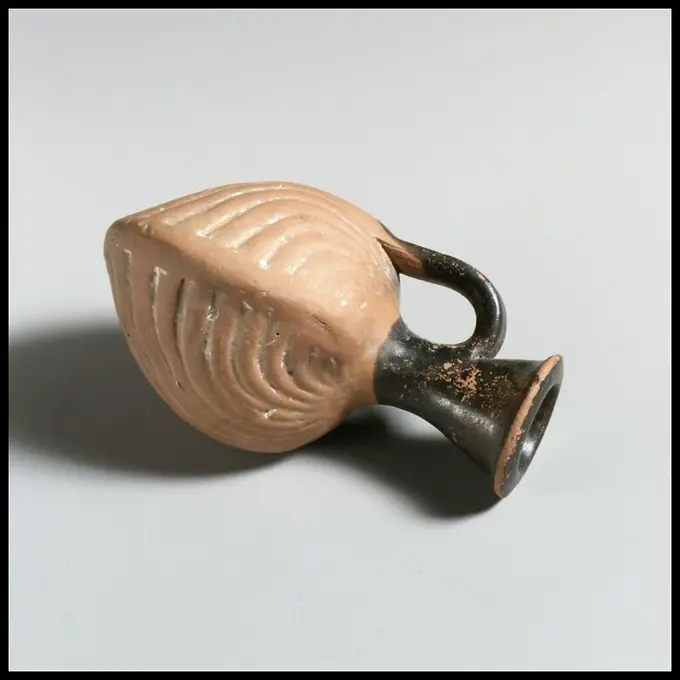
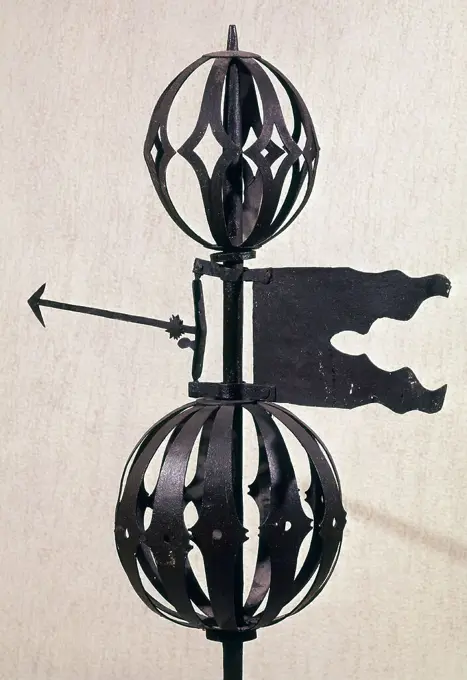
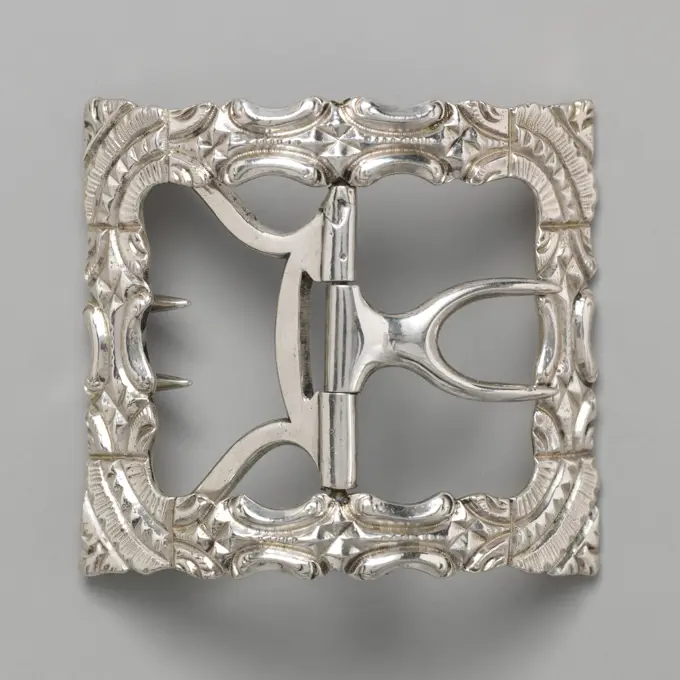
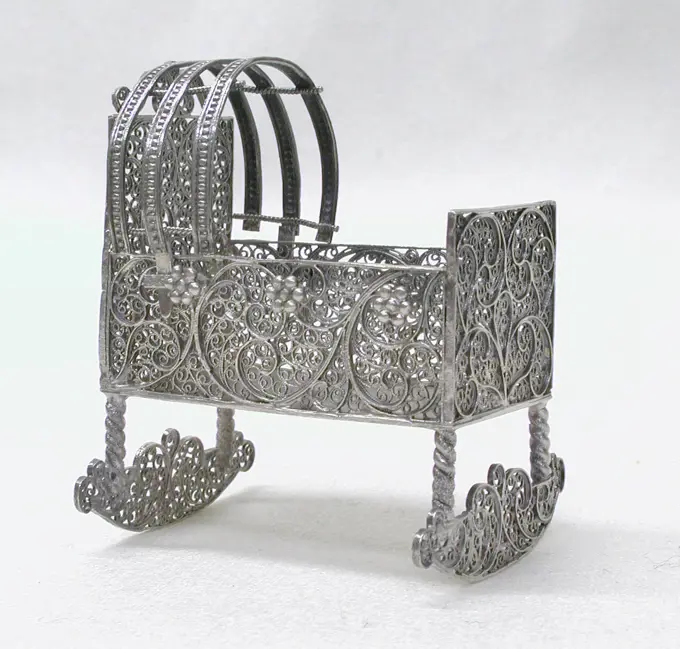
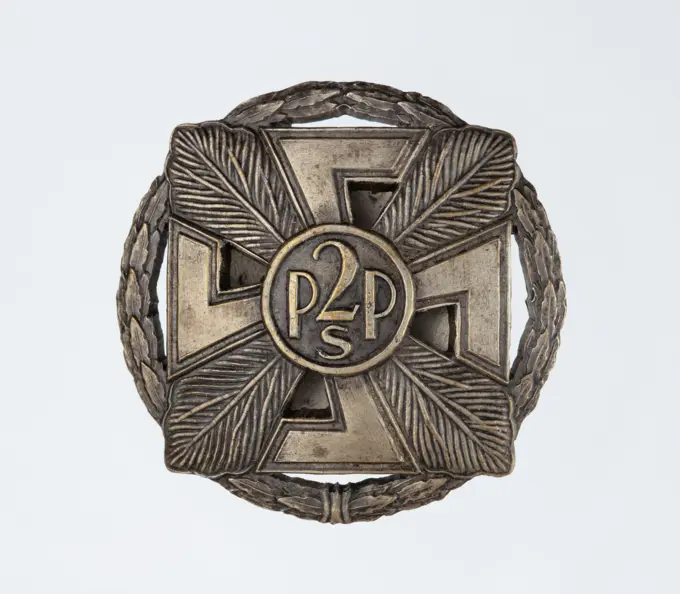
Spoon, silver, Large fig-shaped spoon bowl, flat flaring neck. Scrolled decoration on front with a lion's head in the centre. Long plain handle, round in sectionon top of handle a soldier standing on a pedestal holding a rifle., possibly Germany, n.d., cutlery, Decorative Arts, SpoonSkewer (Italy); silver; L x W x D: 25 x 3.1 x 0.3 cm (9 13/16 x 1 1/4 x 1/8 in.)Spoon.   Maker: Gerrit Onckelbag, American, 1670-1732Rockledge Silver Service, George Washington Maher, American, 1864-1926, Gorham Manufacturing Company, Providence, Rhode Island, USA, founded 1818, Ernest L. and Grace King, Gilt silver, One of a twelve piece place setting. Of 'Martelé' silver, the handle decorated with a native lily motif and initials E.K.G. conjoined; silver-gilt bowl., 1911-12, cutlery, Decorative Arts, Demitasse spoon, Demitasse spoonBowlers Matchsafe; Manufactured by F.S. Gilbert; USA; silver; 6.6 x 3.9 x 179 cm (2 5/8 x 1 9/16 x 70 1/2 in. )Soup Ladle, James Smith (Aberdeen, Scotland, 1780 - 1842) c. 1780Bliżej Kultury unknownspoon, Silver, The spoon with shell form bowl. The tapering lower stem stamped with spralling diagonal rope twist culminating in a ruffle-topped scroll at mid-stem. The flaring terminal engraved with a ruffle-enhanced scroll and topped with a bold stamped shell., Sweden, 18th century, cutlery, Decorative Arts, spoonScissors case. Culture: French. Dimensions: Overall (confirmed): 3 × 2 1/8 × 3/16 in. (7.6 × 5.4 × 0.5 cm). Date: 17th century.Like another scissors case in the Museum's permanent collection (see 2014.737.1), this object illustrates a rite of passage for women--in this case engagement and marriage. While this example does not include the more elaborate imagery and inscription, it is nonetheless representative of the modest, carefully designed objects that were part of everyday life in the seventeenth century. The small hearts imbedded in the scrolls and tendrils in the bottom compartment allude to the social tradition of giving scissors cases to women upon engagement or marriage. The cord on this object is modern, but in original use the case may have been hung or worn on the body from a belt.Ellenor M. Alcorn, 2014. Museum: Metropolitan Museum of Art, New York, USA.Pendant, Gold, black and white enamel, aquamarines., Pendant of three curving panels ornamented in black and white enamel in floral design above three pieces of aquamarine and below an ornament of three leaves; loop at top., France, mid-19th century, jewelry, Decorative Arts, PendantWilliam Faris Sr., Sugar Nippers, c. 1770, silver.An engraving depicting a Nuremberg Egg, an early type of pocket watch: rear view, showing the verge escapement. Dated 16th centuryMemorial spoon, anonymous, c. 1400 - c. 1950 Memorial spoon of silver, with an oval scoop and a broadened, perforated start. The stem is like a double pendulum, open and widening into a platform on which, side by side, a man and a woman. Inscription: F i F N.  silver (metal) Memorial spoon of silver, with an oval scoop and a broadened, perforated start. The stem is like a double pendulum, open and widening into a platform on which, side by side, a man and a woman. Inscription: F i F N.  silver (metal)Sugar sprinkle with the Clifford family crest, Theodorus Gerardus Bentvelt, 1838 The round, deep container has a flat bottom and a lobed wall and is surrounded by a flat edge. It is open with a star -shaped pattern of hearts, points and rays, which are alternately crowned by triangularly ordered points and by a stylized leaf motif. The eight lobes are open with a pattern of a window surrounded by four stylized leaves. The flat, curved stem, which broadens to the pointed end, splits itself at the start. It is surrounded by a cable edge at the top. On the top of the handle, the clifford weapon is engraved with the helmet sign and shield holders. Amsterdam silver (metal) The round, deep container has a flat bottom and a lobed wall and is surrounded by a flat edge. It is open with a star -shaped pattern of hearts, points and rays, which are alternately crowned by triangularly ordered points and by a stylized leaf motif. The eight lobes are open with a pattern of a window surrounded by fourMatchsafe, Tiffany & Company, American, established 1853, Hammered silver, copper, brass, Matchsafe in Japanese style. Oblong, rounded corners, with overall hand hammered surface, featuring applied decoration of a copper maple leaf and brass maple seed on front side, small applied beetle on top corner of lid, stylized monogram (FD) in brass and copper on reverse. Lid, hinged on side, opens on the diagonal. Striker on bottom., New York, New York, USA, ca. 1880, containers, Decorative Arts, MatchsafeBatter, anonymous, c. 1400 - c. 1950 Pressed silver batter for a lock.  silver (metal) Pressed silver batter for a lock.  silver (metal)Daniel Dupuy, Salver, c. 1750, silver.Tea strainerCocks & Bettridge, Caddy Spoon, 1814/15, silver.Grahal-Manzara. Carnavalet 2013-2016 collection sites. Numismatics.An astrolabe (Persian: اسطرلاب‎, Greek: ἀστρολάβος astrolabos, 'star-taker') is an elaborate inclinometer, historically used by astronomers, navigators, and astrologers. Its many uses include locating and predicting the positions of the Sun, Moon, planets, and stars, determining local time given local latitude and vice-versa, surveying, triangulation, and to cast horoscopes. It was used in classical antiquity, the Islamic Golden Age, the European Middle Ages and Renaissance for all these purposes. In the Islamic world, it was also used to calculate the Qibla (direction of Mecca) and to find the times for salat / namaaz, prayers. There is often confusion between the astrolabe and the mariner's astrolabe. While the astrolabe could be useful for determining latitude on land, it was an awkward instrument for use on the heaving deck of a ship or in wind. The mariner's astrolabe was developed to solve these problems.HandbagButton.   Maker: T. S. (1), active ca. 1790Maker, possibly by: Thomas Shields, American, 1742-1819Pin with arrowhead and a bud of pearl nut. Hat pin with arrowhead, inlaid with cut glass and a round mother-of-pearl button, caught in a broken bural of copper.Scarab Inscribed with a Blessing Related to Re ca. 1850-1640 B.C. Middle Kingdom During the late Middle Kingdom (late Dynasty 12-13, ca. 1850-1640 B.C.), numerous scarabs were incised with inscriptions related to the sun god Re. These scarabs are often quite small. The precise meaning of the inscriptions remains unclear: they can be interpreted as forming the name Re, or as a phrase or wish meaning (may) Re give. Such inscriptions summon the sun gods protection. These so-called ‘rdi ra scarabs continue to be manufactured during the Second Intermediate Period (ca. 1640-1550 B.C.), but show different details on the back and sides.. Scarab Inscribed with a Blessing Related to Re 545258Suikerlepel van tin met vogel.Sauce spoon of tin. The handle is curled at the end and decorated with a raised bird. The round bin is opened with an ornamental motif.Carnavalet museum, medal collection Bust law of Mgr Denis Affre on the left; Reverse registration on four lines in a crown of palms.Curb Bit ca. 1530-1550 bit, German or French; bosses, French or South Netherlandish According to contemporary equestrian manuals, this complex mouthpiece, characteristic of the bits made between ca. 1530 and ca. 1550, was designed for lowering the horse's head. The shanks (the levers on the sides of the bit to which the reins were attached), are shaped as waving snakes or dragons, their heads hidden behind the large copper alloy bosses. These bosses, contemporary but not originally attached to this bit, bear a proverb in French stamped on their rims. They belong to a large group of bosses, some inscribed, produced in Northern France or in the Southern Netherlands (see also 42.50.227).. Curb Bit. bit, German or French; bosses, French or South Netherlandish. ca. 1530-1550. Iron alloy, copper alloy. Equestrian Equipment-BitsCollar, obra de Ninon Collet, 1965. Colección privada.Watch ca. 1751-52 Watchmaker: John Rich. Watch. British, London. ca. 1751-52. Silver. HorologyPair of Man's Breeches Buckles. United States, mid-18th century. Costumes; Accessories. MetalPrimer 18th-19th century Caucasian. Primer. Caucasian. 18th-19th century. Wood, silver, steel, chern, niello. Firearms Accessories-Flasks & PrimersMen's Watch, Jaques Sermand, c. 1650 - c. 1675 Men's watch made of silver with bowl -shaped rear bottom that is scanning strikingly. A river landscape is engraved on the silver dial. ClockMaker: GERYJERSWERN: Switzerland silver (metal). copper (metal) engraving Men's watch made of silver with bowl -shaped rear bottom that is scanning strikingly. A river landscape is engraved on the silver dial. ClockMaker: GERYJERSWERN: Switzerland silver (metal). copper (metal) engravingPair of Rowel Spurs 1798-1809 French, Paris This pair of spurs, made in Paris between 1798 and 1809 according to its silver hallmarks, copies a popular contemporary English type. The neck and rowel are attached to a tab clipping into a rectangular opening with a spring, making it detachable. This type of spur is described in the entry Eperon in the Swiss Encyclopédie d'Yverdon published in 1772 by Fortuné Barthélemy de Félice. He calls it a 'spring spur' (éperon à ressort). There, it is explained that the drawback of such spurs is once the neck is separated from the heel plate, it is so small it is easy to loose.These spurs are entirely made of silver, except for a screw in the heel, the rowel and the buckles' prongs, made of iron, silver being too soft and fragile to be used for these parts.. Pair of Rowel Spurs. French, Paris. 1798-1809. Silver, iron. Paris. Equestrian Equipment-SpursSword Belt Fitting. India, Uttar Pradesh, Awadh, Lucknow, circa 1750-1800. Arms and Armor. Silver, cast and chasedWarming Plate And Cover (England); sheffield plate (copper, silver, tin)Folding spoon, Brass, Oval-shaped rattail spoonbowl. Flat, slightly curved neck with hinge and small sliding sleeve. Flat handle with trifid end. Engraved with v-shaped pattern at the front and back of neck. The handle is engraved on both sides with stylized leaves and fruits. The bowl bends forward., Germany, ca. 1700-10, cutlery, Decorative Arts, Folding spoonKnife, fork, chatelaine and tube. Knife and fork with lifetime of silver. Sleeve lid, silver, with engraved flower drinks. Confirmed with chain to a chtelaine (B).Half-lobed bowl Sasanian ca. 6th century CEHand mirror with driven Jugendstil ornament, Anonymous, 1906 Hand mirror of silver, with driven Jugendstil ornament. Master sign: CSFS. Birmingham silver (metal). glass. amalgam Hand mirror of silver, with driven Jugendstil ornament. Master sign: CSFS. Birmingham silver (metal). glass. amalgamClose up of old silver spoon against black backgroundCurb Bit. European. Date: 1475-1550. Dimensions: . Iron. Origin: Europe. Museum: The Chicago Art Institute, Chicago, USA.Snaffle Bit 1st - 4th century European, Bohemia The snaffle bit is the simplest type of horse bit, and has an effect on the bars (part of the horses jaw without teeth) and the corners of the lips. Here the twisted canons and the central piece add some severity, since by bending over the tongue, they would bring the twisted links in contact with the bars. This bit was originally probably completed by larger metal rings or cheekpieces made of perishable material, like wood or bone. The cheekpieces help indicate the direction to the horse and keep the rings from pulling through the horse's mouth. The headstall would have probably being connected to these missing rings or cheekpieces as well.This kind of bit is found in burials associated with several populations living and travelling between eastern and central Europe during this period. This example was found in what is today Pod?brady, in Czech Republic. Snaffle Bit. European, Bohemia. 1st - 4th century. Iron alloy. Pod?brady. EquestriSouvenir spoon with view of Bay of Naples with Vesuvius in the distance European late 19th centuryBox 1796-97 Samuel Pemberton. Box 207455Pendant ca. 3rd-7th century A.D. Sasanian. Pendant. Sasanian. ca. 3rd-7th century A.D.. Gold. Sasanian. Iran, Qasr-i Abu NasrPurse early 19th century French. Purse 117281with Pocket Knife, Silver, gilding, metal, Elongated oval shape, flat, undecorated front and reverse surfaces, featuring small knife and button hook that swing out from left and right concealed slots on underside. Link attached to end. Lid (box cover on front) hinged on long, button hook side. Striker also on long side beneath hinge., 1881-82, containers, Decorative Arts, Matchsafe, MatchsafeAlps cowbell on white backgroundCarnavalet museum, medal collection Right allegory of the printemps kneeling on the right, surrounded by baskets of flowers, holding on the right a cut full of fruits and flowers and distributing bay branches of the left hand; At the rear, a radiant sun; Registered medallion backhand, accosted with a bay branch.'Souvenir of Buffalo, N.Y.', Plated metal, Rectangular, curved top and bottom, featuring raised decoration of rancher on horse in open field with buffalo and mountains in background, rancher has roped a buffalo in foreground, above inscribed 'Souvenir of Buffalo, N.Y.'; reverse features 2 adult and 1 baby deer in wooded area, with lake and mountains in background. Lid hinged on side. Striker on bottom., ca. 1904, containers, Decorative Arts, Matchsafe, MatchsafeShōki Comes to Life from a Hanging Scroll first half 19th century Shūōsai Japanese Shōki, the demon-queller, comes to life and emerges from a hanging scroll. He menaces a little demon (oni) with his raised sword, while another gleefully escapes to the back of the netsuke. Images of Shōki were thought to ward off demons.. Shōki Comes to Life from a Hanging Scroll 60002Sword Guard (Tsuba) ca. 1615-1868 Japanese A tsuba is a sword guard and part of a sword mounting. It is mounted between the swords blade and grip to protect the users hands.. Sword Guard (Tsuba) 34435Toast Rack (England); Designed by Christopher Dresser (Scottish, 1834 - 1904); Manufactured by Hukin & Heath (United Kingdom); Distributed by Degler; silver-plated metal. Bell-shaped head of porcelain with a straight wall, painted on the glaze in black and gold. On the outside twice a representation of the crucifixion with the two Maria's; the bottom with a sprig; On the inner edge a band with a decorative pattern. A chip in the edge and a crack in the wall. Part of a tea service. European performance in Encre de Chine.Commemorative pendant of the 53rd anniversary of the January Uprisingheart shape buckle of silk bead close up isolated on white heart shape buckle of silk bead close up isolated on white Copyright: xZoonar.com/VVxVoennyyx 5012451metal on wall metal on wall Copyright: xZoonar.com/OxanaxRishnyakx 4476681Vinaigrette with Harbor Scene. George Unite; Birmingham, England. Date: 1846-1847. Dimensions: 4.5 × 2.5 cm (1 3/4 × 1 in.). Silver and silver gilt. Origin: Birmingham. Museum: The Chicago Art Institute, Chicago, USA.Vinaigrette 1797-1808 Birmingham. Silver and silver gilt . Samuel PembertonTongs 1750-70 American. Tongs 8717Inro: Establishing geese, anonymous, c. 1750 - c. 1850 Five -part inro decorated with downing geese in gold lacquer and inlaid with mother -of -pearl. Japan wood (plant material). lacquer (coating). mother of pearl Five -part inro decorated with downing geese in gold lacquer and inlaid with mother -of -pearl. Japan wood (plant material). lacquer (coating). mother of pearlPurse-Shaped Vinaigrette. Possibly Matthew Linwood and Son; Birmingham, England. Date: 1817-1818. Dimensions: 2.5 × 2.5 cm (1 × 1 in.). Silver and silver gilt. Origin: Birmingham. Museum: The Chicago Art Institute, Chicago, USA.Rowel Spur first half 17th century Spanish Simple in shape, this spur nonetheless features an impressive and delicate pierced rowel. If the style of the buckle is inspired from German contemporary examples, the intricate lacework-like pierced effect on the rowel is typically Spanish.. Rowel Spur. Spanish. first half 17th century. Iron alloy. Equestrian Equipment-SpursGoldsmith's art, 20th century. Art Deco carved rock crystal pendant, with triangular black enamel, diamond and coral setting.Annetsberger, Willy, Early SA/SS standard-bearer shift (Sturmabteilung/Schutzstaffel) (attributed title), 1939. Nickelé metal. General Leclerc Museum of the Liberation of Paris - Jean Moulin Museum."Blind" Shaffron (Horse's Head Defense) for the Joust ca. 1490; rondel, late 19th century German Jousts were friendly contests fought by two mounted participants armed with lances, with the object of unseating the opponent or at least breaking one's lance squarely on the other contestant's shield or helmet. Well-trained horses for the joust were extremely expensive and were usually protected with armor. The shaffron was often "blind"--that is, the eyes were covered so as to prevent the horse from shying away at the opponent's approach. (The rondel attached to this example is a late nineteenth-century restoration.). "Blind" Shaffron (Horse's Head Defense) for the Joust. German. ca. 1490; rondel, late 19th century. Steel, brass, textile, leather. Equestrian Equipment-ShaffronsBuckle dated 1650 German. Buckle. German. dated 1650. Steel. Miscellaneous-Buckles & OrnamentCompass as symbol of tourism and outdoor activities with compassOld  gold watch  lie on  tableTerracotta vase in the form of two cockle shells Greek, Attic 4th century BCE Given the importance of the sea to Greek life, it is noteworthy that marine subjects do not appear more frequently among Greek vases. From the late sixth century B.C. on, perfume flasks in the shape of one shell or a cluster occasionally occur.Boiler with lid, Frederik van Strant (I) (attributed to), c. 1725 Boiler with lid and handle. Zig-zag lines are engraved in the pan. There is a button on the lid. The boiler is marked: Mt. = Frederik van Strant I. Amsterdam silver (metal) Boiler with lid and handle. Zig-zag lines are engraved in the pan. There is a button on the lid. The boiler is marked: Mt. = Frederik van Strant I. Amsterdam silver (metal)Jewel of the Financial Secretary of the Knights ofPythias. Honorand: Knights of Pythias, American, founded 1864 Designer Stillman S. DavisThe keyhole, decorative design element, isolated on white background The keyhole, decorative design element, isolated on white background Copyright: xZoonar.com/OleksandrxKostiuchenkox 11583072Manju of carved lacquer with floral design, 20th century, Unknown Japanese, Dia.2 in., Metal, lacquer, ivory, Japan, 20th centuryInrō Ensemble with Dragonfly Design. Iizuka Tōyōsai (Japan, active Edo, circa 1725-1790)Hara Yōyūsai (Japan, 1768-1845)Mitsutsugu (Japan, active 19th century). Japan, (Inrō) second half of 18th century; (Netsuke) first half of 19th century; (Ojime) no date. Costumes; Accessories. (Inrō) Togidashi maki-e lacquer; (Netsuke) wood, gold maki-e lacquer, abalone shell; (Ojime) tri-lobed metalWomen's watch; Lepine, Jean Antoine (1720-1814); 4 18th century (1776-00-00-1800-00-00);Amor (mitol.), Cupid at the altar of love (iconogr.), Girlands (ornament), pigeons, quarrelsCarnavalet museum, medal collection Right head of the count of Chambord on the right; Reverse Lys fulfilled.A cup with tea strainerJoseph Richardson Sr., Pair of Sugar Nippers, c. 1750, silver.Terracotta vase in the form of two cockle shells. Culture: Greek, Attic. Dimensions: H. 3 9/16 in. (9 cm). Date: 4th century B.C..Given the importance of the sea to Greek life, it is noteworthy that marine subjects do not appear more frequently among Greek vases. From the late sixth century B.C. on, perfume flasks in the shape of one shell or a cluster occasionally occur. Museum: Metropolitan Museum of Art, New York, USA.VELETA EN HIERRO. Location: MUSEE D'ARTS DECORATIFS. MADRID. SPANIEN.Smoke  crane Akasaka Tadatoki, Akasaka schoolShoe buckles 18th century British. Shoe buckles. British. 18th century. metalWatch, Jean Baptiste Baillon, c. 1755 The cupboard is decorated with a flower wreath of gold in 3 colors and set with diamonds. The watch includes a golden chatelaine (BK-NM-111238-2). Paris gold (metal). diamond (mineral) The cupboard is decorated with a flower wreath of gold in 3 colors and set with diamonds. The watch includes a golden chatelaine (BK-NM-111238-2). Paris gold (metal). diamond (mineral)Turkish Ottoman style water tap examplesSilver of Silver, Jacob Schenk (attributed to), 1790 Salt spoon of silver, with scoop -shaped container. The underside of the end of the stem is engraved. Amsterdam silver (metal) Salt spoon of silver, with scoop -shaped container. The underside of the end of the stem is engraved. Amsterdam silver (metal)Escutcheon (England); brassCrystal glass idol of lord Ganesh elephant headed god with shadow on white background, Pune, Maharashtra, India Copyright: xSunilxKapadia/DinodiaxPhotoxTefillin (prayer container) box (one of a pair), late 19th century, 2-1/4 x 4 x 2-7/16 in. (5.7 x 10.2 x 6.2 cm), Silver, Austria, 19th century, These intricately filigreed silver boxes were made to cover leather Tefillin boxes containing passages from the Torah. Deuteronomy 6:8 instructs, 'And you shall bind them as a sign on your hand, and they shall be for frontlets between your eyes.' Traditional Jewish men attach the Tefillin to the head and arm with leather straps during morning prayers.Watch with a Lady and a Monk, anonymous, c. 1775 - c. 1800 Men's watch, with spillgang, of gold, with double cupboard. On the loose cupboard an email painting, representing a monk with drinking nap and a woman. clockmaker: Switzerlandjeweler: Switzerlandclockmaker: London gold (metal). Men's watch, with spillgang, of gold, with double cupboard. On the loose cupboard an email painting, representing a monk with drinking nap and a woman. clockmaker: Switzerlandjeweler: Switzerlandclockmaker: London gold (metal).Curb Bit. Culture: French or German. Dimensions: H. 12 1/4 in. (31.1 cm); W. 6 in. (15.2 cm); Wt. 2 lb. 10.4 oz. (1202 g). Date: ca. 1530-1540.Contemporary equestrian manuals describe this type of bit as severe, designed for lifting up the head of a horse with a hard or bad mouth. The elegant S-shaped shanks, with their diamond terminals, are typical of the bits made around the 1530s in Western Europe. Museum: Metropolitan Museum of Art, New York, USA.Wild machine, paragraphs types of typewrit, paragraphsBlack, oval cut stone, encased in metal frame, jewelery clothing accessory clothing fragment soil find silver stone glass metal, Black oval and facetted stone in metal ztting Part of larger whole. Flat back with raster pattern to adorn archeologyMiniature cradle (part of a set) 1675-1700 Southern German Part of set of silver miniature furniture, 31.37.1-.22, and a box, 31.37.23.. Miniature cradle (part of a set) 196819Bliżej Kultury Liwszyc, Zelman (fl. ca 1900 1950)Amulet from a collection of Algerian, Italian and Tunisian amulets. Amulets such as this would have been kept in the home or worn on the body in order to provide protection against evil spirits or in order to help cure ill health.Luckenbooth brooch -Bliżej Kultury Gontarczyk, WiktorCameo silver locket with valentines red rose on nude woman hands