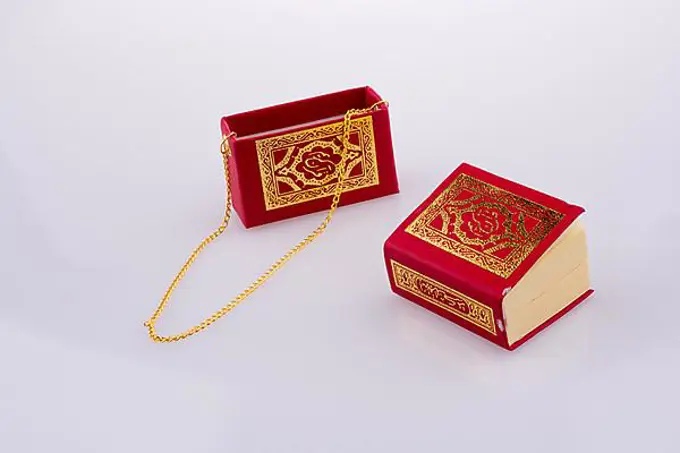
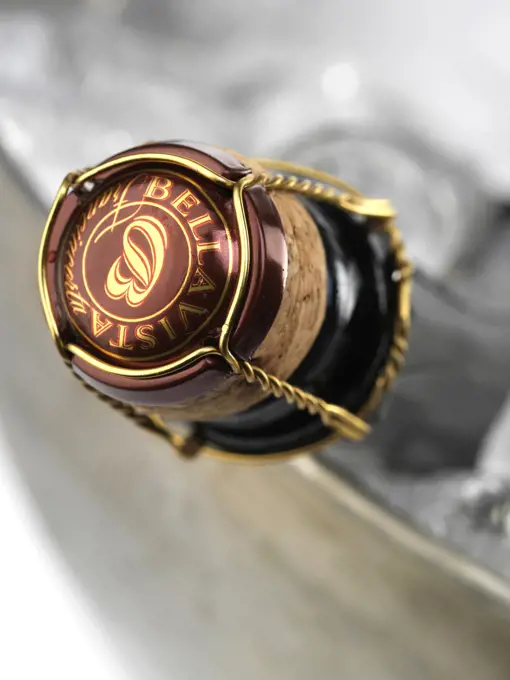
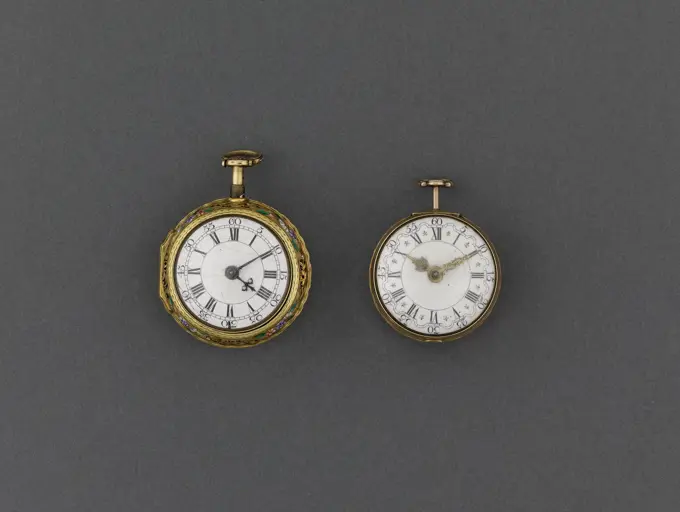
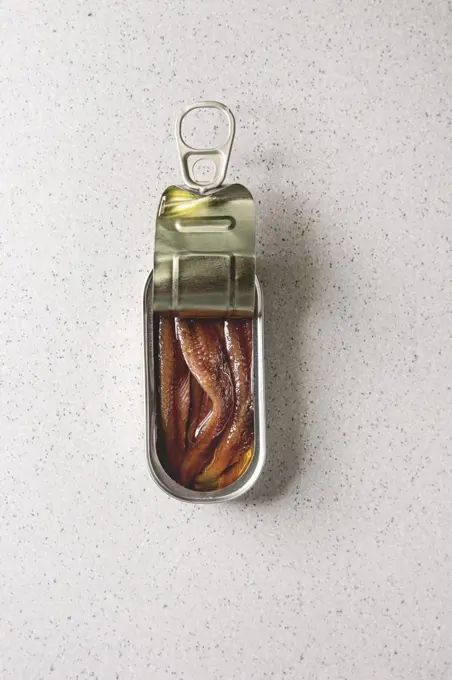
Decorative Silver Cutlery

Collection of antique silver spoons and skewers with detailed ornamentation, showcasing craftsmanship and historical design.

Spoon, silver, Large fig-shaped spoon bowl, flat flaring neck. Scrolled decoration on front with a lion's head in the centre. Long plain handle, round in sectionon top of handle a soldier standing on a pedestal holding a rifle., possibly Germany, n.d., cutlery, Decorative Arts, Spoon
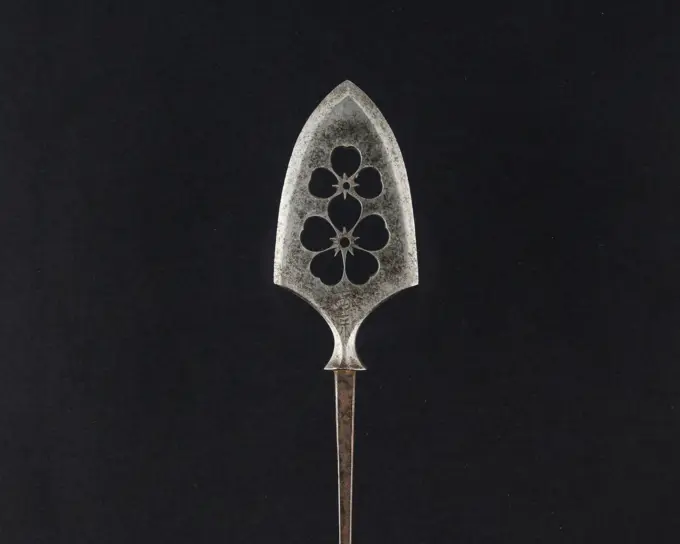
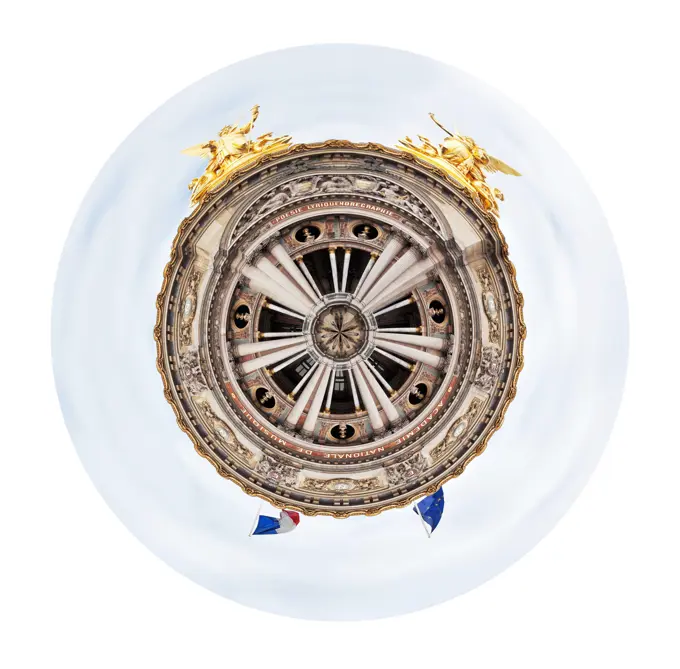
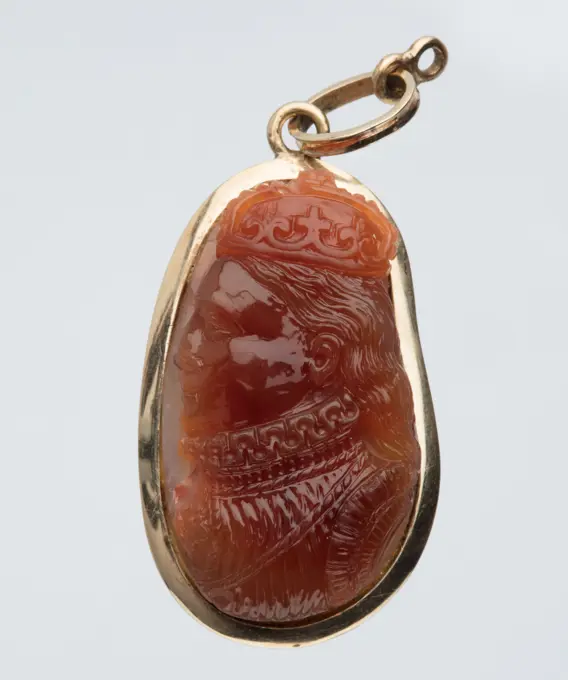
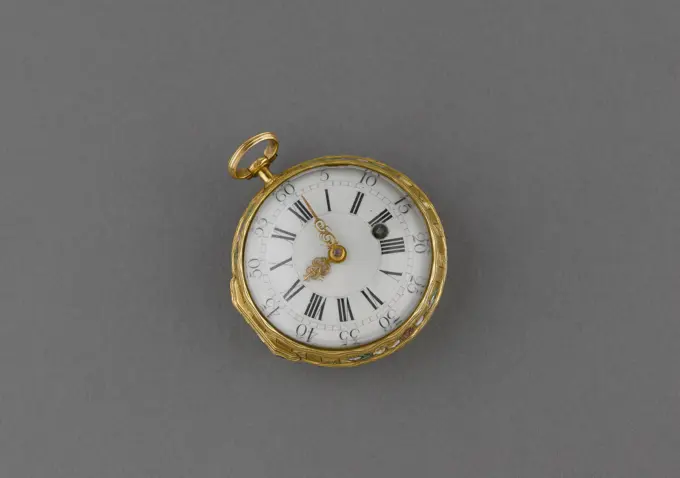
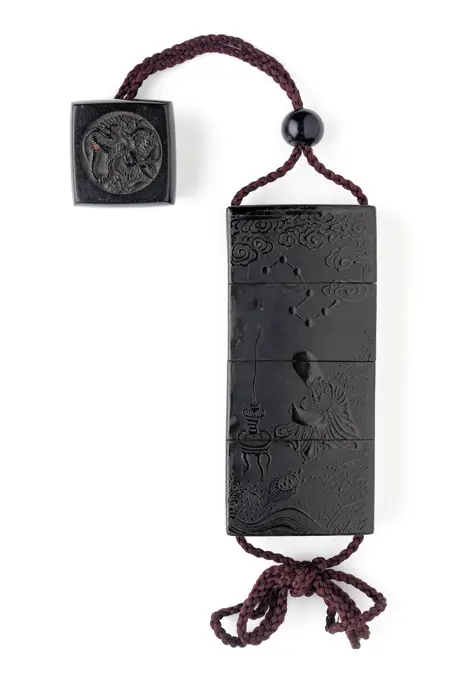
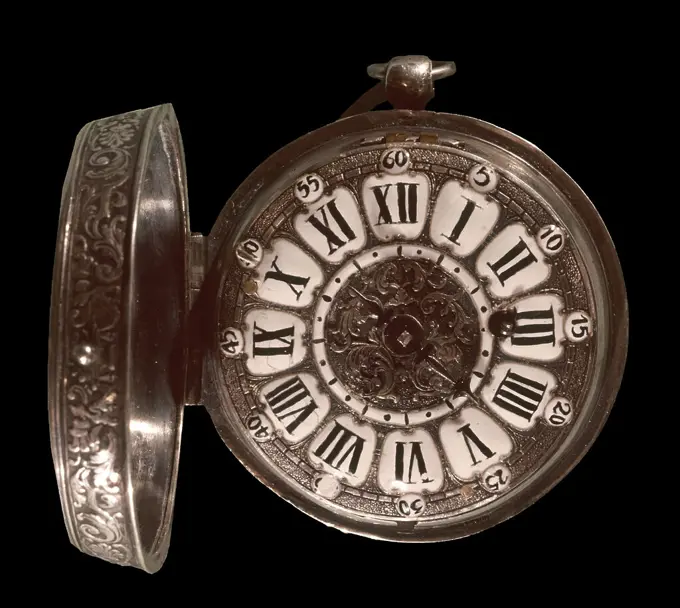
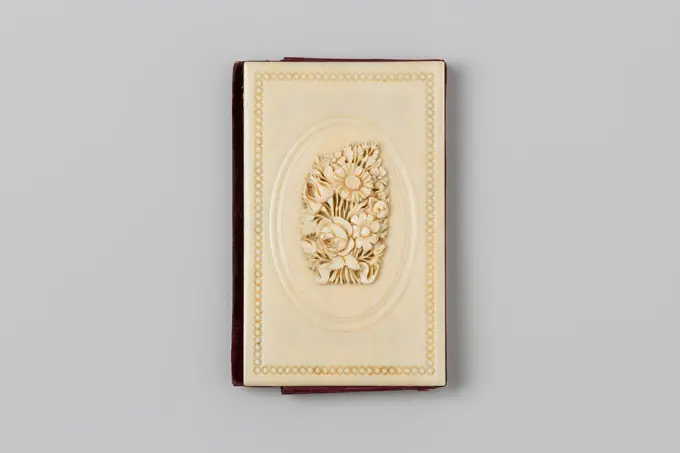
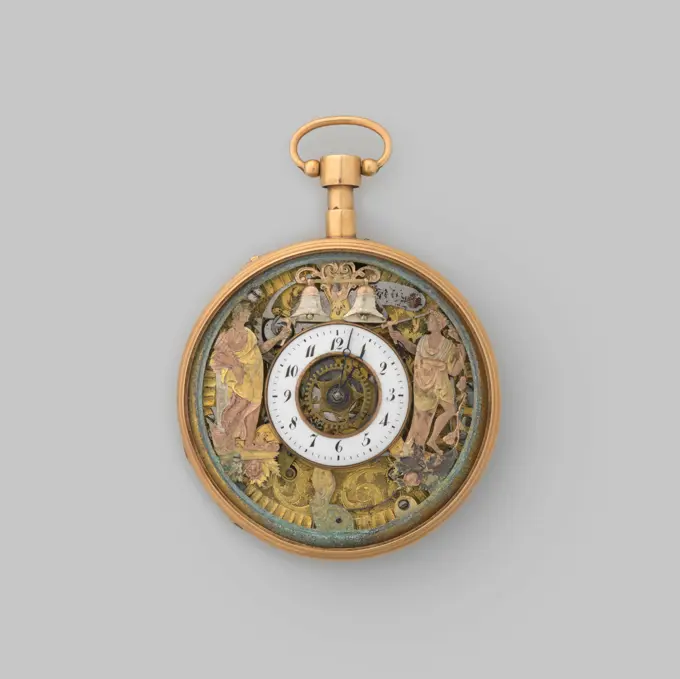
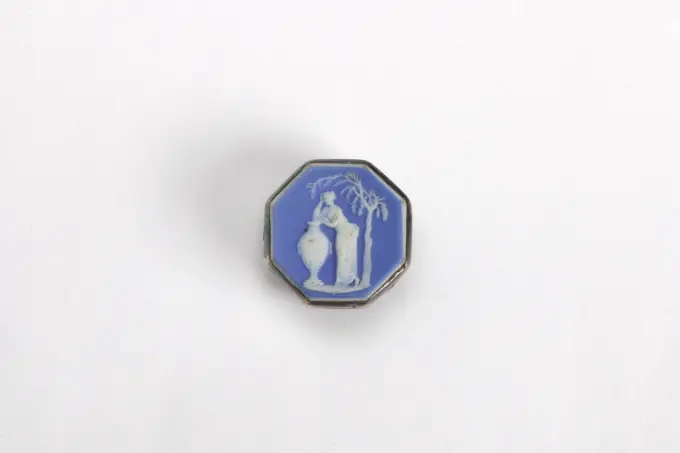
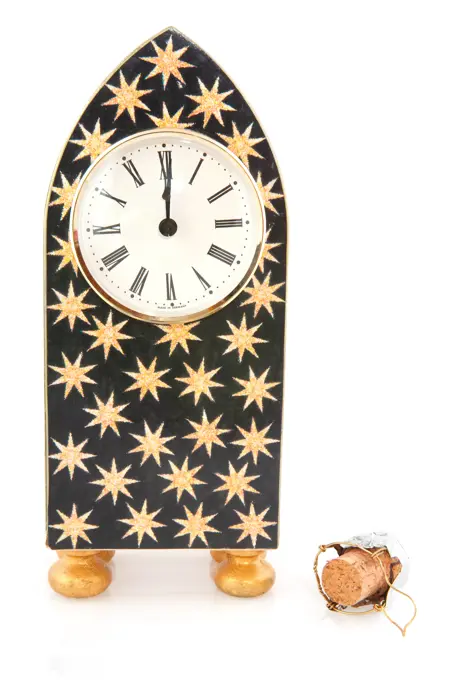
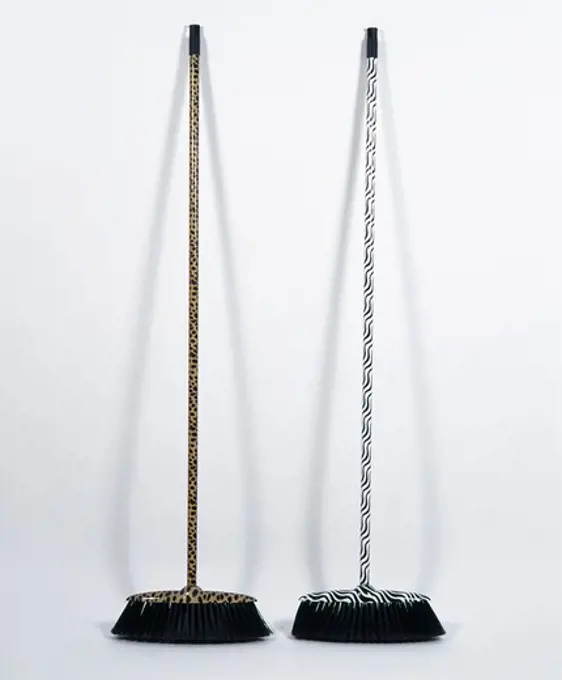
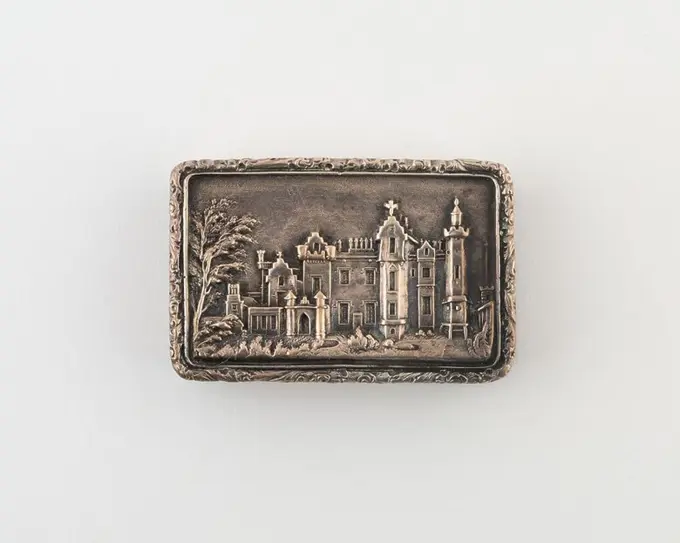
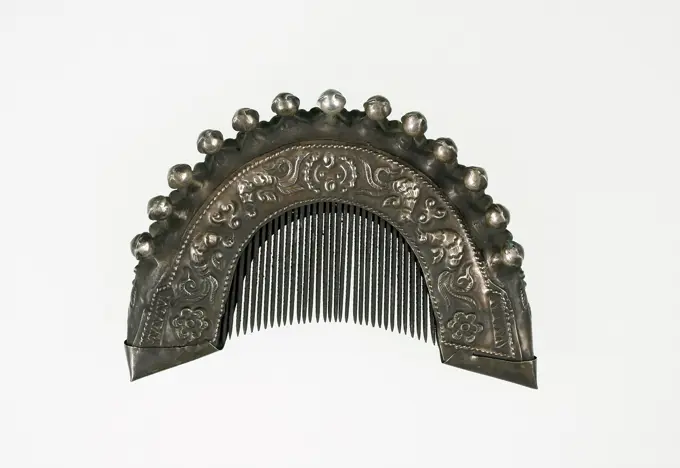
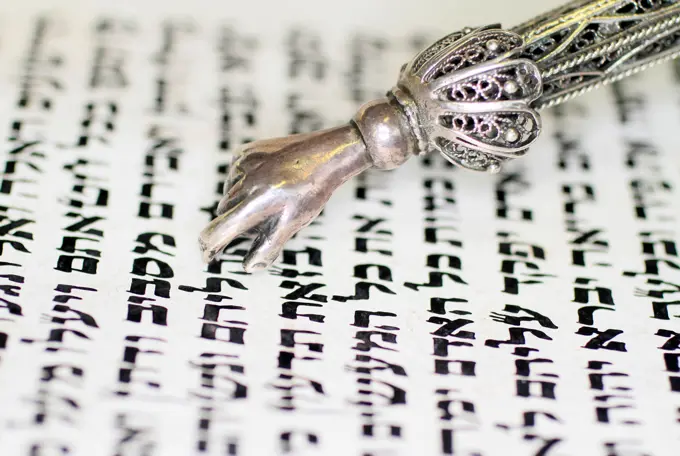
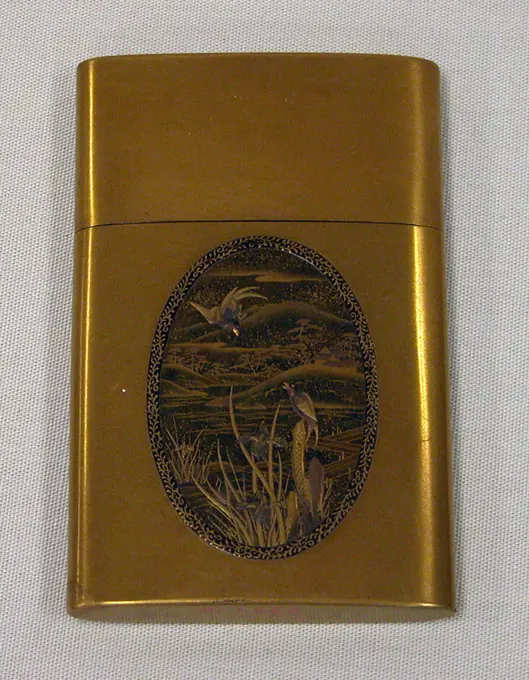
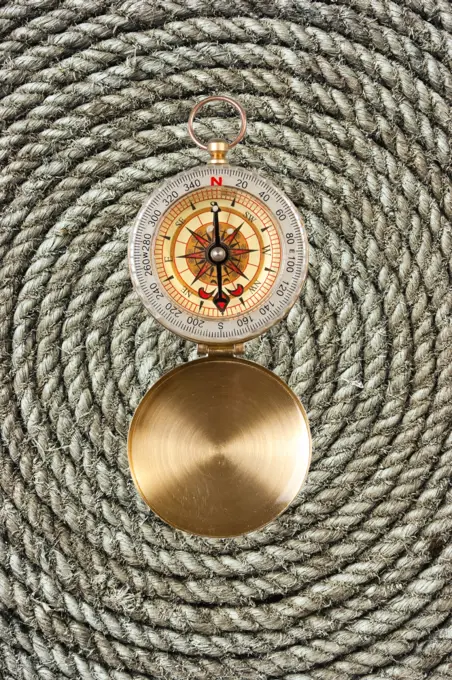
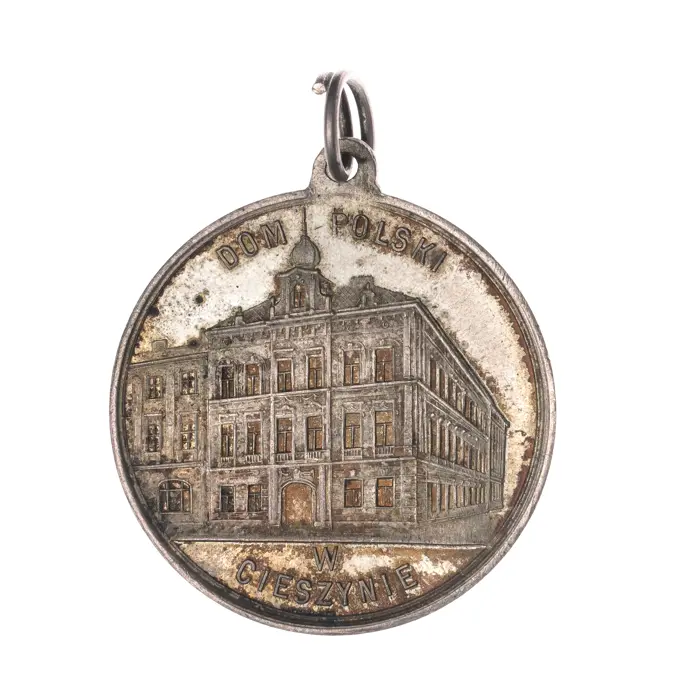
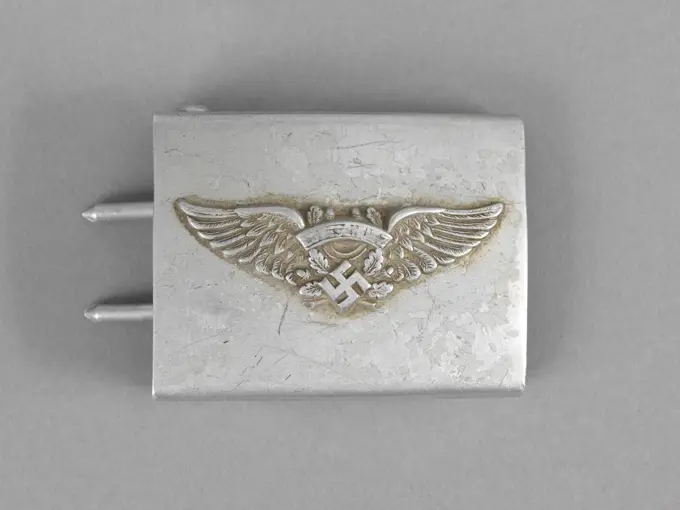
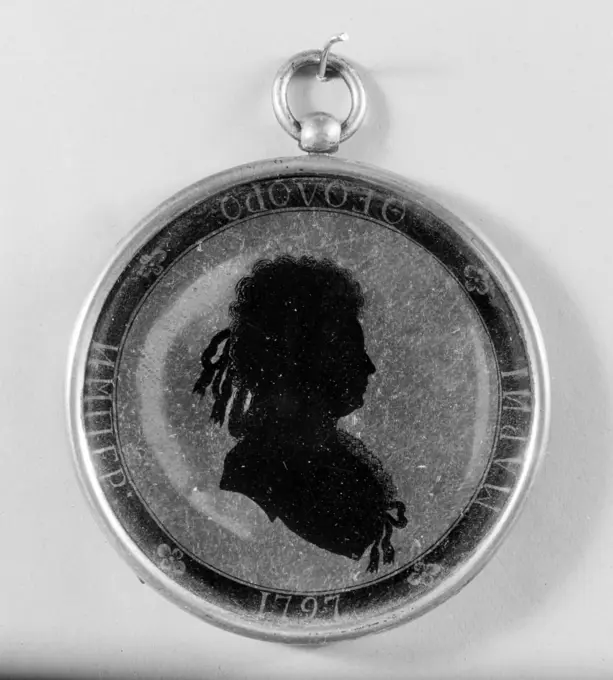
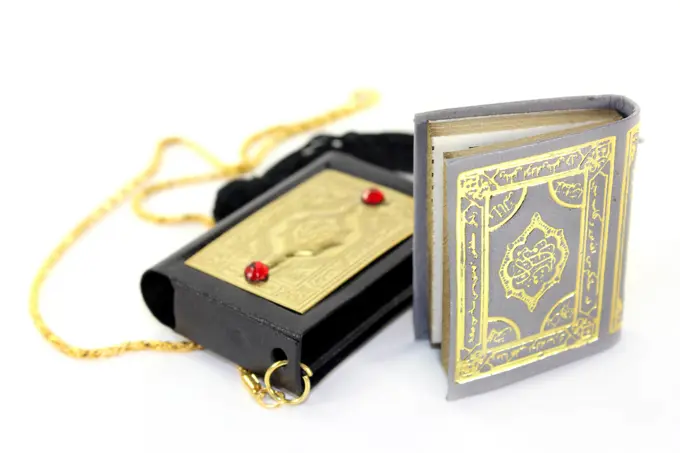
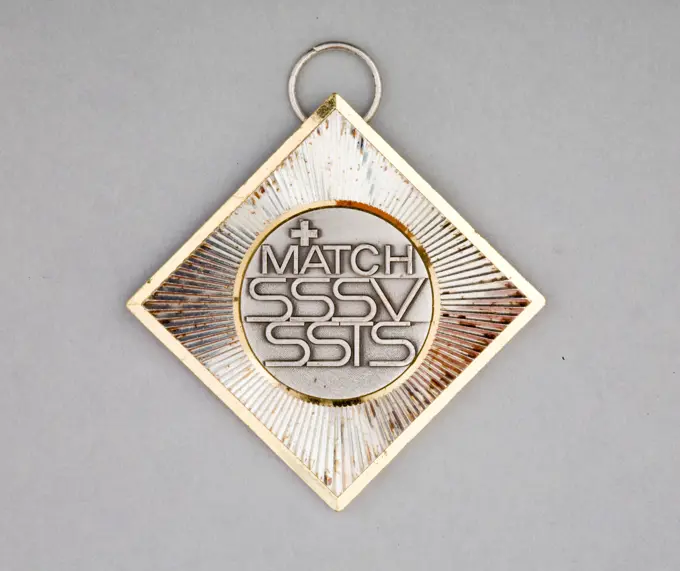
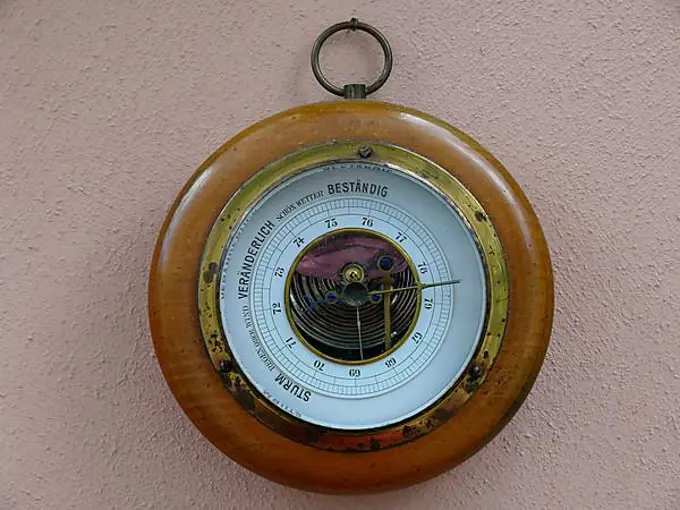
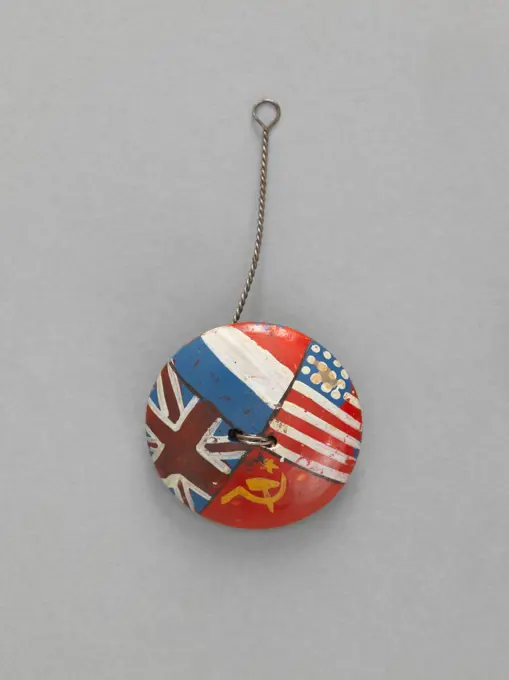
Picking slide. On an elongated album there is a prikslee on which a man is sitting with a stitch and with a tapping stick in every hand. For the sled a man with a stitch and with a rope that is attached to the sled in his left hand. The plate has a engraved zig-zag line along the edge. The image is marked with a dolphin and a master sign.Wall Clock. Dated: c. 1938. Dimensions: overall: 53 x 41 cm (20 7/8 x 16 1/8 in.) Original IAD Object: 33 1/4"long; 9 1/2"wide. Medium: watercolor and colored pencil on paperboard. Museum: National Gallery of Art, Washington DC. Author: Frank Wenger.Badge - jewel of the "slowly" regained ", Lublin;  1811 (1811-00-00-1811-00-00);Women´s gold earring isolated on a white backgroundA plugged drain in a sink with waterBeautiful cosmetic mirror isolated on white background Arrowhead (Yanone) ca. 1615-1868 Japanese Although today Japanese warriors are renowned most for their swordsmanship, archery, especially from horseback, has been an essential part of samurai warfare and culture for centuries. Arrows were fitted with heads of varying shape according to their intended use in war, the hunt, or target practice. Arrowheads made for use on the battlefield incorporated different designs intended for specialized purposes such as the piercing of armor or to cause maximum damage to horses and unarmored personnel.Large arrowheads, pierced and elaborately chiseled with landscapes, birds, flowers, dragons, and Buddhist divinities, were created to be admired for the beauty of their metalwork and design rather than for use in archery. Such highly elaborate examples may have been made for presentation or as a votive offerings to a shrine.. Arrowhead (Yanone). Japanese. ca. 1615-1868. Steel. Archery Equipment-ArrowheadsBracelet mid-19th century probably American. Bracelet 110245Rattle.  Manufacturer: William B. Kerr and Company, American, 1855-1927Bracelet, one of a pair, 3 3/4 x 3 3/16 x 1 1/8 in. (9.53 x 8.1 x 2.86 cm), Silver, ChinaFacade Palais Garnier Paris Opera House little planet - urban spherical view of Facade Palais Garnier Paris Opera House in Paris isolated on white background Copyright: xZoonar.com/VVxVoennyyx 5716584Bliżej KulturyReligious carrying sign of the relic of the holy blood in Bruges, c. 1850 - c. 1950 history medal Aluminum medal in the form of a four -pass with an eye and carrying ring, on the front a square with a reliquary with a change, a square on the reverse with a scene around the relic, outside of which display.  aluminum (metal) striking (metalworking)Gold watch with a painted enamel inspired by "the bird hunting". Charles Le Roy (1709-1776, master in 1733), third quarter of the 18th century. Paris, Cognacq-Jay museum. 39336-4 Painted email, watchmaking, watch, goldInrō, Ojime, Netsuke. Attributed to Kansai III (Japan, died 1857). Japan, second half of 19th century. Costumes; Accessories. Inrō: black lacquer on substrate; Ojime: black hardstone or glass; Netsuke: ebony; manjū typeFaneuil Hall, Boston Matchsafe; USA; plated metal; 7.3 x 4 x 1 cm (2 7/8 x 1 9/16 x 3/8 in. ). High rectangular bus with rounded short sides, where a lid slides. On the bus on both sides two big eyes, so that one can get a cord to close the bus. On one side the engraved representation of a crowned weapon (Cornelis Lampsins) surrounded by a chain with carrying sign (order of St. Michel), worn by 2 crowned sheep, each with a pennant littered with (French) lilies. Signature: Crowned I (1661) Stork under Kroon (The Hague); Anchor in shield (Nicolaes Lockeman).RELOJ DUCHESNE DE BOLSILLO S XVIII. Author: CLAUDE DUCHESNE (S XVII-XVIII). Location: PRIVATE COLLECTION. MADRID. SPAIN.Ivory business card holder with a relief carved rubber in an oval, lined with satin and equipped with MEJ business card. C.H. Nije. Holder (A) of ivory with a relief carved rubber in an oval, lined with satin and equipped with business card (B) from MEJ. C.H. NijeWatch with Christ and the Samaritan woman. Golden rehearsal watch in golden, driven outer cupboard. Enamel dial; Smooth supernat with the silver brands (...) on the inside. The timepiece is marked on the platine: J.P. Kroese, Amsterdam. The gap is openworked with tendrils, arising from the mouth of a sample head; Bottom engraved: Kronos with Zeis and Hourglass. On the outer cupboard: Christ and the Samaritan woman, surrounded by Louis XVE Volutes and Seeds. Signed on the inside (...).Brooch or Pendant China. Brooch or Pendant. China. Gold. Song dynasty (960-1279). JewelrySalt 1827-35 Boston & Sandwich Glass Company. Salt. American. 1827-35. Pressed glass. Made in Sandwich, Massachusetts, United StatesWatch with a White Enamel Dial, anonymous, c. 1800 - c. 1850 Gold watch with white enamelled dial. Along the front bodem an edge of pearls. On the rear bottom a shell -shaped decoration of pearls and email. Switzerland (possibly) gold (metal). pearl Gold watch with white enamelled dial. Along the front bodem an edge of pearls. On the rear bottom a shell -shaped decoration of pearls and email. Switzerland (possibly) gold (metal). pearlRichard Gosling, Salver, 1734/35, silver.Bliżej Kultury unknownASTROLABIO DE ABD AL-QADIR MUHIBB - PERSA - SIGLO XVI - DIAMETRO 500 mm. Location: INST GESCHICHTE NATU. FRANKFURT AM MAIN. GERMANY.Luckenbooth brooch -Anonymous, with a beautiful cluster or large grapes. Wine merchant brand. Paris (dummy title), 1800. Rejected iron. Carnavalet museum, history of Paris. A large bunch of grapes with bunches and leaves.Men's watch of gold, anonymous, c. 1800 - c. 1815 Men's watch, rehearsal watch, of gold with movable figures in 'Quatre Couleurs'. In the middle a white enamelled number flanked by two figures in Roman clothing. The rear bottom is smooth. Switzerland (possibly) gold (metal). Men's watch, rehearsal watch, of gold with movable figures in 'Quatre Couleurs'. In the middle a white enamelled number flanked by two figures in Roman clothing. The rear bottom is smooth. Switzerland (possibly) gold (metal).Gold watch, A. Patry, c. 1800 - c. 1900 Golden rehearsal watch with an enamelled dial. The cupboard is smooth. Paris gold (metal). Golden rehearsal watch with an enamelled dial. The cupboard is smooth. Paris gold (metal).Pocket watch. Le Roy, Julien (1686-1759), watchmakerBlank old paper label or cloth tag. Brown price tag with rope. Template shopping label. Blank discount and price tag on paper. Vintage price tag. Vector illustrationClose-up of the Star of David pendantRetro style gold color key on white backgroundSeal (USA); glass, silverCufflink - Josiah Wedgwood Josiah WedgwoodMidnight Twelve O Clock with fireworks at new years eve Copyright: xZoonar.com/IvonnexWierinkx 6857735Close-up of black and white patterned broomsPistol with a rock castleGlass seal with Rijkevorsel 1716, seal bottle holder soil find glass forest glass, free blown stamped Glass seal with text in clear green glass (forest glass) presumably stamped in bottle Shape: round raised edge around. At the back eccentric more or less oval bump. Glass is oxidized to blue irisation Text in seal: Rijkevorsel 1716 archeology Delft packing transport store wine Rijckevorsel Soil discovery: Delft.Close-up of carving on a pendantMagnifying glass isolatedPocket watch early 19th century French. Pocket watch. French. early 19th century. Gold, enamel. HorologyCompass Card. The rose is of the same type as a NG-MC-877-B, but the cap is provided with a gem, presumably agate with hole for the pen at the bottom: turning the rose was improved by the materials used, while fluctuating through the Propagation of the friction surface of the gem was reduced. The rose can be rotated within an outer edge, on which a scale is arranged in degrees by quadrant; This was to compensate the magnetic variation (the angle between the actual north and the magnetic north).Vinaigrette with View of Abbotsford House. Taylor and Perry; Birmingham, England. Date: 1835-1836. Dimensions: 4.8 × 3.2 cm (1 7/8 × 1 1/4 in.). Silver and silver gilt. Origin: Birmingham. Museum: The Chicago Art Institute, Chicago, USA.Planets-manager. Cornalet Collection Sites 2013-2016. Numismatic.Visigothic broque from the 7th century Visigothic broque from the 7th century, Mortera cave, Pielagos, Museum of prehistory and archeology MUPAC, Santander, Cantabria, Spain Copyright: xZoonar.com/BartomeuxBalaguerxRotgerx 21880690DA-SC-85-01188. Country: UnknownBliżej Kultury Gontarczyk, WiktorPocket watch. At the end of the 18th century Geneva was home to a thriving industry in small gold objects, decorated in polychrome enamel. Watchcases were exported throughout Europe and then fitted with movements by local clockmakers, who signed the dials. The Lurasco brothers were no exception; they sold mantel clocks, barometers, thermometers and gold pocket watches in Amsterdam from 1795.Hair comb, 1 1/4 x 3 3/4 x 5 1/4 in. (3.18 x 9.53 x 13.34 cm), Silver, ChinaRotated to left, Dom Perignon Logo under LVMH, Organization, LogoJewish Torah Scroll With Pointer. Paris. France.Saucer with a crucifixion scene, anonymous, c. 1780 Porcelain dish, painted on the glaze in black and gold. On the flat of the dish a representation of the crucifixion with the two Maria's; A band with a decorative pattern on the edge. Part of a tea set. European performance in Encre de Chine. China porcelain. glaze. gold (metal) painting / gilding / vitrification Porcelain dish, painted on the glaze in black and gold. On the flat of the dish a representation of the crucifixion with the two Maria's; A band with a decorative pattern on the edge. Part of a tea set. European performance in Encre de Chine. China porcelain. glaze. gold (metal) painting / gilding / vitrificationCard Case 1850-80 Japan. Card Case 57795Vector illustration with hand drawn dream catcher and watercolor stains. Feathers and beads.compass on old twisted ropeOld Saw Wooden handle of an old rusty saw. Copyright: xZoonar.com/J.xSandvikx 2824681INFUSION OF GREEN TEATime concept. An hourglass with sand falling through, on a white backgroundHigh angle close up of a pocket compass.Medallion with Peace 1775-1799 Burslem. Stoneware (jasperware) . Wedgwood Manufactory (Manufacturer)Miniature people stand on The walkway the beginning of the journey To reach the goal. using as background  travel concept with copy spaces for yourOpening of the Polish House in Cieszyn;  1901 (1901-00-00-1901-00-00);Cieszyn (Śląskie Voivodeship), Partage Plus, occasional, secession (style), with the earAnonymous, Luftschutz belt buckle (German passive defense) (attributed title), 1938. Metal. Museum of the Liberation of Paris - General Leclerc Museum - Jean Moulin Museum.Princess Margriet Fonds Foundation. Pin, enembled.new year background on snow. christmas card or new year background made of decorative ball symbol handwritten on snow and wooden tableBuckleSilhouette of Empress Maria Feodorovna of Russia (1759-1828) 1797 Russian Empress Maria Feodorovna (1759-1828), born Sophie Dorothea of Württemberg, was the second wife of the ill-fated Czar Paul I. It is perhaps the exquisite taste of this great patroness of decorative arts that encouraged production of verre églomisé in Russia. It became so widely popular in the eighteenth and nineteenth centuries that even cabinetmakers did not hesitate to incorporate it in Russian furniture. This medallion celebrates the empress's coronation on April 16, 1797.. Silhouette of Empress Maria Feodorovna of Russia (1759-1828). Russian. 1797. Verre églomisé, silver gilt. Glass-PaintedThe Holy Quran on a white backgroundcompass on the leaves of canePendant, mainly formed by filigrein Zeeland buttons ,, c. 1885 - c. 1900 Gold pendant in the shape of a cross. The cross -pressed cross is decorated with filigrein, mainly consisting of Zeeland buttons. In the middle an oval elevation with an S-shaped decoration. Marked: oak leaf. Netherlands gold (metal) filigree Gold pendant in the shape of a cross. The cross -pressed cross is decorated with filigrein, mainly consisting of Zeeland buttons. In the middle an oval elevation with an S-shaped decoration. Marked: oak leaf. Netherlands gold (metal) filigreeFeather quill pen with a vintage ink well, a side view on a black background, the concept of writingChampagne bottle, close upVarious clocks. Watches. Enamelled gold. 18th century. Paris, Cognacq-Jay museum. 56642-10 Pocket, watchmaking, watch, golden goldBrooch.  Manufacturer: Monocraft Products Company, American, founded 1927Koran ein Koran mit Hülle und Kette Copyright: xZoonar.com/SimoneVoigtx 6739358compass on old wooden backgroundCommemorative badge of the Swiss Strzelec Association S.S.S.V. (silver)Age barometerAnonymous, pin/badge in the colors of the Allies (attributed title), 1944. Metal, material of synthetic origin. Museum of the Liberation of Paris - General Leclerc Museum - Jean Moulin Museum.DA-SC-85-04234. Country: UnknownVery old playing card isolated on a white background, Jokercompass on old wooden backgroundCarnavalet museum, medal collectionWooden cogwheels and a artificial skeleton on fabric as conceptPickled salted anchovies fillet in oil in open tin can over grey spotted background. Flat lay, copy spaceMain Deck text on a white backgroundSketch gentlemen accessory vintage background. Hand drawn men illustration	The tattooed arm of a sailor. Country: Unknown