Decorative Silver Spoons

Elegant historical silver spoons showcasing intricate designs and craftsmanship, ranging from the 16th to 20th centuries with unique features.
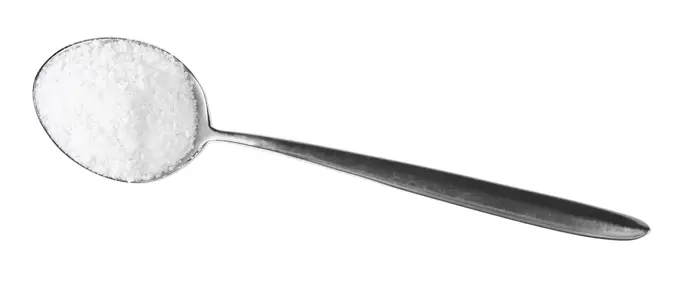
top view of tablespoon with grained Rock Salt top view of tablespoon with grained Rock Salt isolated on white background Copyright: xZoonar.com/ValeryxVoennyyx 13599941
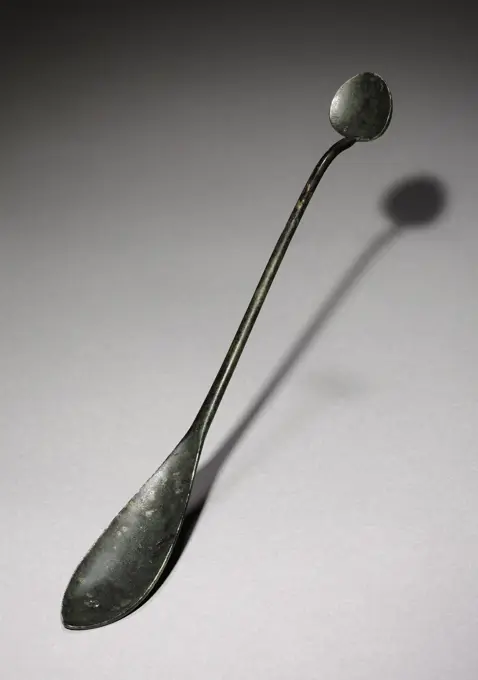
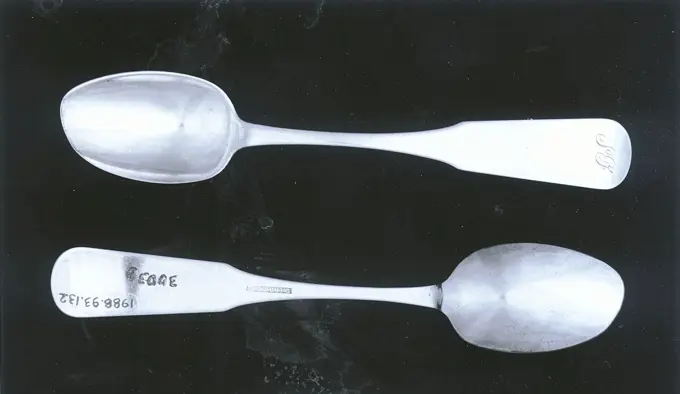
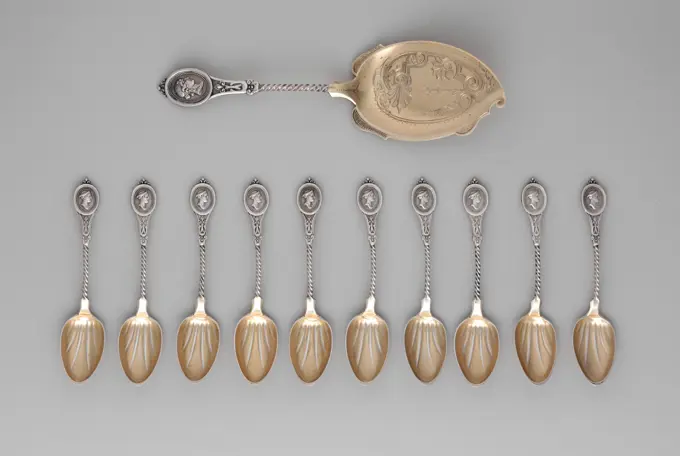
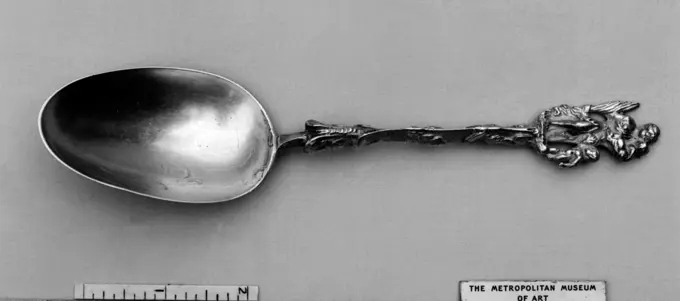
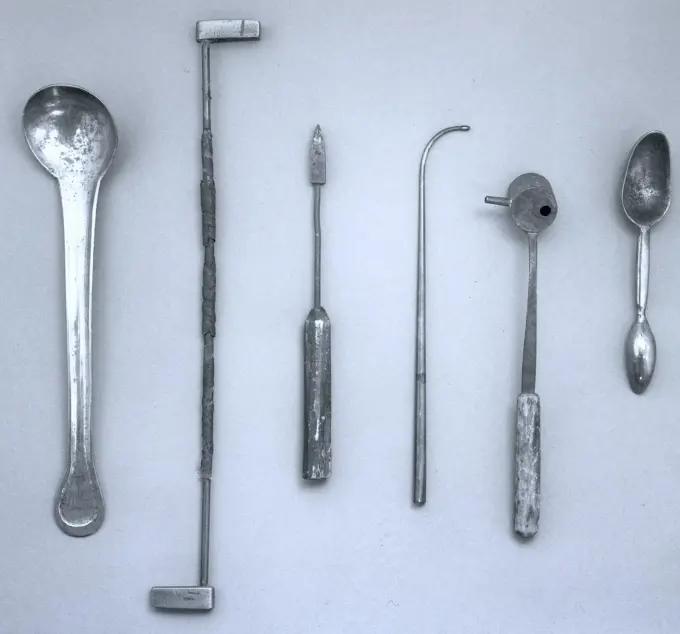
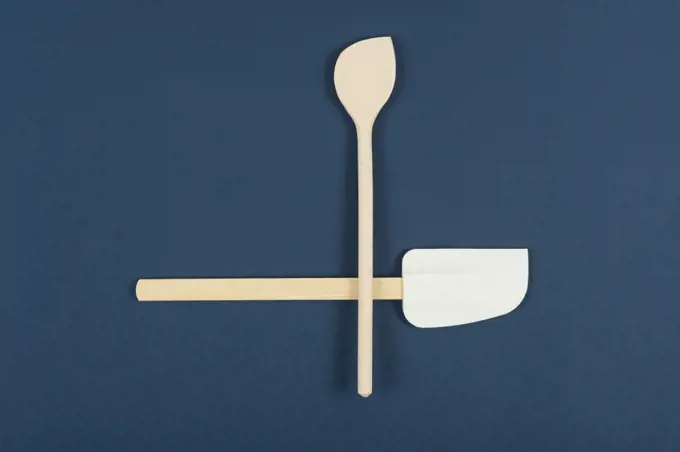
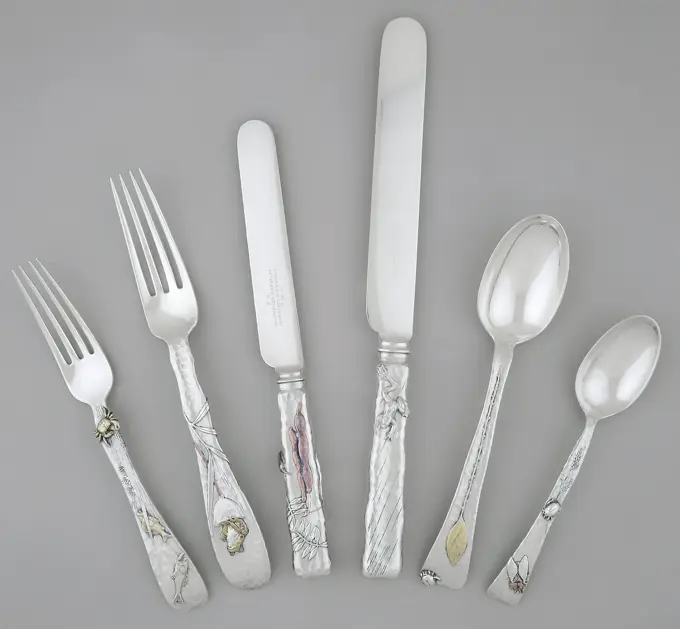
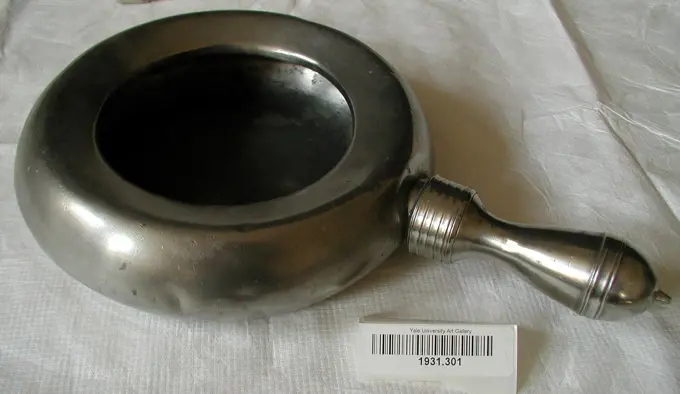
Ladle c 1843-1864 Chicago. Silver . Augustus F. OttoPunch Ladle 1783-ca. 1800 Joseph Anthony Jr.. Punch Ladle 6816fork, spoon and knife on white backgroundPrototype handle, Seascape” pattern.  Designer Robert H. Ramp, American, 1920-2012 Manufacturer: Reed and Barton, American, founded 1840Spoon with Dual Heads, 918-1392. overall: 24.8 cm (9 3/4 in.).Poll photo collection. Product photos; silverware. Teaspoons of the fa. Gerritsen & Van Kempen in Zeist. January 1, 1930. Utrecht (province), ZeistSpoon (Netherlands); Manufactured by J.M. van Kempen and Son, Voorschoten (Netherlands); silver, enamel; cm: L: 21.4 x W: 7.5 (at widest)Fork isolated. Kitchen accessories close upMetal bombilla straw, bomba or massasa, type of drinking straw, used to drink mate. Vector yerba tea ingredient. Metal bombillas, lower end acts metal filter used to separate mate infusion from leaves. Bombilla straw massasa bomba metal filter isolatedJoseph Richardson, Jr. and Nathaniel Richardson, Tablespoon, c. 1780, silver.Leather Case for Traveling Set of Cutlery (Nécessaire de Voyage) 1761-1763 Augsburg. Leather .Tea Caddy Spoon c 1805-1806 Albany. Silver . Priscilla CarrascoLazio Roma Rome SS. Giovanni e Paolo, Museum5. Hutzel, Max 1960-1990 Medieval: Ceramic fragments, sculptural fragments, fresco fragments, inscribed tomb markers. Houses one of the best collections of Malagan medieval ceramics for casting wall monuments, copies of which are housed in campanile. Specific Location: Museum Antiquities: Ceramic fragments, sculptural fragments, architectural fragments Object Notes: Basilica has separate record and is filed separately. German-born photographer and scholar Max Hutzel (1911-1988) photographed in Italy from the early 1960s until his death. The result of this project, referred to by Hutzel as Foto Arte Minore, is thorough documentation of art historical development in Italy up to the 18th century, including objects of the Etruscans and the Romans, as well as early Medieval, Romanesque, Gothic, Renaissance and Baroque monuments. Images are organized by geographic region in Italy, then by province, city, site complex and monument.Wooden Dipper. Dated: 1938. Dimensions: overall: 28 x 22.9 cm (11 x 9 in.). Medium: watercolor and graphite on paperboard. Museum: National Gallery of Art, Washington DC. Author: Jacob Gielens.Retro cartoon with texture. Isolated on White.Tablespoon.   Maker: Leonard Forbes, American, 1840-1860Woman's hand isolated on whiteTwoTablespoons. Maker, possibly by: Thomas Ireland, active ca. 1848 - 1868Spoon. Oval spoon with flat stem. The spoon together with a fork (BK-NM-11177-150-C) is part of a cutlery tray (BK-Nm-11177-150-a). The spoon has not been marked.Ice Cream Slicer and 10 Ice Cream Spoons ca. 1863 Possibly Kidney, Cann & Johnson The mid-nineteenth century witnessed an efflorescence of creativity in the American silver industry, fueled by the burgeoning middle classs increasing demand for refined luxury goods. Silversmiths devoted considerable time and creative energy to generating an endless variety of new designs and patterns. During the 1860s and 1870s silver flatware ornamented with portrait medallions inspired by antique coins and cameos enjoyed widespread popularity, with virtually every American silversmith producing their own proprietary "medallion" pattern. Although unmarked, other examples of this pattern document that it was created by either Kidney & Johnson, its predecessor firm Kidney, Cann & Johnson, or its successor S. H. Johnson, silversmiths active in New York City from about 1863 into the 1870s. Prior to the nineteenth century, ice cream had been a luxury available only to the most elite echelons of society; hoclose up of meat hammer close up of meat hammer on white background with clipping path Copyright: xZoonar.com/AlexanderxStrelax 3900660Teaspoon small spoon vector, isolated icon handdrawn sketch of utensils. Metal device for measuring and dining, silverware cutlery flat style object. Teaspoon for Measuring and Adding IngredientsSpoon doodle style vector illustration isolated on white backgroundTablespoon.  Artist: John Felix Lefevre, active ca. 1806 - 1813The adaptation for crushing of eggs for salads manual with the metal handleFigure-top spoon probably mid-18th century Hendrik Kamerling de Jonge. Figure-top spoon 188313 Maker: Hendrik Kamerling de Jonge, 17301776, Figure-top spoon, probably mid-18th century, Silver, 7 1/2 x 1 3/4 in. (19.1 x 4.4 cm). The Metropolitan Museum of Art, New York. Gift of Mrs. Samuel P. Avery, 1897 (97.2.290)Chef tool spatula on a blue wooden backgroundLadleLadleMoldWooden kitchen spoon and spatula arranged as an asymmetrical cross on a blue background with copyspace in a cookery concept, overhead viewLap-Over-Edge' Flatware, 1880, Charles T. Grosjean; Maker: Tiffany & Co.; Caster: Joseph Rodgers and Sons (knife blades), American, 1/2 x 11 1/2 x 7/8 in. (1.27 x 29.21 x 2.22 cm), Silver, gold, copper, and bronze, United States, 19th century, This opulently naturalistic flatware incorporates Japanese motifs such as plants, flowers, insects, and animals. Edward C. Moore, Tiffany's head designer from 1869-1891, had admired Japanese art and design at the 1867 Exposition Universelle in Paris, and began working with his designer Grosjean to incorporate Japanese motifs into Tiffany's projects. Dozens of different animal and plant forms were applied in gold, copper, and bronze decoration over sterling silver. The distinctive texture and decoration continue on the reverse of each piece, giving the set its 'Lap-over-edge' name.Metal kitchen fork on a dark textured concrete background Metal kitchen fork on a dark textured concrete background. Cutlery, preparation for dinner Copyright: xZoonar.com/TetianaxChernykovax 21231512Hairbrush from Ivory with Monogram JVN. Hairbrush from Ivory with Monogram JVN.Set of six Coffee Spoons in Original Wooden Case, 1905. Liberty and Company (British), attributed to Oliver Baker (British, 1856-1939). Silver, turquoise, wooden box;Design for a spoon and a fork, Mathieu Lauweriks, 1874 - 1932 drawing Design for cutlery.  tracing paper. ink. pencil pen fork. spoonBedpan.   Maker: T. D. and S. Boardman, American, 1810-1850Oat flakes on shovelSixteaspoons.   Maker: Joseph H. Clark, American, 1814-1872Dental EquipmentBritish flag reflected in spoon