Decorative Silverware

Elegant historical silver and glass pieces, showcasing intricate designs and craftsmanship, including candlesticks and vases.

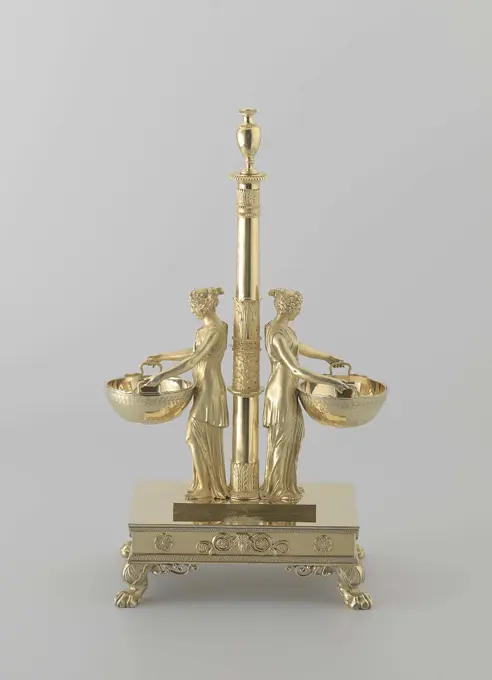
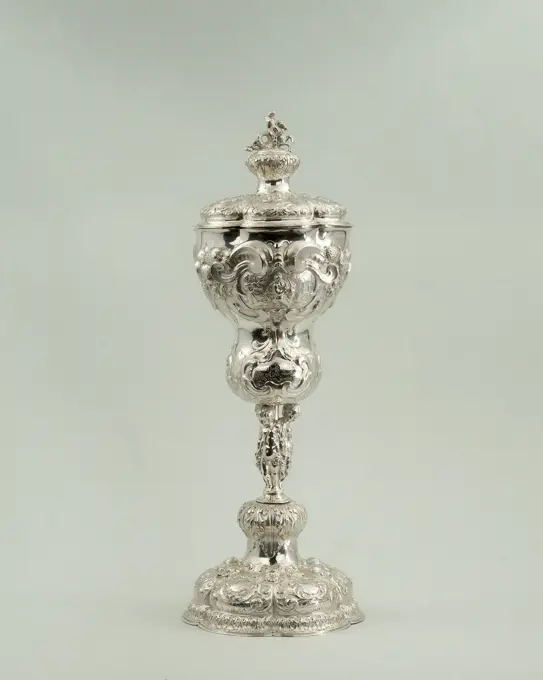
Lidded cup of the Unie Society, 1754 The decorations of the cup relate to the mutual connection of the members of the Amsterdam Society De Unie. The trunk of the round cup is formed as a bundle of twigs, held together by a ribbon that winds over the bell -shaped cuppa and the vaulted lid to end in a bow. On the smooth cuppa, the coat of arms of the twelve members of the society are driven around the coat of arms, placed against a background of whimsical clouds. Fantastic human and animal masks appear under and above every shield, interspersed with flowers. The lid edge is decorated with alternating S and C-volutes, flowers, foliage and the same cloudy surface as on the cuppa, but without masks. Amsterdam silver (metal) gilding The decorations of the cup relate to the mutual connection of the members of the Amsterdam Society De Unie. The trunk of the round cup is formed as a bundle of twigs, held together by a ribbon that winds over the bell -shaped cuppa and the vaulted lid to end in a
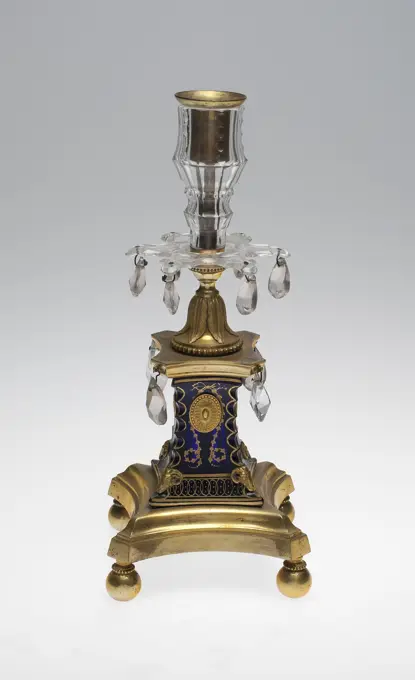
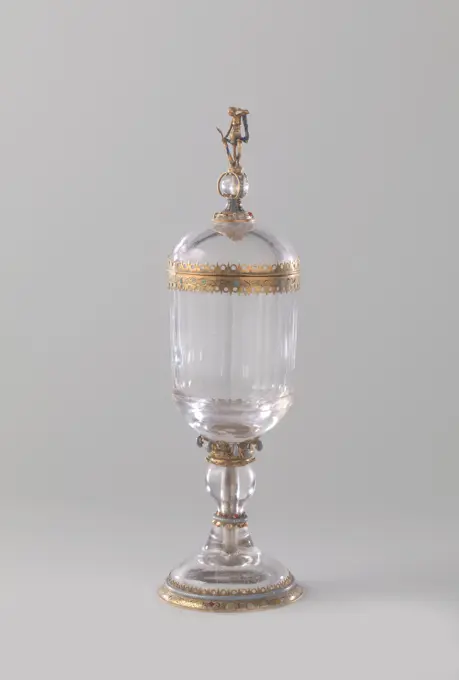
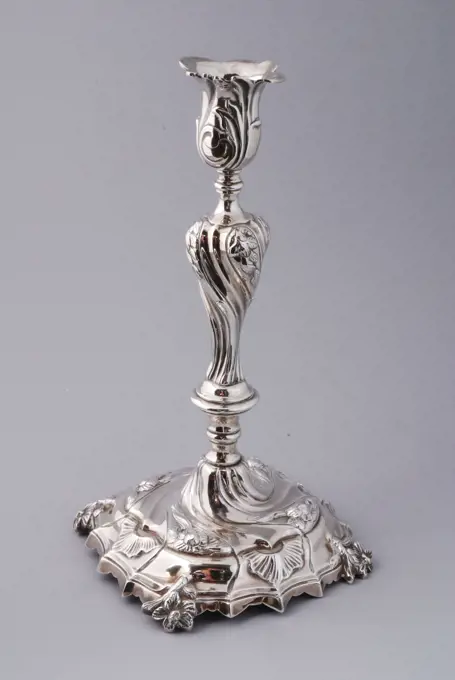
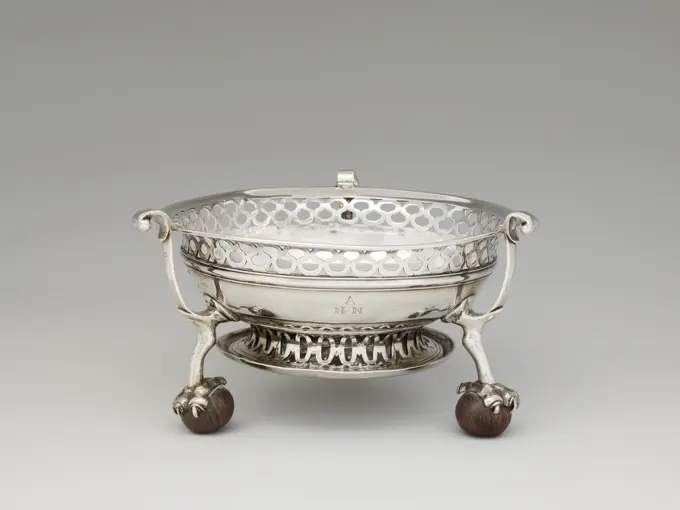
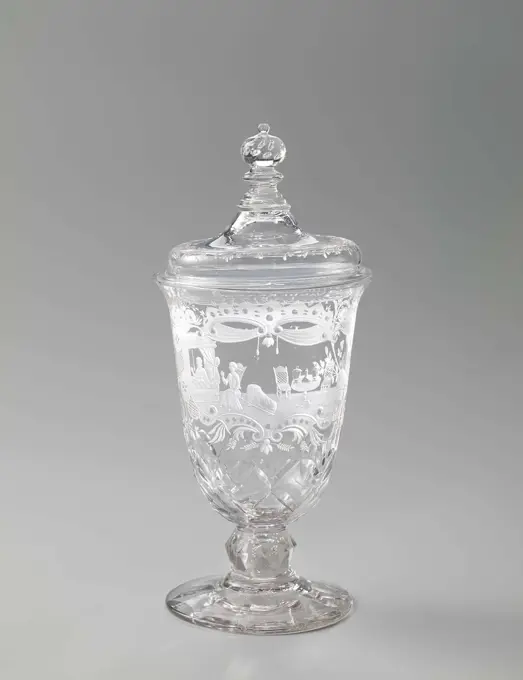
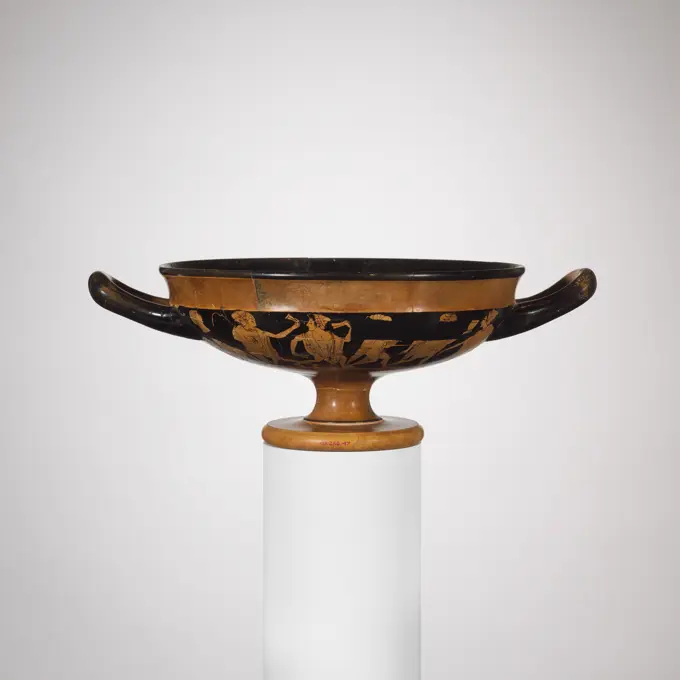
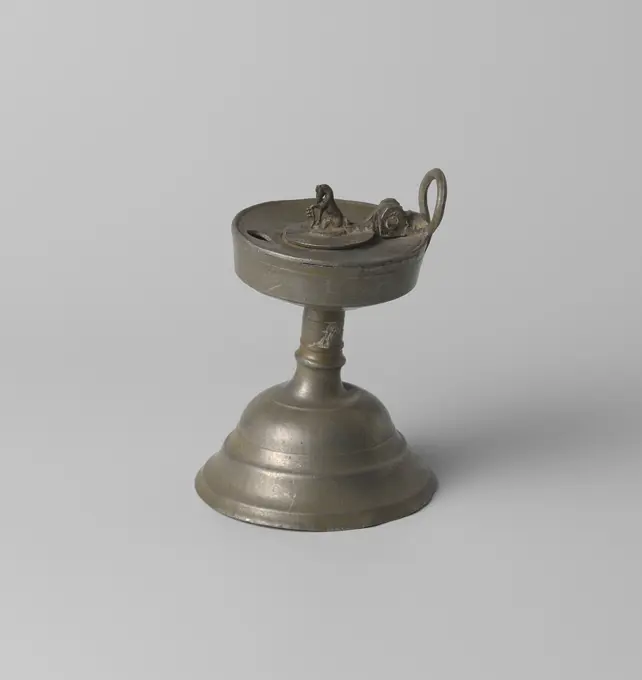
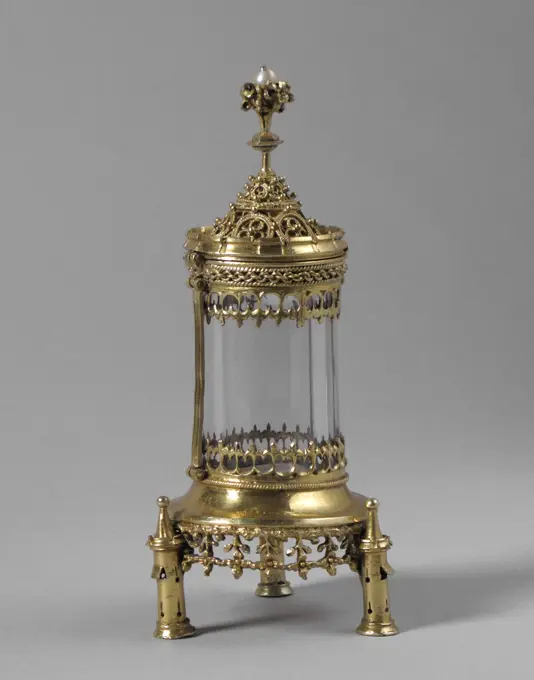
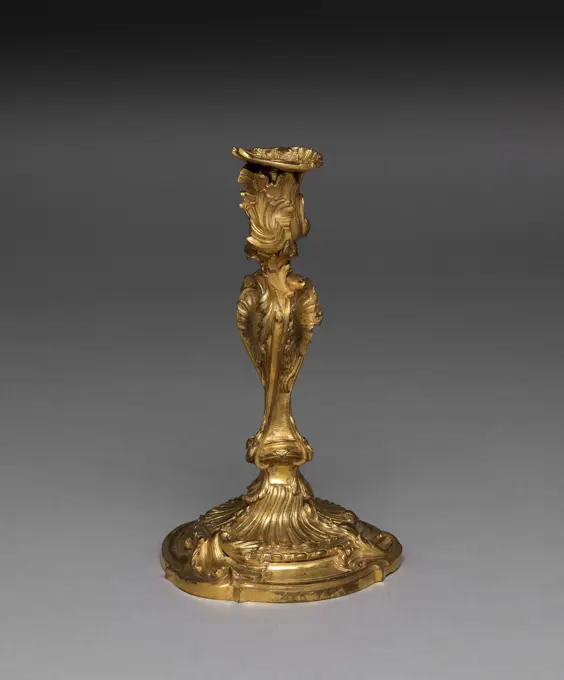
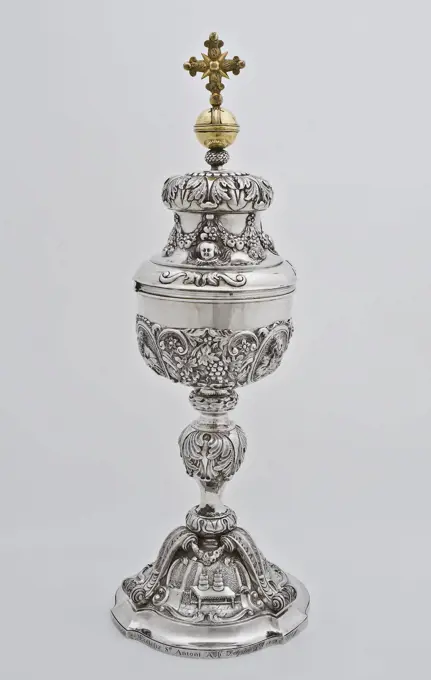
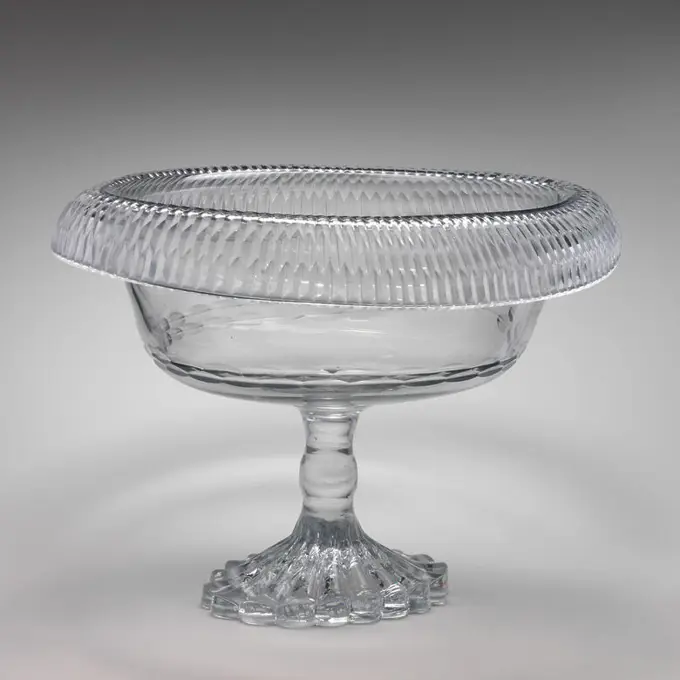
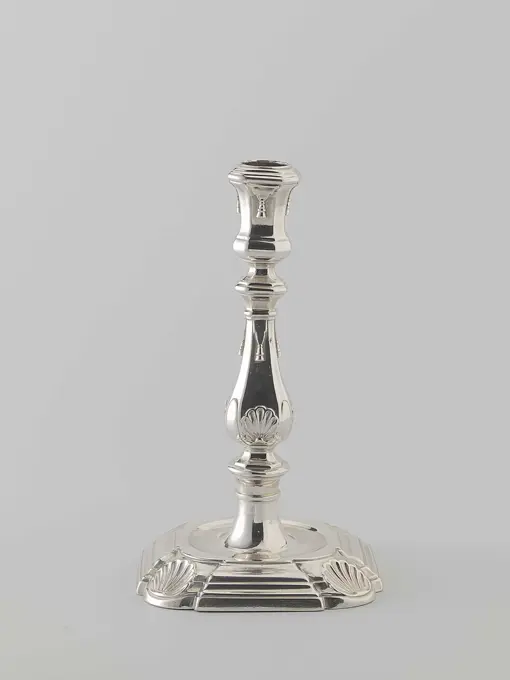
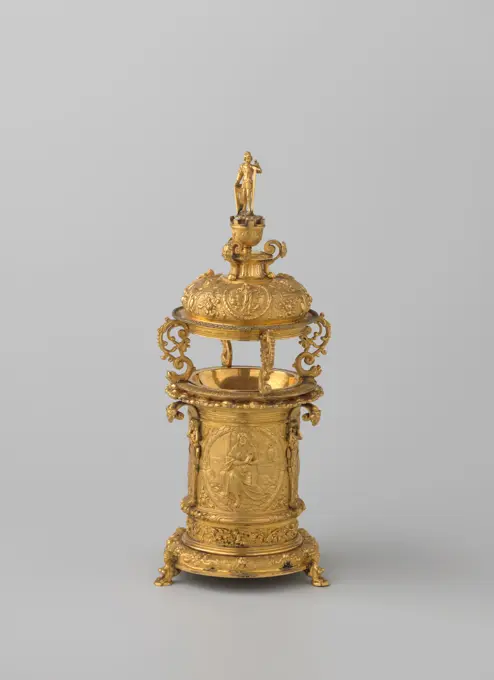
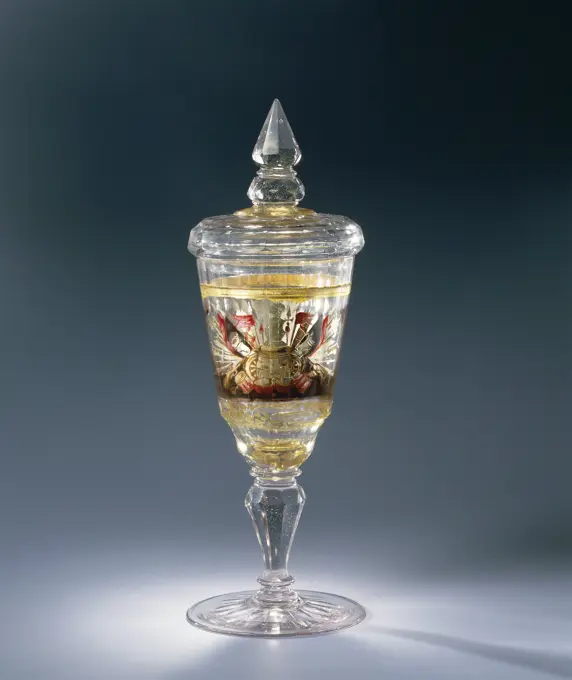
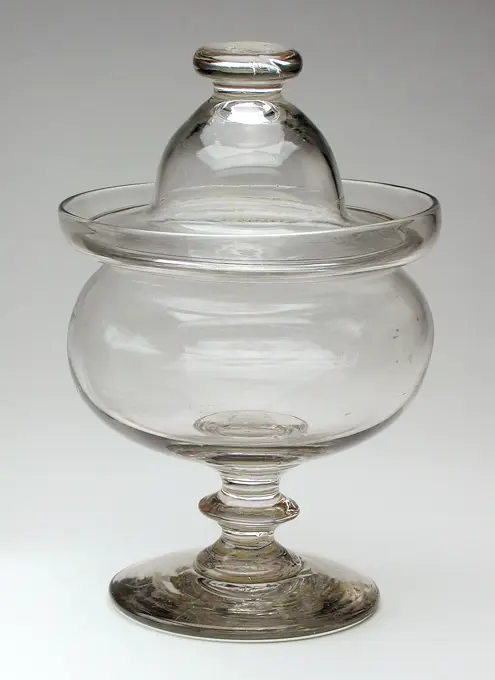
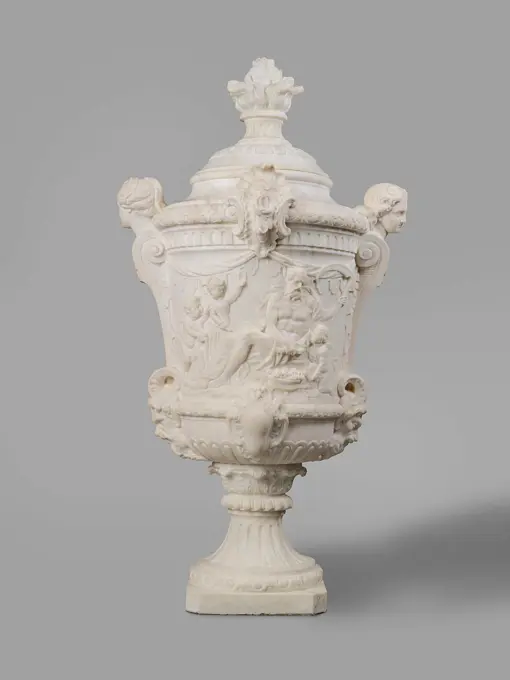
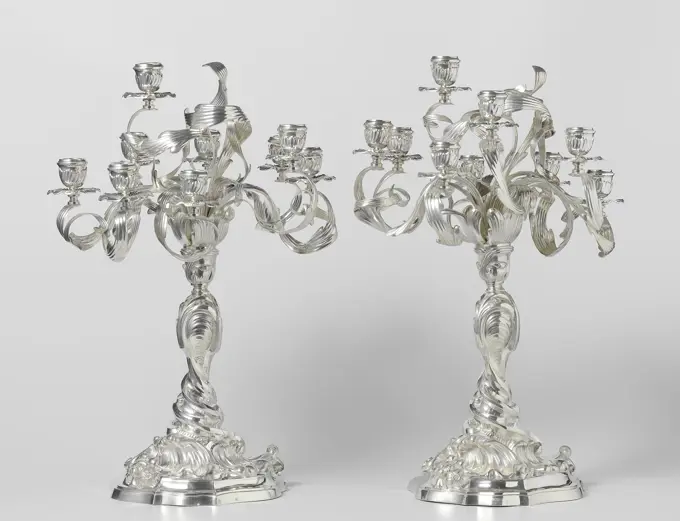
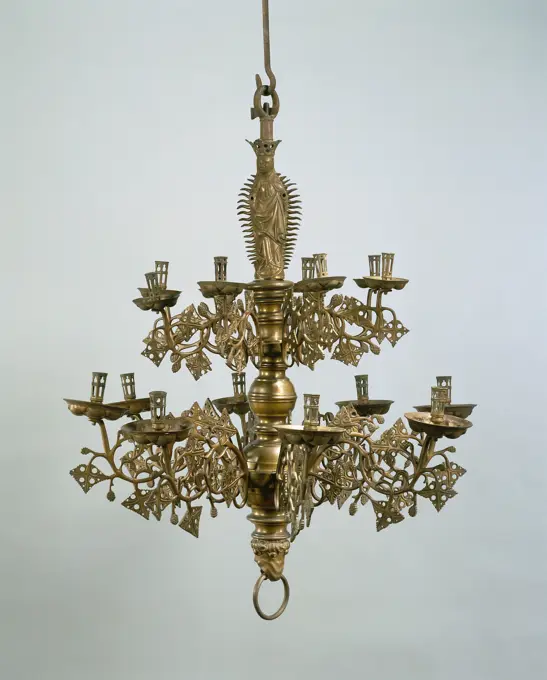
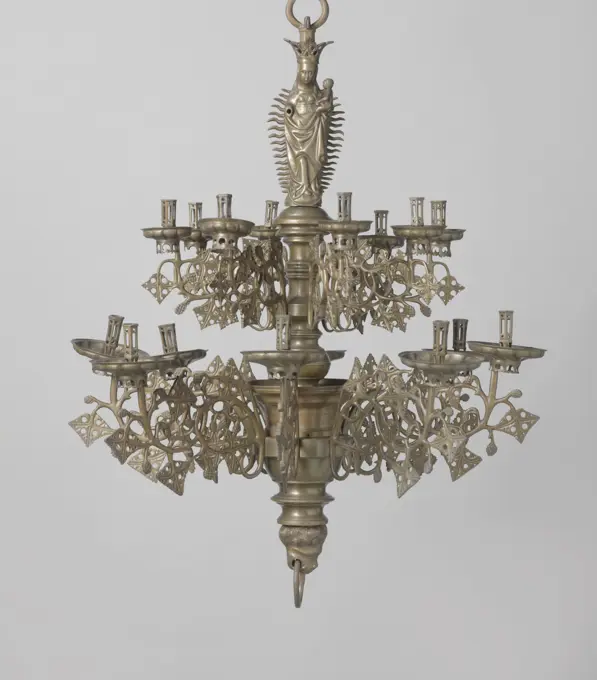
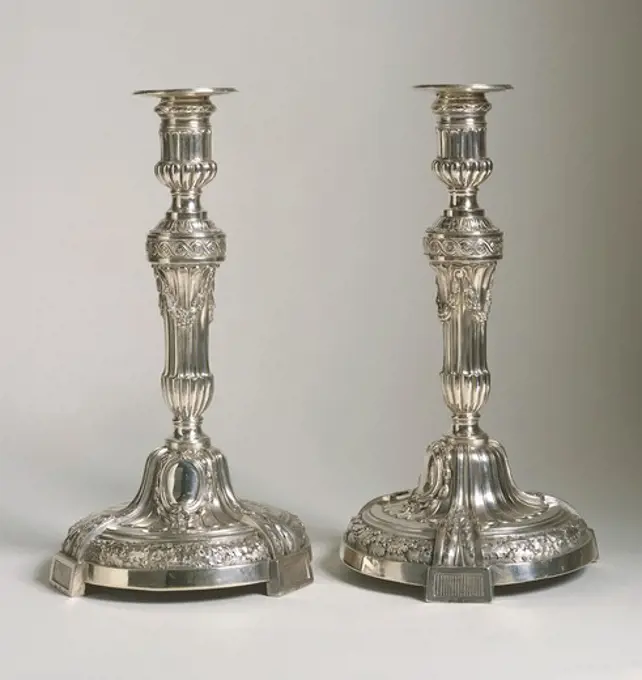
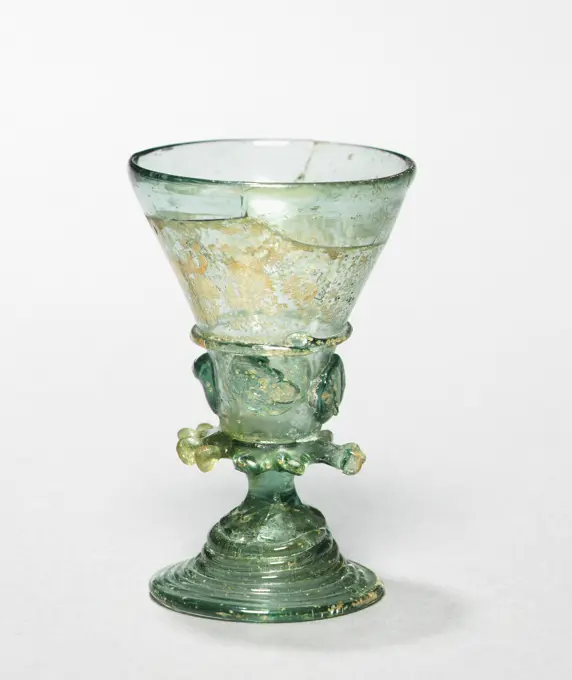
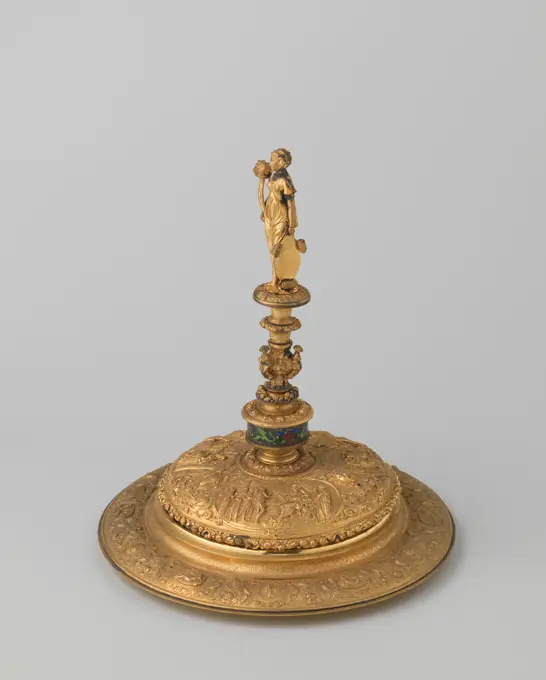
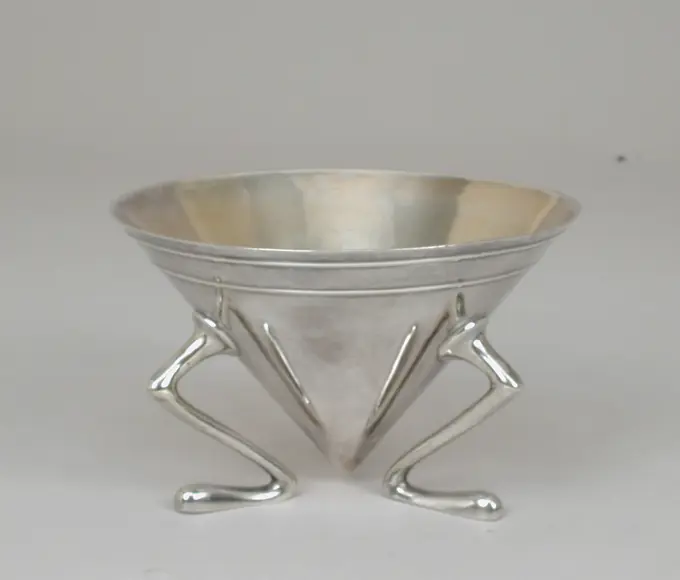
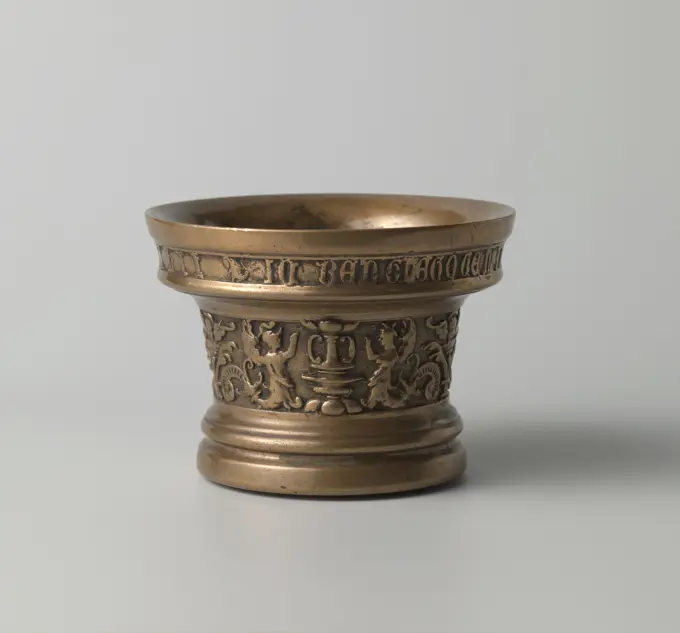
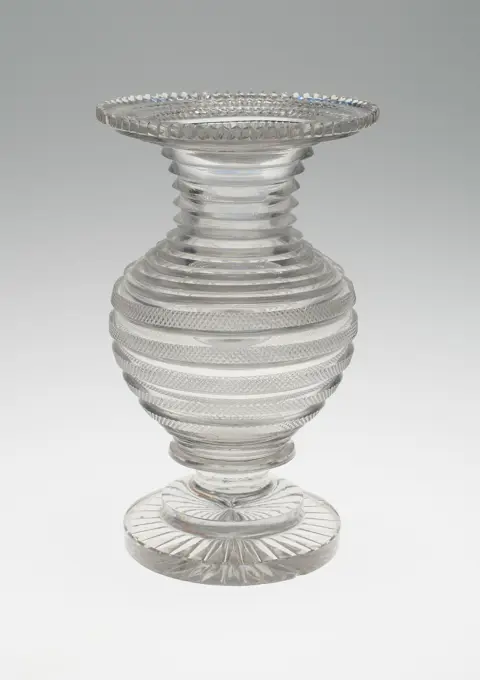
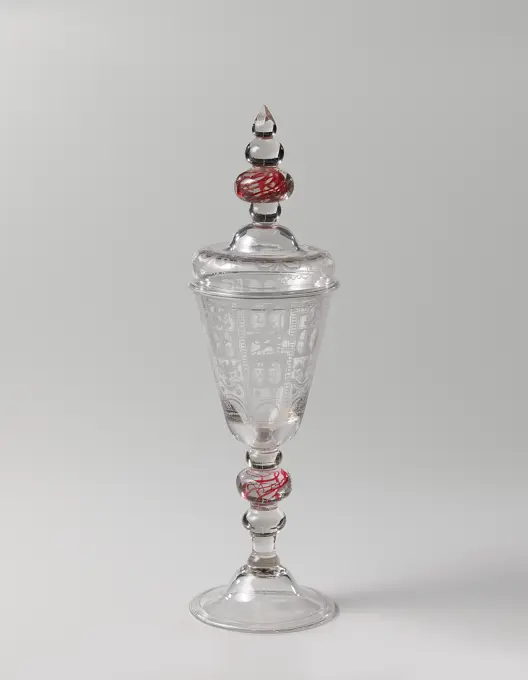
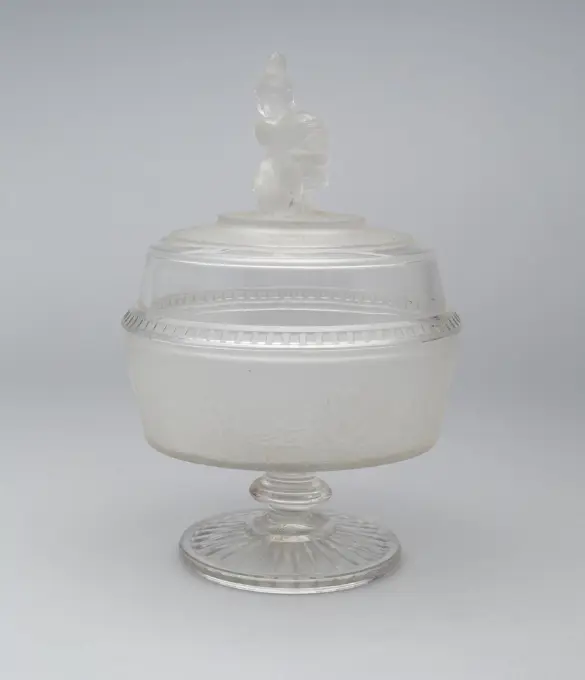
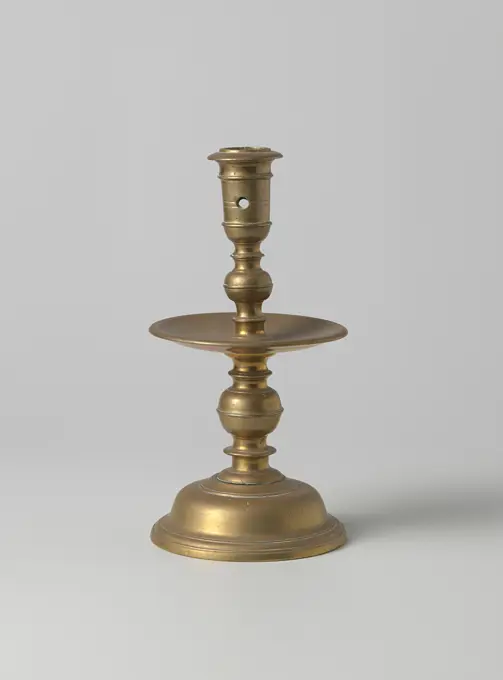
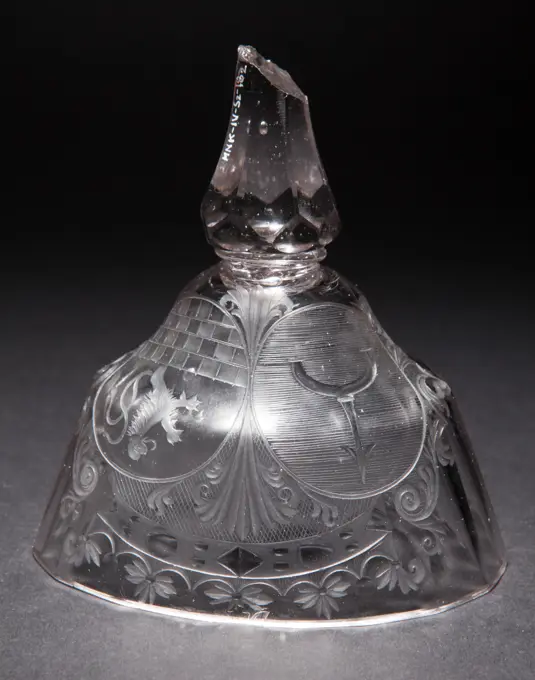
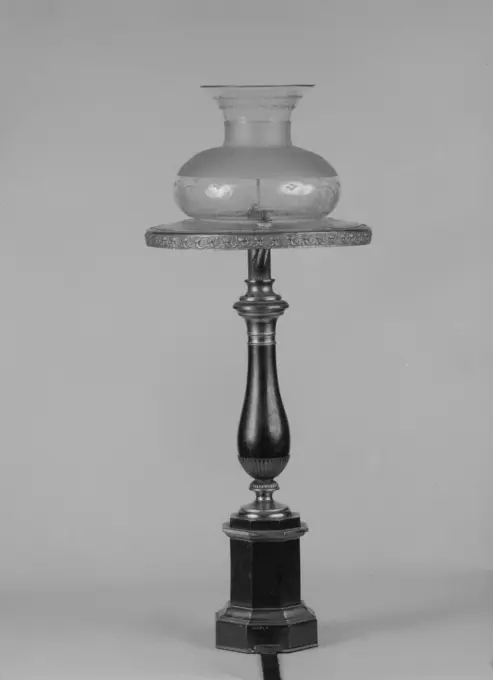
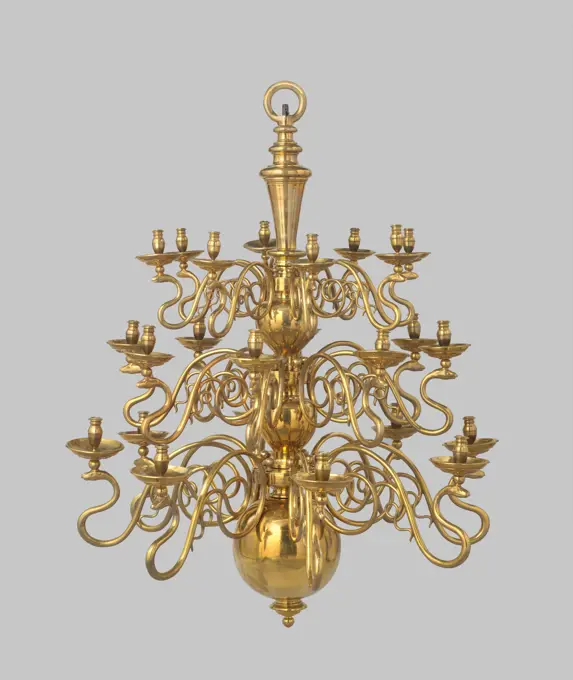
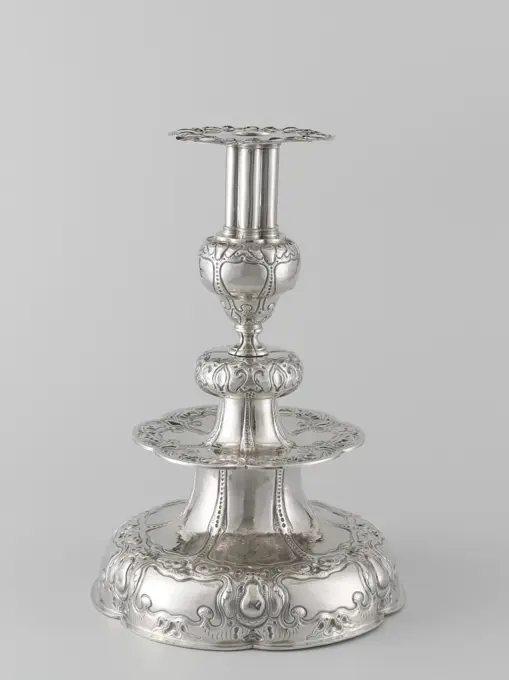
Three candlesticks, Willem Brugman, 1652 candlestick Silver candlestick. The round, lobed foot, is decorated with driven lobe ornaments. The alliance weapon with the wedding button by Gerard Meerman and Agneta Deutz is on the foot. Amsterdam silver (metal)  auricular ornament, lobe style ~ ornamentCup with cover 19th century Style of Hans () Jamnitzer. Cup with cover 193587Wine Glass and Cover 1735-1745 Potsdam. Glass; engraved and gilt decoration .Vase. unknown, craftsmanVase with cover mid-17th century Possibly by Imperial Court Workshop, Prague. Vase with cover 193520Lidded cup of the Unie Society, 1754 The decorations of the cup relate to the mutual connection of the members of the Amsterdam Society De Unie. The trunk of the round cup is formed as a bundle of twigs, held together by a ribbon that winds over the bell -shaped cuppa and the vaulted lid to end in a bow. On the smooth cuppa, the coat of arms of the twelve members of the society are driven around the coat of arms, placed against a background of whimsical clouds. Fantastic human and animal masks appear under and above every shield, interspersed with flowers. The lid edge is decorated with alternating S and C-volutes, flowers, foliage and the same cloudy surface as on the cuppa, but without masks. Amsterdam silver (metal) gilding The decorations of the cup relate to the mutual connection of the members of the Amsterdam Society De Unie. The trunk of the round cup is formed as a bundle of twigs, held together by a ribbon that winds over the bell -shaped cuppa and the vaulted lid to end in aCandelabra 1780-1800 England. Clear and blue glass, gilding and bronze mounts .Galvanoplastic reproduction of a tazza with a representation of a ship. Galvanoplastic reproduction of a Tazza. The drinking bowl is decorated with a driven representation of the novert Hendricksen ship with an inscription around it. The scale is worn by a baluster-shaped strain with brackets. The foot is decorated with fruits and flowers.Vasa for punch (7 parts), with 4 glasses and 5 glasses; 2. In the 19th century (1825-00-00-1850-00-00);Cock from Burb crystal with gold frame, decorated with fine tiflens in email. High vaulted foot., Anonymous, c. 1575 - c. 1599 Cock with lid on a high curved foot. The jar is made of rock crystal with a frame of gold. Decorated with fine tenders in email. Breisgau (possibly) gold (metal). Cock with lid on a high curved foot. The jar is made of rock crystal with a frame of gold. Decorated with fine tenders in email. Breisgau (possibly) gold (metal).Sgabello, Chair of Notenhout, Anonymous, 1500 - 1600 Sgabello van Notenhout resting on a front and hind leg in the form of two flat-set claw legs, between which a hanging, stylized lily. By a profiled list, his rear and front board separated from the wide seating rules; The hexagonal seat crosses. The flat back is cut out vase -shaped. See also: BK-15383 and 15384. Italy wood (plant material). walnut (hardwood) Sgabello van Notenhout resting on a front and hind leg in the form of two flat-set claw legs, between which a hanging, stylized lily. By a profiled list, his rear and front board separated from the wide seating rules; The hexagonal seat crosses. The flat back is cut out vase -shaped. See also: BK-15383 and 15384. Italy wood (plant material). walnut (hardwood)Silversmith: Anthony Huijs, Silver candlestick decorated with floral motifs, candlestick candleholder lighting tool silver, cast Set of two identical silver candlesticks decorated with floral motifs under foot; on the wall (knocked in) HuysSalt barrel in the form of a fountain, decorated with a dancing female figure, Johannes van der Lely, c. 1725 Zoutvat, in the form of a fountain. The vaulted, profiled base with raised middle carries above a double congestion, the reverse uniform member on which the wide pelvis is located with turned outer edge. On an elevation in the middle of the basin, a garden vase with a dancing female figure has been placed as a crown. Foot and pelvis are surrounded by a ribbed edge and finely driven rank ornament on granulated soil. To the incineration above the foot and around the vase shape godron edges. Leeuwarden silver (metal) Zoutvat, in the form of a fountain. The vaulted, profiled base with raised middle carries above a double congestion, the reverse uniform member on which the wide pelvis is located with turned outer edge. On an elevation in the middle of the basin, a garden vase with a dancing female figure has been placed as a crown. Foot and pelvis are surrounded by a ribbed edge andDrinking Tazza with a Sea Battle. Portuguese; Lisbon. Date: 1550-1600. Dimensions: 13.4 × 14.3 cm (5 1/4 × 5 5/8 in.). Silver gilt. Origin: Portugal. Museum: The Chicago Art Institute, Chicago, USA.Chafing Dish ca. 1719 John Coney. Chafing Dish 1536. translation of inscription: The Well-Being / Of the Mother / And ChildBokaal of ice glass, anonymous, c. 1550 - c. 1600 Bokaal on flat, ribbed foot with turned around. The trunk is made up of a ribbed nodus and three discs. Foot and trunk of clear glass. Flattened spherical body of ice glass, blown into a diamond pattern. Lightly bent neck of clear glass. On the shoulder twice a blue and white thread between two Lattimo wires. Remains of gilding on the foot, the trunk, the underside of the body and the shoulder. Low Countries glass glassblowing / gilding Bokaal on flat, ribbed foot with turned around. The trunk is made up of a ribbed nodus and three discs. Foot and trunk of clear glass. Flattened spherical body of ice glass, blown into a diamond pattern. Lightly bent neck of clear glass. On the shoulder twice a blue and white thread between two Lattimo wires. Remains of gilding on the foot, the trunk, the underside of the body and the shoulder. Low Countries glass glassblowing / gilding. Two candlesticks (see also BK-1990-6-B), almost identical. Stem made up of four series of three tanks that turn into the underside to curl the open foot ring and act as feet. Just above the footrest, the tendrils together flow into a nodus that is at half height of the trunk, to split into groups of two again. This schedule is repeated in a second larger nodus, which is located under the top of the trunk. From this the branches open like curling petals, from which the candle holder move as a tulip-like chalice.StandingCup.   Maker: Jeremiah Dummer, American, 1645-1718Honorand: Joshua Atwater, American, died 1676Terracotta kylix (drinking cup) ca. 500 B.C. Signed by Hegesiboulos Interior, foreigner with his dogExterior, obverse, symposium (drinking party); reverse, komos (revel)In technique and execution, this cup represents the kind of enterprising and accomplished artist who flourished in Athens during the late sixth and early fifth centuries B.C. The technique is red-figure enhanced by a coral-red slip, a short-lived experiment. The decoration is exceptional for the trenchant observation that underlies the spirited rendering. The man on the interior is often identified as Levantine. His physiognomy would have been as outlandish to an Athenian as the appearance of his dog.. Terracotta kylix (drinking cup) 247927Oil lamp from tin, with sitting horse as a lid knob. Oil lamp from tin. On the bell-shaped base there is a short strain with a slight nodus and profiled lines. Above a wide, circular reservoir, the top of which is slightly concave and contains two openings. The largest opening is in the middle and can be closed with a lid, awarded a seated horse. The lid is connected to the oil lamp via a single-cakikg hinge and ends in a round ring.Kandelaar.Candlestick with vaulted circular foot and baluster shaft. The candlestick has a scale-shaped fat catcher and a baluster-shaped shaft. The candle holder is cylindrical.Candlestick from bronze at square foot with O.A. trophies, weapons and musical instruments. Polished bronze, scilated and engraved candlestick on square foot with beveled corners. The strain is four-sided baluster-shaped, equipped with a four-sided, several times profiled nodes and adorned on the flat sides with shell ornament, heads in medallions and trophies of weapons and musical instruments. The square candle holder is beveled on the corners. See also: BK-NM-12421-B.. Vaulted foot. Stem with faceted button. Bell-shaped Cuppa, lower part faceted. On the chalice the representation of a maternity room. Along the mouth edge The inscription: the praise of the maternity woman, and Kintie. Lid vaulted with faceted buttons.Tobacco box, Johannes Schiotling, 1782 The round, slightly cut pot has a loose lid. Along the bottom edge of the pot, a cast, openwork, wavy edge with C and S-Voluten and Rocailles runs, which is interrupted by the three legs in the form of cast leaf fillets. The wall is scanned and decorated with a driven, ribbon -bound sling of bay leaves and berries. Above each leg, it is apparently attached with a nail, a straight garland depends on. A widened, straight edge runs around the top. The lid is made up of a layer, convex, flued section and a concave, high rising middle part with a driven decoration of two layers of ray -ranges on each other leash leaves and a flat top. This rests a bouquet of cast flowers, which serves as a button. Amsterdam silver (metal) The round, slightly cut pot has a loose lid. Along the bottom edge of the pot, a cast, openwork, wavy edge with C and S-Voluten and Rocailles runs, which is interrupted by the three legs in the form of cast leaf fillets. The wall is sA can on the host- cyborium;  End of the fourteenth century (1391-00-00-1400-00-00);Spice container, 20th century, 5 11/16 x 1 5/8 x 1 5/8 in. (14.45 x 4.13 x 4.13 cm), Silver, 20th century. A confidante of the Russian empress commissioned this 140-piece service, several items of which are displayed here. Silversmith Odiot, the painter Prudhon and the architect Cavelier proudly presented the new models at the 1819 French national exhibition of decorative art.Notable are the kneeling angels supporting the soup tureen, which are characteristic of the late Empire style.Bronze candlestick on square foot with, among other things, trophies, weapons and musical instruments, anonymous, 1650 - 1700 Polished bronze, ciseled and engraved candlestick on square base with beveled corners. The trunk is four -sided baluster -shaped, with a four -sided, multi -day profiled nodus and decorated on the flat sides with shell ornament, heads in medallions and trophies of weapons and musical instruments. The square candle holder has been chamfered on the corners. See also: BK-NM-12421-A. France bronze (metal) Polished bronze, ciseled and engraved candlestick on square base with beveled corners. The trunk is four -sided baluster -shaped, with a four -sided, multi -day profiled nodus and decorated on the flat sides with shell ornament, heads in medallions and trophies of weapons and musical instruments. The square candle holder has been chamfered on the corners. See also: BK-NM-12421-A. France bronze (metal)Gueridon with octagonal leaves, tapered, profiled trunk on three S-shaped legs, Anonymous, c. 1750 - c. 1800 Gueridon van Notenhout, with octagonal leaf with upright edge, tapered, profiled trunk on three S-shaped legs. Amsterdam (possibly) walnut (hardwood) Gueridon van Notenhout, with octagonal leaf with upright edge, tapered, profiled trunk on three S-shaped legs. Amsterdam (possibly) walnut (hardwood)Salt cellar; Le Bass, James (Fl. 1808-1845); 1812 (1812-00-00-1812-00-00);Classicism (style), shells (ornament), spices, spices (vessel), salt (vessel)Reliquary ca. 1500 Hungarian The small size of this reliquary suggests that it was made for a wealthy private owner so that, in his private devotions, he could view a relic of his patron saint through the crystal. The rich surface decoration is similar to that of other objects known to have been made in Hungary in the early 16th century.. Reliquary. Hungarian. ca. 1500. Silver gilt, rock crystal, and pearl. Metalwork-SilverETA Era; Fraget, Józef (Warsaw; Silver and Plated Products Factory; 1824-1945); 1843 (1843-00-00-1843-00-00);Cup; Weissbach (Huta Szk A; 1617-1754), Weiberge (Huta Szk 1730-1740 (1730-00-00-1740-00-00);Louis-Jacques Berger. "Cup". Money. 1807-1809. Museum of Fine Arts of the City of Paris, Petit Palais. 74382-21 Money, silverware, gobletArm with candle crown candle holder, Anonymous, 1795 - 1800 The S-shaped arm has a curl at the end at the tribe side and turns outside into a thickening with screw hole. The candle holder is secured with the fat catcher. The round holder has a hol round pedestal, narrows upwards and then has an excellent edge. The fat catcher has a grooved ring at the top. This is the third arm, numbered with 3 round points. Amsterdam brass (alloy) casting The S-shaped arm has a curl at the end at the tribe side and turns outside into a thickening with screw hole. The candle holder is secured with the fat catcher. The round holder has a hol round pedestal, narrows upwards and then has an excellent edge. The fat catcher has a grooved ring at the top. This is the third arm, numbered with 3 round points. Amsterdam brass (alloy) castingChalice with the image and the coat of arms of King Augustus III unknownBerry dish. Tiffany and Company; American, founded 1837; New York, New York. Date: 1859. Dimensions: 15.2 × 25.4 × 25.4 cm (6 7/8 × 10 × 10 in.); 999.3 grams. Silver. Origin: New York City. Museum: The Chicago Art Institute, Chicago, USA. Author: Tiffany and Company.Dish on high foot with pierced sides, anonymous, c. 1800 dish Porcelain bowl on a high, spreading foot ending in a square pedestal and with an openwork wall with a serrated edge. Painted on the glaze in blue, red, pink, green, yellow, purple and gold. Halfway through the openwork wall a closed band with flowers. The underside of the dish with flower branches. A modeled flower drink in Biscuit on each side of the pedestal. The scale and the foot are connected by means of an iron pin. France porcelain. glaze. gold (metal) painting / gilding / vitrificationVase with median bait, acroters in the form of religious mantes. Bronze. Cernuschi Museum, Asia Museum of Asia in the city of Paris.Miniature cruet with cover 1738 S. A.. Miniature cruet with cover. Dutch, Amsterdam. 1738. Silver. Metalwork-Silver-MiniatureUrnlampCandlestick (one of a pair) ca. 1710-20 Master "RW" Swedish Early-eighteenth-century Swedish silver of such a commanding quality is exceedingly rare. These refined candlesticks reflect the stylistic adaptations and the high standard of craftsmanship of the master gold- and silversmiths in Uppsala, a northern European university town. The objects' delicate ornamental vocabulary constitutes an elegant and refreshing version of what could be defined as a Swedish interpretation of the style of French designer Jean Berain. In I687 Swedish architect Nicodemus Tessin the Younger (i654-1728) visited Versailles and was fired with a deep admiration for the elaborate trappings with which Louis XIV was enshrining himself as absolute monarch. Later Tessin, responsible for the design of the New Royal Palace in Stockholm, was able to create one of the finest examples of the contemporary French idiom, mirroring now the exalted and powerful position of the Swedish king in northern Europe. French artistTwo salt vessels, Johannes Lutma (1584-1669), 1639 The salt vessels (A and B) are made up of a cast pedestal and trunk and a driven dish. The triangular, high -rising gilded pedestal is completely decorated with whimsical, soft ornaments, including crushing open. These are particularly visible at the base of the legs, the underside of which is designed as a stylized frog. The trunk has the shape of a boy, sitting on a dolphin with a rotated tail, who falls over one of the child's shoulders. At A the boy supports the scale with his lifted right hand, while holding a shell in the left hand. At B he supports the scale with his left hand, while holding a coral branch in the right. The head of both children is adorned with foliage. The oval, deepened gold -plated scale has a wide, slightly roared edge that is decorated with whimsical ornaments, including folds from which molluscs stick. The deepened part is divided into two halves by means of curved lines and is reminiscent of an open shellCandlestick, 1745-1749. France, 18th century. Gilt metal; overall: 24.8 x 14.6 x 14.2 cm (9 3/4 x 5 3/4 x 5 9/16 in.); average: 23.7 cm (9 5/16 in.).Wine divider, Nickel silver bar on the white background. (isolated)Cup of Zwartsluis, Johan Kuynder, 1676 goblet Bokaal, silver with lid, decorated with floating, on the cuppa the allegories of war, peace and justice with appropriate poems. The cuppa rests on three children's figures with grape bunches. On the foot six weapons with the captions: Gerryt Kloecken; Pieter Jansen, Swarte Suis; Roelof Stroombergh, Jan van Steenwijck, Fransisalana. On the lid the Wapen van Oranje and the portraits of the Prinsen Willem I, Maurits, Fred. Hendrik, Willem II and Willem III. As a crowning Neptunus driving on a hippocampus. On the inside a portrait with the caption Henderick Bentinck Heer van Diepenheim, Drost van Vollenhoven and the Heerlijckheyt Kuynder. Silver brand and unreadable. Neptunus trident is missing Zwolle silver (metal)  auricular ornament, lobe style ~ ornament. ornament ~ cartouche. cupids: 'amores', 'amoretti', 'putti' BlacksluisCup-Hilted Rapier Made 1660-1670 Spain, northern. Steel, iron, copper, and wood .Binnenbak, Cornelis Knuysting, 1802 Inner box made of matted glass. Rotterdam glass Inner box made of matted glass. Rotterdam glass. Candlestick of silver, part of an ensembleSilver ciborium with lid on which gold-colored cross, ciboric liturgical container holder gold silver, driven chased From inside gilded cuppa on high arched foot baluster-shaped stem with nodus, bell-shaped lid spherical, thickening at the top and with screw thread at the bottom gilded apple as reward (). Cuppa and foot detachable from trunk apple detachable from lid outer edge foot and top edge exterior cuppa (smashed) R.K. Church Antonius Abt Delfshaven Rotterdam 1852 priest Eucharist religious ceremony ceremony religionCommunion Cup 1830-70 American. Communion Cup. American. 1830-70. Free-blown colorless and opaque white glass. Made in Jersey City, New Jersey, United StatesPair of candelabra, Johannes Schiotling, 1772 The candelabers consist of a candlestick, round in diameter, and an attachment with three arms. The foot rests on the right -wing base. A ojief profile decorated with acanthus leaves and above it a bol profile decorated with phases surrounded a flat plate, on which eight with acanthus leaves are jet -wise with acanthus leaves. They wear a hollow -white rosette built from acanthus leaves, which is crowned by a smooth band. Above that, the columnar trunk rises, with a sphere vaulted base, a scanned shaft and a Corinthian capital, which serves as a candle holder. This fits the attachment, which consists of three S-shaped, scanned arms, which spring from a core made up of different leaf wreaths with a crown in the form of the heart of the Acanthus plant. Leaf fillets also swing from this core, which bend along the lower and top of the first part of the arms. The arms each end up again in wreaths of Acanthus leaves, above which the candle holderFruit bowl. Culture: Irish. Dimensions: Overall: 10 1/8 × 14 1/4 in. (25.7 × 36.2 cm). Date: ca. 1790. Museum: Metropolitan Museum of Art, New York, USA.Tobacco plum, Anonymous, c. 1780 - c. 1820 Tobacco plum on three legs bent outwards that are attached to a wooden pedestal. The wooden pedestal is on three straight legs. There is a copper inner bin in the bowl. The tobacco bowl is not marked. Netherlands silver (metal). wood (plant material). copper (metal) Tobacco plum on three legs bent outwards that are attached to a wooden pedestal. The wooden pedestal is on three straight legs. There is a copper inner bin in the bowl. The tobacco bowl is not marked. Netherlands silver (metal). wood (plant material). copper (metal). Candlestick of silver. The square, profiled, rejuvenating foot has stuffed, round corners decorated with a shell. In the flat top, there is a round floor from which it also rises round, slightly stretched, by a ring articulated top. This carries a flat disk on which the baluster-shaped trunk rests. Both the trunk and the vase-shaped candle holder are square with beveled corners; Both are poor profiled. The four sides of the trunk are decorated at the bottom with a shell and at the top, under a profile edge, with a lambrequin imposed. The corners are decorated at the bottom with stylized leaf motifs. The four sides of the candle holder are also at the top, under the profiled crowning, decorated with an imposed lambrequin.Galvanoplastic reproduction of a salt barrel with statuette of a warrior, fa. Elkington & Co., after 1865 - Before 1880 Galvanoplastic reproduction of a salt barrel on Piedestal; On the upper part a statuette of a warrior. Gilded. London copper (metal). silver (metal) gilding Galvanoplastic reproduction of a salt barrel on Piedestal; On the upper part a statuette of a warrior. Gilded. London copper (metal). silver (metal) gildingCandy dish - Gordon Pattern Burlington Glass Works Burlington Glass WorksBokaal with lid of Zwischengoldglas, with a powder barrel with weapon trophy and a flower basket, anonymous, c. 1720 - c. 1740 Flat base with turned around, cut at the bottom with oval interspersed with a line. Double cuff under a facetized baluster -shaped tribe. Versatile faceted, funnel -shaped, curved chalice at the bottom. Facetted lid, the button made up of a faceted nodus and cone. In the bottom of the chalice a gilded medallion with windows surrounded by a border palmets. On the chalice, between a golden leaf vank and a trim in silver, red, brown and green, a powder barrel with weapon rophen on one and a flower basket on the other. The medallion in the soil repeats itself in the lid. Kit edges approx. 1 cm below the edge of the chalice and around the medallion in the lid. Bohemia glass glassblowing / grinding / lacquering Flat base with turned around, cut at the bottom with oval interspersed with a line. Double cuff under a facetized baluster -shaped tribe. Versatile faceted, fSugar Bowl with CoverShallow Chalice. UnknownReversable egg cup 1759-61 Johann Jakob Adam. Reversable egg cup 206252. Round shutter with loose lid. Signature and dated.Arm with candle crown candle crown of two heights, Anonymous, 1650 Candle belonging to a brass candle crown of two heights. The S-shaped arm has a curl at the start, halfway through a dolphin head and turns outside into the flat thickening with a screw hole. The candle holder is secured with the fat catcher. The fat catcher is ribbed at the bottom of the opening and has one down and a slightly excellent edge. The Cylindrian candle holder has a profiled and an excellent edge, two grooved rings, a rib and a profiled narrower bottom piece, which turns into a protrusion with a thread with a center hole. The pin to attach the arm is cone -shaped with a round button on top. The Vetvanger has closed a close one, which indicates that the candle crown has ever been elected. This is the first arm of the upper position ring, numbered with twice the number 3. Amsterdam (possibly) brass (alloy) casting Candle belonging to a brass candle crown of two heights. The S-shaped arm has a curl at the startCandlestickCup with a gothic arcade decoration, Perche, c. 1800 - c. 1899 Come (rinse bowl) of porcelain on high, spreading foot, painted in underlaze blue and on the glaze gold. The outer wall with a gothic arch decoration against a blue background. The foot, the edge and half of the inner wall are covered with gold. Concentric circles on the bottom. Saint-Yrieix-la-Perche porcelain. glaze. cobalt (mineral). gold (metal) painting / gilding / vitrification Come (rinse bowl) of porcelain on high, spreading foot, painted in underlaze blue and on the glaze gold. The outer wall with a gothic arch decoration against a blue background. The foot, the edge and half of the inner wall are covered with gold. Concentric circles on the bottom. Saint-Yrieix-la-Perche porcelain. glaze. cobalt (mineral). gold (metal) painting / gilding / vitrificationTwo garden vases with the Four Seasons. These two vases were almost certainly made for the Elsenburg country estate in Maarssen, the property of Amsterdam merchant Theodoor de Leeuw. The classical shape is decorated in several places with asymmetrical ornaments that herald the Rococo style. Examples are the large scrolls above the reliefs representing the seasons.Kandelaber with ten as long curled leaves designed arms, Koninklijke Utrechtsche Fabriek van Zilverwerken by C.J. Desire, 1890 Silver Candle Bear, Torsted Model in Louis XV style, with ten as long, curled leaves designed arms on which candle holders rest. Utrecht silver (metal) Silver Candle Bear, Torsted Model in Louis XV style, with ten as long, curled leaves designed arms on which candle holders rest. Utrecht silver (metal)Maker Unknown, Peg Lamp, c. 1850-70, colorless and sapphire blue glass and brass.. Three decorative elements two cams with angel.Land;  19th century (1801-00-00-1900-00-00);Arm with candle holder of candle crown of two heights with eight arms each, c. 1525 - c. 1550 Candle arm belonging to a candle crown of two heights with maria figure at the top. The arm is bent twice and is decorated with four grapes bunches and five vine leaves. The round fat catcher is decorated with fish bladder motifs at the bottom and has an excellent edge of cross flowers towards the middle, which masks the placement on the arm. The candle holder is six -flat, opened, placed on three vertical styles, transferring to a threaded protrusion. This is the eighth arm of the upper ring, unnumbered. The candle holder is unnumbered. Southern Netherlands brass (alloy) casting  Barneveld Candle arm belonging to a candle crown of two heights with maria figure at the top. The arm is bent twice and is decorated with four grapes bunches and five vine leaves. The round fat catcher is decorated with fish bladder motifs at the bottom and has an excellent edge of cross flowers towards the middle, wArm with candle holder of candle crown of two heights with eight arms each, c. 1525 - c. 1550 Candle arm belonging to a candle crown of two heights with maria figure at the top. The arm is bent twice and is decorated with nine grape bunches and five vine leaves. The round fat catcher is decorated with fish bladder motifs at the bottom and has an excellent edge of cross flowers towards the middle, which masks the placement on the arm. The candle holder is six -flat, opened, placed on three vertical styles, transferring to a threaded protrusion. This is the second arm of the bottom ring, numbered with 2 round points. The candle holder is unnumbered. Southern Netherlands brass (alloy) casting  Barneveld Candle arm belonging to a candle crown of two heights with maria figure at the top. The arm is bent twice and is decorated with nine grape bunches and five vine leaves. The round fat catcher is decorated with fish bladder motifs at the bottom and has an excellent edge of cross flowers towaSilversmith's art, France, 18th century. Silver candlesticks. Made in Paris.Mazer 1611 British The inscription reads "Quod wele ware hym yat wyste in whome yat he myght tryste" (How good it is for him who knows whom he can trust.) The arms at the bowl center are those of the Lee family of Ditchley and Quarendon who owned the mazer in the seventeenth century.. Mazer 204970Goblet with Cover 1720-1730 Bohemia. Glass .Goblet (Berkemeyer), c. 1525-1550. Germany, 16th century. Green glass; overall: 7 cm (2 3/4 in.).CALIZ - FINALES DEL SIGLO XVI - RESTAURADO EN 1737 - 27X15 CM - PLATA SOBREDORADA FUNDIDA Y CINCELADA. Author: TALLER CORTESANO. Location: MONASTERIO-INTERIOR. SAN LORENZO DEL ESCORIAL. MADRID. SPAIN.Nautilus cup, anonymous, c. 1630 - c. 1660 Nautilus cup in frame of gilded silver. There are mermaids on the corners of the three -hand pedestal. The head of a dolphin is visible under their winding double tails. In their hands they keep the loose ends from over their shoulder and over their heads, which is connected on the sides, above a frats. There is a naked female figure on this pedestal, a cloth is folded around its loins. With head and hands, she supports a leaf rosette on which the shell rests and to which clamps are attached, and awarded by a nereïd and a triton respectively. Amsterdam (possibly) silver (metal). nautilus shell gilding Nautilus cup in frame of gilded silver. There are mermaids on the corners of the three -hand pedestal. The head of a dolphin is visible under their winding double tails. In their hands they keep the loose ends from over their shoulder and over their heads, which is connected on the sides, above a frats. There is a naked female figure on this pedeGalvanoplastic reproduction of a lid managing at a jar. Galvanoplastic reproduction of a lid manent at a jar (BK-NM-5317-1). On the lid three panels biblical scenes in low relief. Gold plated.Cup; Kurokawa, Yoshikatsu (1867-1949), Kuhn & Komor (Sreber label; 1869-1919); beginning of the 20th century (1901-00-00-1910-00-00);Sugar bowl (Model 247) ca. 1885 Christopher Dresser Christopher Dresser produced radically innovative designs for production in a wide range of media including silver, glass, brass, wood, wallpaper, ceramics and even cast iron. His inspiration was drawn from sources as disparate as pre-Columbian ceramics, ancient Roman glass and Japanese ceramics. A few of his designs, however, such as this sugar bowl, are strikingly modern, and do not seem to quote earlier precedents.. Sugar bowl (Model 247). British. ca. 1885. Silver-plated nickel. Metalwork-Silver. Large arm with the accompanying fat catcher and holder. The labeled arm has a bol and hollow-profiled nodus in the middle and thickened a little on either side. At the trunk she walks out in spiral curls. It goes outwards in the screw ends of iron, on which the candle holder can be attached. The round fat catcher has lowered edges. The round in each other's extended openwork holders have holronde feet, which are screwed on the arms.Vijzel with inscription: IC Ben Ghegoten Int iaer Ons Heeren MCCCCCCXLII, Peeter van den Ghein (I) (attributed to), 1542 The cast round mortar extends upwards, has a high excellent profiled edge and a profiled foot. On the edge the inscription IC Ben Ghegoten int jaer Ons Heeren MCCCCCCXLII with one punctuation. The Frisian consists of a Renaissance vase with two ears and three lobes at the foot and on top, flanked by a male and female tenant with arms and wings, whose tails turn into rolling, further from two-stiled flower-placed cherub cups with in between The Renaissance vase. Mechelen bronze (metal) casting The cast round mortar extends upwards, has a high excellent profiled edge and a profiled foot. On the edge the inscription IC Ben Ghegoten int jaer Ons Heeren MCCCCCCXLII with one punctuation. The Frisian consists of a Renaissance vase with two ears and three lobes at the foot and on top, flanked by a male and female tenant with arms and wings, whose tails turn into rolling, furThree Water Vessels, anonymous, 1200 - 1500 Legs have shape of bird legs with a curl shape at the rear, a floralistic motif in high-relief at the top. Belongs to Watervat AK-RAK-1989-7-A. East Java bronze (metal) Legs have shape of bird legs with a curl shape at the rear, a floralistic motif in high-relief at the top. Belongs to Watervat AK-RAK-1989-7-A. East Java bronze (metal)Vase 1795-1805 France. Glass .Lid of jar with hunting performance. Lid with decoration, the button contains a red spiral.Candlestick; silverCandlestand. London. Date: 1680-1690. Dimensions: H. 113 cm (44 1/2 in.). Lacquered and gilded wood. Origin: London. Museum: The Chicago Art Institute, Chicago, USA.Westward Ho!/Pioneer pattern covered footed compote c 1876 Philadelphia. Glass . Gillinder and Sons (Manufacturer)Wineglass Dr. Antonio Salviati Company Italian 19th century View more. Wineglass. Italian, Venice (Murano). 19th century. Glass. GlassOil lamp, Steel, Ship's lantern, USA, 19th century, metalwork, Decorative Arts, Oil lampSilversmith: Rudolph Sondag, Silver salt vessel on foot, salt barrel tableware holder silver, cast Small deep round bowl on constricted foot Circumference foot and outer rim square with indented rounded corners. Raise the ascending foot with profile edges on the outer edge of the foot (beaten)Candlestick of tin, teachered model. Candlestick of tin. The challenge stands on three low legs, formed by voluten. The baluster-shaped strain is twisted with an abovementioned bok form. The flower-shaped fat catcher is missing.Collar cover of brass. The candlestick is poured into four parts and turned: the base, the lower part of the trunk, collar, the upper part of the trunk with the holder. On the round profiled foot follows the lower stem part with a rib above and below a convex with a profiled ribly decorated BALUS. The collar is provided on both sides of rings. The upper part of the trunk has the same shape as the bottom. The cylindrical profiled fat catcher has an excellent edge at the top and has two round holes in the middle of the wall. The upper part of the strain is provided with a pin that has been stabbed by the lower part and is clocked at the bottom of the foot. A candlestick of this type is called collar or disk candlestick.Czarka (without foot)Photo tandard, 1880 - 1900 frame   metalLamp ca. 1820. Lamp. ca. 1820. Tin, glass. Made in FranceArm of a candle crown in three heights, Anonymous, 1625 - 1650 The arm is provided with a ridge on the tribe side, in which a hole is applied to secure them with a pin in the stand rings. The S-shaped arm has the shape of a hose with a tail-wrinkled tail and outside a lifted head with a round button on it, in which the hole provided for a thread is applied to confirm the candle holders with the fat catchers. The arm is cast using the same model as the other arms of the wreath. The round candle holder is vase -shaped with a profiled rib. At the top she has two holid profile, and a protruding edge and at the bottom of a foot consisting of two holy -round profiles. The foot runs out in a rejuvenating screw end with a center hole. The convex fat catcher is smooth at the top and has fish bladder -like godrons and a rib at the bottom. The fat catcher is cast using the same model as the other fat catchers of the wreath. The pins are decorated with convex buttons. This is the sixth arm of the Candle crown of three heights with eight arms each ending in a snake head, Anonymous, 1625 - 1650 The object consists of a round wrought iron rod, an iron split pin and then cast and then on the lathe processed parts: the hanging ring, the upper tribe part with the middle position ring, the lower position ring, the bulb, the button and the three times eight arms With the associated fat catchers, candle holders and pins. The round hanging ring hole at the bottom of a hollow cylinder decorated with a heavy nodus. The upper strain is reversed cone -shaped and decorated with a heavy profiled rib. The ring placed below is profiled. The next part consists of the upper position ring with an almost spherical baluster, the foot of which is decorated with three grooved rings. This top position ring is numbered by the arms and pingates I to VIII. The component with the middle stand ring has a corresponding baluster shape as well as the same numbering indicated at the arm holes. The lower position